


Specialization

Specialization in Musical Fundamentals: Learn, Play, and Create

Learn music fundamentals by mastering percussion, piano, guitar, ukulele, and composition for creative expression

Specialization · 6 modules

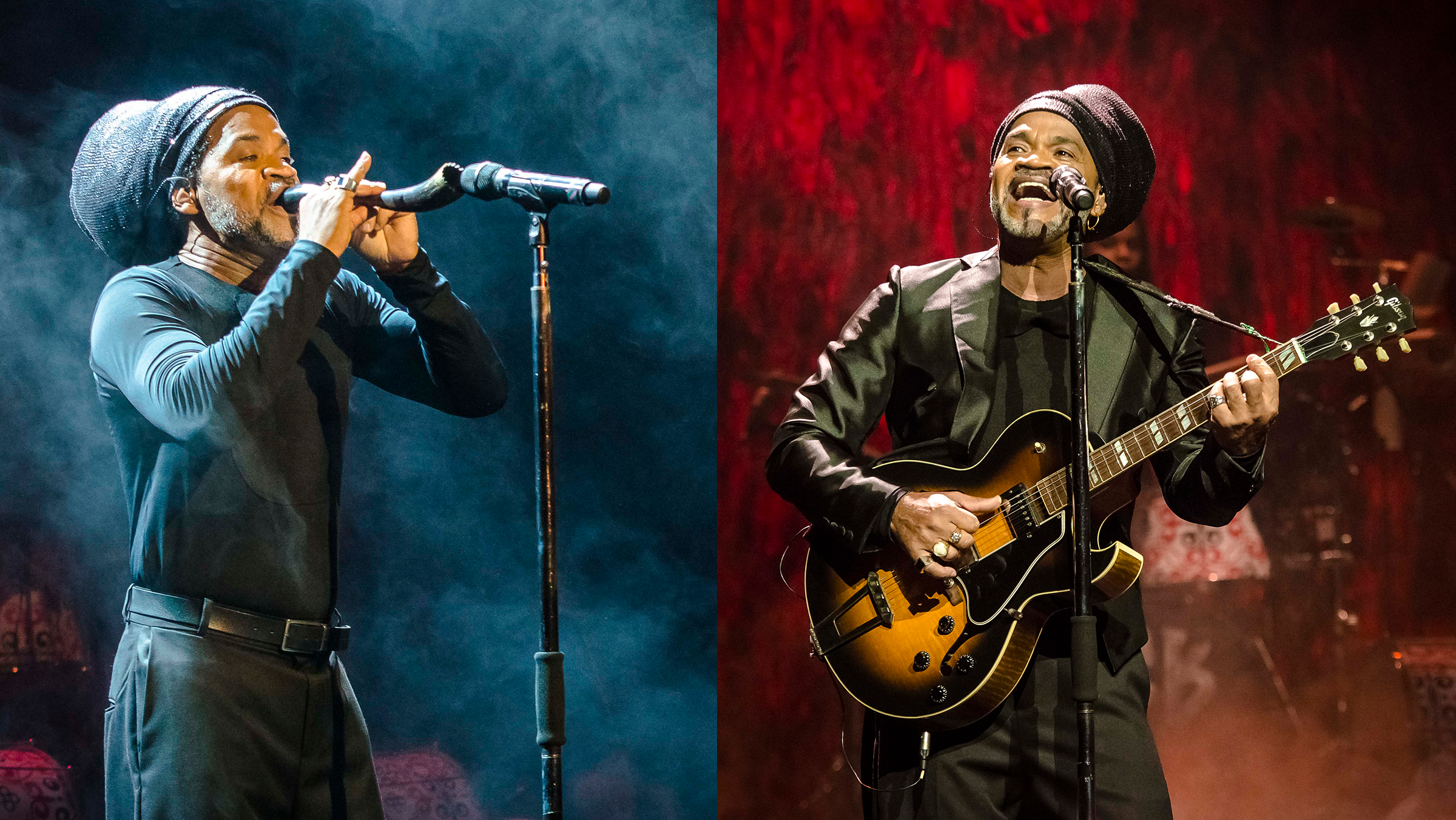
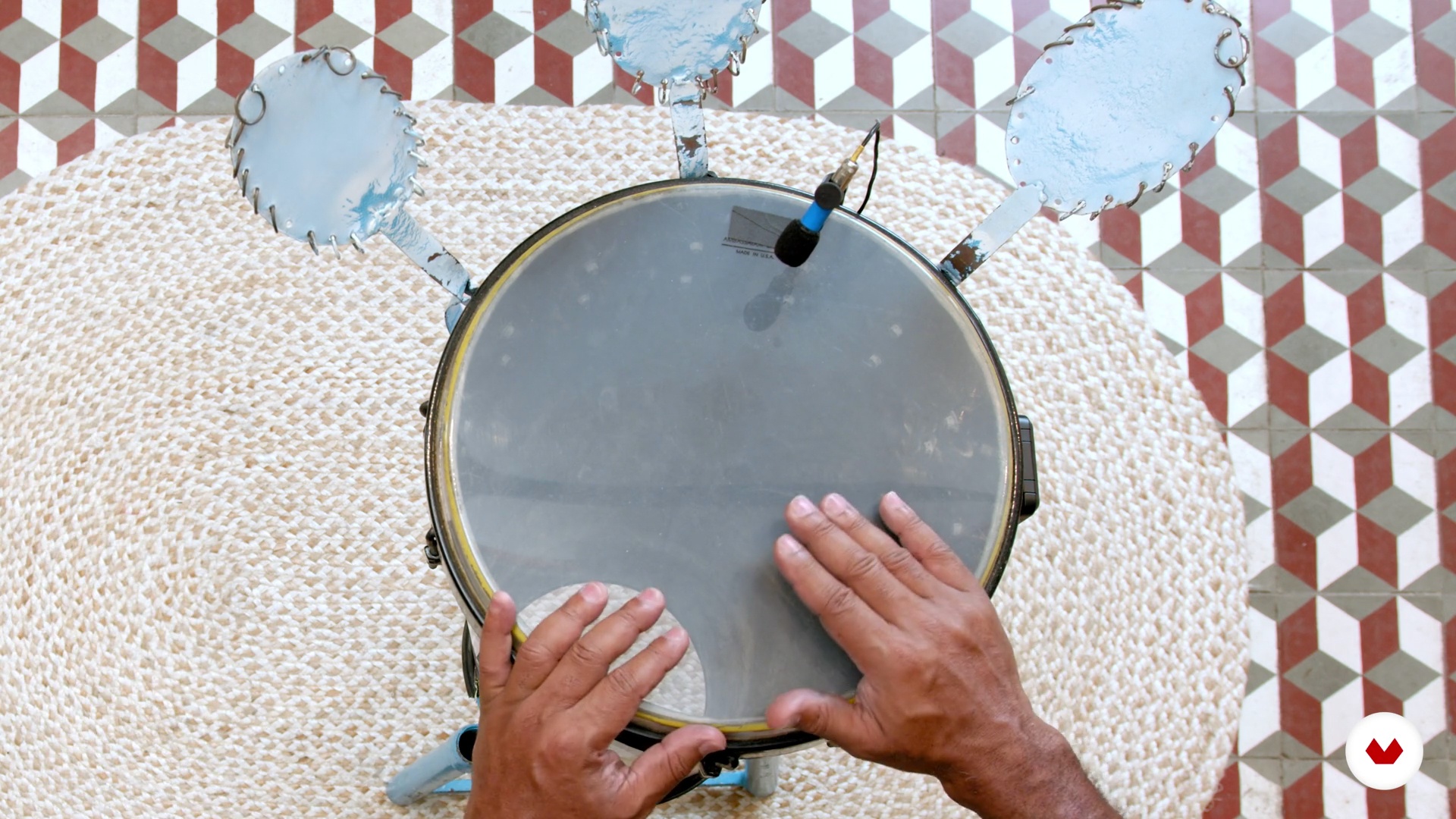
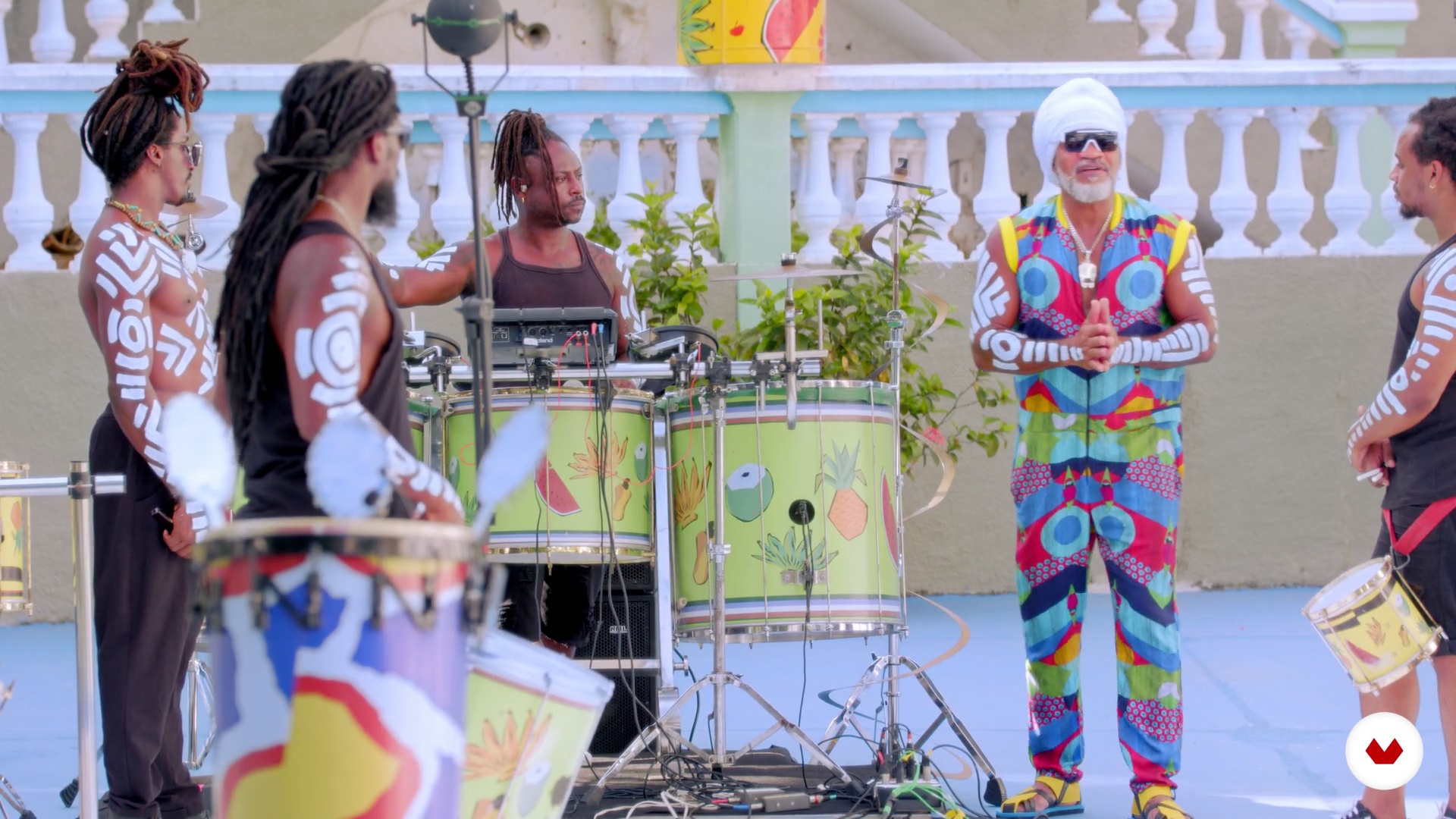
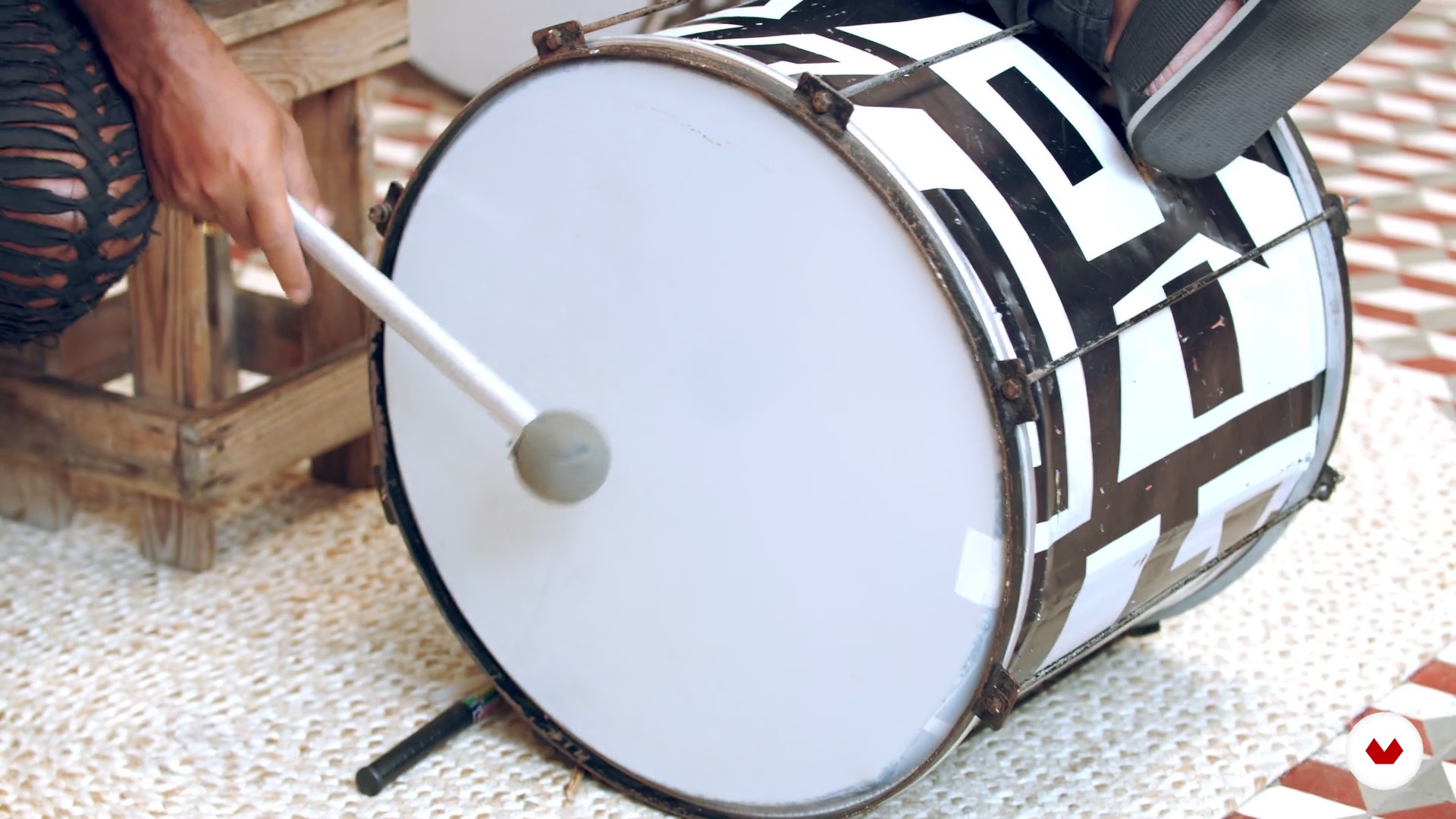
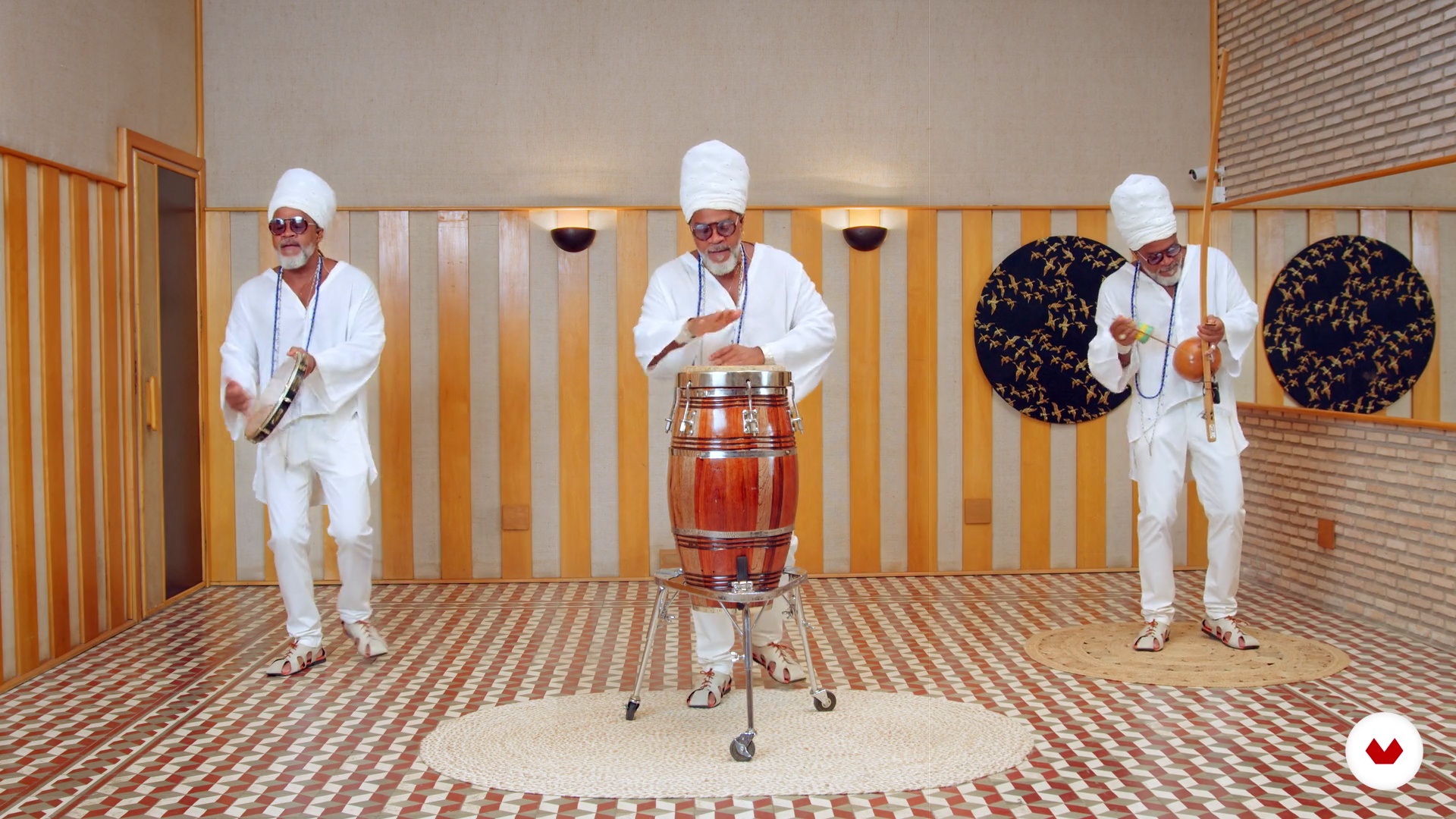
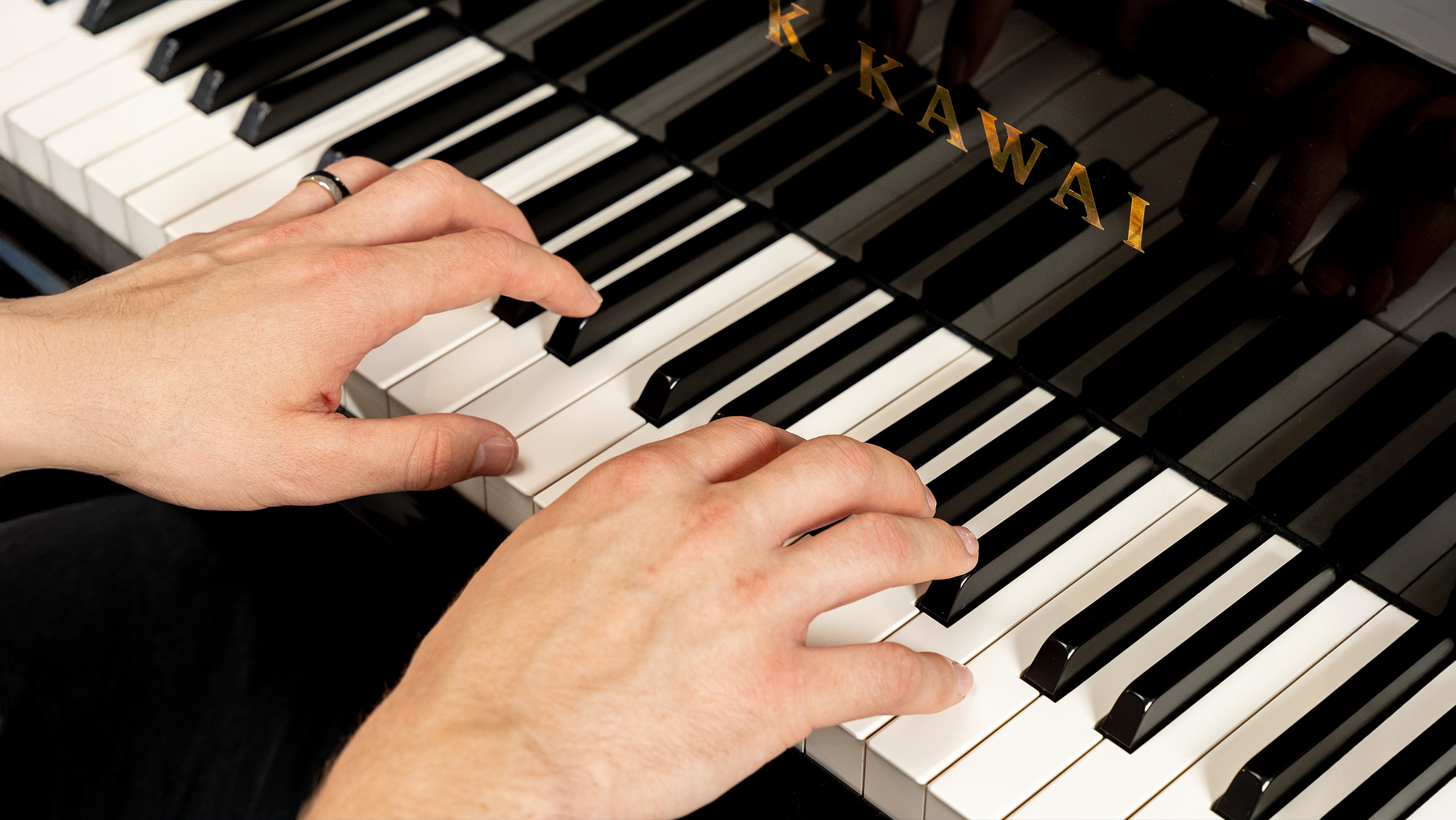
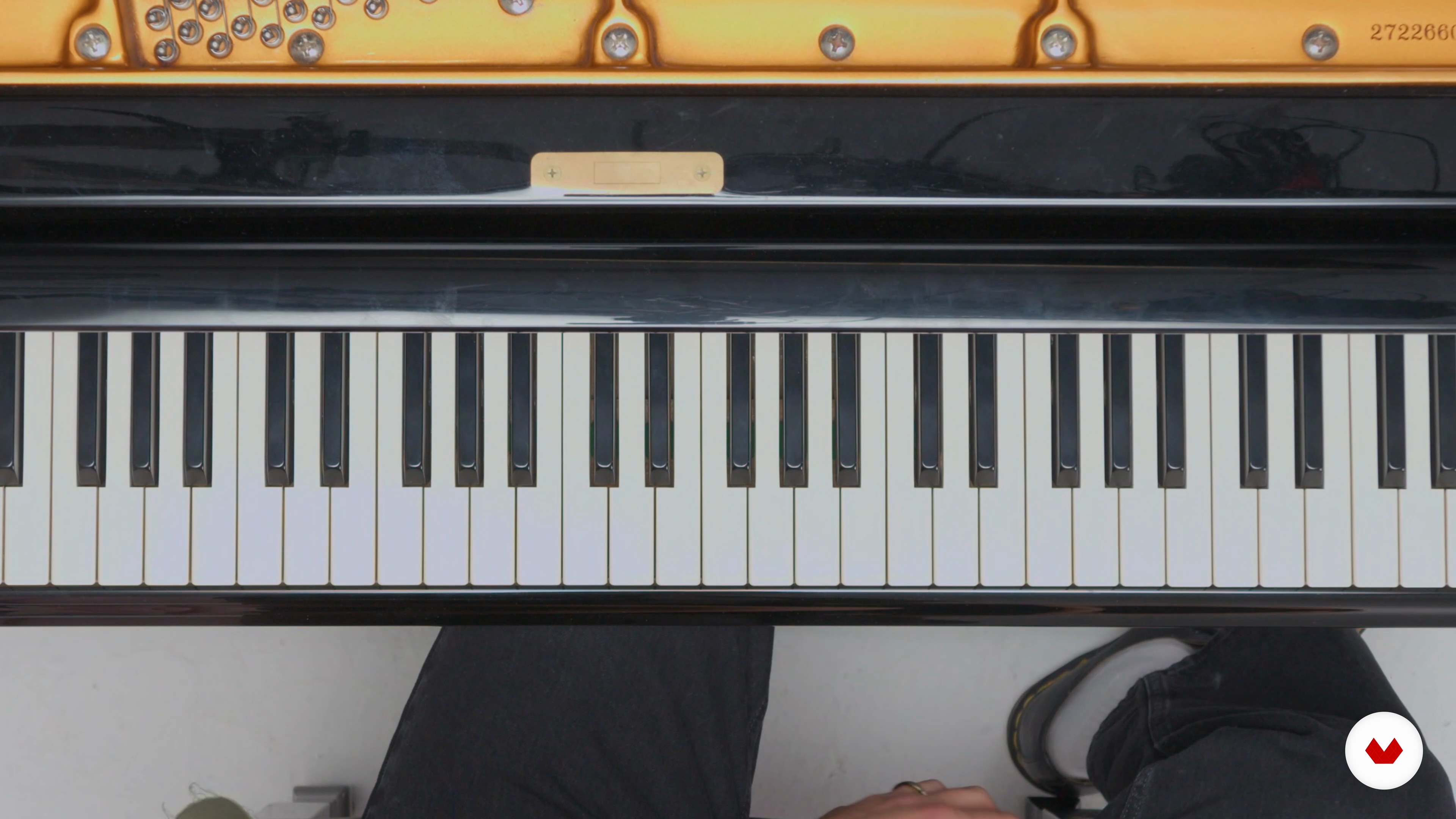
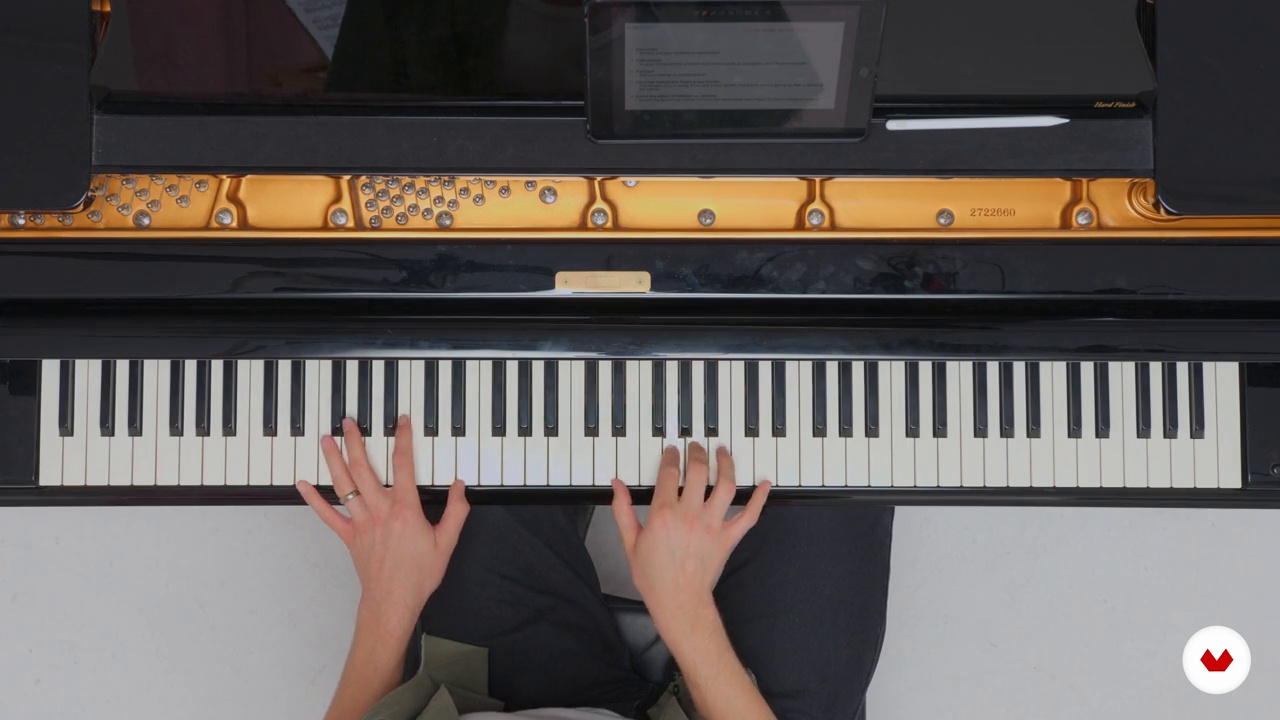
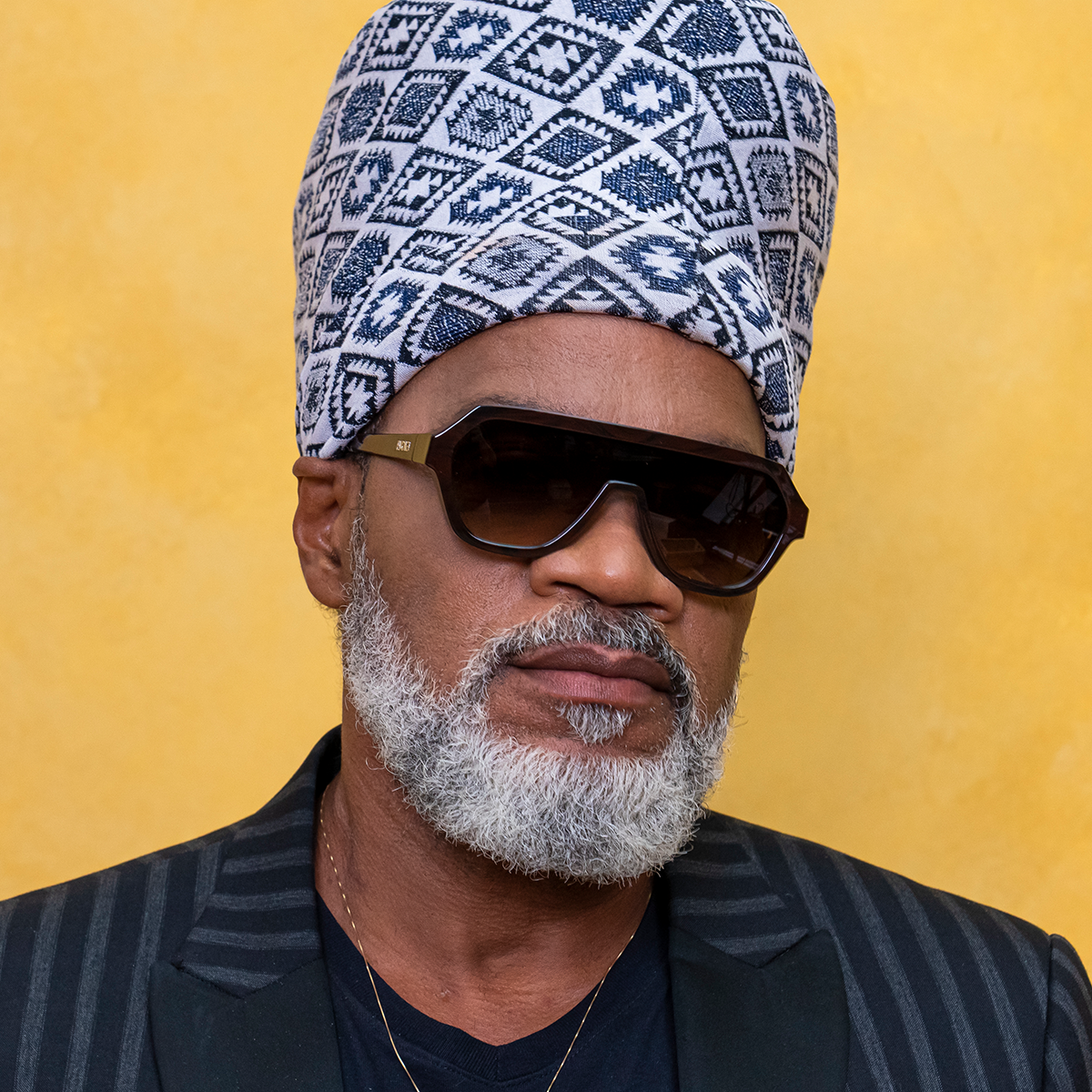
Dive into the world of music with a comprehensive journey across multiple instruments and styles. Begin with the foundational rhythms of percussion alongside the expertise of Carlinhos Brown, and let the beats guide your exploration of musical expressions. Transition seamlessly to the piano, where David Snyder introduces the essentials of harmonies and melodies. This exploration of keys becomes the gateway to understanding the intricate tapestry of musical theory and emotion.

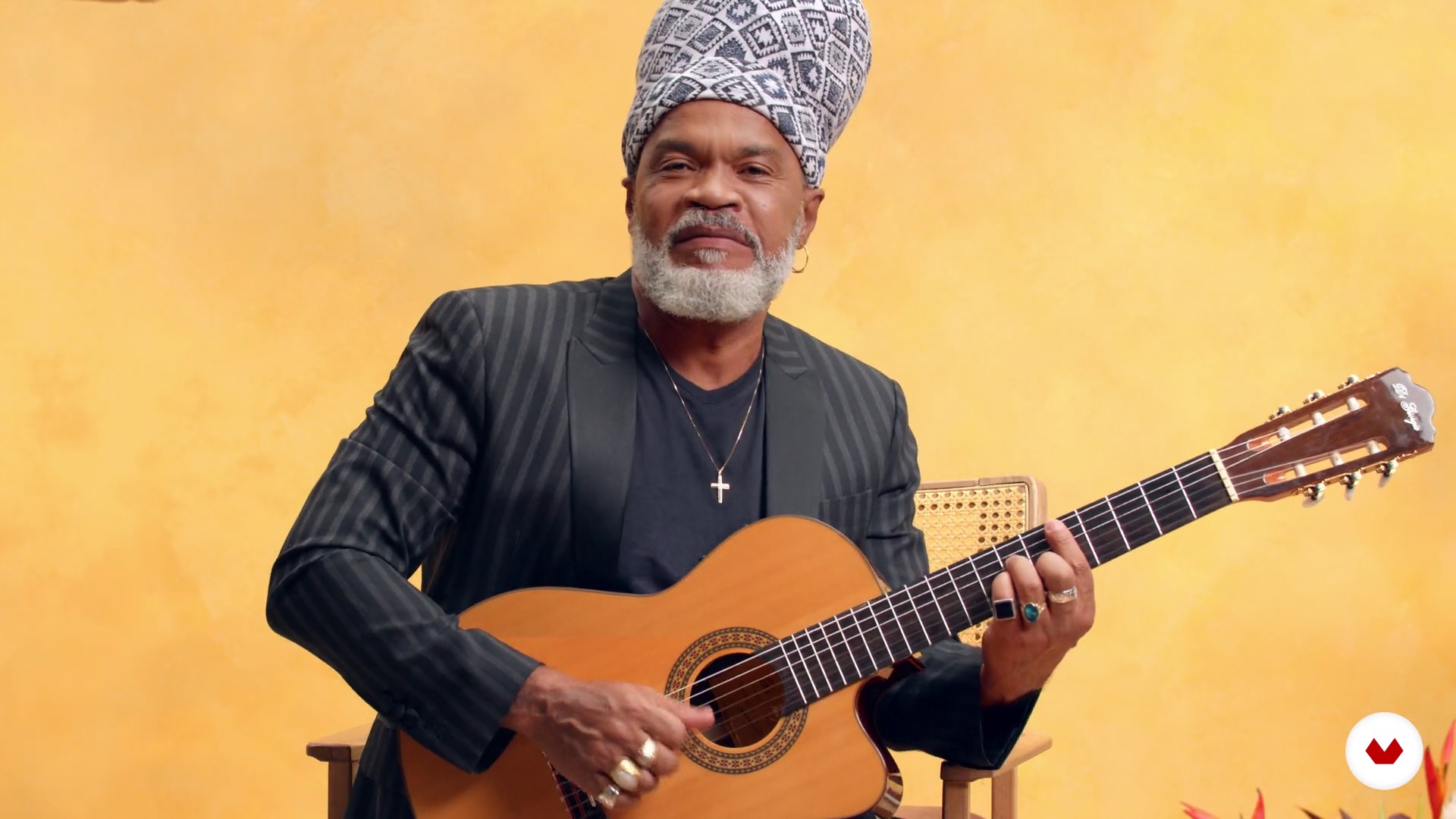
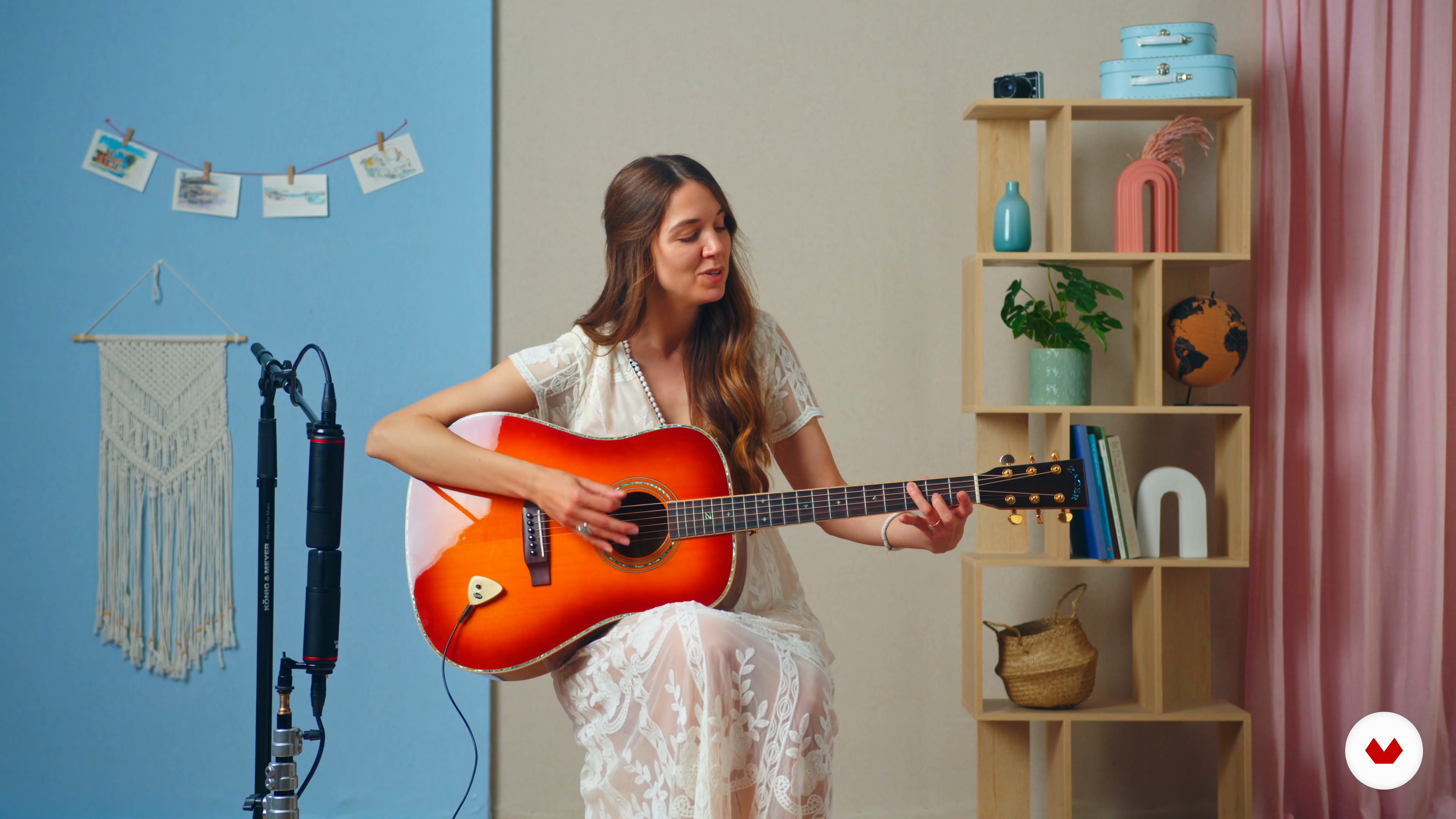
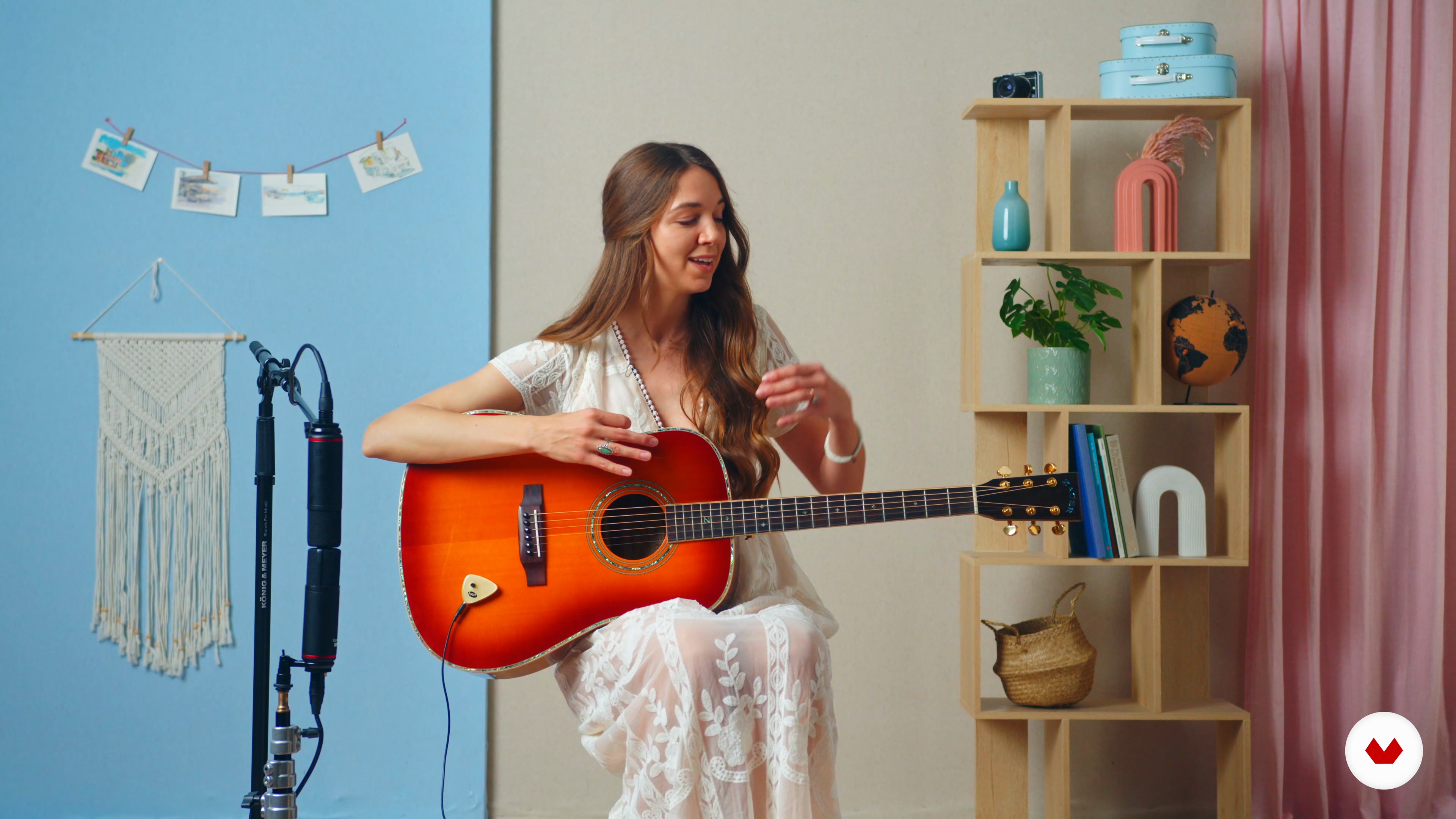
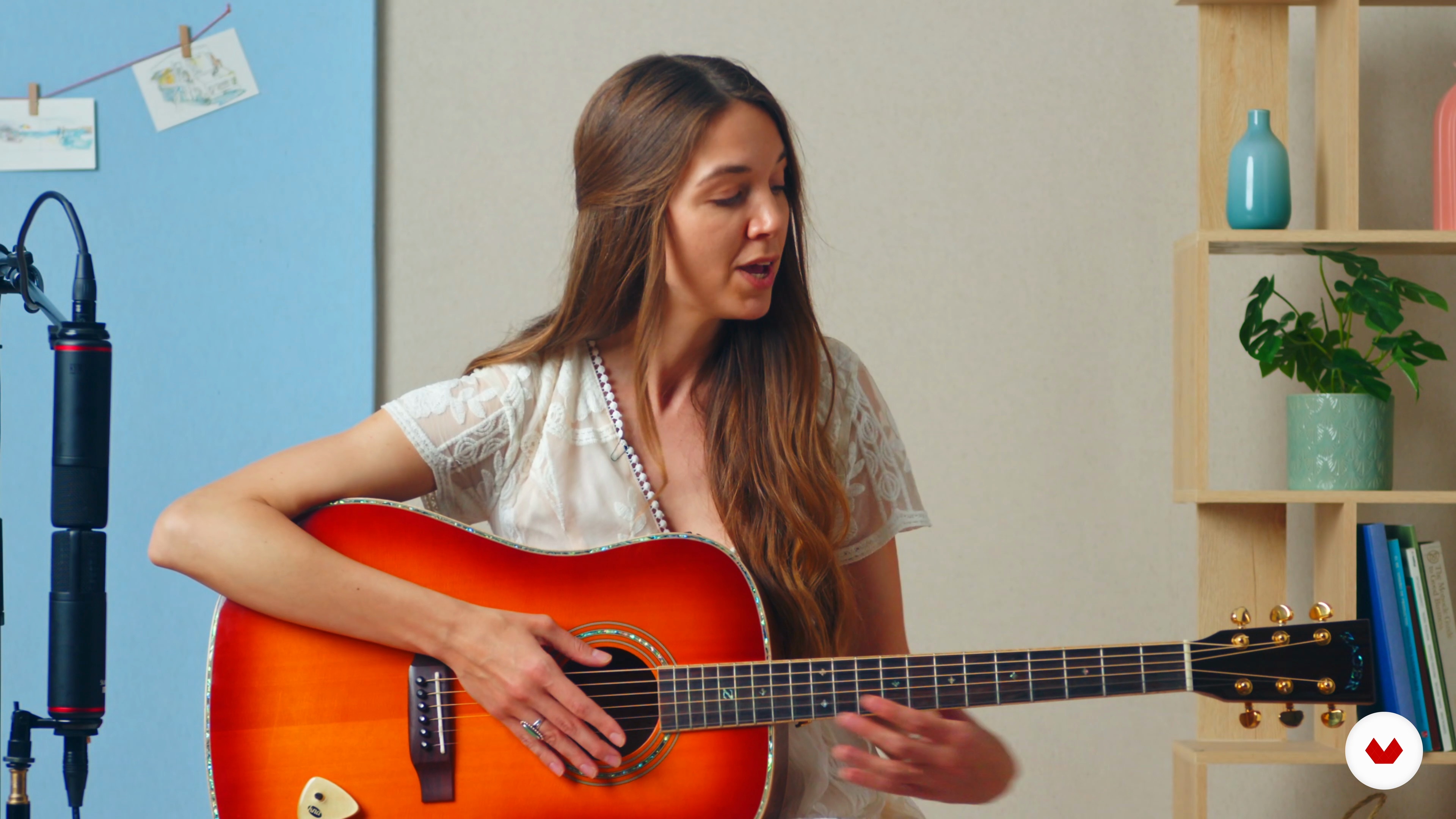
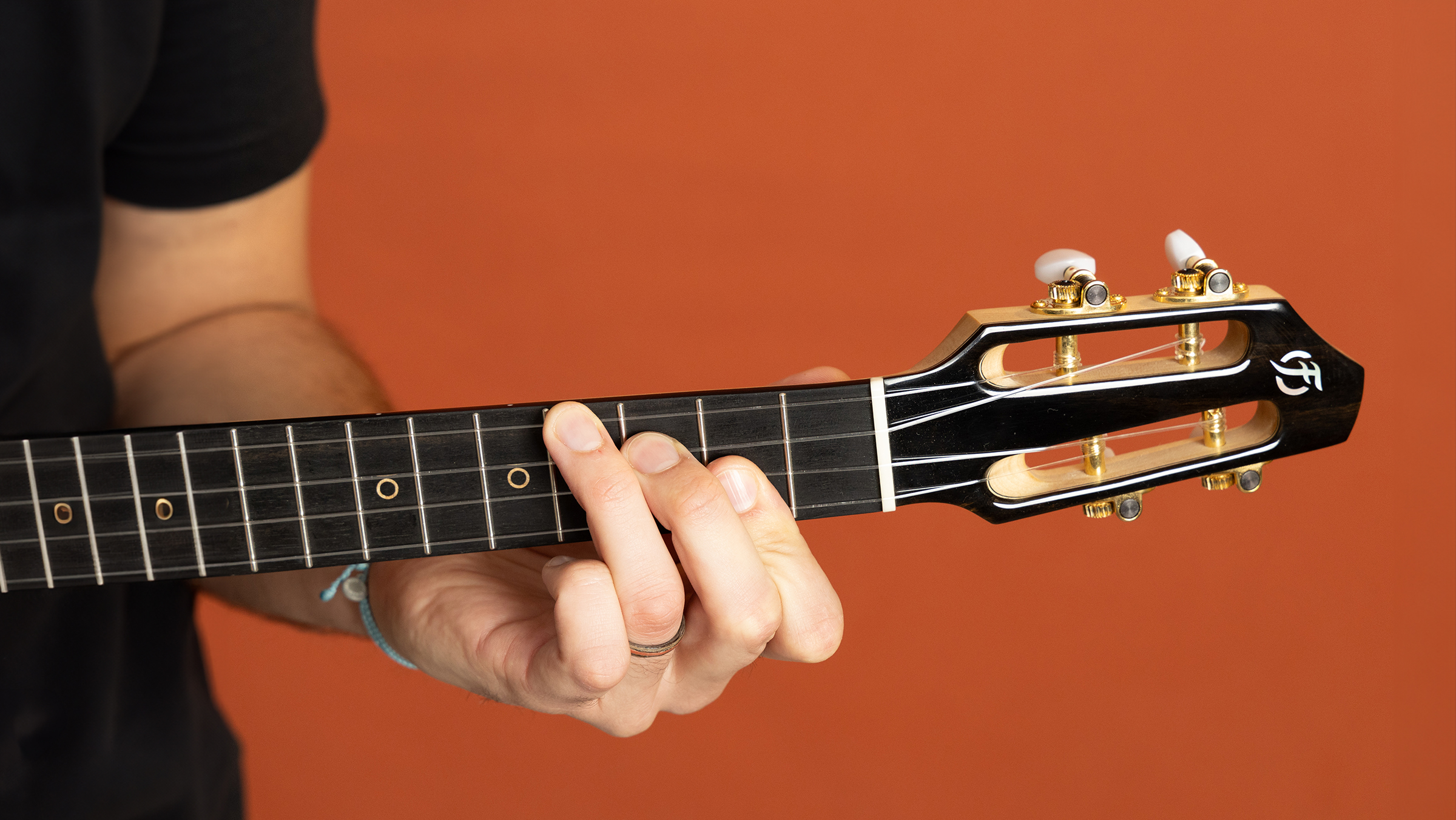
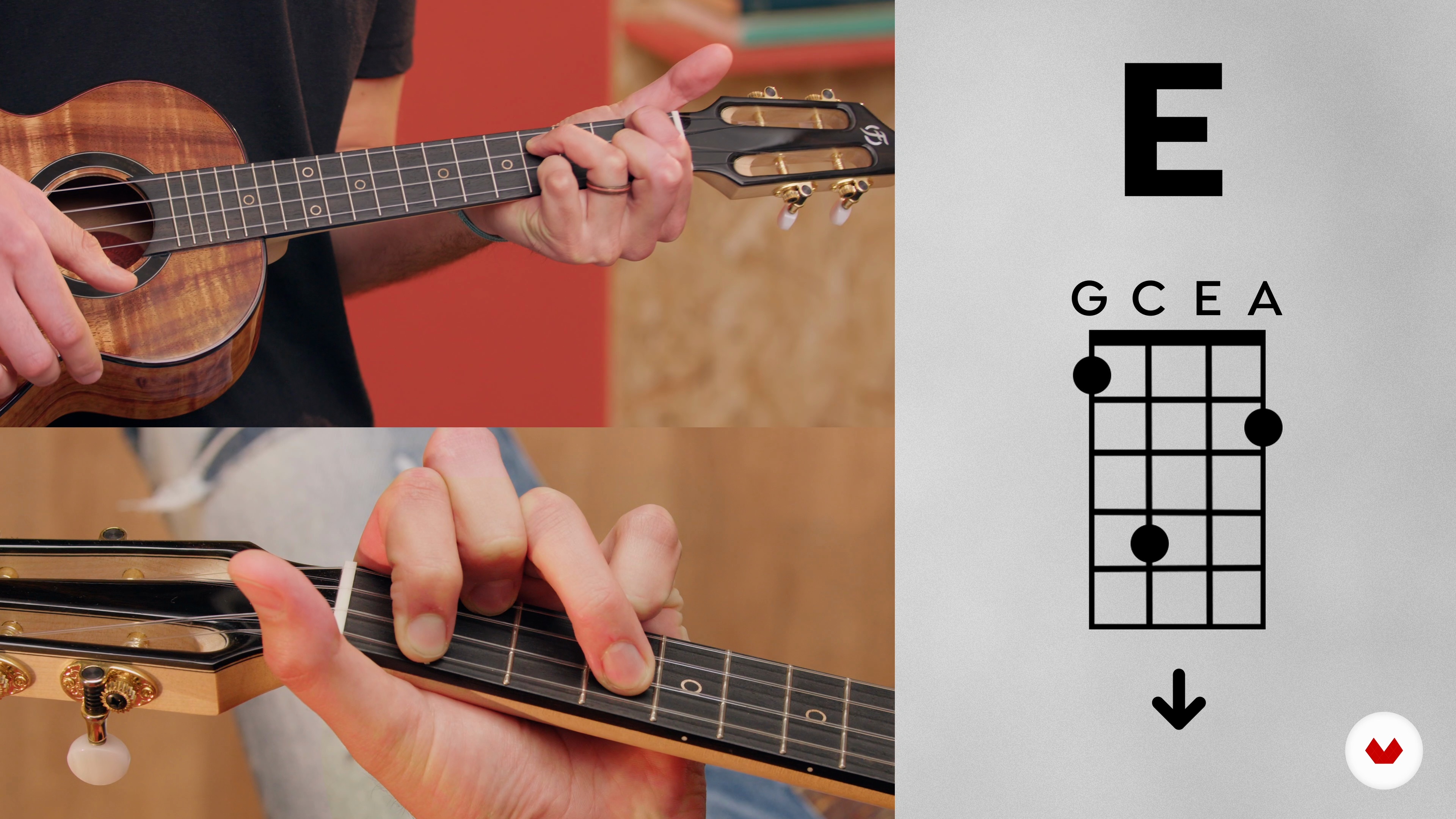
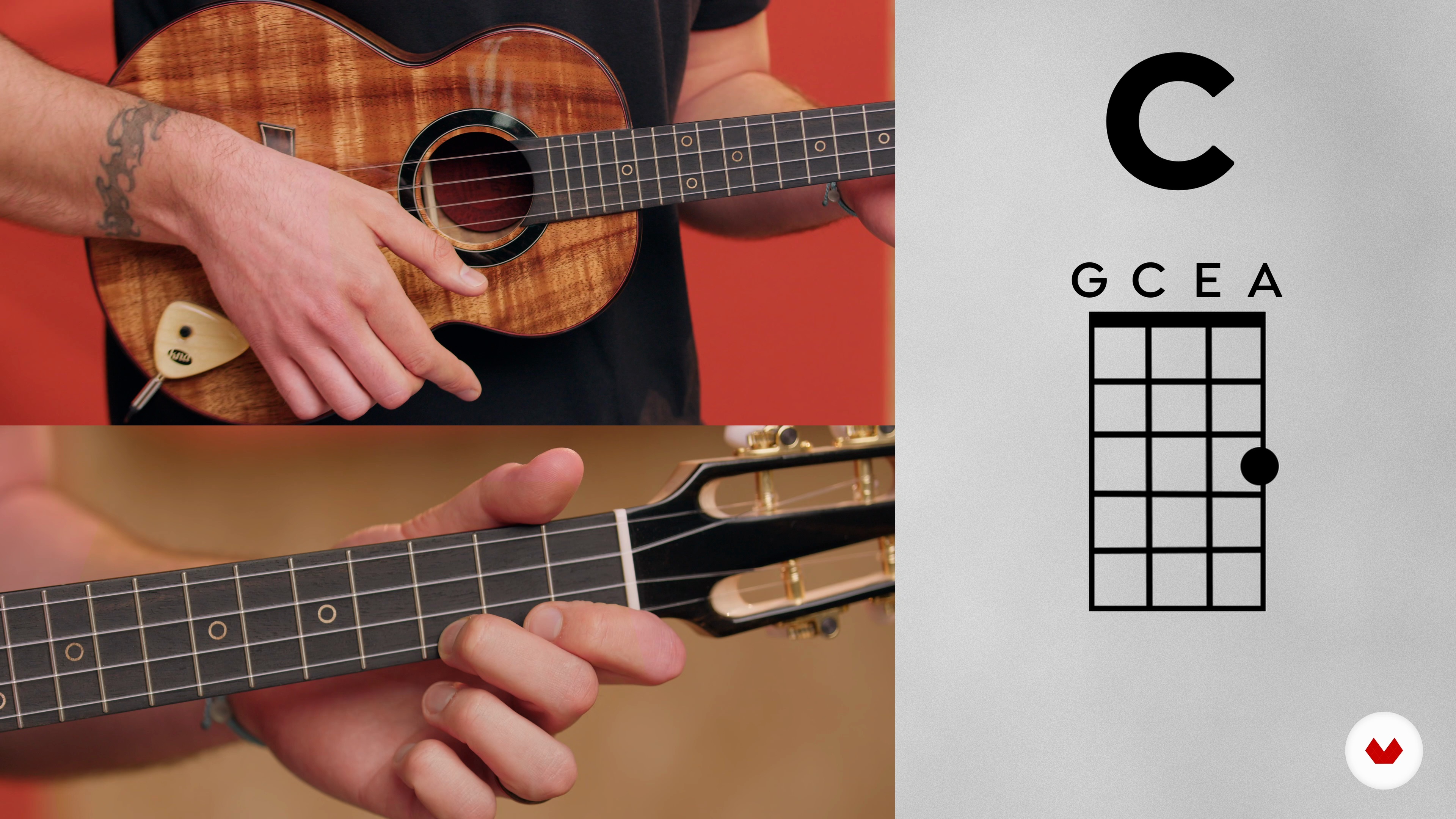
As you continue, Michelle Joyce and Cody Joyce take you through the vibrant chords of the guitar and the enchanting strums of the ukulele. These stringed instruments open new avenues for creativity, allowing you to express yourself through various techniques and styles. Finally, synthesize your knowledge with Samuel Lizarralde's guidance in musical composition, where creativity blossoms into original works. This holistic approach ensures you not only play music but also understand its essence, crafting pieces that resonate with your inner voice. Embark on this enriching journey and discover the musician within.

Read more ↓

What will you learn in this specialization?
A total of 6 modules and 98 lessons
A total of 18h 33m of vídeo lessons
Taught by 5 selected expert teachers
image
3
The Power of Communication Through Percussion
In this class, you will see that when the word is missing, percussion is communication. Studying percussion is studying the history of the world!
4m
image
4
Ancestrality and Orality
Now I invite you to take a short trip through the different ancestral rhythms that have marked and influenced my music.
14m
image
5
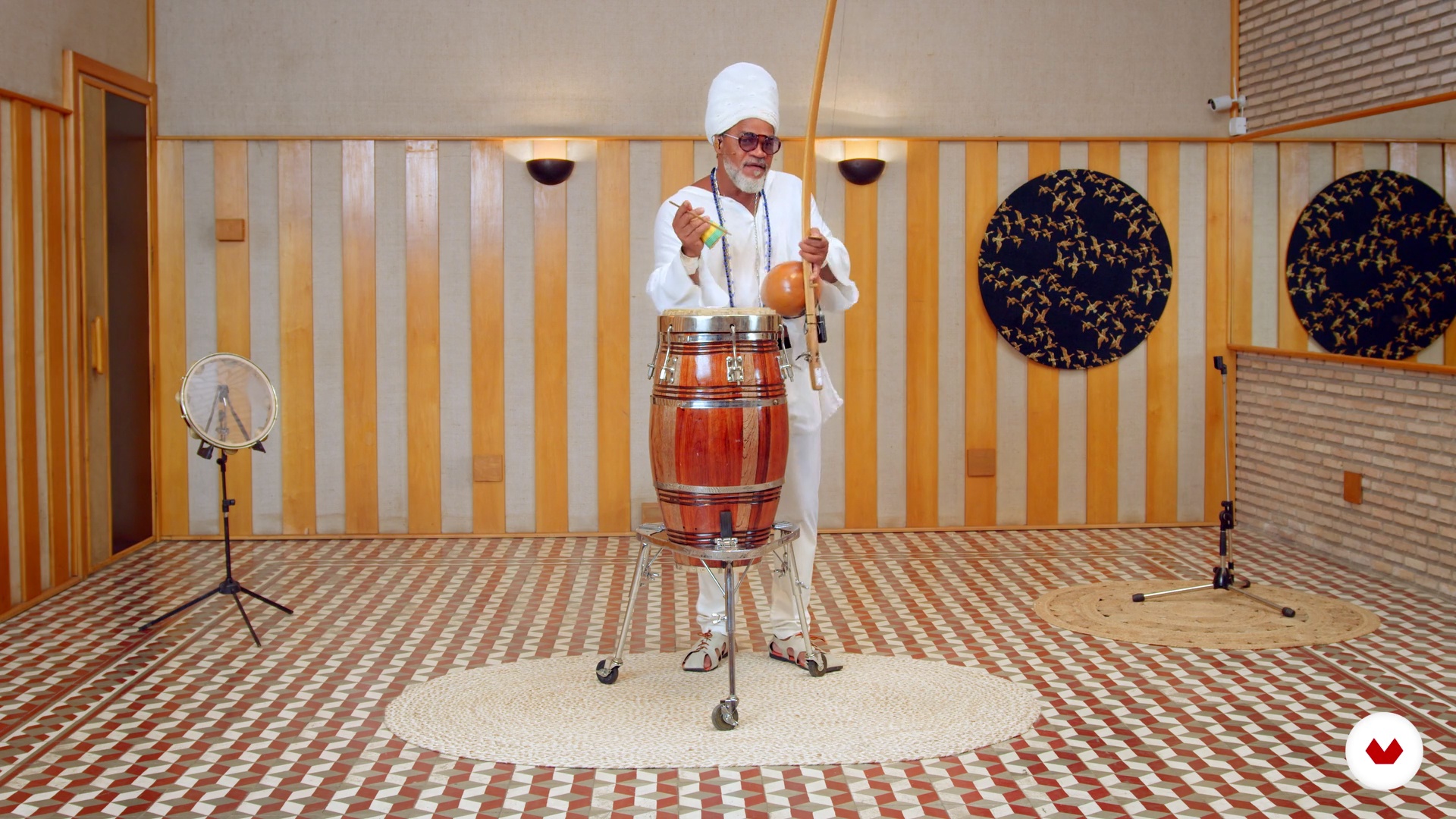
The Berimbau
In this class, you will discover the enchanting sound of the world's first guitar: the berimbau.
5m
image
6
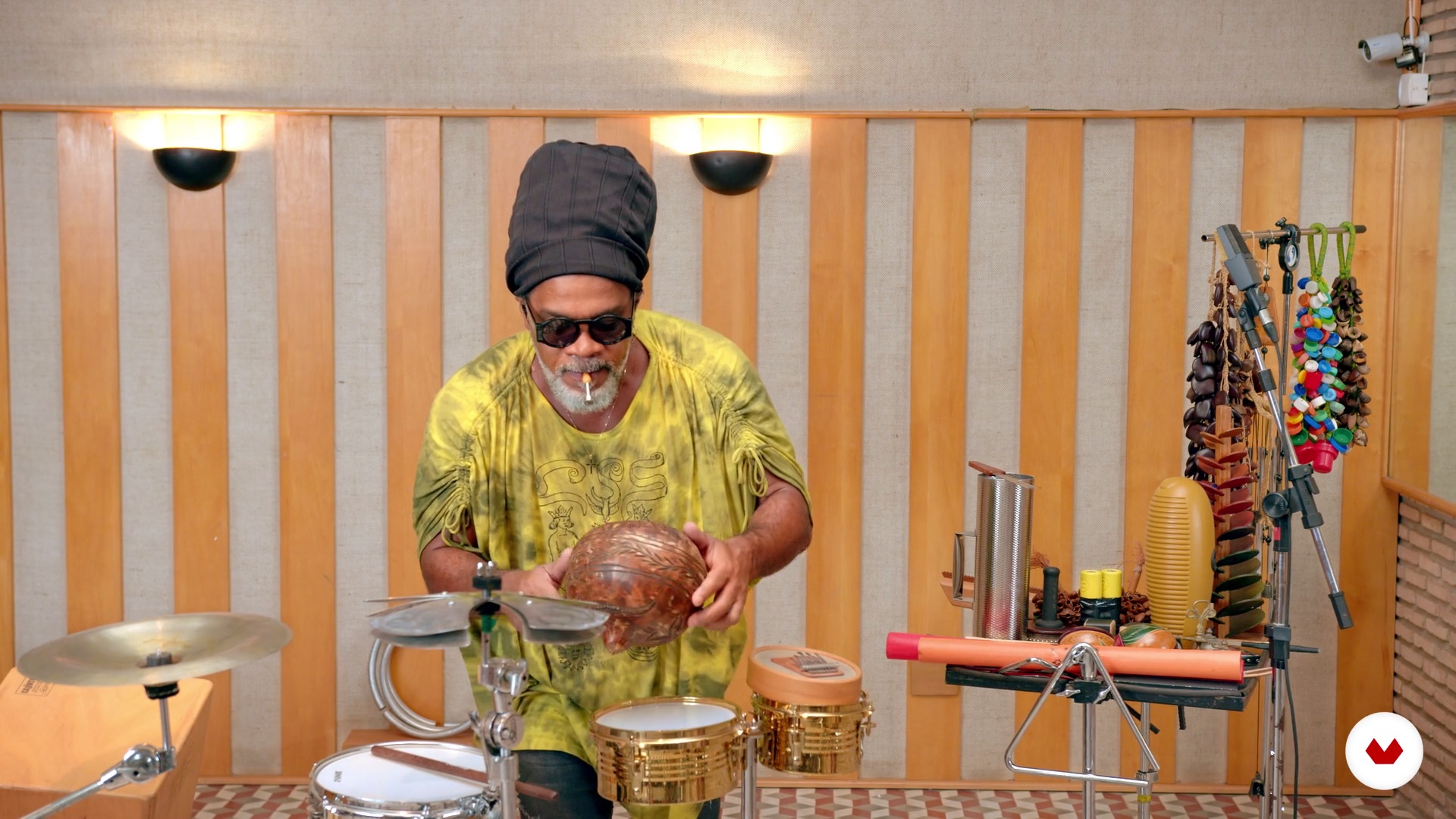
Variety of Percussion Instruments
Here I will present some varieties of percussion instruments that reverberate from other forms of percussion.
11m
image
7
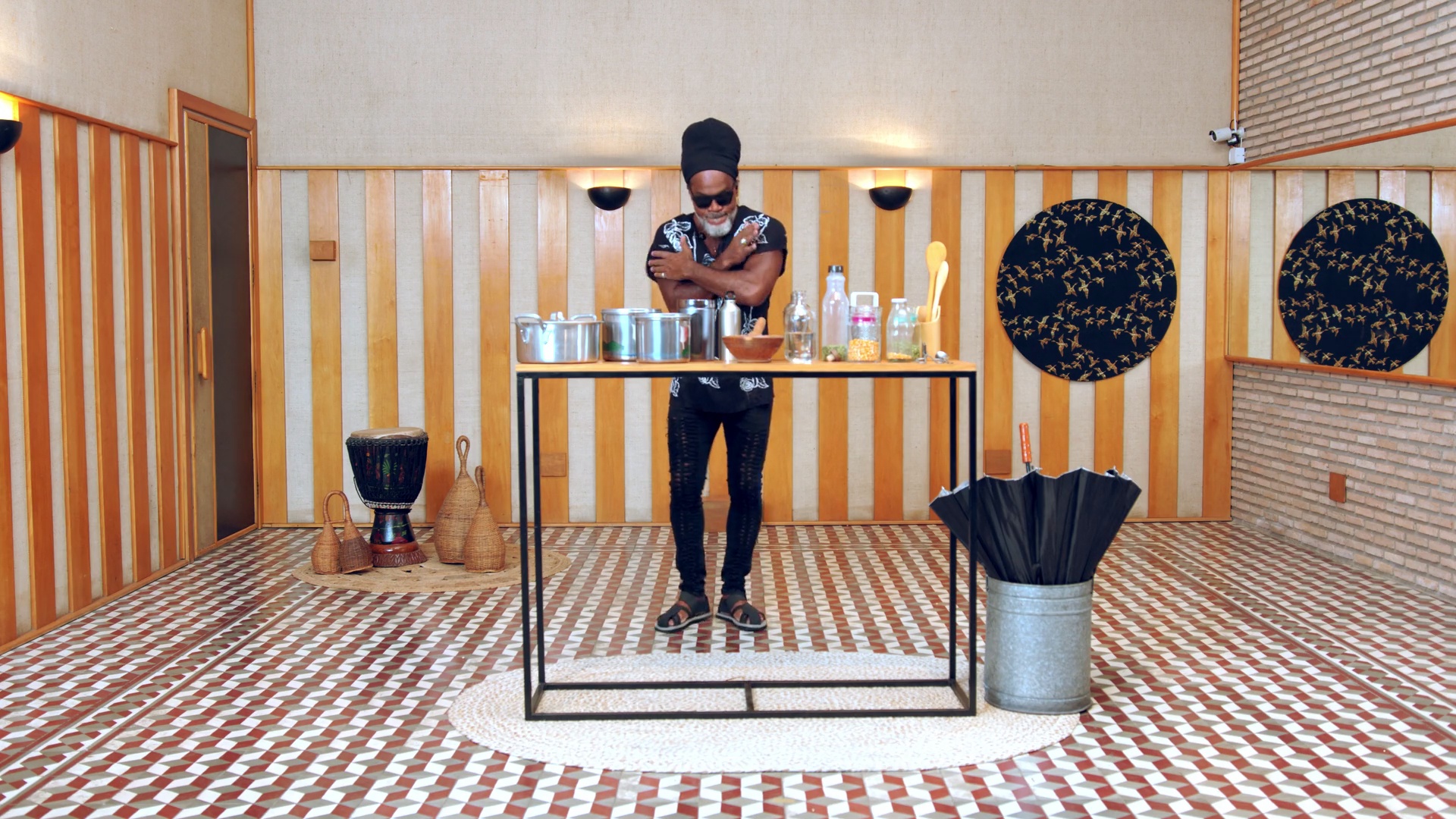
The Essence of Improvisation
In this class, you will learn to listen to the musicality of things. You will see that it is possible to create rhythms from everyday objects and your own body. Let's music your percussion!
5m
image
8
Basic Hand Techniques
Here I will teach basic hand techniques that can be applied to different types of percussive beating instruments.
14m
image
9
Timbalada Rhythms and Instruments
En esta clase, presentaré los instrumentos que componen Timbalada y te mostraré cómo tocarlos y manejarlos. Junto con la banda, también podrás escuchar algunos de sus ritmos principales.
16m
image
10
The Power of Adapting Instruments
Now I will talk about the possibilities of creating, adapting or modifying the instruments to produce the most varied sounds. Creativity is everything!
14m
image
11
Composition vs. Arrangement
Here you can adapt your rhythmic cells giving a different arrangement for each of your compositions.
6m
image
12
Recording and Editing: How to Recording Your Rhythmic Cell
To conclude our course, I will give you some tips on how to record and edit your rhythm cell.
16m
image
3
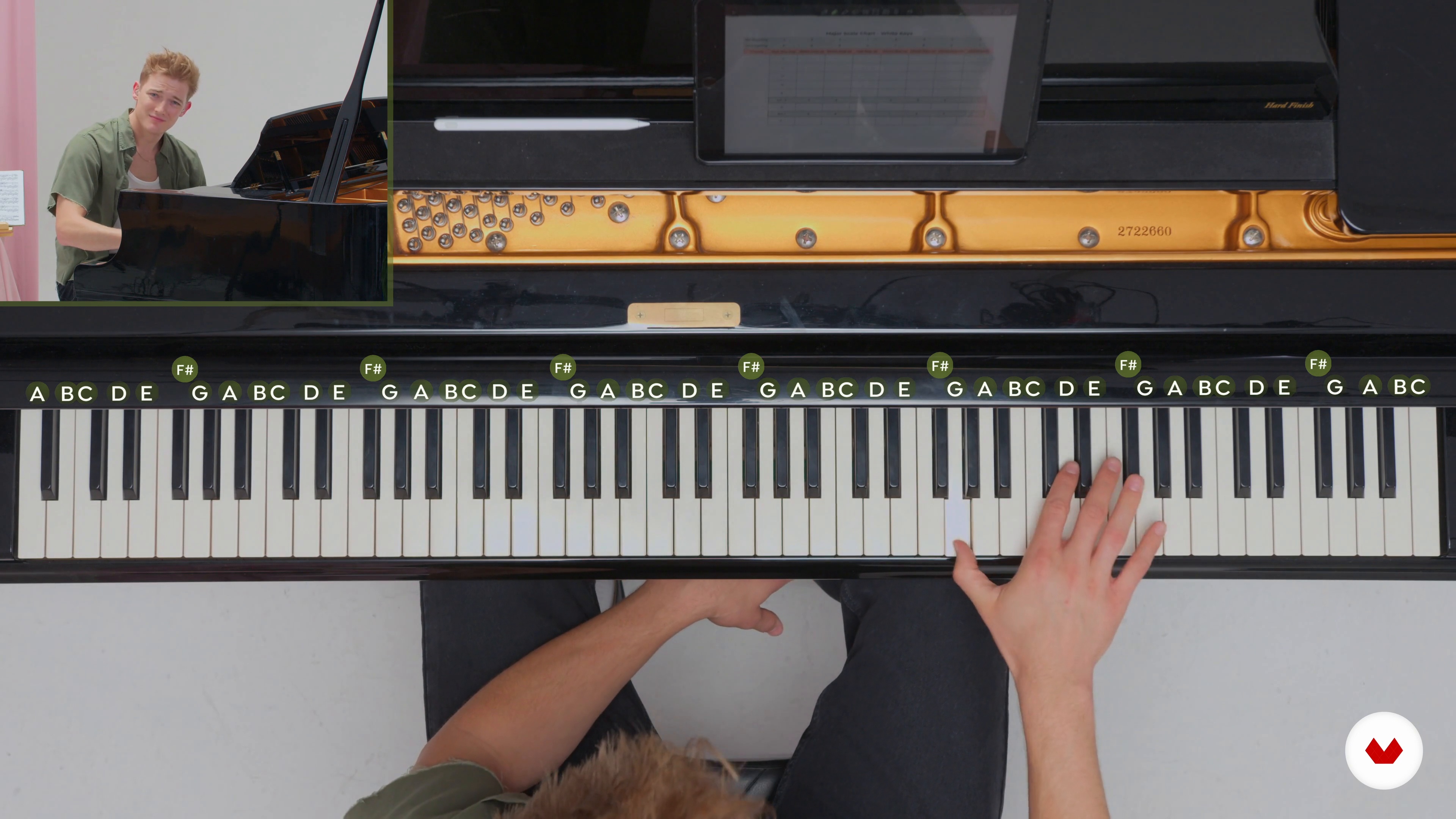
The Basics of the Piano
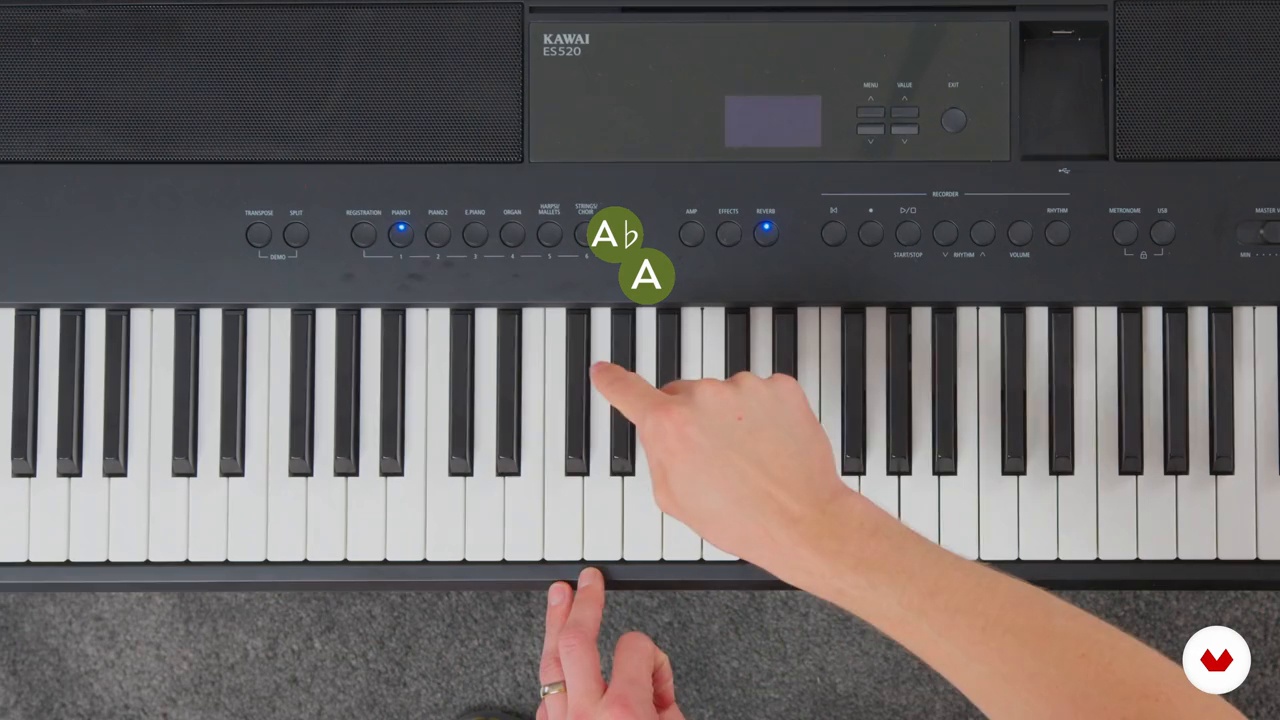
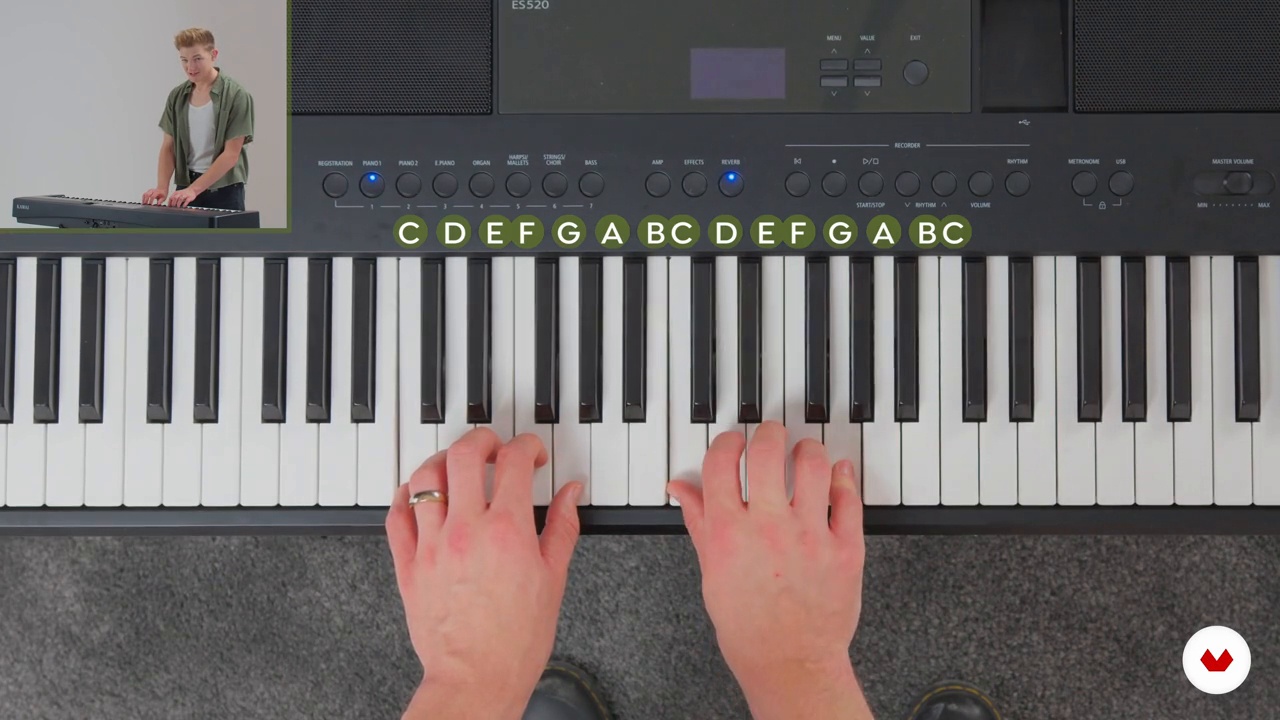
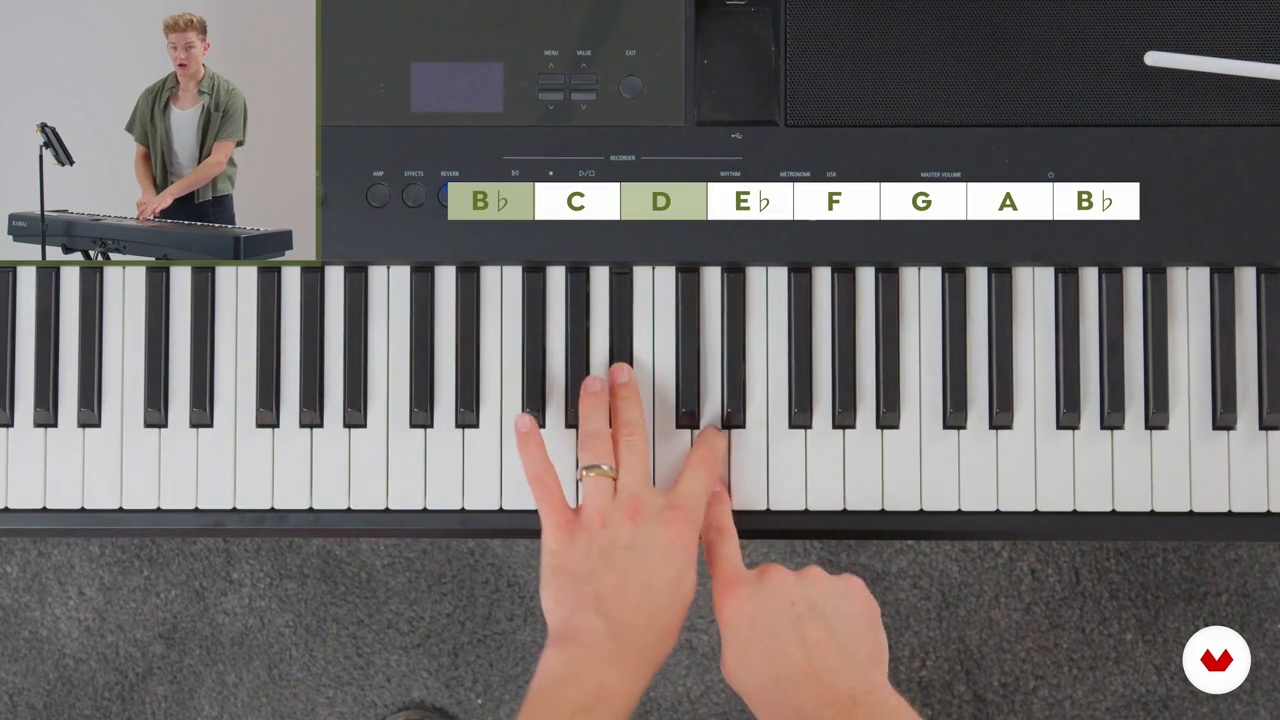
First of, I'll cover some initial piano terminology and introduce your practice schedule.
18m
image
4
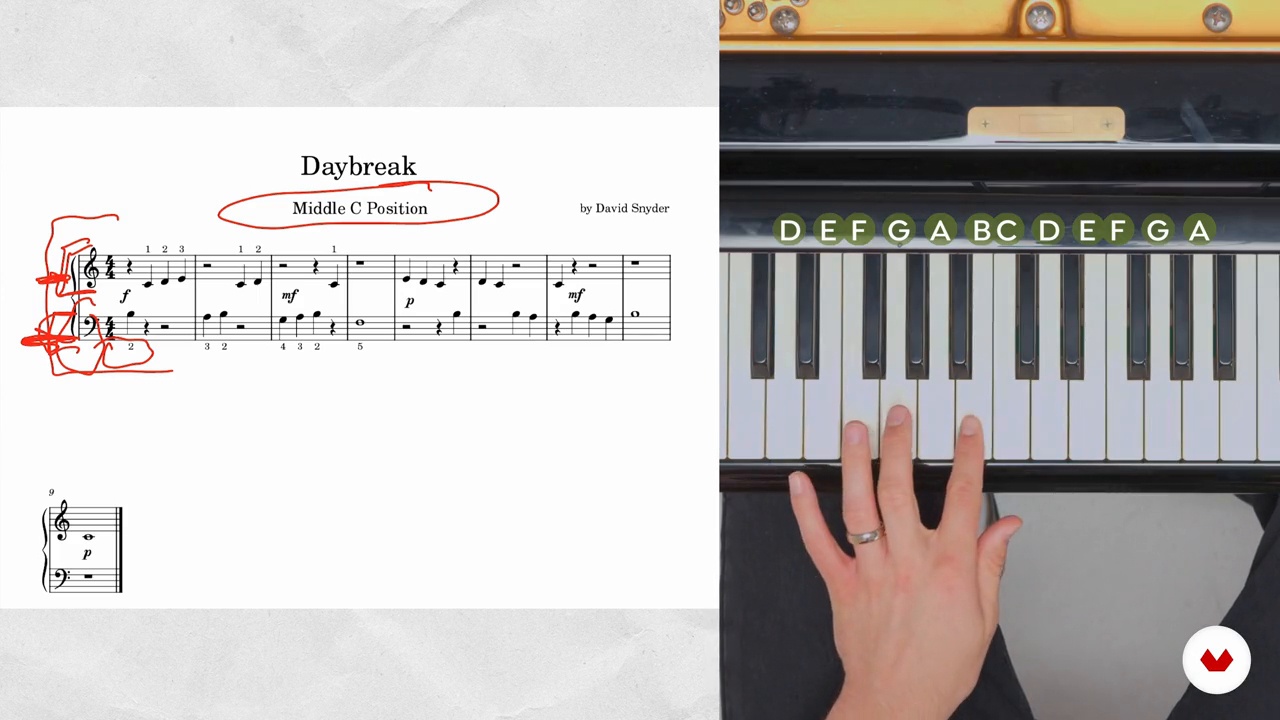
Finger Positioning and Posture
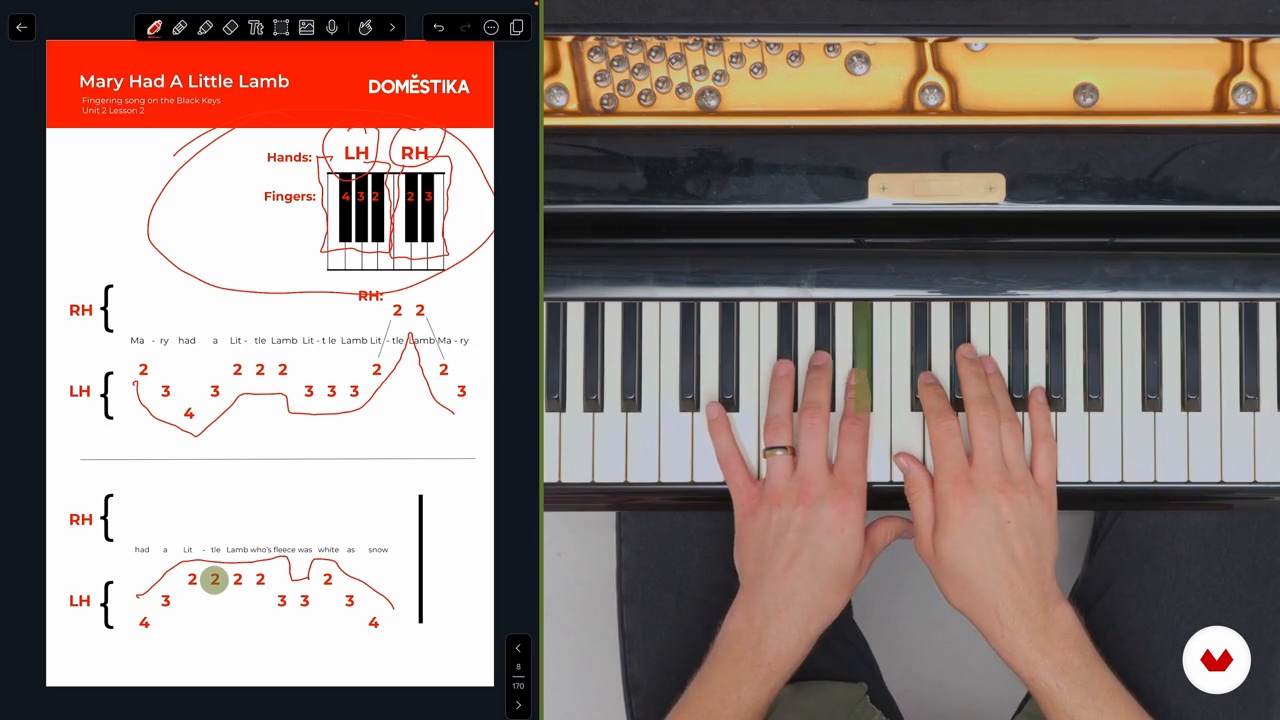
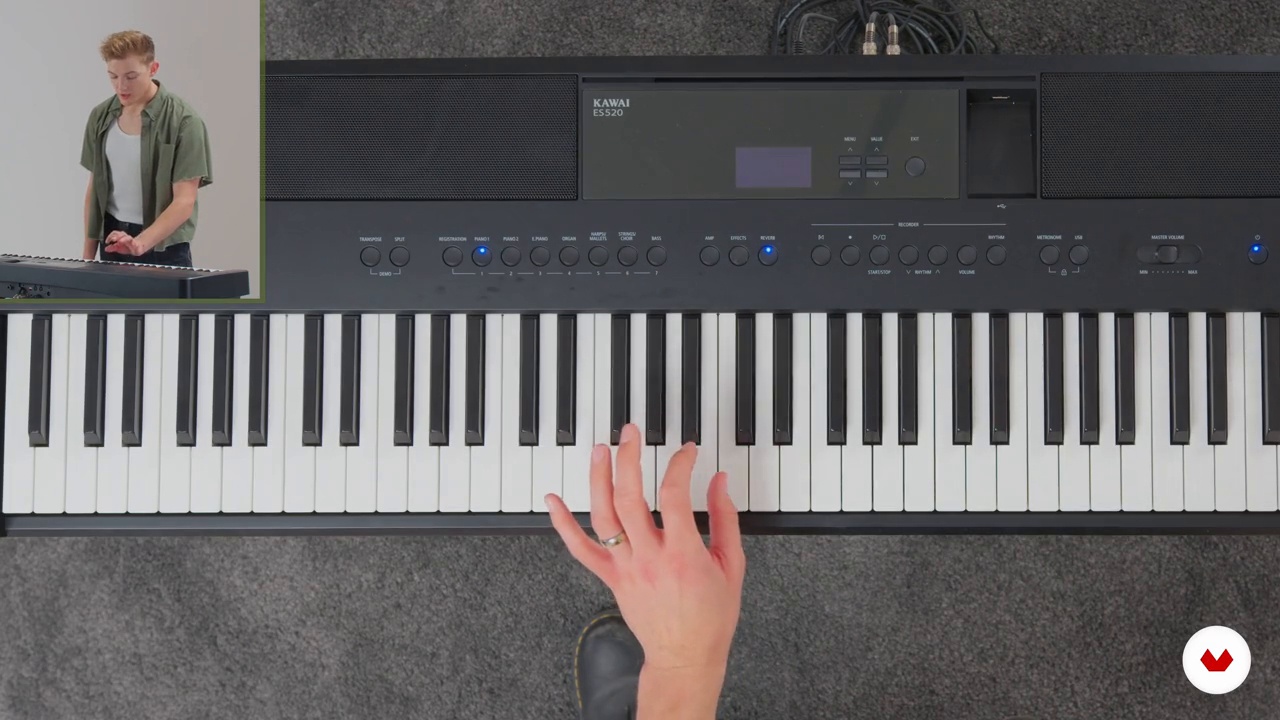
Now that you understand the piano, we need to discuss how to interact with the piano correctly! This lesson will tell you all you need to know about posture, finger placement, and finger numbers. You’ll also learn your first song!
12m
image
5
Learning the Notes 1
Let me show you how to interact with the piano, let’s identify the key names, hand positions, half steps, and whole steps. You’ll even learn your first song with note names!
10m
image
6
Learning the Notes 2
You'll learn two basic hand positions—middle C and C position—to get comfortable with note names. Using "Twinkle Twinkle" and "Ode to Joy," you'll practice finger placement and reading simple music. Plus, you'll explore half steps, whole steps, and a fun chromatic exercise to build strength and technique!
14m
image
7
Playing the First Scale and Chord 1
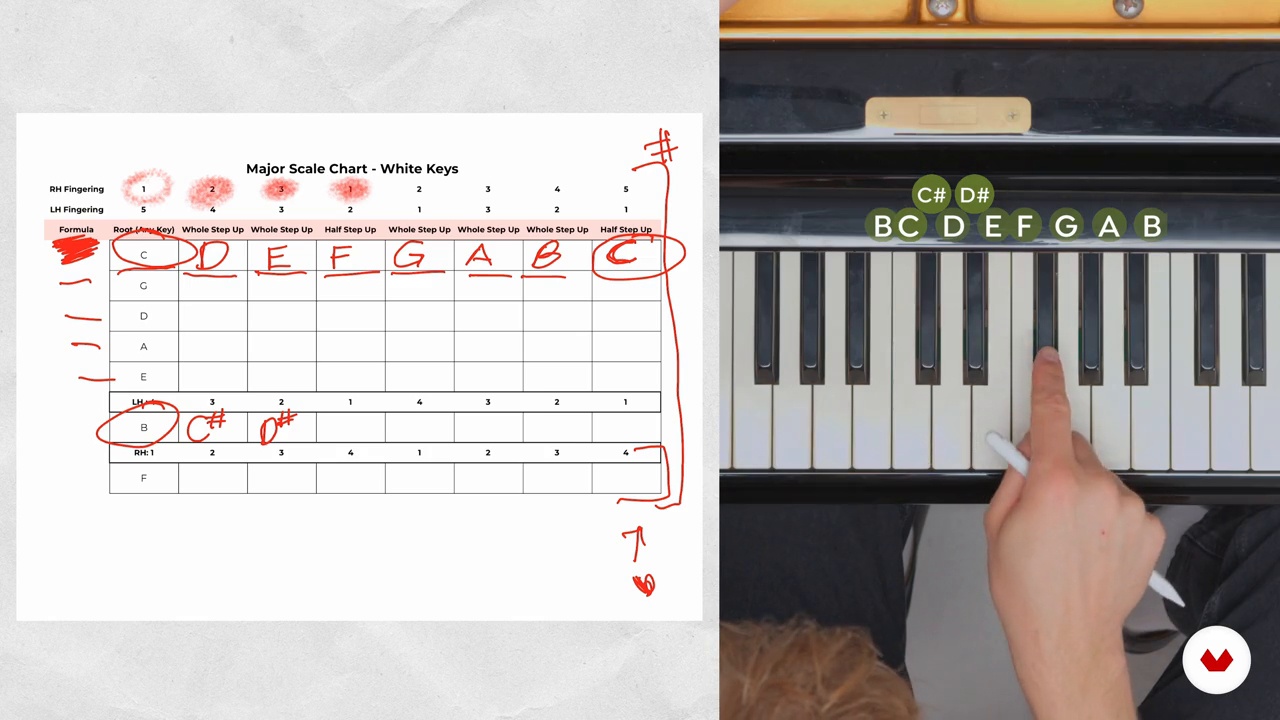
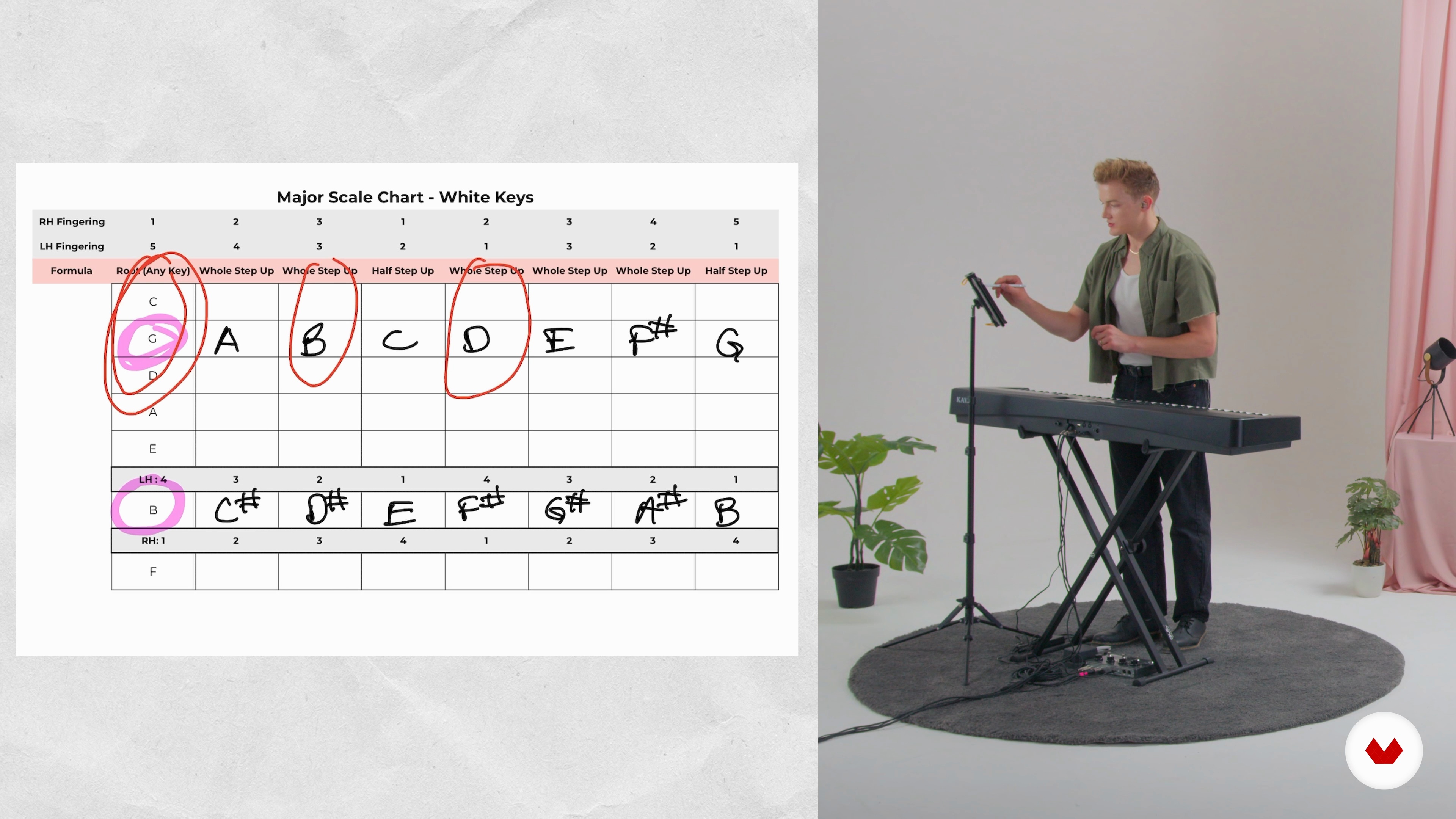
This lesson gives you your first dive into music theory! I will teach you to understand what a scale is and how to play any given major scale.
20m
image
8
Playing the First Scale and Chord 2
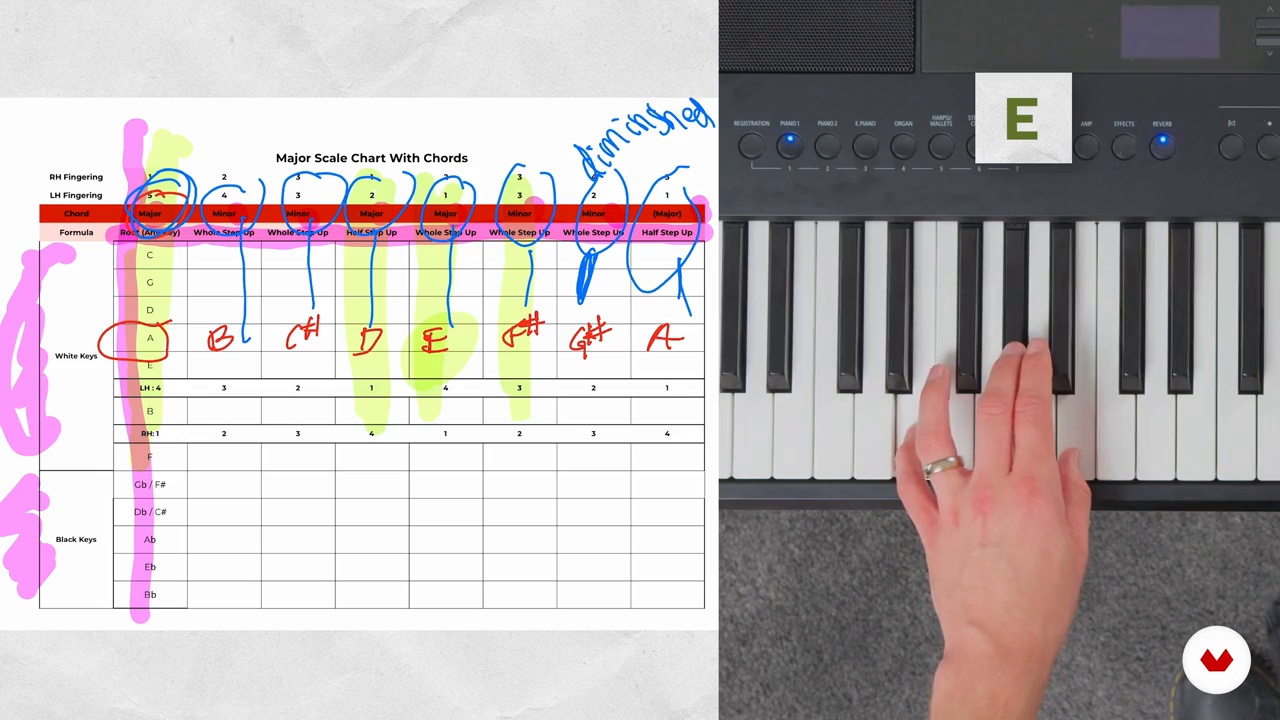
Learn how to build major chords using the 1st, 3rd, and 5th notes of a major scale. Chords create harmony, which supports the melody and brings music to life. You'll practice playing scales followed by their matching chords and explore songs in different keys. Keep practicing—this is a game-changer!
3m
image
9
Warm-Up Exercises
The past lessons have taught you SO much about the piano, let’s solidify all that we’ve learned by learning some exercises you can practice regularly.
16m
image
10
Learning Rhythm and Notes 1
This is the first lesson on reading music! In this video, I will cover note values, and learn to understand and play rhythms.
14m
image
11
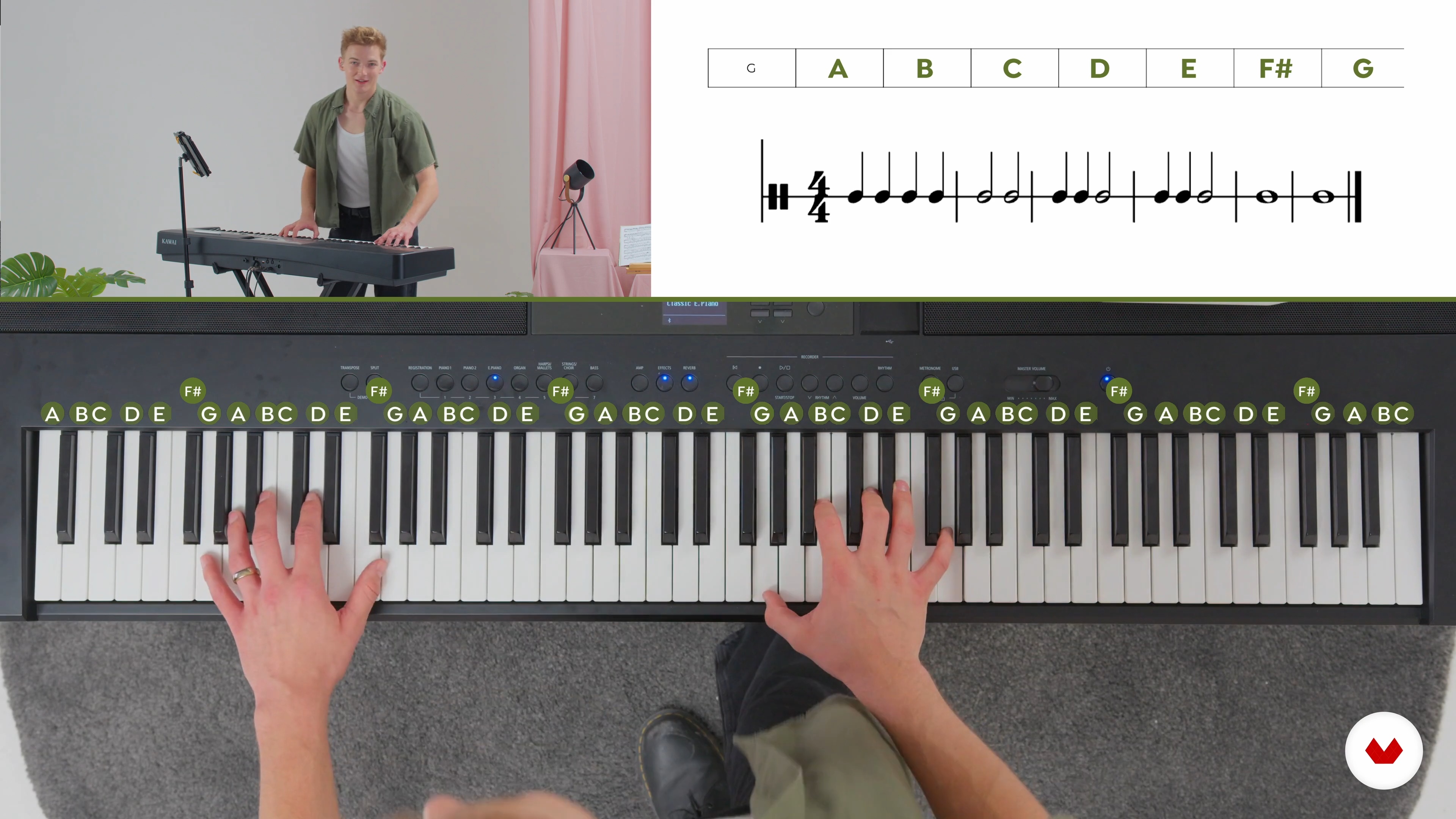
Learning Rhythm and Notes 2
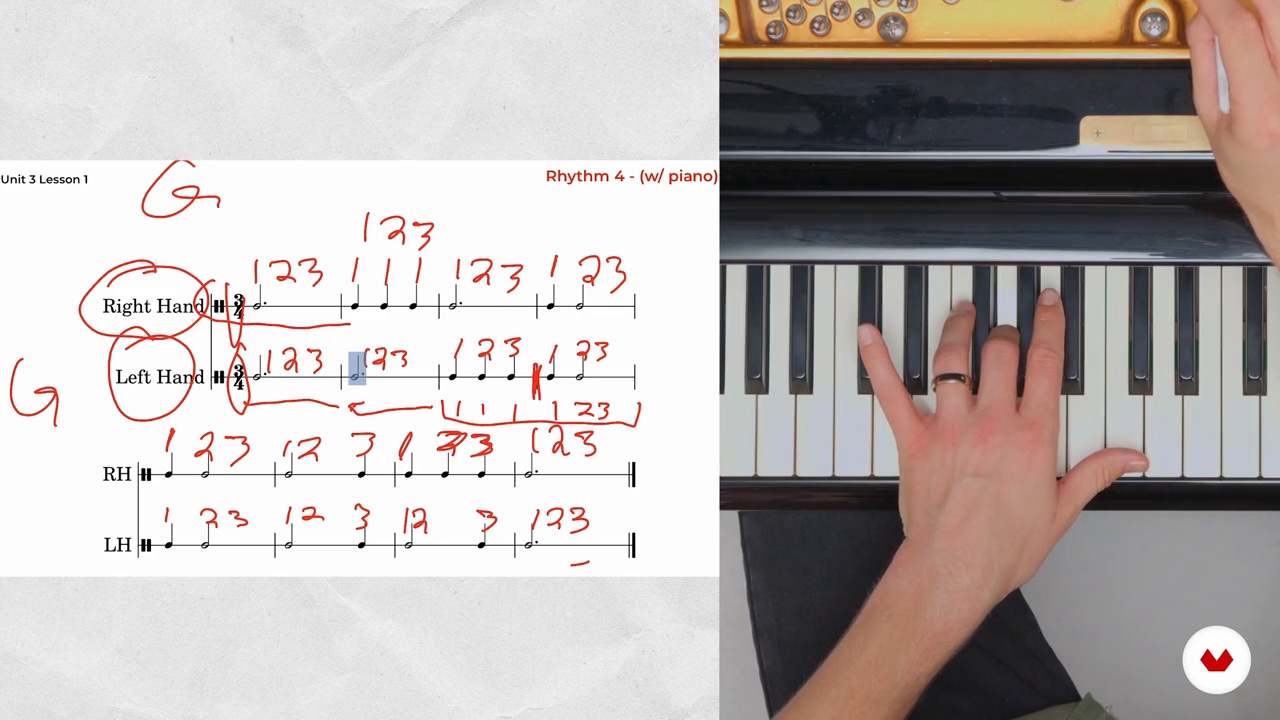
Let's dive into rhythm by exploring 4/4 and 3/4 time signatures, learning how beats are structured in measures. Through clapping, counting, and playing, you'll practice quarter notes, half notes, dotted half notes, and whole notes. Using a metronome, you'll develop steady timing and coordination between hands. Rhythm is key!
19m
image
12
Understanding the Staff 1
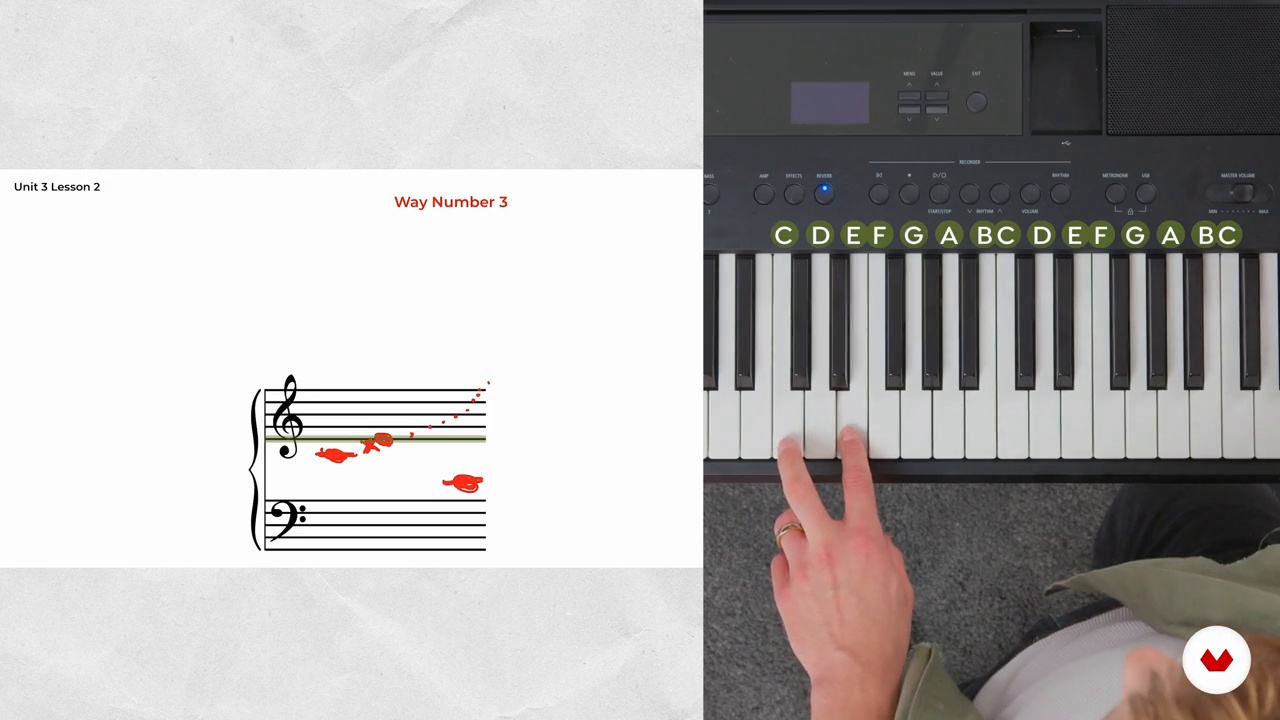
Now that you have mastered the idea of rhythm, it’s time to place those notes and rhythms on the staff. This lesson talks all about the Staff, and it’s vital components for reading music.
14m
image
13
Understanding the Staff 2
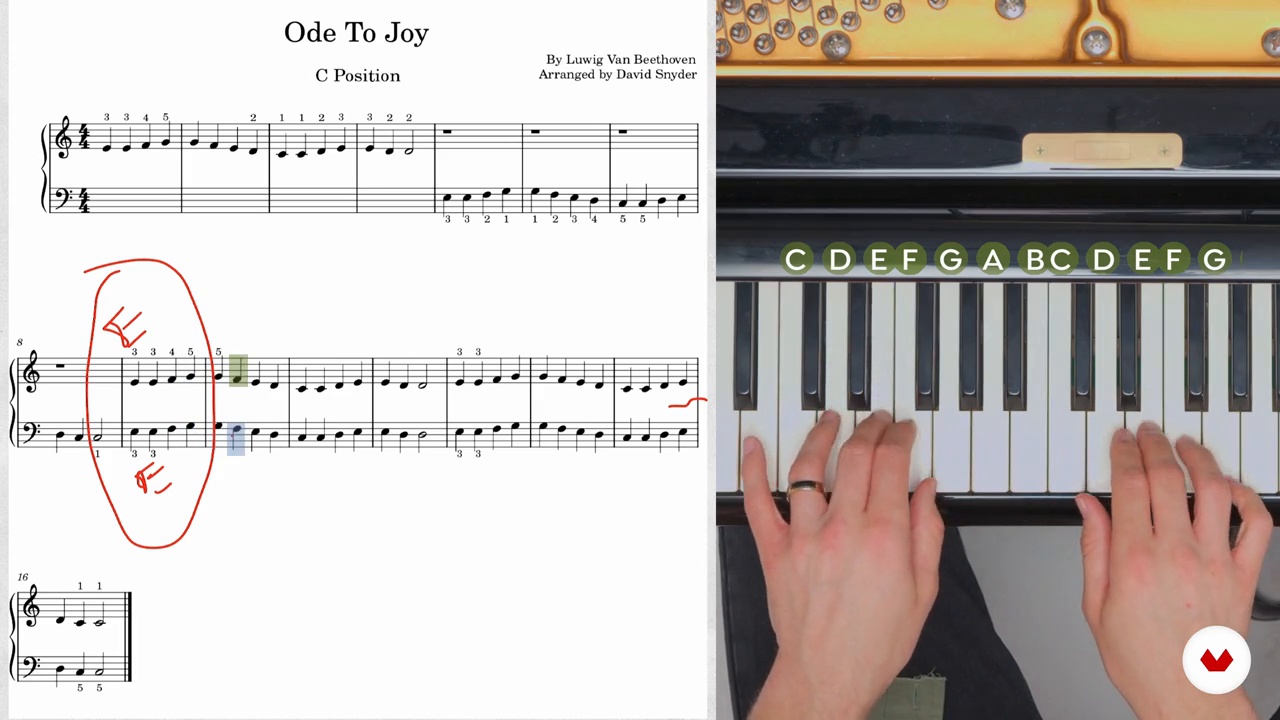
You're now playing your first songs on the staff! So, let's practice Yankee Doodle, Ode to Joy, and Merrily We Roll Along by following key steps: finding hand positions, identifying the time signature, clapping the rhythm, and then playing slowly. With each song, you'll build confidence reading notes and keeping steady timing.
14m
image
14
Piano Articulation 1
Let's dive deep into understanding HOW to play the piano more expressively and intentionally, which musicians call “articulation.” This lesson covers important musical notation and strategies that will impact how expressively you play the piano.
15m
image
15
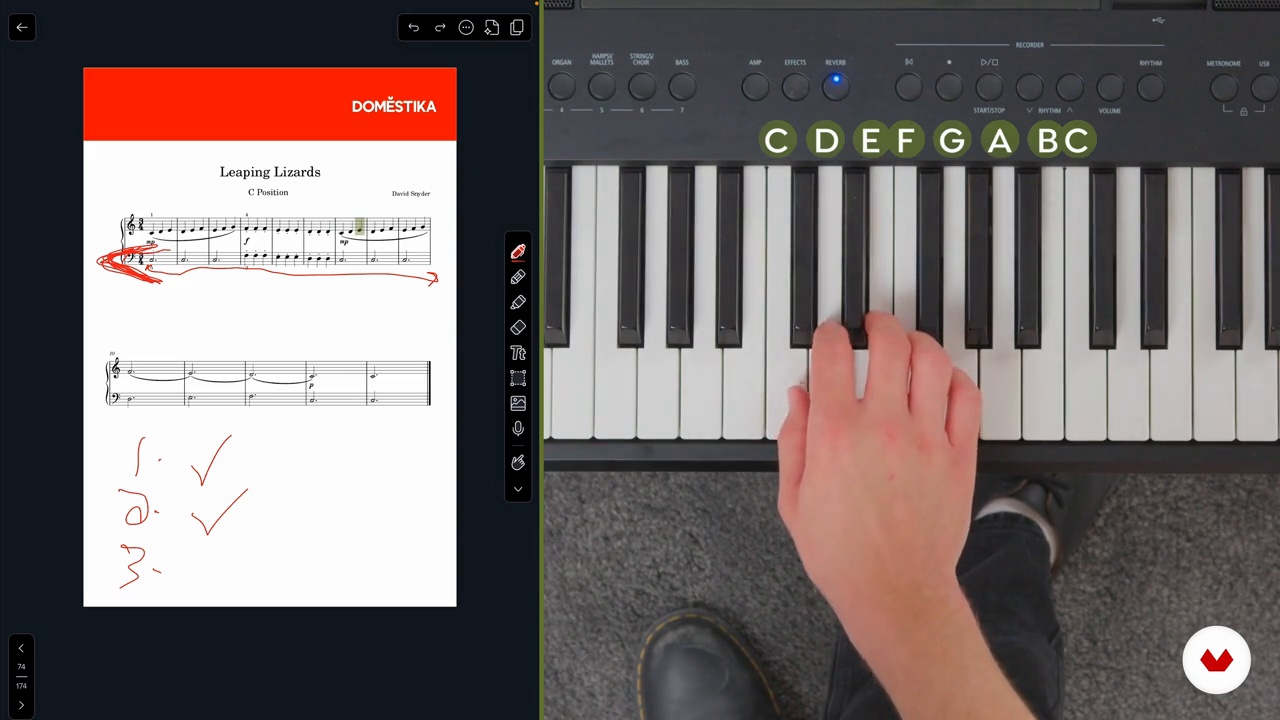
Piano Articulation 2
Explore articulation in music, focusing on staccato (short, bouncy notes) and legato (smooth, connected notes). Through hands-on exercises, you'll see how these techniques bring music to life. You'll also practice Leaping Lizards, applying articulation and dynamics to shape expressive, engaging performances.
14m
image
16
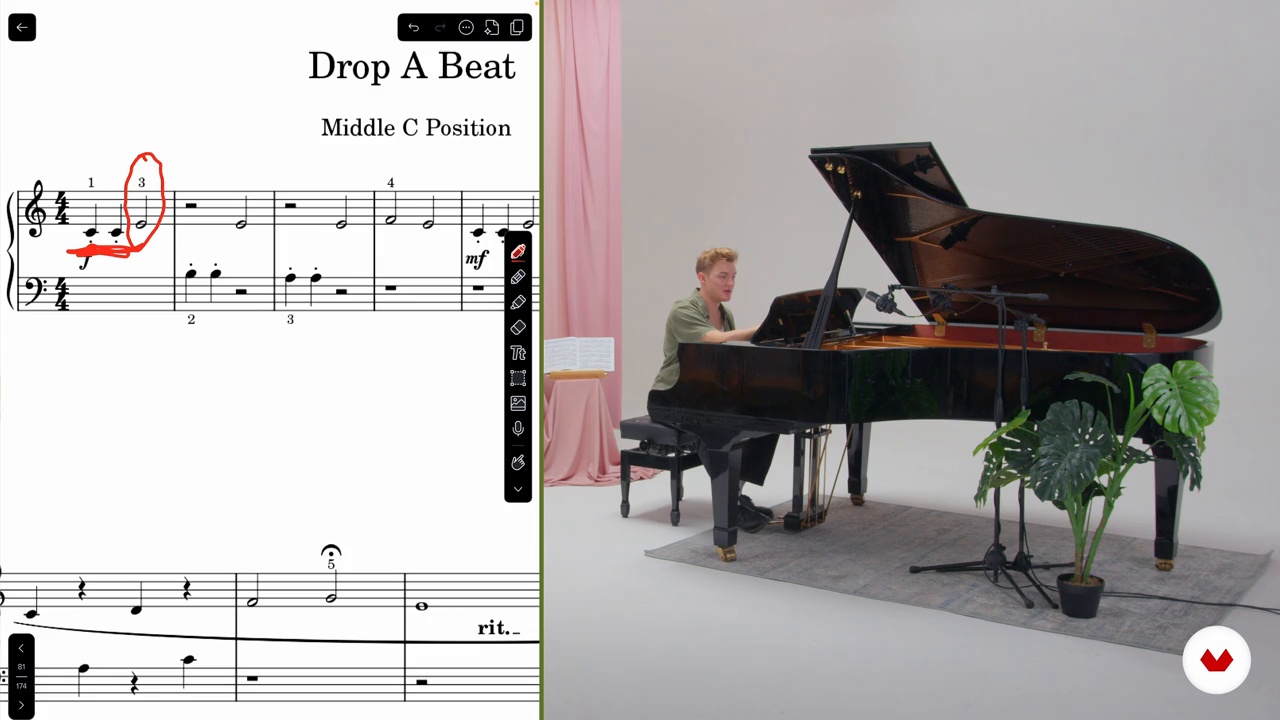
Piano Articulation 3
Last, but not least, I'll show you how to work with ritardando (gradually slowing down) and fermata (holding a note for extra expression), learning how these techniques add drama and emotion to music. Through "Drop a Beat," you'll practice articulation, dynamics, and musical phrasing. Take it slow, feel the rhythm, and let the music breathe—you're making real progress!
15m
image
17
Advanced Concepts 1
First of all, I will cover some important concepts that are essential for you to know as a pianist. I'm going to cover rests, tied notes, the fermata, and the repeat sign.
10m
image
18
Advanced Concepts 2
You'll learn tied notes, which let you extend a note’s duration across measures by combining their values. This adds expressiveness to your playing. You'll also explore eighth notes, which move twice as fast as quarter notes, and practice counting them with “1 and 2 and 3 and 4 and.” These concepts will refine your rhythm and musical flow.
18m
image
19
Advanced Concepts 3
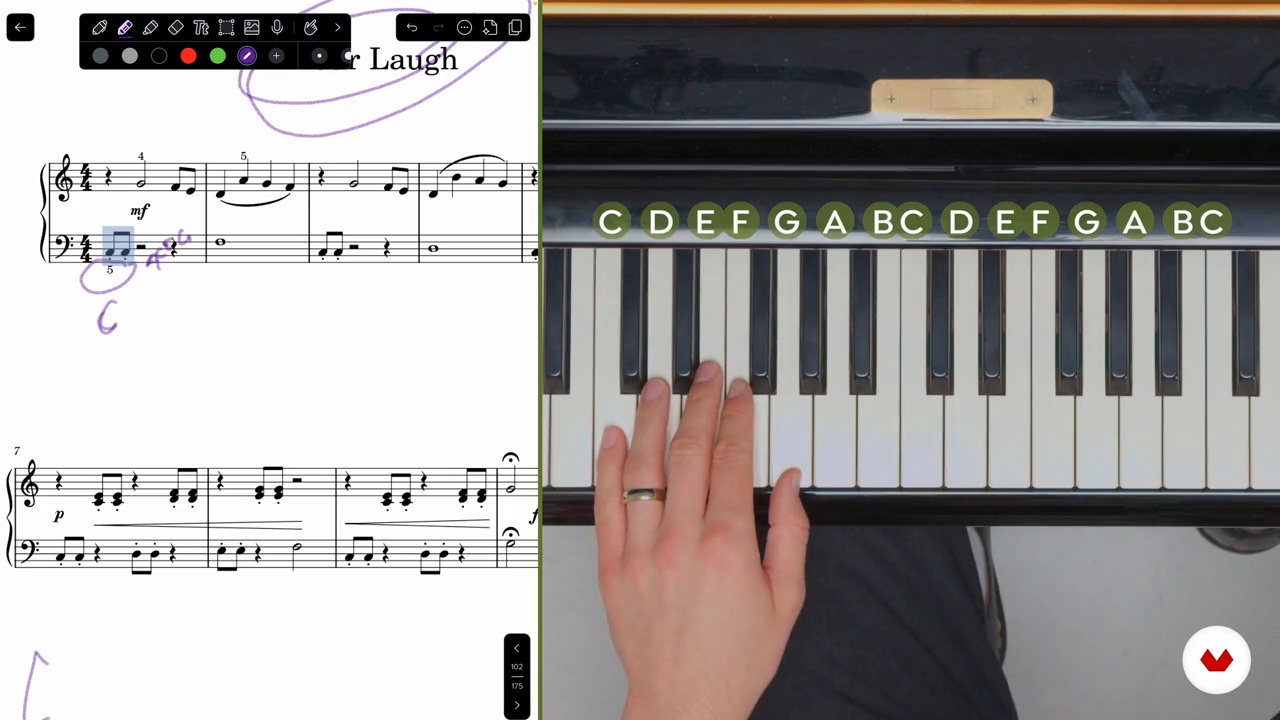
Refine your rhythm skills by practicing eighth notes and learning to count with "1 and 2 and 3 and 4 and." You'll apply this to exercises and the song "Your Laugh," focusing on articulation, stretching your fingers, and following dynamics. Master these rhythms, and your playing will become more expressive and fluid.
9m
image
20
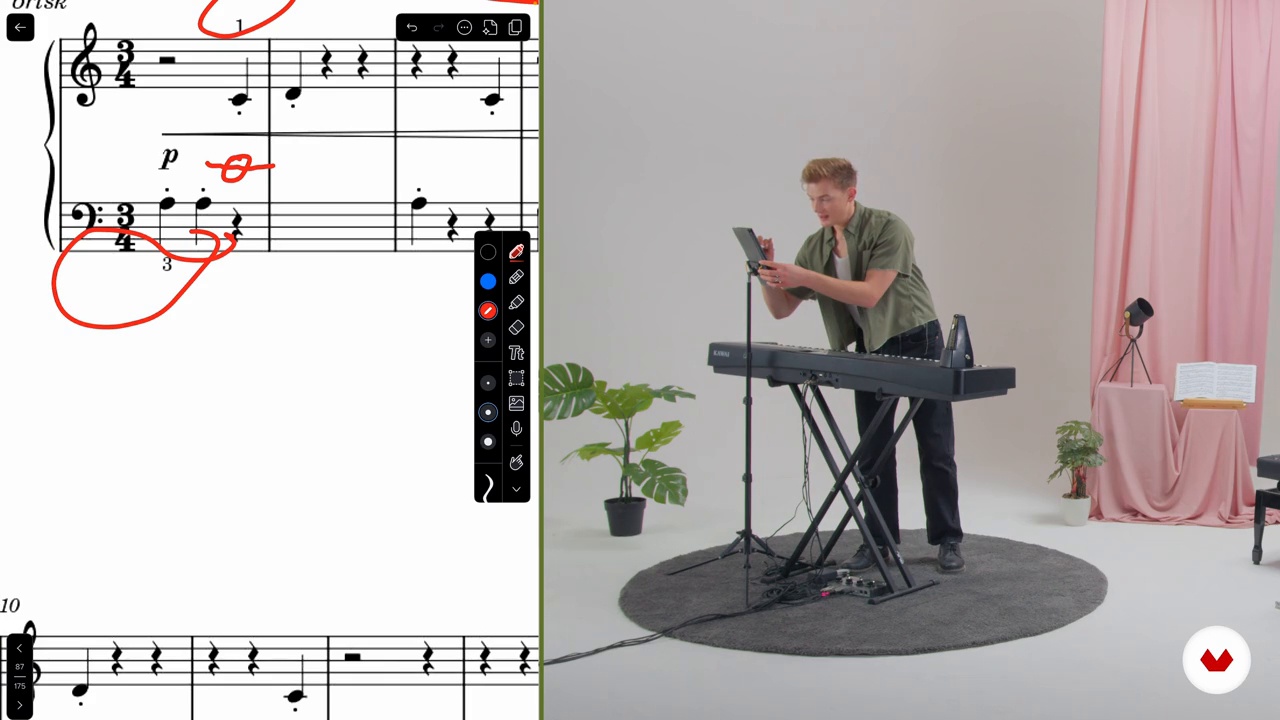
Reading Music 1
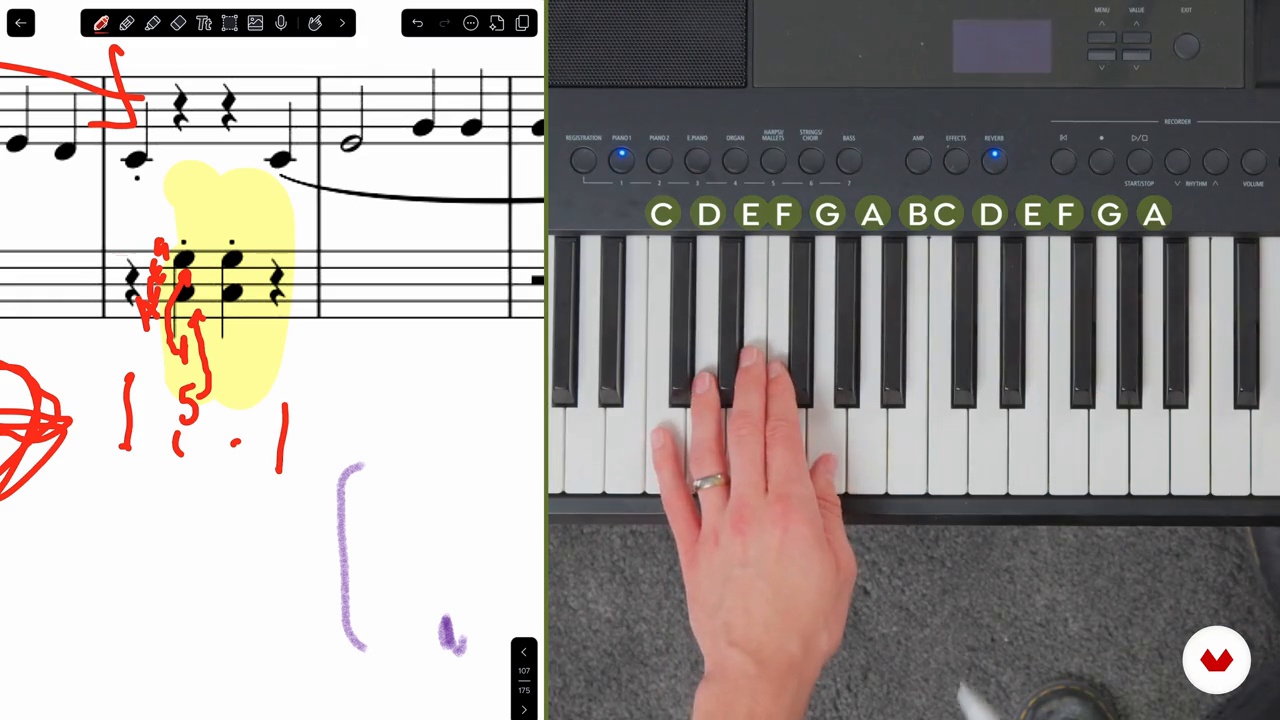
This lesson dives into understanding how to play the sharp and flat notes on the piano, how to play “stacked notes”, and how to begin interpreting more advanced sheet music.
11m
image
21
Reading Music 2
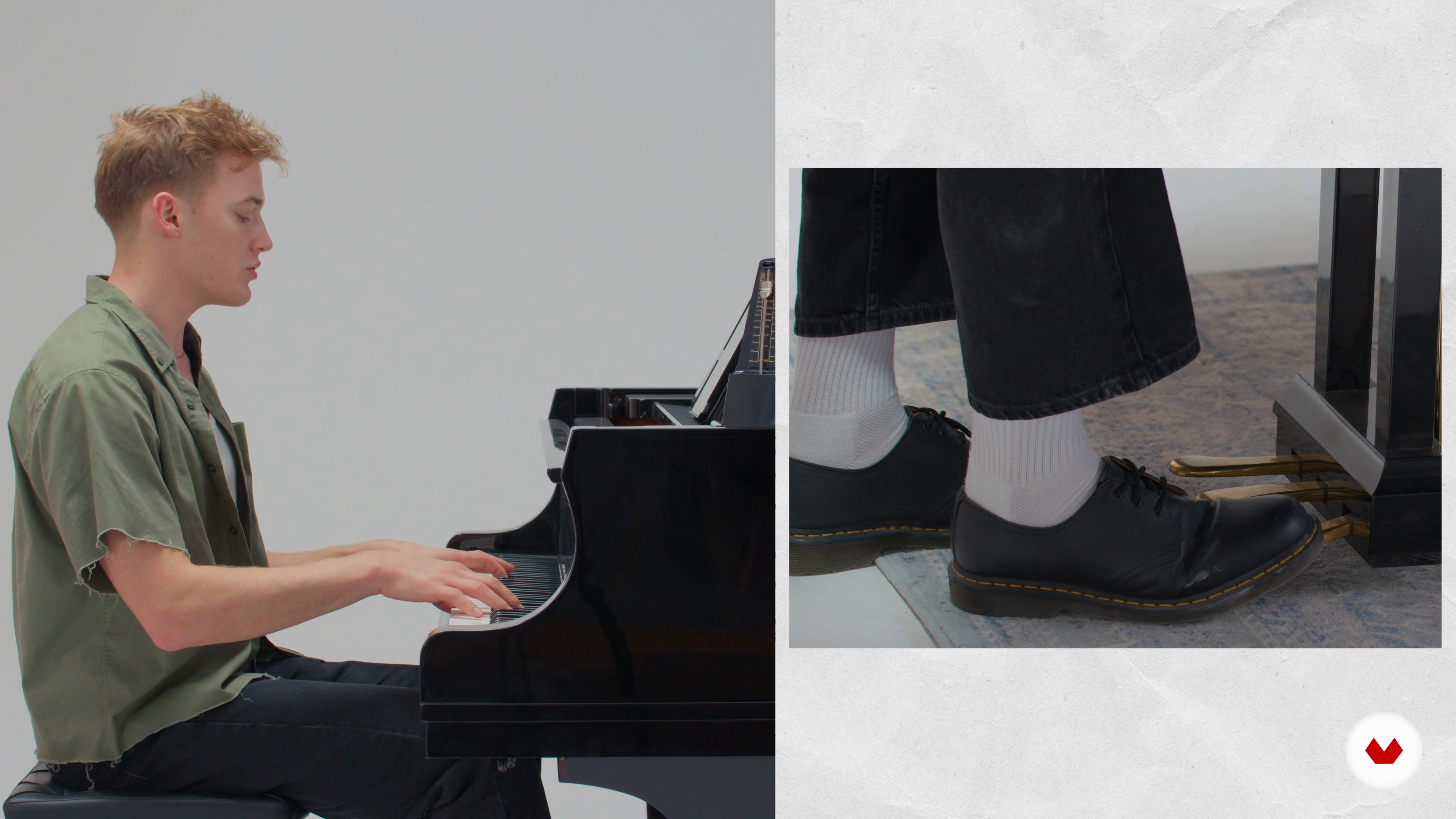
It's time to teach you how to use the damper pedal to add richness and sustain to your playing. You'll explore pedal notation, proper technique, and when to lift and press to avoid muddiness. Then, you'll apply this to "A Classy Evening," focusing on timing, articulation, and smooth pedal transitions.
13m
image
22
Reading Music 3
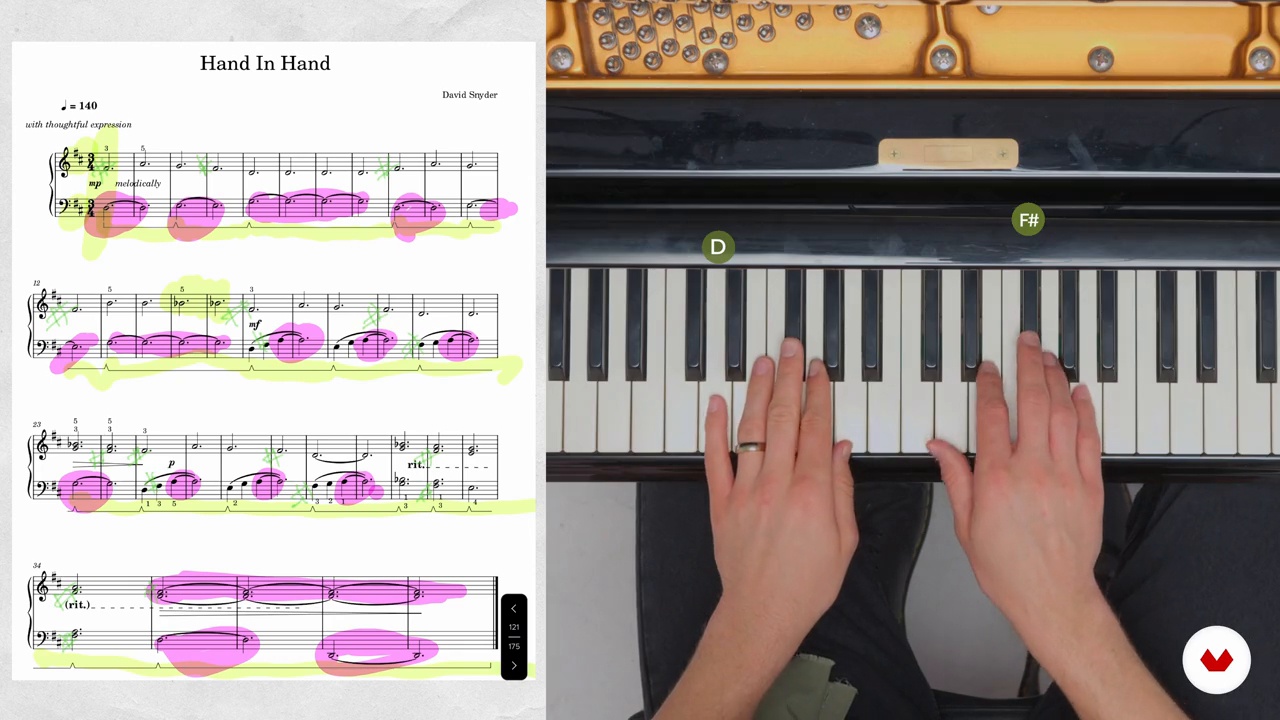
Now, you'll dive into black keys, sharps, and flats, learning how they relate to white keys. You'll also explore key signatures, which define the sharps or flats in a song. Applying this, you'll play "Hand in Hand" in the key of D, using tied notes, pedal technique, and expressive phrasing.
12m
image
23
Tools to Stay Sharp
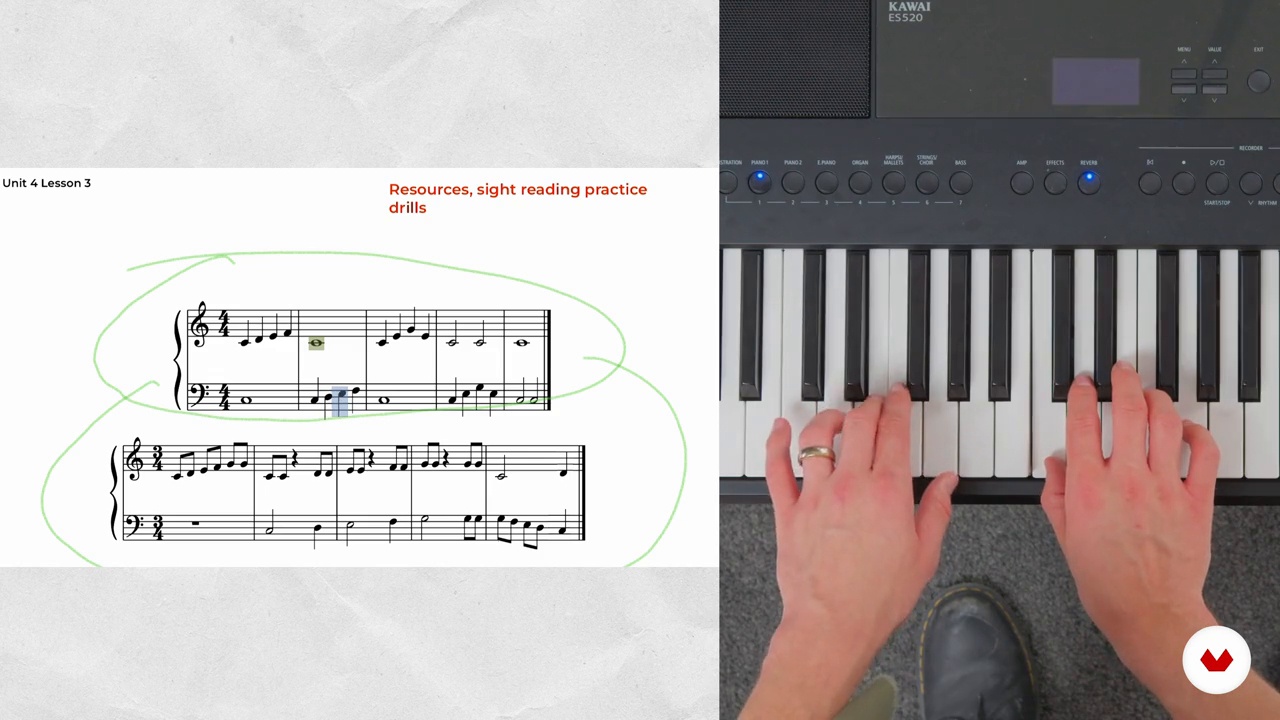
You have learned so much about reading music over the past 5 lessons. This lesson is a review all you have learned, and give you a launching pad for your note-reading future!
12m
image
24
The Power of Music Theory 1
To start this unit on the basics of piano improvisation, we need to understand the building blocks of music, or in other words, MUSIC THEORY. This lesson discusses the value of music theory, and how “music science” can inform your improvisation.
18m
image
25
The Power of Music Theory 2
In this lesson, you will practice right-hand improvisation using the G major scale. You'll explore simple melodies, rhythmic patterns, and repetition to build confidence. By analyzing tonal centers, you'll learn how musicians shape improvisations and apply these techniques to your own playing.
10m
image
26
Understanding Major and Minor Scales 1
Now that you understand the importance of scales, it’s time to learn them all! This lesson covers ALL scales, major and minor, and even begins to display how you can use a scale to improvise.
18m
image
27
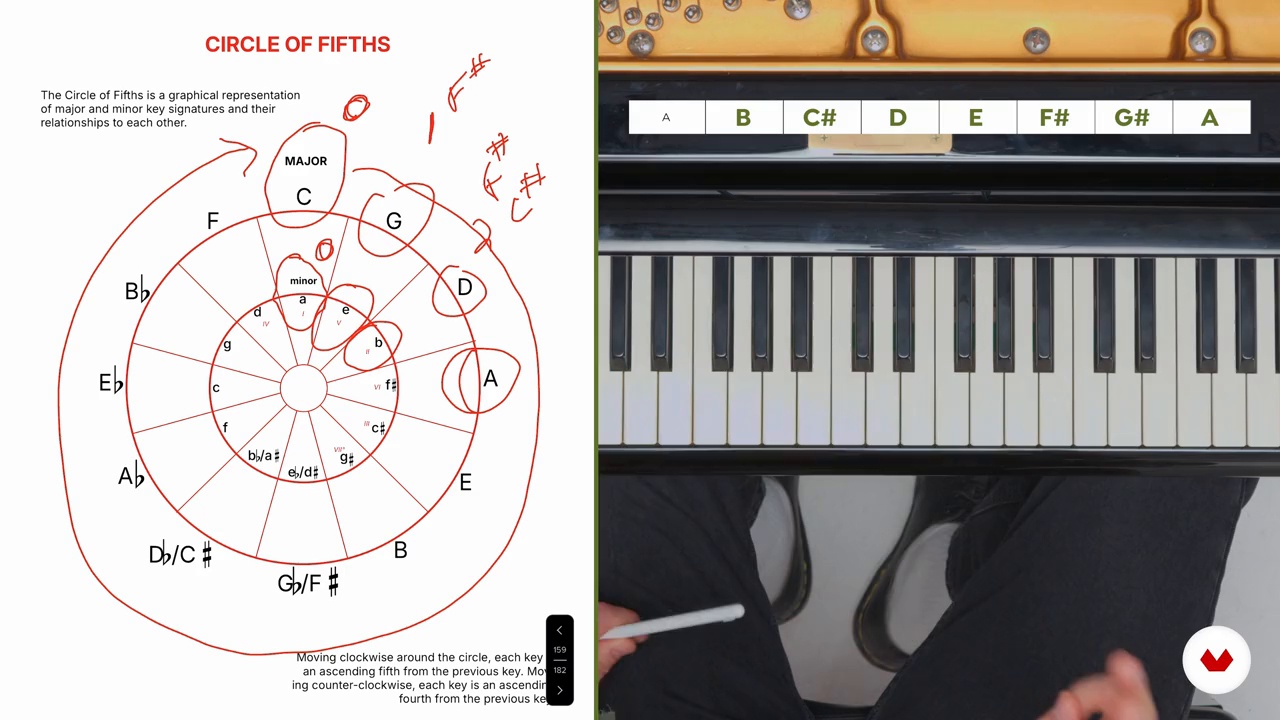
Understanding Major and Minor Scales 2
You’ll learn to build minor scales, recognize their connection to major scales, and use the circle of fifths. Discover how relative minors share notes with their major counterparts and apply this to improvisation.
13m
image
28
Learning Chords 1
This lesson covers ALL things chords. Throughout this teaching, I will be discussing harmonies, chords, and inversions.
14m
image
29
Learning Chords 2
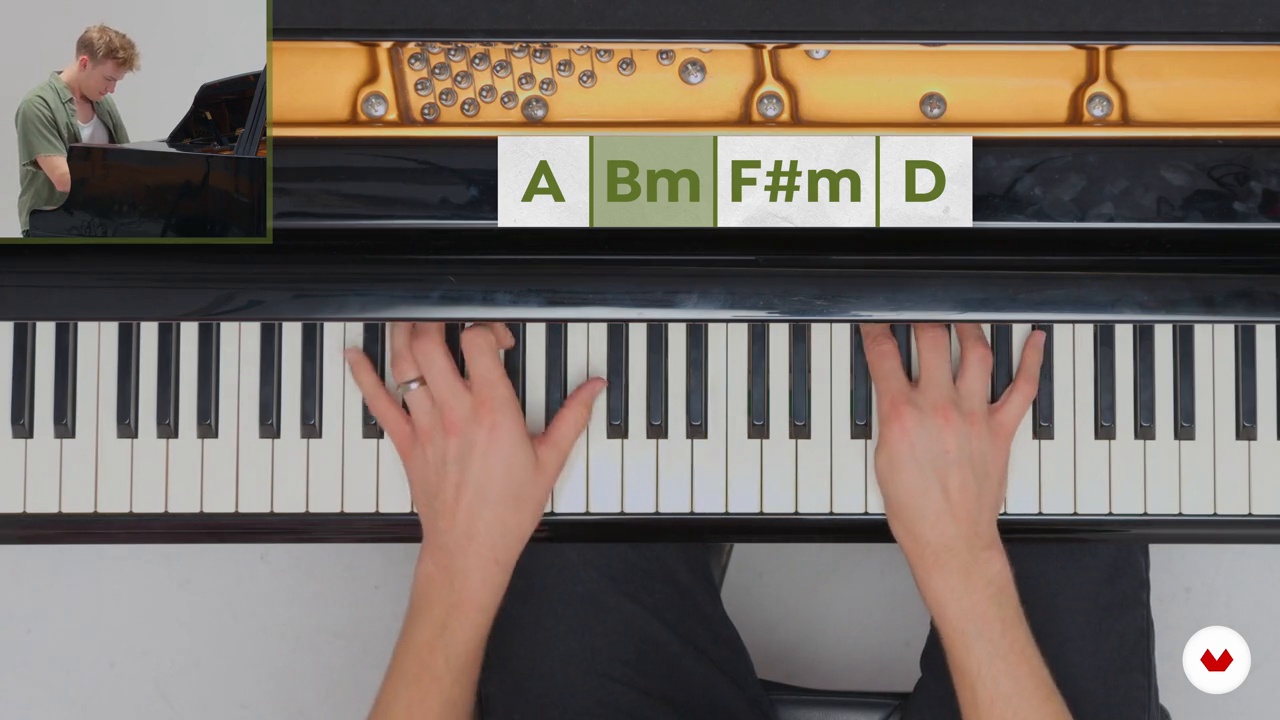
You’ll expand beyond basic triads by learning 12 chord types, including major, minor, diminished, and augmented variations. Using the major scale as a foundation, you'll modify chords to add richness and tension. Practice blocked, broken, and octave chords to develop versatility and enhance your playing.
12m
image
30
Learn Any Song
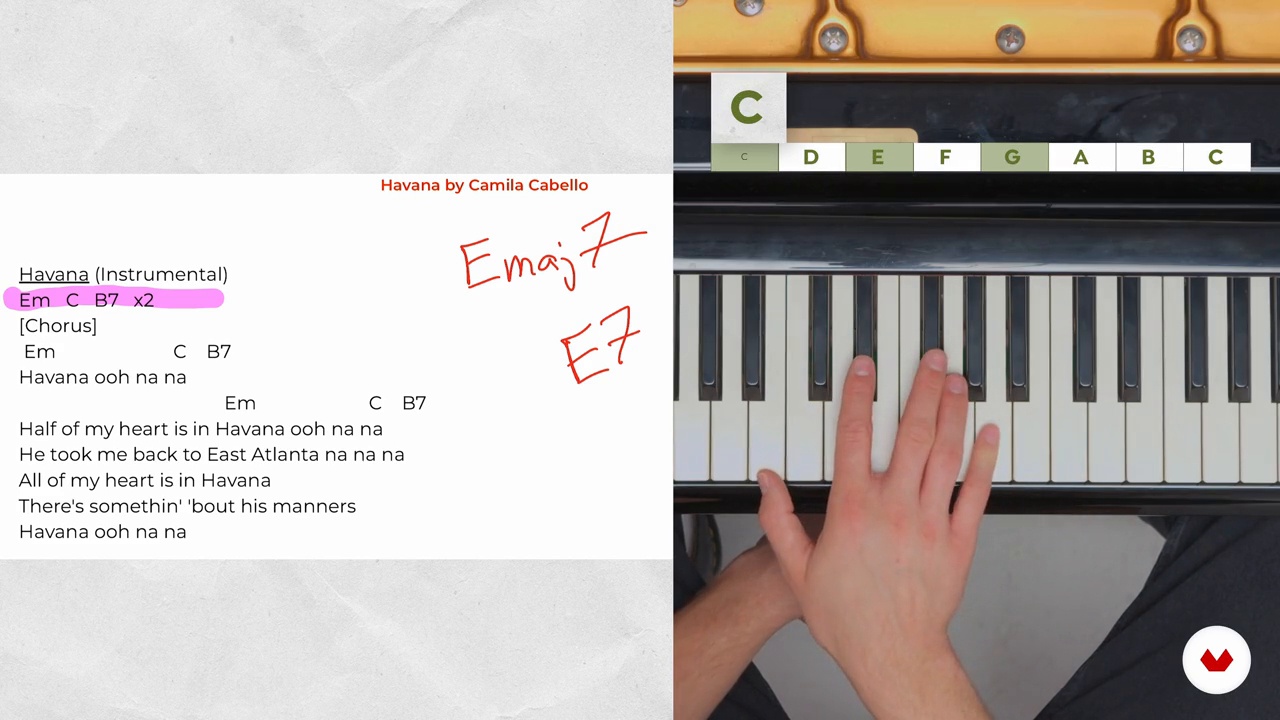
Now that we understand scales and chords, we have the ability to learn ANY song. This lesson will give you the tools to decipher chord sheets, understand song structure, and begin playing all of your favorite songs.
19m
image
31
Creating the First Melody
The very first step in creating a song is determining the melody. The melody is the main character of your compositions. This lesson will give you the tools to create your first melody at the piano.
15m
image
32
How to Make Emotional Music 1
In this lesson, you'll look into the specifics of making an emotional song. How do you make a composition that feels heart-wrenching, or calming, or thoughtful? Let’s start learning.
14m
image
33
How to Make Emotional Music 2
To finish this unit, you'll learn five key techniques to make your playing more emotional: pedal use, dynamics, articulation, contrast, and harmonic tension (absence from the tonic). You'll also learn how minor vs. major chords shape mood. By applying these concepts, you’ll bring depth to your compositions and express your unique musical story. Keep creating!
13m
image
3
Choosing Your Guitar
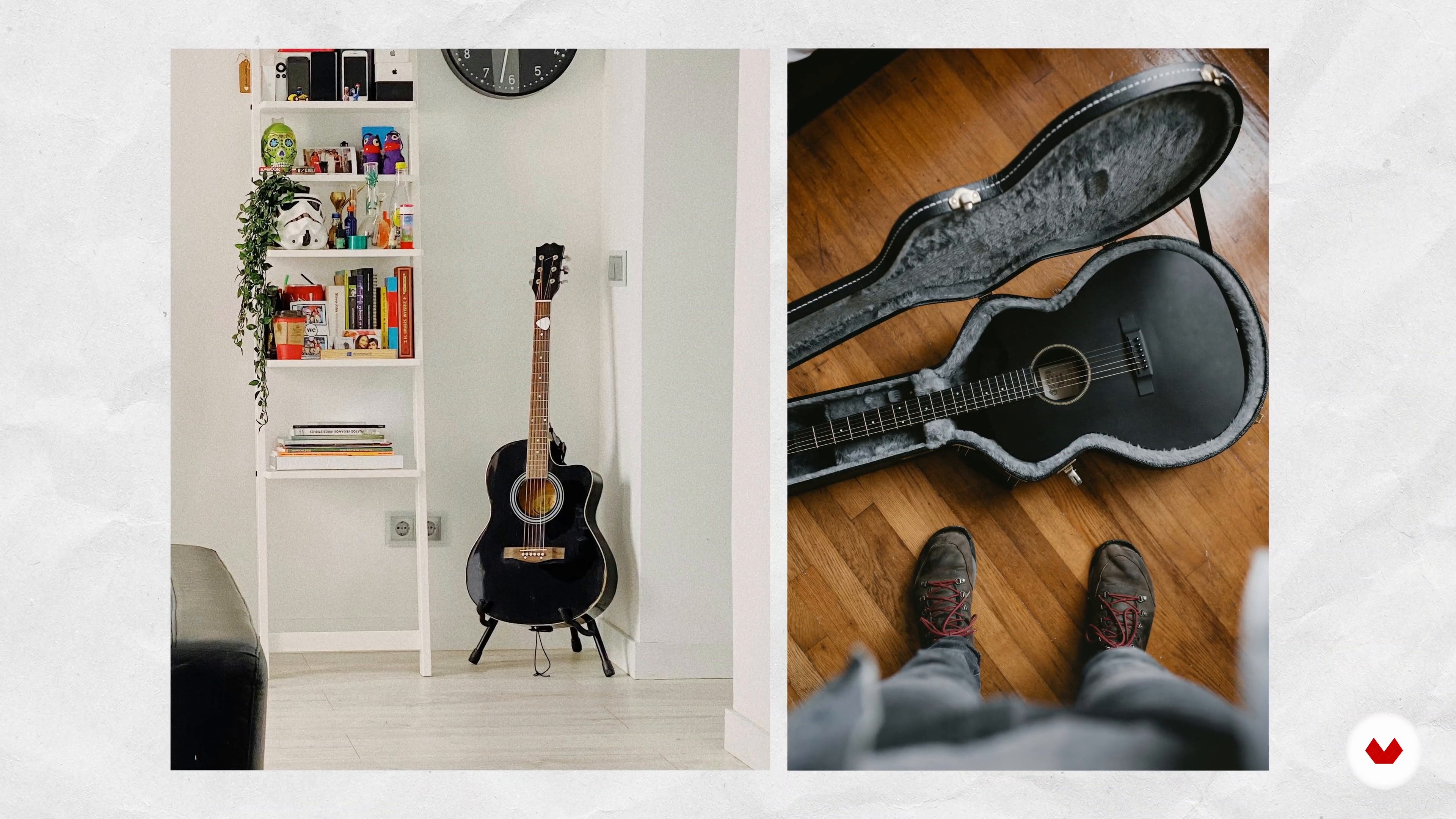
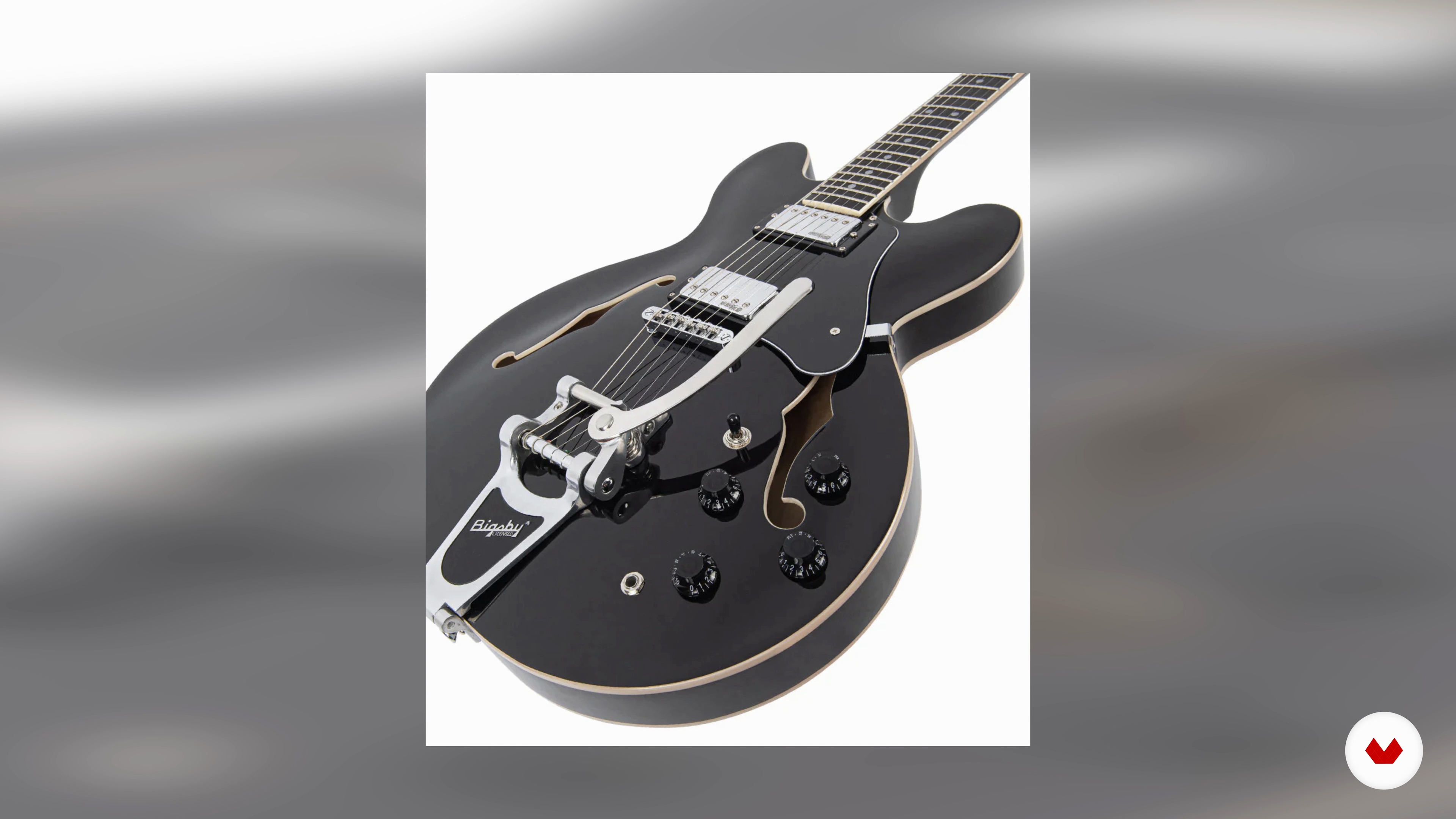
In this lesson, I will help you choose your first guitar, discussing the differences between acoustic and electric guitars. We'll explore the factors to consider and how to trust your instincts when selecting a guitar that excites you to play.
14m
image
4
Guitar Anatomy
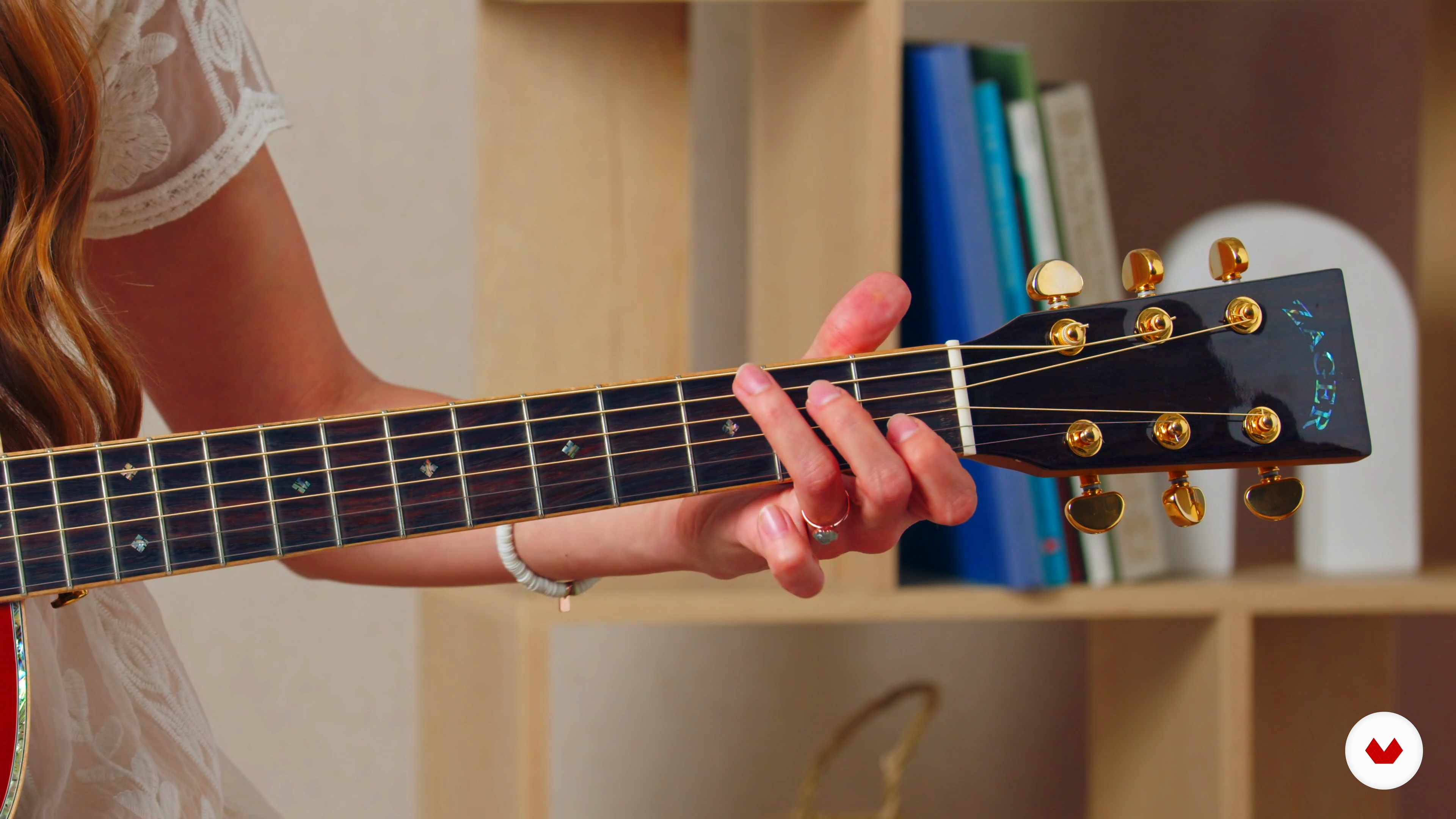
We'll explore the parts of an acoustic guitar, from the headstock to the body, understanding each part's function. This foundational knowledge will help you feel more comfortable with your instrument.
5m
image
5
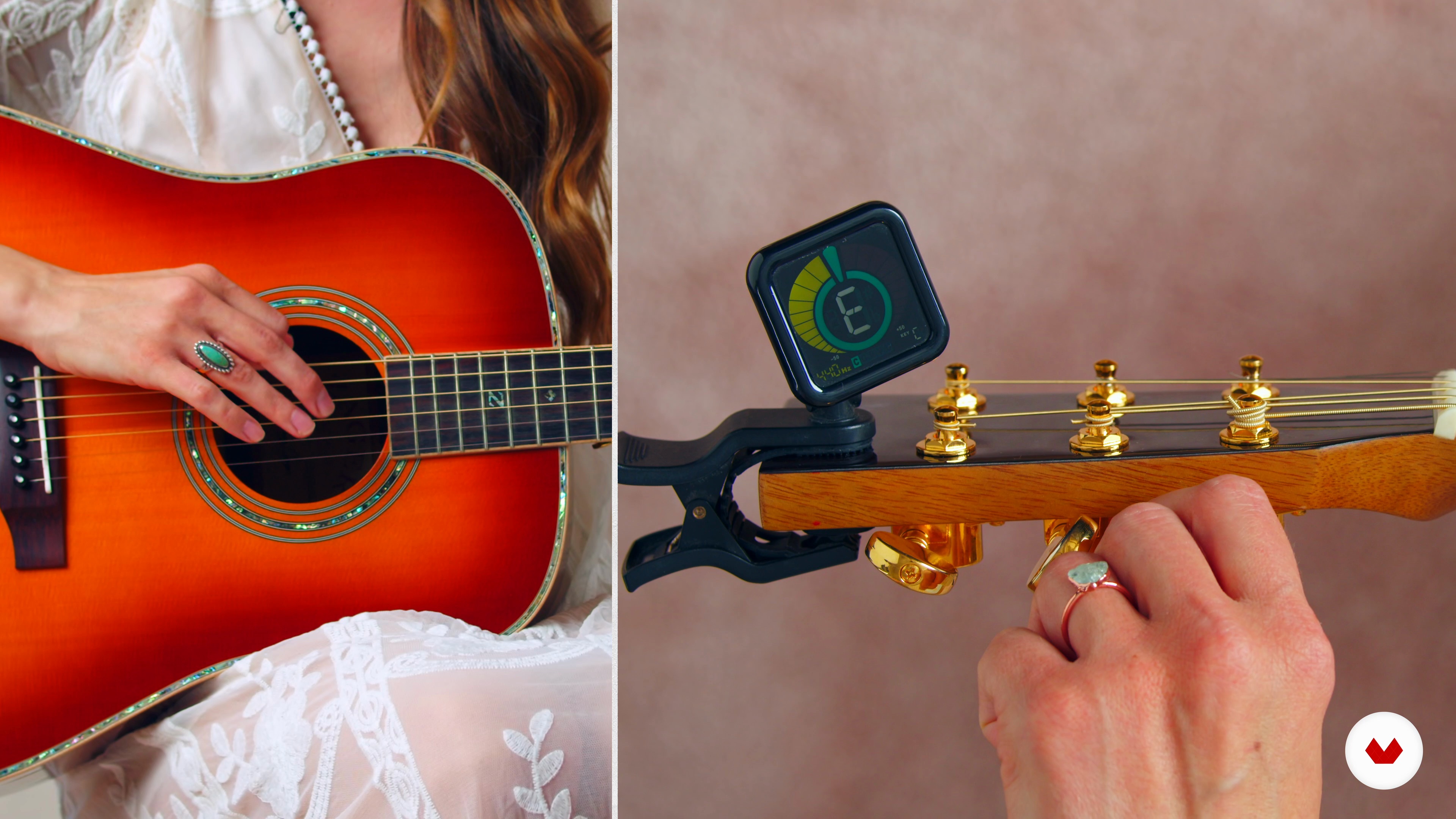
Tuning and Ear Training
In this lesson, I'll teach you how to tune your guitar and explain the importance of ear training. Proper tuning is essential for good sound and developing your musical ear.
7m
image
6
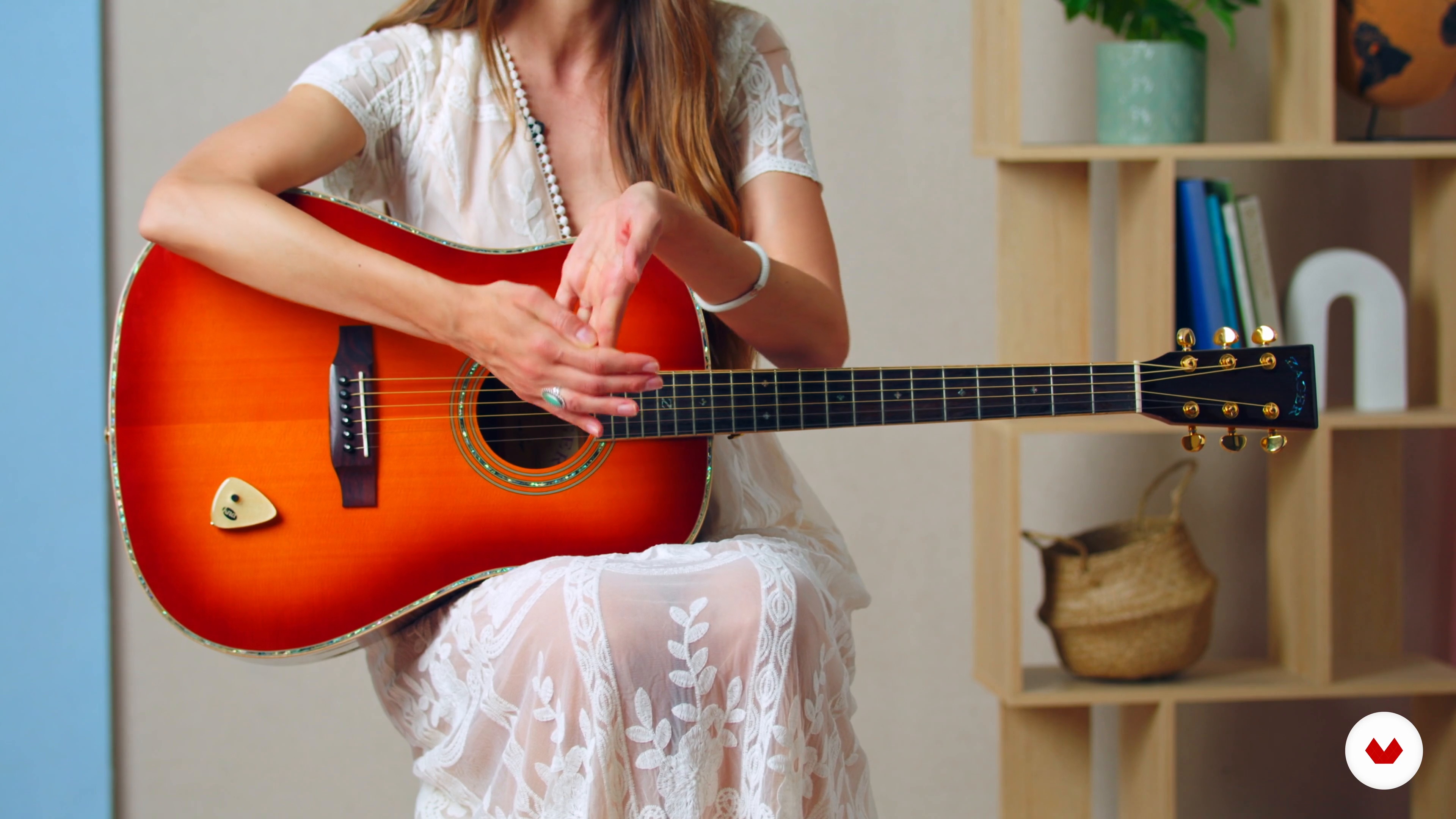
Guitar Yoga + Form (Proper Posture and Handling)
In this lesson, I will discuss correct posture and how to hold the guitar to avoid pain and injury. I will also share exercises to help posture and flexibility, ensuring a comfortable and efficient playing experience.
6m
image
7
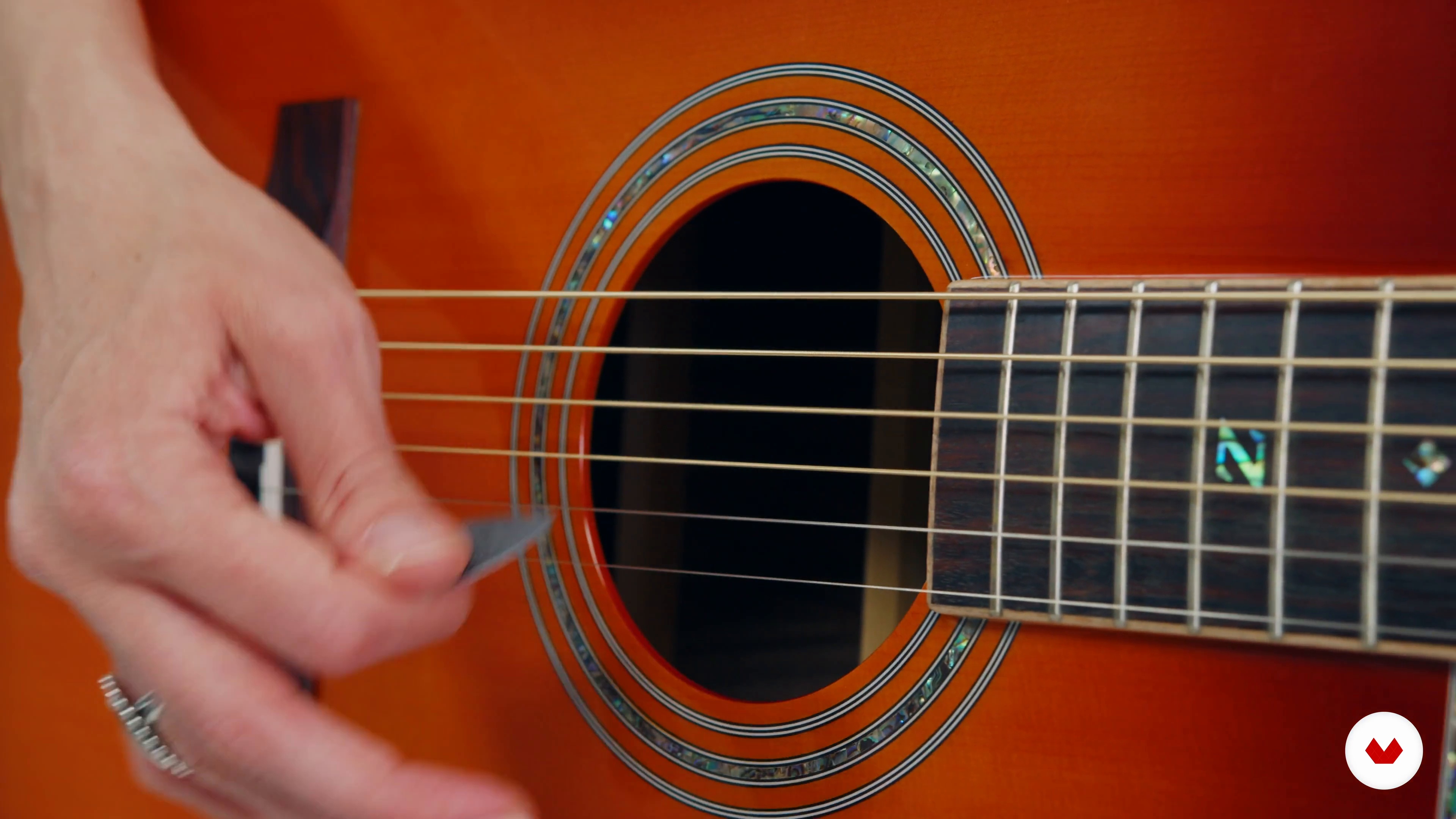
Using a Pick vs. Fingers
I'll discuss the pros and cons of using a pick versus strumming with your fingers. You'll experiment with both methods to see what feels and sounds best.
4m
image
8
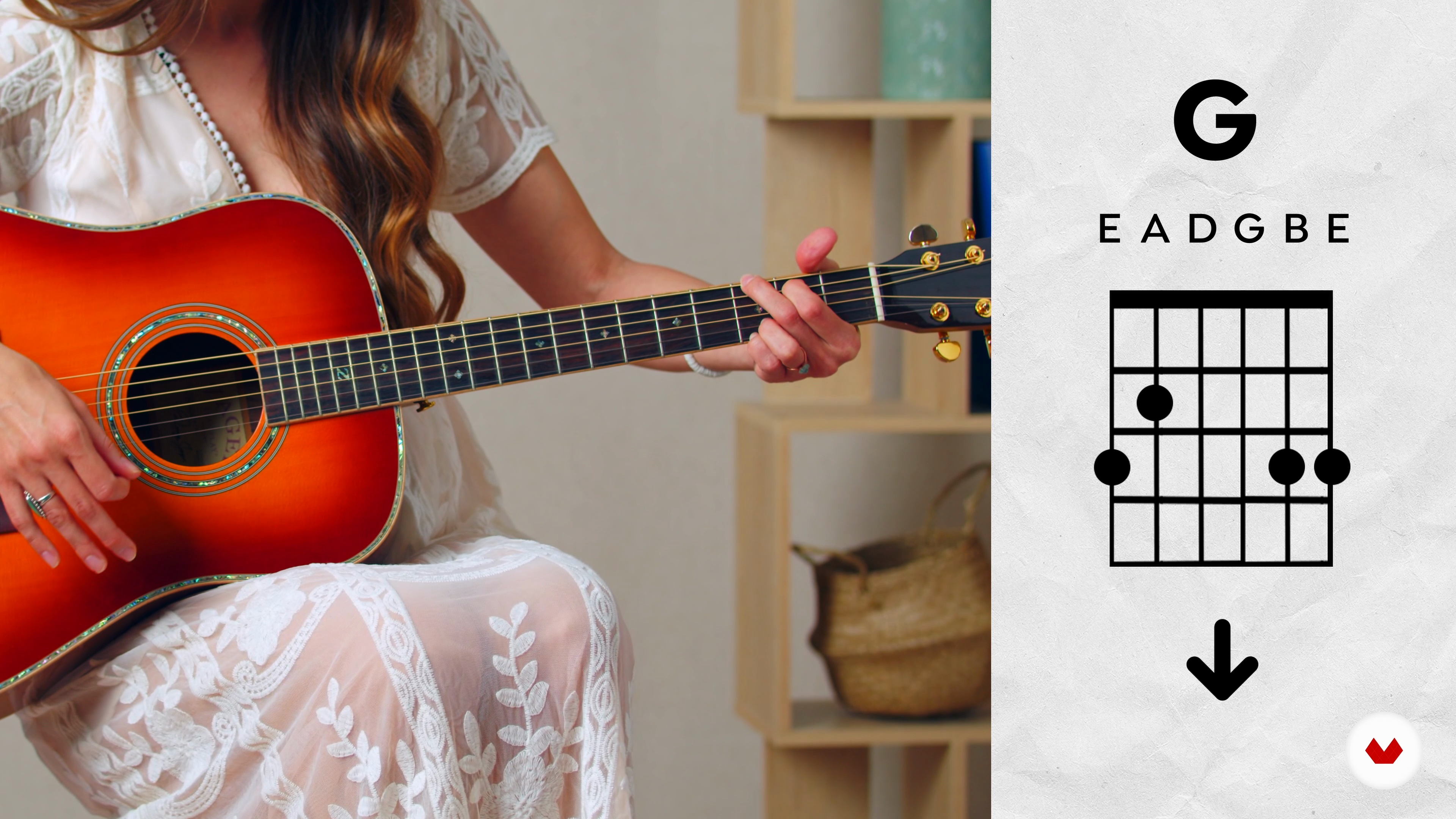
Your First Note and Chords
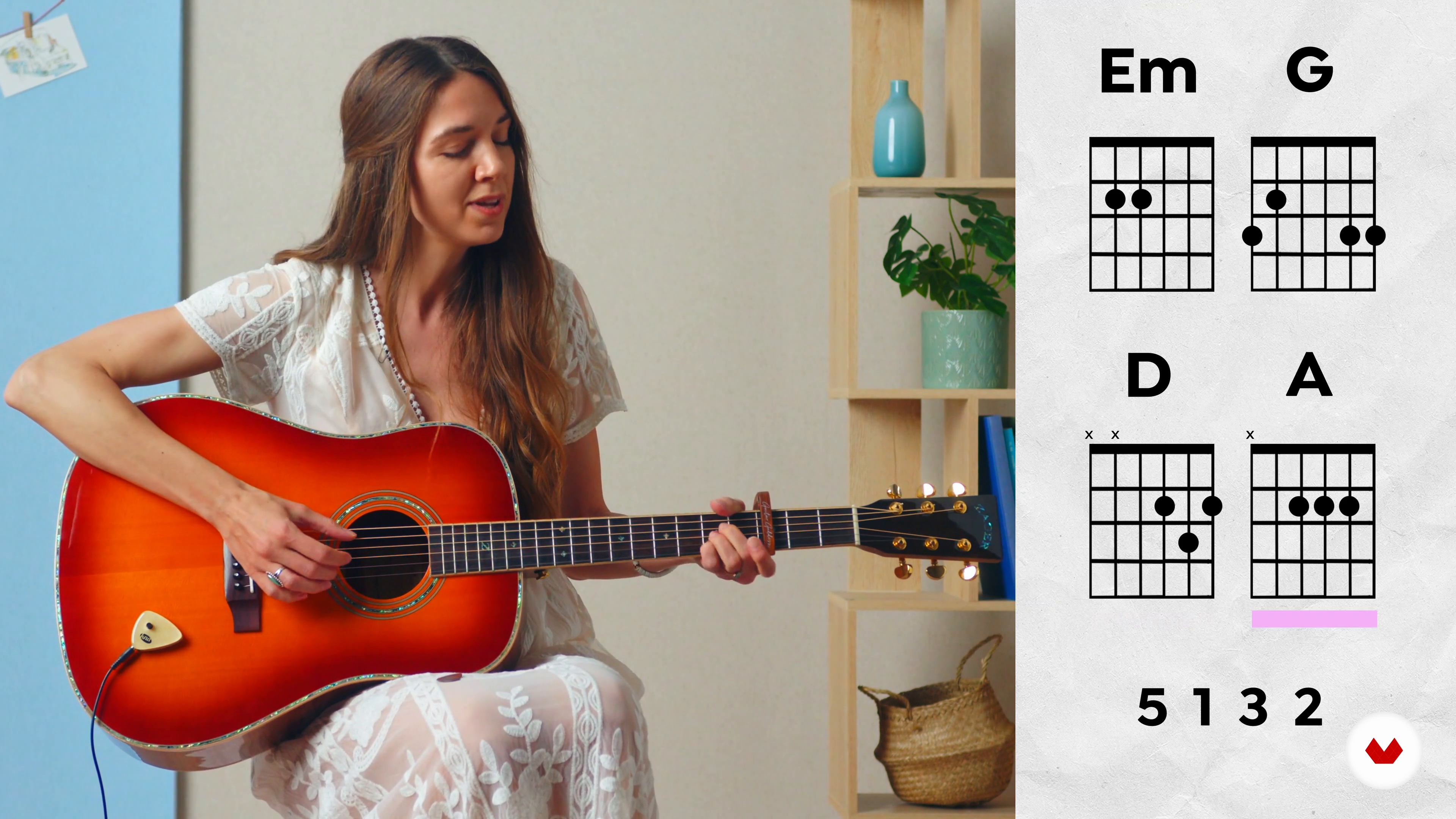
In this lesson, you'll learn how to play your first note and chord and read chord charts. We'll start with simple chords like E minor and build from there.
6m
image
9
Tips for Perfect Chords
I’ll share my top ten tips for playing clean and flawless chords. We'll focus on form, trimming nails, and developing good habits for clear sound.
13m
image
10
Chord Transitions
We'll work on transitioning smoothly between chords, which is essential for playing songs. You'll practice chord memorization and techniques to improve your transitions.
9m
image
11
Structuring Your Practice
Finger pain is normal when learning guitar. Massage your fingertips gently to ease discomfort. Calluses will form, protecting your fingers with consistent practice. Set realistic goals, practice regularly, and stay disciplined even when unmotivated. Use cues and rewards to build habits, making practice enjoyable. Track your progress and prioritize accuracy over speed for effective learning.
14m
image
12
Progressing with Chords and Strumming
In this lesson, I cover the basics of fingerpicking, an essential technique for more intricate guitar playing. I’ll guide you through maintaining relaxed arm position and keeping your picking hand anchored near the bridge for stability.
16m
image
13
Introduction to Fingerpicking
In this lesson, we cover the basics of fingerpicking, which is more involved than strumming with a pick. You'll learn proper hand positioning, finger assignments, and techniques to start incorporating fingerpicking into your practice routine
8m
image
14
Playing Your First Song
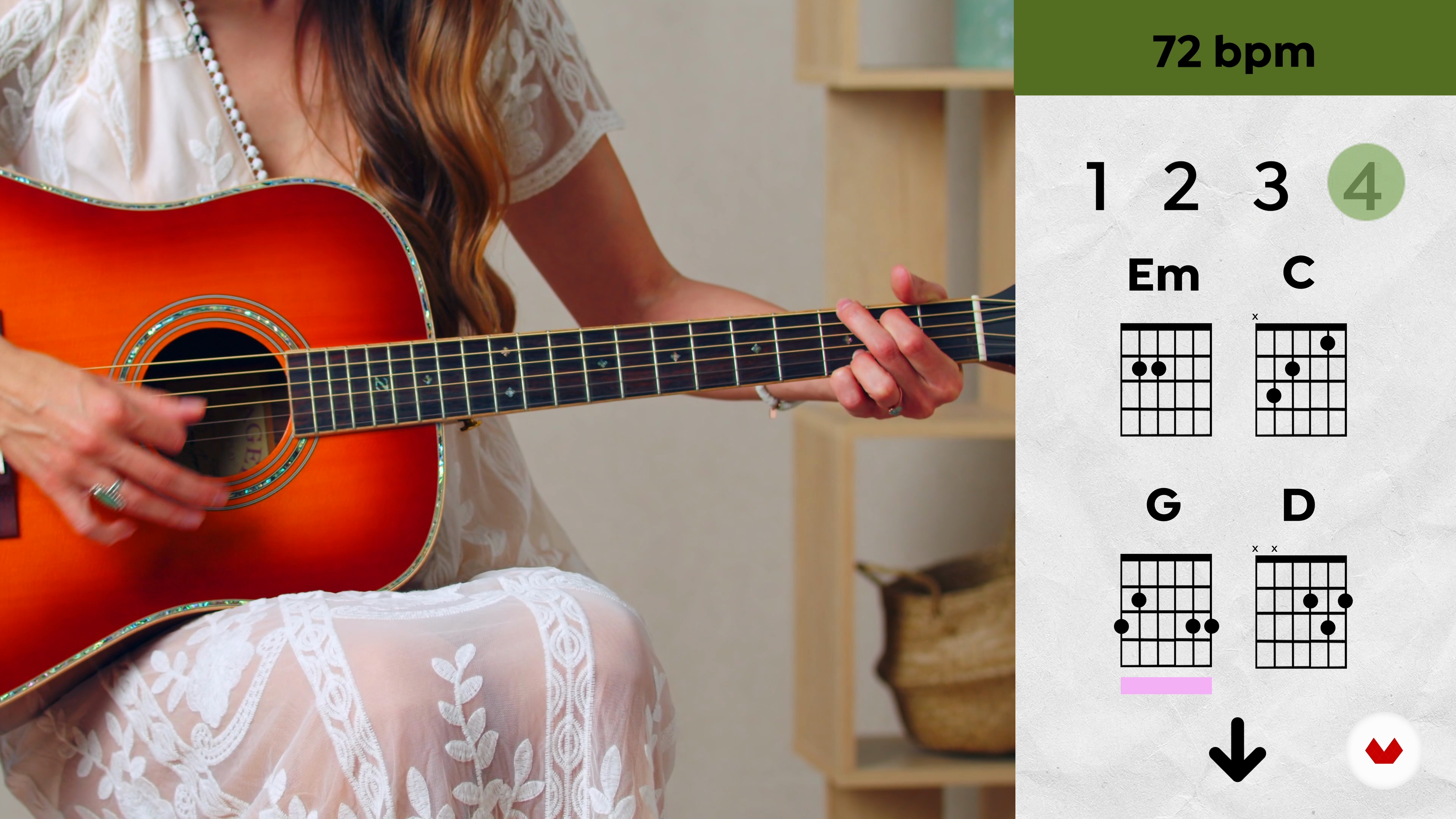
Now that you've learned your first four chords and how to transition between them, it's time to learn your first song. We’ll use a sequence of E minor, G major, D major, and C major. We'll ensure your chords are memorized, practice transitions, and add a strumming pattern to play the song smoothly.
19m
image
15
Exploring Music Theory
In this lesson, I introduce basic music theory concepts to help you understand the fretboard, identify notes, and transpose songs. We’ll cover sharps, flats, and the musical alphabet, making music theory approachable and useful for your guitar playing journey.
6m
image
3
Introduction to the Ukulele
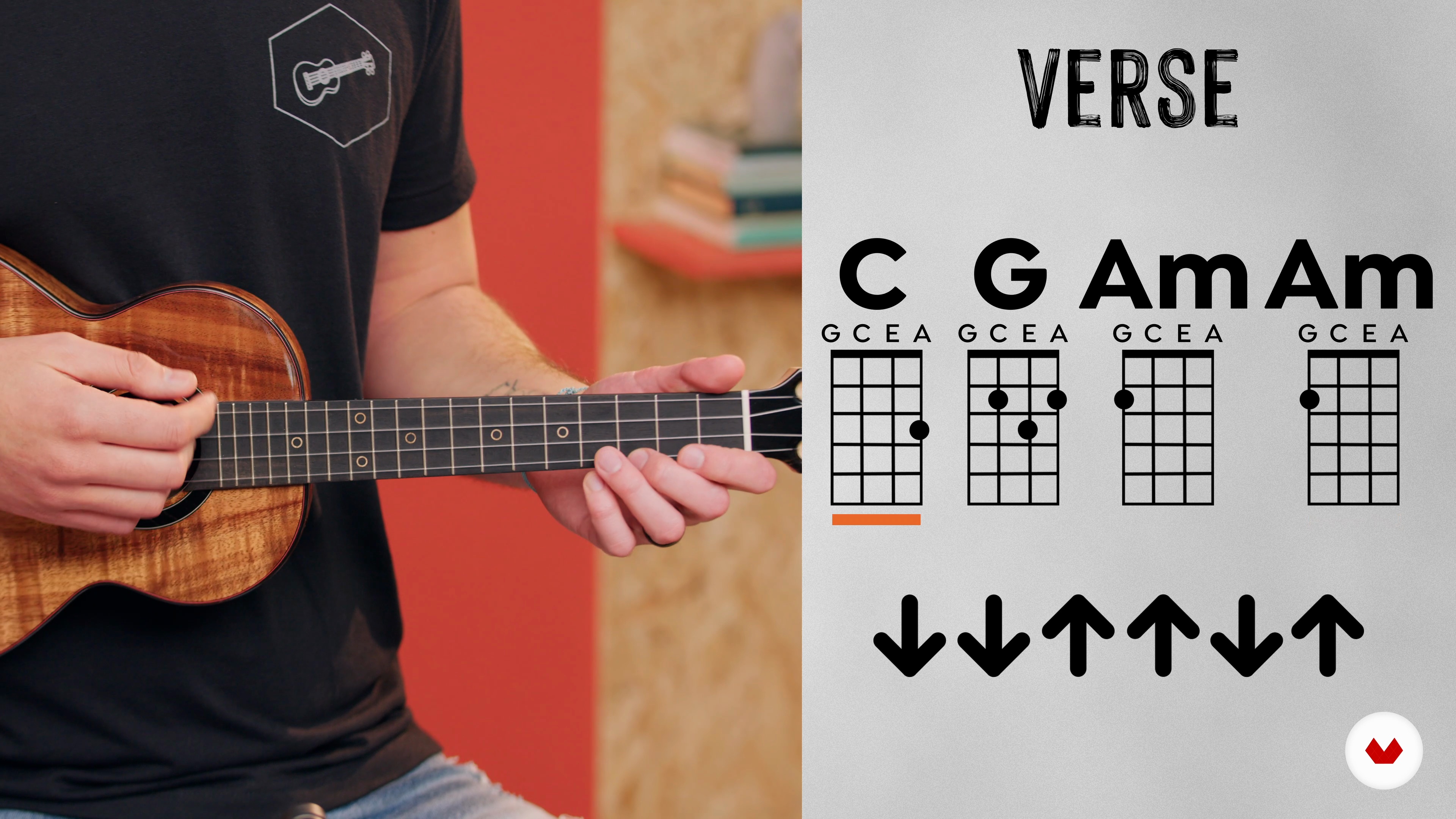
We'll explore the origins and history of the ukulele, helping you appreciate its cultural significance and evolution from Portugal to Hawaii.
1m
image
4
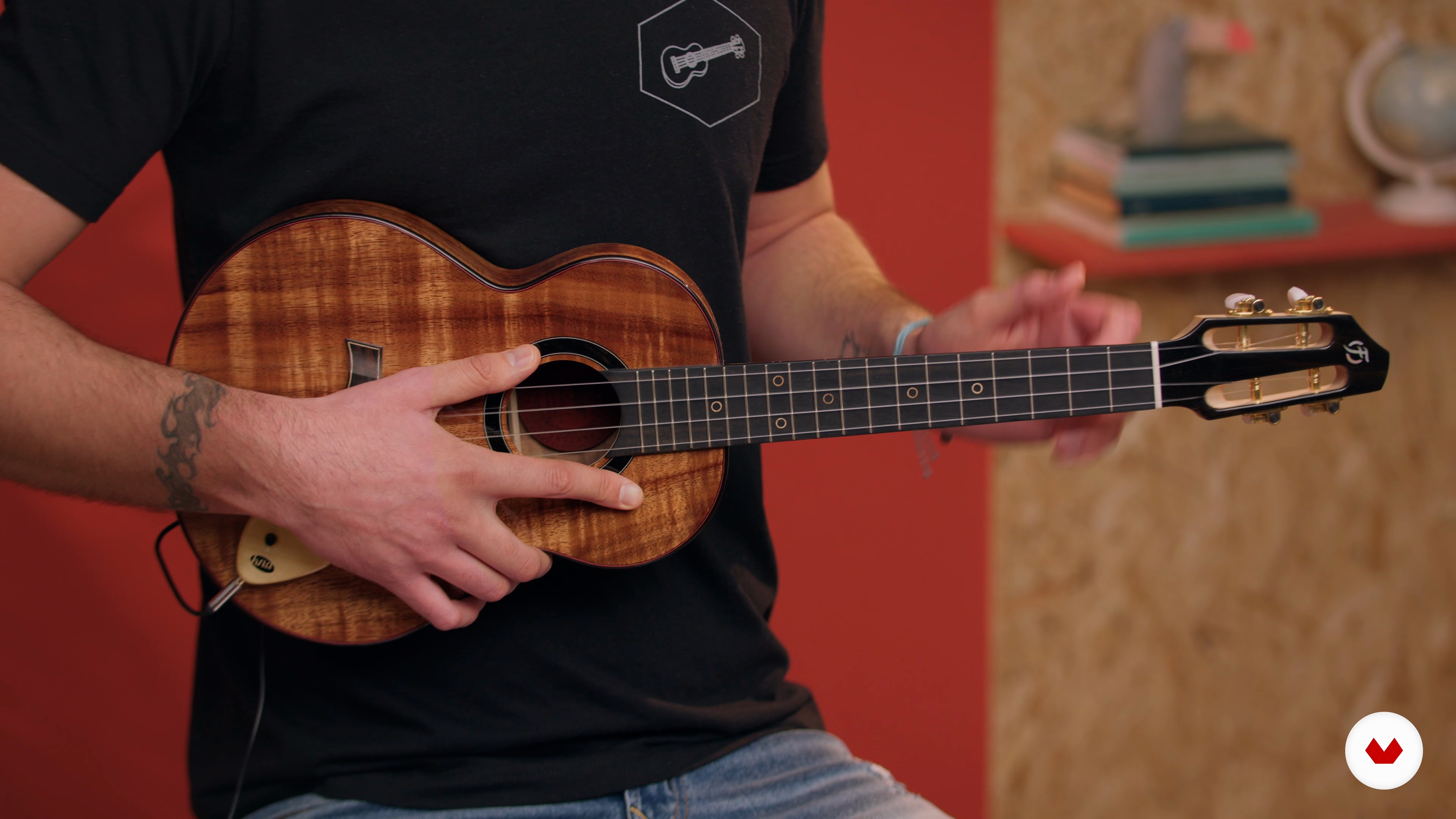
Exploring the Ukulele
Now, we'll walk through the anatomy of the ukulele, explaining each part and its function. You'll learn the names and positions of the strings and frets, essential knowledge for any ukulele player.
3m
image
5
The Basics of Tuning
It's time to talk about tuning your ukulele. I'll teach you how to use a tuner or tuning app to ensure your instrument always sounds its best. This foundational skill is crucial for all future playing and practice sessions.
5m
image
6
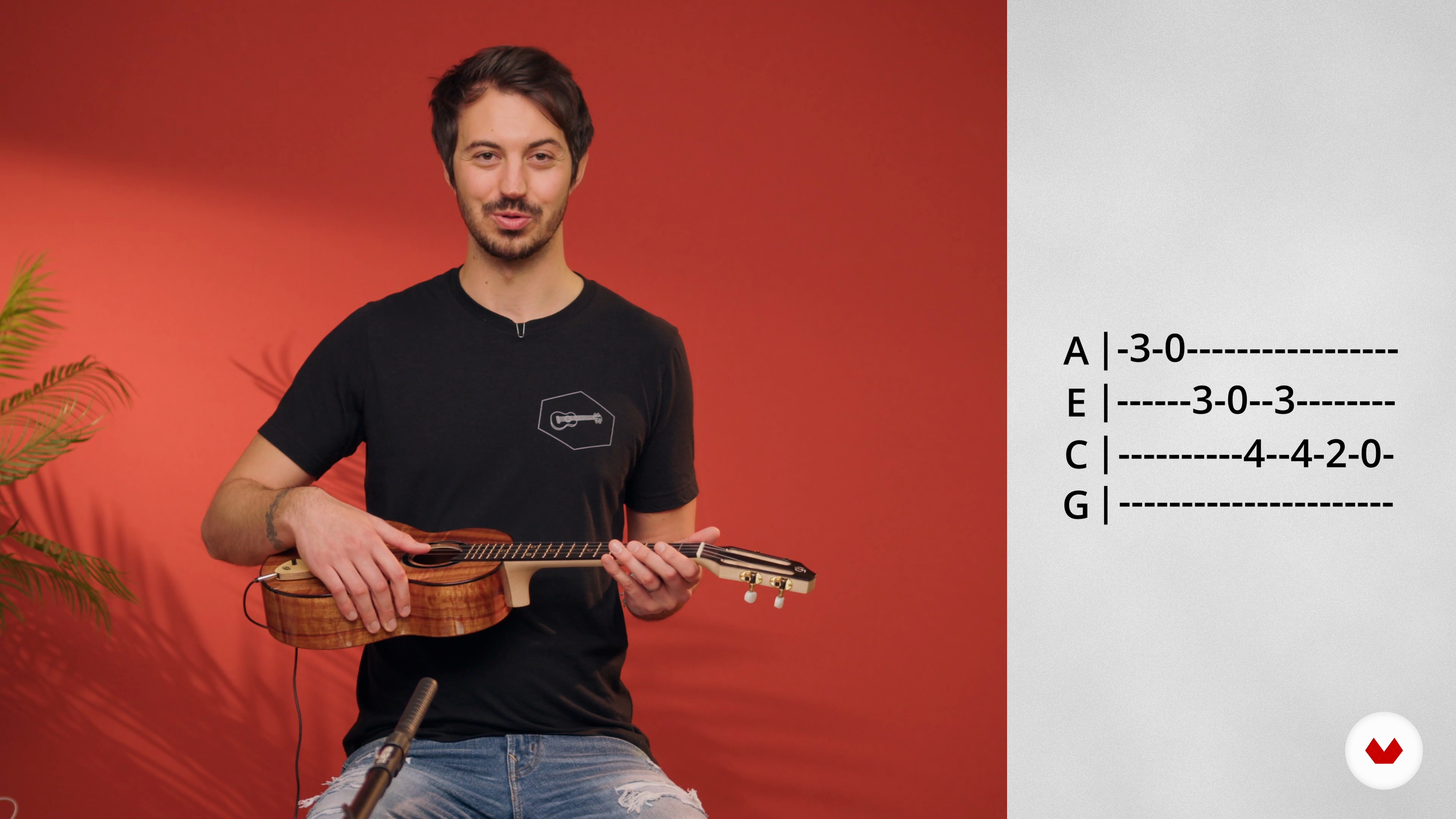
Introduction to Musical Notes and Tablature
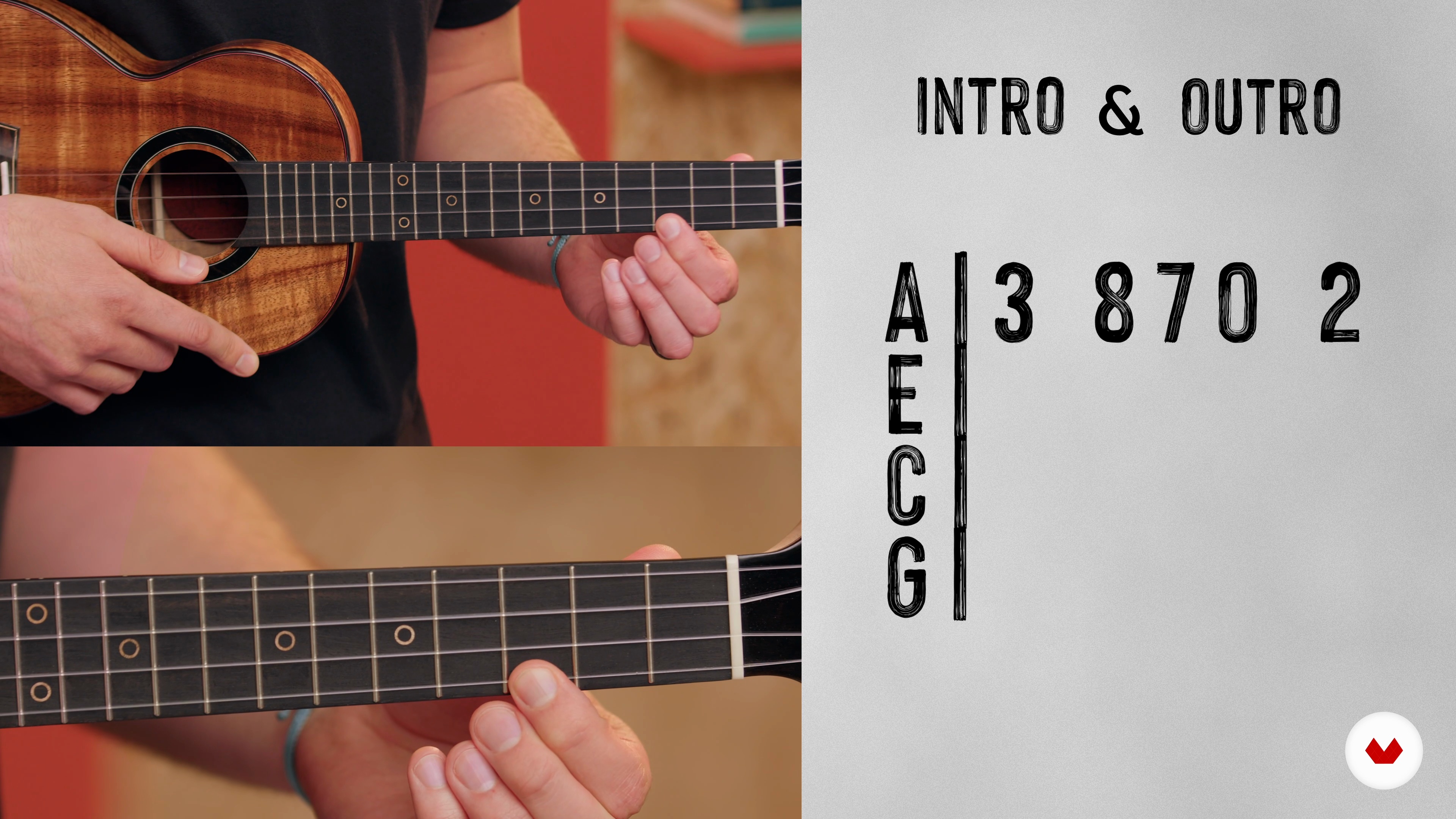
In this lesson, we'll start by learning how to play individual notes and how to read tablature, which will help you understand where and when to play each note.
4m
image
7
Chords and Chord Charts
Now, we'll explore chords, which are combinations of notes played simultaneously. I'll teach you how to read chord diagrams and introduce you to the ten most common chords used in popular music.
6m
image
8
Chord Progressions and Strum Pattern
In this lesson, we'll dive into chord progressions and strumming patterns. I'll show you how to combine chords in a sequence and apply different strumming techniques to create a cohesive and rhythmic sound.
2m
image
9
Tips for Chord Transitions
Now, we’ll focus on transitioning between chords smoothly. I'll share tips and exercises to help you switch chords quickly and efficiently, ensuring your playing sounds fluid and professional.
2m
image
10
Tips for Strumming
It's time to talk about strumming techniques. I'll teach you how to strum with ease, including variations in strumming patterns and how to keep a steady rhythm. These tips will enhance the overall sound and feel of your ukulele playing.
2m
image
11
Song Structures and Progressions
In this lesson, we'll explore the common structures of songs and how chord progressions fit into these structures. I'll show you how to identify different parts of a song, such as verses, choruses, and bridges, and how to play chord progressions that correspond to these sections.
6m
image
12
Playing Your First Song
In this lesson, I explain how to put it all into practice. I'll guide you through playing your first full song on the ukulele. We'll go step-by-step, focusing on chord transitions, strumming patterns, and maintaining rhythm throughout the song.
4m
image
13
Building Your Practice Routine
n this lesson, I'll help you create an effective practice routine to keep improving your skills. We'll discuss the importance of regular practice, setting goals, and incorporating new songs into your repertoire. By the end of this lesson, you'll have a personalized practice plan to continue your musical journey.
2m
image
3
What does it mean to be an artist?
First, I will teach you what it means to be an artist, what are the psychological, cognitive and life challenges that this entails. I will also talk to you about how to overcome the obstacles of creative life and understand yourself deeply.
4m
image
4
The notes
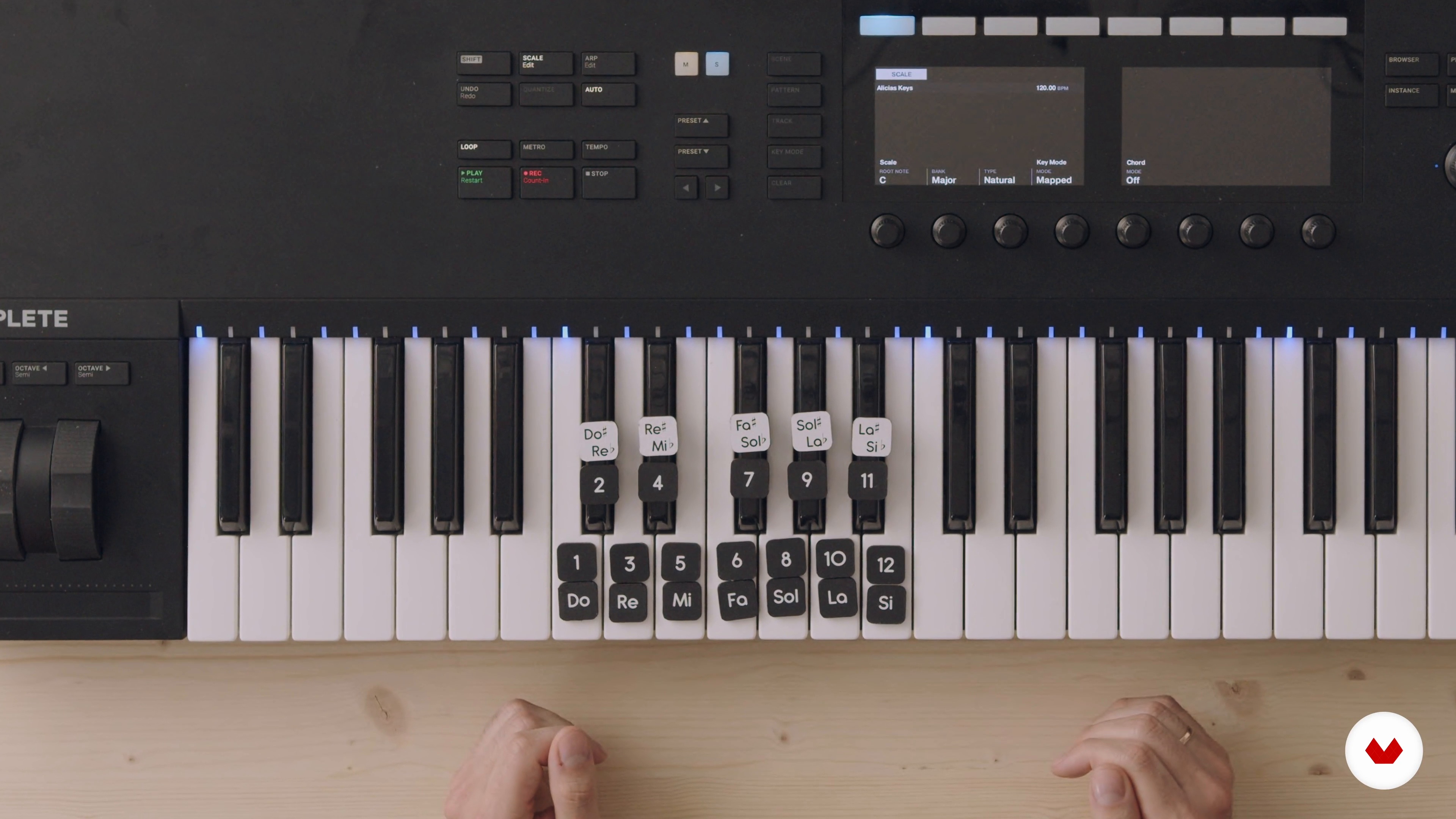
I will explain to you what music is made of, what music theory is, and what are the 12 notes that make up each piece you have heard.
5m
image
5
The scales
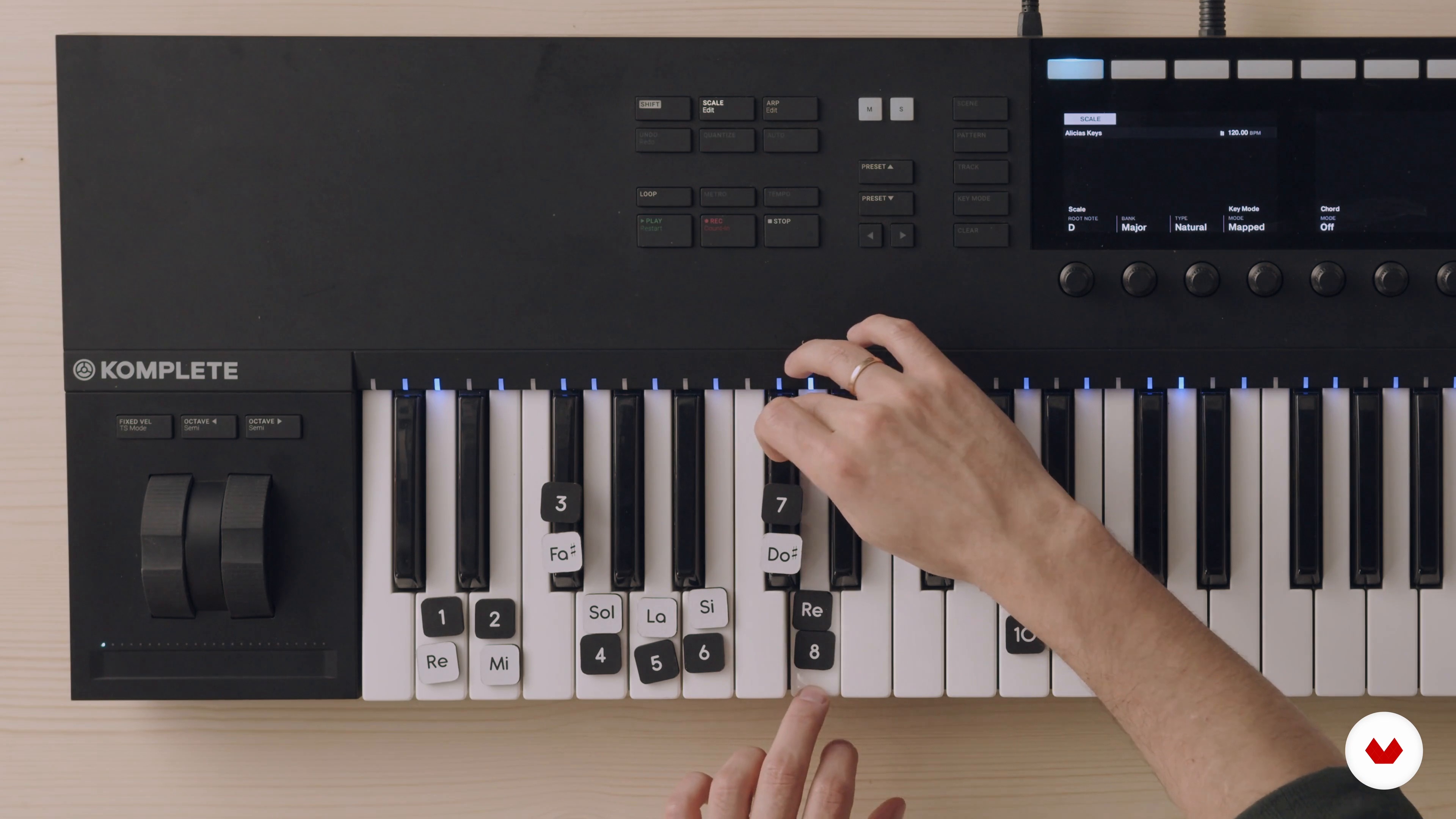
In this lesson I will teach you how to group notes to create musical coherence and define the rules of the game for each song.
6m
image
6
Chords and melody
Now it's time to show you what chords are and how to use them to create a melody.
10m
image
7
The rhythm
Finally, you will learn about rhythm and how timing is one of the most important factors in music.
15m
image
8
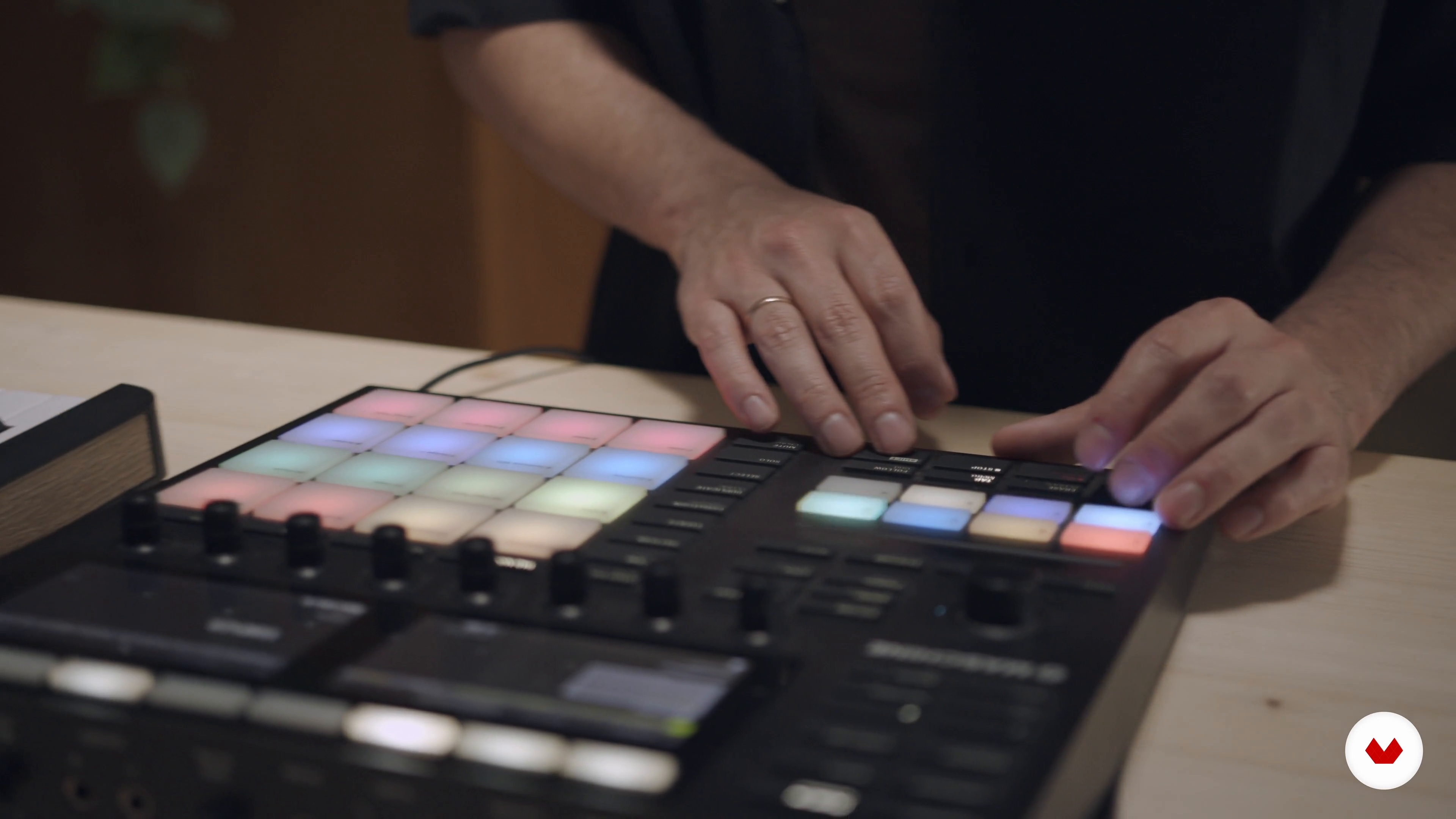
The modern studio
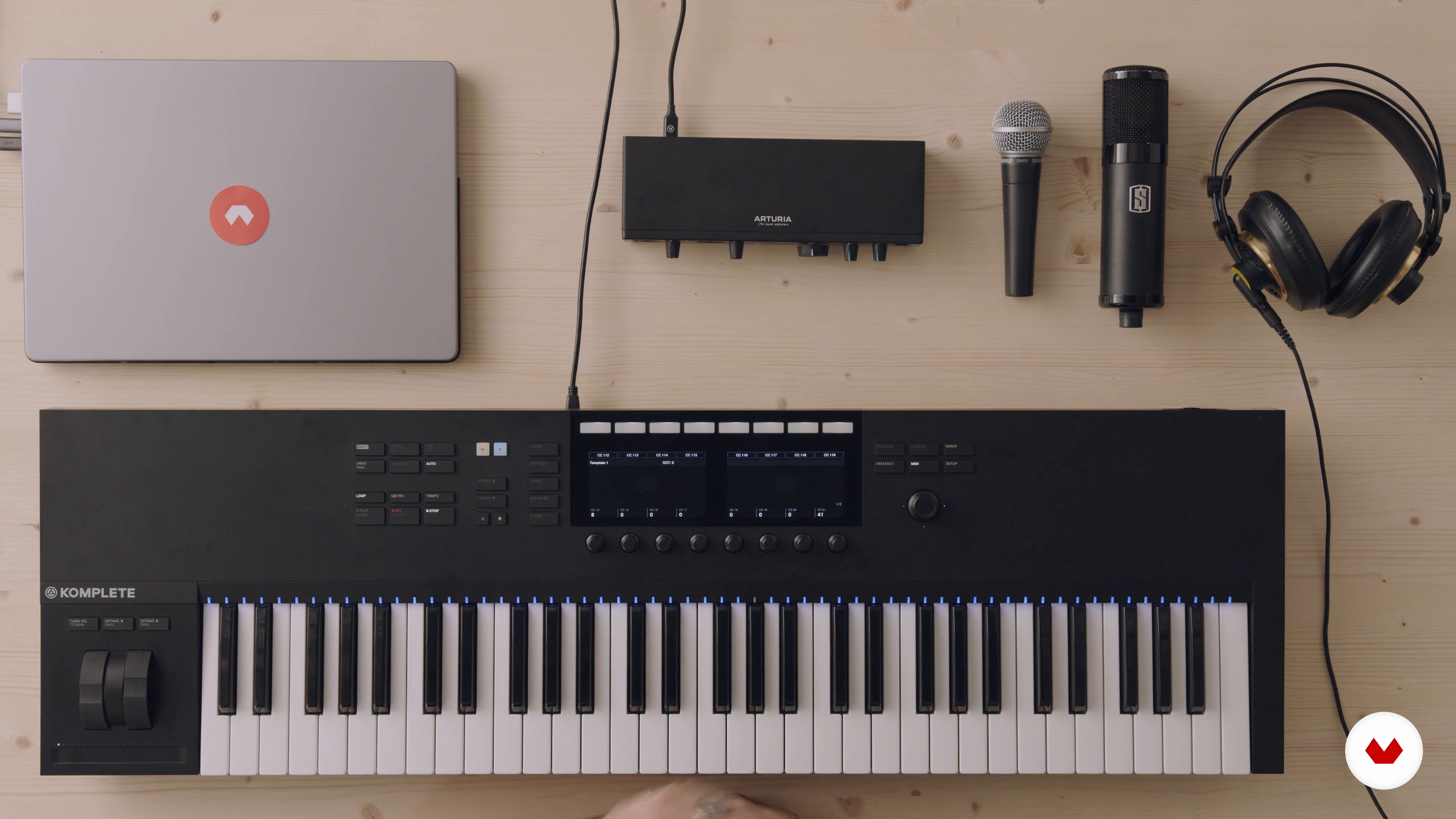
I'll start by showing you the equipment and tools that make up today's studios. I'll show you which elements are the most important to feel comfortable when composing.
4m
image
9
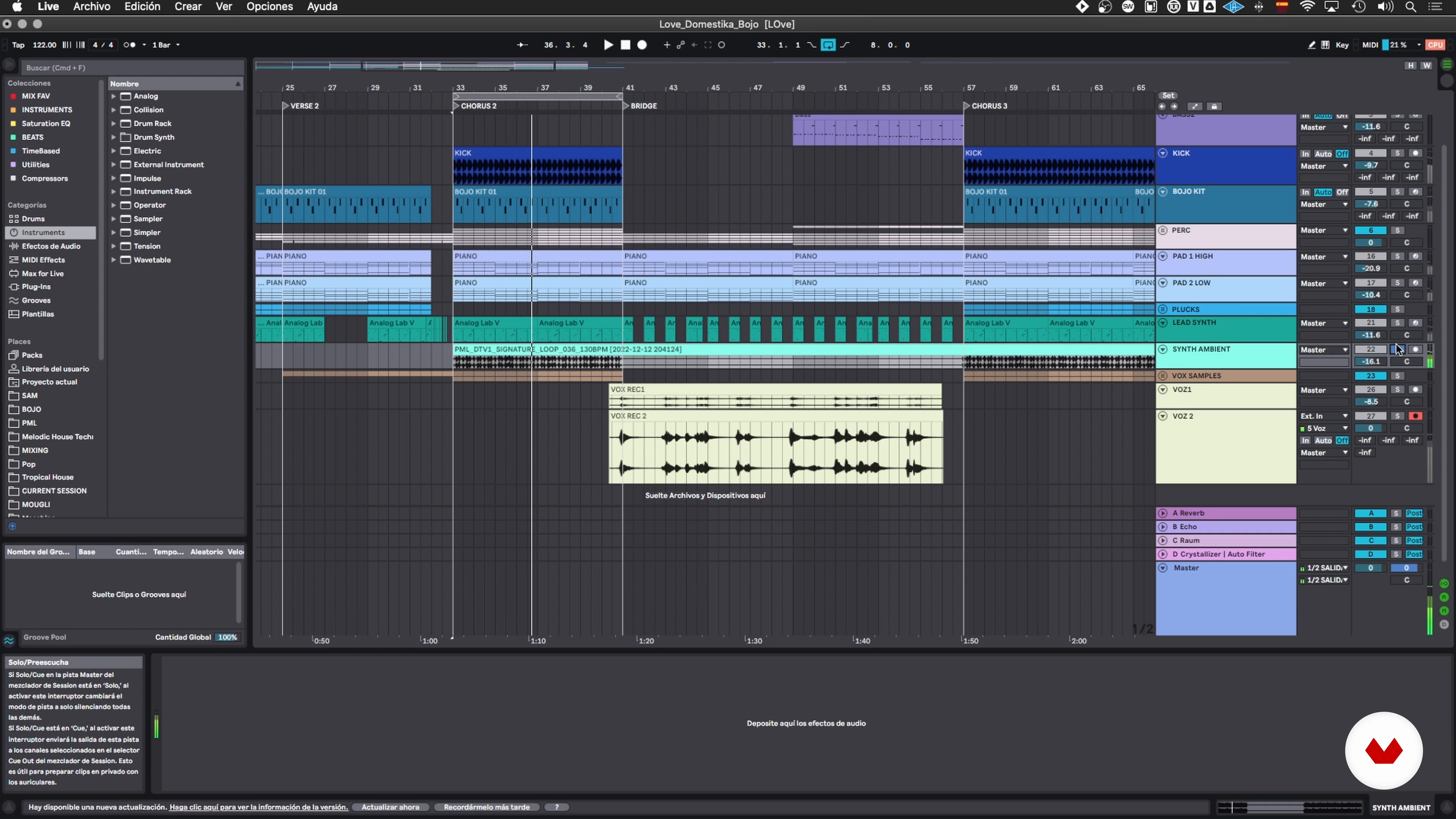
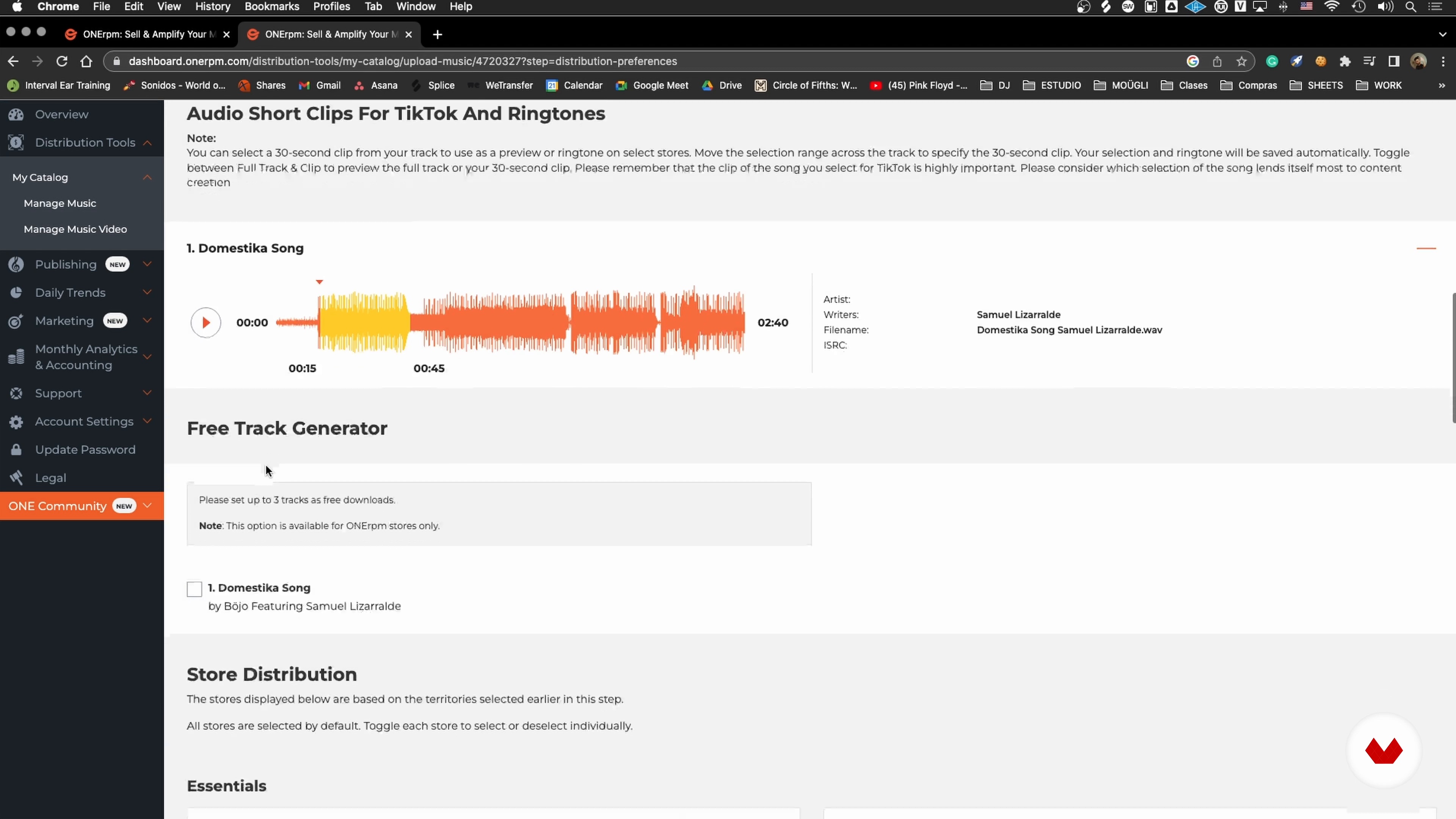
Basic concepts of music editing and production
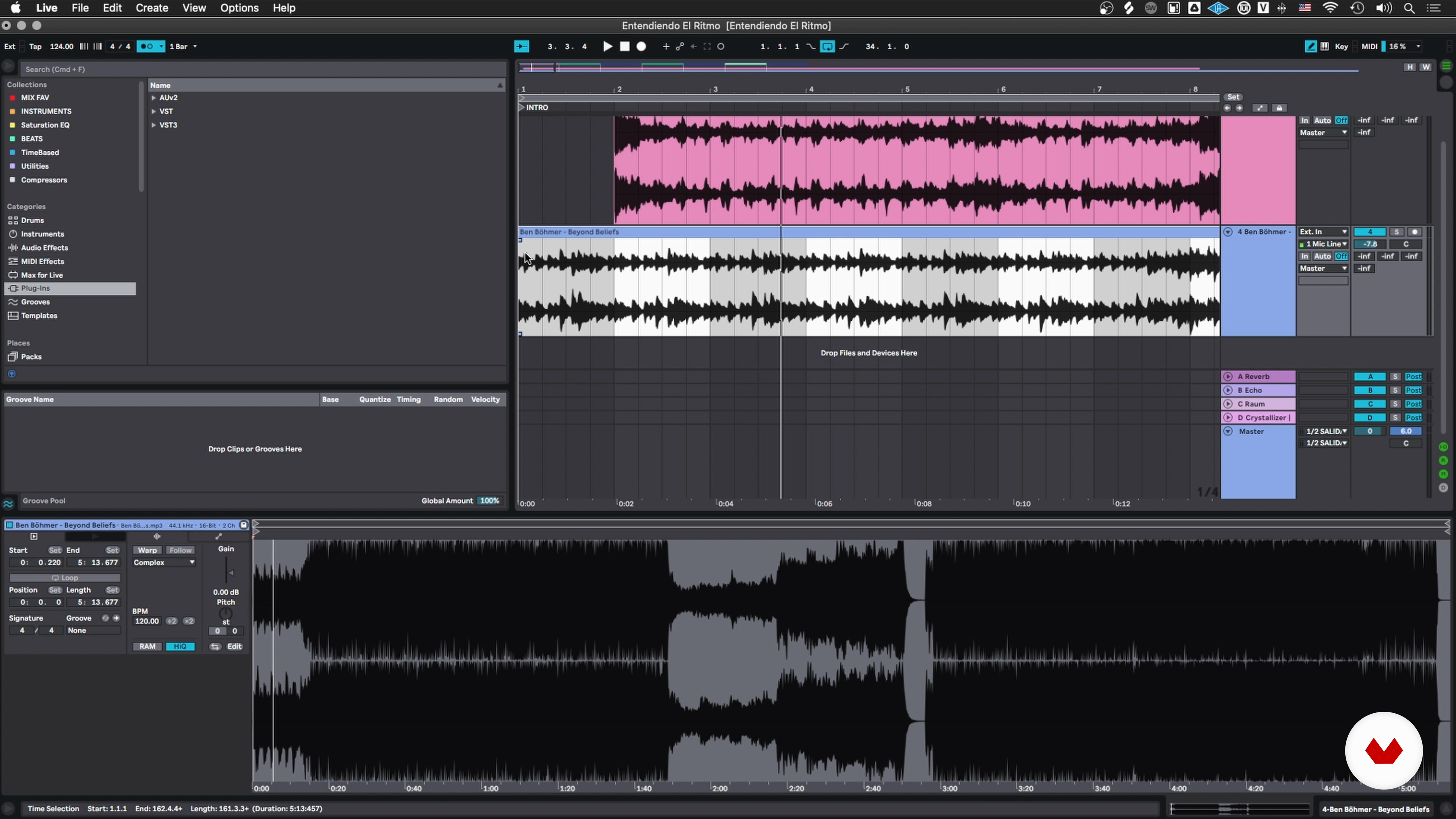
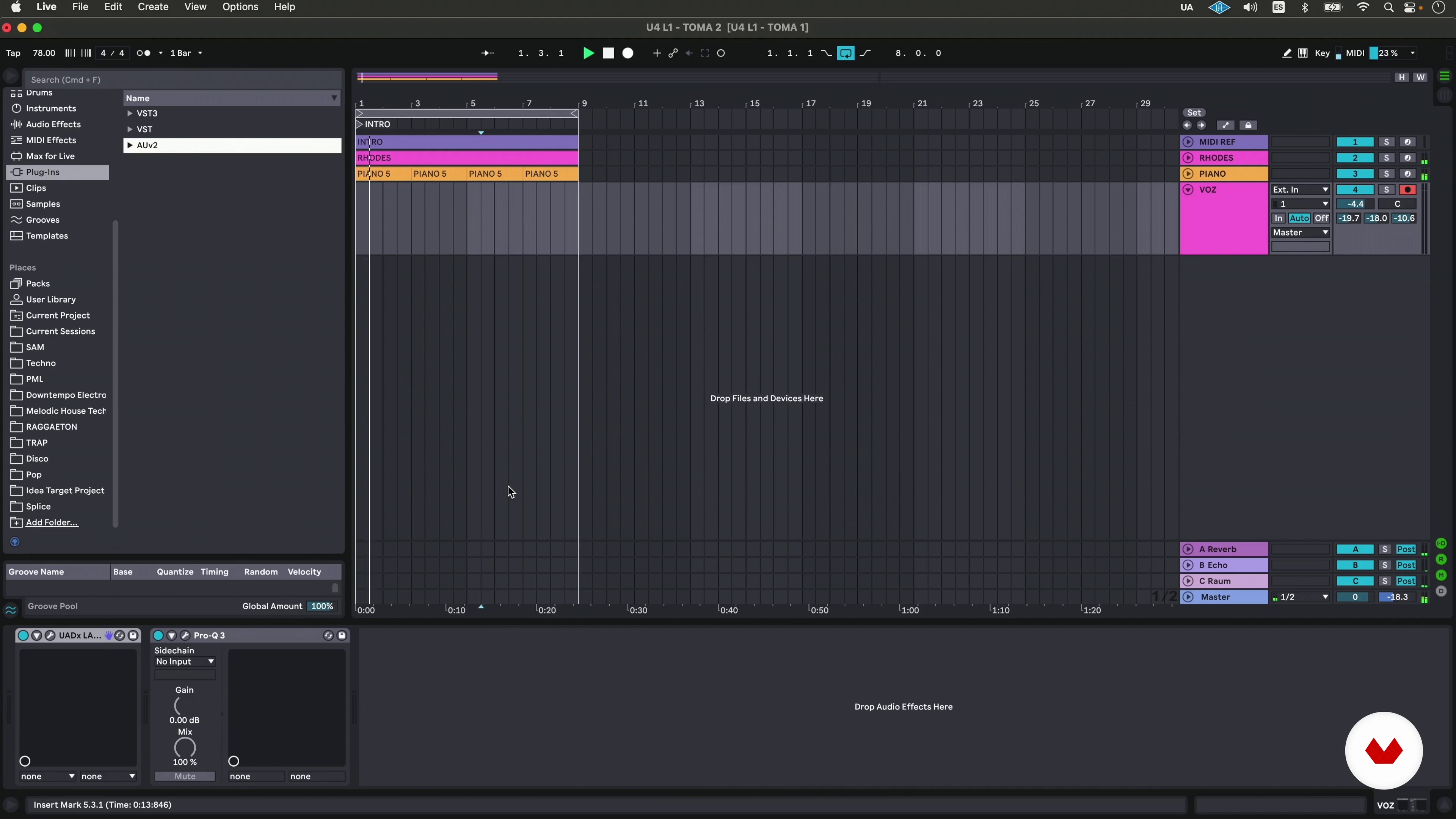
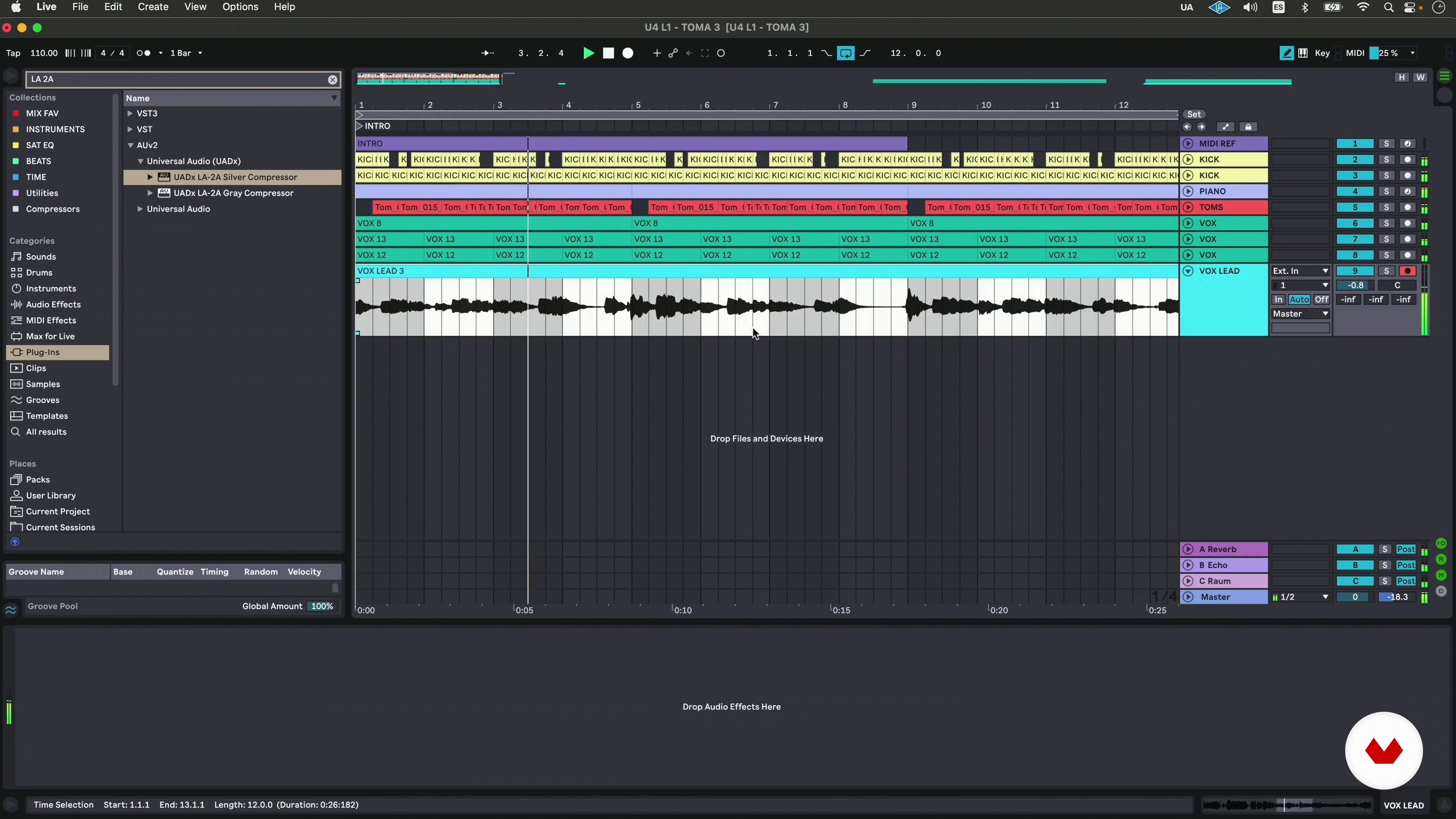
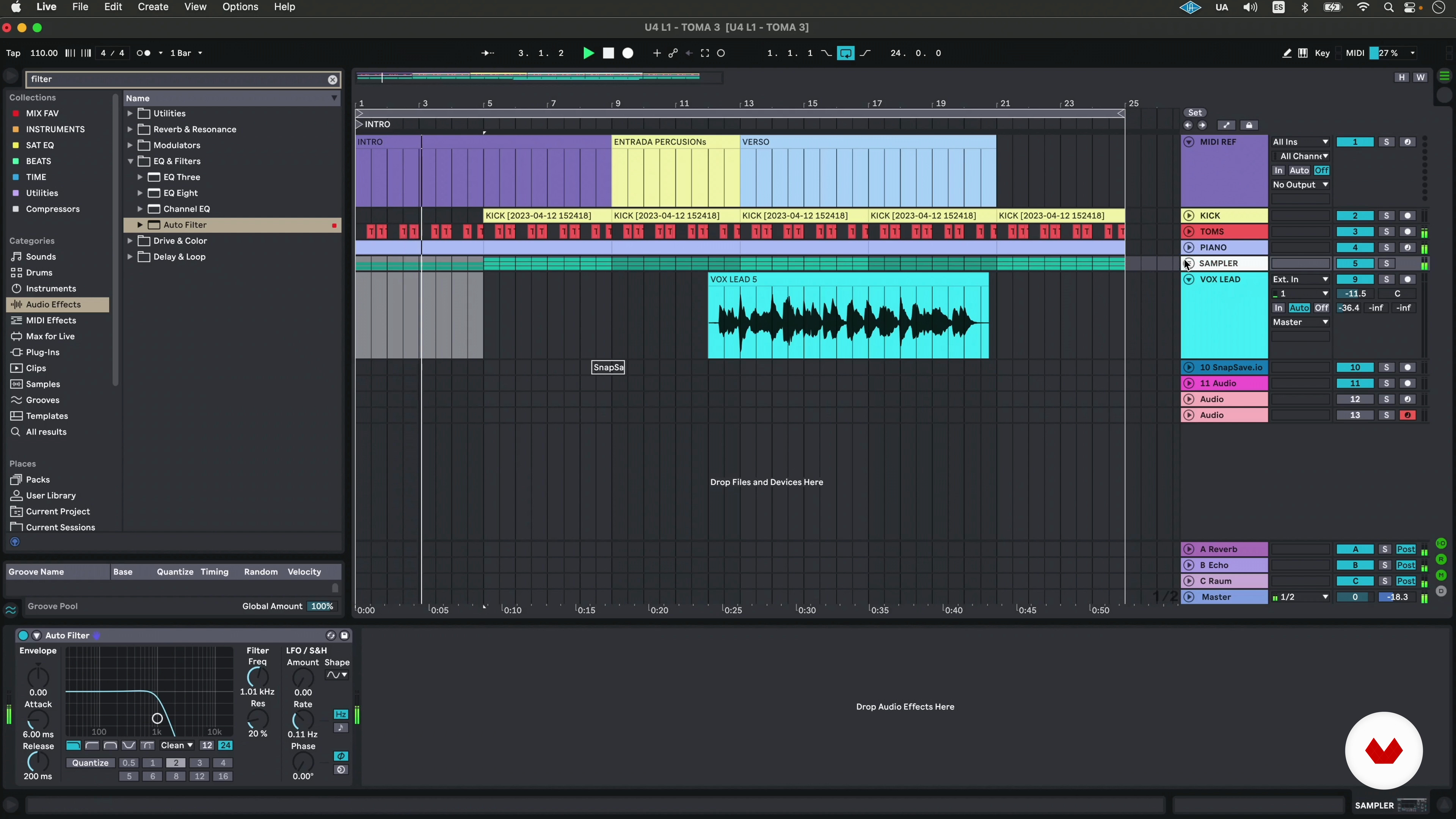
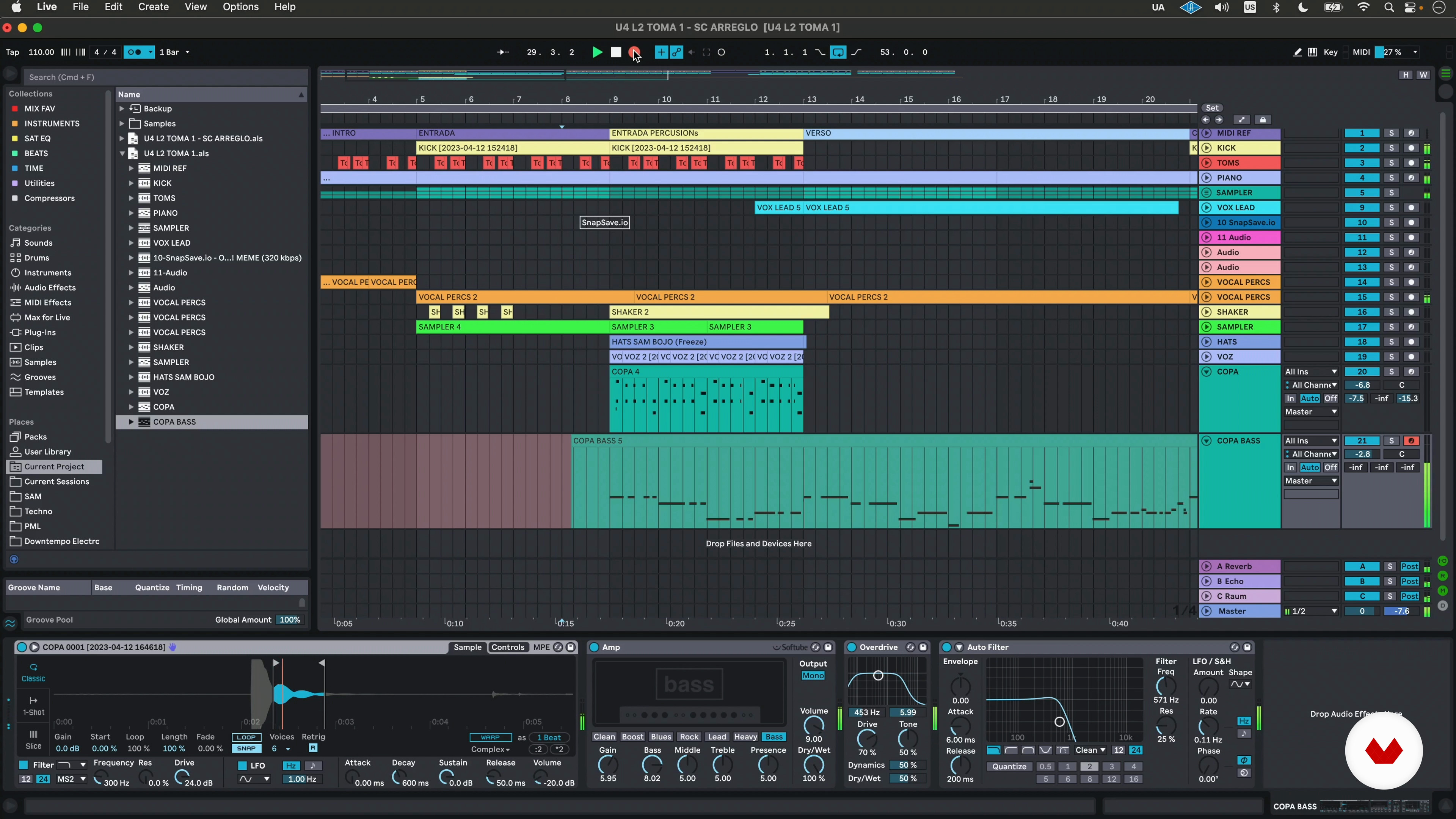
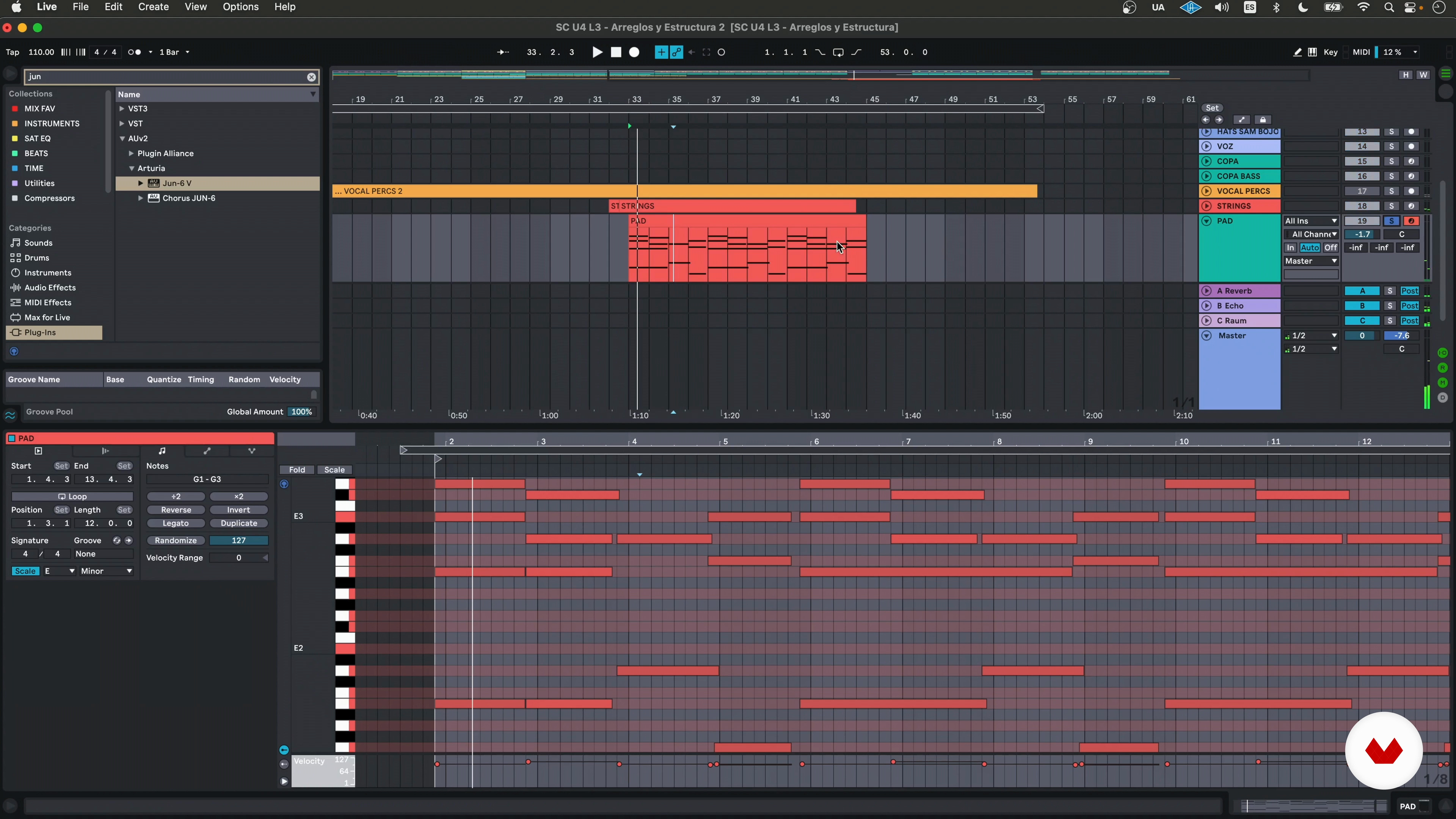
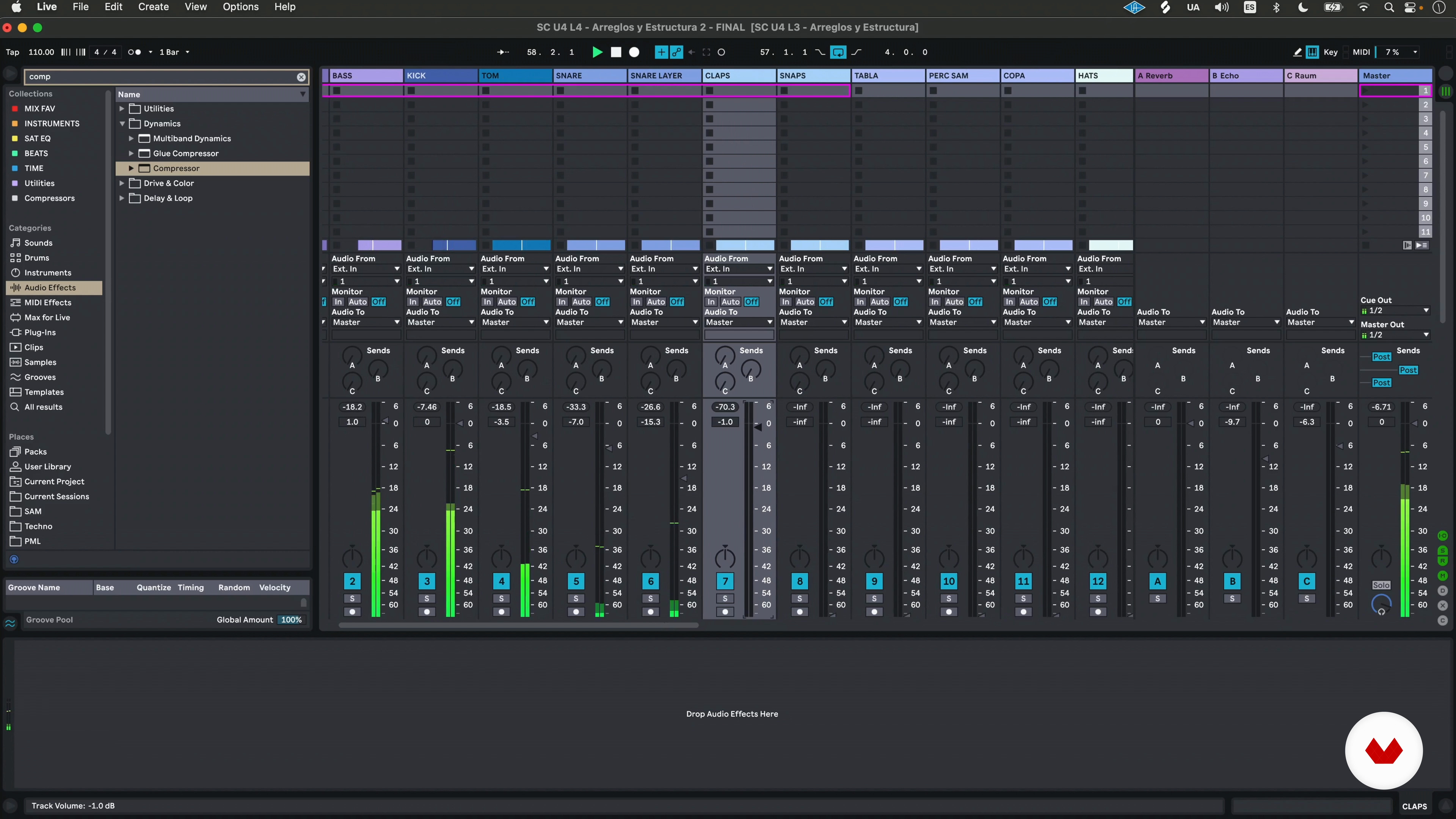
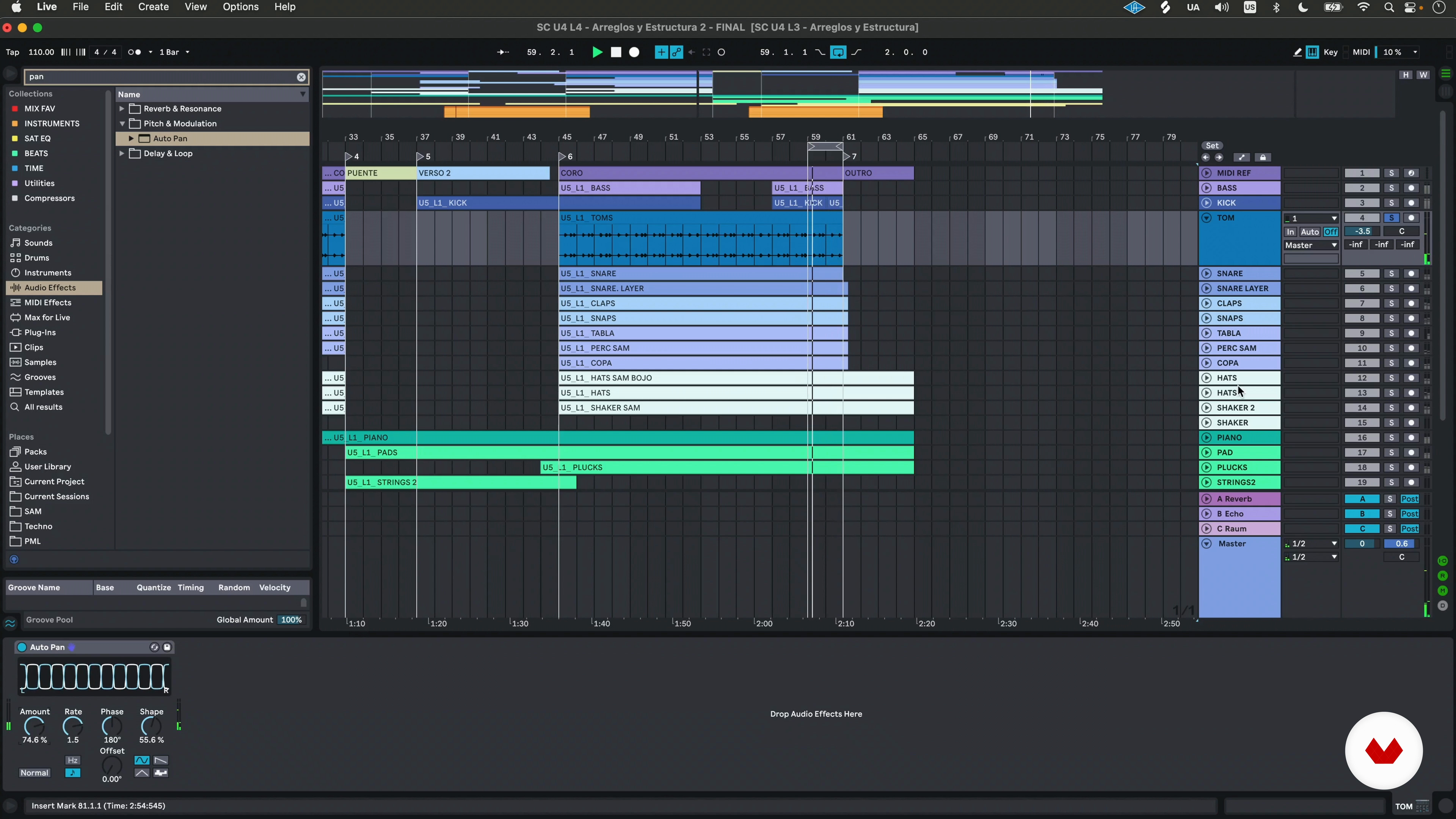
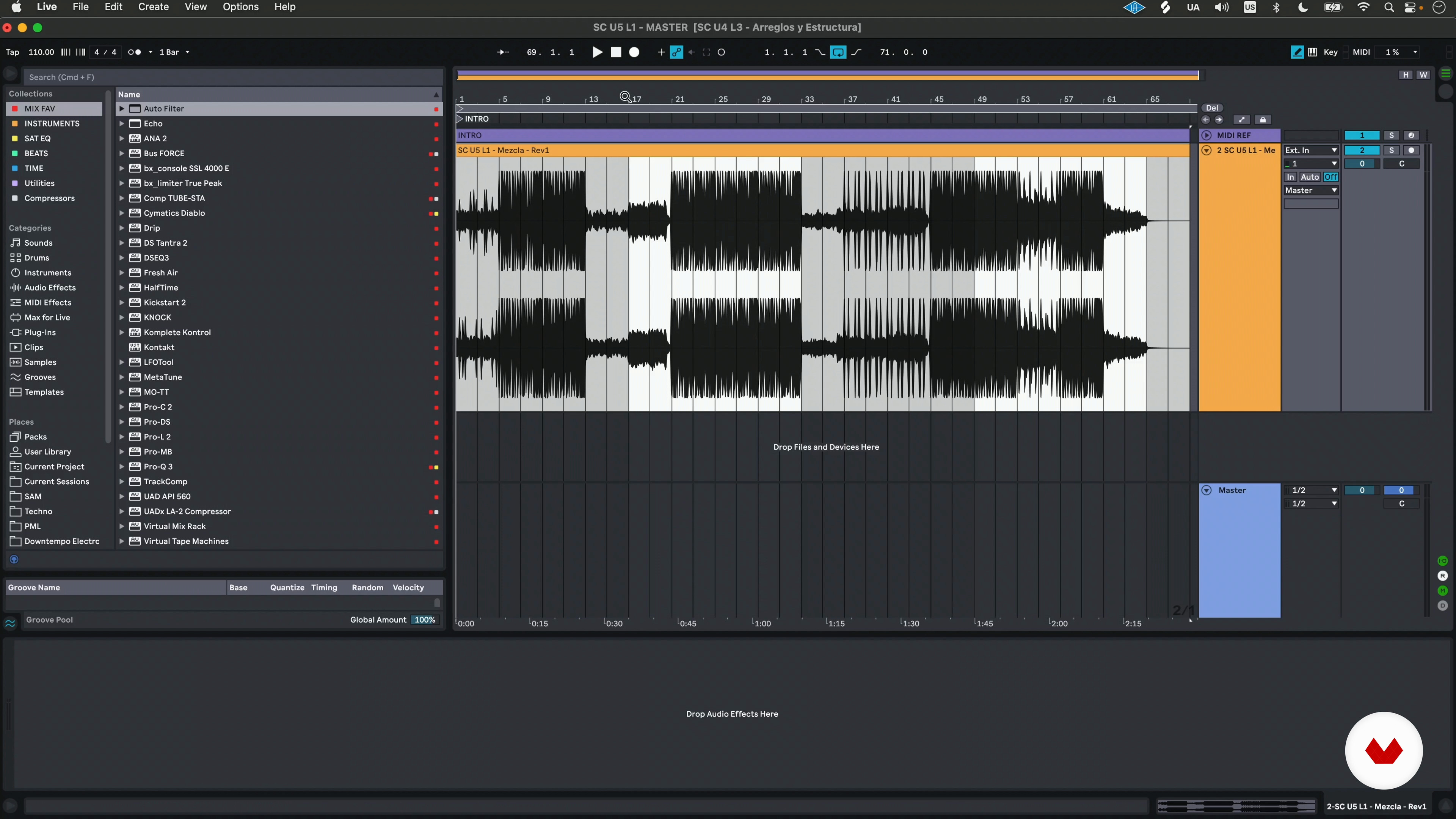
In this lesson I will show you the basics of Ableton Live, how to record, play, manage volumes and understand scales and musical notation within Ableton or any DAW.
16m
image
10
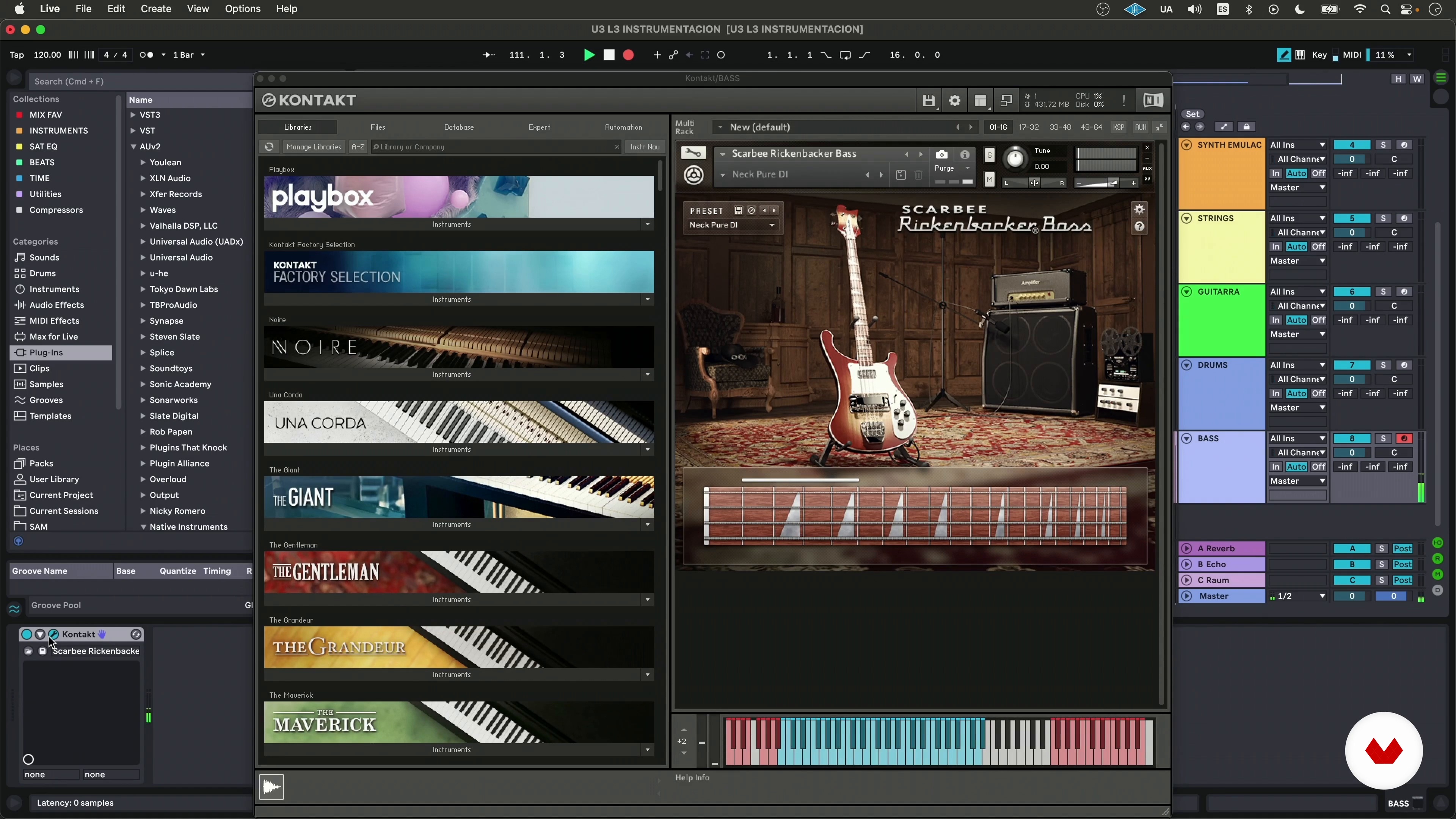
Instrumentation in your sound
Finally, I'll show you how to analyze your favorite songs and how to expand your mental music library. I'll also show you how to find a main instrument for your song, what virtual libraries are, and how to use your favorite DAW to do so.
15m
image
11
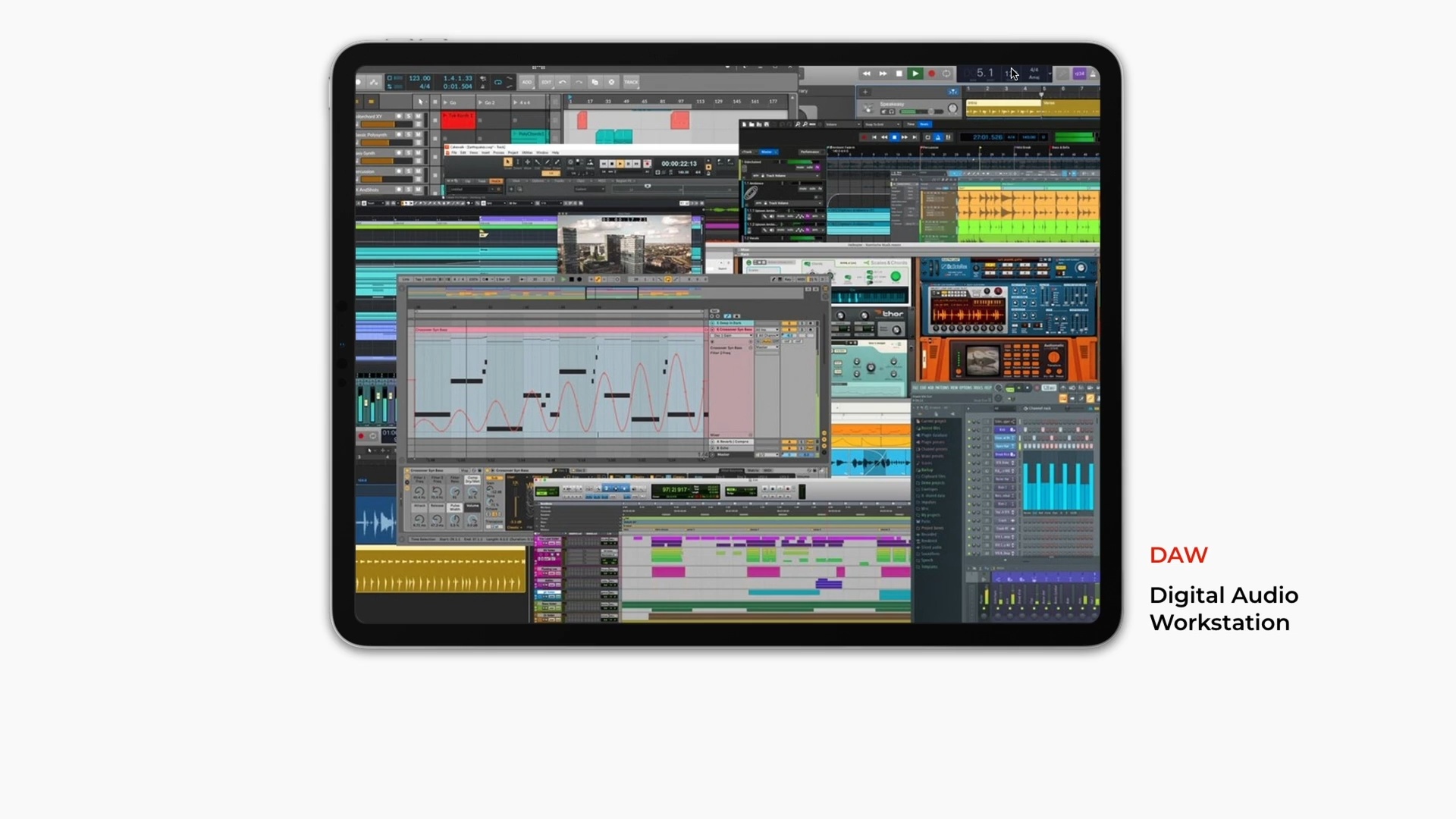
To learn more: Digital Audio Workstation
In this video you will find detailed information about DAWs. I hope it will be of great help to you in understanding them better.
8m
image
12
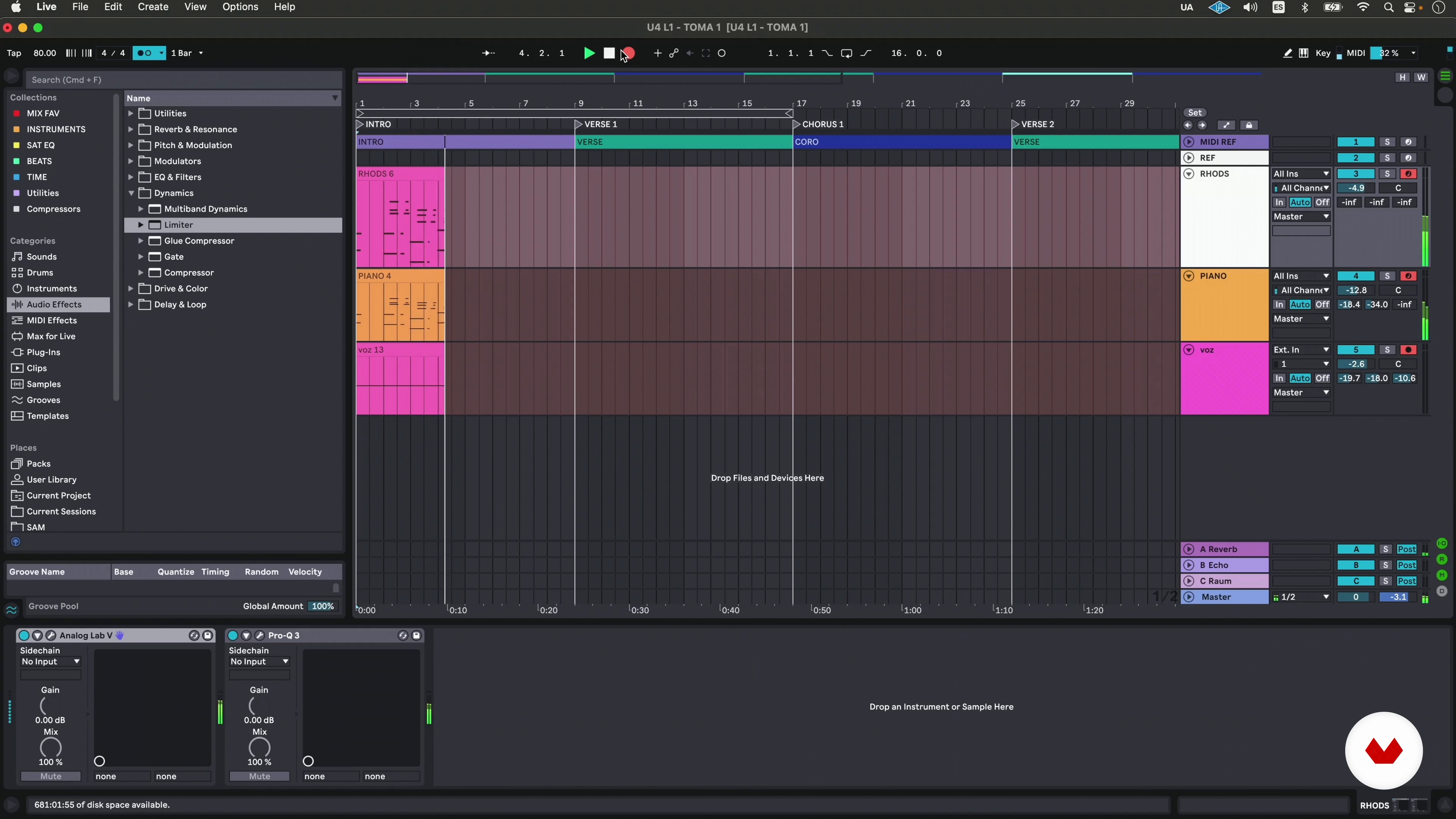
Listening to our creativity: recording ideas 1
In this lesson you will come into contact with silence and those ideas that slowly begin to sound in your mind.
17m
image
13
Listening to our creativity: recording ideas 2
I will continue to talk to you about the difficulties that decision-making represents in the creative process and how to overcome them.
12m
image
14
Listening to our creativity: recording ideas 3
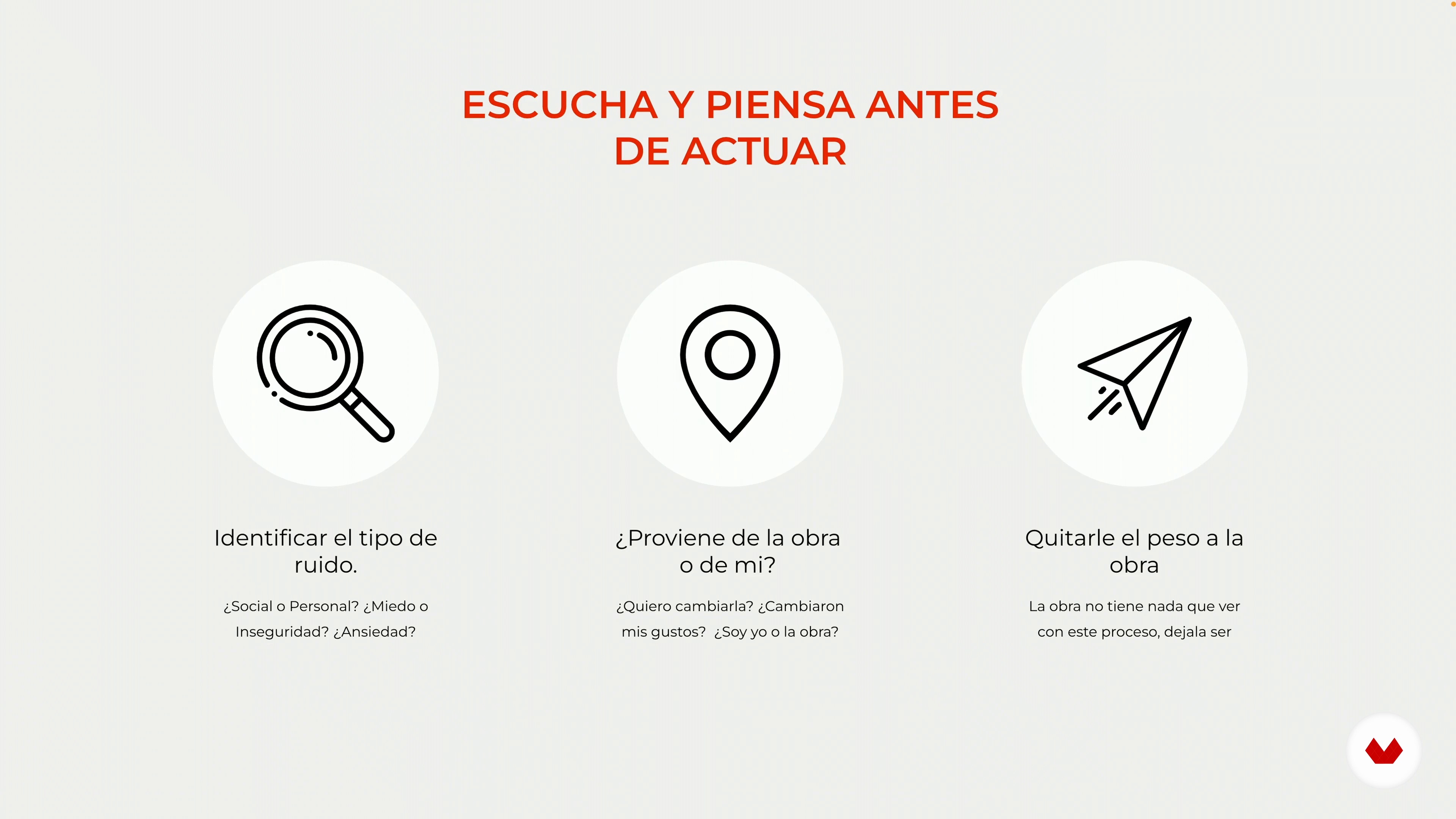
I will share with you my best tips for listening to your ideas by judging their ability to convey and not their technical quality. Sometimes street noises and a babble convey more than a mastered work.
18m
image
15
Recording your first demo
Now I will explain how to record your musical idea into your DAW to start creating a song.
13m
image
16
Sound design 1
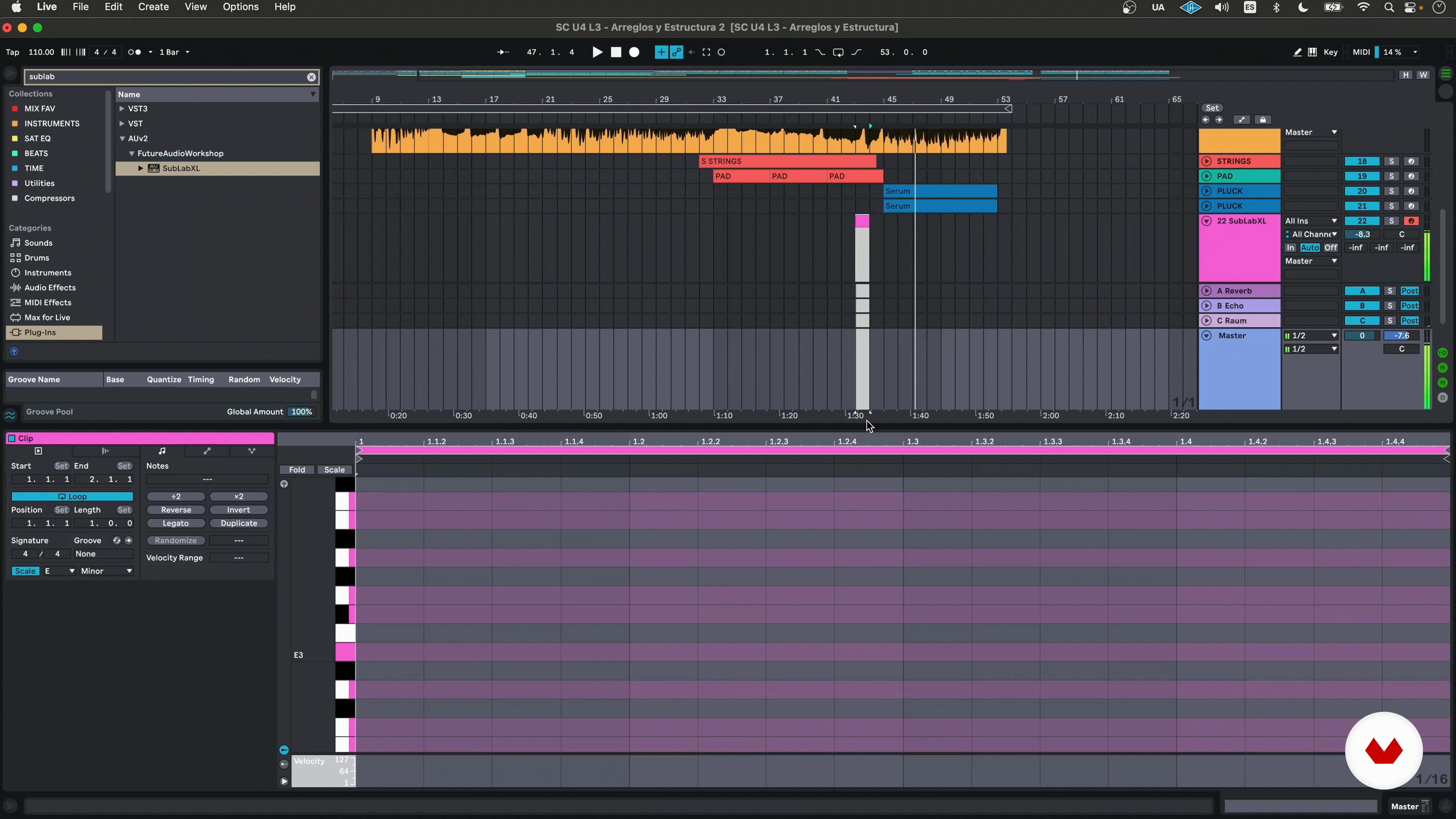
In this lesson I will show you how to replace voice sounds with more professional sounds and in this way approach production.
21m
image
17
Sound design 2
In this second part of the lesson, you will learn how to carry out the arrangements and instrumentation of your work.
10m
image
18
Sound design 3
Finally, I will continue to share the best tricks to achieve a unique sound design for your projects.
22m
image
19
Arrangements and structure
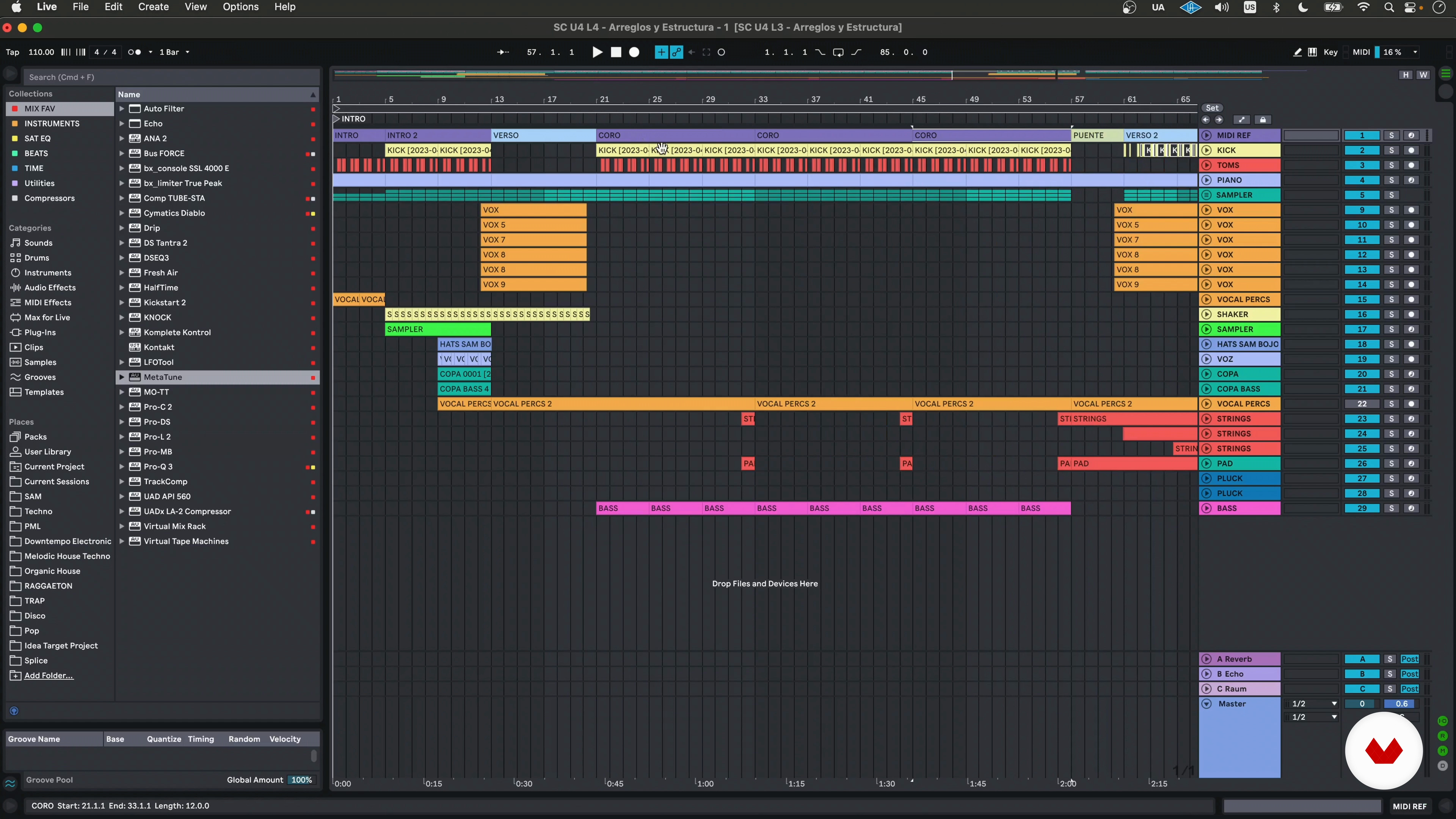
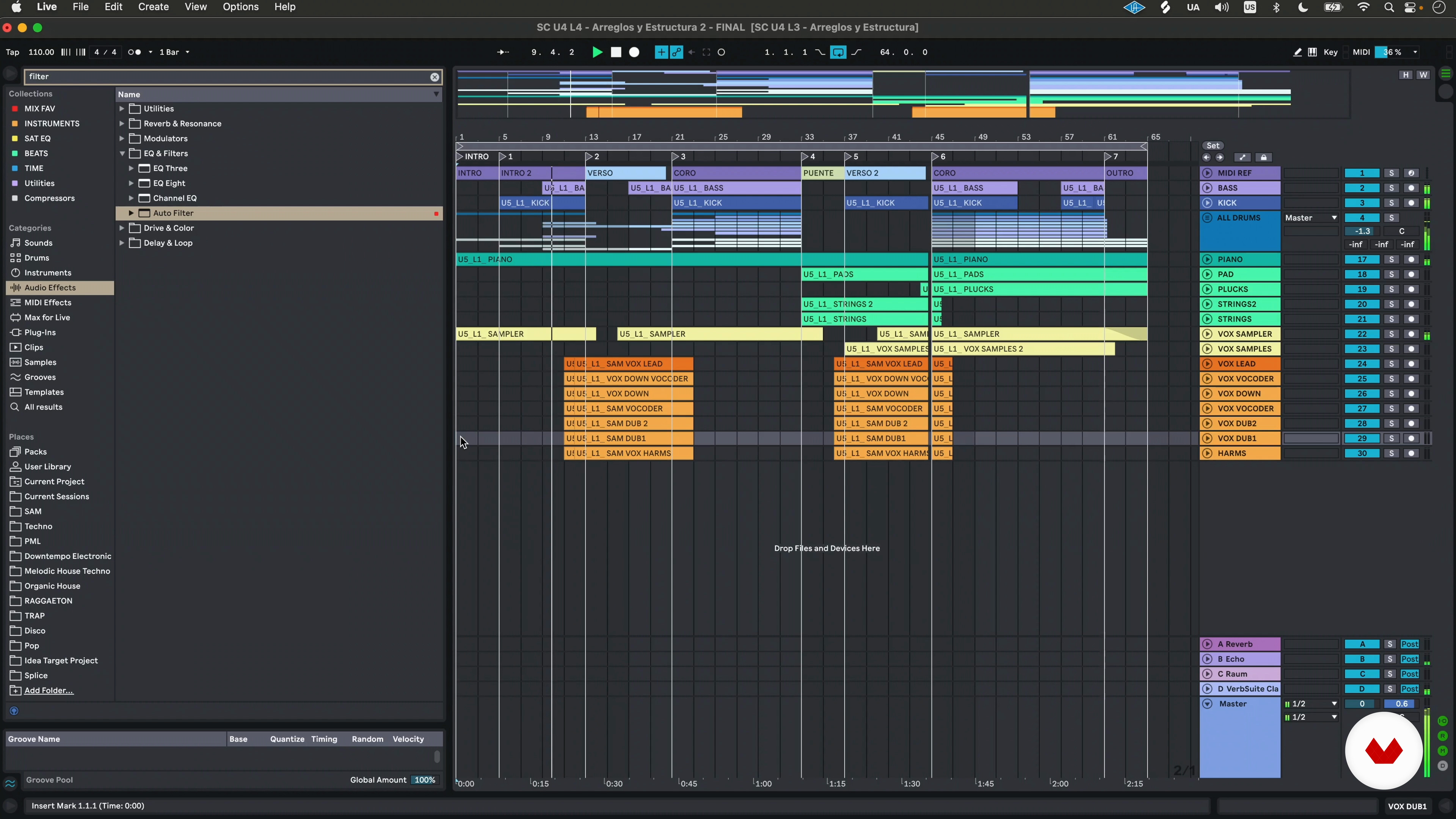
Finally, I will explain what arrangement and song structure are. You will learn what types of structures exist and how to look for references and ideas for our structure. Finally, I will tell you how to decide what arrangements the work will need.
15m
image
20
The mix 1
To start, I'll tell you how to know when your production is finished and how to start the next process: mixing.
18m
image
21
The mix 2
In this second part of the lesson, I will continue to help you understand the basics of mixing.
19m
image
22
The mix 3
I'll give you some tips on how to focus your mind to get more effective results and have a great mixing philosophy.
20m
image
23
The mix 4
I'll continue by showing you some tricks you can use to help you get your mix done and I'll tell you how you can tell when it's done.
8m
image
24
Mastering 1
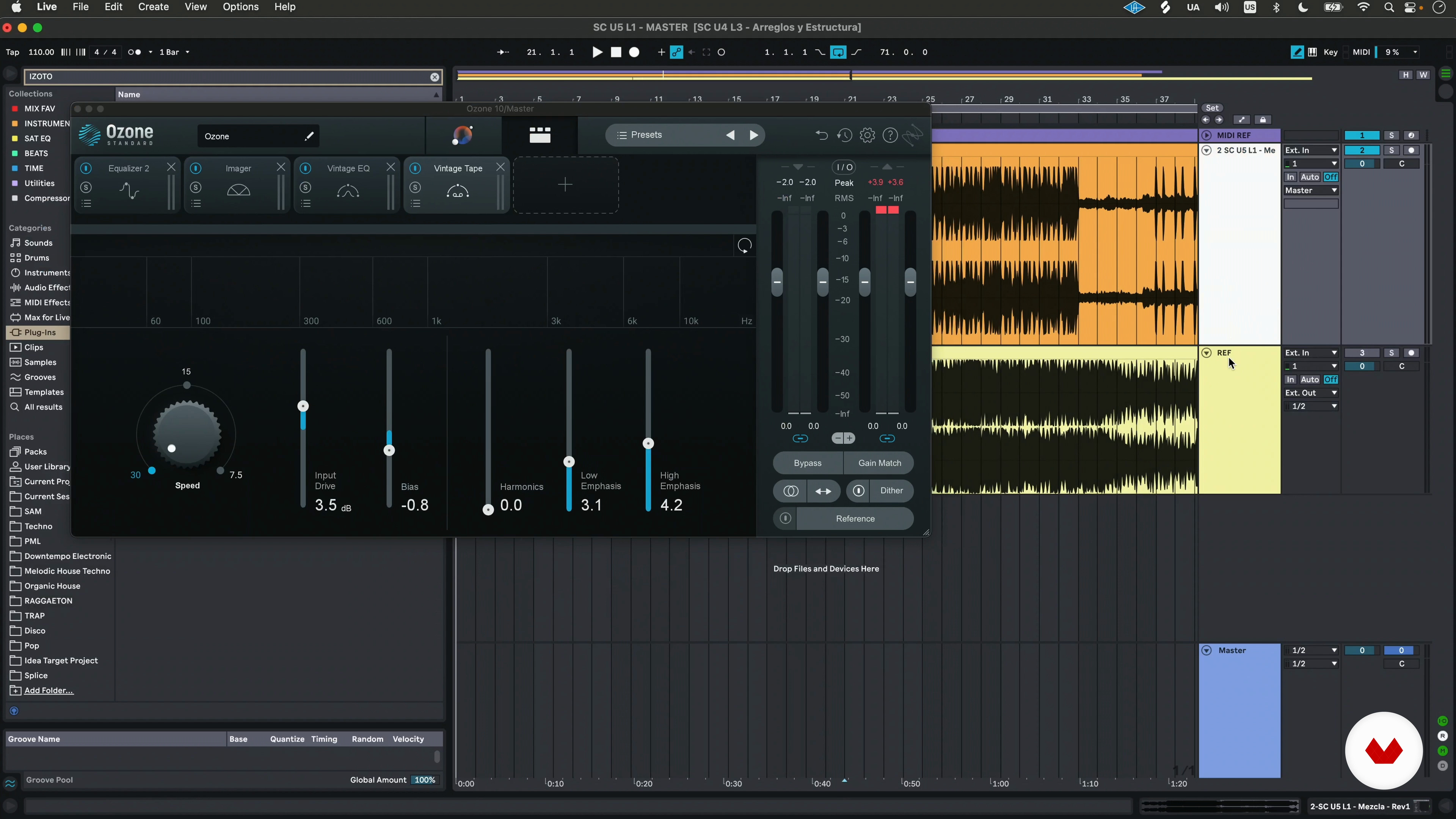
What is the Mastering process? In this lesson, I will tell you everything you need to know about this process.
17m
image
25
Mastering 2
I will talk to you about and show you the advantages that this process brings in terms of quality. In addition, I will show you some examples of the before and after of this process.
16m
image
26
What to do with the finished work 1
Now that you have your work finished, I will tell you the most important steps to publish your work.
7m
image
27
What to do with the finished work 2
It's time to share some tips that will help you make your work visible to your future audience.
14m
image
28
Tips and tricks
Finally, I will tell you some other tricks, tips and things that I wish I had known before starting my artistic path. I hope they are useful to you.
4m
image
29
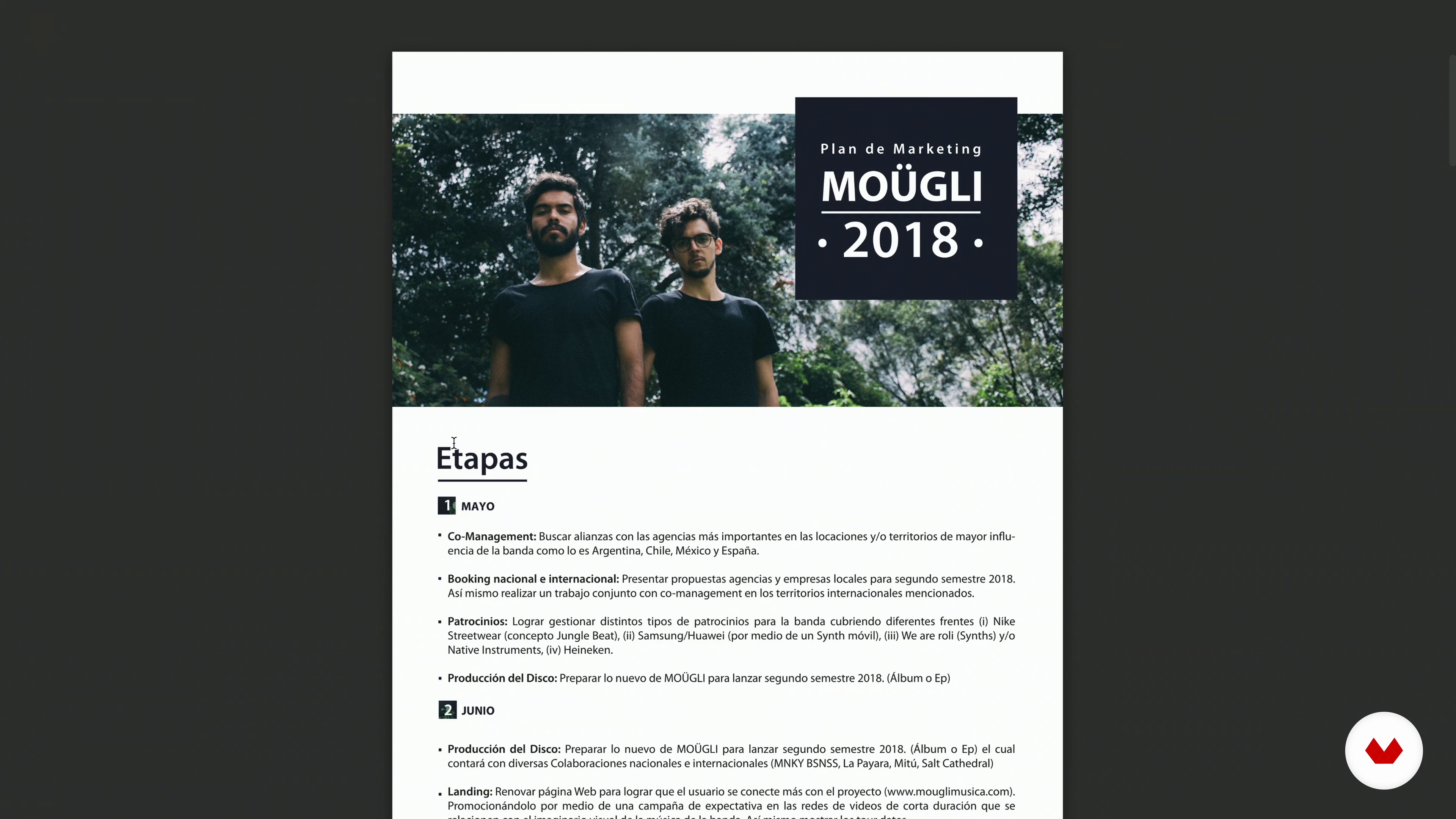
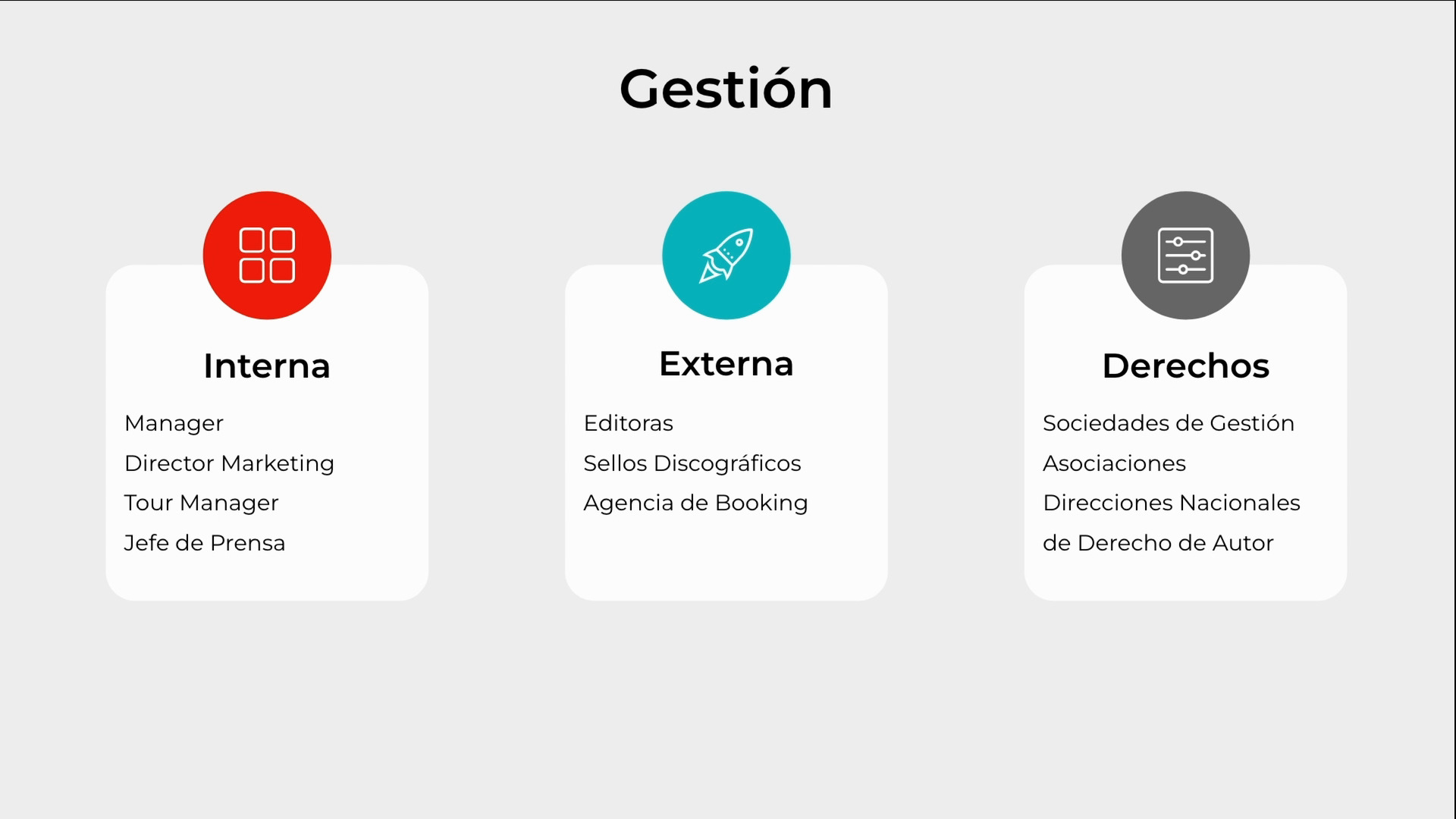
To learn more: Music industry ecosystem
The music industry can be intimidating when you're not familiar with it. That's why I've put together this video to explain more about how it works and evolves.
16m
  • 18 students
  • 98 lessons (18h 33m)
  • 130 additional resources (47 files)
  • Online and at your own pace
  • Audio: English, German, Spanish, Spanish (Latam), French, Indonesian, Italian, Dutch, Polish, Portuguese, Romanian, Turkish
  • Spanish · English · Portuguese · German · French · Italian · Polish · Dutch · Turkish · Romanian · Indonesian
  • Level: Beginner
  • Unlimited access forever

What is this course's project?

Create an original rhythmic sequence using various percussion instruments. Demonstrate understanding of basic patterns and dynamic variations. Share your creation with the community, inspiring others while solidifying your rhythmic knowledge and creativity.

Who is this specialization for?

This course suits beginners eager to explore music fundamentals, those passionate about learning multiple instruments, and creative individuals interested in composing original pieces. Ideal for anyone wanting to build a solid musical foundation and expand their creative expression.

Requirements and materials

No extensive prior knowledge is needed. Access to a computer with internet, basic musical instruments like a piano, guitar, or ukulele, and some recording tools are recommended. A willingness to explore and create is essential for a rewarding experience.

Select to get to know your teachers in this specialization course
Read more ↓

What to expect from this specialization course

  • Learn at your own pace

    Enjoy learning from home without a set schedule and with an easy-to-follow method. You set your own pace.

  • Learn from the best professionals

    Learn valuable methods and techniques explained by top experts in the creative sector.

  • Meet expert teachers

    Each expert teaches what they do best, with clear guidelines, true passion, and professional insight in every lesson.

  • Certificates
    Plus

    If you're a Plus member, get a custom certificate for every specialization course. Share it on your portfolio, social media, or wherever you like.

  • Get front-row seats

    Videos of the highest quality, so you don't miss a single detail. With unlimited access, you can watch them as many times as you need to perfect your technique.

  • Share knowledge and ideas

    Ask questions, request feedback, or offer solutions. Share your learning experience with other students in the community who are as passionate about creativity as you are.

  • Connect with a global creative community

    The community is home to millions of people from around the world who are curious and passionate about exploring and expressing their creativity.

  • Watch professionally produced courses

    Domestika curates its teacher roster and produces every course in-house to ensure a high-quality online learning experience.


FAQs

Domestika courses are online classes that allow you to learn new skills and create incredible projects. All our courses include the opportunity to share your work with other students and/or teachers, creating an active learning community. We offer different formats:
Original Courses: Complete classes that combine videos, texts, and educational materials to complete a specific project from start to finish.
Basics Courses: Specialized training where you master specific software tools step by step.
Specialization Courses: Learning paths with various expert teachers on the same topic, perfect for becoming a specialist by learning from different approaches.
Guided Courses: Practical experiences ideal for directly acquiring specific skills.
Intensive Courses (Deep Dives): New creative processes based on artificial intelligence tools in an accessible format for in-depth and dynamic understanding.

All specialization courses are 100% online, so once they're published, specialization courses start and finish whenever you want. You set the pace of the class. You can go back to review what interests you most and skip what you already know, ask questions, answer questions, share your projects, and more.

The specialization courses are divided into different modules. Each one includes lessons, informational text, tasks, and practice exercises to help you carry out your project step by step, with additional complementary resources and downloads. You'll also have access to an exclusive forum where you can interact with other students, as well as share your work and your final project, creating a community around the specialization courses.

You can redeem the specialization courses you received by accessing the redeeming page and entering your gift code.
If you're a Plus member, when you complete a course you've purchased, you'll instantly get your personalized certificate. You can see all your certificates in the Certificates section of your profile. You can download your certificates as PDFs and share the link online. Learn more about certificates.
Specialization in Musical Fundamentals: Learn, Play, and Create. Music, and Audio course by Domestika

Specialization in Musical Fundamentals: Learn, Play, and Create

A specialization by multiple teachers
Berkeley, United States.
Joined April 2002
  • 18 students