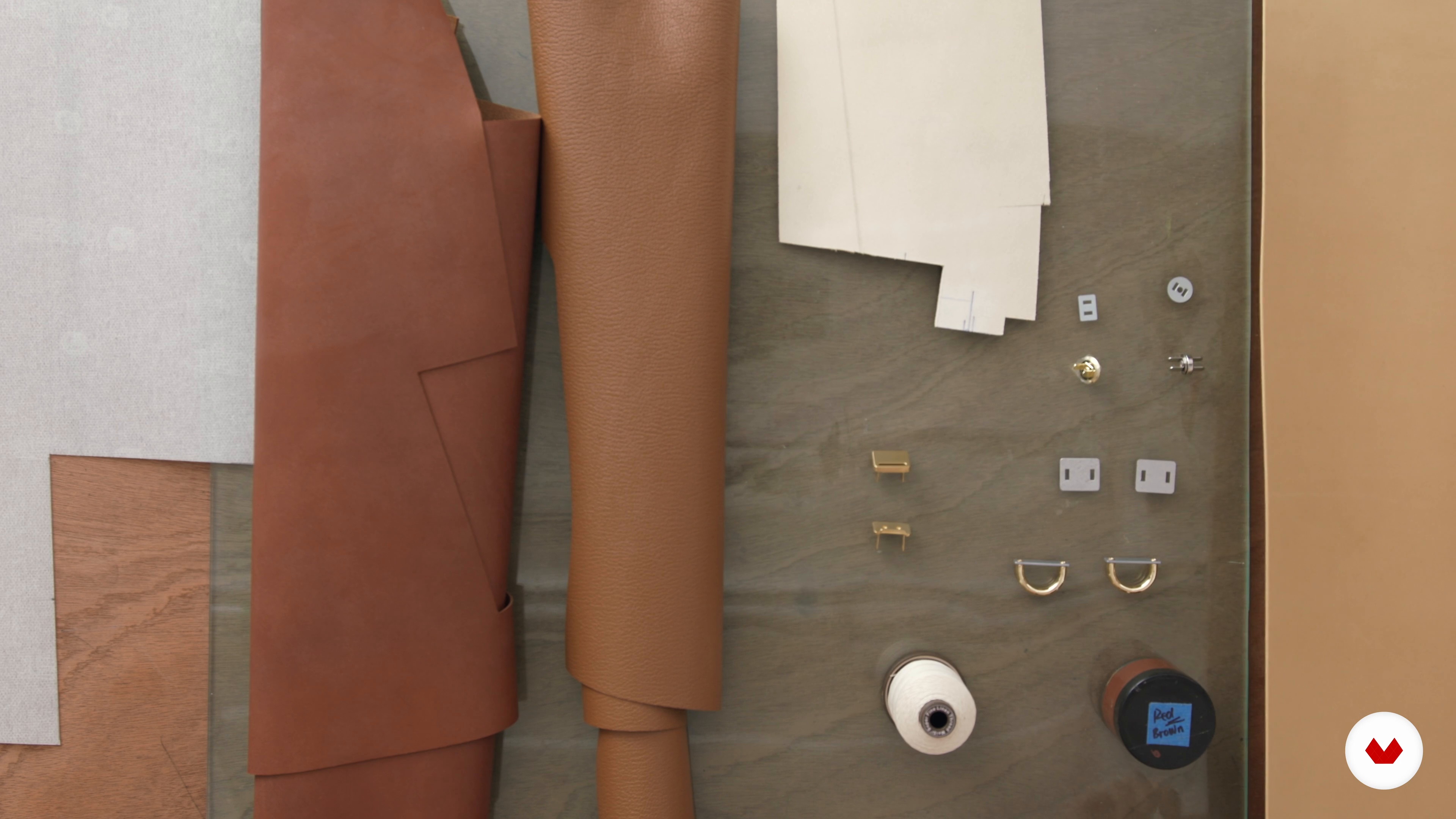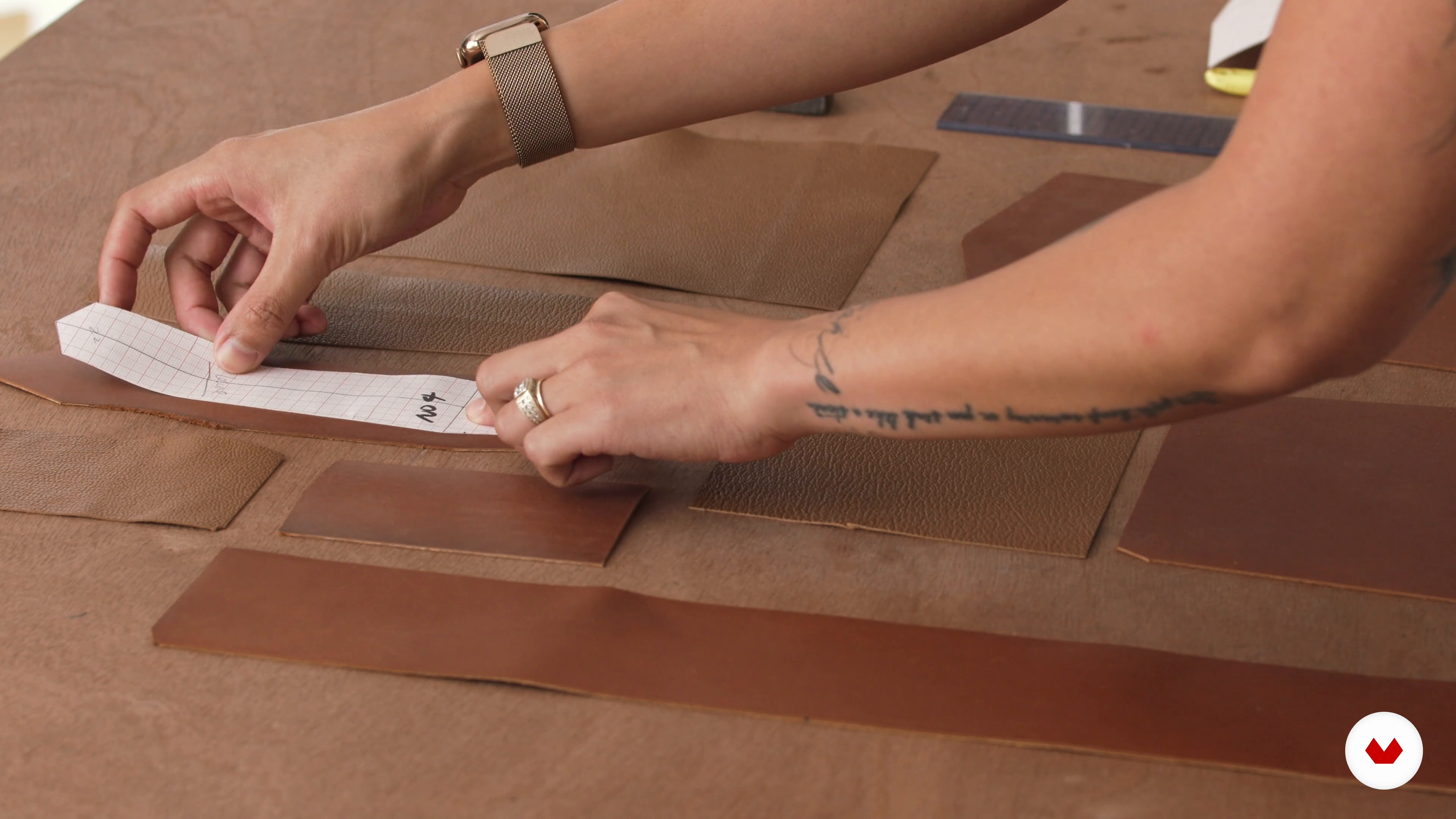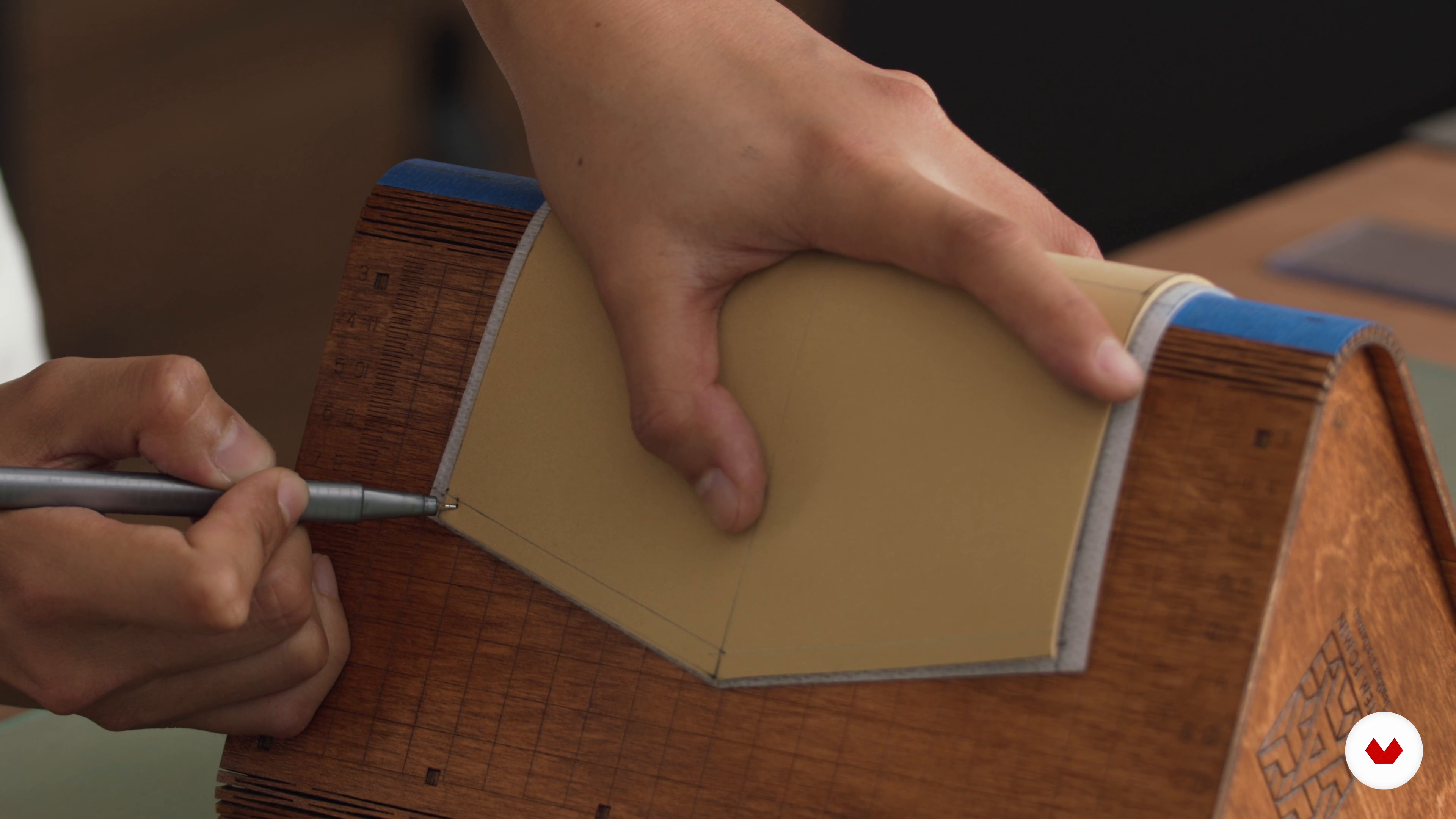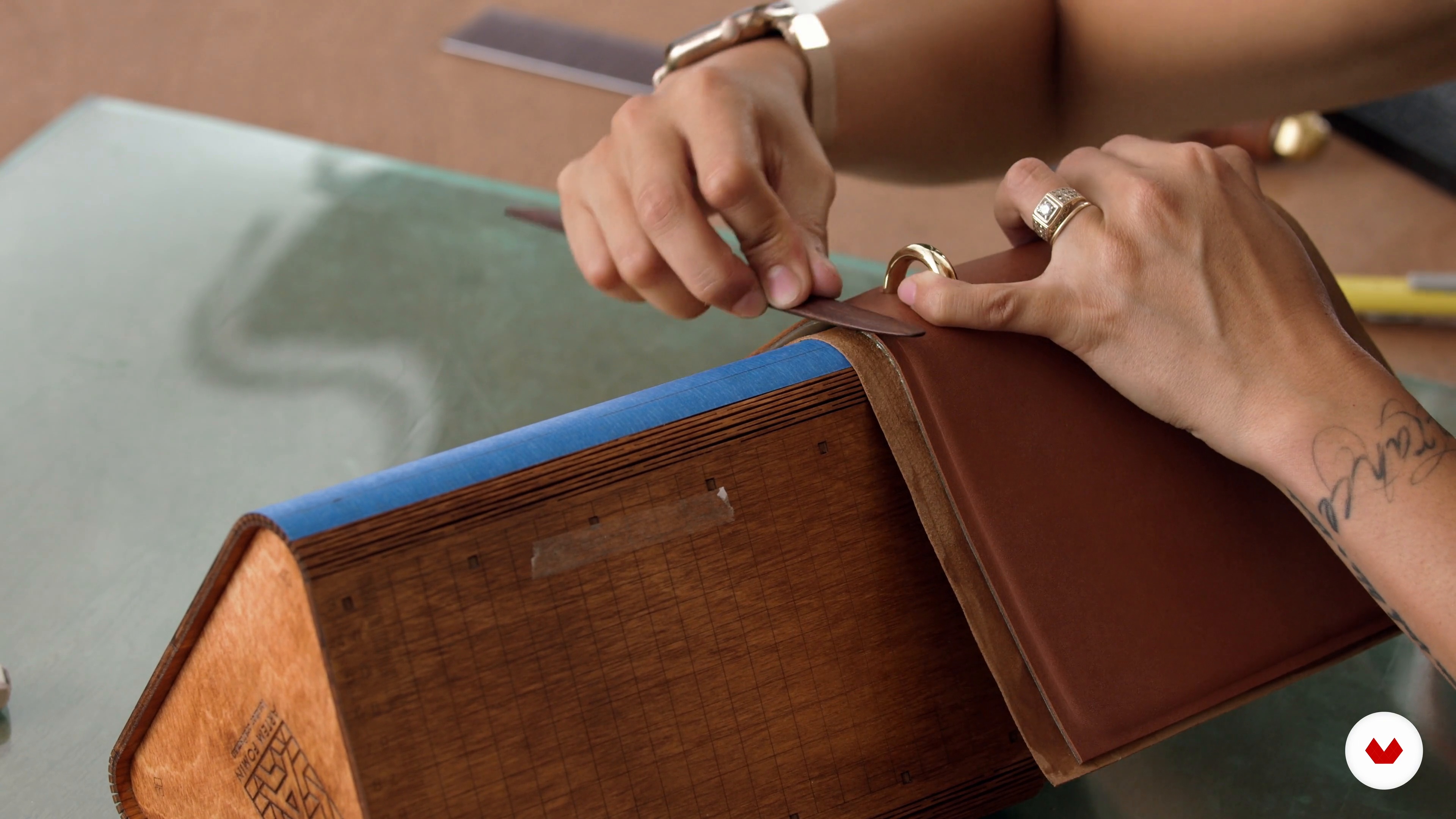

Specialization

Specialization in Artisanal Leather Crafting Techniques

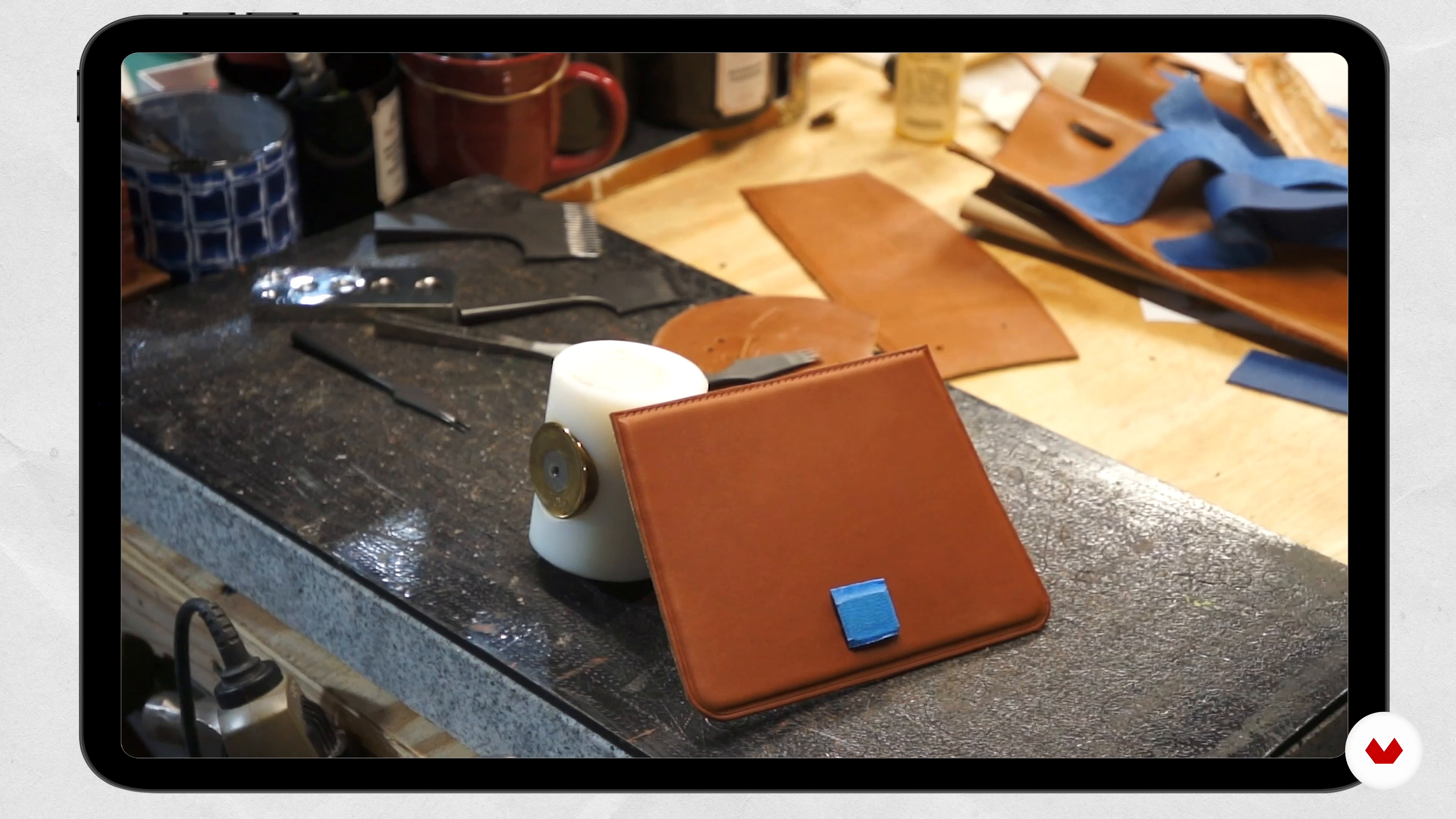
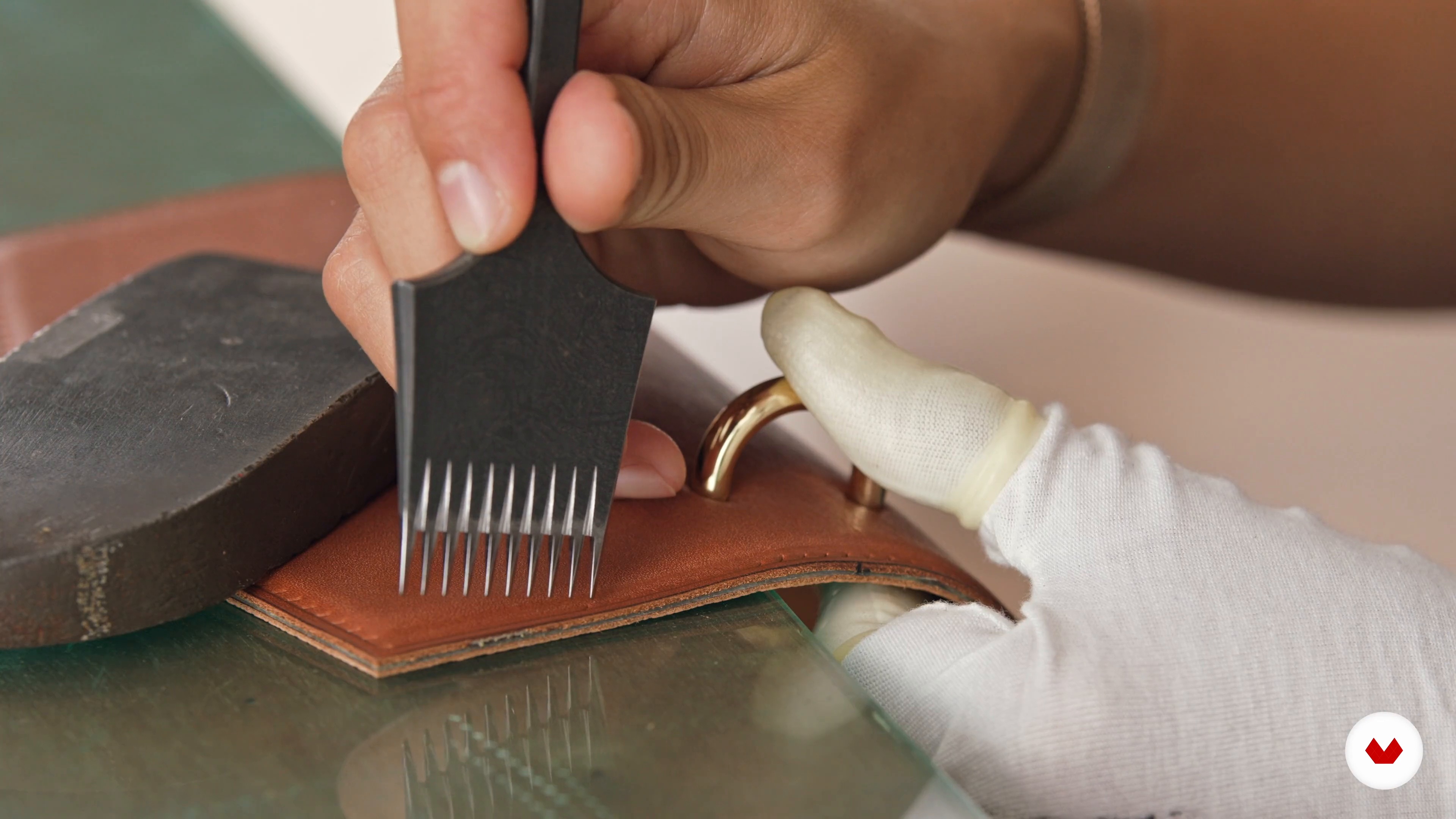
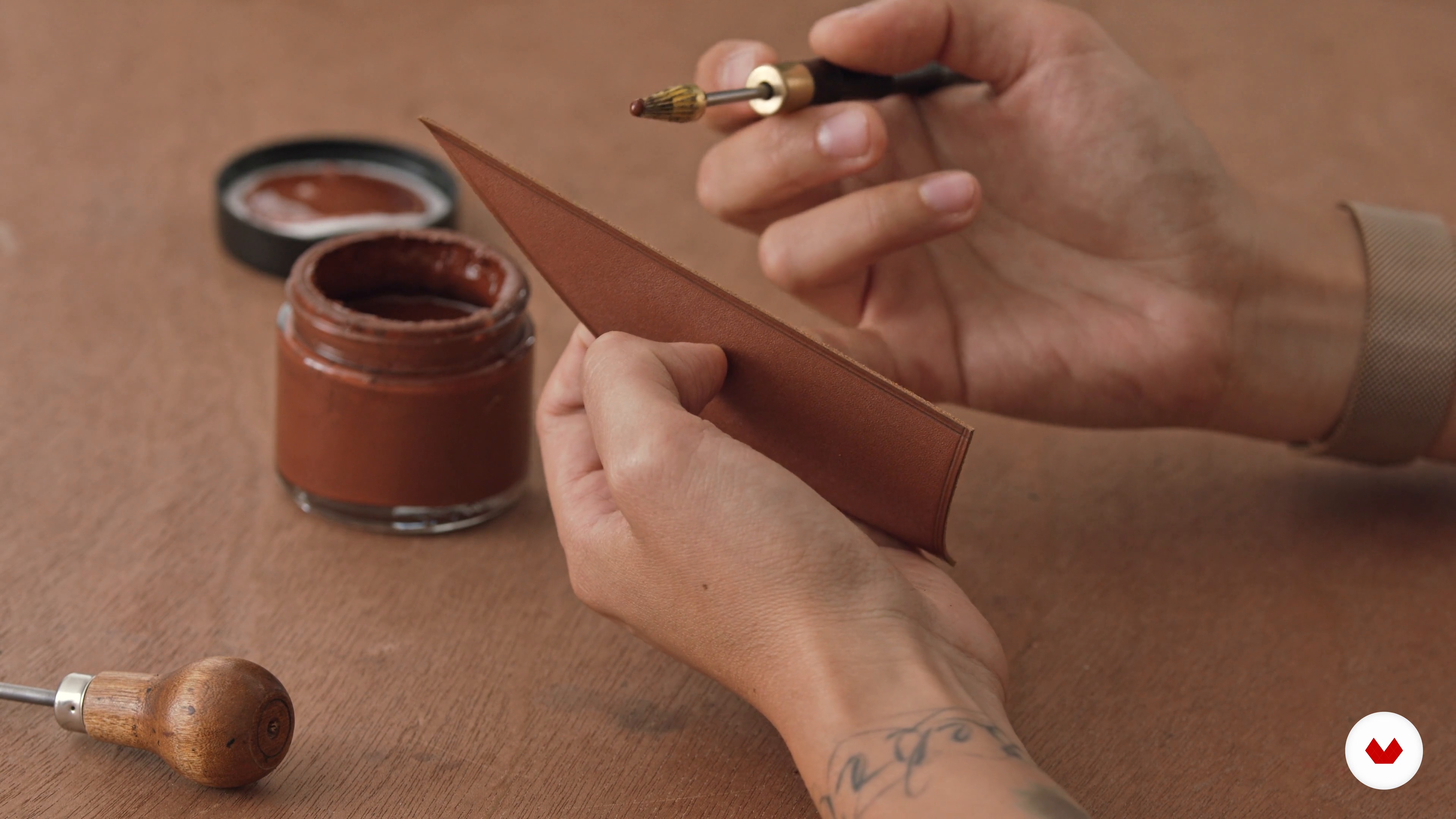
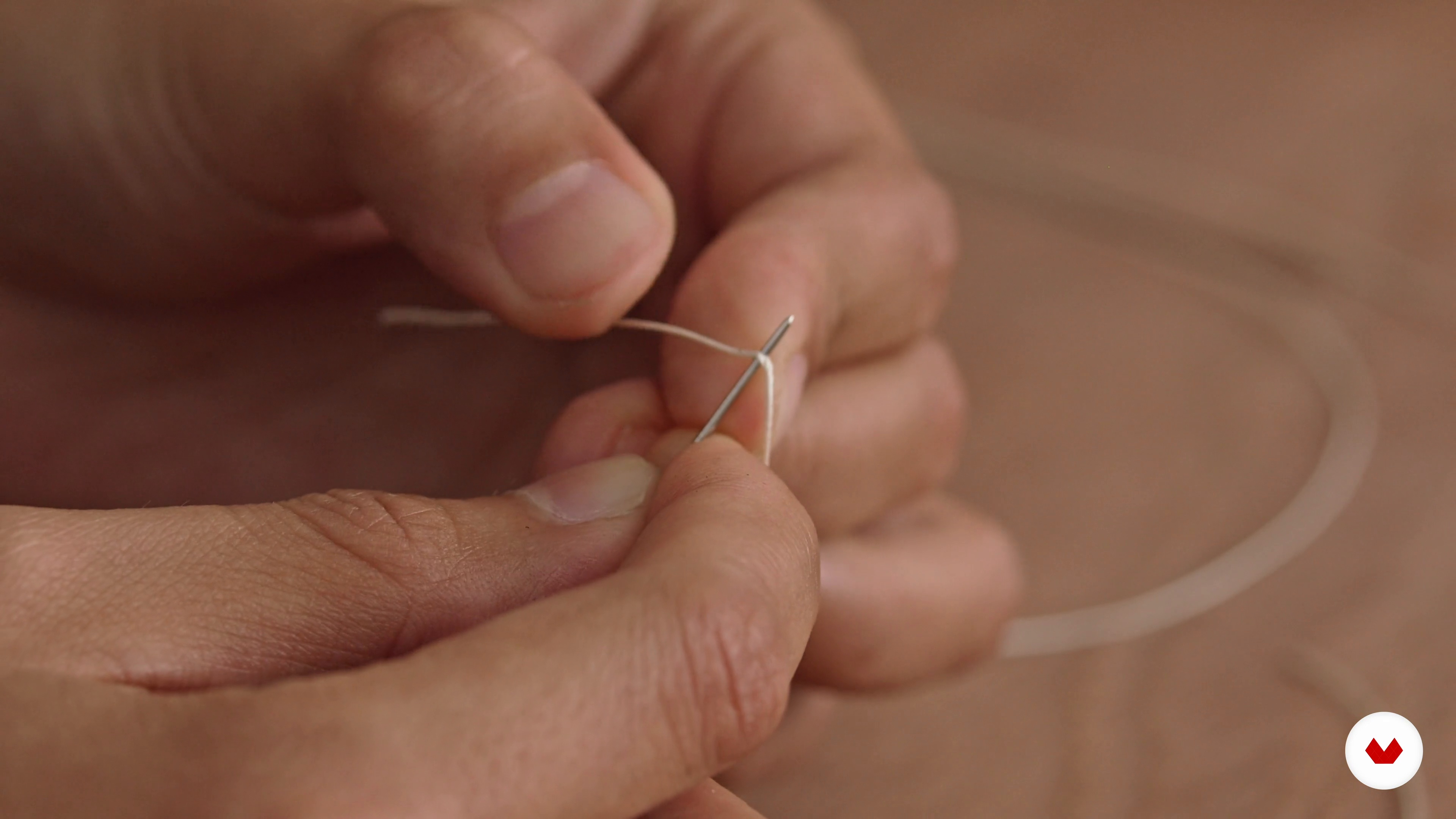
Master leather crafting techniques from basic to professional levels, creating unique, high-quality artisanal leather bags

Specialization · 6 modules

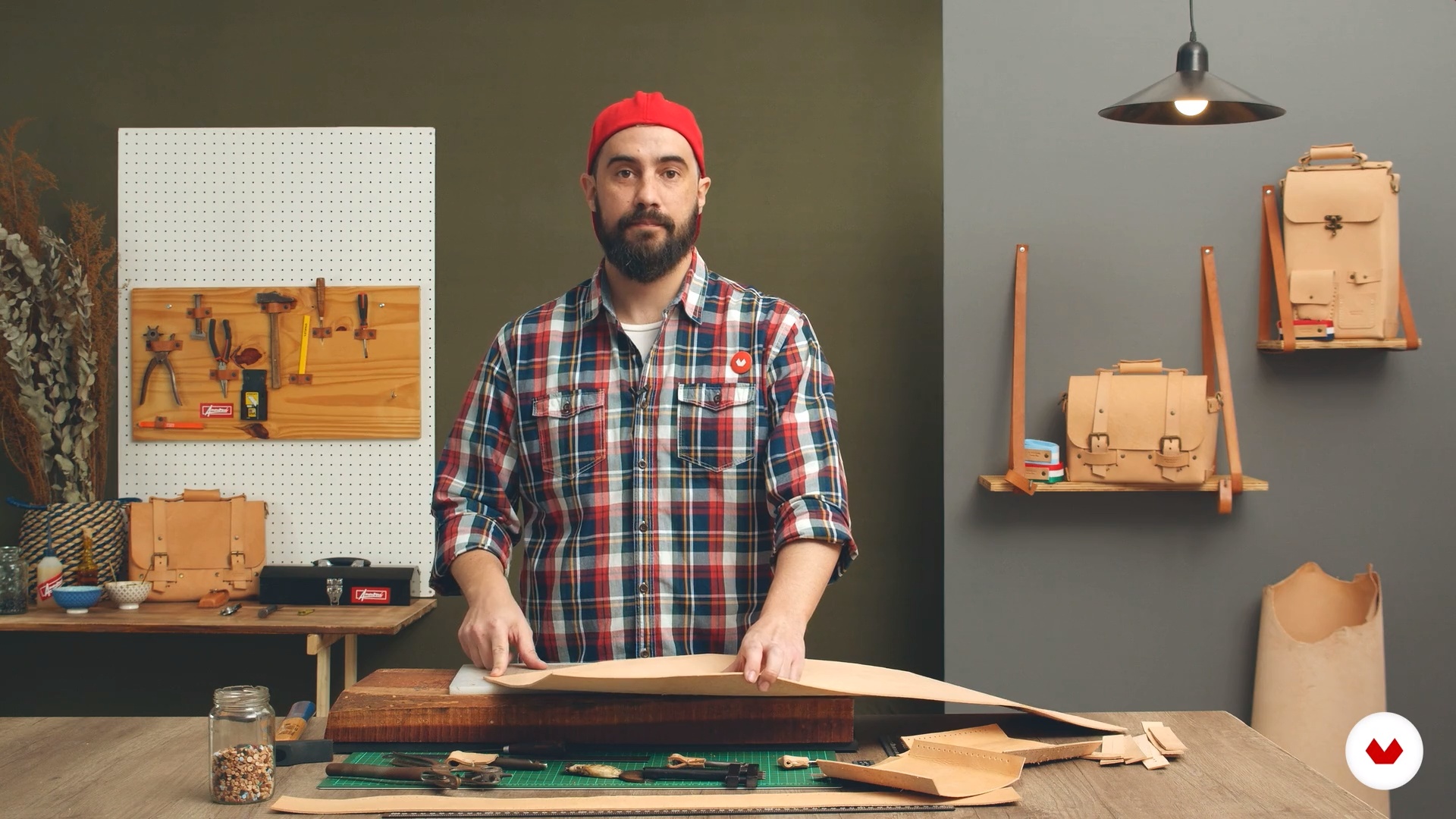
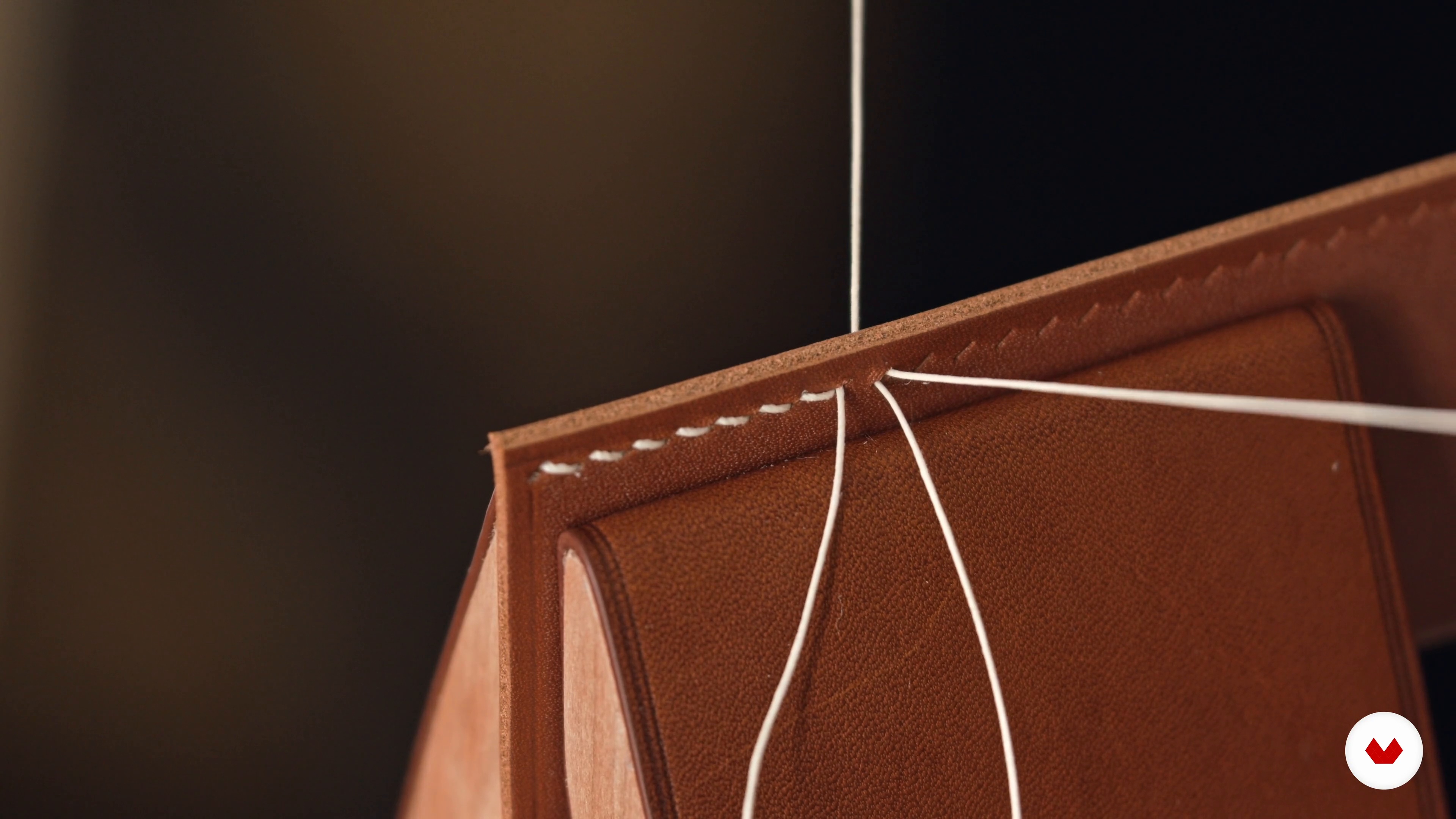
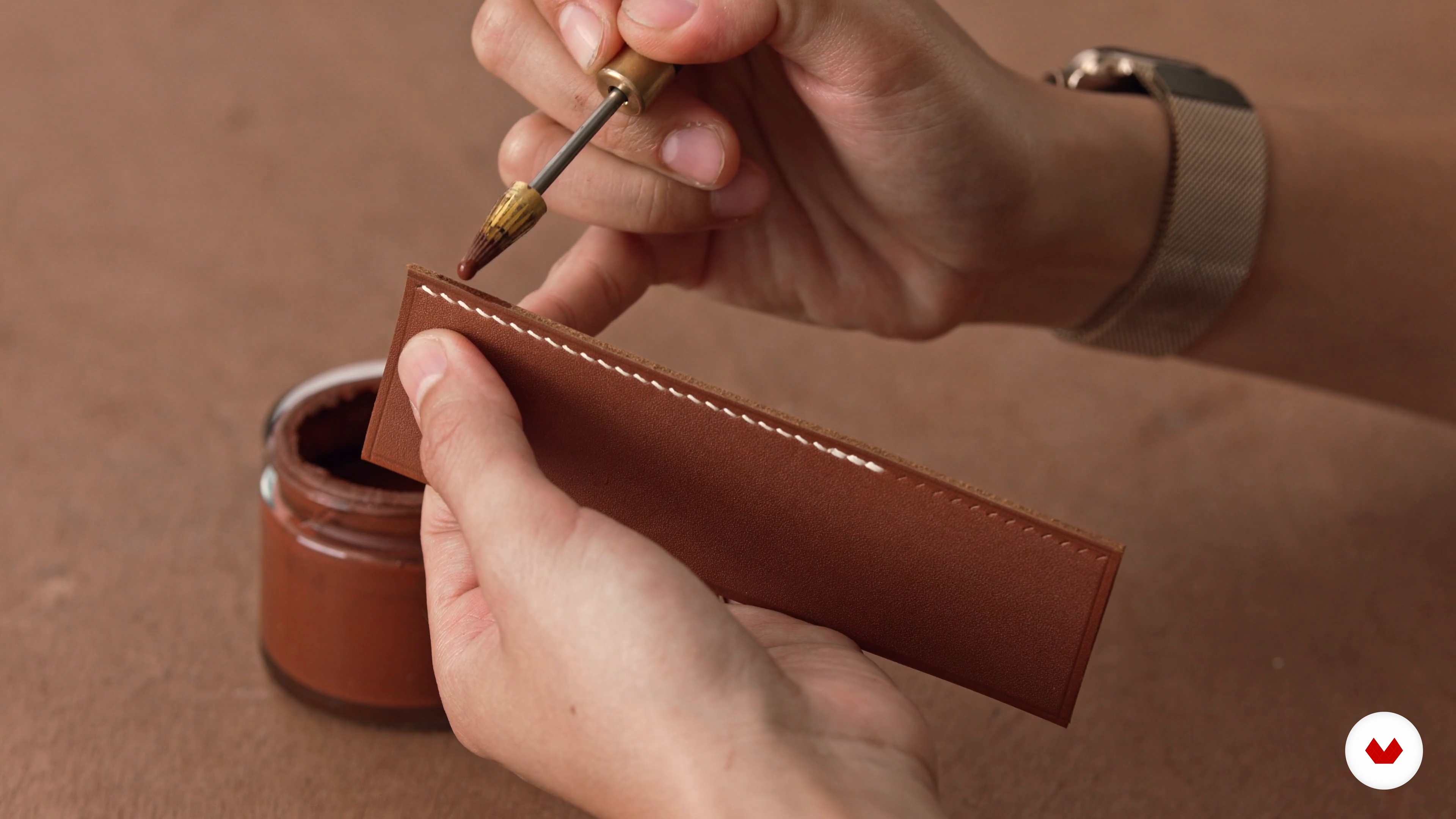
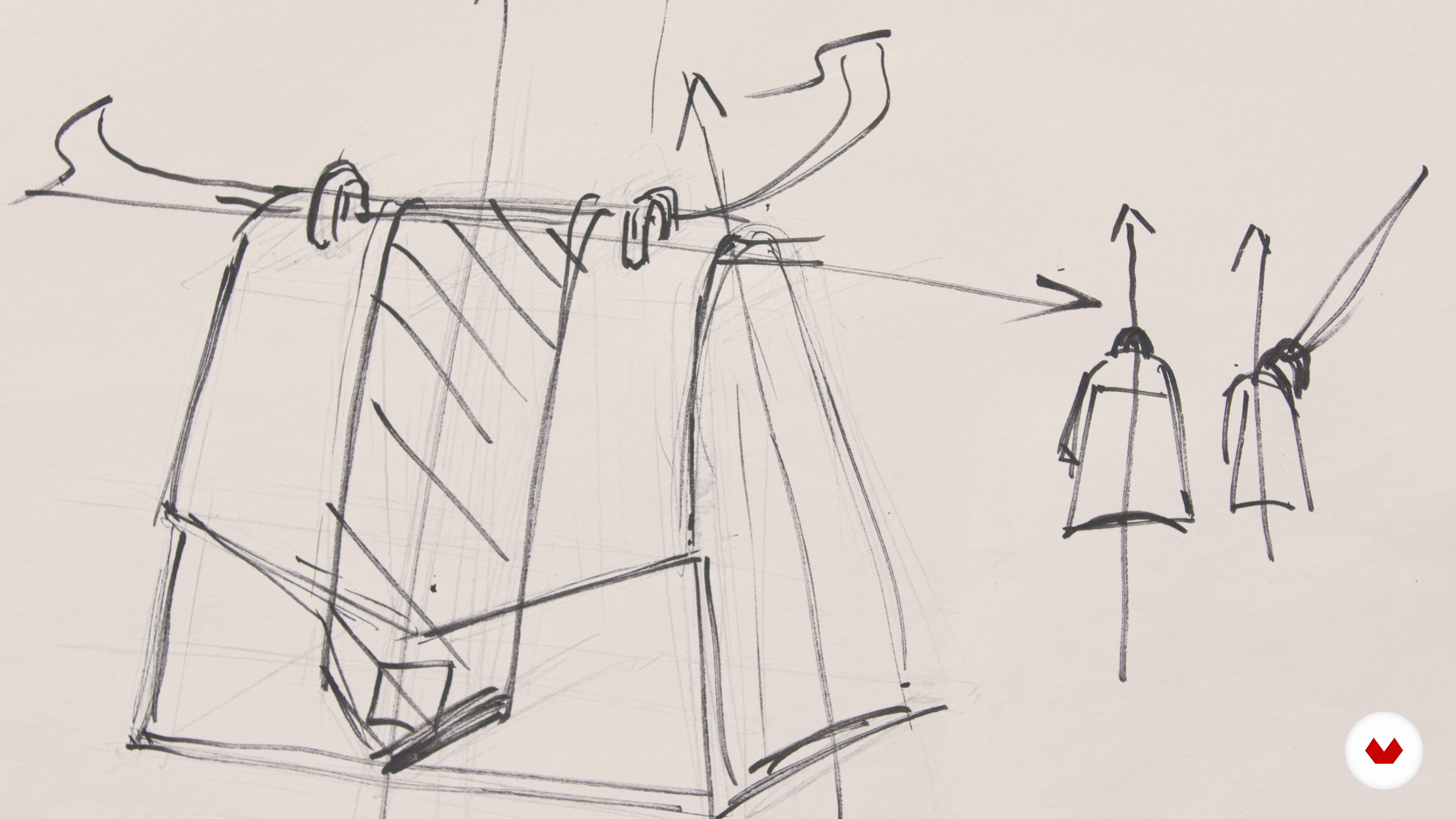
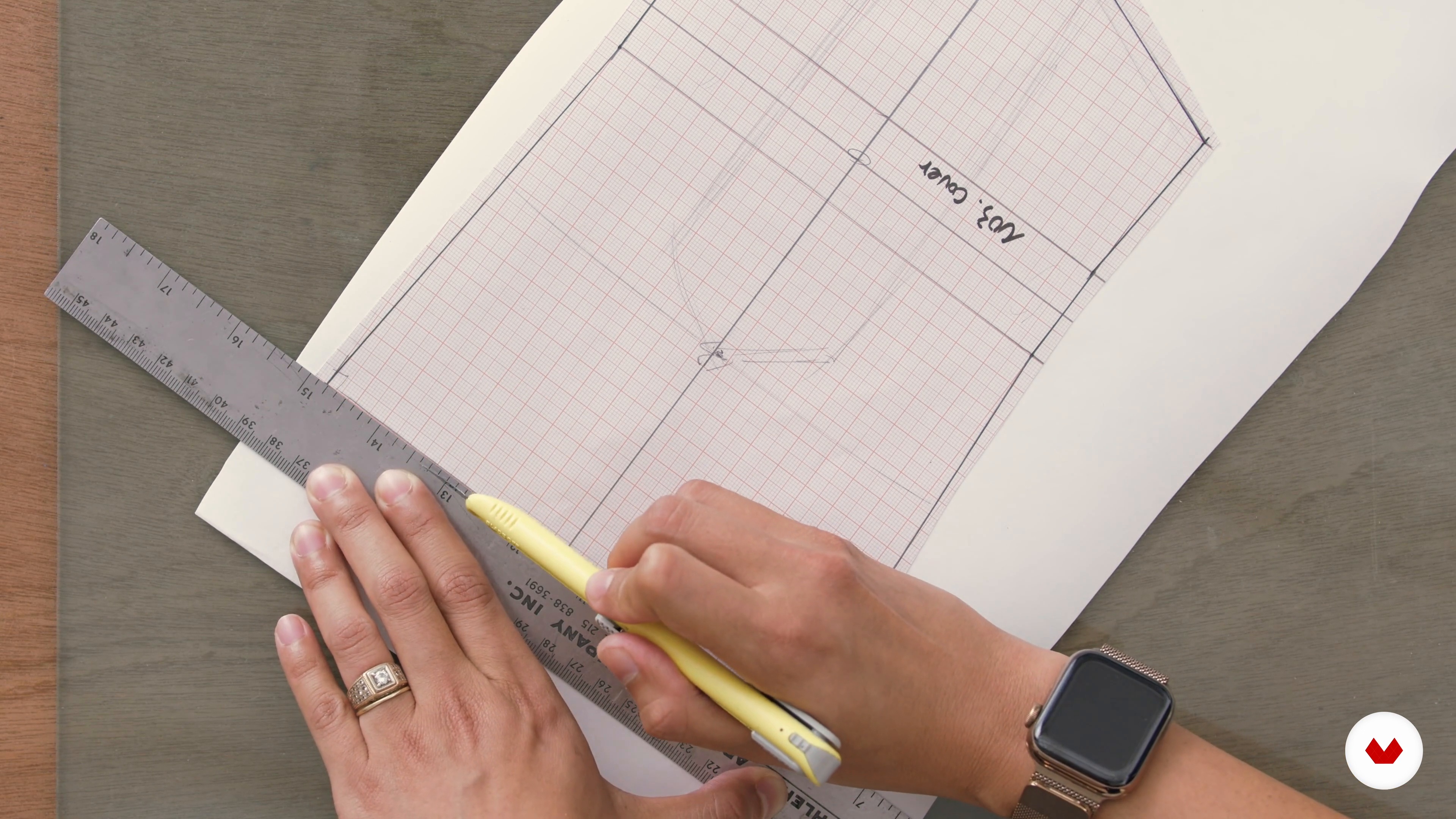
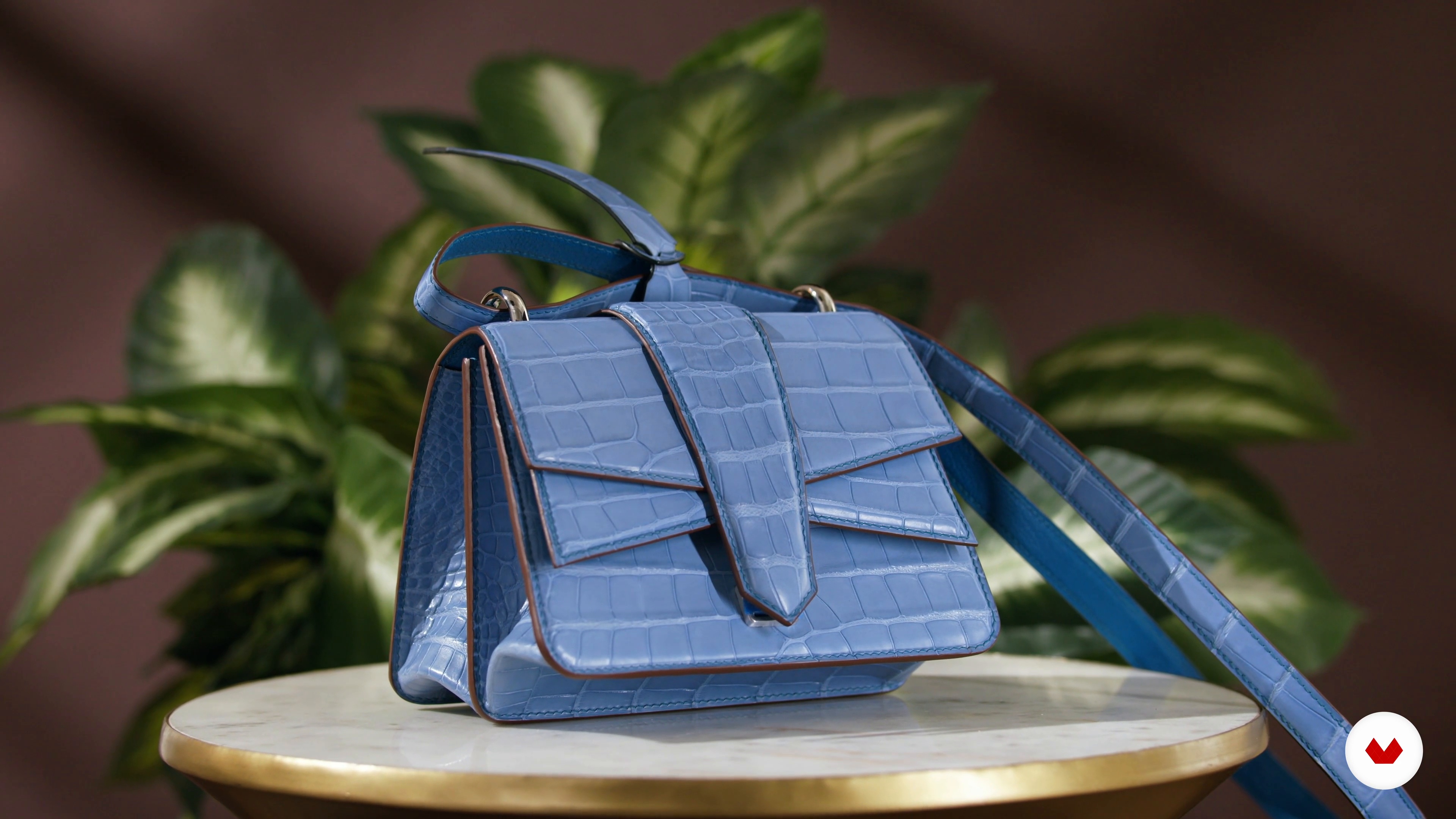
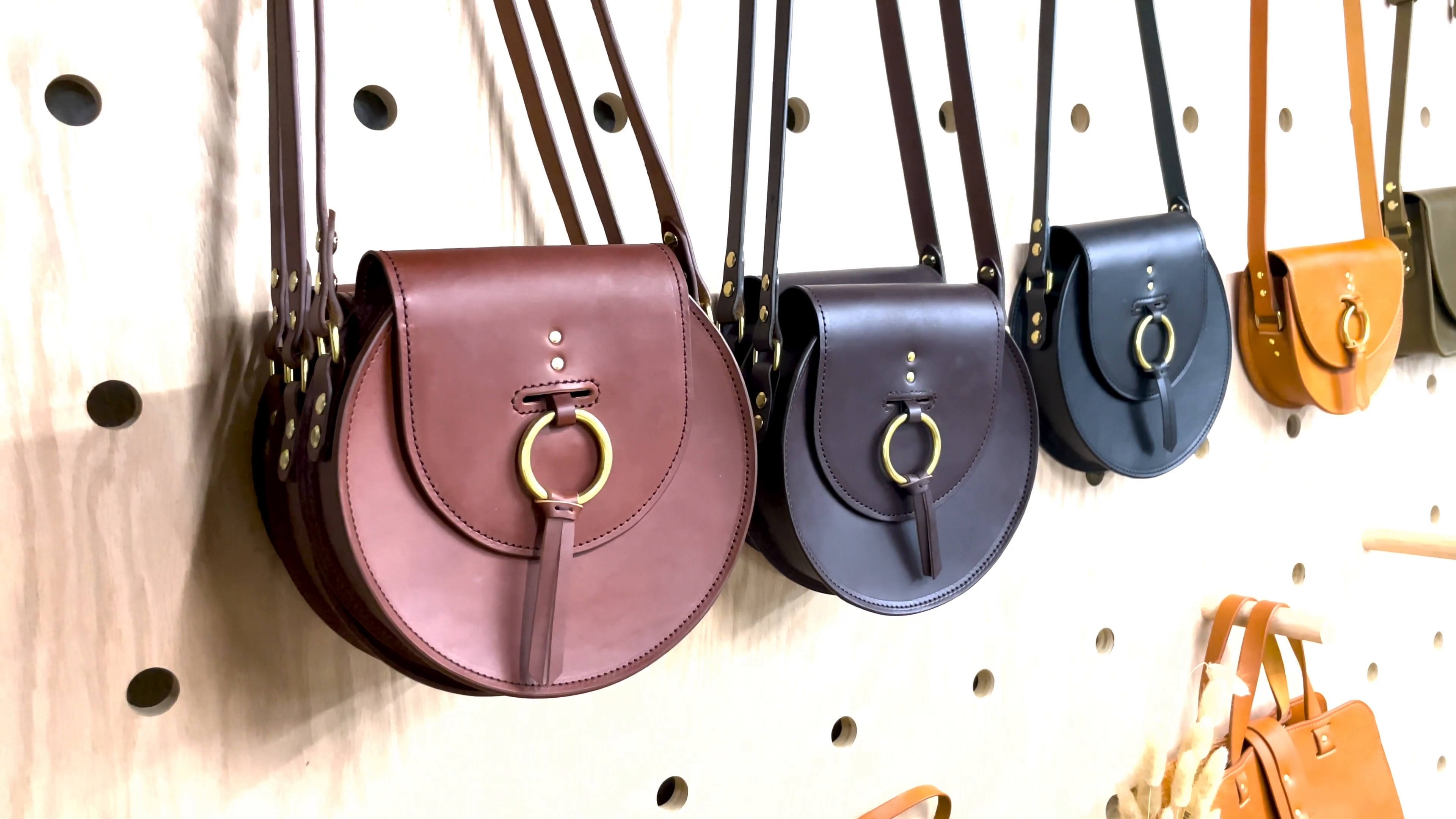
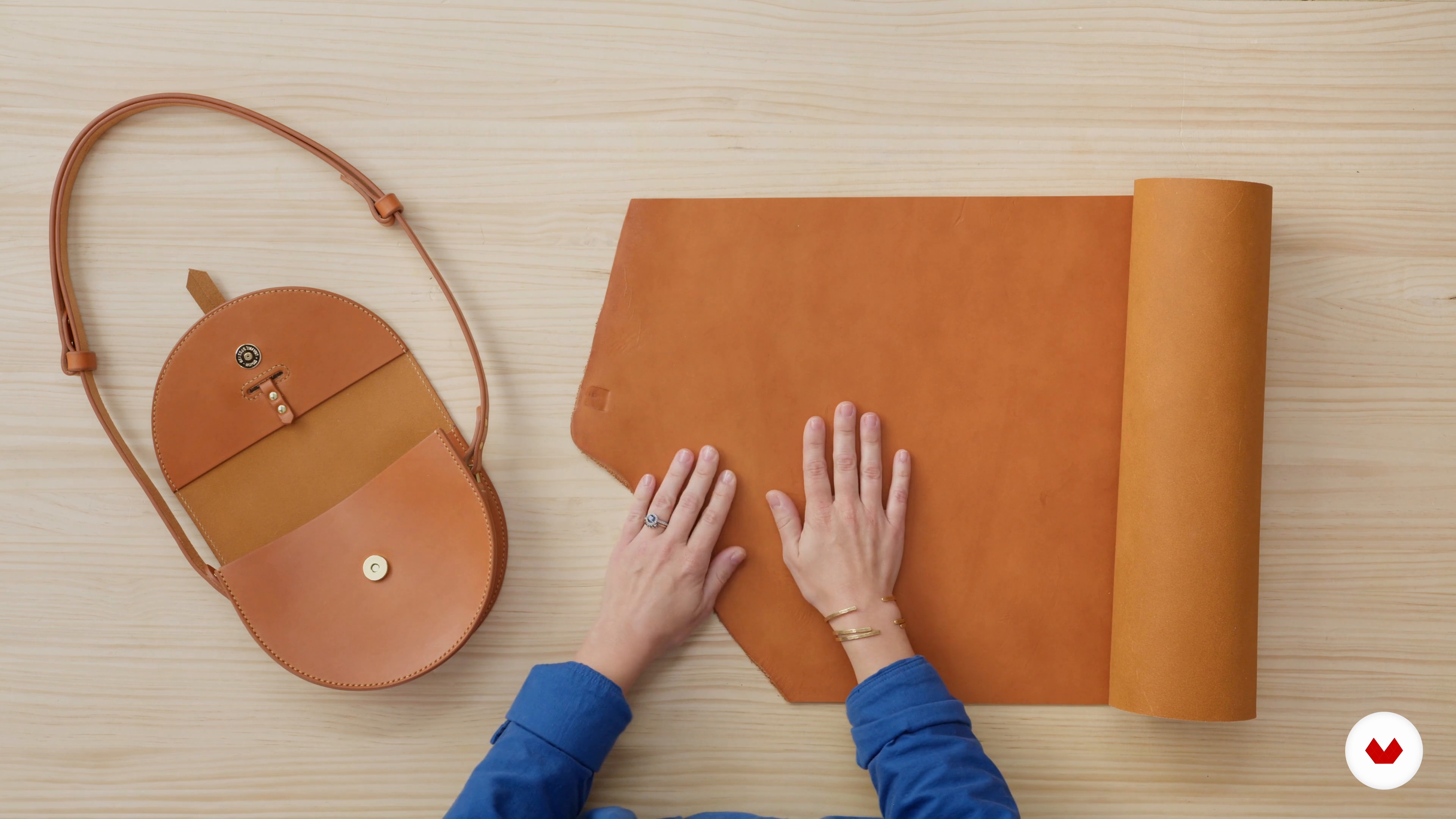
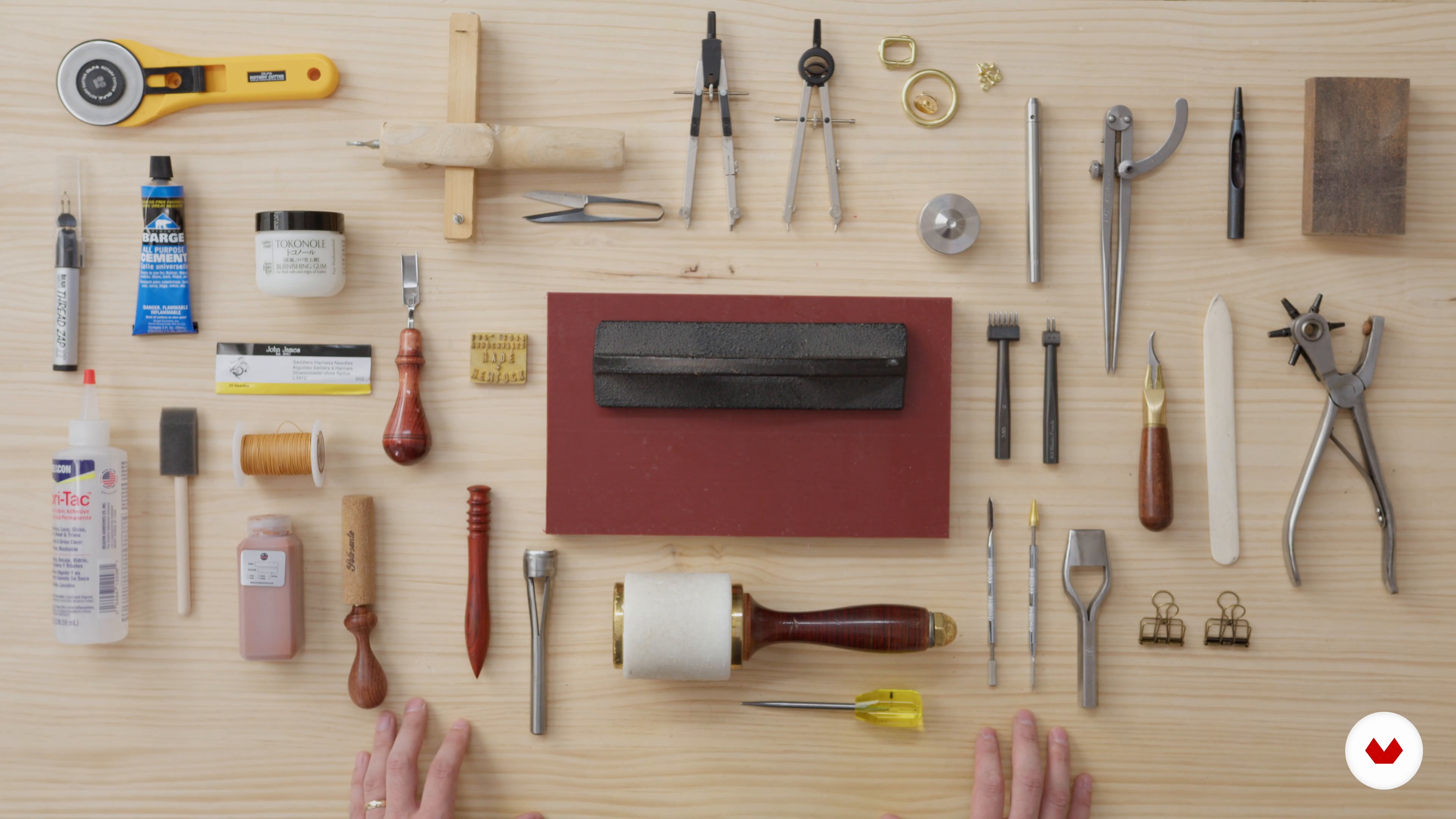
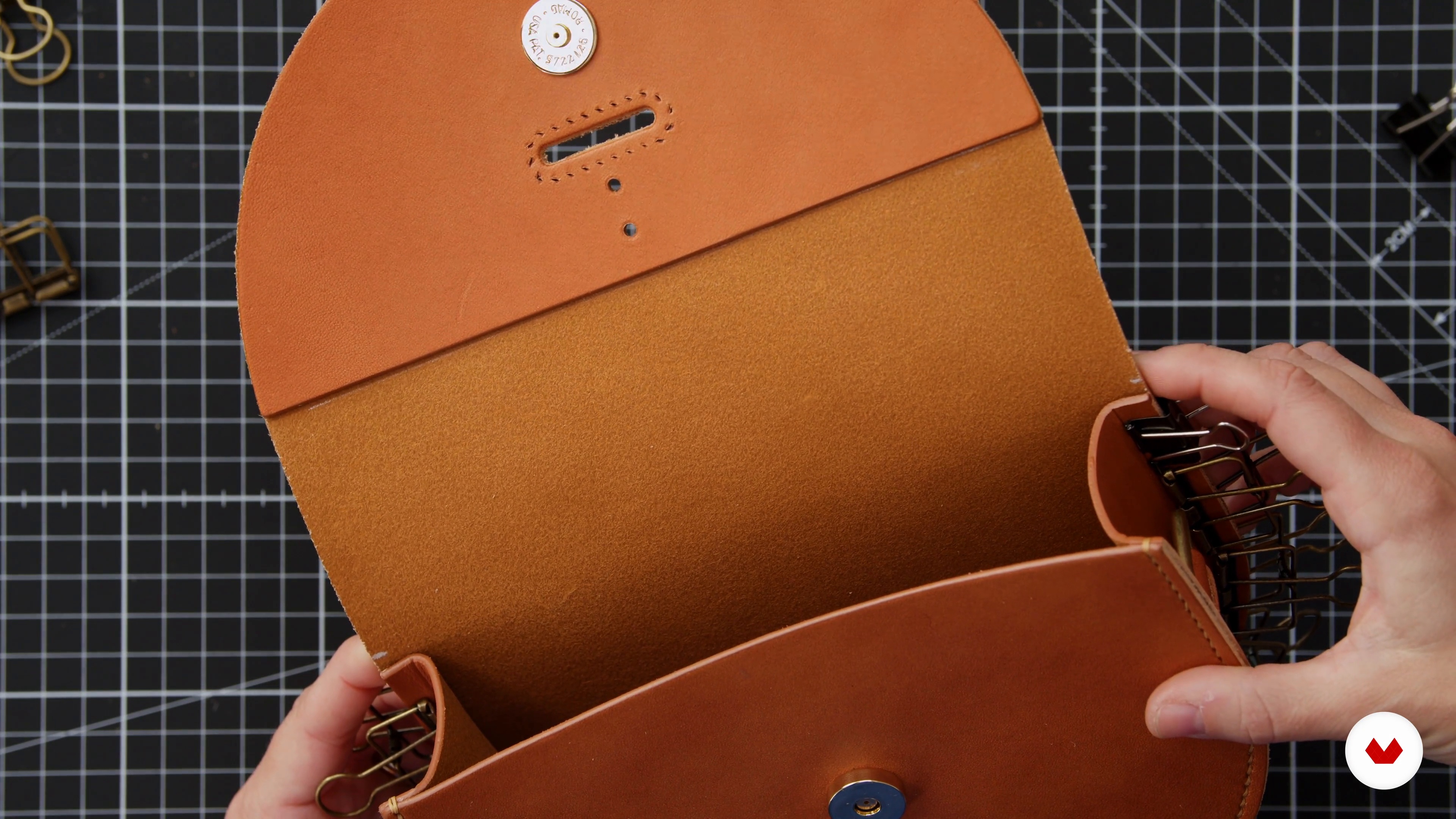
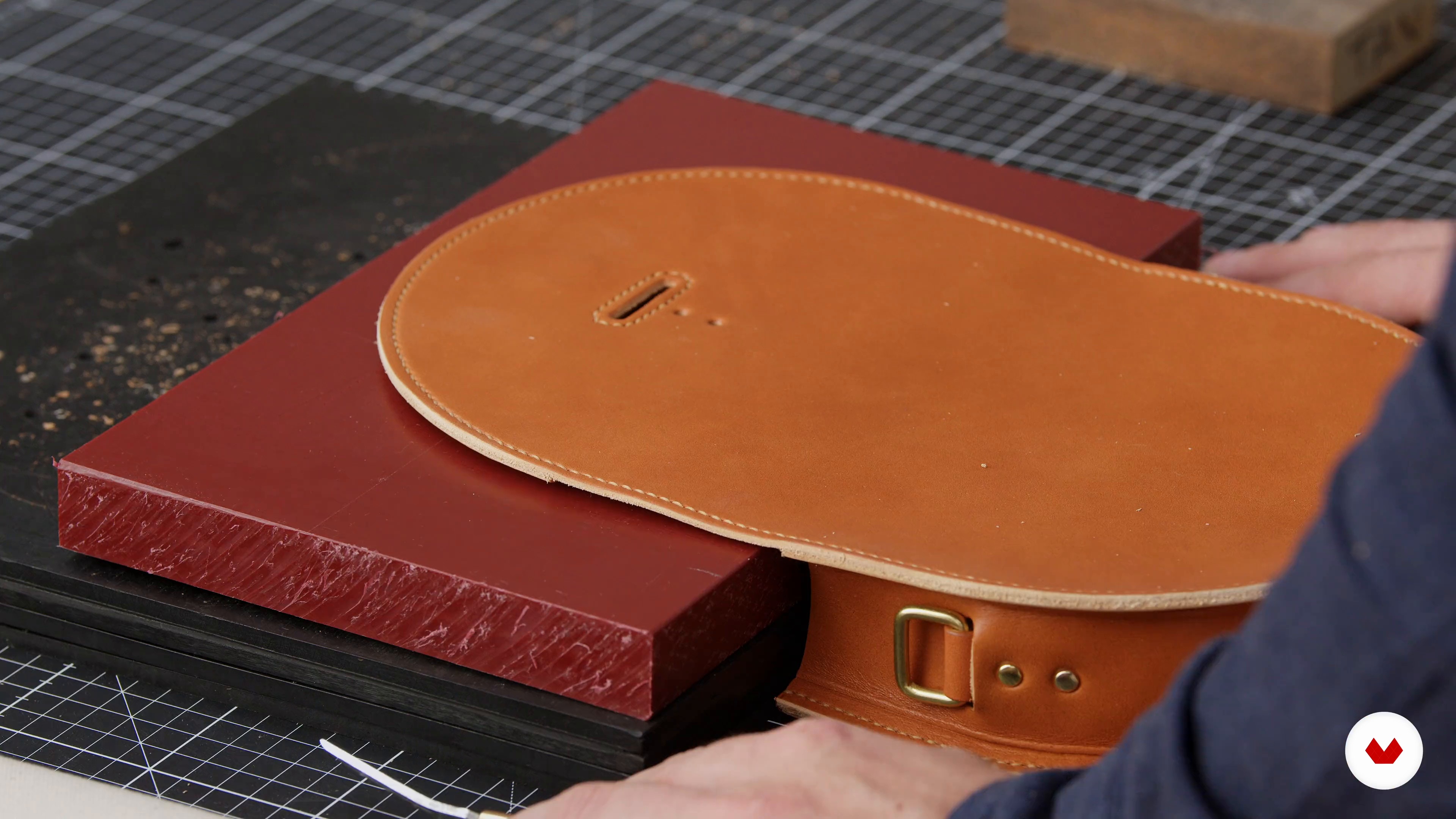
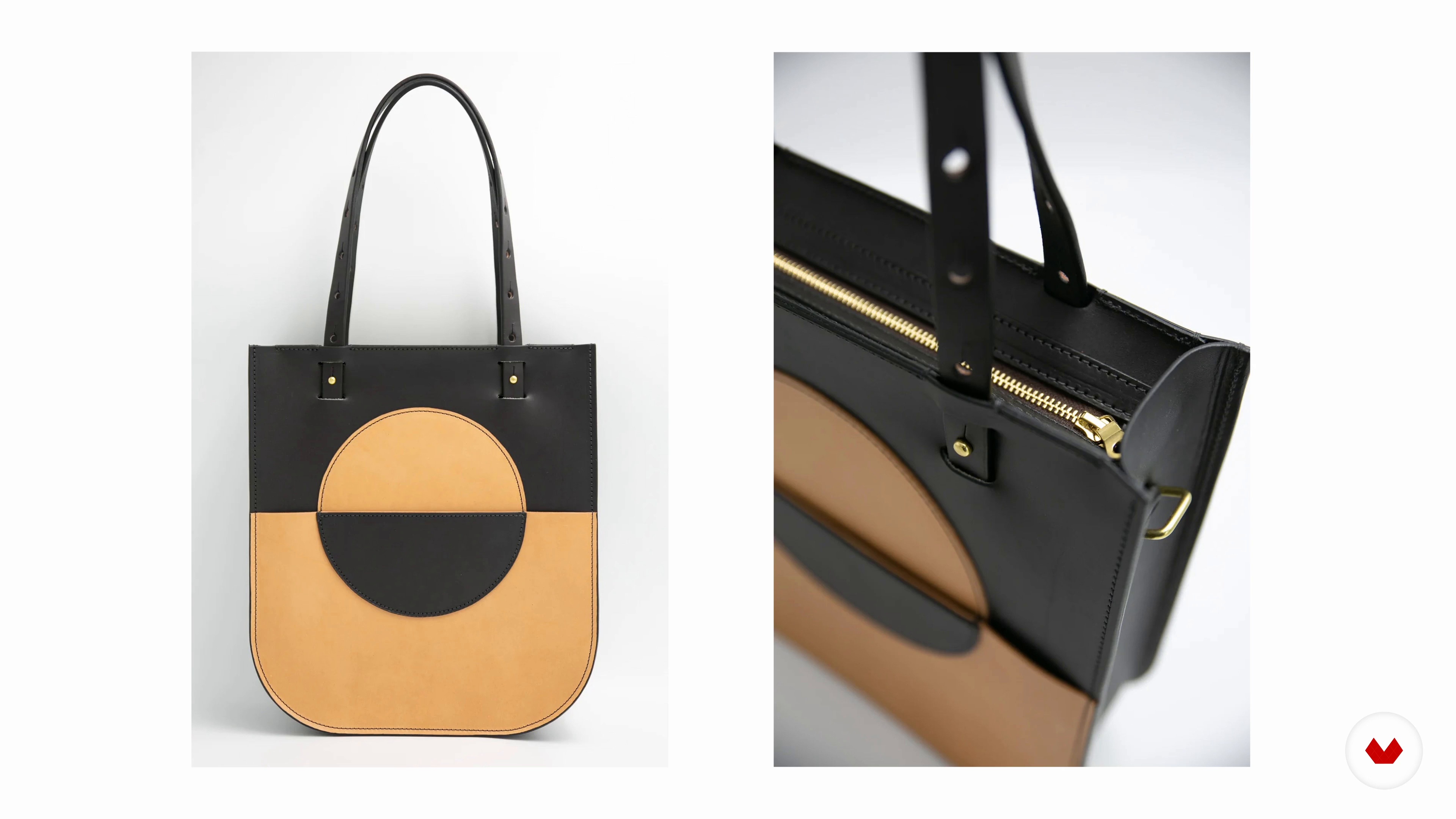
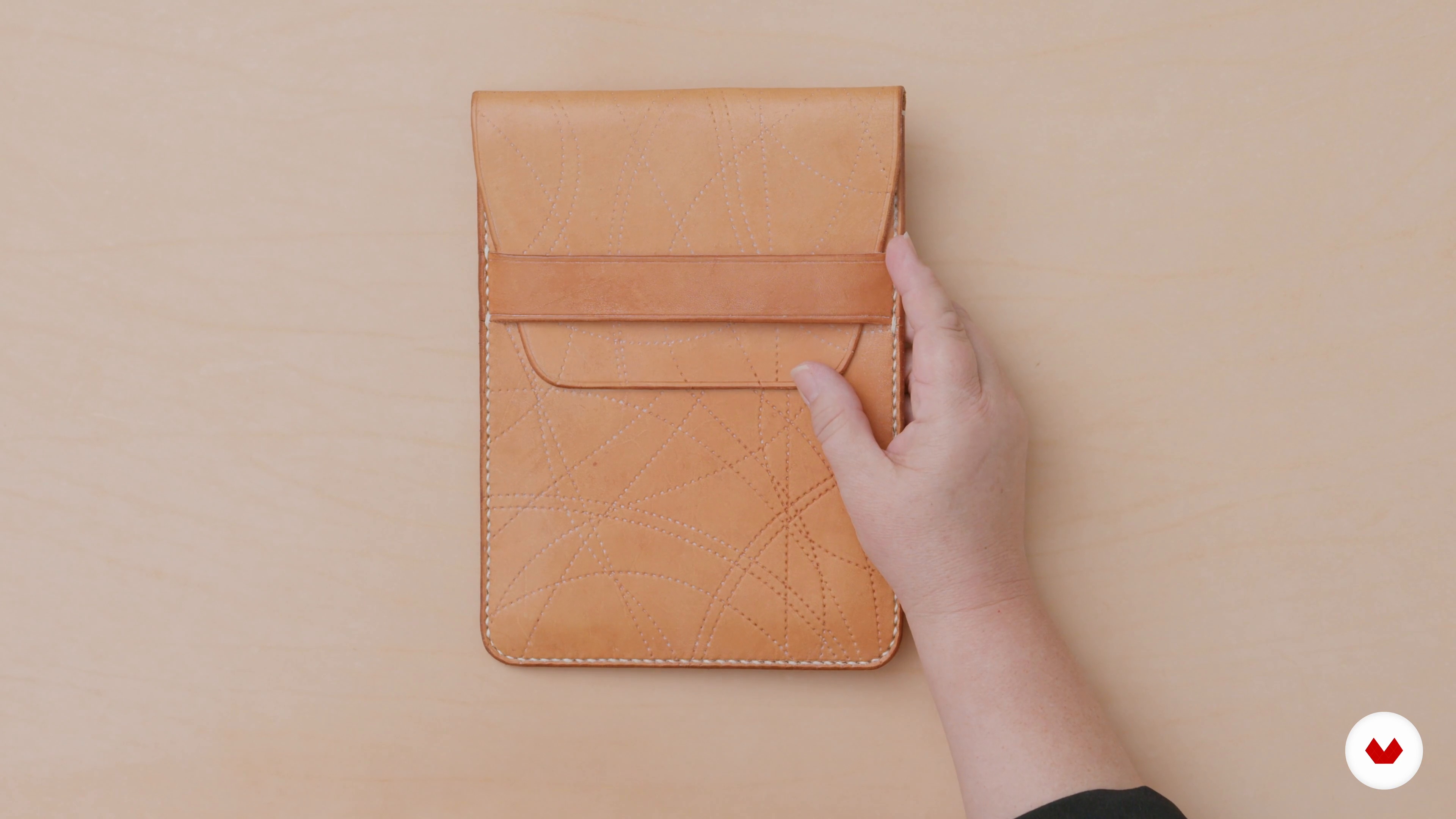
Embark on a journey into the world of artisanal leather crafting. This specialization offers a comprehensive guide from foundational techniques to creating professional-quality pieces. Experience the joy of transforming raw materials into timeless accessories using traditional leatherworking methods. Learn to select the best leather, master essential tools, and explore cutting and material preparation. This hands-on approach ensures that you gain confidence and skill in each step of the crafting process.

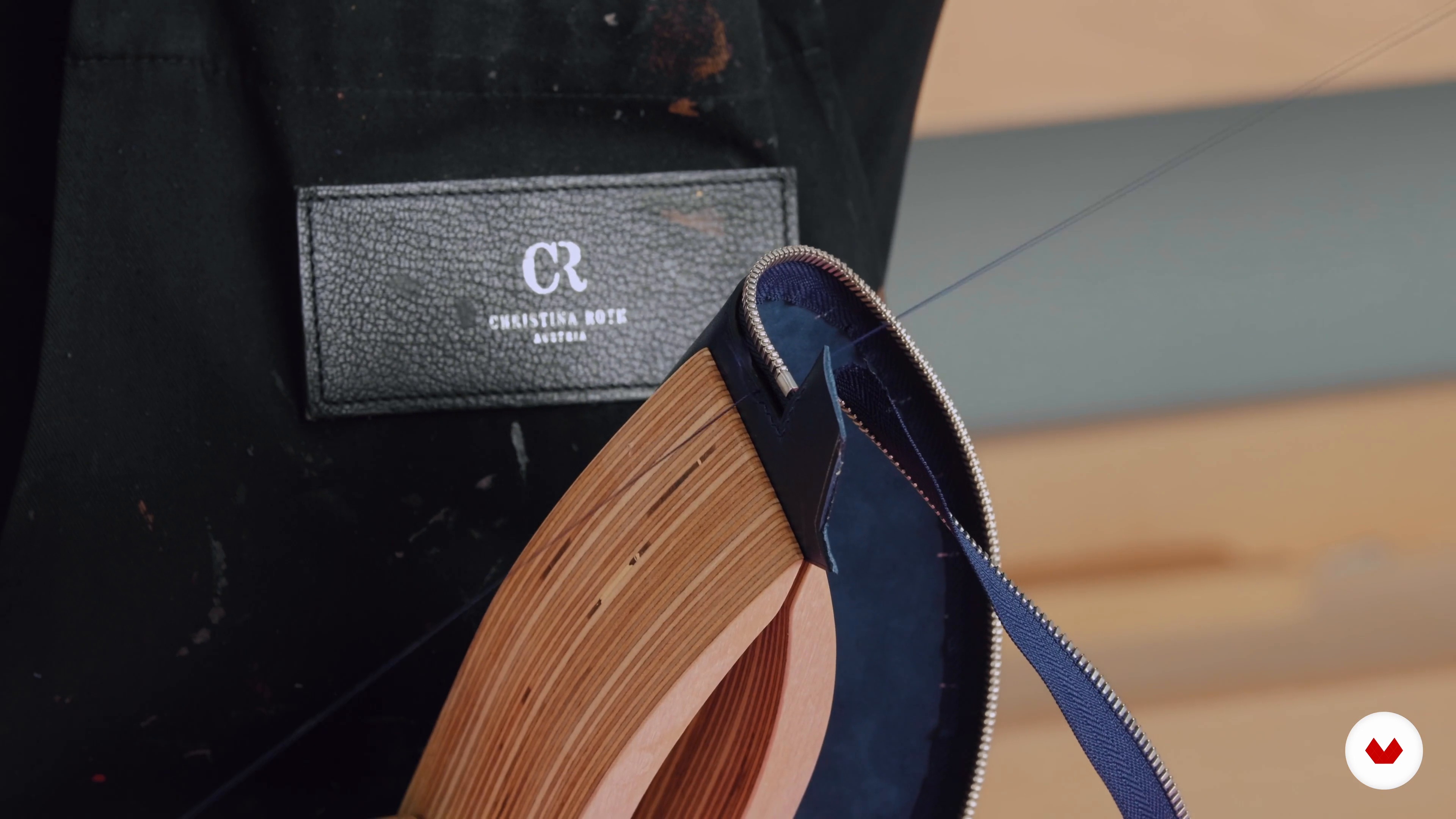
Guided by Cristina Roth, Gustavo Annoni, Lili Storella, Hemlock and Hyde, and Beth Dow, this program delves into diverse styles and methodologies. Whether designing a handmade bag, developing a professional collection, or crafting a personalized hand-sewn piece, each instructor shares unique insights and expertise. Embrace creativity and hone your craftsmanship as you develop a cohesive collection that reflects your artistic vision and technical mastery. This specialization not only equips you with practical skills but also inspires a deeper appreciation for the craft, encouraging you to create pieces that are both functional and expressive.

Read more ↓

What will you learn in this specialization?
A total of 6 modules and 98 lessons
A total of 18h 47m of vídeo lessons
Taught by 5 selected expert teachers
image
1
Introduction
Leatherworking connects past and present through skill, patience, and personal expression. Shaping a simple idea into a handcrafted bag means listening to the material and letting it guide your process. This journey blends heritage with creativity, showing how timeless techniques can still surprise us—and how every finished piece carries a part of who we are.
1m
image
2
Inspirations | Cristina Roth
Now I want to tell you about my style and the people and products that have had the biggest impact on me.
4m
image
3
Influences | Gustavo Annoni
Do you want to know how I went from being a lawyer to making bags? Well, in this lesson I'll tell you that story. In addition, you will know some of the brands that inspire me, I will tell you how my ideas to create bags arise.
6m
image
4
Influences | Lili Storella
Now that you know my story better, I’d like to share with you some of the things that inspire me and have become a reference for my work.
2m
image
5
Influences | Hemlock and Hyde
Now that you more about our story and how we first got started, we'd like to share some of our influences with you. We specifically try not to look too closely at other leatherworkers for inspiration, in hopes of creating our own unique voice in the leather goods world. These are examples of just some of the many things that inspire us to create and design.
4m
image
6
Influences | Beth Dow
Craftsmanship has always fascinated me; I love to see the process behind handmade goods. There's a sense of beautiful intention within each step that endears me. In this lesson, I will talk about the kinds of leatherwork that I find interesting and have helped to form my personal aesthetic.
7m
image
3
The Leather
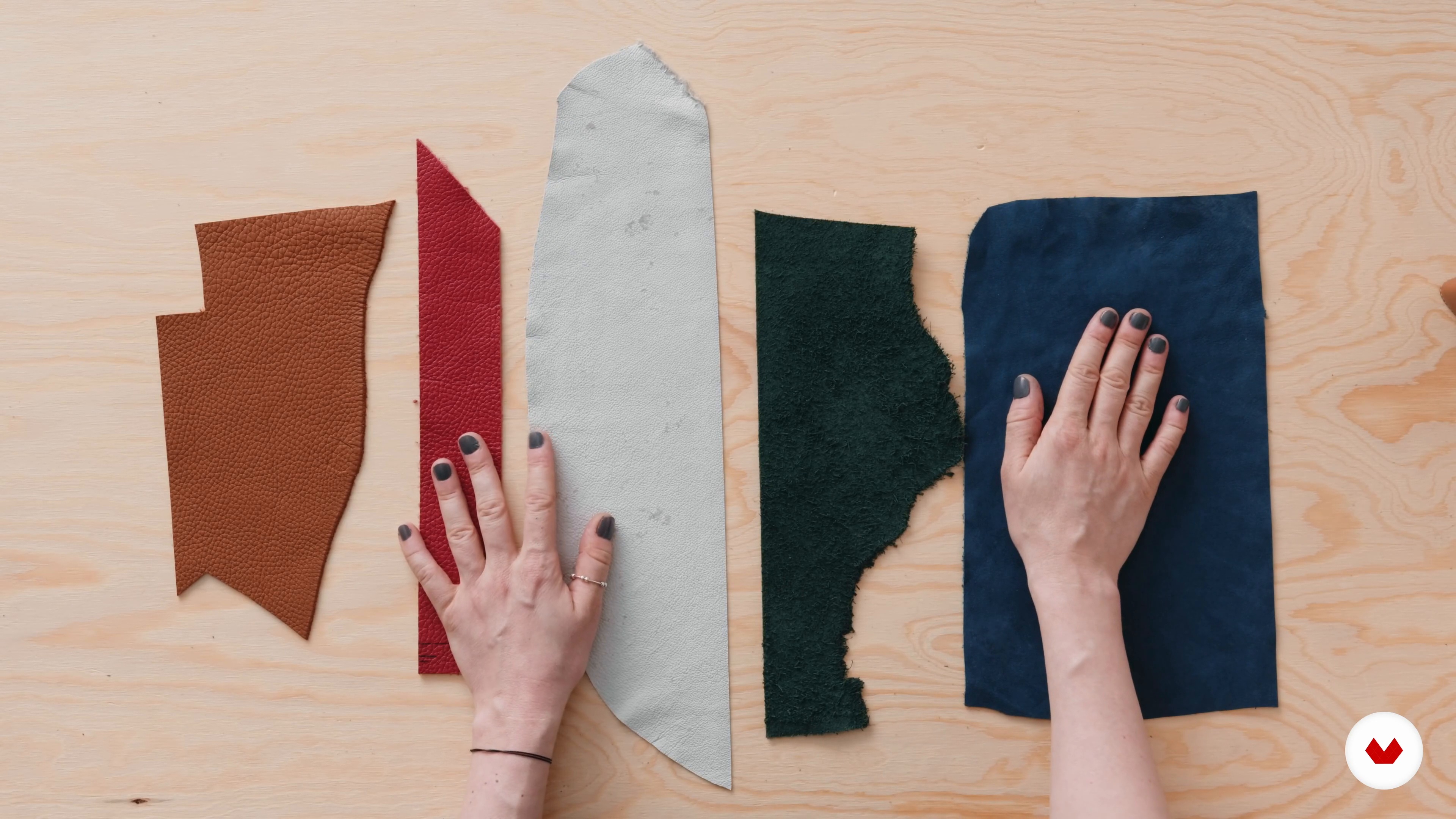
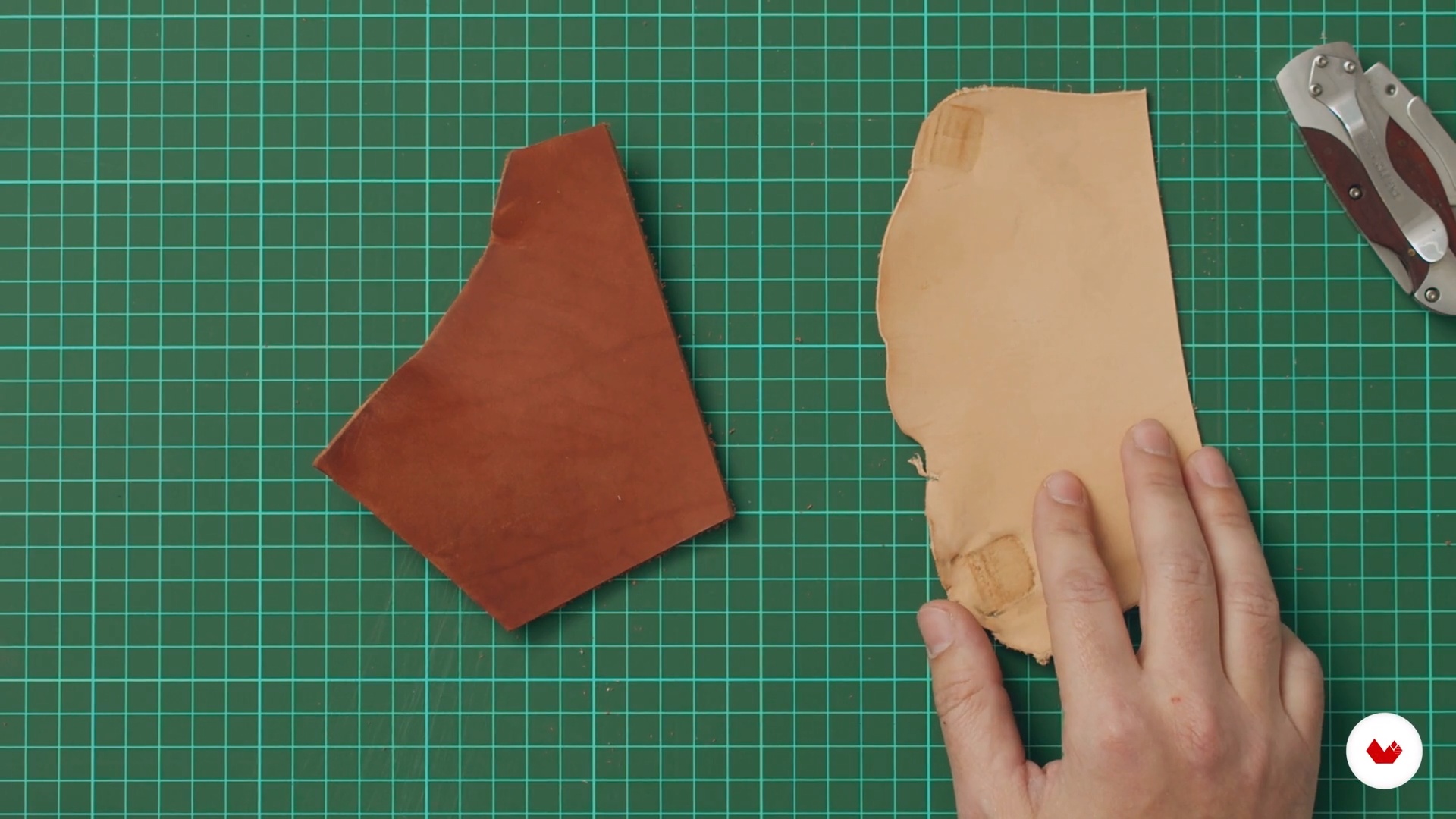
In this lesson you will learn how leather goes from raw material to end product, the differences between different leathers and how to tell good from bad. We also make a detour into the past and take a look at when the leather craft began and what of it still exists today.
8m
image
4
The Tools
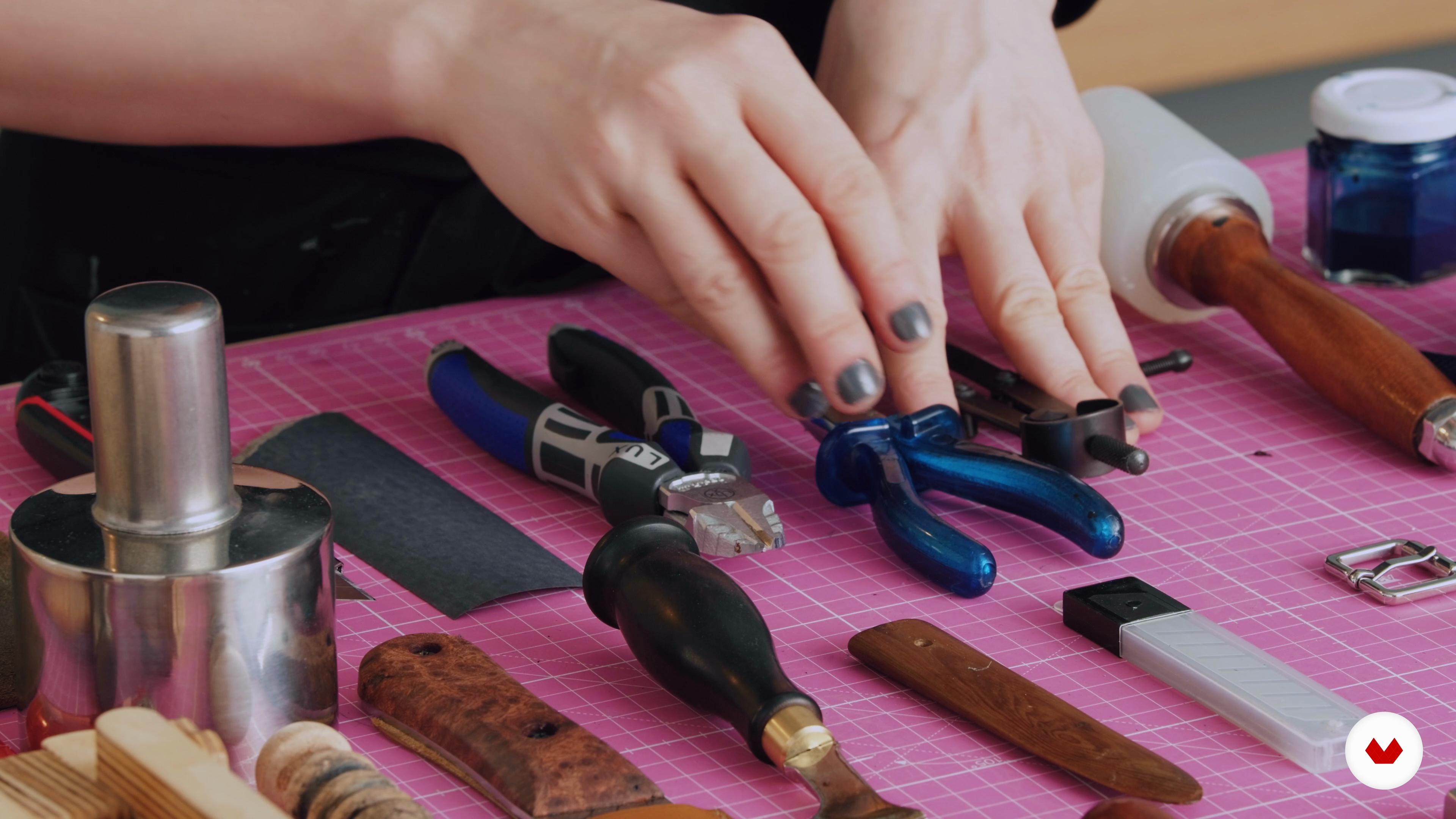
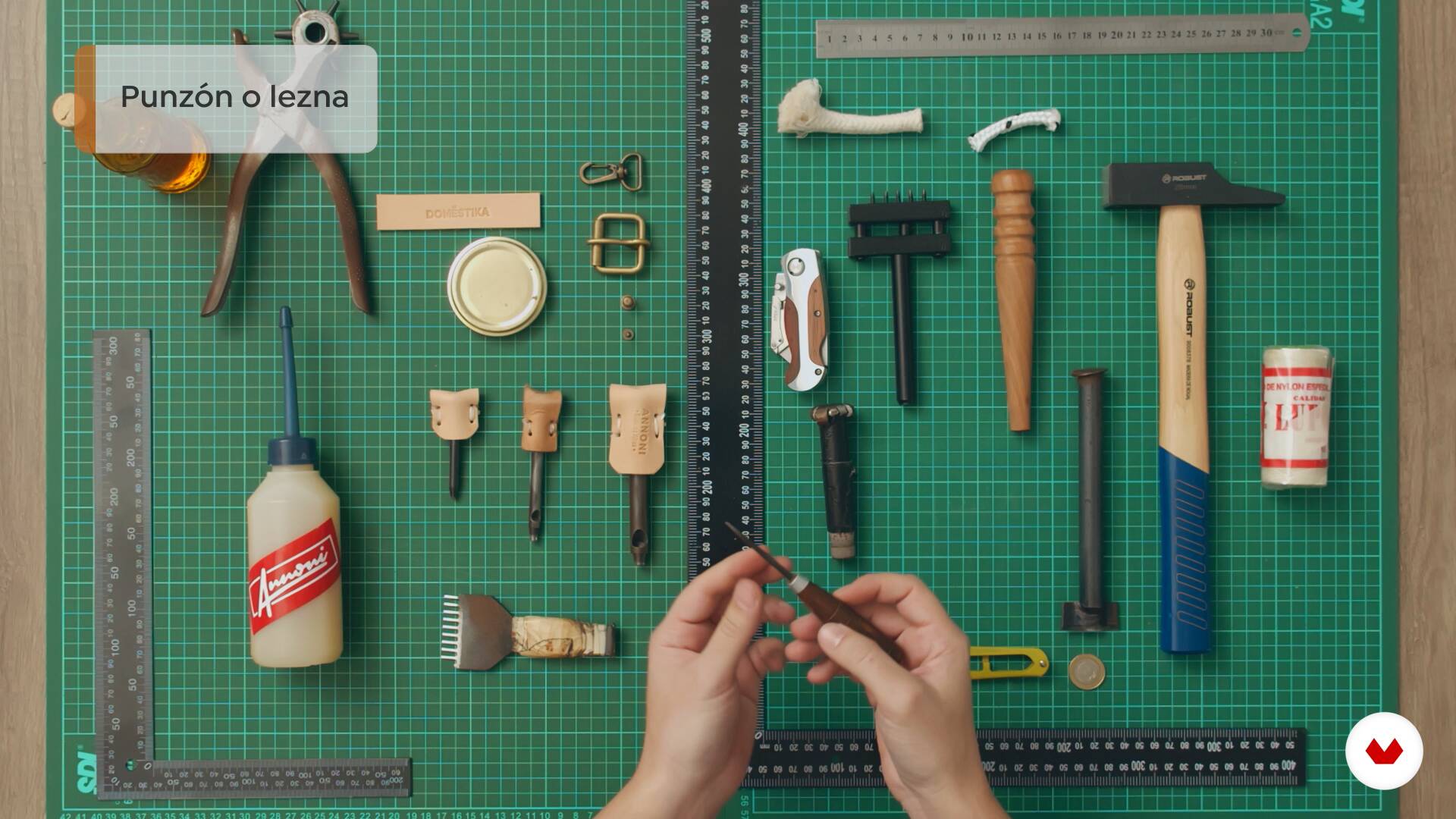
Now I'll give you an overview of the basic equipment for a first start in leathercraft and also explain the advantages and disadvantages of various tools.
12m
image
5
Cutting and Sharpening Leather
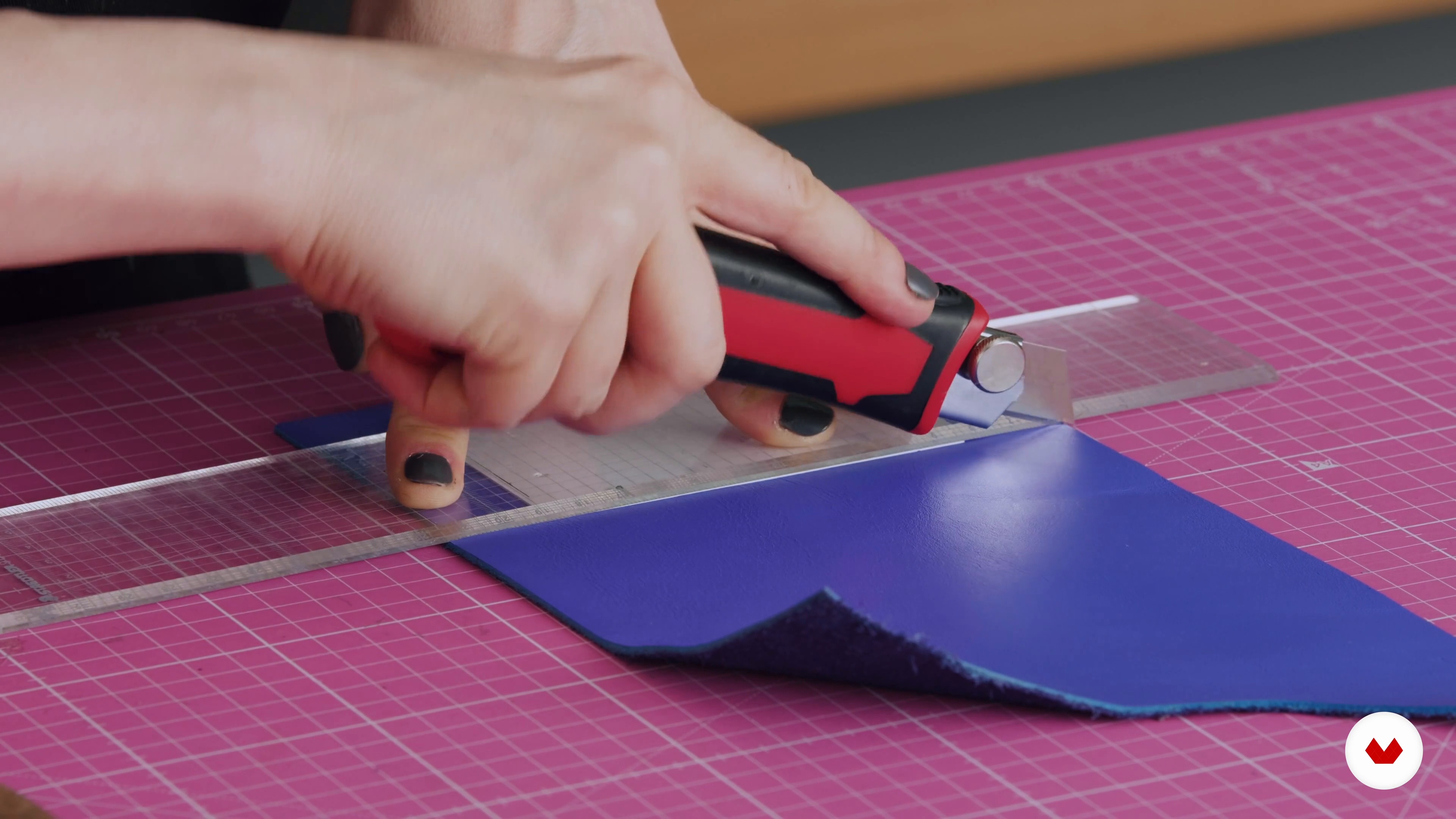
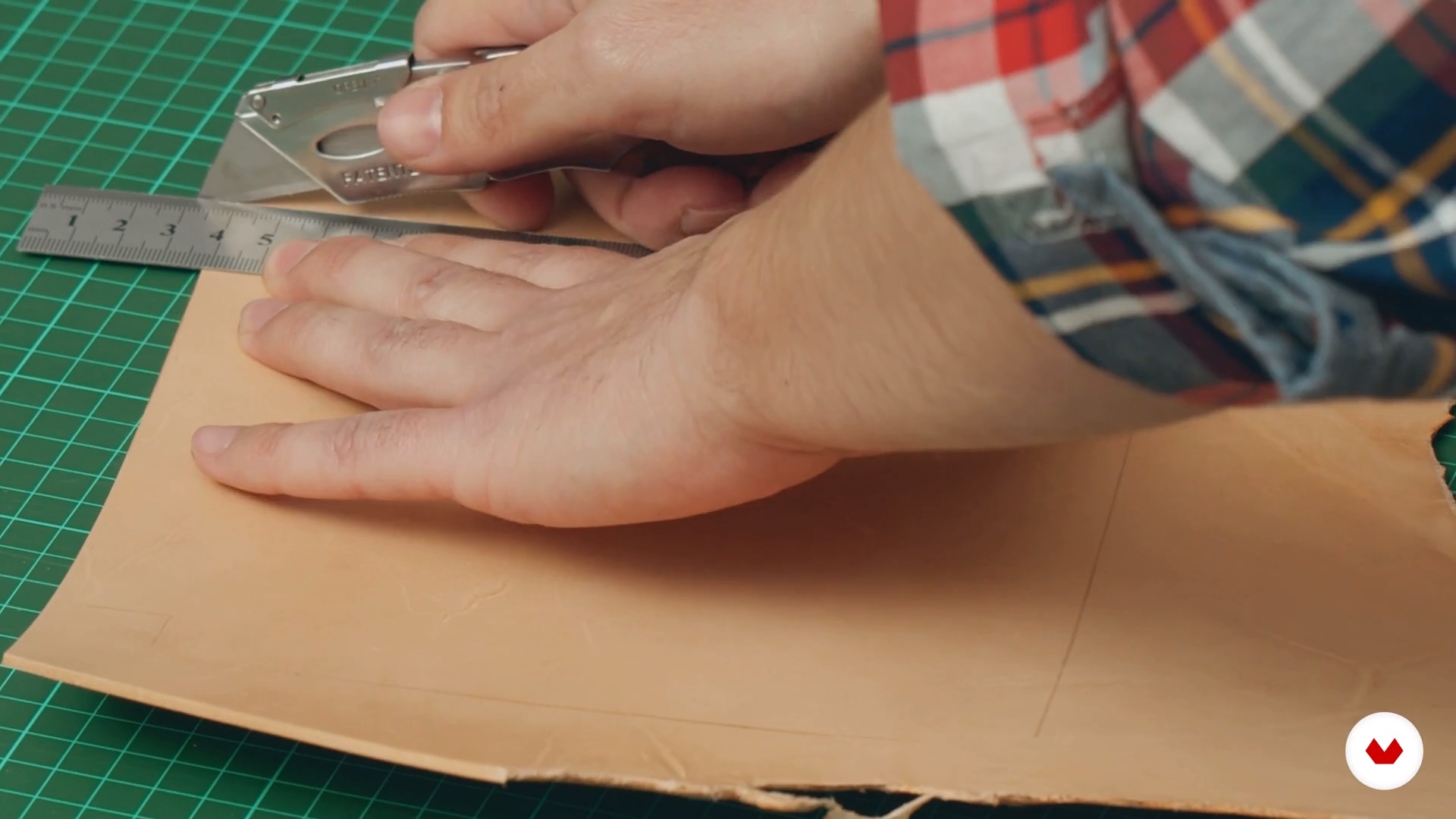
We start with the basic knowledge of handling the knife. You will learn how to cut and sharpen leather of various shapes.
16m
image
6
Gluing Leather
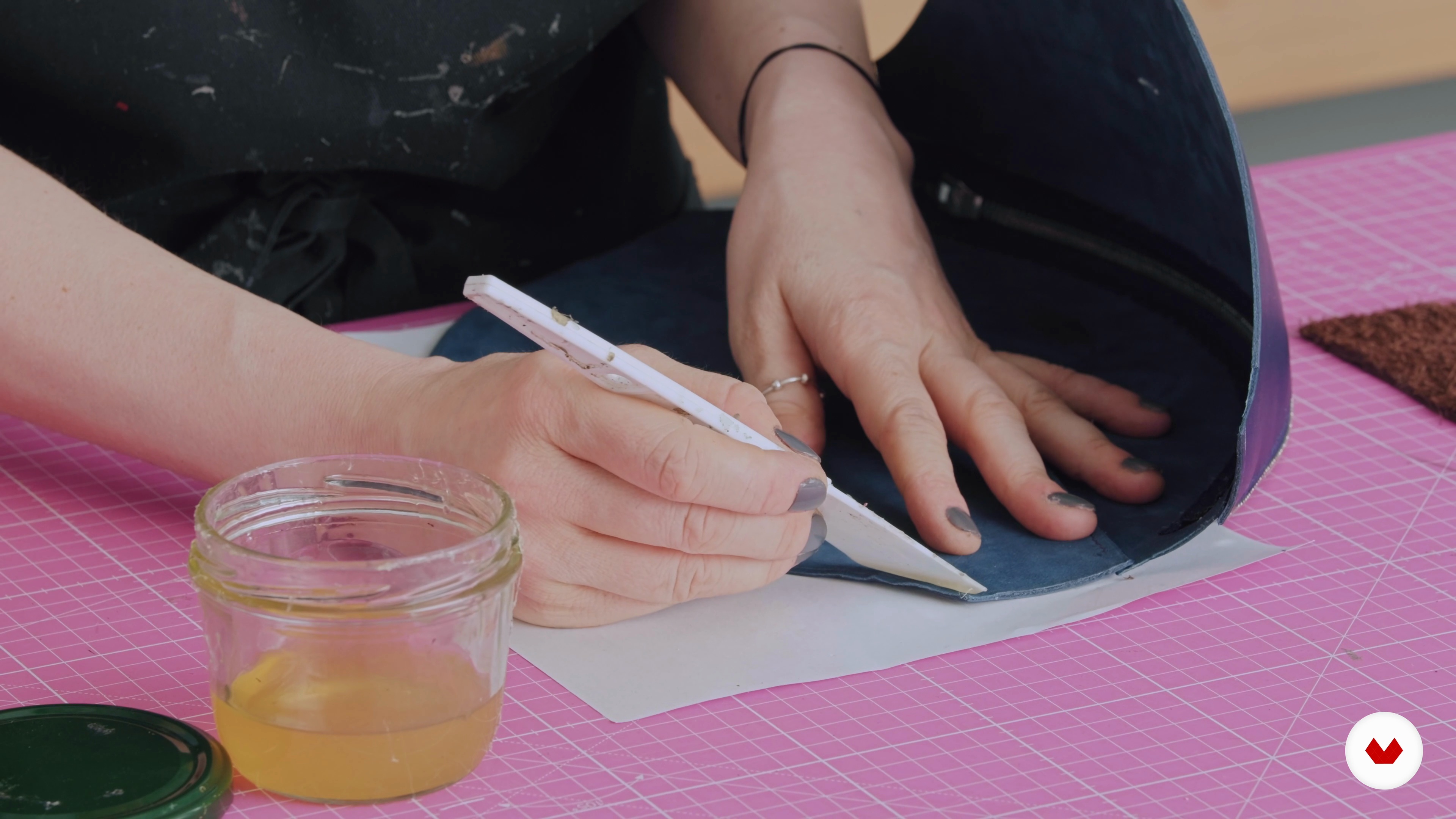
Gluing leather has a number of advantages and is unavoidable in many cases. However, it can be done with different means and techniques, which I will show you here.
12m
image
7
Sewing Leather 1
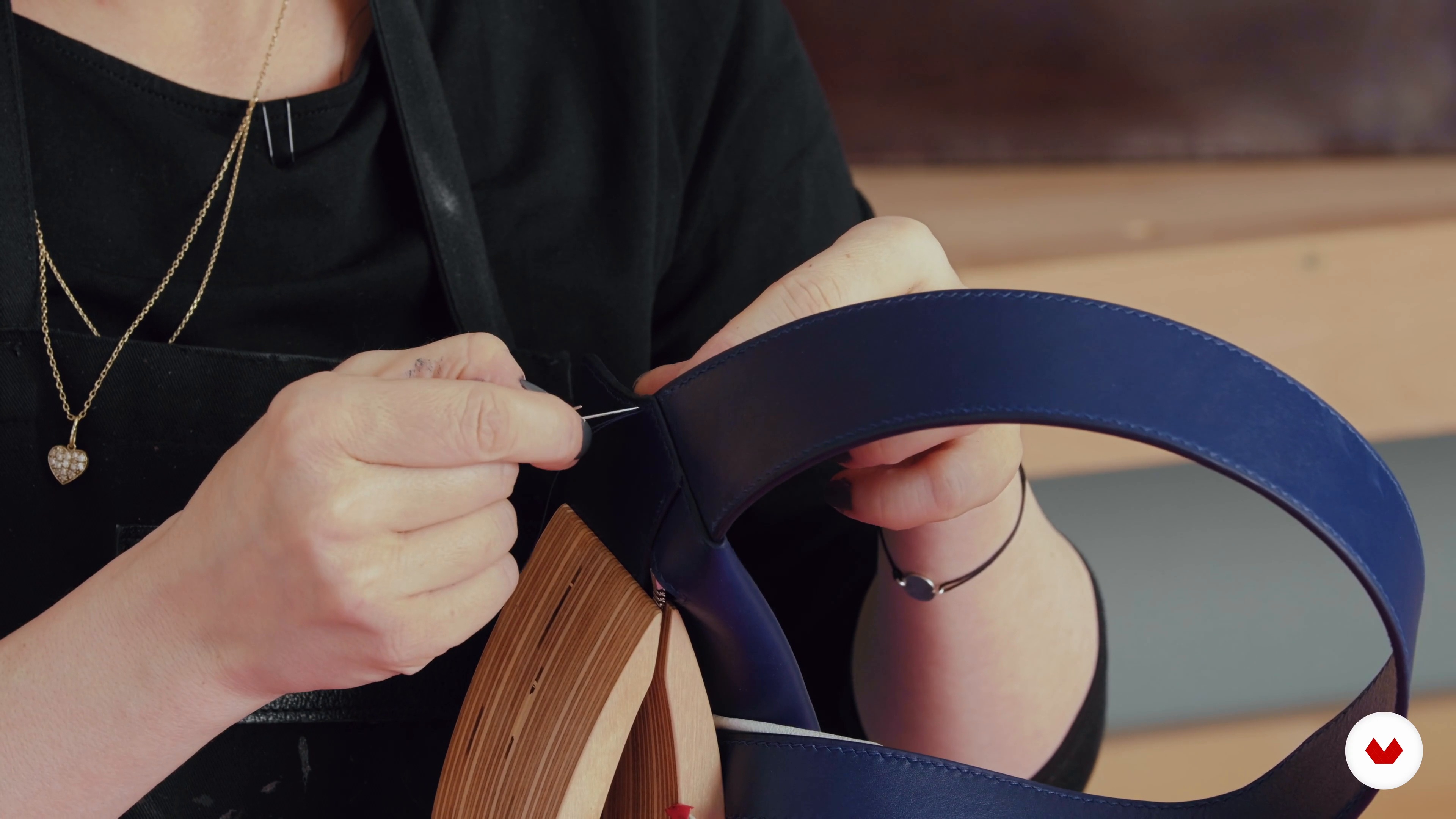
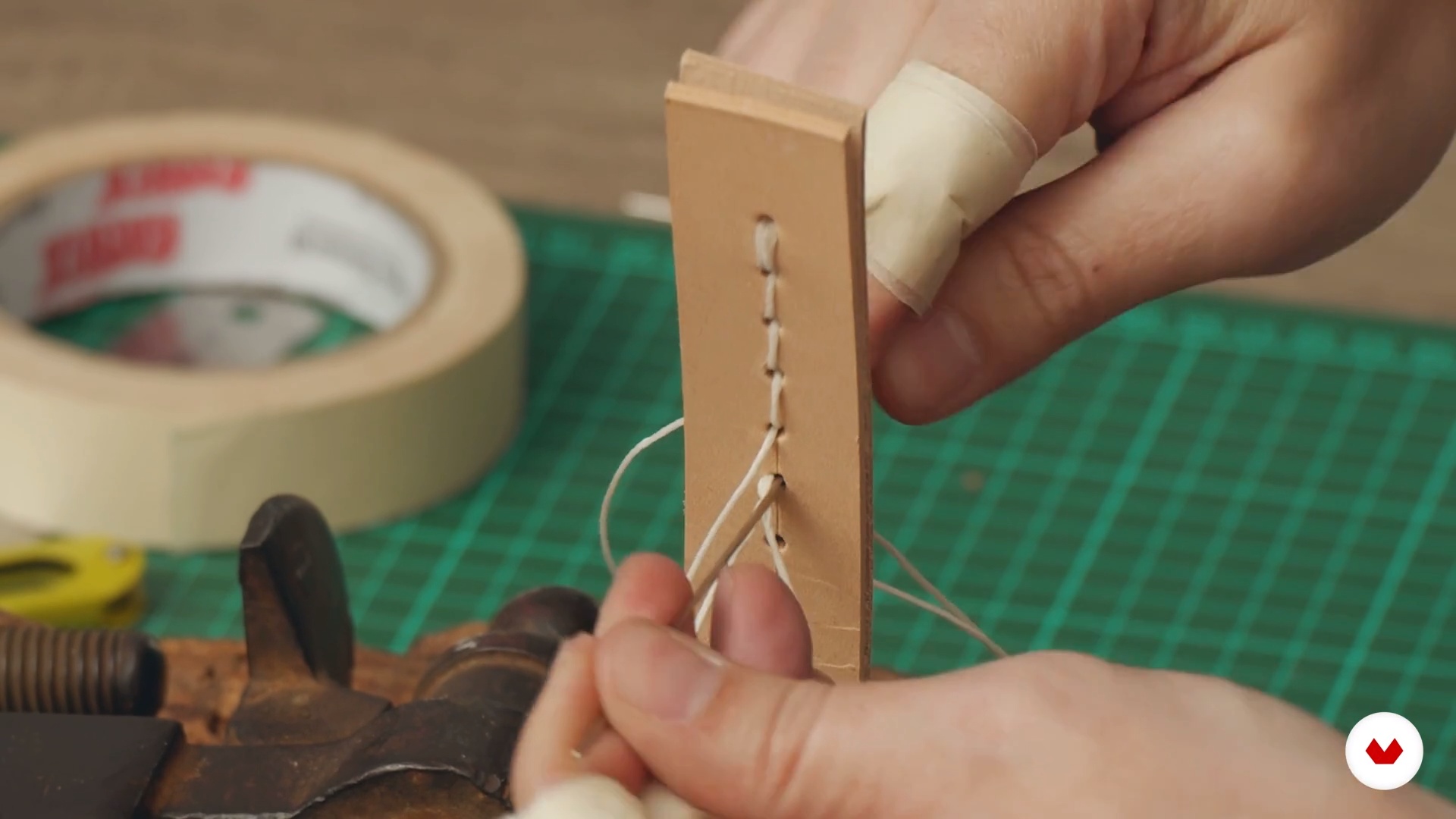
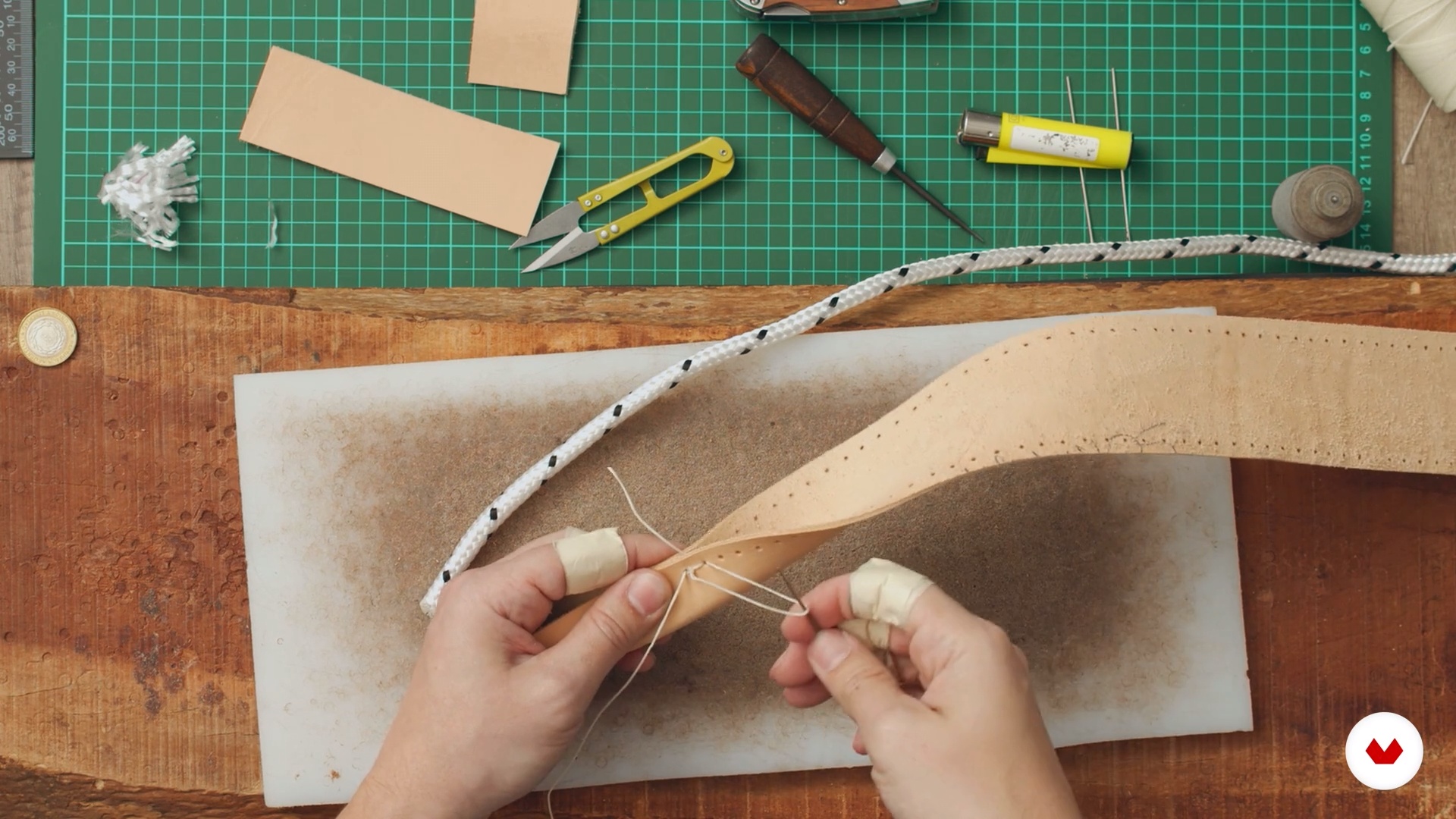
A centuries-old technique that is still practiced by luxury brands today is the traditional saddle stitch. In this lesson I'll go through the most important steps, from thread selection, length calculation, leather preparation to the actual stitching.
20m
image
8
Sewing Leather 2
After I have explained the relevant basics of hand sewing to you, I will use a test piece to show you the sequence of the saddle stitch and how to finish the seam. At the end you will be ready to apply your sewing skills in your own test project!
17m
image
9
Working on the Edges
Sealing all the glued and stitched layers of leather takes a few steps in the right sequence so that the edge is not only aesthetically smooth but also lasts a long time. Here's how to do it!
5m
image
10
Pattern and Dimensions
In this lesson you will learn the basic techniques of pattern making and will see how to prepare a pattern for actual cutting.
16m
image
11
Leather Selection and Cutting
After the pattern is set, I'll show you from which parts of the leather it is best to cut the parts and how and at which places they have to be sharpened.
19m
image
12
Gluing Parts and Clean Cut
Once all the rough cuts are done and the edges are chamfered, it's a matter of gluing the inner lining to the outer leather in the right way and making the net cut for a clean edge.
13m
image
13
Making the Edges
On larger projects with multiple layers of leather, it is especially important to use the right edge finishing methods. In this lesson you will learn all the necessary steps for a clean and long-lasting edge.
19m
image
14
The Zipper
In this lesson you will learn how to measure a zipper correctly and how to cut an endless zipper to the required length yourself, including the installation of all start and end stops.
19m
image
15
Assembling the Bag Parts
In this lesson I will show you how to assemble the main part of the fanny pack, that is, how to assemble the front and back parts. To do this, the upper and lower parts must be sewn together with the zipper.
12m
image
16
Making the Shoulder Strap
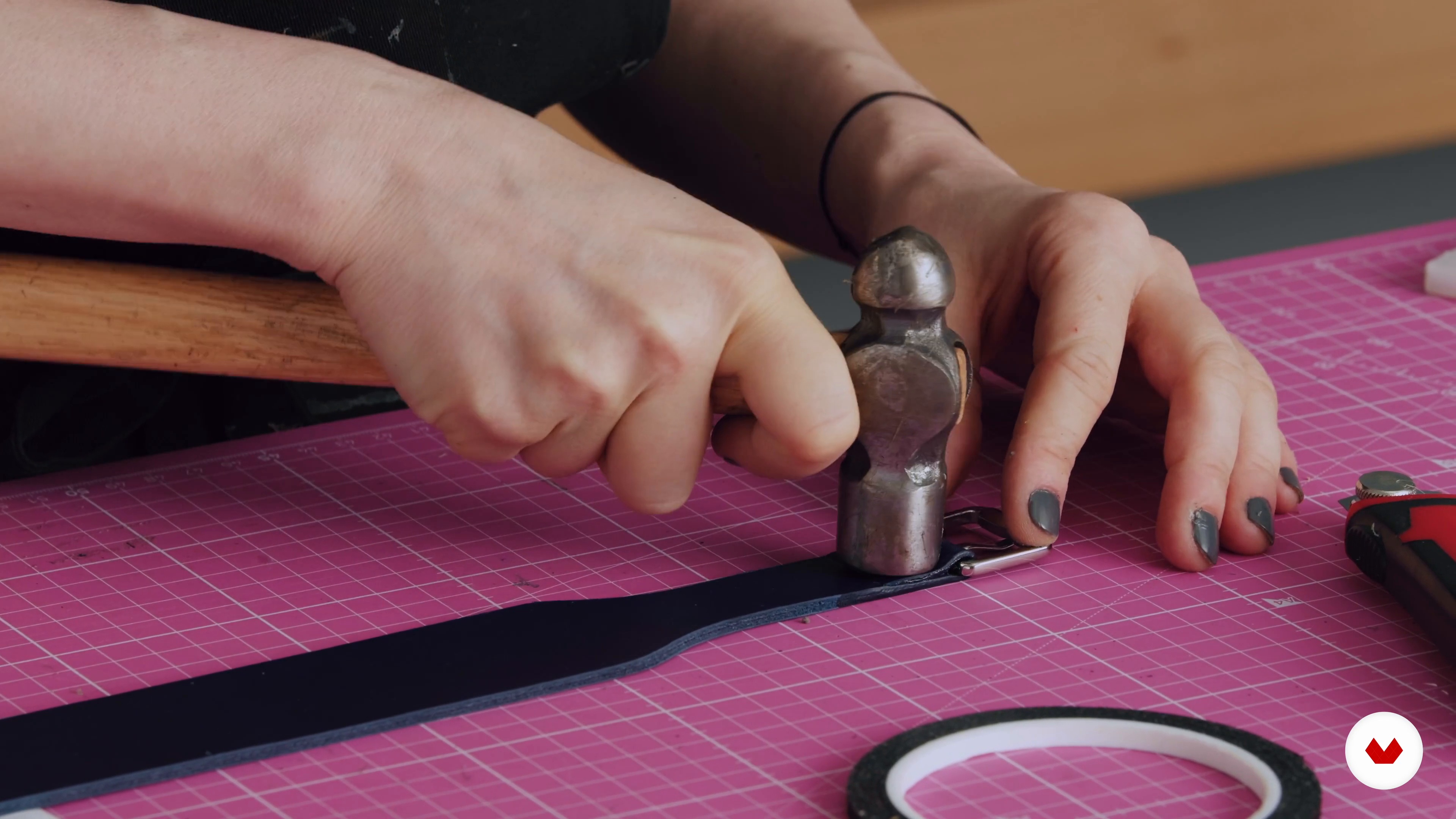
In the next step we work on the shoulder strap. First, I'll show you how to make it and install a belt buckle. It is important to first test the pattern on the edge of the bag and make changes if necessary.
19m
image
17
Attaching the Shoulder Strap
After both parts of the shoulder straps are done, next I'll show you how to attach the shoulder strap to the bag. And then the fanny pack will also be ready!
14m
image
18
Customizing the Bag
Finally, I would like to introduce you to two methods to give your fanny pack a personal creative touch. On the one hand marquetry, in which individual pieces of leather are assembled into a motif, and on the other hand 3D shaping of leather.
10m
image
4
How do ideas arise?
What do I see before making a bag? In this lesson I will show you what kind of resources I use to do it and I will tell you where I look for new ideas. You will see how I analyze some bags that I like to be able to implement new things in mine.
6m
image
5
Sketch
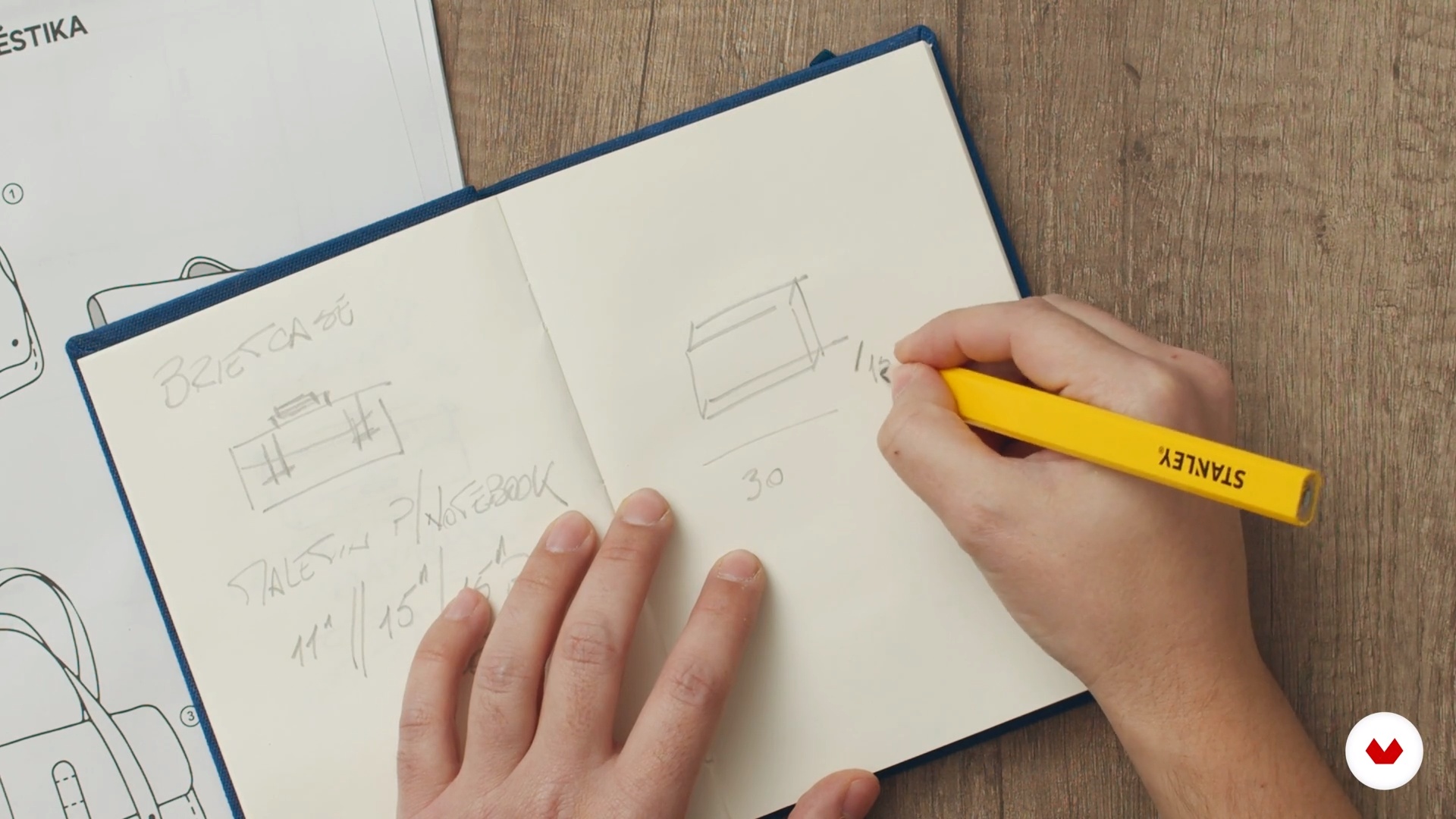
Now I will show you the options I was working on before deciding on one. You will see the different sketches I made and my selection process for one of them. Not all strokes have to be perfect, don't worry, you can create cute bags with a few simple strokes!
2m
image
6
First things first, how do you choose your leather?
Welcome to the world of leather. This lesson will be crucial, as I will tell you about the main material that I will use. I'll tell you why I have a preference for rawhide and why I find it so unique and noble to work with. Remember that it all depends on what you want to create!
3m
image
7
materials
Few tools? Don't worry, you don't need that many. I will show you what are the necessary tools to make a bag. I recommend you start your project with the essentials, if you love this then I do recommend you start acquiring more tools.
16m
image
8
The Basis of Everything! How to Make a Pattern
Everything in life needs good foundations, and the ones for your bag will be your patterns. You are going to learn how to make the entire structure of your bag, better known as the pattern!
11m
image
9
How to Cut Leather
I will introduce you to the star of the course: the leather. Don't be afraid, working on it is easier than you think. You will learn to cut it in order to prepare your patterns! I'll also give you some tips to make your cuts more precise. All I ask is that you be careful when cutting and protect your fingers if possible.
8m
image
10
Leather Shaping
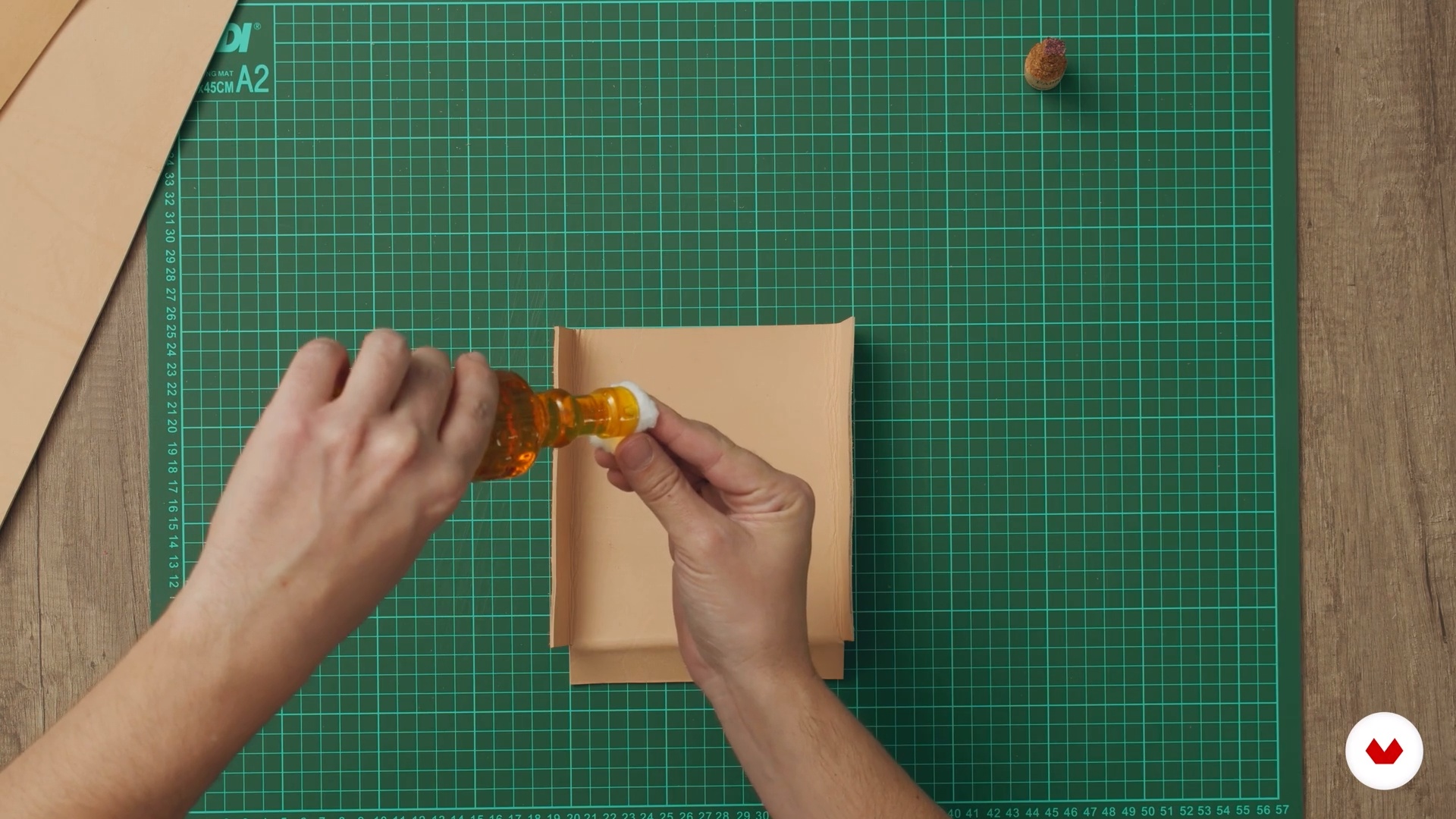
You already have the pieces cut, what's next? You will learn some ways that make subsequent assembly easier, one of which is the shaping it with water. This technique is not complex, but there are specific instructions to follow for it to work well.
2m
image
11
Leather Treatment
To finish this unit, I will show you how to treat leather. Remember that it is not essential to do it at this stage, this is a purely personal taste. However, it is important that you know how to do it and with what. Finally, I'll explain the possible outcomes of treatment so that you understand them before applying any techniques to your bag.
3m
image
12
Line of seams and hammered
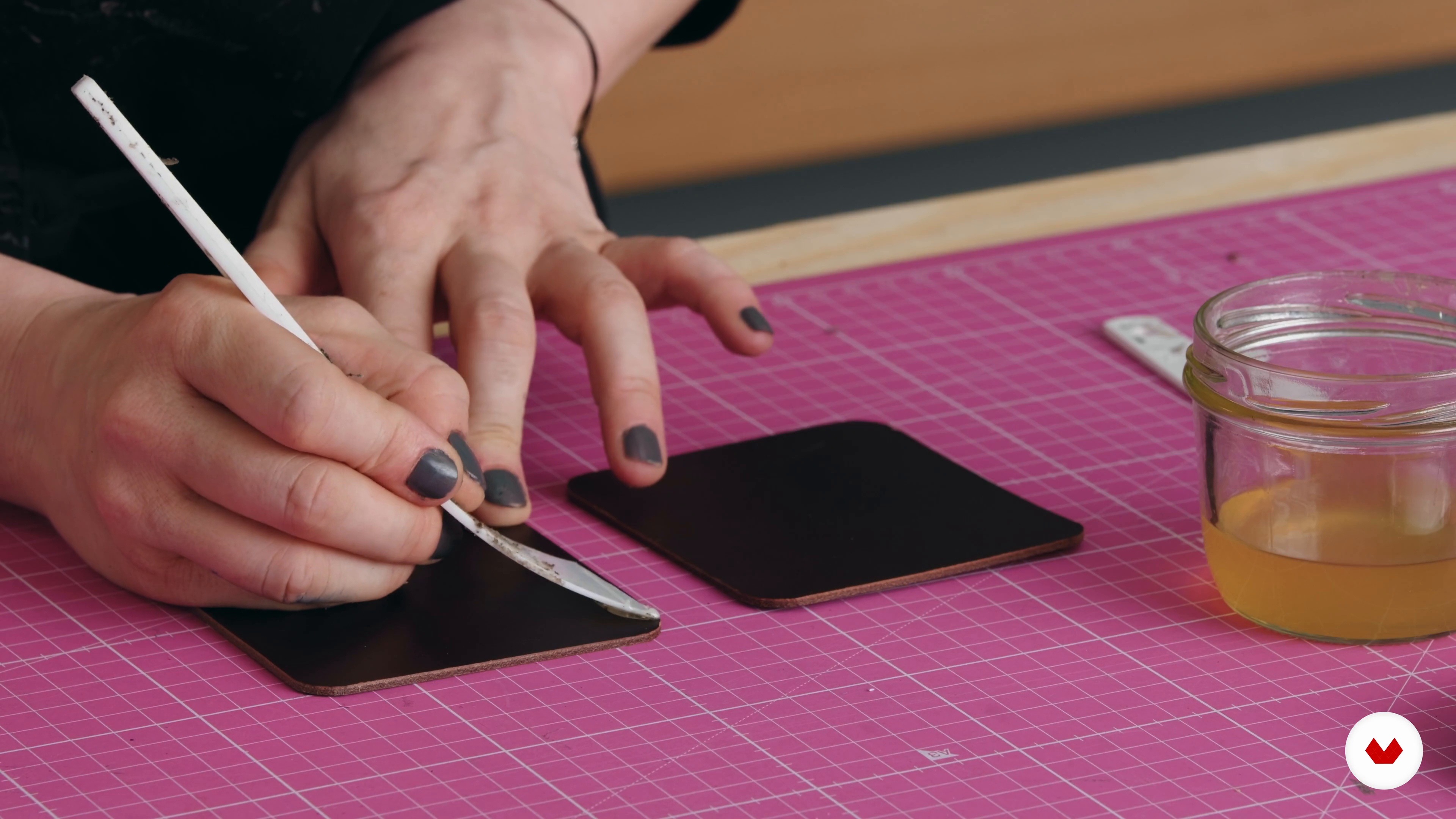
We will start to pierce the leather! In this lesson you will learn how to do it to create your seam lines. Don't worry, I'll give you some recommendations so you can do it wonderfully! I will also show you two hammering techniques.
16m
image
13
Sewing types
I will show you two types of stitches, one that is simple and that I will use to sew the handles and then a two-needle stitch that I will use to sew the gussets.
15m
image
14
Gusseted stitching
Can you sew? I did not know and learned, now I will teach you! I will also explain how to apply the cement to facilitate the process. You will see in detail how I carry out the entire sewing process.
9m
image
15
Rivets and second line of stitching
In this lesson you will see how to place the rivets of the base, they will serve as support for the bag. Before starting to make them in your bag, I recommend you try it on a patch. I will explain to you how to mark the places where your remchaches will go.
9m
image
16
Handles
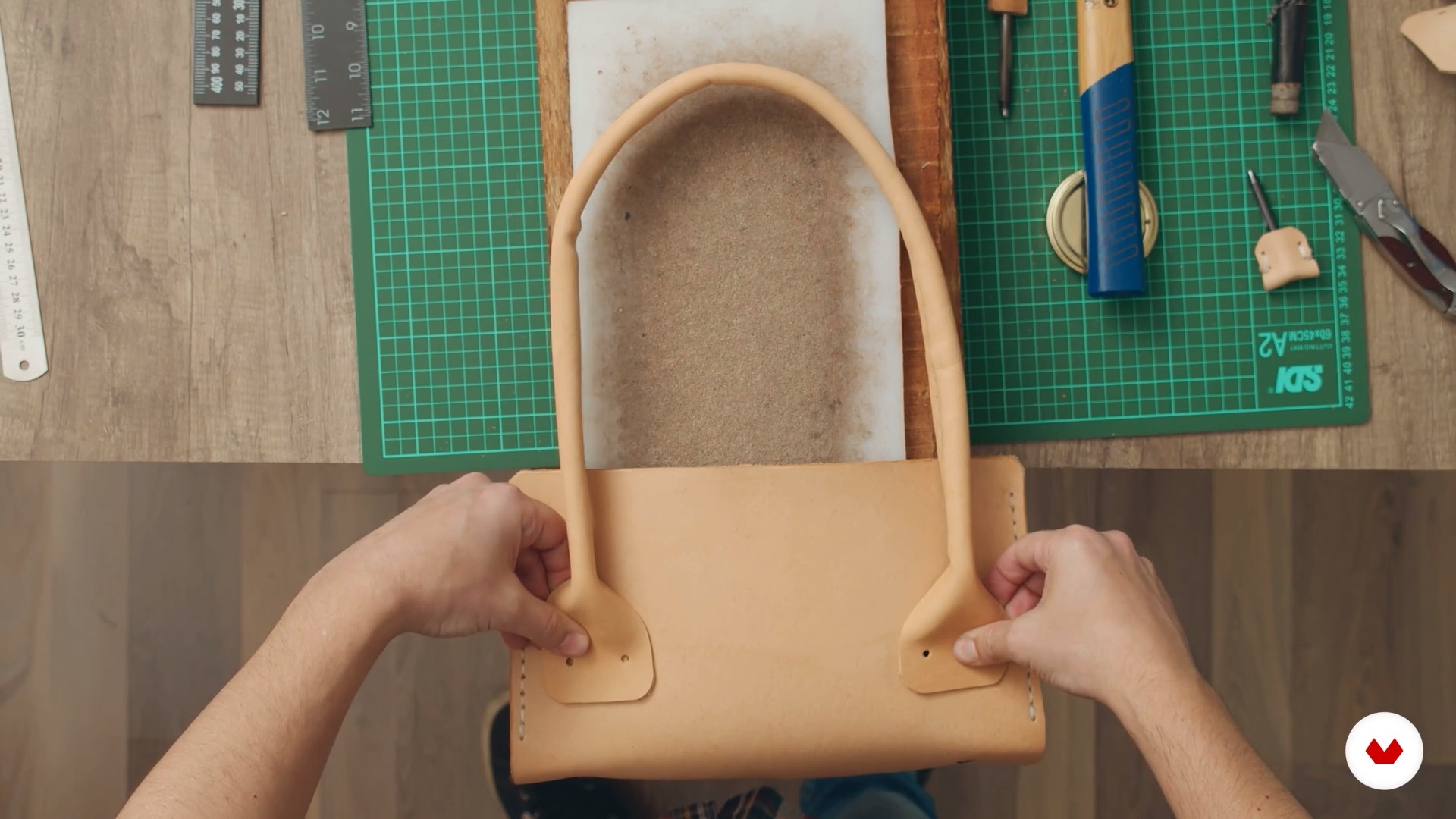
Do you want to know how to assemble the handles for the bag? In this lesson I show you how to put them together using a plastic rope and a simple stitch. I'll give you some tips on how to make a curved cut to make them fit better. It's a simple job, but it will make your bag look great.
13m
image
17
Lid, handle placement and closure
Let's start bringing the bag to life! The structure is already assembled, but some things are missing such as adding the handles, the lid and the closure. You will see some latest changes that will make the bag start to look prettier and more fit.
14m
image
18
Prying
At this point, the bag is almost ready. What's next now? I will show you the last details, which we will polish so that the bag looks extraordinary. If it doesn't fit you perfectly, don't worry, I'll show you how to correct all those details. Finally, I will tell you everything you need to know about a process better known as leather burnishing.
6m
image
19
Stamp
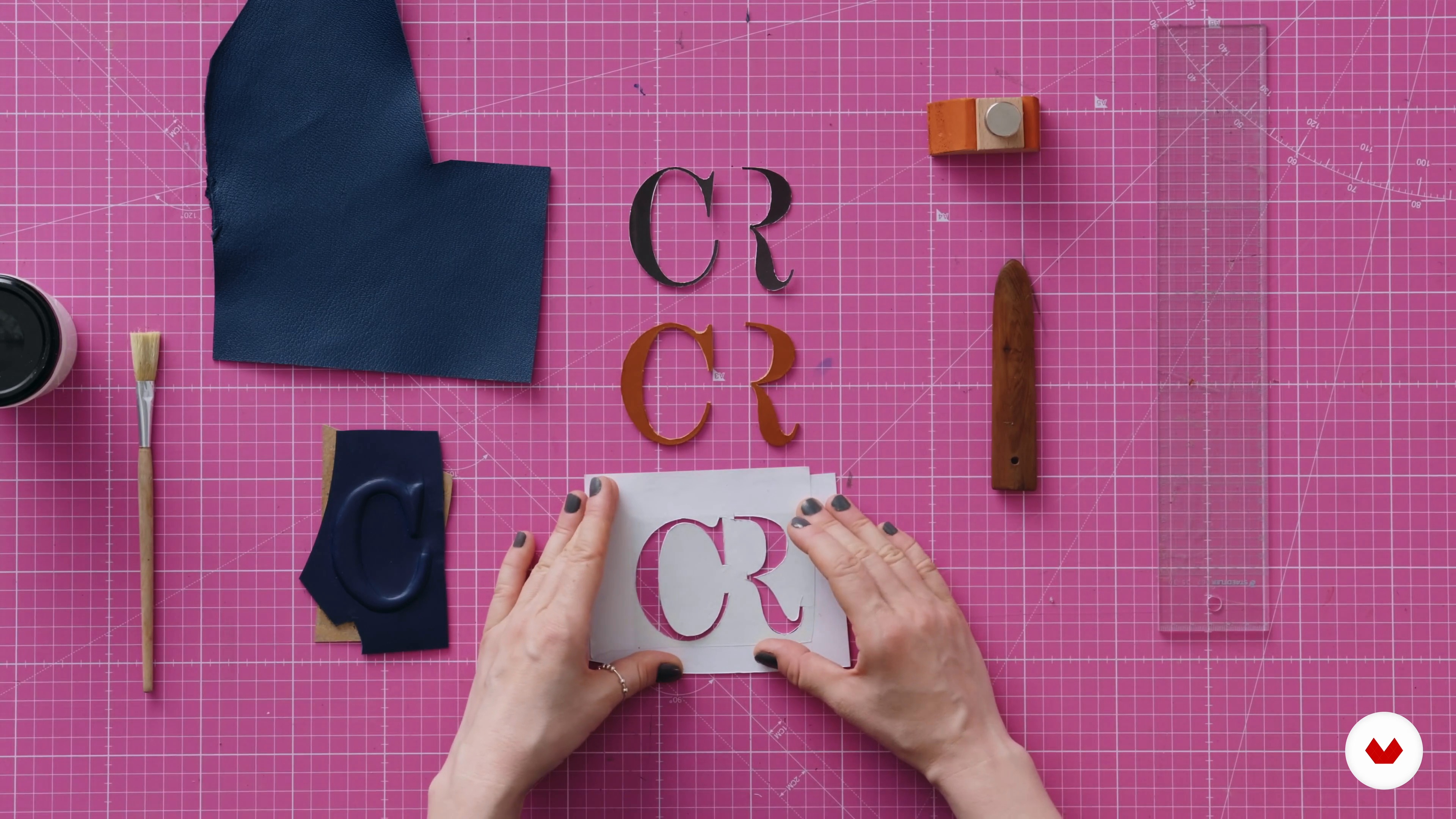
Do you have a brand? Do you want to add a personal detail? You will learn how to add a stamp. If you already have your own brand, I recommend paying special attention to this lesson. I will show you how I apply it so as not to damage the bag.
5m
image
3
Design
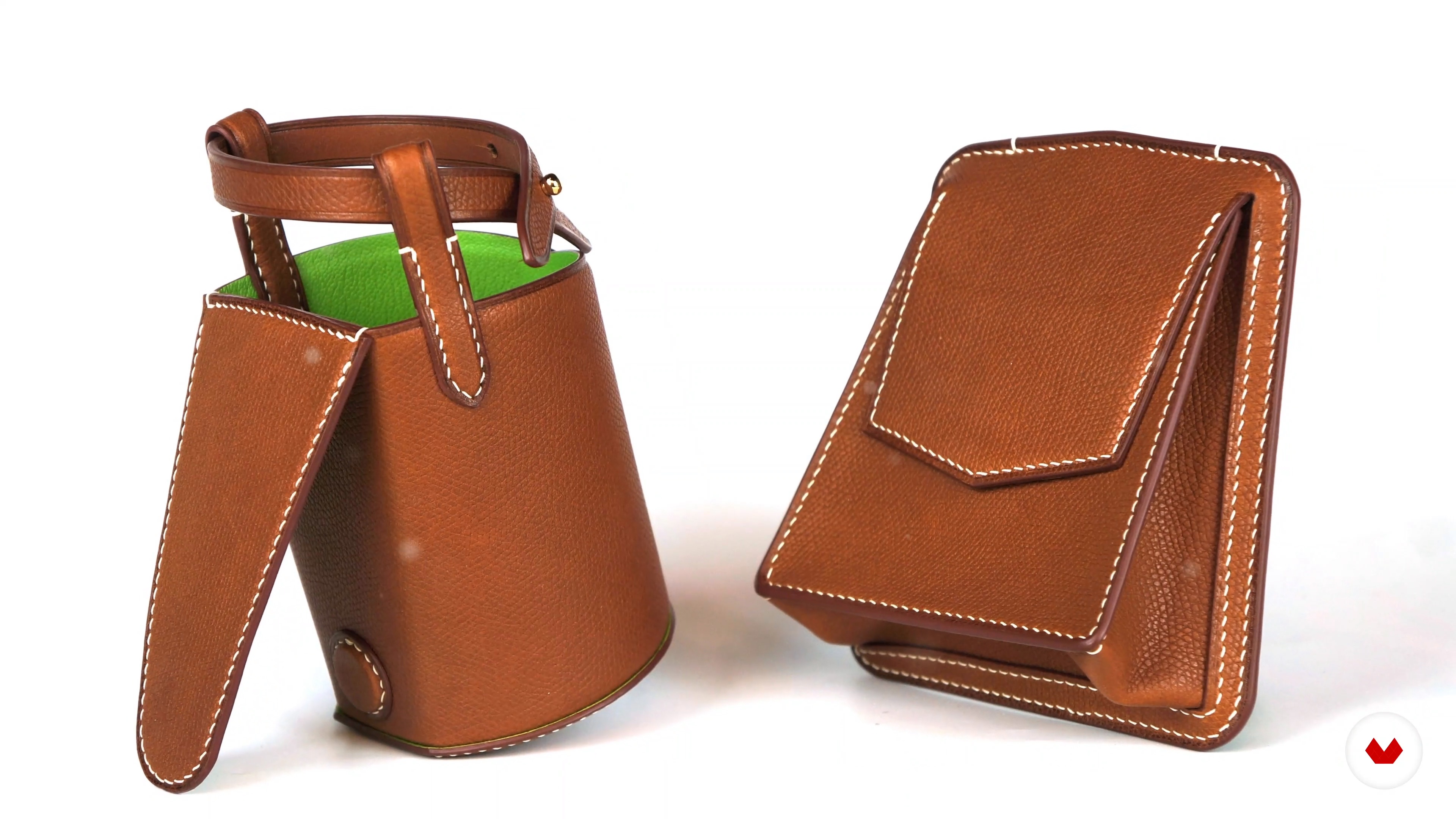
Here, I will explain to you my method of “3D sculpture" of a handbag and walk you through the concept of the design you are going to make—The Minibag.
8m
image
4
Material and Tools
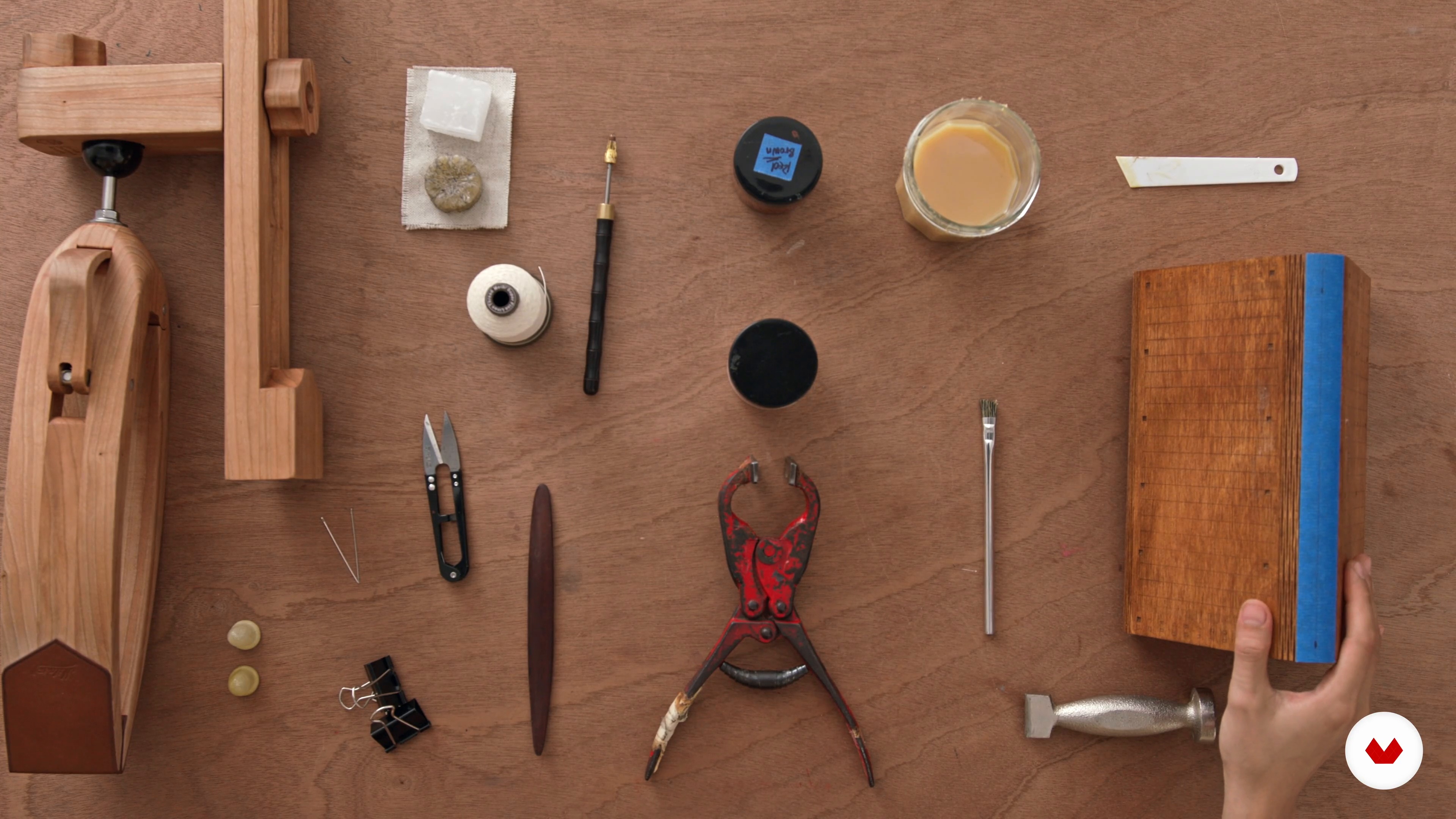
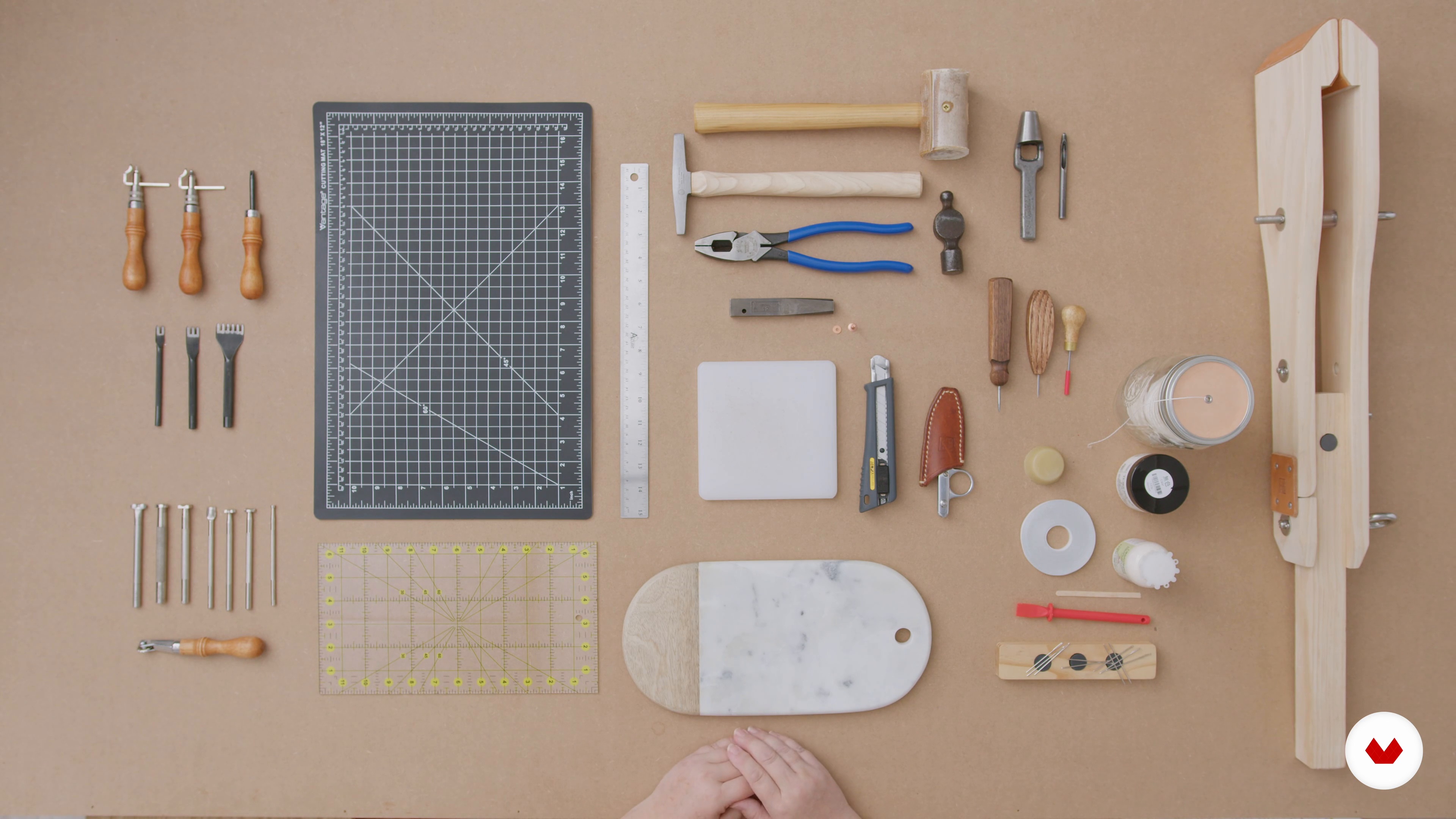
In this lesson, I will show you all the tools and materials you will use in this course and what they do for.
16m
image
5
Technique Foundations 1
Before you get your hands-on leather, you need to understand some foundation knowledge of different leather, pattern making, saddle stitch, and edge painting.
16m
image
6
Technique Foundations 2
I'll continue showing you some of the basic techniques you'll need to carry on with the making of your purse. Finally, I'll teach you how to improve the quality of your bag’s appearance by adding perfect edge painting.
6m
image
7
Design
First, I will show you how I usually design a handbag, in this case, it will be Minibag. I'll talk you through how I select the hardware and the outlook.
4m
image
8
Pattern Making
With the design of the Minibag done, I will teach you how to start your actual handbag by showing you the explosive drawing. After that, you will start to make the patterns and set up the assembled sequence.
18m
image
9
Preparation
Let's get ready for assembling! In this lesson, I am going to walk you through the details of all the materials.
5m
image
10
Cut the Leather
Now I will teach you how to correctly cut the leather and which part of the leather you should use.
7m
image
11
Cut the Reinforcement Material
This one is the last lesson of this unit and before getting to the actual assembling I will teach you how to prepare the reinforcement material.
7m
image
12
Assemble the Individual Parts 1
After you have all the materials prepared from the past lessons, in this lesson, I will teach you how to assemble them one by one.
15m
image
13
Assemble the Individual Parts 2
Since this will be the core of your project let's have a second look. Here, I'll show you how I work on this process in my studio.
9m
image
14
Creasing, Punching, Stitching and Edge Painting 1
In the following lessons, I'll teach you how to crease, punch and stitch. First, you'll learn how to use the electric creasing machine to make a stitching line, which will be the guideline for you to punch holes with a pricking iron and then work on your stitches.
21m
image
15
Creasing, Punching, Stitching and Edge Painting 2
Now I will show you the creasing process and will work on the edge painting with leather/reinforcement material.
14m
image
16
To Learn More 1
Take a closer look at how to secure your thread to the needle.
image
17
To Learn More 2
Level up your stitching game! Here you will get a deeper and closer look at how to properly stitch your pieces.
image
18
Make the Closure Part 1
This lesson is the freest style and creative part. I will show you how I make my closure design.
12m
image
19
Make the Closure Part 2
I will continue working on my closure part design. I'll teach you how to combine the padding details into your own.
9m
image
20
Final Assemble
Finally, in this lesson, I´m going to put all the parts together in the sequence I set up before. The handbag is almost ready!
20m
image
21
Hot Stamp Logo and Initial
Now I will teach you to make your logo and initial with the hot stamp machine.
4m
image
22
Tips and Tricks
In this last lesson, I want to share with you my tips on how to go further in leather crafts work.
3m
image
3
To Learn More: Studio Tour
We thought you might enjoy a tour of our studio! In this course, we will only be using hand tools. However, in order for us to produce at a higher rate and keep up with orders, we use many different machines to speed up the process. Allow us to show you our home workspace and tools! You will see how we organize our materials and some of the machines we use to create our bags daily.
5m
image
4
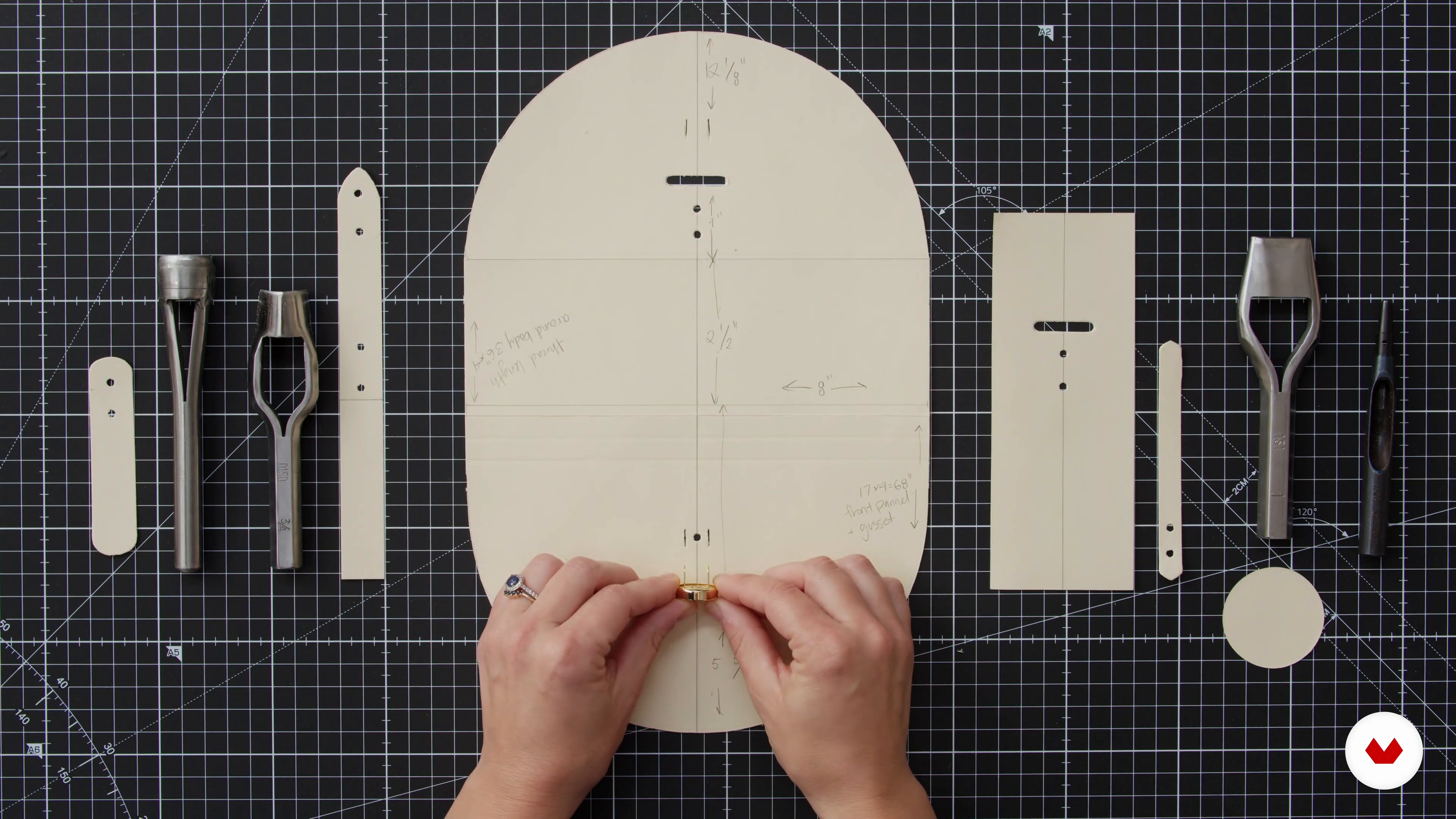
Understanding Leather and the Moonrise Bag
Let's get inspired! In this lesson, we will introduce the moonrise bag and show you examples of other designs using these same techniques. We will also go over our main material, leather. You will learn the main types of leather, why we choose to work with veg tanned leather, its different properties, and how to choose the correct weight for your project. Lastly, we will delve into the tools and materials you will need in order to set up your workspace and complete the course project.
6m
image
5
Materials and Workspace Preparation
In this lesson, you will learn the basics of the tools we use and why we prefer them. As a beginner, knowing where to start when looking for new materials can be challenging. What will you need to become an expert leathercrafter? We encourage you to always find tools and materials locally, if possible. All the tools we discuss are ones we have personally had experience with unless we state otherwise. We've added some helpful links below, so if you want you can use the same materials that we do!
4m
image
6
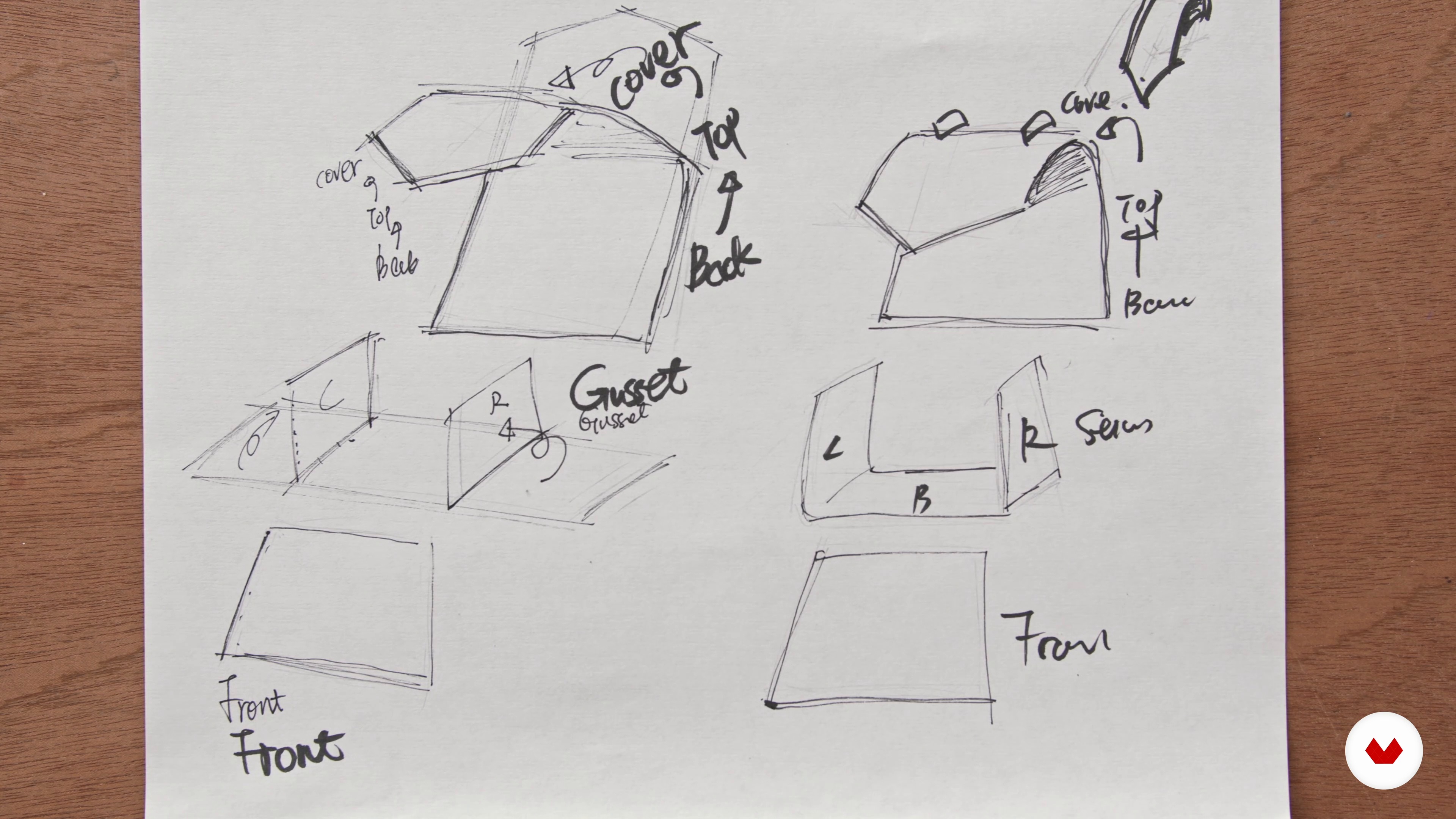
Sketching and Pattern Making
How do you go from an idea, to a sketch, to a paper pattern? Finding inspiration can be tricky. Often when you're looking for it, it's nowhere to be found. The spark of an idea can come from many different places at any given time. In this lesson, we'll share where we find inspiration, how to transform this into a leather bag, and the important parts of a bag to consider while sketching your ideas. You'll see how we turn a sketch into a paper pattern to use for the final moonrise bag.
16m
image
7
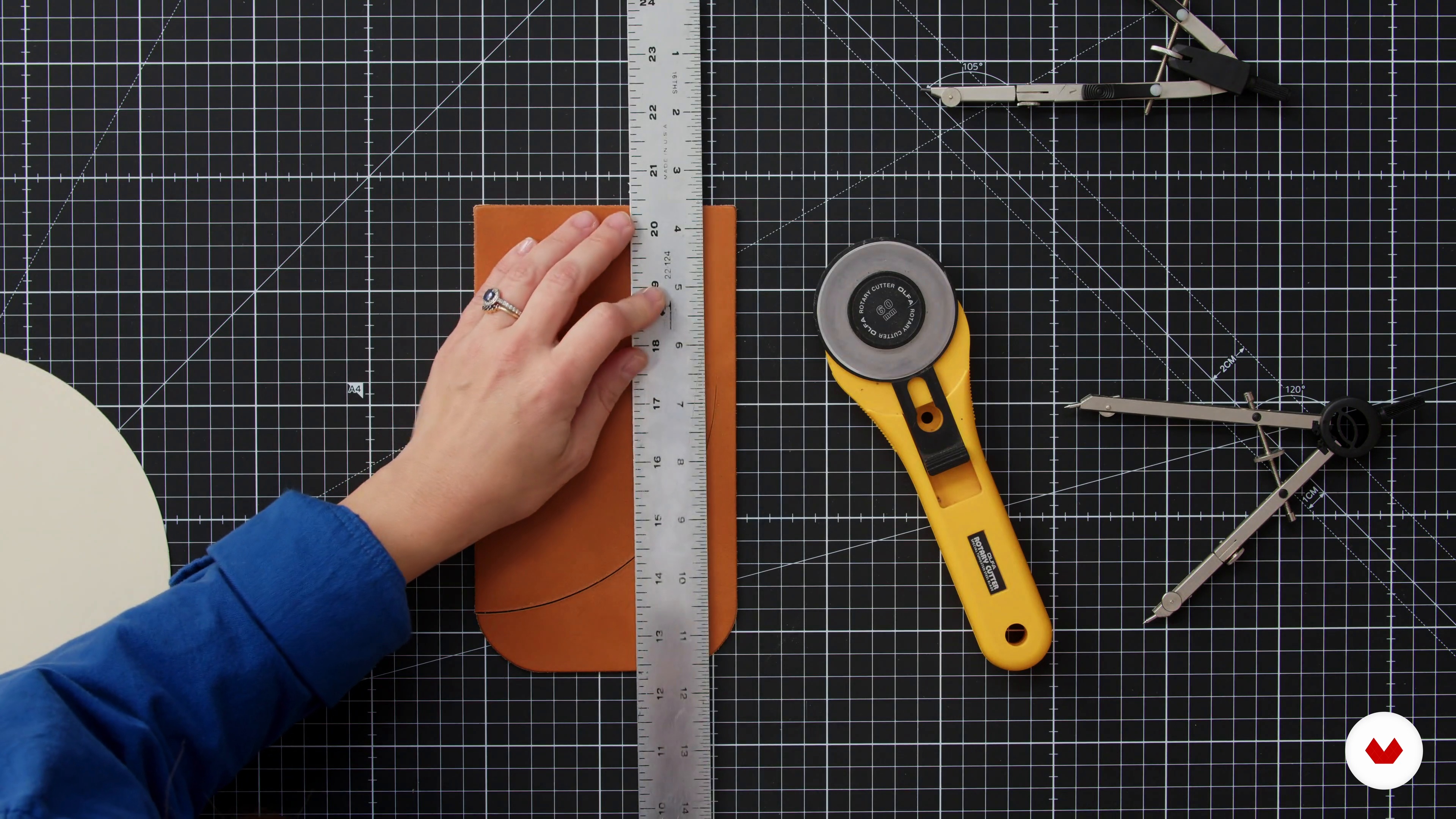
Technique, Foundations, and Practical Exercises
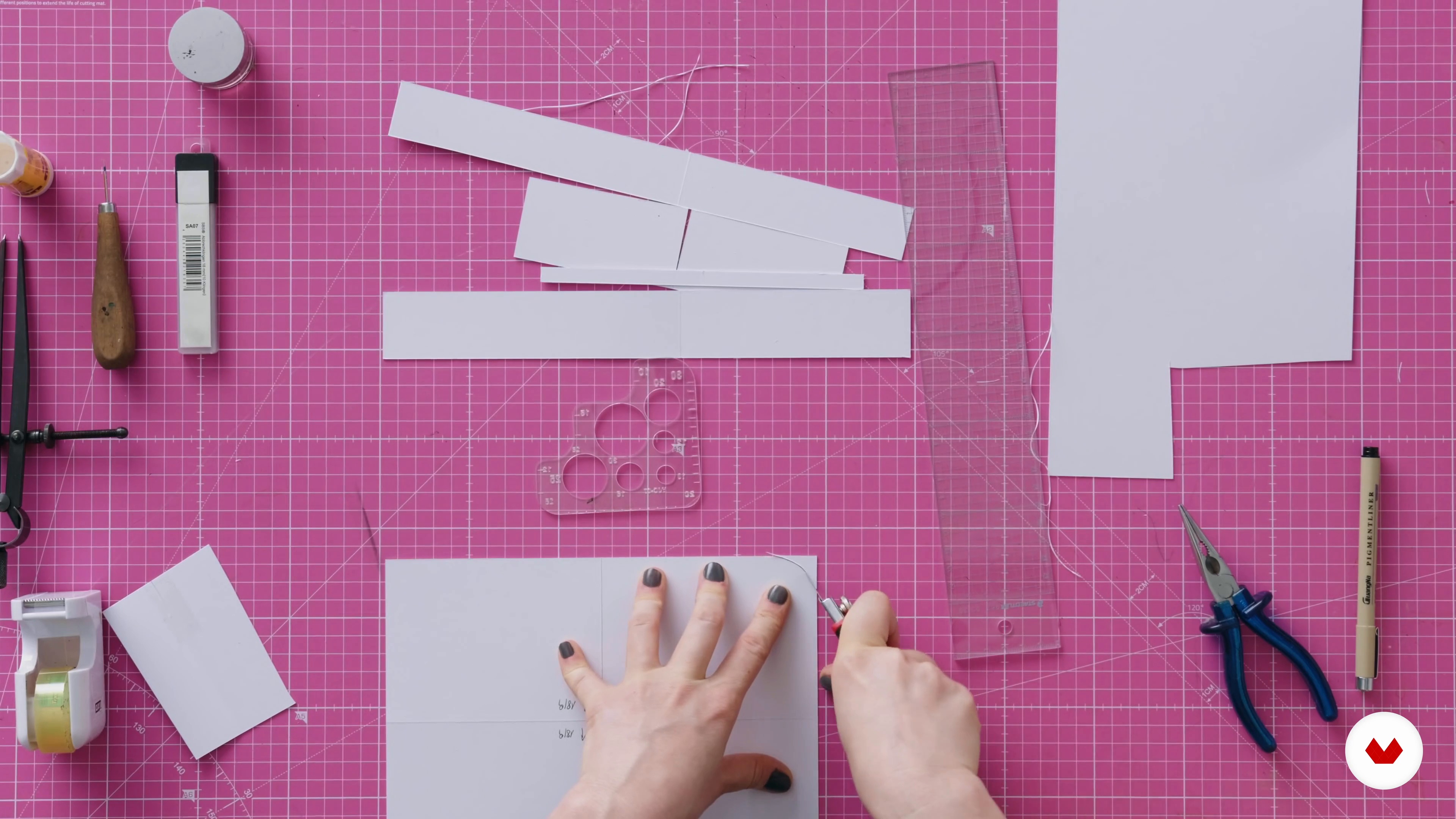
In the final lesson of this unit, we will teach you the techniques, tools and exercises needed for a seamless bag making experience. You will practice cutting out a curve in your oak tag using your compass and claw knife, as well as achieving a straight cut with a straight edge ruler and rotary cutter. We will also walk you through how to use wing dividers and pricking irons.
19m
image
8
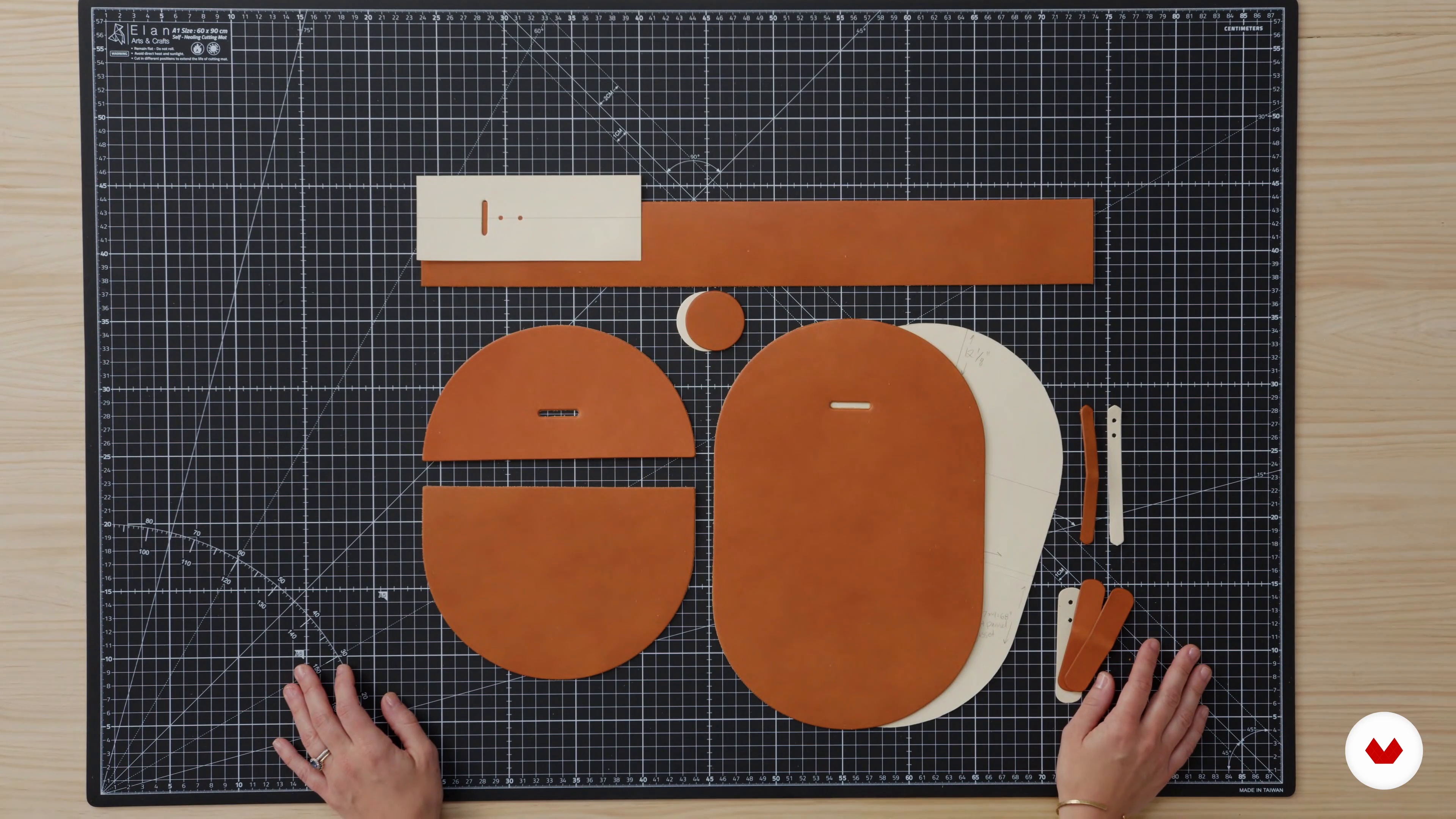
Cutting the Bag Pieces
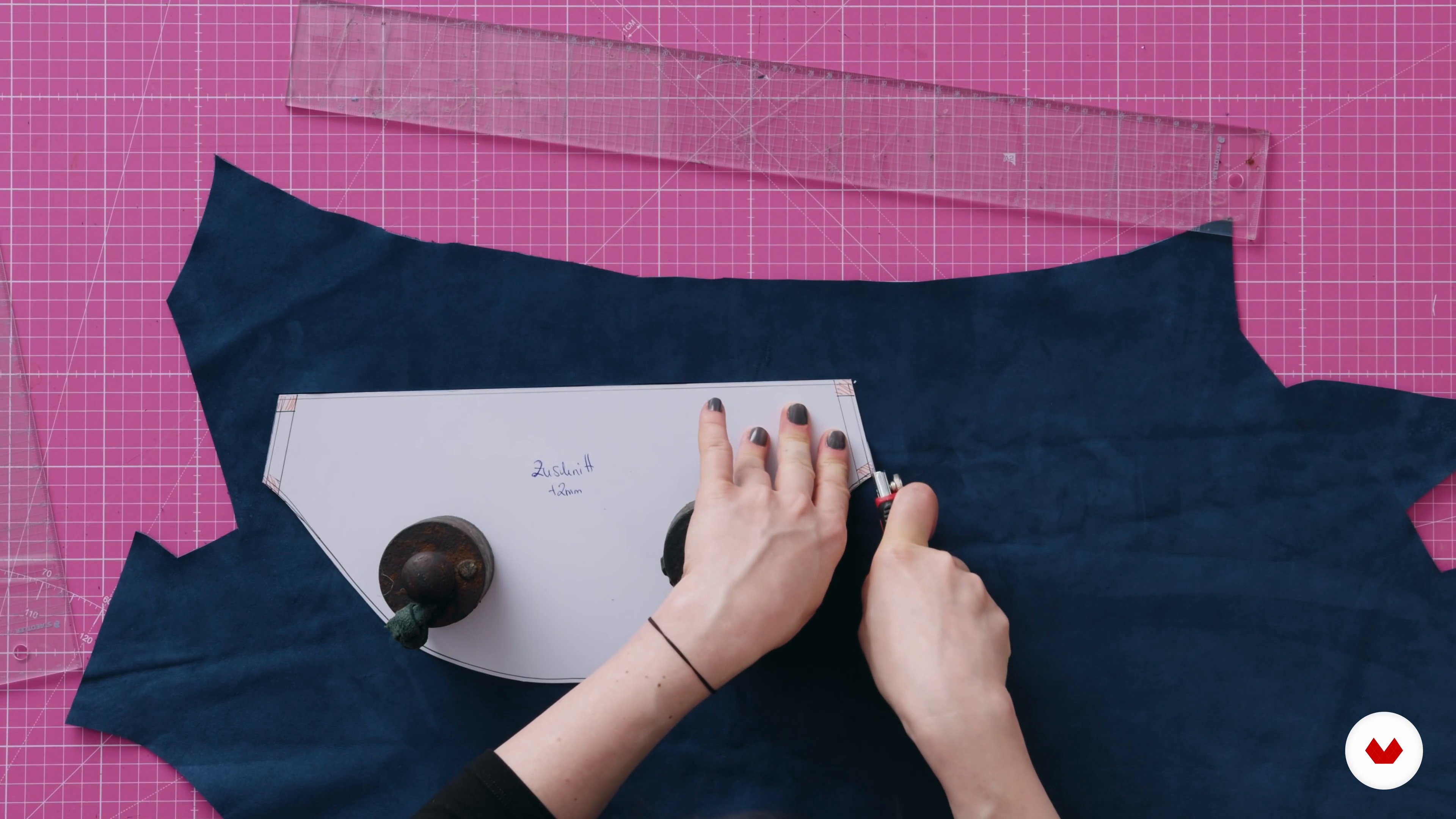
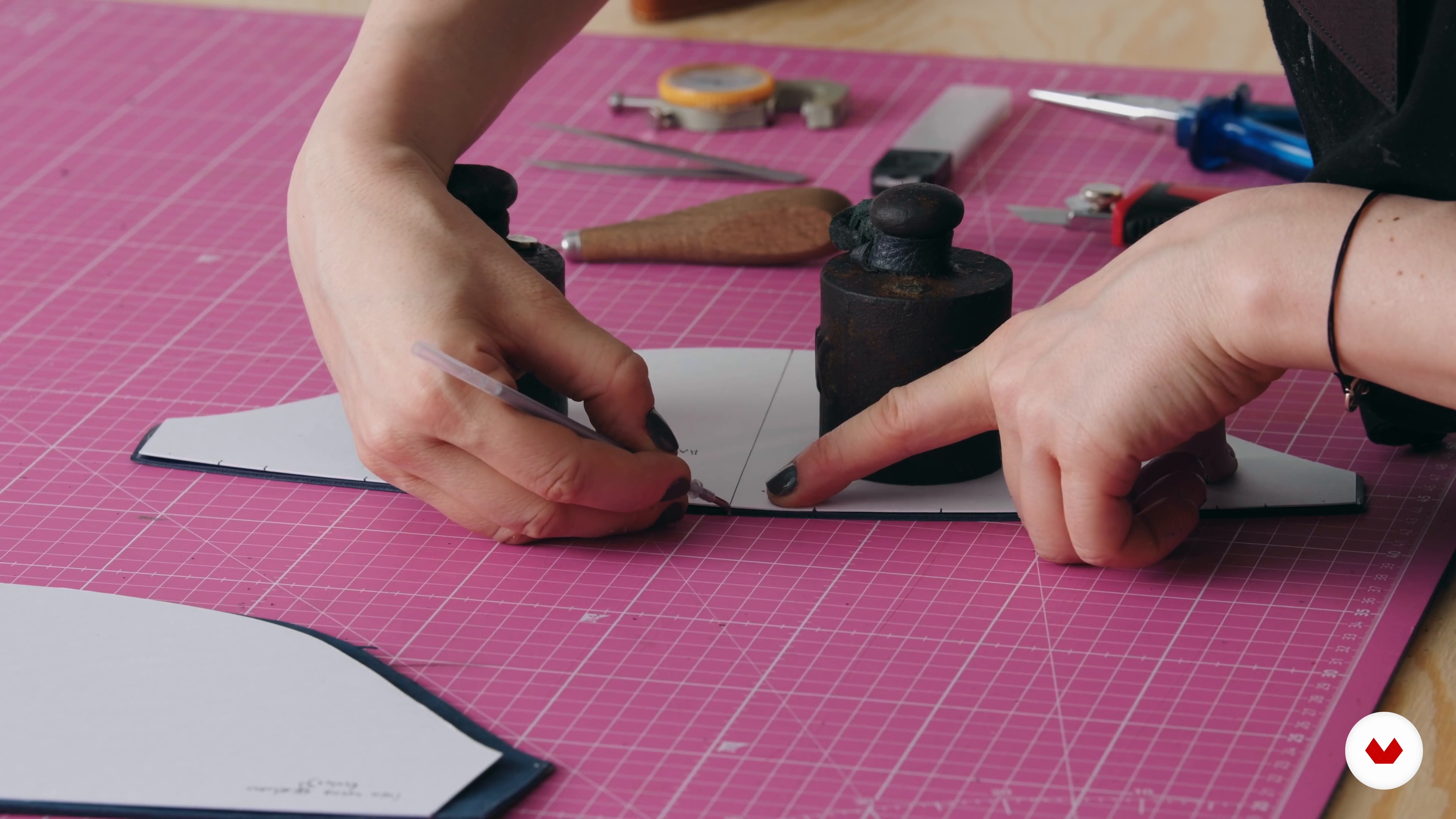
Select the best part of the hide for your bag and place your pattern on the leather. Using a sharp blade and a steady hand, you'll have all the pieces ready to be prepped for the next steps.
7m
image
9
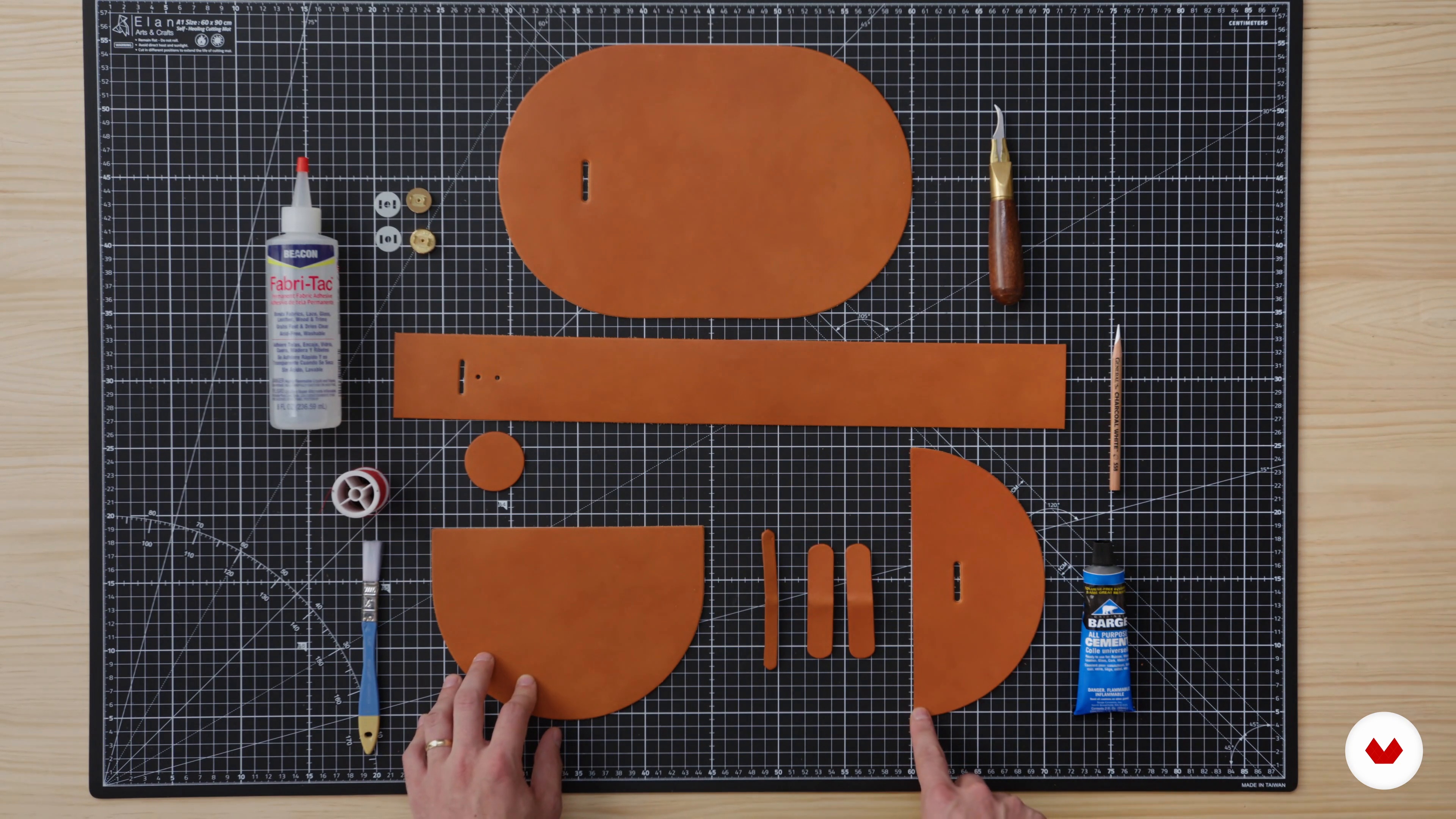
Prep Work
Let's get the bag ready to be sewn! Most of these steps can't be completed once the bag is assembled. So, if you plan on finishing your edges and adding a magnet, it's important to follow these steps now.
10m
image
10
Preparing the Gusset
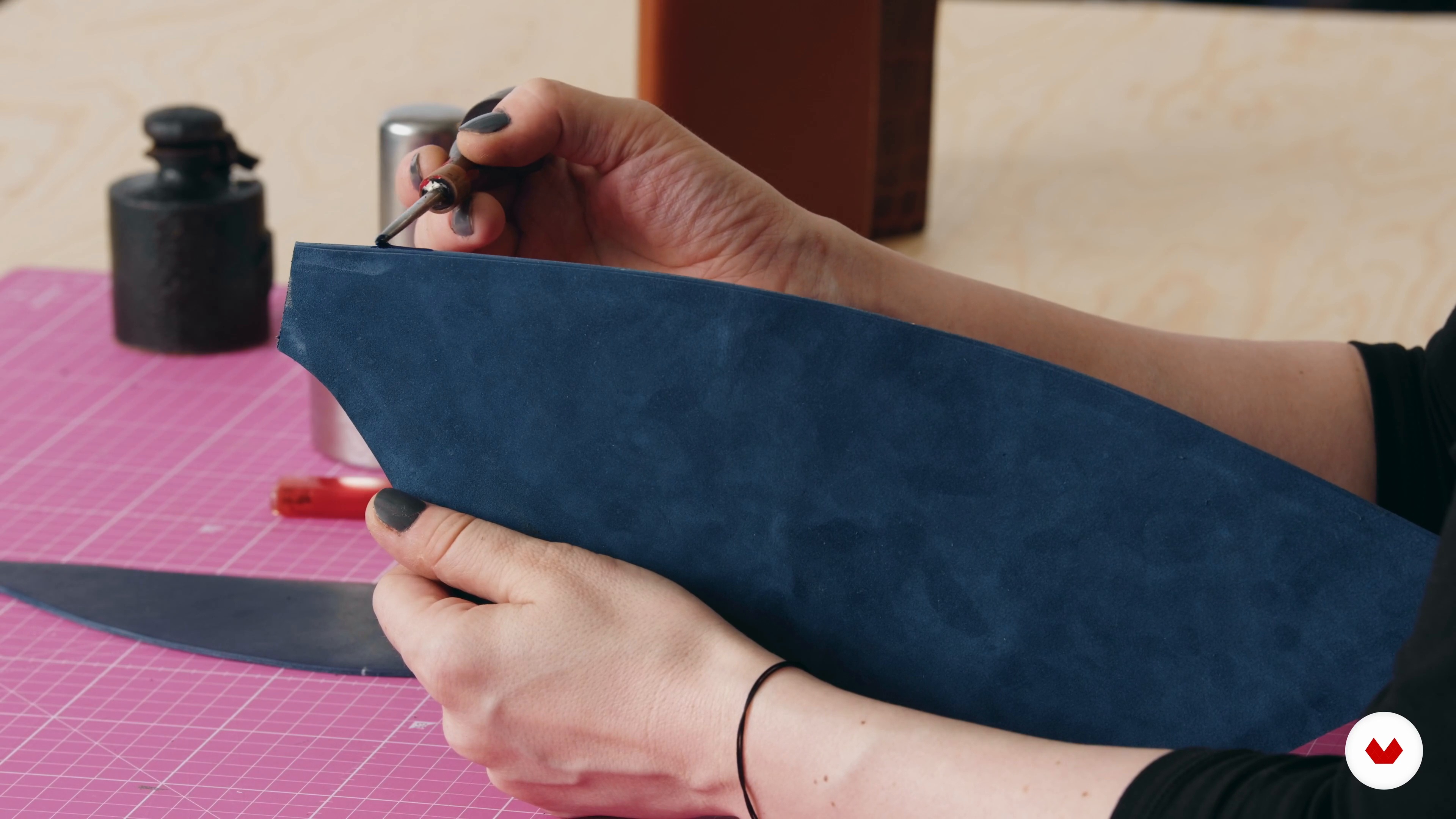
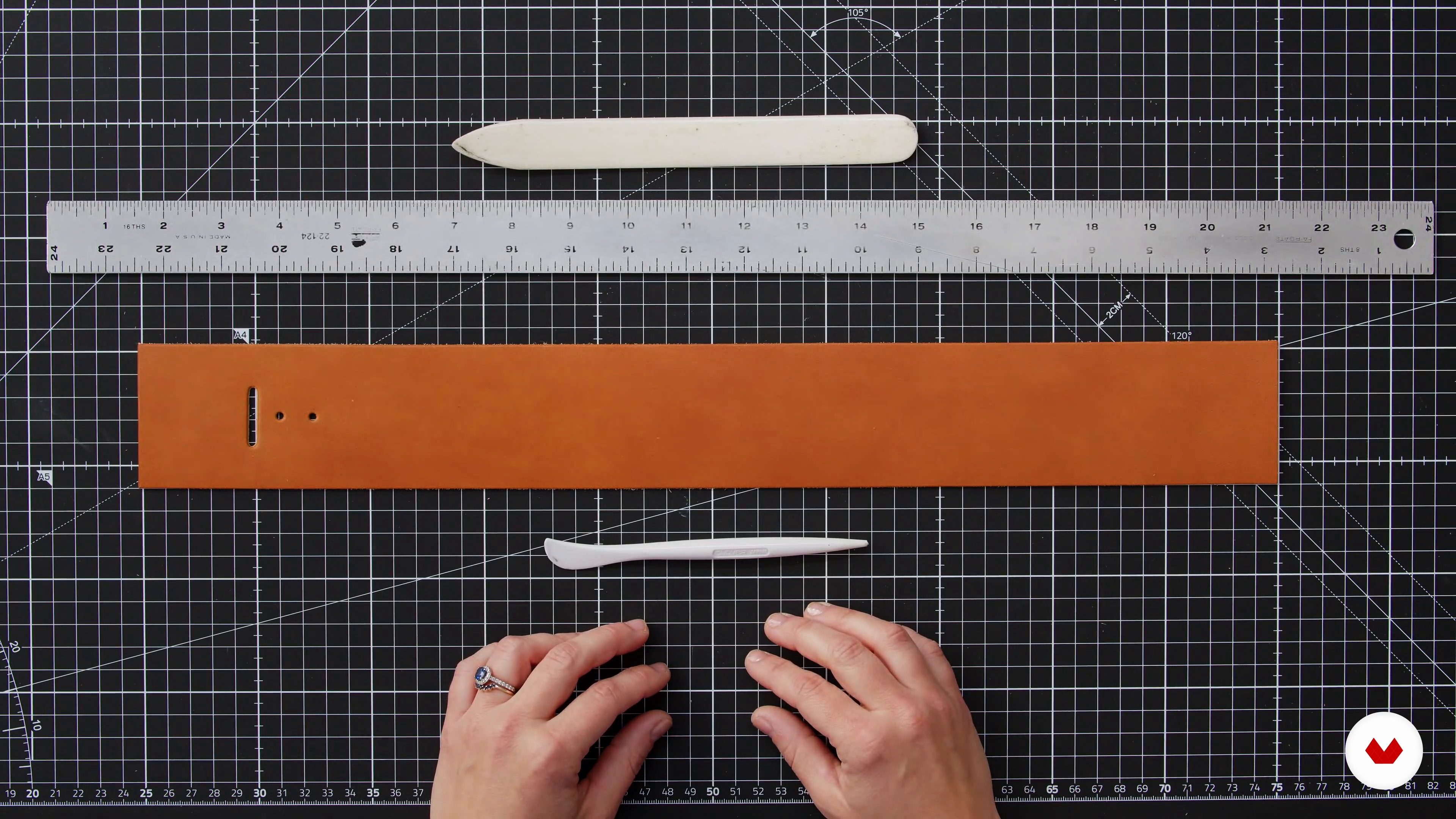
Next, you'll learn the method we use to get a structured gusset using an often overlooked tool, the bone folder. This will make hand-sewing the bag much more straightforward and will help give your bag its shape. If you decide to upgrade to an industrial sewing machine later down the line, this method helps to keep the leather panels aligned for more precise sewing.
6m
image
11
Dry Fitting and Gluing up the Gusset
Here is where your bag really starts to take shape. Clips come in handy for the dry fitting and glue-up to keep everything in place. By the end of this lesson, your moonrise bag will be ready for the pricking irons.
9m
image
12
Pricking Irons: Punching Holes in the Front Panel
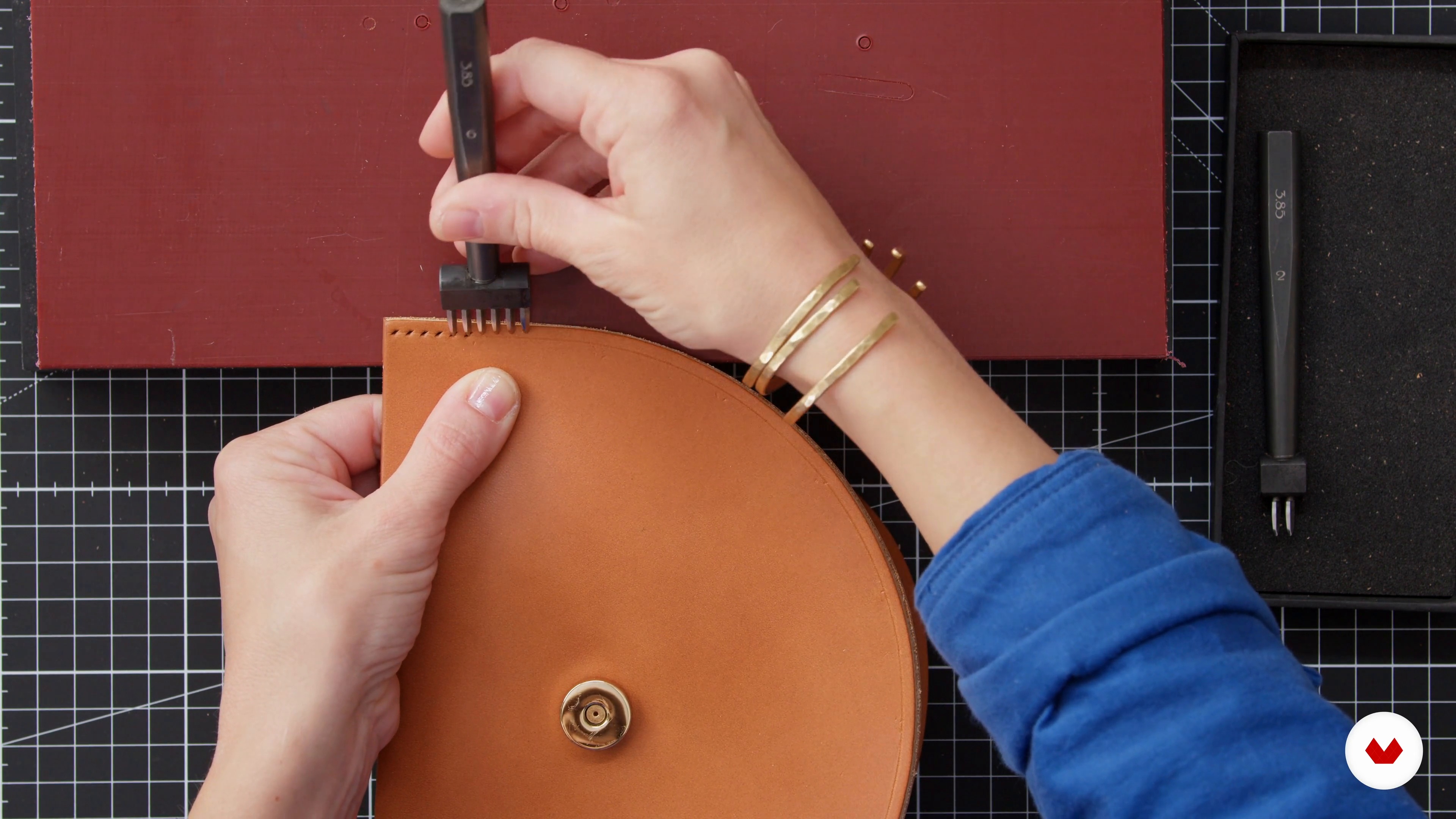
In this lesson, we will guide you through punching all the holes in the front panel and starting the sewing process using the saddle stitch method. Check out the additional resources and documents for different methods on how to finish your edges, or learn a little more about the different types of pricking irons and how they can change the aesthetic of your bag design.
8m
image
13
Time to Saddle Stitch
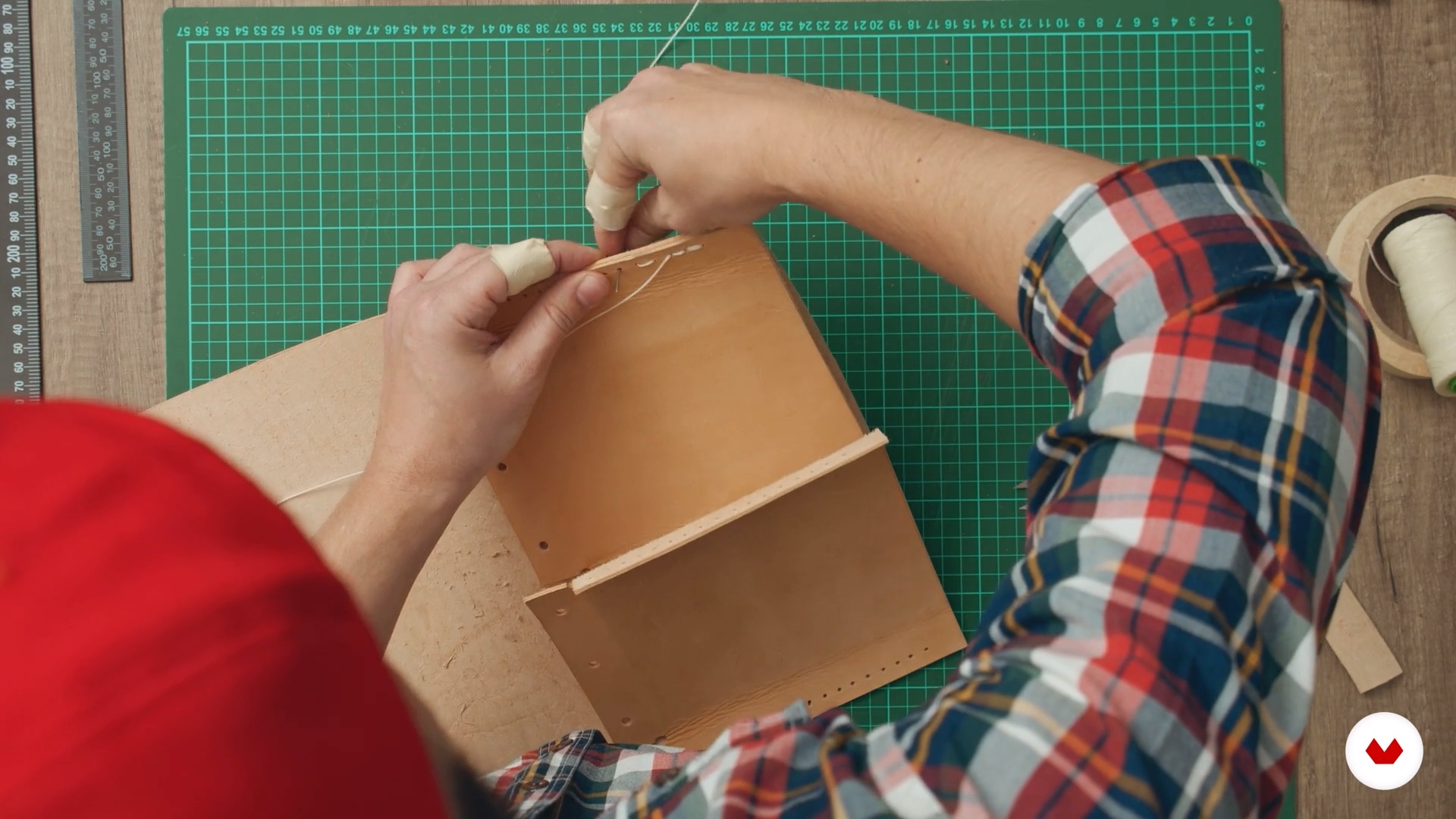
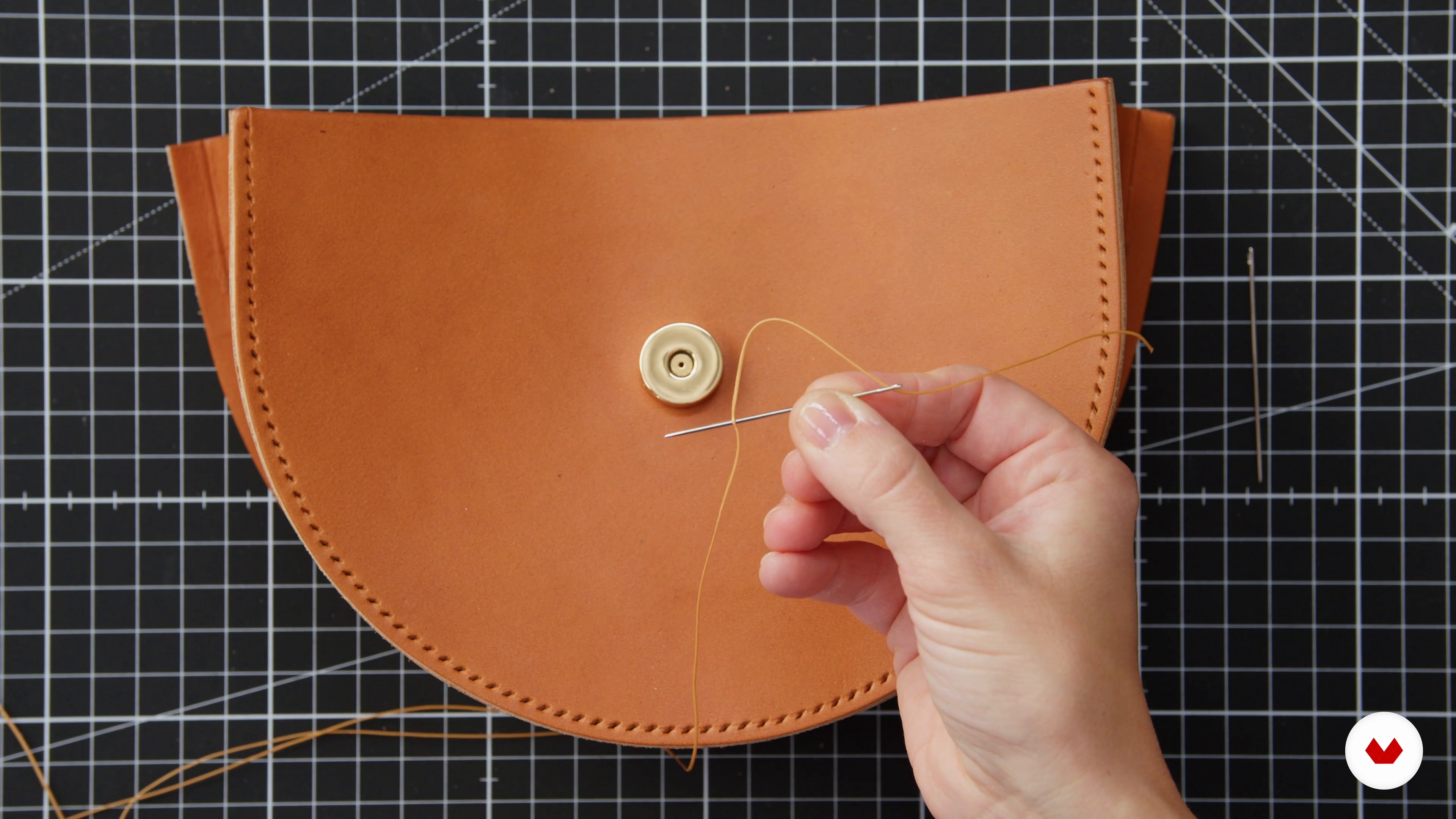
Slow and steady wins the race! It's time to saddle stitch your front panel to the gusset. At this stage, all that practice will come in handy. Saddle stitching offers a strong, durable stitch that won't unravel if one stitch breaks.
9m
image
14
Sewing the Back Panel to the Gusset and Front Panel
In this lesson, you'll assemble the main body of the bag together: dry fitting, gluing, hole punching, and sewing. By the end, your bag will be one step closer to its final form.
16m
image
15
Finishing the Edges
You can choose to burnish, paint, or leave your edges raw. This will affect the overall look of your bag and design. There are so many options to finish your bag. In this lesson, we'll go over the method we use. Feel free to experiment with different ways to seal the leather edge and find what you like best.
7m
image
16
Creating an Adjustable Strap
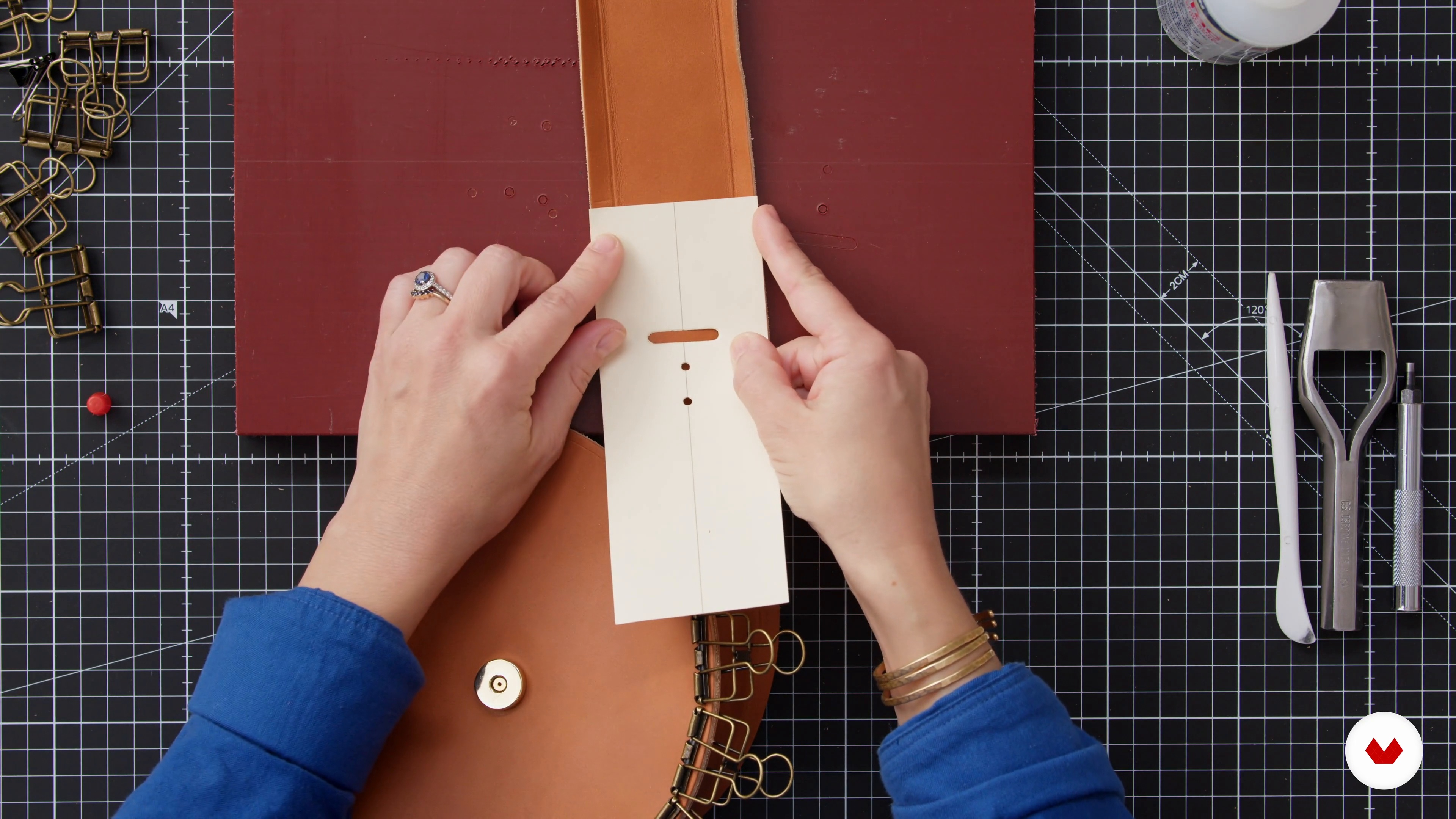
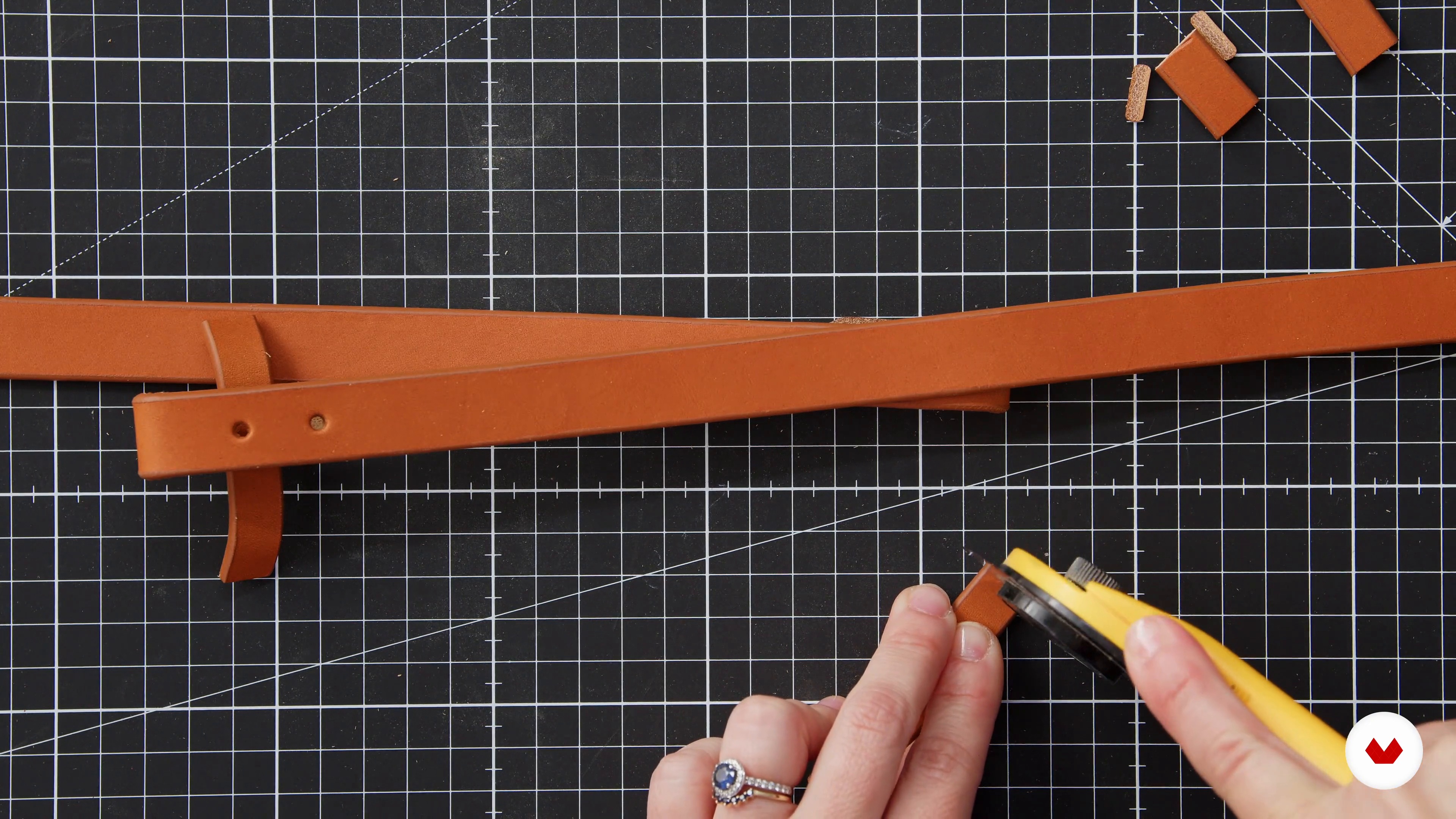
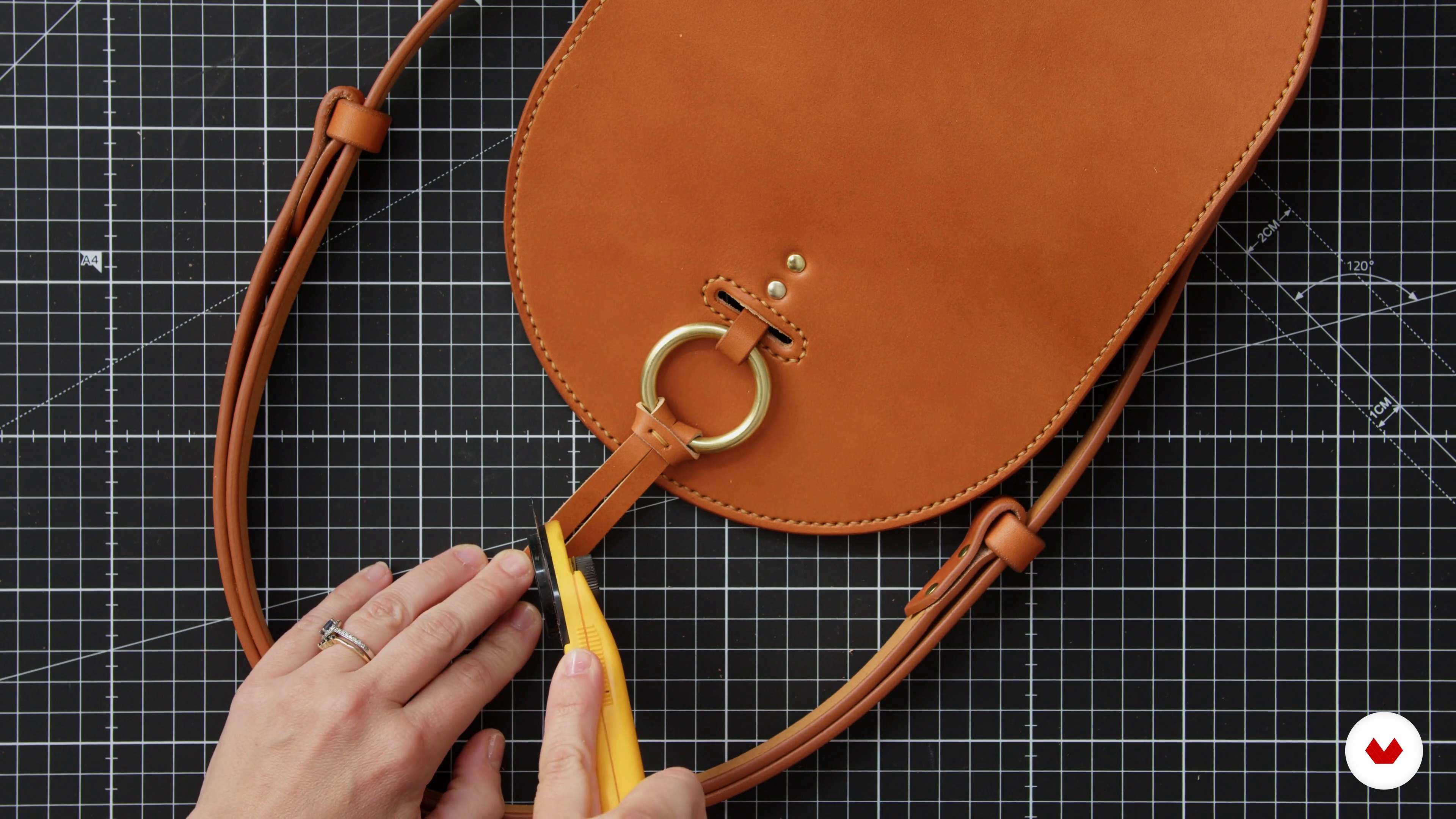
We will now show you how to create a sliding, fully adjustable strap for your bag. This way, your bag can be worn as a shoulder bag or crossbody bag. You will learn a fast trick on how to bevel the edge of a long strap quickly and easily.
20m
image
17
Customizing with Hardware
Now it's time to really shine! Make your design truly your own by adding hardware or keeping it minimal for a more sleek look. There are many types of bag closures, snaps, rivets, and hardware available for bags. Find what you like best to make your bag even more personal.
7m
image
18
Finding Your Design Voice
How can you find inspiration and push your skill level to improve your craft and create what's in your mind? In this lesson, we'll explain how to set yourself apart and lean into what makes your designs truly unique.
3m
image
19
Documenting and Promoting Your Bag on Social Media
If you're interested in sharing your work and creating a business from your craft, in this lesson we will show you how to stand out in the social media world to draw your ideal customer to you.
4m
image
3
Vegetable-Tanned Cowhide
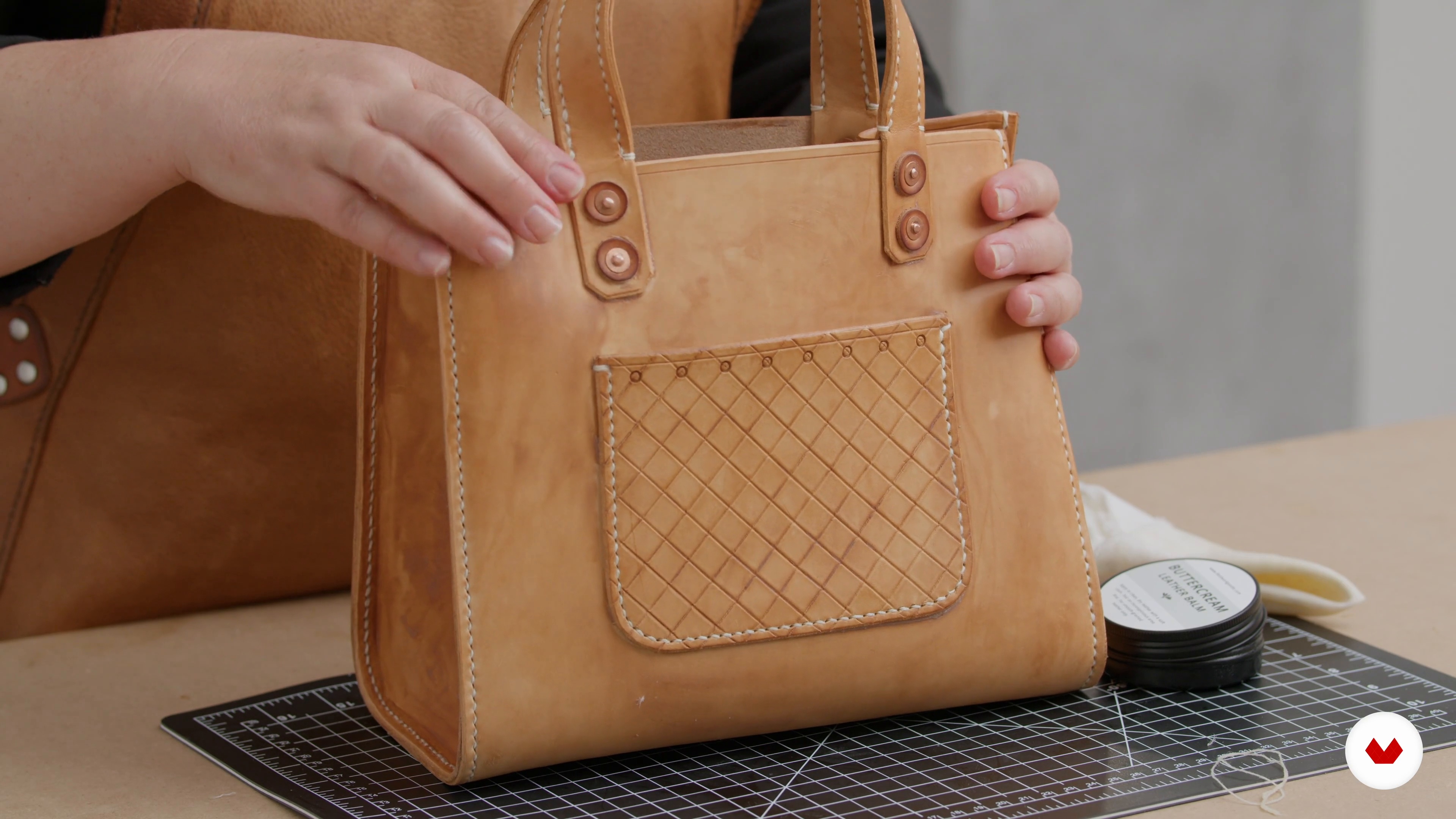
In this lesson, I will introduce you to vegetable-tanned cowhide—the material that will be used for the course project. This type of leather has been processed using vegetable matter, like natural bark and other plant materials.
14m
image
4
Tools and Materials
In this lesson, I will show you the tools you need to make this project, from the necessary basics and the optional extras! I will also give a brief overview of the brands that I prefer to use.
18m
image
5
Drafting the Pattern
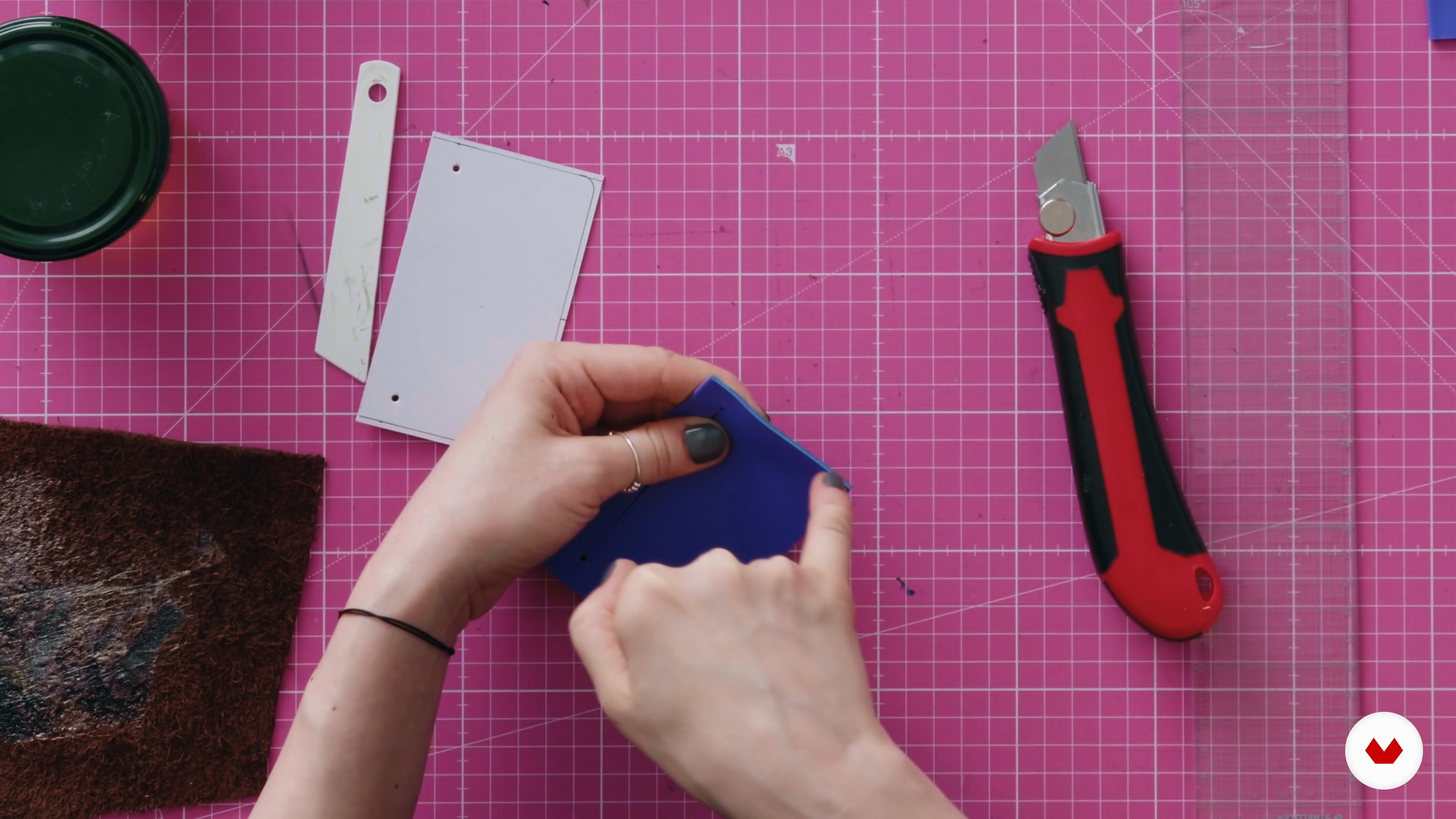
Next, I will talk about how to draft patterns for leatherwork and modify the dimensions of your tote bag. By the end, you will have your templates ready to trace onto the leather.
8m
image
6
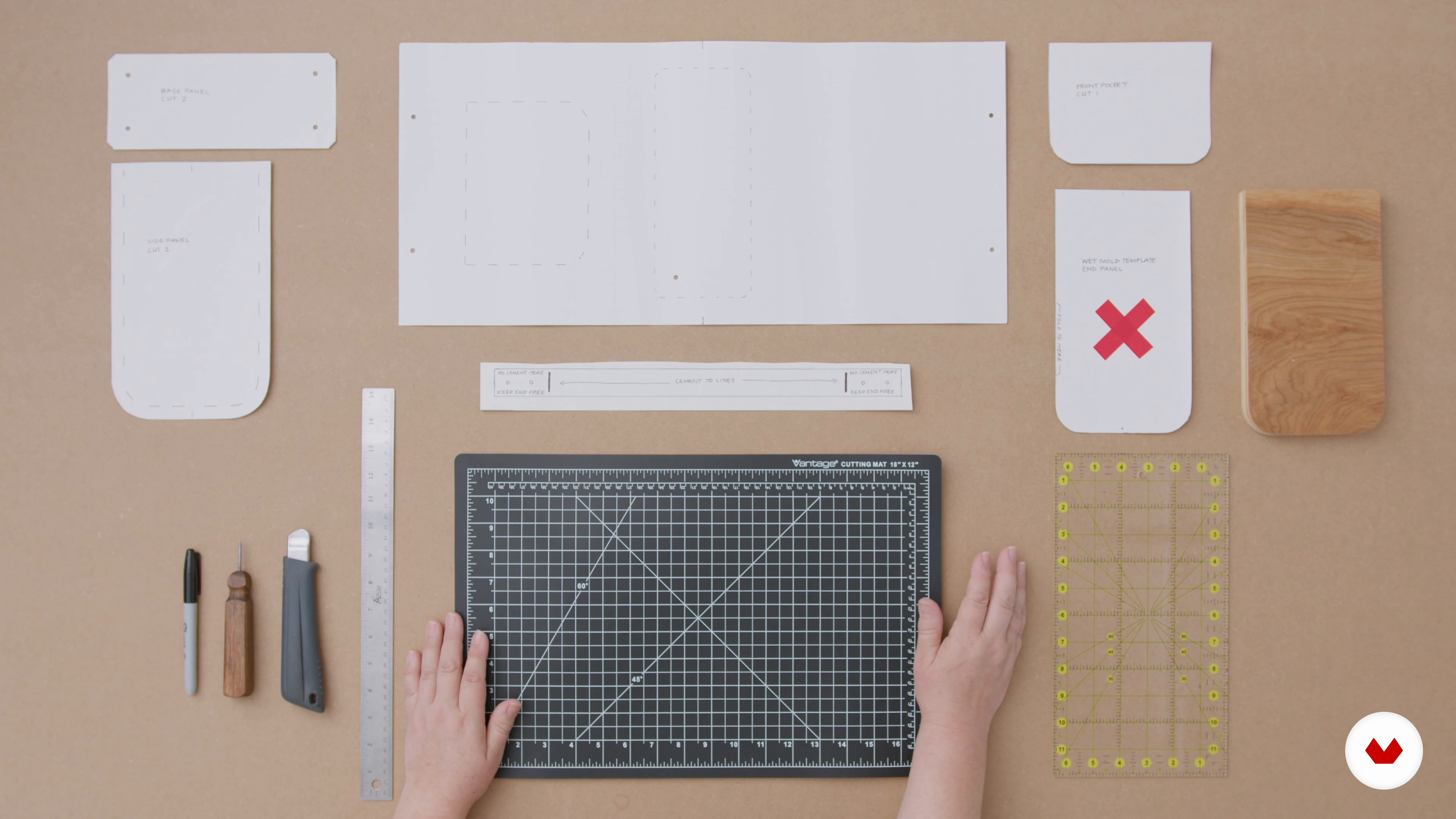
Cutting the Leather 1
Now that you have your pattern templates, the next step is to mark the leather and cut it out. I will model this process step by step, by preparing the front pocket and progressing to some surface embellishments.
15m
image
7
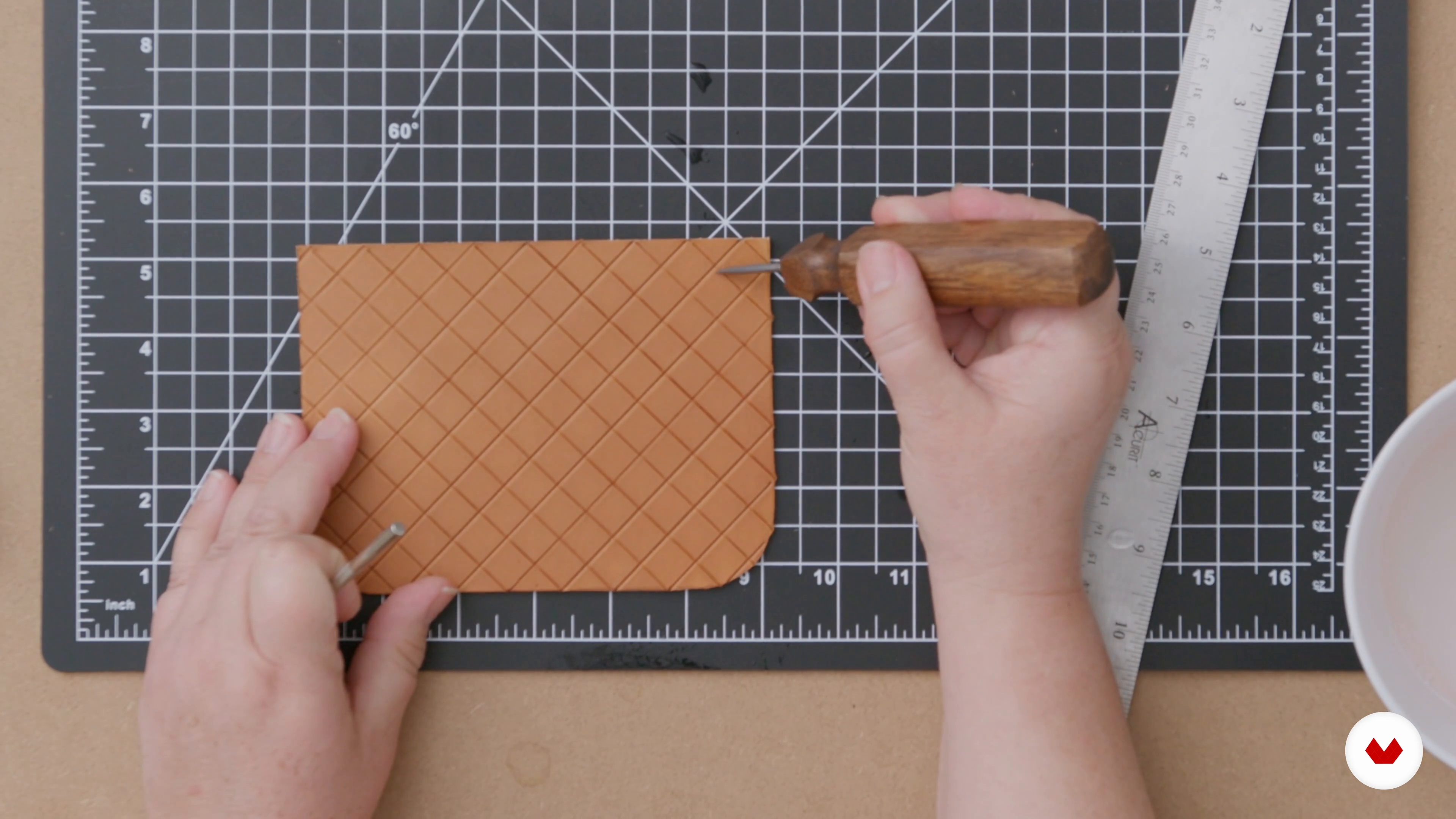
Cutting the Leather 2
In the second part of this lesson, I will continue to work on the second pocket, creating a gridded pattern by following my cutting mat as a guide. Remember that it's much easier to score towards you than away!
9m
image
8
Preparing for Sewing 1
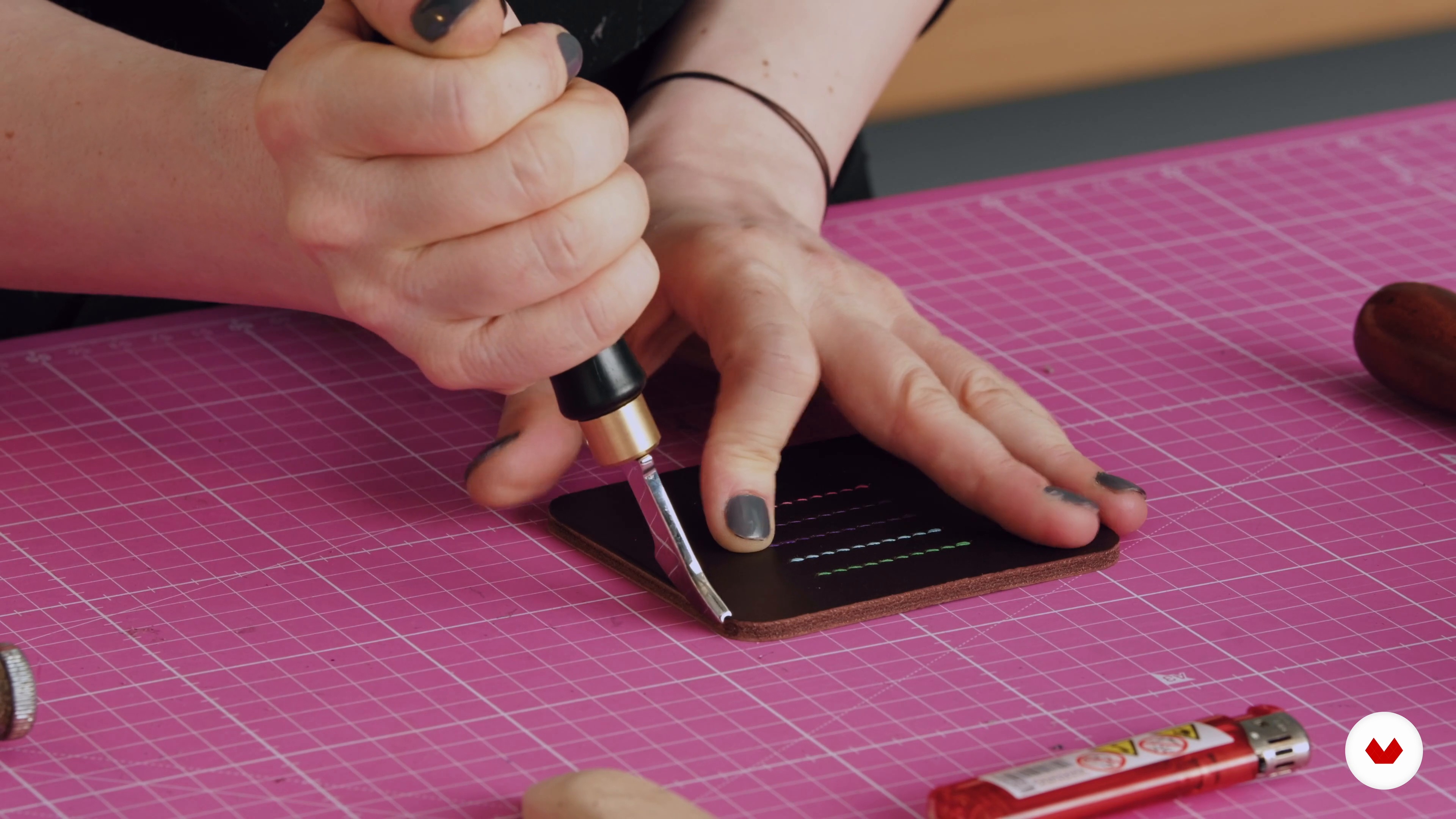
To get started, you will learn how to finish the top edges of your tote bag and prepare the side seams for sewing. I will demonstrate how to use the beveling tool.
18m
image
9
Preparing for Sewing 2
In the second part of this lesson, I will continue using the stitching chisel to punch holes into the edges of my leather. Then, I will show you how to make the necessary preparations to attach the pocket.
17m
image
10
Preparing for Sewing 3
Now that I've prepared the edges of the pocket, the next step is to position it. I will place it onto the body of my bag and mark out its placement, before punching in the stitching holes.
12m
image
11
Sewing with the Saddle Stitch 1
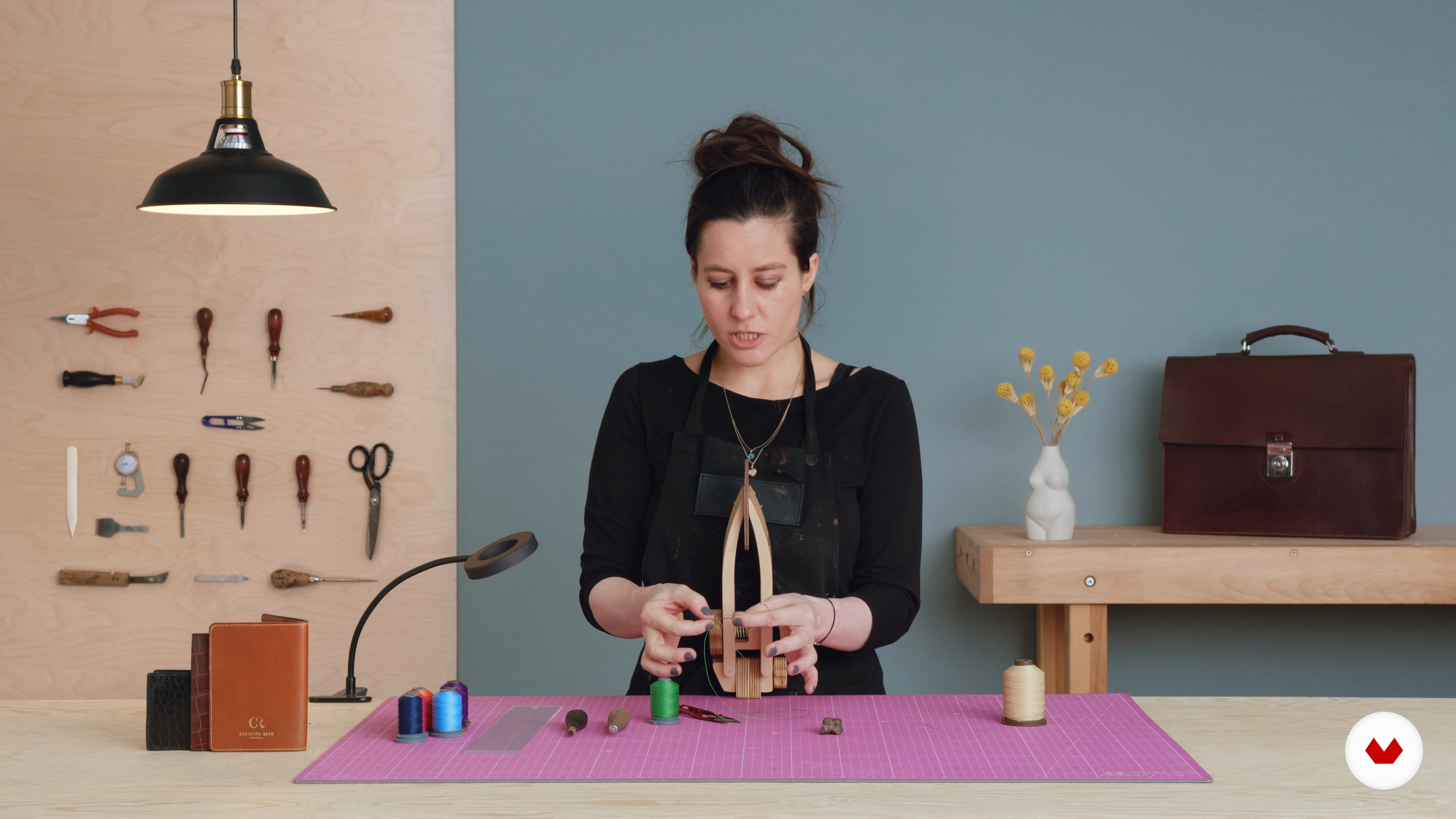
You will now learn how to prepare your thread, which will involve covering it with beeswax, before practicing the saddle stitch.
14m
image
12
Sewing with the Saddle Stitch 2
With the thread waxed and measured, I will now show you how to stitch the leather. You will see how to anchor the thread, before learning the step-by-step choreography to successfully execute the saddle stitch.
19m
image
13
Sewing with the Siddle Stitch 3
Finally, in the last part of this lesson, I will show you how to set the stitches by hammering the edges of the leather. I will also explain the importance of scraping off any excess wax as you go.
5m
image
14
Sewing on the Pocket
It's time to apply the stitching techniques you've learned to the course project! In this lesson, I will demonstrate how to use the saddle stitch to attach the front pocket.
10m
image
15
Making the Bottom Panel 1
Next, I will teach you how to prepare and attach the bottom interior panel. Then, you will learn how to add feet to your bag. These are intended to act as a layer of protection.
17m
image
16
Making the Bottom Panel 2
Now that I'm finished with the base panel—the edges are nicely bevelled and the holes are punched—it's now time to connect this to the bag's body.
20m
image
17
How to Make and Attach the Handles 1
Next, I will show you how to make two-layered handles and attach them to the tote body with copper rivets. To start with, I will demonstrate how to mark your leather.
20m
image
18
How to Make and Attach the Handles 2
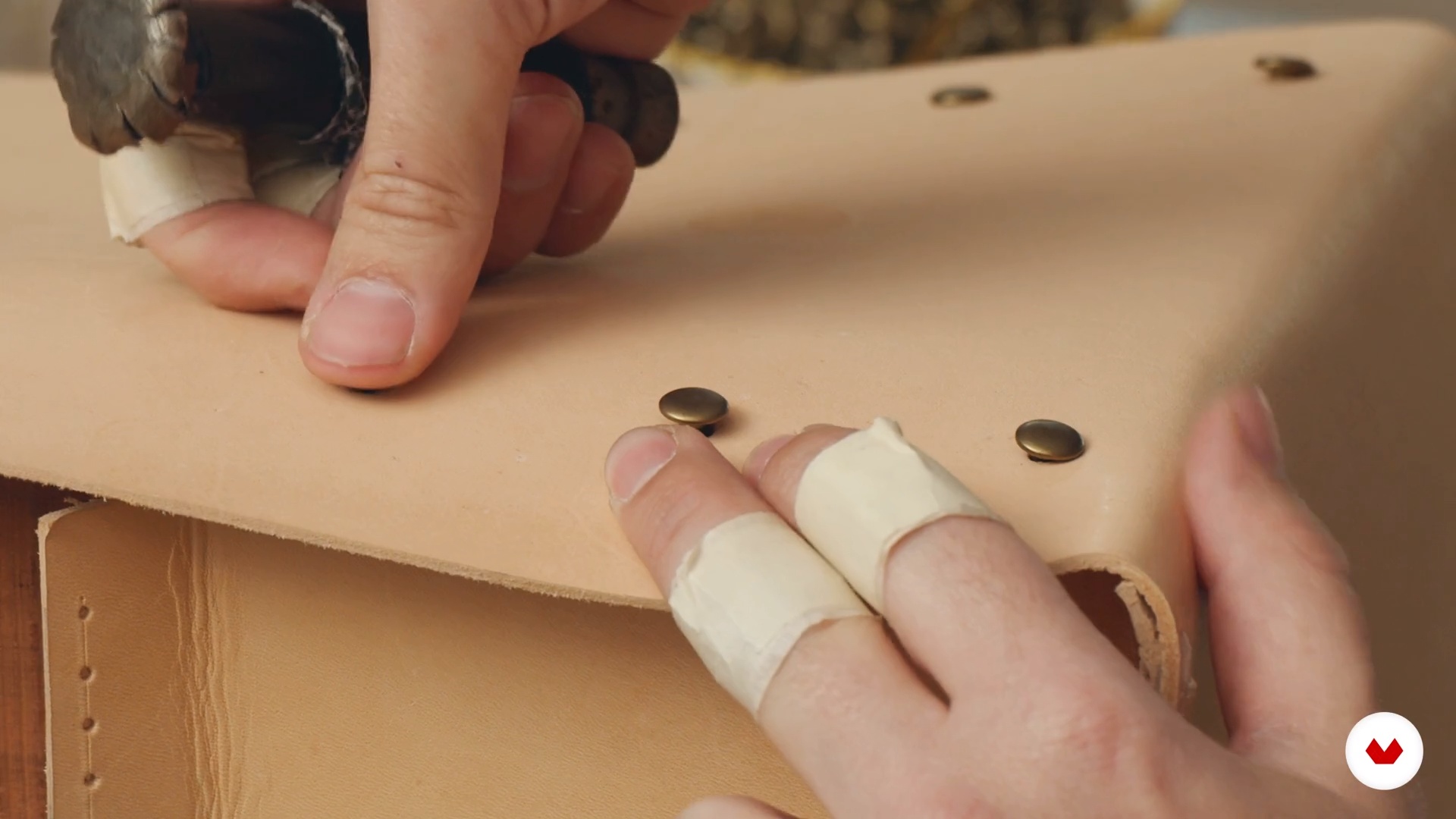
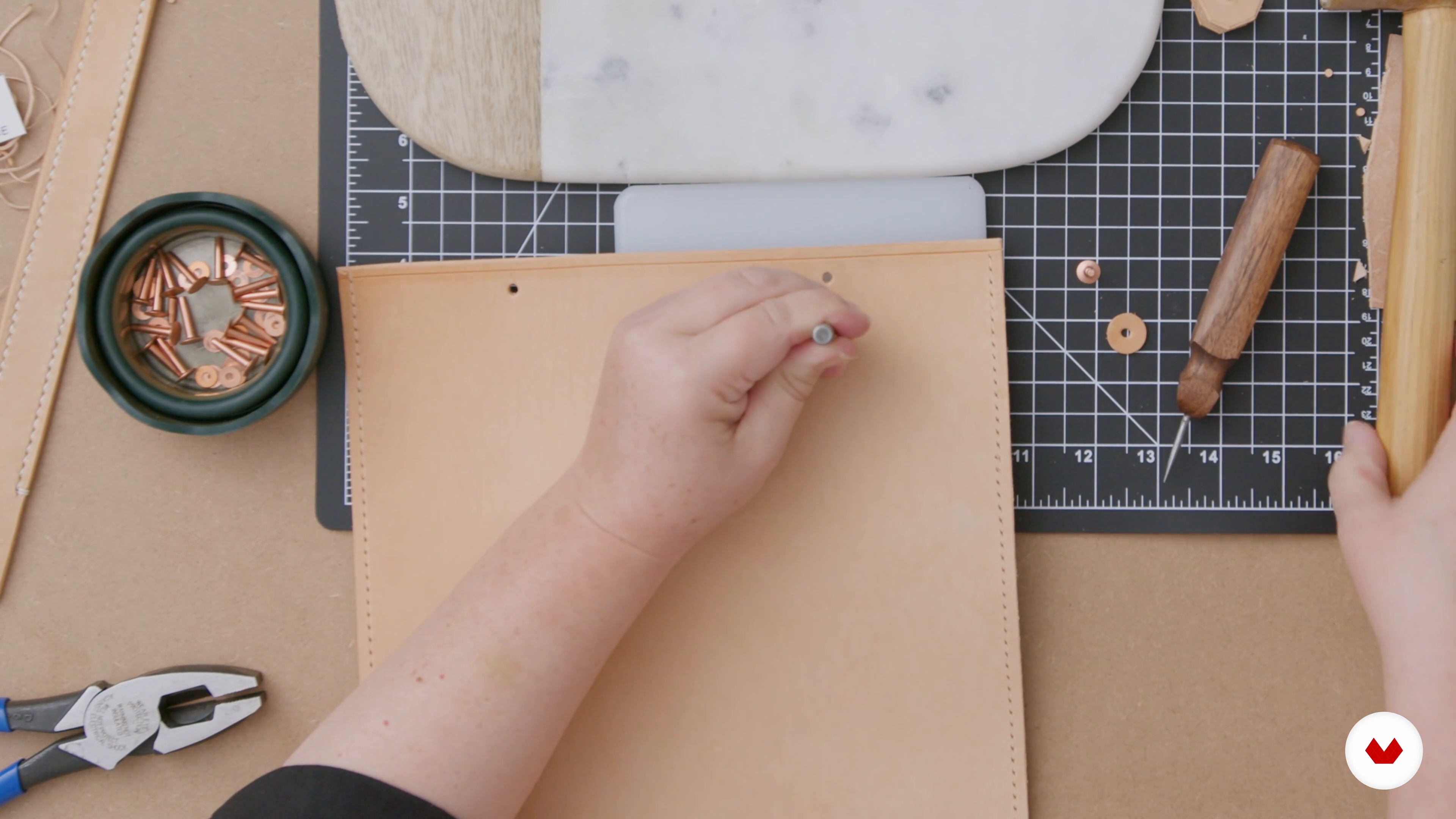
It's time to attach the rivets! I will walk you through the process of setting, cutting, peening, and (optionally) sewing the rivets in place.
13m
image
19
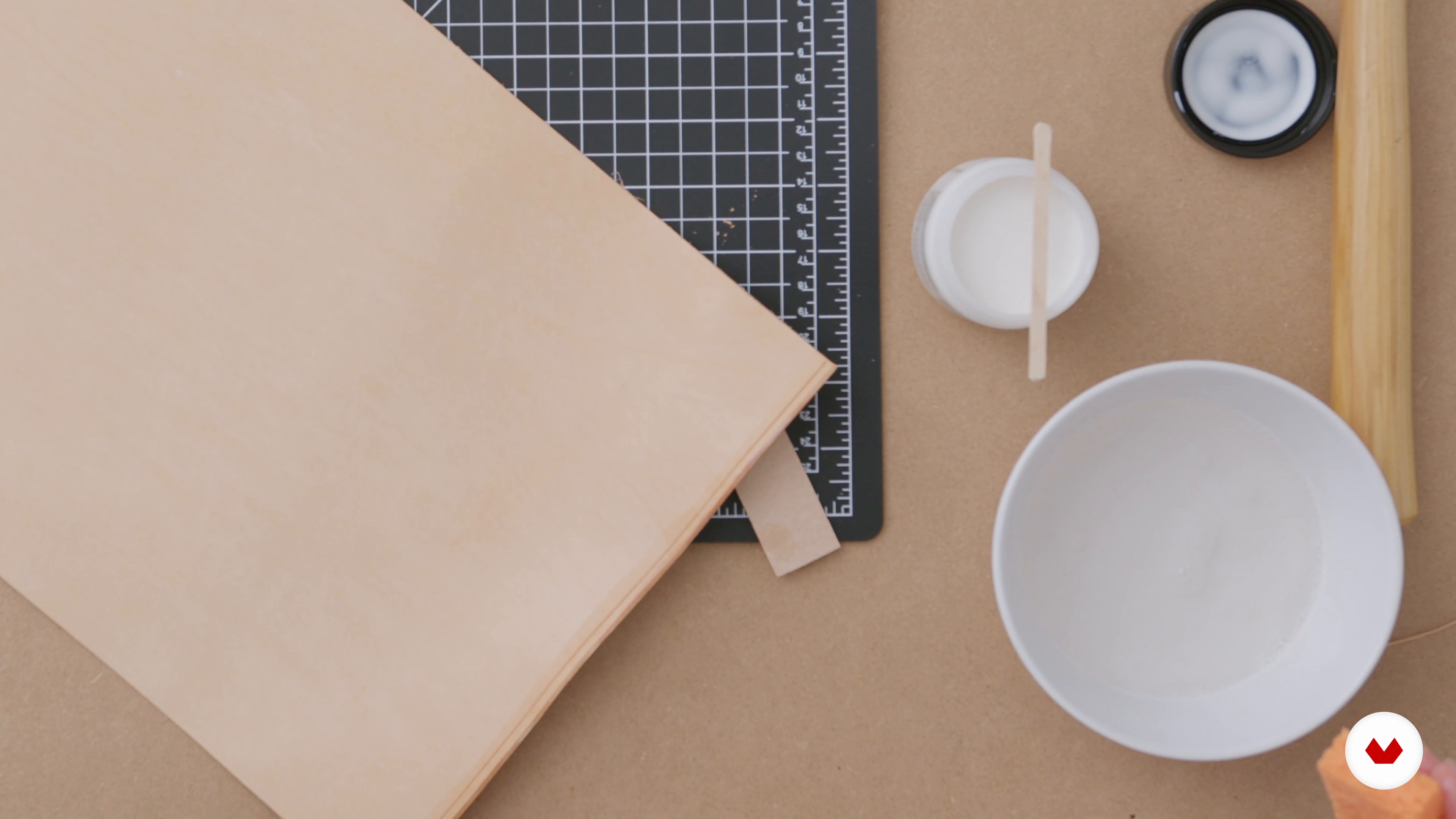
Wet Molding the End Panels
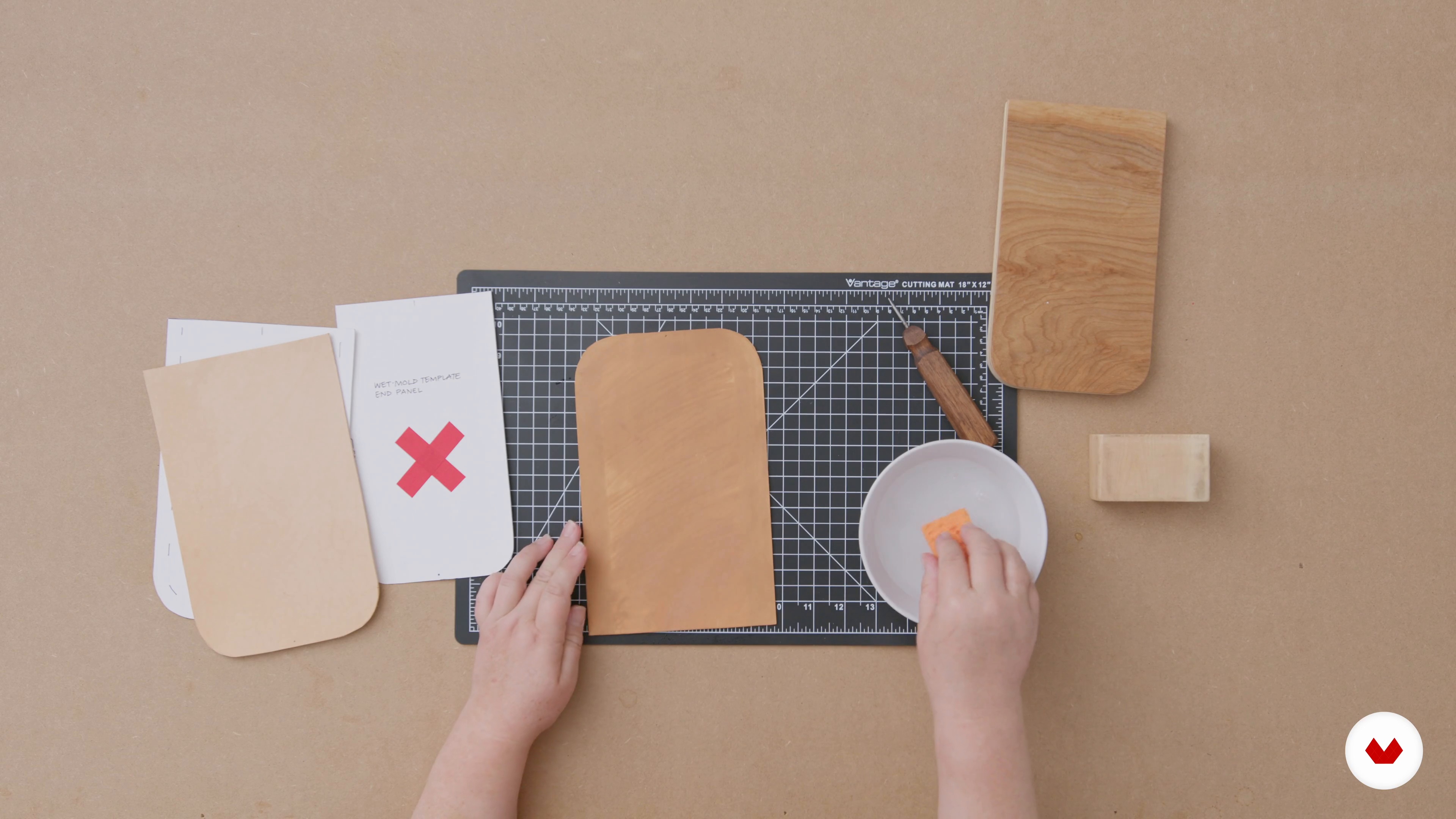
In this lesson, I will teach you about wet molding vegetable-tanned leather to prepare the end panels for the tote bag.
14m
image
20
Cementing the End Panels 1
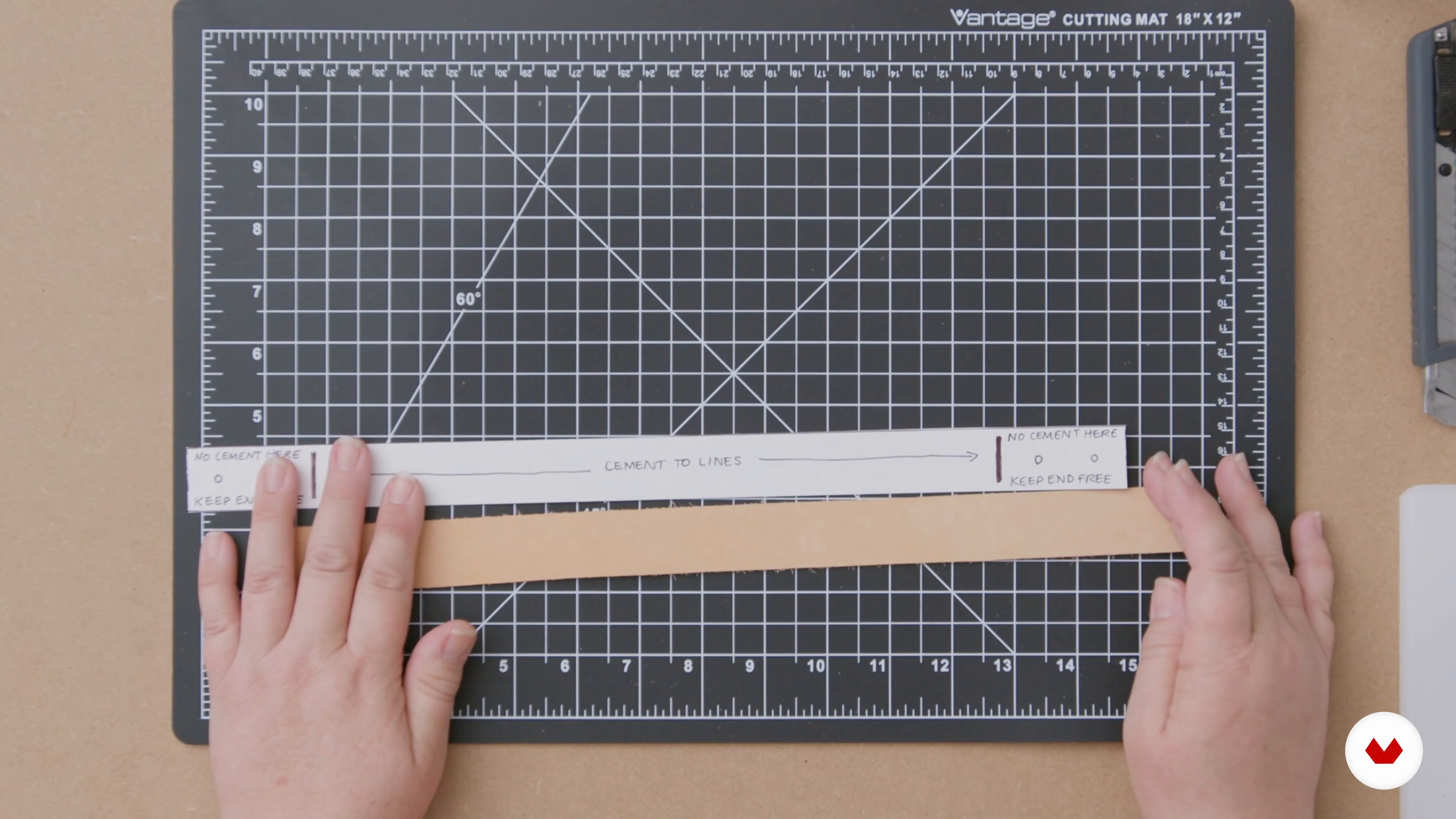
Once the panels are dry and the edges have been scored, bevelled, and burnished, you will need to attach and cement them to your tote bag using adhesive.
20m
image
21
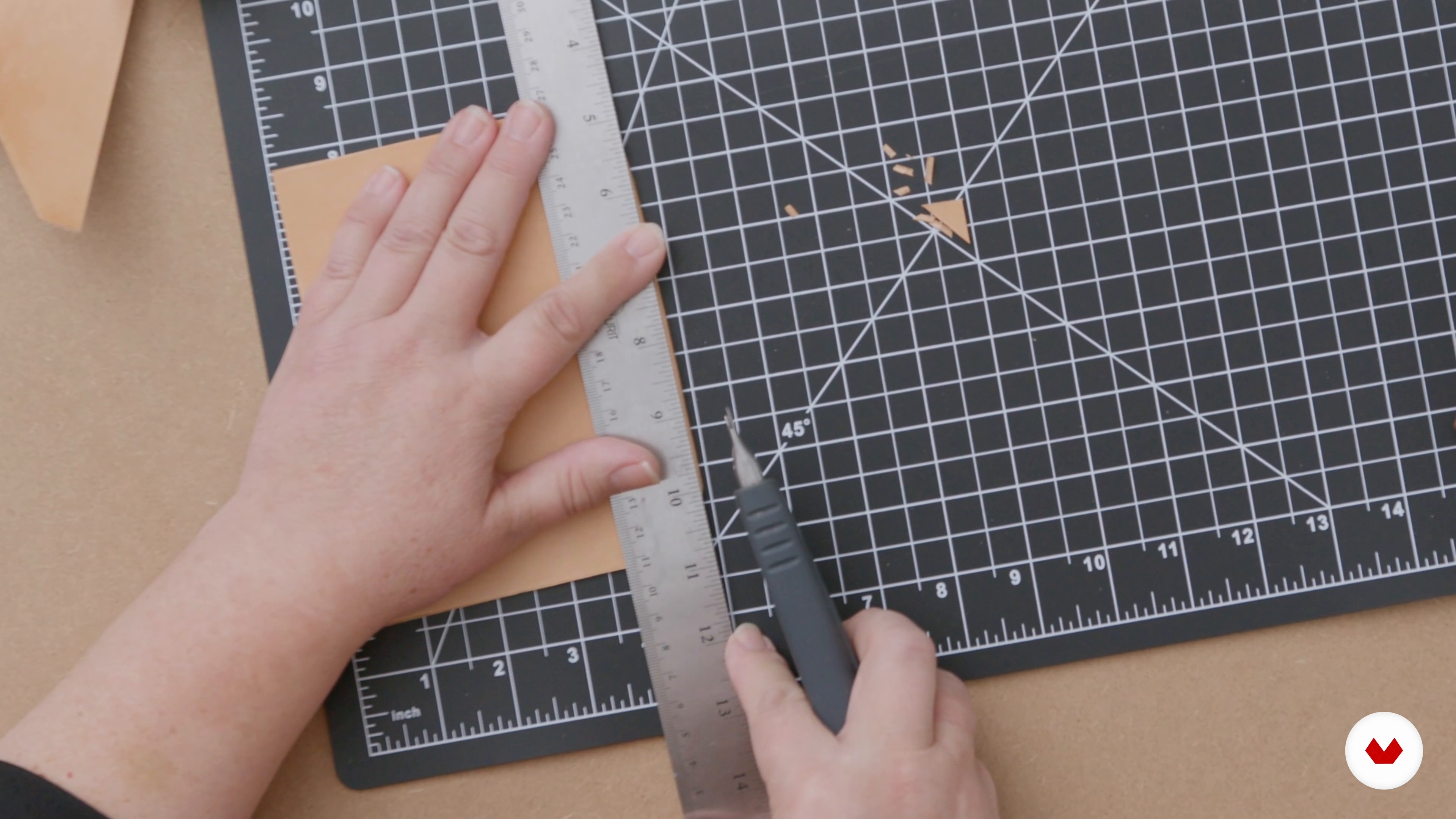
Cementing the End Panels 2
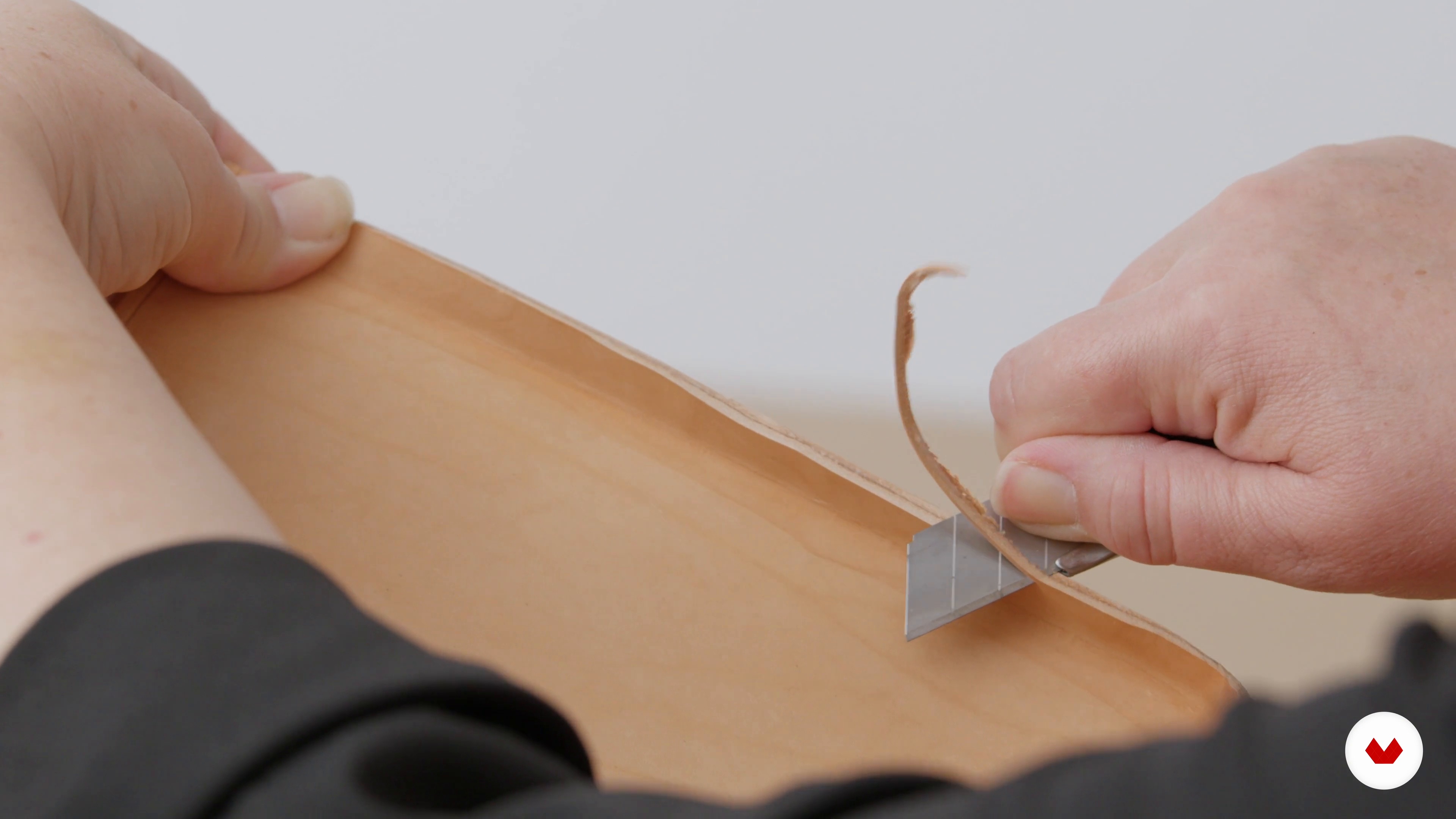
I will now show you how to trim the seam of the side panels with a sharp knife. You will learn the essential measures to take to ensure you handle the tool safely.
6m
image
22
Sewing the End Panels 1
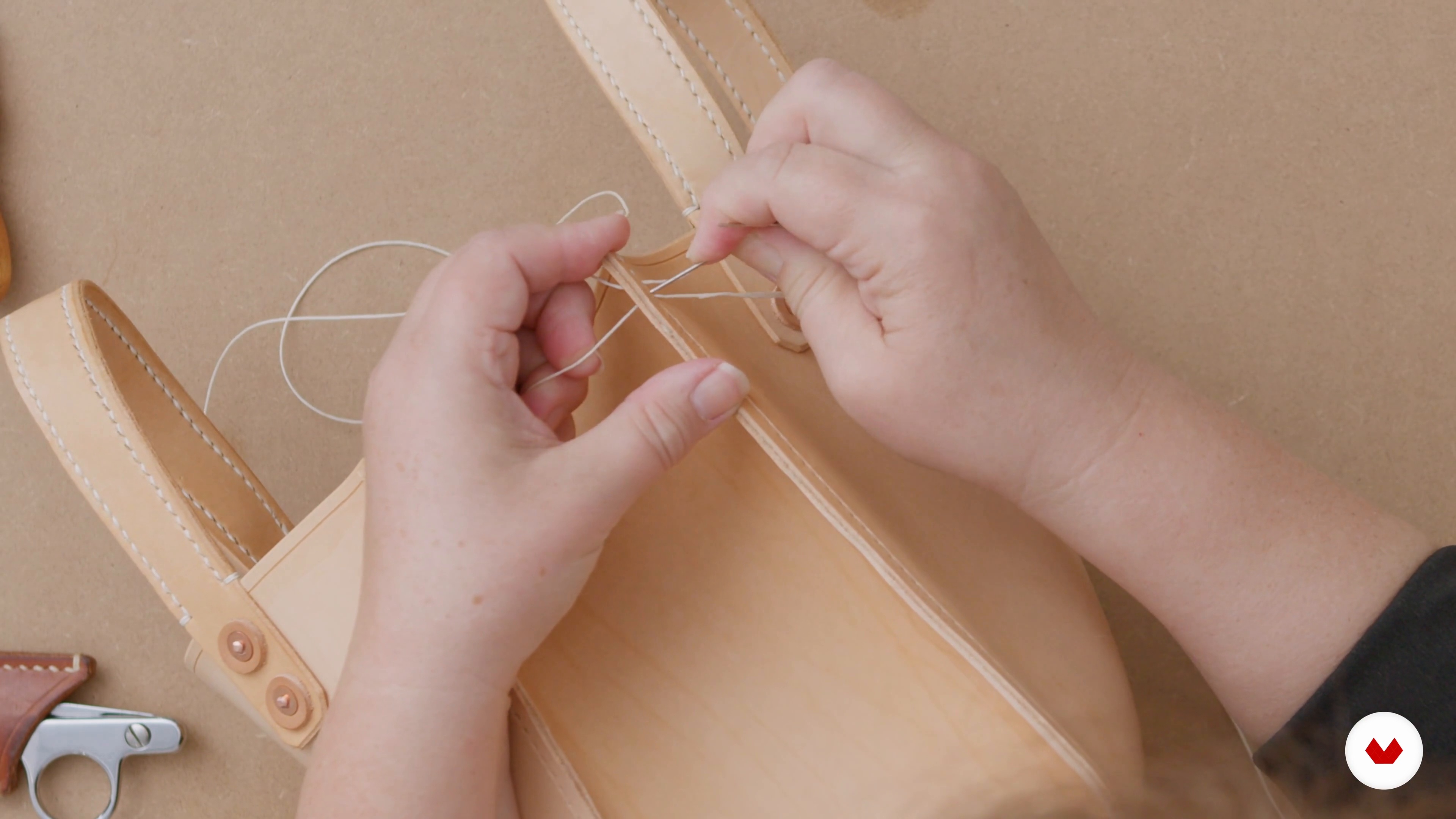
In this lesson, you will learn how to make stitching holes with an awl and sew the side panels. First, I will guide you in marking the interior stitching guideline using dividers.
20m
image
23
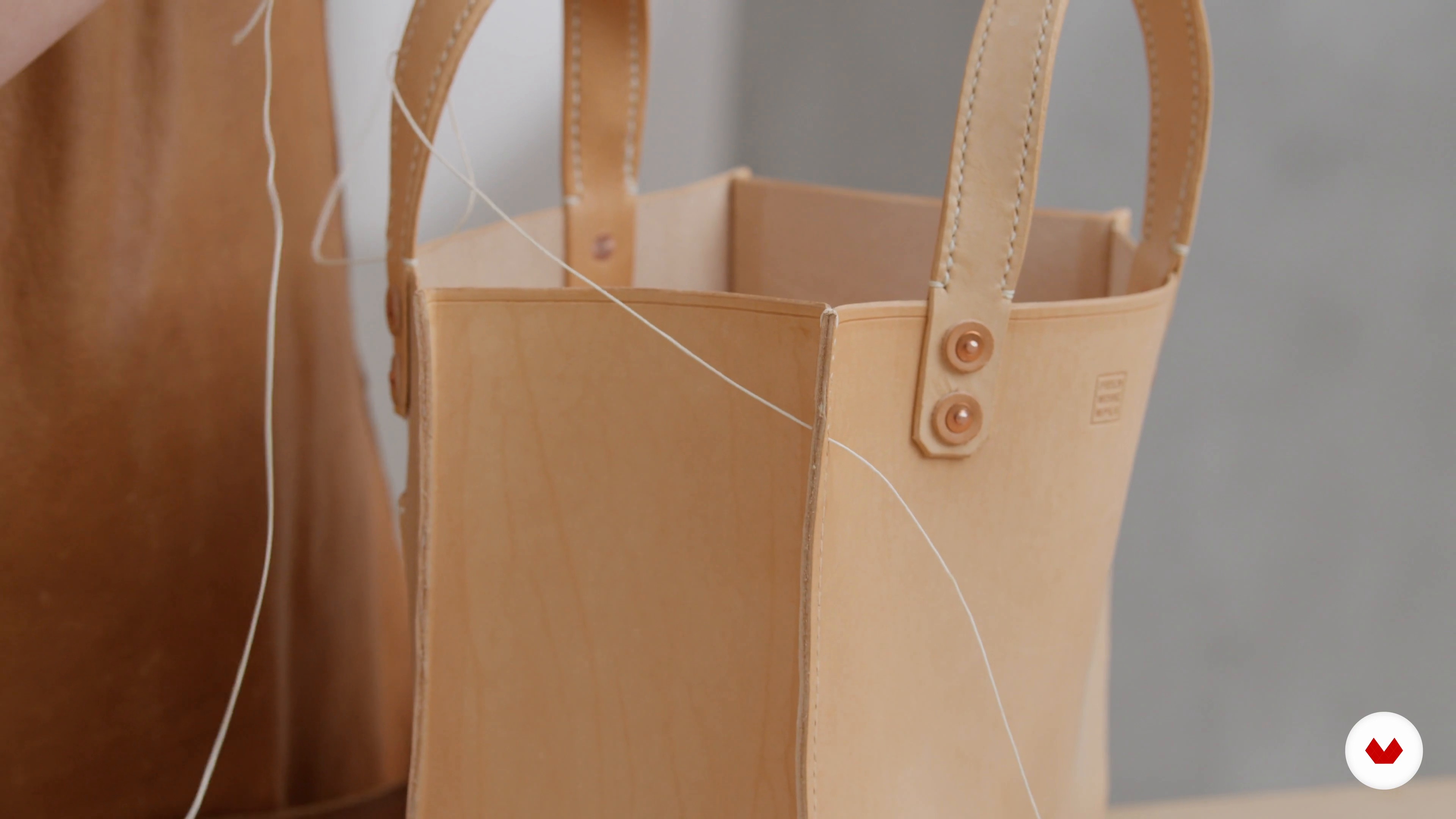
Sewing the End Panels 2
In the second part of this lesson, I will continue sewing the edges of the panels. Finally, I will finish the bag by attaching rivets to the corners.
20m
image
24
The Final Shaping
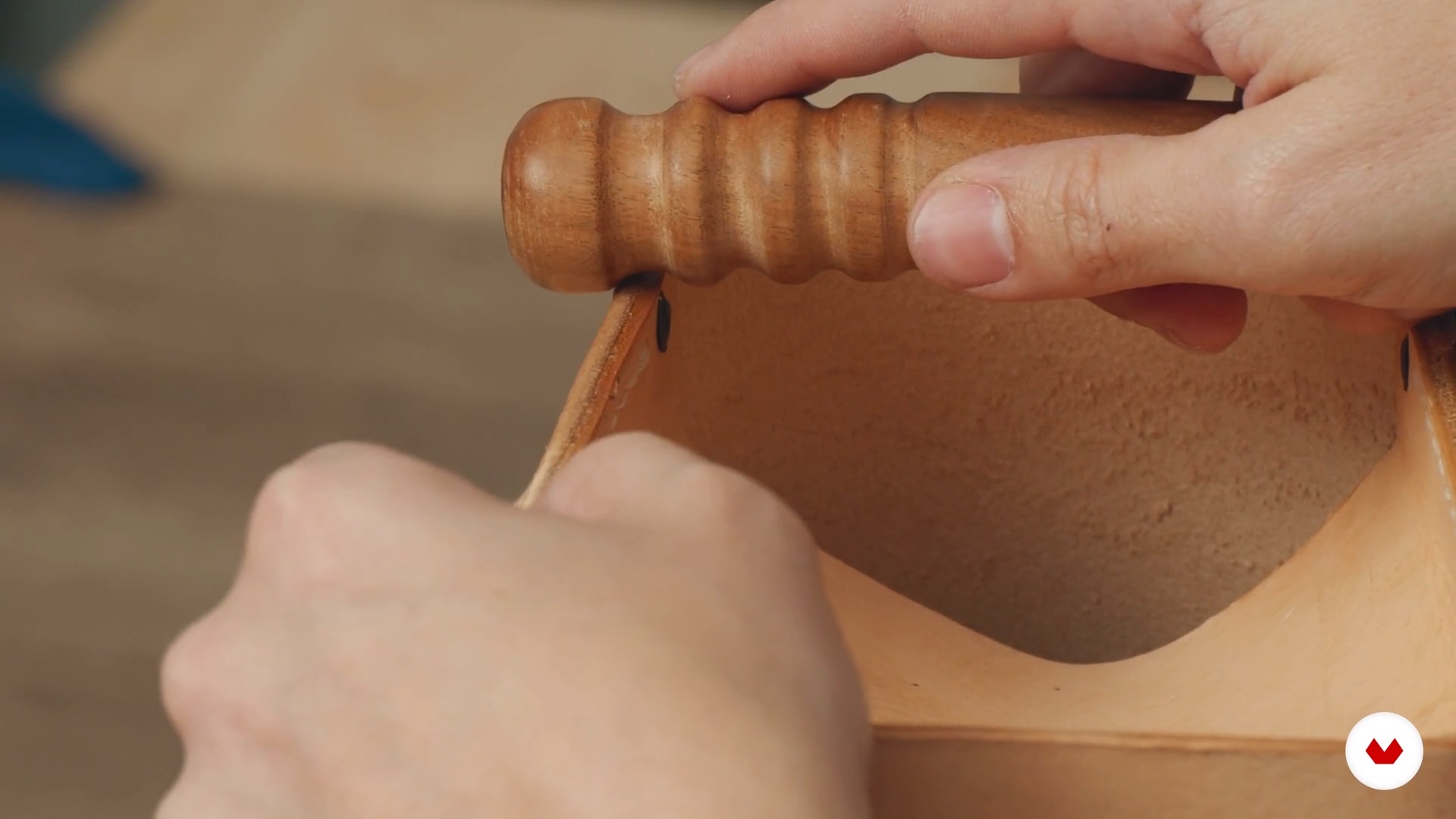
Let's bring your project to a strong finish! I will demonstrate how to gently shape the bag and stretch open the pocket seams.
9m
image
25
Sealing and Treating the Leather
In this lesson, you will learn how to finish your tote bag by treating the leather. I will also explain how to care for the leather and why this is so important.
18m
  • 51 students
  • 98 lessons (18h 47m)
  • 52 additional resources (14 files)
  • Online and at your own pace
  • Audio: English, German, Spanish, Spanish (Latam), French, Indonesian, Italian, Dutch, Polish, Portuguese, Romanian, Turkish
  • Spanish · English · Portuguese · German · French · Italian · Polish · Dutch · Turkish · Romanian · Indonesian
  • Level: Beginner
  • Unlimited access forever

What is this course's project?

Create a cohesive artisanal leather collection with 3-4 pieces showcasing technical mastery and design vision. Deliver a main bag, a functional crossbody with innovative elements, and a complementary accessory, complete with technical documentation and professional brand presentation.

Who is this specialization for?

This online course is perfect for aspiring leather artisans, creative designers, and craft enthusiasts eager to explore leatherworking. It's tailored for those seeking to master leather crafting techniques from foundational skills to professional-level creations, focusing on unique, high-quality designs.

Requirements and materials

No extensive prior knowledge needed. Basic requirements include a beginner's understanding of leather types and simple tools like cutting blades, hole punches, and needles. Materials such as vegetable-tanned leather or cowhide are essential, along with thread and finishing products.

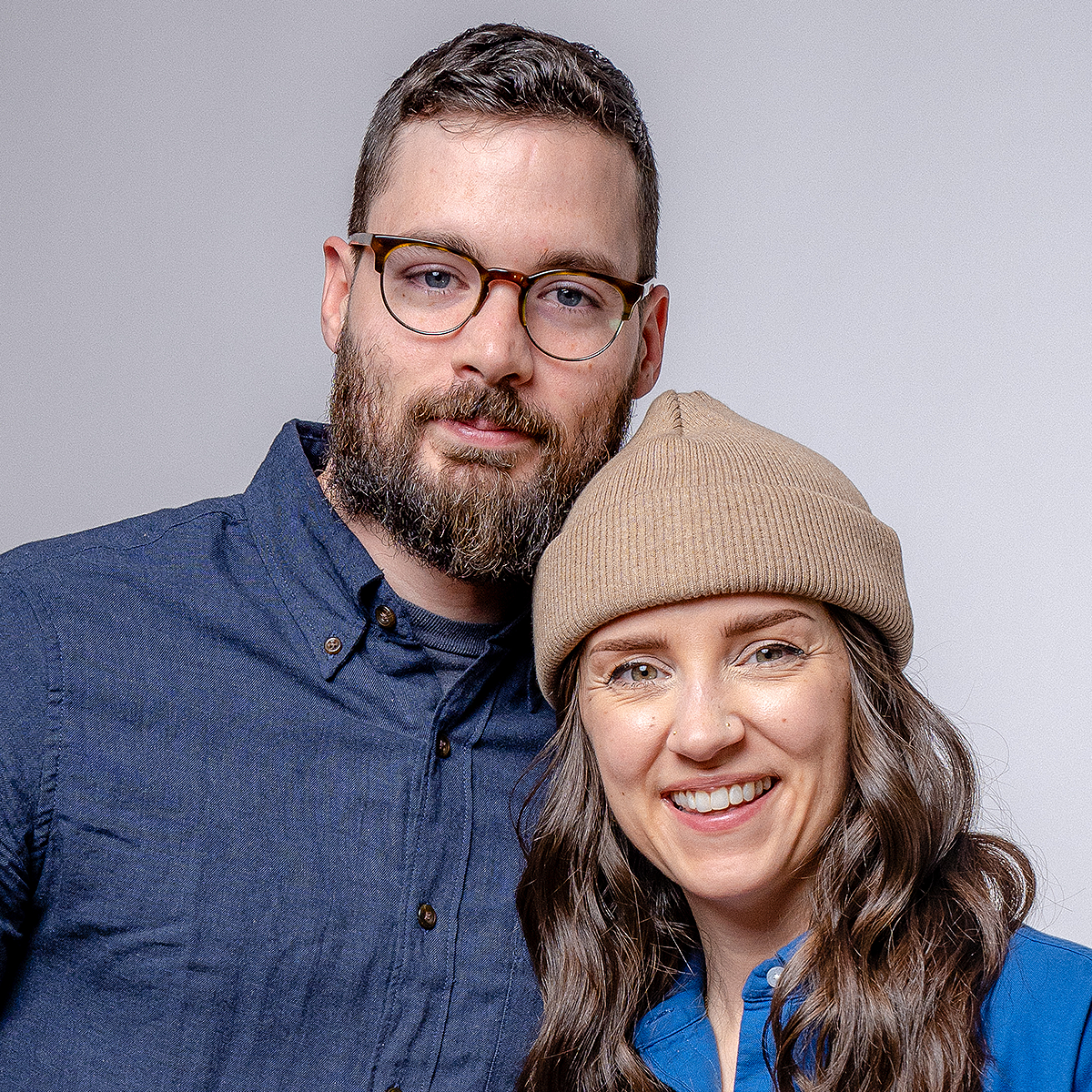
Select to get to know your teachers in this specialization course
Read more ↓

What to expect from this specialization course

  • Learn at your own pace

    Enjoy learning from home without a set schedule and with an easy-to-follow method. You set your own pace.

  • Learn from the best professionals

    Learn valuable methods and techniques explained by top experts in the creative sector.

  • Meet expert teachers

    Each expert teaches what they do best, with clear guidelines, true passion, and professional insight in every lesson.

  • Certificates
    Plus

    If you're a Plus member, get a custom certificate for every specialization course. Share it on your portfolio, social media, or wherever you like.

  • Get front-row seats

    Videos of the highest quality, so you don't miss a single detail. With unlimited access, you can watch them as many times as you need to perfect your technique.

  • Share knowledge and ideas

    Ask questions, request feedback, or offer solutions. Share your learning experience with other students in the community who are as passionate about creativity as you are.

  • Connect with a global creative community

    The community is home to millions of people from around the world who are curious and passionate about exploring and expressing their creativity.

  • Watch professionally produced courses

    Domestika curates its teacher roster and produces every course in-house to ensure a high-quality online learning experience.


FAQs

Domestika courses are online classes that allow you to learn new skills and create incredible projects. All our courses include the opportunity to share your work with other students and/or teachers, creating an active learning community. We offer different formats:
Original Courses: Complete classes that combine videos, texts, and educational materials to complete a specific project from start to finish.
Basics Courses: Specialized training where you master specific software tools step by step.
Specialization Courses: Learning paths with various expert teachers on the same topic, perfect for becoming a specialist by learning from different approaches.
Guided Courses: Practical experiences ideal for directly acquiring specific skills.
Intensive Courses (Deep Dives): New creative processes based on artificial intelligence tools in an accessible format for in-depth and dynamic understanding.

All specialization courses are 100% online, so once they're published, specialization courses start and finish whenever you want. You set the pace of the class. You can go back to review what interests you most and skip what you already know, ask questions, answer questions, share your projects, and more.

The specialization courses are divided into different modules. Each one includes lessons, informational text, tasks, and practice exercises to help you carry out your project step by step, with additional complementary resources and downloads. You'll also have access to an exclusive forum where you can interact with other students, as well as share your work and your final project, creating a community around the specialization courses.

You can redeem the specialization courses you received by accessing the redeeming page and entering your gift code.

If you're a Plus member, when you complete a course you've purchased, you'll instantly get your personalized certificate. You can see all your certificates in the Certificates section of your profile. You can download your certificates as PDFs and share the link online. Learn more about certificates.
Specialization in Artisanal Leather Crafting Techniques. Craft, and Fashion course by Domestika

Specialization in Artisanal Leather Crafting Techniques

A specialization by multiple teachers
Berkeley, United States.
Joined April 2002
  • 51 students