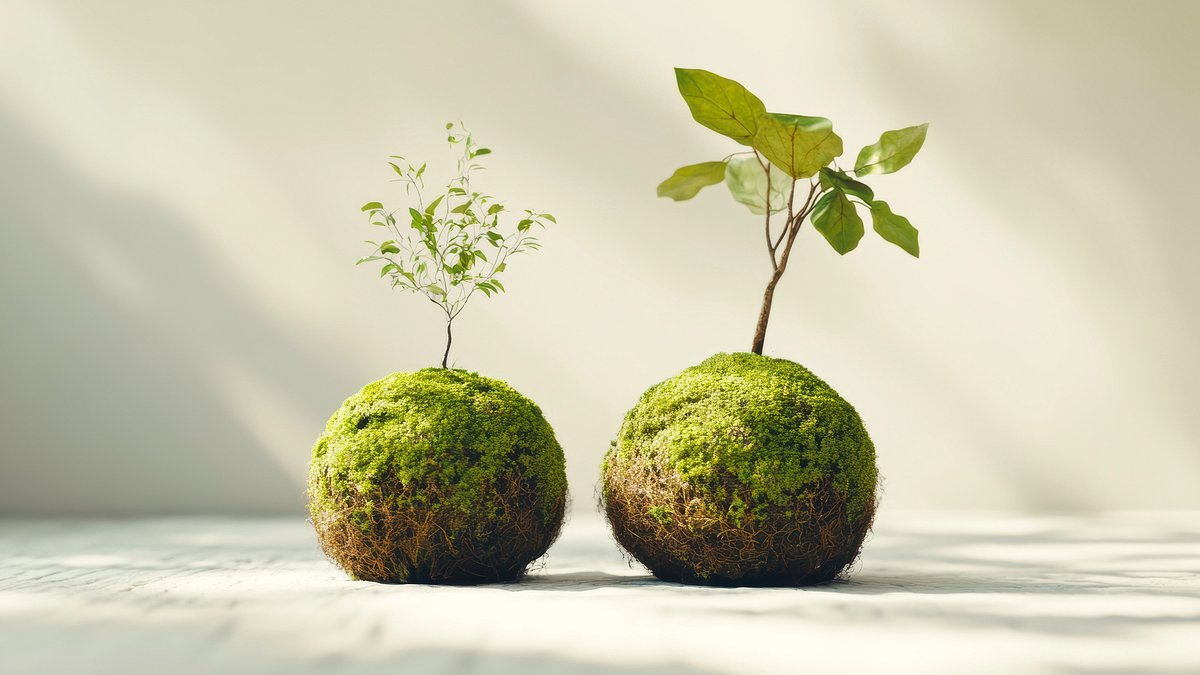

Discover botanical techniques to transform interiors, creating miniature ecosystems and natural compositions that highlight the beauty of plants.
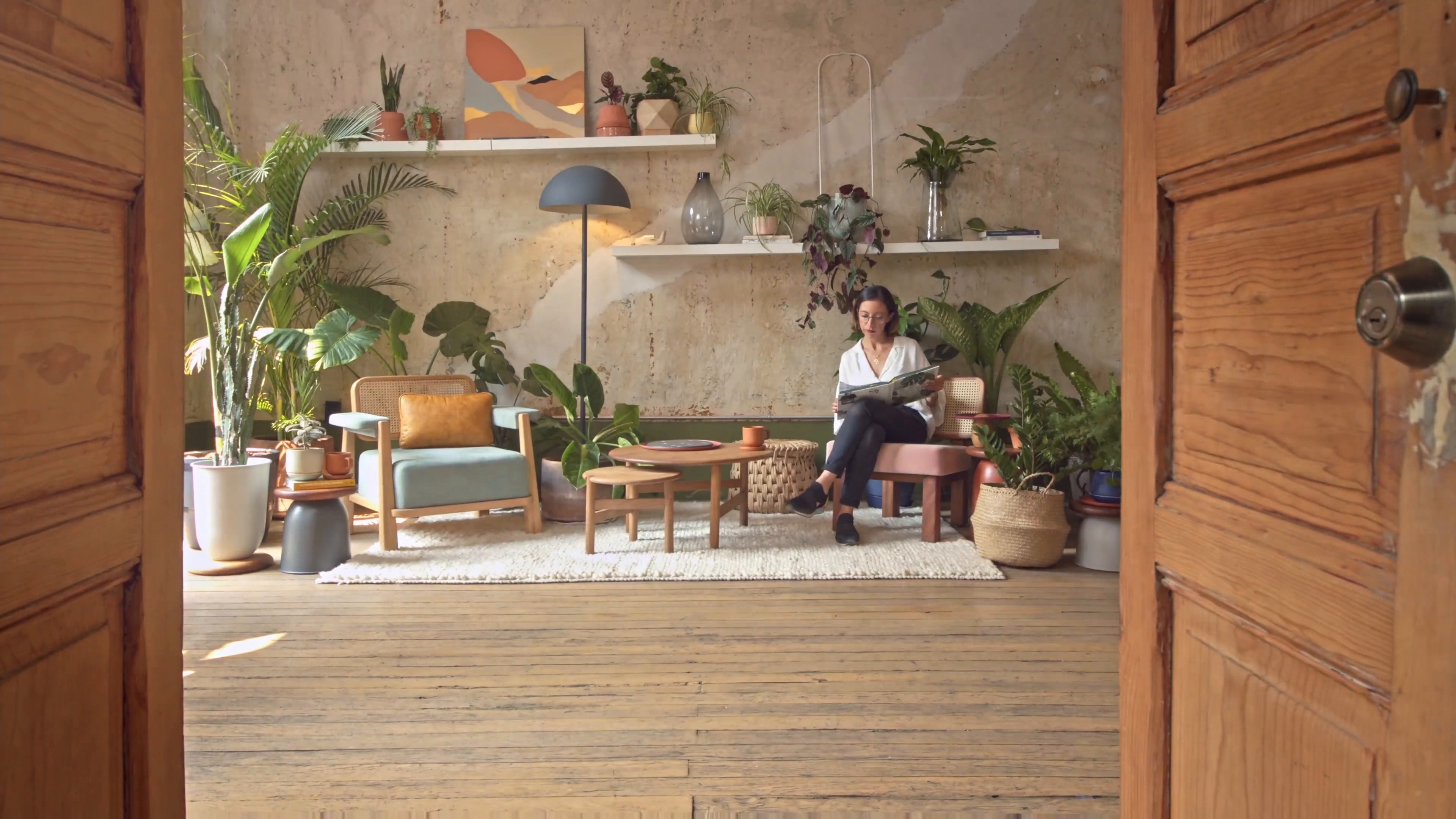
Immerse yourself in the exciting world of botanical art for interiors. Learn how to integrate living natural elements into your spaces, transforming them into oases of tranquility. Discover ancient and contemporary techniques that will unleash your creativity, from creating open terrariums to the Japanese art of kokedama. Design botanical compositions that combine harmony and beauty, and become a master of plant aesthetics.
Guided by experts such as Compañía Botánica, Fotosíntesis Green Art, Páramo Store, Omotesandō Plants, and LENPO Studio, you'll master interior design with plants from the ground up. Each course offers a unique final project to apply what you've learned: from an artistic terrarium using the Tiffany technique to a complete space transformation plan. Upon completion, you'll be able to conceive and execute botanical art projects that connect the living space with nature in a sophisticated and sustainable way.
What will you learn in this specialization?
 1
1Introducción
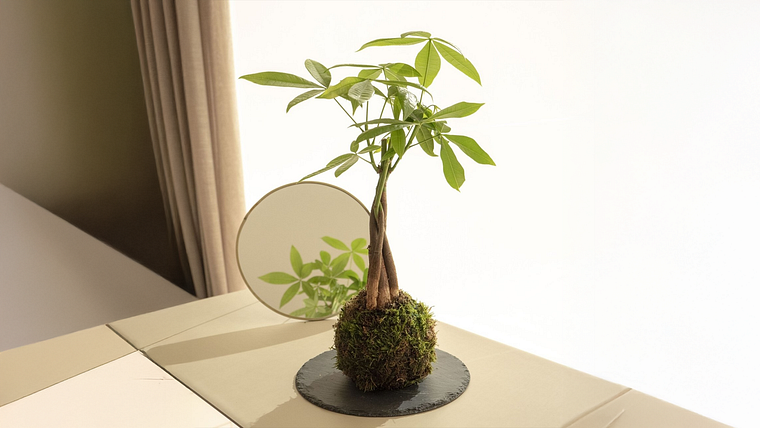
Creating with plants is more than an aesthetic act: it's a way to reconnect with what is truly essential. Through botanical art and the artisanal practice of kokedama, you'll explore a poetic and serene ritual that brings life to the interior. May each green creation remind you that nature is not far away: it begins in your own hands.
2m
 2
2Influences | Compañía Botánica
Our philosophy integrates our knowledge of design and gardening and proposes approaching it not only from a utilitarian perspective, but also from an aesthetic perspective. We'll share the Instagram profiles, books, blogs, artists, things, and places that inspire us when working with nature and how we replicate that essence in our work.
2m
 3
3Influences | Fotosíntesis Green Art
Our goal with Photosynthesis is to foster contact with nature, with Mother Earth, to reconnect with her. Through these moments of communion with nature, we become more sensitive and respectful of the environment. Our respect and love are born from nature itself; it is our greatest source of inspiration for creating each piece of plant art.
2m
 4
4Influences | Paramo Store
In this lesson I will tell you about my main influences, those that inspired me to start this project.
5m
 5
5Influences | Omotesandō Plants
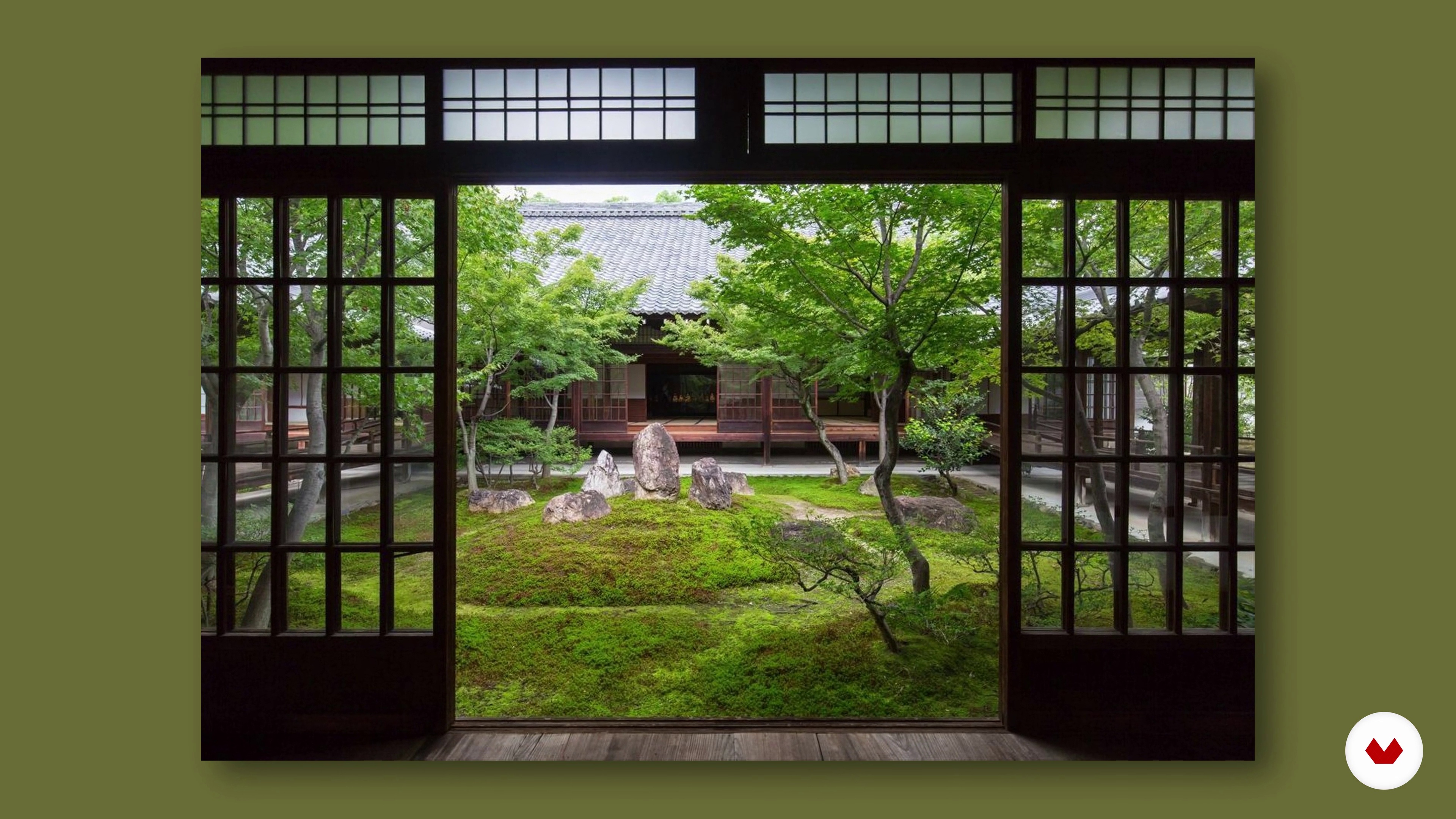
Next, I'll tell you about the influences that inspired me when developing the image of Omotesandō. You'll see that our references are very diverse; their combination is the joy of creating something new. Japanese culture, Nordic design, inspiration from other brands and artists... everything is included.
7m
 6
6Influences | LENPO
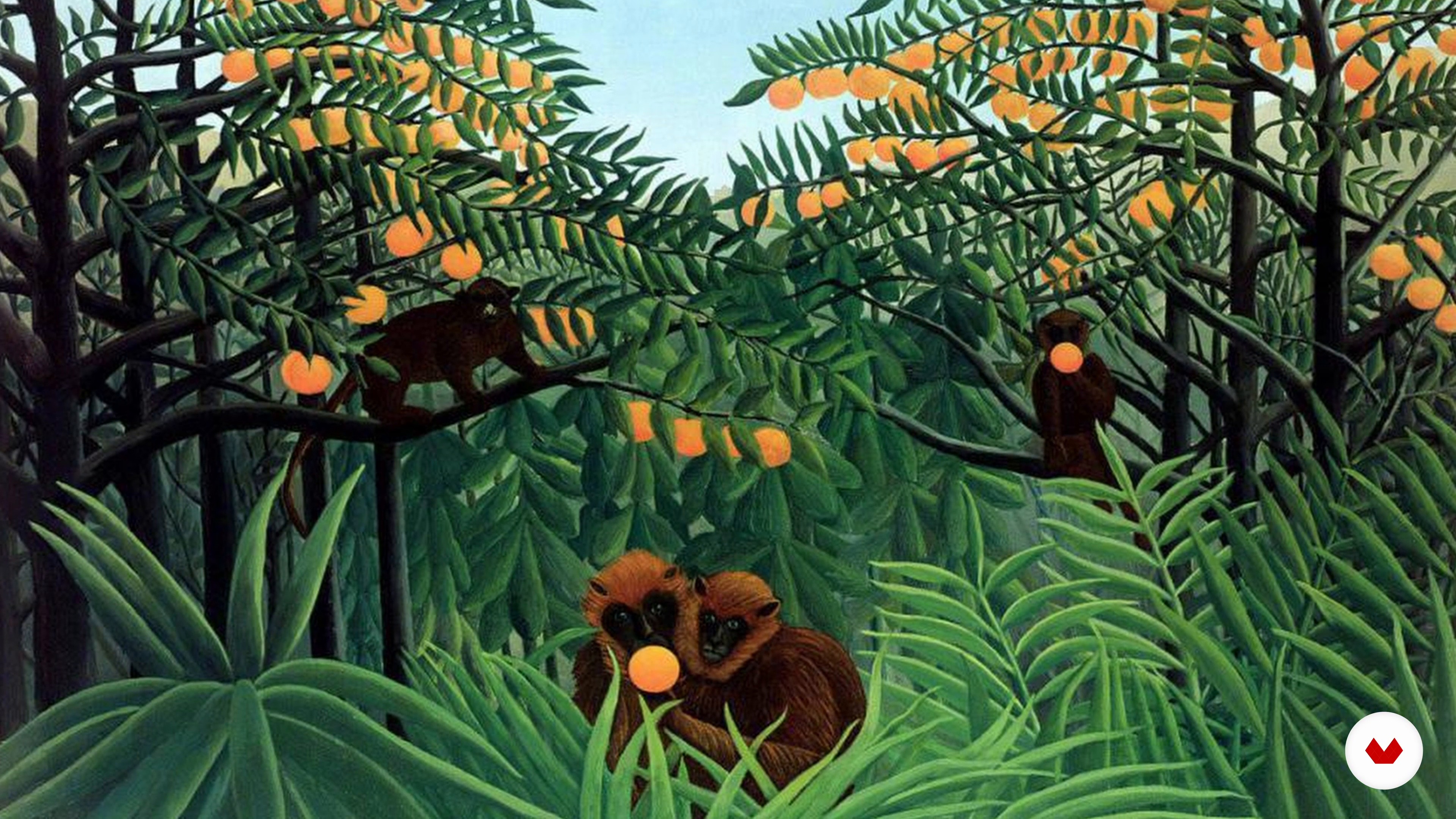
I'll tell you about my greatest influence: nature. I find inspiration there every day, but I've also learned from great figures in design, architecture, and art.
7m
 3
3Wooden box
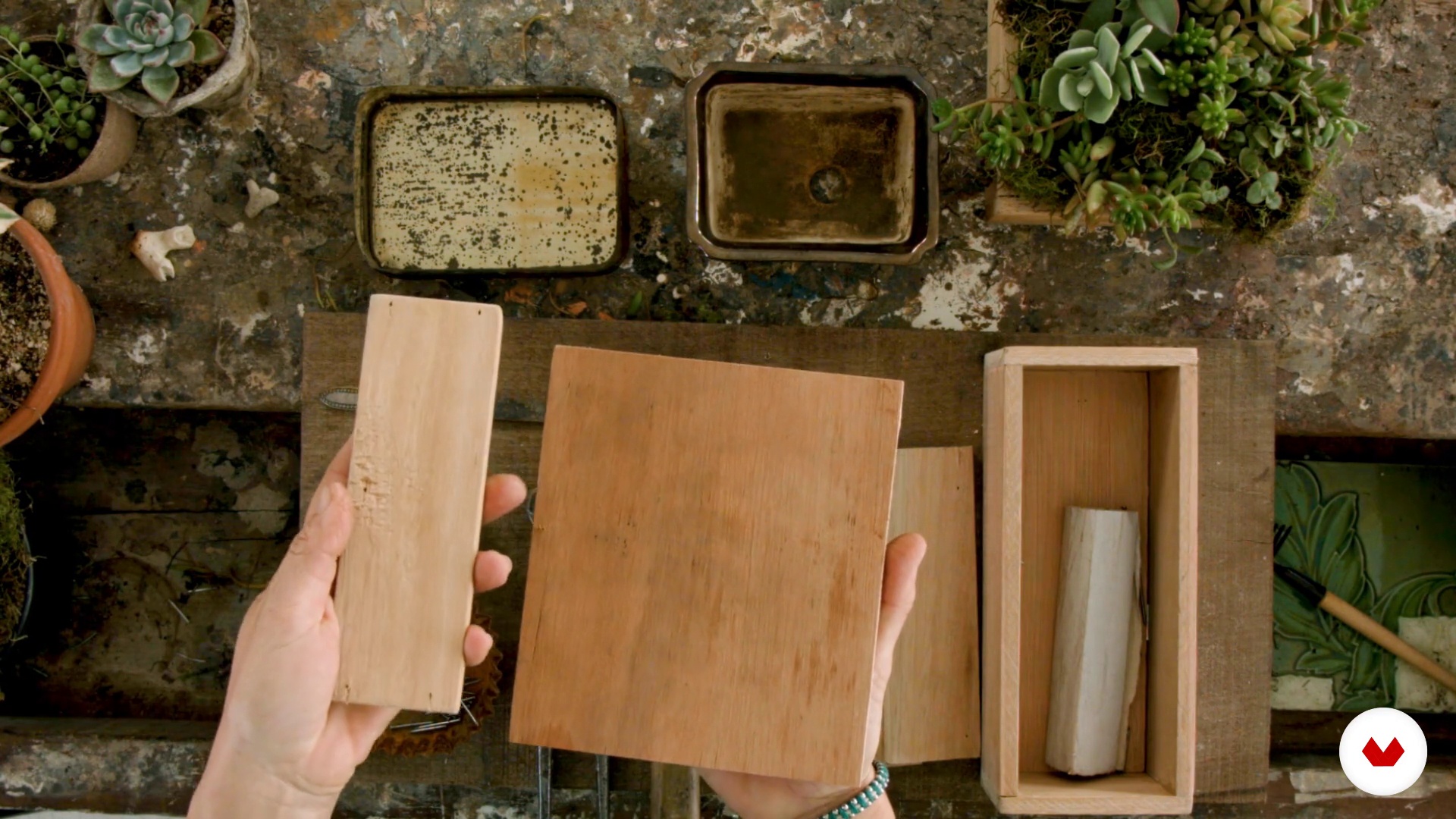
We'll show you everything you need to assemble your wooden box: boards (see measurements) and types of wood, screws, screwdriver, clamps, drill, carpenter's glue, and sandpaper, as well as the best way to build it.
2m
 4
4Live painting
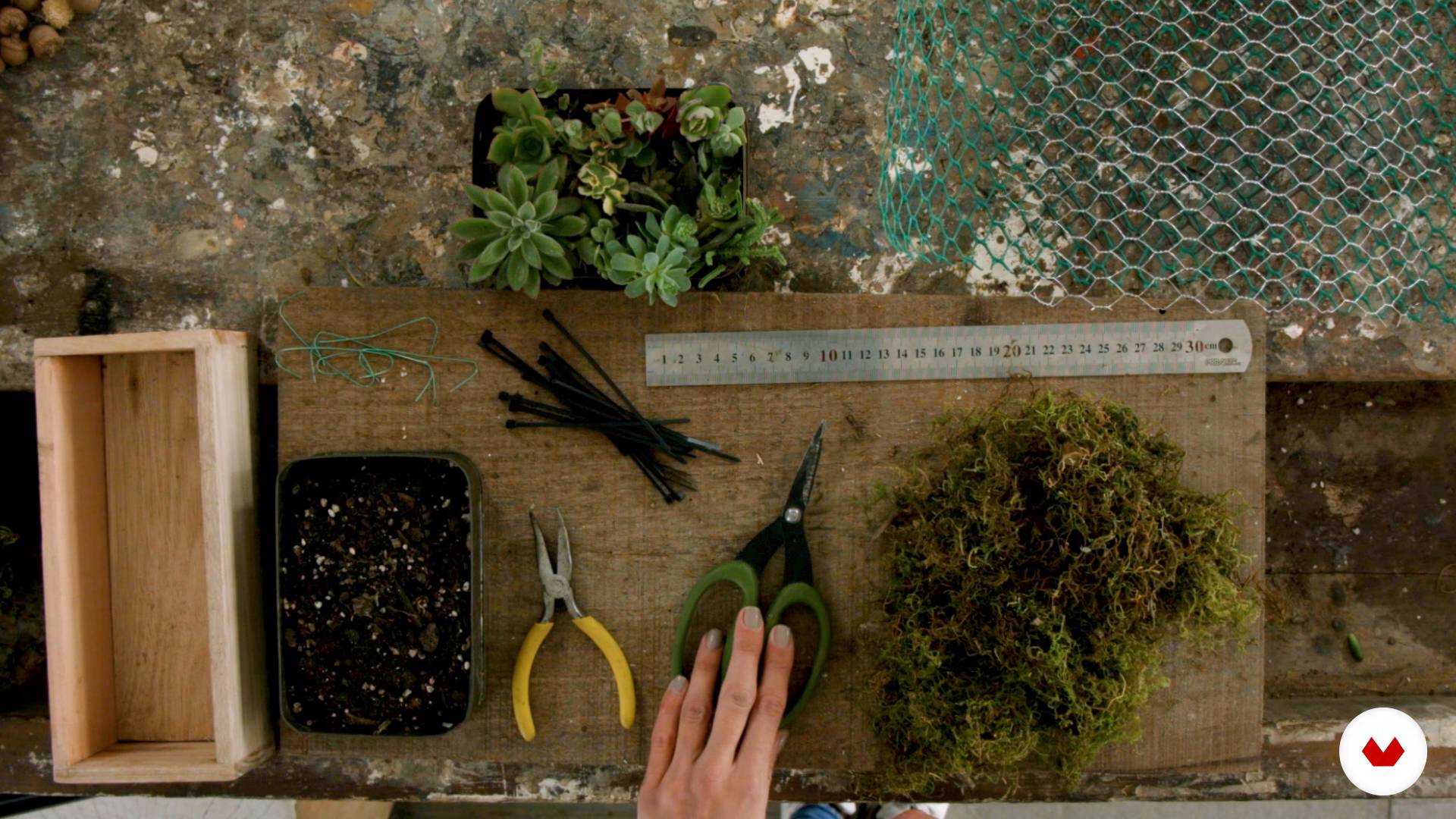
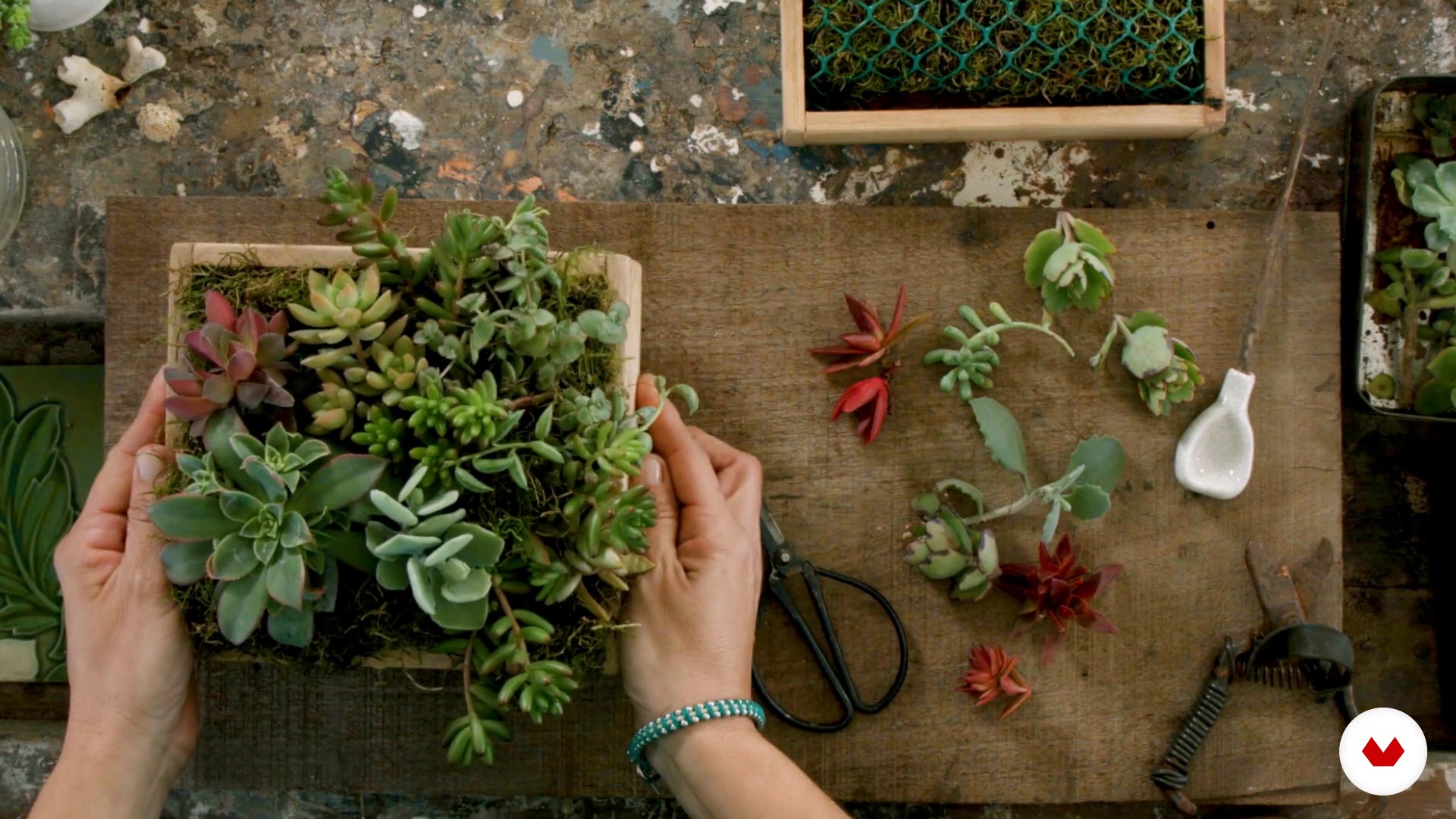
You'll need: a wooden box or frame, plastic mesh, moss, succulent substrate, cable ties, scissors, succulents, and cacti. Extras: gloves, plastic sheeting for your work surface, wire, and sticks.
1m
 5
5What are living paintings, what they are for and their forms
Introduction to living paintings: What are they? What are they used for? We'll show you their different shapes, uses, and applications, as well as examples of different botanical corner compositions.
1m
 6
6ABC on the cultivation of cactus and succulents
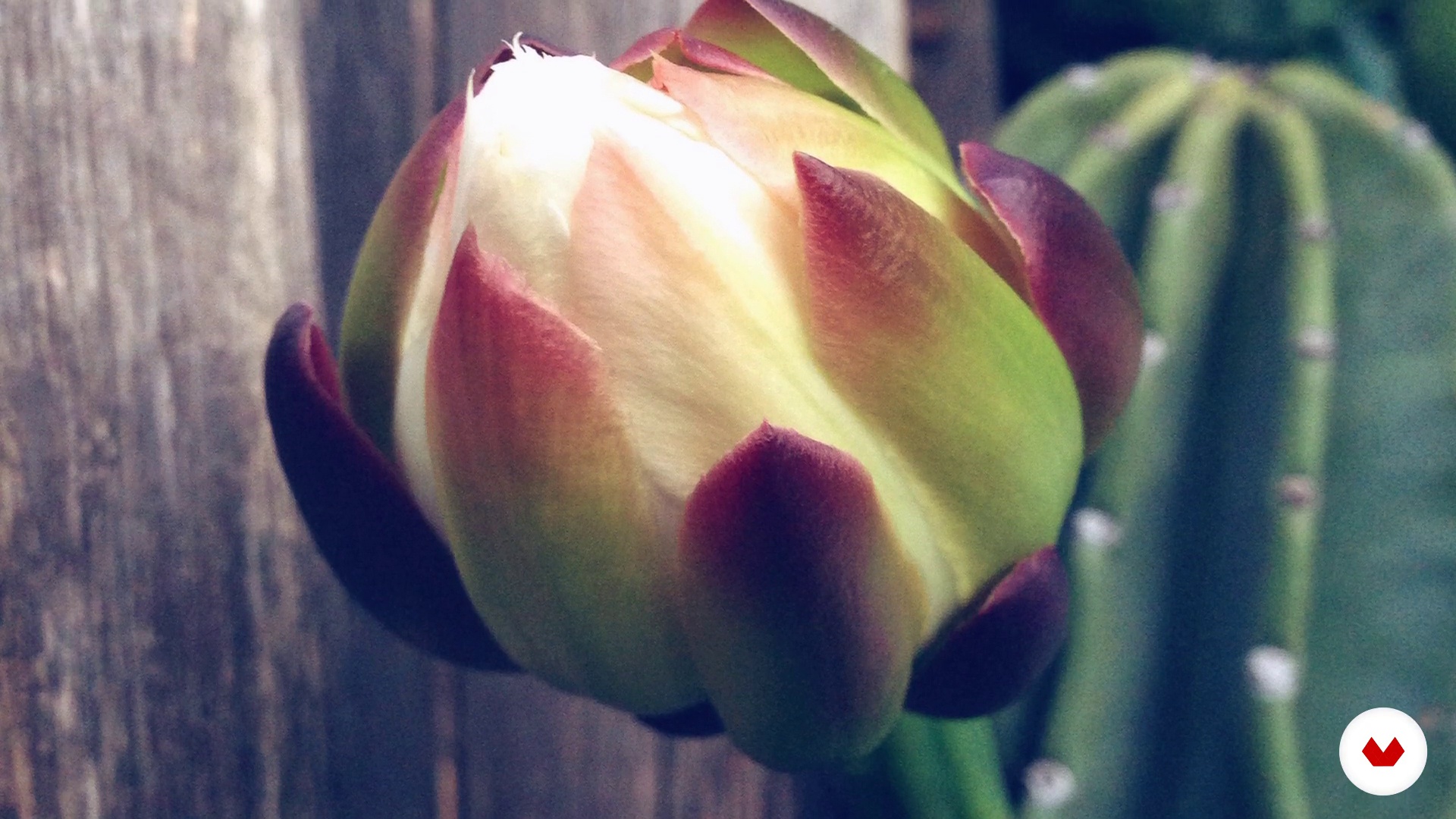
Why choose cacti and succulents? We'll explore their definition, origin, main characteristics, and sustainability principles.
3m
 7
7Substratum
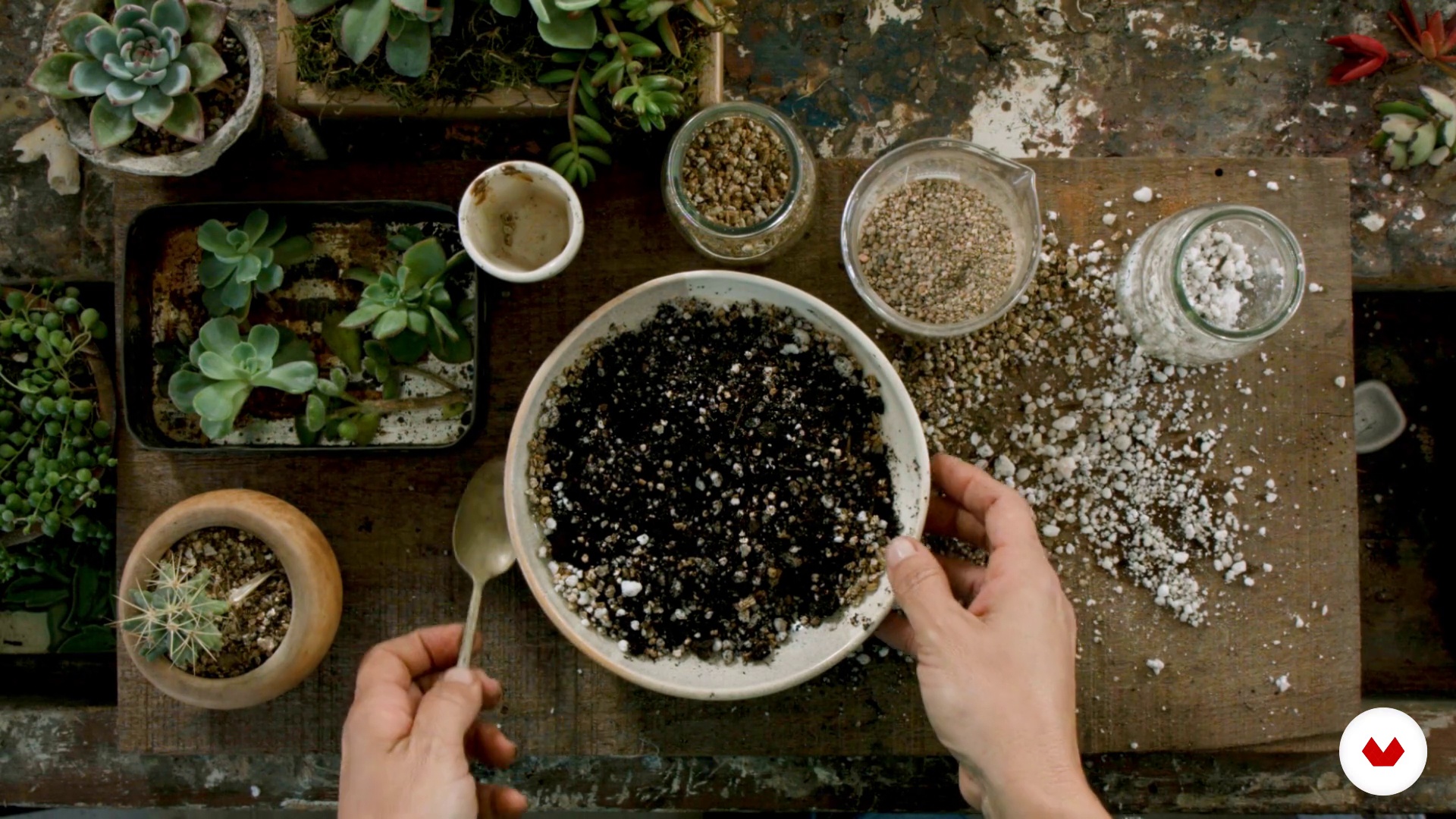
What is a substrate? Here we'll look at the organic and inorganic materials that make up a substrate and how to prepare it.
4m
 8
8Light
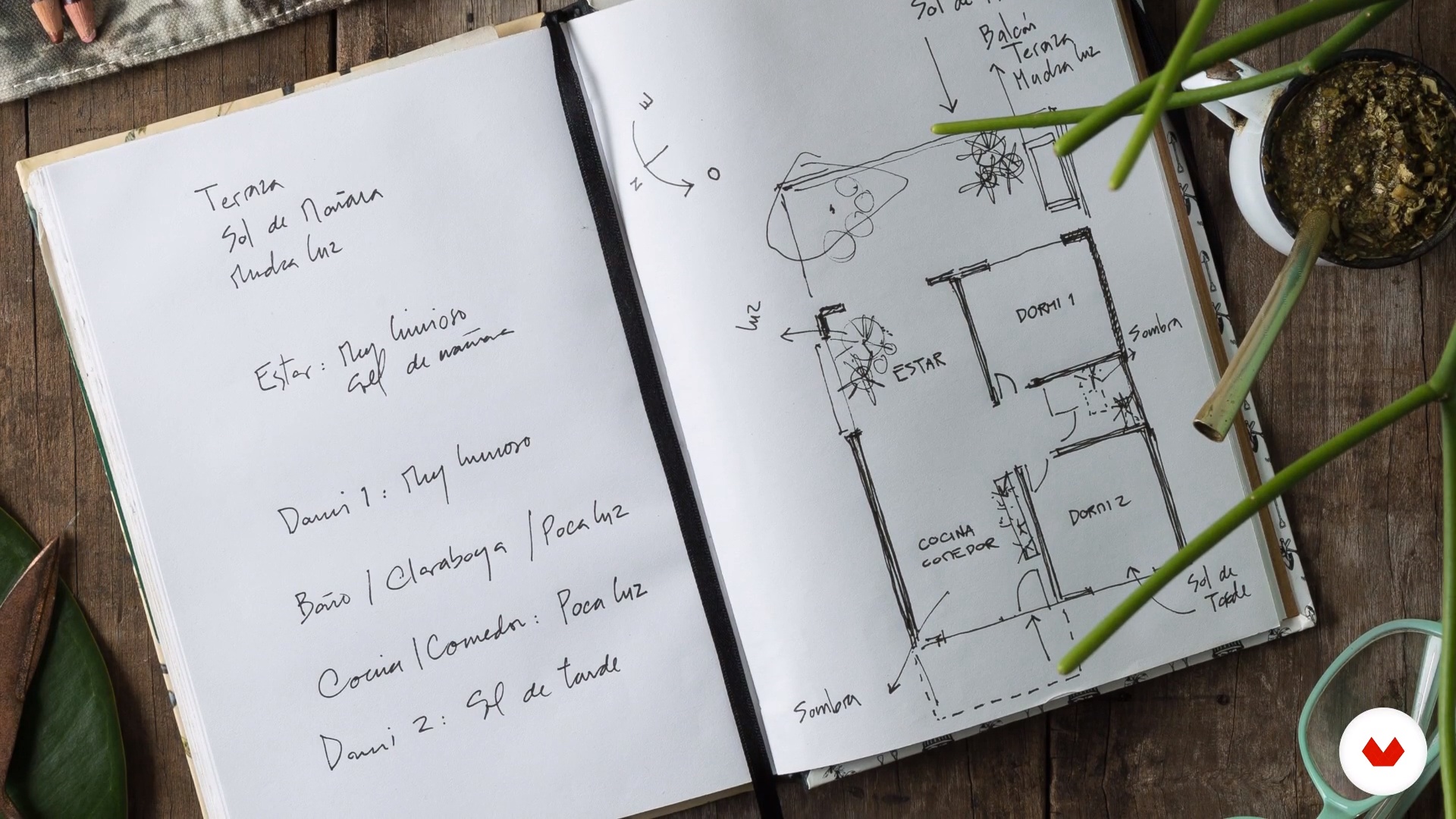
In this lesson, we'll show you how to explore your home and identify the best places to grow succulents. We'll explain the importance of sunlight exposure and how much this type of plant needs to thrive. We'll also discuss correct and incorrect exposure.
3m
 9
9Irrigation
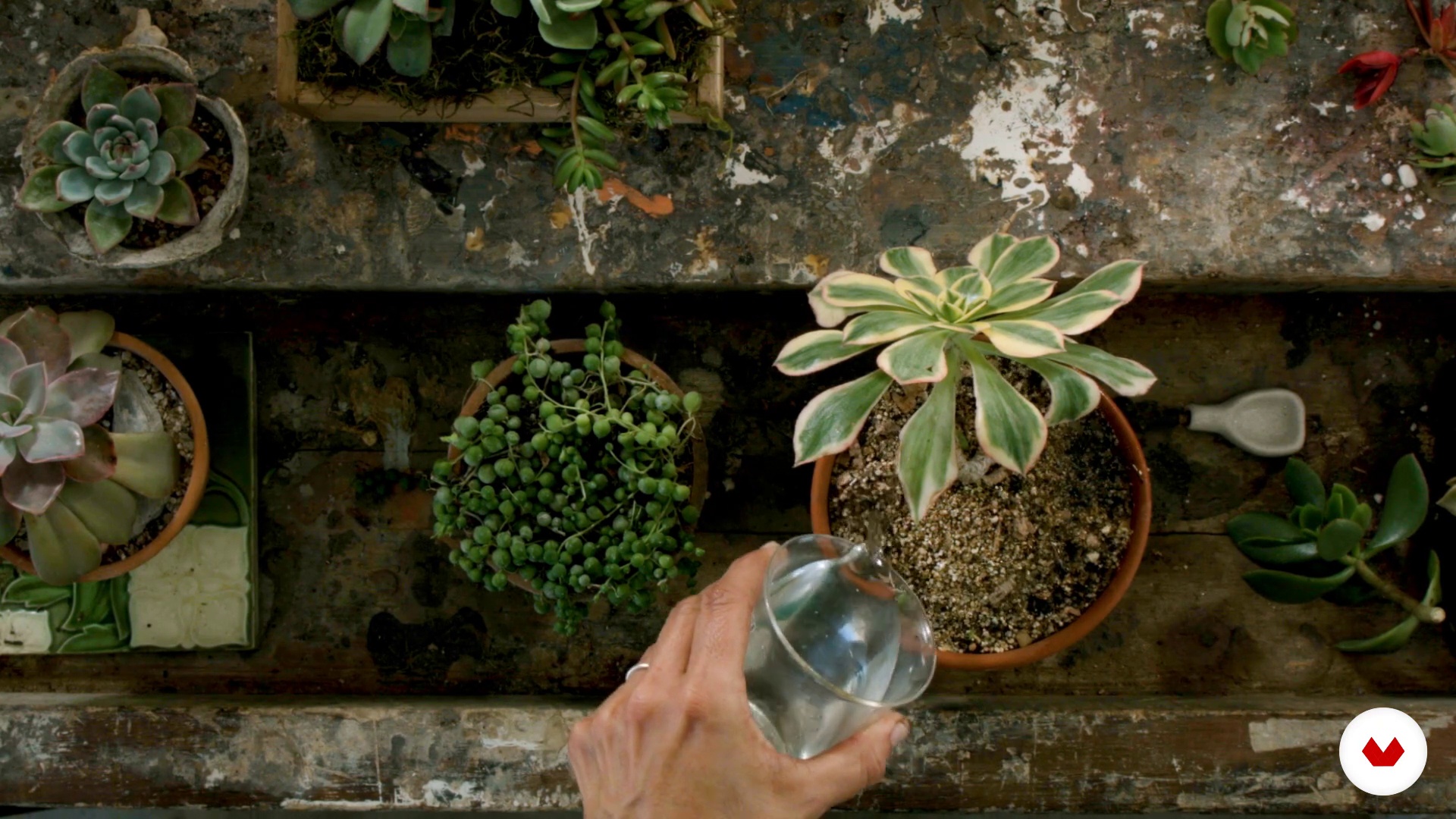
We'll explore the different methods of watering succulent plants. These include: the twig irrigation technique, capillary irrigation, controlled irrigation, common irrigation mistakes, and how to water properly. How do we identify a succulent that's underwatered or overwatered? Let's take a look.
4m
 10
10Multiplication
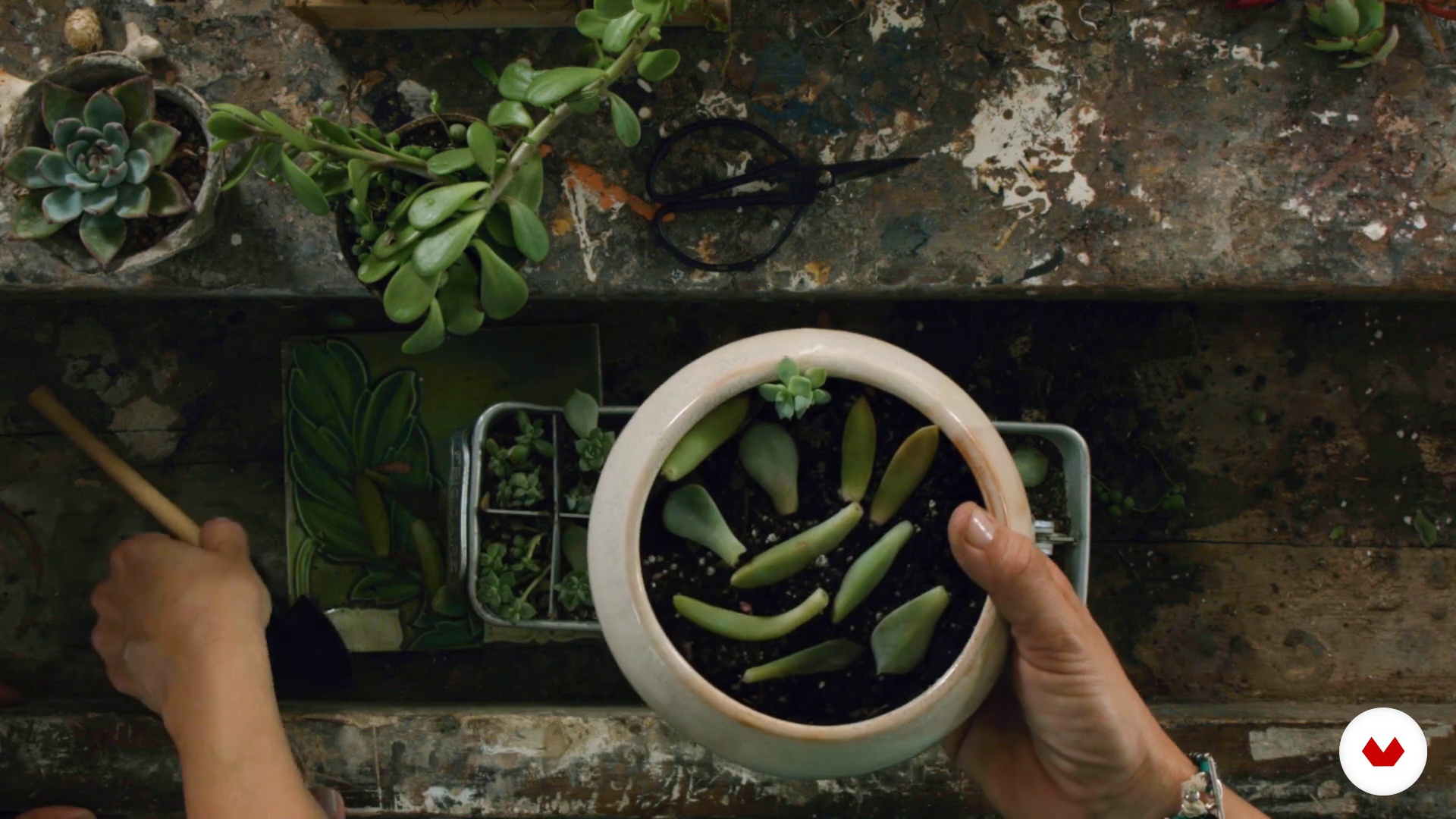
We'll show you the different ways to propagate cacti and succulents, emphasizing the step-by-step process of stem propagation, which is the most suitable for our final project.
12m
 11
11Armed with the structure of the live frame
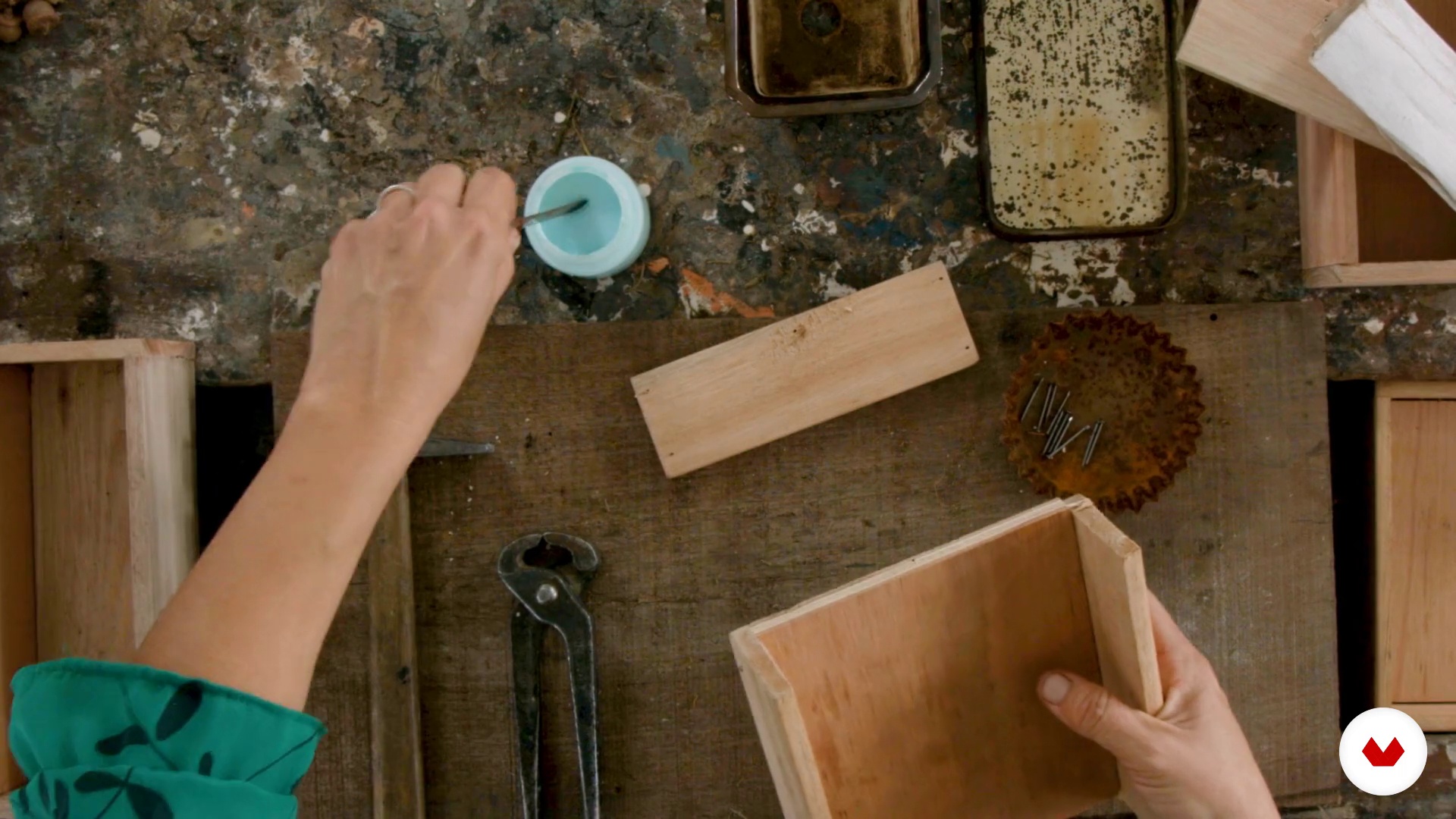
We'll walk you through the step-by-step process of assembling the wooden box, where we'll then mount the pad to create the living room. We'll show you a basic example of assembly and also various other shapes and designs that can be built.
2m
 12
12How to assemble the pad to insert the succulents
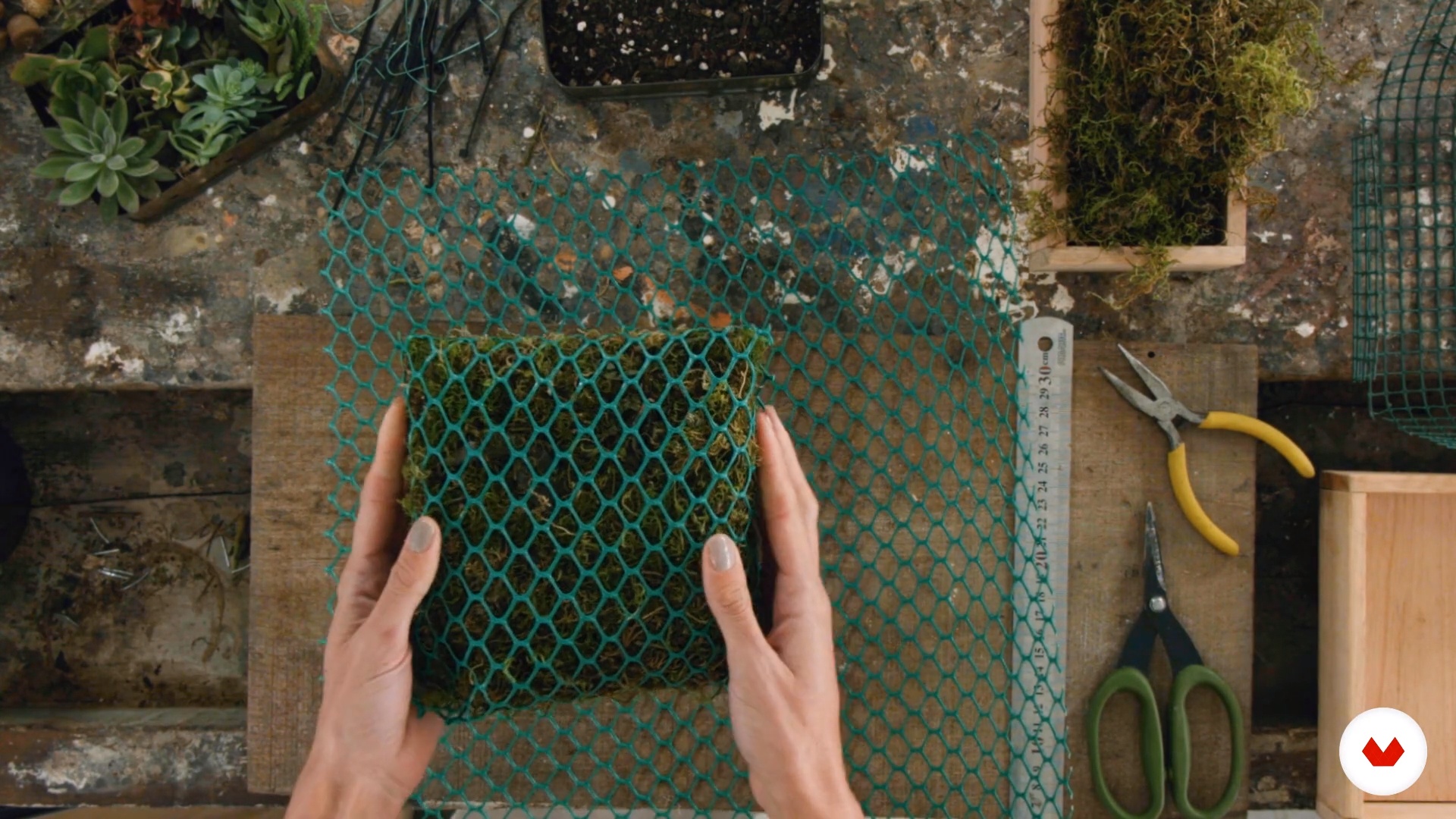
In this lesson, we'll assemble the plastic mesh pad, explain how to take measurements for the substrate you'll be using, how to cut it, and then fill it with a substrate heart wrapped in moss using zip ties.
6m
 13
13Design and composition ideas
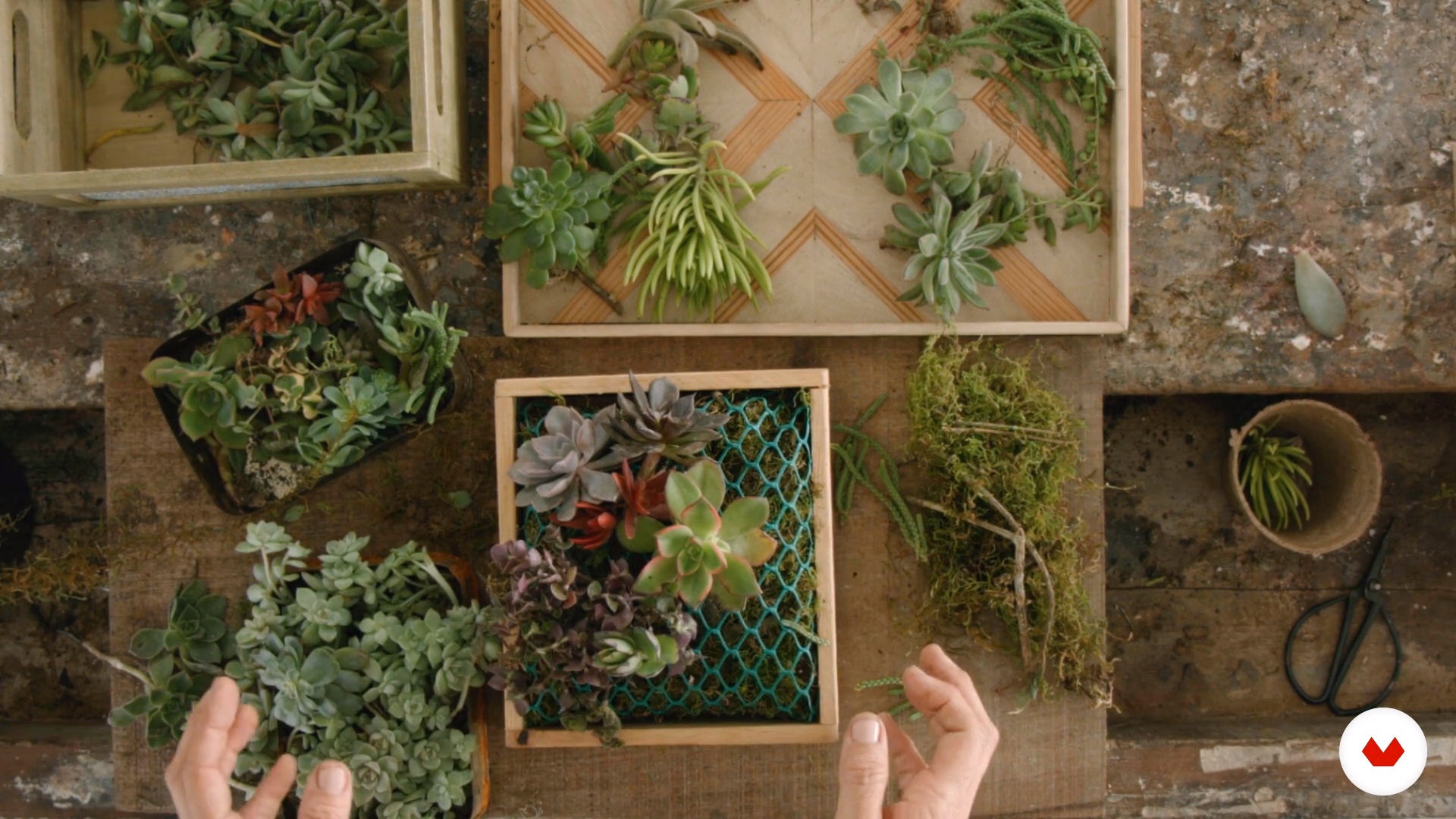
We'll show you different ways to compose a succulent painting, based on shapes, colors, gradients, etc. We'll also calculate the surface area to be covered in the living painting.
4m
 14
14Assembling the succulents
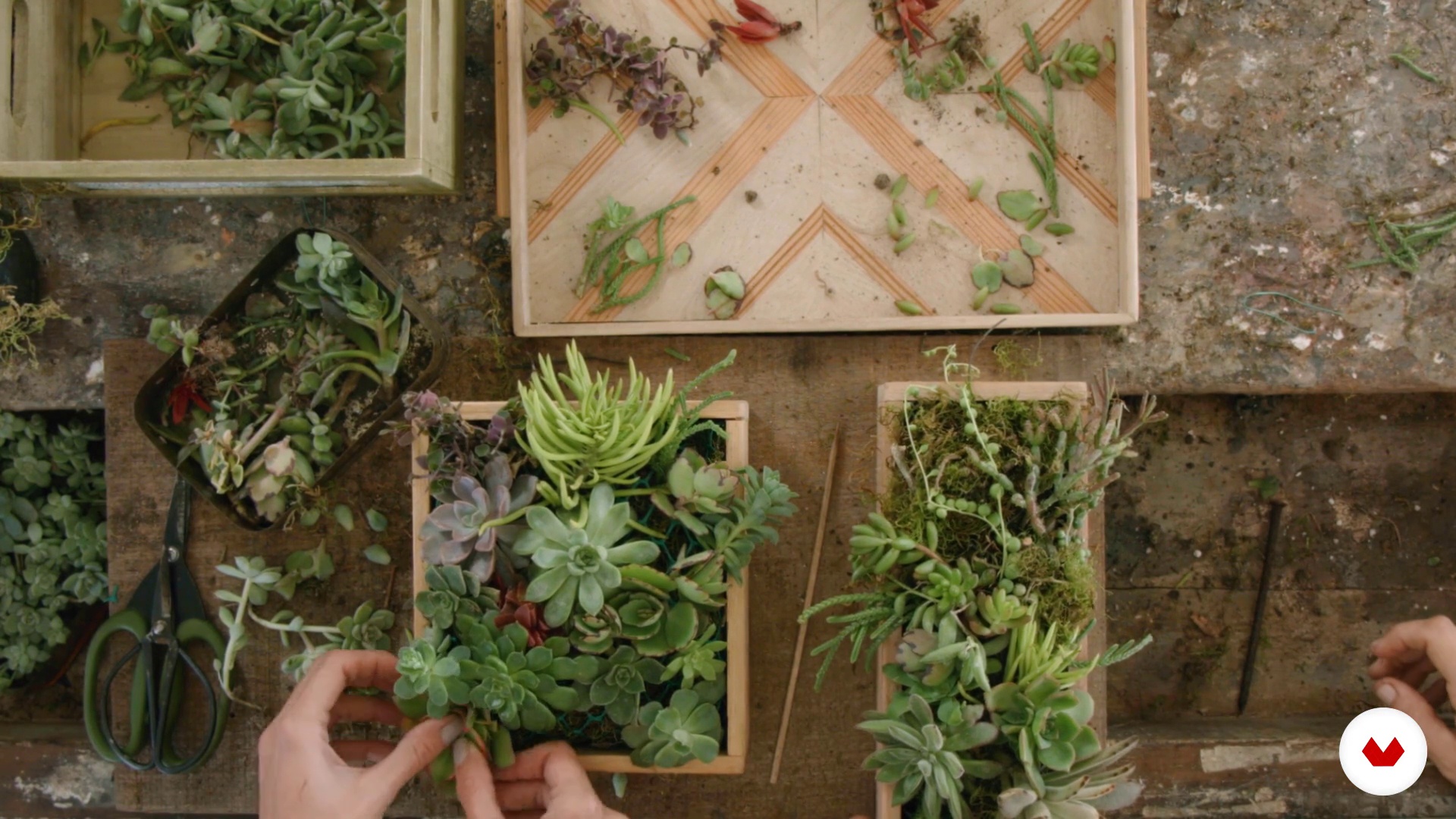
Here we'll show you how to mount the pad to the stand and all the secrets of assembling the frame itself. We'll also cover how to properly assemble the frame by inserting the succulent cuttings and all the variables involved.
10m
 15
15Home decor: Compositions of botanical corners
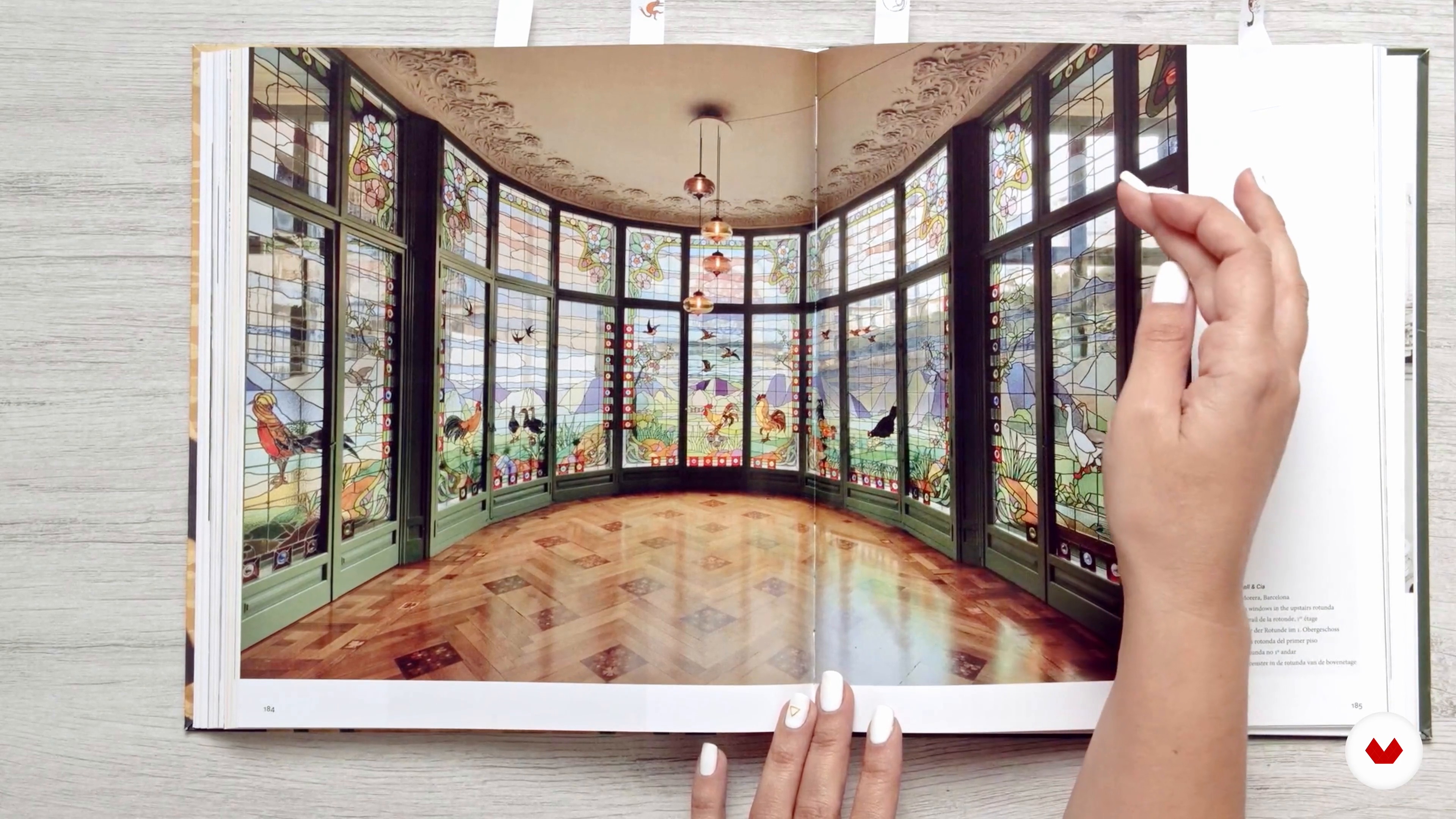
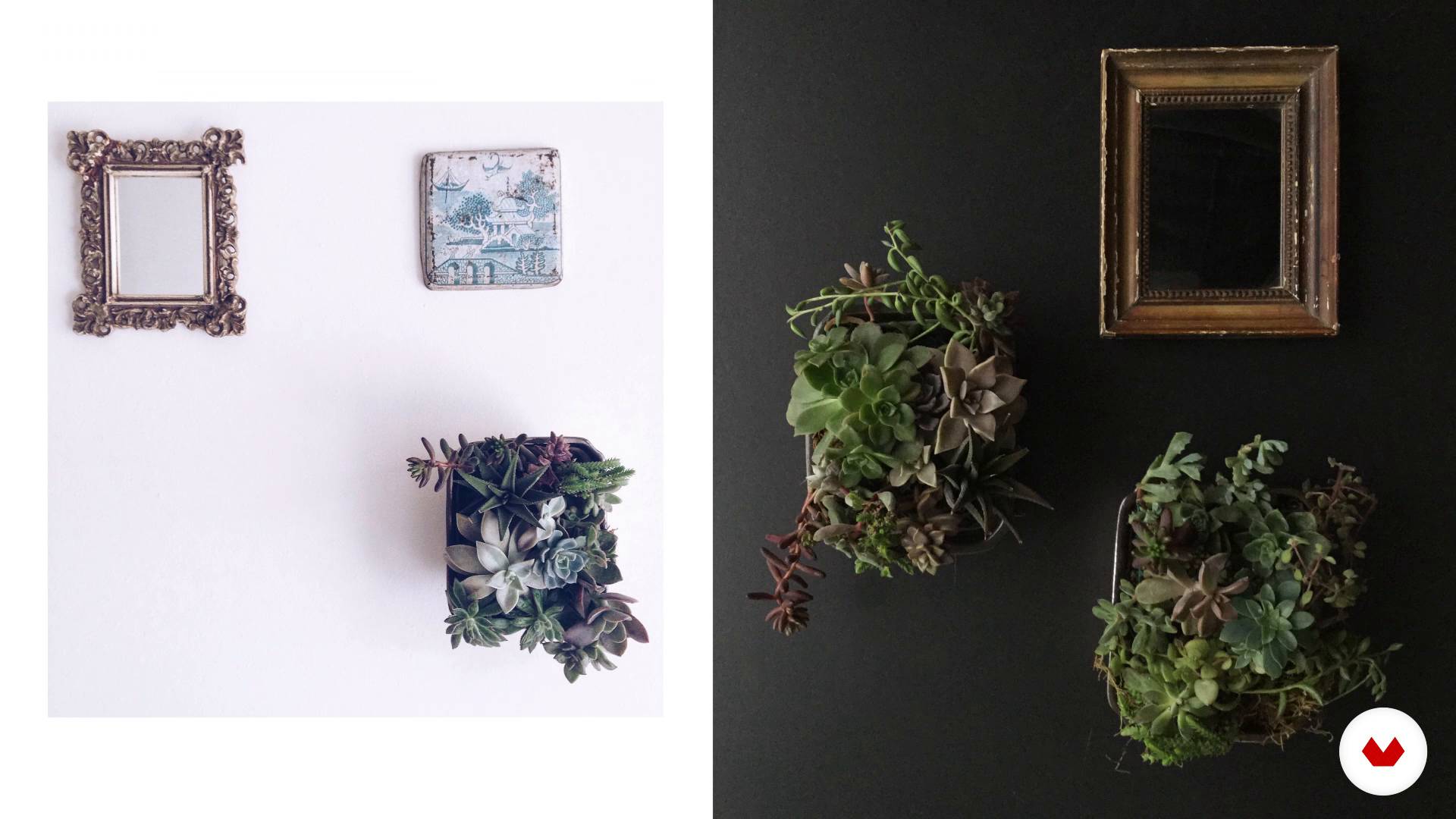
Here's the importance of having green spaces in our daily lives. How to incorporate plants into the design and atmosphere of our spaces by quickly creating them with lively paintings and adding other plants to the chosen setting. We'll look at their professional use, application to stained glass and installations, and explain why they're so important and sought-after by designers and decorators.
3m
 16
16Care and maintenance
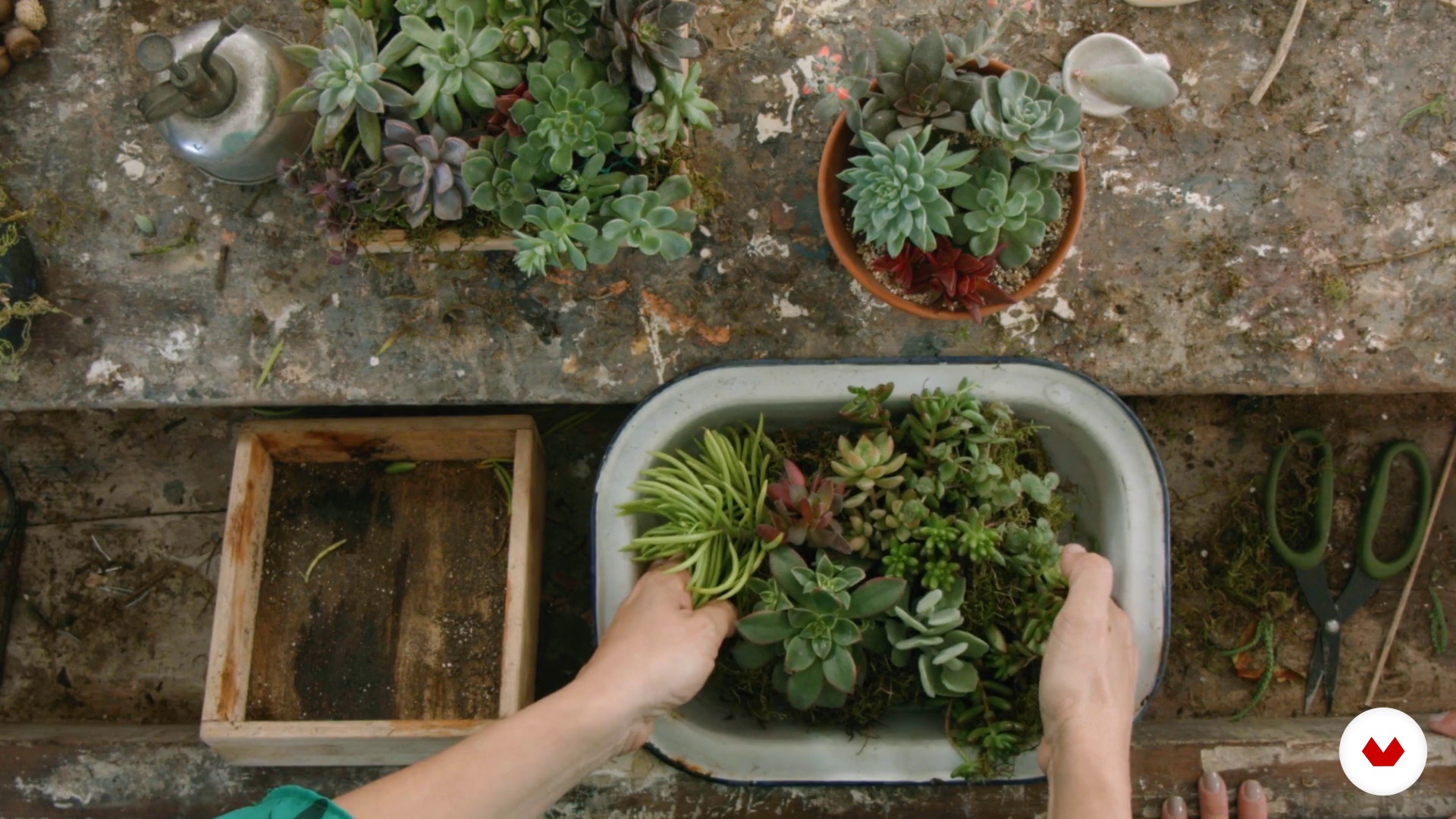
We'll teach you how to water your live plant properly and how to identify problems that may arise. We'll teach you how to maintain it properly, how to prune it, and how to use that pruning for propagation.
3m
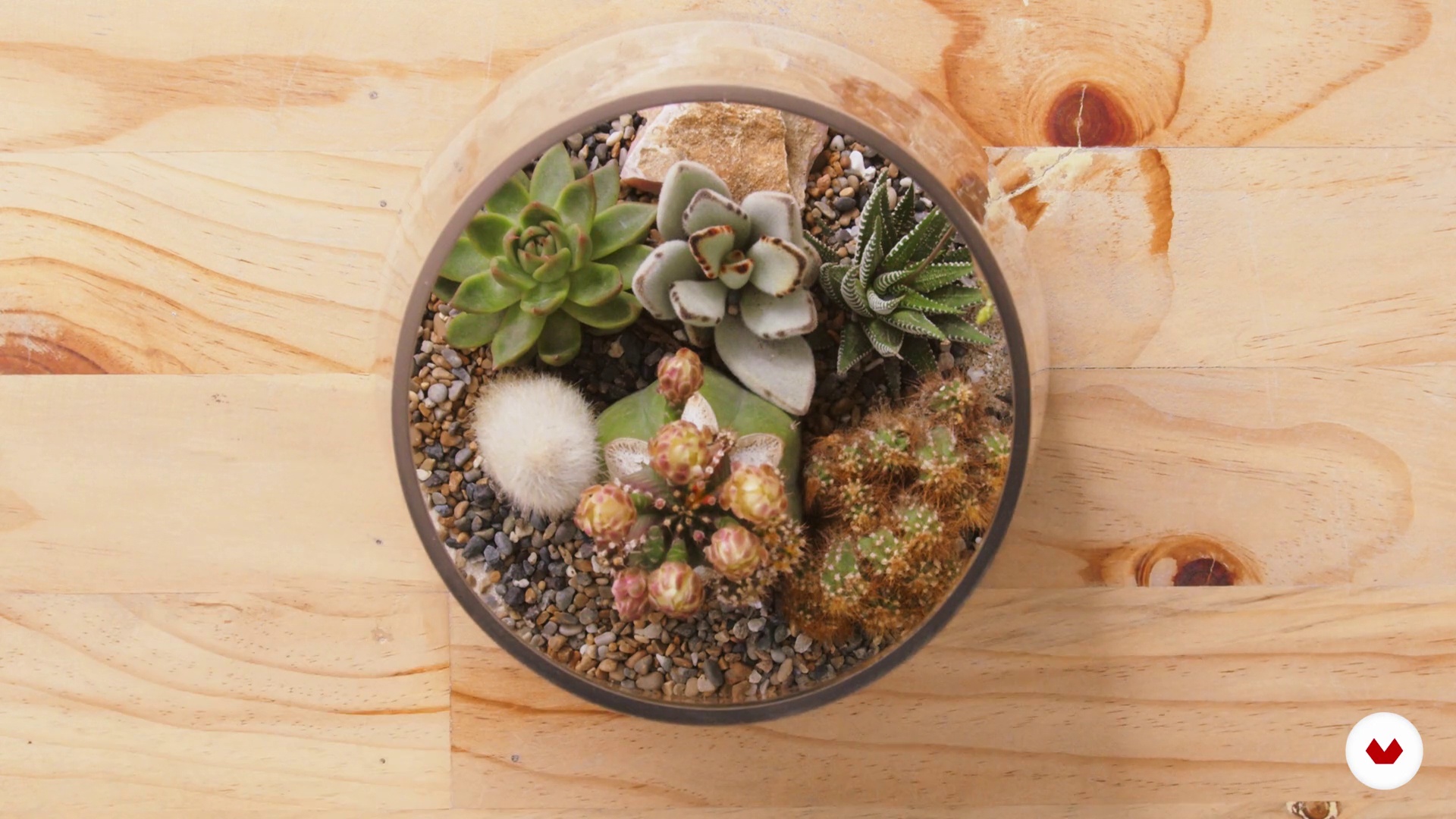 3
3What is a terrarium?
We'll cover the main topic: What is a terrarium? What does it consist of? We'll share our knowledge about the type of terrarium we design and other types of terrariums available.
5m
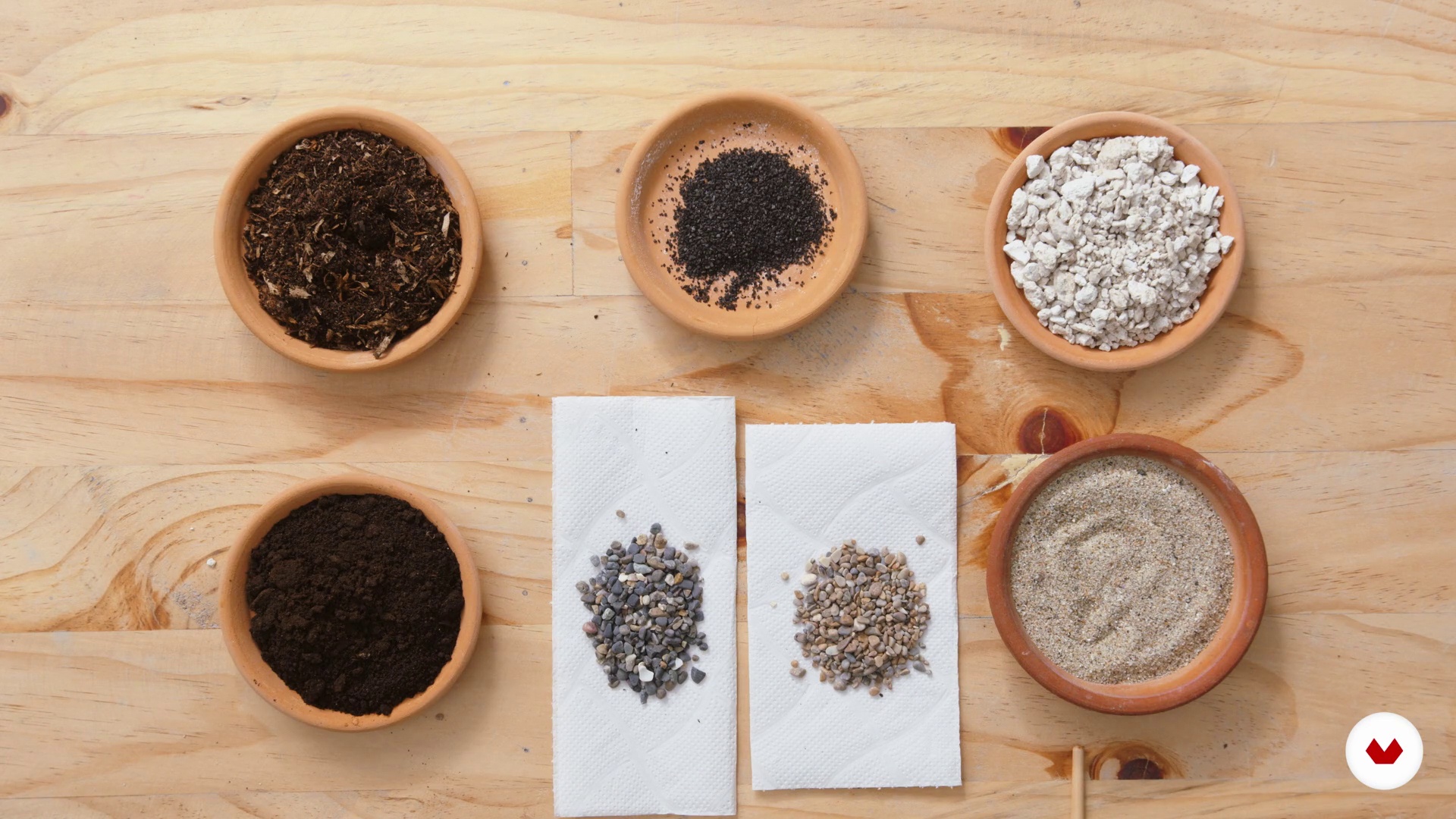 4
4Nature in miniature
The art of composition is to integrate the aesthetic and biological sides. Here, we'll teach you how to identify the essential elements needed to create a terrarium. We'll delve into how to create substrate for cacti and succulents. We'll discuss the theory behind each element to ensure a healthy and sustainable ecosystem.
3m
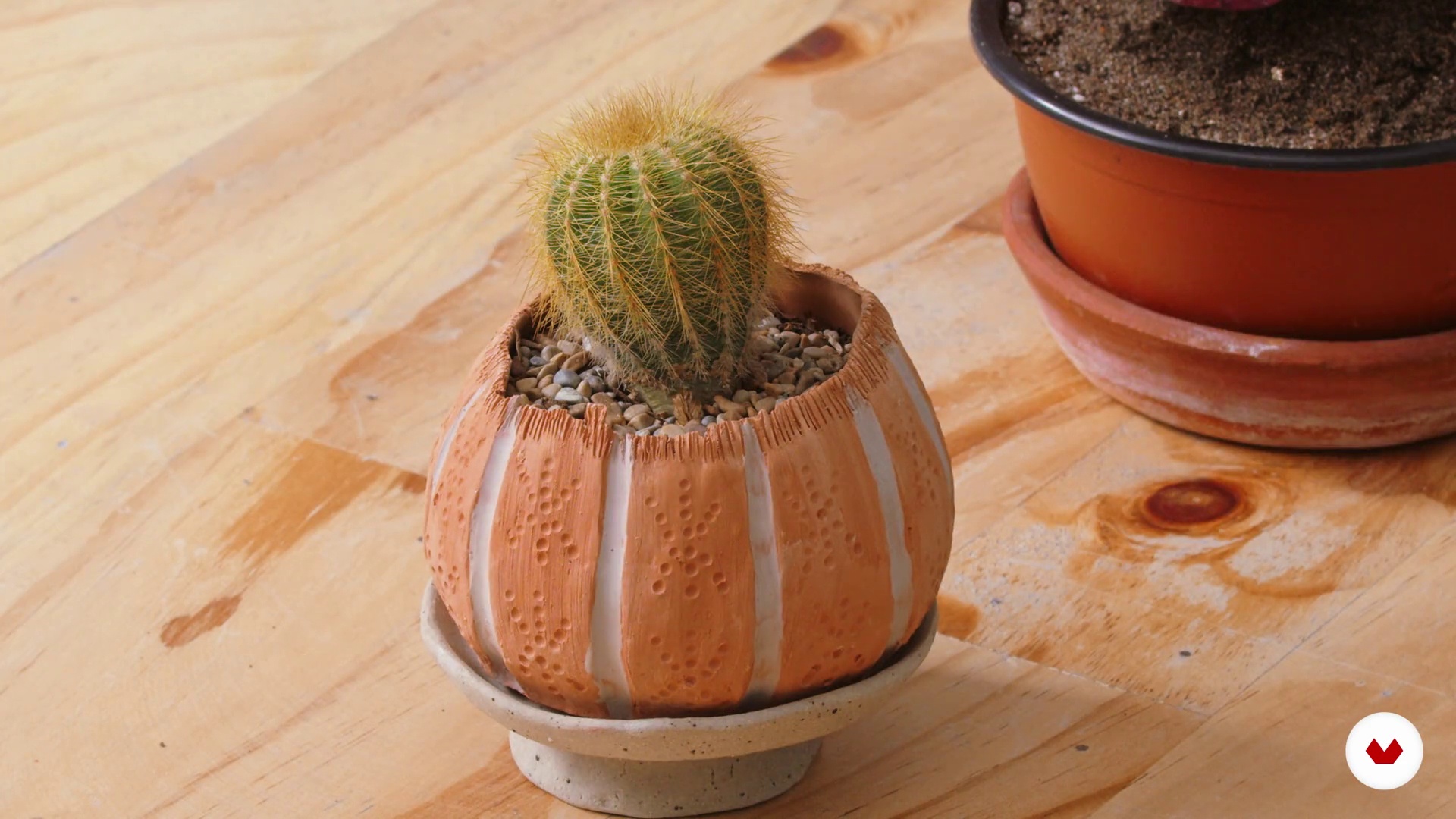 5
5The different types of cacti and succulents
In this lesson, we'll teach you how to recognize species and how to care for them, as well as how to identify them by their appearance and shape. Also, you will learn the difference between cacti and succulents.
3m
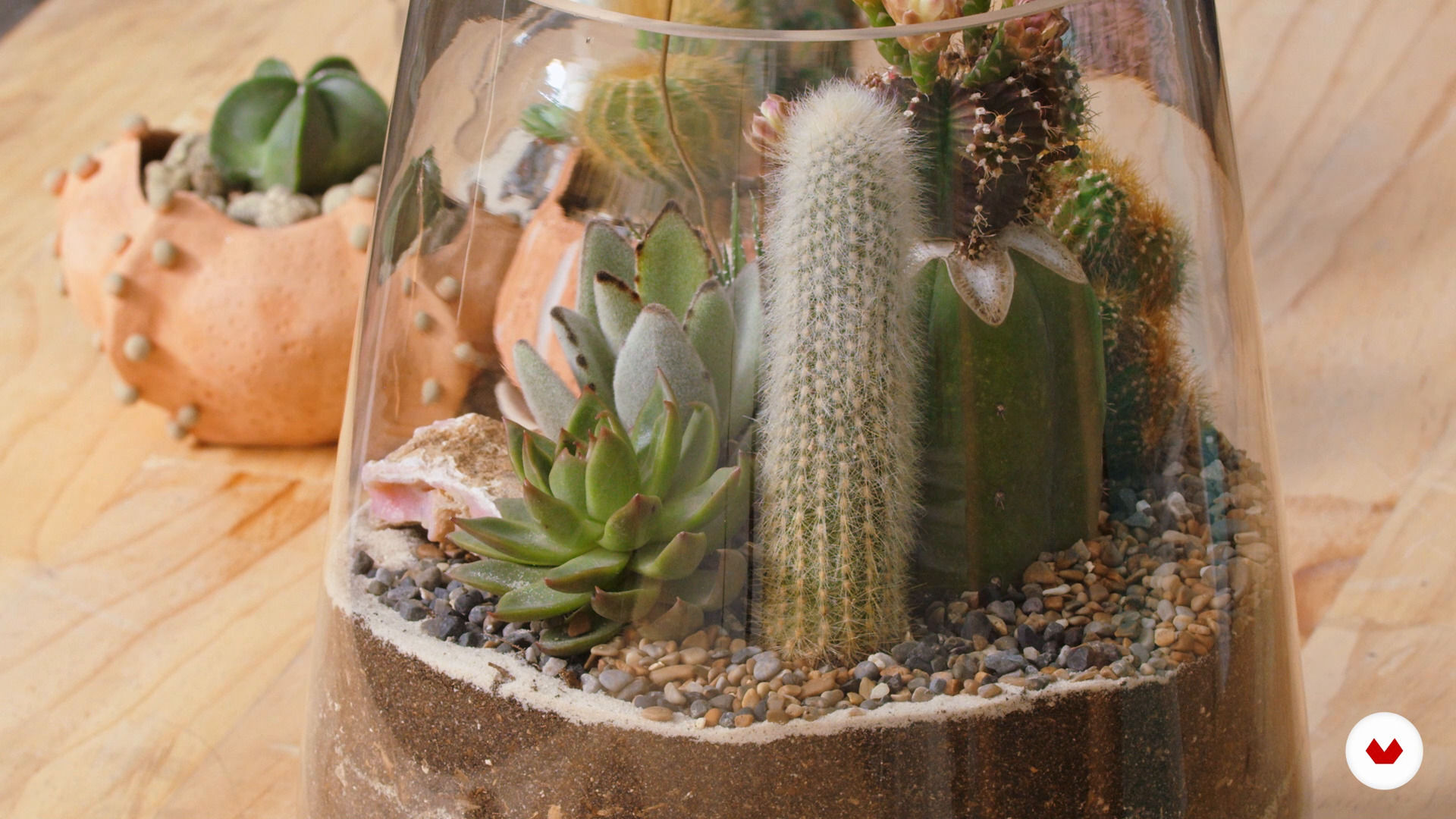 6
6Decorative elements
Here we'll give you ideas on what types of decorative elements you can use to enhance a landscape and make each piece unique.
1m
 7
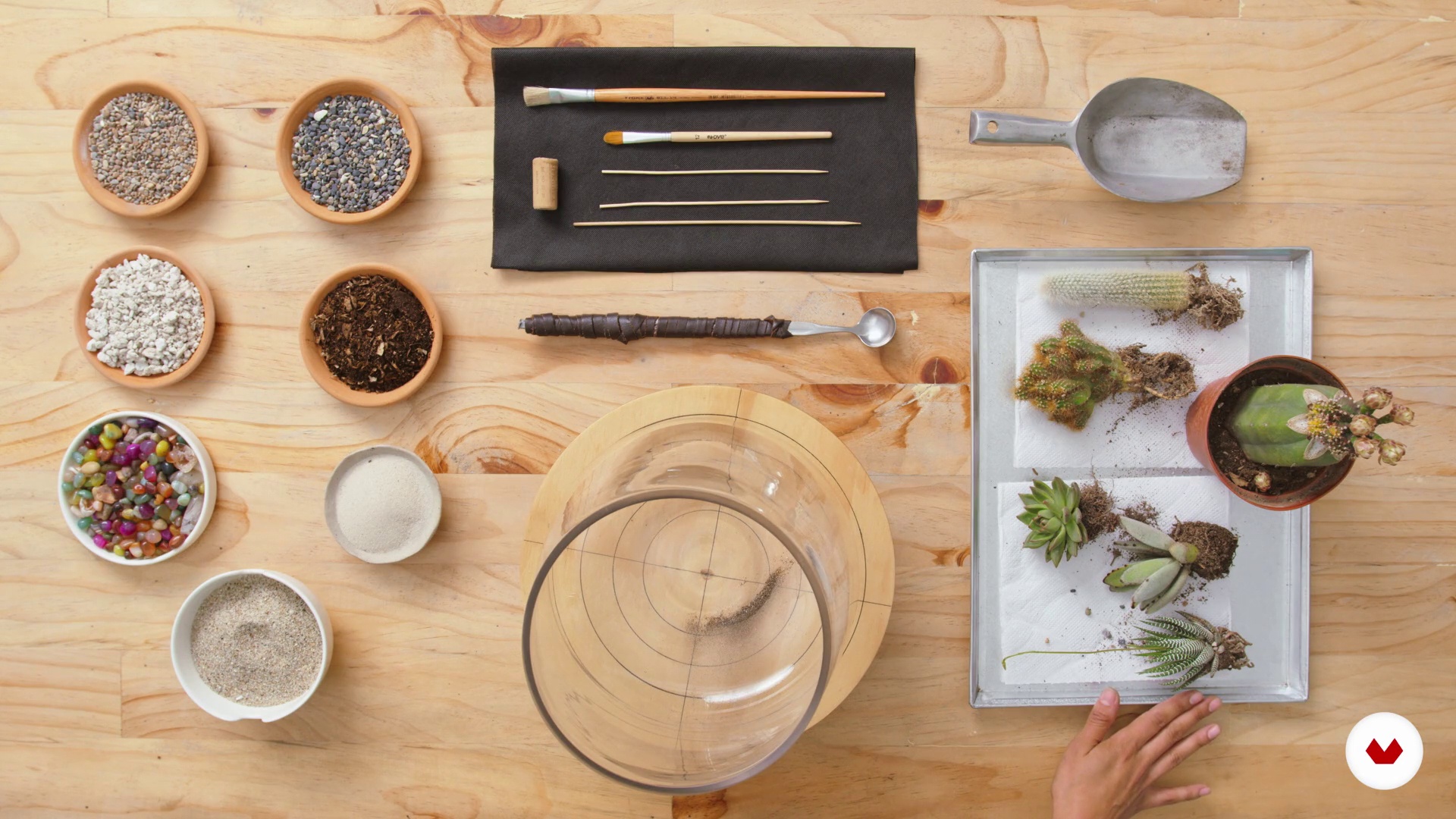
7Ready the Supplies
You will choose the necessary materials to make your first piece: glass, alcohol, a spoon, and all the supplies you will need to make the terrarium.
4m
 8
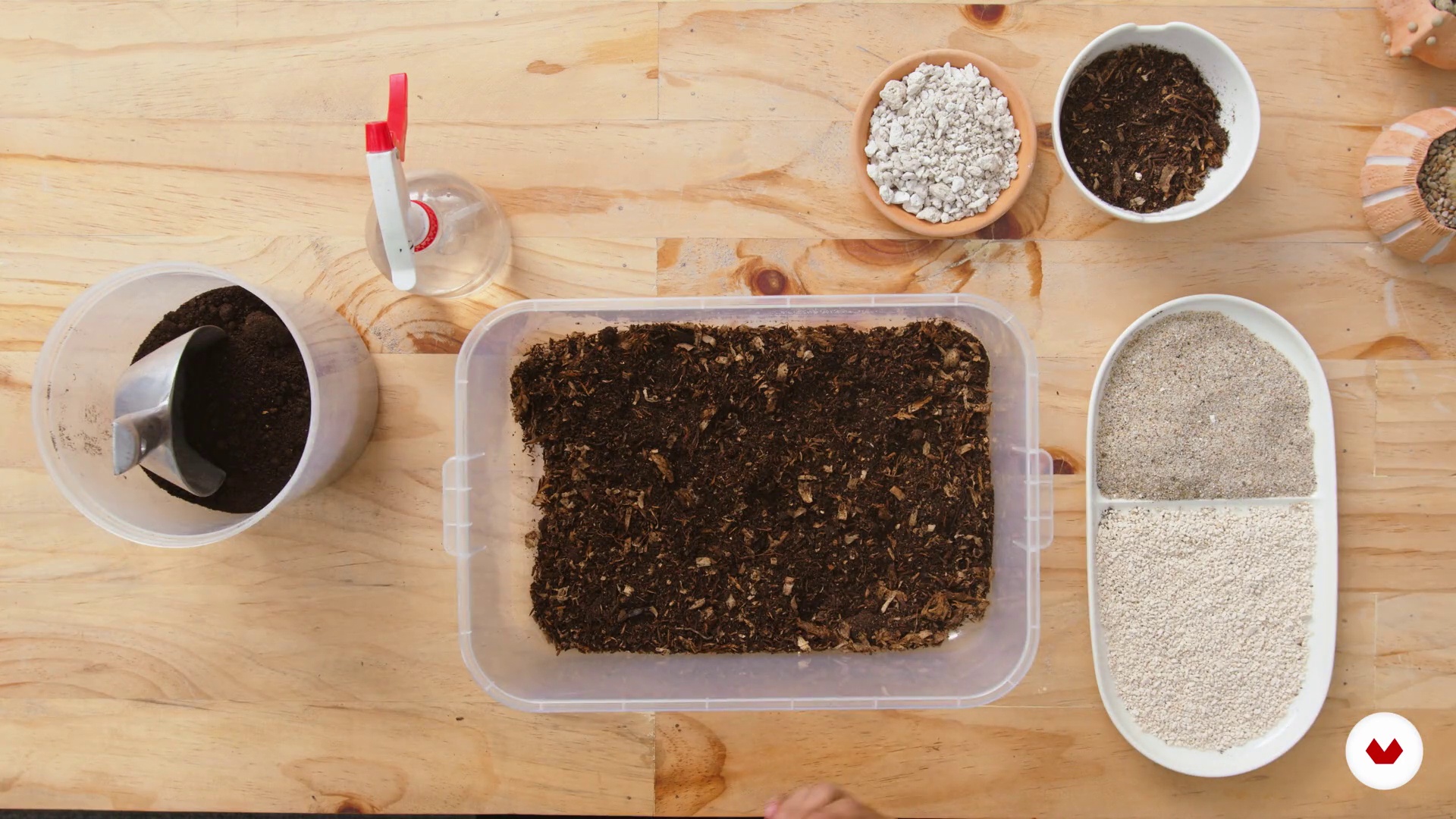
8Development of the suitable substrate for arid terrarium
We'll talk you through creating the right substrate for your terrarium. We'll mix the prepared soil (available at any gardening store) with additional ingredients (perlite, humus, and black soil).
3m
 9
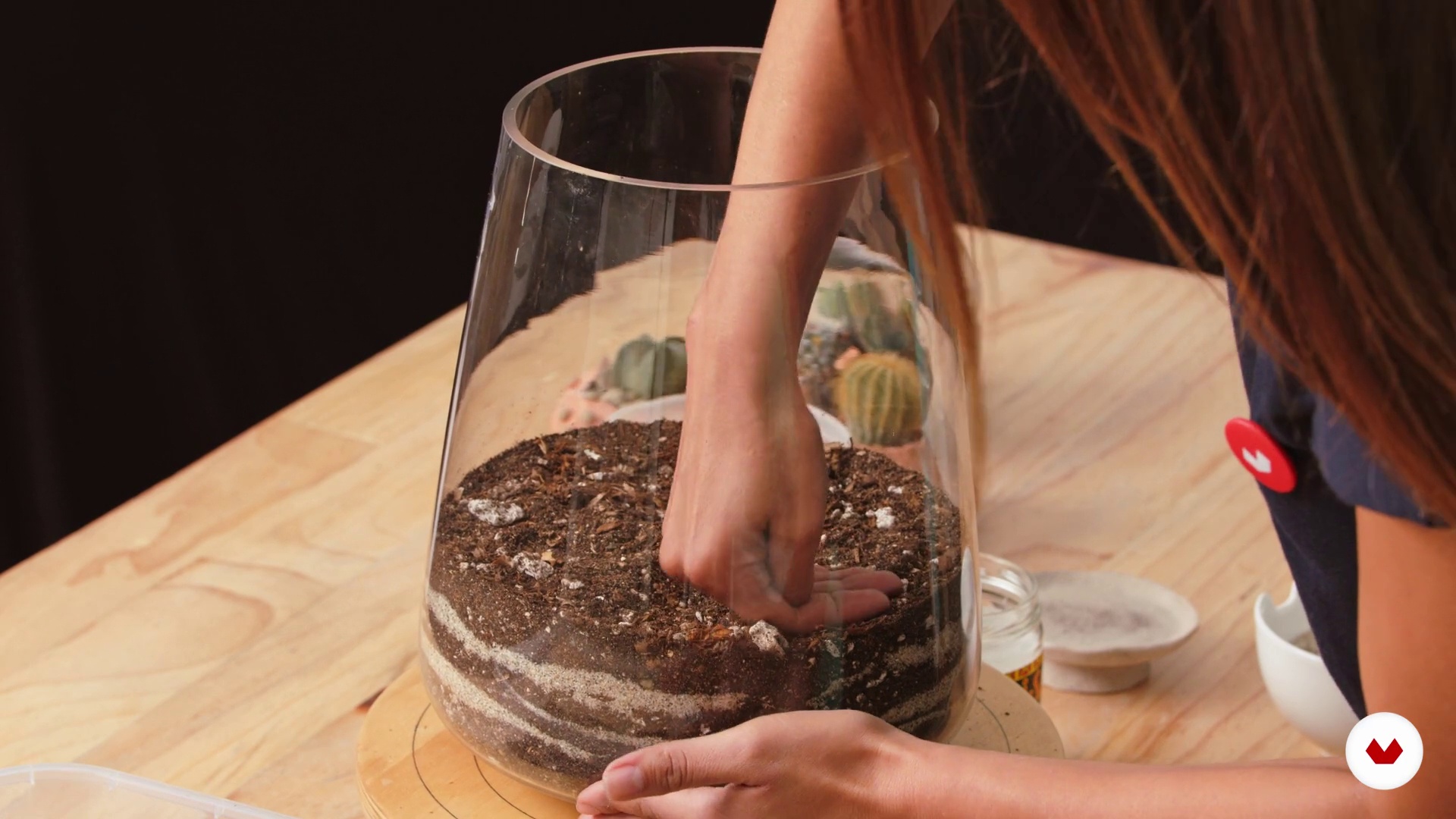
9Development of layers and decorative lines
Here you'll learn how to place the different layers your terrarium needs. You'll also learn how to draw beautiful decorative shapes.
7m
 10
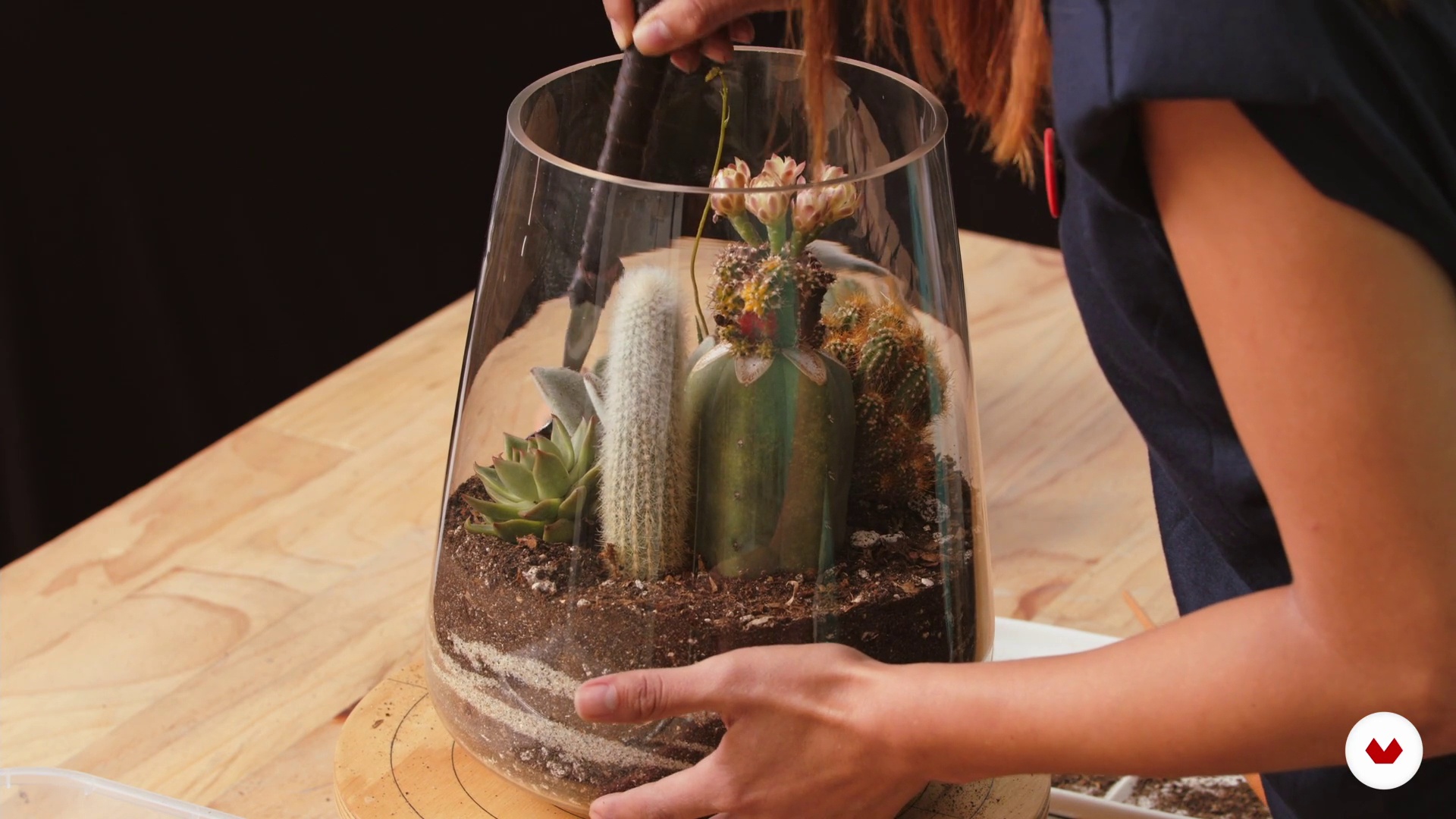
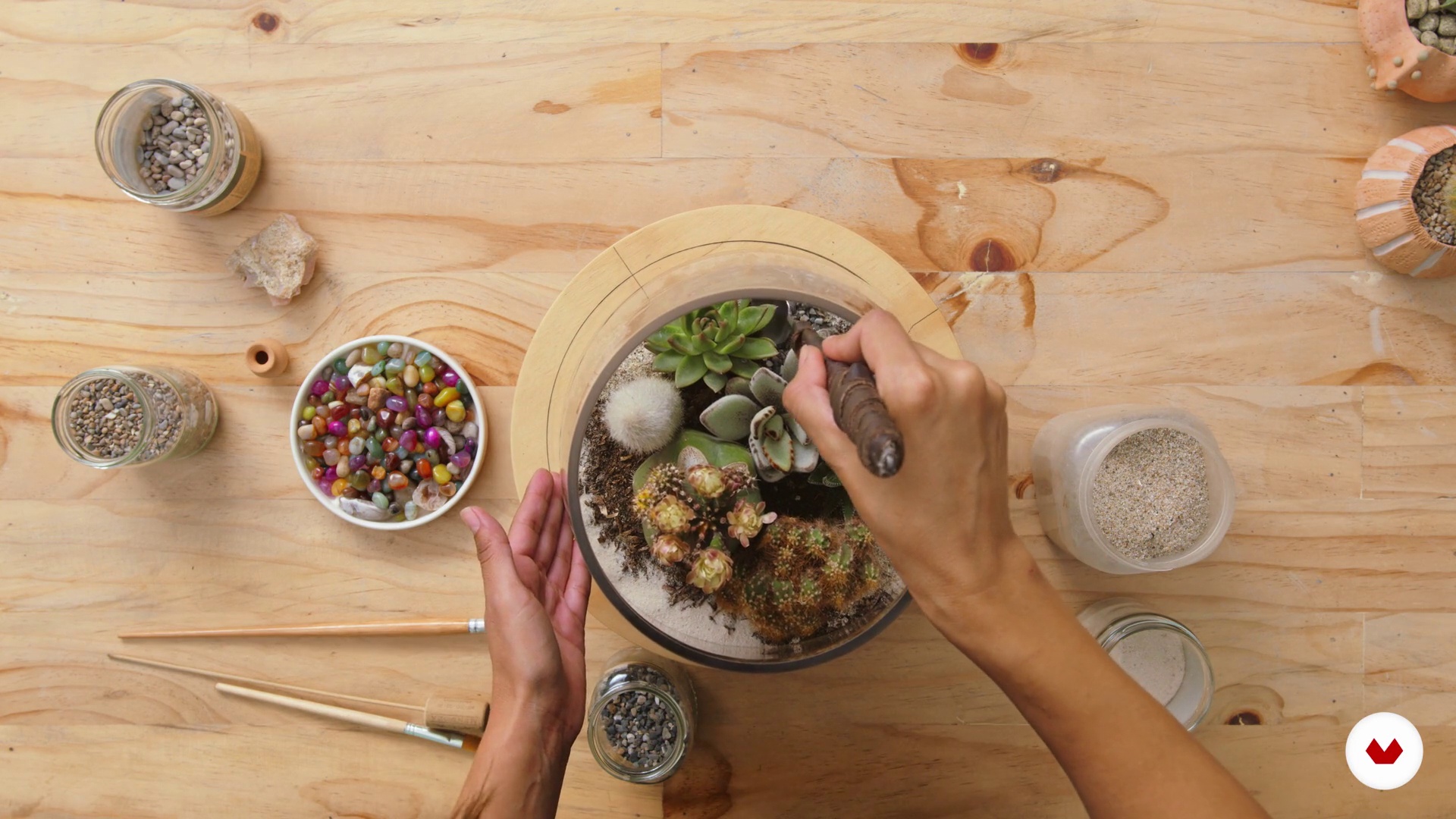
10Landscape creation
Finally, we want to show you how to complete your design using shapes, sizes, and colors to create landscapes that showcase the biodiversity of cacti.
9m
 11
11Creativity in landscape decoration
Now we'll share some decorating tips you can use to express your creativity in your terrarium.
5m
 12
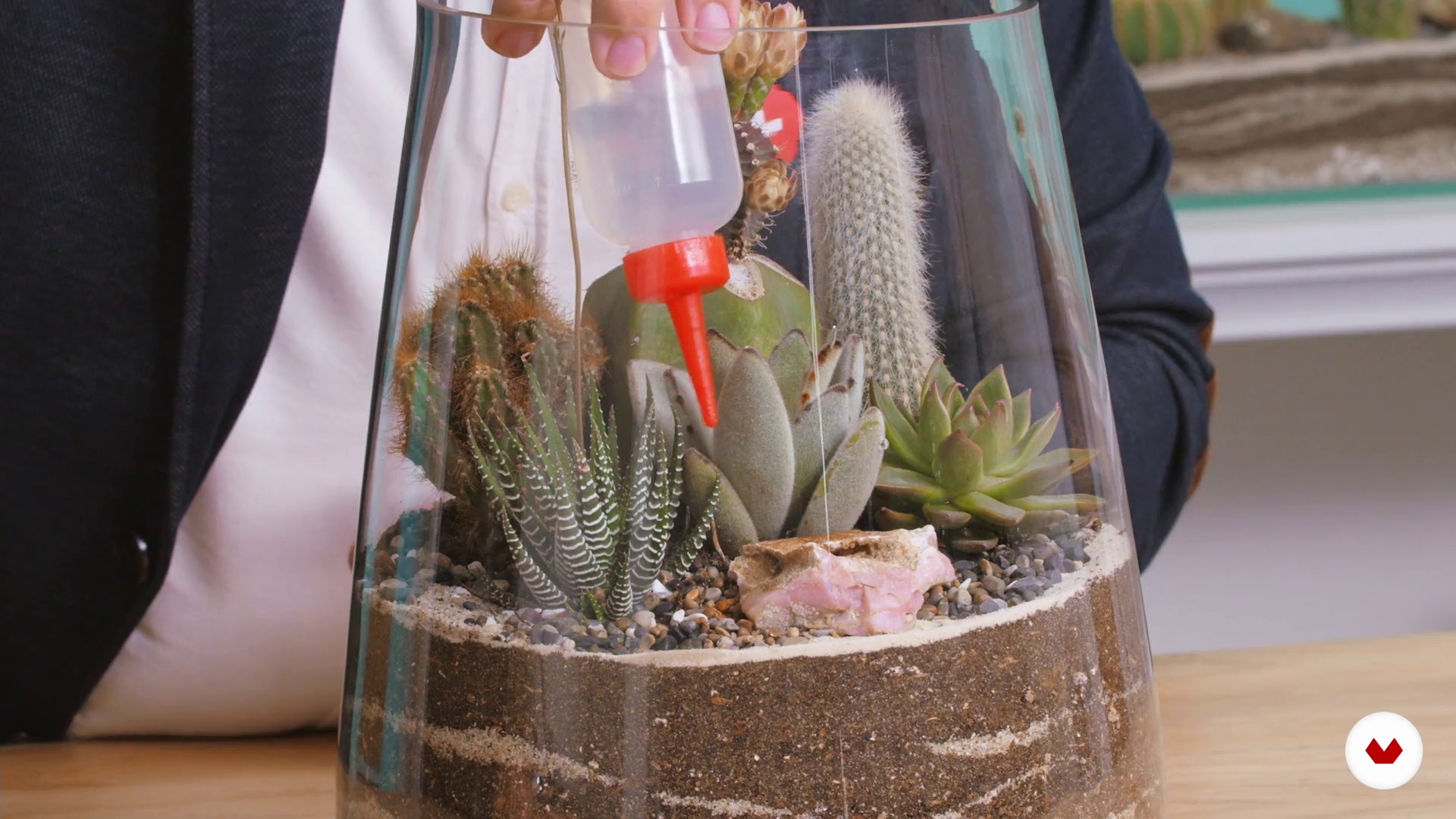
12Irrigation
In this lesson, you'll learn the best way to water to avoid drowning your plants and avoiding pesky pests. We'll tell you what type of water we recommend using and provide more watering tips for proper plant care.
6m
 13
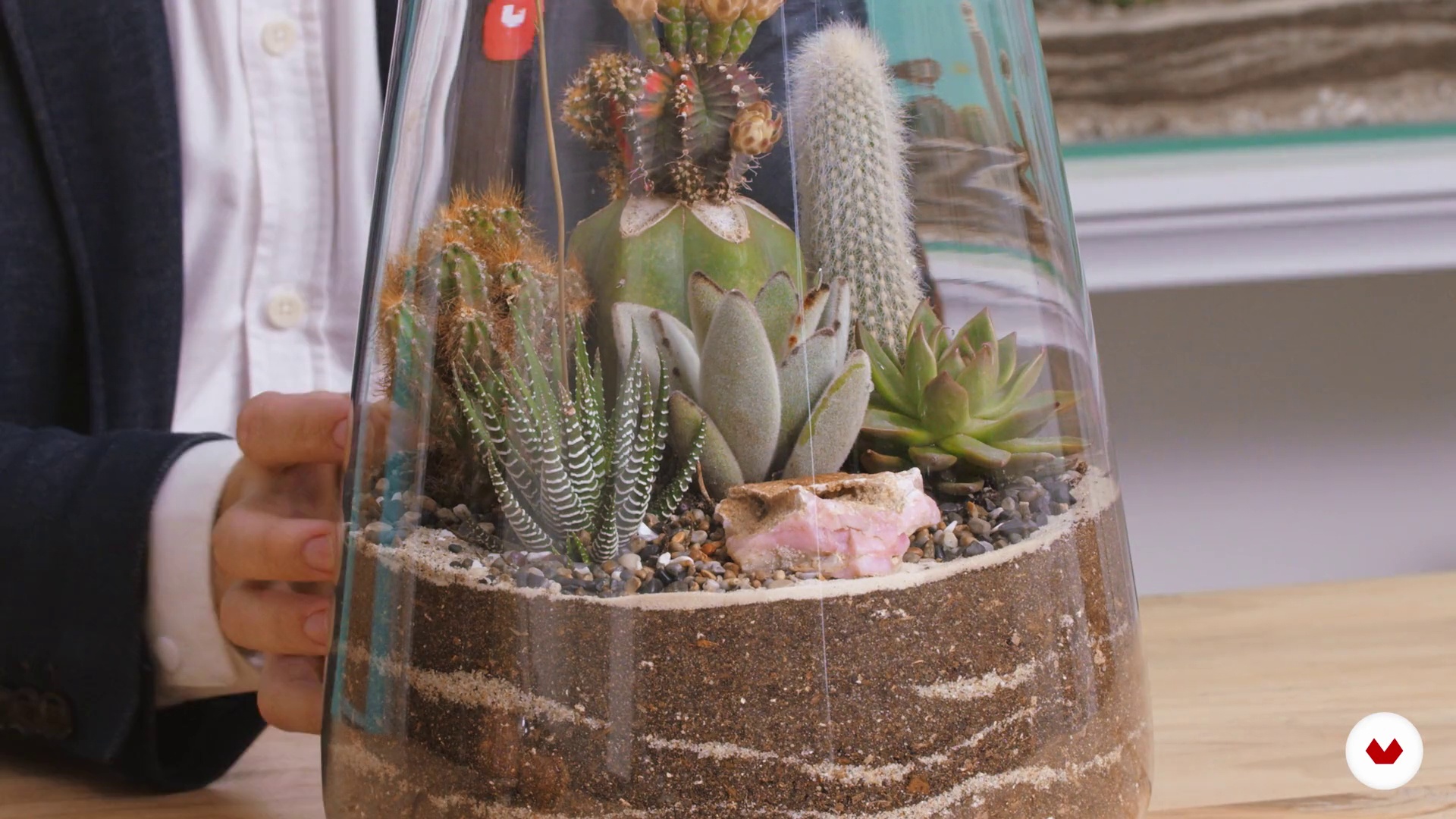
13Lighting and temperatures
Here we'll tell you about the importance of light for terrarium care. We'll teach you the care that cacti and succulents typically require depending on the climate.
3m
 14
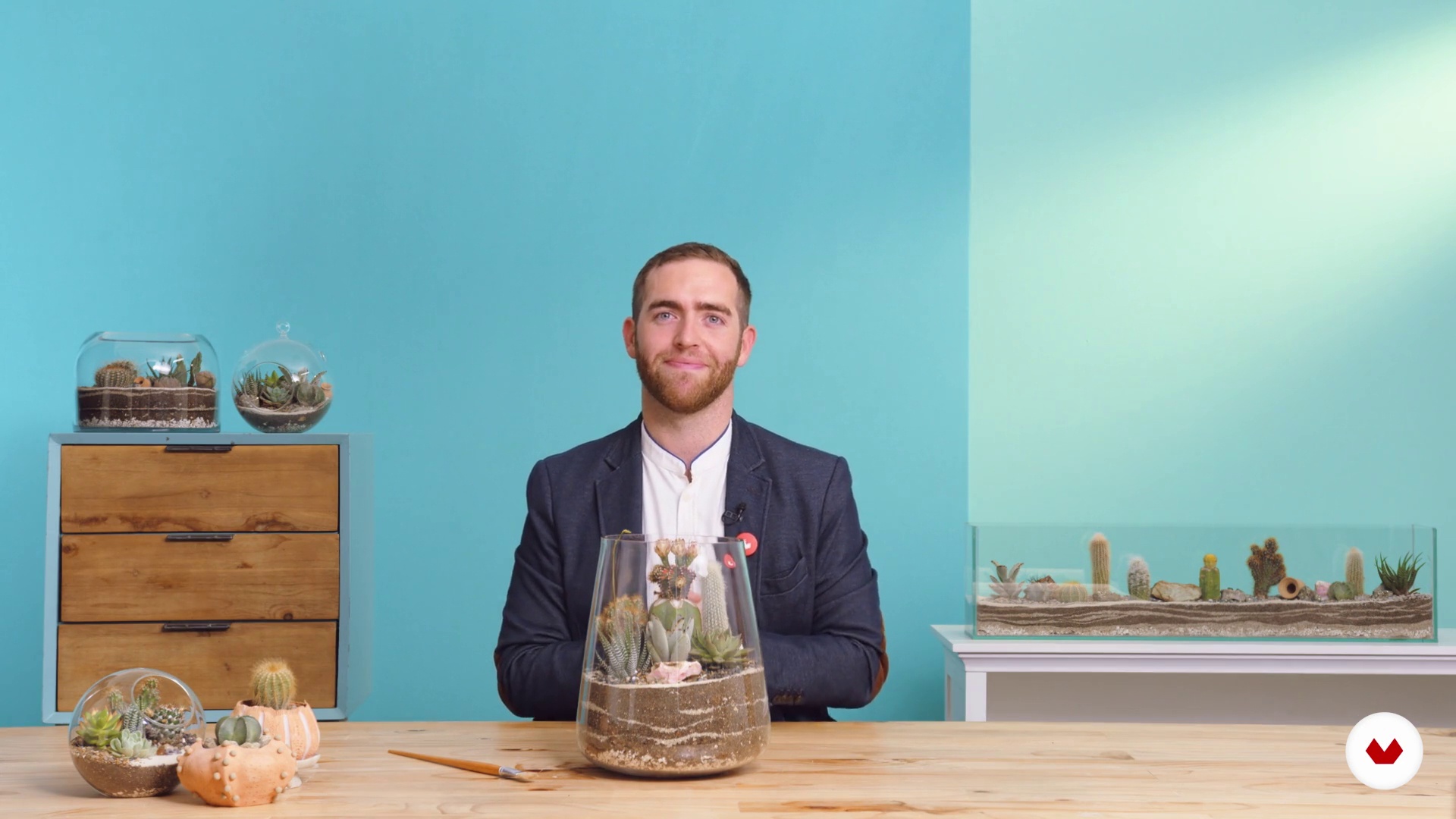
14Cleaning
Finally, we'll talk about the importance of cleaning your terrarium to keep it healthy. We'll discuss what types of natural tools to use and how often.
3m
 15
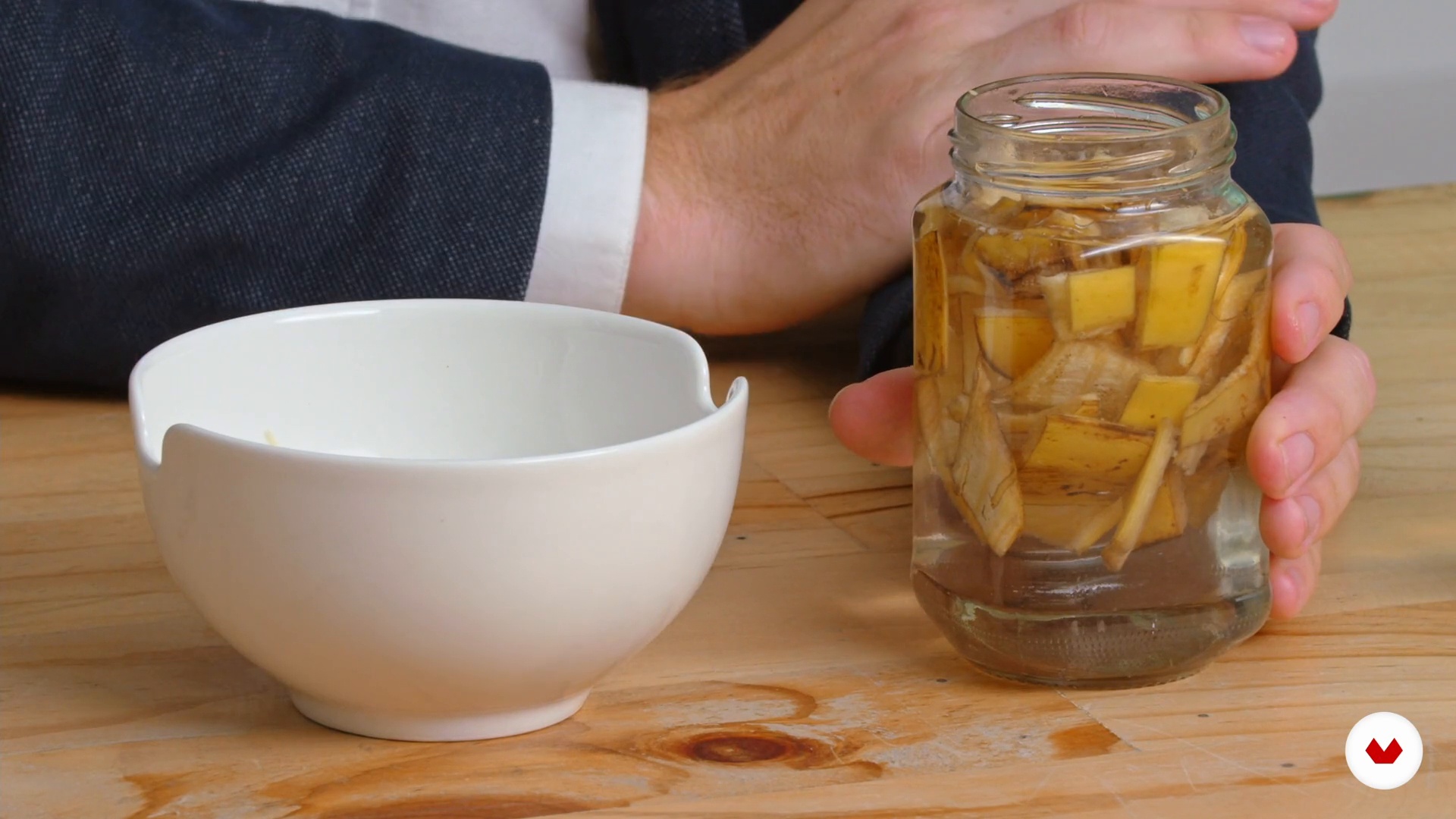
15How to extend the life of terrariums
Live performance of water with bananas to enrich the piece with minerals again.
4m
 3
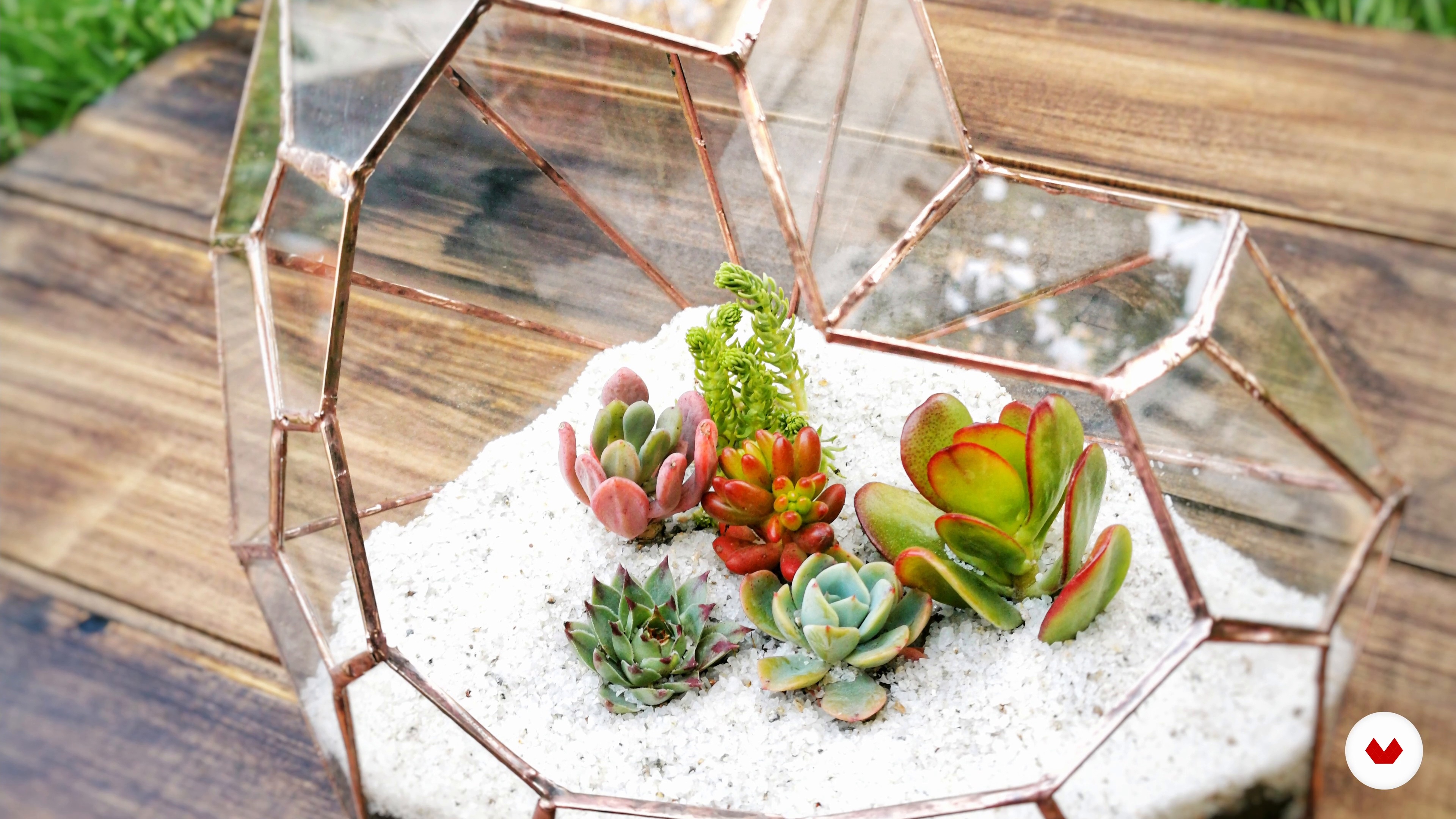
3The Tiffany Technique
In this course, I'll teach you how to build a geometric terrarium using the Tiffany technique. You'll learn how to make molds for the figure, how to cut glass, how to solder, and I'll also give you some tips on how to place and maintain the right plants for this type of terrarium.
3m
 4
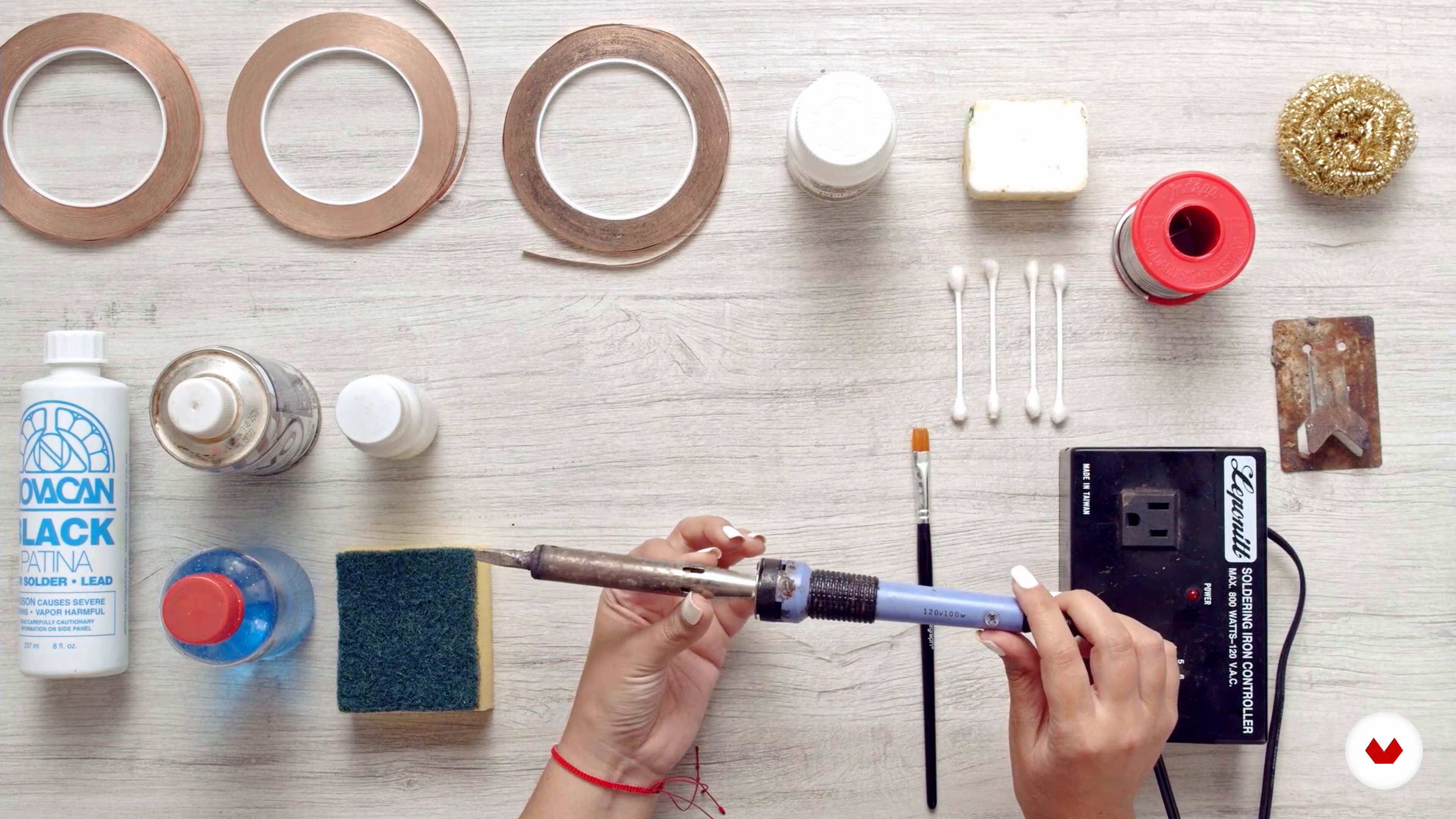
4Materials
Before we get into the technique, I first want to show you the materials you'll use to make the structure.
8m
 5
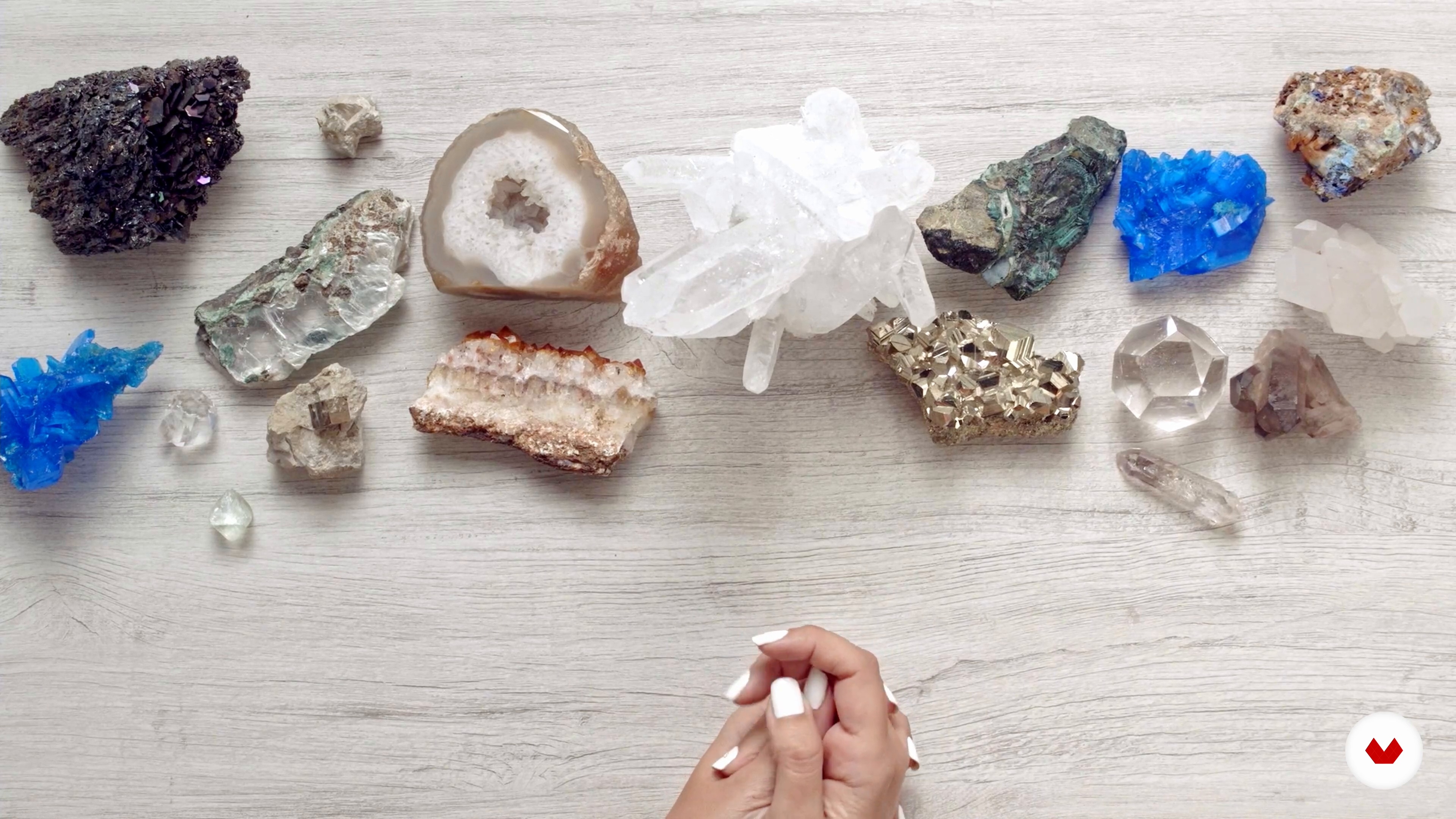
5Behavior of metals and minerals
In this lesson, I'm going to teach you about the different metals you might encounter when working with this technique and how each one behaves. I'll talk about different types of metals, such as copper and tin.
6m
 6
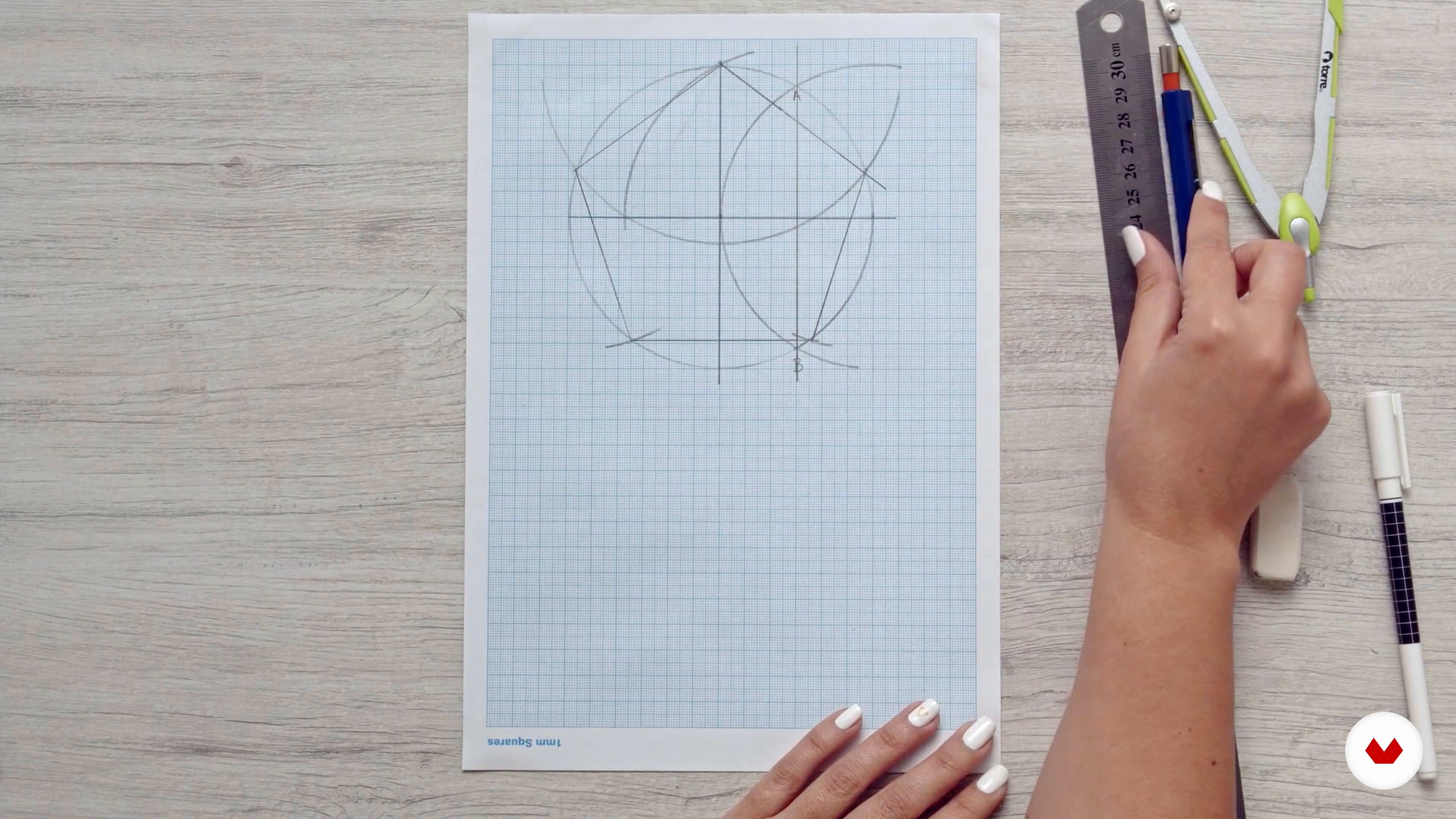
6Molds
In this lesson, I'll teach you how to create the mold needed to achieve the exact shape required for each of the terrarium's pieces. I'll explain the considerations you should keep in mind, such as the size of the pieces.
5m
 7
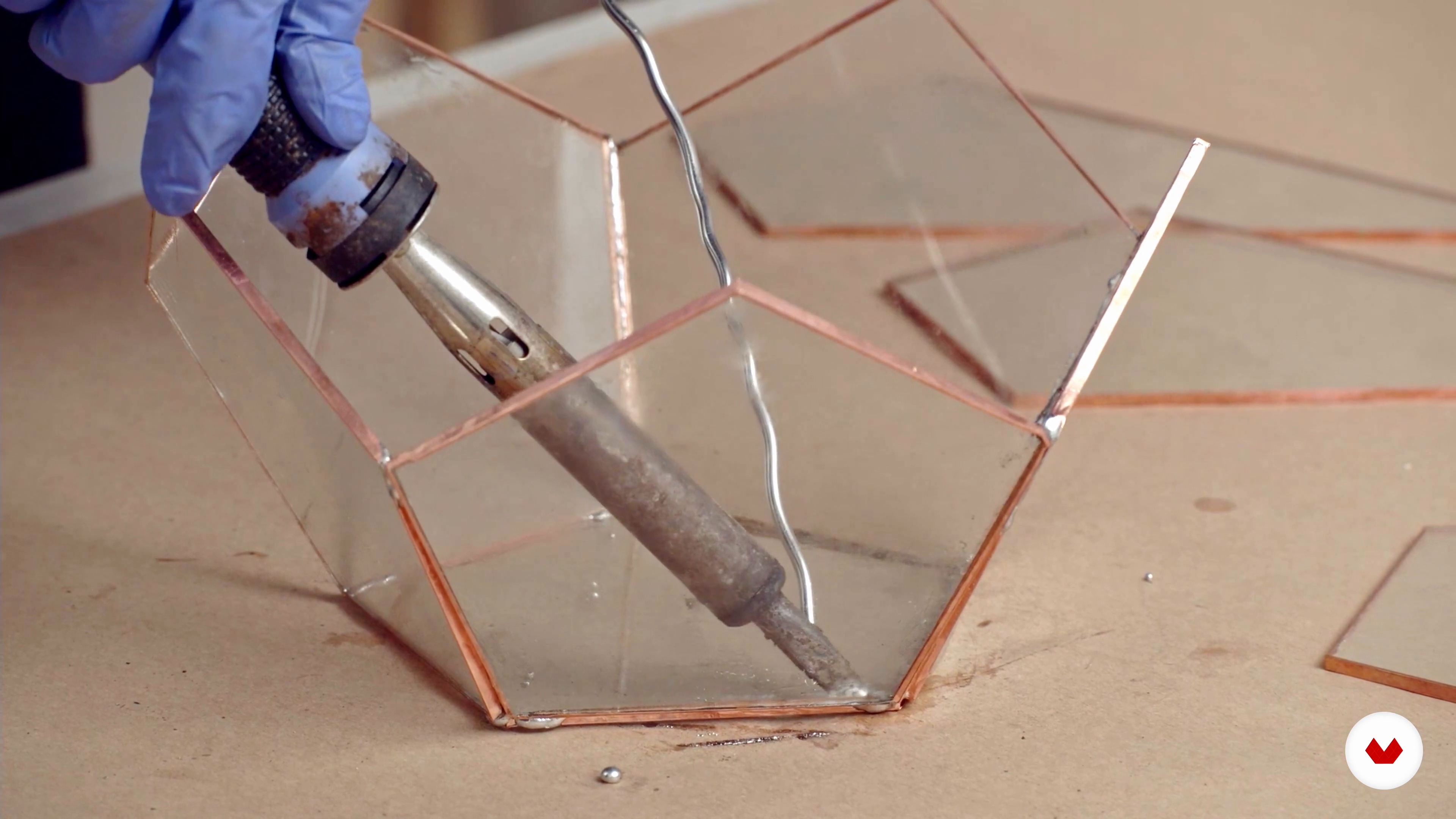
7Building the structure
This lesson is one of the most fun! Here, I'll teach you how to cut the glass pieces and then copper-plate them. Then, you'll learn how to solder each piece together to create the pointed dodecahedron. Finally, I'll teach you the correct way to apply the patina and give the container its shiny copper color.
19m
 8
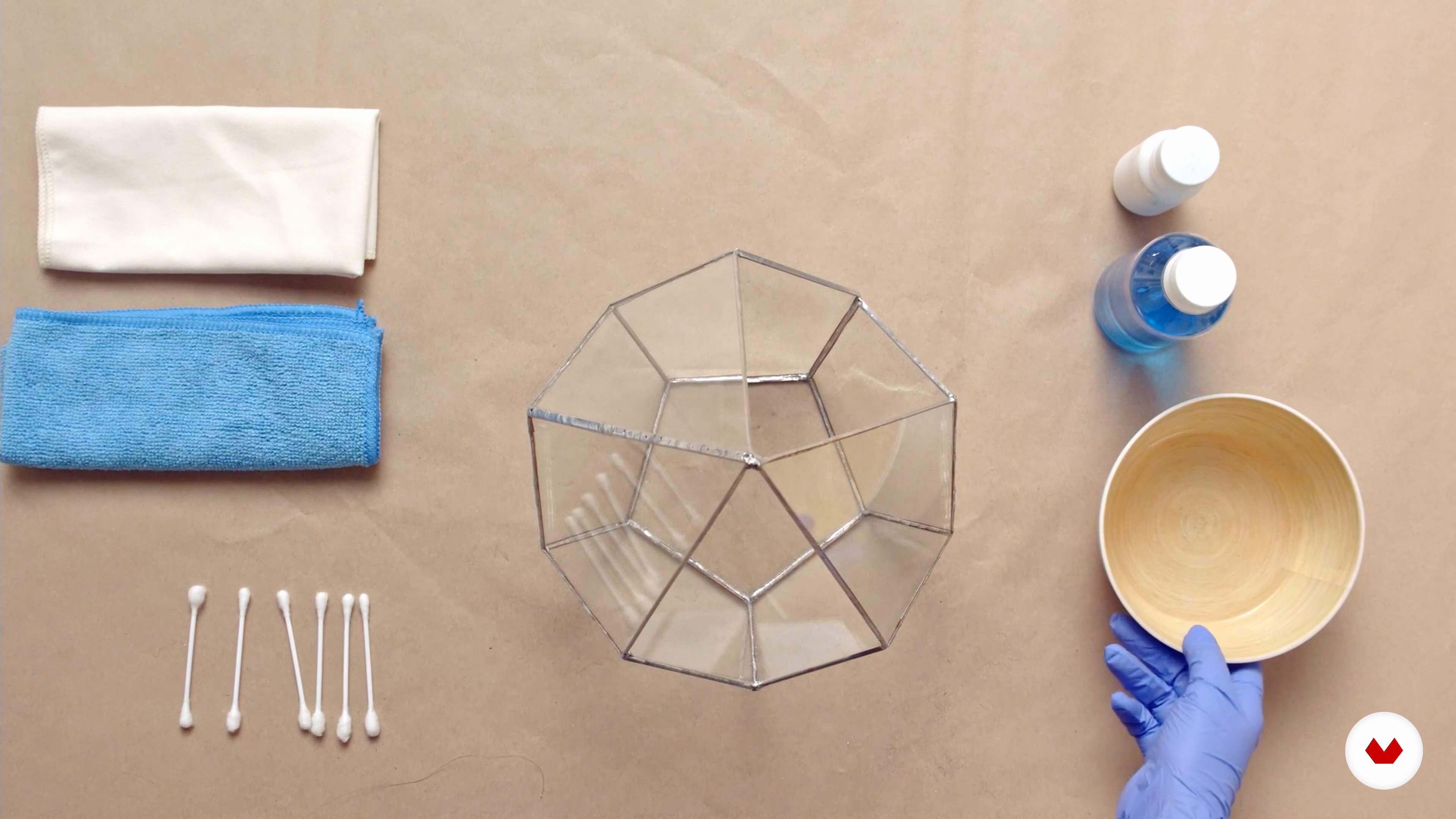
8Applying the patina
Here I'll show you the ideal way to clean your terrarium. You'll learn how to remove impurities from the metal that may be left behind by water, soap, and flux to achieve a clean, shiny, and long-lasting copper finish.
7m
 9
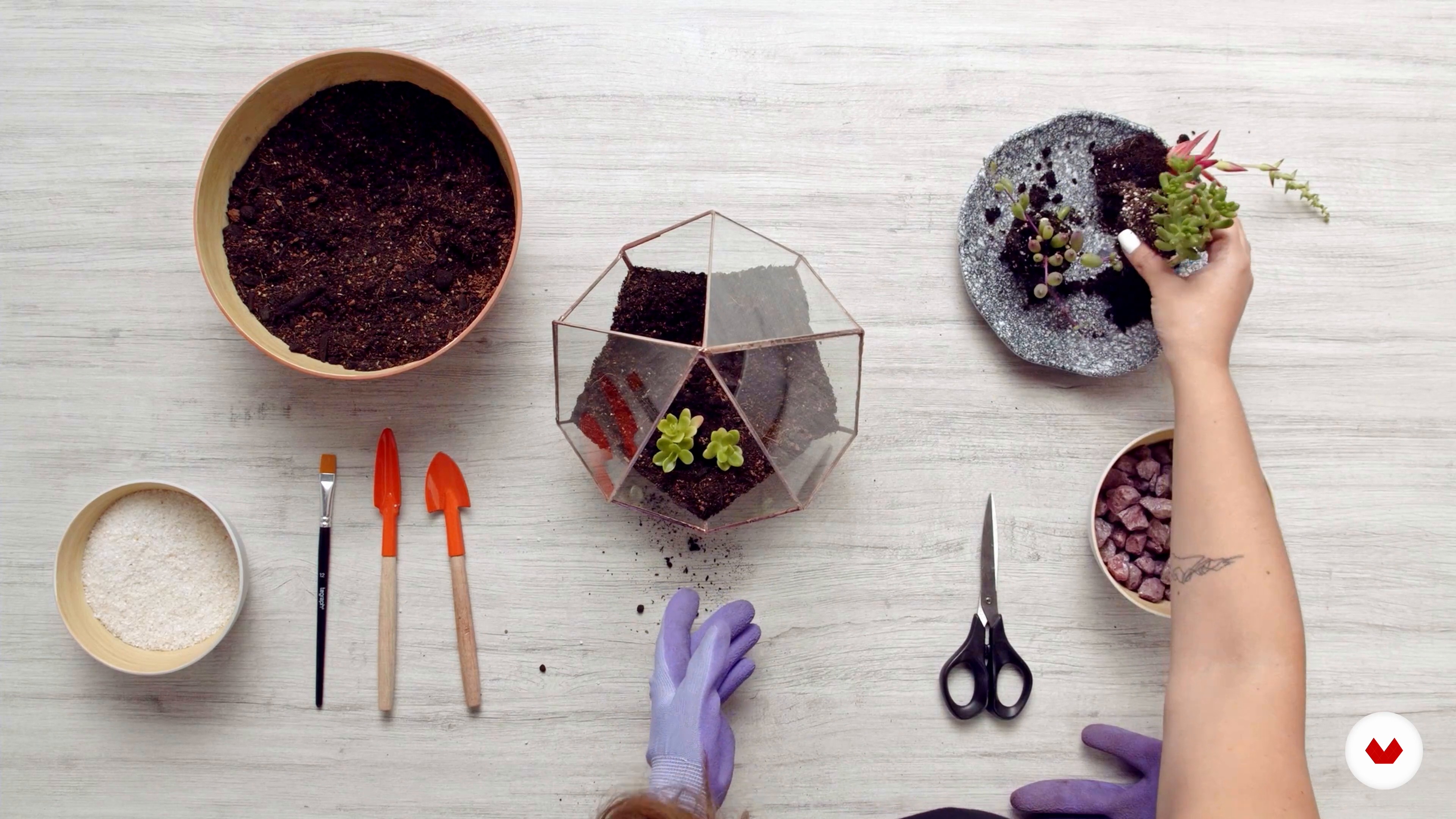
9Choosing the plants
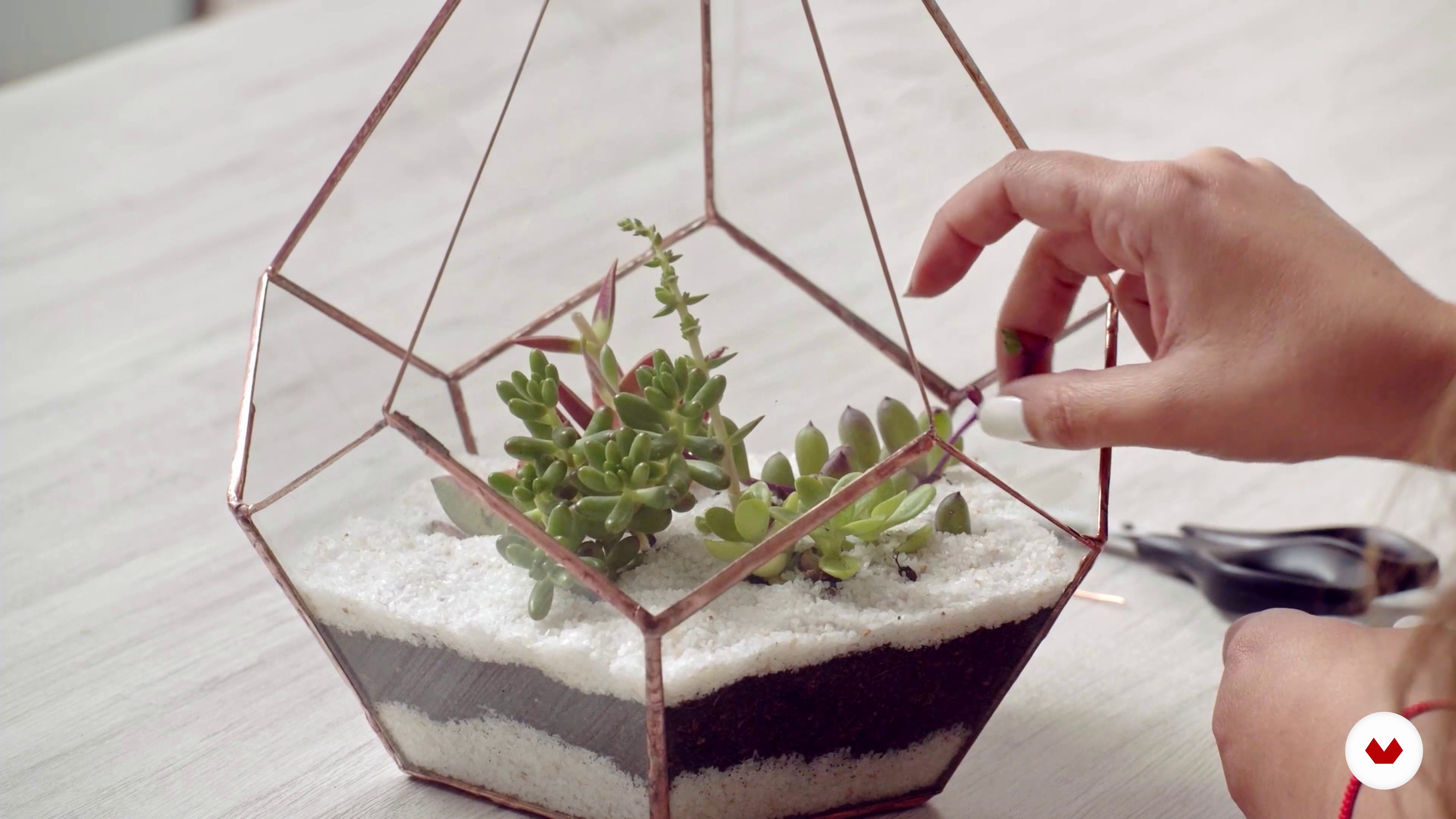
In this lesson, I'll show you the ideal plant types for this type of terrarium. I'll discuss their care, propagation, pruning, and the type of substrate they require for maintenance.
11m
 10
10Terrarium and container care
For terrarium care and maintenance, you'll need to consider two things: pruning the plants and cleaning the glass and metal. I'll cover both in this lesson.
4m
 11
11Other structures
Before you dive into your final project, I'll show you some other structures you can make using the same technique I taught you.
2m
 3
3Introduction to Kokedamas
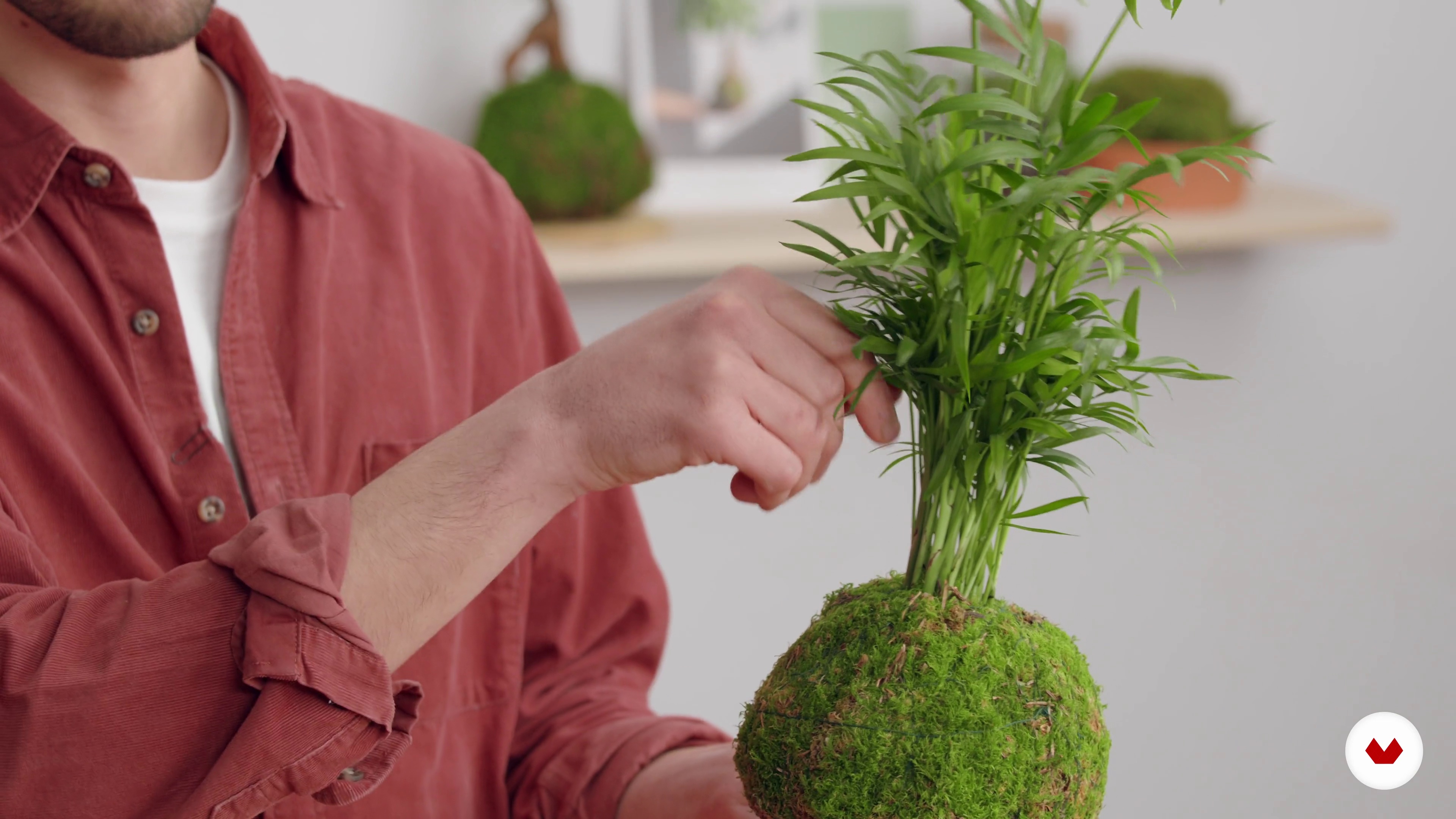
In this lesson, I'll explain what a kokedama is and what it's made of. We say they're like bringing a piece of nature into your home.
2m
 4
4History of Kokedamas
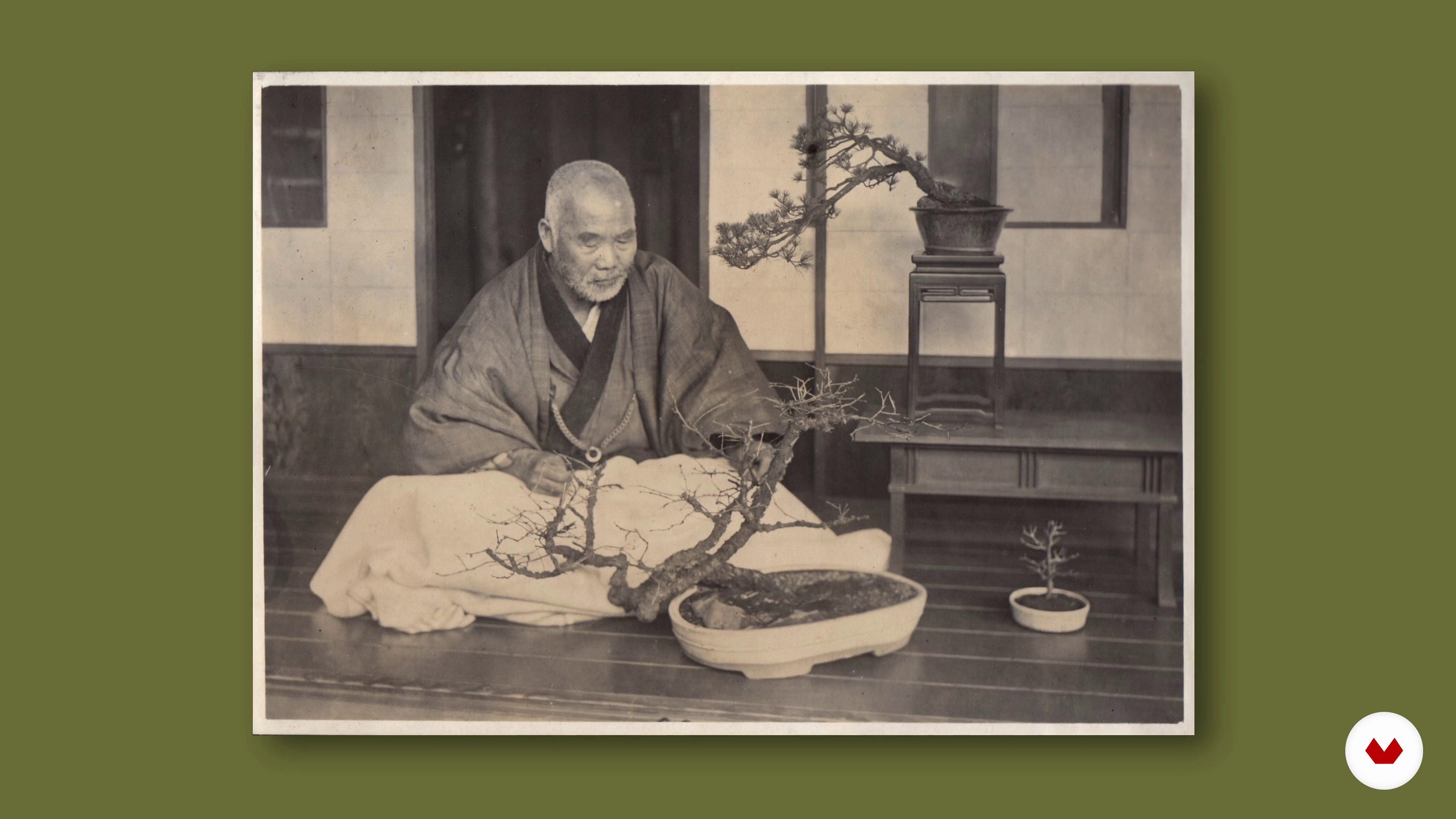
Next, I'll tell you about the origin of kokedamas and their relationship with Japanese culture.
2m
 5
5Materials
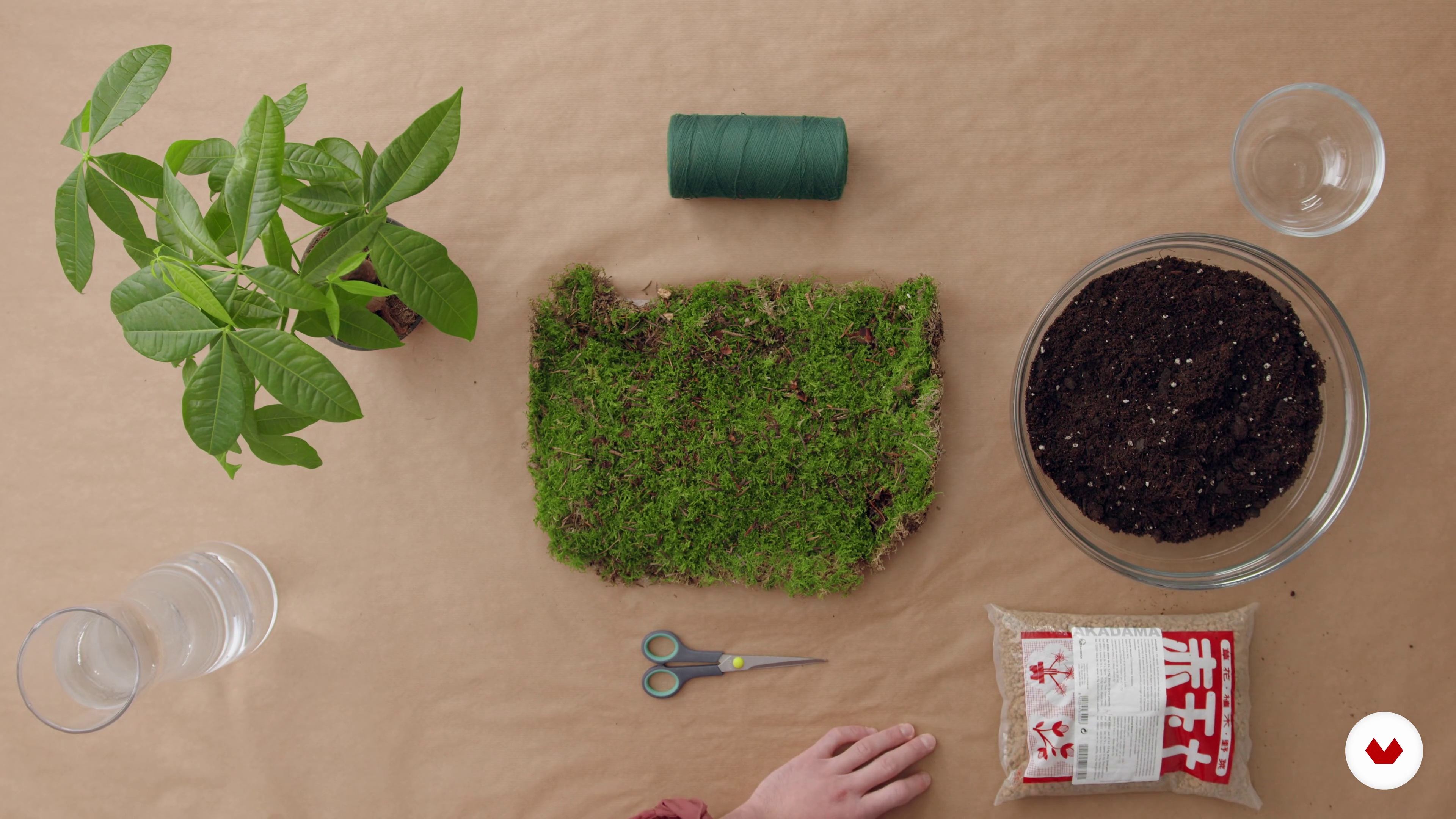
Now let's review the different materials needed to make kokedamas and the different options and alternatives to them.
5m
 6
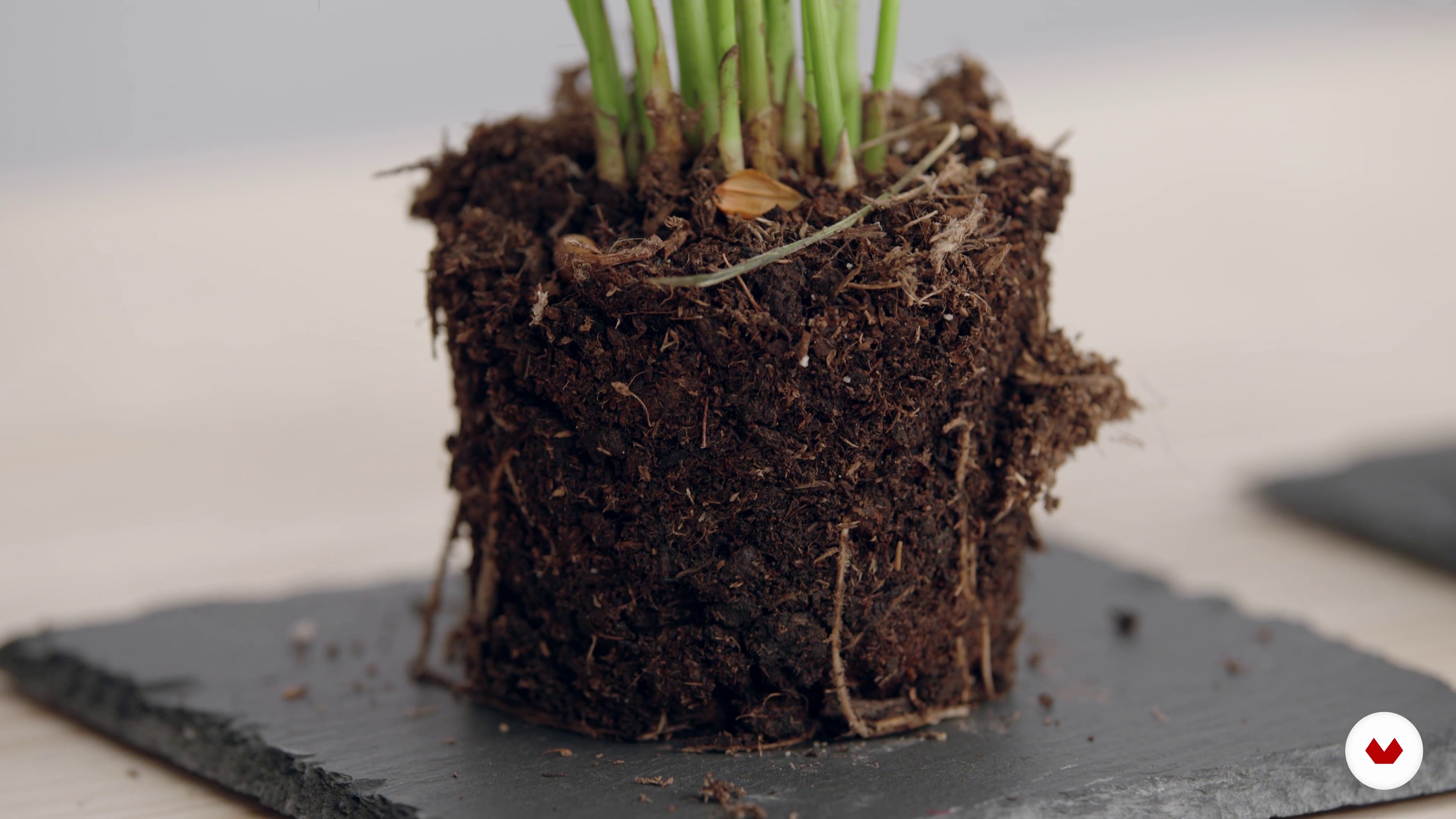
6Plants to Work with in Kokedama
Not all plants thrive in a kokedama. In this lesson, I'll show you which ones are best suited for this.
5m
 7
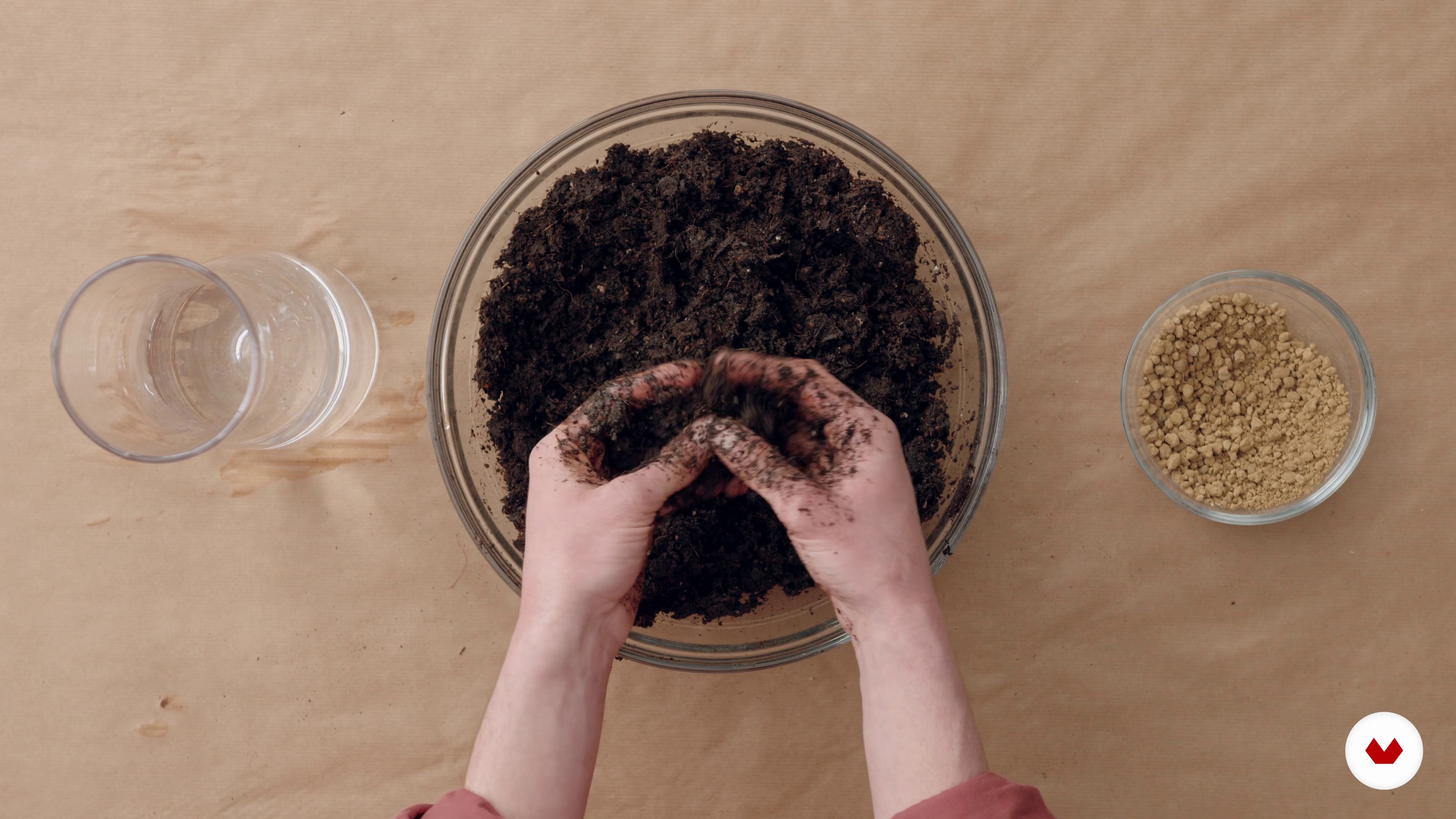
7Prepare the Substrate
In this lesson I will teach you how to prepare the mixture to make the kokedama ball.
7m
 8
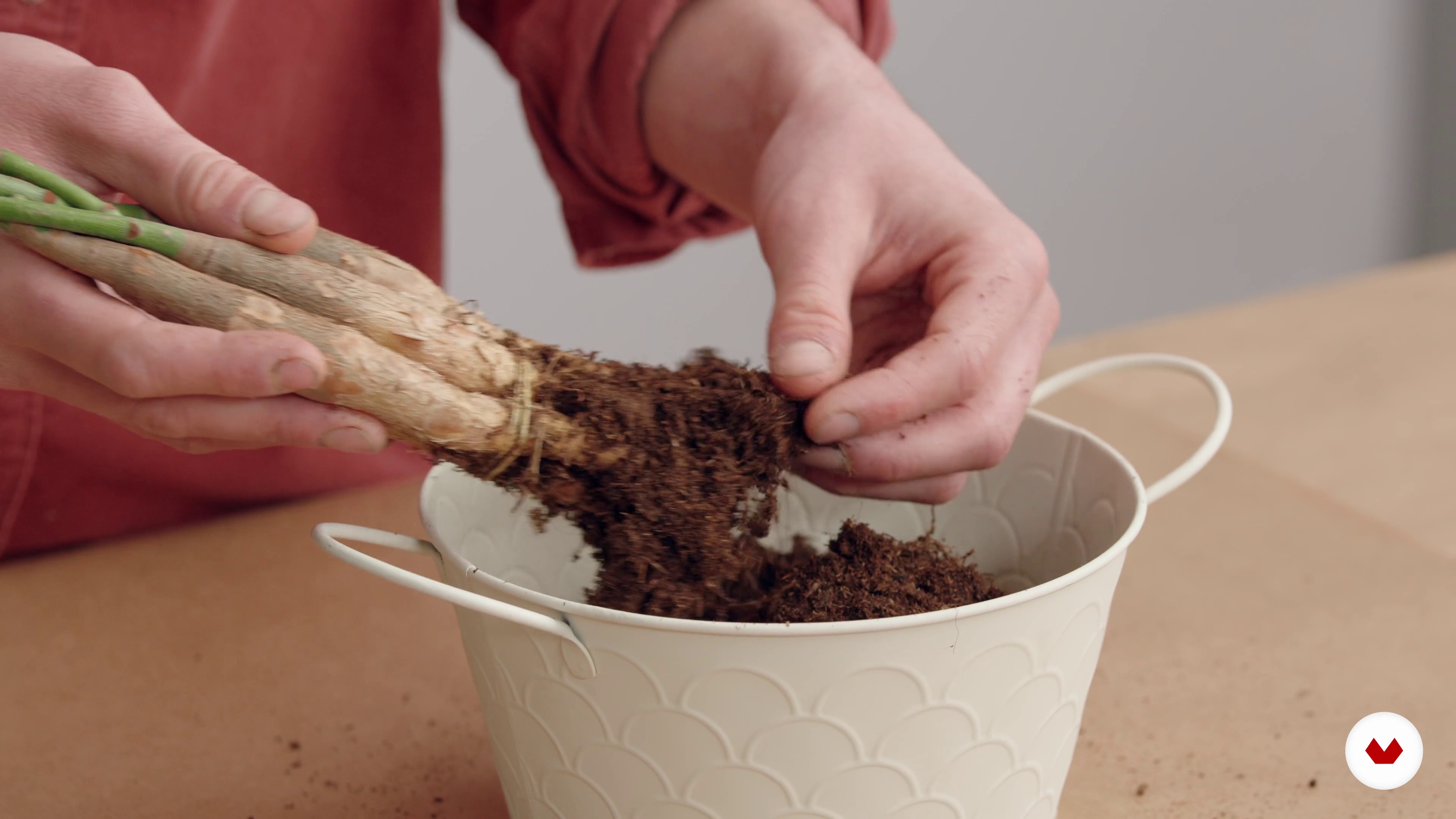
8Preparing Our Plant
Now let's see how to prepare the plant before turning it into a Kokedama. In this lesson, I'll give you some tips to ensure your plant doesn't suffer and is perfect for establishing its roots in its new pot.
4m
 9
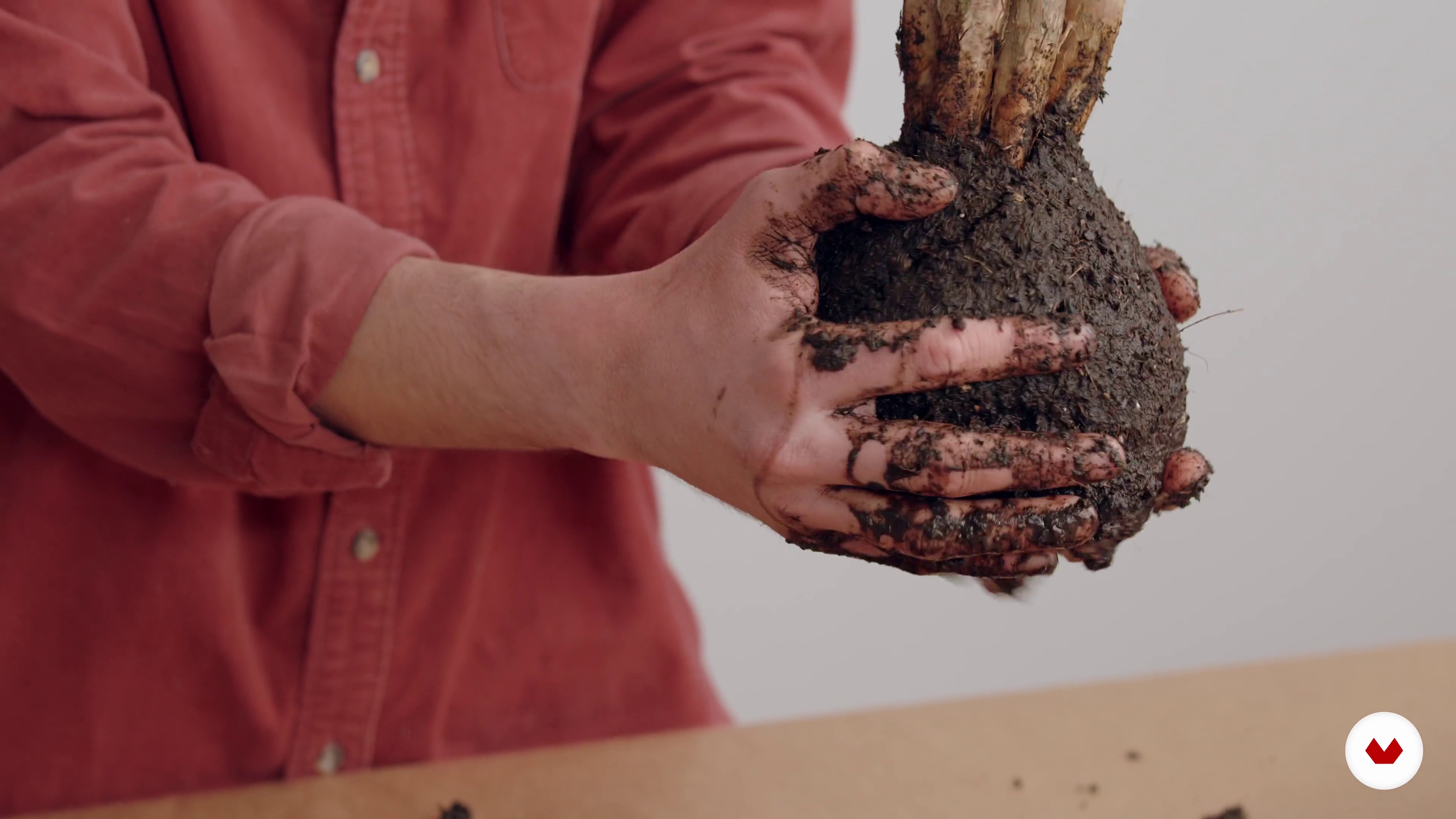
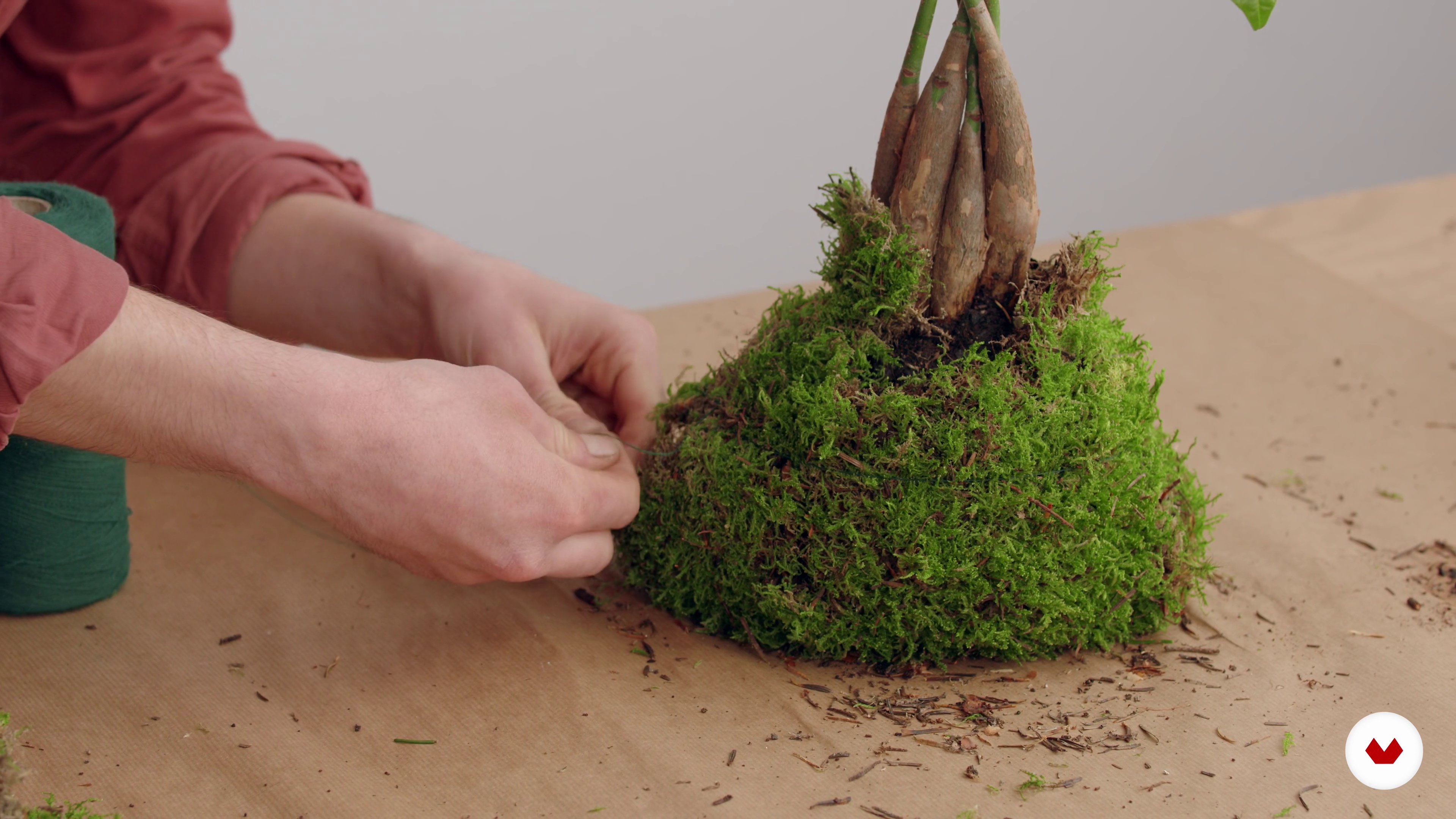
9Elaboration of the Ball
Ball making is a very personal matter, and achieving a perfect ball requires practice. Below, I'll explain how we do it and help you find your own style.
11m
 10
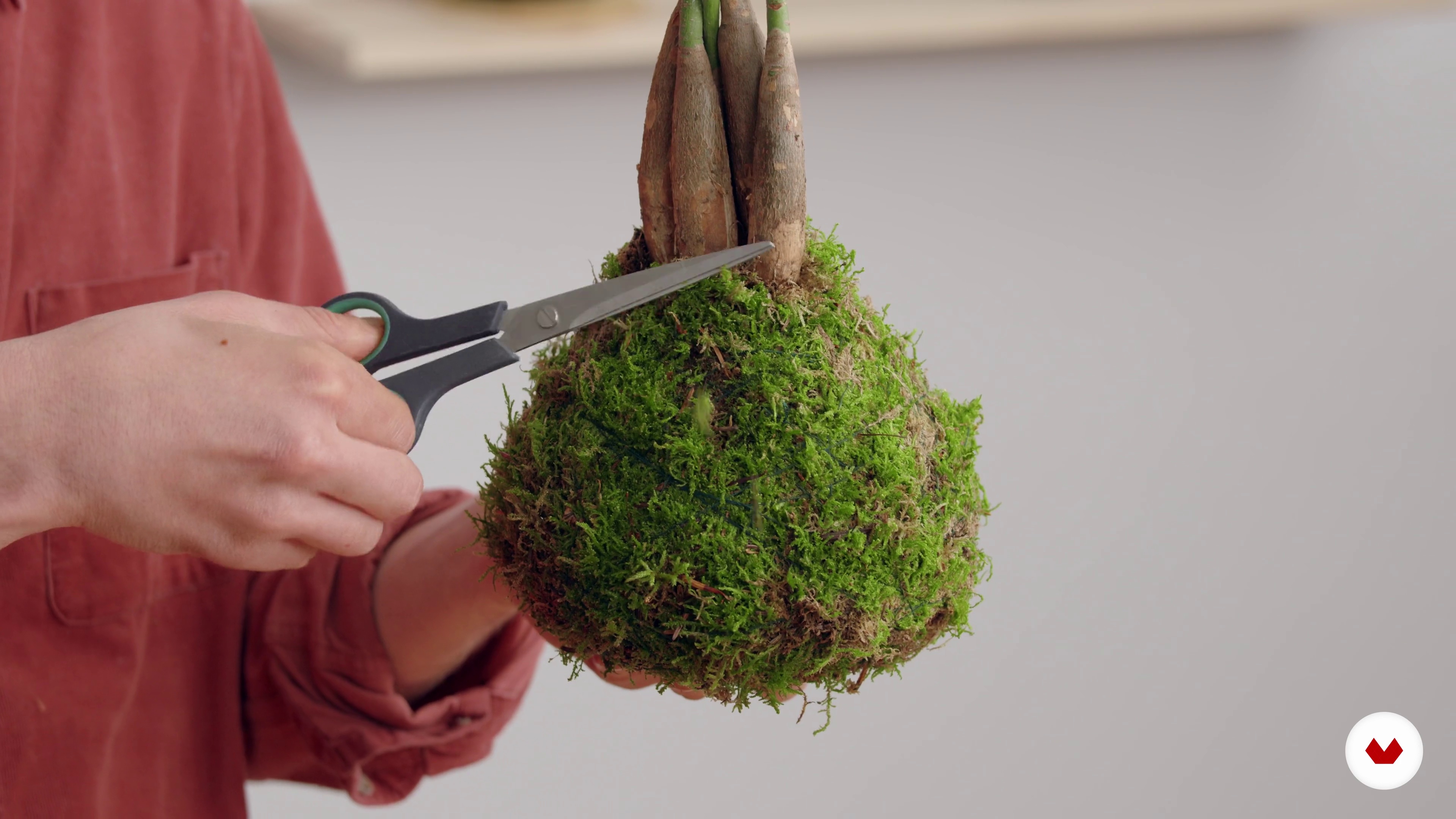
10Work with the Moss
Cleaning and preparing the moss is very important to keep our kokedama green. In this lesson, I'll tell you about the most important characteristics of moss. I'll also teach you how to clean it and how to use it to properly surround the ball.
9m
 11
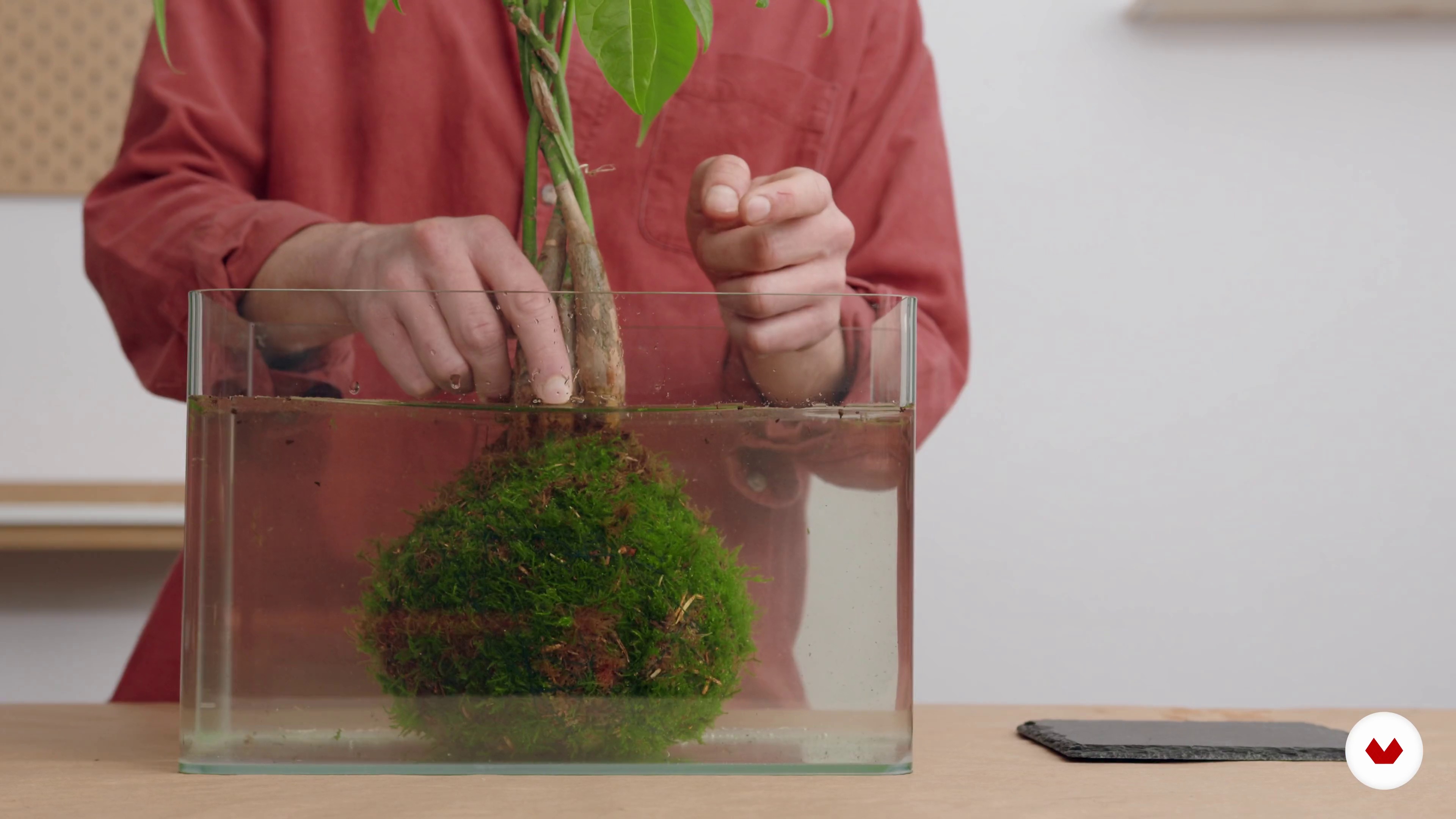
11Work with the Thread and Finishing Touch
The thread adds the finishing touch to the kokedama. There are different ways to do it, and I'll tell you about mine and the one we used at Omotesandō. I'll also show you other ways to do it, so you can choose the one you like best.
12m
 12
12Kokedama Care
Kokedama care is simple, but you should know how to do it. Here, I'll tell you what light it needs, when to water it, and what type of maintenance it requires.
5m
 13
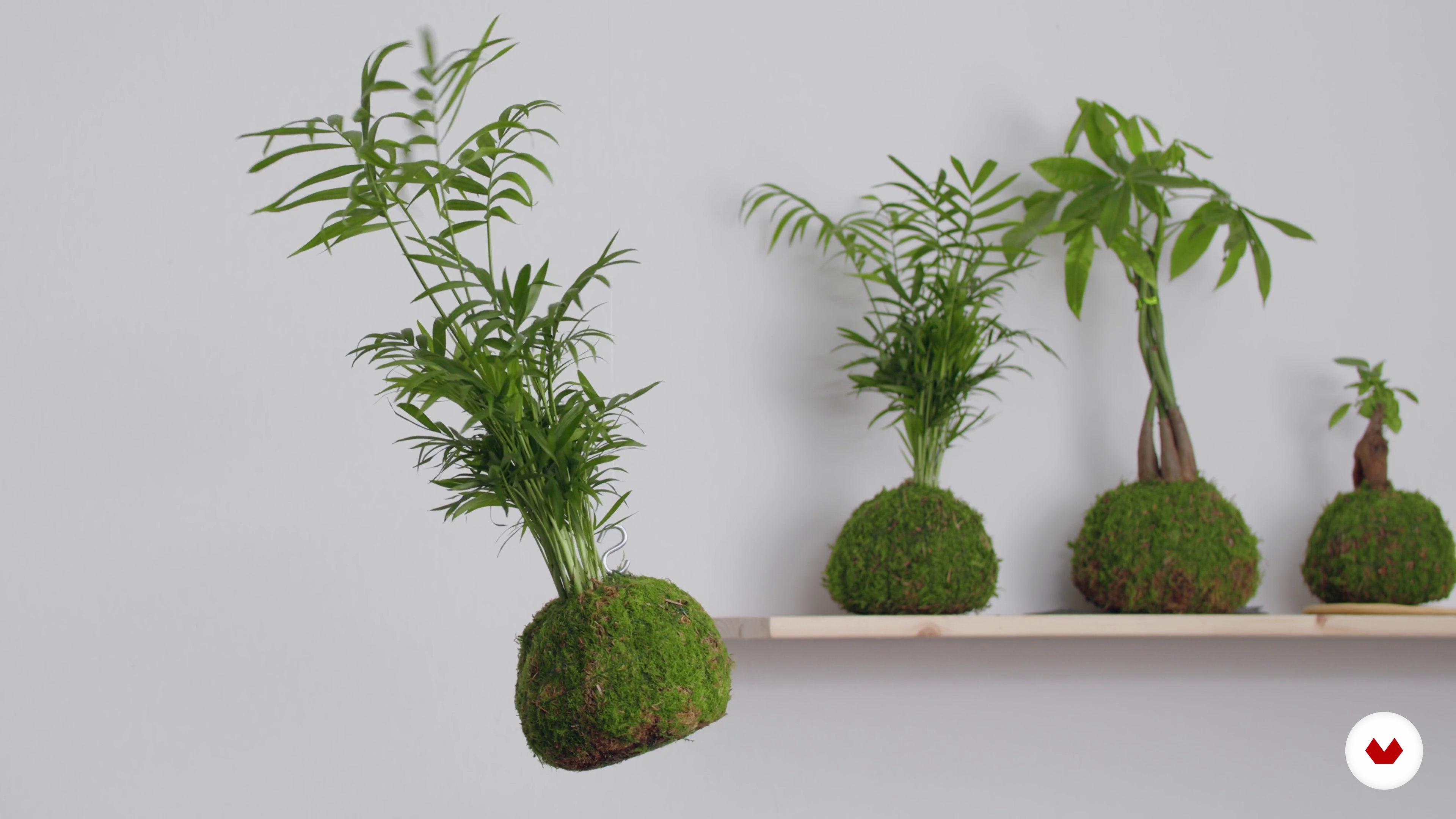
13Decoration with Kokedamas
Decorating with kokedamas can be very creative, from the base you place them on to the location. They can be hung, placed on shelves, used as a centerpiece... The options are endless, and here I'll tell you a few.
4m
 14
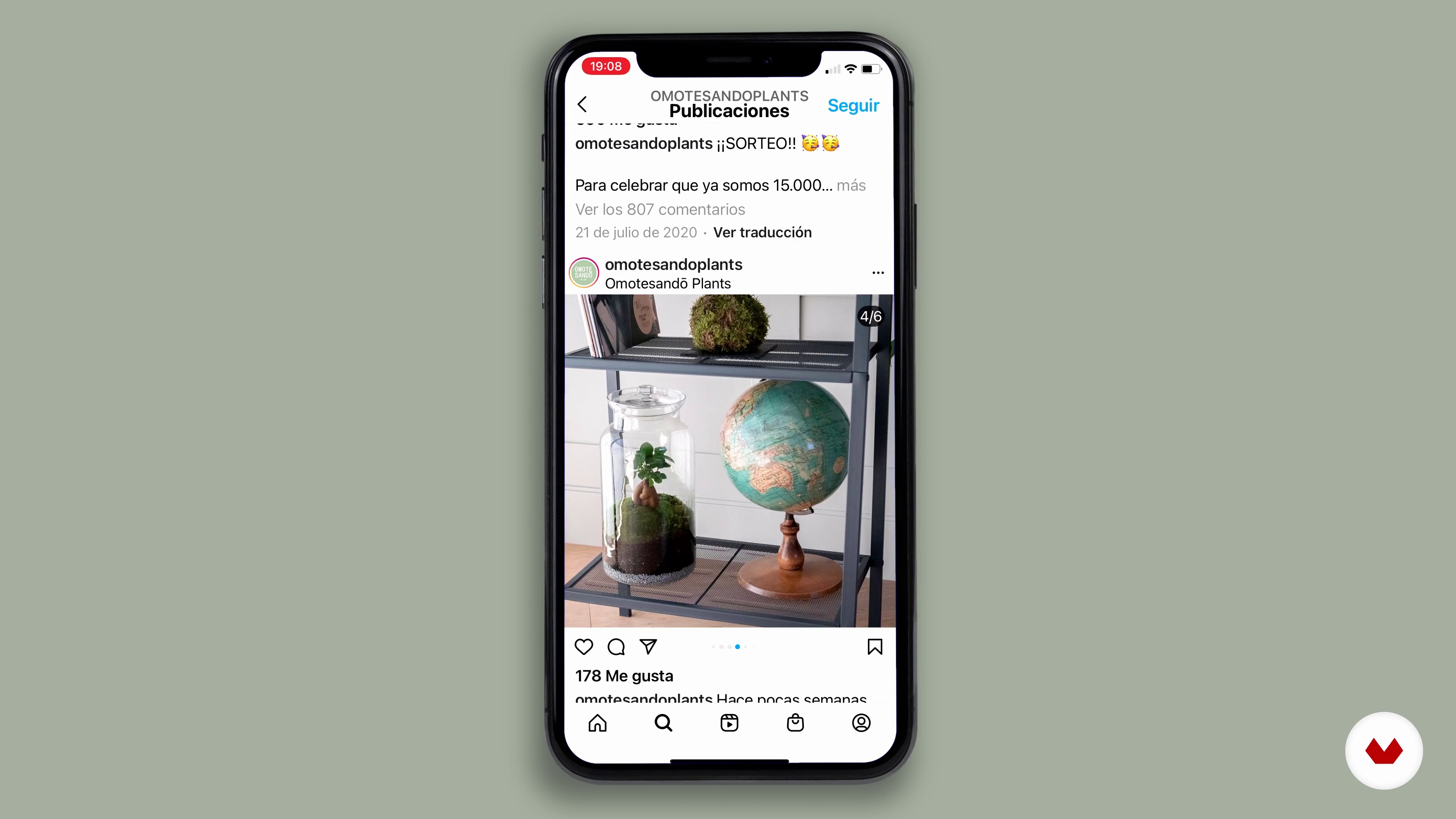
14How to Show Your Kokedamas on Social Networks
The image is very important when displaying a product. In this lesson, I'll give you some tips to showcase your kokedama on social media so it looks natural and elegant.
2m
 3
3The world of plants
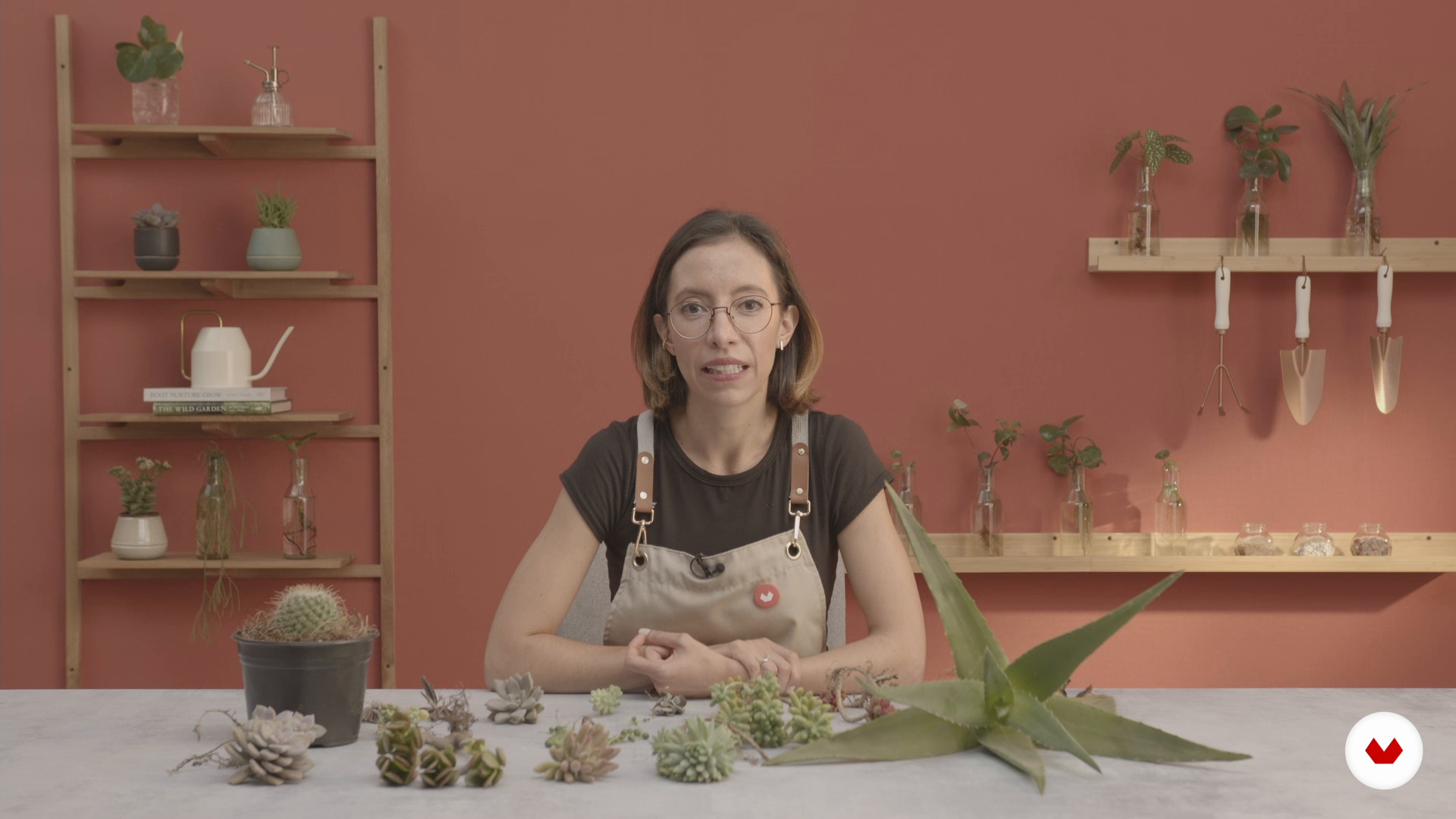
Where do plants come from? What is their natural habitat like? How have they adapted to different climates? The benefits that plants bring us. A way to return to the here and now . Plants help us cultivate our patience and create spaces of calm. Now you are going to observe and learn from nature. You will analyze plants in detail, I will tell you about the strategies they use to survive in different climates and some interesting facts; this way, you can give them the best place in your home. I will show you all the benefits of having plants in an indoor space.
14m
 4
4Basic factors
I'll explain the four basic factors you should consider and understand to ensure your plants thrive.
14m
 5
5The substrate
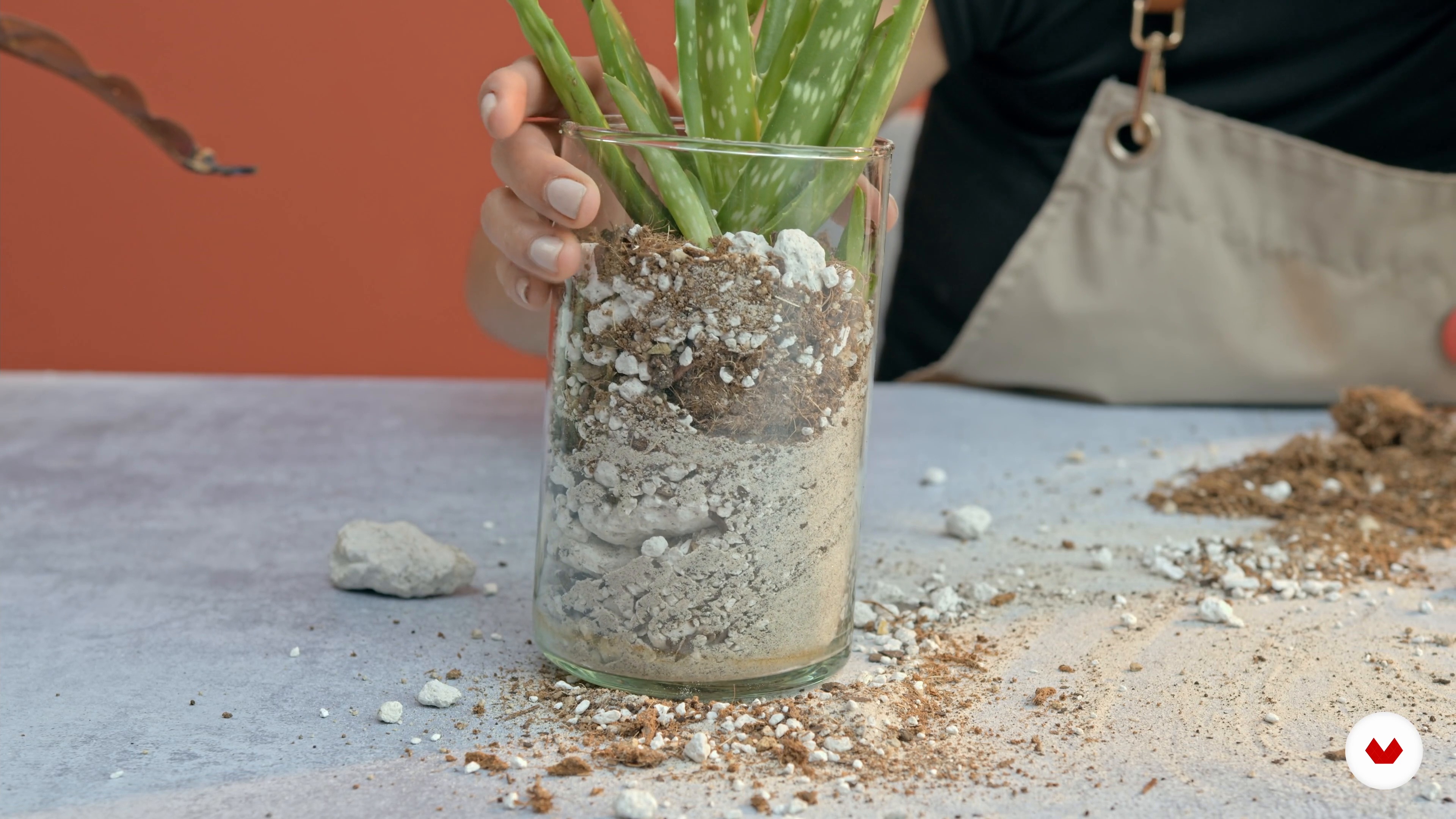
The substrate is the foundation of everything. I'll show you why it's so important and what types of mixes work well for different types of plants. You'll also learn how to keep it nutrient-rich and de-compacted.
8m
 6
6How to identify and control pests?
You'll learn to identify the most common pests and/or diseases that can attack your plant, learn why plants may be more susceptible to attack, and what products you can use to control and combat them.
8m
 7
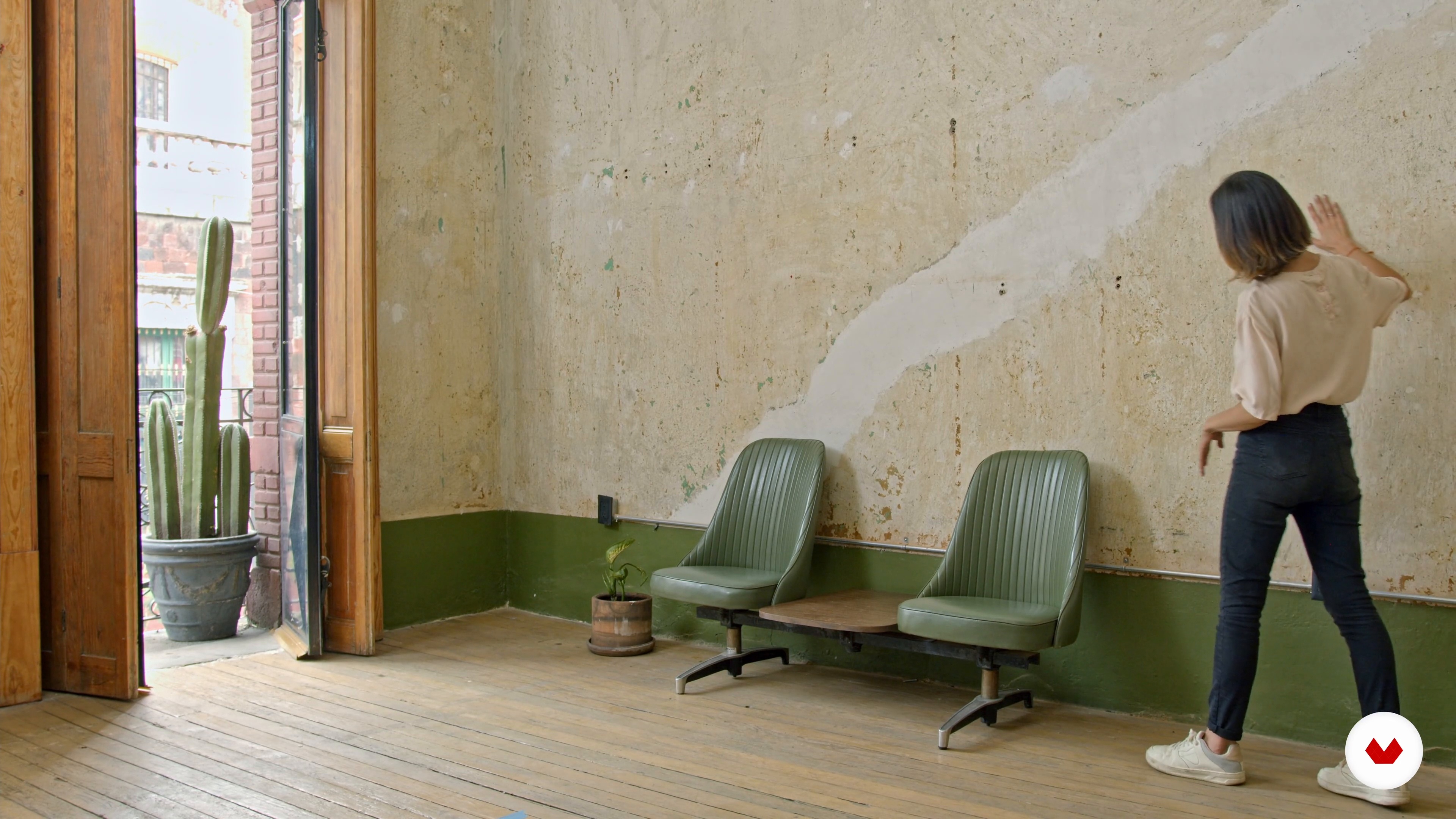
7Live the space
What does space mean to you? What do you see? What do you smell? What do you feel? What do you hear? You're going to truly experience the place through all your senses to identify and understand it so you can design it.
4m
 8
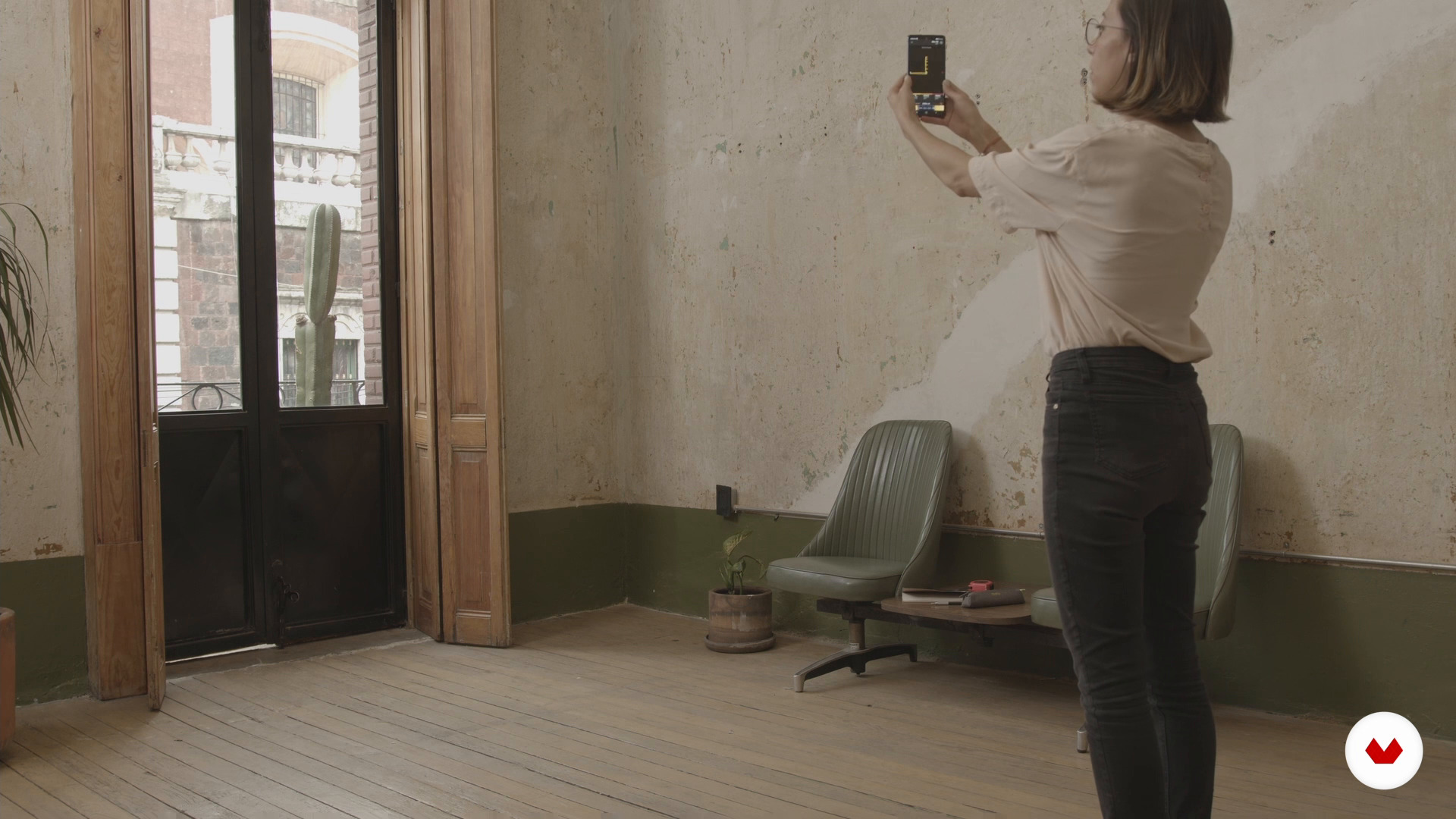
8Identify the space: information and measurements
I'll explain how to gather basic, timely information about the space you'll need to begin designing. You'll also define your goals. What are you looking to create with plants in your space?
3m
 9
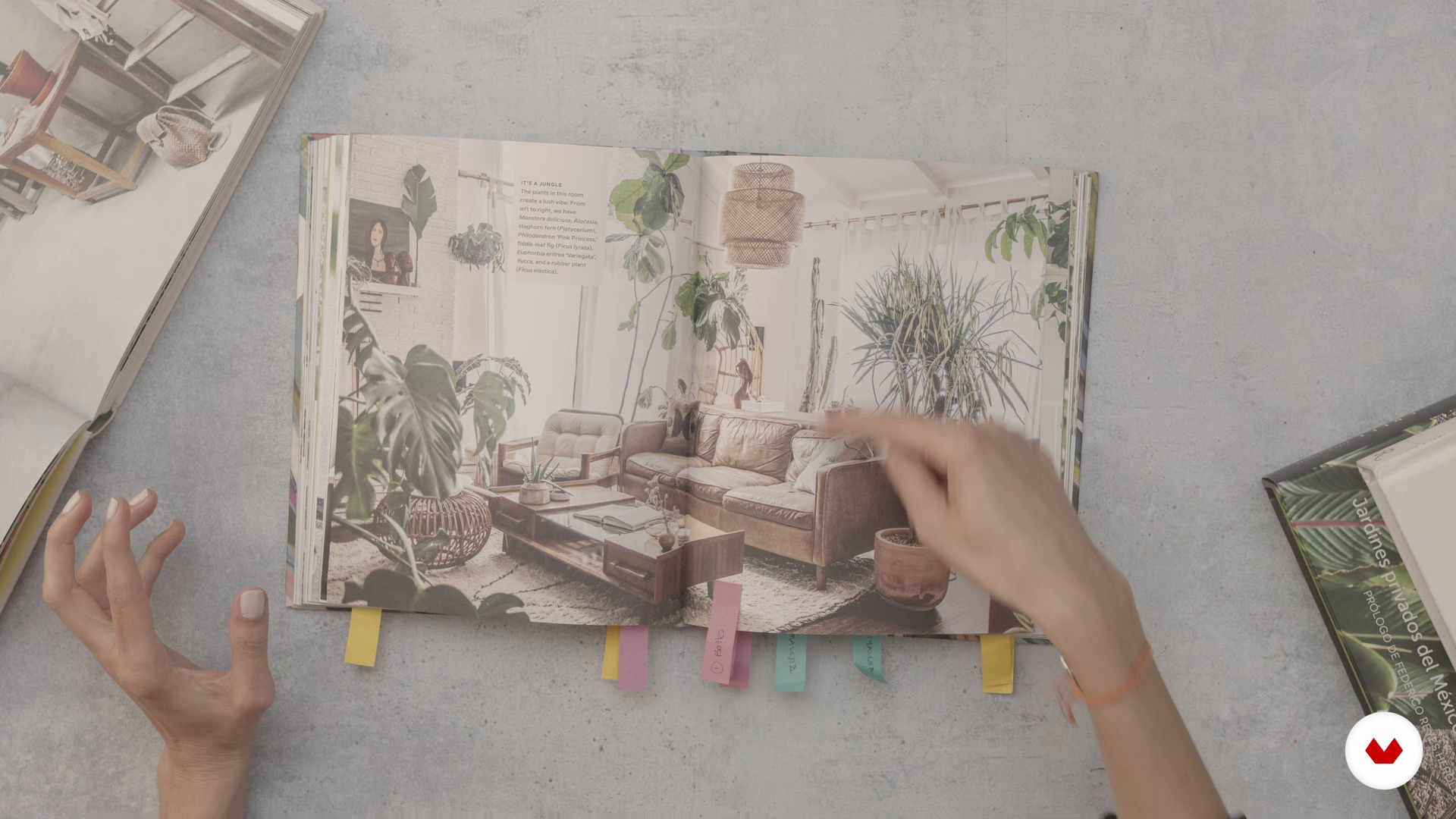
9The style
In this lesson, I'll teach you all about the different plant design styles. Choose the one you like best to get started.
9m
 10
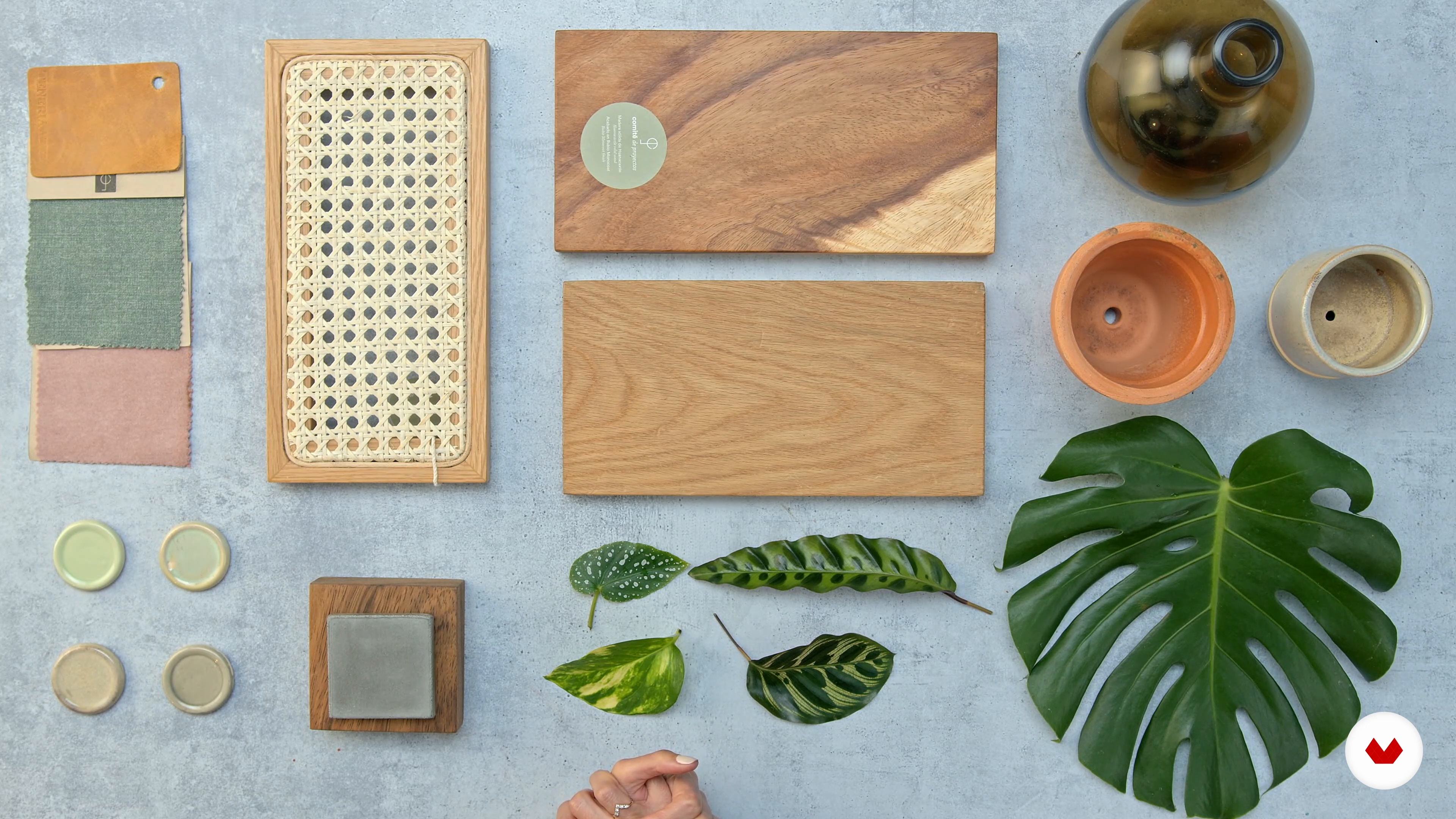
10Materials and mood board
I'll show you the materials you'll use based on the style, colors, textures, and types of plants you'll use in your space. You'll learn the pros and cons of each material and the plants that are best suited for each. I'll also help you find inspiration to create a mood board tailored to your space and style.
10m
 11
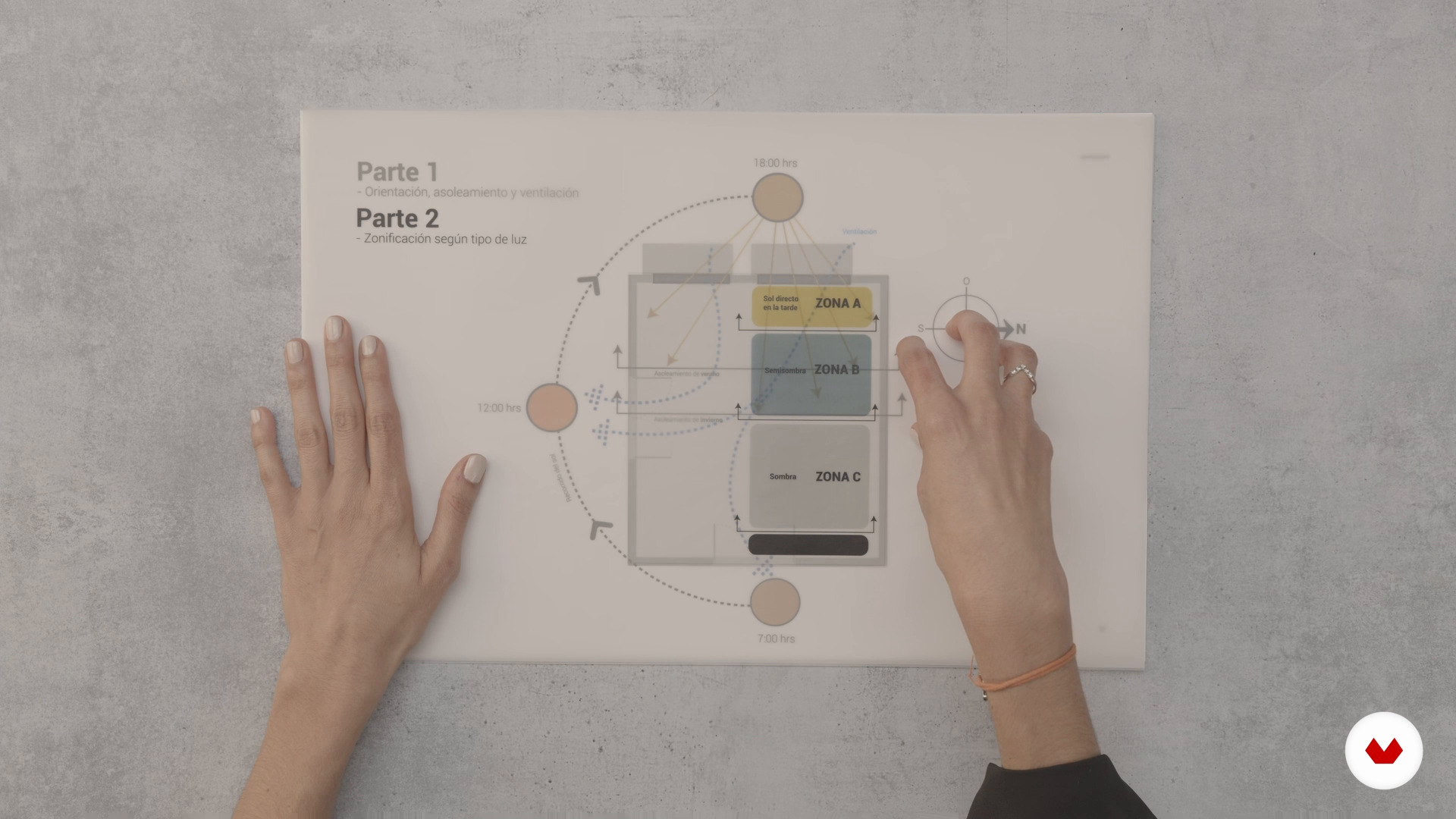
11How to make an outline by zones
You'll create a detailed, step-by-step plan using all the information you've learned. You'll mark out sunlight and ventilation, zone your spaces, and place the materials you've chosen. You'll put everything you've learned during the course on paper and then put it into practice.
6m
 12
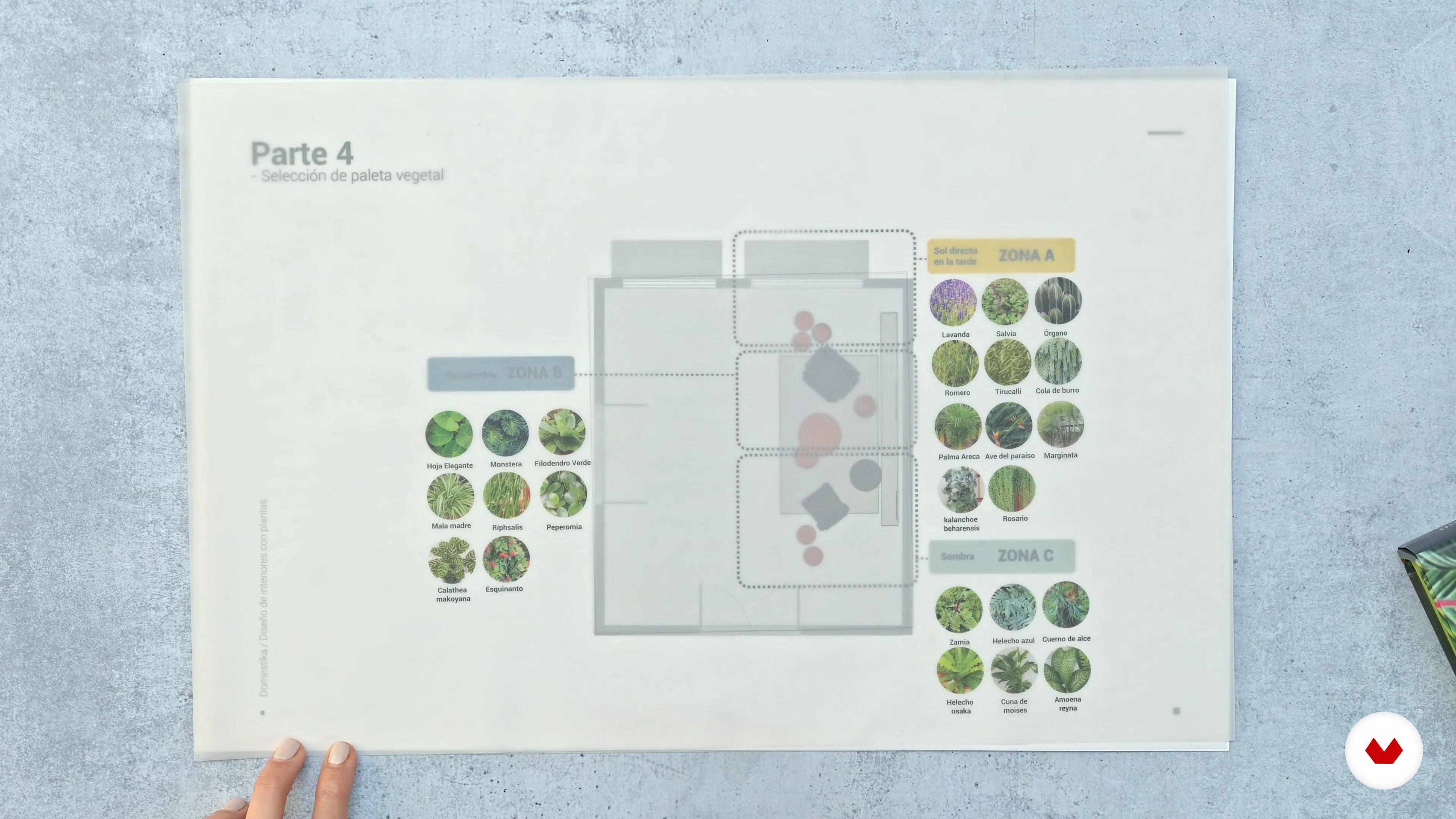
12Select plants
You'll provide the plants with the best space, where they'll be happy and thrive. You'll consider where the plants come from and what their ecosystem is like, so you can place them in the right location and give them the care they require. You'll apply everything we've learned together.
4m
 13
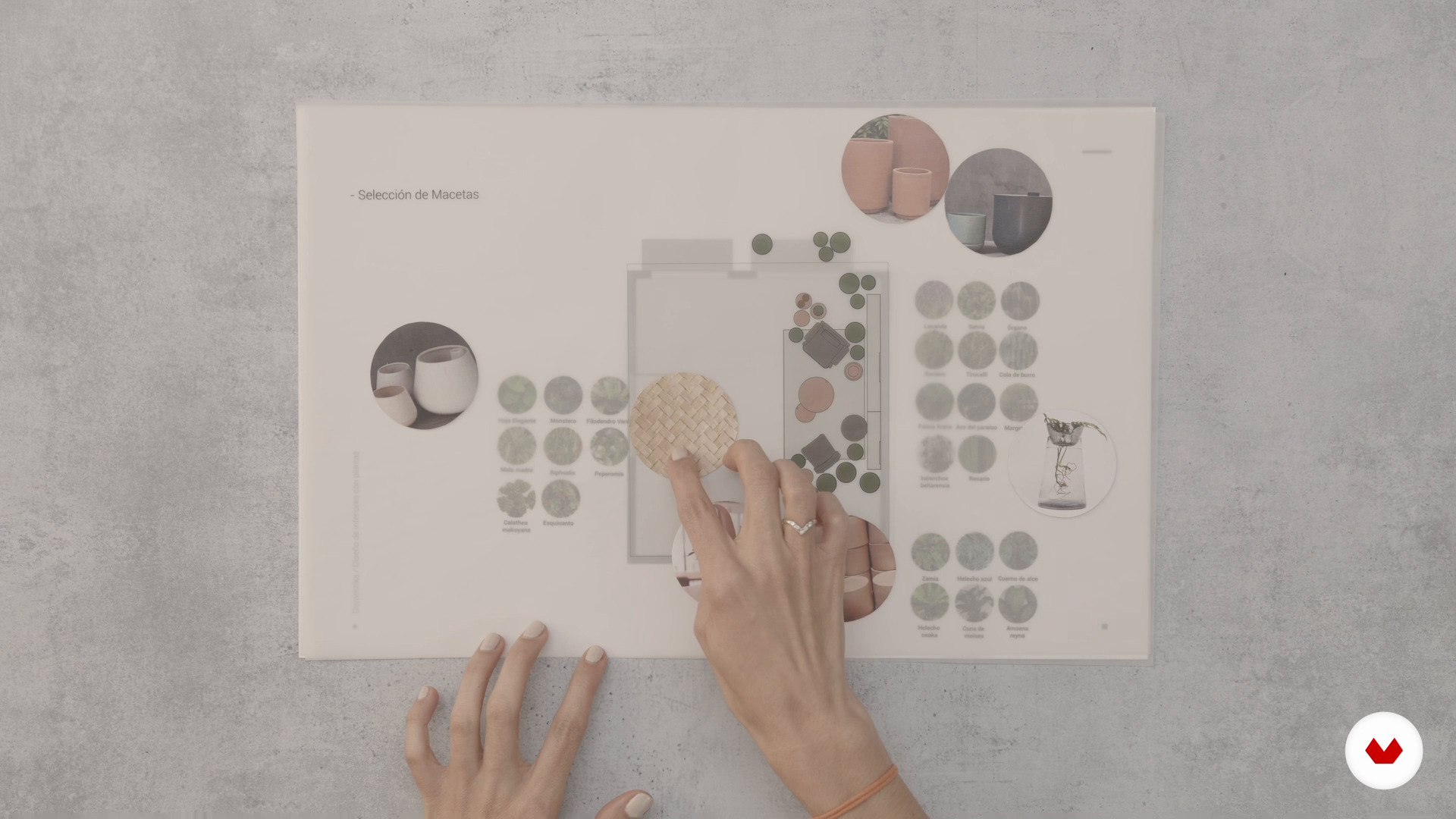
13Flowerpots and accessories
You're going to get creative! You'll have fun choosing different materials for your plants. You'll create pot arrangements with different shapes, materials, heights, colors, and styles.
7m
 14
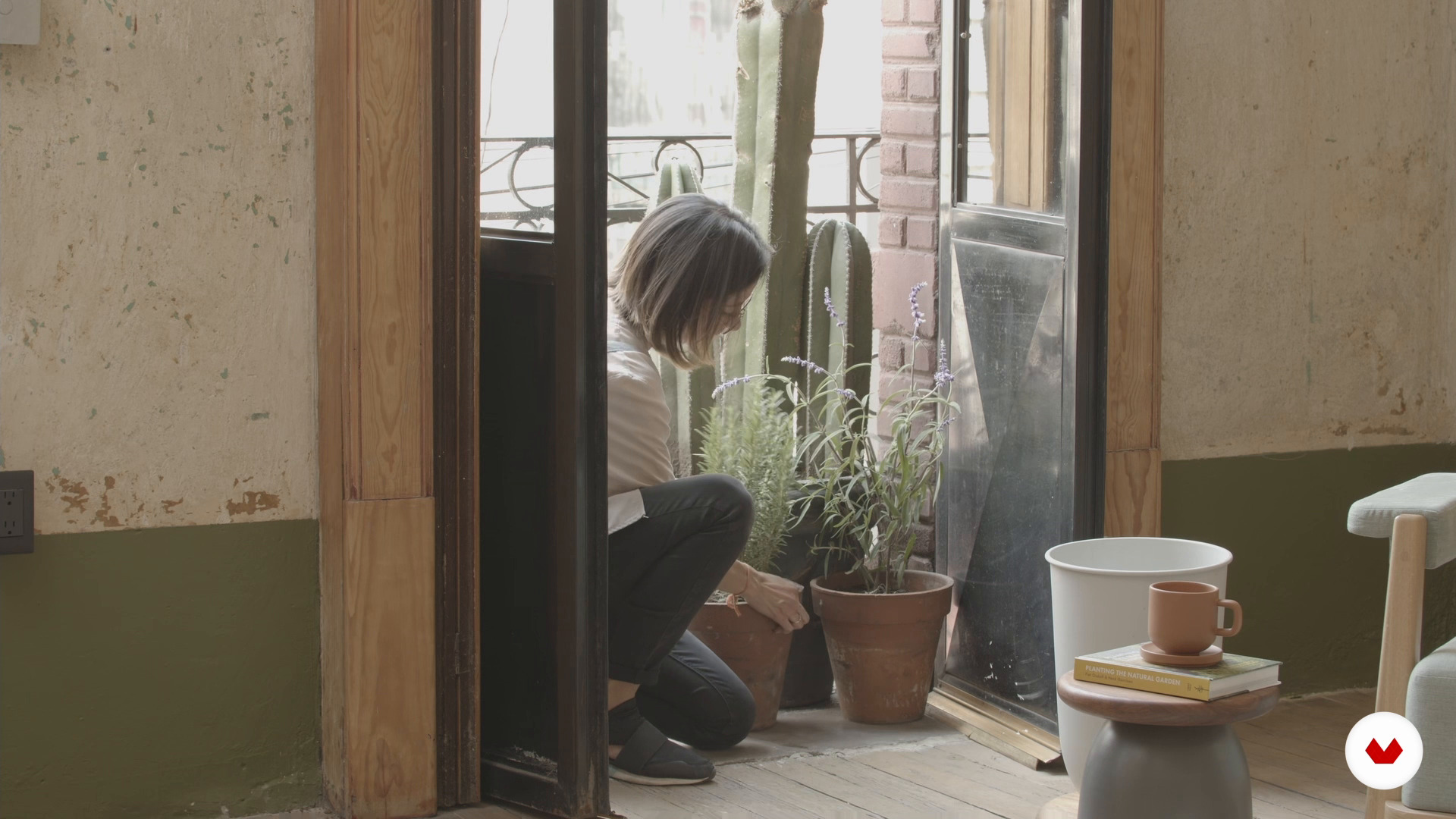
14Space styling
You'll put together everything you've been choosing to start putting together your space with plants, materials, colors, and accessories.
6m
 15
15How to keep your plants happy?
I'll give you several tips and tricks to care for and keep your plants healthy and happy so your project runs smoothly. You'll learn basic plant care in a very simple way, such as how to maintain good soil, some self-watering ideas, how to clean leaves, and how to maintain humidity. By following these steps, you'll gradually become an expert in plant care. After this experience, you'll find that you won't want to stop delving into the world of plants.
7m
What is this course's project?
The project consists of creating a personal botanical sanctuary, integrating learned natural techniques. Students will develop a unique interior space that incorporates botanical compositions, terrariums, kokedamas, and spatial design principles, documenting each phase of the creative process.
Who is this specialization for?
People passionate about botanical design, creative gardening, and plant-based decoration. Ideal for those looking to integrate nature into their interior spaces, exploring innovative and traditional techniques to create harmonious environments that combine aesthetics and functionality.
Requirements and materials
No extensive prior knowledge is required, just a passion for nature. Basic tools such as scissors, gloves, and growing medium are essential. Access to a variety of plants and a suitable space to practice botanical techniques are recommended.
Reviews
- 5 months ago
Guys, all the teachers, I'd really like to thank you so much. What an amazing course! I highly recommend it and every section and video was informative and exceeded my expectations by sooo very much. Thank you.
- 8 months ago
I love this course! Thank you for the amazing information. I will try my best to create everything I’ve learned—and hopefully much more.
Kind regards
- 11 months ago
Corso bellissimo!!! Tutto spiegato nei minimi dettagli e particolari. Complimenti a tutti!! Un caro saluto.
Jolanda
Select to get to know your teachers in this specialization course


What to expect from this specialization course
Learn at your own pace
Enjoy learning from home without a set schedule and with an easy-to-follow method. You set your own pace.
Learn from the best professionals
Learn valuable methods and techniques explained by top experts in the creative sector.
Meet expert teachers
Each expert teaches what they do best, with clear guidelines, true passion, and professional insight in every lesson.
Certificates
PLUSIf you're a Plus member, get a custom certificate for every specialization course. Share it on your portfolio, social media, or wherever you like.
Get front-row seats
Videos of the highest quality, so you don't miss a single detail. With unlimited access, you can watch them as many times as you need to perfect your technique.
Share knowledge and ideas
Ask questions, request feedback, or offer solutions. Share your learning experience with other students in the community who are as passionate about creativity as you are.
Connect with a global creative community
The community is home to millions of people from around the world who are curious and passionate about exploring and expressing their creativity.
Watch professionally produced courses
Domestika curates its teacher roster and produces every course in-house to ensure a high-quality online learning experience.
FAQs
The Japanese kokedama technique involves growing plants in a ball of moss and soil, without using a pot. It’s a handcrafted, decorative way to showcase plants inspired by Japanese tradition.
The course is designed for people with intermediate gardening knowledge, but beginners interested in Japanese botanical techniques are welcome to join.
You’ll need mineral soil, akadama, natural moss, cotton thread, water, and ornamental plants. All materials should be natural to ensure the kokedama’s health and sustainability.
You’ll learn how to select materials, prepare substrates, transplant plants, make kokedama balls, string them properly, care for them, and incorporate kokedamas into interior designs and vertical gardens.
Hardy plants like pachira, ficus ginseng, zamioculca, and chamadorea are perfect for indoor kokedamas because they adapt well and require little maintenance.
Hanging kokedamas need regular watering, good airflow, avoidance of strong direct sunlight, and occasional organic feeding. The moss should stay moist but never soggy.
No special tools are needed—just your hands, pruning scissors for roots, and optionally sticks to help shape the ball. The course teaches safe techniques to avoid damaging roots.