
Master public speaking skills, boost confidence, and craft persuasive communication to captivate any audience with storytelling techniques
Discover the art of public speaking and persuasive communication with this comprehensive specialization designed for professionals, entrepreneurs, and communicators. Embark on a transformative journey from building confidence to mastering advanced persuasion techniques. Learn to overcome stage fright with Jonathan Richards, who focuses on breathing, posture, and managing nervousness. Dasha Dollar-Smirnova will guide you in finding your unique voice, allowing you to leverage your personal strengths to create a memorable speaking presence.
Immerse yourself in storytelling with Adebola Rayo, incorporating narrative techniques to connect emotionally with audiences. Kyoko Takeyama will help you master rhetorical techniques, improvisation, and adaptation for impactful speeches. Complete your learning with Dasha Dollar-Smirnova, delving into message structuring and audience connection. By the end of this specialization, create a comprehensive speaker's portfolio demonstrating your mastery of public speaking and persuasive communication, equipped with practical materials for your professional career.
What will you learn in this specialization?
 1
1Introduction
Through the lens of emotional intelligence and persuasive technique, this session invites you to rethink public speaking. You'll explore how presence, storytelling, and credibility work together to help you speak with clarity, confidence, and true connection.
2m
 2
2Influences | Dasha Dollar-Smirnova
Now that you know me better, I’m going to talk you through some of the things that inspire and influence me.
6m
 3
3Influences | Jonathan Richards
Those who inspire us can considerably influence our lives; in this lesson, I will tell you about a few people who inspire me. They have all impacted my life in varied ways, and I draw strength from their lives.
4m
 4
4Influences | Adebola Rayo
We learn, grow, and are influenced by the works of others. This is one of the ways we stay creative! Let me tell you about some books, speeches, and people that have influenced me. I look forward to reading yours in the forum.
6m
 5
5Influences | Kyoko Takeyama
If you want to become a top level artist, athlete or speaker, you want to study how other experts do it to find what works for you. By learning their process, method and style, you can begin to develop your own unique way of doing what you do. In this lesson, I will share some of my favorite speakers I watch regularly to help me enhance my own style of speaking.
7m
 3
3What Makes a Great Public Speaker
In this lesson, I will explore, through some examples, what makes a great public speaker.
5m
 4
4Understanding How the Voice Works
Now I will explain how speech is formed and how the voice works.
3m
 5
5Breathing Techniques to Help With Projection
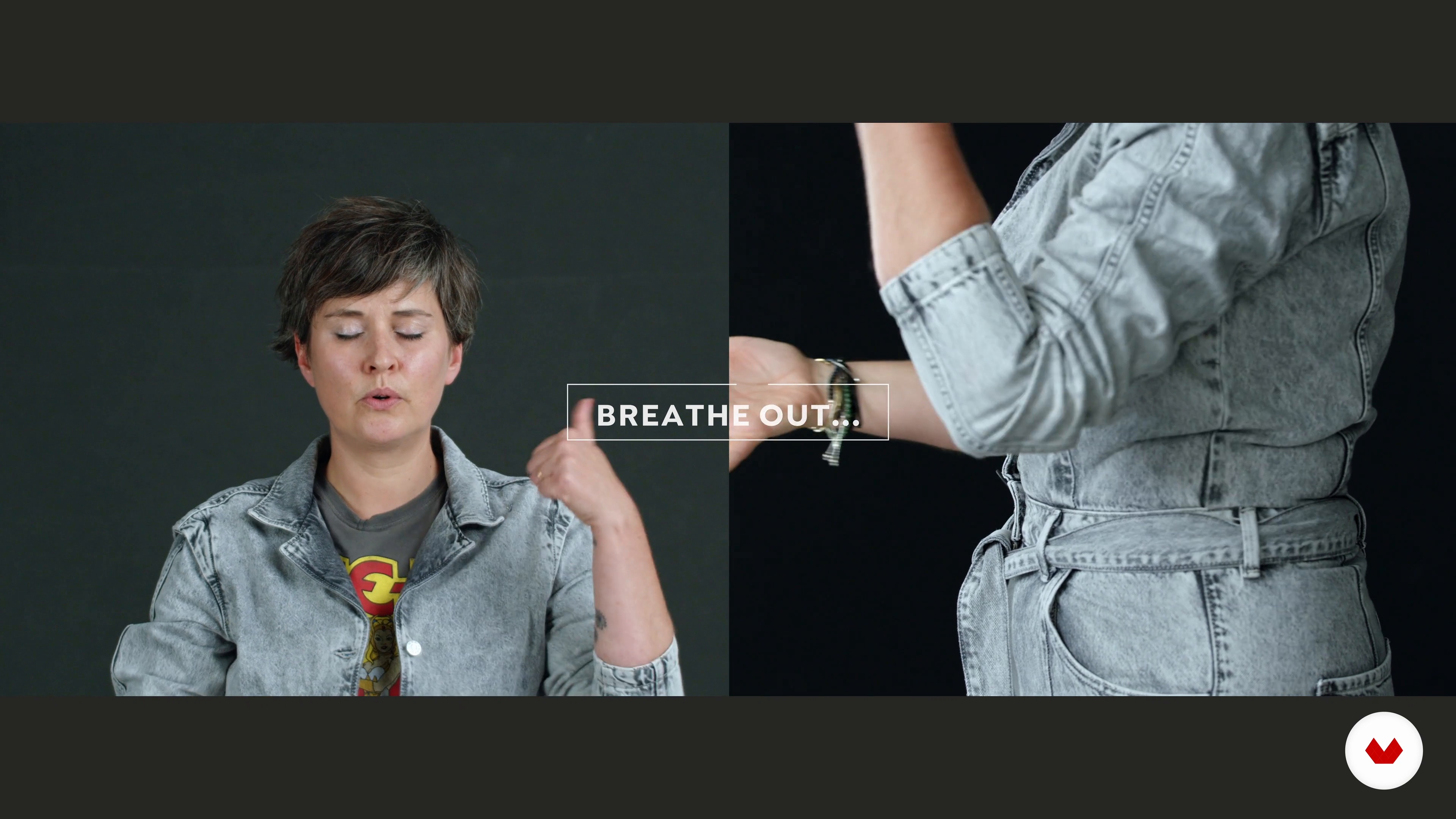
I will share breathing techniques that help you improve projection and control your nerves.
5m
 6
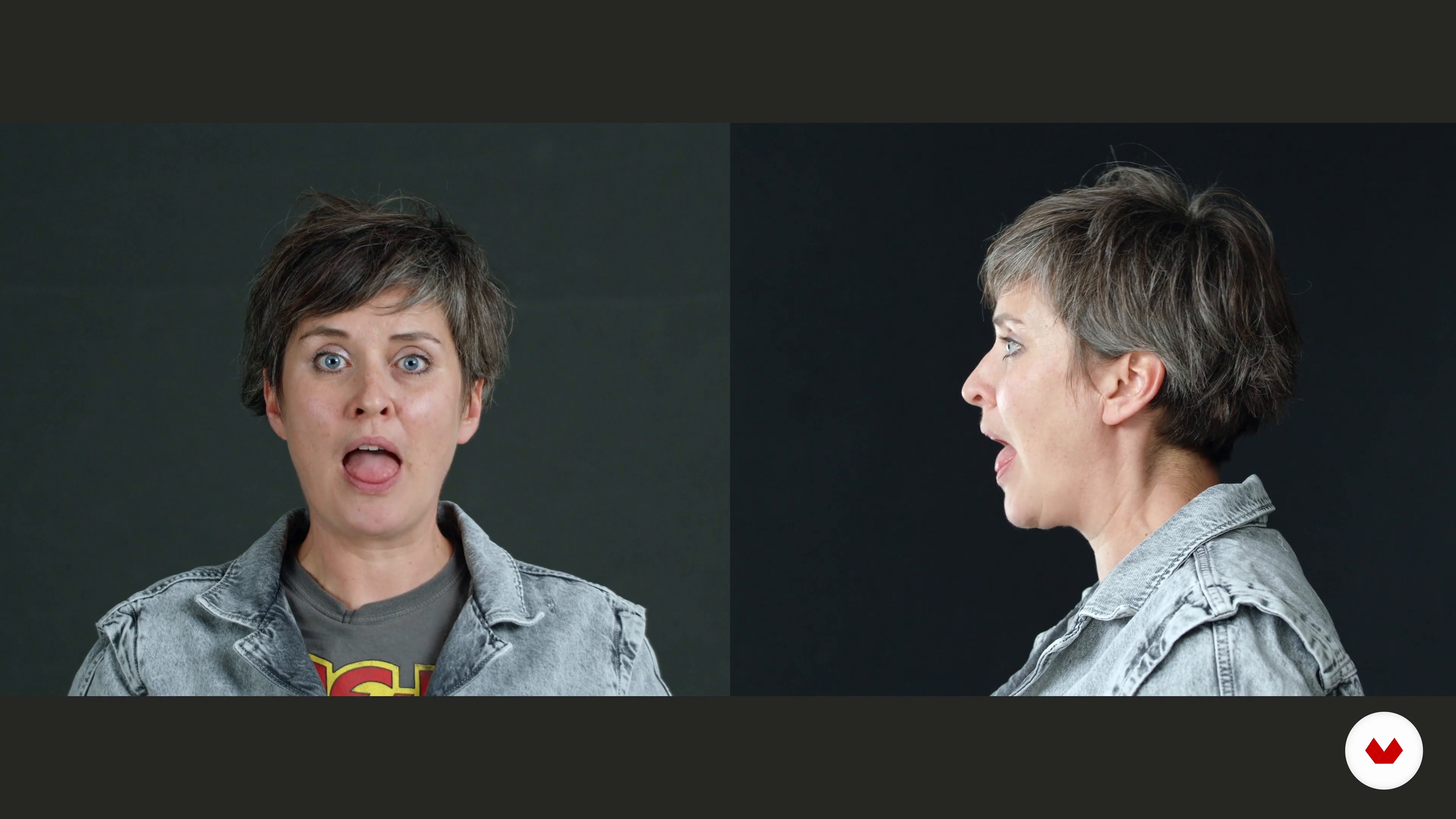
6Diction—Warm Up Exercises for the Face and Tongue Twisters
Diction is what carries the meaning. In this lesson, I will show you exercises to improve it.
5m
 7
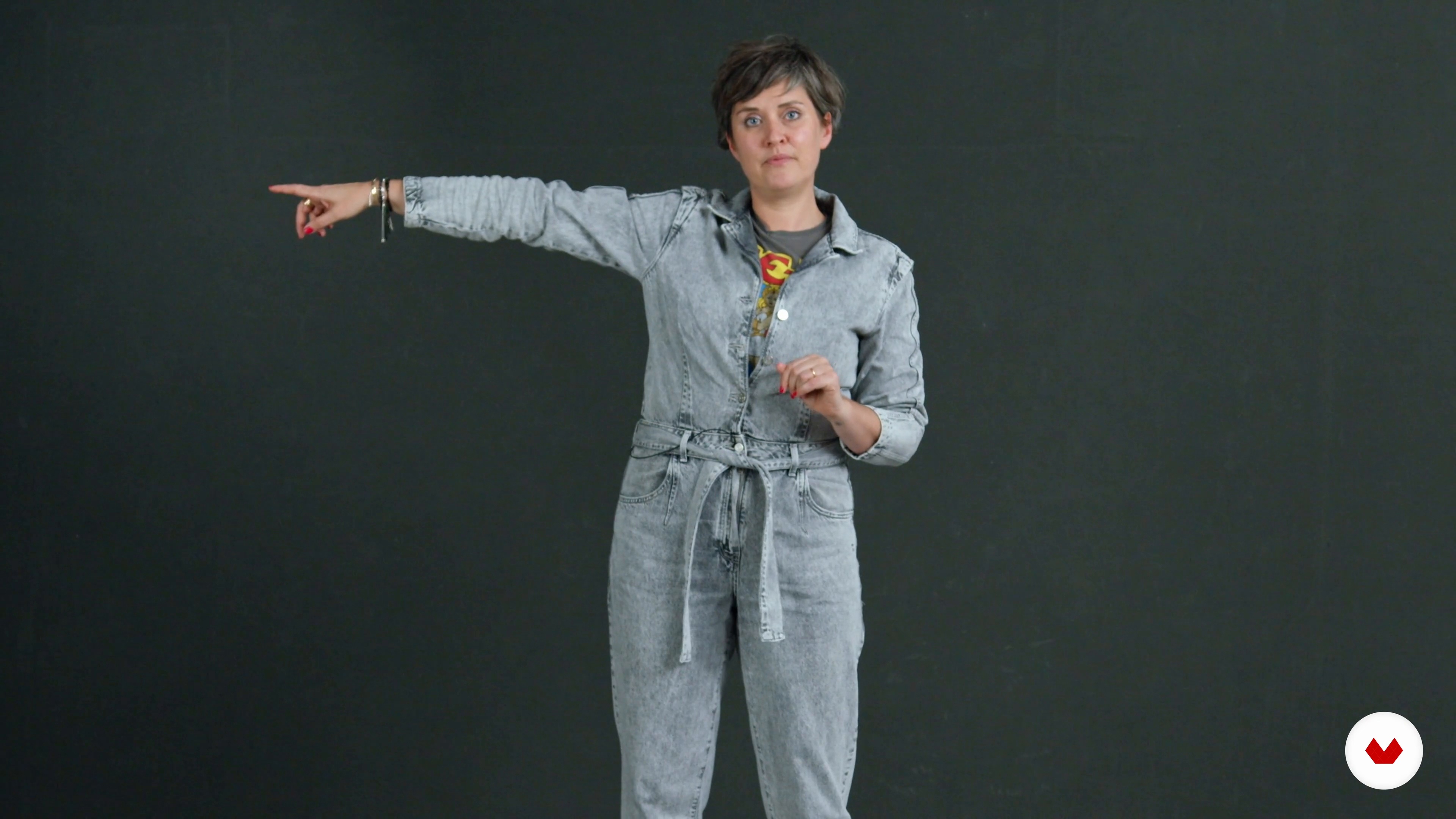
7Body and Taking up Space
Here you will learn about body language, understanding where it comes from and how you can use it.
7m
 8
8What Makes an Effective and Persuasive Talk?
Before starting with the writing of your talk, I want you to understand what makes things stick in our minds and how that applies to effective communication.
7m
 9
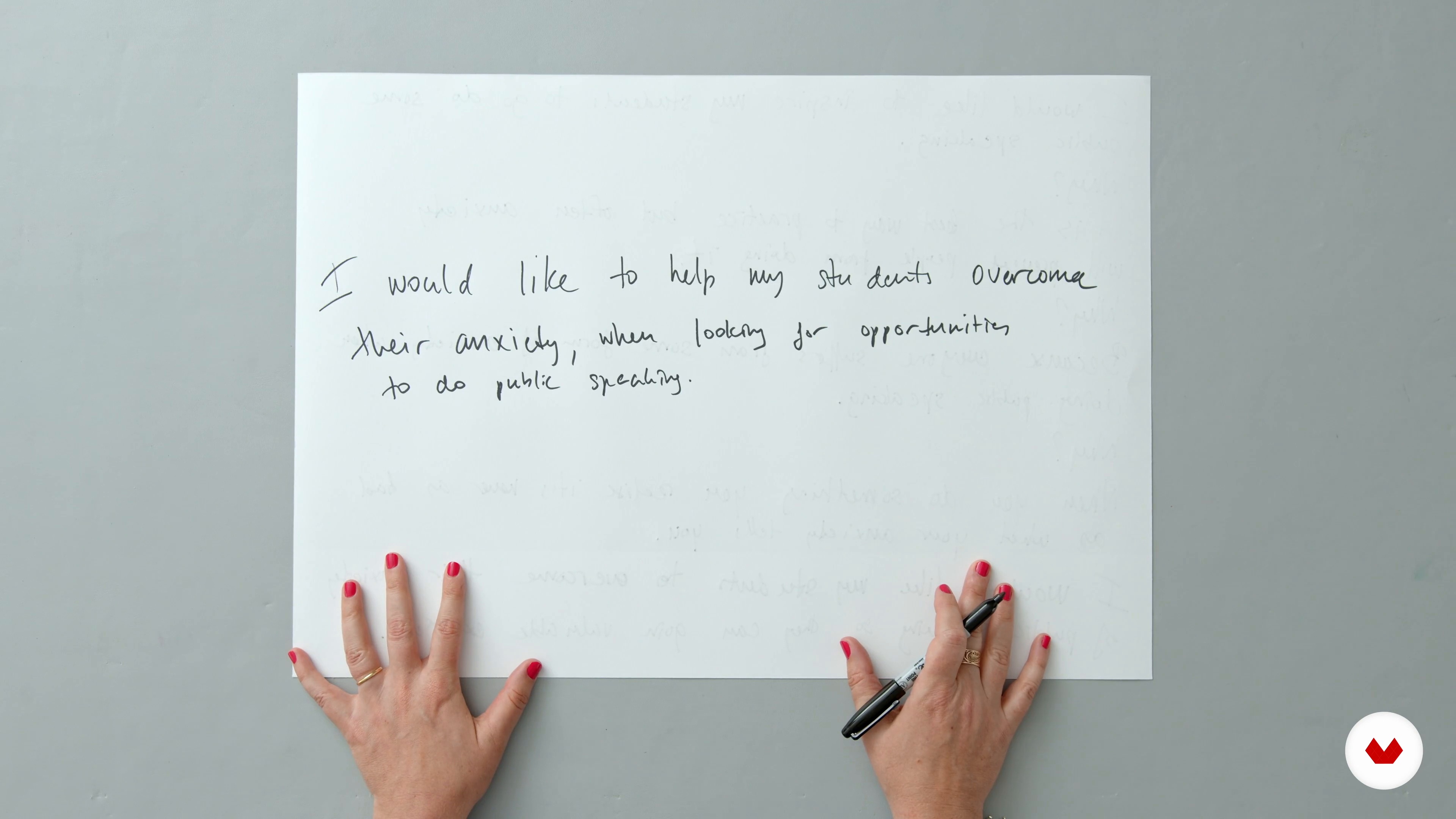
9Nailing the Objective of Your Presentation
Defining a simple, direct and active objective is fundamental for connecting with your audience. In this lesson, you will work on setting the bull’s eye for your talk.
6m
 10
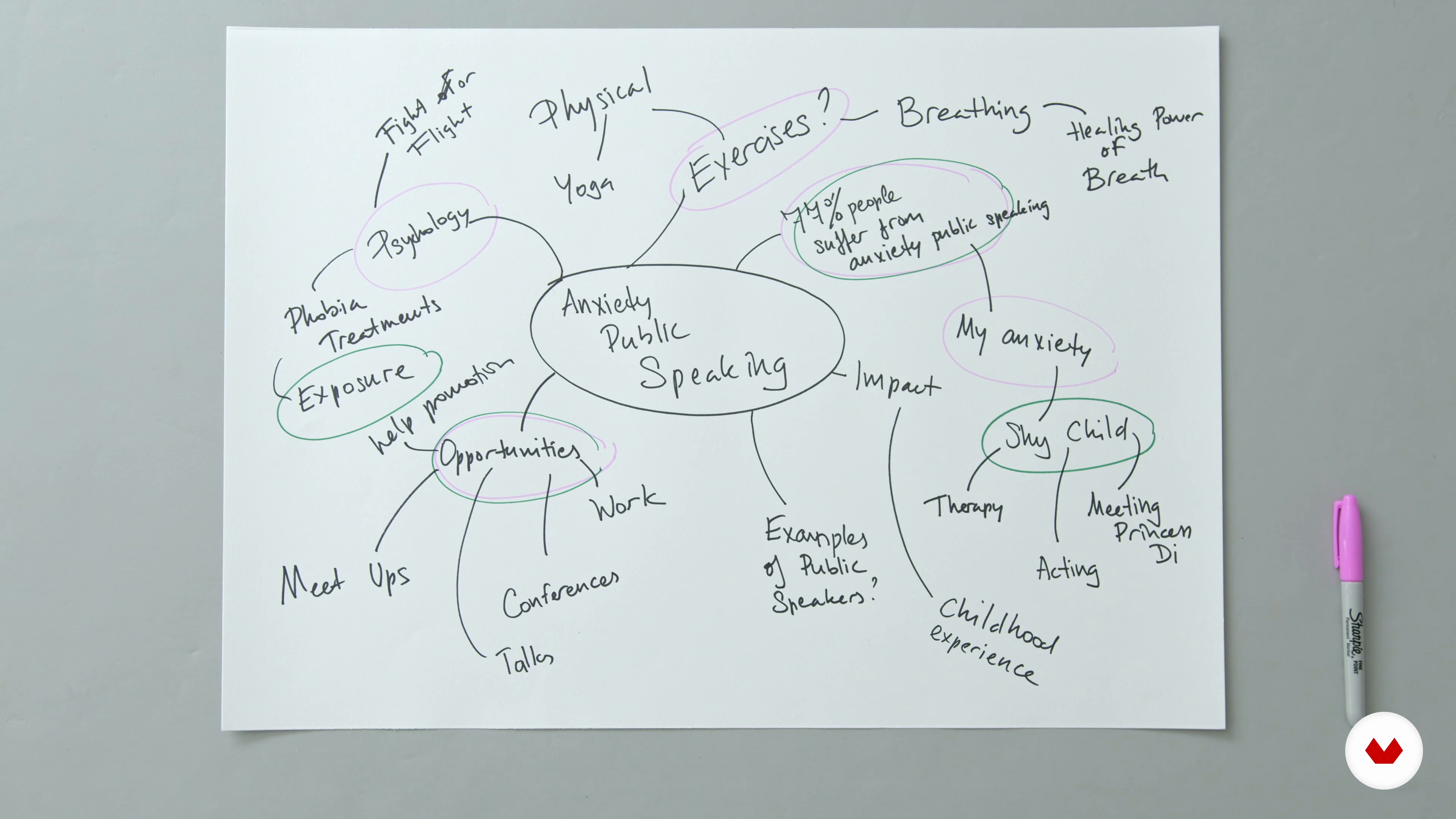
10Mapping Out and Tailoring Your Content to Your Audience
Your public is one of the most important things to consider when putting together a talk. In this lesson, you will ensure your content is tailored to your audience.
7m
 11
11Putting Structure around It —Monroe’s Motivated Sequence
In this lesson, you will understand how to structure a persuasive narrative.
7m
 12
12Storytelling Techniques
This lesson is all about storytelling. Here you will learn about some of the most compelling storytelling techniques.
8m
 13
13Storyboarding
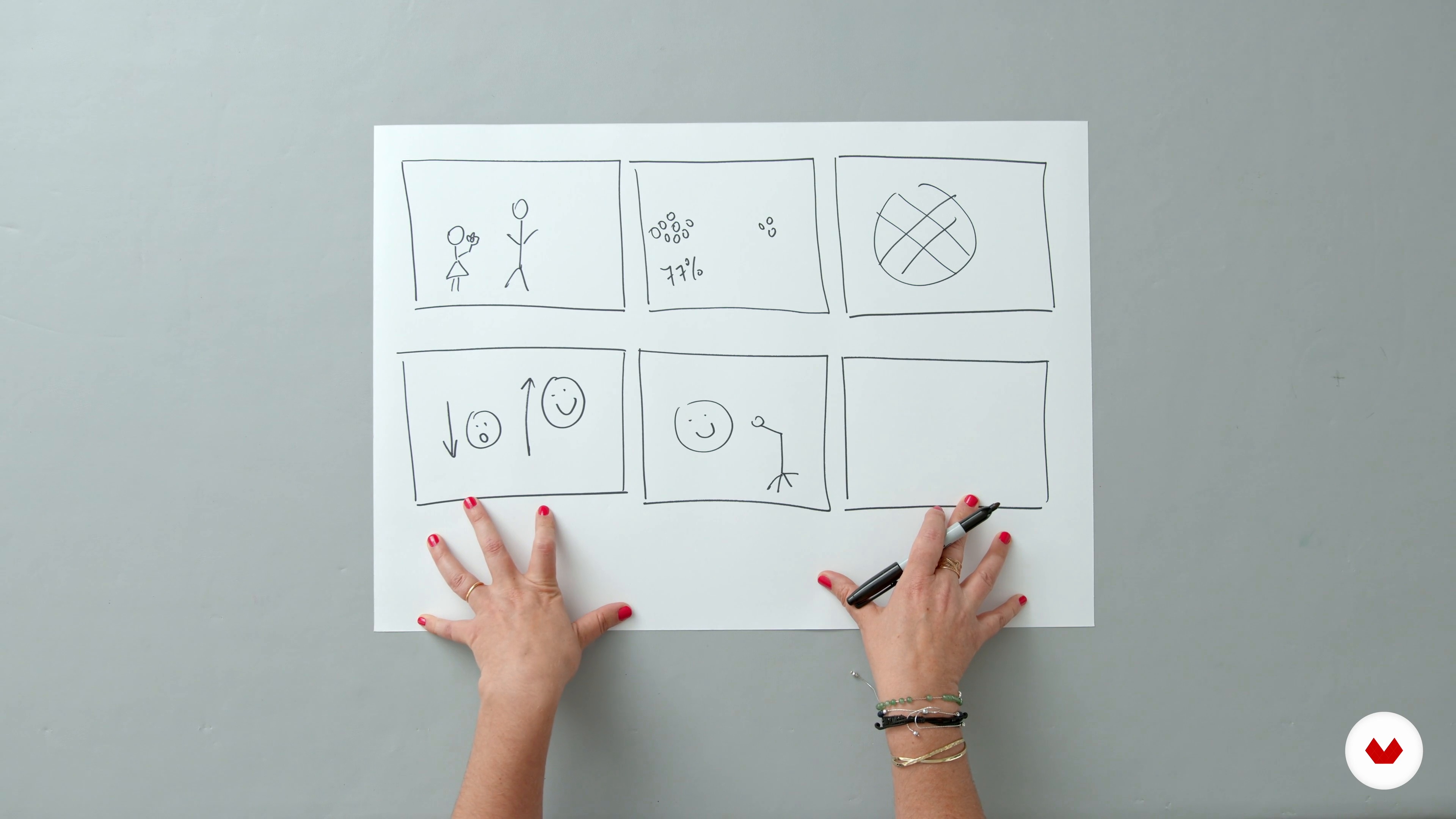
Now let's talk about your presentation from a visual point of view.
6m
 14
14Rehearsal and Techniques for Memorising Your Content
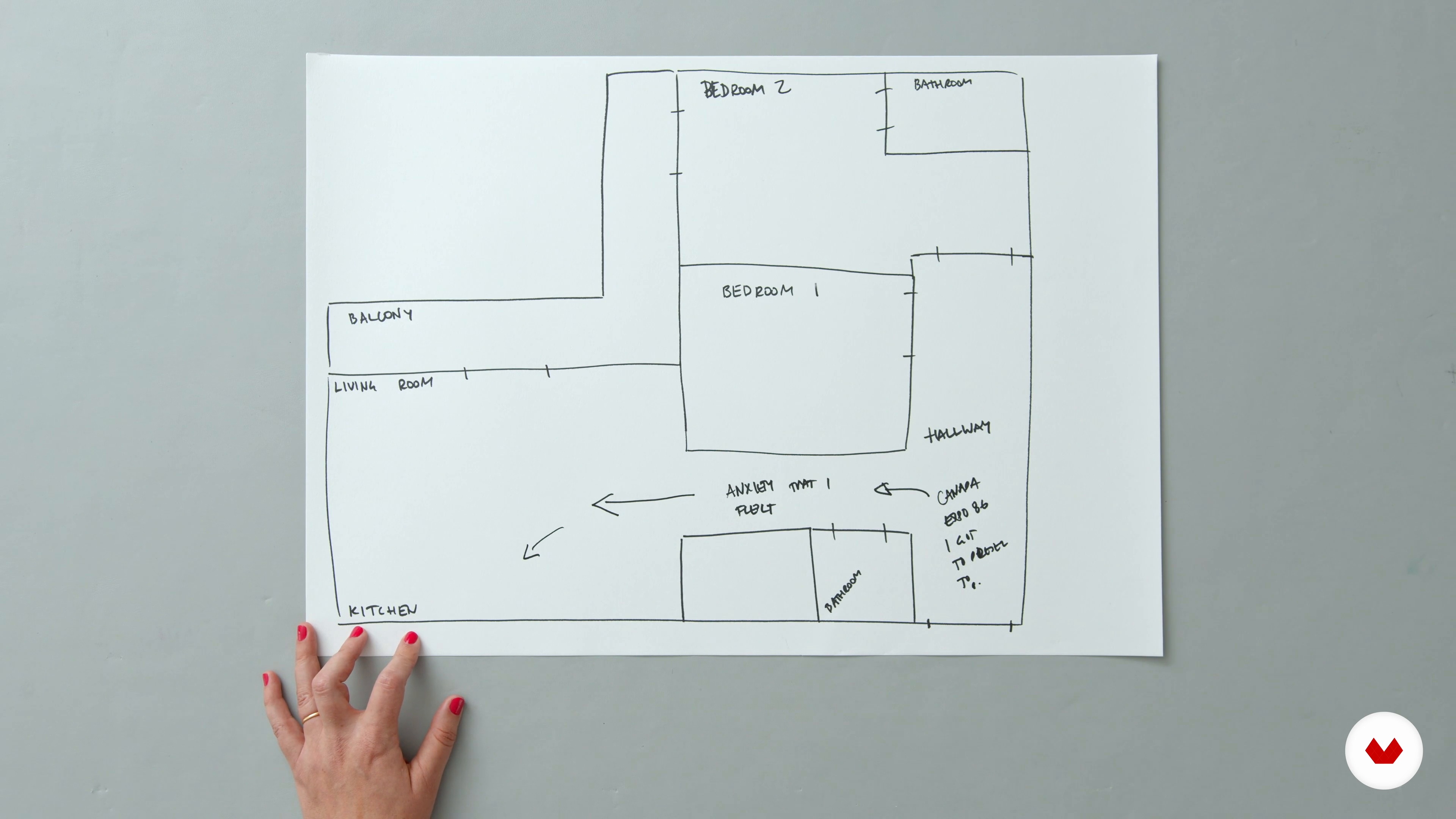
Now that your story is gleaming and glistening, I will give you some tips about how to memorise your talk.
7m
 15
15Final Tips
I will give you some tips on setting up for online presenting or recording your talk.
7m
 16
16Managing Your Nerves—Techniques for Grounding
Nerves are natural, and you can learn how to control them and channel that energy into your presentation. In this lesson, I will explain anchoring to help manage your nerves.
3m
 3
3Why Is Public Speaking Daunting?
Public speaking can be daunting, even for those who have publicly spoken many times. In this lesson, you will learn how to prepare yourself for your talk.
3m
 4
4What Makes a Good Public Speaker?
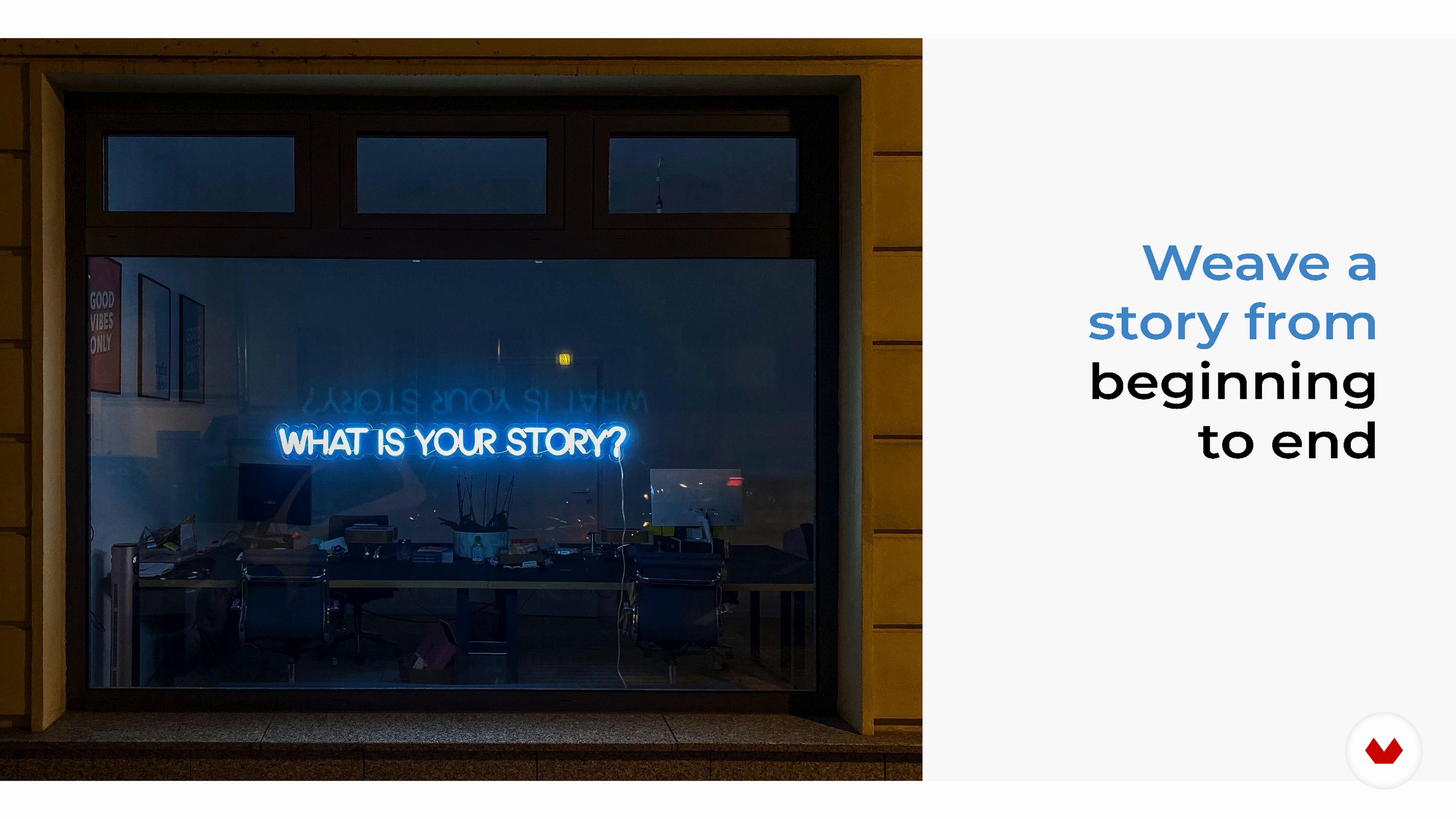
Great public speakers come from all different races, genders, shapes, sizes, etc. Arguably, the best communicators in the world are comedians. In this lesson, I’ll discuss what characteristics great comedians have in common.
3m
 5
5Understanding the Space or Stage
Now, you will learn how to capitalise on the stage and space you have during your talk.
2m
 6
6Vocal Warm-Ups
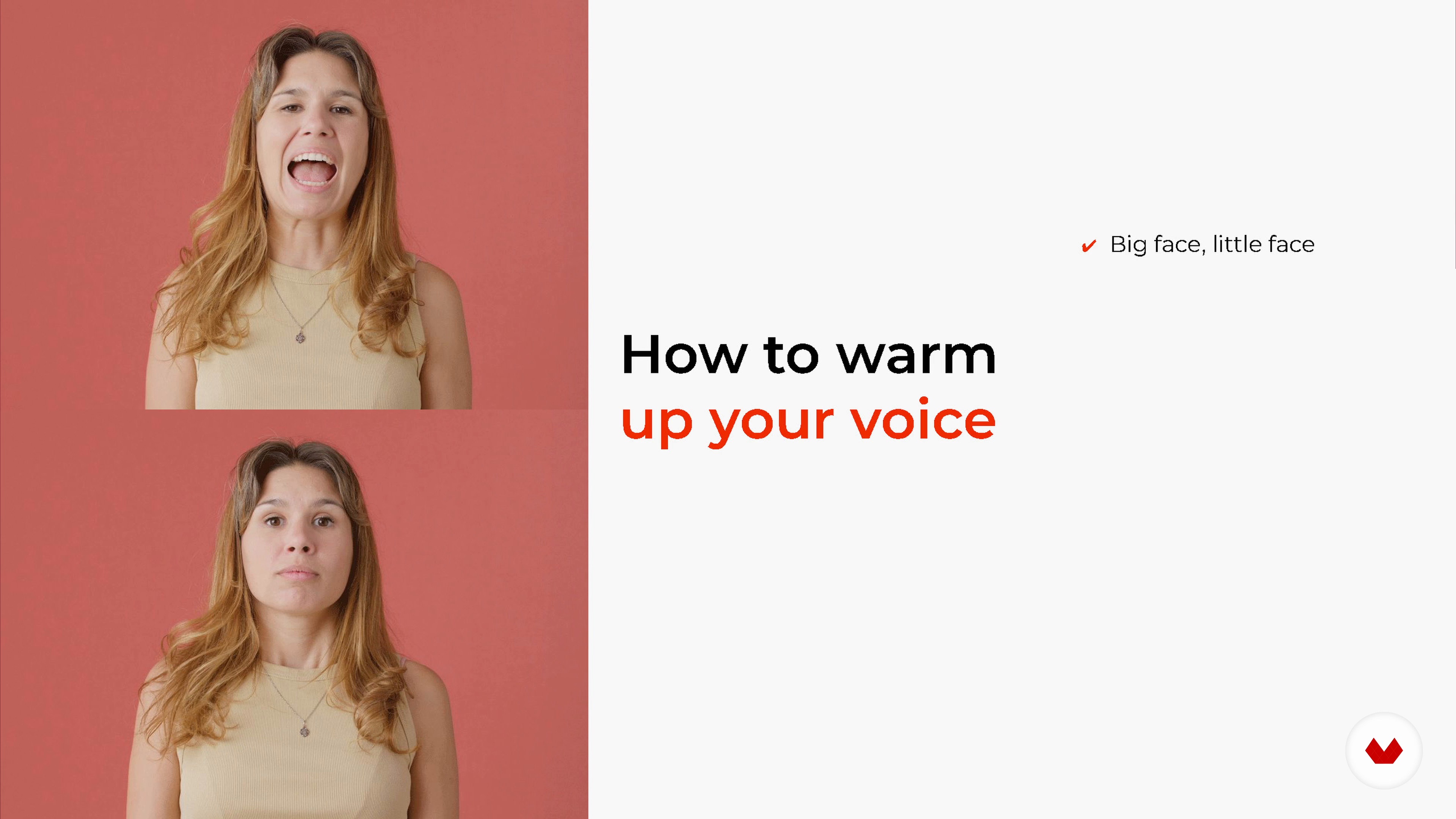
Your voice is like any other muscle; it needs warming before use. That's why I will help you use some techniques to warm up your voice before your talk.
3m
 7
7Choosing a Topic
Before building a script, you must choose a focus topic and research it thoroughly. This lesson is all about that process.
4m
 8
8Scripting Your Talk
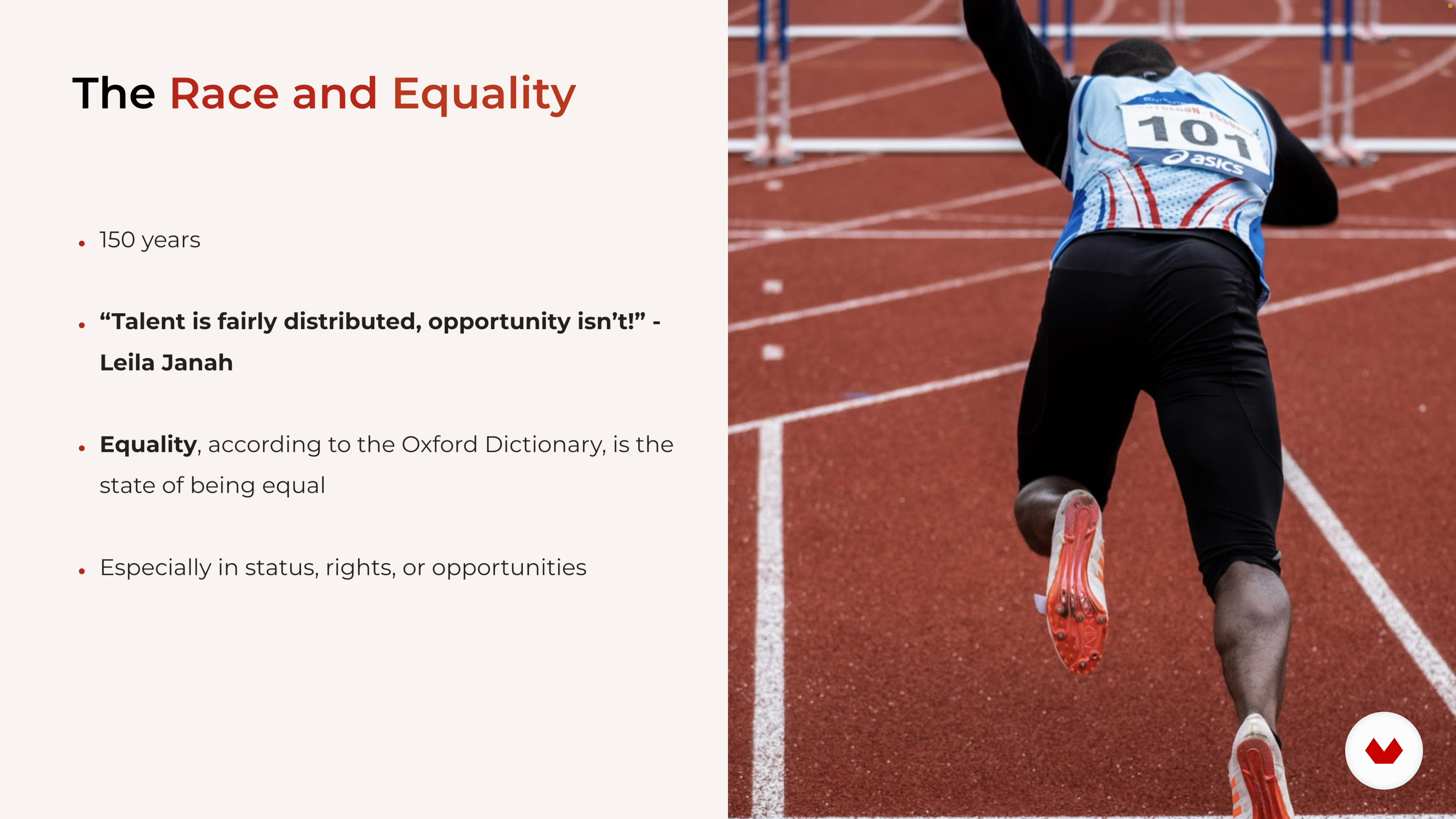
Scripts are your safety net. In this lesson, you’ll learn how I think a script is best put together!
5m
 9
9Practising
In this last unit lesson, you’ll learn how to practice and find your style!
10m
 10
10Analysing Your Speech
To start with, you’ll learn how to critique yourself and find learnings to improve.
9m
 11
11The Final Presentation
This is it, you’ve practised, it’s game time! Let’s dive deep into delivering with style, flair, and confidence.
13m
 12
12Speaking on Social Media
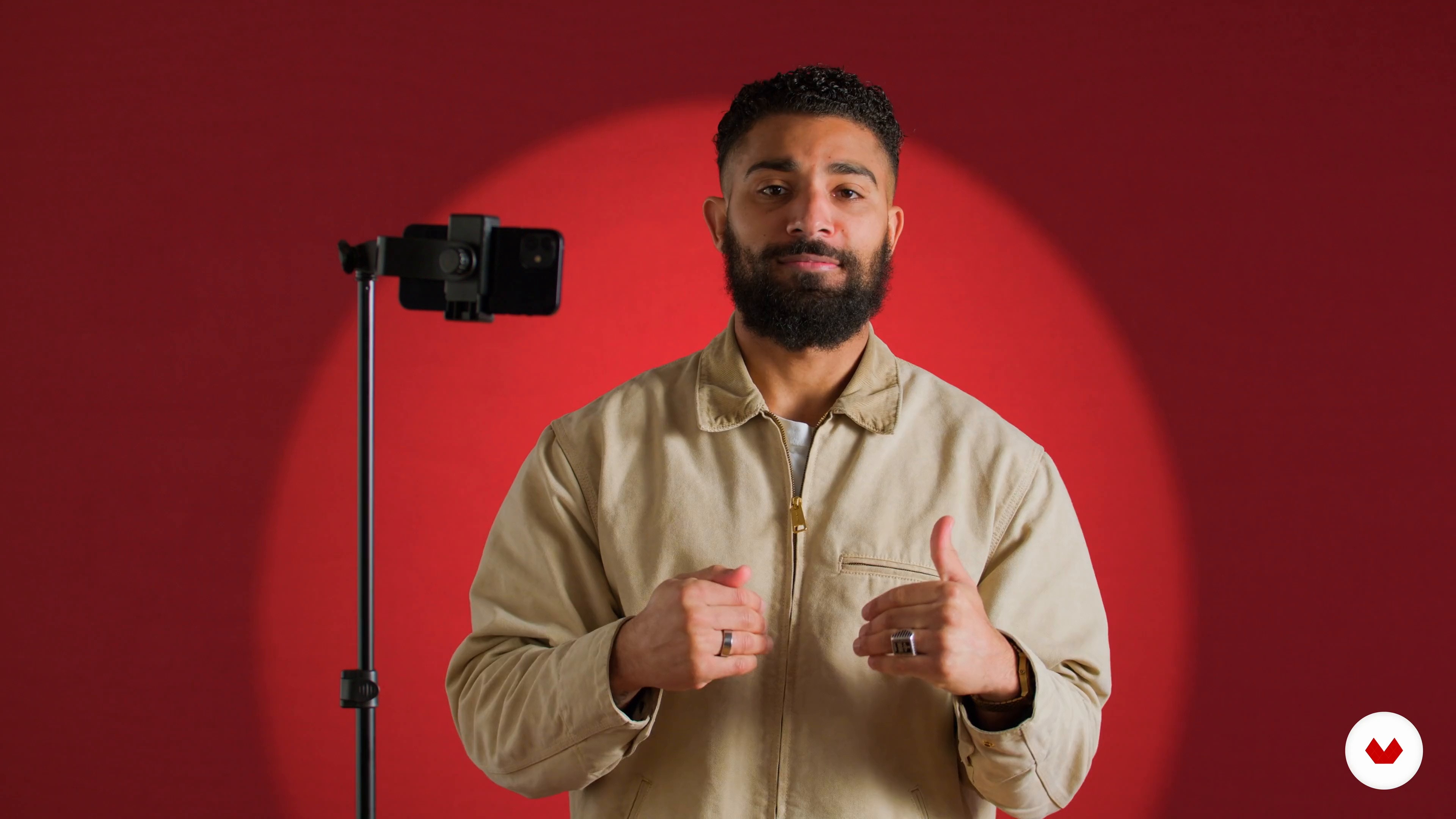
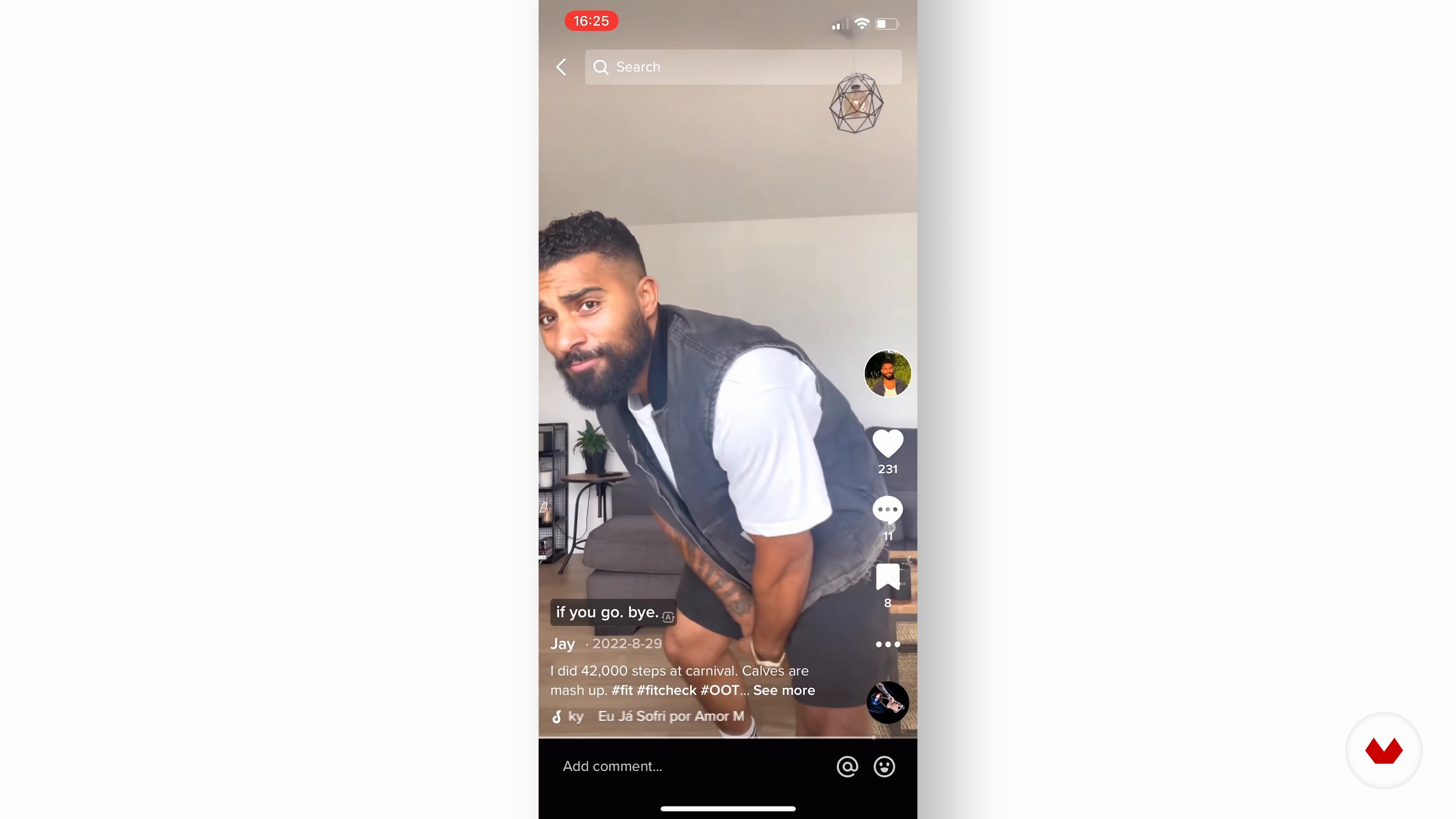
Social media is one of the most powerful ways to get your message out, but it’s a different skill set as you’ll usually be talking directly to the camera. In this lesson, I am going to talk about the differences between speaking to a public and speaking to a camera.
8m
 3
3What Is a Speech?
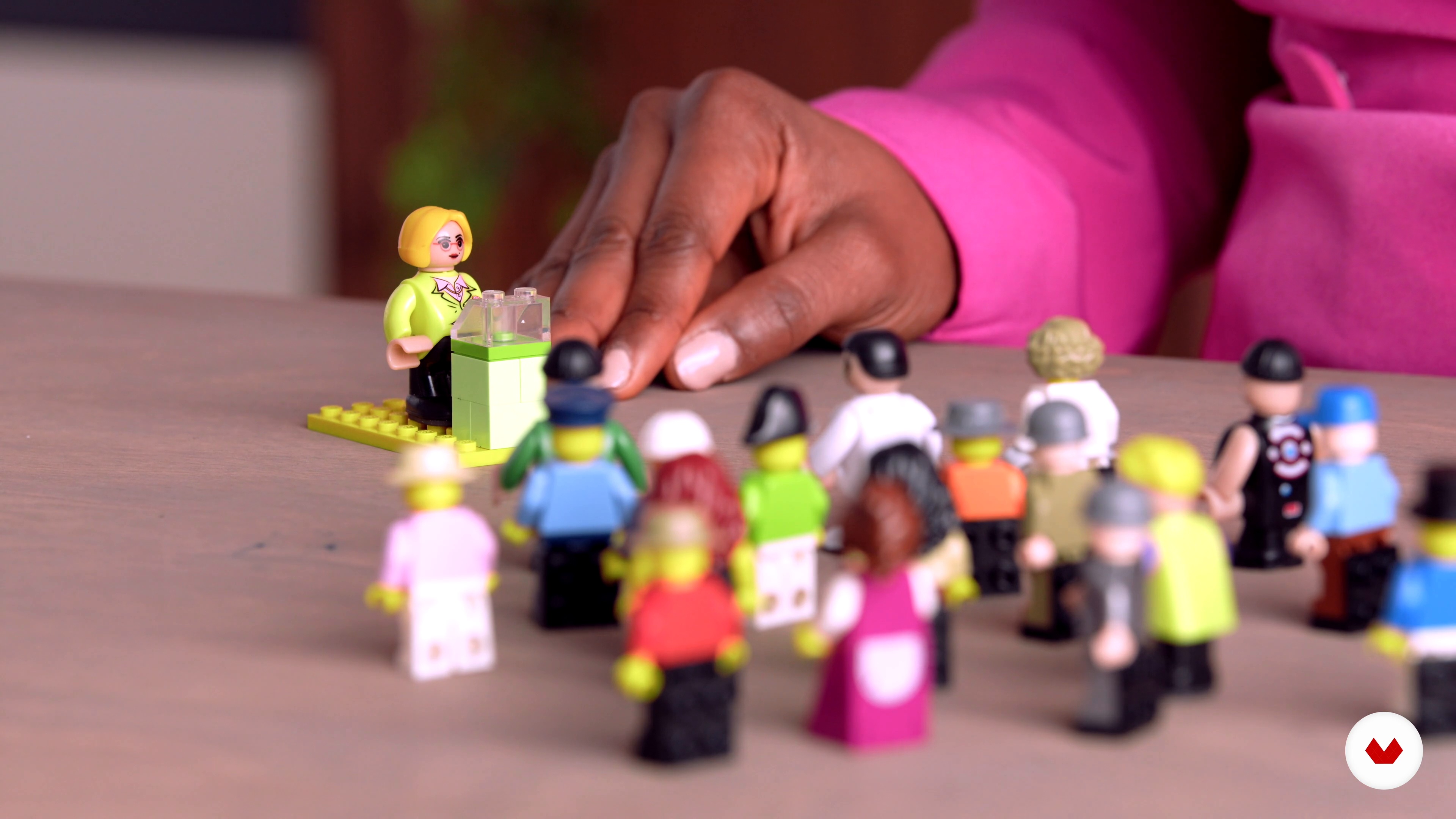
Sometimes, people use ‘speech’ when they are referring to other forms of public speaking. In this lesson, I will clarify what a speech really is, so that you understand the form you will be creating in this course.
4m
 4
4The Bare Bones: What Makes a Good Speech? 1
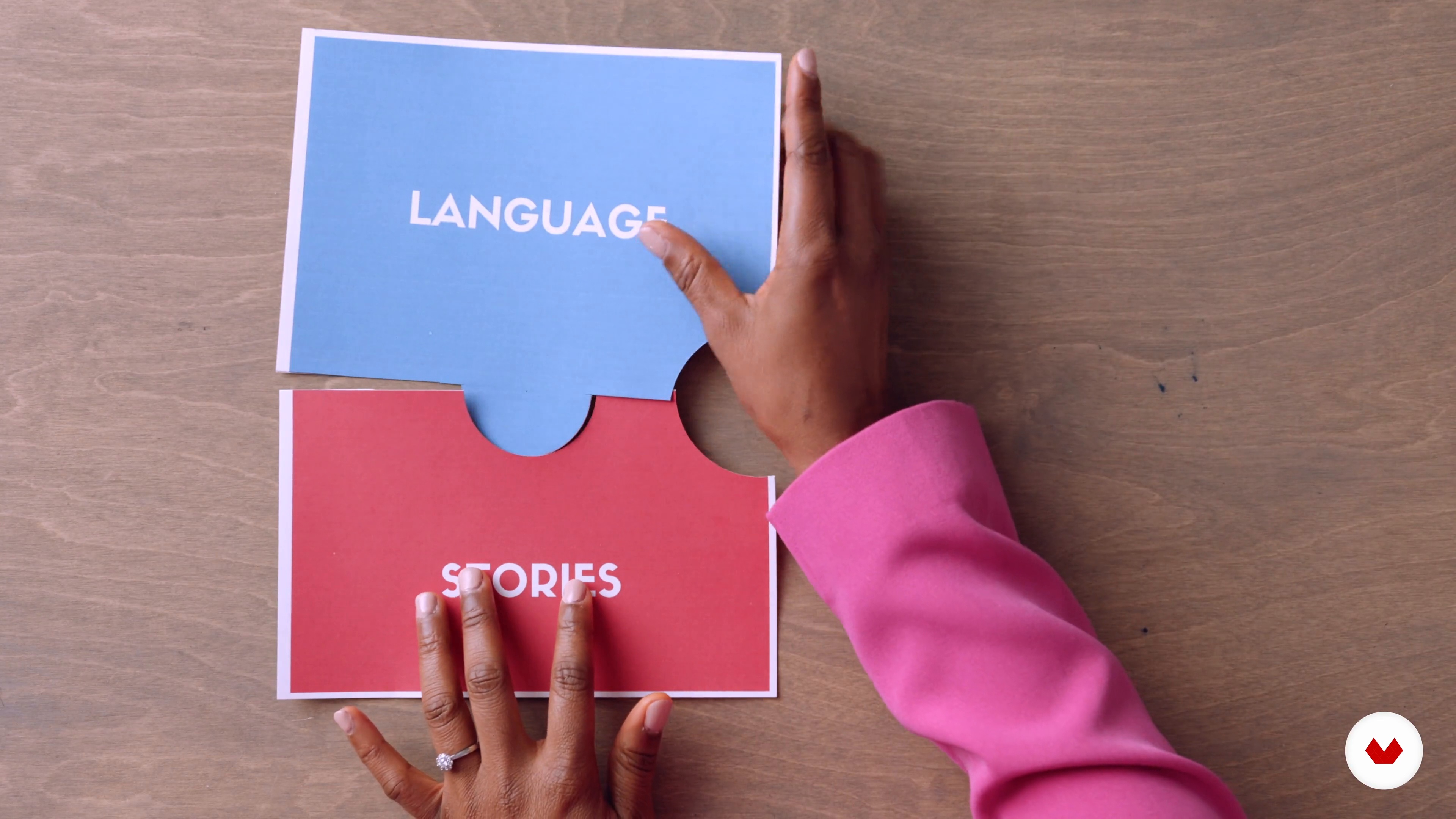
Speech writing is unlike most writing genres because its output is usually delivered verbally to an audience within a limited time frame. How do you make a clear, engaging point without boring people or being too brusque? That’s what I will teach you in this lesson.
14m
 5
5The Bare Bones: What Makes a Good Speech? 2
During this second part of the lesson. I'll continue explaining what makes a good speech.
8m
 6
6The Essentials
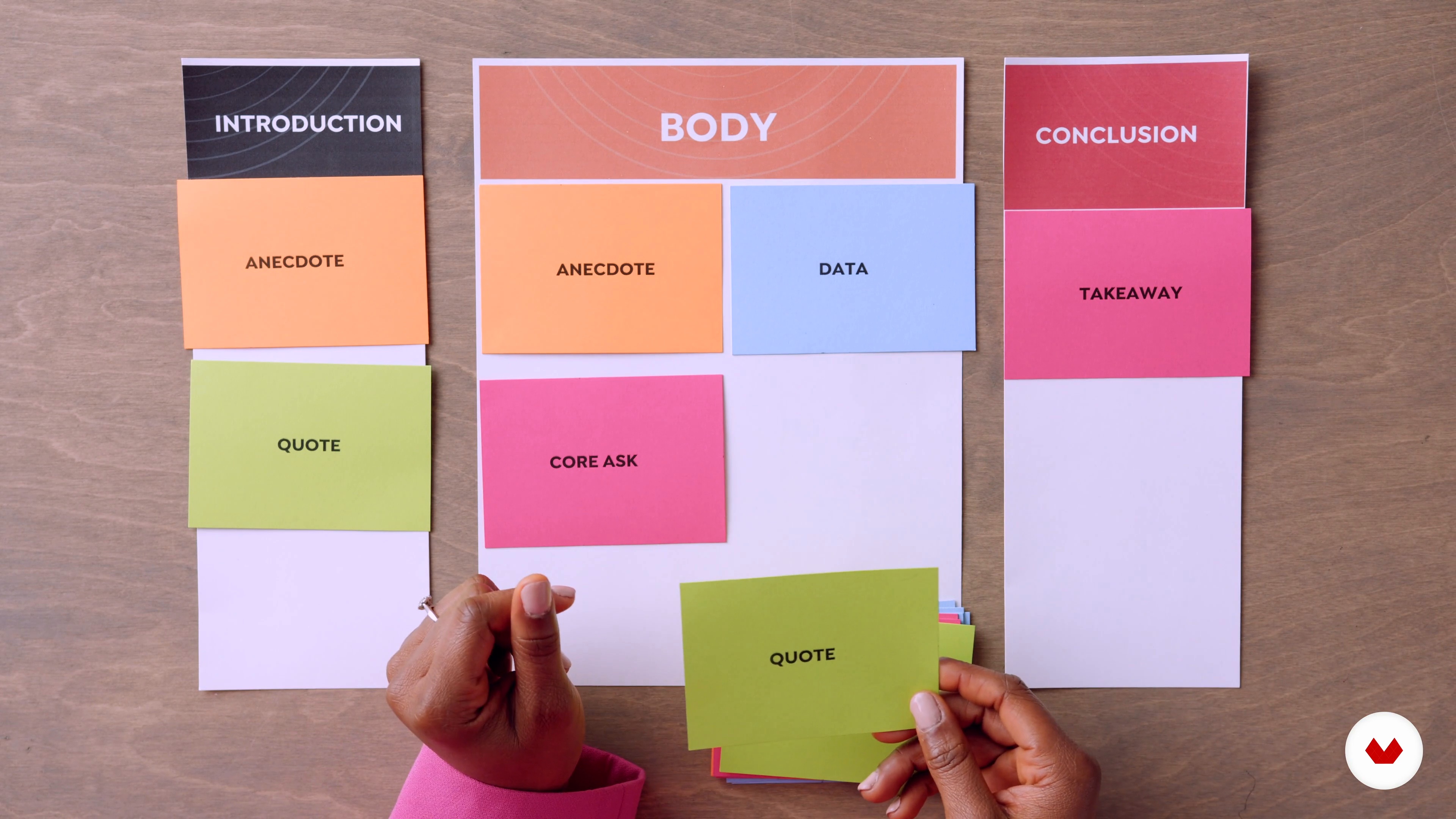
In this lesson, I will teach you the main parts of a speech, while analysing some speeches to see how writers use storytelling techniques across the different parts.
13m
 7
7Before You Write
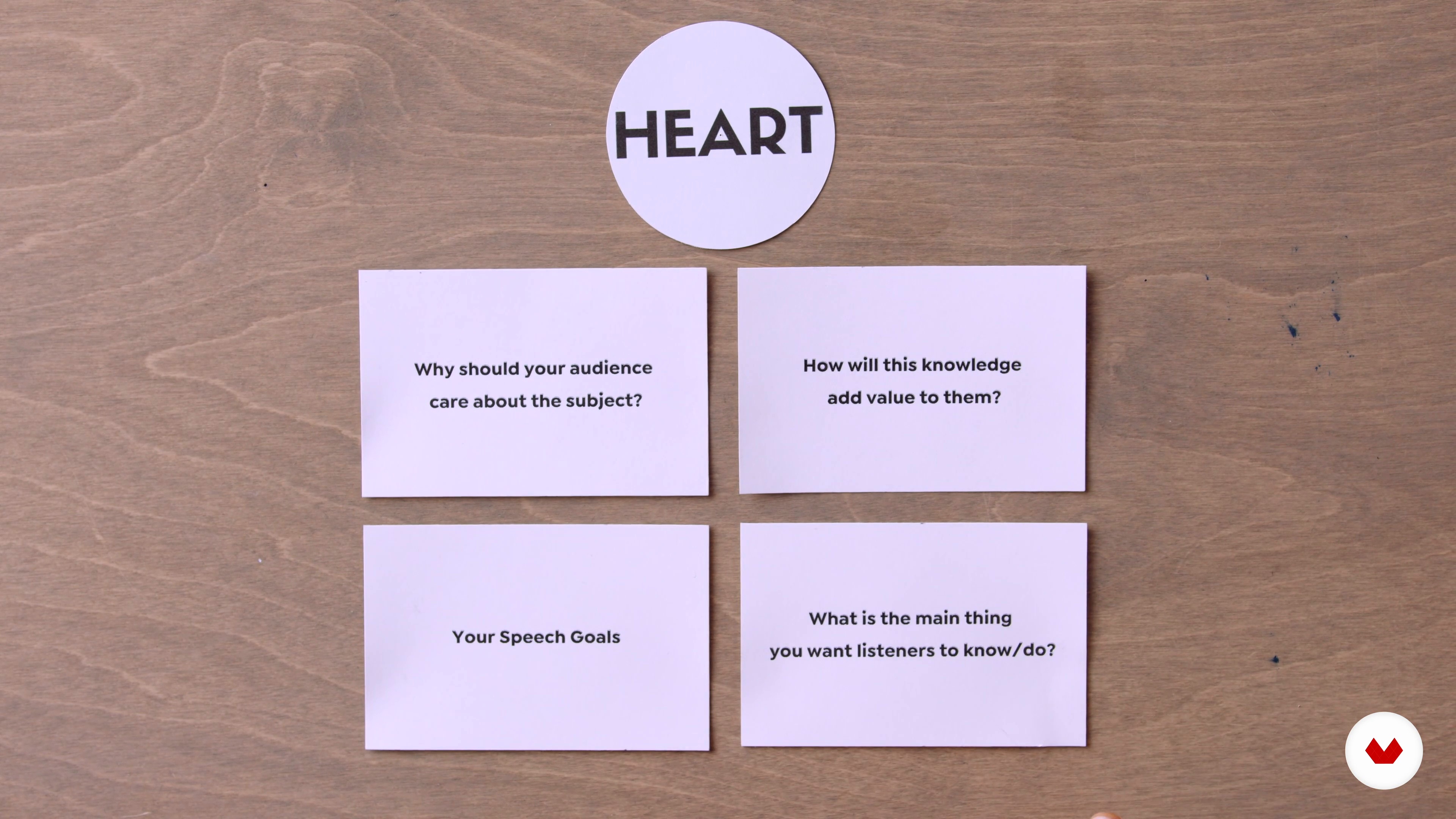
Whether it's a career-defining speech or the toast at your best friend's wedding, speech writing can seem daunting. But really, the core techniques are the same. With every speech, you want to do at least two things: connect with your audience and have your speech resonate with them long after you’ve dropped the mic. This lesson teaches you how to use research as the foundation for that before you write one word of your speech! Before we start, I want you to think about a topic you want to speak about.
17m
 8
8Mapping Your Speech
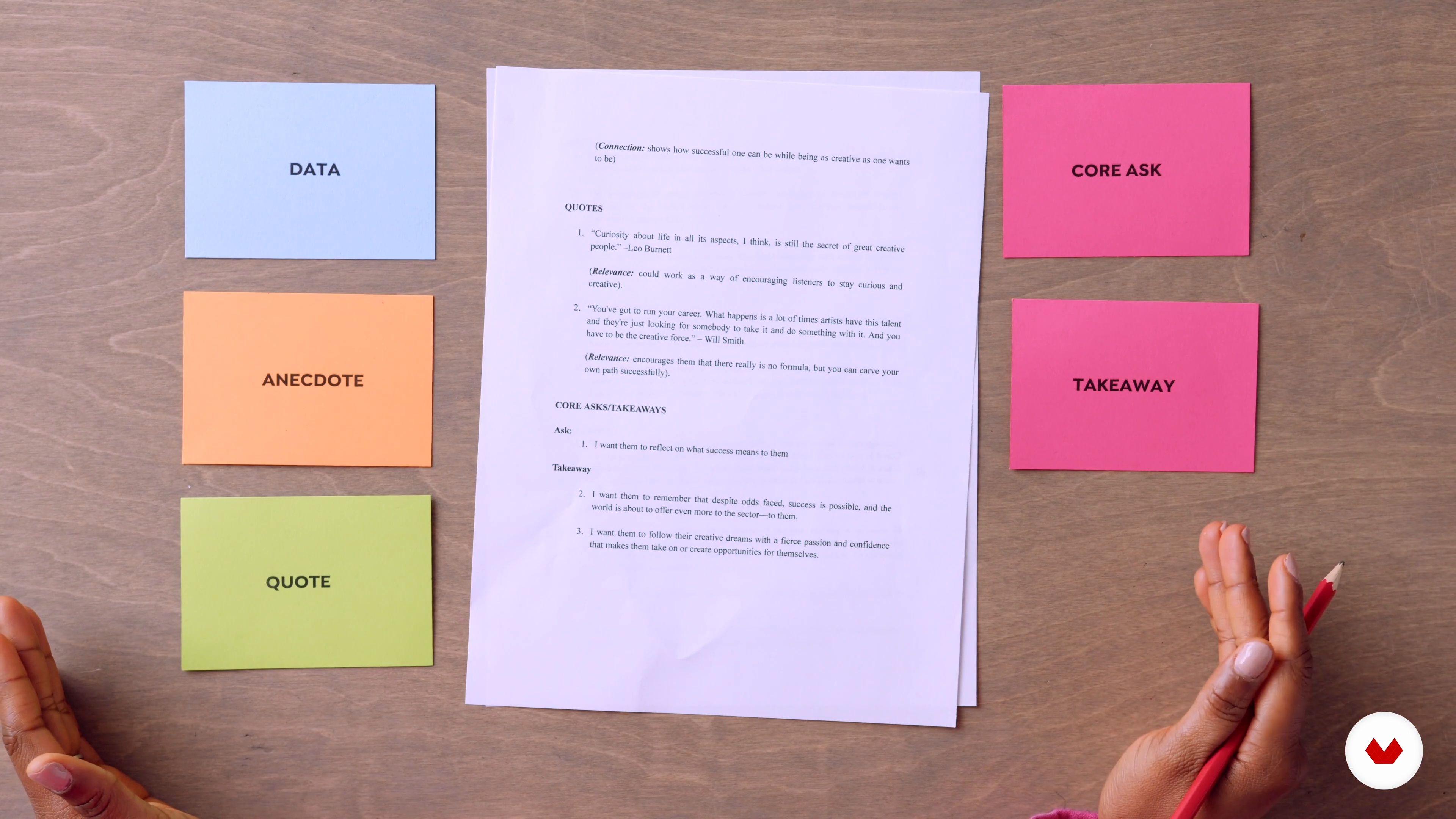
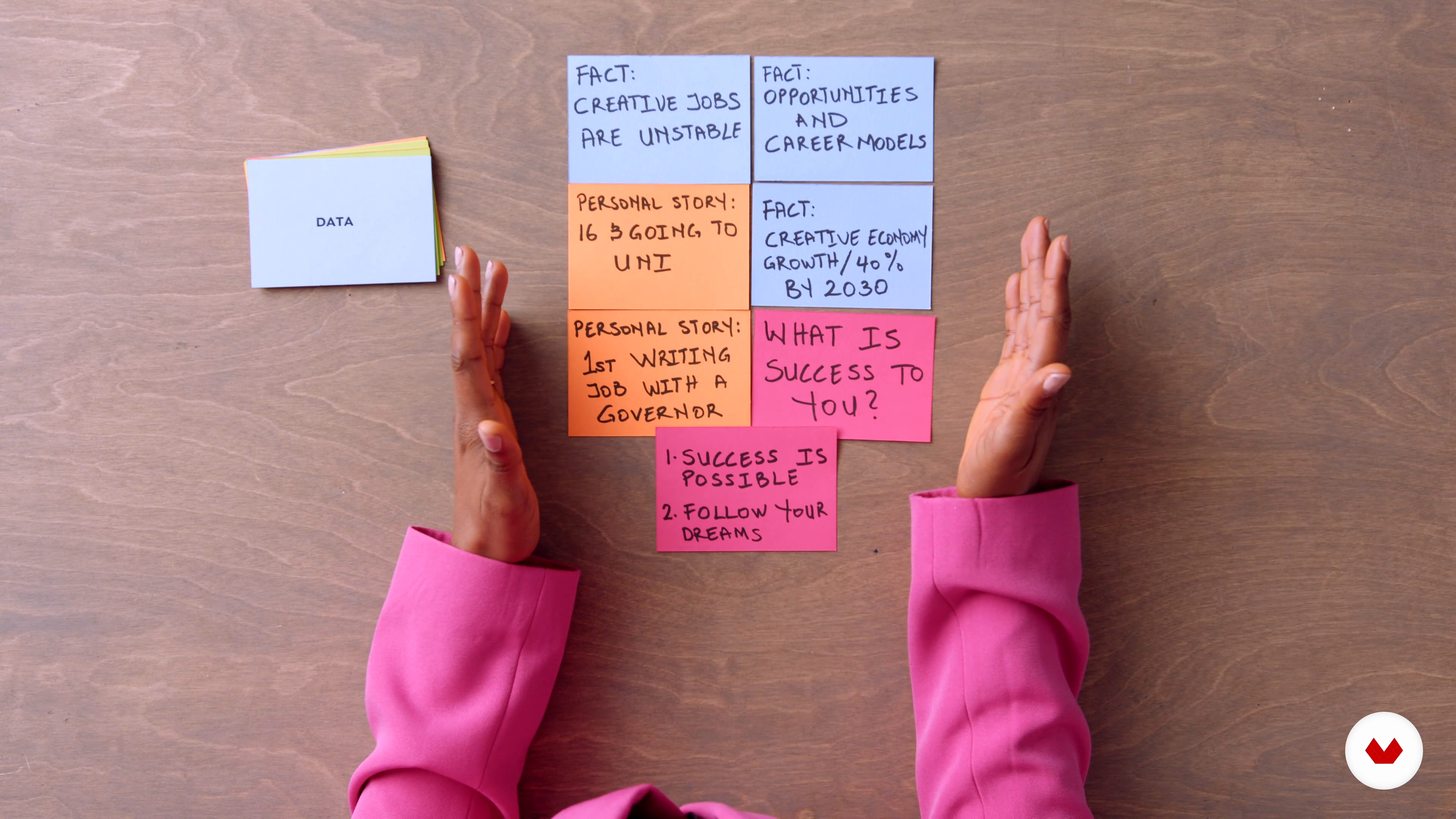
To begin, I want you to take a blank sheet of paper and fill it with your ideas. I will teach you how to map your speech from your ideas, the important facts, relevant anecdotes, and more. You’ll start with an idea dump and end up with a clear speech map.
13m
 9
9Alchemising: Writing Your Speech
This lesson will help you to see the creativity and the stories waiting in things that previously seemed mundane to you, and to share those stories in a speech that creates impact. It’s time to expand your ideas!
10m
 10
10The Possibilities in Your Speech
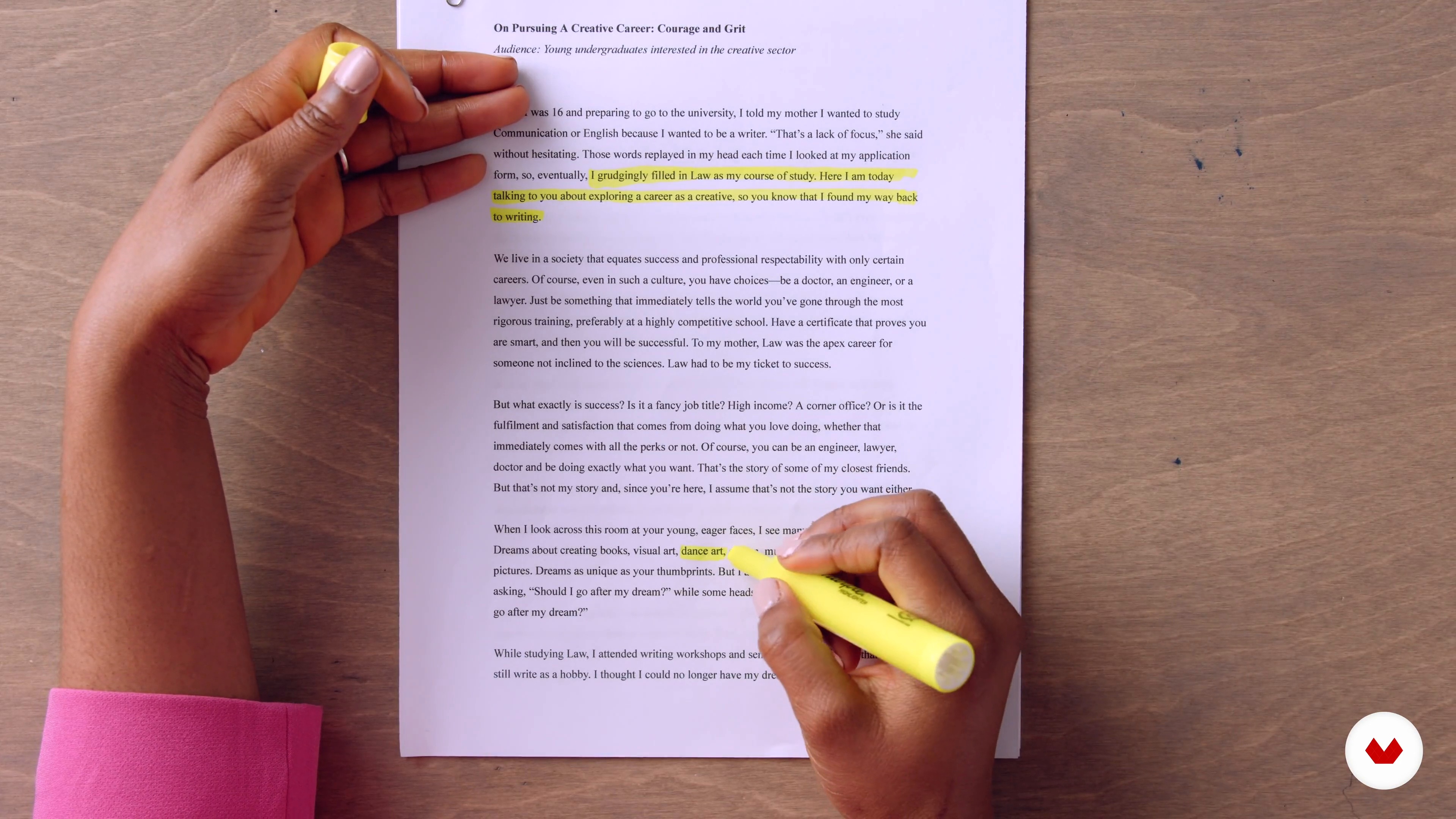
Now that you’ve written your first draft, it’s time to refine it by exploring possibilities. In this lesson, I will teach you how to connect with your audience in a way that allows them to see something of themselves or something of the world reflected in your words. By the end of this lesson, you will have begun writing something creative that challenges and inspires your listeners to an emotion, a conversation, or an action.
15m
 11
11Writing Is Rewriting
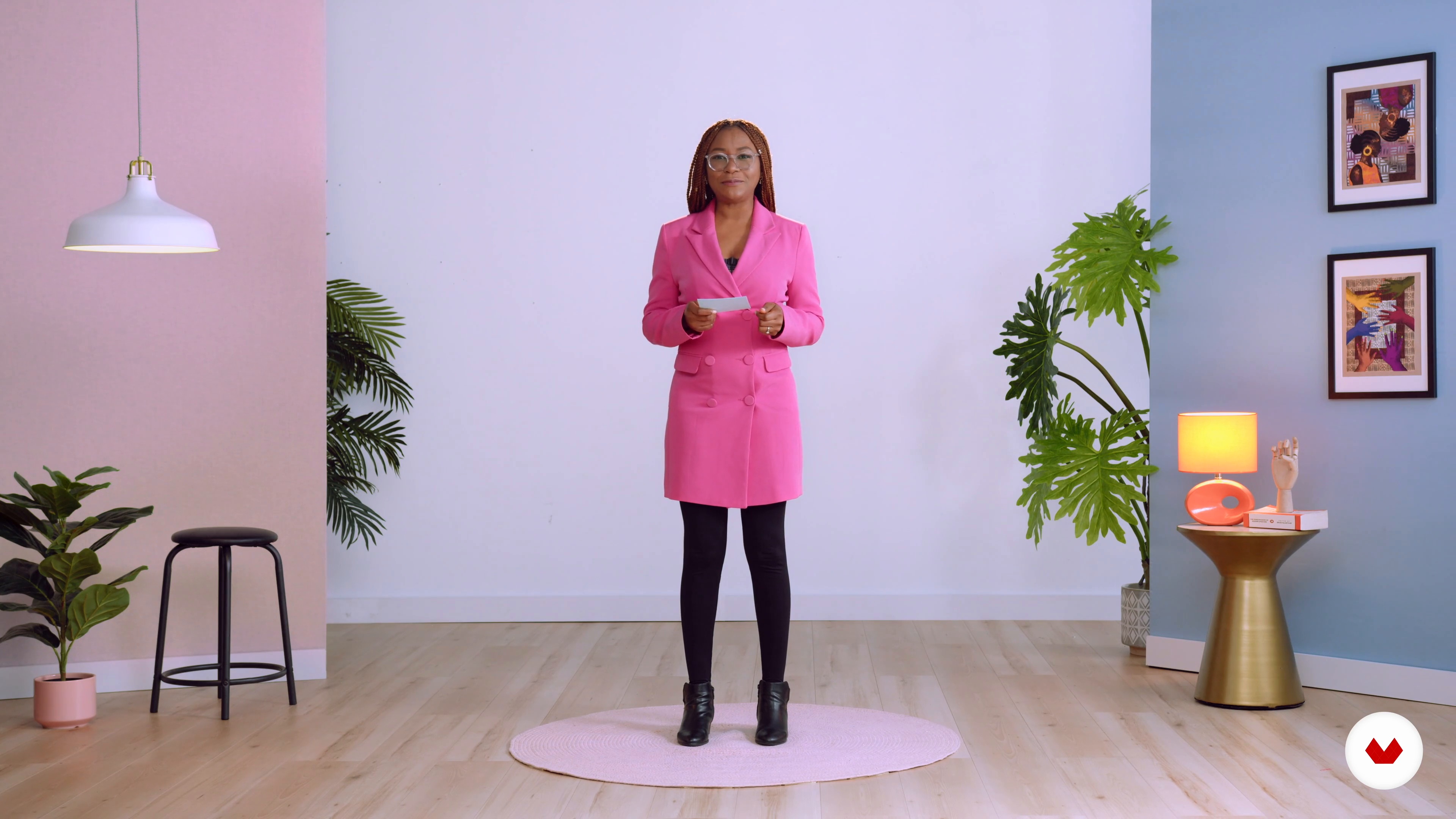
In this lesson, I will teach you how to use everything you’ve learnt so far to analyse your own speech and then edit or rewrite it.
14m
 12
12Delivering a Good Speech
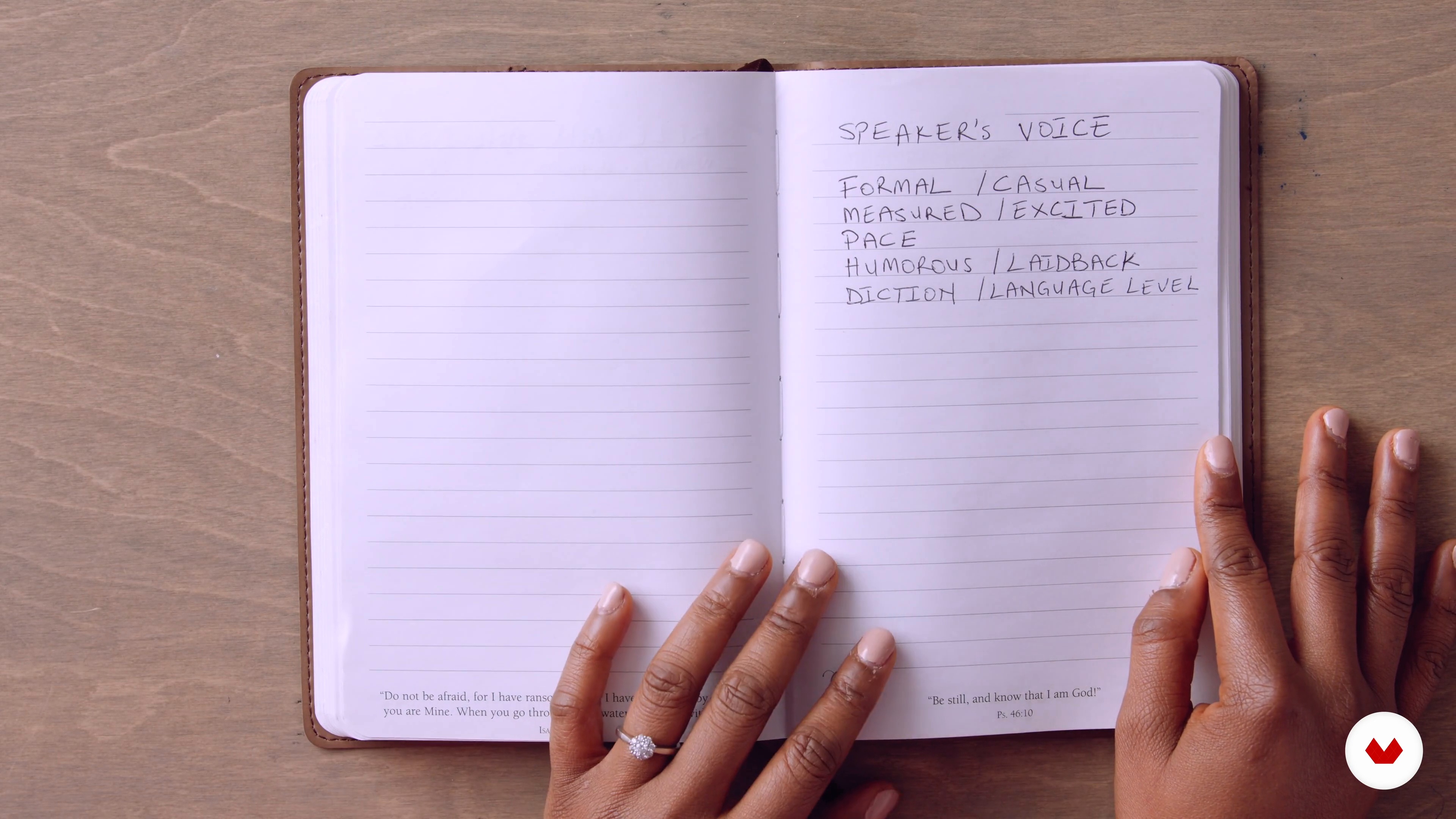
Now that you’re done writing, it’s time to practise speaking. In this lesson, I will teach you how to deliver your speech in an engaging way.
17m
 13
13Ghostwriting Speeches
Here I will share some additional tips that come in handy when you’re writing a speech for someone else.
15m
 3
3Being COOL When Presenting Ideas
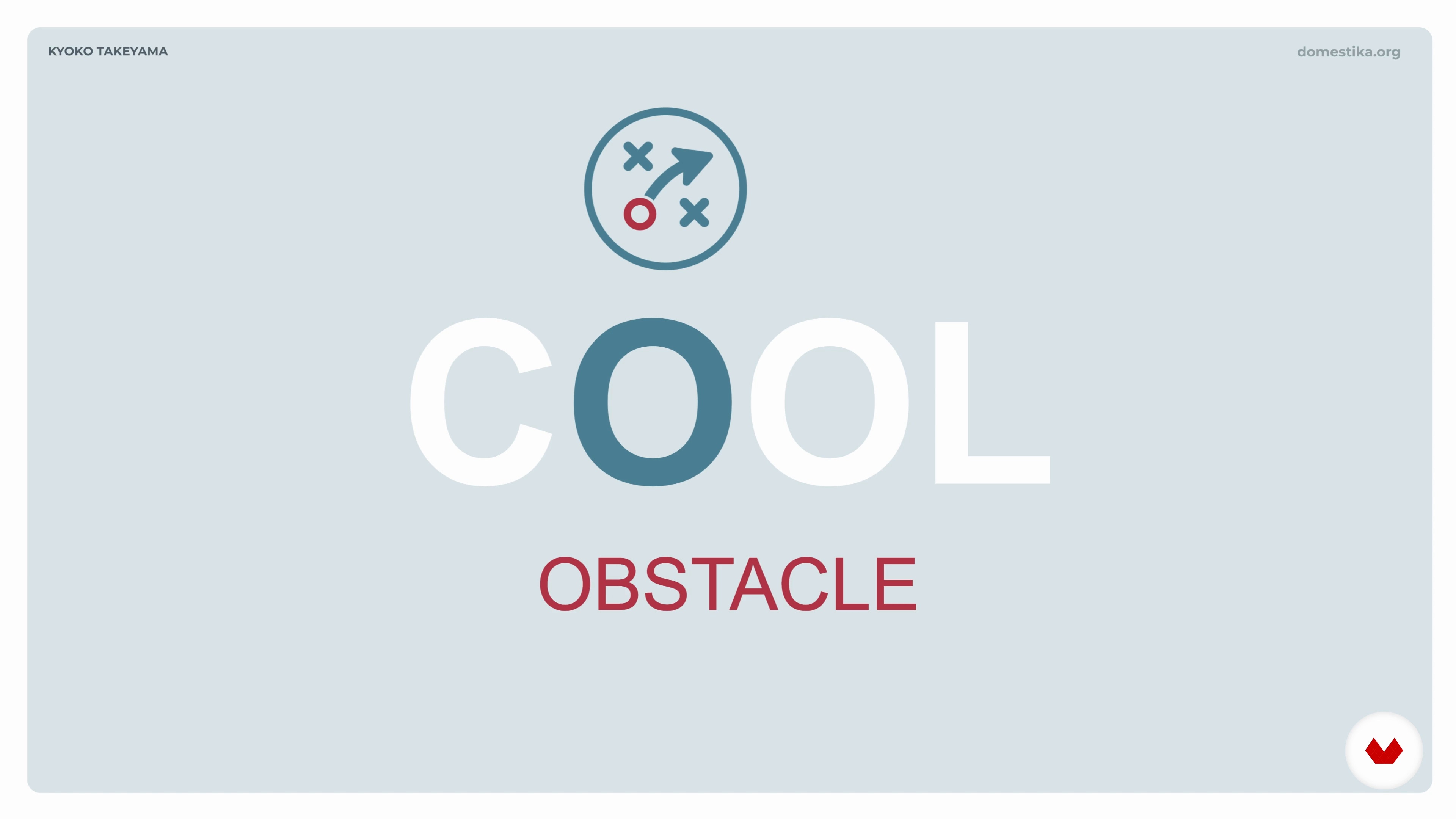
Presentations, speeches and short videos are all forms of stories. There is a beginning, middle and end. Every well told story is COOL because it incorporates the key elements: Context, Obstacle, Outcome and Life After. When you apply this structure to your daily communication, you will speak in a way that follows a logical storyline.
20m
 4
4Discovering and Changing Your Narrative
Most creative people struggle with speaking confidently about their creative work. Quite often, there is a negative narrative playing inside of your head. Identifying what makes you special and analyzing a video of yourself speaking will help you focus on what you do well and what you can do even better so you can speak more confidently.
13m
 5
5Understanding Your Audience
Do you speak to a child the same way you speak to your colleague? Of course not!! So understanding your audience is crucial when creating content that is relatable and relevant for your audience. Find out everything you can about your audience so you can establish common ground and generate interest for that specific audience.
4m
 6
6Identifying Your Purpose
Why are you talking? Until you have your purpose clear, whatever you say will not be memorable. The purpose of giving creative presentations and speeches cannot just be to inform your public because we have the internet for that. We normally inform and persuade or inspire/motivate or entertain. What are you trying to do when you speak?
9m
 7
7Thinking Outside the Box
As creatives, you know this better than anyone that certain processes help you get creative, especially when you feel stuck. We will look at how you can get your ideas flowing and think outside of the box.
7m
 8
8Defining the Problem-Solution-Benefit
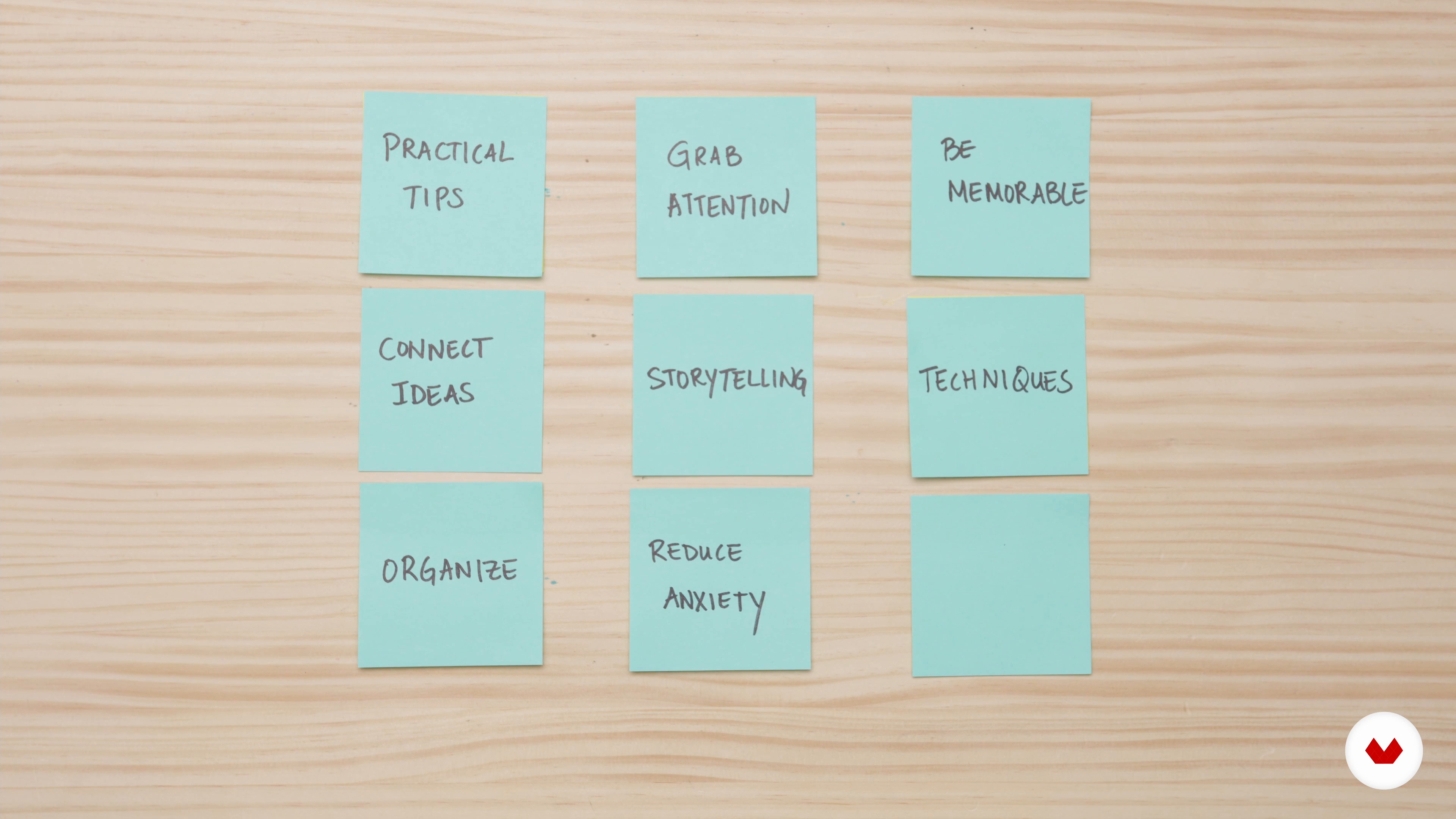
What do you say when someone asks you what you do? Does it take you a couple of minutes to explain it? I will walk you through how to talk about what you do by helping you brainstorm the problem your clients have, your unique solution to it and the benefit your clients get if they choose to use your services. These three sentences will be the foundation of your final project and your new response whenever someone asks you, “Hey, what do you do?!”
10m
 9
9Creating a Memorable Opening and Closing
Great movies, books and speeches have a strong opening and have an even stronger closing to leave that lasting impression. Let’s see how you can grab our attention and keep it so we remember what you say long after you are gone.
13m
 10
10Engaging Our Eyes, Ears and Feet
Everyone processes information differently. We are all visual, auditory and kinesthetic learners and one is usually more dominant than the others. By accommodating all three learners, you increase the chances of people remembering what you say. Let’s explore different ways to deliver your speech so you can engage our eyes, ears and feet.
14m
 11
11Organizing, Practicing and Learning
This is where you write out what you are going to say, practice saying it and then learn it to create your final project.
6m
 12
12Shooting the Video
In this lesson, we will look at what you need to consider before hitting the record button. Once you have everything in line, you will film your final project video!! Woohoo!! Oh, and please make sure you have fun with it. We would love to see your smiley face as opposed to your serious face.
5m
 13
13Reviewing the Video
Reviewing the video is a crucial step to improving your speaking skills. As we practiced before, focus on the aspects you do well and talk to yourself the way you would talk to someone you love. Once you have more awareness of how you look, sound and feel, you can change and improve whatever you want.
9m
 14
14Developing Your Opening Story
You have done an excellent job finding the appropriate story to tell in your one-minute video. Now you can fully develop the story by applying the COOL structure so you tell the complete version of the story. Once you develop the story and practice telling it, it can be one of many stories you tell when you tell people what you do.
7m
 15
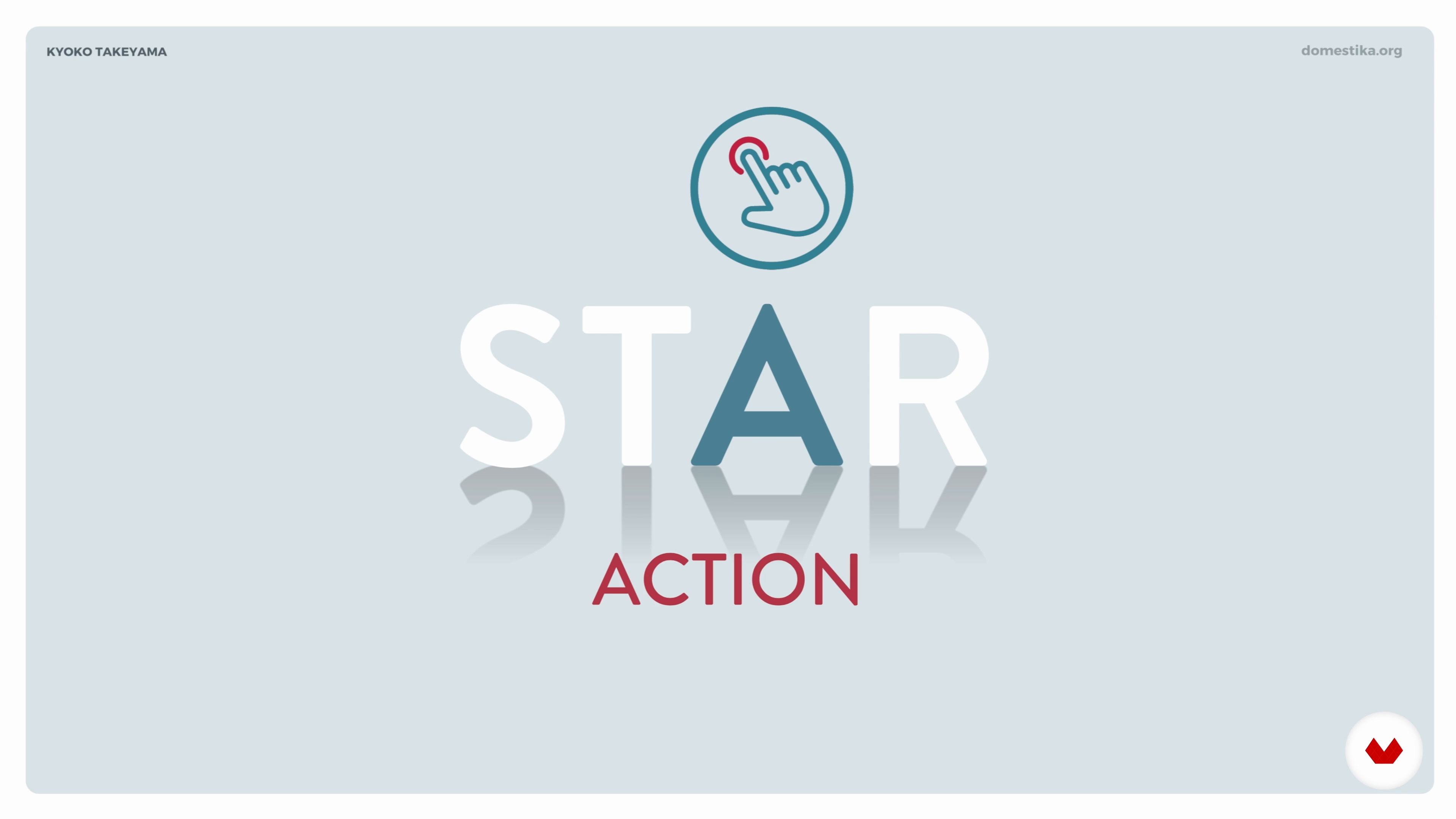
15Simple Structures in Daily Communication
More structures?! You must be tired of hearing me talk about structures, but every conversation we have follows a storyline. Apply simple structures to organize your talking points before you speak and you will speak, look and sound confident.
11m
 1
1How Public Speaking Can Make an Impact
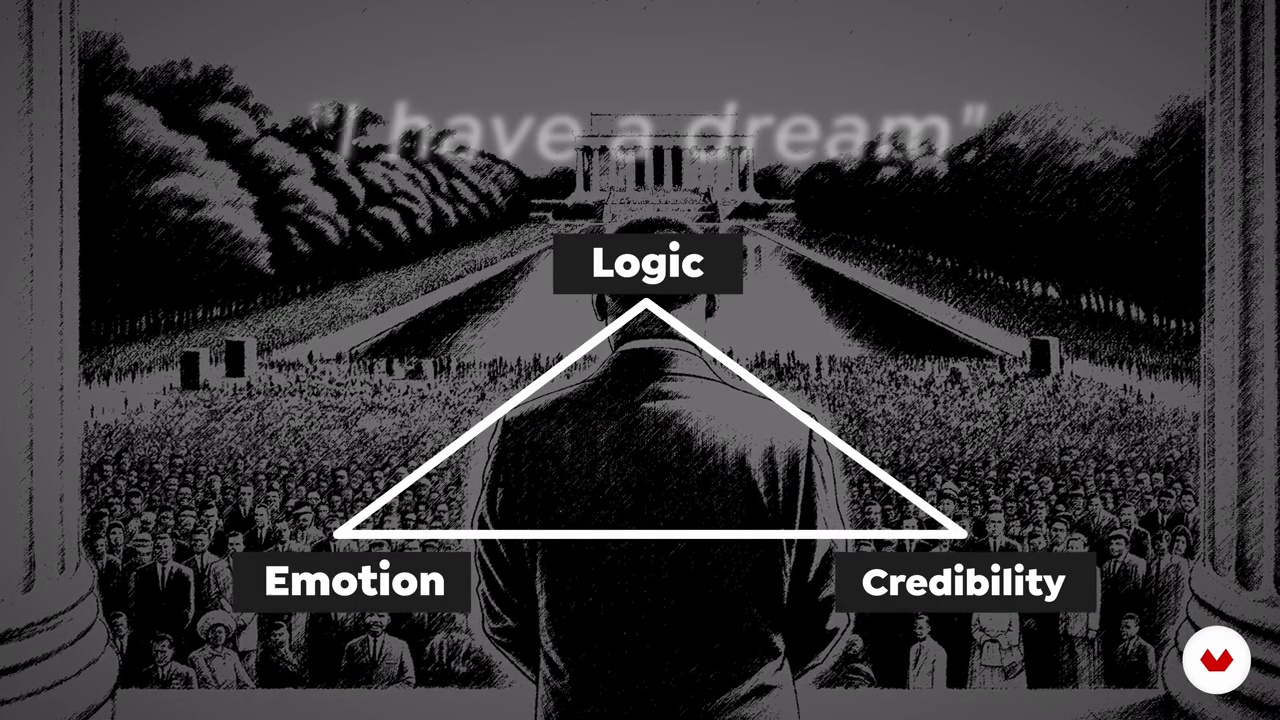
I explore the transformative power of speeches throughout history, from Martin Luther King Jr.'s "I Have a Dream" to Greta Thunberg's climate action plea. I analyze how these words have inspired movements and driven change, understanding the balance between rational appeals and emotional impact through Jonathan Haidt's rider/elephant concept. Ultimately, I reflect on the enduring influence of spoken words in shaping society.
3m
 2
2Looking at the History of Greek and Roman Oratory
In this lesson, I teach you about Aspasia of Miletus, considered the mother of rhetoric, who played a central role in Athenian society and was even credited by Socrates for her rhetorical instruction. I explore the contributions of the Sophists, Aristotle's principles of rhetoric including Ethos, Pathos, and Logos, and Cicero's structured approach to constructing a discourse. I also help you understand how these ancient techniques translate into modern public speaking and argumentation practices.
3m
 3
3How Public Speaking Has Evolved: The TED Effect
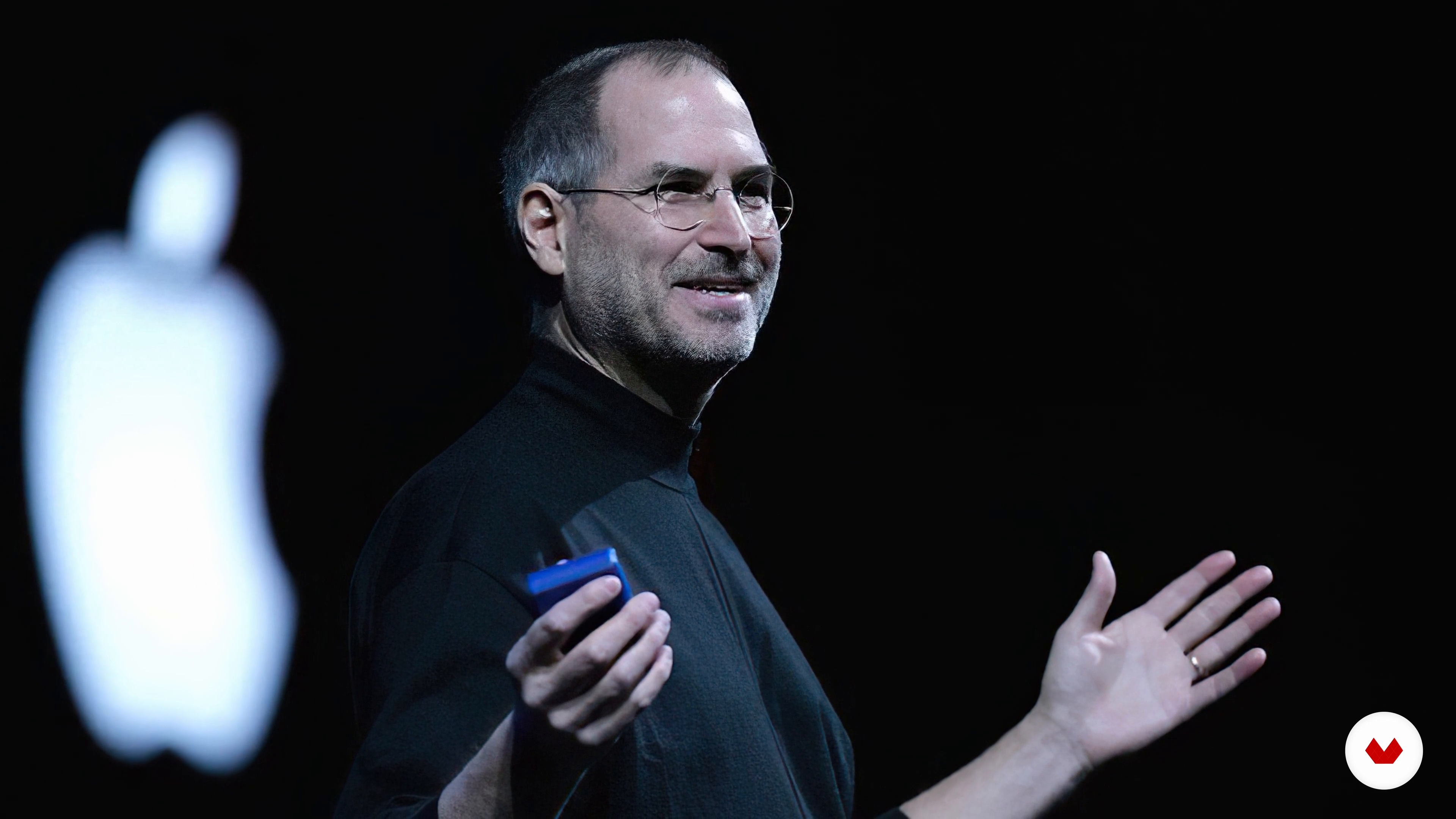
In this lesson, I examine how TED has revolutionized public speaking by introducing a more personal and relaxed style, departing from traditional formality. I explore the origins of the TED style in Steve Jobs' Apple launches and understand the effect TED has had on modern rhetoric. I highlight the importance of storytelling, building rapport with the audience, and interweaving personal experiences. I also address the potential drawbacks of the "TED effect," cautioning against prioritizing style over substance.
2m
 4
4What Makes an Amazing Public Speaker Today
In this lesson, I delve into timeless elements of great public speaking, emphasizing the enduring power of passion, which captivates and drives any talk. I teach you the importance of humanity, simplicity, focus, and credibility, helping you understand that a speaker's authenticity and clear direction keeps the audience engaged. I explore the profound impact of storytelling on our brains and its persuasive power, while underscoring that effective performance involves more than just words; it encompasses the entire presentation.
1m
 5
5Where Do You Start? What Do You Talk About, and What’s Your Objective? 1
I help you identify the right topic by focusing on the intersection of passion, knowledge, and unique perspective. You will learn to choose subjects you are passionate about, ensuring audience engagement, and to research existing talks for inspiration. I highlight the importance of having a clear objective and key message, avoiding common pitfalls such as being controversial for attention or prioritizing style over substance. By defining what action you want your audience to take, why, and how to compel them, you will be well-equipped to start building your content.
5m
 6
6Where Do You Start? What Do You Talk About, and What’s Your Objective? 2
We continue exploring exciting concepts in this part of the lesson. Don't miss it!
2m
 7
7Building Up the Narrative from Your Audience's Point of View 1
I emphasize the importance of understanding your audience before crafting your talk. You will learn to define your audience's interests and knowledge level to tailor your content effectively. Using an updated version of Cicero's structure, I help you outline initial content focusing on introduction, narration, division of arguments, proof, refutation, and a compelling conclusion. This method provides a strong foundation to ensure your talk is relevant, engaging, and persuasive.
4m
 8
8Building Up the Narrative from Your Audience's Point of View 2
We keep exploring fascinating concepts in this stage of the lesson. Make sure to keep going!
3m
 9
9Structuring Your Talk
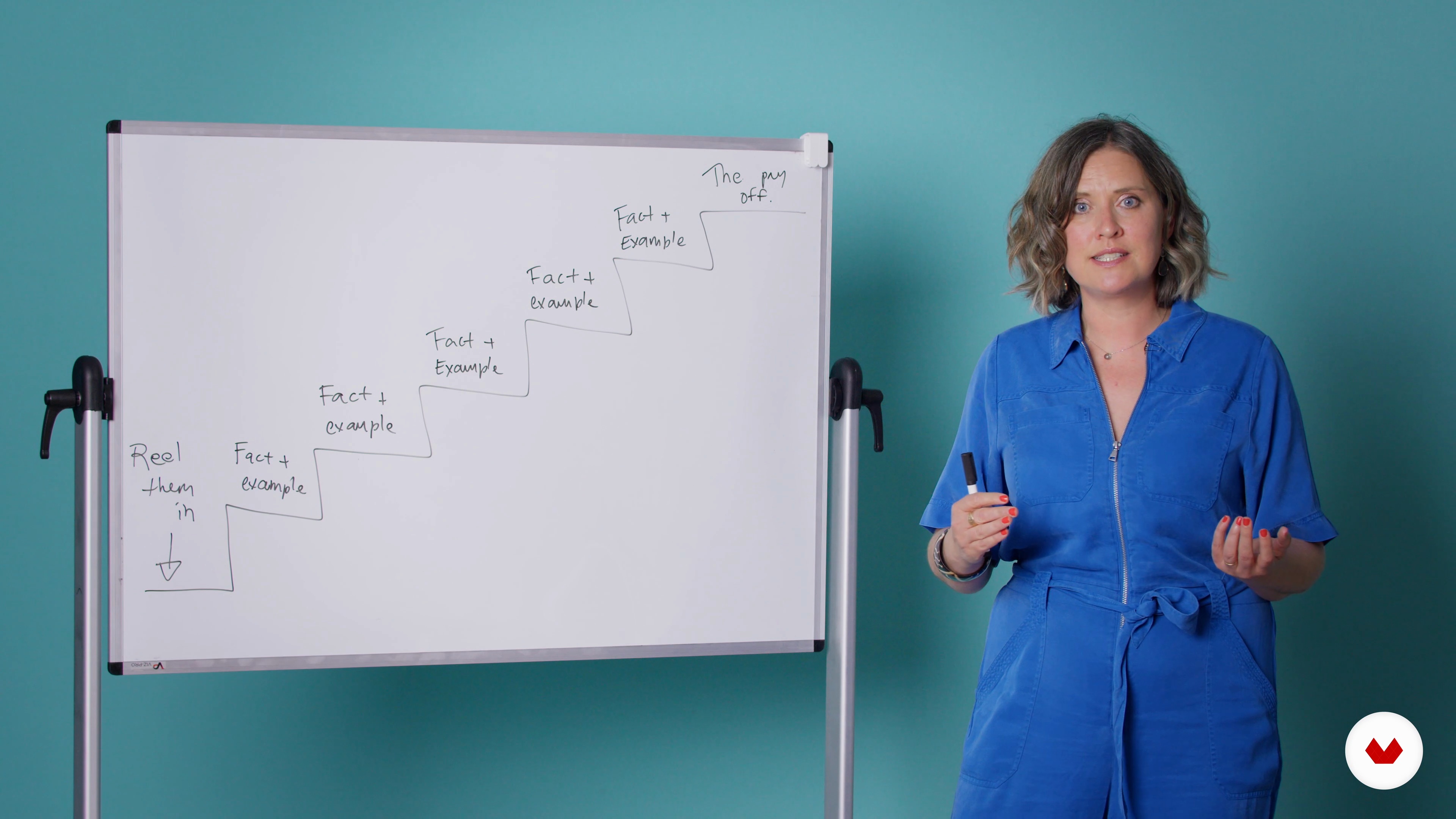
I teach you how to decide on the best structure for your talk, keeping in mind that while Cicero's structure helps organize thoughts logically, the final structure should align with your objective. Depending on whether the goal is inspiration, action, education, or belief, you will explore different structures: using storytelling for inspiration, a fact-and-story approach for education like Ngozi Adichie, a step-by-step method for educational talks like Anil Seth's, or a hook and subvert strategy for belief or action talks. You will then apply one of these structures to your own talk as a practical task.
7m
 10
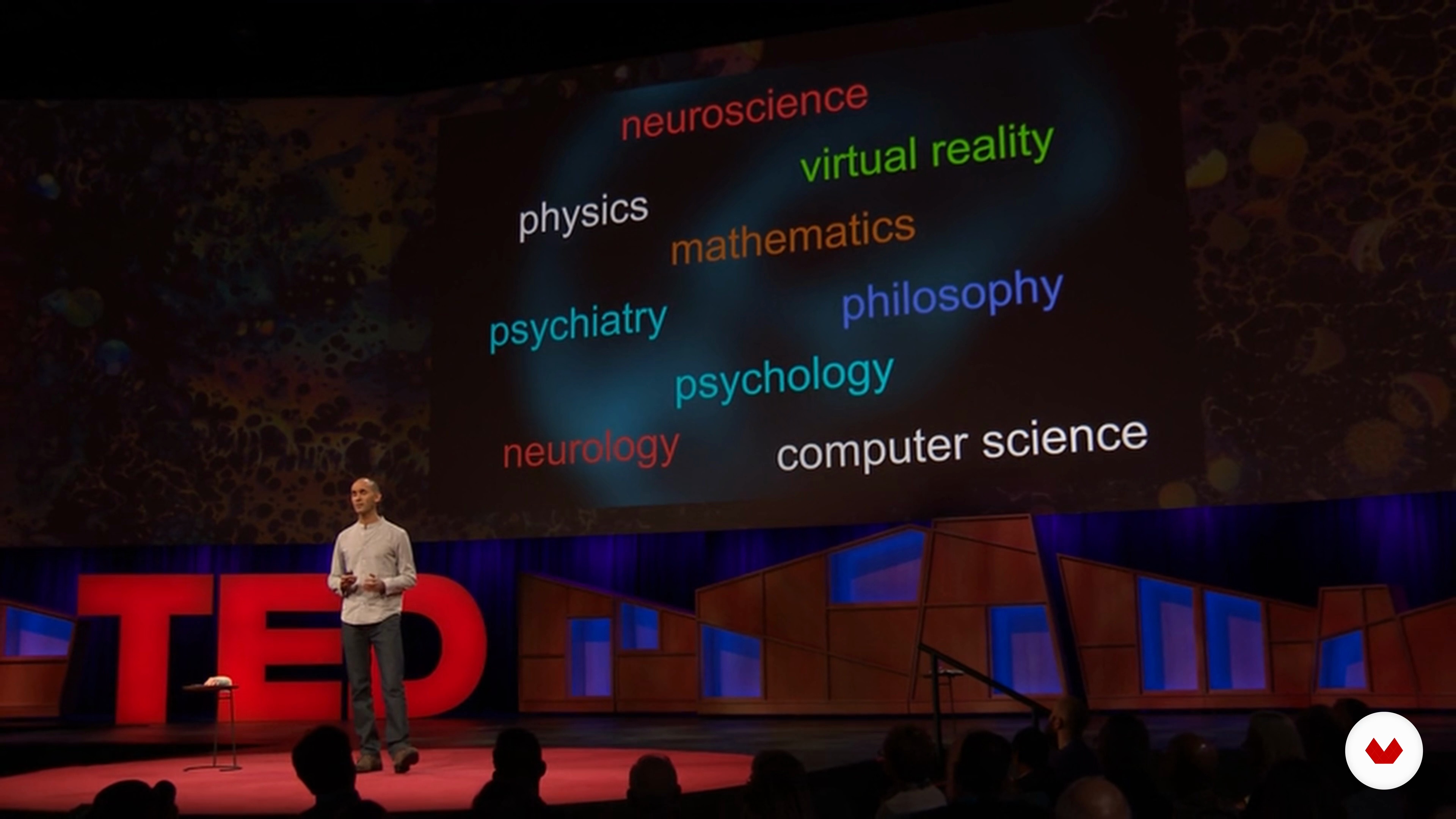
10The Power of Storytelling
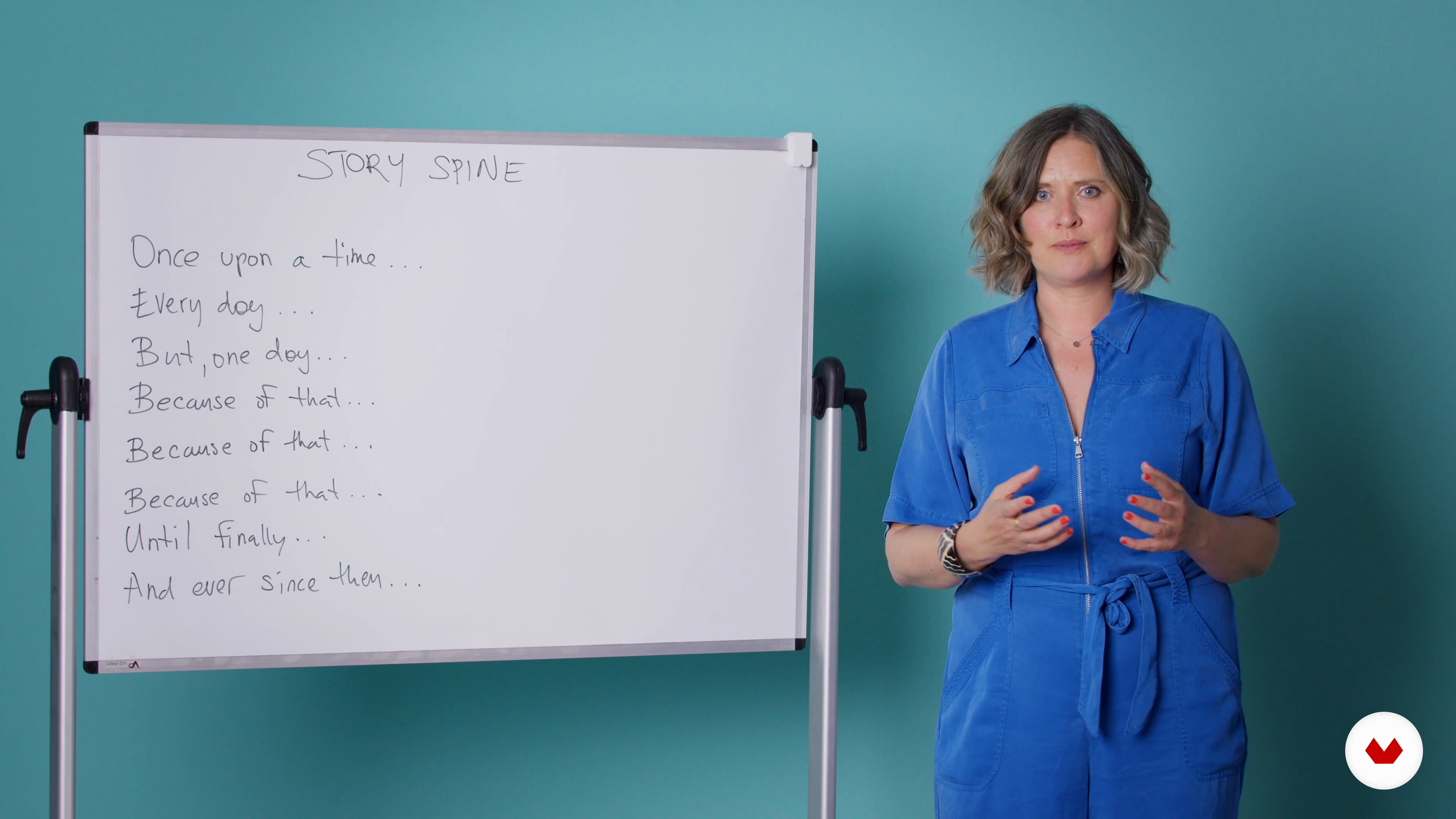
I explain the immense power of storytelling in public speaking, highlighting how stories engage multiple areas of the brain, making information more memorable. Stories can also trigger the release of oxytocin, fostering empathy and connection with the audience. I delve into the emotional impact of stories and their role in capturing attention and conveying important messages. You will learn how to craft your own stories using the story spine technique, including setting up the narrative, building to a peak or a low point, and ultimately creating compelling and memorable tales.
3m
 11
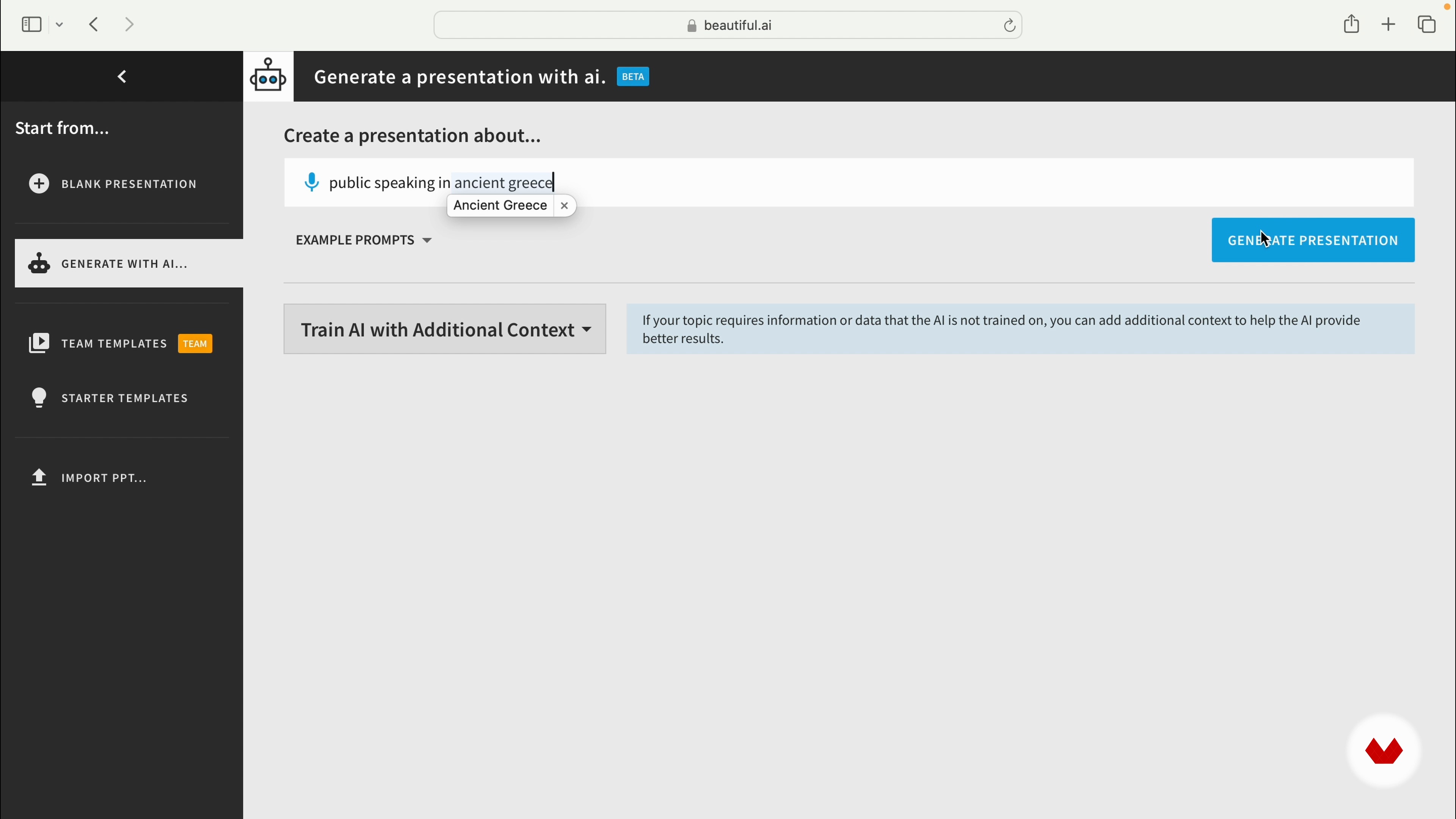
11How to Slide? 1
I explore how to enhance your talk with slides, videos, audio, and interactive elements, emphasizing that these aids should support and not overshadow your message. Engaging multiple senses can help retain information, using well-timed, visually focused slides like those in TED talks. I advise simplifying charts and graphs to highlight key information and keeping video or audio clips short. I also introduce tools like Canva and Mentimeter for creating engaging presentations and interactive elements, while recommending simplicity for novice speakers.
2m
 12
12How to Slide? 2
We are breaking down exciting concepts in this part of the lesson. You can't miss it!
3m
 13
13Principles of Performance
Creating a great talk is only half the job; the other half is delivering an engaging performance. Performance is crucial for capturing and maintaining the audience's attention, enhancing message delivery, and building a connection with the audience. A relaxed and enthusiastic presentation style helps the audience relax and engage, thereby increasing retention of the information shared. I focus on using key tools such as voice modulation, body language, and effective use of stage space to elevate the overall performance.
1m
 14
14The Voice and How to Use It Effectively
I delve into the physiology of how the voice works within our bodies and how vocal delivery can alter the impact of a message. You will explore several techniques to enhance your speech, including varying pace and pauses to add emphasis, and using pitch and tone to convey different moods and emotions. I also cover the importance of projection and articulation to ensure clarity and audibility. In the next lesson, I will teach you a short warm-up routine to prepare your voices before a talk.
12m
 15
15Body Language: What Do I Do with My Hands?
I address the common query of "What do I do with my hands?" and help you understand the significance of body language in effective communication. You will learn about the impact of good posture on self-perception and audience perception, and how gestures can enhance message delivery and audience engagement. I encourage utilizing the entire stage for movement, avoiding hiding behind lecterns, to ensure active audience engagement. Additionally, I explore the importance of considering multicultural differences in body language.
6m
 16
16Where Do I Look? How to Engage with Your Audience
I teach you that establishing a strong relationship with the audience is crucial for a successful talk. Eye contact plays a vital role in engaging the audience, and techniques like scanning the room, rotating eye contact, and focusing on friendly faces can enhance this connection. I introduce the "triangle technique" to divide the audience into sections for effective engagement. Additionally, I provide guidance on managing Q&A sessions, including tips on handling questions during a presentation, preparing for potential questions, and responding to challenging audience members with courtesy and respect.
3m
 17
17Managing Public Speaking Anxiety
I delve into public speaking anxiety as a natural response to perceived threats, exploring the physiological reactions that occur in the body. You will understand the physical symptoms of anxiety such as increased heart rate, rapid breathing, and muscle tension, along with cognitive challenges like thinking difficulties under pressure. I emphasize the importance of breathing and relaxation techniques in managing public speaking stress, with practices like meditation shown to reduce stress symptoms and cortisol levels. You can try a guided meditation exercise for relaxation.
11m
 18
18Building Up Your Speaker Profile Through Thought Leadership
I teach you about building credibility as a public speaker by establishing yourself as a thought leader in your field. I encourage you to start creating content by engaging in conversations, adding your unique perspective, sticking to a clear message, and focusing on specific details and tangible knowledge sharing. Consistency in output and a focus on joining the conversation rather than self-promotion are highlighted as key strategies for success. I also provide guidance on generating your first written piece of content using various formats such as how-tos, listicles, inspiration pieces, and news-based articles.
5m
 19
19Different Types of Speaking Opportunities
I explore different formats of speaking opportunities, including conferences, symposiums, industry events, meetups, and more. I break down various types of speaking roles such as keynote speakers, guest speakers, panelists, and participants in fireside chats, workshops, seminars, webinars, and learning sessions. You will learn about the distinct differences between these roles and how to prepare for and excel in each type of speaking opportunity. Additionally, I provide guidance on researching events in your field and connecting with event organizers and current speakers to enhance your speaking profile.
2m
 20
20Creating Your Own Speaking Event
I encourage you to seize your first speaking opportunity to boost confidence and build your speaker portfolio. I teach you the value of taking initiative by creating your own events, whether small internal workshops or larger external gatherings. I share practical tips for organizing successful events, including starting small, selecting speakers, focusing on sharing valuable knowledge, considering logistics such as financing and venue, identifying the target audience, and effective promotion. I also explore the option of hosting online events for wider reach and lower cost, as well as the potential for setting up TEDx events. I emphasize the importance of resilience and learning from failures in event organizations.
3m
 21
21Speaking Agencies
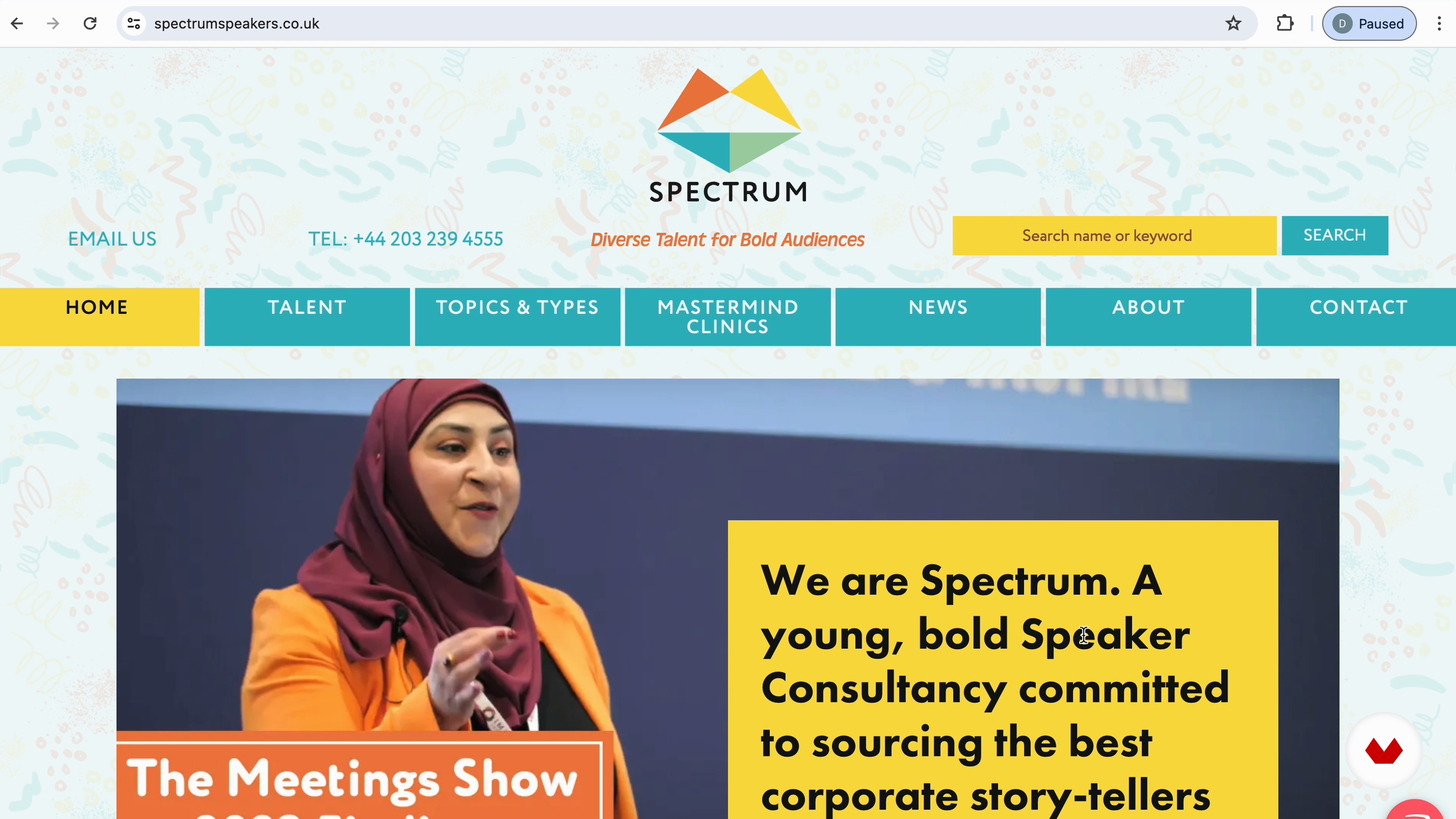
I delve into how speaking agencies function as intermediaries connecting event organizers with speakers. You will learn about the benefits and drawbacks of being represented by an agency, including increased exposure and reduced sales pressure, but also facing higher competition and sharing a percentage of fees. I cover qualities agencies look for in speakers, application requirements like a great speech and testimonials, and tips on selecting and approaching agencies that align with your speaking goals. You will also explore factors influencing the negotiation of fees, such as experience, education level, reputation, and exposure level.
5m
 22
22How to Work in Different-Sized Spaces
You have your first gig booked, and that's really exciting! In this lesson, I teach you how to manage the venue on the day of your presentation, with a focus on the room you will be working in. Understanding the size of the space is crucial, as it influences your performance and how you use the area; Visiting the venue in advance can help you strategize and get comfortable, especially if you're nervous. Key considerations include moving freely and using the entire stage, being mindful of the audience's sight lines, not feeling obligated to use the podium, checking the location of screens, avoiding prolonged writing on whiteboards or flip charts, and ensuring your voice projects well throughout the room, potentially with the aid of a microphone.
8m
 23
23Dealing with the Tech
I emphasize the importance of understanding the technological setup in advance of your presentation. Whether you'll be using a handheld mic, headset, or clip-on, it's crucial to know and practice accordingly, paying attention to details like mic placement and volume levels. Additionally, I teach you to determine how your slides will be managed—whether you'll control them yourself or cue someone else—and practice with any necessary equipment such as clickers. Finally, ensure that you are familiar with the screen and audio setup, and remember to prepare your laptop by closing unnecessary apps to prevent interruptions. Proper preparation is key to avoiding technical pitfalls on the day of your presentation.
7m
 24
24Presenting Online
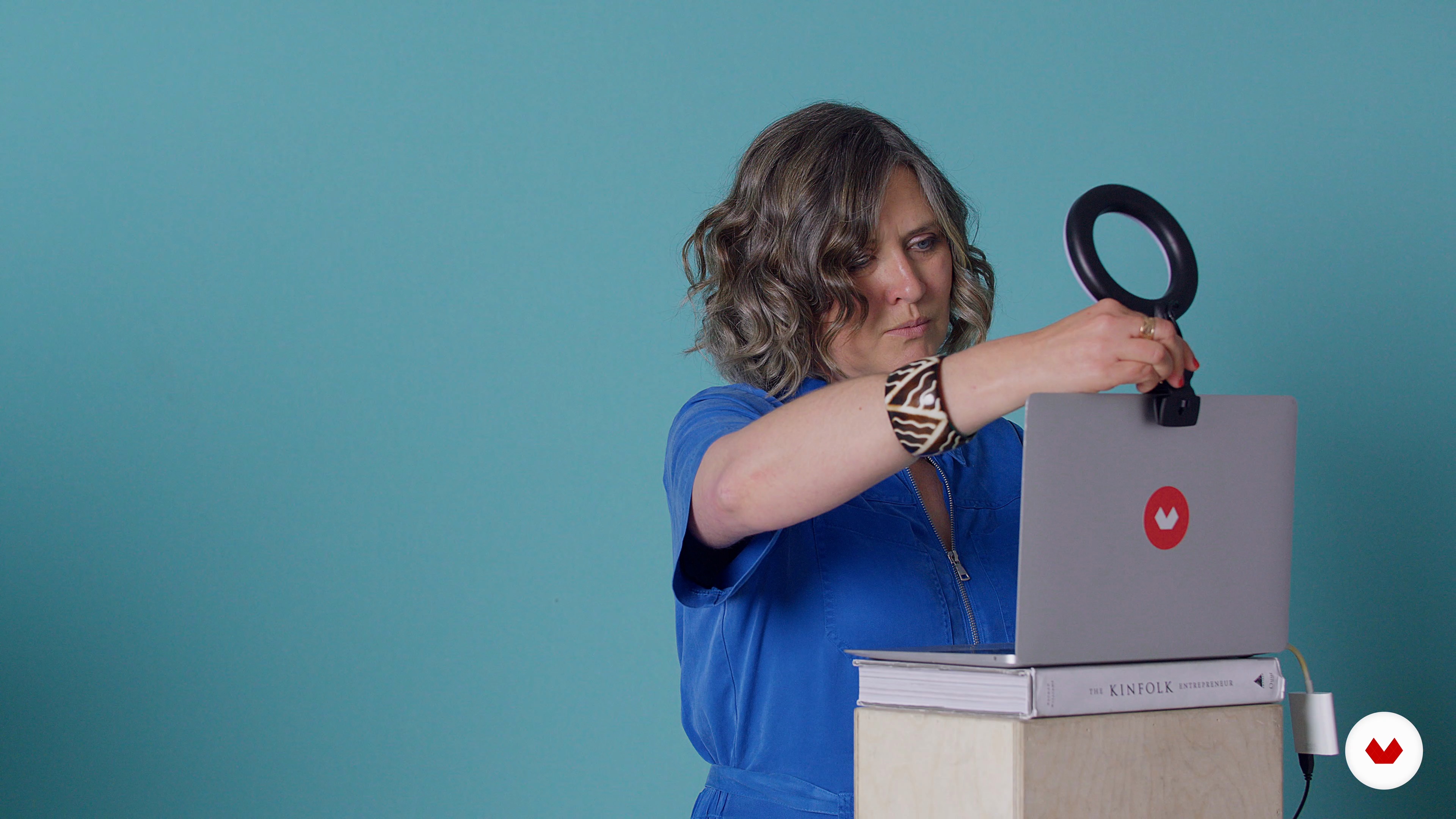
I cover the unique considerations for delivering an effective online talk. It begins with selecting the best platform, like Zoom, for its robust functionalities, and ensuring your technology—such as a stable Wi-Fi connection, mic, and camera—is properly prepared and tested. You will learn to create a distraction-free background, maintain engagement through interactive elements and breakout rooms, and provide clear instructions for managing questions. I also emphasize adaptability in the face of potential technical issues and the importance of follow-up materials and networking opportunities, such as sharing your LinkedIn in the chat.
4m
 25
25How to Deal with Different Types of Crises
I focus on preparing for and managing potential crises during a presentation. You will explore what you can and can't control, prepare answers for difficult Q&A questions, and develop a backup plan for technological failures, such as delivering your talk without slides or audio. I also cover strategies for handling a malfunctioning mic by projecting your voice, and dealing with disruptive audience members by understanding their motivations and responding appropriately. I place emphasis on the importance of rest before the event and being kind to yourself, acknowledging that things may go wrong and that's okay.
3m
 26
26Career Growth and Finding Speaking Opportunities
I teach you how to strategically grow your career by finding speaking opportunities. You will learn to research events, connect with organizers, and build a presence in your niche. I provide tips on using social media and networking platforms to find and secure speaking engagements. I also discuss the importance of setting goals and creating a roadmap for your speaking career.
2m
 27
27Effective Networking and Collaboration
In this lesson, I highlight the importance of networking and collaboration in the public speaking world. You will learn techniques for building a strong professional network, collaborating with other speakers, and leveraging relationships to create opportunities. I provide strategies for attending networking events, following up with contacts, and maintaining long-term professional relationships.
4m
 28
28Continuing Training Beyond
I emphasize the importance of continuous practice to hone your public speaking skills, even between events. Beyond conferences, there are several ways to develop these skills, such as taking theater or improvisation classes, joining a community theater group, or volunteering to speak at your child's school or local organizations. Joining speaker groups like Toastmasters can provide consistent practice and feedback, while attending open lectures and events at universities or galleries can offer inspiration and learning opportunities. I encourage you to keep engaging in these activities to keep your skills sharp and growing.
2m
What is this course's project?
Create a comprehensive speaker's portfolio featuring a motivational speech using storytelling, a persuasive presentation with advanced rhetorical devices, an analysis video of your speaking evolution, a speech adaptation plan for diverse audiences, and a recorded impromptu speech showcasing confidence.
Who is this specialization for?
Professionals, entrepreneurs, and communicators eager to enhance their public speaking skills and persuasive communication abilities will find this training valuable. It caters to those seeking to build confidence, refine their storytelling, and captivate audiences with impactful speeches.
Requirements and materials
No extensive prior knowledge is required, but basic familiarity with public speaking is helpful. A willingness to engage in exercises, access to a recording device for practice, and a quiet space for focused learning are essential materials.
Reviews
- carmennexopymePLUS2 months ago
Lo recomiendo, fantástico y al grano
- 4 months ago
Lo recomiendo! Muy facil de entender!
- 5 months ago
Tiene tecnicas de organizacion
- 7 months ago
Excelente,mme ayudo muchisimo
- 7 months ago
GRACIAS POR UNA ENSAÑANZA TAN PROFUNDA!!
Select to get to know your teachers in this specialization course


What to expect from this specialization course
Learn at your own pace
Enjoy learning from home without a set schedule and with an easy-to-follow method. You set your own pace.
Learn from the best professionals
Learn valuable methods and techniques explained by top experts in the creative sector.
Meet expert teachers
Each expert teaches what they do best, with clear guidelines, true passion, and professional insight in every lesson.
Certificates
PLUSIf you're a Plus member, get a custom certificate for every specialization course. Share it on your portfolio, social media, or wherever you like.
Get front-row seats
Videos of the highest quality, so you don't miss a single detail. With unlimited access, you can watch them as many times as you need to perfect your technique.
Share knowledge and ideas
Ask questions, request feedback, or offer solutions. Share your learning experience with other students in the community who are as passionate about creativity as you are.
Connect with a global creative community
The community is home to millions of people from around the world who are curious and passionate about exploring and expressing their creativity.
Watch professionally produced courses
Domestika curates its teacher roster and produces every course in-house to ensure a high-quality online learning experience.
FAQs
Yes, this course is designed for beginners and covers foundational skills in storytelling, public speaking, and communication techniques.
You’ll learn how to organize presentations, use humor, analyze audience needs, apply storytelling structures, improve vocal and body language, and create engaging speeches for diverse audiences.
No previous experience is required. The course starts with basic concepts and gradually builds your confidence and skills.
You’ll need a device for watching lessons, a camera or smartphone for recording videos, and basic note-taking materials. No special equipment is required.
The course teaches practical strategies for incorporating humor, including self-deprecation, timing, and relevance, to engage and connect with your audience.
The COOL structure stands for Context, Obstacle, Outcome, and Life After. It’s a framework you’ll use to craft compelling, memorable stories for presentations.
Yes, you’ll discover techniques for researching, profiling, and tailoring your message to various audience demographics and preferences.