Guided Course: Futuristic Character Design and Illustration Techniques
A course by Max PrentisIllustrator
A course by Max Prentis, Illustrator

Futuristic Character Illustration: From Concept to Creation
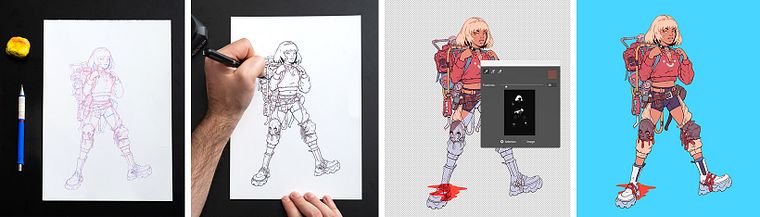
In this guided project, Max Prentis teaches the basics of character conceptualization and drawing people and objects using mixed media. Learn how to combine traditional drawing techniques with the digital tools of Photoshop to bring the protagonists of your imagination to life on the page. Create character-driven illustrations that reveal your vision of the future.
What will you learn in this online course?
7 lessons & 16 downloads

Coming up with a Character Concept
3 minutes, 58 seconds
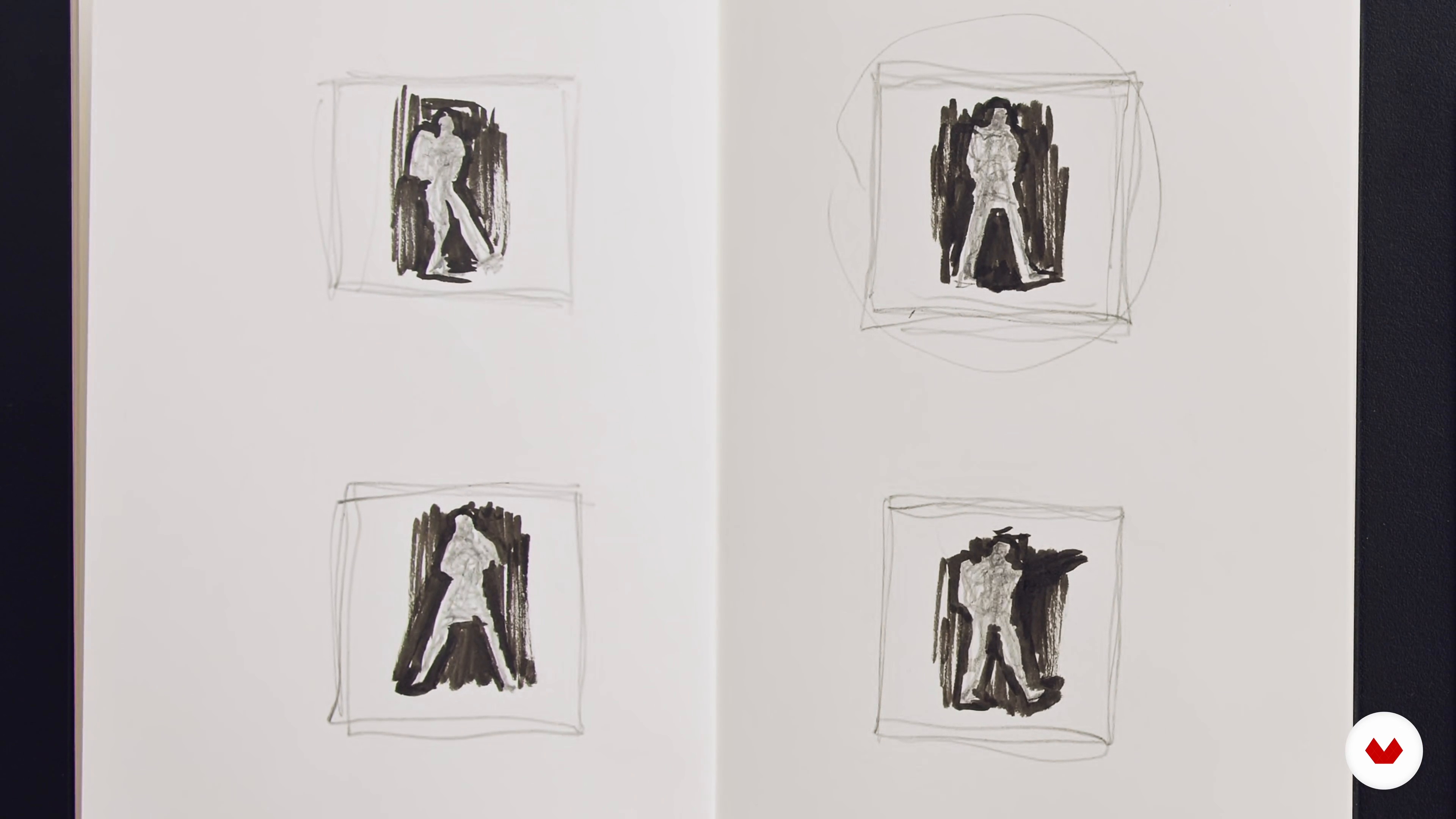
The Thumbnail Sketch
8 minutes, 47 seconds
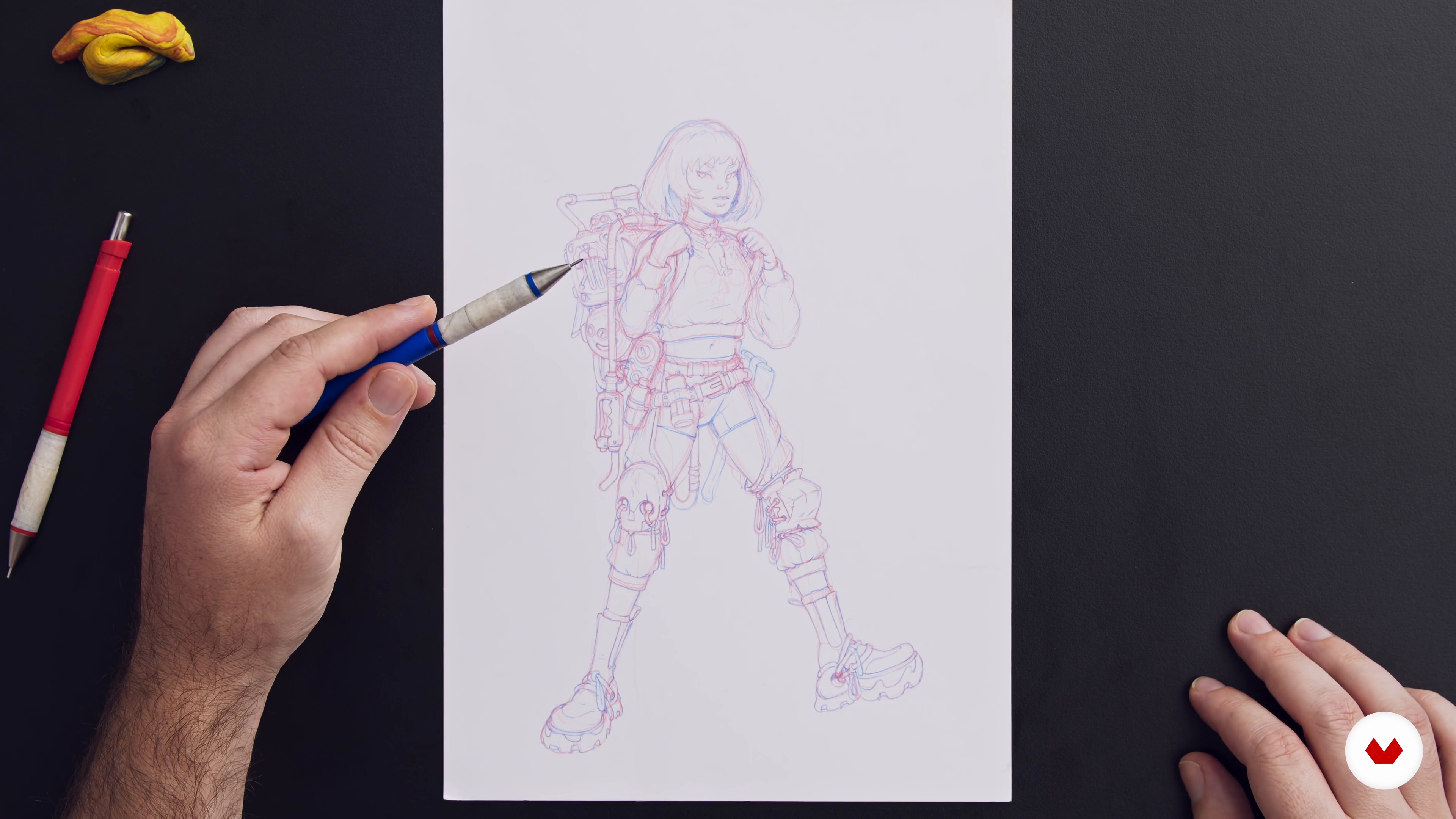
Refined Draft and Character Pose 2
9 minutes, 6 seconds
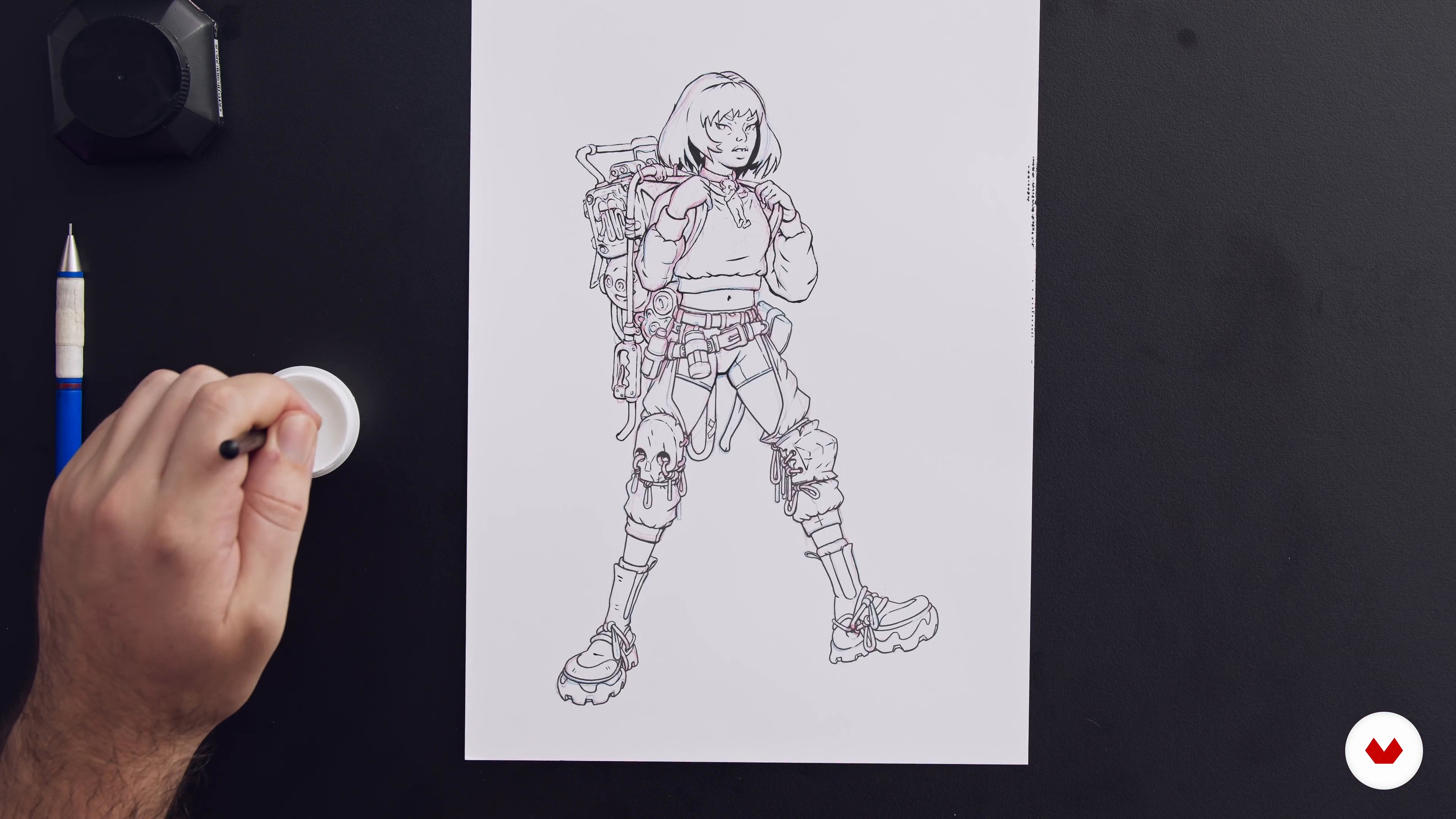
The Linework
20 minutes, 32 seconds
What's included in this course?
Discover the art of futuristic mechanical object and character illustration by diving into the world of creative design. Start by mastering essential tools and techniques, focusing on sketching through observation. Learn to break down complex objects into basic shapes, refining details with precision. Explore the fundamentals of figure drawing, where analyzing reference photos helps extract structure and form. This approach enhances your ability to conceptualize and visualize unique character designs.
Continue your creative journey by developing refined drafts and character poses. Transition from initial thumbnail sketches to detailed linework, emphasizing the importance of dynamic poses and expressive characters. Gain insights into inking techniques using a brush pen, bringing your sketches to life with depth and texture. By the end of this learning experience, you'll have the skills to transform your imaginative ideas into captivating illustrations that reflect a futuristic aesthetic.
What is this course's project?
Create a futuristic mechanical object and character from concept to completion. Employ essential tools and techniques, learn observational sketching, break down objects into shapes, analyze figures through photo references, and enhance sketches with inking techniques using a brush pen.
Who is this online course for?
Aspiring artists eager to explore futuristic themes, digital illustrators seeking to enhance their character design skills, creative enthusiasts passionate about mechanical objects, and individuals interested in refining drawing techniques will find this course enriching and inspiring.
Requirements and materials
Basic drawing materials like sketchpads and pencils are needed, along with a brush pen for inking. No extensive prior knowledge is required, just a curiosity for learning and a willingness to experiment with shapes and figures.
Reviews
- 8 months ago
The course seems to be cut short or content missing. In one hour you copy parts of online pictures with blue and red pen and then ink over it at the end. It’s rather… disappointing.

Throughout his career, Max has worked with brands such as Intel, Google, Nike, and Avex, and with animation companies like Goldenwolf, Cartoon Network, and Nexus. He also worked with musician Tokimonsta's on her Grammy-nominated album Lune Rouge. Alongside his client work, Max continues to share his work with over 130K followers on Instagram.
Content
Guided Course: Futuristic Character Design and Illustration Techniques
- Podcast: Drawing the Future – Where Mechanics Meet Imagination
- Tools and How to Use Them
- Coming up with a Character Concept
- The Thumbnail Sketch
- Refined Draft and Character Pose 1
- Refined Draft and Character Pose 2
- The Linework
- Final project
What to expect from a Domestika course
Learn at your own pace
Enjoy learning from home without a set schedule and with an easy-to-follow method. You set your own pace.
Learn from the best professionals
Learn valuable methods and techniques explained by top experts in the creative sector.
Meet expert teachers
Each expert teaches what they do best, with clear guidelines, true passion, and professional insight in every lesson.
Certificates
PLUSIf you're a Plus member, get a custom certificate signed by your teacher for every course. Share it on your portfolio, social media, or wherever you like.
Get front-row seats
Videos of the highest quality, so you don't miss a single detail. With unlimited access, you can watch them as many times as you need to perfect your technique.
Share knowledge and ideas
Ask questions, request feedback, or offer solutions. Share your learning experience with other students in the community who are as passionate about creativity as you are.
Connect with a global creative community
The community is home to millions of people from around the world who are curious and passionate about exploring and expressing their creativity.
Watch professionally produced courses
Domestika curates its teacher roster and produces every course in-house to ensure a high-quality online learning experience.
FAQs
Yes, this course is designed for intermediate artists who want to refine their traditional and digital illustration skills, especially in character design, inking, and workflow techniques.
You’ll need basic drawing supplies such as mechanical and colored pencils, brush pens, liners, white ink, erasers, appropriate paper (like Bristol board), and access to Photoshop or similar digital illustration software.
Yes, the course covers both traditional methods—like inking and sketching on paper—and digital processes, including using Photoshop for editing and creating mood boards.
After finishing, you’ll be able to select suitable materials, build mood boards, create and refine character concepts, integrate references, and produce expressive line art using both traditional and digital methods.
Basic familiarity with Photoshop is helpful but not required. The course introduces essential Photoshop techniques relevant to illustration workflows, making it accessible for learners with minimal digital experience.
A mood board helps organize references for poses, clothing, and textures, guiding the overall direction and visual consistency of your character concept.
You’ll learn how to collect and blend reference images from sources like Pinterest, and integrate them into your sketches and mood boards to enhance character originality and anatomy.