Creating Sustainable Bio-Threads: Textile Innovation and Design
A course by Loana FloresTextile Artist
A course by Loana Flores, Textile Artist

Create sustainable and experimental bio-yarns using innovative weaving techniques, exploring waste materials and natural colors.
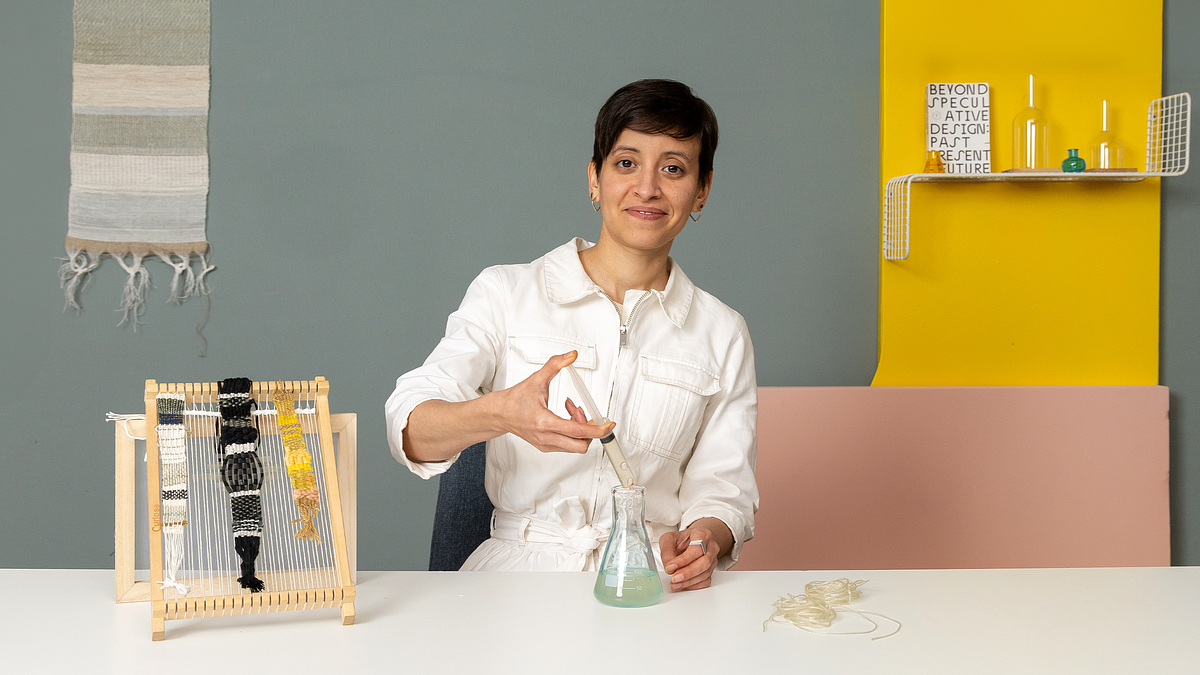
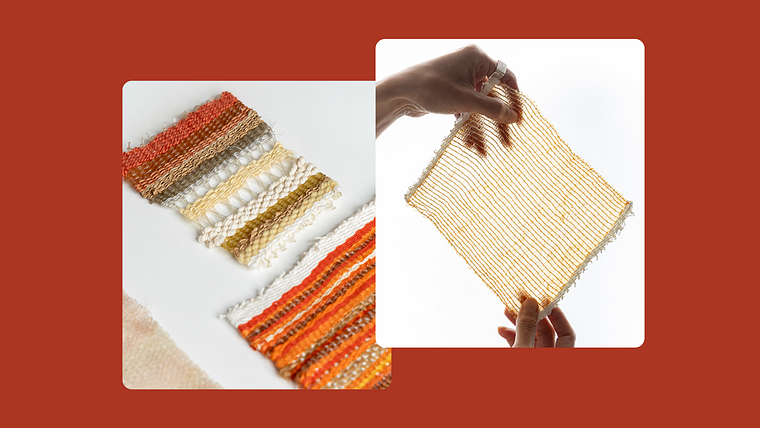
Embark on a creative adventure where bio-yarns take center stage in your textile projects. Discover the world of biodegradable fibers and learn to create innovative filaments from organic waste materials. Explore different techniques for transforming sodium alginate and kombucha into unique yarns, discovering the magic of sustainability and experimentation. Immerse yourself in the fascinating process of extrusion, curing, and coloring with natural pigments, and let your creativity flow as you experiment with thicknesses, textures, and color combinations.
With a focus on sustainable textile design, this journey will guide you in mastering both basic and advanced weaving techniques. From creating weaves like plain to twill and satin, each step will bring you closer to developing a catalog of samples of your own creations. Learn to combine materials in innovative ways, integrating bio-yarns with traditional fibers to achieve striking textures and visual effects. This is the perfect space to develop your personal style and discover new forms of artistic expression with an environmental conscience.
What will you learn in this online course?
19 lessons & 47 downloads
Materials and tools
6 minutes, 57 seconds
Coloring and texture
12 minutes, 9 seconds
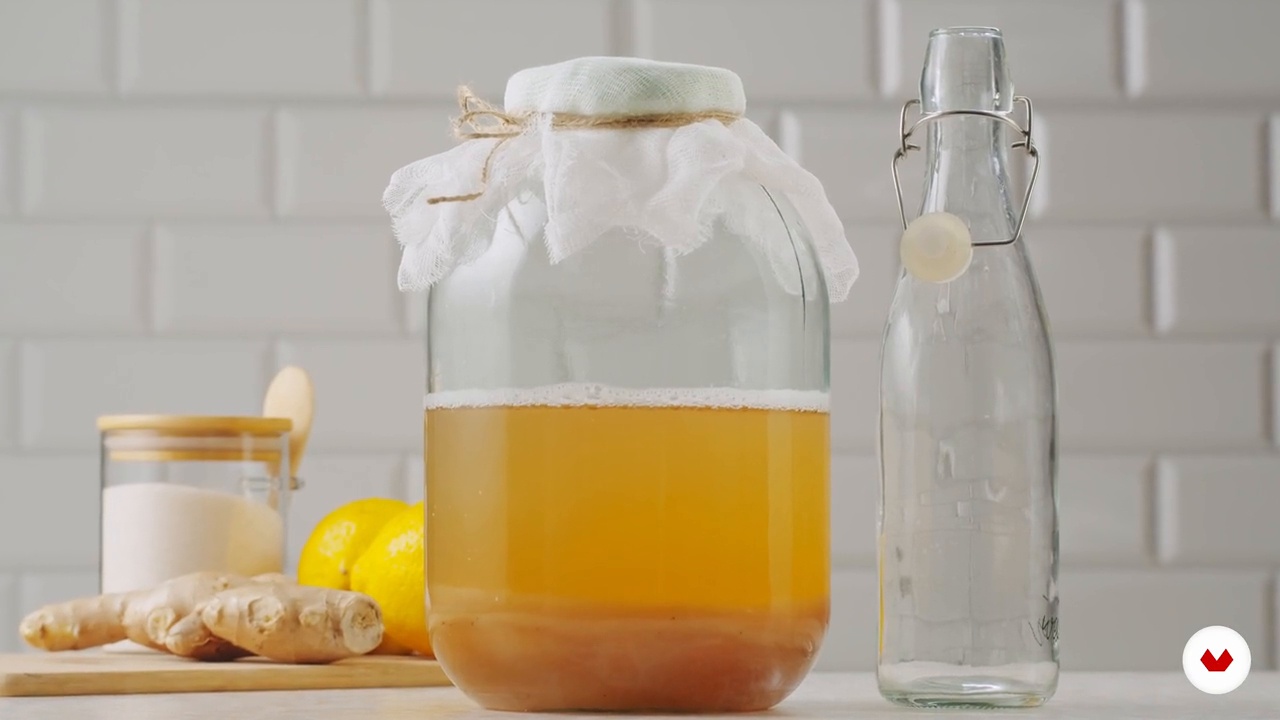
SCOBY Preparation
10 minutes, 35 seconds
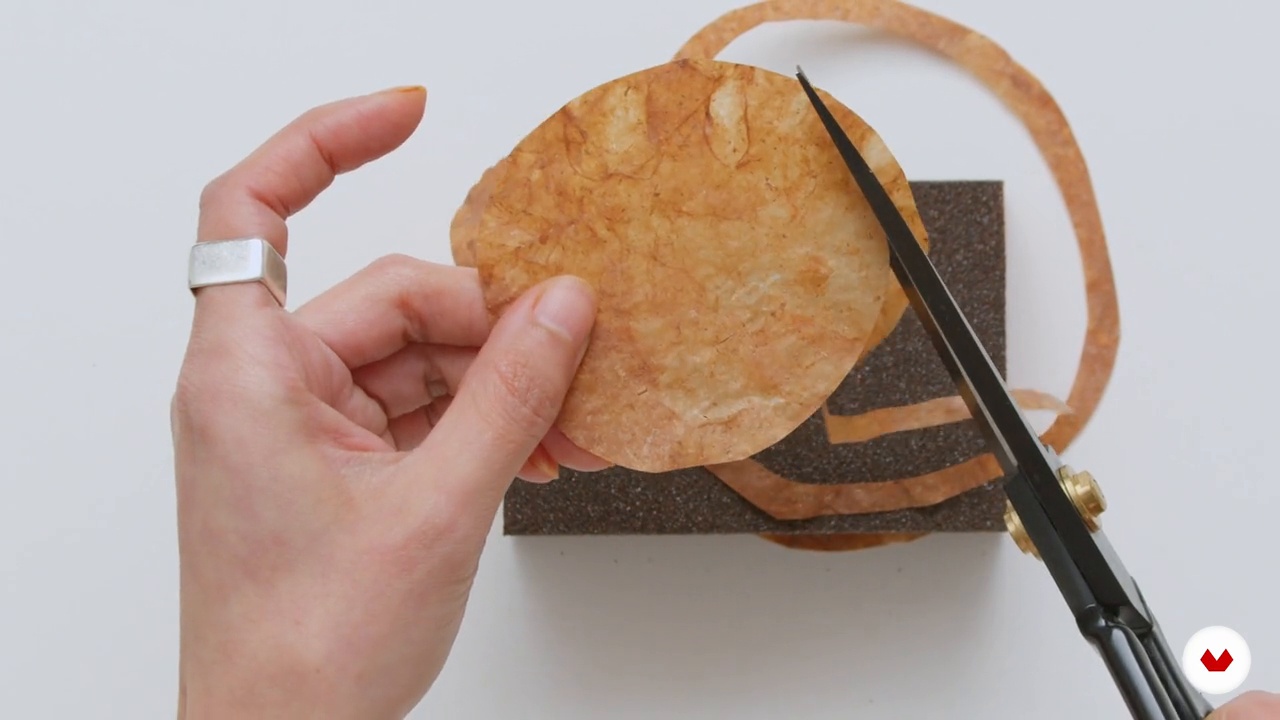
Transformation of SCOBY into threads
5 minutes, 21 seconds
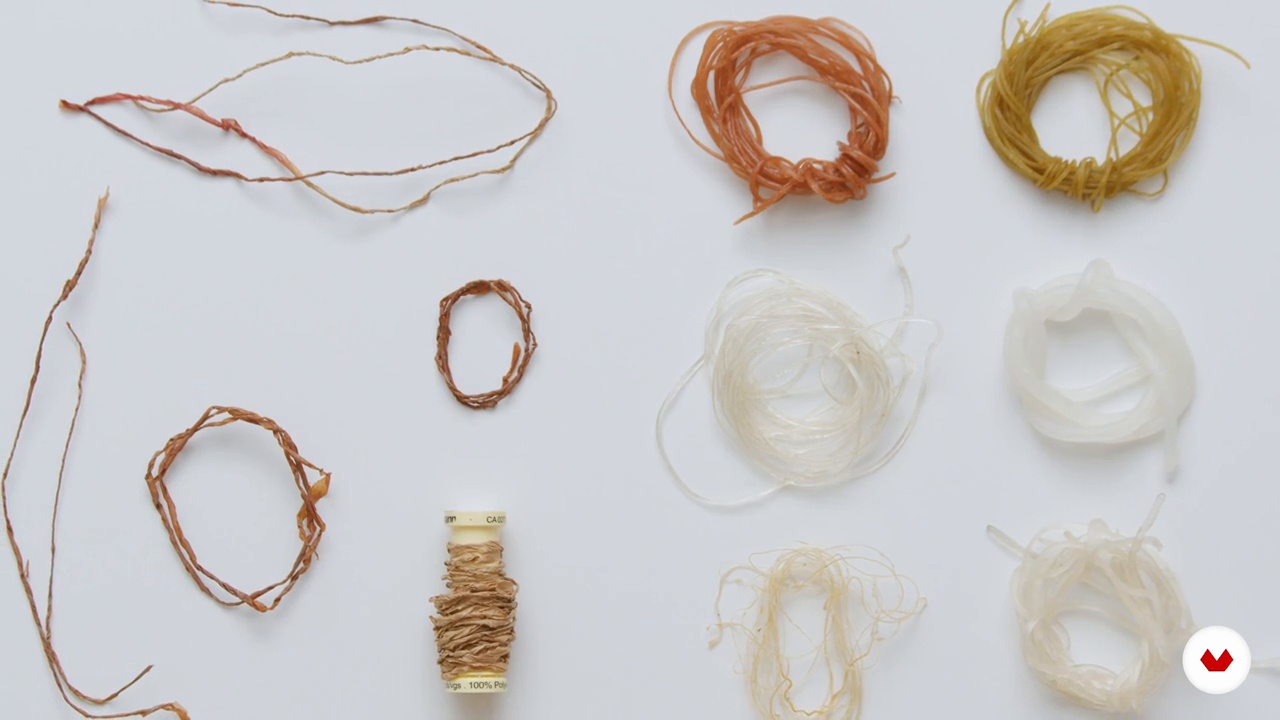
Experimentation and uses of kombucha threads
6 minutes, 35 seconds
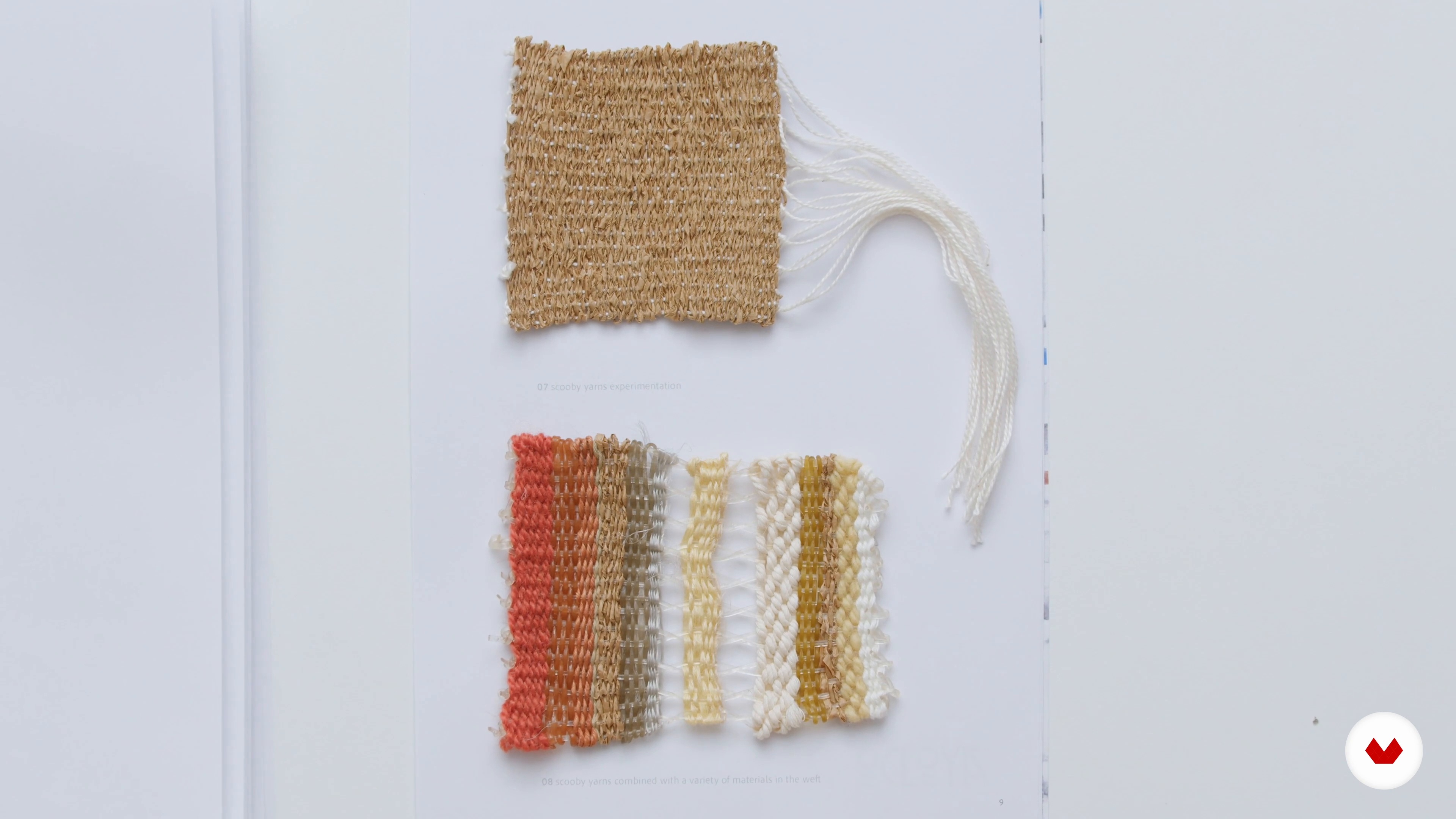
Catalog planning and organization
4 minutes, 31 seconds
What's included in this course?
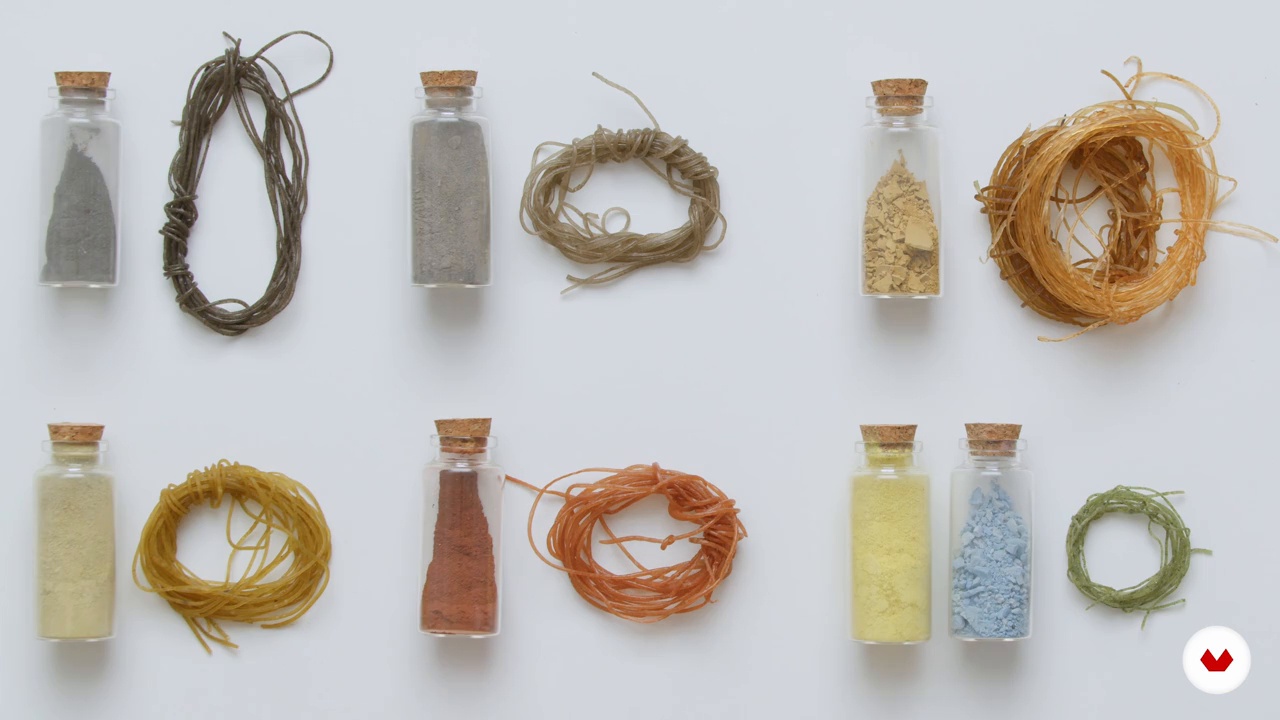
Immerse yourself in the fascinating world of bio-yarn and discover how to create sustainable filaments from waste materials. You'll learn to work with sodium alginate and kombucha, exploring their unique properties to develop biodegradable yarns. You'll learn extrusion and curing techniques, experimenting with thicknesses, times, and textures to personalize your creations. You'll also delve into the use of natural pigments to color your yarns, expanding your creative possibilities.
As you progress, you'll master basic weaving techniques like taffeta, twill, and satin, and explore intermediate and complex weaves. You'll learn to combine innovative materials with traditional fibers, creating unique textures. Finally, you'll design a catalog that reflects your creative process and the endless possibilities of bio-yarns. This journey will allow you to expand your skills, foster creativity, and contribute to a more sustainable future in the textile industry.
What is this course's project?
The final project involves creating a catalog of speculative filament samples made from waste materials. Students will develop alginate and kombucha yarns, exploring coloring, textures, and weaving techniques for unique and sustainable results.
Who is this online course for?
Creatives, designers, artists, and individuals interested in sustainability, experimentation with speculative materials, and environmental awareness. They seek to expand their knowledge of new materials, discover innovative artistic forms, and explore the world of sustainable textile design without requiring prior experience.
Requirements and materials
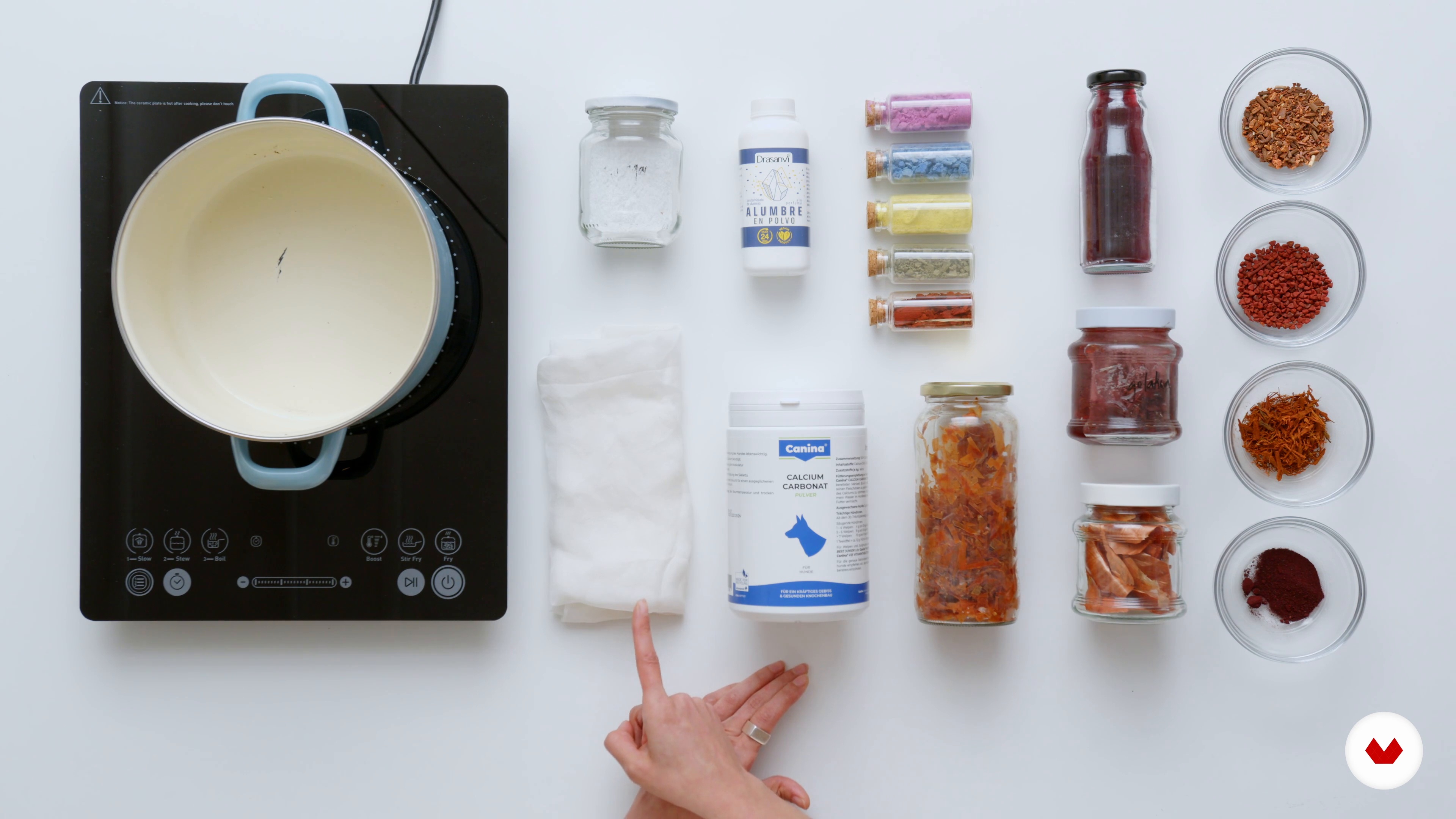
No extensive prior knowledge is required. All that's needed is an interest in experimentation, patience, and access to materials such as sodium alginate, glycerin, distilled water, a SCOBY, traditional yarns, and basic tools like scissors, syringes, and a small loom.
Reviews
- 10 months ago
muy interesante

Her questioning of sustainability in the sector, as well as production and making processes, began during the final years of her undergraduate studies in 2011 and goes beyond materials, embracing a transversal and holistic perspective focused on the human factor.
She is currently dedicated to teaching as a fashion design professor at different universities and collaborates as an expert in fashion studies in various educational projects, continuously learning and unlearning alongside her students. Ocloya Studio is an artistic and multidisciplinary studio focused on new ideas, languages, and possible solutions for the present of textiles and fashion, reflecting on both past and future. Within the studio, she works on a wide range of projects, from artisanal work to unique and experimental textile pieces.
Through her studio, she develops costume collaborations, projects that connect fashion design with current social issues, collaborations with artisans, and workshops on textile experimentation, biomaterials, and other fashion-related technologies. She also creates her own pieces after more than 10 years of exploring textile art and building a personal visual language through experimentation.
Content
- U1
Introduction
- Presentation
- Inspiration and materials
- U2
Bio Threads
- What are Bio Threads?
- Innovation and creativity
- Materials and tools
- U3
Thread Creation with Soda Alginate
- Introduction to Sodium Alginate
- Extrusion and curing techniques
- Coloring and texture
- U4
Creating Threads from Kombucha
- SCOBY Preparation
- Transformation of SCOBY into threads
- Experimentation and uses of kombucha threads
- U5
Basic Knitting Techniques
- Basic tools for weaving bio yarns
- Basic ligaments: plain weave
- Basic ligaments: twill
- Basic weaves: satin
- U6
Advanced Weaving Techniques
- Intermediate and complex ligaments
- Mixture of materials
- Experimental designs
- Catalog planning and organization
- FP
Final project
- Bio-threads from Scratch: Creation and First Textile Weaving Techniques TBD
What to expect from a Domestika course
Learn at your own pace
Enjoy learning from home without a set schedule and with an easy-to-follow method. You set your own pace.
Learn from the best professionals
Learn valuable methods and techniques explained by top experts in the creative sector.
Meet expert teachers
Each expert teaches what they do best, with clear guidelines, true passion, and professional insight in every lesson.
Certificates
PLUSIf you're a Plus member, get a custom certificate signed by your teacher for every course. Share it on your portfolio, social media, or wherever you like.
Get front-row seats
Videos of the highest quality, so you don't miss a single detail. With unlimited access, you can watch them as many times as you need to perfect your technique.
Share knowledge and ideas
Ask questions, request feedback, or offer solutions. Share your learning experience with other students in the community who are as passionate about creativity as you are.
Connect with a global creative community
The community is home to millions of people from around the world who are curious and passionate about exploring and expressing their creativity.
Watch professionally produced courses
Domestika curates its teacher roster and produces every course in-house to ensure a high-quality online learning experience.
FAQs
Textile biodesign is a method that combines biology, design, and sustainability to create innovative, eco-friendly materials. This course teaches you experimental and sustainable techniques to transform textile matter and develop unique projects.
This is an intermediate-level course, recommended for those with basic knowledge of textiles, art, or design, but curious learners interested in experimentation and sustainability are also welcome.
You’ll need organic scraps, sodium alginate, glycerin, calcium chloride, natural dyes, a syringe, a mini peamer, and basic textile supplies like needles, small looms, and cotton.
You’ll learn how to create bio-threads, dye them with natural pigments, experiment with both ancient and modern techniques, incorporate circular economy principles and critical thinking into textile processes, and document your creative results.
The course promotes using organic waste and recycled materials, encourages sustainable textile processes, and teaches how to apply circular economy principles to minimize environmental impact in your creations.
Bio-threads are threads made from biomaterials like sodium alginate or bacterial cellulose. You’ll learn to prepare them by mixing ingredients, extruding with a syringe, and curing in calcium chloride.
The course covers bio-thread extrusion, dyeing with natural pigments, crochet weaving, wrapping, brain embroidery, creating speculative scenarios, and using unconventional materials.