Creative Portfolio with Own Identity
A course by Futura , Design Studio



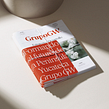

Learn to document, present, and edit your projects professionally

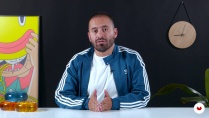
A strong and visually attractive portfolio is the best business card that a designer or creative can have. And this is something that Iván García knows perfectly well. He is the founder and creative director of Futura, and has more than fifteen years of experience working on branding, photography, and art direction projects.
In this online course, join Iván and learn how to identify and showcase your best projects to make your work speak for itself.
What will you learn in this online course?
13 lessons & 13 downloads



- 96% positive reviews (167)
- 3,708 students
- 13 lessons (2h 14m)
- 13 additional resources (5 files)
- Online and at your own pace
- Available on the app
- Audio: Spanish, English, French, Italian, Portuguese, Turkish
- Spanish · English · Portuguese · German · French · Italian · Polish · Dutch · Turkish · Romanian · Indonesian
- Level: Beginner
- Unlimited access forever
Recommended software & tools for this course
 Adobe Photoshop
What is this course's project?
Showcase a real or fictitious project to serve as the beginning of a solid creative portfolio, which you can replicate for future projects to build your professional portfolio.
Projects by course students


Who is this online course for?
Students and professionals in creative disciplines who want to start building their portfolio or improve the one they already have.
Requirements and materials
To take this course, you need basic knowledge of graphic design, photography, and Adobe Photoshop.
As for materials, you need a pencil, paper, props, and a computer with Adobe Photoshop, as well as a real or fictitious project to showcase.

Reviews

Futura
A course by Futura
Futura is a creative studio based in Mexico City. Founded in 2008, its mission is to transform traditional forms of design and rethink the way it's used in Mexico.
Their work is the result of constant experimentation; they believe in creativity above all else and how it can be translated not only into images, but also into objects and spaces. The essence of Futura is the fusion of perfection with chaos.
They have extensive experience in branding and have collaborated on a range of projects for restaurants, bars, food brands, and even fashion, in places like Los Angeles, Paris, Kuwait, Spain, Tokyo, and more.
Content
-
U1
Introduction
-
Presentation
-
Influences
-
-
U2
A good portfolio is not achieved with a bad project
-
Why is your portfolio important?
-
Everything we don't want to be
-
-
U3
How do we want our photos to be?
-
The project
-
Art direction
-
Props, props, props
-
In session
-
-
U4
What do I do with all this?
-
Postproduction - Part 1
-
Postproduction - Part 2
-
Postproduction - Part 3
-
Document your project
-
Bonus: Additional Tips
-
-
FP
Final project
-
Creative portfolio with own identity
-
What to expect from a Domestika course
-
Learn at your own pace
Enjoy learning from home without a set schedule and with an easy-to-follow method. You set your own pace.
-
Learn from the best professionals
Learn valuable methods and techniques explained by top experts in the creative sector.
-
Meet expert teachers
Each expert teaches what they do best, with clear guidelines, true passion, and professional insight in every lesson.
-
Certificates
PlusIf you're a Plus member, get a custom certificate signed by your teacher for every course. Share it on your portfolio, social media, or wherever you like.
-
Get front-row seats
Videos of the highest quality, so you don't miss a single detail. With unlimited access, you can watch them as many times as you need to perfect your technique.
-
Share knowledge and ideas
Ask questions, request feedback, or offer solutions. Share your learning experience with other students in the community who are as passionate about creativity as you are.
-
Connect with a global creative community
The community is home to millions of people from around the world who are curious and passionate about exploring and expressing their creativity.
-
Watch professionally produced courses
Domestika curates its teacher roster and produces every course in-house to ensure a high-quality online learning experience.
FAQs
Domestika courses are online classes that allow you to learn new skills and create incredible projects. All our courses include the opportunity to share your work with other students and/or teachers, creating an active learning community. We offer different formats:
Original Courses: Complete classes that combine videos, texts, and educational materials to complete a specific project from start to finish.
Basics Courses: Specialized training where you master specific software tools step by step.
Specialization Courses: Learning paths with various expert teachers on the same topic, perfect for becoming a specialist by learning from different approaches.
Guided Courses: Practical experiences ideal for directly acquiring specific skills.
Intensive Courses (Deep Dives): New creative processes based on artificial intelligence tools in an accessible format for in-depth and dynamic understanding.
All courses are 100% online, so once they're published, courses start and finish whenever you want. You set the pace of the class. You can go back to review what interests you most and skip what you already know, ask questions, answer questions, share your projects, and more.
The courses are divided into different units. Each one includes lessons, informational text, tasks, and practice exercises to help you carry out your project step by step, with additional complementary resources and downloads. You'll also have access to an exclusive forum where you can interact with the teacher and with other students, as well as share your work and your course project, creating a community around the course.
You can redeem the course you received by accessing the redeeming page and entering your gift code.
 Adobe Photoshop
Encontré consejos interesantes para desarrollar mi portaflio
Excelente curso, me ayudó muchisimo
Muy bueno! Muchas tecnicas de post produccion que sirven y motivan
Un curso muy valioso para darle identidad a tu portafolio.
Me ayudó a conectar con mi estilo personal y a estructurar mi portafolio con propósito. Ahora siento que mi trabajo refleja quién soy como creativa. ¡Lo recomiendo mucho!
1111