
Editing for Art and Design Books
A course by Julius WiedemannArt Book Editor
A course by Julius Wiedemann, Art Book Editor

Learn the editorial process for publications with high visual content
Behind the publication of an art, design or illustration book there is a whole curating and editing process that allows us to articulate the pages of those publications that fill our shelves with inspiration. Julius Wiedemann has edited and published more than 80 books with more than 2 million copies sold and currently works as a senior editor at TASCHEN, one of the world's leading publishers of art and design books.
Julius lives looking for and discovering creative people with whom to make books and in this course he will discover all the secrets of creating an art book. Observing some of the most successful publications of Julius, you will be a spectator of the entire process of creating a work of these characteristics: from the search for the concept, to the selection of images and the design, going through all the small details that make a good book.
What will you learn in this online course?
15 lessons & 9 downloads
Why does an editorial need books?
4 minutes, 3 seconds
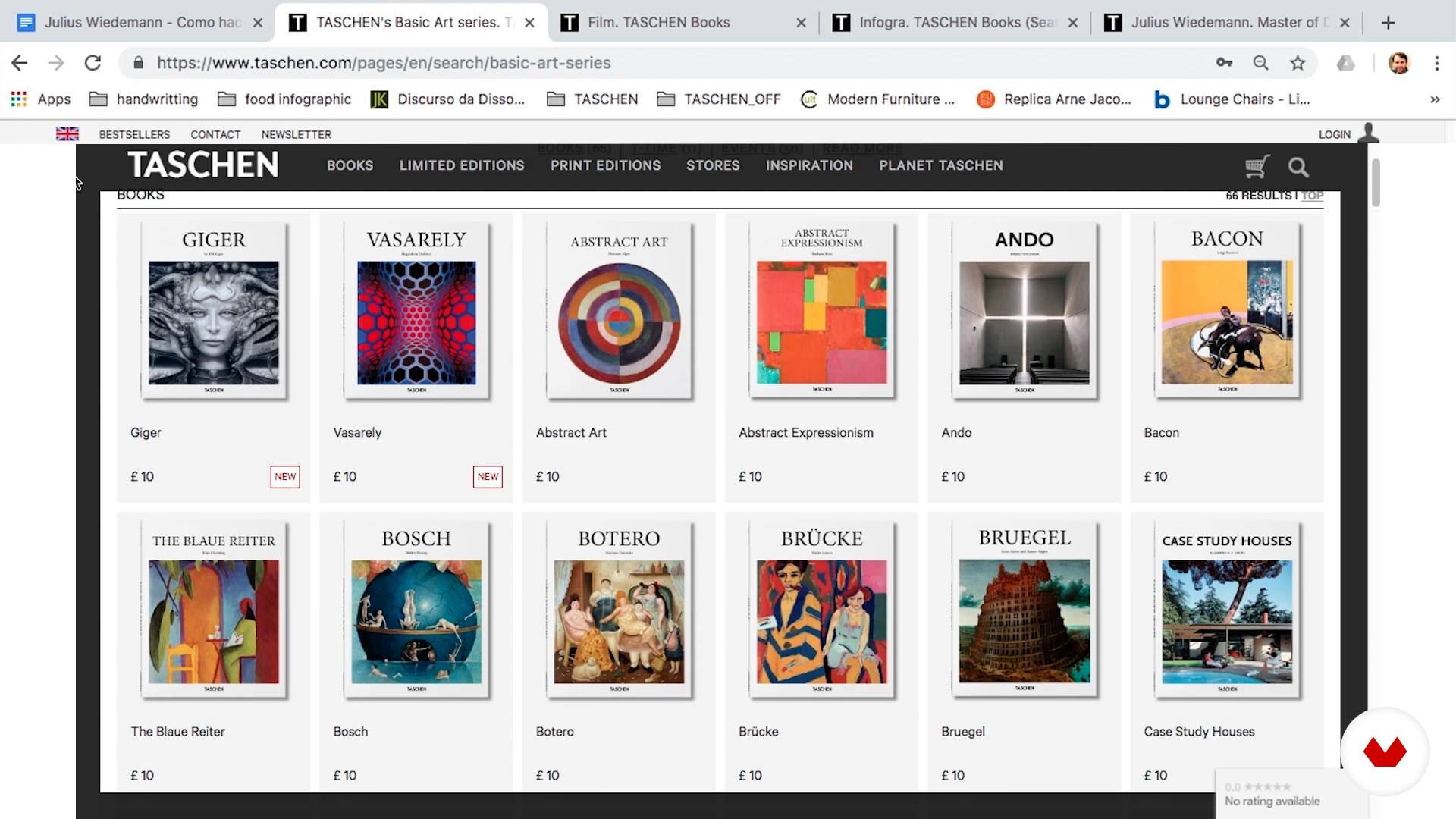
Title name development - What is the book going to be called?
5 minutes, 40 seconds
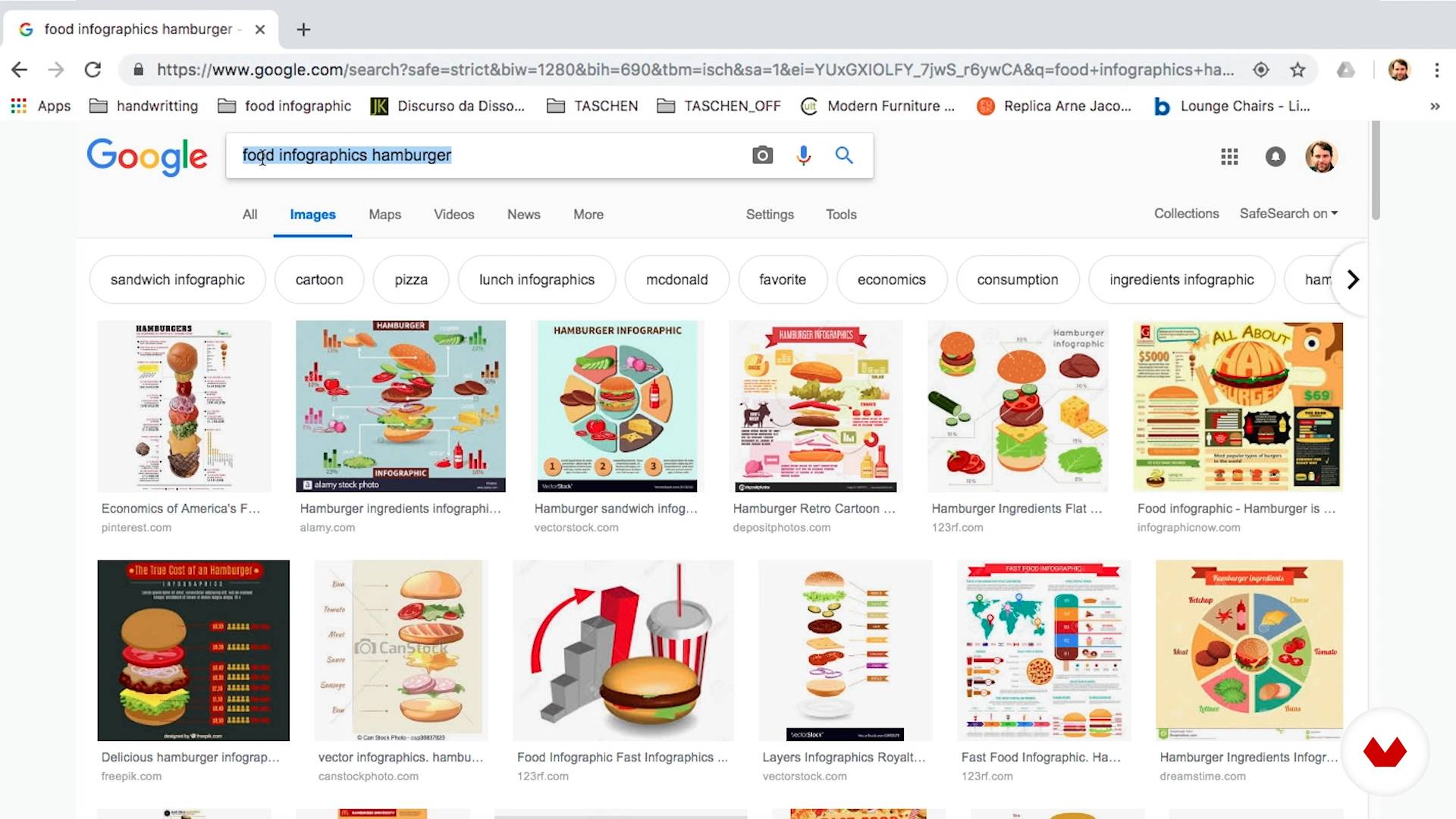
Creating the first presentation of a book concept
11 minutes, 3 seconds
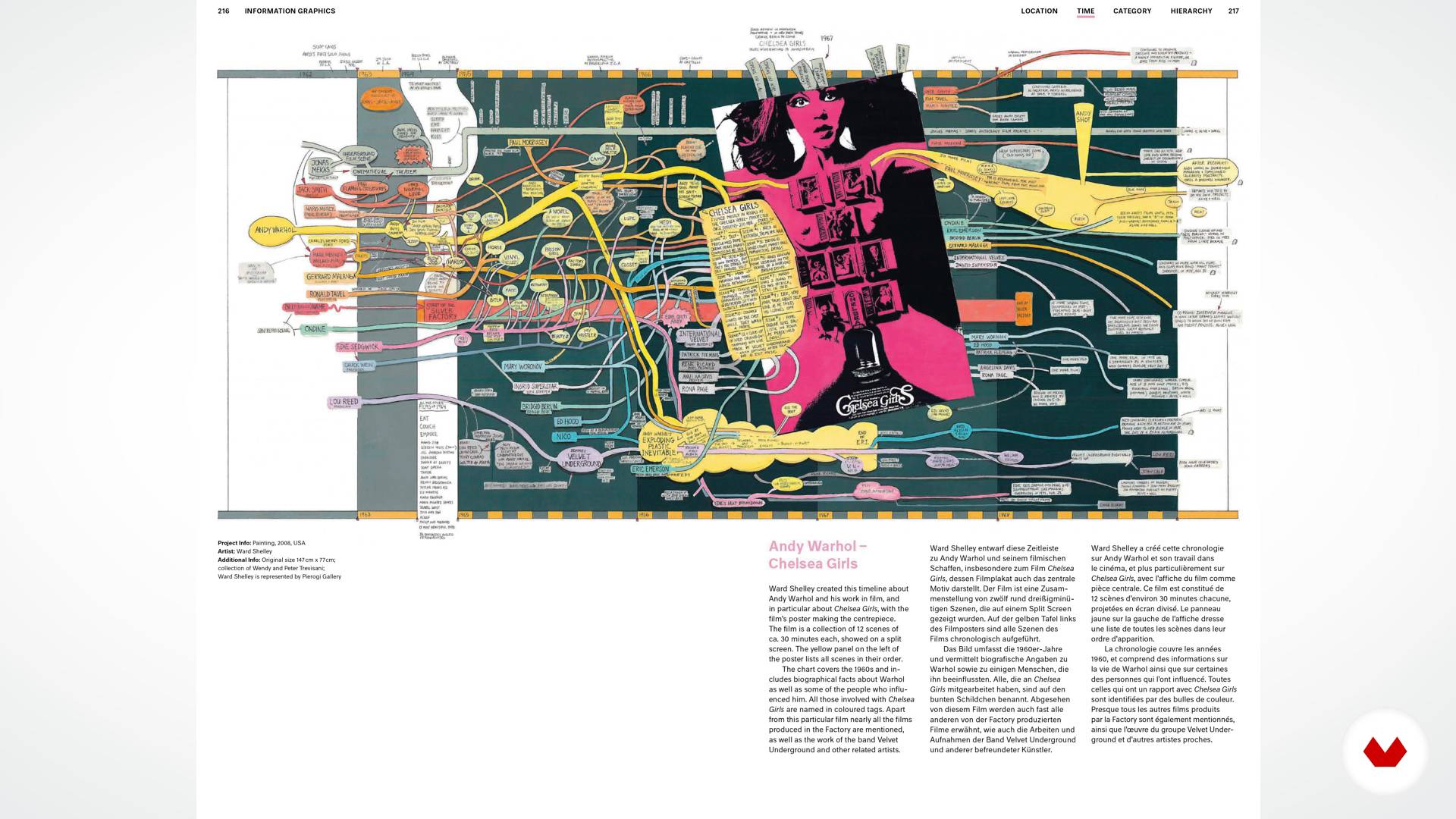
How is a book organized?
5 minutes, 54 seconds
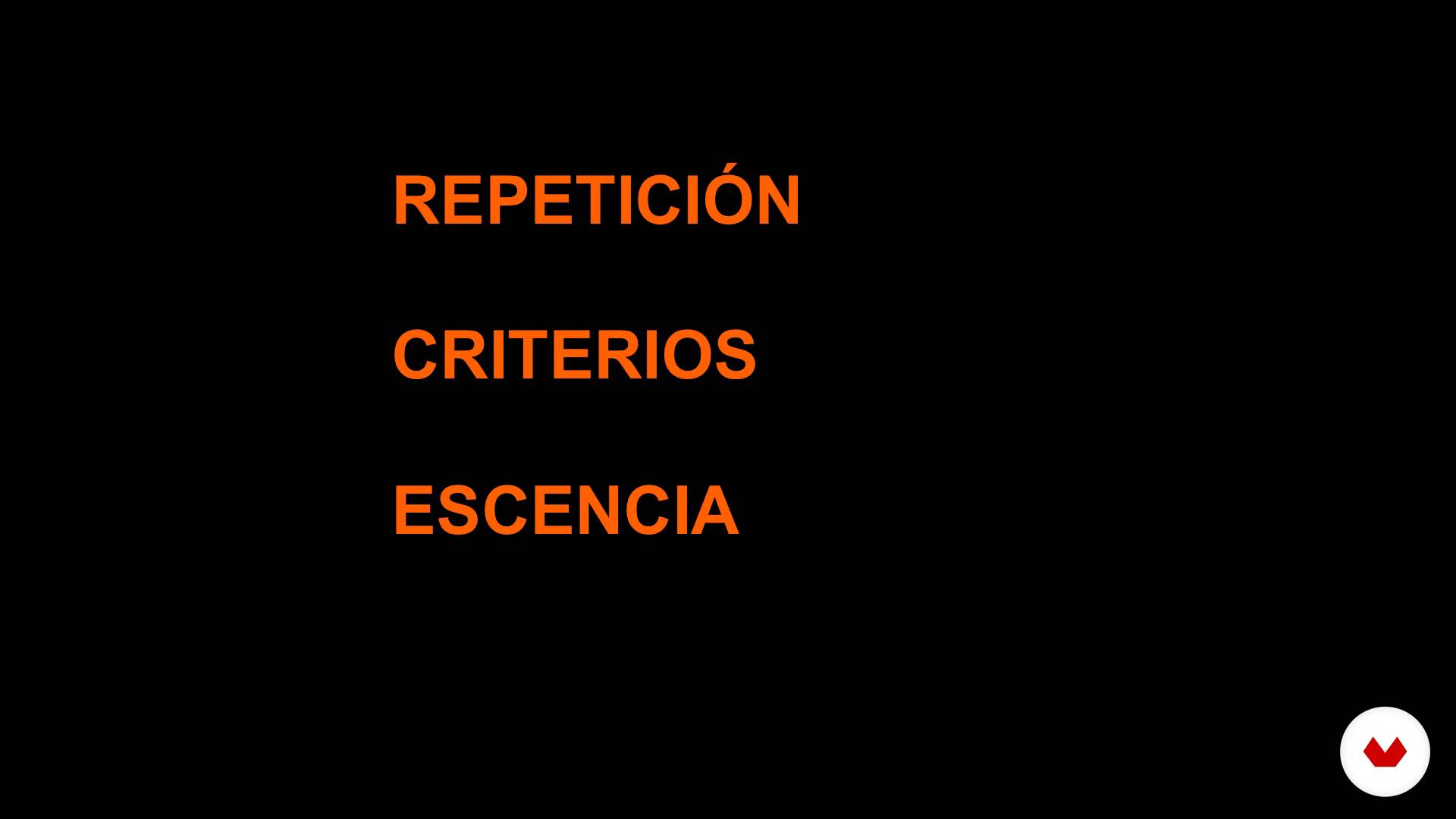
Narrative and quality strategy
5 minutes, 38 seconds
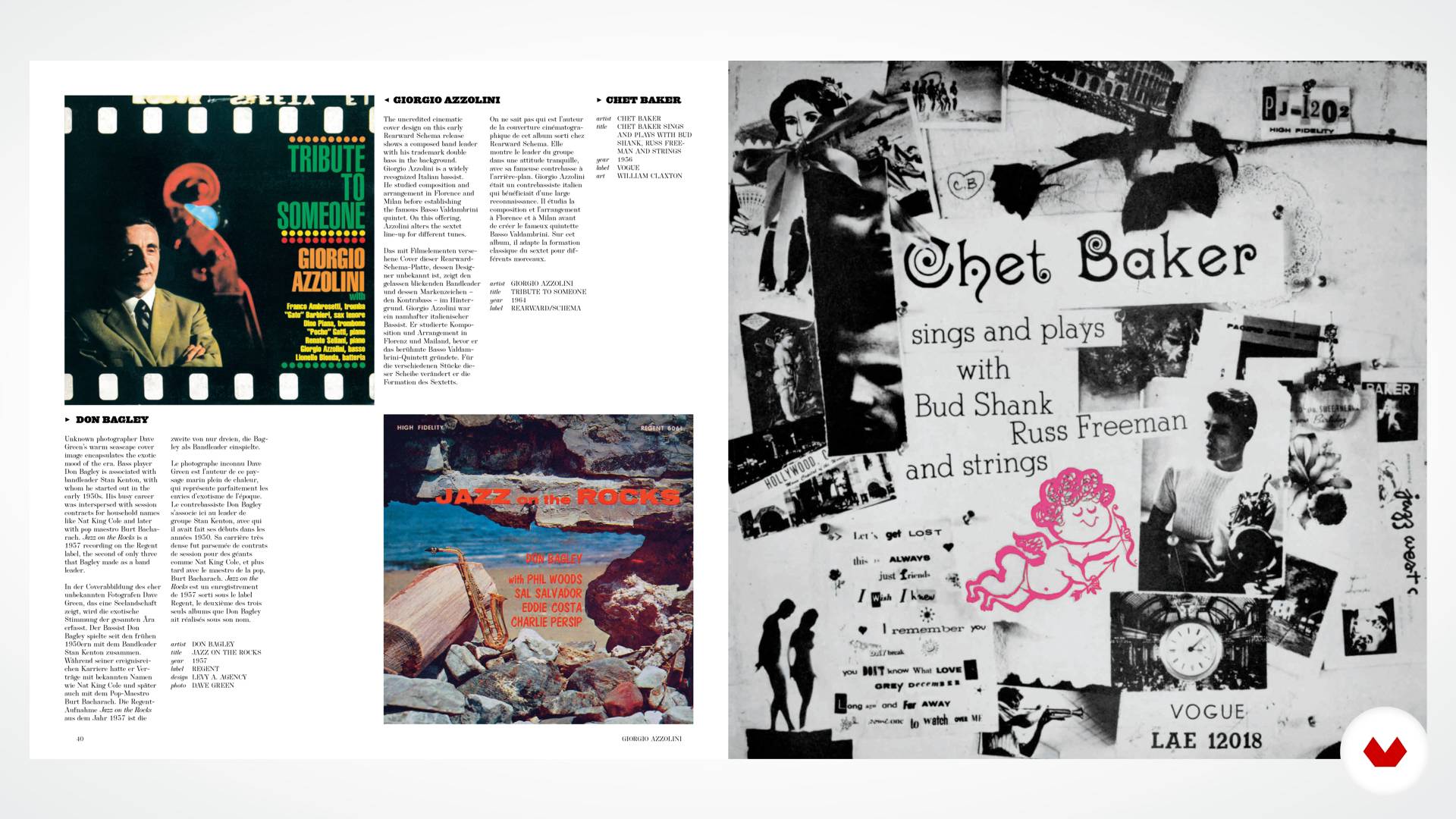
Briefing for the designer
5 minutes, 19 seconds
What's included in this course?
You will begin by getting to know the work of Julius Wiedemann, who will show you some of his favorite books and will tell you about his influences.
Then he will tell you about the types of books that exist and will give you the keys to choose one of the basic elements of your book: the title. He will also tell you what is necessary about the conceptualization of the book and how to organize its content.
You will also see how to articulate the most aesthetic part, so important in an art book. Julius will show you how to select the cover, the interior design, the grid, the flow, the use of placeholder and what indications to give the designer so that the layout is perfect.
Finally, you will see with Julius how to assemble the mock-up of the book and he will teach you how to prepare the material for prepress.
What is this course's project?
You will make the first mockup of an art book in which you will be the editor. You will make the most important decisions about the selection of the theme, the images, the cover and the content.
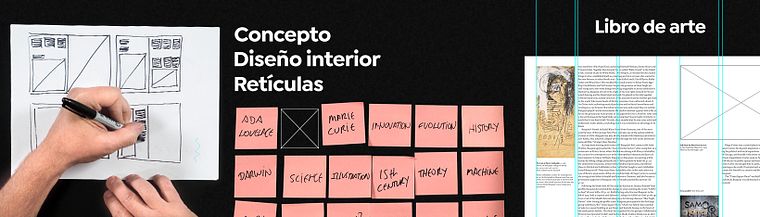
Projects by course students


Who is this online course for?
To designers, editors, editorial project managers, writers, artists and anyone interested in discovering the world of art and design book publishing.
Requirements and materials
No prior knowledge is necessary, although it will be very useful to understand in depth the topic you want to address in your book and it is advisable to know how to use Word, Adobe InDesign, Photoshop and Illustrator with a basic level.
Regarding the materials you will need: paper and pencil, a camera (which can be the one for your mobile phone) and a computer.
Reviews
- 5 months ago
legal
- 8 months ago
Excelente
- roxana_brizuelaPLUS2 years ago
Mucha información de valor sintetizada y organizada de manera que se constituye en guía de investigación, de trabajo, de realización. Muchas gracias Julius Wiedemann. Este curso es un permiso para aterrizar el sueño de publicar libros en los que pensamos y de alguna manera trabajamos por años.
- 2 years ago
Cours instructif et intéressant, mais dont le contenu pourrait être plus riche.
- 2 years ago
good

Julius was born in Rio de Janeiro and has lived in Japan, Germany and England, which has given him a global perspective on the international creative scene. His profession is to search for creative minds throughout the world to edit quality books.
Content
- U1
Introduction
- Presentation
- Influences
- U2
How do you start creating a book?
- Why does an editorial need books?
- Title name development - What is the book going to be called?
- Creating the first presentation of a book concept
- How is a book organized?
- Narrative and quality strategy
- U3
Book and cover design development
- Briefing for the designer
- The grid
- Flow
- Material handling and use of the placeholder
- U4
Almost ready for printing
- Premaquetación
- Layout and review
- Cover page
- Preparation of files for pre-press
- FP
Final project
- Edition of art and design books
What to expect from a Domestika course
Learn at your own pace
Enjoy learning from home without a set schedule and with an easy-to-follow method. You set your own pace.
Learn from the best professionals
Learn valuable methods and techniques explained by top experts in the creative sector.
Meet expert teachers
Each expert teaches what they do best, with clear guidelines, true passion, and professional insight in every lesson.
Certificates
PLUSIf you're a Plus member, get a custom certificate signed by your teacher for every course. Share it on your portfolio, social media, or wherever you like.
Get front-row seats
Videos of the highest quality, so you don't miss a single detail. With unlimited access, you can watch them as many times as you need to perfect your technique.
Share knowledge and ideas
Ask questions, request feedback, or offer solutions. Share your learning experience with other students in the community who are as passionate about creativity as you are.
Connect with a global creative community
The community is home to millions of people from around the world who are curious and passionate about exploring and expressing their creativity.
Watch professionally produced courses
Domestika curates its teacher roster and produces every course in-house to ensure a high-quality online learning experience.
FAQs
You will learn how to select, organize, and edit visual and textual content for books and publications, covering curation processes, visual storytelling, layout, editorial identity concepts, and organizational strategies like LATCH.
The course is aimed at people with intermediate knowledge in design or editing; it’s perfect for those who already have basic experience in editorial projects or graphic design.
You’ll need basic graphic design skills, familiarity with digital tools, access to layout software, and an interest in editorial processes and visual storytelling.
The course covers design history, editorial workflows, image curation, visual narrative, title creation, organization using LATCH, multilingual layout, cover design, and technical print management.
The skills you gain will prepare you to work in publishing houses, design studios, independent book projects, magazines, catalogs, and cultural content management.
LATCH helps organize information by Location, Alphabet, Time, Category, or Hierarchy, making it easier to arrange content clearly and coherently in visual publications.
Yes, the course teaches how to develop an editorial identity, choose themes, group books into series, and define catalog strategies to strengthen a publisher’s presence.