Watercolor Techniques for Painting Seascapes
A course by Daniel "Pito" CamposIllustrator and Artist
A course by Daniel "Pito" Campos, Illustrator and Artist

Discover how to work with spots of color to create a seascape and learn the secrets to painting skillfully in watercolor
Daniel "Pito" Campos is an Argentine illustrator and artist who has become one of the most acclaimed watercolor experts in the field. Using this much-loved technique, Pito Campos creates landscape compositions by working with color spots.
In this online course, learn the ins and outs of watercolor, capturing the essence of a seascape and mastering pigment spots. Get to know the brushes better and improve the composition and use of color in your work, stroke by stroke. If you would like to delve deeper into this artistic technique, you can continue learning with Pito Campos in his other courses Urban Landscapes in Watercolor and Natural Landscapes in Watercolor.
What will you learn in this online course?
17 lessons & 11 downloads
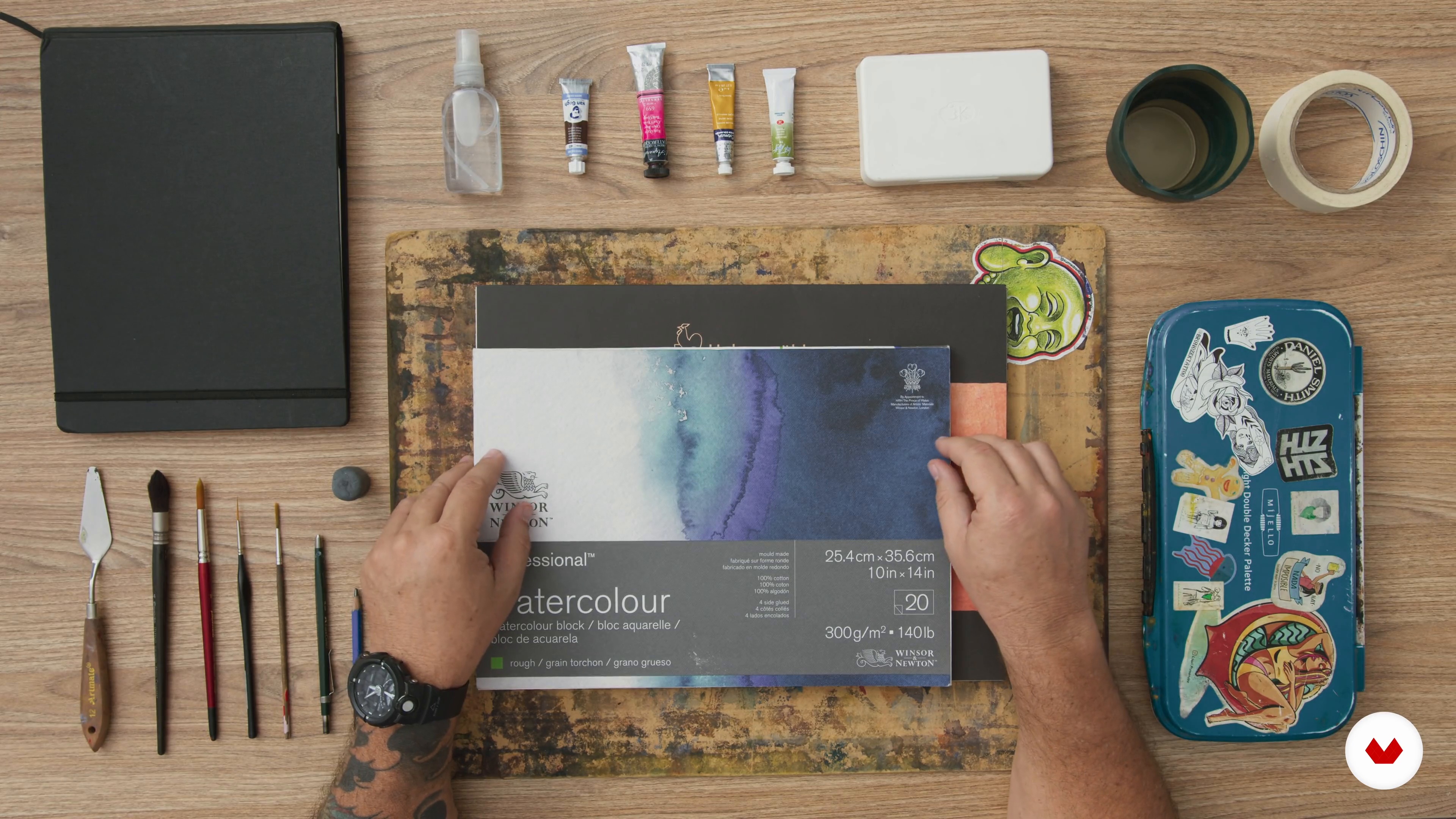
Presentation of materials 1
13 minutes, 22 seconds
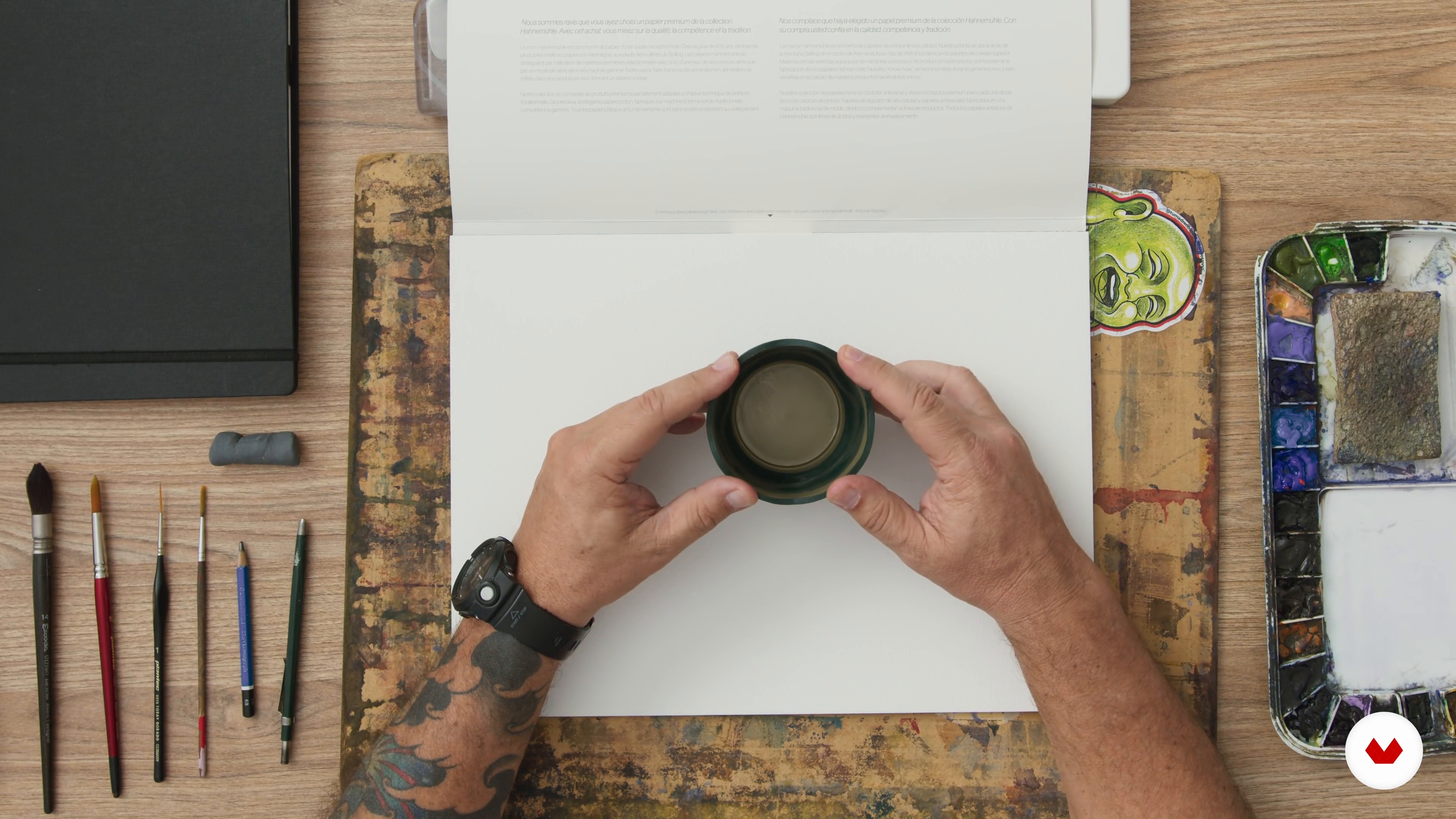
Presentation of materials 2
9 minutes, 33 seconds
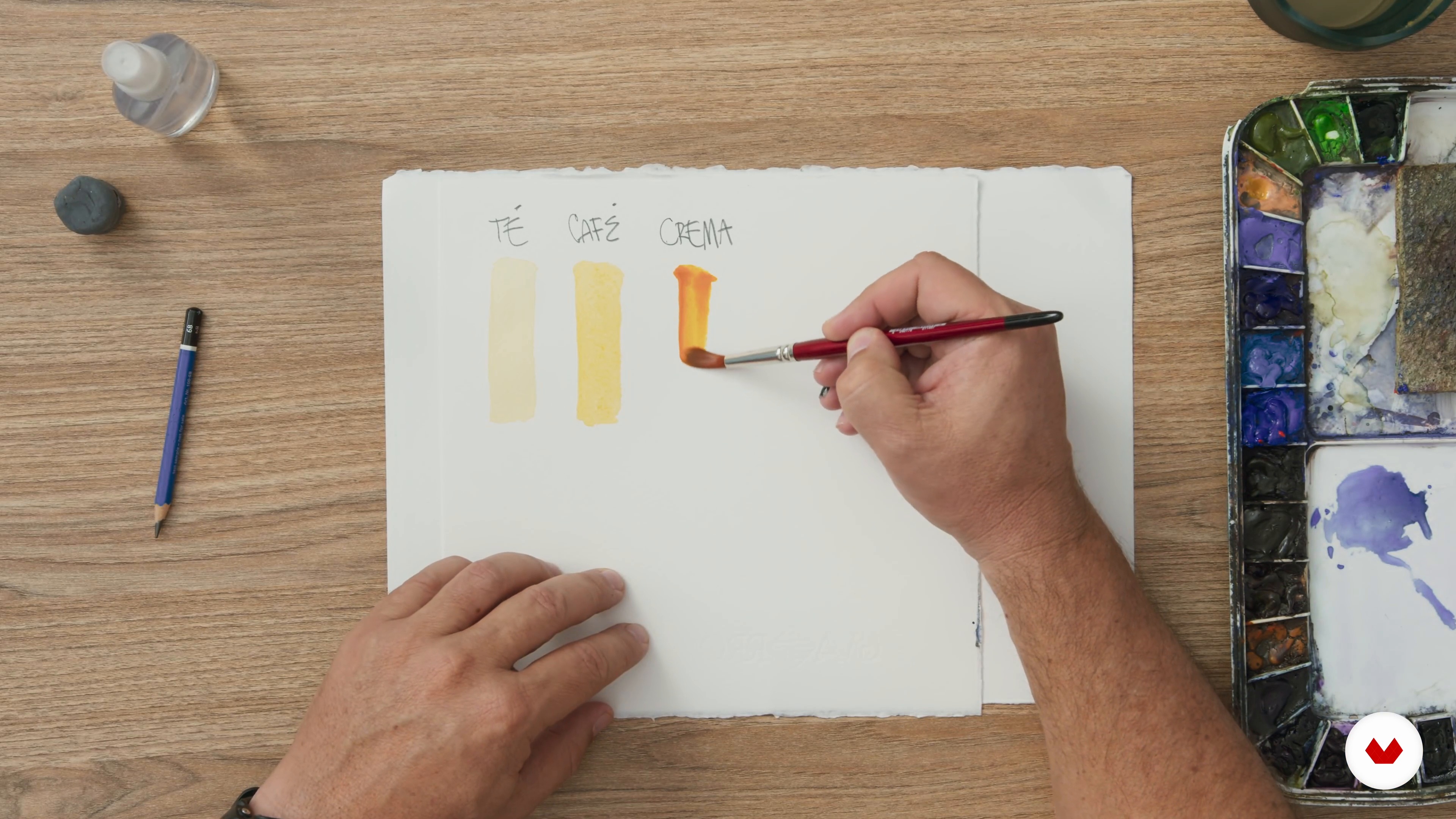
Water
14 minutes, 1 second
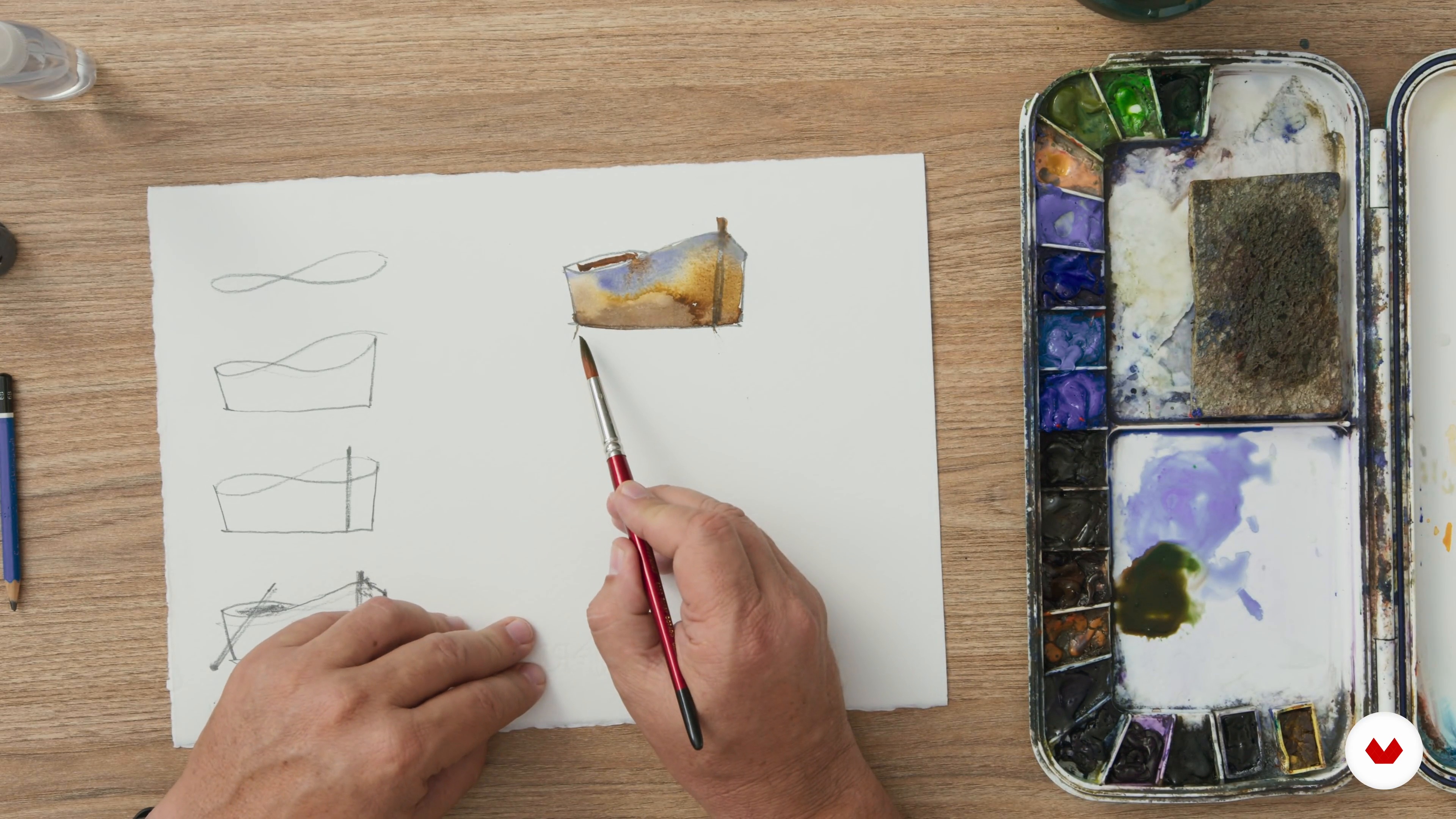
The reflection
15 minutes, 3 seconds
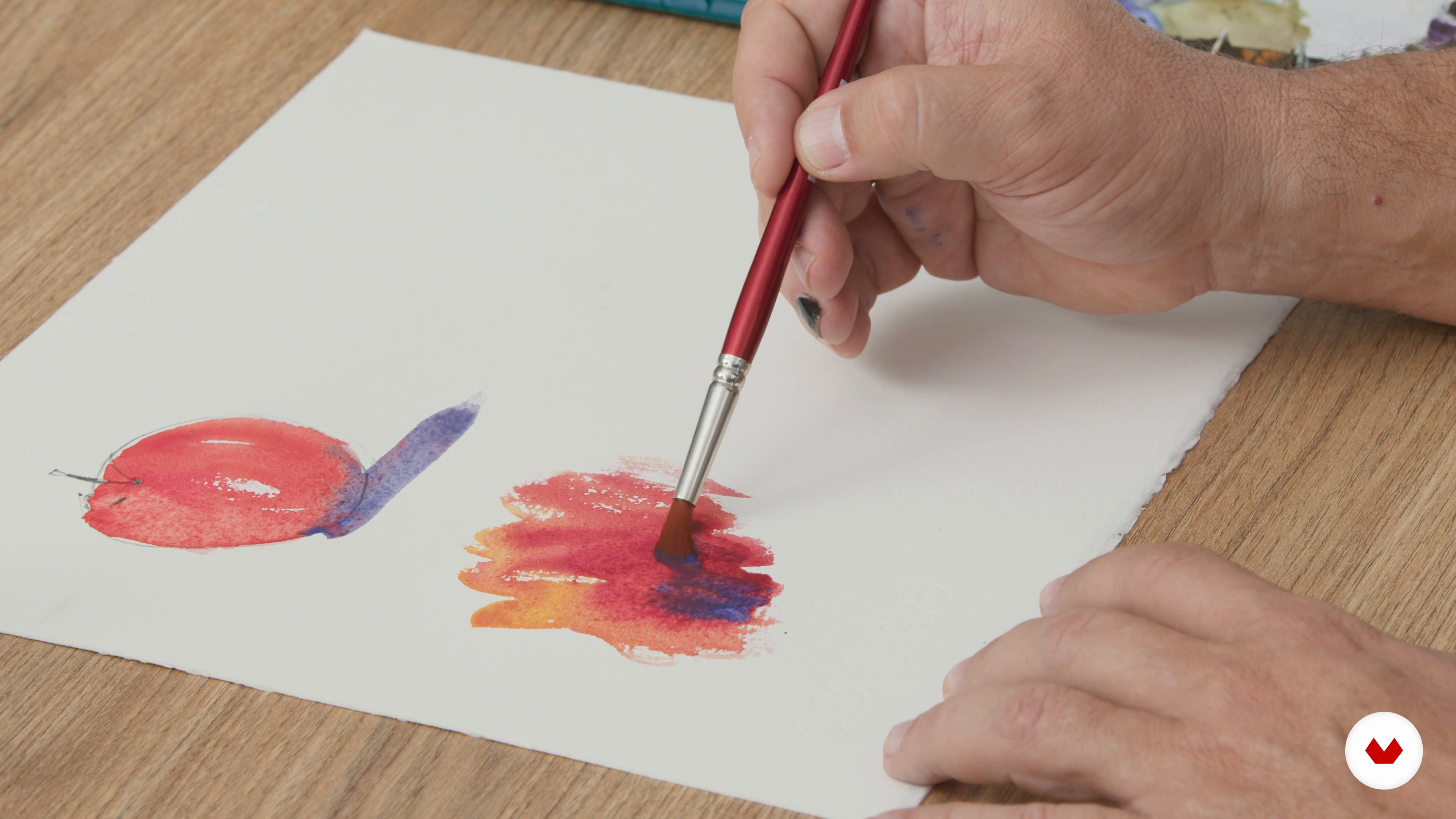
The gesture
11 minutes, 6 seconds
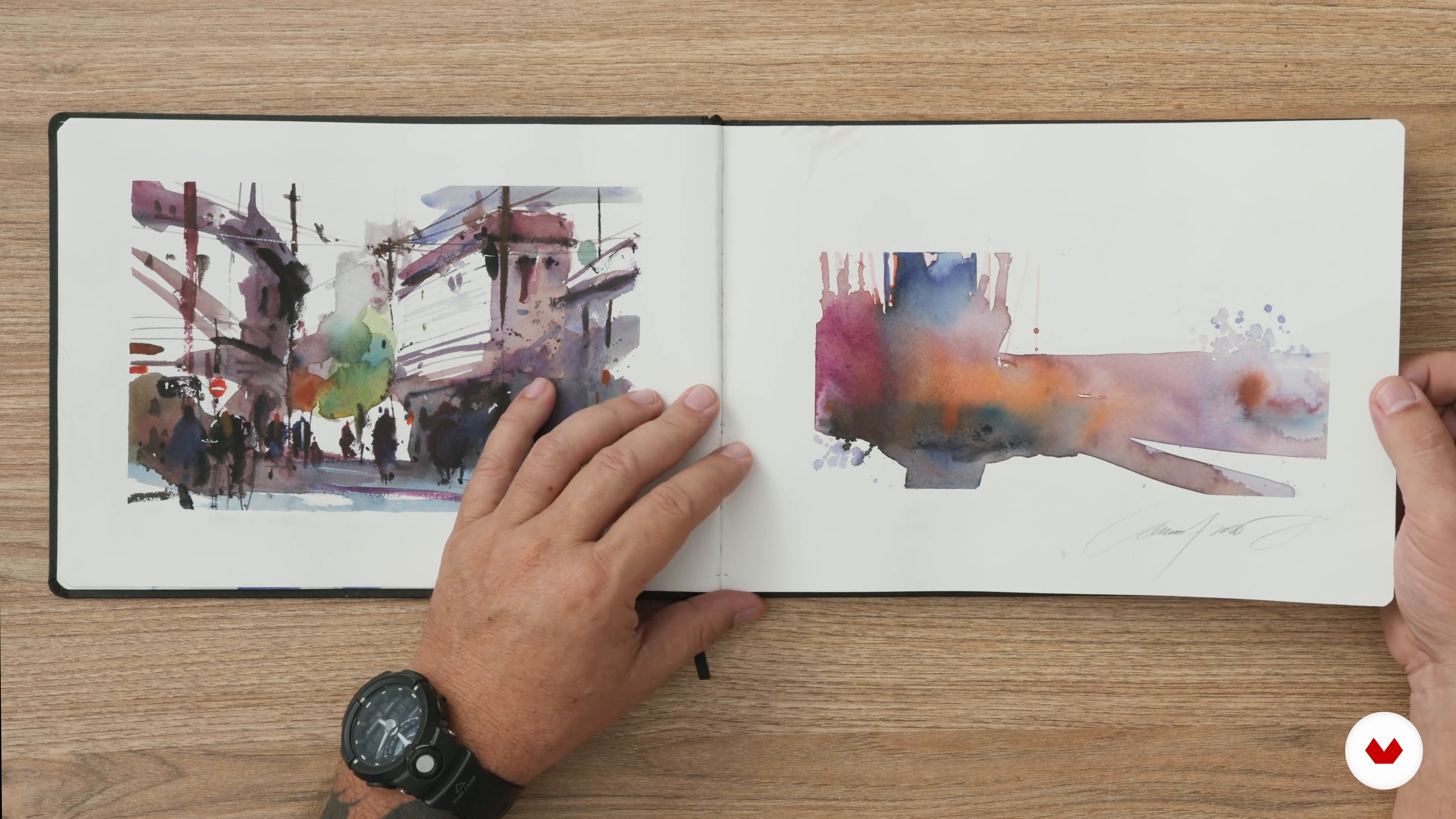
The use of the log
8 minutes, 26 seconds
What's included in this course?
Begin by getting to know Pito Campos, taking a look back at his professional career as an illustrator and watercolorist, to becoming a self-taught artist. Discover his main influences and inspiration from different artistic disciplines.
Explore the selection of materials you need, as well as how to search for your muse or main reference point on which to base your final project. Next, the teacher reveals the most essential tool of the entire course: the sketchbook.
Get to know the function of the sketchbook in depth, to conceptualize and capture all the ideas that come up. Meanwhile, Pito teaches you to observe, compose the image, and select the elements to make the most of your chosen reference.
Once you have all the information gathered together in your sketch, it's time to grab your brushes for the final watercolor. Starting with a drawing, add the layers of water and pigments necessary, until the very last spot.
Work on some finishing touches, before adding maximum resolution to the finer details of your watercolor. Get some final tips on color and reflections, to achieve that characteristic mirror effect of water and take your final project to the next level.
What is this course's project?
Create a contemporary artistic composition in watercolor, using a seascape as a reference.
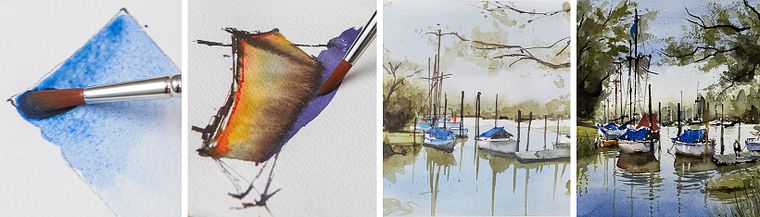
Projects by course students


Who is this online course for?
Anyone interested in expressing themselves through different watercolor techniques.
Requirements and materials
For this online course, you need 300 GSM/100% cotton watercolor paper, watercolors and brushes, a spray bottle, masking tape, a 3B graphite pencil, an eraser, a sketchbook, and a spatula
Reviews
- 10 days ago
Me encanto, Pito es de los mejores proffesores de acuarela de este mundo!
- 16 days ago
Me encantó! definitivamente uno de mis favoritos, me gusto más que el de acuarela urbana.
- 2 months ago
molto interessante!
- 2 months ago
muy didáctico, sólidos conocimientos técnicos del profesor, muy recomendable.
- 2 months ago
Muito bom! Bem didático!

He has worked for magazines like Servicio de Cable, Desterradxs, and La Luciérnaga, as an illustrator for newspapers such as La Voz and La Nueva Mañana, and, as a muralist, he has created work in different stations across Buenos Aires.
Content
- U1
Introduction
- About Me
- Influences
- U2
Water Painting
- Presentation of materials 1
- Presentation of materials 2
- Water
- The reflection
- The gesture
- U3
The Genesis of the Work
- The use of the log
- Find the trigger
- U4
Transform the Sketch into Work
- Planting the Drawing
- First gouache
- The skin
- The spelling of things 1
- The spelling of things 2
- U5
Make It Turn into Water
- The resolution of water and its reflection 1
- The resolution of water and its reflection 2
- Final details and touch ups
- FP
Final project
- Watercolor Techniques for Painting Seascapes
What to expect from a Domestika course
Learn at your own pace
Enjoy learning from home without a set schedule and with an easy-to-follow method. You set your own pace.
Learn from the best professionals
Learn valuable methods and techniques explained by top experts in the creative sector.
Meet expert teachers
Each expert teaches what they do best, with clear guidelines, true passion, and professional insight in every lesson.
Certificates
PLUSIf you're a Plus member, get a custom certificate signed by your teacher for every course. Share it on your portfolio, social media, or wherever you like.
Get front-row seats
Videos of the highest quality, so you don't miss a single detail. With unlimited access, you can watch them as many times as you need to perfect your technique.
Share knowledge and ideas
Ask questions, request feedback, or offer solutions. Share your learning experience with other students in the community who are as passionate about creativity as you are.
Connect with a global creative community
The community is home to millions of people from around the world who are curious and passionate about exploring and expressing their creativity.
Watch professionally produced courses
Domestika curates its teacher roster and produces every course in-house to ensure a high-quality online learning experience.
FAQs
Yes, this course is designed for artists with intermediate watercolor skills who want to refine specific techniques for seascapes and water reflections.
You’ll need professional watercolors, round and liner brushes, watercolor paper (preferably cotton), a sturdy support, masking tape, a palette knife, a kneaded eraser, and a sketchbook.
You’ll learn techniques for painting water, reflections, atmosphere, and depth, color handling, composition, expressive brushwork, and creating textures in marine watercolor landscapes.
Yes, the course covers reflection techniques and chiaroscuro to achieve depth and realism in water and reflected elements.
Yes, the course includes exercises and demos using the wet-on-wet technique to create washes, smooth transitions, and reflections on water surfaces.
It’s recommended to use cotton watercolor paper, preferably 300 gsm. Rough grain offers more texture, while satin allows for finer details.
Yes, the course incorporates using a sketchbook for experimentation, idea recording, and expressive practice, which is key to the creative process.