
Writing Crime Stories for Beginners
A course by paolo roversiAuthor, Scriptwriter, and Journalist
A course by paolo roversi, Author, Scriptwriter, and Journalist

Learn to write crime stories for a novel, film, or podcast by exploring core components like characters and setting
Noir, thrillers, and the classic detective novel all fit under the vast umbrella of crime stories, one of the most-read genres on the market. But what does it take to craft one of these suspense-driven stories full of plot twists? Paolo Roversi, journalist and author specialized in crime novels, gives you the clues to write your own in this online course. Paolo has published more than 20 books and has collaborated on screenplays as well as scripts for television and podcasts.
Like a true detective, discover the core components of this genre and how to piece together a plot by answering three fundamental questions: when, why, and how. Learn to create a credible protagonist, establish an authentic setting, and pace the action of your narrative. Find your style and write a gripping crime story that leaves readers asking "whodunit" till the last page.
What will you learn in this online course?
12 lessons & 12 downloads

How, When, and Why
8 minutes, 23 seconds

What Is Meant by a Crime Story
10 minutes, 11 seconds

The Plot
6 minutes, 57 seconds
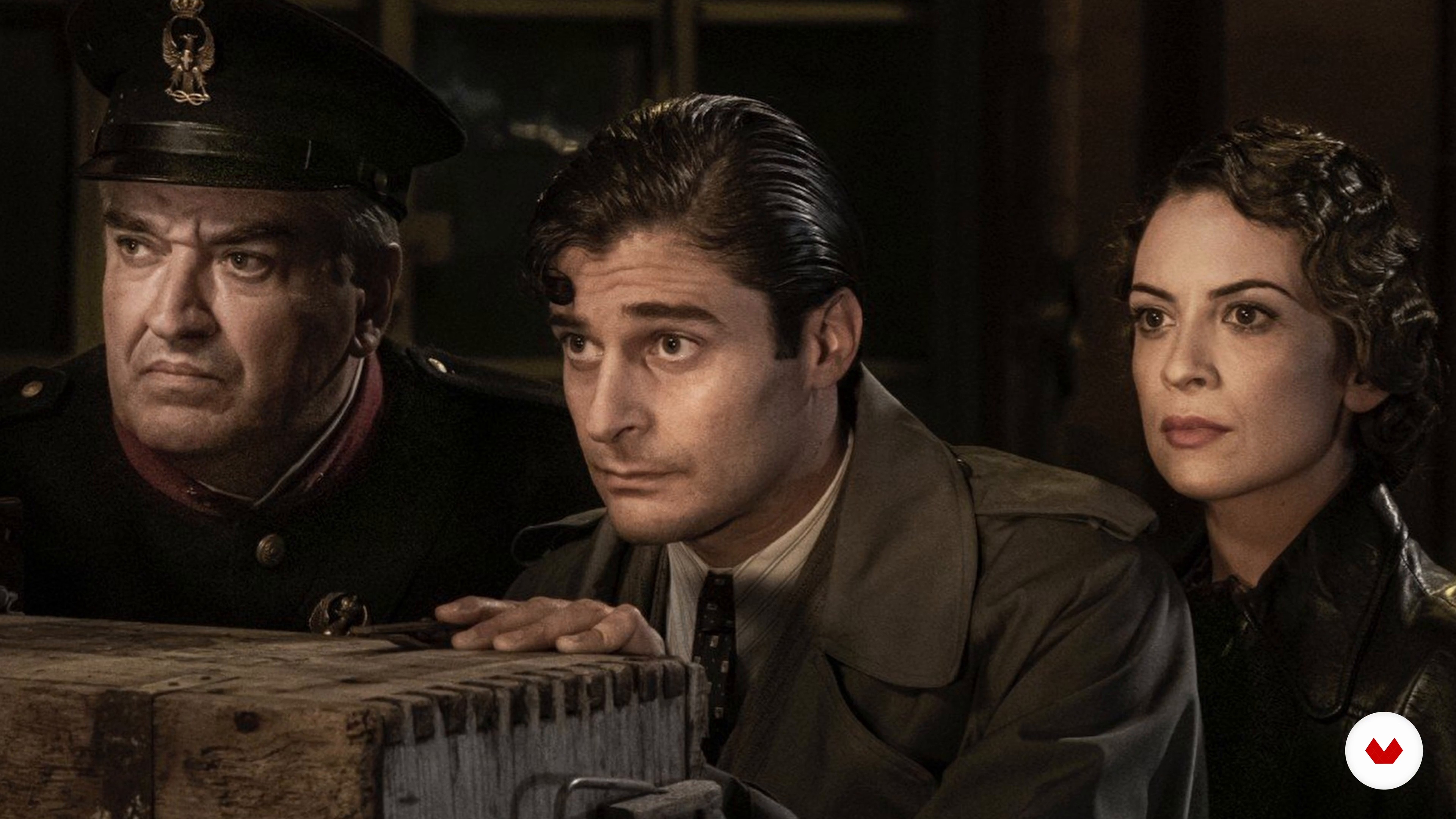
The Breathtaking Character, the Hero of the Story
6 minutes, 19 seconds

The Time of History
7 minutes, 22 seconds

The Setting
5 minutes, 24 seconds
What's included in this course?
Meet Paolo Roversi, author, journalist, screenwriter, and your teacher for the course. He tells you about his professional background, why he became a writer, and where he finds inspiration for his books.
Before you dust for fingerprints, take an in-depth look at the crime story genre, examining the different types and their defining characteristics. Then, come up with a convincing idea for your project.
Time to unravel the mystery and weave it into a story! Lay the foundation for the plot by working on your main character, the setting, and the tempo. Once you've defined these elements, determine your personal writing style and start putting words to the page.
Discover the directions you can take your work and how it can be adapted to other formats, such as a novel, a story, a screenplay, or a podcast.
To round out the course, Paolo teaches you how to revise and edit your text and cultivate your passion for writing with practice and dedication.
What is this course's project?
Learn about all the elements needed to write a crime story and adapt it to your preferred format, whether as a novel, a screenplay, or a podcast.
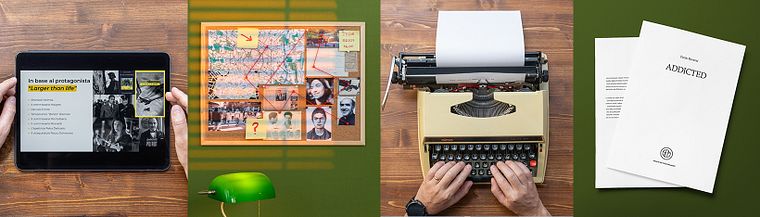
Projects by course students
Who is this online course for?
Anyone who wants to learn how to write a crime story.
Requirements and materials
No prior knowledge is necessary for this course.
The only materials you need are a pen and paper or a computer with a word processor.

Reviews
- 2 months ago
Davvero un buon punto di partenza, mi e' piaciuto molto.
- 10 months ago
Me ha encantado la forma en la que explica, los diferentes tipos de historias de crimenes y como desarrollarlas <3 es un buen inicio en este mundo
- 10 months ago
este curso es increible
- 11 months ago
Buona infarinatura e ti mette voglia di cominciare subito :)
- 1 year ago
Este curso esta fantastico, me ayudo muchisimo a aclarar como comenzar una novela policiaca.

During one of his business trips, however, he rediscovered his passion for storytelling and penned what would be his first crime novel. He has since published more than 20 novels translated into eight languages, some of which have been adapted as short films, plays, and an upcoming feature film. He has also collaborated on film, TV, and podcast projects and teaches courses at several schools, including the Scuola Holden in Turin.
Content
- U1
Introduction
- Who I am, my story, what I do
- Influences
- U2
Tools of the Trade
- How, When, and Why
- What Is Meant by a Crime Story
- The Plot
- U3
The Essential Elements of a Crime Story
- The Breathtaking Character, the Hero of the Story
- The Time of History
- The Setting
- Style Creation
- The Different Declinations of the Crime Story
- U4
You're Almost Done
- Review and Editing
- A Bit of Magic
- FP
Final project
- Writing Crime Stories for Beginners
What to expect from a Domestika course
Learn at your own pace
Enjoy learning from home without a set schedule and with an easy-to-follow method. You set your own pace.
Learn from the best professionals
Learn valuable methods and techniques explained by top experts in the creative sector.
Meet expert teachers
Each expert teaches what they do best, with clear guidelines, true passion, and professional insight in every lesson.
Certificates
PLUSIf you're a Plus member, get a custom certificate signed by your teacher for every course. Share it on your portfolio, social media, or wherever you like.
Get front-row seats
Videos of the highest quality, so you don't miss a single detail. With unlimited access, you can watch them as many times as you need to perfect your technique.
Share knowledge and ideas
Ask questions, request feedback, or offer solutions. Share your learning experience with other students in the community who are as passionate about creativity as you are.
Connect with a global creative community
The community is home to millions of people from around the world who are curious and passionate about exploring and expressing their creativity.
Watch professionally produced courses
Domestika curates its teacher roster and produces every course in-house to ensure a high-quality online learning experience.
FAQs
Crime writing includes stories and novels focused on crimes, investigations, and suspense. It covers various subgenres like mystery, noir, and thriller, each with its own narrative style and mood.
Mystery centers on logically solving the puzzle, noir features dark atmospheres and morally complex characters, while thriller relies on tension and fast-paced action.
The course is designed for those with some creative writing experience who want to dive deeper into crime storytelling, so it’s best suited for intermediate writers.
You’ll need a basic understanding of narrative writing and a willingness to experiment. Having a computer or notebook handy for exercises and notes is helpful.
You’ll learn to tell the different crime subgenres apart, craft gripping plots, develop believable protagonists, create vivid settings, and adapt stories into formats like novels, scripts, or podcasts.
Yes, the course offers practical techniques for building suspense, revealing information strategically, and keeping the tension high.
The course guides you in creating strong characters by exploring their psychology, backstory, and motivations to make them authentic and engaging.