Intro to Anatomy Drawing with Graphite Pencil
A course by Ella NittersMedical and Scientific Illustrator
A course by Ella Nitters, Medical and Scientific Illustrator

Learn to depict the intricate details of human and animal anatomy using graphite pencils, from sketching and linework to texture, contrast, and volume
Anatomical illustration is an opportunity to draw the delicate intricacies of human and animal life. For medical and scientific illustrator Ella Nitters, winner of the World Illustration Award for Microsurgery of a Rat, recreating realistic corpses is all about celebrating the beauty of life.
In this online course, explore the fundamentals of anatomical illustration with graphite pencils, and develop your skills for creating hyperrealistic drawings. Learn about humans and animals through a scientific and artistic lens by capturing what you see on paper.
What will you learn in this online course?
16 lessons & 27 downloads
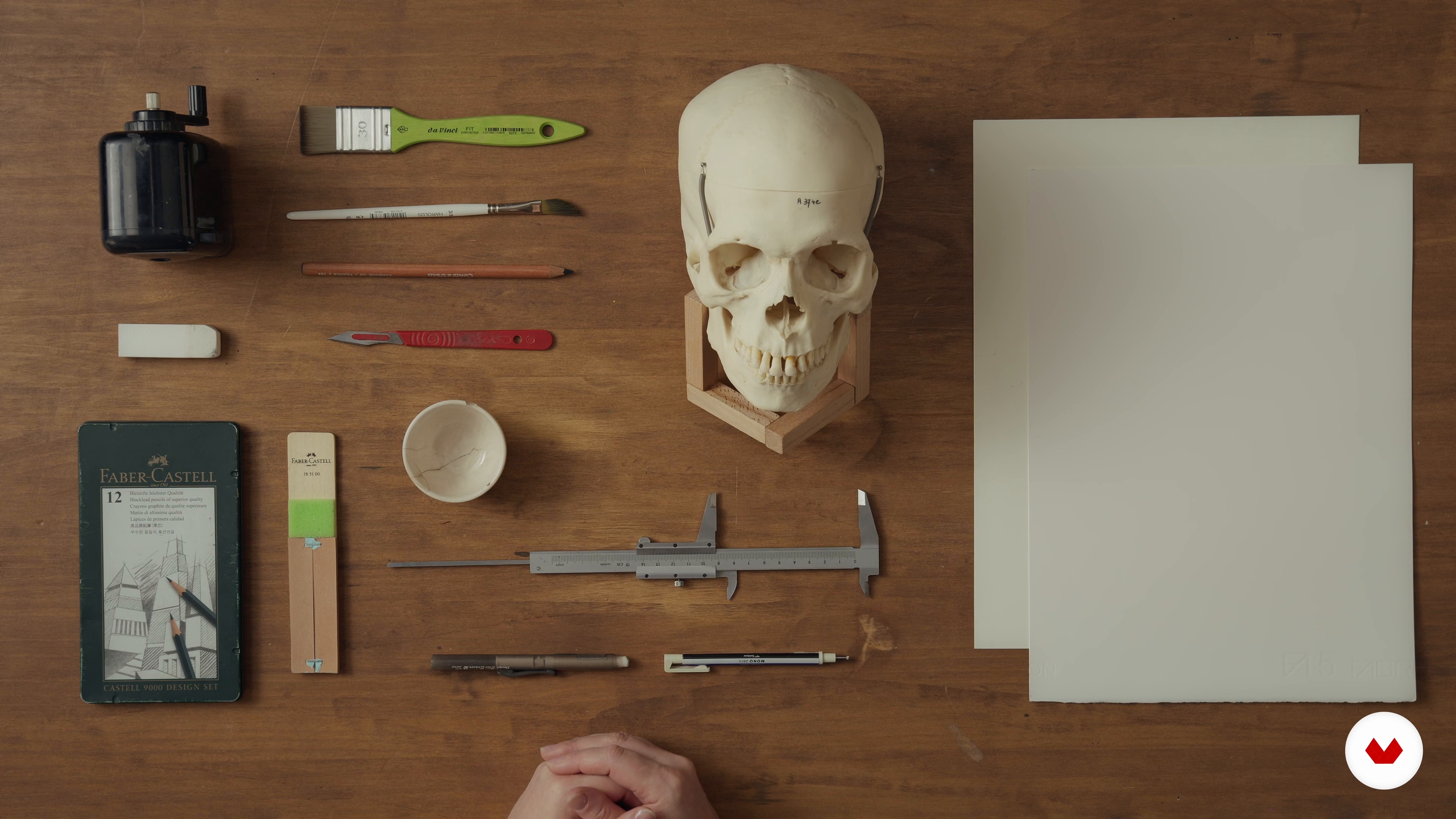
The Materials
4 minutes, 14 seconds
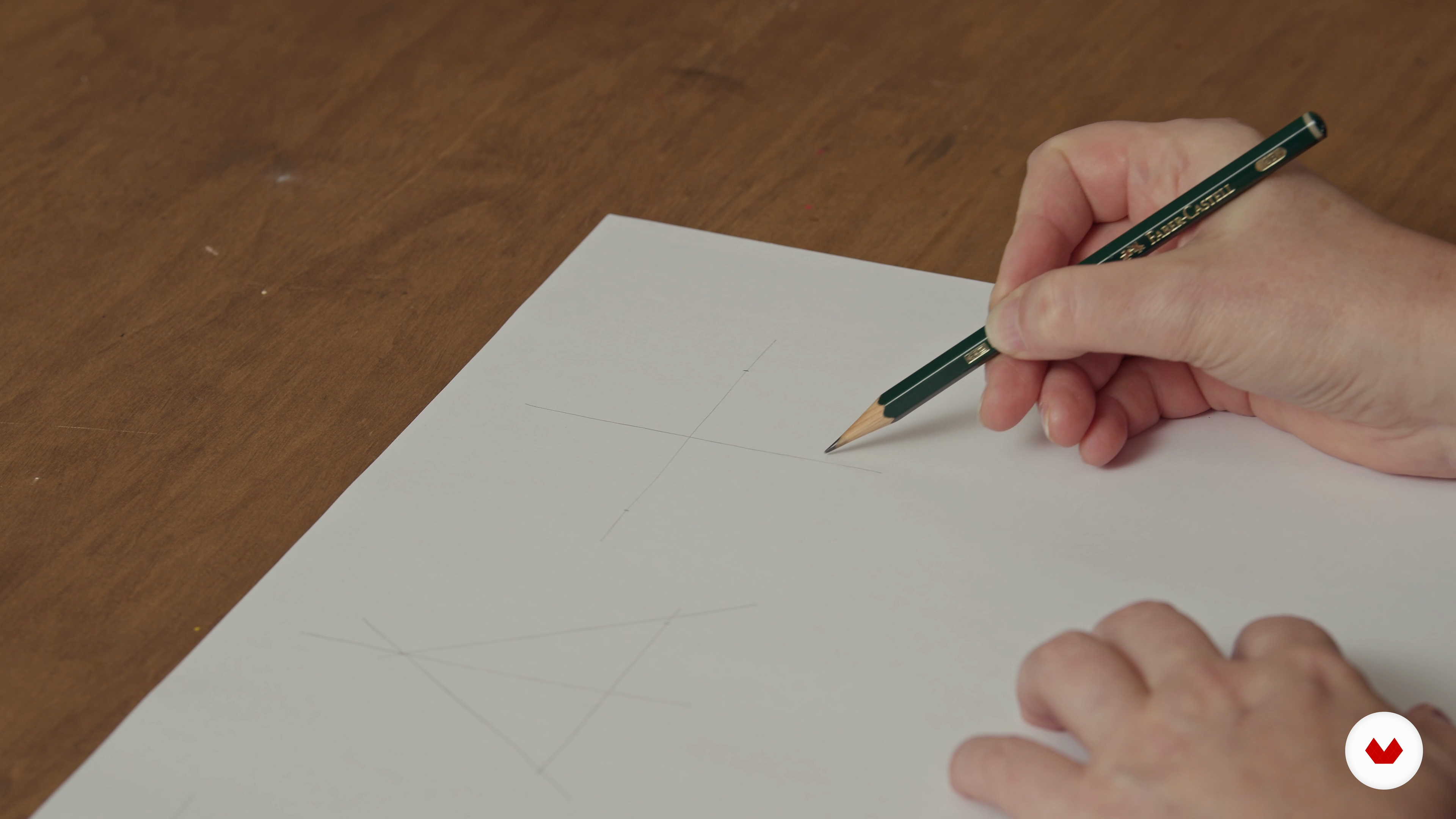
Sketching Lines and Shapes
6 minutes, 37 seconds
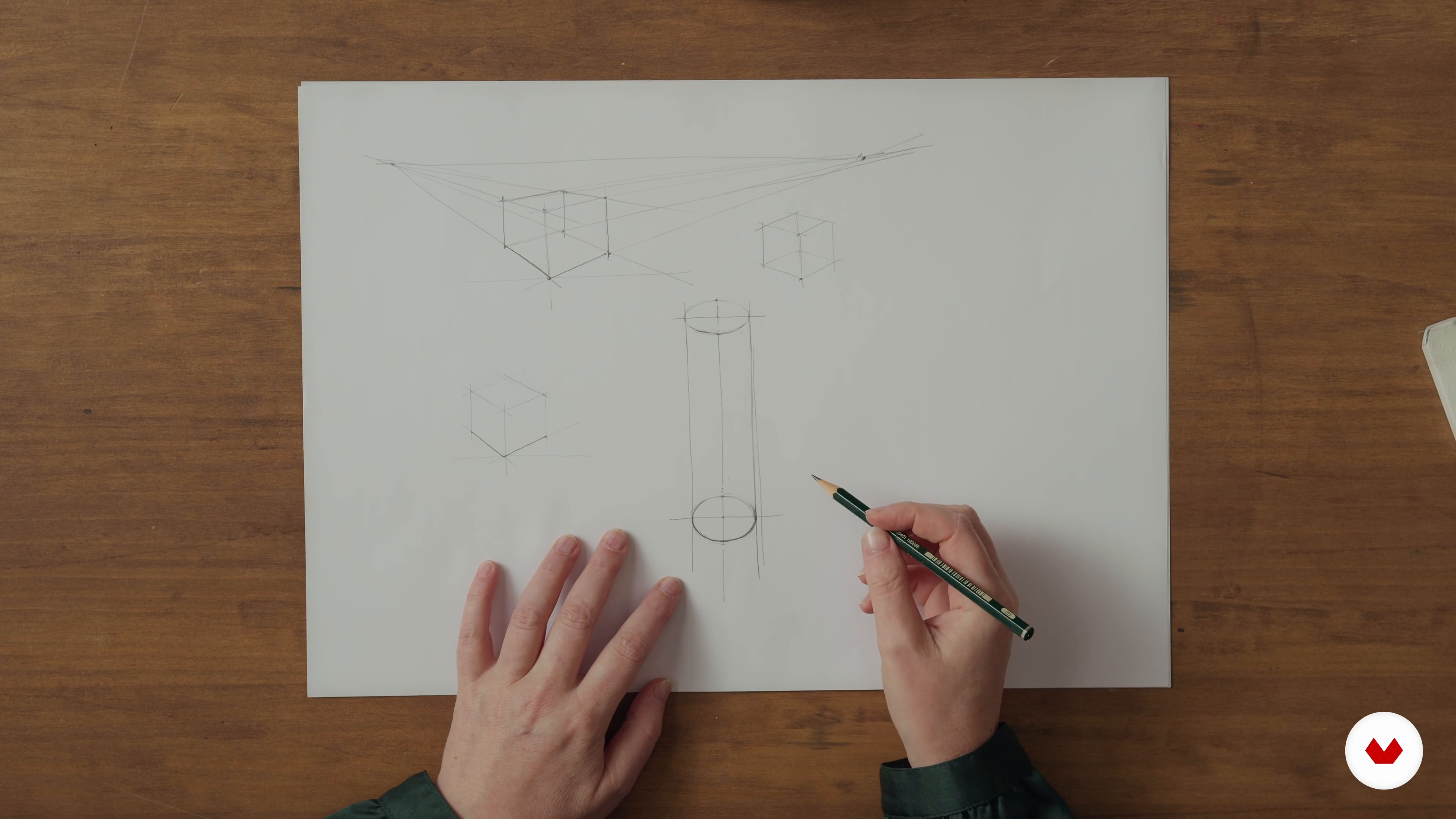
Drawing Volumetric Shapes 1
15 minutes, 2 seconds
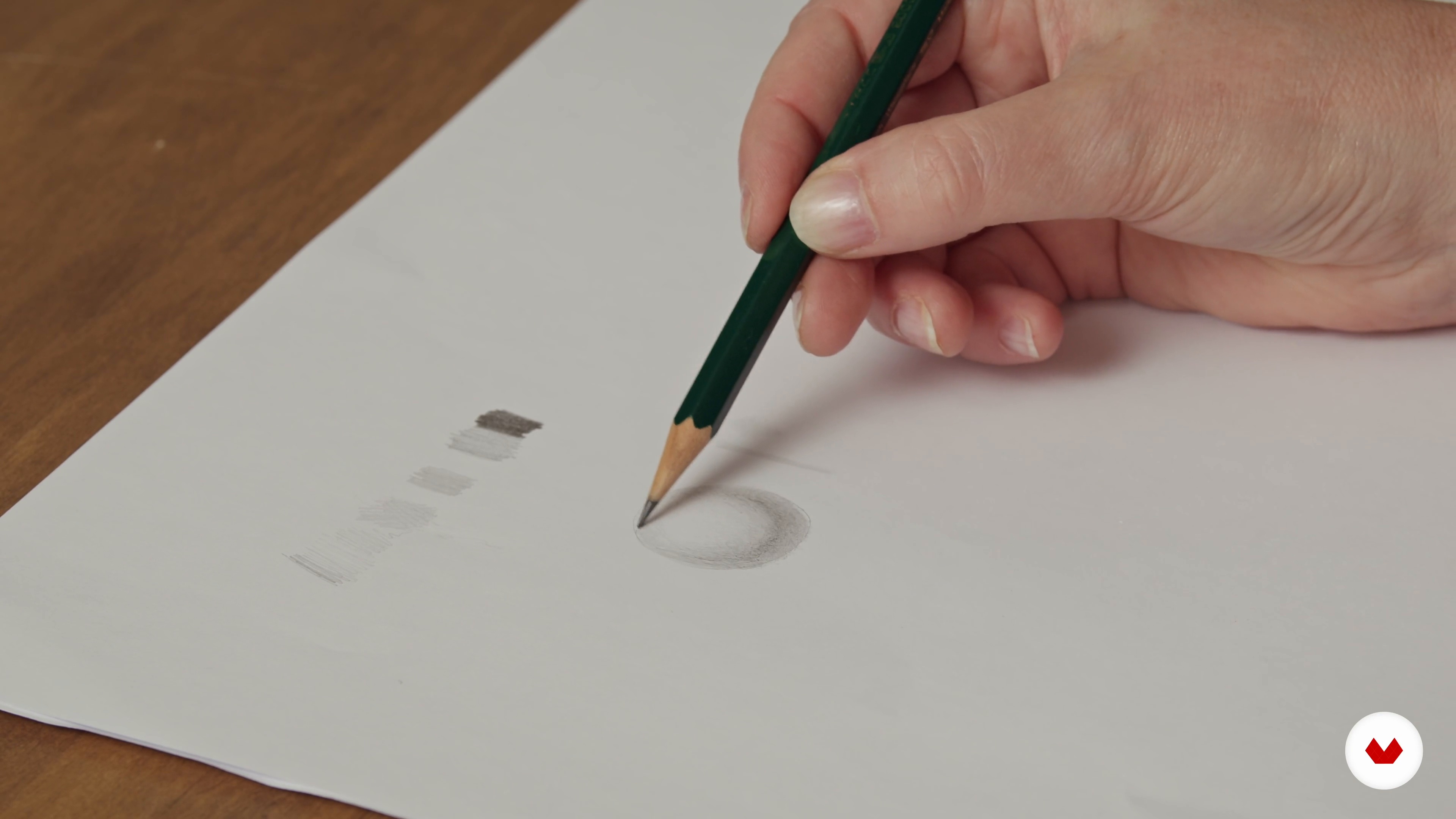
Rendering with Graphite Pencil
9 minutes, 24 seconds

Rendering Volumetric Shapes
4 minutes, 33 seconds
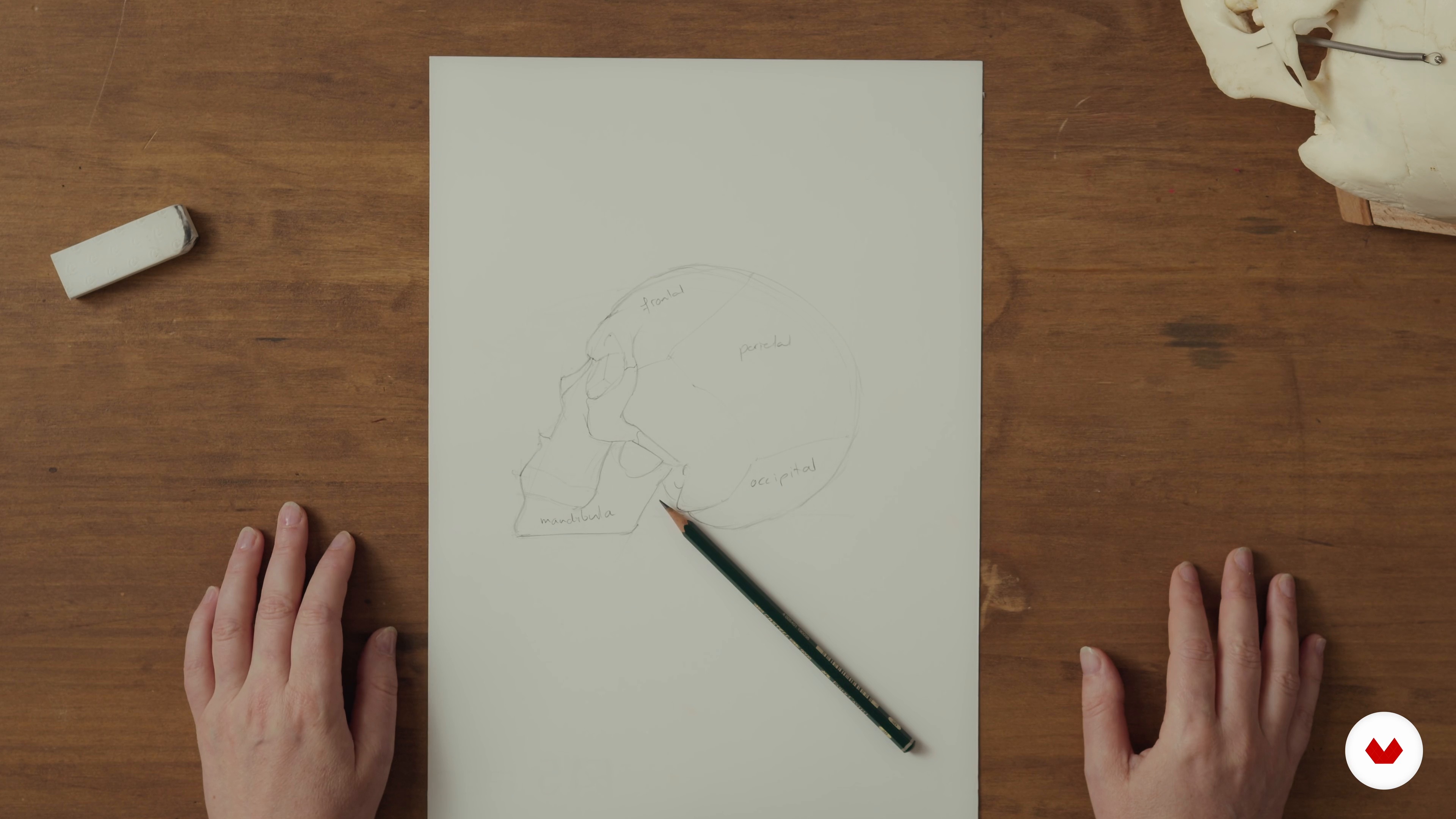
Reference and Research
10 minutes, 19 seconds
What's included in this course?
Meet your teacher, Ella Nitters. She talks about her background, where her love of drawing came from, and how she became a medical illustrator. She also shares the studies and influences that have helped shape her career.
Dive straight into the basics of sketching, drawing lines and forming 2D and 3D shapes. After exploring why graphite pencils are the perfect medium, Ella teaches you to render your sketches through layering, as well as how to express volume and shadow.
Next, choose a subject and familiarize yourself with it in detail, before doing the linework and building up your piece step by step.
As an optional extra, Ella shows you how to add color in Photoshop, along with how to use carbon dust as a base layer to create much smoother illustrations.
Recommended software & tools for this course
What is this course's project?
Create an elaborate depiction of a human or animal bone, focusing on texture.
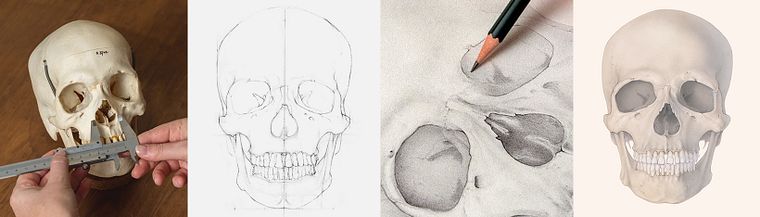
Projects by course students


Who is this online course for?
Any beginners wanting to get into anatomical drawing, as well as beginners and slightly more advanced students interested in scientific illustration.
Requirements and materials
No previous knowledge is needed for the course, except in the optional digital lesson, where some experience with scanning and Adobe Photoshop would be useful.
For materials, all you need is graphite pencils, carbon dust, and some paper.
Reviews
- 6 months ago
C'est un cours très complet et le contenu que l'on peut télécharger aussi.
- 8 months ago
bastante didáctico!
- 9 months ago
Amazing course! Very detailed, I was able to finally get the anatomy right on my works
- 1 year ago
Cours magnifique avec une professeur si passionnée...des détails précis, la possibilité de tant de nuances et d'ombres avec le graphite...une pépite de poésie au coeur d'un cours d'anatomie!!
- cocow05502PLUS1 year ago
this course is detailed and practical for any level of artists, especially for beginners.

The aim of her art is clarity, and her process consists of getting lost in the scientific details of organic structures. She works for a variety of clients on projects relating to surgical procedures, patient information, medical innovations, and scientific articles. In 2018, she won a World Illustration Award for her representation of the microsurgery done on a rat.
Content
- U1
Introduction
- About Me
- Influences
- U2
Basic Drawing Techniques
- The Materials
- Sketching Lines and Shapes
- Drawing Volumetric Shapes 1
- Drawing Volumetric Shapes 2
- Rendering with Graphite Pencil
- Rendering Volumetric Shapes
- U3
Elaborate Pencil Drawing
- Reference and Research
- The Line Drawing
- The Rendering 1
- The Rendering 2
- The Rendering 3
- U4
Additional Options: Color and Carbon Dust
- Scanning and Coloring the Graphite Drawing 1
- Scanning and Coloring the Graphite Drawing 2
- Introduction to Carbon Dust
- FP
Final project
- Intro to Anatomy Drawing with Graphite Pencil
What to expect from a Domestika course
Learn at your own pace
Enjoy learning from home without a set schedule and with an easy-to-follow method. You set your own pace.
Learn from the best professionals
Learn valuable methods and techniques explained by top experts in the creative sector.
Meet expert teachers
Each expert teaches what they do best, with clear guidelines, true passion, and professional insight in every lesson.
Certificates
PLUSIf you're a Plus member, get a custom certificate signed by your teacher for every course. Share it on your portfolio, social media, or wherever you like.
Get front-row seats
Videos of the highest quality, so you don't miss a single detail. With unlimited access, you can watch them as many times as you need to perfect your technique.
Share knowledge and ideas
Ask questions, request feedback, or offer solutions. Share your learning experience with other students in the community who are as passionate about creativity as you are.
Connect with a global creative community
The community is home to millions of people from around the world who are curious and passionate about exploring and expressing their creativity.
Watch professionally produced courses
Domestika curates its teacher roster and produces every course in-house to ensure a high-quality online learning experience.
FAQs
Yes, this course is designed for beginners and covers foundational skills in graphite pencil drawing, perspective, shading, and both traditional and digital anatomy illustration techniques.
You’ll need graphite pencils, eraser pencils, sketching paper, vinyl or masking paper, a caliper for measurements, and access to a scanner and Photoshop for digital coloring.
You’ll learn how to research anatomical subjects, create realistic graphite renderings, use carbon dust and layered shading, transfer sketches, and digitally enhance your illustrations with Photoshop.
No prior experience is required. The course starts with basic drawing skills and gradually introduces more advanced anatomical and illustration techniques.
You’ll learn step-by-step how to observe, sketch, layer tones, use shading techniques, and refine details to create lifelike anatomical drawings of bones and skulls.
Yes, the course covers scanning your graphite drawings and using Photoshop to color and enhance them while maintaining anatomical accuracy and detail.
The carbon dust technique involves using powdered carbon and brushes to create smooth gradients and detailed shading, adding depth and realism to scientific illustrations.