Creating Liquid Watercolors and Botanical Inks
A course by Tortolita Inventiva , Eco-Creative Studio

Joined December 2016
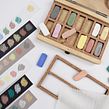
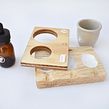

Learn to extract dyes from nature and develop your own collection of sustainable art materials
Joined December 2016

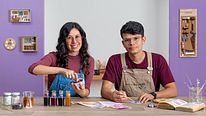
For the creators of Tortolita Inventiva, Gina Sanchez and Miguel Ubaldo, art and sustainability go hand in hand. From their studio, they produce ecological art materials using traditional and sustainable methods. They have collaborated with big names like Amarillo Pastel and Gimena Romero.
In this online course, they teach you how to extract colors from nature using environmentally friendly processes. Learn to make your own watercolors and inks that are naturally derived from dye plants, ignite your curiosity, and create a direct link with nature. Discover the origin of materials and colors to open up a whole new world of creative possibilities!
What will you learn in this online course?
13 lessons & 23 downloads
- 99% positive reviews (220)
- 9,951 students
- 13 lessons (1h 19m)
- 23 additional resources (8 files)
- Online and at your own pace
- Available on the app
- Audio: Spanish, German, English, French, Indonesian, Italian, Dutch, Polish, Portuguese, Romanian, Turkish
- Spanish · English · Portuguese · German · French · Italian · Polish · Dutch · Turkish · Romanian · Indonesian
- Level: Beginner
- Unlimited access forever
What is this course's project?
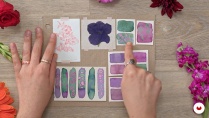
Create a collection of six sustainable watercolor inks and an illustrated logbook showcasing your final color palette.

Projects by course students


Who is this online course for?
Any inquisitive minds who are interested in art, botany, and nature.
Requirements and materials
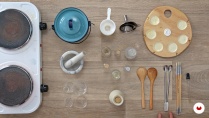
You don't need any previous experience, as long as you like to illustrate and are interested in botany, alchemy, and all their creative possibilities. As for equipment, you need botanical ingredients, illustration materials, cookware, and modifiers such as baking soda or soap powder

Reviews

Tortolita Inventiva
A course by Tortolita Inventiva
Gina Sanchez and Miguel Ubaldo are designers by trade, inquisitive by nature, and the creators of Tortolita Inventiva, a studio that produces ecological art supplies.
For them, research and investigation are a fundamental part of their lifestyle. They hand-make their own gadgets and art materials naturally, questioning the process, origin, and environmental impact of products that are currently on the market.
The pair have collaborated with artists such as Amarillo Pastel and Gimena Romero, and are also part of the Sin Plástico directory, Greenpeace, and the Latin American Sustainable directory.
Content
-
U1
Introduction
-
About Me
-
Influences
-
-
U2
The essence and the bases
-
Sustainable art and curiosity
-
Botanical dye sources and their cycle
-
Natural classification of vegetable and botanical dyes
-
Recognition of materials and tools
-
-
U3
Dye creation
-
Extraction procedure: cooking and crushing
-
Extraction procedure: macerated in water
-
Extraction procedure: macerated in alcohol
-
-
U4
Color metamorphosis
-
Color transformations
-
Experimentation in organic compositions with dyes
-
Preservation and binder
-
Assemble the logbook in an old book
-
-
FP
Final project
-
Creating Liquid Watercolors and Botanical Inks
-
What to expect from a Domestika course
-
Learn at your own pace
Enjoy learning from home without a set schedule and with an easy-to-follow method. You set your own pace.
-
Learn from the best professionals
Learn valuable methods and techniques explained by top experts in the creative sector.
-
Meet expert teachers
Each expert teaches what they do best, with clear guidelines, true passion, and professional insight in every lesson.
-
Certificates
PlusIf you're a Plus member, get a custom certificate signed by your teacher for every course. Share it on your portfolio, social media, or wherever you like.
-
Get front-row seats
Videos of the highest quality, so you don't miss a single detail. With unlimited access, you can watch them as many times as you need to perfect your technique.
-
Share knowledge and ideas
Ask questions, request feedback, or offer solutions. Share your learning experience with other students in the community who are as passionate about creativity as you are.
-
Connect with a global creative community
The community is home to millions of people from around the world who are curious and passionate about exploring and expressing their creativity.
-
Watch professionally produced courses
Domestika curates its teacher roster and produces every course in-house to ensure a high-quality online learning experience.
FAQs
You’ll learn how to extract pigments from plants, flowers, and minerals; create sustainable botanical inks; modify colors; and apply traditional crafting techniques to produce custom palettes and eco-friendly art—all with a focus on sustainability and responsible use of natural resources.
This course is designed for people with intermediate knowledge of art or craft processes, but it’s also great for anyone interested in making natural inks and sustainable art, as it explains techniques step-by-step.
You’ll need plants, flowers, or minerals; basic kitchen tools; glass containers; filters; a palette; a dropper; and materials like gum arabic or honey. Access to natural ingredients and some eco-friendly preservatives is recommended.
Using natural pigments and inks reduces environmental impact, encourages creativity with local resources, avoids toxic chemicals, and lets you customize unique colors and textures in your artwork.
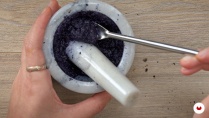
Extraction involves gathering botanical materials, crushing or soaking them in water or alcohol, filtering the liquid, and adding binders if needed to create inks ready for art use.
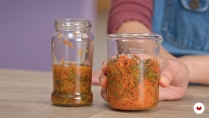
The course teaches cooking, soaking, grinding, filtering, mordanting, using modifiers, storing in jars, and keeping logs to document recipes and results.
Yes, you’ll learn to use modifiers like citric acid, alkaline mordants, and different papers to alter, stabilize, and expand the color range from natural pigments.
Curso bom e muito bem explicado, porém na tradução para o português a voz masculina esta na pessoa feminina e vice verso, o que dá uma sensação esquisita na hora de ver o vídeo.
excelente curso, super completo y muy bien explicado.
Esto es fascinante desde observación seleccion y la sorpresa que te da la naturaleza para poder crear tintes y estos a su vez colores infinitos, gracias por este conocimiento.
Enhorabuena.
Gostei muito e farei novas pesquisas na area.
ja fiz alguns testes e tenho amado a criacao
obrigada
Me encantó. Funcionó mucho para hacer pigmentos para mis telas