Human interest stories: bring narratives to life
A course by Eva RecinosWriter
A course by Eva Recinos, Writer

Choose a subject you like and get ready for creating a well-researched human interest story.
Welcome to an immersive journey into the art of storytelling! Join Eva Recinos, a renowned creative non-fiction writer and arts and culture reporter, as she shares her expertise in crafting compelling human interest stories.
In this online course, you'll learn the process of researching, conducting interviews, and drafting narratives that resonate with readers. From understanding the motivations of your subjects to organizing effective interview questions, Eva will guide you through the steps needed to create captivating stories inspired by real events and people. Get ready to unlock the power of words and celebrate the richness of the human experience through your writing.
What will you learn in this online course?
11 lessons & 18 downloads
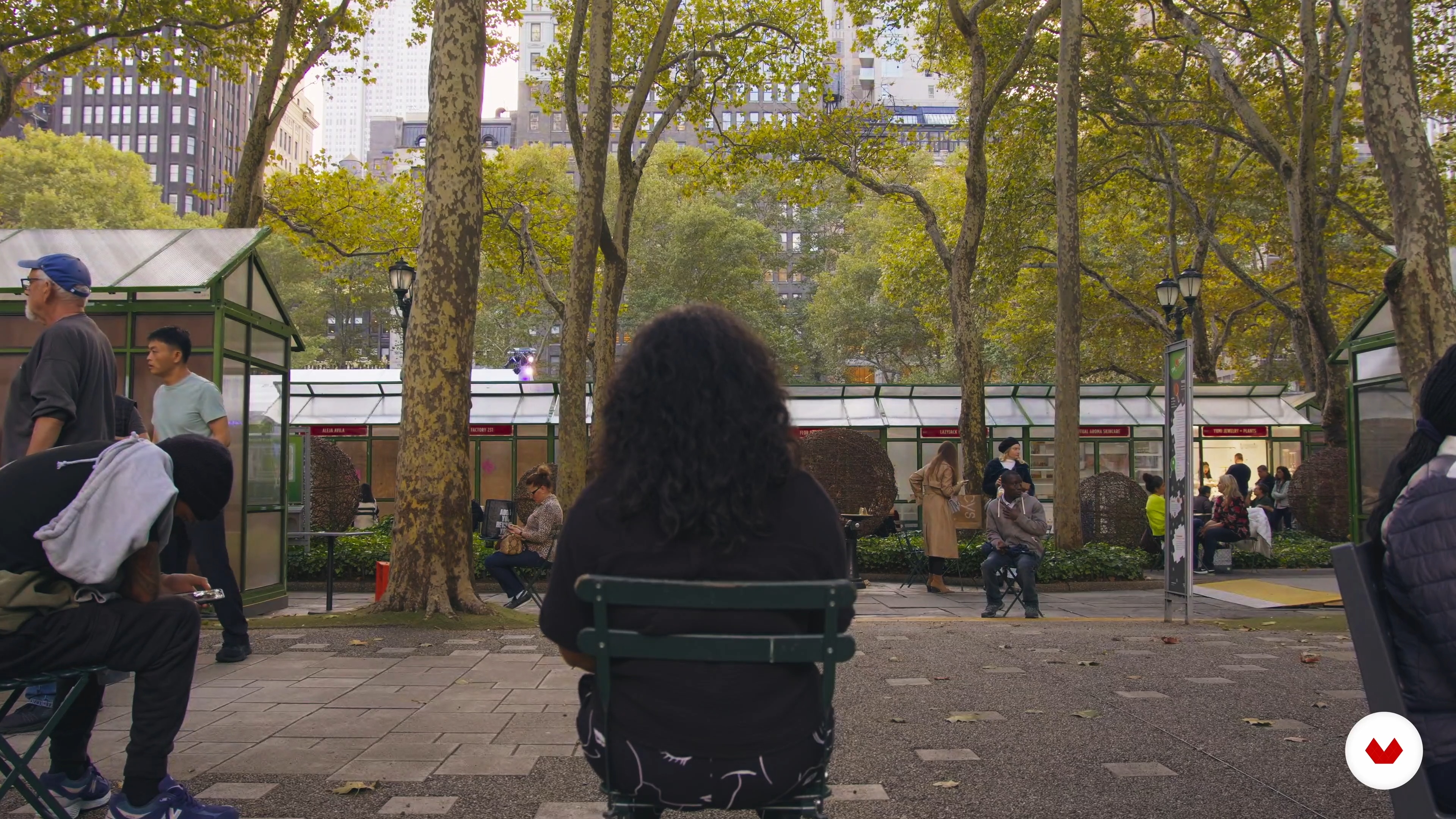
Site Visits
4 minutes, 7 seconds
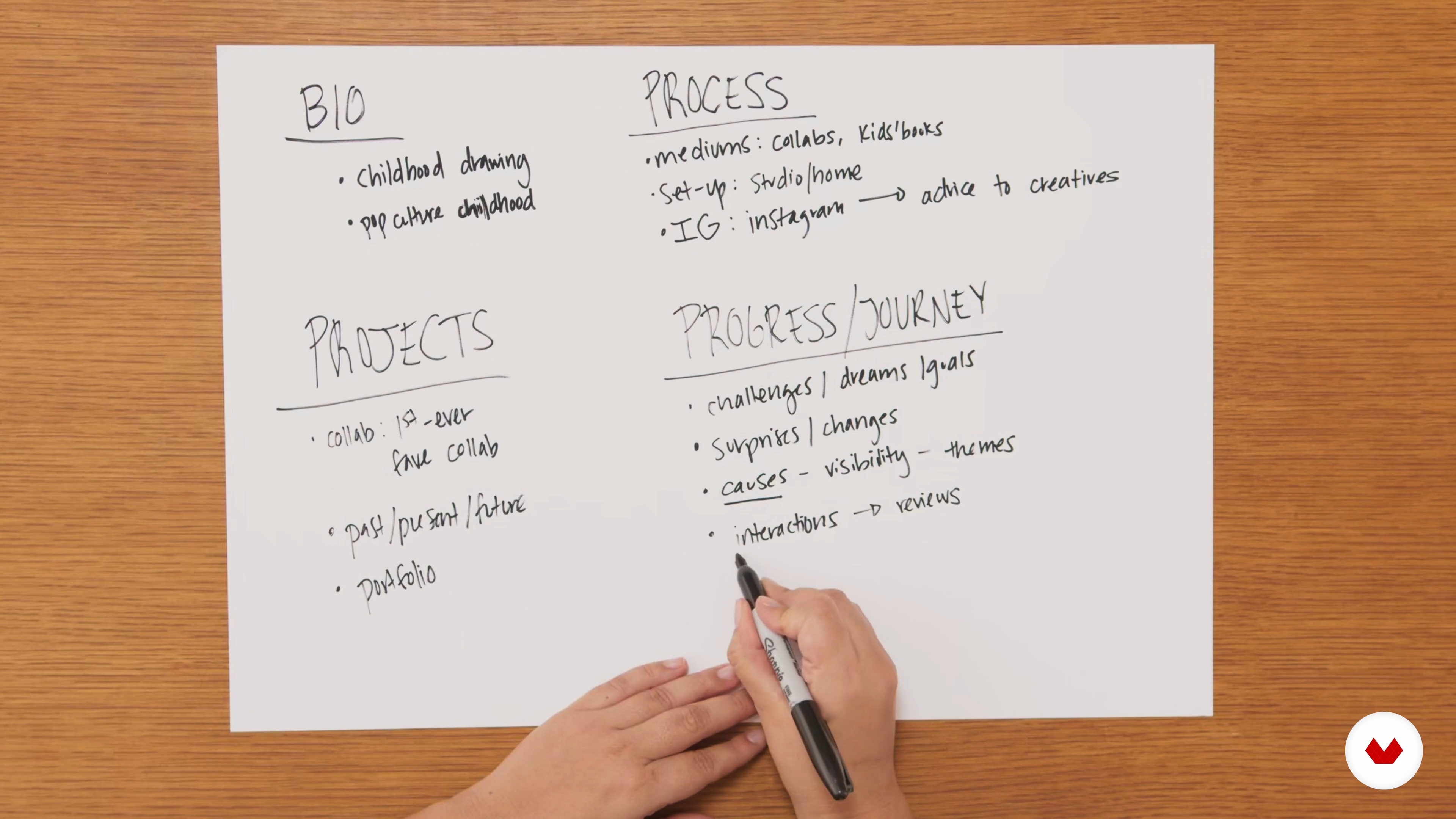
Categories of Questions
8 minutes, 20 seconds
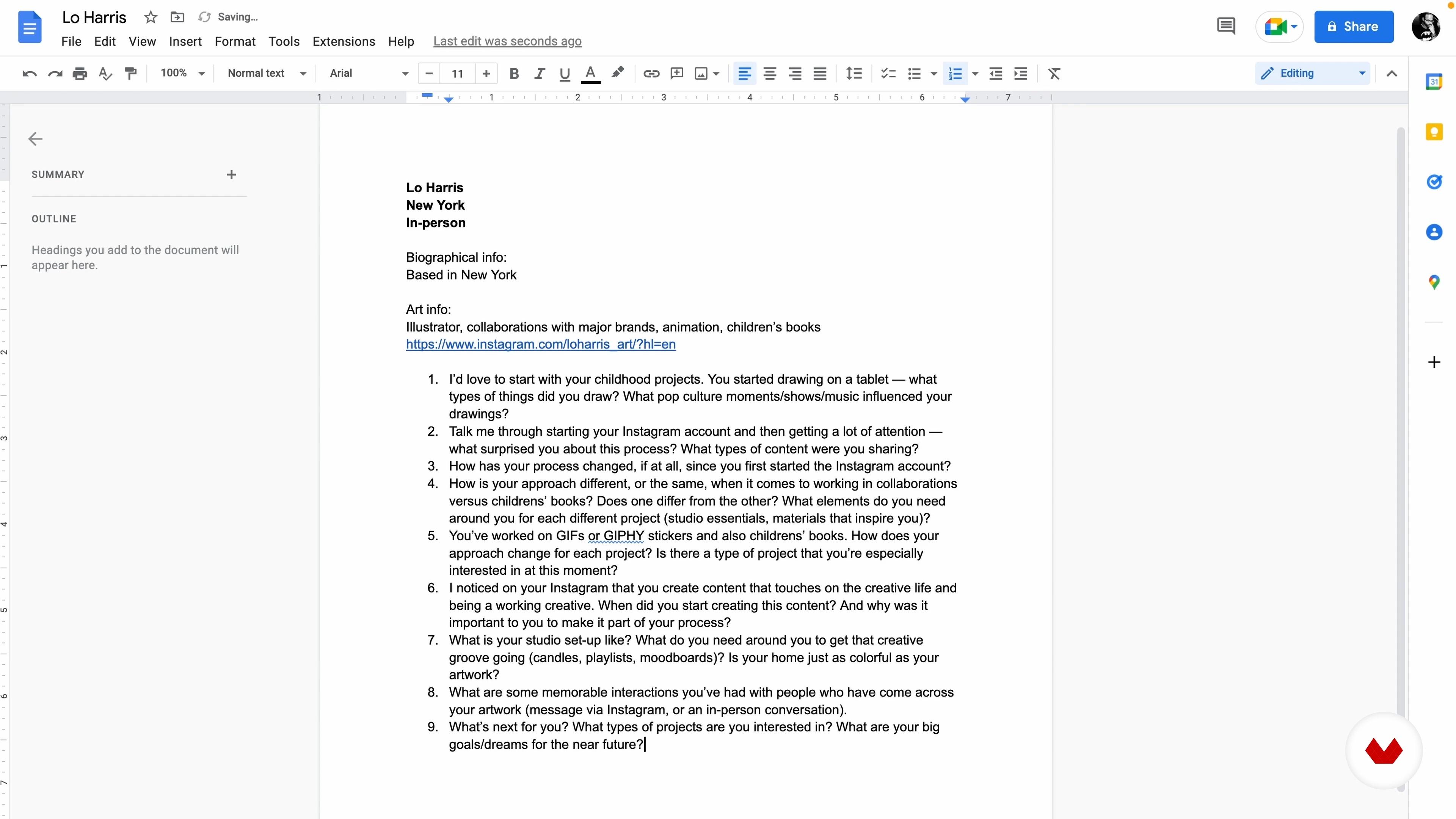
Refining Your Questions
11 minutes, 6 seconds
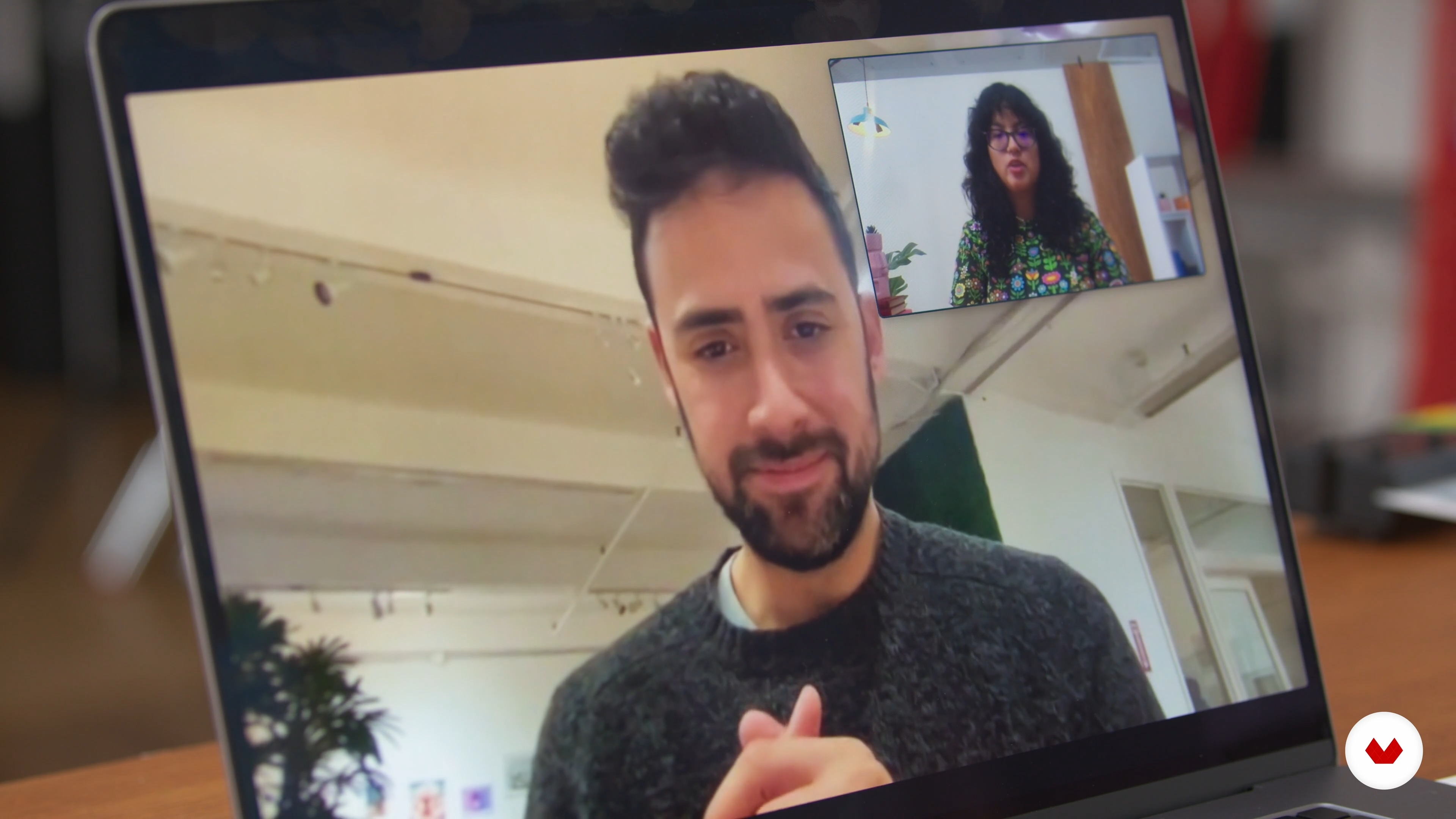
Tools for the Interview
4 minutes, 34 seconds

During the Interview 1
12 minutes, 34 seconds

During the Interview 2
10 minutes, 30 seconds
What's included in this course?
In this course, you'll dive into the art of writing human interest stories that captivate and inspire. Eva Recinos, the acclaimed creative non-fiction writer, will teach you the intricacies of researching, conducting interviews, and drafting narratives.
Eva will walk you through the processes and tools she uses to prepare for writing a profile story. First, you’ll start with how to gather information for your story.
You'll explore the importance of gathering deep information, categorizing questions, and utilizing effective tools for audio recording. Eva will also provide valuable tips on interview setup, conducting engaging interviews, and transforming raw materials into captivating narratives.
By the end of the course, you'll have the skills and knowledge to create compelling human interest stories that leave a lasting impact on your readers.
What is this course's project?
The course project invites you to embark on your own storytelling adventure. You'll create an outline for your interview process and draft the layout of an article about your chosen subject.
With Eva's guidance, you'll learn how to bring depth and authenticity to your narrative, capturing the essence of your subject's journey and motivations. Through this project, you'll gain hands-on experience in crafting a complete outline for a captivating human interest story, setting the stage for your future writing endeavors.

Who is this online course for?
This course is perfect for aspiring writers, avid readers, and anyone interested in the art of storytelling. Whether you're a beginner looking to explore the creative process or an experienced writer seeking to refine your narrative skills, Eva Recinos' course offers a wealth of knowledge and inspiration.
If you have a passion for understanding people's motivations, celebrating human experiences, and connecting with readers through powerful storytelling, this course is for you.
Requirements and materials
To make the most of this course, you'll need access to a word processing system, such as Microsoft Word or Google Docs, to draft and organize your writing.
Additionally, a few tech tools, such as audio recording devices or apps, will be helpful for conducting interviews and capturing important moments. Beyond that, all you need is your curiosity, enthusiasm, and eagerness to explore the art of writing human interest stories.
Reviews
- 11 months ago
Necesito que lo traduzcan o pongan substituíos, por favor
- 2 years ago
Eva is genuinely interested in writing about artists. I found the focus rather uninteresting after a while as there was too heavy a focus on one artist, another Domestika tutor. I would have liked the course to include a much wider appeal for 'human stories' and more information about the writing process re: hooks, and transitions between paragraphs etc. It is more of an Interview Basics for Profile Writing course. This course is for absolute beginners re interviewing skills. Lacks depth.
- 2 years ago
Rate boil down and how to write interesting and compelling interviews. Very helpful for a beginning writer such as myself. Thank you!
- 3 years ago
I've been following Eva's work for years and enjoyed this course. Although I've been writing and publishing for well over a decade, I take courses and workshops led by writers and artists I deeply admire. For the writer just starting their career to the seasoned journalist looking to change up their writing process, this is an excellent course. Most importantly, I learned more about Eva's writing process, which was illuminating and shows in her overall practice and work. Highly recommend!
- 3 years ago
It is an interesting course. I recommend it a lot.

Through interviews and interactions with artists, designers, authors, and various creative minds, Eva has gained a profound understanding of what inspires and drives individuals. As an experienced freelance writer and editor, Eva is excited to share her knowledge and guide students in the art of writing human interest stories.
Content
- U1
Introduction
- About Me
- Influences
- U2
Research and Prep
- Learning about Your Subject
- Outside References
- Site Visits
- U3
Crafting Your Questions
- Categories of Questions
- Refining Your Questions
- Tools for the Interview
- U4
Conducting the Interview
- During the Interview 1
- During the Interview 2
- Writing the Outline
- FP
Final project
- Editorial Writing for Art & Design Publications
What to expect from a Domestika course
Learn at your own pace
Enjoy learning from home without a set schedule and with an easy-to-follow method. You set your own pace.
Learn from the best professionals
Learn valuable methods and techniques explained by top experts in the creative sector.
Meet expert teachers
Each expert teaches what they do best, with clear guidelines, true passion, and professional insight in every lesson.
Certificates
PLUSIf you're a Plus member, get a custom certificate signed by your teacher for every course. Share it on your portfolio, social media, or wherever you like.
Get front-row seats
Videos of the highest quality, so you don't miss a single detail. With unlimited access, you can watch them as many times as you need to perfect your technique.
Share knowledge and ideas
Ask questions, request feedback, or offer solutions. Share your learning experience with other students in the community who are as passionate about creativity as you are.
Connect with a global creative community
The community is home to millions of people from around the world who are curious and passionate about exploring and expressing their creativity.
Watch professionally produced courses
Domestika curates its teacher roster and produces every course in-house to ensure a high-quality online learning experience.
FAQs
This course is ideal for intermediate writers, journalists, and content creators looking to enhance their skills in interviewing, research, and crafting engaging narrative profiles, especially in arts and culture journalism.
Some familiarity with basic writing concepts is recommended, but you don’t need extensive journalism or creative nonfiction experience to benefit from this course.
You’ll learn how to research subjects, structure interviews, use audio recording tools, develop narrative outlines, and write compelling, multidimensional profiles with a focus on artists and creatives.
Topics include research techniques, categorizing and drafting interview questions, organizing notes, outlining long-form articles, editing narrative nonfiction, and analyzing cultural contexts in arts and culture journalism.
You’ll need a computer or mobile device, internet access, word processing software (like Google Docs), and basic audio recording tools such as a smartphone or recorder for interviewing.
Yes, the course specifically addresses interviewing artists, researching their backgrounds, and developing questions that draw out creative journeys and influences.
The course covers both long-form narrative structures and Q&A profile formats, helping you write for magazines, websites, and other editorial platforms.