Aesthetic Food Photography for Beginners
A course by Camila SeraceniPhotographer Specializing in Food Styling
A course by Camila Seraceni, Photographer Specializing in Food Styling

Learn composition and lighting techniques to create images that spark emotional connections and tell stunning visual stories
If you're passionate about food and want to learn to take photos that tell stories, then this course is for you. Photographer Camila Seraceni, who specializes in food styling and storytelling, teaches you to plan and execute a stunning culinary photo essay.
In this online course, learn the foundations of food photography to create images that awaken emotions and make the photographed dishes impossible not to notice. With Camila as your guide, get to know the whole process step by step, from choosing props and set composition to the editing of the final images.
What will you learn in this online course?
16 lessons & 24 downloads
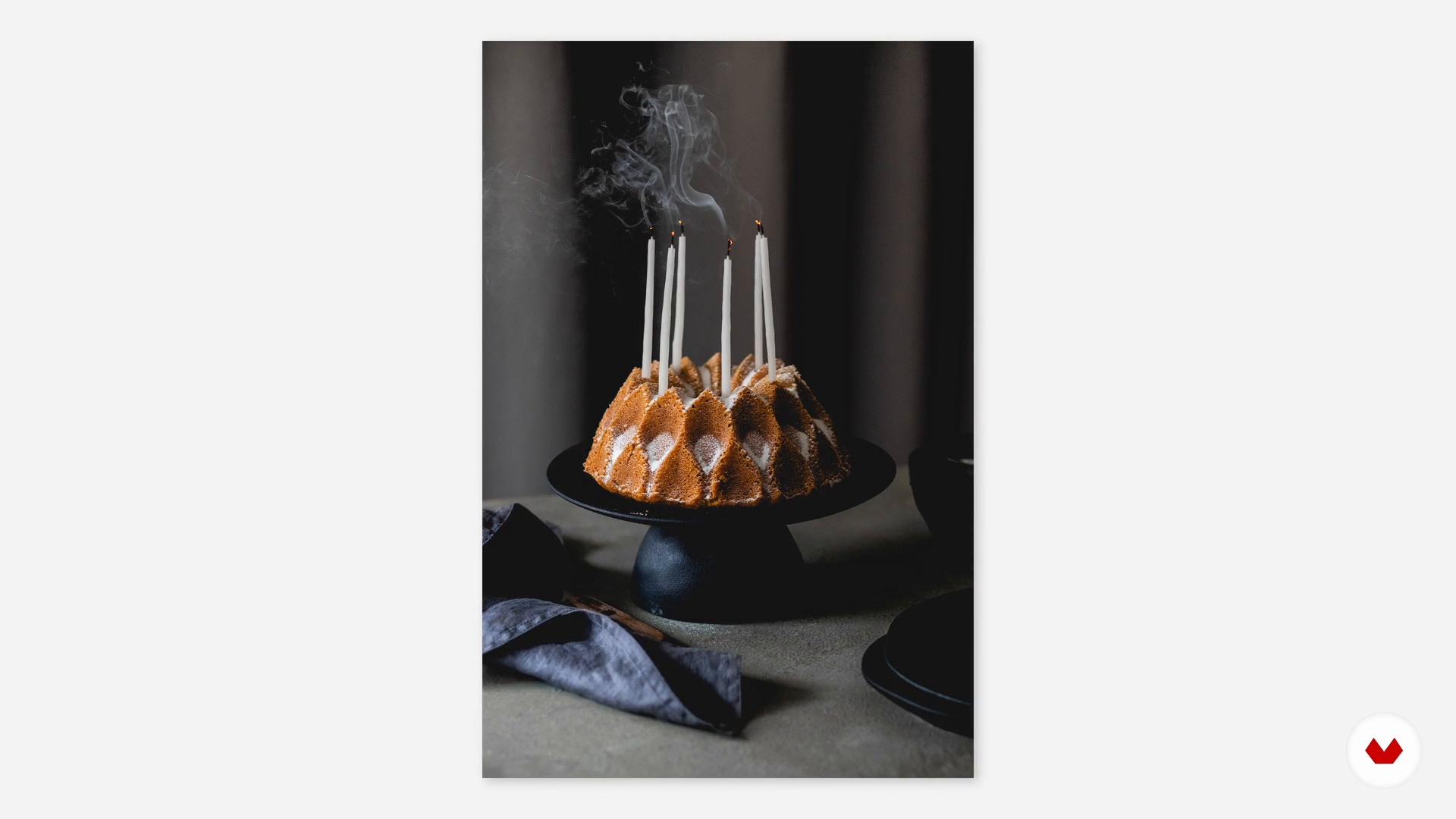
Food as an emotional connection and affective memory
6 minutes, 31 seconds
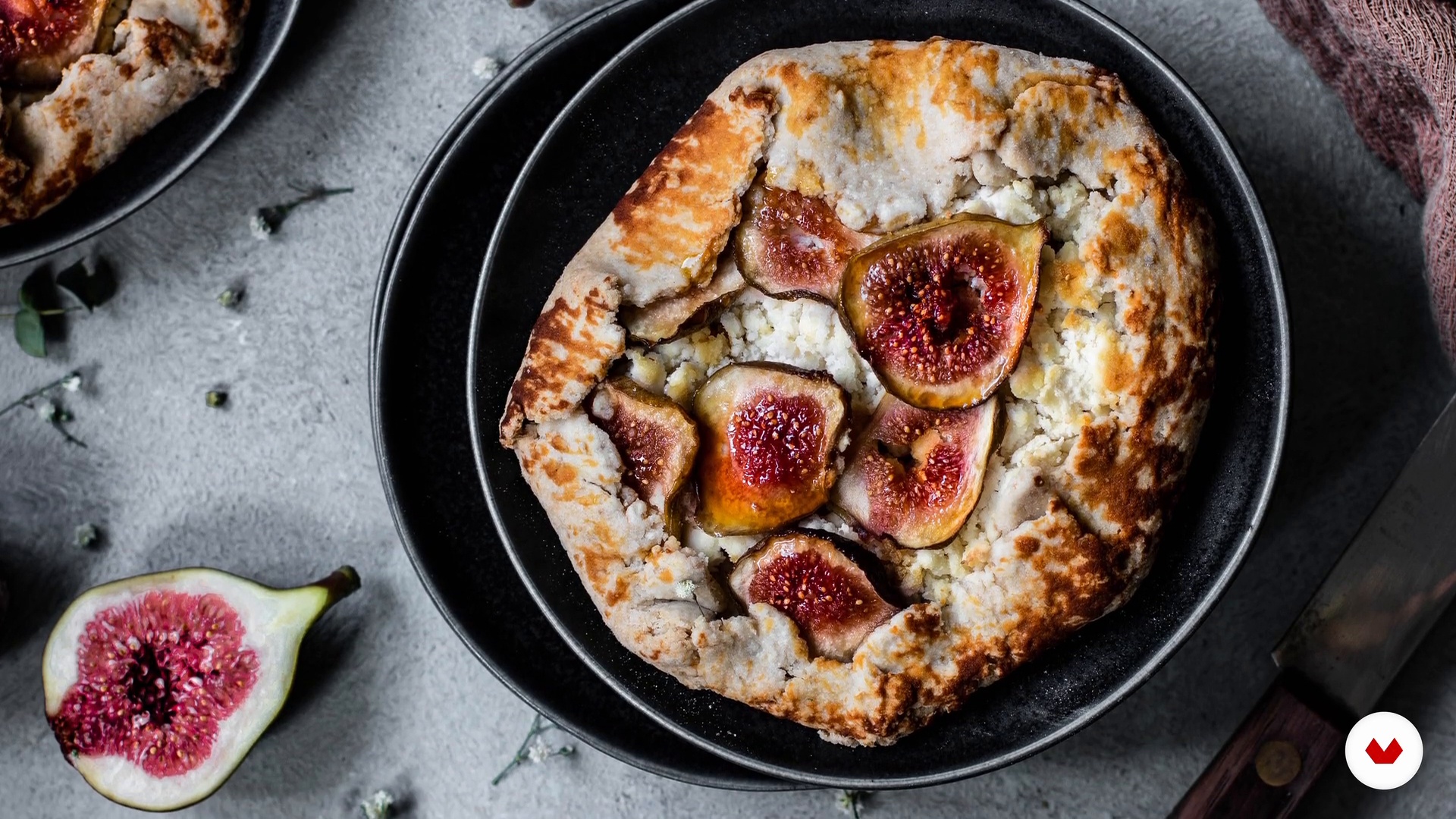
Lighting
7 minutes, 52 seconds
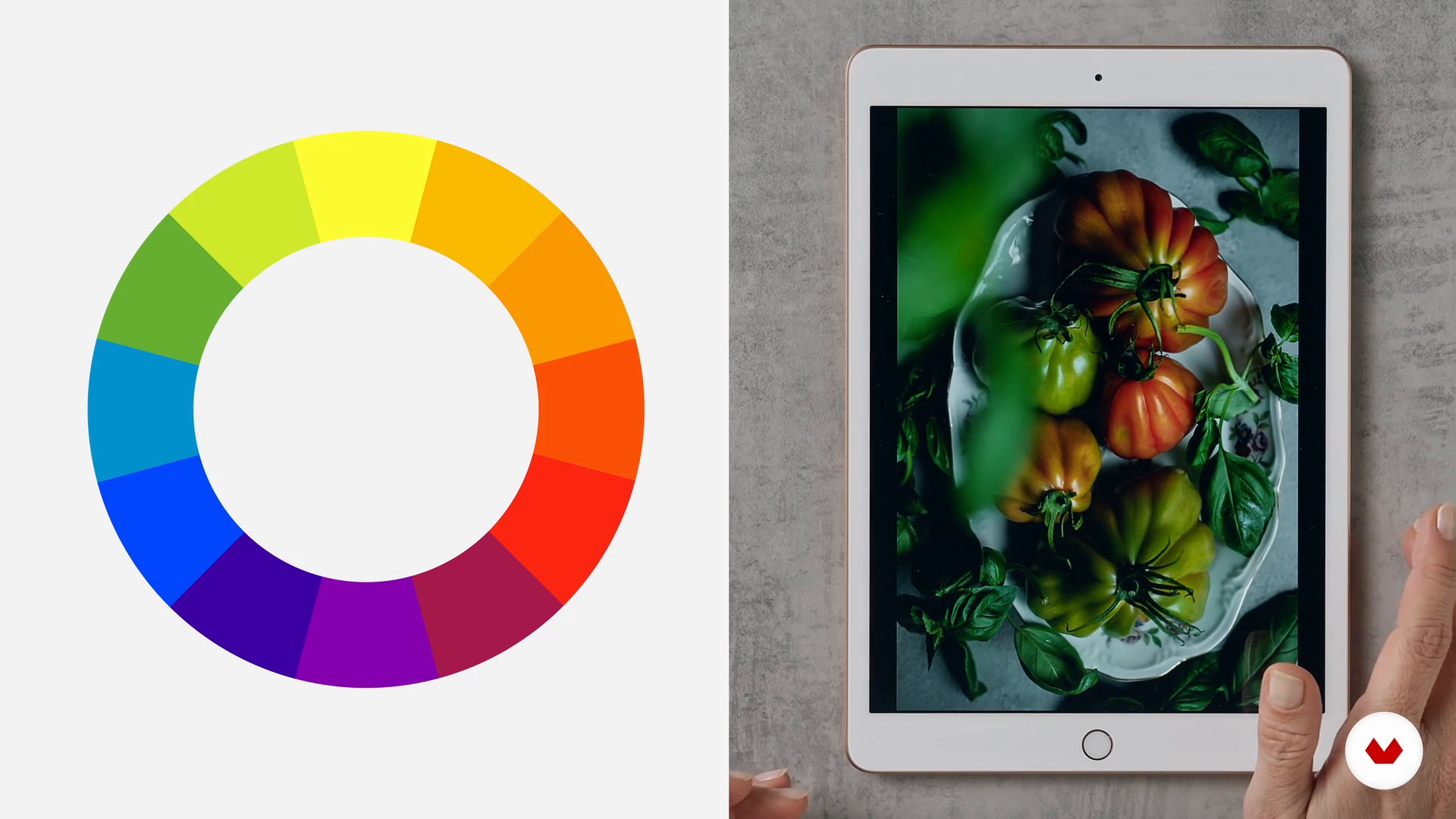
Colors
5 minutes, 55 seconds

Scenario composition techniques: textures, amplitude and triangles
7 minutes, 19 seconds

Composition: lines, angles, framing and human factor
5 minutes, 9 seconds
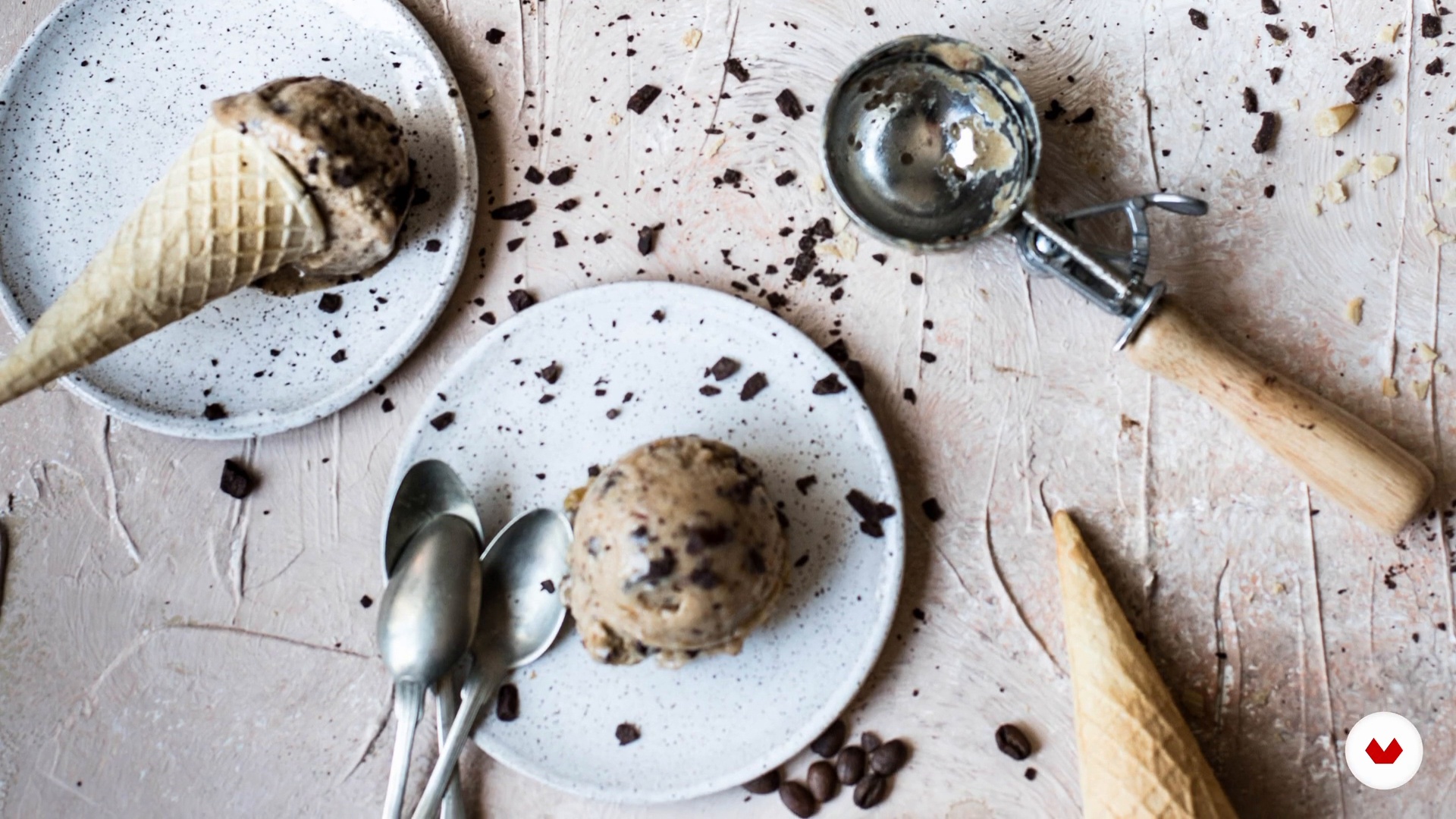
The foods
4 minutes, 37 seconds
What's included in this course?
Begin by meeting your teacher, Camila Seraceni. She talks about how she swapped out a career in foreign trade for one in photography, and shares her biggest influences to date.
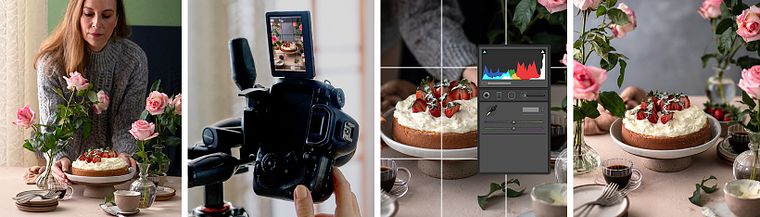
Discover exactly what food styling consists of and how to tell stories that generate emotional connections as well as whet the viewer's appetite. Then, learn to work with natural light, combine colors to transmit feelings, and compositional techniques to boost aesthetic.
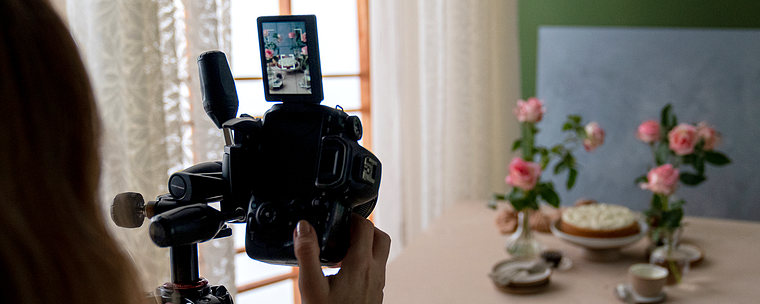
Now it's time to dive into your project! After choosing a theme and looking for references, curate the set, including tableware, and get ready for the shoot. Camila also shows you how to stylize your dish and capture the best shots in two different sessions: static and humanized.
Finish up with some final tips on editing your images to tell stories in line with your client's identity. You now have all the skills you need to create delicious works of art filled with meaning.
Recommended software & tools for this course
What is this course's project?
Photograph a dish to immortalize a special moment.
Projects by course students


Who is this online course for?
Anyone interested in photography who wants to capture dishes from an original and sensitive perspective.
Requirements and materials
No prior knowledge is necessary for this course.
For materials, all you need is a photo camera or smartphone.
Reviews
- 5 months ago
muito bom!
- 8 months ago
Explicaciones claras y sencillas, paso a paso para cubrir todas las necesidades de los proyectos, haciendo hincapié en buscar siempre nuestro estilo personal.
- 1 year ago
Eu amei o curso. Muito bom e esclarecedor
- 1 year ago
It is very interesting course. I recommend it a lot.
- 1 year ago
the course is great. thanks so much for making it. Your knowledges are priceless. I`d be glad to hear a feedback on my work.

Her images, composed with sensitivity and care, have appeared in the pages of magazines like Cláudia, Thrive, and Chiiz.
Content
- U1
Introduction
- About Me
- Influences
- U2
Photography with history
- Food as an emotional connection and affective memory
- Lighting
- Colors
- Scenario composition techniques: textures, amplitude and triangles
- Composition: lines, angles, framing and human factor
- The foods
- Theme and conceptualization of the project
- U3
Preparation for the project
- Curation of the photographic background, tableware and objects
- Scenario composition and shooting preparation
- Style the food
- Static photo shoot
- Humanized photo session
- U4
Editing and Marketing
- Post-production: editing
- How to sell to brands
- FP
Final project
- Aesthetic Food Photography for Beginners
What to expect from a Domestika course
Learn at your own pace
Enjoy learning from home without a set schedule and with an easy-to-follow method. You set your own pace.
Learn from the best professionals
Learn valuable methods and techniques explained by top experts in the creative sector.
Meet expert teachers
Each expert teaches what they do best, with clear guidelines, true passion, and professional insight in every lesson.
Certificates
PLUSIf you're a Plus member, get a custom certificate signed by your teacher for every course. Share it on your portfolio, social media, or wherever you like.
Get front-row seats
Videos of the highest quality, so you don't miss a single detail. With unlimited access, you can watch them as many times as you need to perfect your technique.
Share knowledge and ideas
Ask questions, request feedback, or offer solutions. Share your learning experience with other students in the community who are as passionate about creativity as you are.
Connect with a global creative community
The community is home to millions of people from around the world who are curious and passionate about exploring and expressing their creativity.
Watch professionally produced courses
Domestika curates its teacher roster and produces every course in-house to ensure a high-quality online learning experience.
FAQs
The course is intermediate level, recommended for those who already have basic photography knowledge and want to refine specific food styling and gastronomic visual storytelling techniques.
You’ll need a camera (DSLR, mirrorless, or even a smartphone), some accessories like light diffusers and a spray bottle, plus kitchen tools and ingredients to set up your photo scenes.
You’ll learn composition techniques, scene setup, natural light manipulation, use of colors and textures, plus visual storytelling to create engaging gastronomic images with a unique identity.
Advanced editing skills aren’t required, but the course covers basic adjustments for light, color, and contrast to enhance your food photos.
Yes, the course teaches how to craft intimate atmospheres using natural light, scene composition, color palette choices, and decorative elements to evoke emotions and memories.
The course covers techniques for using and controlling natural light, positioning the table, softening harsh light, creating gentle shadows, and shooting at different times like the golden hour.
Yes, there are specific modules on the color wheel, complementary colors, monochromatic and analogous palettes to harmonize your scene and make the food pop in your photos.