Sustainable Stationery Design for Print
A course by Laura Jane BoastFounder and Creative Director
A course by Laura Jane Boast, Founder and Creative Director

Make a positive impact with your design skills and create stationery sets for print.
Discover the power of sustainable circular design principles in this online course led by Laura Jane Boast, the founder and creative director of Conscious Made studio. With a focus on sustainability and wellbeing, Laura Jane will guide you through the process of designing and producing a set of stationery that is both visually stunning and environmentally friendly.
In this online course, you'll delve into the fundamentals of stationery design and sustainability, exploring how to create a distinct brand identity that aligns with your values. Dive into the world of sustainable papers, color palettes, typography, and formats as you bring your concept to life. Learn how to construct letterheads, leaflets, and create realistic mockups to present to clients.
What will you learn in this online course?
19 lessons & 53 downloads
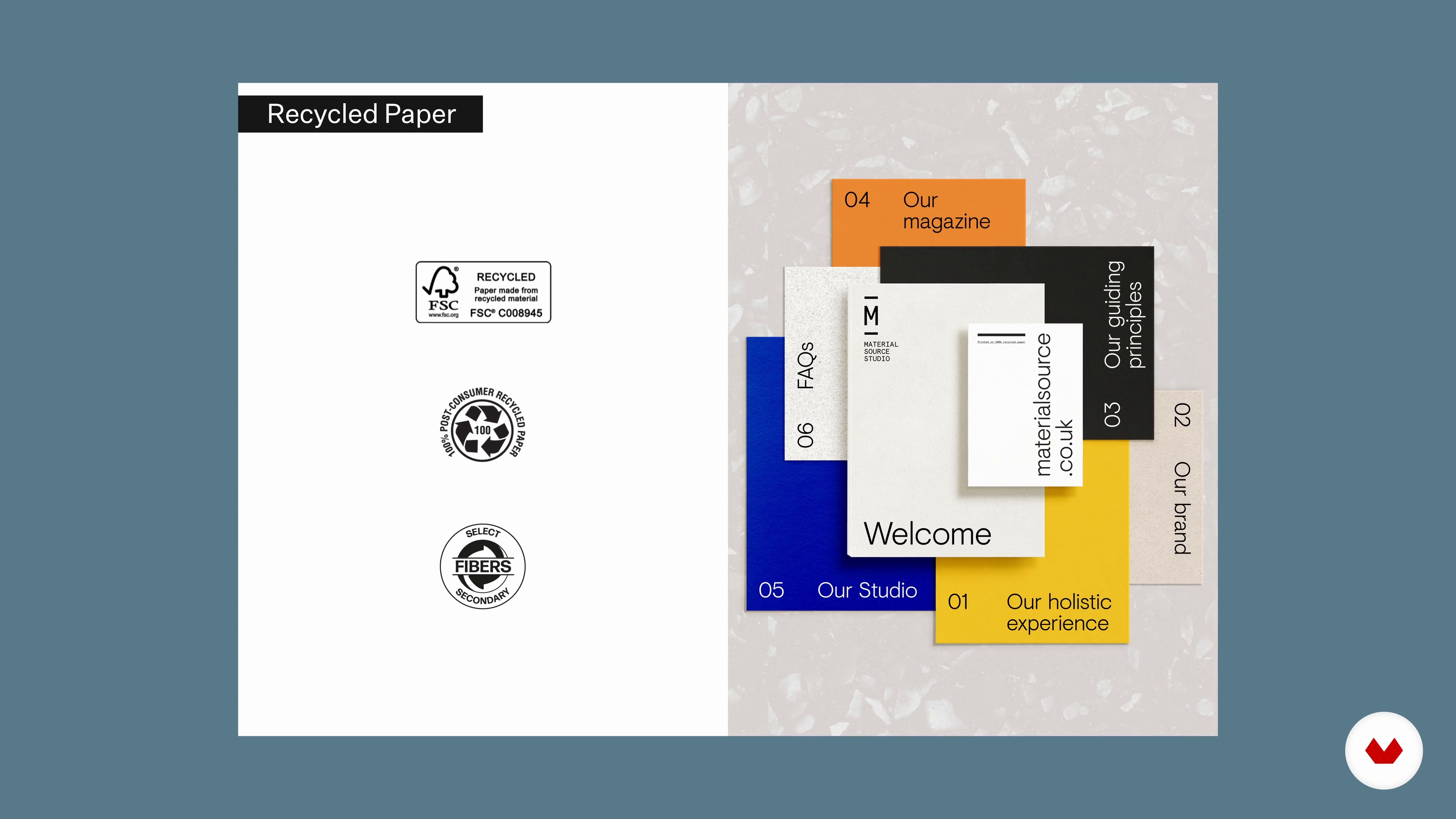
What Is Sustainable Circular Design?
8 minutes, 35 seconds
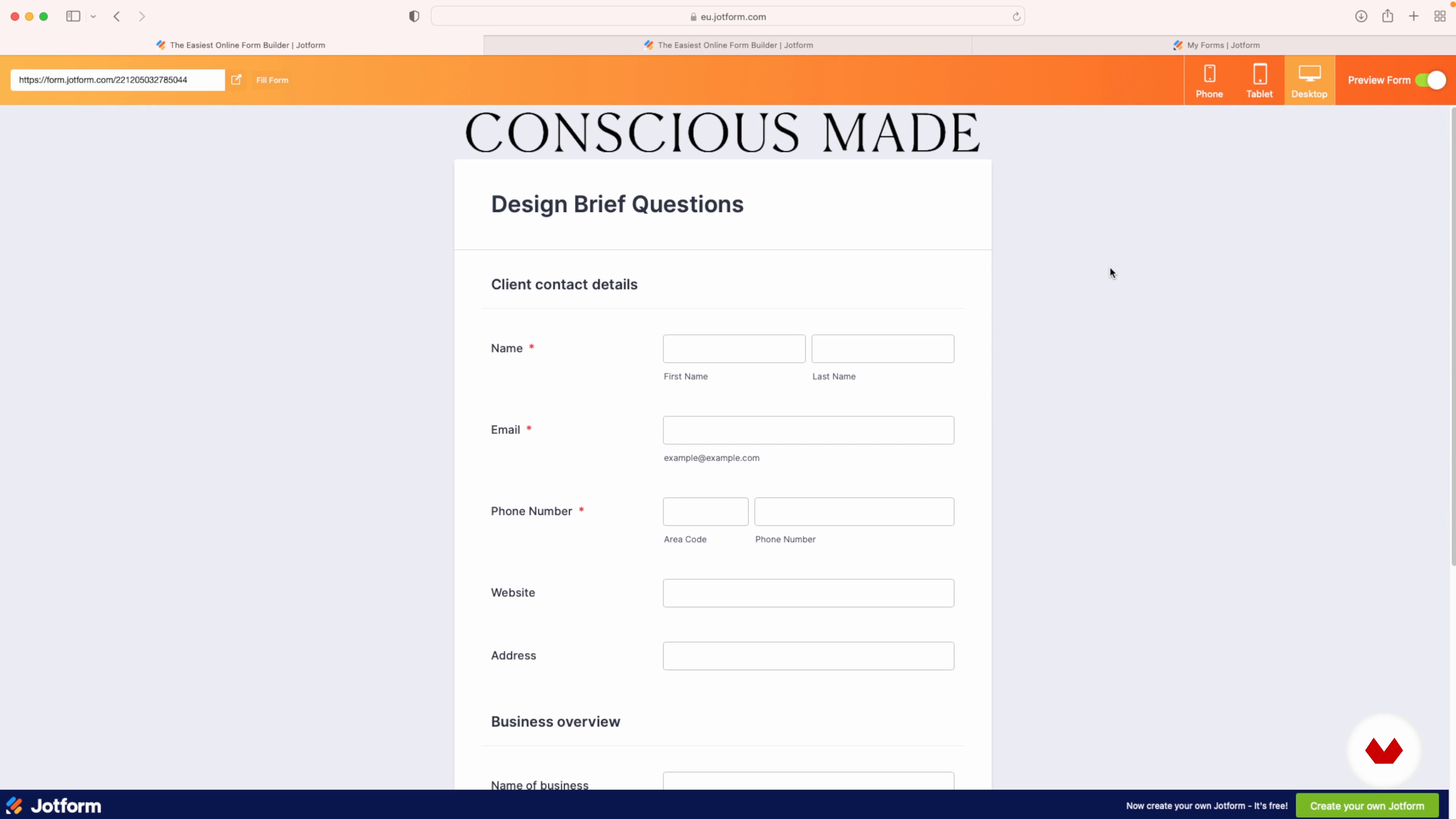
Formulating a Design Brief
19 minutes, 37 seconds

Developing the Concept: The Mood Board
20 minutes, 2 seconds
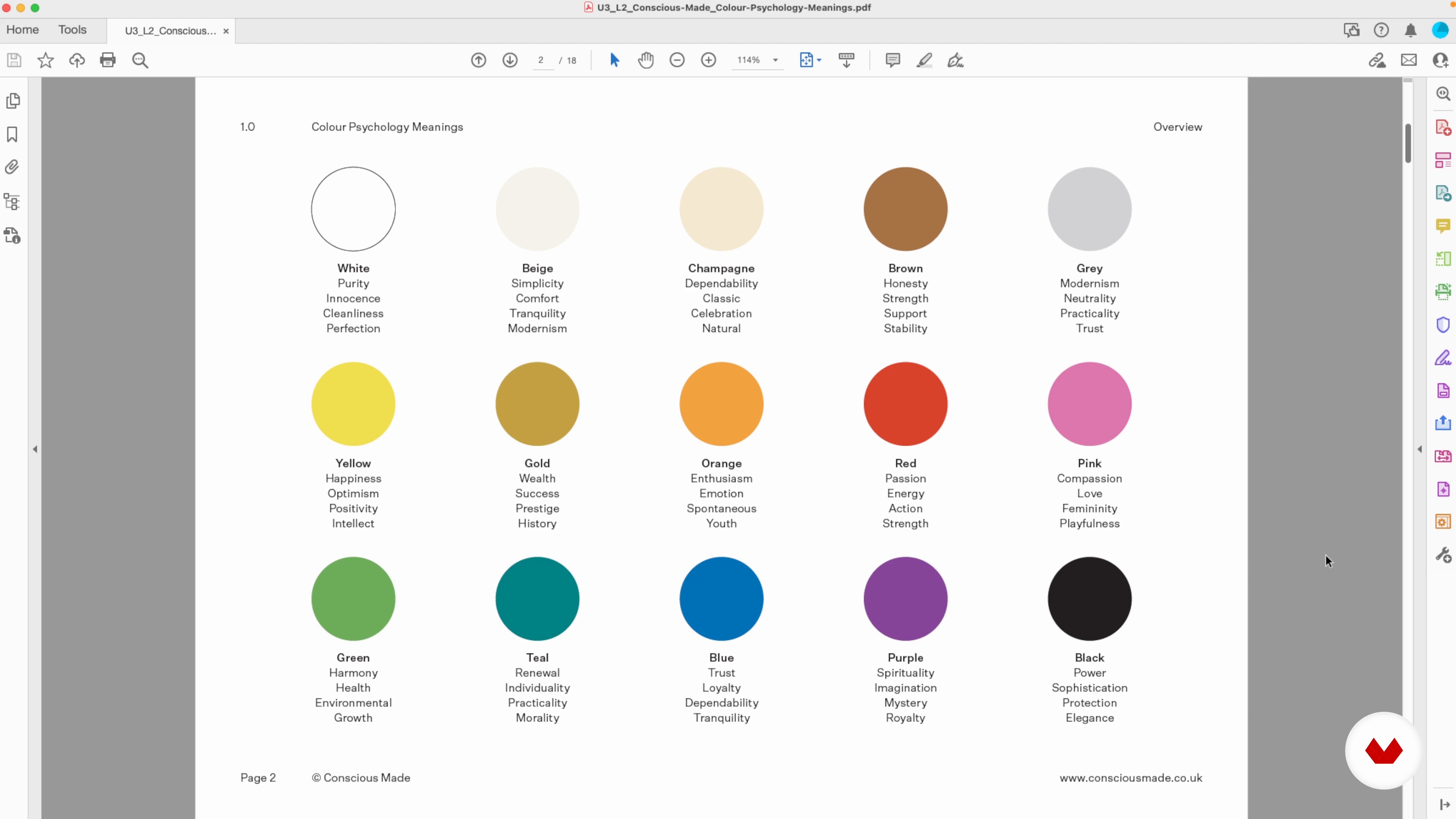
The Brand Archetypes and the Colour Palette 1
13 minutes, 40 seconds
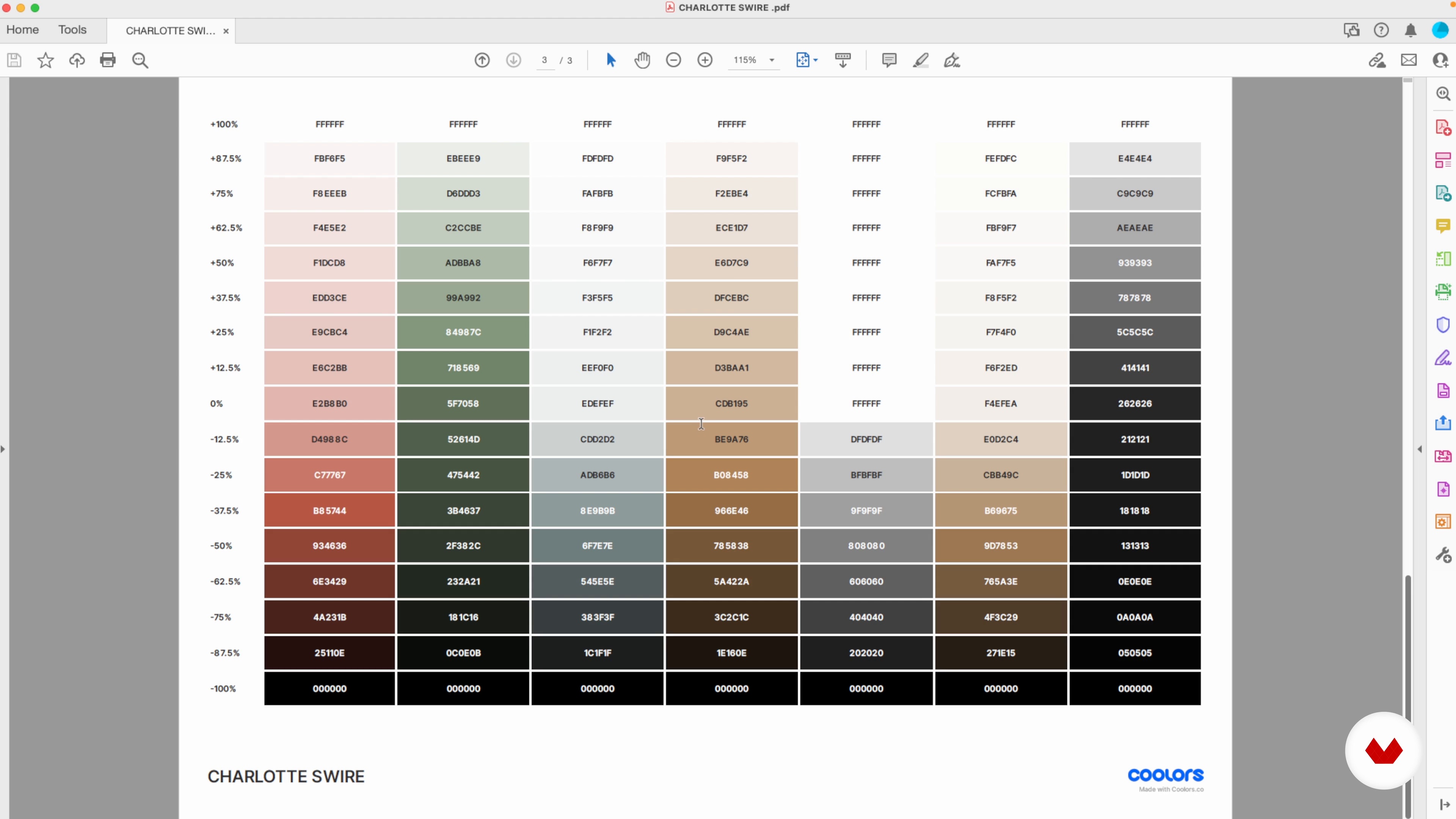
The Brand Archetypes and the Colour Palette 2
16 minutes, 5 seconds
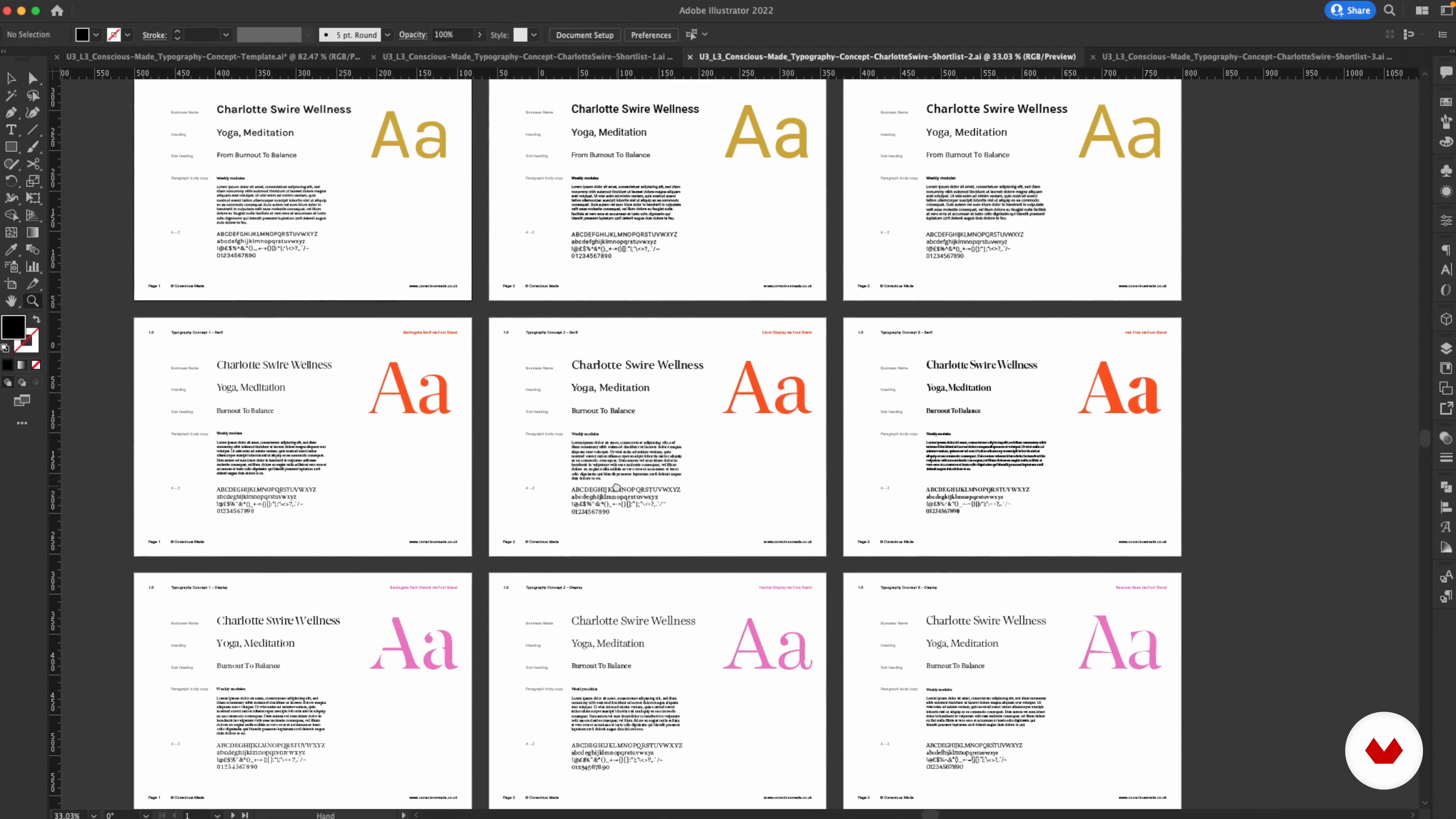
The Brand Identity Logo and the Typography 1
14 minutes, 50 seconds
What's included in this course?
To start, you'll be introduced to the basic principles of sustainable circular design and learn how to formulate a design brief. Afterward, you'll dive into the exciting world of stationery design and sustainability, discovering how to create mood boards and concept ideas for your brand's visual identity, color palette, and typefaces.
Next, you'll explore various print formats and select sustainable papers that align with your project's eco-friendly goals. Laura Jane will guide you through the process of designing your stationery and creating realistic mockups to showcase your work.
Finally, you'll gain valuable insights into setting up artwork for print, understanding different print production methods, and carbon balancing your project through the World Land Trust. By the end of this course, you'll be equipped with the knowledge and skills to apply sustainable circular design principles to any print project.
Throughout the course, you'll not only develop your graphic design skills, but also gain a deep understanding of sustainable circular design principles. Laura Jane will also share valuable insights on carbon balancing your project, ensuring that your print production has a minimal carbon footprint.
Recommended software & tools for this course
What is this course's project?
Your final project will be to design and produce a set of stationery using environmentally friendly papers and carbon balancing the print production. Put your skills to the test as you create a tangible and visually appealing stationery set that aligns with sustainable circular design principles. This project will not only showcase your design abilities, but also demonstrate your commitment to making a positive impact on the environment.
Who is this online course for?
This course is ideal for creatives and graphic designers who have a passion for print and stationery and are eager to explore sustainable design practices. Whether you're a seasoned designer looking to incorporate sustainability into your work or a newcomer to the field, this course will provide you with the tools and knowledge to create environmentally friendly stationery.
Requirements and materials
To make the most of this course, you should have a basic understanding of graphic design principles and be familiar with Adobe Illustrator, InDesign, and Photoshop. Additionally, you'll need a pen or pencil, a sketchbook, a ruler, scissors, and A4 paper. With these materials at hand, you'll be ready to dive into the world of sustainable stationery design.
Reviews
- 2 years ago
Nice course!
- 2 years ago
I like this course so far!
- 3 years ago
Interesting course: the informations about sustainability and her approach in developing a brand using archetypes!
- 3 years ago
Great course. Shows how to purposefully arrange a mood board, select colors, tells a lot about the psychology of colors, archetypes. Shows how to use colored paper in identity. And so many useful files: archetype colors, color scheme, paper gsm adaptability and even 140 paper textures e.g. Arranges the material in a clear, systematic manner.
- 3 years ago
Very informative and good course with practical steps.

She has been part of exhibitions like Mate Act Now and Climate Change March, and she has worked with brands such as Rapha, Material Source, Friends of the Earth, and Manchester Mind. At the same time, her work has been featured at Creative Boom, Design Week, Elle Decor, and People of Print. Her purpose continues to be the creation of beautiful design that supports both people and the environment. Today, she produces sustainable stationery that combines functionality with beauty at her studio, Conscious Made.
Content
- U1
Introduction
- About Me
- Influences
- U2
Learning Sustainable Stationery Basics
- Stationery Design Basics
- What Is Sustainable Circular Design?
- Formulating a Design Brief
- U3
Building a Brand Visual Identity
- Developing the Concept: The Mood Board
- The Brand Archetypes and the Colour Palette 1
- The Brand Archetypes and the Colour Palette 2
- The Brand Identity Logo and the Typography 1
- The Brand Identity Logo and the Typography 2
- Choosing Formats and Sustainable Paper Specification 1
- Choosing Formats and Sustainable Paper Specification 2
- U4
Designing the Stationery
- The Letterhead
- The Leaflet 1
- The Leaflet 2
- Photoshop: Creating a Realistic Mock-up
- U5
Sustainable Production Methods
- Printing and Finishing
- Checking the Artwork
- Carbon Balancing the Artwork
- FP
Final project
- Sustainable Stationery Design for Print
What to expect from a Domestika course
Learn at your own pace
Enjoy learning from home without a set schedule and with an easy-to-follow method. You set your own pace.
Learn from the best professionals
Learn valuable methods and techniques explained by top experts in the creative sector.
Meet expert teachers
Each expert teaches what they do best, with clear guidelines, true passion, and professional insight in every lesson.
Certificates
PLUSIf you're a Plus member, get a custom certificate signed by your teacher for every course. Share it on your portfolio, social media, or wherever you like.
Get front-row seats
Videos of the highest quality, so you don't miss a single detail. With unlimited access, you can watch them as many times as you need to perfect your technique.
Share knowledge and ideas
Ask questions, request feedback, or offer solutions. Share your learning experience with other students in the community who are as passionate about creativity as you are.
Connect with a global creative community
The community is home to millions of people from around the world who are curious and passionate about exploring and expressing their creativity.
Watch professionally produced courses
Domestika curates its teacher roster and produces every course in-house to ensure a high-quality online learning experience.
FAQs
Yes, this course is designed for intermediate graphic designers who want to deepen their skills in sustainable print design, branding, and stationery creation.
You’ll need access to Adobe Illustrator, InDesign, Photoshop, and internet-enabled devices for form building and moodboard creation. Familiarity with design basics is recommended.
You’ll learn how to create eco-friendly branding materials, select sustainable papers, design cohesive stationery sets, apply grid systems, and use color psychology for effective brand identity.
Yes, the course teaches selecting recycled and carbon-balanced papers, evaluating eco-certifications, and choosing sustainable print and finishing techniques.
The course guides you through minimalistic design principles, grid systems, and Scandinavian packaging techniques to develop modern, clean brand identities and stationery.
You’ll learn to formulate design briefs, create client questionnaires using tools like JotForm, and organize project information for efficient workflow.
Yes, you’ll study color psychology, brand archetypes, and exporting palettes in Pantone CMYK, hex, and PDF formats for consistency across media.