Editorial Design: How to Make a Magazine
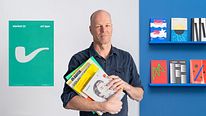
A course by Lars Harmsen , Creative Director and Editor

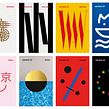
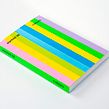
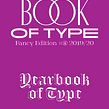

Discover how magazines are designed alongside the founder and editor of Slanted Publishers, and learn to tell stories through layout, color, and typography

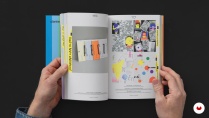
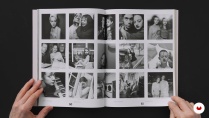
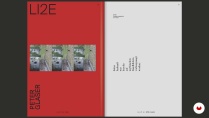
A magazine is like an open door that allows you to discover the world and break new ground. Transforming and rendering fragments of reality through the subtle magic of color, typography, and layout is the specialty of Lars Harmsen, cofounder and editor of Slanted Publishers. In this online course, explore the possibilities of editorial design using Slanted Magazine as a case study.
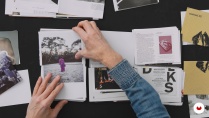
Together with your teacher, learn how to develop a magazine and all the aspects it entails. Lars shows you the different possible options for designing a magazine, from the idea, research, and layout, to production and marketing. By the end of the course, you'll have the tools to find the right format for your publication. Take a fragment of reality, analyze it, and reassemble it in magazine form.
What will you learn in this online course?
16 lessons & 28 downloads

- 94% positive reviews (102)
- 5,827 students
- 16 lessons (3h 15m)
- 28 additional resources (12 files)
- Online and at your own pace
- Available on the app
- Audio: German, English, Spanish (Latam), French, Italian, Portuguese, Turkish
- Spanish · English · Portuguese · German · French · Italian · Polish · Dutch · Turkish · Romanian · Indonesian
- Level: Beginner
- Unlimited access forever
What is this course's project?
Using Slanted Magazine as a case study, learn about all the steps involved in creating a magazine.

Projects by course students


Who is this online course for?
Design professionals who want to explore the possibilities and tools of editorial design, as well as beginners who want to learn how a magazine is planned and designed.
Requirements and materials
No prior knowledge of layout or editorial design is required, although a basic knowledge of Adobe InDesign may be helpful.
As for materials, you need a computer with layout and text editing software, as well as a cutter, a pencil, and paper.

Reviews

Lars Harmsen
A course by Lars Harmsen
Lars Harmsen is a creative director from Munich, Germany. Following an internship as a print media designer, he founded the design agency MAGMA while still studying visual communication. He is also a founding partner of the creative agency Melville Brand Designs. In 1996, he created Volcano Type, an independent font foundry with more than 200 different typefaces. In 2004, he started the web blog project Slanted, dedicated to typography and design, which was complemented by a magazine under the same name the following year. This project has grown into what is today Slanted Publishers, an independent publishing and communication company. In addition to his many endeavors, Lars has been teaching design and typography at the Fachhochschule Dortmund since 2011.
His work, recognized at home and abroad, focuses on typography as well as corporate and editorial design. He is also chief curator of the artist's book series 100for10 and designer of Makers Bible. He is the author and designer of many photography, typography, and design books, including Yearbook of Type, Typodarium, Photodarium, and numerous photo books.
Content
-
U1
Introduction
-
About Me
-
Influences
-
-
U2
The Planning
-
What Is a Magazine and How Does It Work?
-
How Do You Plan a Magazine?
-
Research
-
Organizational Tools
-
-
U3
Editorial Design
-
Graphic Elements: Illustration, Typography, and Graphics
-
Photography: The Power of the Image
-
The Storytelling
-
-
U4
Other Editorial Design Elements
-
The Rhythm
-
The Experimentation
-
The Design of the Cover
-
-
U5
Further Thoughts
-
Material and Processing
-
The Printing
-
Special Editions
-
Distribution and Marketing
-
-
FP
Final project
-
Editorial Design: How to Make a Magazine
-
What to expect from a Domestika course
-
Learn at your own pace
Enjoy learning from home without a set schedule and with an easy-to-follow method. You set your own pace.
-
Learn from the best professionals
Learn valuable methods and techniques explained by top experts in the creative sector.
-
Meet expert teachers
Each expert teaches what they do best, with clear guidelines, true passion, and professional insight in every lesson.
-
Certificates
PlusIf you're a Plus member, get a custom certificate signed by your teacher for every course. Share it on your portfolio, social media, or wherever you like.
-
Get front-row seats
Videos of the highest quality, so you don't miss a single detail. With unlimited access, you can watch them as many times as you need to perfect your technique.
-
Share knowledge and ideas
Ask questions, request feedback, or offer solutions. Share your learning experience with other students in the community who are as passionate about creativity as you are.
-
Connect with a global creative community
The community is home to millions of people from around the world who are curious and passionate about exploring and expressing their creativity.
-
Watch professionally produced courses
Domestika curates its teacher roster and produces every course in-house to ensure a high-quality online learning experience.
FAQs
What are Domestika's online courses?
Domestika courses are online classes that allow you to learn new skills and create incredible projects. All our courses include the opportunity to share your work with other students and/or teachers, creating an active learning community. We offer different formats:
Original Courses: Complete classes that combine videos, texts, and educational materials to complete a specific project from start to finish.
Basics Courses: Specialized training where you master specific software tools step by step.
Specialization Courses: Learning paths with various expert teachers on the same topic, perfect for becoming a specialist by learning from different approaches.
Guided Courses: Practical experiences ideal for directly acquiring specific skills.
Intensive Courses (Deep Dives): New creative processes based on artificial intelligence tools in an accessible format for in-depth and dynamic understanding.
When do the courses start and when do they finish?
All courses are 100% online, so once they're published, courses start and finish whenever you want. You set the pace of the class. You can go back to review what interests you most and skip what you already know, ask questions, answer questions, share your projects, and more.
What do Domestika's courses include?
The courses are divided into different units. Each one includes lessons, informational text, tasks, and practice exercises to help you carry out your project step by step, with additional complementary resources and downloads. You'll also have access to an exclusive forum where you can interact with the teacher and with other students, as well as share your work and your course project, creating a community around the course.
Have you been given a course?
You can redeem the course you received by accessing the redeeming page and entering your gift code.
Inspiring and insightful
Insightful and reflective
Excelente curso y profesor.
Es un gran apoyo como primera exploración al mundo del diseño editorial, pero podría ser un poco más exacto en producir resultados que generen ganancias
Sehr gut, war alles informativ und spannend gemacht.