Botanical Watercolor: Illustrating Art and Science
A course by Julia Trickey , Botanical Artist

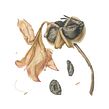
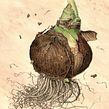

Learn to transform everyday subjects like fruit into realistic botanical portraits by combining observational drawing with contemporary watercolor techniques

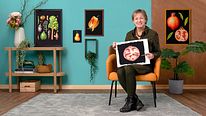
Botanical illustration sits midway between art and science: it allows you to capture a particular moment in the lifecycle of a plant, such as its flowers, leaves, fruit, bulbs, or seed heads, in a way that is both artistic and realistic. Botanical artist Julia Trickey specializes in recreating the colors and textures of these subjects. She has exhibited her work all over the world and worked with clients like Royal Mail.
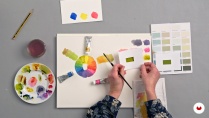
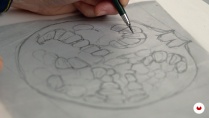
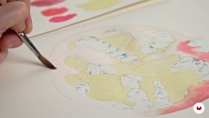
In this online course, she teaches you how to create botanical artwork of your own using watercolors. Learn to paint realistic portraits of fruit from real-life observation or a reference photo, using a combination of artistic techniques. Explore the shapes, textures, and details found in the natural world and portray them with watercolors.
What will you learn in this online course?
15 lessons & 24 downloads

- 99% positive reviews (114)
- 3,752 students
- 15 lessons (2h 47m)
- 24 additional resources (7 files)
- Online and at your own pace
- Available on the app
- Audio: English, German, Spanish, French, Italian, Dutch, Polish, Portuguese, Turkish
- English · Spanish · Portuguese · German · French · Italian · Polish · Dutch · Turkish
- Level: Beginner
- Unlimited access forever
What is this course's project?
Paint an accurate fruit portrait in watercolor, working from a reference photo or from real-life observation.

Projects by course students


Who is this online course for?
This course is for anyone with an interest in watercolors who wants to explore a contemporary style of botanical painting.
Requirements and materials
No previous knowledge is required.
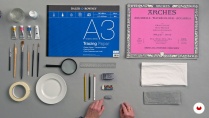
In terms of materials, you will need pencils, erasers, a sharpener, paper and tracing paper, watercolor paints, brushes, and other materials specified by the teacher in the course.

Reviews

Julia Trickey
A course by Julia Trickey
Julia Trickey is an award-winning botanical artist and tutor based in Bath, England. She grew up in a creative household and loved drawing from a young age, capturing seascapes and the natural world around her. She went on to study at art college and, years later, discovered a passion for botanical art after signing up for a class on the subject while in search of a hobby.
Since then, Julia has exhibited her work both in England and abroad and received awards, including four gold medals from the Royal Horticultural Society. She also teaches botanical art to others around the world and has been involved in several public art projects. Julia has written articles for national and international art journals and has various self-published guides for botanical artists. She also creates art for clients including Royal Mail and shares her work with over 30K followers on Instagram.
Content
-
U1
Introduction
-
About Me
-
Influences
-
-
U2
Materials and Preparation Exercises
-
Materials
-
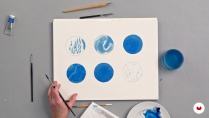
Watercolour Techniques
-
Mixing and Matching Colours
-
Painting Textures
-
-
U3
Painting Fruit
-
Observational Drawing
-
Masking Fluid
-
Initial Layers 1
-
Initial Layers 2
-
Adding Textures
-
Finishing Touches
-
Adding the Background and Adjustments
-
-
U4
Sharing Your Painting
-
Composition Ideas
-
Framing Your Work
-
-
FP
Final project
-
Botanical Watercolor: Illustrating Art and Science
-
What to expect from a Domestika course
-
Learn at your own pace
Enjoy learning from home without a set schedule and with an easy-to-follow method. You set your own pace.
-
Learn from the best professionals
Learn valuable methods and techniques explained by top experts in the creative sector.
-
Meet expert teachers
Each expert teaches what they do best, with clear guidelines, true passion, and professional insight in every lesson.
-
Certificates
PlusIf you're a Plus member, get a custom certificate signed by your teacher for every course. Share it on your portfolio, social media, or wherever you like.
-
Get front-row seats
Videos of the highest quality, so you don't miss a single detail. With unlimited access, you can watch them as many times as you need to perfect your technique.
-
Share knowledge and ideas
Ask questions, request feedback, or offer solutions. Share your learning experience with other students in the community who are as passionate about creativity as you are.
-
Connect with a global creative community
The community is home to millions of people from around the world who are curious and passionate about exploring and expressing their creativity.
-
Watch professionally produced courses
Domestika curates its teacher roster and produces every course in-house to ensure a high-quality online learning experience.
FAQs
What are Domestika's online courses?
Domestika courses are online classes that allow you to learn new skills and create incredible projects. All our courses include the opportunity to share your work with other students and/or teachers, creating an active learning community. We offer different formats:
Original Courses: Complete classes that combine videos, texts, and educational materials to complete a specific project from start to finish.
Basics Courses: Specialized training where you master specific software tools step by step.
Specialization Courses: Learning paths with various expert teachers on the same topic, perfect for becoming a specialist by learning from different approaches.
Guided Courses: Practical experiences ideal for directly acquiring specific skills.
Intensive Courses (Deep Dives): New creative processes based on artificial intelligence tools in an accessible format for in-depth and dynamic understanding.
When do the courses start and when do they finish?
All courses are 100% online, so once they're published, courses start and finish whenever you want. You set the pace of the class. You can go back to review what interests you most and skip what you already know, ask questions, answer questions, share your projects, and more.
What do Domestika's courses include?
The courses are divided into different units. Each one includes lessons, informational text, tasks, and practice exercises to help you carry out your project step by step, with additional complementary resources and downloads. You'll also have access to an exclusive forum where you can interact with the teacher and with other students, as well as share your work and your course project, creating a community around the course.
Have you been given a course?
You can redeem the course you received by accessing the redeeming page and entering your gift code.
Great course! highly recommended.
Excelente, muy buena profesora y muy instructivo el curso
Brilliant course, great tutor!
Julia Trickey es una excelente pintora y sus clases son muy didácticas. El contenido del curso está muy bien estructurado y explicado. Combina de forma magistral la teoría con ejercicios prácticos necesarios para realizar una acuarela botánica. Lo recomiendo.
As someone who has tried to start botanical painting for a years now, this course has given me a lot of knowledge to finally feel secure. Really easy to follow!