
Embroidered Letters: Thread as a Graphic Tool
A course by Elidé Rangel SotoDesigner and Visual Communicator
A course by Elidé Rangel Soto, Designer and Visual Communicator

Learn to design powerful words with needle and thread
Illustration is not limited to conventional methods. For Elidé Rangel, also known as Florula, needle and thread work in much the same way that a pencil does. With each stitch, he draws dots, lines, textures, and patterns, creating illustrations that can be experienced through touch as well as sight. This style of handmade design has led Florula to work with Casita de Wendy, Vista Alegre and the Thyssen Museum, as well as to collaborate with the Texture Factory Workshop.
In this course, learn the techniques to create incredible embroidered words, with different combinations of stitches, that you can use as graphic material for a project or for decorative purposes.
What will you learn in this online course?
16 lessons & 9 downloads
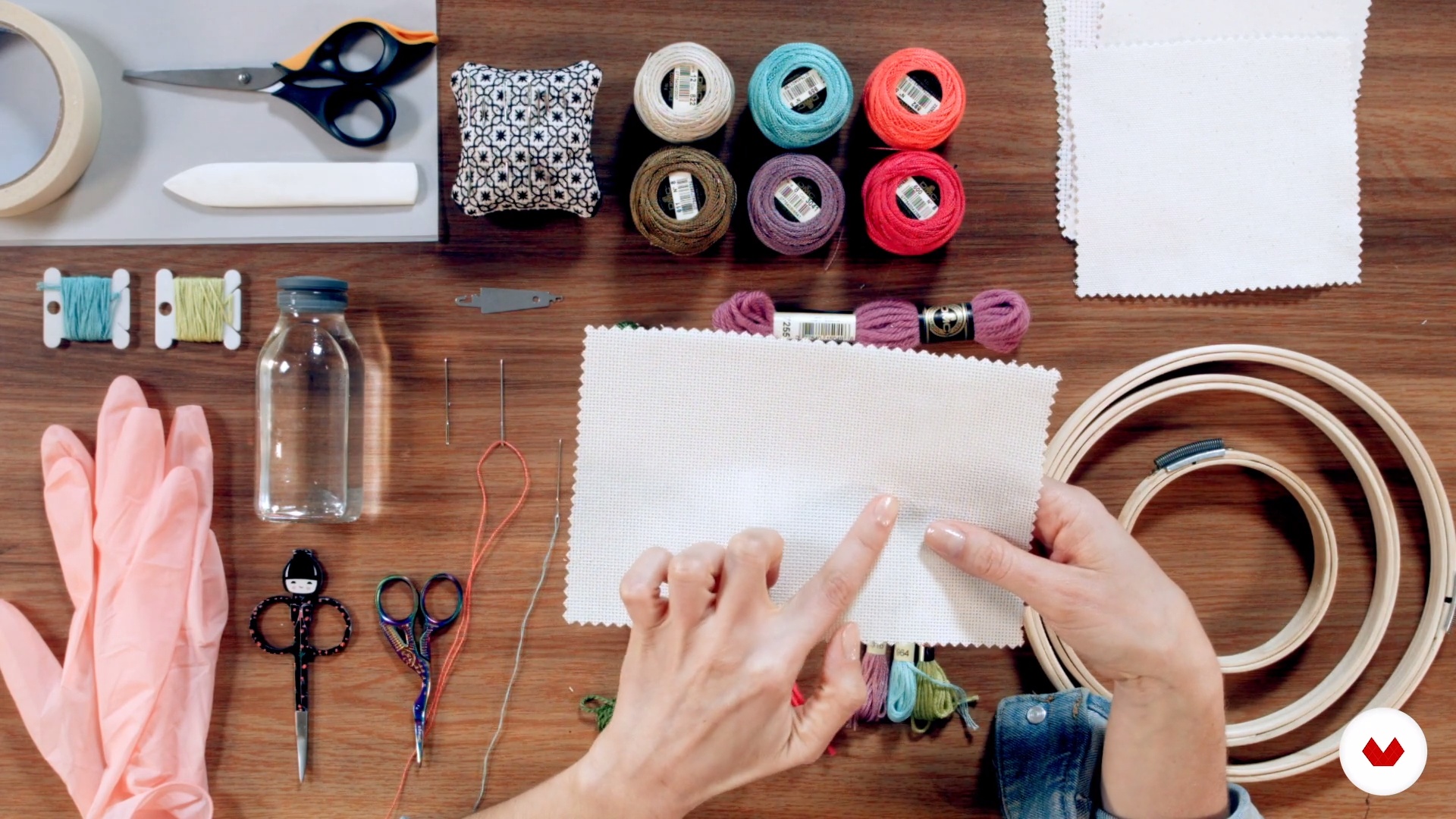
Materials
11 minutes, 19 seconds
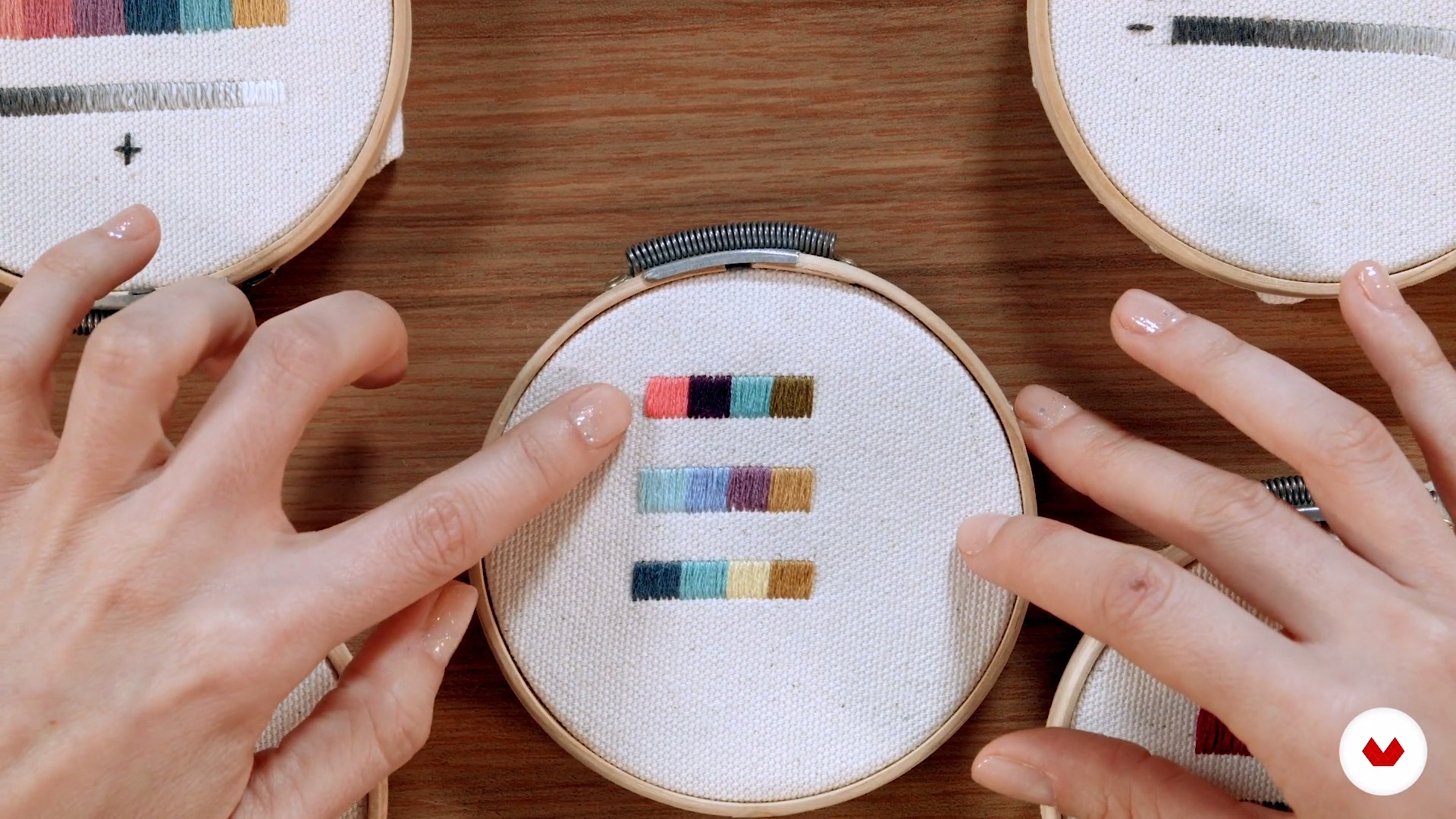
Types and color
11 minutes, 11 seconds
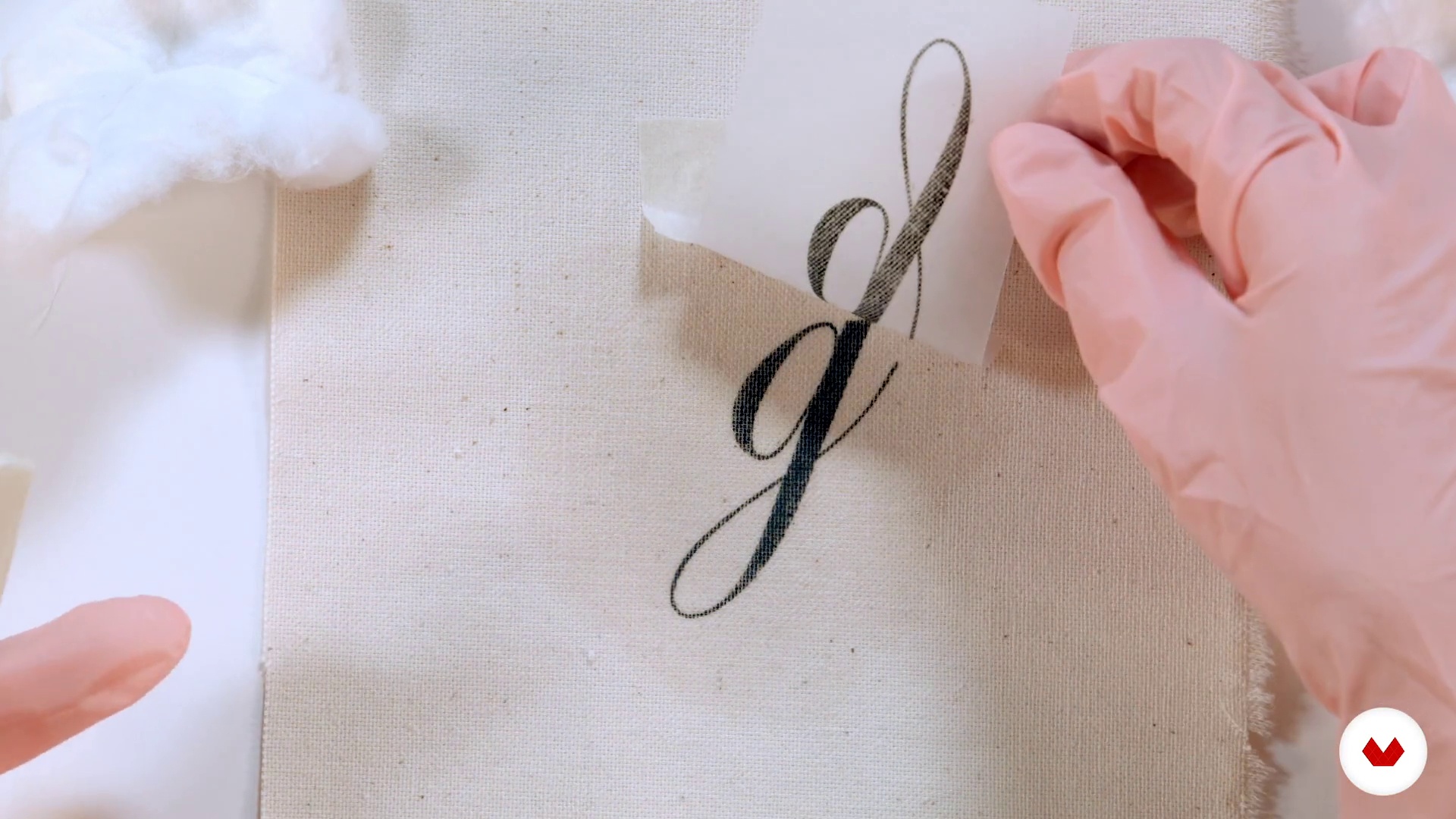
Transfer to the web
6 minutes, 13 seconds
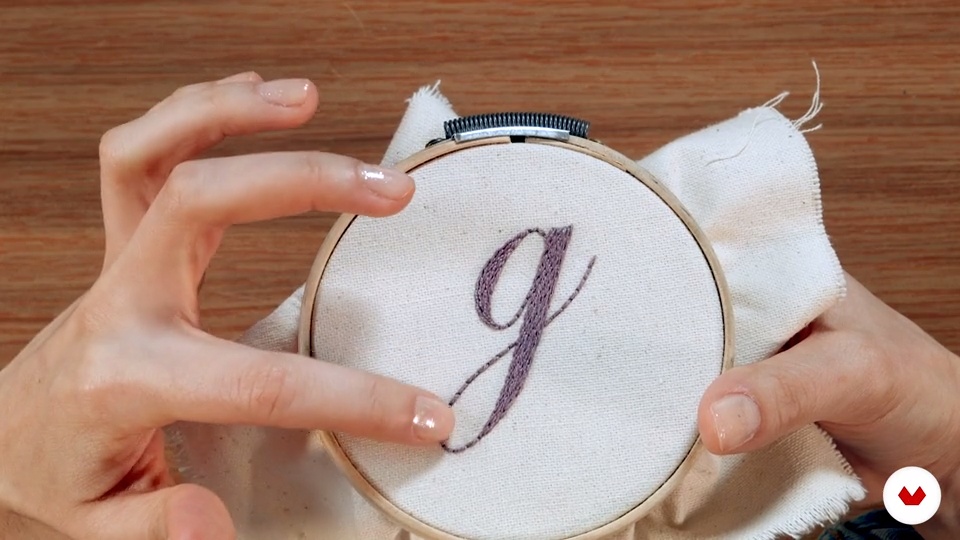
Line quality Cursive letter.
20 minutes, 7 seconds
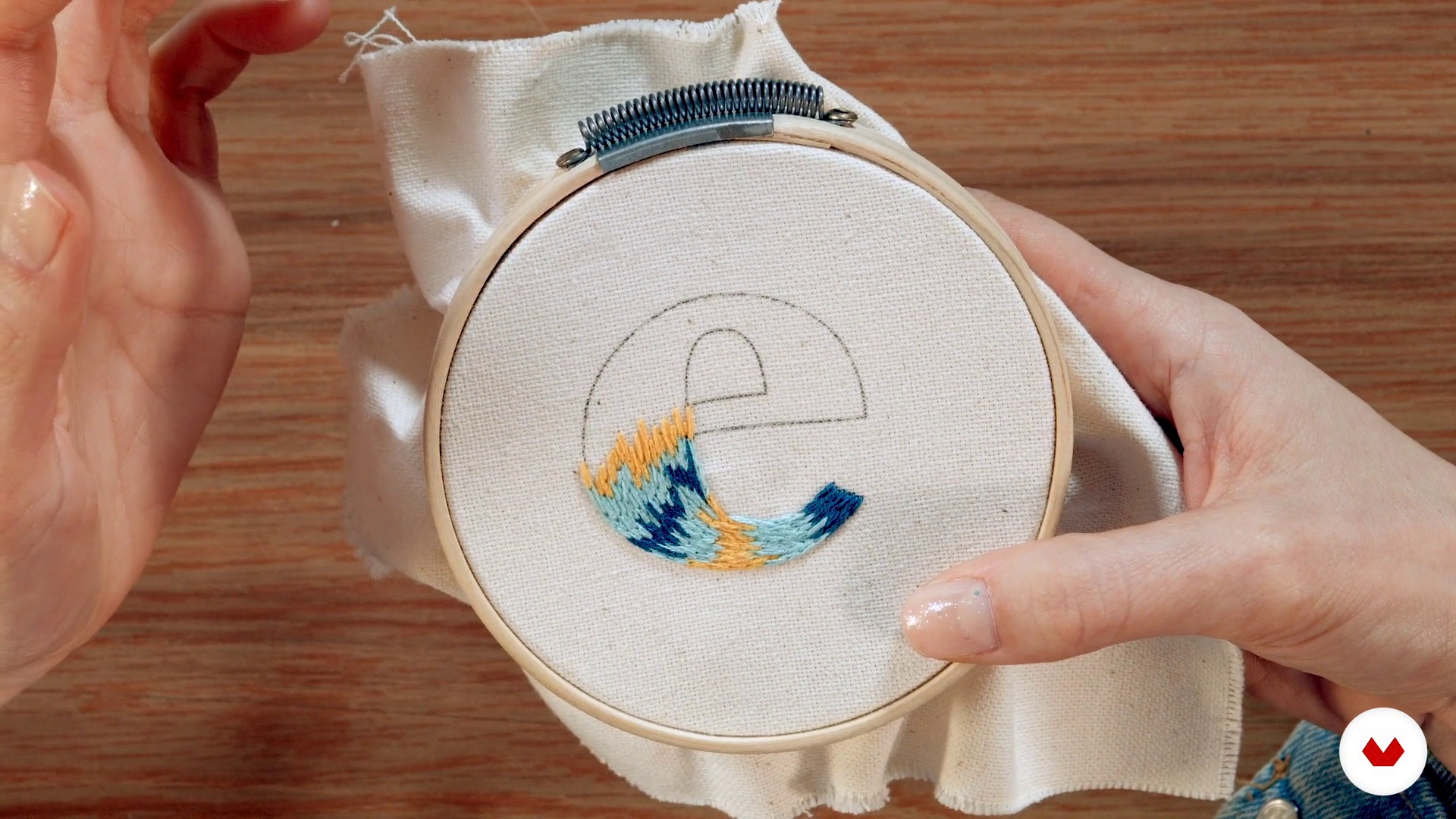
Romana + nuanced filler I
14 minutes, 26 seconds
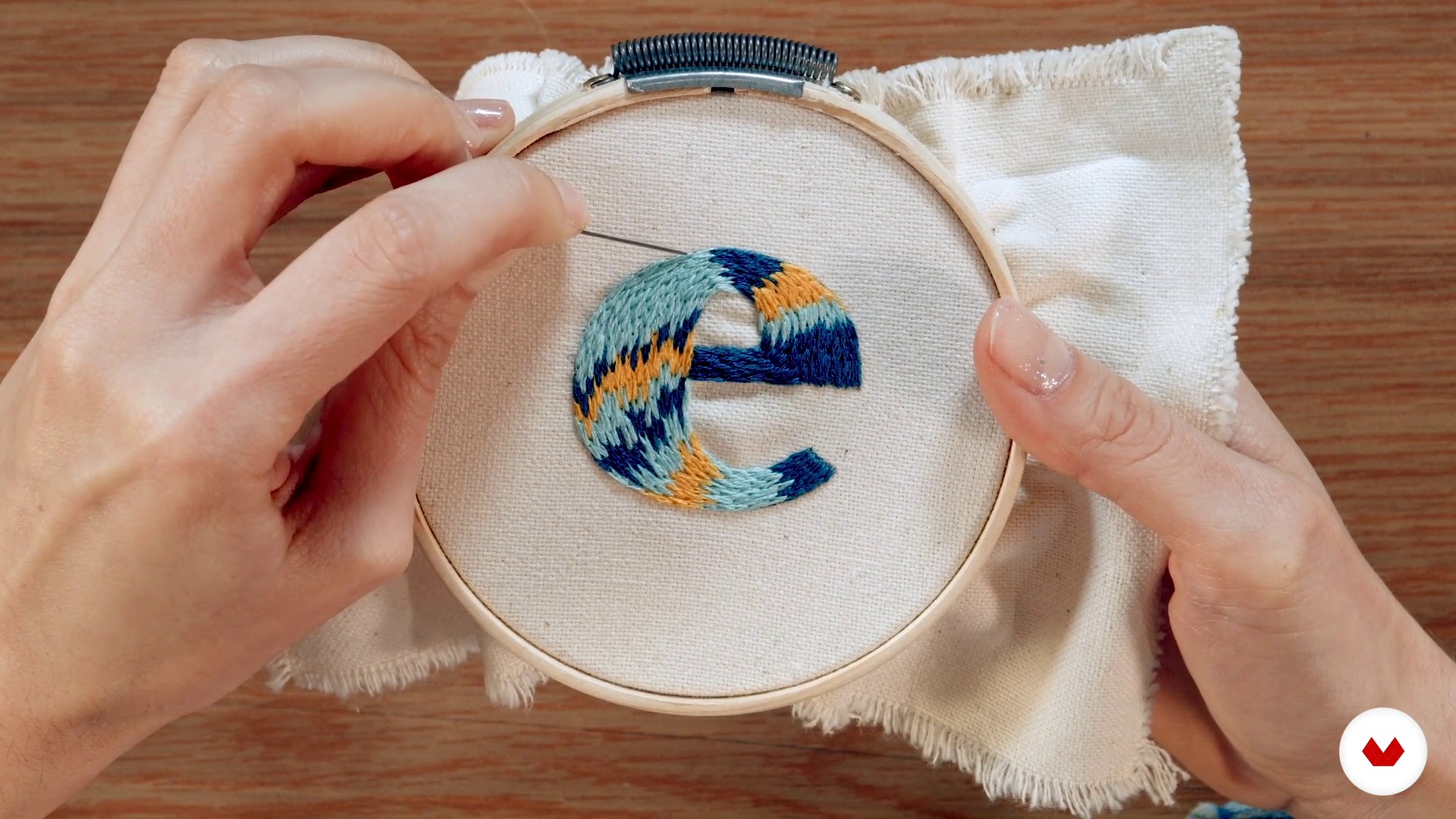
Romana + nuanced filler II
10 minutes, 14 seconds
What's included in this course?
Start by learning about Florula's work. She tells you about her artistic and professional career and how she came across handmade design. She also shows you some of her biggest influences.
Take a look at the necessary materials to start embroidering. Then learn the main characteristics of some basic fonts, the foundations of color psychology, and how a design is transferred to the fabric.
Now it's time to play with the letters. Start by embroidering a cursive letter, combining block stitches and reverse stitches. Then do a Roman-style letter and discover the differences between two types of fillings, the gradient stitch with mouliné thread and the flat stitch with perlé thread. Work on a sans serif typeface, using a combination of traditional stitches and cotton thread.
Florula shows you how to create three types of textures, to achieve depth effects and generate patterns, in sans serif and straight-edged typefaces.
To bring the course to a close, choose a color palette and apply the different stitches in a complete word, letter by letter.
What is this course's project?
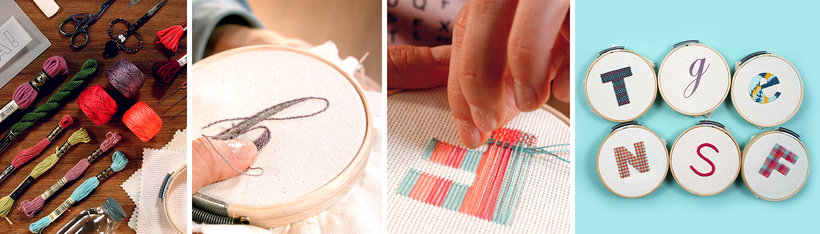
Embroider words! Do this with different combinations of stitches, using the thread as your paintbrush to communicate both through both its meaning and texture.
Projects by course students


Who is this online course for?
Embroiderers, artisans, illustrators, lettering artists, and anyone interested in design and communication looking for new ways to expand their visual language with artisanal embroidery techniques.
Requirements and materials
To take this course, no previous knowledge is required, as Florula will teach you the basic embroidery stitches.
In terms of materials, you need an embroidery hoop, embroidery cloth, thread, needles, scissors, tracing paper, and drawing tools, as well as other specific embroidery accessories that Florula details throughout the course.

Reviews
- 1 month ago
Es genial, me encantó su curso! aprendí mucho!
- 3 months ago
muy buen curso
- 7 months ago
Aprender letras en bordado es muy emocionante, recomendado ha sido muy útil
- 10 months ago
Me ha encantado el curso, los tips y recursos que comparte, estoy disfrutando mucho, me entusiasma aprender de Elidé Rangel.
- laumartinezroPLUS1 year ago
Hermoso, dan ganas de hacer los ejercicios desde el primer momento!

Her first encounter with embroidery was through self-teaching, although she was later trained by Inés da Luz and Gimena Romero. In 2015, she received a Master's degree in surface design from the IED in Madrid, carrying out projects for brands such as Casita de Wendy, Vista Alegre, and the Thyssen Museum, as well as collaborations with the Texture Factory Workshop.
Estudio Florula covers a range of areas, from handmade design using embroidery and other manual techniques, and its dissemination through workshops and DIY kits, to the design of patterns with applications in fashion, packaging and branding, and special projects.
Content
- U1
Hello!
- Presentation
- Influences
- U2
The first thing...
- Materials
- Types and color
- Transfer to the web
- U3
Types and points
- Line quality Cursive letter.
- Romana + nuanced filler I
- Romana + nuanced filler II
- Sans serif + chain and flat point
- U4
Textures
- Lattice
- Taffeta
- Bologna
- U5
Blot it!
- The project: Hello! I
- The project: Hello! II
- Felt applications
- Spot counted
- FP
Final project
- Embroidery Lettering
What to expect from a Domestika course
Learn at your own pace
Enjoy learning from home without a set schedule and with an easy-to-follow method. You set your own pace.
Learn from the best professionals
Learn valuable methods and techniques explained by top experts in the creative sector.
Meet expert teachers
Each expert teaches what they do best, with clear guidelines, true passion, and professional insight in every lesson.
Certificates
PLUSIf you're a Plus member, get a custom certificate signed by your teacher for every course. Share it on your portfolio, social media, or wherever you like.
Get front-row seats
Videos of the highest quality, so you don't miss a single detail. With unlimited access, you can watch them as many times as you need to perfect your technique.
Share knowledge and ideas
Ask questions, request feedback, or offer solutions. Share your learning experience with other students in the community who are as passionate about creativity as you are.
Connect with a global creative community
The community is home to millions of people from around the world who are curious and passionate about exploring and expressing their creativity.
Watch professionally produced courses
Domestika curates its teacher roster and produces every course in-house to ensure a high-quality online learning experience.
FAQs
You’ll learn hand embroidery techniques, textile illustration, making fabric dolls, mixing materials, pattern design, and adding textures. You’ll also explore how to combine color and typography in textile compositions, plus methods and tools for creative projects.
This is an intermediate-level course. It’s best if you have basic embroidery skills or some experience with textile crafts to get the most out of the techniques and content.
You’ll need fabrics, embroidery hoops, upholstery needles, perlé and moliné threads, tracing paper or baking paper, small scissors, textile solvent, masking tape, and transfer materials like toner and thinner.
You’ll learn how to transfer designs using tracing paper, textile solvent, laser printing, and thinner. The course covers how to avoid stains, secure your fabric, and achieve precise transfers on different types of fabric.
Techniques covered include satin stitch, backstitch, chain stitch, flat stitch, cross stitch, Japanese sashiko, shaded filling, Bologna stitch, and methods for creating unique textures and patterns.
Yes, the course guides you through integrating color palettes, textures, and typography into embroidered compositions, enhancing visual communication and handmade design for personal or brand projects.
You’ll be able to design and embroider letters, illustrations, and patterns on fabric, create dolls and textile appliqués, modify typography, and experiment with mixed techniques for creative or branding projects.