Introduction to Commercial Food Photography
A course by Karla AcostaPhotographer
A course by Karla Acosta, Photographer

Learn to photograph different gastronomic projects and create mouth-watering images using perspective and lighting
Mexican-born photographer Karla Acosta is a foodie at heart. These are three characteristics that define her behind the lens, helping her to create mouth-watering images and exquisite narratives. Throughout her career, she's collaborated with names like Nestlé, Herdez, Samsung, and Vans to create unmistakable pieces seasoned with her personal brand.
In this online course, discover commercial food photography alongside Karla, who teaches you the techniques to capture irresistible culinary scenes. Prepare to make eyes pop and stomachs rumble!
What will you learn in this online course?
19 lessons & 37 downloads
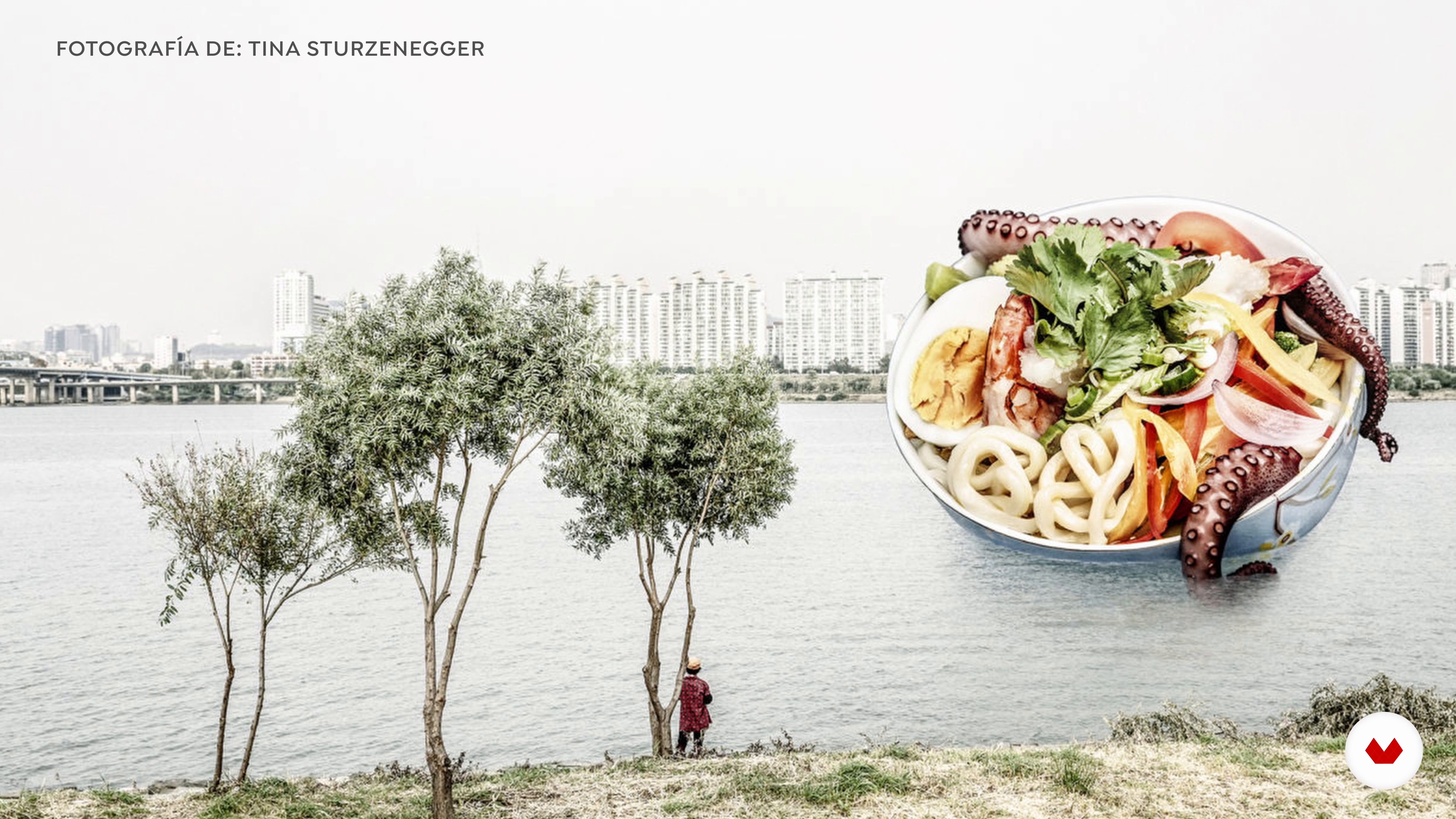
Types of Photography: Specialization
4 minutes, 11 seconds
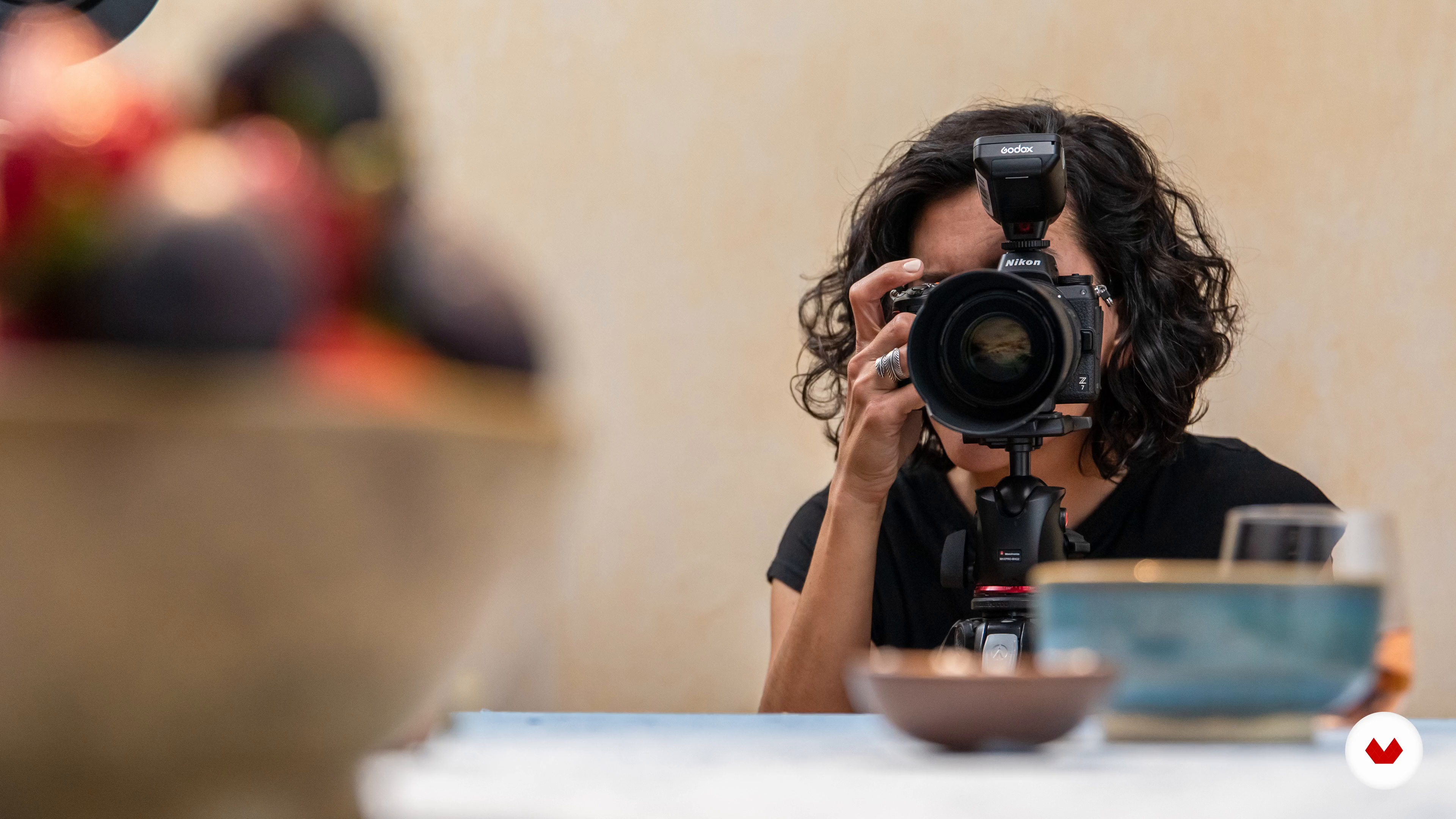
Types of Photographers: Soloists and with Orchestra
4 minutes, 47 seconds
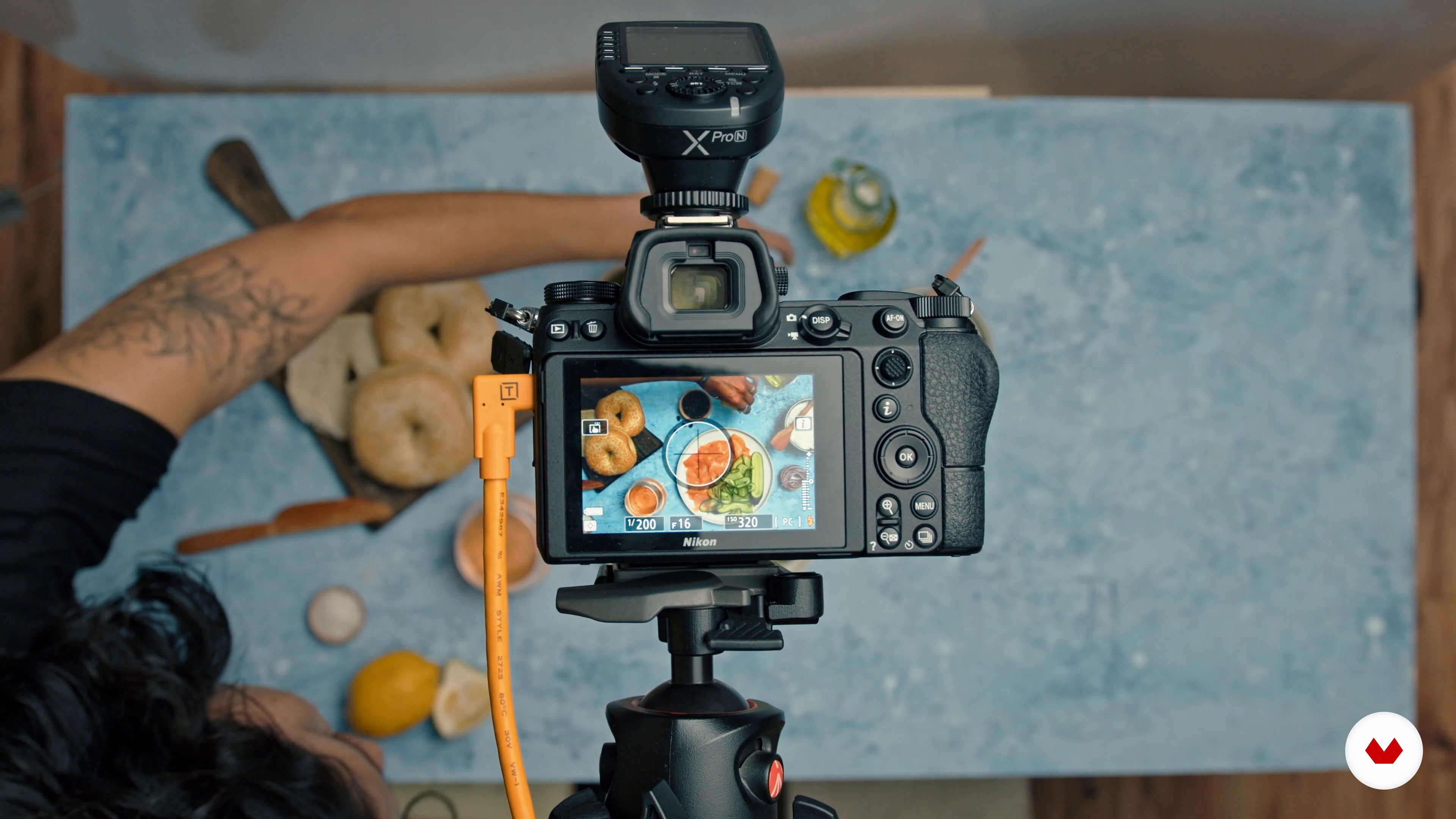
Telling a Story
3 minutes, 43 seconds
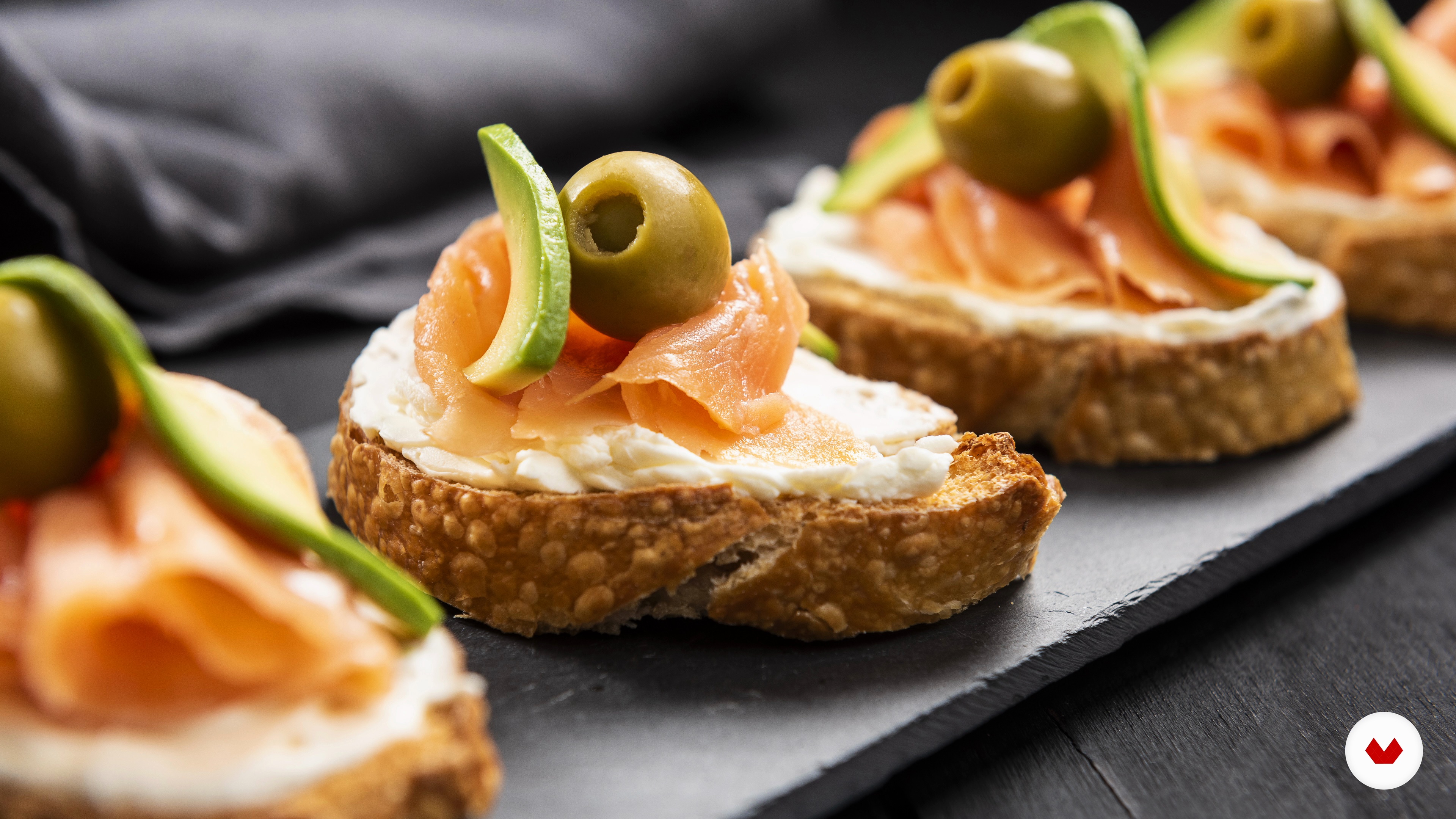
The Laws of Gestalt
3 minutes, 44 seconds
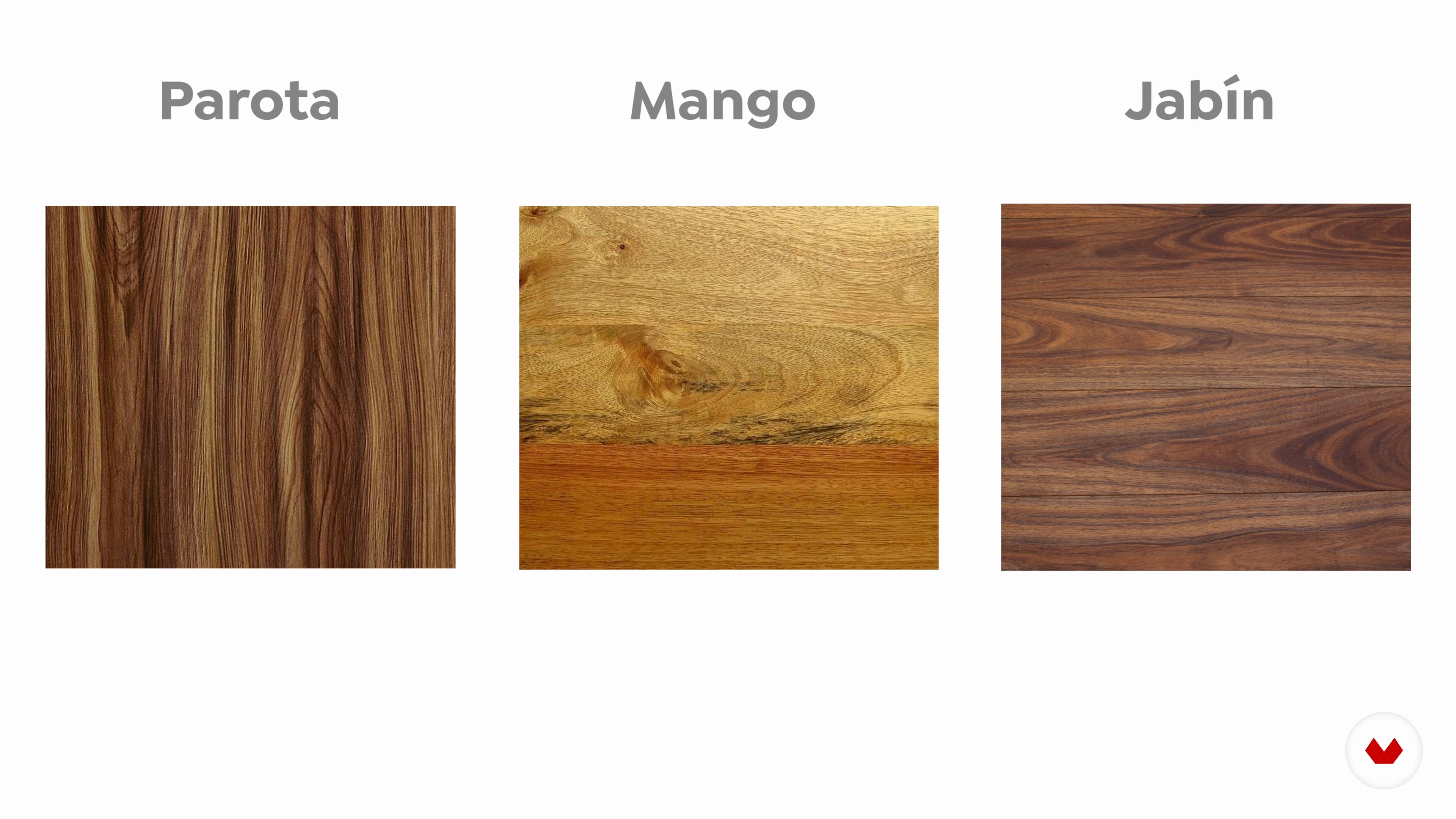
Funds
4 minutes, 0 seconds
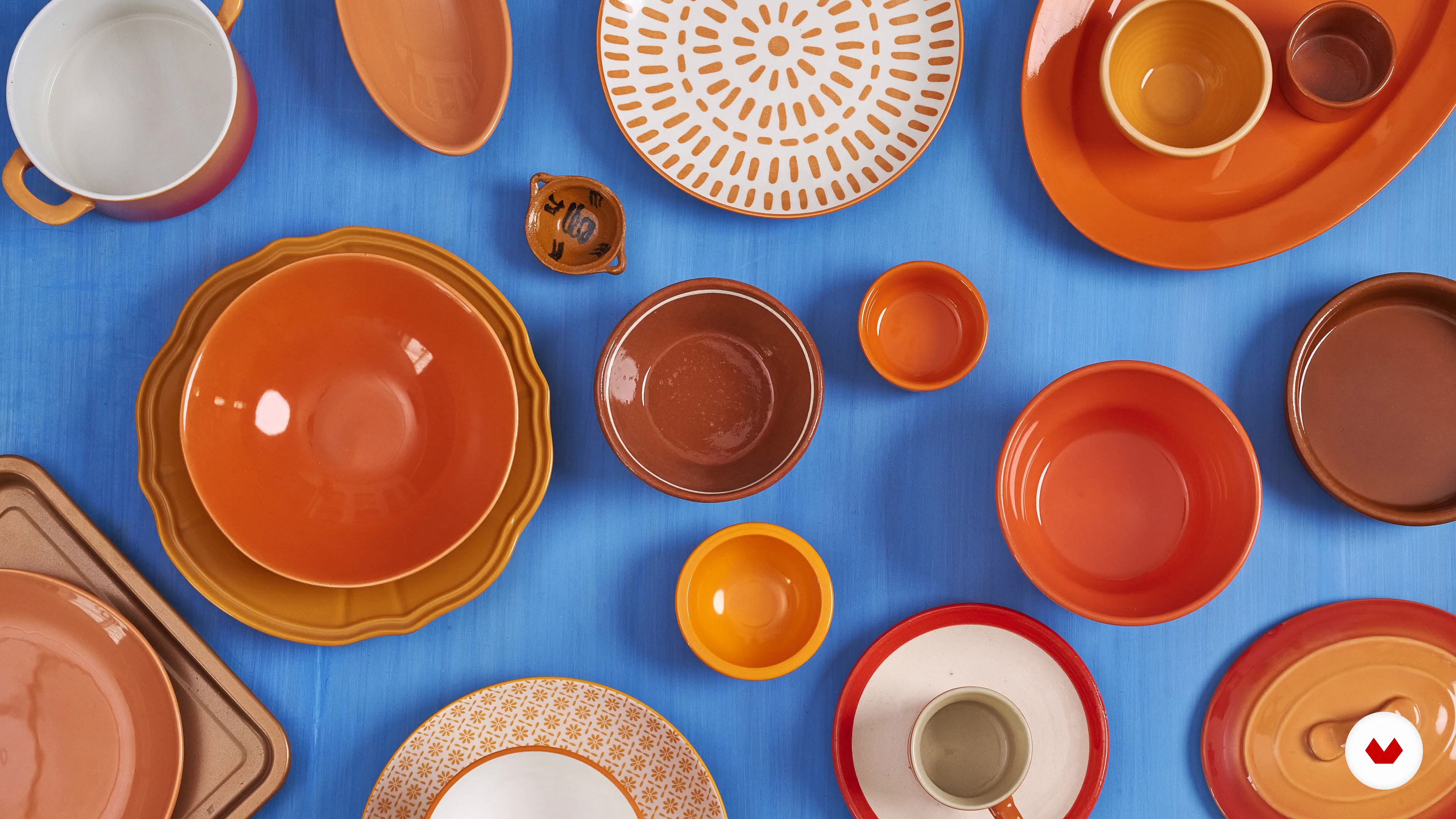
The Props
5 minutes, 9 seconds
What's included in this course?
Meet your teacher for the course, Karla Acosta. She talks about her roots and how she ended up becoming a professional food photographer. She also shares the references that have most influenced her visual identity.
It's time to get started on your project! Collect reference materials and put together a mood board to help you design your set. Next, learn all about the different types of food photography, workflows, and the team of people essential for producing a commercial piece.
Karla then gives you some practical tips for working effectively as an art director. Discover what you need for the shoot, as well as various techniques and the foundations for composing stunning pieces that tell your story.
Now turn your focus to the most important raw material in photography—light. Explore the tools, both manual and digital, used to shape the scene and practice making the most of whatever light you're using in your creations.
To wrap up the course, take an in-depth look into the equipment needed for you final project and use everything you've learned to compose mouth-watering images in your new career as a food photographer.
Recommended software & tools for this course
What is this course's project?
Design two scenes considering composition, lighting, and perspective, to tell exquisite stories through commercial food photography
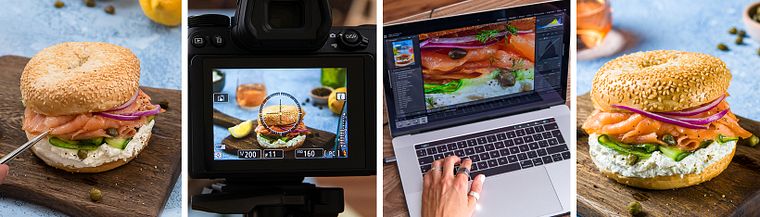
Projects by course students


Who is this online course for?
Anyone interested in discovering the art of food photography.
Requirements and materials
To take this online course, you need:
- A camera with interchangeable lenses and manual mode
- A memory card or cable for shooting from your computer
- An external flash
- A computer with Lightroom or Capture One and Photoshop installed
- Food
- Tableware
- Table decorations
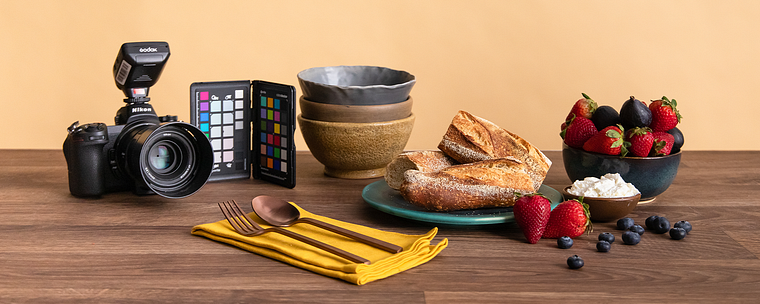
Reviews
- 10 months ago
Wonderful course! Karla gives a lot of useful details and tips about this kind of photos. I really appreciate her explanations about lighting, gear, resources... composing a scene... Her final project, very inspiring and very challenging. I had a lot to learn from this course. Thank you!
- 1 year ago
Excelente curso! Me enamoré de la fotografía gastronómica
- 2 years ago
excelente curso 100% recomendado
- 2 years ago
muy practico
- 2 years ago
Bueno para quienes estan iniciando en la fotografia

A large part of what she does, as well as her personal experiences and lessons, is showcased on social media, where she invites her followers to share in the delicious world of commercial food photography.
Content
- U1
Introduction
- Presentation
- Influences
- U2
Gastronomic Photography and Its Characters
- Types of Photography: Specialization
- Types of Photographers: Soloists and with Orchestra
- U3
The Scene
- Telling a Story
- The Laws of Gestalt
- Funds
- The Props
- U4
Light as Raw Material
- The Properties of Light
- Studio Lights
- U5
Photographic Equipment
- Camera and Optics
- Other Accessories
- U6
The Photo Session
- First Photo: Overhead Shot 1
- First Photo: Overhead Shot 2
- Second Photo: 45º
- U7
Digital Retouching
- Developed with Lightroom 1
- Developed with Lightroom 2
- Revealed with Capture One 1
- Revealed with Capture One 2
- FP
Final project
- Introduction to Commercial Food Photography
What to expect from a Domestika course
Learn at your own pace
Enjoy learning from home without a set schedule and with an easy-to-follow method. You set your own pace.
Learn from the best professionals
Learn valuable methods and techniques explained by top experts in the creative sector.
Meet expert teachers
Each expert teaches what they do best, with clear guidelines, true passion, and professional insight in every lesson.
Certificates
PLUSIf you're a Plus member, get a custom certificate signed by your teacher for every course. Share it on your portfolio, social media, or wherever you like.
Get front-row seats
Videos of the highest quality, so you don't miss a single detail. With unlimited access, you can watch them as many times as you need to perfect your technique.
Share knowledge and ideas
Ask questions, request feedback, or offer solutions. Share your learning experience with other students in the community who are as passionate about creativity as you are.
Connect with a global creative community
The community is home to millions of people from around the world who are curious and passionate about exploring and expressing their creativity.
Watch professionally produced courses
Domestika curates its teacher roster and produces every course in-house to ensure a high-quality online learning experience.
FAQs
Editorial and advertising food photography focuses on creating appealing images of food for magazines, books, brands, and campaigns, using composition, lighting, and visual storytelling techniques to highlight dishes and tell culinary stories.
This is an intermediate-level course, perfect for those who already have basic photography skills and want to specialize in editorial and advertising food photography.
You’ll need a digital camera (DSLR or mirrorless), interchangeable lenses, a tripod, basic props, backgrounds, a computer with Photoshop and Lightroom, and access to lighting sources like flashes or natural light.
You’ll learn composition techniques, how to select props, lighting management, creating visual narratives, editing and retouching in Photoshop, and how to distinguish editorial, commercial, and advertising approaches in food photography.
The course teaches you how to pick props based on the dish, colors, textures, and narrative context, and how to arrange them on set to create visually appealing and coherent compositions.
It covers techniques using natural light, speedlights, handheld flashes, softboxes, reflectors, and modifiers to control shadows, reflections, and highlight food textures.
You’ll learn to adjust exposure, color, sharpness, apply Dodge & Burn, fix imperfections, organize layers, and export images ready for magazines, websites, and social media.