Illustration and Lettering: Create a Book Cover
A course by Manon BucciarelliBook Cover Designer
A course by Manon Bucciarelli, Book Cover Designer

Learn to understand the needs of a publisher and create an original book cover that combines hand lettering and illustration in Photoshop and InDesign
The cover of a novel is a complex piece of work in its own right, where words and images become one. It has to reflect the writing while also catching the reader's eye, reveal the content without saying too much, and be readable and original while meeting the client's needs.
In this online course, unravel the mysteries alongside Manon Bucciarelli. Drawing on her vast experience in publishing, working for the likes of Bayard, Fayard, and Hachette, she teaches you how to design a cover from scratch, mixing hand lettering and illustration. Analyze the book, work on the composition, the lettering, and the relationship with the publisher, from brief to delivery. Time to create!
What will you learn in this online course?
13 lessons & 19 downloads

Reading and understanding the text
16 minutes, 28 seconds
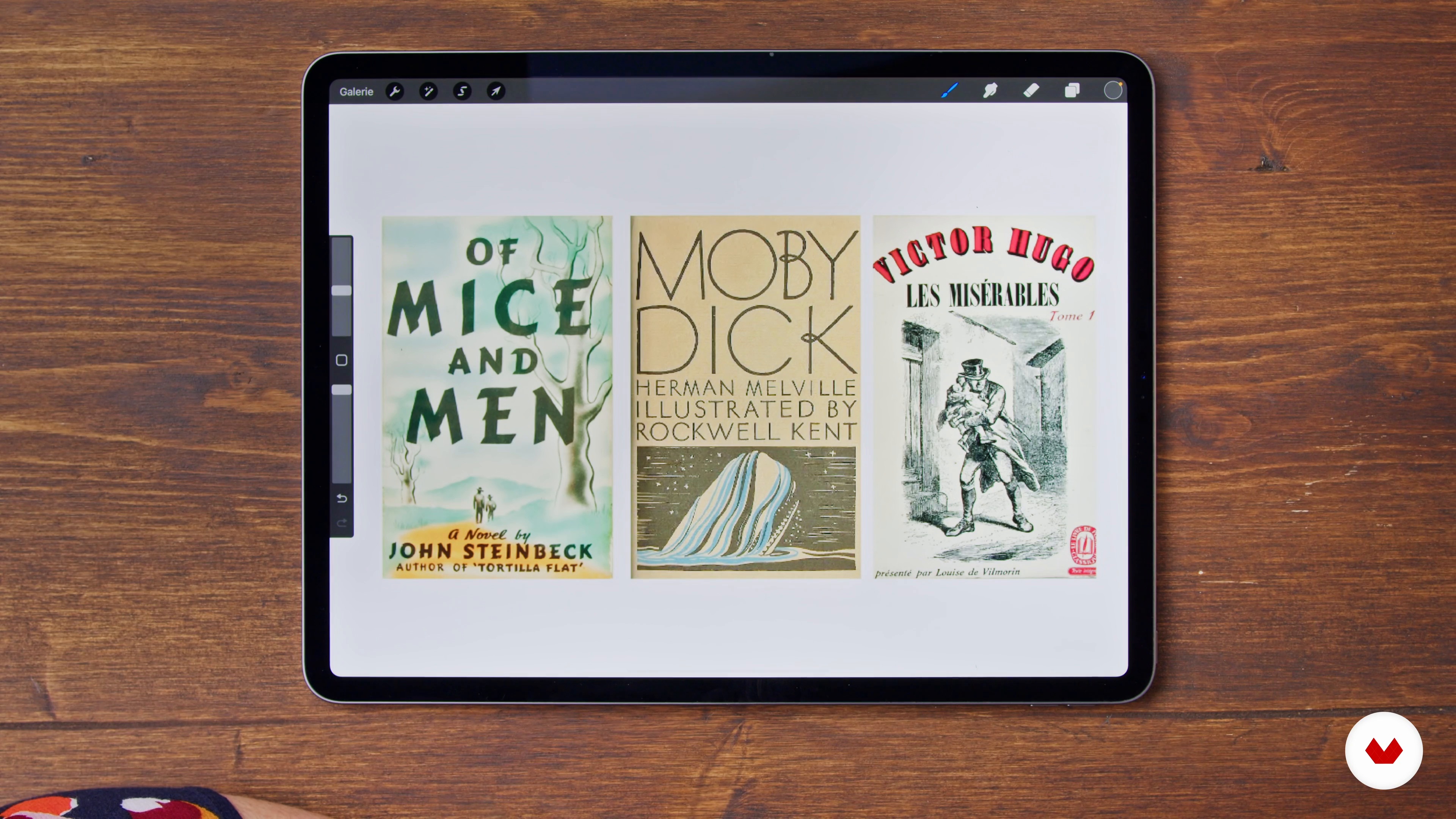
Market research
6 minutes, 42 seconds
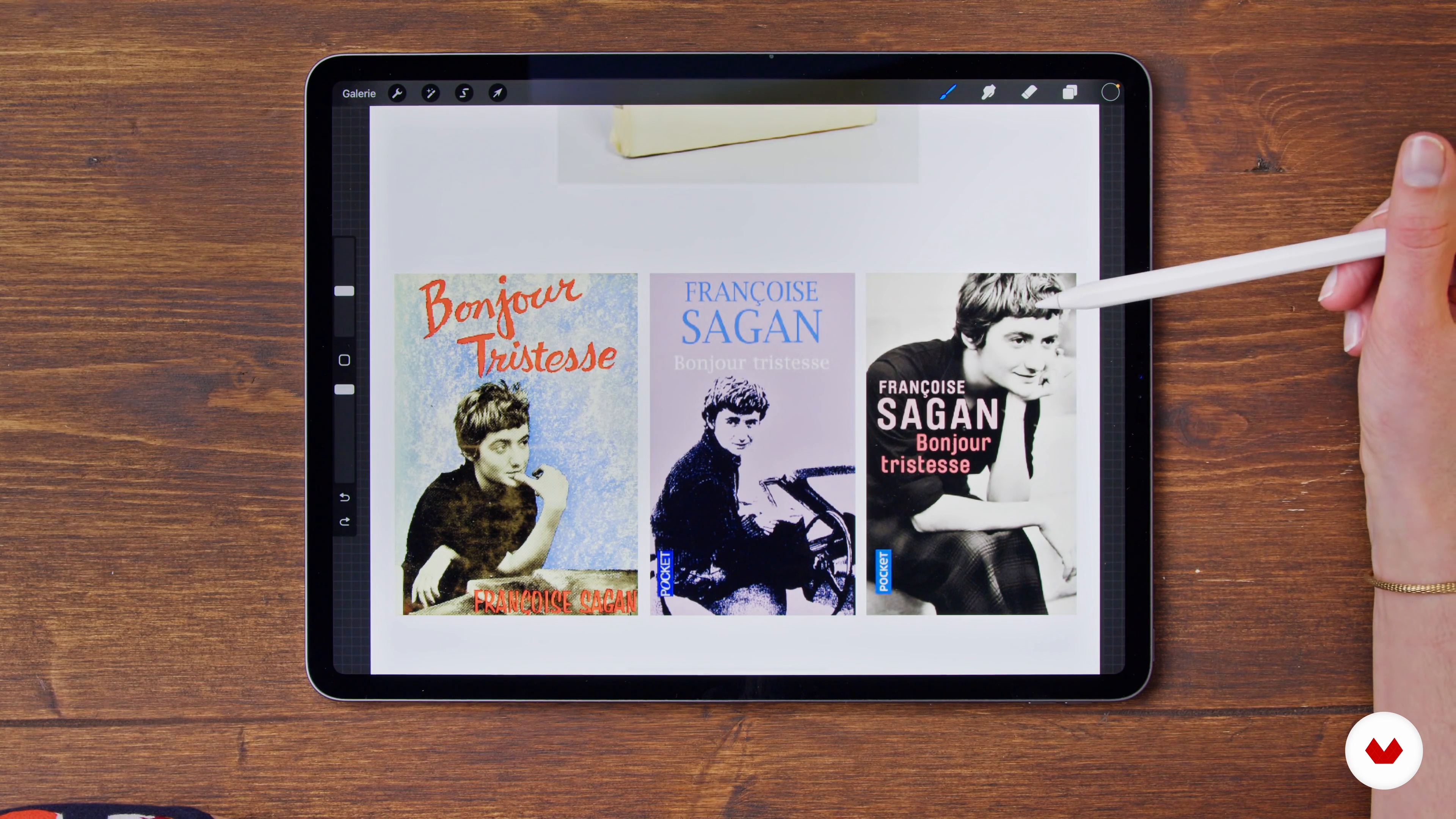
Previous covers
5 minutes, 8 seconds
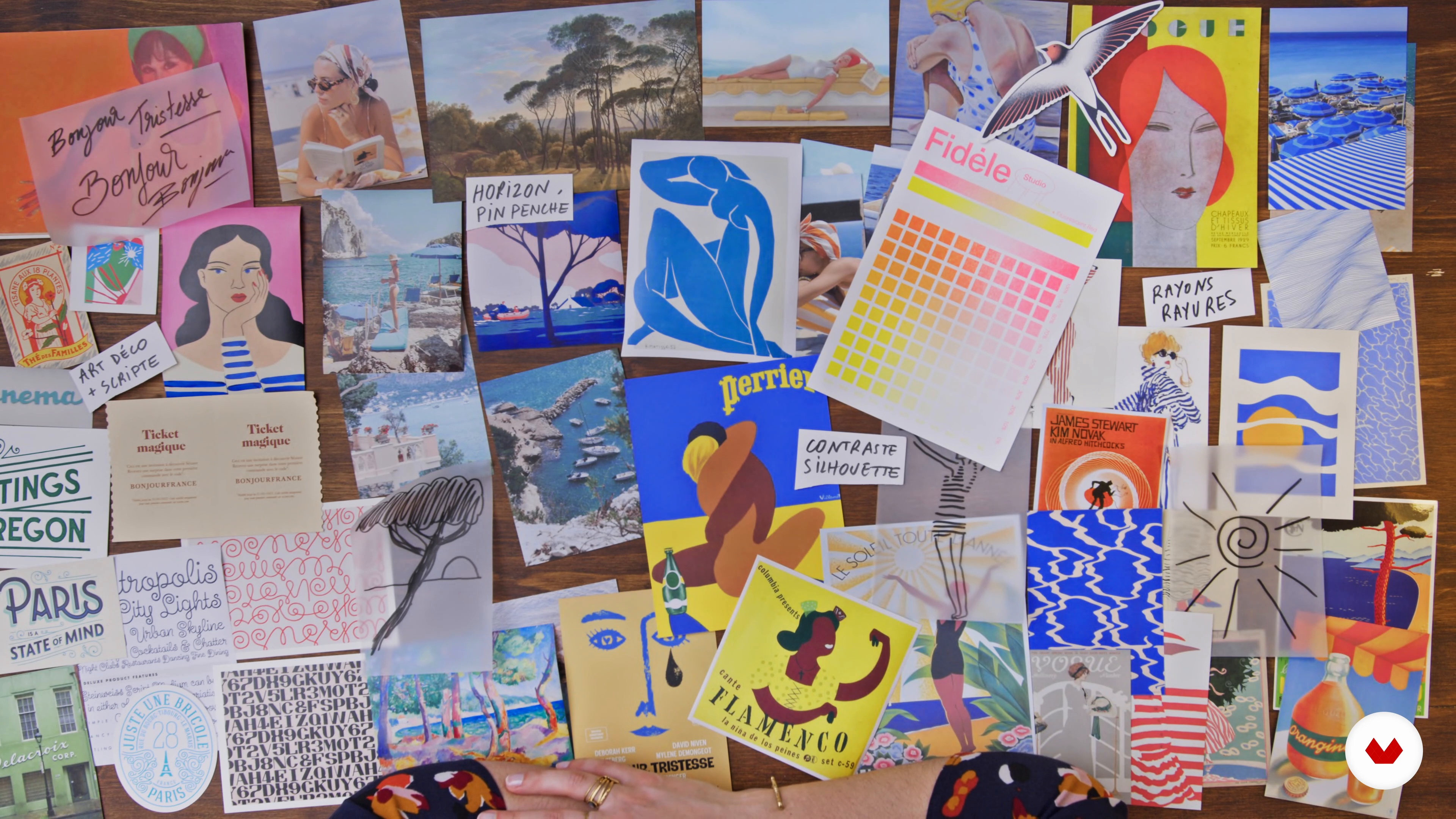
Iconographic research
7 minutes, 55 seconds
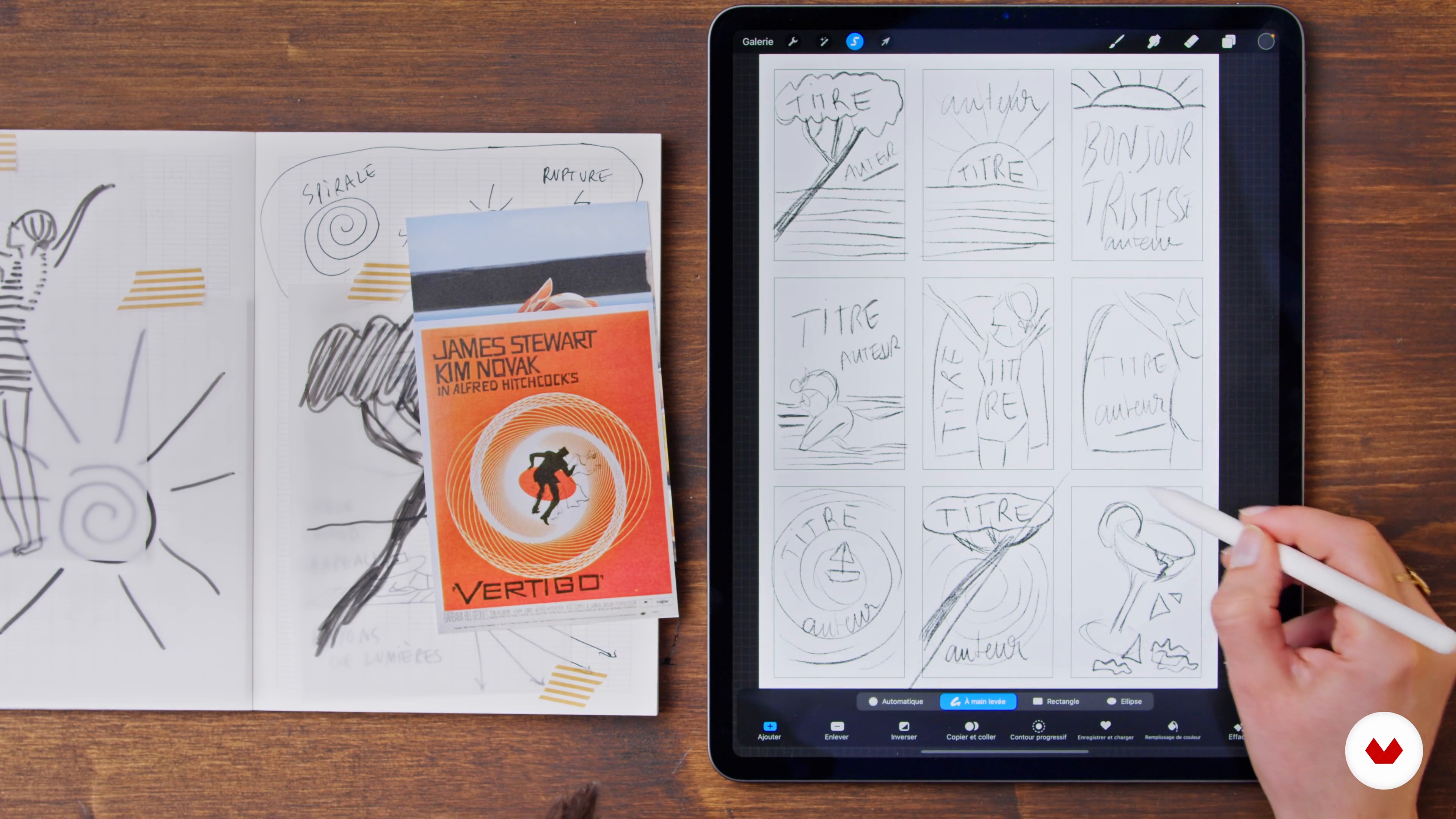
Imagine different compositions 1
13 minutes, 41 seconds
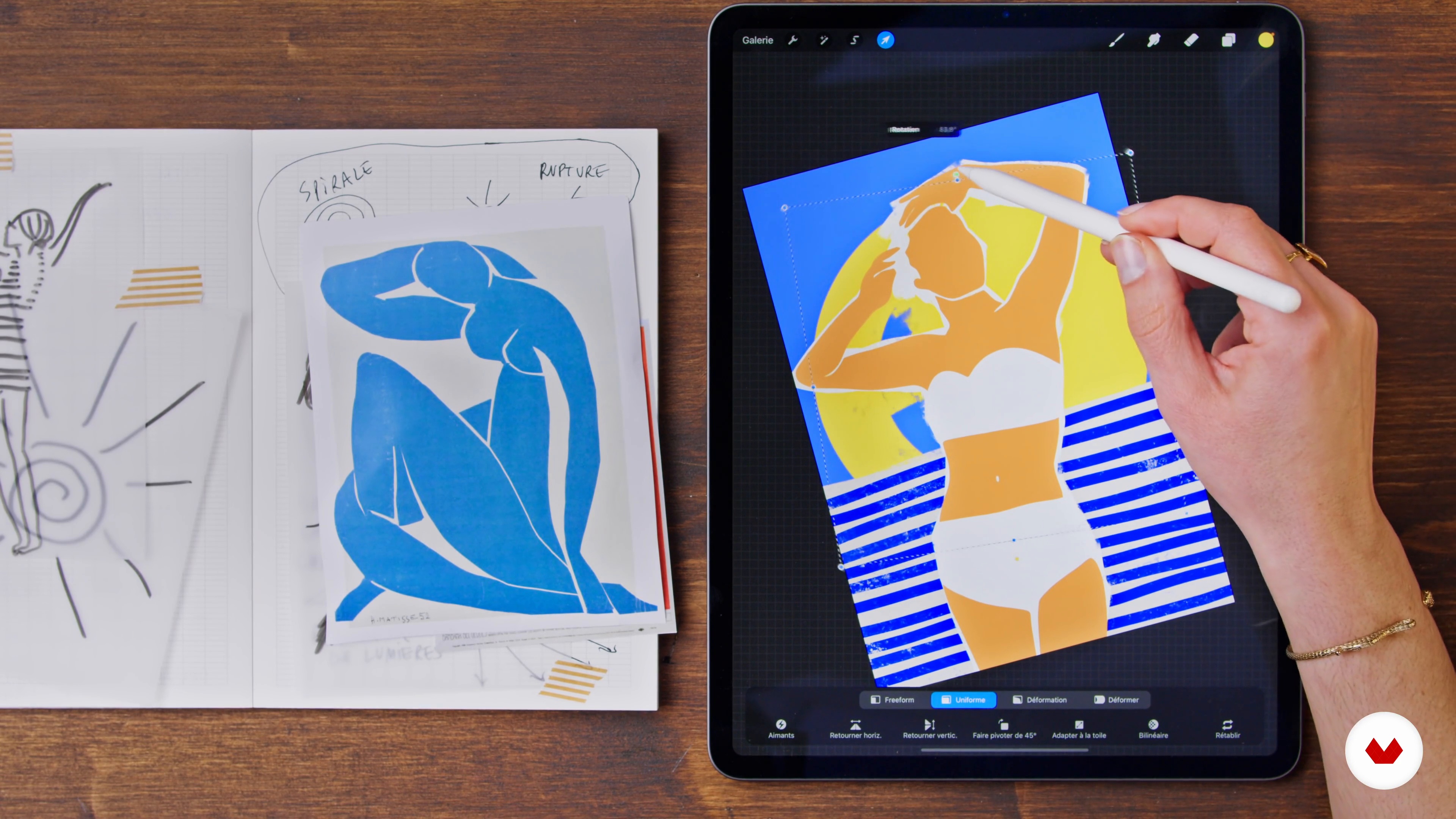
Imagine different compositions 2
13 minutes, 50 seconds
What's included in this course?
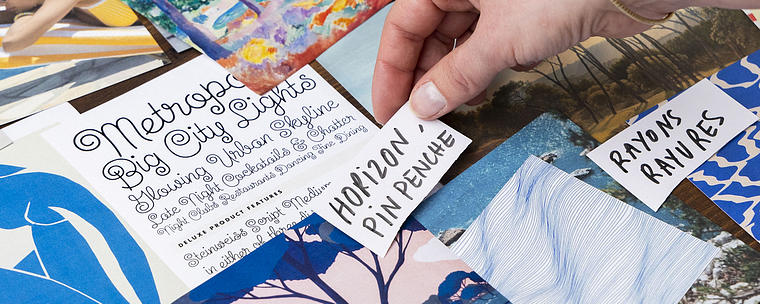
To begin, meet Manon Bucciarelli. She tells you about her graphic design background, the projects that changed her career, and three key artists for her: Pierre Faucheux, Robert Massin, and Peter Mendelsund. She even shares a mood board with her favorite covers!
Get straight into your prep work, before moving on to drawing. Learn how to analyze a brief, how to effectively read the book you have chosen to illustrate, and how to look for iconographic references. To broaden your knowledge, examine some book covers that already exist.
Grab your graphics tablet and get to work creating your cover! Start by defining the composition and the position of each of the elements with a sketch. After using modern hand-lettering techniques to develop the title, discover how to put together a balanced color palette, a fundamental aspect of any successful cover.
Next, find out how to present your work to the client. Manon shares her experience in delivering the files, as well as in making corrections and integrating the publisher's comments. She rounds out the course by explaining technical terms and expressions specific to novel cover design.
Recommended software & tools for this course
What is this course's project?
Create a cover for the novel of your choice, combining hand lettering and illustration.
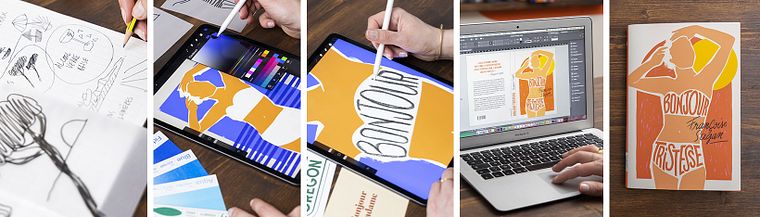
Projects by course students


Who is this online course for?
Anyone with a passion for literature and graphic design.
Requirements and materials
You need a good command of drawing with a tablet (as this is the main tool) as well as access to the Photoshop and InDesign software.
Reviews
- marinadgrjPLUS2 years ago
Curso delicioso de se fazer! Valeu a pena me "reciclar" profissionalmente em recursos mais modernos.
- 2 years ago
Very useful course, I got answers to many of my questions. :)
- 2 years ago
adorei esse curso
- 3 years ago
Excellent! The course gives learners very good ideas.
- 3 years ago
Super cours, très didactique et étayé de beaucoup de références ! Merci Manon ;)

She has extensive experience in publishing and has illustrated books for Hachette, Fayard, Gallimard, and 10.18 in pocket formats. She has also created collection designs for the likes of Éditions Anne Carrière, for which she received the Best Editorial Design Award from Le Club des DA.
Content
- U1
Introduction
- About Me
- My sources of inspiration
- U2
Preliminary research
- Reading and understanding the text
- Market research
- Previous covers
- Iconographic research
- U3
The creation of the cover
- Imagine different compositions 1
- Imagine different compositions 2
- The lettering
- The color palette
- Finalize composition
- U4
Deliver cover to customer
- The presentation of the cover
- The vocabulary of the book
- FP
Final project
- Illustration and Lettering: Create a Book Cover
What to expect from a Domestika course
Learn at your own pace
Enjoy learning from home without a set schedule and with an easy-to-follow method. You set your own pace.
Learn from the best professionals
Learn valuable methods and techniques explained by top experts in the creative sector.
Meet expert teachers
Each expert teaches what they do best, with clear guidelines, true passion, and professional insight in every lesson.
Certificates
PLUSIf you're a Plus member, get a custom certificate signed by your teacher for every course. Share it on your portfolio, social media, or wherever you like.
Get front-row seats
Videos of the highest quality, so you don't miss a single detail. With unlimited access, you can watch them as many times as you need to perfect your technique.
Share knowledge and ideas
Ask questions, request feedback, or offer solutions. Share your learning experience with other students in the community who are as passionate about creativity as you are.
Connect with a global creative community
The community is home to millions of people from around the world who are curious and passionate about exploring and expressing their creativity.
Watch professionally produced courses
Domestika curates its teacher roster and produces every course in-house to ensure a high-quality online learning experience.
FAQs
This course is mainly aimed at intermediate learners who already have some illustration or graphic design experience. It’s not specifically designed for complete beginners.
It’s recommended to have a basic grasp of drawing and graphic design, plus access to digital tools like Photoshop or Procreate. A computer or graphics tablet is advised for the practical exercises.
You’ll learn how to analyze an editorial brief, choose graphic codes suited to the genre, create an original illustration, add hand lettering, build a moodboard, and prepare print-ready files.
Yes, you’ll discover how to structure a cohesive moodboard, pick inspiring images, and develop a color palette that matches the mood of the text and literary genre.
The course offers methods for selecting, combining, and adjusting cover colors, considering readability, the book’s visual identity, and current graphic trends.
Yes, you’ll learn how to create and position hand lettering for the title, use grids to balance text, and craft unique typographic layouts.
Absolutely, you’ll see how to identify and apply graphic codes specific to each literary genre to design covers that resonate with the target audience.