Handmade Patchwork Wall Hanging with Naturally-Dyed Textiles
A course by Rebecca RiggTextile Brand
A course by Rebecca Rigg, Textile Brand

Learn the foundations of natural dyeing with kitchen food waste and transform upcycled fabrics into unique patchwork wall hangings ready to display in your home
Color surrounds us everywhere. Natural dyes can be found as close as the kitchen—in the form of food —in a garden, or even in your local supermarket. Rebecca Rigg uses them to create sustainable homewares and accessories via her brand Marram, which she started in collaboration with her mother. Their work has been featured by Home Magazine, Food 52, The Zoe Report, Etsy, and more.
In this online course, Rebecca teaches you how to create a patchwork wall hanging from scratch, with natural textile dyeing. Explore a variety of materials and techniques for naturally-dyeing textiles, and learn how to reuse old linens. Upcycle, recycle, and create ethical yet stylish contemporary homewares!
What will you learn in this online course?
15 lessons & 25 downloads
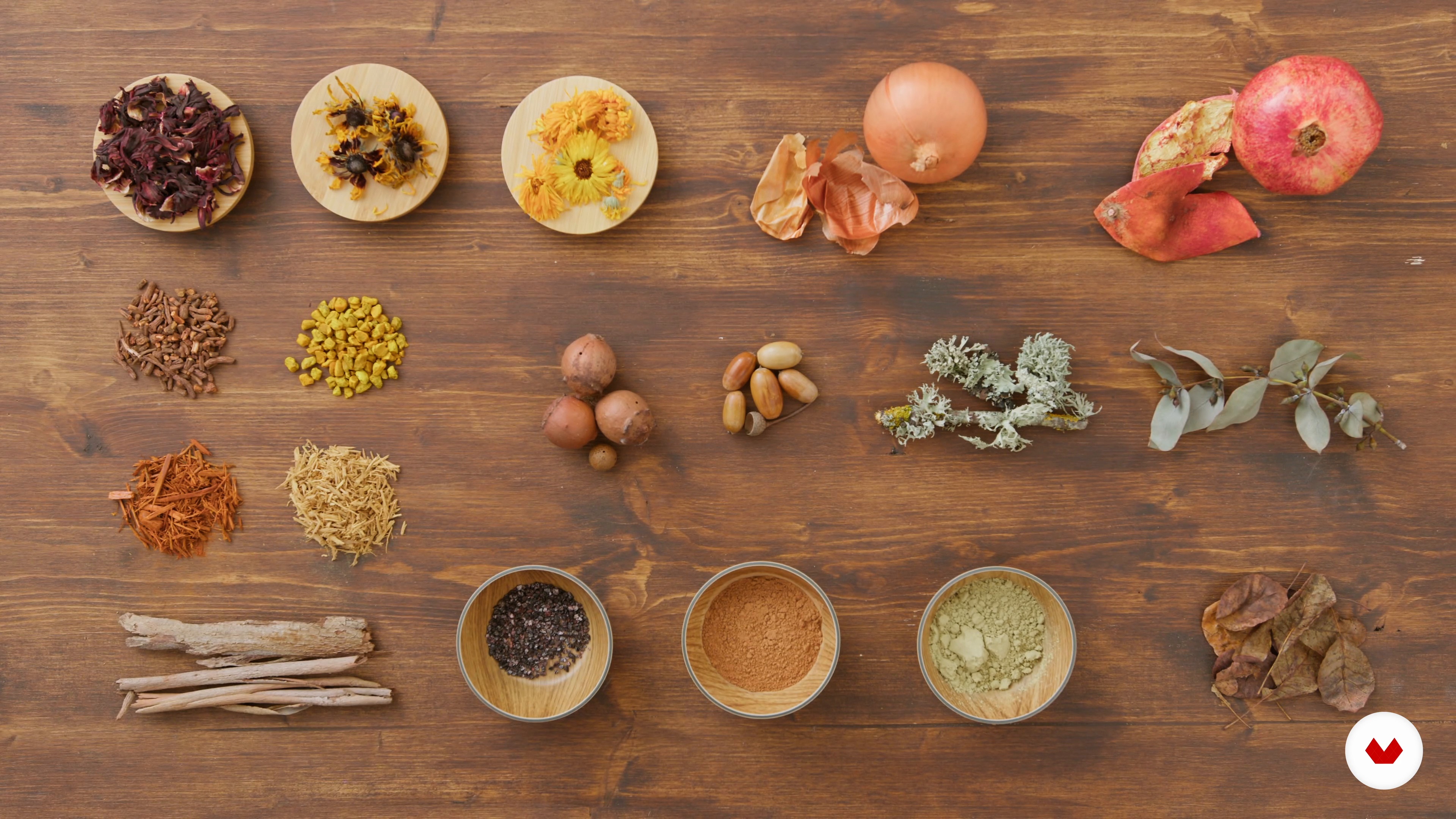
The Fundamentals of Dyeing
7 minutes, 14 seconds
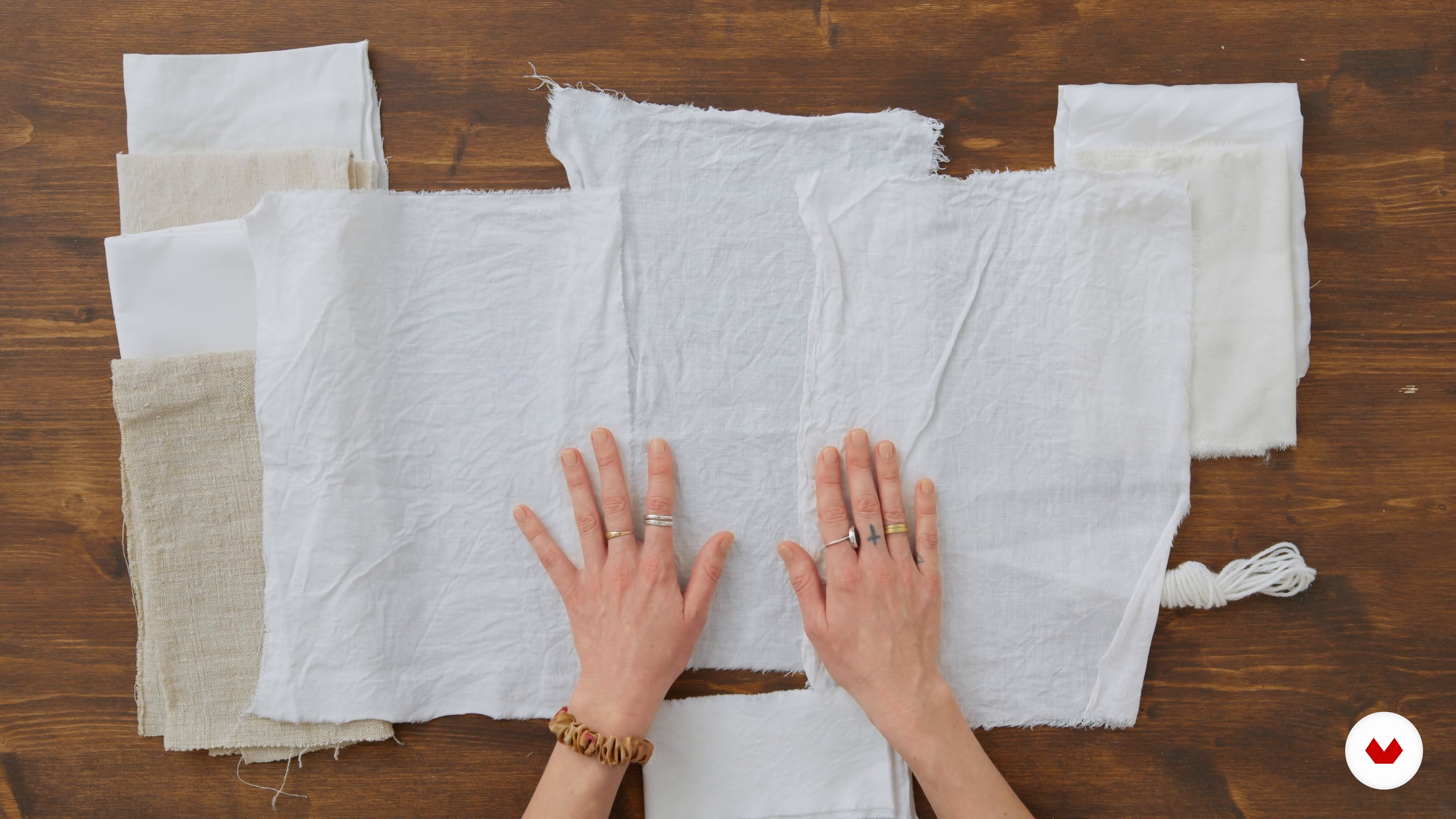
The Different Types of Fabrics and Fibers
5 minutes, 44 seconds
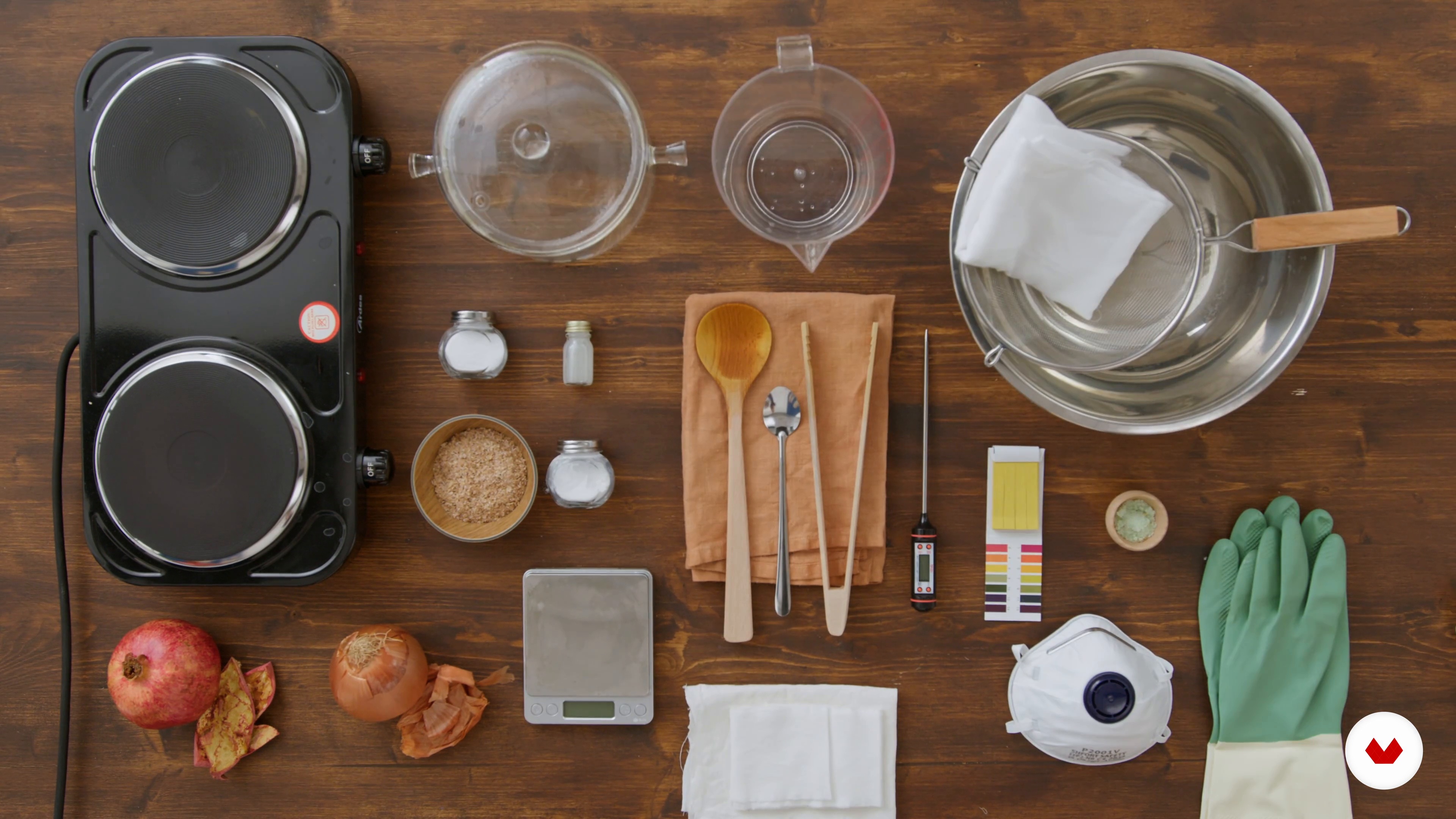
The Tools and Materials
5 minutes, 59 seconds
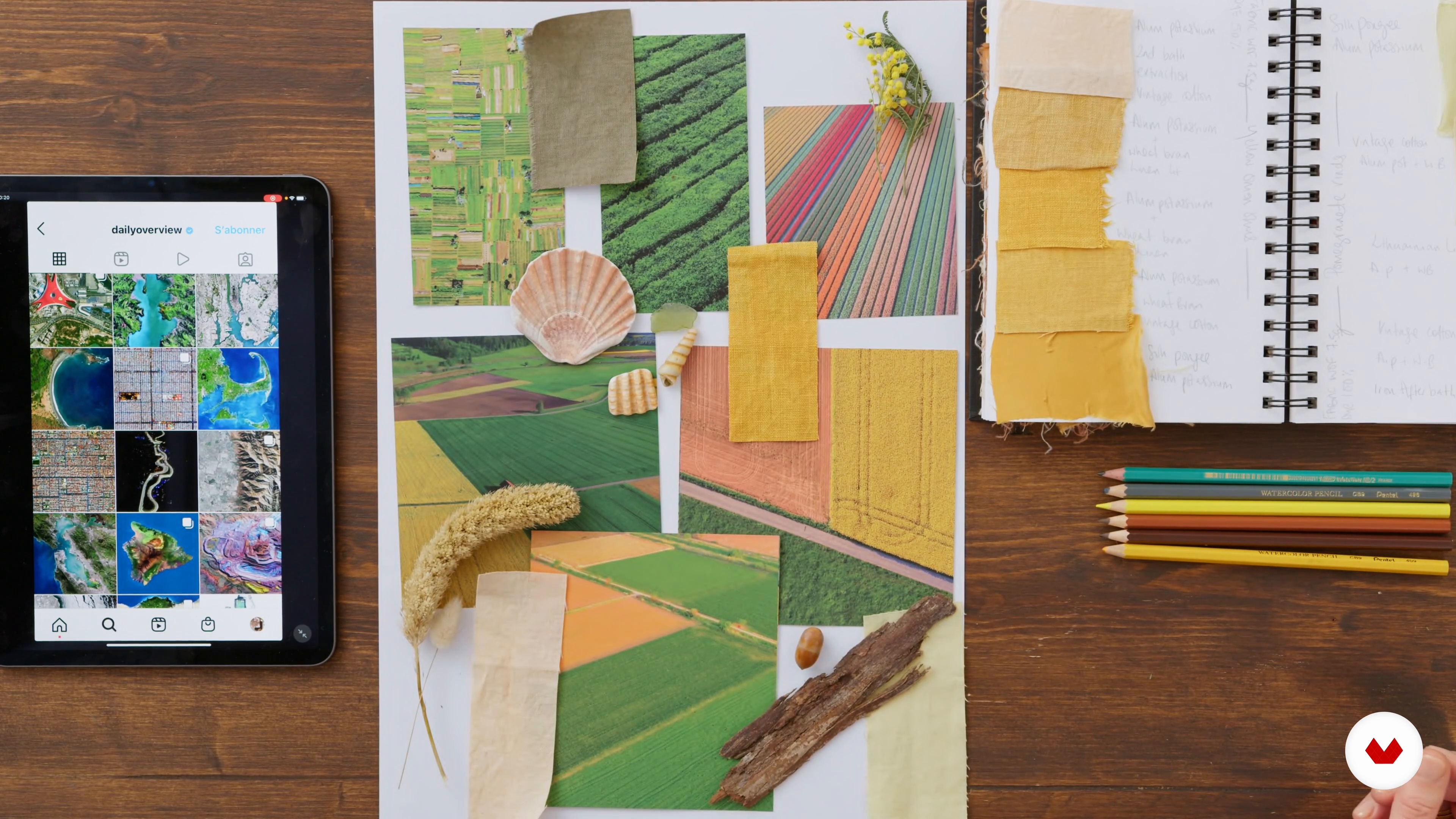
Inspiration and Colour Palette
6 minutes, 19 seconds
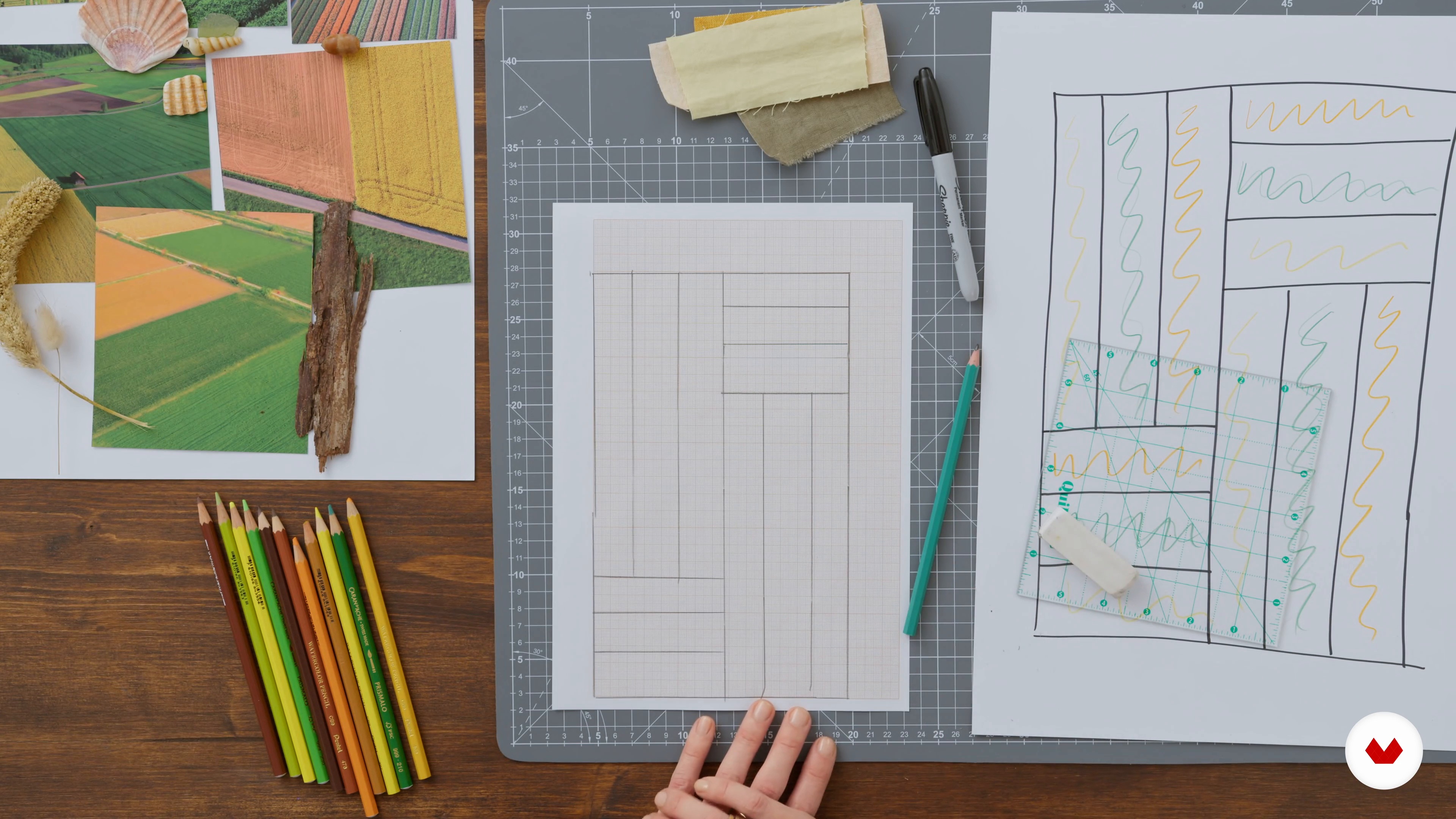
The Sketch of the Patchwork
11 minutes, 45 seconds
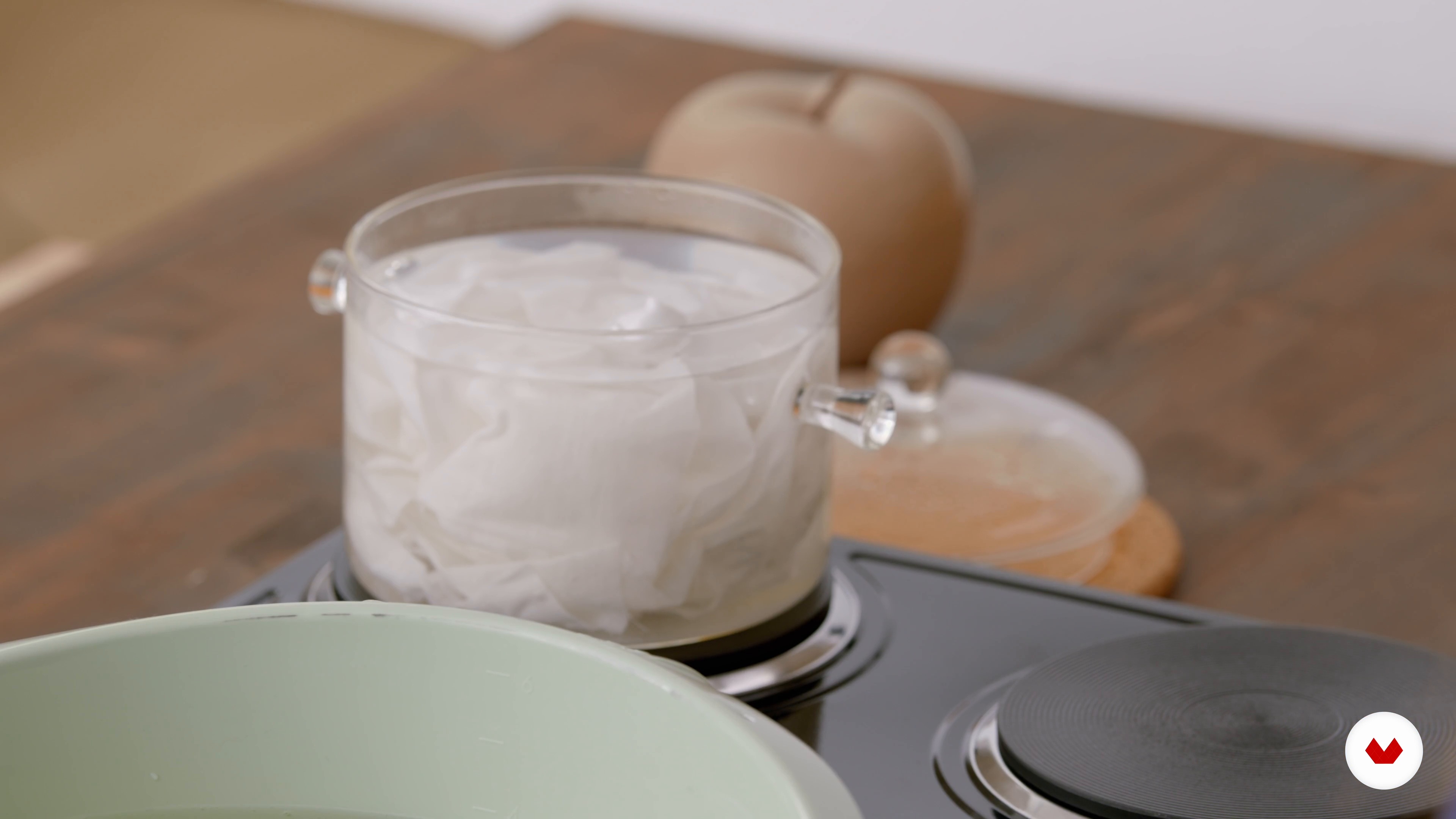
Preparing the Fabric
17 minutes, 10 seconds
What's included in this course?
Begin the course by getting to know natural dyer Rebecca Rigg. Discover the creative journey that led her to start her own textile brand, along with the influences that inspire the work she creates.
Dive into the fundamentals of dyeing and how to achieve rich colors, before taking a look at the different types of fabrics and fibers available. Rebecca talks you through the importance of choosing the right ones for your project, along with the tools and materials needed for the course.
Create a mood board of inspiration and use it to sketch out the initial design for your patchwork. Define your color palette using crayons and, once you’re happy with the composition, sketch your final design to scale on paper.
Prepare your fabric for dyeing. Then use the immersion dyeing technique with natural ingredients. Explore alternative ways to dye your fabric and how to modify colors once your fabric has been dyed.
Time to create your final patchwork. Begin by cutting the fabric for sewing, then start quilting your piece and learn how to transform your patchwork into a hanging piece of art. To finish the course, Rebecca talks you through how to use the techniques you’ve learned to create place mats, coasters, and more.
What is this course's project?
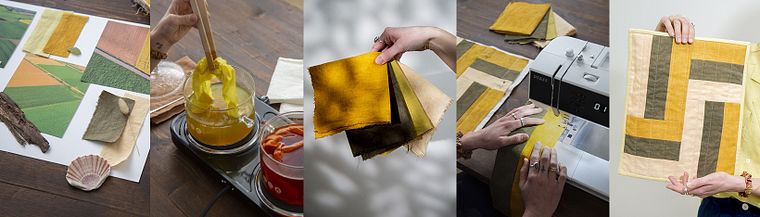
Sew a decorative wall hanging by hand for your home, using naturally-dyed fabric.
Who is this online course for?
This course is for anyone with an interest in learning how to dye fabrics and create patchwork works of art.
Requirements and materials
Basic hand sewing skills and experience with a sewing machine are required.
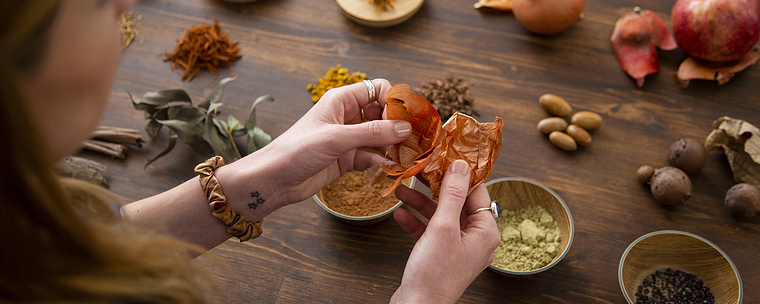
In terms of materials, you will need onion skins, pH-neutral soap, fabric, cooking pots, kitchen scales, rubber gloves, and other materials specified by the teacher in the course.
Reviews
- 1 year ago
Increíble curso, muy bien explicado, no sabia nada del tema y he aprendido muchisimo
- 2 years ago
Bellísimo todo lo que aprendí y sigo aprendiendo de Rebecca… al iniciar no tenía ningún conocimiento ni practica de patchwork, pero al seguirla todo ha sido muy sencillo de aplicar… Muchísimas gracias!!
- 2 years ago
creative course
- 2 years ago
Muy practico, te da claves para un mejor desarrollo del patch
- 3 years ago
Mi ha fatto venire ancora più voglia di imparare la tintura naturale.

She went on to study art textiles at school and take weekend courses in crafts at an open university while experimenting with sewing, crochet, and more in her spare time.
In 2015, after discovering and falling in love with the indigo dye technique, Rebecca created Marram in collaboration with her mother – a textile brand specializing in mindful, one-of-a-kind homewares and accessories. Together they sell everything from cushions to natural dye kits via their online shop and have had their work featured by Home Magazine, Food 52, The Zoe Report, Etsy, and more.
Content
- U1
Introduction
- About Me
- Influences
- U2
Introduction to Natural Textile Dyeing
- The Fundamentals of Dyeing
- The Different Types of Fabrics and Fibers
- The Tools and Materials
- U3
Designing the Patchwork
- Inspiration and Colour Palette
- The Sketch of the Patchwork
- U4
Dyeing the Fabric
- Preparing the Fabric
- Different Plant Pigments
- Dye Variations
- U5
Creating the Wall Hanging
- Cutting the Fabric for Sewing 1
- Cutting the Fabric for Sewing 2
- The Quilt Sandwich and Patchwork
- From Patchwork to Wall Hanging
- Ideas for Other Homewares
- FP
Final project
- Handmade Patchwork Wall Hanging with Naturally-Dyed Textiles
What to expect from a Domestika course
Learn at your own pace
Enjoy learning from home without a set schedule and with an easy-to-follow method. You set your own pace.
Learn from the best professionals
Learn valuable methods and techniques explained by top experts in the creative sector.
Meet expert teachers
Each expert teaches what they do best, with clear guidelines, true passion, and professional insight in every lesson.
Certificates
PLUSIf you're a Plus member, get a custom certificate signed by your teacher for every course. Share it on your portfolio, social media, or wherever you like.
Get front-row seats
Videos of the highest quality, so you don't miss a single detail. With unlimited access, you can watch them as many times as you need to perfect your technique.
Share knowledge and ideas
Ask questions, request feedback, or offer solutions. Share your learning experience with other students in the community who are as passionate about creativity as you are.
Connect with a global creative community
The community is home to millions of people from around the world who are curious and passionate about exploring and expressing their creativity.
Watch professionally produced courses
Domestika curates its teacher roster and produces every course in-house to ensure a high-quality online learning experience.
FAQs
Yes, this course is designed for beginners with no prior experience in natural dyeing or patchwork. Step-by-step guidance is provided for all techniques and processes.
You'll need basic sewing tools, natural fabrics, plant-based dye materials (like onion skins or avocado pits), mordants such as alum acetate or soy milk, safety equipment, and simple quilting tools. A detailed materials list is provided in the course.
You will learn natural dye extraction, bundle dyeing, eco printing, patchwork and pojagi techniques, upcycling textiles, and how to design and sew homewares with sustainable methods.
Yes, the course covers techniques for extracting dyes from common food waste items, such as avocado stones and onion skins, to create unique colors for your textiles.
A sewing machine is recommended for faster and more precise results, but many patchwork and quilting techniques can also be done by hand if you prefer.
Bundle dyeing involves wrapping fabric with plant materials, then steaming or simmering to transfer colors and patterns. This creative technique is fully covered in the course.
Upcycling involves using old or discarded fabrics to create new textile art, reducing waste and environmental impact. The course teaches how to source, prepare, and transform upcycled materials.