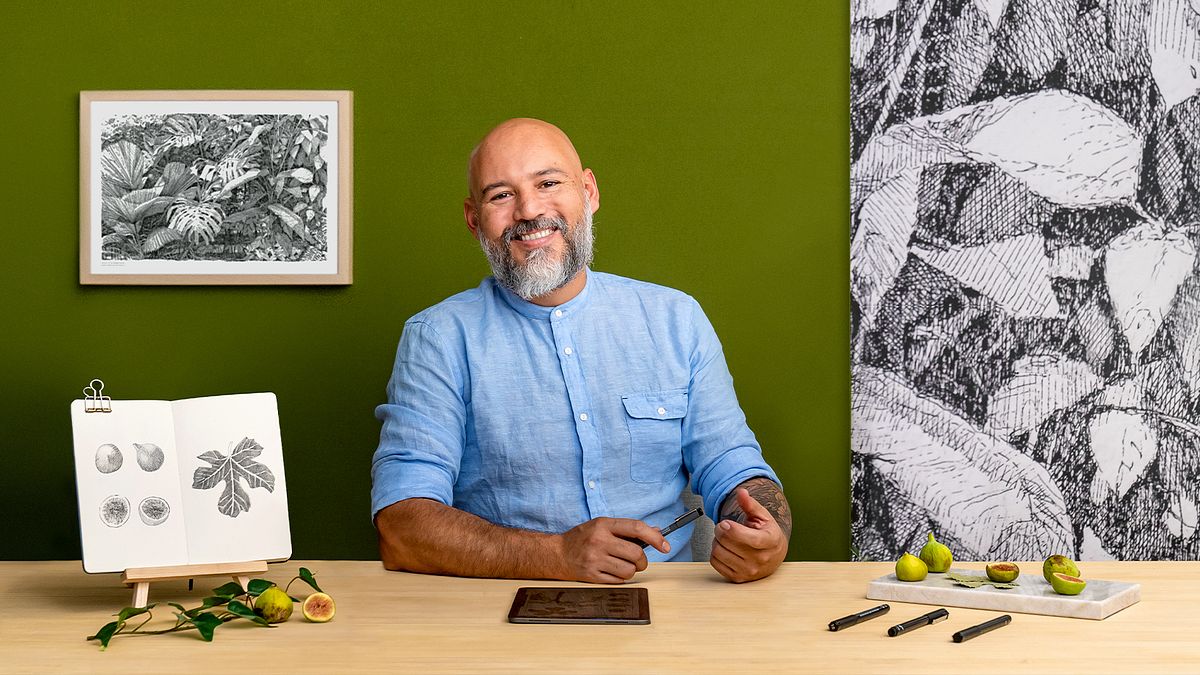
Botanical Illustration: From Notebook to Print
A course by David Morales H.Architect and Illustrator
A course by David Morales H., Architect and Illustrator

Learn how to transform the ink drawings in your sketchbook into colorful digital illustrations
Nature is an endless source of inspiration and knowledge. Learn how to drink in your natural surroundings and transform them into stunning botanical illustrations alongside architect and illustrator David Morales, known for his daily sketches depicting his family and surroundings as well as his thoughts.
In this course, hone your observation skills and draw a plant species in your sketchbook with ink and add color to it using Procreate. If you'd like to draw more personal illustrations, check out his first course, Illustrated Diary: Fill Your Sketchbook with Experiences.
What will you learn in this online course?
23 lessons & 21 downloads
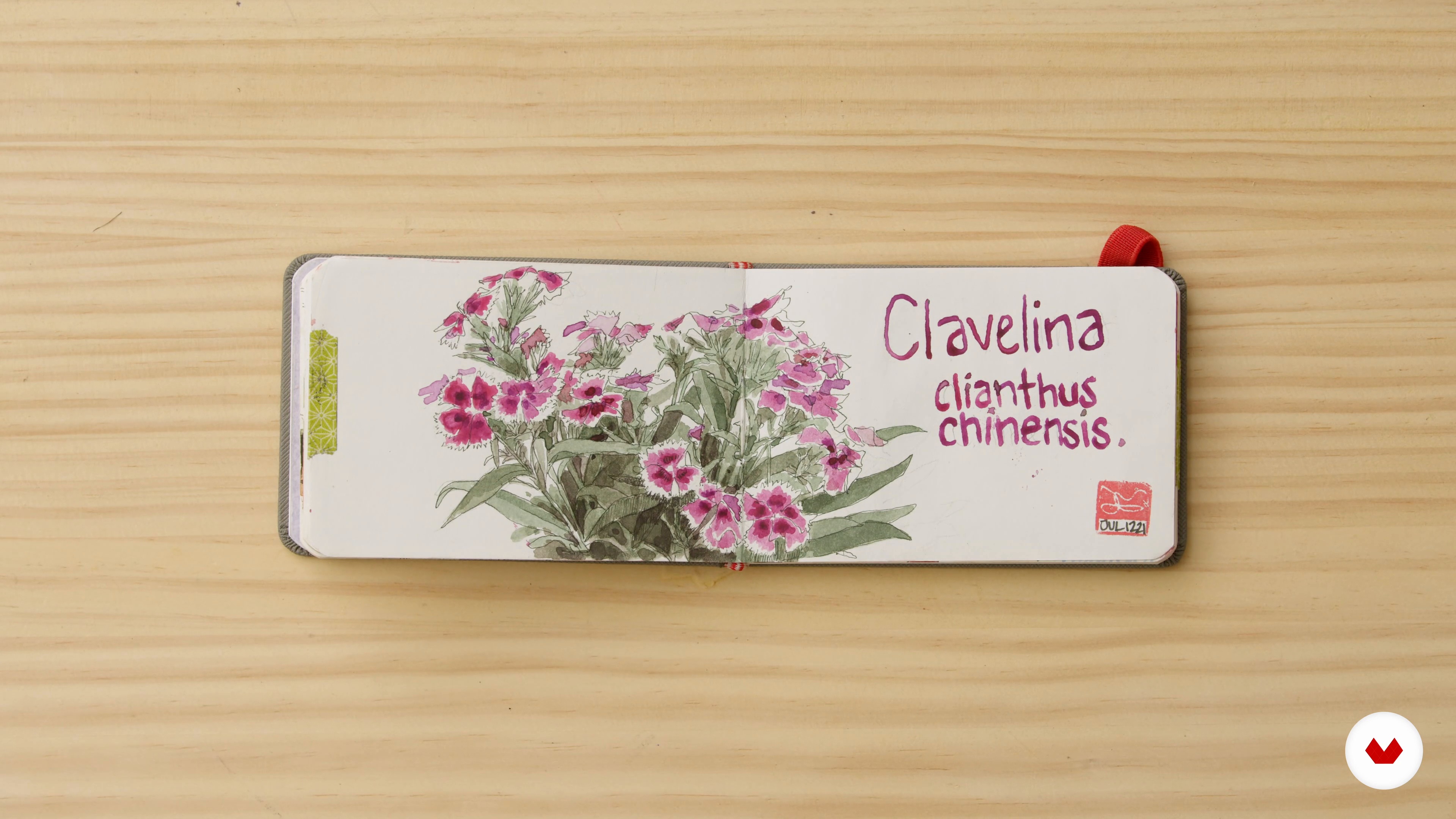
The Botanical Expedition
15 minutes, 7 seconds
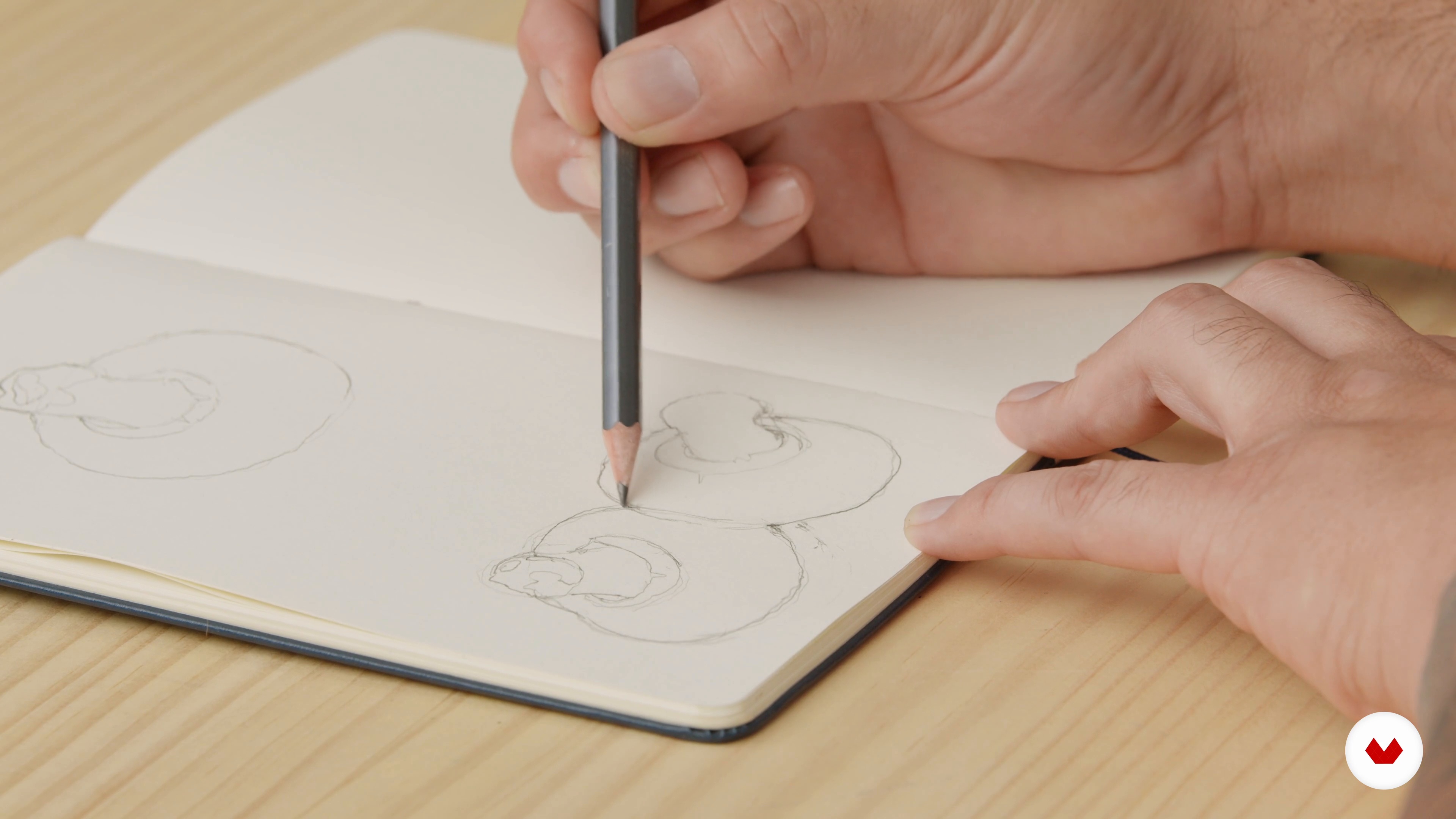
Where do I begin? 1
16 minutes, 15 seconds
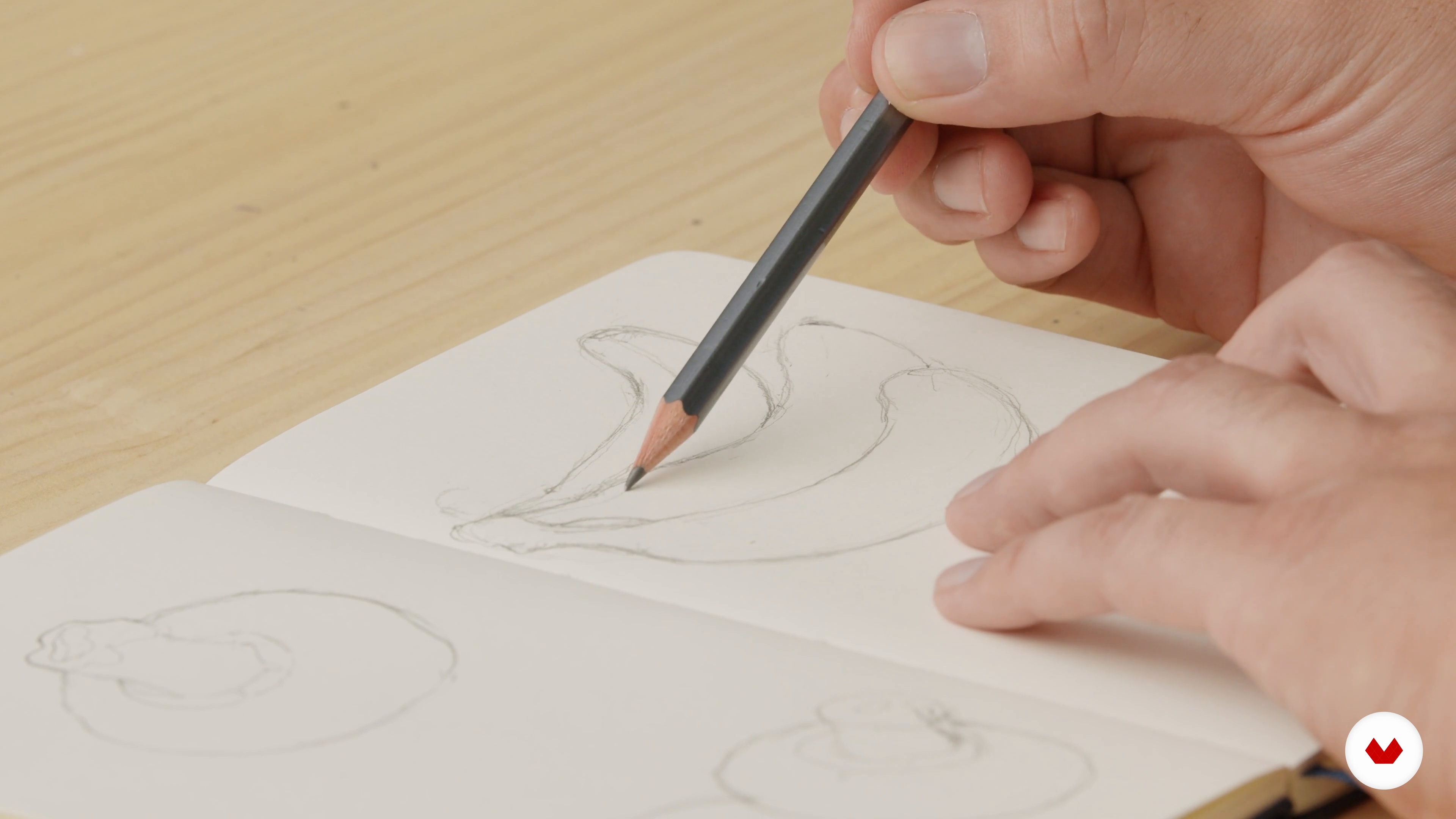
Where do I begin? 2
17 minutes, 29 seconds
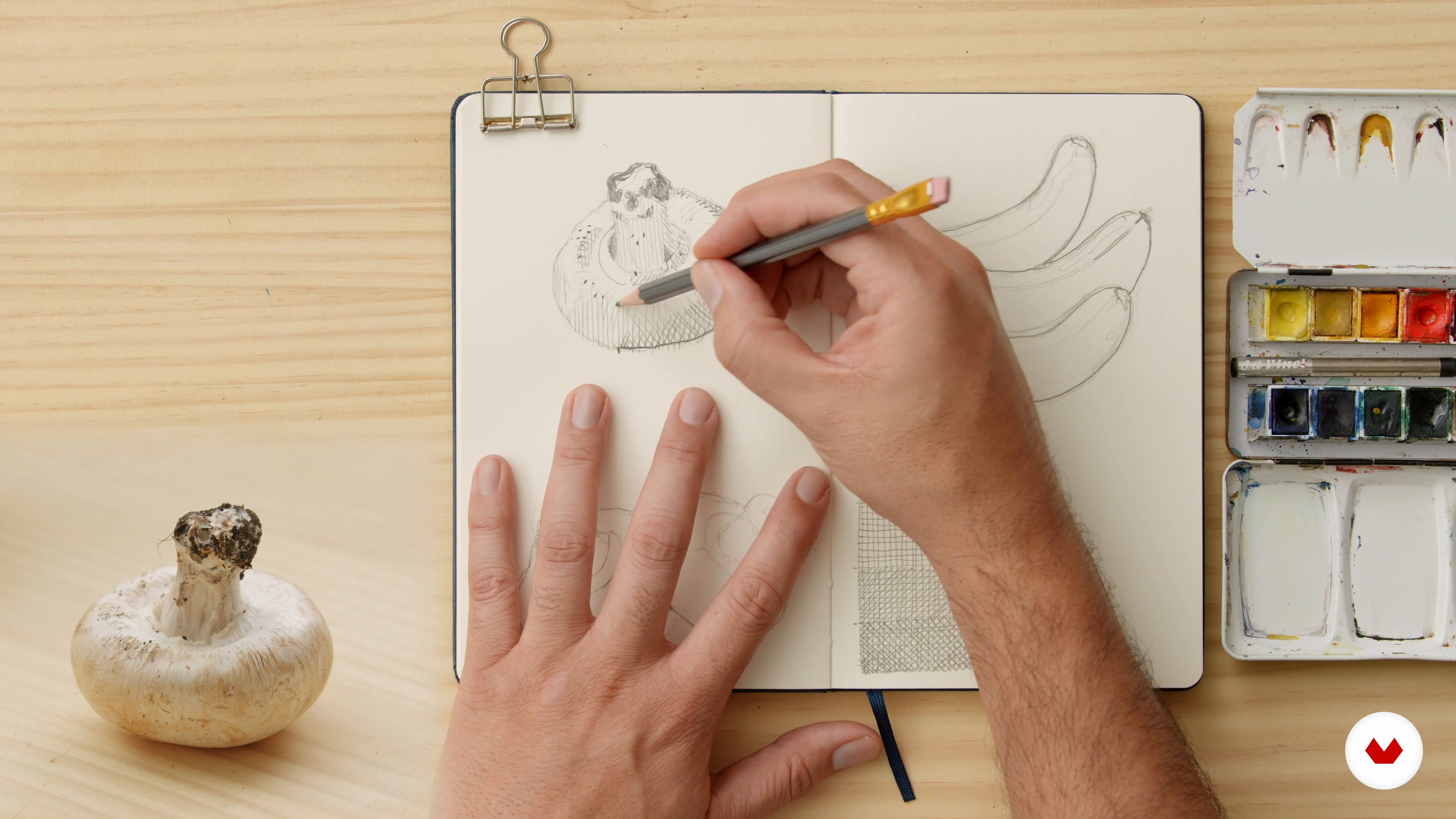
Volume, color and annotations 1
16 minutes, 8 seconds
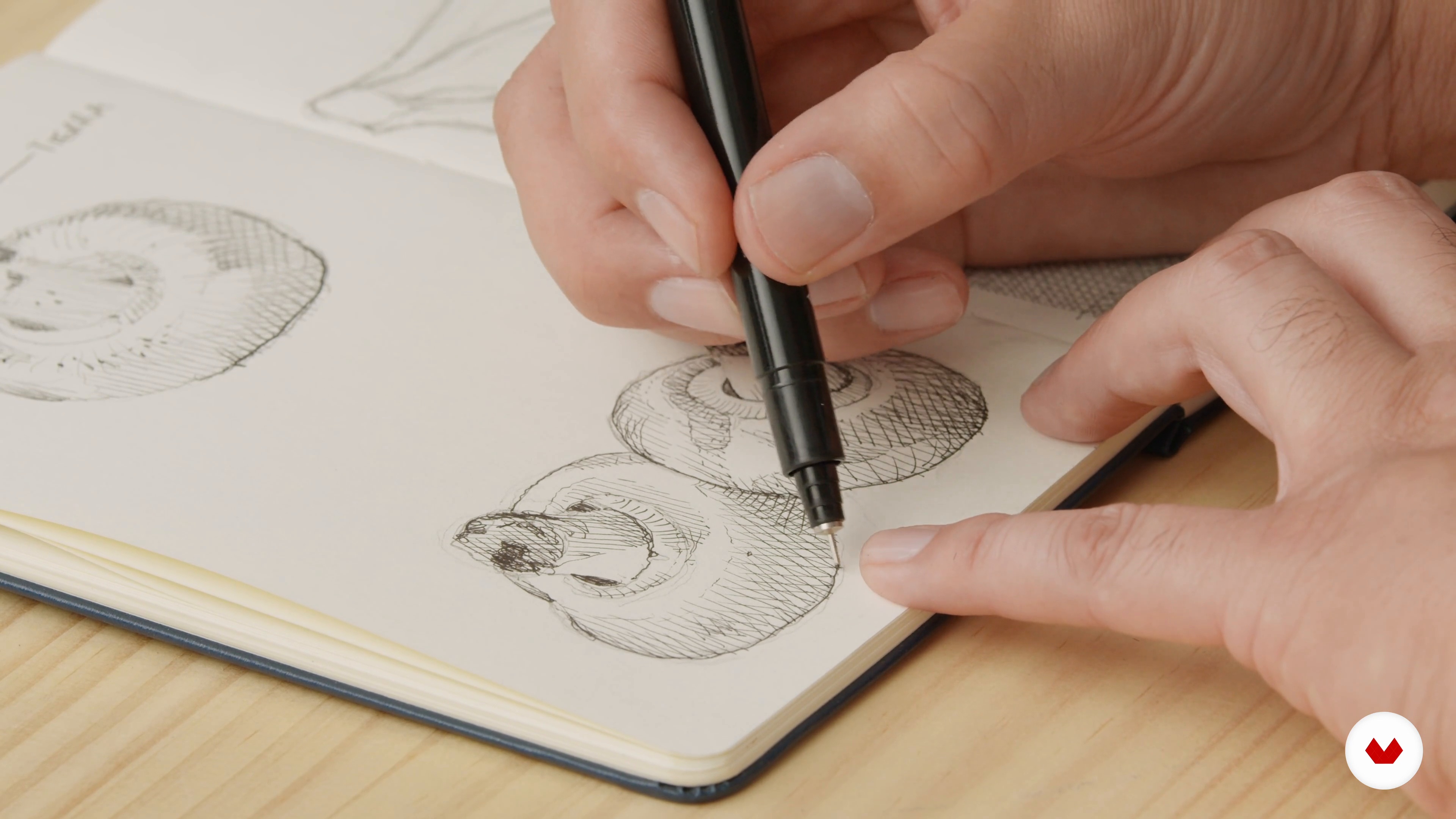
Volume, color and annotations 2
12 minutes, 41 seconds
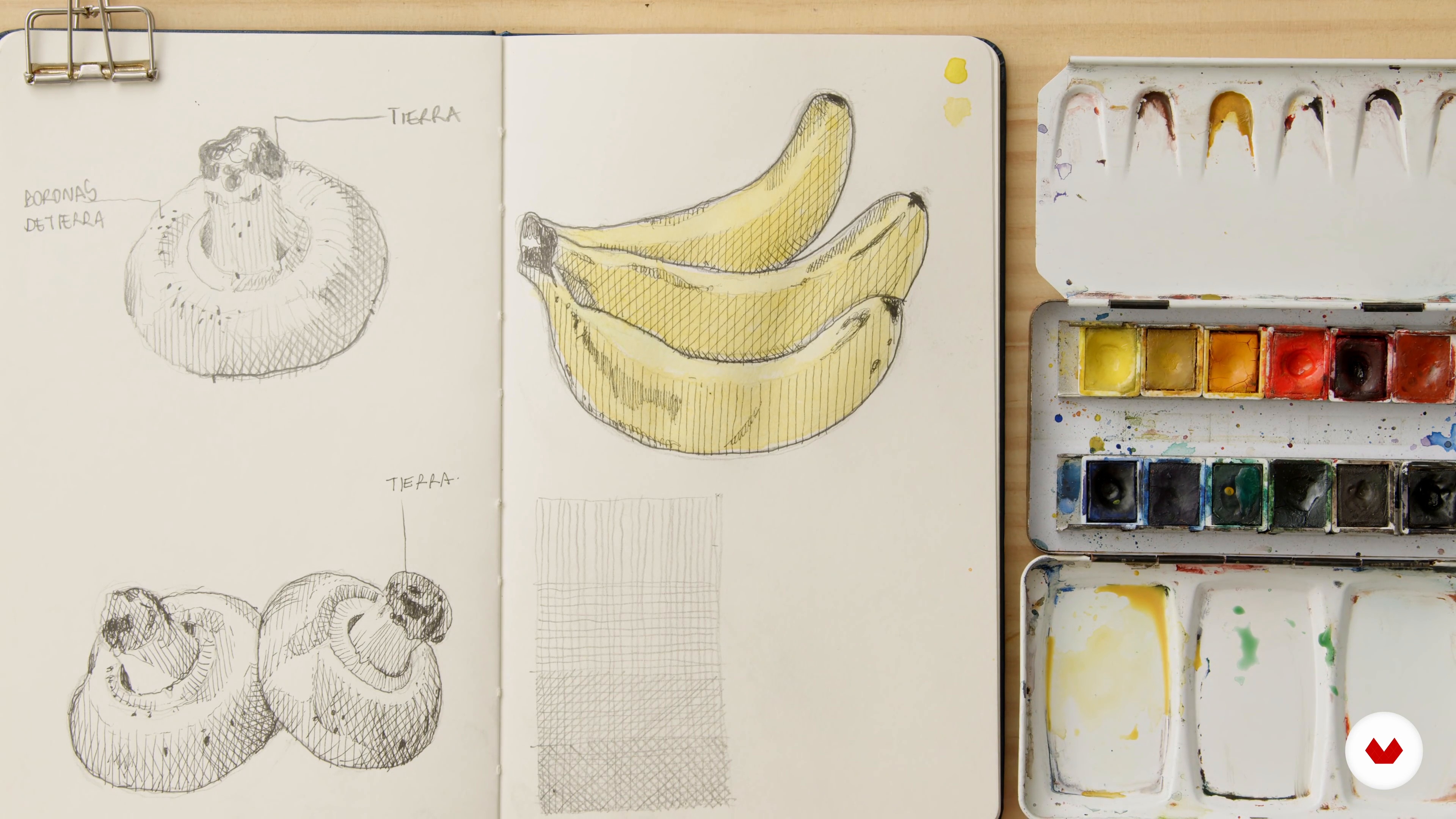
Volume, color and annotations 3
16 minutes, 8 seconds
What's included in this course?
Meet David Morales, architect, illustrator, and your teacher for the course. He tells you about himself and where his passion for drawing landscapes and botanical illustrations comes from.
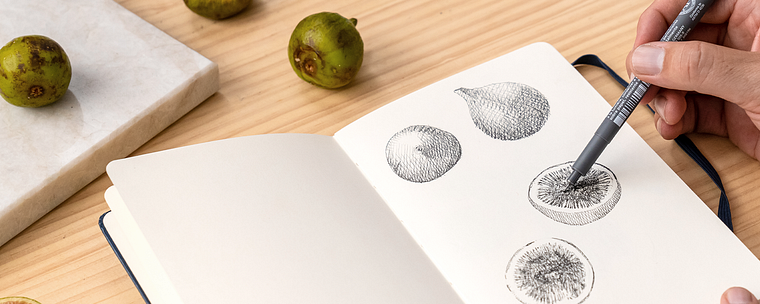
David then introduces you to the principles of observational drawing and how to recreate what you see in your sketchbook. He also teaches you about volume and color, as well as how to add depth and detail to your illustrations using techniques like cross-hatching.
Next, discover what materials you need for the final project and choose the plant species you want to study. Practice your observation skills and draw several sketches in pencil. Go back over your sketches in ink and play with line pressure to add volume and texture.
Finally, David teaches you the basic notions of Procreate to color and format your print. Once your illustration is complete, print it out and share it on social media.
What is this course's project?
Using your skills of observation, draw a plant species in your sketchbook in ink, then import it into Procreate and transform it into a colorful digital illustration.
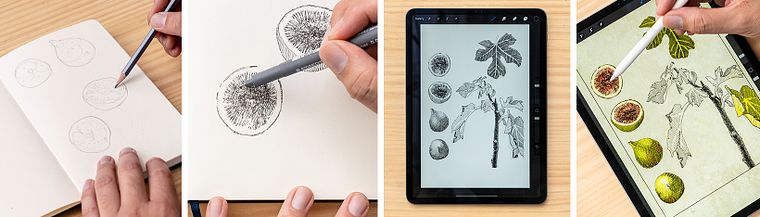
Projects by course students

Who is this online course for?
Anybody interested in drawing and anyone who loves nature and learning through observation.
Requirements and materials
No prior knowledge of drawing is required to take this course. As for Procreate, basic notions would be useful, but not essential.
In terms of materials, you need calibrated markers, a sketchbook, and an iPad with Procreate (or watercolors if you don't have one).
Reviews
- 1 month ago
Very informative course
- 7 months ago
excelente professor!
- kurai_koPLUS7 months ago
excelente curso, me ha quedado claro como hacer este tipo de láminas.
- 10 months ago
David explica muy bien. El curso superó mis expectativas.
- 10 months ago
Excelente curso, muy práctico y con herramientas para aprovechar al máximo la técnica. Muy recomendado

In 2018, he started an art project called ""One Day One Drawing"" in which he depicts his surroundings, family, and concerns on a daily basis. He has also created book covers for the publishing house Planeta, Spain and for Taller Talante, Colombia.
Content
- U1
Introduction
- About Me
- Influences
- U2
Preparation
- The Botanical Expedition
- Where do I begin? 1
- Where do I begin? 2
- Volume, color and annotations 1
- Volume, color and annotations 2
- Volume, color and annotations 3
- U3
Analog drawing
- Materials
- Choice and dissection
- Pencil sketch 1
- Pencil sketch 2
- From sketch to ink: our drawings 1
- From sketch to ink: our drawings 2
- From sketch to ink: the fig tree 1
- From sketch to ink: the fig tree 2
- U4
Digital drawing
- Basics of Procreate
- Collecting information
- Digital coloring 1
- Digital coloring 2
- Digital coloring 3
- Final Adjustments
- Print and share
- FP
Final project
- Botanical Illustration: From Notebook to Print
What to expect from a Domestika course
Learn at your own pace
Enjoy learning from home without a set schedule and with an easy-to-follow method. You set your own pace.
Learn from the best professionals
Learn valuable methods and techniques explained by top experts in the creative sector.
Meet expert teachers
Each expert teaches what they do best, with clear guidelines, true passion, and professional insight in every lesson.
Certificates
PLUSIf you're a Plus member, get a custom certificate signed by your teacher for every course. Share it on your portfolio, social media, or wherever you like.
Get front-row seats
Videos of the highest quality, so you don't miss a single detail. With unlimited access, you can watch them as many times as you need to perfect your technique.
Share knowledge and ideas
Ask questions, request feedback, or offer solutions. Share your learning experience with other students in the community who are as passionate about creativity as you are.
Connect with a global creative community
The community is home to millions of people from around the world who are curious and passionate about exploring and expressing their creativity.
Watch professionally produced courses
Domestika curates its teacher roster and produces every course in-house to ensure a high-quality online learning experience.
FAQs
Observational drawing means accurately representing what you see, allowing you to document, explore, and understand nature and everyday objects. It’s essential in botanical illustration for capturing details, proportions, and textures of plant species.
This course is aimed at people with intermediate skills; it’s perfect if you already have basic drawing experience and want to deepen your knowledge of observation, proportion, and natural representation techniques.
You’ll need a sketchbook, pencil, eraser, fine liners, ink, watercolors, and digital devices with Procreate if you want to experiment with digital illustration. Papers suitable for both wet and dry techniques are recommended.
You’ll learn observation techniques, proportions, outlining, light and shadow, texturing, using patterns, applying color with watercolor and digital tools, plus methods for documenting and summarizing visual information about plants and environments.
The course teaches how to use guide lines, axes, and visual references to analyze proportions and mark angles, along with shading and pattern techniques to suggest volume and depth in your drawings.
Yes, the course combines traditional techniques (pencil, ink, watercolor) with digital methods (Procreate), explaining how to blend approaches to enrich your illustrations and adapt to different projects.
Yes, you’ll learn to observe, analyze, and depict plant species, documenting morphological details and complementing your drawings with relevant notes in the field or studio.