Gum Bichromate: Alternative Photo Printing
A course by Tipia Lab, Specialists in Chemical Photography

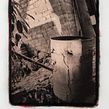
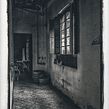

Learn how to expose your images to sunlight then develop them with water using this creative printing technique that combines photography and painting

How far do the limits between photography and painting stretch?
In this online course, Mario Nieto and Katalina Fuentes, the founders of Tipia Lab, show you how to create prints from a negative by combining chemical processes, art, and natural light.
Alongside this couple, who are passionate about the chemistry of photography, learn the gum bichromate process from scratch to make one-of-a-kind images by hand. Without needing the specialized environment you might think, add a special emulsion and sunlight to your negative and watch the magic unfold.
What will you learn in this online course?
15 lessons & 30 downloads
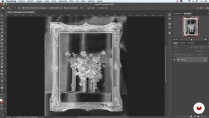
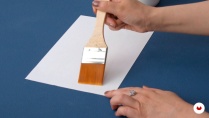
What's included in this course?
To begin with, Mario Nieto and Katalina Fuentes talk about their professional backgrounds, the influences that inspire them on a daily basis, and why gum bichromate is one of their favorite processes.
Next, find out what gum bichromate is and get to know some artists from the 19th century, as well as some contemporary names who use this process. Discover the main characteristics, the materials required, and how to generate your digital negatives.
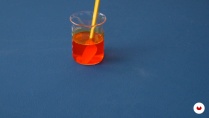
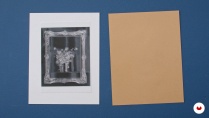
Make your way through the first preparatory steps of the gum bichromate process. Start by analyzing the different types of paper, prepare the paper you're going to use and the chemical emulsion, then print your digital negative, paying special attention to your teachers' recommendations.
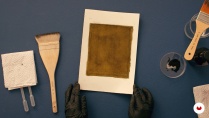
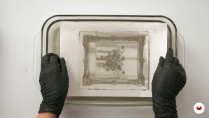
Mario and Katalina teach you the process for applying the first layer of gum and how to combine it with other alternative photography techniques. Move on to the exposure to ultraviolet light, then align your negative and work on the developing process. Learn how to apply the second color layer.
Finish up by correctly neutralizing the waste products and safely disposing of the chemical residue resulting from the entire development process. File the print correctly for preservation and identify possible problems and solutions for your future projects.
- 98% positive reviews (56)
- 1,970 students
- 15 lessons (1h 52m)
- 30 additional resources (17 files)
- Online and at your own pace
- Available on the app
- Audio: Spanish, English
- Spanish · English · Portuguese · German · French · Italian · Polish · Dutch · Turkish · Romanian · Indonesian
- Level: Beginner
- Unlimited access forever
What is this course's project?
Produce an image in gum bichromate, combining one or several colors in different layers.

Projects by course students


Who is this online course for?
Anyone interested in learning alternative photographic processes as well as printing and creating images by hand.
Requirements and materials
No previous knowledge of photography or painting is required, you just need to have a basic grasp of Adobe Photoshop and photo editing—this will help you in the preparation of the digital negative.
As for materials, you need:
- a warm-tone light bulb
- a light table or light box
- a contact frame
- brushes, art paper, and painting supplies
- watercolors or water-soluble paints
- clear acetate
- gum arabic
- chemical process supplies
- safety materials
- and a few other things specified by the teachers in the course

Reviews

Tipia Lab
A course by Tipia Lab
Tipia Lab is a workshop school of traditional and alternative chemical photography, founded by Mario Nieto and Katalina Fuentes, which focuses primarily on the 19th century technique of gum bichromate. Both artists have specialized in chemical imaging for more than 20 years and are passionate about the research of alternative photographic processes.
The name comes from the Greek "typos" related to printing, or the art of copying. Their goal is the preservation of knowledge so that new generations have the opportunity to know and work from an analog and traditional perspective. Through their career, they have collaborated with Fujifilm, among other notable brands.
Content
-
U1
Introduction
-
About Me
-
Influences
-
-
U2
Preparation
-
Bichromated rubber: outstanding artists and works
-
The materials
-
Prepare your photography
-
-
U3
First steps to prepare the gum
-
Prepare the paper
-
Prepare the emulsion
-
Print the digital negatives
-
-
U4
Preparation of bichromated rubber
-
First emulsifying session
-
UV exposure
-
The development
-
Second layer
-
-
U5
Finished! What's next?
-
Completion of the copy and neutralization of residues
-
Archiving and conservation of bichromated gum
-
Problem resolution
-
-
FP
Final project
-
Gum Bichromate: Alternative Photo Printing
-
What to expect from a Domestika course
-
Learn at your own pace
Enjoy learning from home without a set schedule and with an easy-to-follow method. You set your own pace.
-
Learn from the best professionals
Learn valuable methods and techniques explained by top experts in the creative sector.
-
Meet expert teachers
Each expert teaches what they do best, with clear guidelines, true passion, and professional insight in every lesson.
-
Certificates
PlusIf you're a Plus member, get a custom certificate signed by your teacher for every course. Share it on your portfolio, social media, or wherever you like.
-
Get front-row seats
Videos of the highest quality, so you don't miss a single detail. With unlimited access, you can watch them as many times as you need to perfect your technique.
-
Share knowledge and ideas
Ask questions, request feedback, or offer solutions. Share your learning experience with other students in the community who are as passionate about creativity as you are.
-
Connect with a global creative community
The community is home to millions of people from around the world who are curious and passionate about exploring and expressing their creativity.
-
Watch professionally produced courses
Domestika curates its teacher roster and produces every course in-house to ensure a high-quality online learning experience.
FAQs
Gum bichromate is a handcrafted photographic printing technique that uses pigments, gum arabic, and bichromate to create images with unique textures and tones. It’s perfect for those seeking artistic or alternative results beyond conventional digital methods.
This course is designed for people with intermediate knowledge of analog or digital photography. Basic experience in image handling and photographic processes is recommended to get the most out of the content.
You’ll need cotton paper, gum arabic, pigments, bichromate, hake brushes, acetate, a printer for digital negatives, a UV light source, and safety gear like gloves and a mask. The course covers options and alternatives for each supply.
You’ll learn how to prepare emulsions, create digital negatives, print and develop gum bichromate copies, combine mixed techniques, troubleshoot common issues, and apply best practices for conservation and safety in alternative photographic processes.
The course shows you how to turn a photo into a digital negative using Photoshop or Lunapic, adjust brightness, contrast, and curves, and print the negative on acetate for exposure and development.
You should wear gloves and a mask and work in a well-ventilated area. The course explains how to safely handle, store, and dispose of bichromate to avoid toxic risks.
Yes, you’ll learn to combine gum bichromate with other alternative processes and mixed techniques to achieve pictorial effects, textures, and personalized results in your prints.

Muy interesante y bien explicado.
Formidable, toda una experiencia retroinmersiva fascinante!!
Excelente curso , los detalles en la técnica están muy bien explicados como el manejo de los materiales ; pero sobretodo como gestionar los residuos. Aprendí un montón :)
Excelente curso! Gracias..
The technique is really cool, and Tipoia Lab conducted it very clearly. However, I live in a country where I can't buy some chemicals. Throughout the course, they talk about alternative products that could replace these chemicals, but they don't provide examples of how to use them. I ended up buying the alternative, but unfortunately, the technique didn't work.