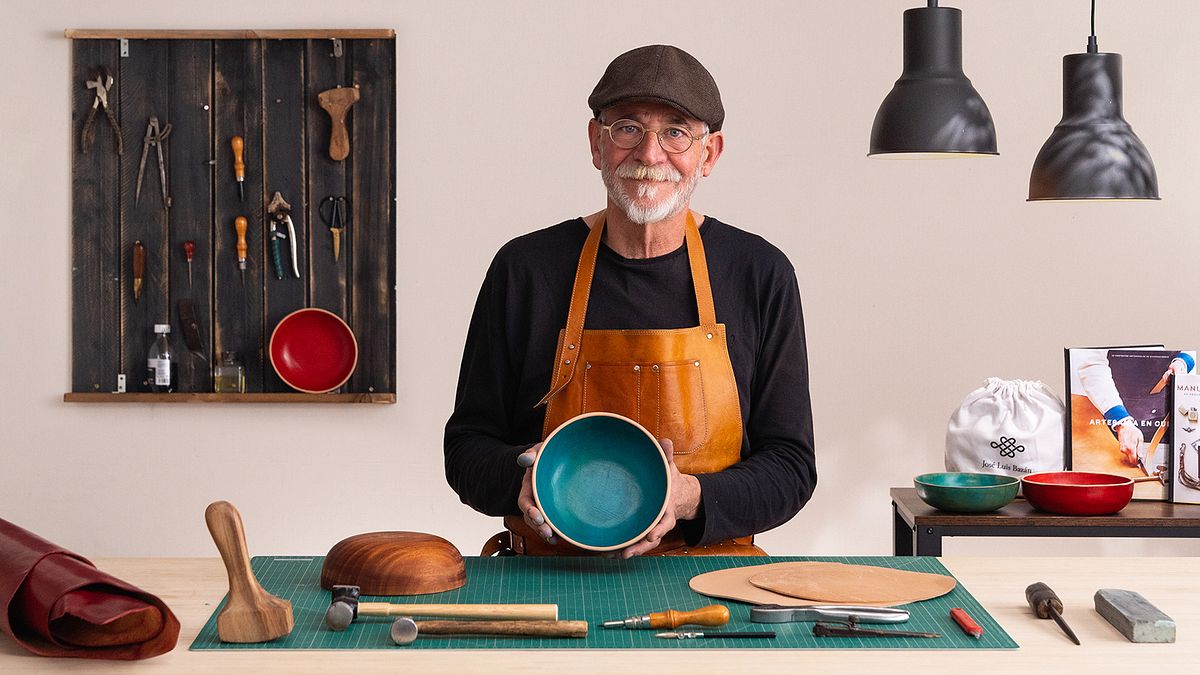
Handmade Leather: Learn Wet Molding Techniques
A course by José Luis BazánLeather Craftsman
A course by José Luis Bazán, Leather Craftsman

Learn how to shape leather with molds, and add a personal touch to your handmade pieces with painting and carving
According to José Luis Bazán, leather is a way of life, an art form, and a whole frame of mind. Known as the "leather alchemist", he is a third-generation craftsman and passionate about experimenting with this material. All his pieces are inspired by nature and stretching the limits of creativity.
In this course, he teaches you step by step how to work with leather using the wet molding technique. Learn what leather is, including the different types that exist, and discover how to shape various leather objects from molds made of wood, rocks, and other materials.
What will you learn in this online course?
16 lessons & 20 downloads
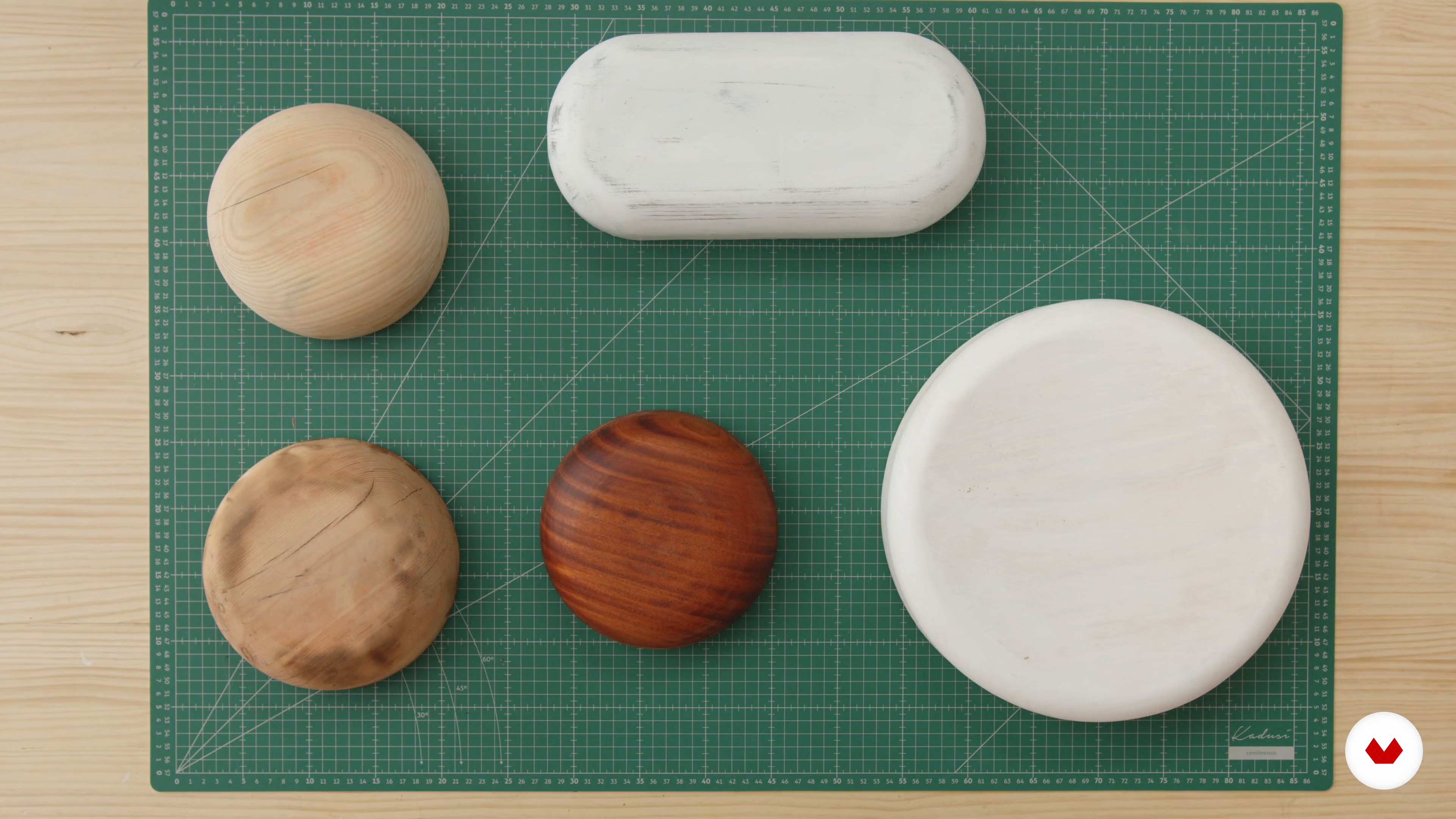
Introduction to molding
10 minutes, 31 seconds
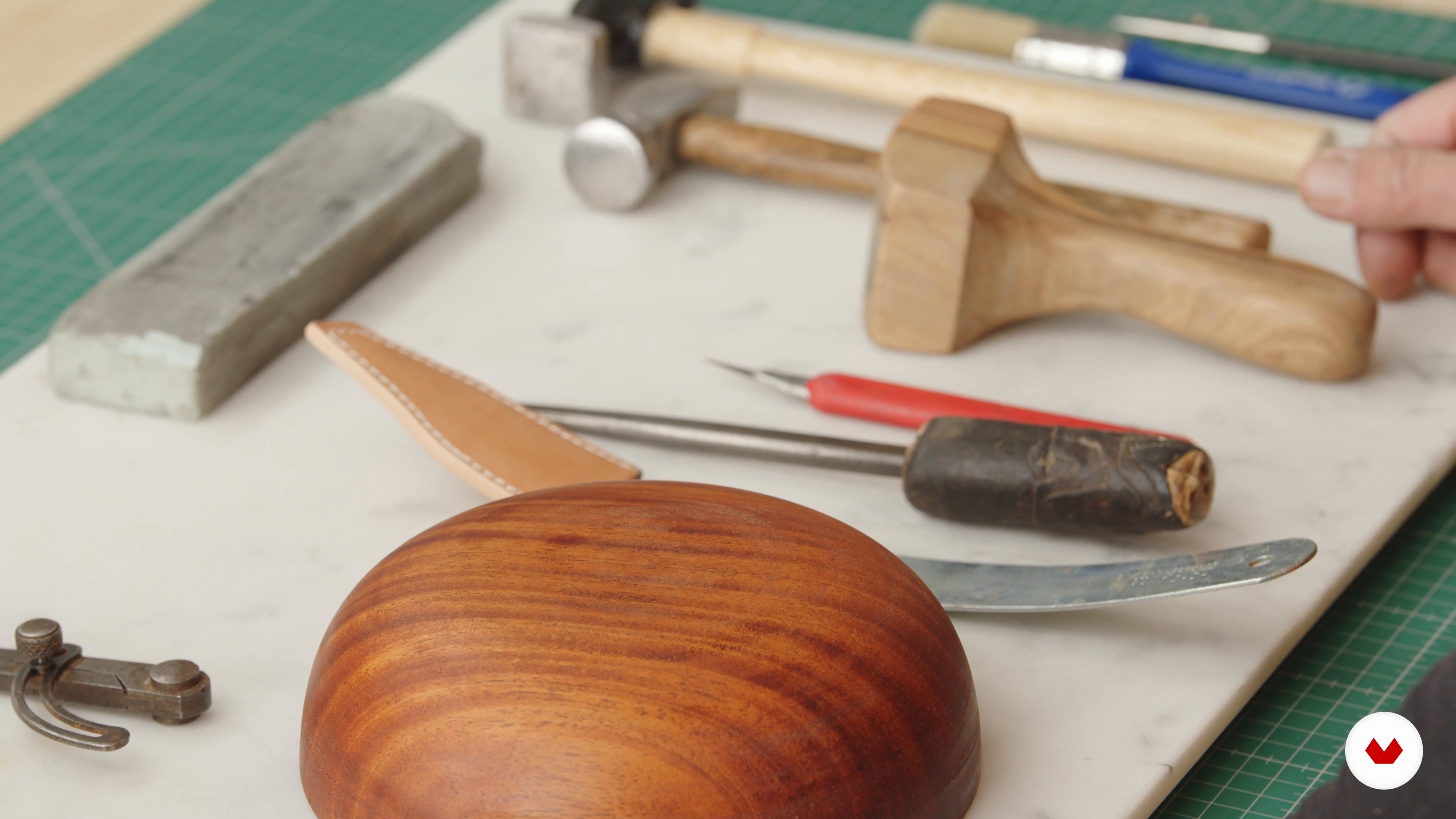
Materials
9 minutes, 14 seconds
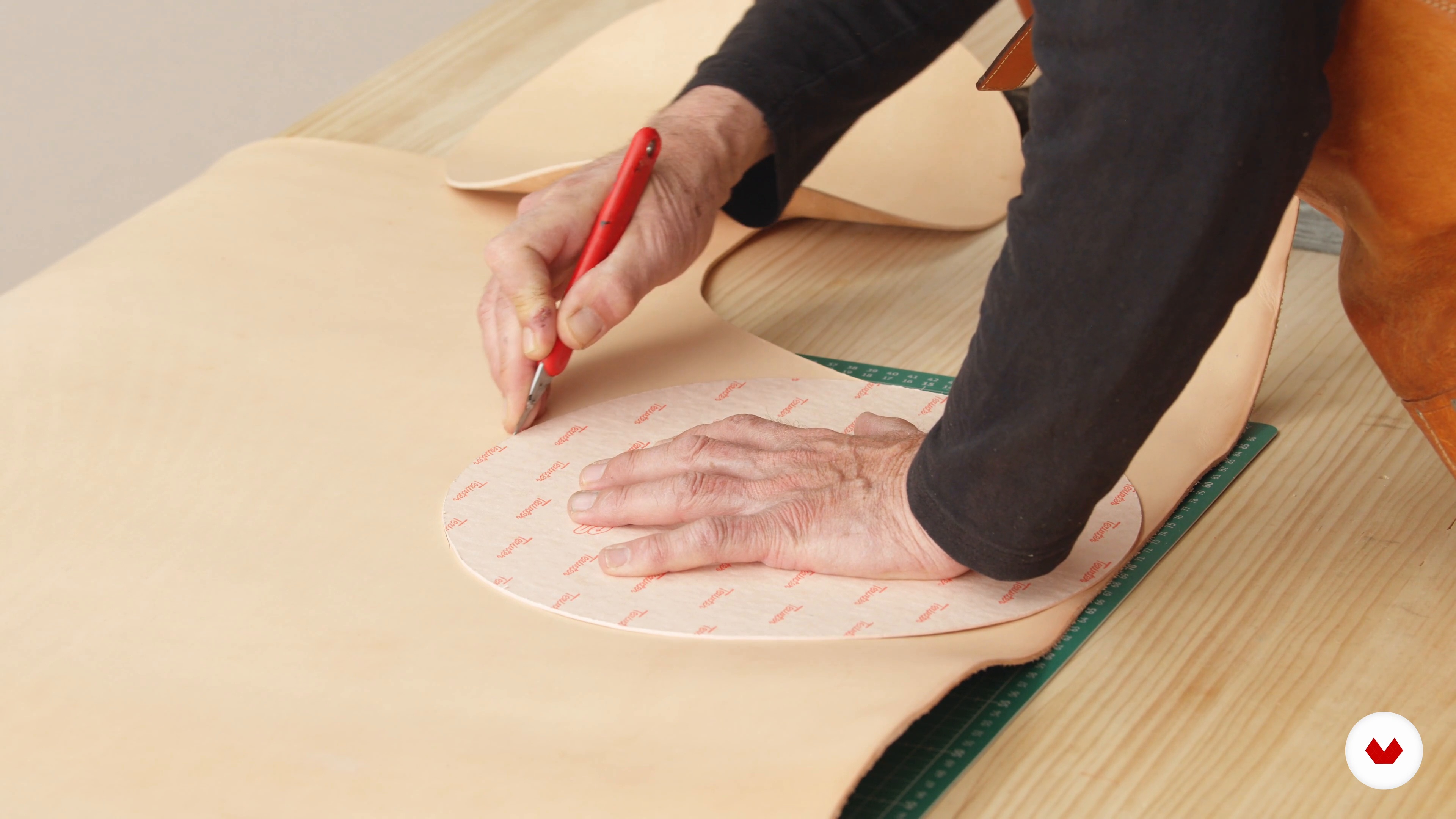
Leather analysis and cutting
8 minutes, 3 seconds
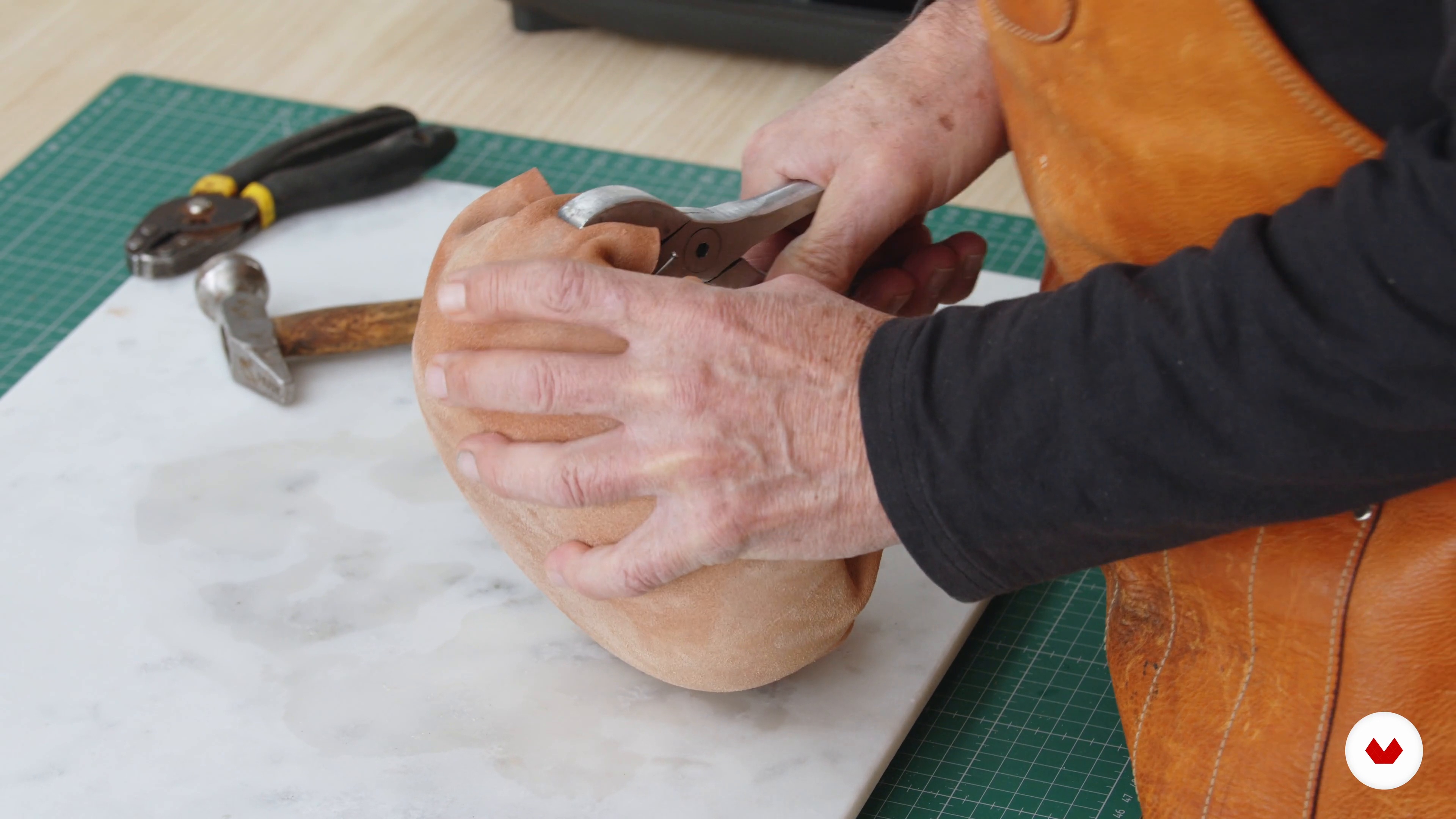
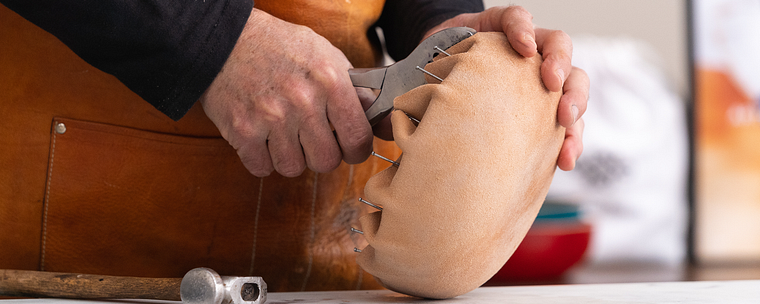
Friezing and lasting of the inner part
20 minutes, 18 seconds
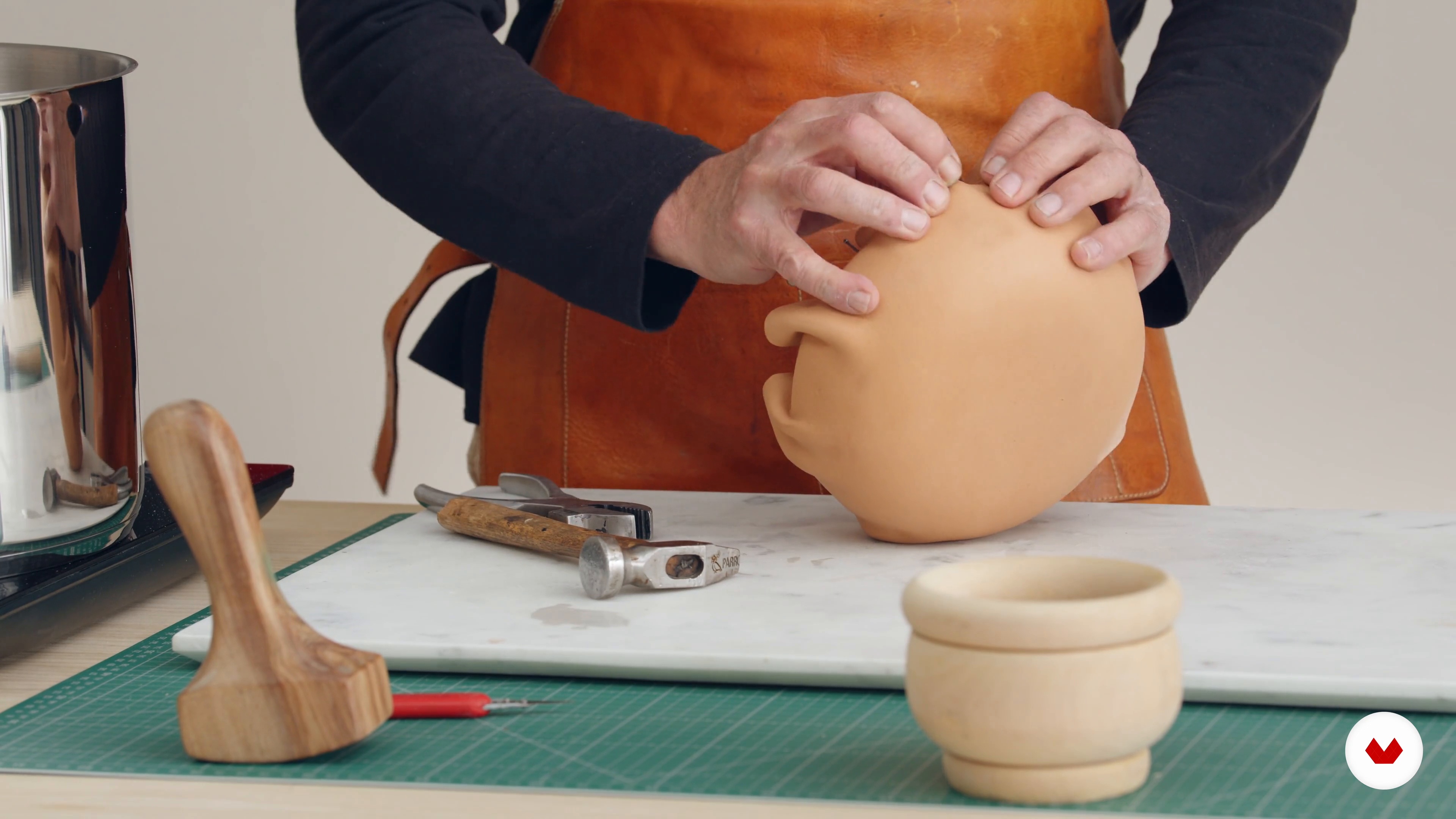
Friezing and lasting of the outer piece 1
11 minutes, 50 seconds
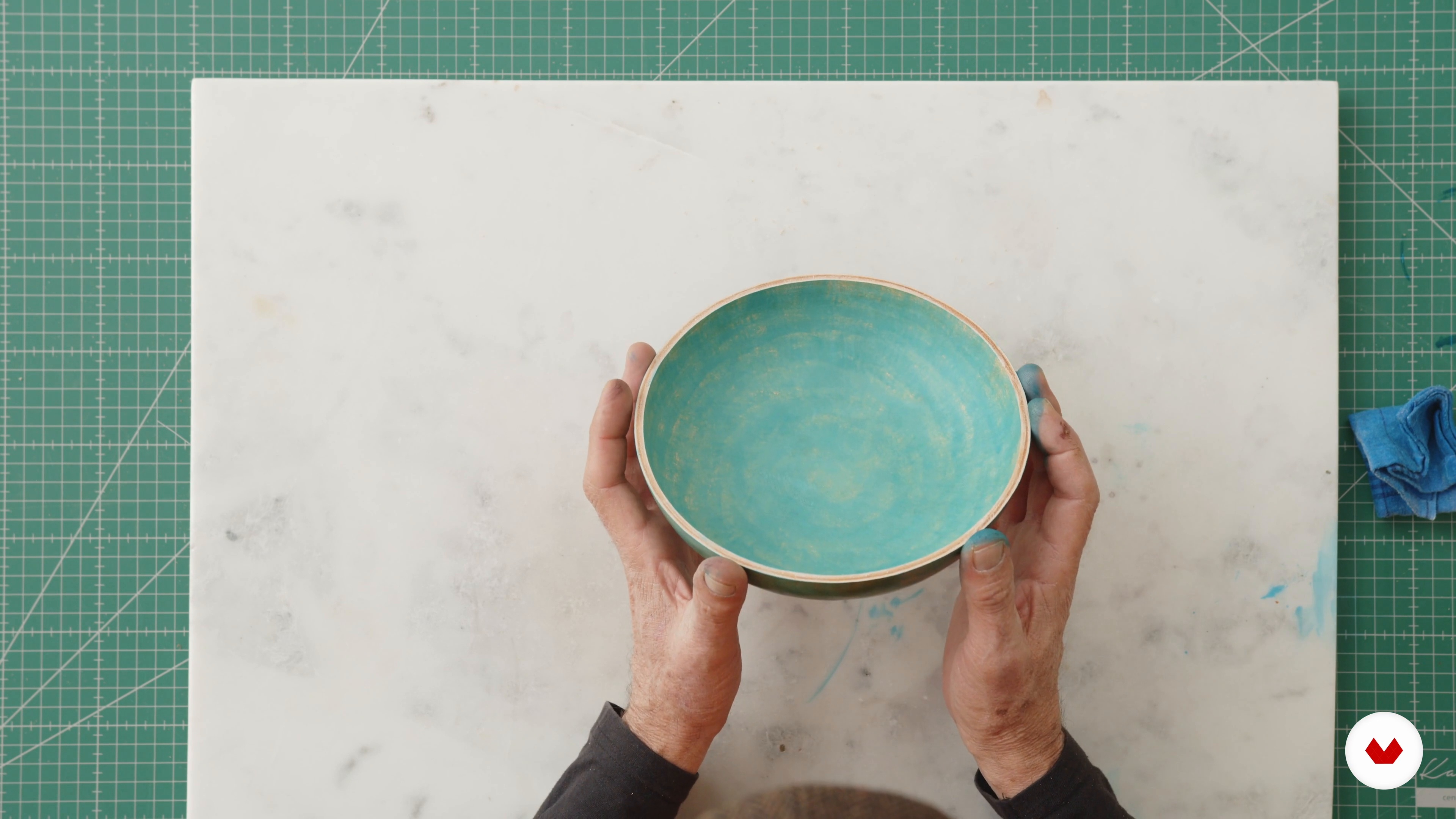
Sanding and painting of the piece
12 minutes, 2 seconds
What's included in this course?
José Luis Bazán begins the course by telling you who he is and how he became the "leather alchemist." He also explains the influences, both personal and professional, that have marked his career and his own unique way of seeing the world.
Next, José Luis tells you more about his great love, leather, and how to work it. He first introduces you to the main characteristics and types that exist, then shows you what wet molding is, the materials required, and what you must take into account when cutting the piece.
Discover the process of frizing and how to treat the leather to open its pores and to soften it, starting with the inside and continuing with the outside. Join the two pieces of the bowl using starch and, once dry, cut the rim, checking that both are the same height.
Sand the piece and learn your teacher's technique for applying paint to the bowl. Then, apply the filler, sealing the edges to give them color, and put that special touch on your piece by carving a design into the bottom.
José Luis gives you some practical advice on how to properly preserve leather pieces, as well as the molds, over time. To finish, he shows you pieces he has made with different molds so you can see the infinite possibilities that leather has to offer.
What is this course's project?
Make a bowl using vegetable leather with a dyed base and edges, using the wet molding technique.
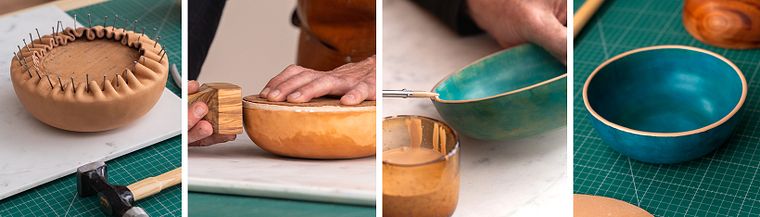
Projects by course students


Who is this online course for?
Anyone interested in leather work and all handicraft lovers in general.
Requirements and materials
No prior knowledge is needed to take this course, just the desire to learn and experiment with new techniques.
As for materials, you need tools that are readily available in leather or hardware stores, such as starch paste, leather dye, and, of course, leather.
Reviews
- 3 months ago
¡Maravilloso! Un sinfín de conocimientos y técnicas que pueden ser aplicados no solo al ahormado sino a al desarrollo cotidiano del oficio del cuero. ¡Muchas gracias maestro por transmitir el amor por este oficio y por la generosidad en sus explicaciones, así como el detalle con el que enseña lo aprendido a lo largo de tantos años de experiencia!
- 8 months ago
The corse is very interesting but I can not open the videos anymore - can you help ?
- 9 months ago
Questo corso mi è piaciuto davvero tanto, sopratutto perché si percepisce la passione e la creatività dell'artista/maestro. Le diverse fasi di realizzazione sono chiare e ben spiegate. Non c'è fretta nel suo lavoro, ma voglia di fare cose belle.
- 1 year ago
Bravissimo maestro, ti aiuta a capire bene tutti i processi per l'opera finale. Eccezionale
- 1 year ago
Buen curso. Muy bien explicada la técnica por parte del profesor. SI tu idea es experimentar con el ahormado del cuero, este curso es muy recomendable.

He has also worked with the Louis Vuitton group, Loewe, and has collaborated with publications such as Elle, Vogue, and Oficio y arte, among others. He firmly believes that craftsmanship is a cycle that is completed when you transfer your experience on to others, so he shares his knowledge in every course he teaches and has also been fortunate to pass the craft on to his own family.
Content
- U1
Introduction
- About Me
- Influences
- U2
The leather
- What is leather?
- Types of leather
- Introduction to molding
- Materials
- Leather analysis and cutting
- U3
Project development
- Friezing and lasting of the inner part
- Friezing and lasting of the outer piece 1
- Frisado and lasting of the outer piece 2
- Union of the pieces, cutting and extraction
- U4
Final details
- Sanding and painting of the piece
- Filler application and edge painting
- Carving
- U5
Care and applications
- Care of the piece, leather and lasts
- Applications of the technique
- FP
Final project
- Handmade Leather: Learn Wet Molding Techniques
What to expect from a Domestika course
Learn at your own pace
Enjoy learning from home without a set schedule and with an easy-to-follow method. You set your own pace.
Learn from the best professionals
Learn valuable methods and techniques explained by top experts in the creative sector.
Meet expert teachers
Each expert teaches what they do best, with clear guidelines, true passion, and professional insight in every lesson.
Certificates
PLUSIf you're a Plus member, get a custom certificate signed by your teacher for every course. Share it on your portfolio, social media, or wherever you like.
Get front-row seats
Videos of the highest quality, so you don't miss a single detail. With unlimited access, you can watch them as many times as you need to perfect your technique.
Share knowledge and ideas
Ask questions, request feedback, or offer solutions. Share your learning experience with other students in the community who are as passionate about creativity as you are.
Connect with a global creative community
The community is home to millions of people from around the world who are curious and passionate about exploring and expressing their creativity.
Watch professionally produced courses
Domestika curates its teacher roster and produces every course in-house to ensure a high-quality online learning experience.
FAQs
You’ll learn how to select, cut, mold, dye, and finish leather pieces using both traditional and modern techniques, plus get familiar with tools, materials, and methods for care and customization.
This course is designed for those with basic to intermediate craft skills, perfect for anyone wanting to deepen their leatherworking techniques and refine their craft.
You’ll need vegetable-tanned or cowhide leather, wooden molds, a utility knife, chisel (chavetín), compass, glue, dyes, brushes, edge beveler (patacabra), hammer, and specialized cutting and shaping tools for leather.
The course covers safe cutting, molding, shrinking, sanding, painting, carving, preserving, and finishing leather pieces, along with creating custom patterns and molds.
This course blends traditional craftsmanship with innovation, dives into material research, explores literary and cultural influences, and encourages ongoing learning and experimentation.
Vegetable-tanned leather, especially cowhide, is recommended for its flexibility, durability, and ease of molding, dyeing, and carving.
You’ll be able to design, create, and personalize leather items with professional finishes, master advanced modeling, cutting, and preservation techniques, and develop a well-rounded understanding of the craft.