Natural Lake Pigments for Textiles
A course by Anabel Torres, Fashion Designer and Textile Artist



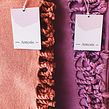

Learn to extract color directly from nature and make organic powder dyes to paint textiles and much more

Nature is an endless source of life, inspiration, and a technicolored artist's palette. Using natural materials like turmeric, pomegranate peel, or dyer's weed, you can achieve a stunning range of organic colors for printing and dyeing textiles. Fashion designer and textile artist Anabel Torres teaches you to extract nature's colors in powder form to use for painting.
In this online course, learn how to obtain your favorite hues directly from nature itself and bring to life your clothes, decorative items, or any other fabrics or textile pieces. Prepare to create unique garments with screen printing techniques using lake pigments.
If you're also interested in the world of textile painting, you can accompany Anabel in the following courses: Textile Dyeing with Natural Pigments and Botanical Printing on Fabric and Paper.
What will you learn in this online course?
13 lessons & 17 downloads


What's included in this course?
Start by getting to know your teacher, Anabel Torres. She talks about her career as a fashion designer and textile artist and how she fell in love with color.
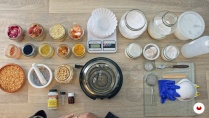
Discover which dyes can be used to get powdered pigments as well as their various uses throughout history. Then, familiarize yourself with the materials and tools needed throughout the course.
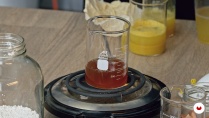
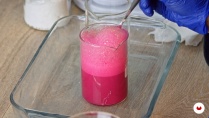
It's time to dive headfirst into the exciting world of color! Anabel shows you how to make your own lake pigments using two different recipes and lets you in on some secrets for achieving specific tones.
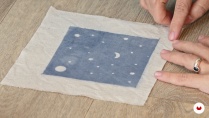
Next, see how to prepare natural thickeners and how these differ from shop-bought ones before getting to work on your project. Using screen printing ink and a screen, decorate your garment with the textile paint you made from your lake pigments. To round out this colorful course, Anabel shows you yet more inspiring ways to use your dyes to create watercolors, chalk, and crayons.
- 100% positive reviews (131)
- 5,271 students
- 13 lessons (1h 52m)
- 17 additional resources (5 files)
- Online and at your own pace
- Available on the app
- Audio: Spanish, German, English, French, Indonesian, Italian, Dutch, Polish, Portuguese, Romanian, Turkish
- Spanish · English · Portuguese · German · French · Italian · Polish · Dutch · Turkish · Romanian · Indonesian
- Level: Beginner
- Unlimited access forever
What is this course's project?
Screen print an item of clothing using natural textile dyes made from lake pigments.

Projects by course students


Who is this online course for?
Artists, designers, and anyone interested in learning to extract color directly from nature.
Requirements and materials
You don't need any previous experience to take this course, but if you have worked with natural dyes before, you'll find it easier to follow along.
In terms of materials, you need natural dyes including turmeric, pomegranate peel, Reseda luteola (commonly referred to as dyer's weed) or powdered cochineal, a heating method, and other utensils for mixing and storing your dyes.

Reviews

Anabel Torres
A course by Anabel Torres
Anabel Torres has been a specialist in natural textile dyes for the past seven years and, through her brand Antesis, she designs and sells sustainable items decorated with stunning organic colors, as well as offering textile art workshops across Mexico City.
Her focus is on studying and experimenting with colors that can be easily obtained from the world around us—such as indigo, annatto, and cochineal—and she draws inspiration from the textures found in nature.
Content
-
U1
Introduction
-
Presentation
-
Influences
-
-
U2
The Colors That Can Be Extracted
-
Natural Dyes
-
Lacquer Pigments
-
Materials and Tools
-
Preparation of the Work Area
-
-
U3
Create the Lacquer Pigments
-
Lacquer Pigment with Calcium Carbonate
-
Lacquer Pigment with Sodium Carbonate
-
Tips and Variants
-
-
U4
Using Lacquer Pigments
-
The Natural Binder
-
Commercial Binders
-
Garment Application
-
Other Uses
-
-
FP
Final project
-
Natural Lake Pigments for Textiles
-
What to expect from a Domestika course
-
Learn at your own pace
Enjoy learning from home without a set schedule and with an easy-to-follow method. You set your own pace.
-
Learn from the best professionals
Learn valuable methods and techniques explained by top experts in the creative sector.
-
Meet expert teachers
Each expert teaches what they do best, with clear guidelines, true passion, and professional insight in every lesson.
-
Certificates
PlusIf you're a Plus member, get a custom certificate signed by your teacher for every course. Share it on your portfolio, social media, or wherever you like.
-
Get front-row seats
Videos of the highest quality, so you don't miss a single detail. With unlimited access, you can watch them as many times as you need to perfect your technique.
-
Share knowledge and ideas
Ask questions, request feedback, or offer solutions. Share your learning experience with other students in the community who are as passionate about creativity as you are.
-
Connect with a global creative community
The community is home to millions of people from around the world who are curious and passionate about exploring and expressing their creativity.
-
Watch professionally produced courses
Domestika curates its teacher roster and produces every course in-house to ensure a high-quality online learning experience.
FAQs
You’ll learn how to extract, prepare, and apply natural dyes and pigments to textiles, exploring traditional methods, ancient recipes, and sustainable approaches to achieve unique, long-lasting colors on fabric.
The course is aimed at those with intermediate knowledge of art or textile design, but it also covers basics for beginners eager to deepen their understanding of natural and sustainable techniques.
You’ll need plants or natural raw materials, alum, sodium carbonate, a mortar and pestle, coffee filters, gloves, a face mask, glass jars, and kitchen tools dedicated exclusively to pigment work.
Natural dyes are eco-friendly, reduce environmental impact, offer a unique color range, and help preserve artisanal and historical textile art techniques.
Colorants are extracted from plants, combined with mordants like alum and carbonates, then filtered to produce bright, stable lacquer pigments ready for textile or artistic use.
Mineral pigments come from inorganic sources like clays and minerals, while plant pigments are derived from plants and flowers; each type has distinct properties and uses in textiles.
You should wear gloves and a face mask and work in a well-ventilated area, as some chemicals can be irritating or caustic; it’s also recommended to protect surfaces and follow good lab practices.

It was so hard for me to find this kind of course. I love making my own pigments, pastels and paint, but I needed deeper understanding of the binding agents. Thank you Anabel, your course was very well detailed and much appreciated! Wishing you a lot of success in your beautiful work
Me gustó mucho el curso, lo estoy aplicando y esta padrisimo poder pintar con pigmentos naturales.
It was a very enjoyable and wonderful course!
Es un curso muy detallado y los tonos que se obtienen son preciosos. Me encantó.
Molto interessante anche se forse un po' più difficile che per principianti.
Spiegazioni chiare.
Peccato che gli allegati al corso non siano tradotti in inglese o altre lingue in cui il corso viene venduto, e che i sottotitoli e la traduzione in italiano non siano fatti molto bene, ciò rende difficile la comprensione e bisogna cercare alcune traduzioni autonomamente.