
Documentary Photography for Mobile
A course by Cris BurmesterPhotographer, Documentary Maker, and Author
A course by Cris Burmester, Photographer, Documentary Maker, and Author

Discover documentary photography to capture images that raise awareness and give a voice to different social causes
Photography goes far beyond just imagery. It's capable of kick-starting debates and even reshaping reality. Photographer and documentary maker Cristiano Burmester, whose work has appeared in magazines like National Geographic, Photo Techniques, and Terra, specializes in socio-environmental projects to help raise public awareness of social issues.
In this course, learn to put together a professional photo series using your phone. Cristiano teaches socio-environmental photography concepts and techniques for getting the most out of your phone. By the end, you'll have developed a powerful narrative to help shed light on your chosen topic.
What will you learn in this online course?
16 lessons & 14 downloads
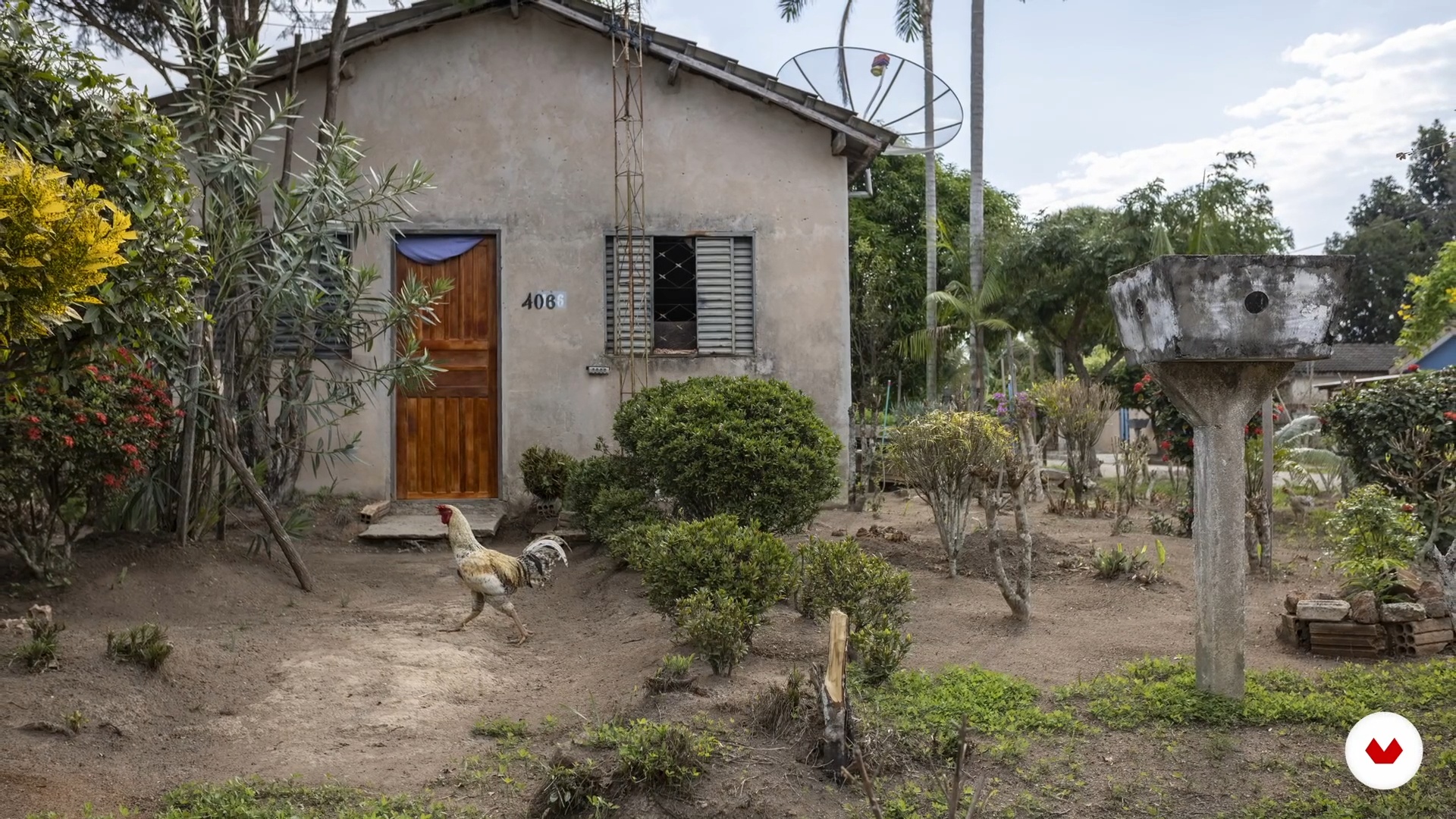
Potential of Communication through Photography
9 minutes, 1 second
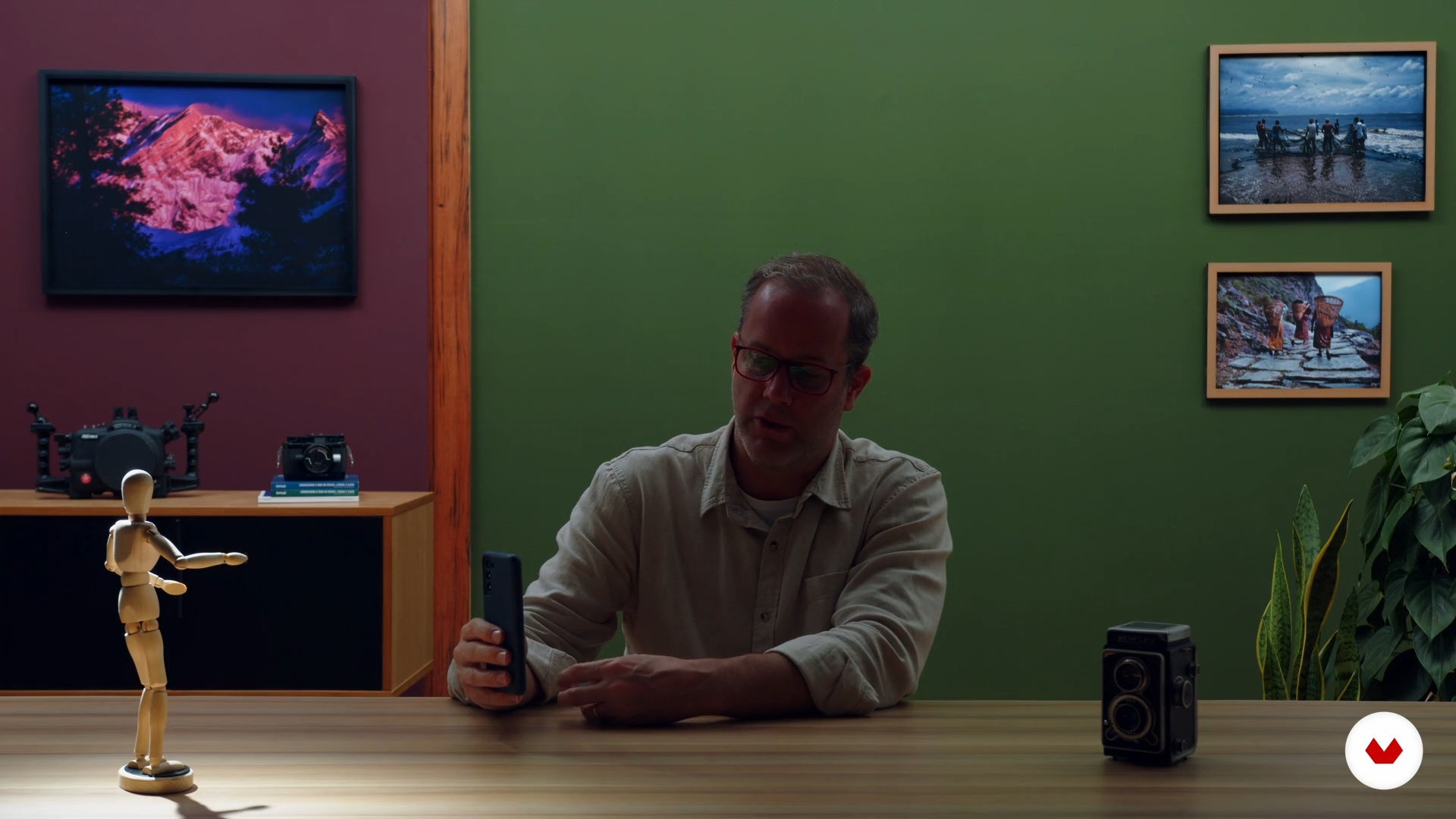
Equipment and Visual Language
8 minutes, 3 seconds
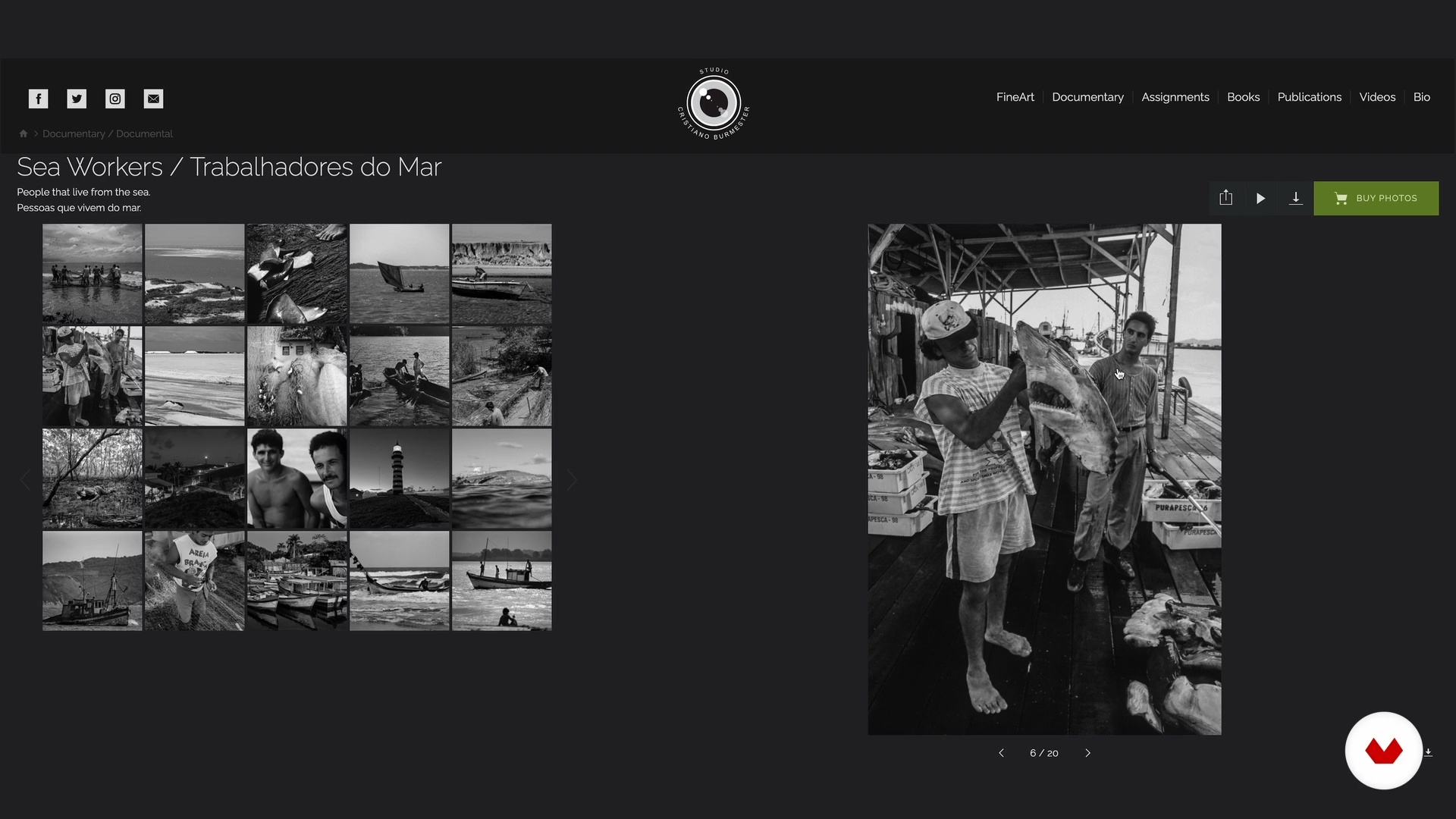
Photography: Synthesis, Series and Essays
8 minutes, 42 seconds
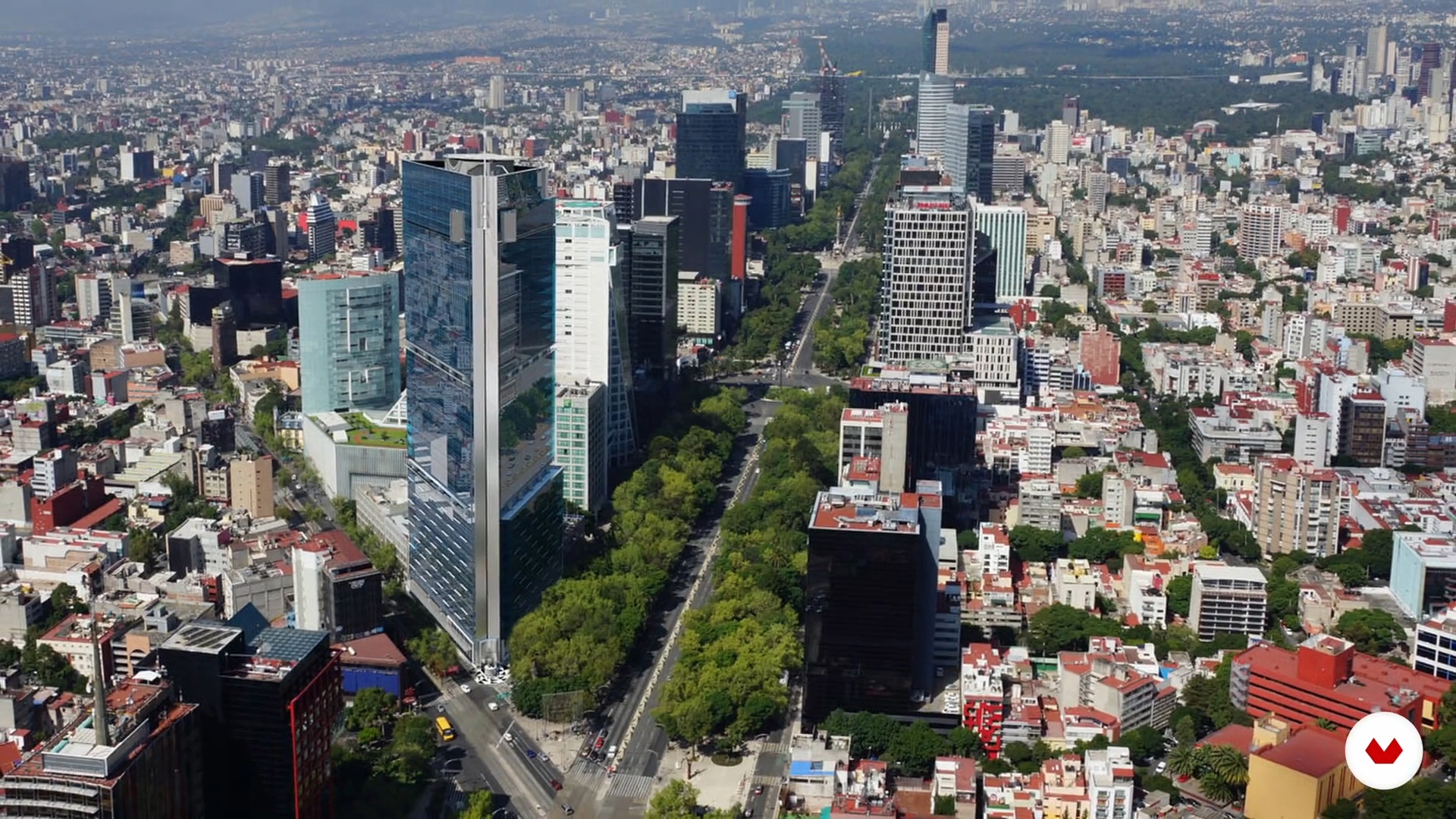
Theme, Plot and Story
6 minutes, 26 seconds
Research, Sources and References
8 minutes, 58 seconds
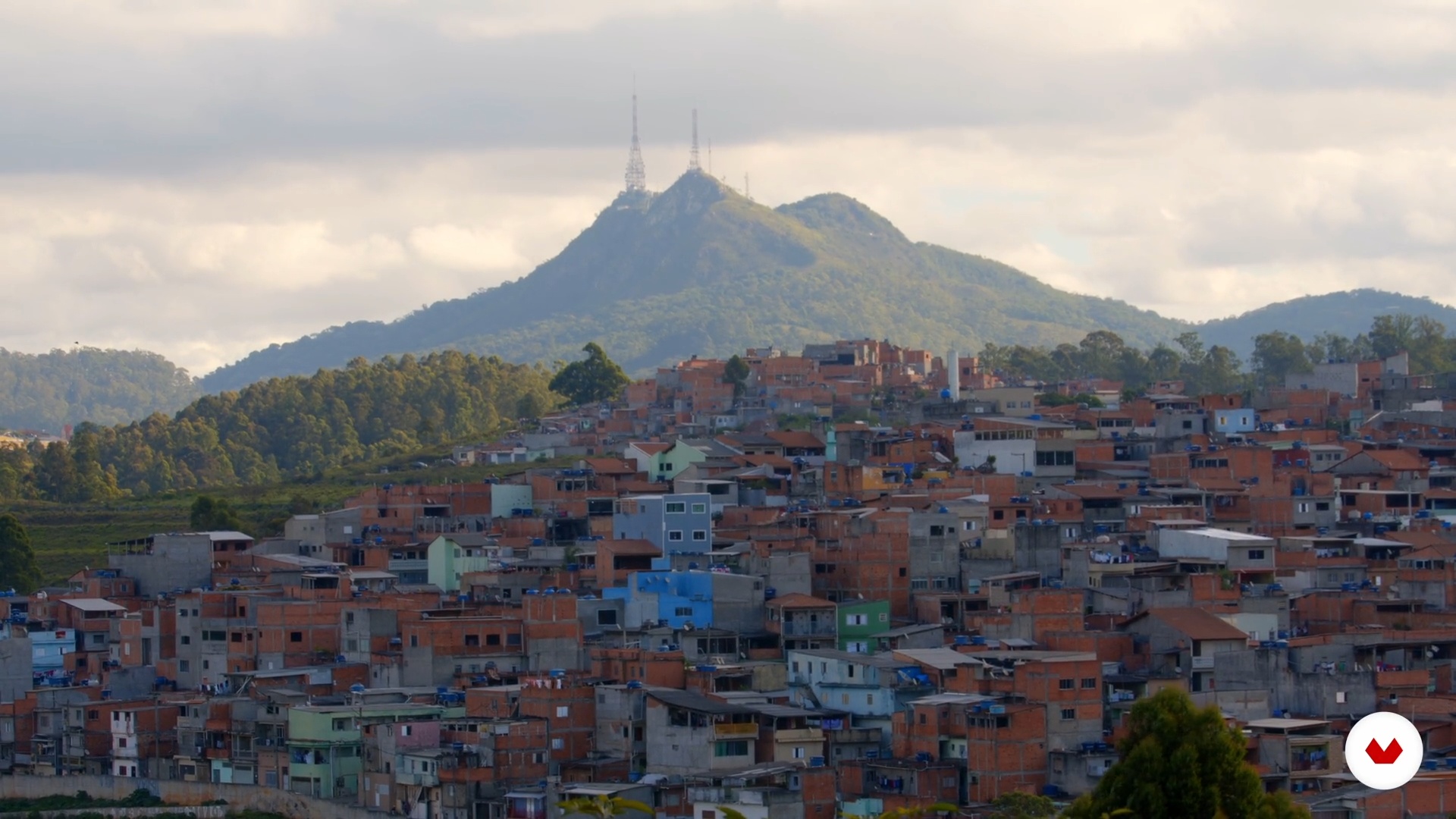
The Environment Record
9 minutes, 18 seconds
What's included in this course?
Start by hearing about Cristiano Burmester's career so far in the world of photography and the influences present in his work. He talks about how he discovered documentary photography and became interested in the relationship between humankind and the environment.
Exploring everything your phone has to offer, learn photography concepts and how to effectively communicate through images. Then take a closer look at the narrative structure of a photo series, as well as how to look for reference materials to substantiate your project.
Next, Cristiano shows you some framing and direction techniques for photographing the spaces, situations, and people chosen for study. Continue by delving a little deeper into the nuances and fundamentally contrasting elements to help produce a documentary photo series that truly speaks to its audience.
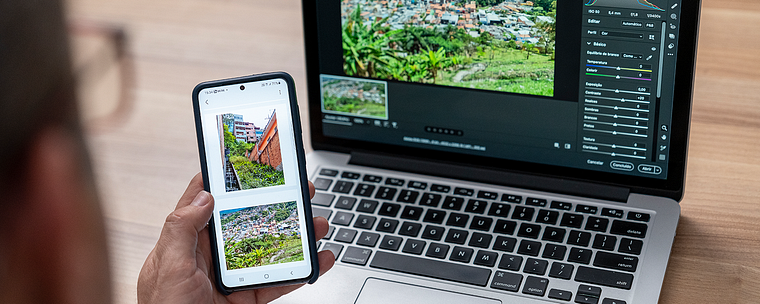
Finish up with a little edition and post-production, seeing how to select your best shots and build a strong visual narrative. Cristiano teaches you to use editing tools to polish your work and give your theme a uniquely artistic touch.
Recommended software & tools for this course
What is this course's project?
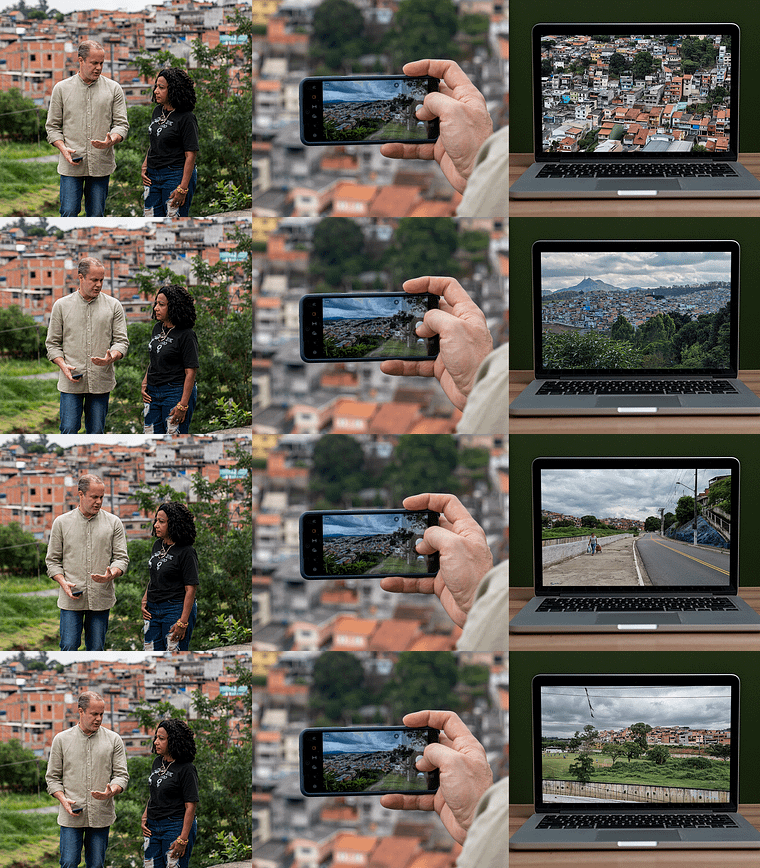
Create a photo series about a relevant social issue, exploring the boundaries of your camera phone.
Who is this online course for?
Anyone interested in exploring the world of documentary photography and in raising and fostering debates through their photographs.
Requirements and materials
No previous photography experience is necessary for this course.
In terms of materials, all you need is a camera phone. A photography camera as well as Adobe Photoshop and Lightroom would also be useful additions.
Reviews
- 8 months ago
Curso muito bom, com uma linguagem sim, direta e muito "ilustrativo", torna a didática mais rápida.
- 2 years ago
El profesor es maravilloso, hace que te apasione un proyecto fotgrafico, da herramientas muy practica no solo para su curso, sino para la vida fotografica. Lo recomiendo
- 2 years ago
Un curso muy explicativo e ilustrativo, lo recomiendo.
- 2 years ago
Un buen curso para introducirse en conceptos básicos del mundo de la fotografía documental. Sencillo, ameno y útil.
- 3 years ago
Muito interessante, ajuda bem na realização de projetos de trabalhos com fotos documentais e arquivamento de imagens.

Since 1999, he has been taking photographs for advertising agencies, publishing houses, and companies like Competition, DM9DDB, Editora Abril, Editora SENAC, Louis Dreyfus Commodities, Reebok, SmartFit, Sony, and Terra. His work has received international recognition and appeared in both individual and group exhibitions in various countries including Italy, Mexico, and the UAE. He also teaches journalism and advertising at the Pontifical Catholic University of São Paulo.
Content
- U1
Introduction
- Presentation
- Inspirations
- U2
Planning a Project
- Potential of Communication through Photography
- Equipment and Visual Language
- Photography: Synthesis, Series and Essays
- Theme, Plot and Story
- Research, Sources and References
- U3
Fieldwork
- The Environment Record
- Photographing People
- Nuances and the Contradictory
- U4
Editing and Post-production
- Material Organization
- Digital and Narrative Editing
- Personal Vision and Visual Narratives
- U5
Share and Engage
- Social Networks
- Publications
- Partnerships
- FP
Final project
- Professional Mobile Photography for Socio-environmental Projects
What to expect from a Domestika course
Learn at your own pace
Enjoy learning from home without a set schedule and with an easy-to-follow method. You set your own pace.
Learn from the best professionals
Learn valuable methods and techniques explained by top experts in the creative sector.
Meet expert teachers
Each expert teaches what they do best, with clear guidelines, true passion, and professional insight in every lesson.
Certificates
PLUSIf you're a Plus member, get a custom certificate signed by your teacher for every course. Share it on your portfolio, social media, or wherever you like.
Get front-row seats
Videos of the highest quality, so you don't miss a single detail. With unlimited access, you can watch them as many times as you need to perfect your technique.
Share knowledge and ideas
Ask questions, request feedback, or offer solutions. Share your learning experience with other students in the community who are as passionate about creativity as you are.
Connect with a global creative community
The community is home to millions of people from around the world who are curious and passionate about exploring and expressing their creativity.
Watch professionally produced courses
Domestika curates its teacher roster and produces every course in-house to ensure a high-quality online learning experience.
FAQs
Socio-environmental photography visually documents social and environmental issues, encouraging reflection and engagement. It raises awareness about topics like the environment, communities, and inequalities, sparking conversation and social consciousness.
The course is intermediate level, recommended for those with basic photography knowledge who want to deepen their skills and socio-environmental approaches.
You can participate using a professional camera, a compact camera, or even your smartphone. A tripod, accessories for night photography, and access to digital editing software are recommended.
You’ll learn how to plan and develop photographic projects, craft visual stories, apply portrait techniques, perform digital editing, conduct thematic research, promote your work on social media, and address ethical and cultural considerations.
The course teaches you how to choose meaningful themes, plan photo essays, structure narratives, conduct field research, engage with subjects, and use visual references to create impactful projects.
You’ll learn framing techniques, lighting control, zoom use, leading lines, how to turn off flash, smartphone accessories, and image editing directly on your phone.
The course covers strategies for selecting images, writing captions, using hashtags, post formats, and tips for publishing in magazines, books, and e-books.