A course by Melvin Le RiboterArt Director and 3D Artist
A course by Melvin Le Riboter, Art Director and 3D Artist
- 5.0100% positive reviews(12)
- 626 students
- 20 lessons (3h 53m)
- 8 additional resources (1 files)
- Online and at your own pace
- Available on the app
- Audio: French
- Spanish · English · Portuguese · German · French · Italian · Polish · Dutch · Turkish · Romanian · Indonesian
Level:
Intermediate- Unlimited access forever

Learn to create an original and colorful 3D styleframe with Cinema 4D, OctaneRender and After Effects
In 3D artist Melvin le Riboter's artistic universe, light plays the starring role; he captures it, intensifies it, and translates it into stunning imagery. His quirky world, full of vivid colors and realistic textures, is a magical combination of conceptual work and technical prowess.
In this Domestika course, learn to create a 3D styleframe from scratch using Cinema 4D and OctaneRender, fine-tuning the render in After Effects to produce a unique visual that's rich in light and texture.
What will you learn in this online course?
20 lessons & 9 downloads
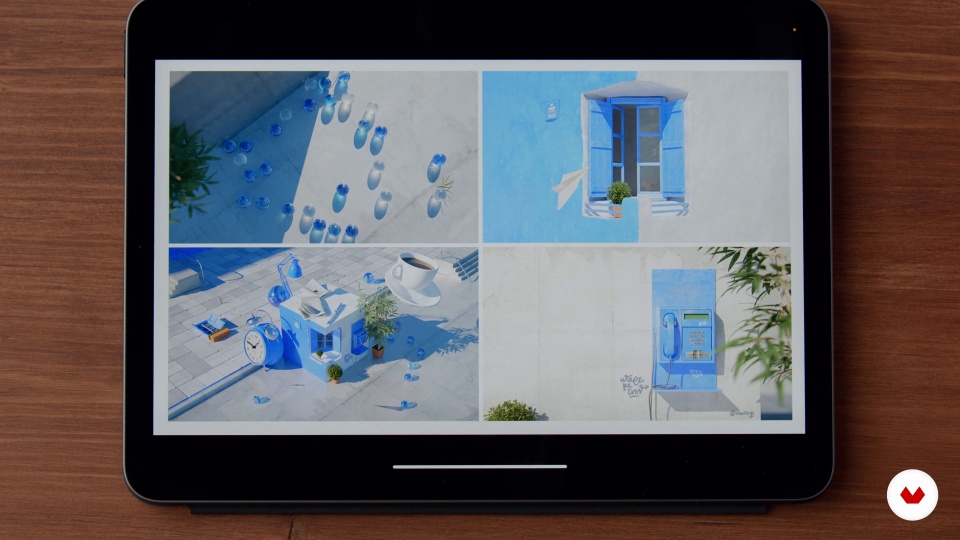
What is a styleframe?
3 minutes, 22 seconds
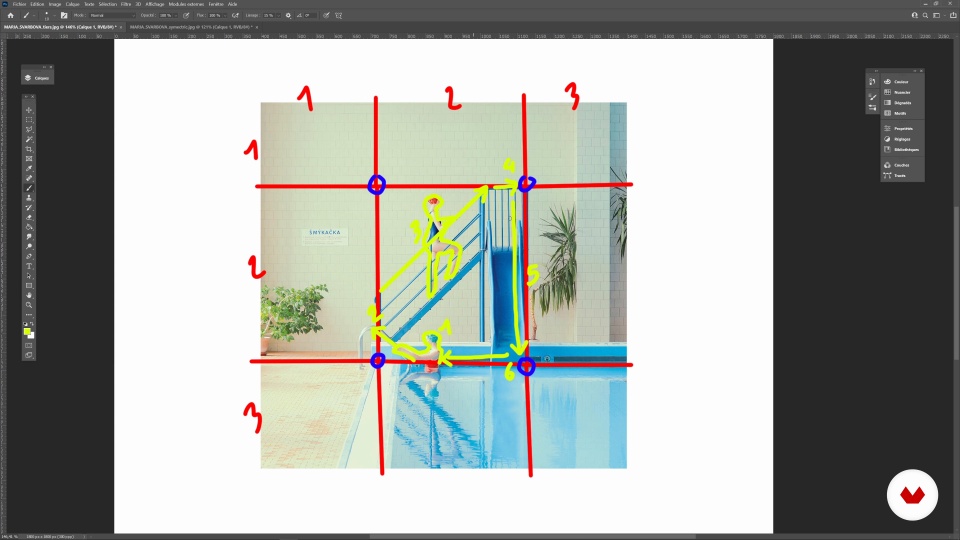
Style and graphic culture 1
11 minutes, 45 seconds
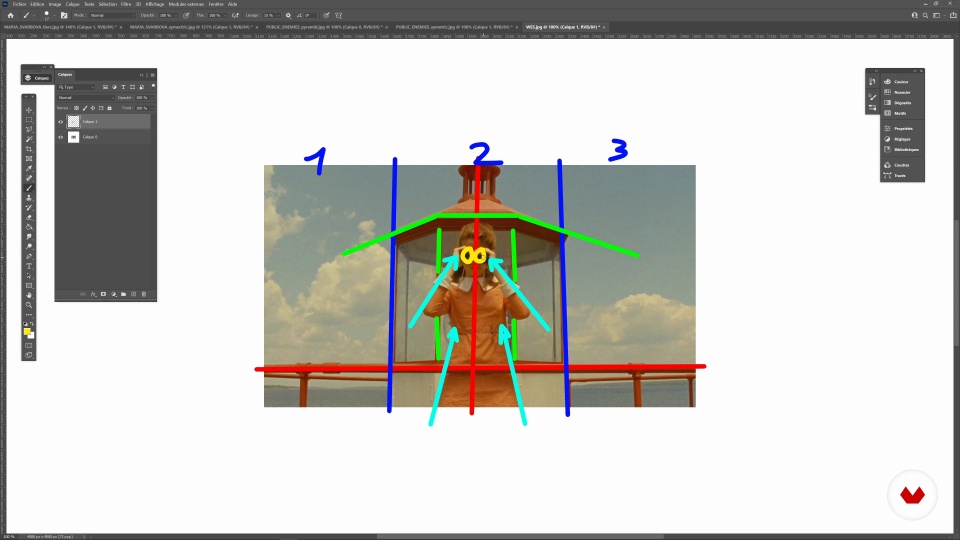
Style and graphic culture 2
10 minutes, 1 second
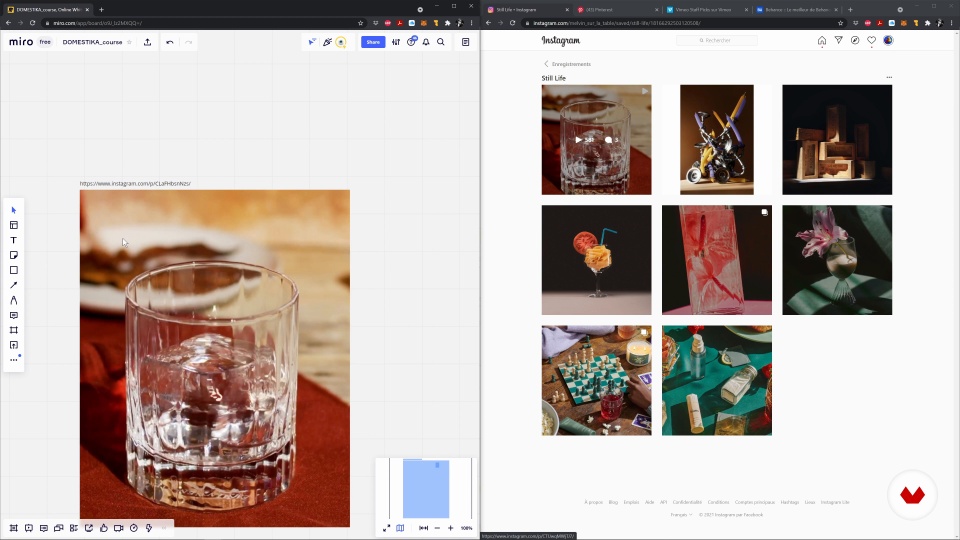
Mood board and concept
5 minutes, 29 seconds
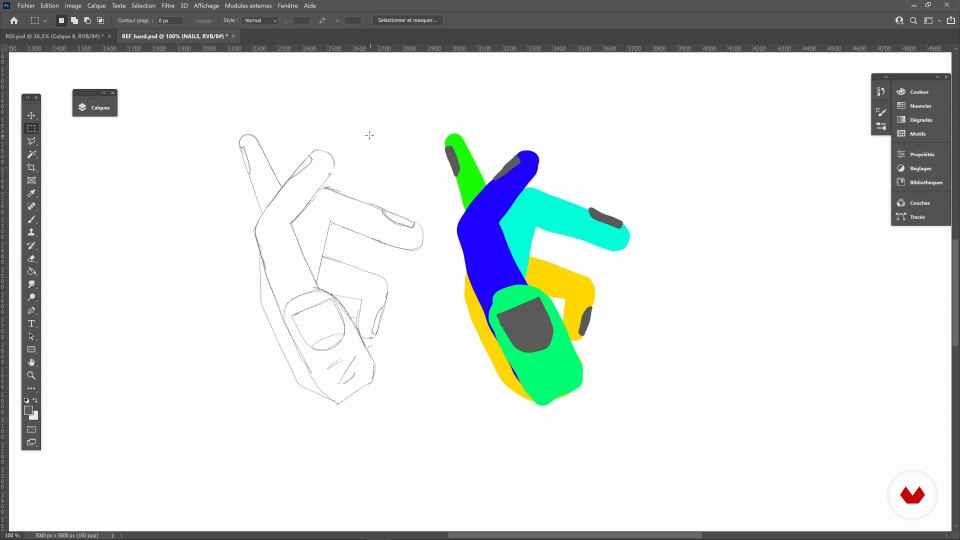
Modeling in Cinema 4D 1
20 minutes, 0 seconds
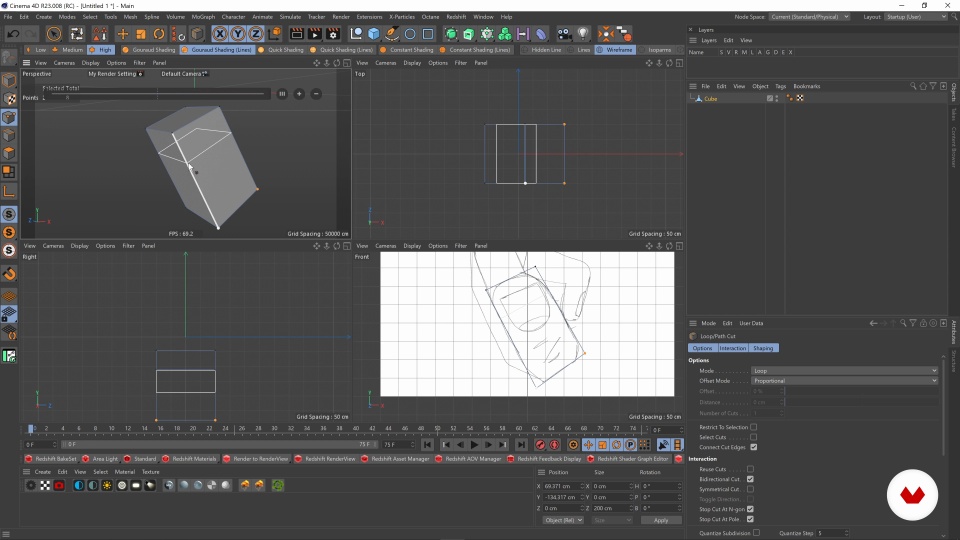
Modeling in Cinema 4D 2
20 minutes, 4 seconds
What's included in this course?
Start by getting to know Melvin and find out what inspires him. Little everyday things, graphic design studios, young artists...everything is a source of creativity for him.
Discover the basis of every three-dimensional project: the styleframe. Learn about light and the rules of composition by immersing yourself in examples of illustrations, photographs, and cinematic work. Create a mood board to find inspiration, a concept, and a color palette.
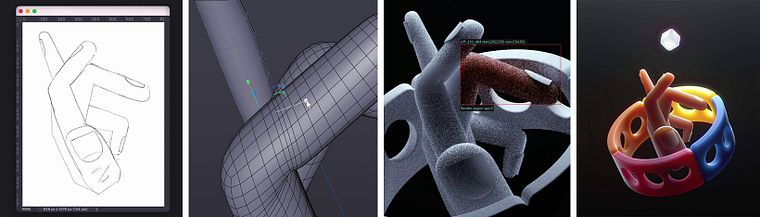
Now it's time to start modeling in Cinema 4D! Melvin uses some fun examples to teach you how to work with the software, then it's your turn to choose a reference image and model it. Next, work on the lighting and rendering in OctaneRender. Once you have completed this step, move on to After Effects to improve the quality of the visual by tweaking the light and texture.
Melvin talks about the importance of sharing your work online, adapting your visuals according to the platform and the social network. To wrap up the course, look at how to use your styleframe to attract new clients and grow professionally.
Recommended software & tools for this course
What is this course's project?
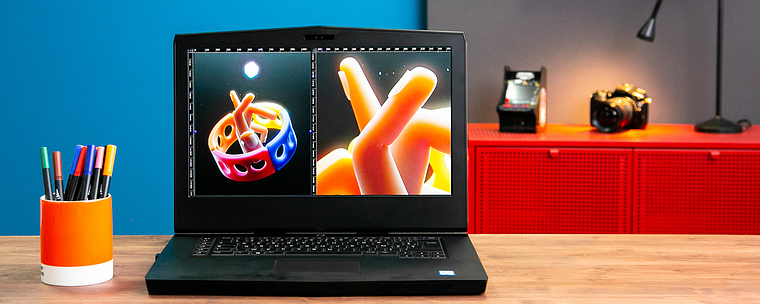
Create a three-dimensional styleframe, from modeling to postproduction.
Who is this online course for?
Anyone who is eager to discover the world of 3D.
Requirements and materials
You need basic knowledge of Cinema 4D, OctaneRender, and After Effects to take this course, as well as a computer with the programs installed on it.
Reviews
- 3 years ago
Неймовірна робота та алгоритм дій для створення такої краси! Дякую!
- 4 years ago
can't be better!
- jimmy_francois69PLUS4 years ago
C est un super bon cours pour un débutant comme moi en 3D.
- 4 years ago
Modelling and composition sections was super helpfull for me.Highly recommended
- 4 years ago
so cool concepts that are handled

He is an accomplished artist and art director, working with prestigious clients and teaching in art schools in Paris. He has collaborated with the likes of Adult Swim, Chanel, Armani, Lexus, Devialet, and the magazine Étapes.
Content
- U1
Introduction
- Presentation
- My sources of inspiration
- U2
Understand the 3D styleframe
- What is a styleframe?
- Style and graphic culture 1
- Style and graphic culture 2
- Mood board and concept
- U3
Create a 3D styleframe
- Modeling in Cinema 4D 1
- Modeling in Cinema 4D 2
- Modeling in Cinema 4D 3
- Modeling in Cinema 4D 4
- Modeling in Cinema 4D 5
- Modeling in Cinema 4D 6
- Octane Render: Light 1
- Octane Render: Light 2
- Octane Render: textures 1
- Octane Render: textures 2
- Octane Render: render settings
- Post-production in After Effects
- U4
Share your work
- Publishing online
- Marketing
- FP
Final project
- 3D illustration: from modeling to lighting
What to expect from a Domestika course
Learn at your own pace
Enjoy learning from home without a set schedule and with an easy-to-follow method. You set your own pace.
Learn from the best professionals
Learn valuable methods and techniques explained by top experts in the creative sector.
Meet expert teachers
Each expert teaches what they do best, with clear guidelines, true passion, and professional insight in every lesson.
Certificates
PLUSIf you're a Plus member, get a custom certificate signed by your teacher for every course. Share it on your portfolio, social media, or wherever you like.
Get front-row seats
Videos of the highest quality, so you don't miss a single detail. With unlimited access, you can watch them as many times as you need to perfect your technique.
Share knowledge and ideas
Ask questions, request feedback, or offer solutions. Share your learning experience with other students in the community who are as passionate about creativity as you are.
Connect with a global creative community
The community is home to millions of people from around the world who are curious and passionate about exploring and expressing their creativity.
Watch professionally produced courses
Domestika curates its teacher roster and produces every course in-house to ensure a high-quality online learning experience.
FAQs
This training is mainly aimed at intermediate users who already have some basics in 3D or motion design. Prior knowledge of Cinema 4D is recommended to follow the full workflow offered.
It’s recommended to have basic knowledge of Cinema 4D, OctaneRender, and After Effects. Familiarity with Photoshop and using moodboards on Miro will also help you get the most out of the content.
You’ll learn how to model, texture, and light a 3D scene, compose an original visual, and create an expressive styleframe—from sketch to post-production—incorporating graphic references and vibrant color palettes.
The course covers modeling in Cinema 4D, managing lighting and textures with OctaneRender, post-production in After Effects, creating moodboards, analyzing photographic compositions, and organizing client projects.
You’ll need a computer compatible with Cinema 4D, OctaneRender, After Effects, Photoshop, and access to Miro for moodboards. An internet connection is required to access resources and share your work.
Lighting and bright color palettes play a key role in conveying emotion and storytelling in a styleframe by emphasizing volume, mood, and visual hierarchy in the 3D image.
Yes, the course covers mixed media techniques to integrate real-world elements into virtual scenes, boosting creativity and originality in your 3D compositions.

