Loop Animation with Cinema 4D
A course by Fabricio Lima , visual artist and director


Learn how to transform basic geometric shapes into energetic and creative animations using Cinema 4D and MoGraph tools

Any object, despite its simplicity, can be turned into an eye-catching and energetic animation. Join visual artist and director Fabrício Lima, who has worked with big-name brands like Citröen, Cirque du Soleil, and Heineken, and discover how to bring basic geometric shapes to life as complex animations and creatively express your personality.
In this course, learn how to loop animations with primitive objects using tools in Cinema 4D. Work with a variety of techniques to create short, animated loops centered around different shapes such as cubes, pyramids, and spheres. Fabrício also gives you some practical insights into art direction and how to export your project.
What will you learn in this online course?
12 lessons & 11 downloads
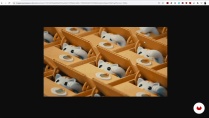
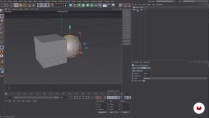
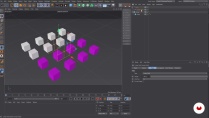

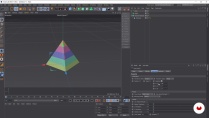

- 100% positive reviews (26)
- 693 students
- 12 lessons (2h 5m)
- 11 additional resources (3 files)
- Online and at your own pace
- Available on the app
- Audio: Portuguese
- Spanish · English · Portuguese · German · French · Italian · Polish · Dutch · Turkish · Romanian · Indonesian
- Level: Beginner
- Unlimited access forever
Recommended software & tools for this course
 Adobe After Effects
 Cinema 4D
 Redshift Render
What is this course's project?
Create five- to ten-second animated loops in an mp4 format using objects and effects created in Cinema 4D.

Projects by course students


Who is this online course for?
Anyone interested in the world of animation who wants to learn how to use Cinema 4D to take their projects to the next level.
Requirements and materials
Intermediate knowledge of Cinema 4D, Redshift or Octane, and After Effects are needed for this course.
As for materials, you need a license for Cinema 4D (version R21 or later) and an external renderer (Redshift, Octane, or similar GPU renderer) as well as access to After Effects.

New to Adobe After Effects? In that case, we recommend taking Domestika Basics courses to learn how to use the software: Introduction to After Effects.
Reviews

Fabricio Lima
A course by Fabricio Lima
Fabrício Lima is a Brazilian visual artist and director who has been dedicated to creating animations, storytelling and 3D art for over 20 years. In addition to 3D, he also likes to animate with traditional methods such as frame by frame and stop motion.
He has worked for talented studios around the world, carrying out projects for brands such as Citröen, Cirque du Soleil, Heineken, Lego and others. In addition, in his spare time, Fabrício also illustrates and creates music videos for Brazilian artists and around the world.
Content
-
U1
Introduction
-
Presentation
-
Influences
-
-
U2
Knowing the tool
-
Project presentation
-
Introduction to Cinema 4D
-
Primitive Objects and MoGraph
-
Concept development
-
-
U3
Producing the animation
-
Pyramid Animation
-
Cube animation
-
Other elements and final adjustments
-
-
U4
Art direction, post-production and rendering
-
Texturing, lighting and final setup
-
Setting up the project for rendering
-
Final composition in After Effects
-
-
FP
Final project
-
Loop Animation with Cinema 4D
-
What to expect from a Domestika course
-
Learn at your own pace
Enjoy learning from home without a set schedule and with an easy-to-follow method. You set your own pace.
-
Learn from the best professionals
Learn valuable methods and techniques explained by top experts in the creative sector.
-
Meet expert teachers
Each expert teaches what they do best, with clear guidelines, true passion, and professional insight in every lesson.
-
Certificates
PlusIf you're a Plus member, get a custom certificate signed by your teacher for every course. Share it on your portfolio, social media, or wherever you like.
-
Get front-row seats
Videos of the highest quality, so you don't miss a single detail. With unlimited access, you can watch them as many times as you need to perfect your technique.
-
Share knowledge and ideas
Ask questions, request feedback, or offer solutions. Share your learning experience with other students in the community who are as passionate about creativity as you are.
-
Connect with a global creative community
The community is home to millions of people from around the world who are curious and passionate about exploring and expressing their creativity.
-
Watch professionally produced courses
Domestika curates its teacher roster and produces every course in-house to ensure a high-quality online learning experience.
FAQs
What are Domestika's online courses?
Domestika courses are online classes that allow you to learn new skills and create incredible projects. All our courses include the opportunity to share your work with other students and/or teachers, creating an active learning community. We offer different formats:
Original Courses: Complete classes that combine videos, texts, and educational materials to complete a specific project from start to finish.
Basics Courses: Specialized training where you master specific software tools step by step.
Specialization Courses: Learning paths with various expert teachers on the same topic, perfect for becoming a specialist by learning from different approaches.
Guided Courses: Practical experiences ideal for directly acquiring specific skills.
Intensive Courses (Deep Dives): New creative processes based on artificial intelligence tools in an accessible format for in-depth and dynamic understanding.
When do the courses start and when do they finish?
All courses are 100% online, so once they're published, courses start and finish whenever you want. You set the pace of the class. You can go back to review what interests you most and skip what you already know, ask questions, answer questions, share your projects, and more.
What do Domestika's courses include?
The courses are divided into different units. Each one includes lessons, informational text, tasks, and practice exercises to help you carry out your project step by step, with additional complementary resources and downloads. You'll also have access to an exclusive forum where you can interact with the teacher and with other students, as well as share your work and your course project, creating a community around the course.
Have you been given a course?
You can redeem the course you received by accessing the redeeming page and entering your gift code.
 Adobe After Effects
 Cinema 4D
 Redshift Render
Exelente muy bien explicado
Muy buen curso
Excelente profesor
Un curso bastante practico para entender y comprender de una manera sencilla el MoGraph de Cinema4D
Muy bueno para arrancar con motion graphics!
Nota 8