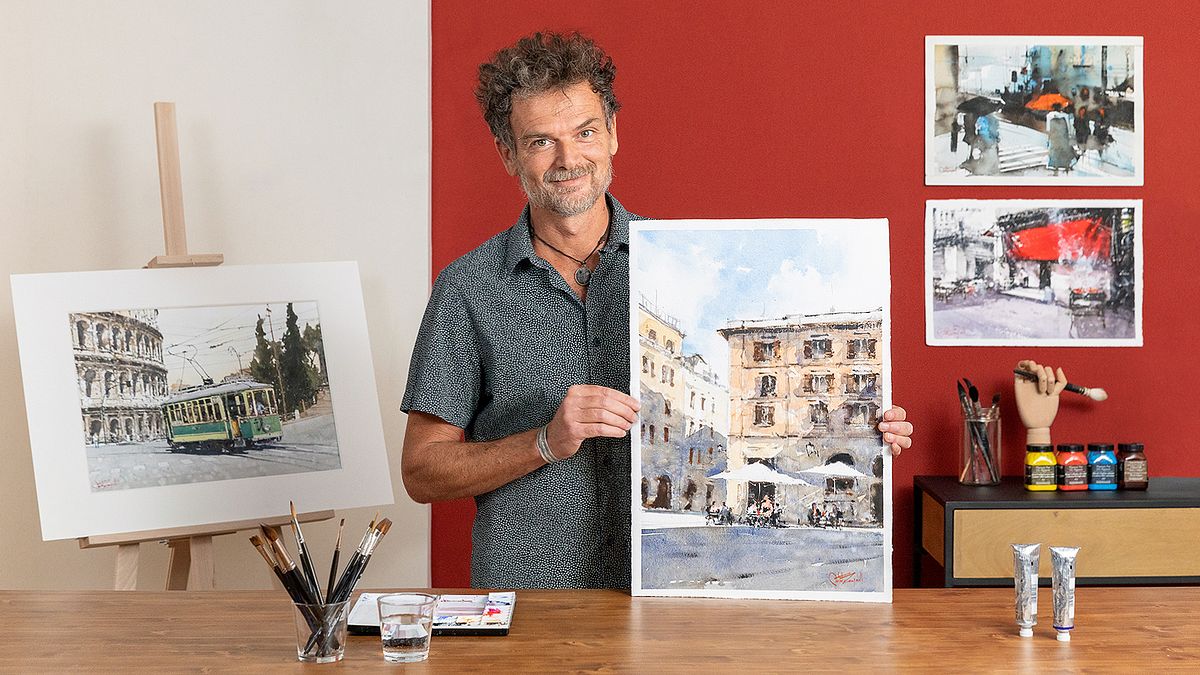
Modern Techniques for Watercolor Cityscapes
A course by Roberto ZangarelliWatercolor Artist and Illustrator
A course by Roberto Zangarelli, Watercolor Artist and Illustrator

Learn watercolor techniques that capture the essence and atmosphere of a city to make urban illustrations from a photo
Have you ever looked at your city from a different angle? Or discovered something new in the same old places? Cities are an unlimited source of inspiration and situations worth immortalizing, and watercolors are the perfect tool for capturing that essence and atmosphere.
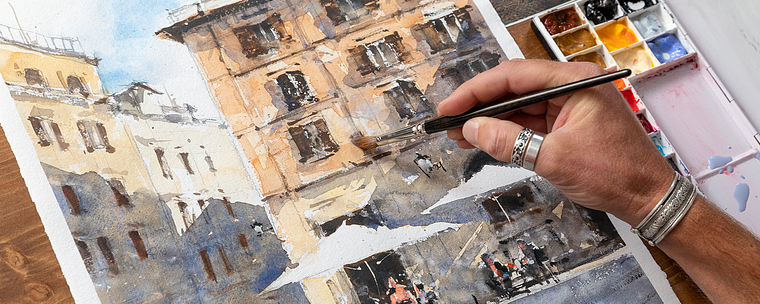
Learn basic watercolor techniques for painting urban landscapes from a photo alongside watercolor artist Roberto Zangarelli. Discover the materials and how to depict a scene of your choice on paper and recreate the lights, colors, and sounds of a city.
What will you learn in this online course?
14 lessons & 12 downloads
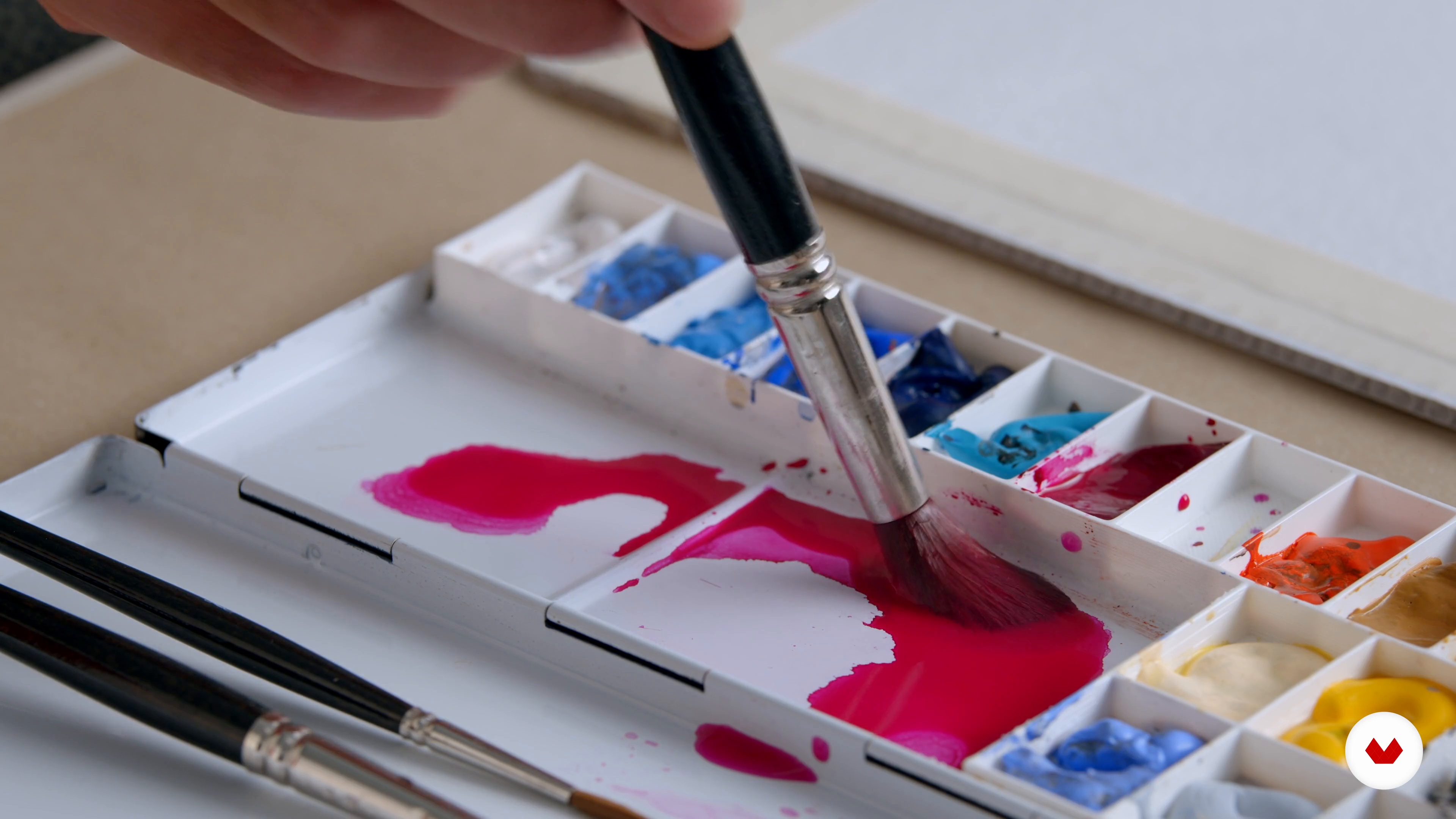
Watercolor techniques: dilution
6 minutes, 37 seconds
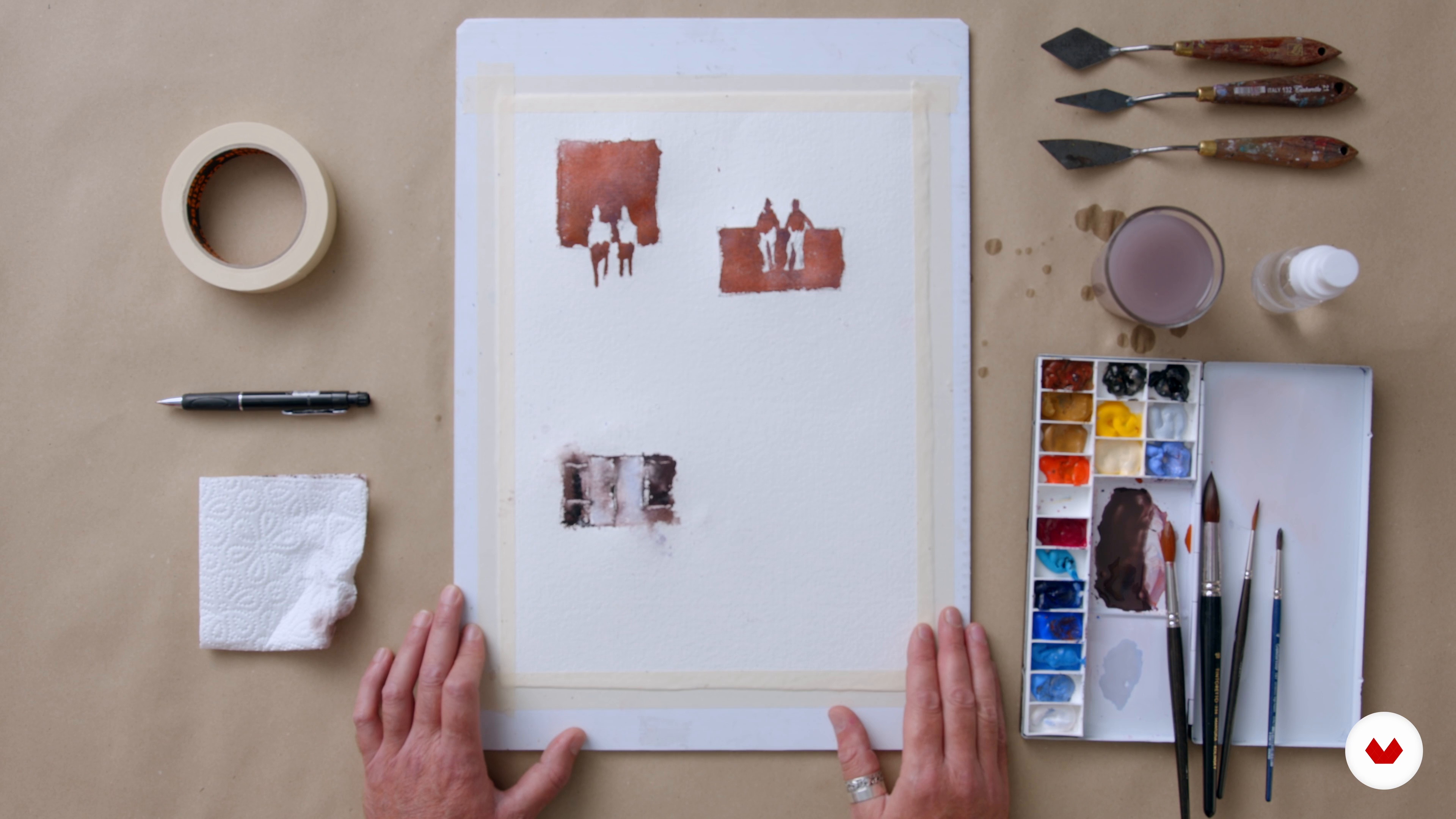
Watercolor techniques: positive, negative and destructuring
12 minutes, 32 seconds
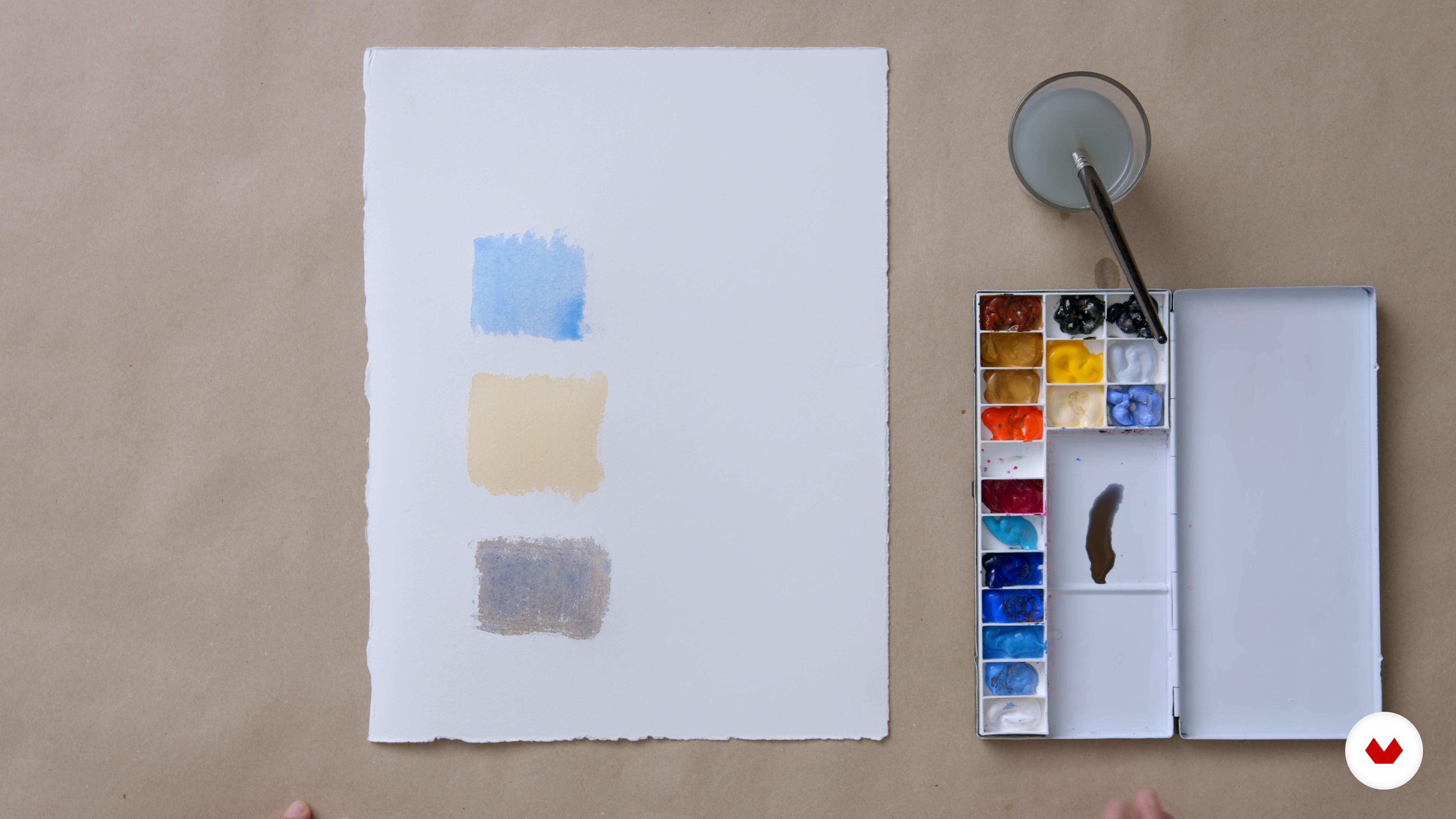
The range of colors
3 minutes, 19 seconds
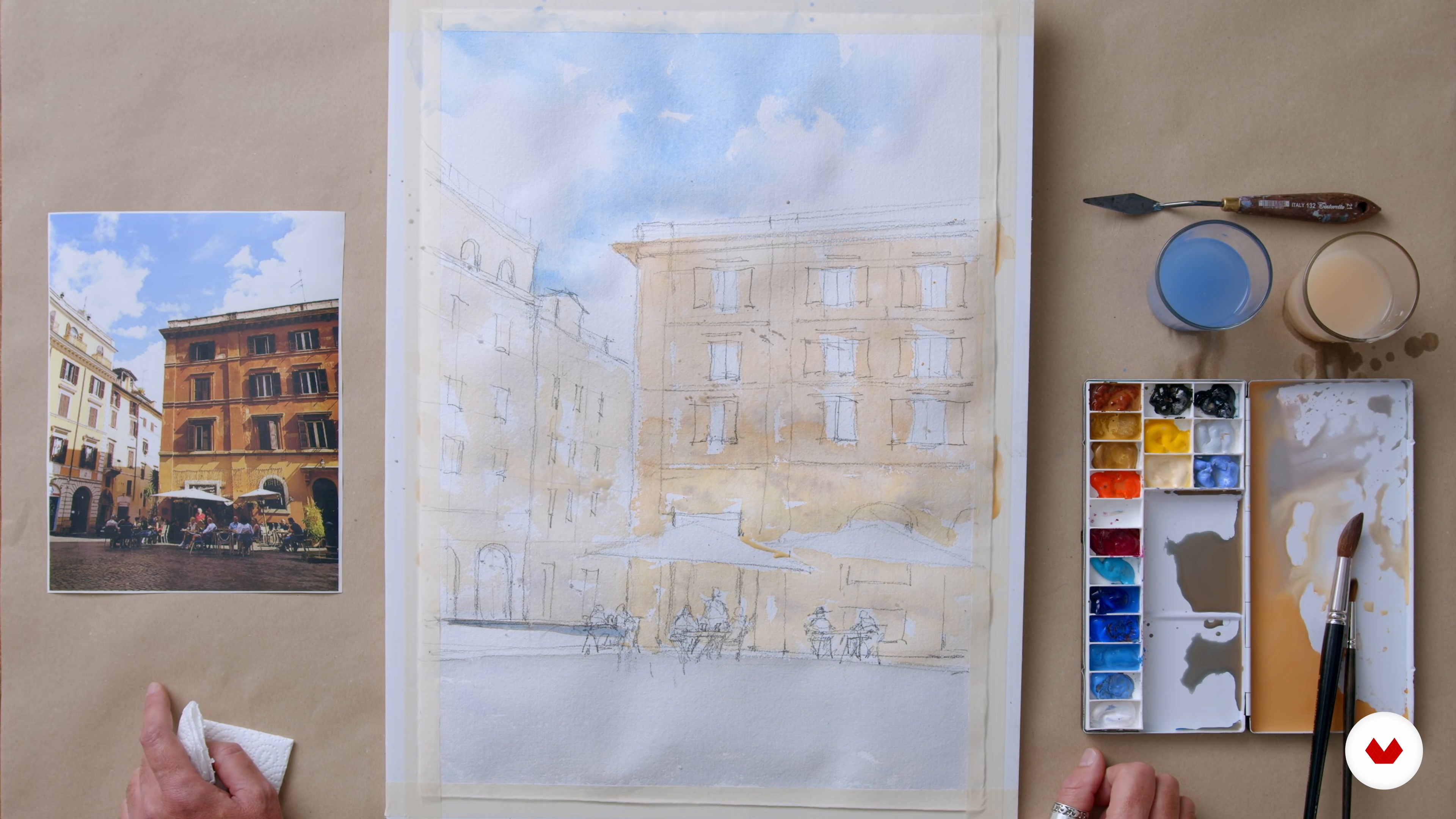
First wash: light
10 minutes, 12 seconds
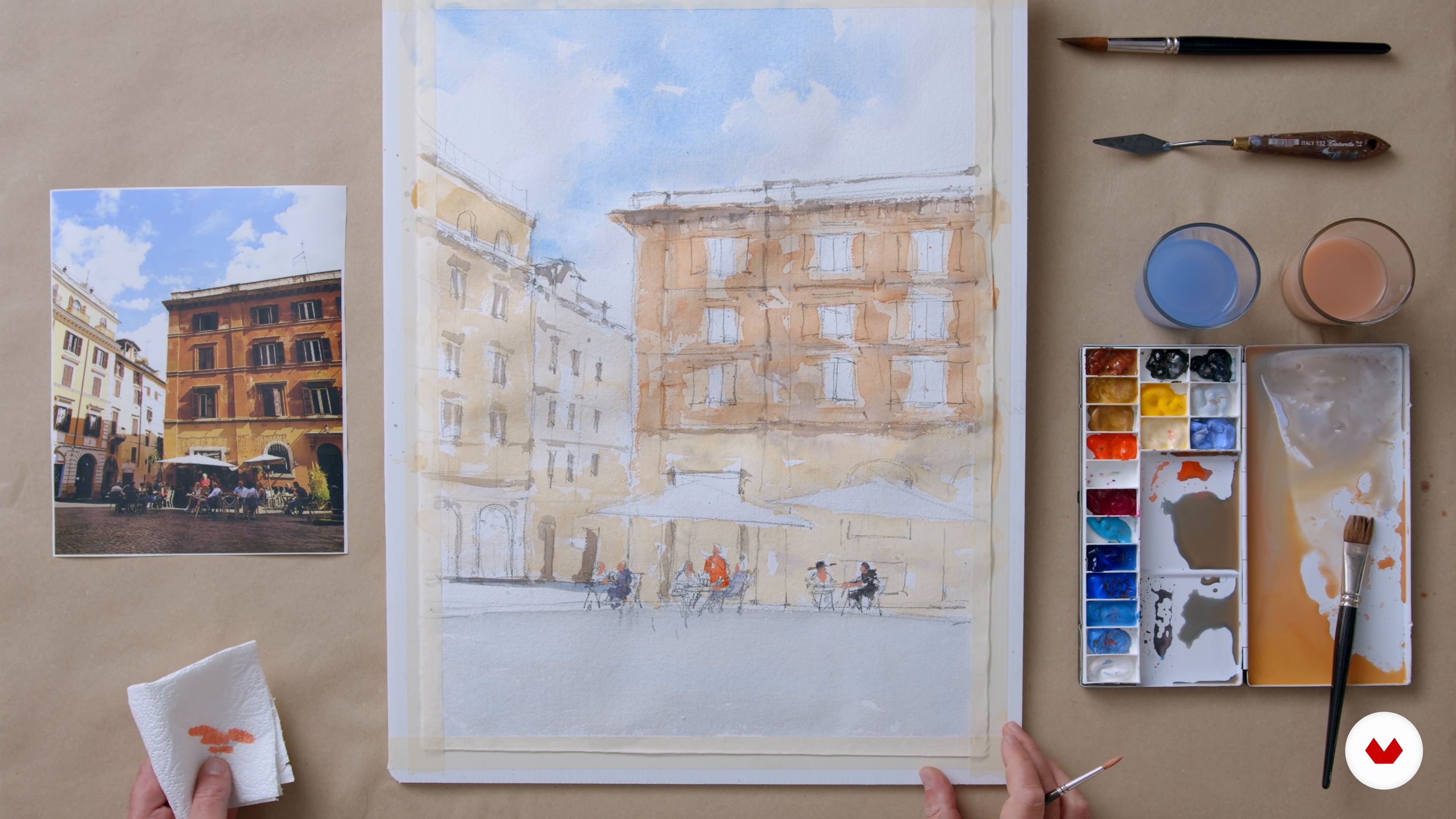
Second washing: the structure
9 minutes, 25 seconds
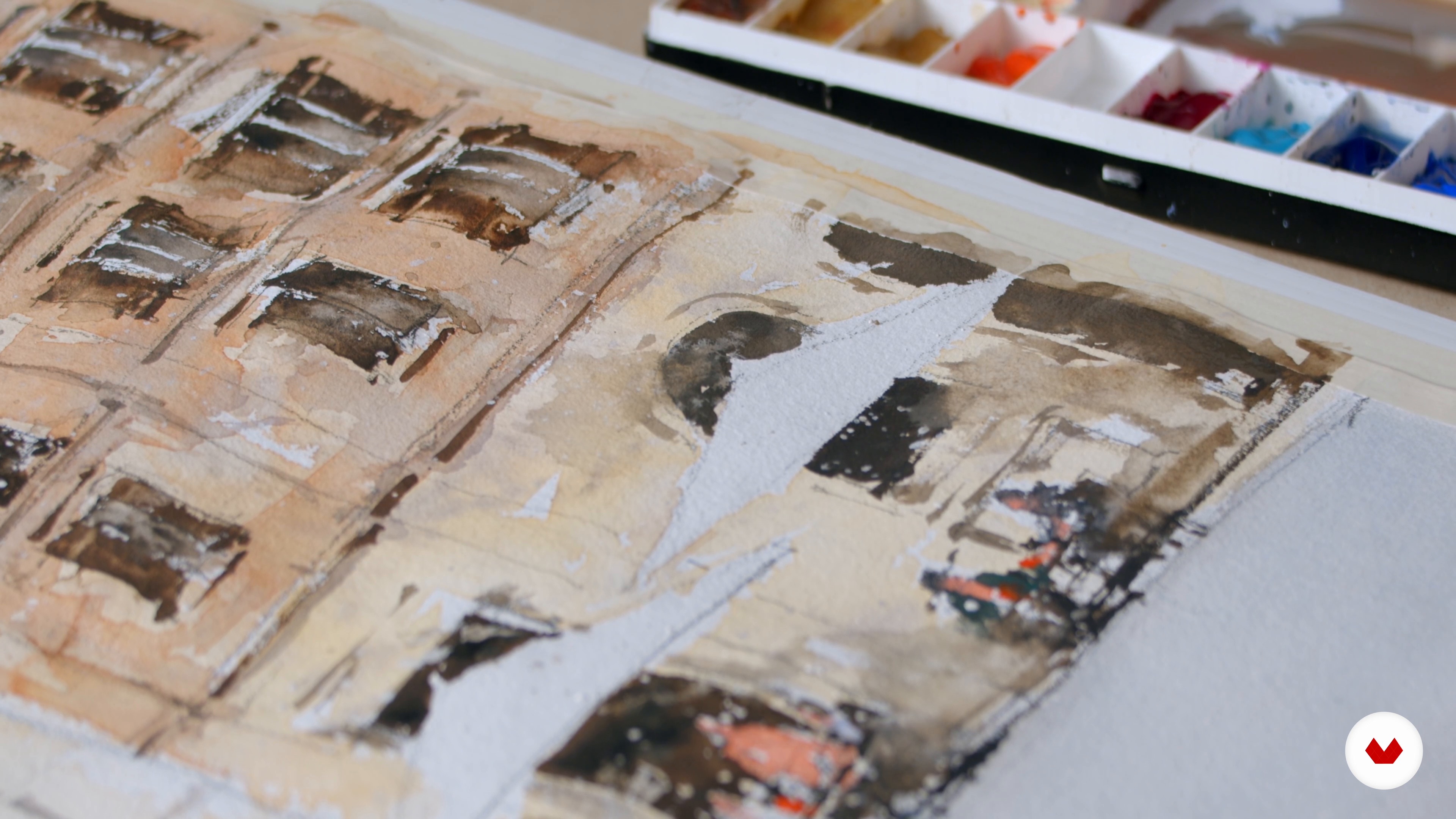
The gouache
15 minutes, 13 seconds
What's included in this course?
Get to know your teacher Roberto Zangarelli, who begins the course by telling you a bit about himself and his career in the arts. He also shows you some of the masters of watercolor who have inspired his work and influenced his style.
Before you start painting, go over the materials you need for your project, like different types of paper, brushes, and colors, and learn some basic techniques for working with watercolors. Roberto explains the concepts of diluting paint, positive and negative painting, and blurring structure or shape. Then, see how to take a reference photo for your painting.
Now it's time to start working on your project. Draw a sketch outlining basic shapes and define the main tones to help you organize the upcoming coloring process. Transfer your sketch to watercolor paper and, once your drawing is ready, choose a color scheme and paint the first washes.
Finally, discover how to highlight details and give your piece a 3D look using gouache. Roberto shows you how to work with shadows to create volume and contrast as well as bring out the light in your scene. To tie everything together, see how to create a simple passe-partout to frame your work.
What is this course's project?
Paint an urban landscape based on a photo in watercolor.
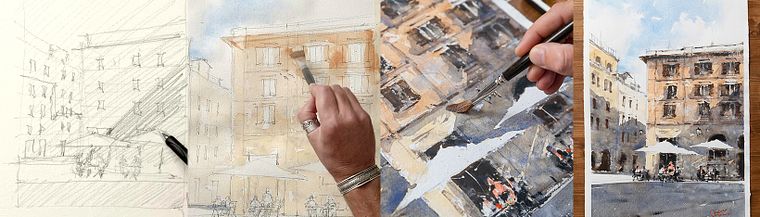
Projects by course students


Who is this online course for?
Anyone who wants to learn the art of watercolors to paint an urban landscape and capture the essence of a city.
Requirements and materials
Basic drawing skills will be helpful, but not necessary. The materials for this course include watercolor paper, brushes, watercolors, a palette knife (optional), masking tape, and a kneaded eraser.
Reviews
- 2 months ago
Bonnes explications . Cours très intéressant qui ouvre des perspectives .
- 2 months ago
Loved the course, very easy to follow, thanks!
- 2 months ago
Questo corso mi ha aiutata ad aprirmi a nuove possibilità espressive con l’acquerello e cercare di superare la paura dell’imperfezione.
- 3 months ago
Increíble este curso
- 4 months ago
Muy profesional, necesitaba aclarar algunas dudas, técnicas. Mu gustó mucho, gracias

In addition to painting, he runs his own graphics agency and opened a studio-gallery in collaboration with other artists where he displays his art and teaches his craft.
Content
- U1
Introduction
- Presentation
- Sources of inspiration
- U2
Fundamentals
- The materials
- Watercolor techniques: dilution
- Watercolor techniques: positive, negative and destructuring
- The choice of the subject
- U3
Sketch and painting
- Tonal sketch and drawing
- The range of colors
- First wash: light
- Second washing: the structure
- U4
Gouache, shadows and finalization
- The gouache
- Shadows
- Enhancement of the focal point
- Finalize and exhibit
- FP
Final project
- Modern Techniques for Watercolor Cityscapes
What to expect from a Domestika course
Learn at your own pace
Enjoy learning from home without a set schedule and with an easy-to-follow method. You set your own pace.
Learn from the best professionals
Learn valuable methods and techniques explained by top experts in the creative sector.
Meet expert teachers
Each expert teaches what they do best, with clear guidelines, true passion, and professional insight in every lesson.
Certificates
PLUSIf you're a Plus member, get a custom certificate signed by your teacher for every course. Share it on your portfolio, social media, or wherever you like.
Get front-row seats
Videos of the highest quality, so you don't miss a single detail. With unlimited access, you can watch them as many times as you need to perfect your technique.
Share knowledge and ideas
Ask questions, request feedback, or offer solutions. Share your learning experience with other students in the community who are as passionate about creativity as you are.
Connect with a global creative community
The community is home to millions of people from around the world who are curious and passionate about exploring and expressing their creativity.
Watch professionally produced courses
Domestika curates its teacher roster and produces every course in-house to ensure a high-quality online learning experience.
FAQs
Yes, this course is designed for those who already have a basic knowledge of watercolor and want to deepen advanced techniques in urban painting, composition, and developing a personal style.
You’ll need watercolors, brushes in various sizes, watercolor paper (preferably cotton), gouache, a palette knife, blotting paper, and mounting tools like mat boards.
You’ll learn how to create urban landscapes with watercolor, manage dilutions, develop textures, work with light and shadow, experiment with deconstructed techniques, integrate gouache, and professionally present your artwork.
Yes, the course covers both approaches: painting outdoors en plein air and using photographs to plan and create urban watercolor landscapes.
You’ll learn to use dilutions, water drops, palette knives, and gouache to create texture and manage light and shadow contrasts, adding depth and realism to your urban scenes.
Yes, the program includes exercises and strategies to experiment with techniques, deconstruction, and color synthesis, encouraging you to develop your own artistic language.
A high drawing skill isn’t required: the course also teaches techniques for painting directly without pencil and simplifying shapes with tonal sketches and quick studies.