
Design to Communicate
A course by Leire y EduardoProfessors of Graphic Design
A course by Leire y Eduardo, Professors of Graphic Design

Learn to master visual rhetoric
Leire Fernández and Eduardo Herrera hold PhDs in fine arts and are university professors and researchers specialized in graphic design. They develop design projects together and their work has been recognized through national and international awards.
In this course, they teach you to approach design by way of creating meaningful communicative concepts, showing you how to master visual rhetoric to translate verbal language into graphic language with equal or greater communicative power.
What will you learn in this online course?
15 lessons & 18 downloads
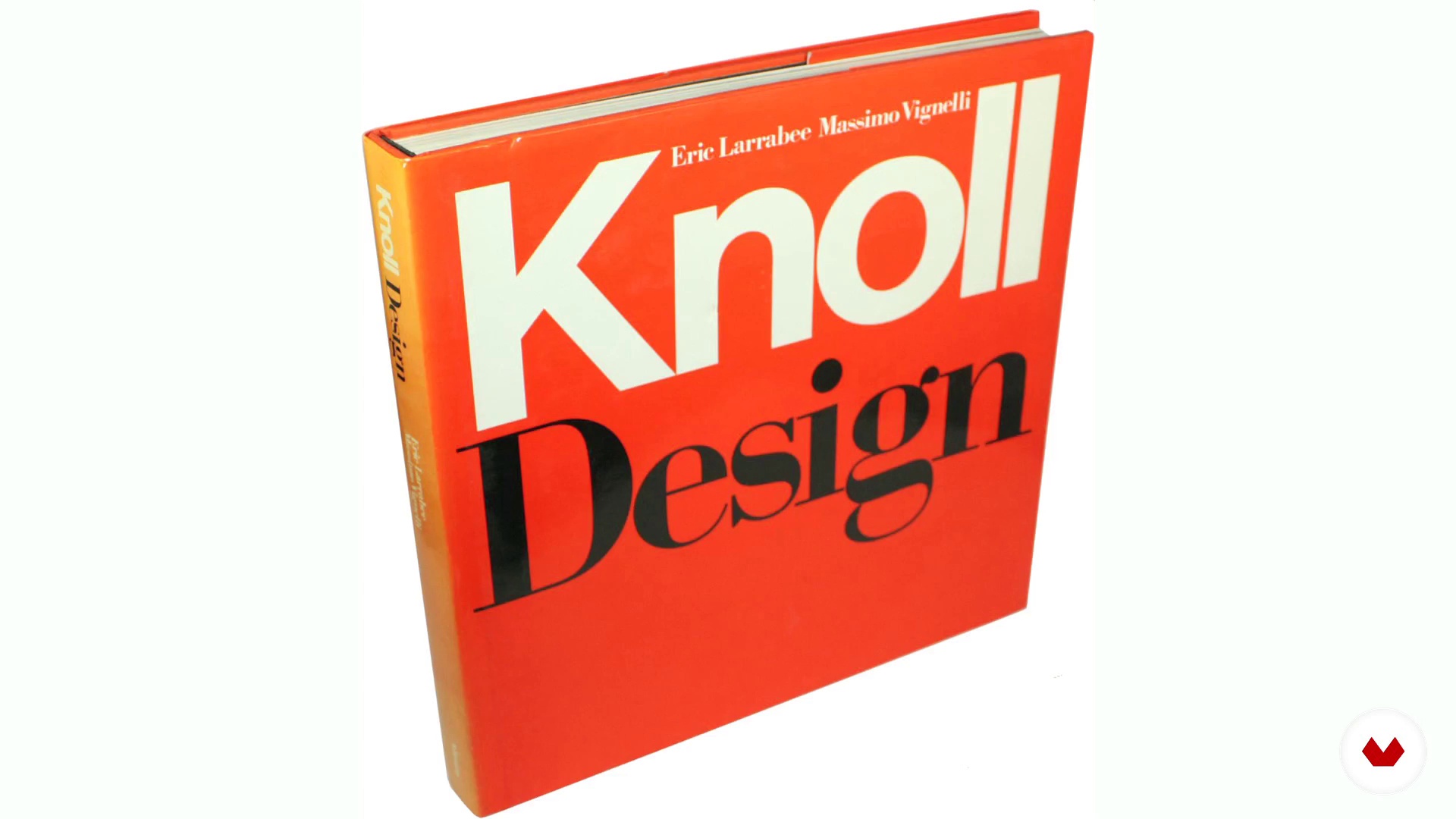
Influences Leire
12 minutes, 32 seconds
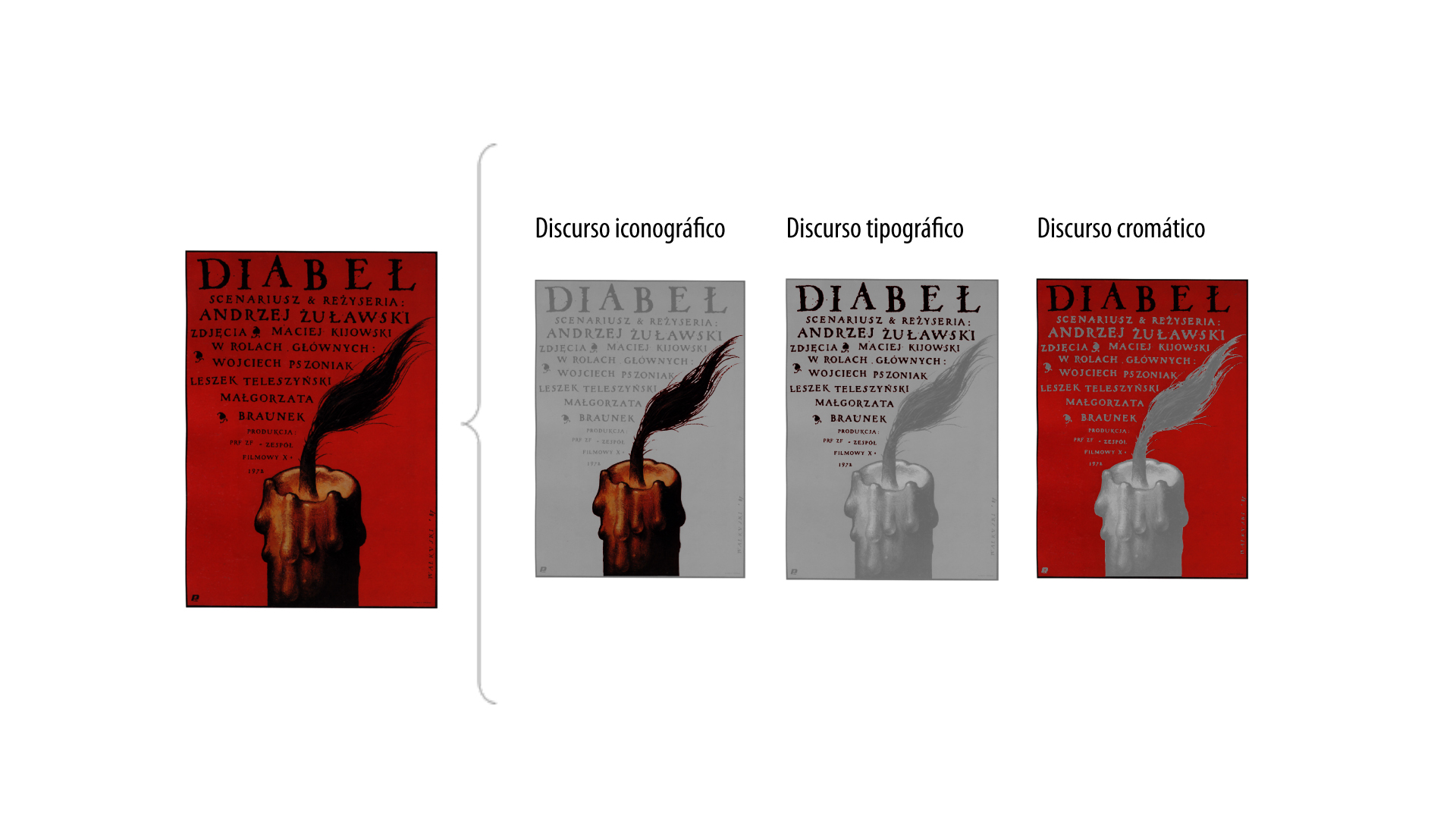
For a meaningful design
13 minutes, 37 seconds
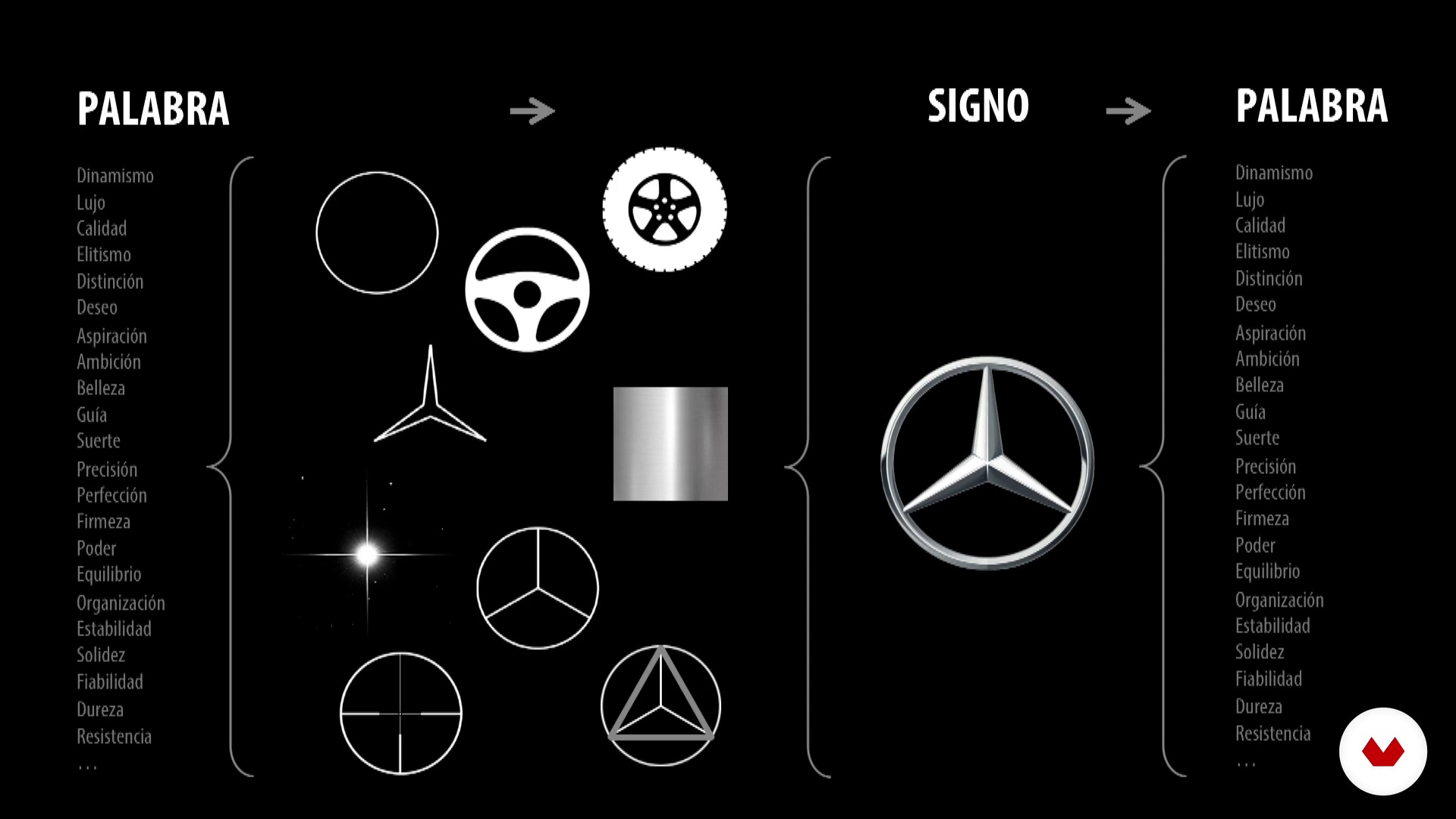
Design and verbal substrate
11 minutes, 58 seconds
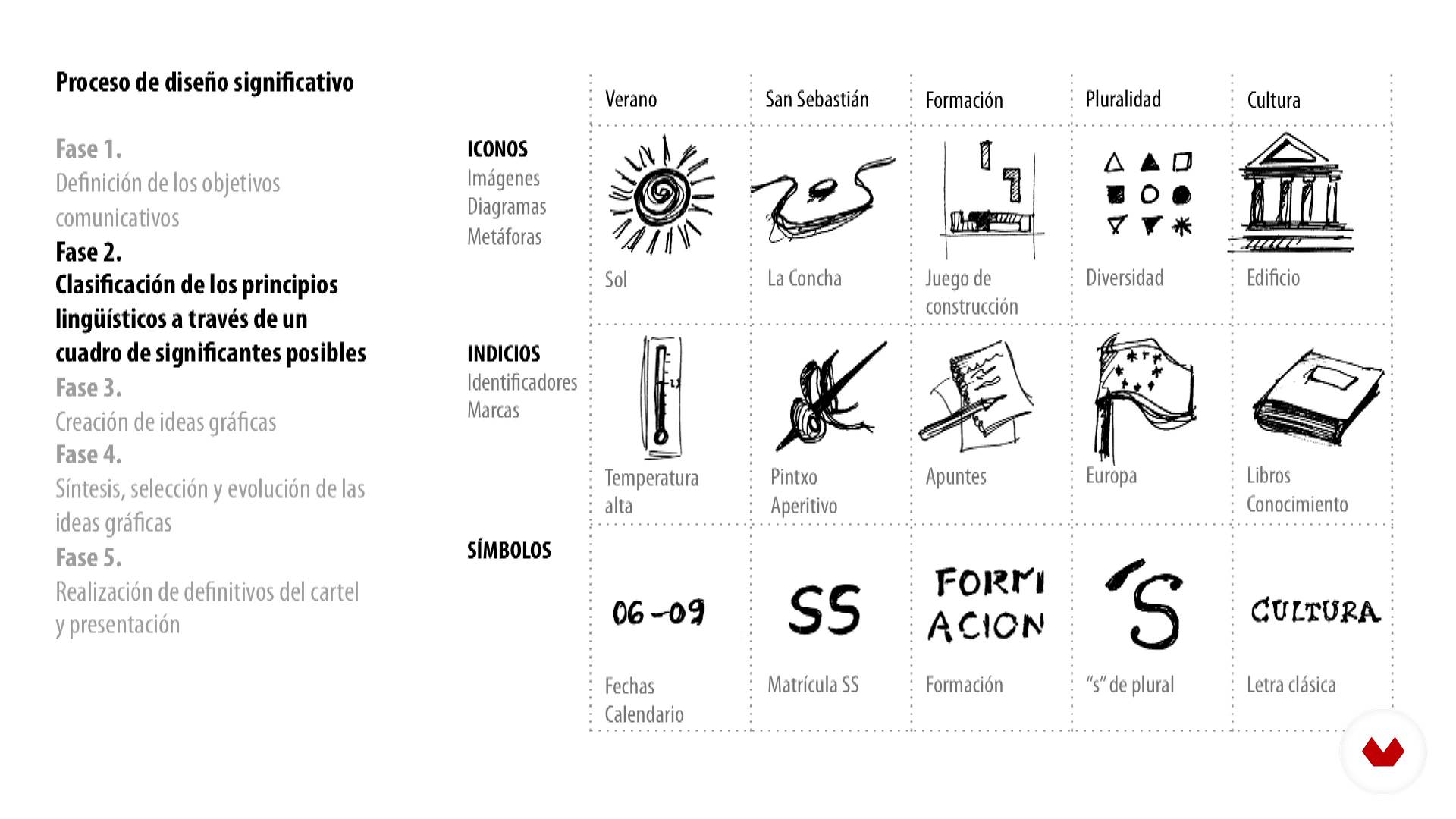
Design as a process of significance
13 minutes, 48 seconds
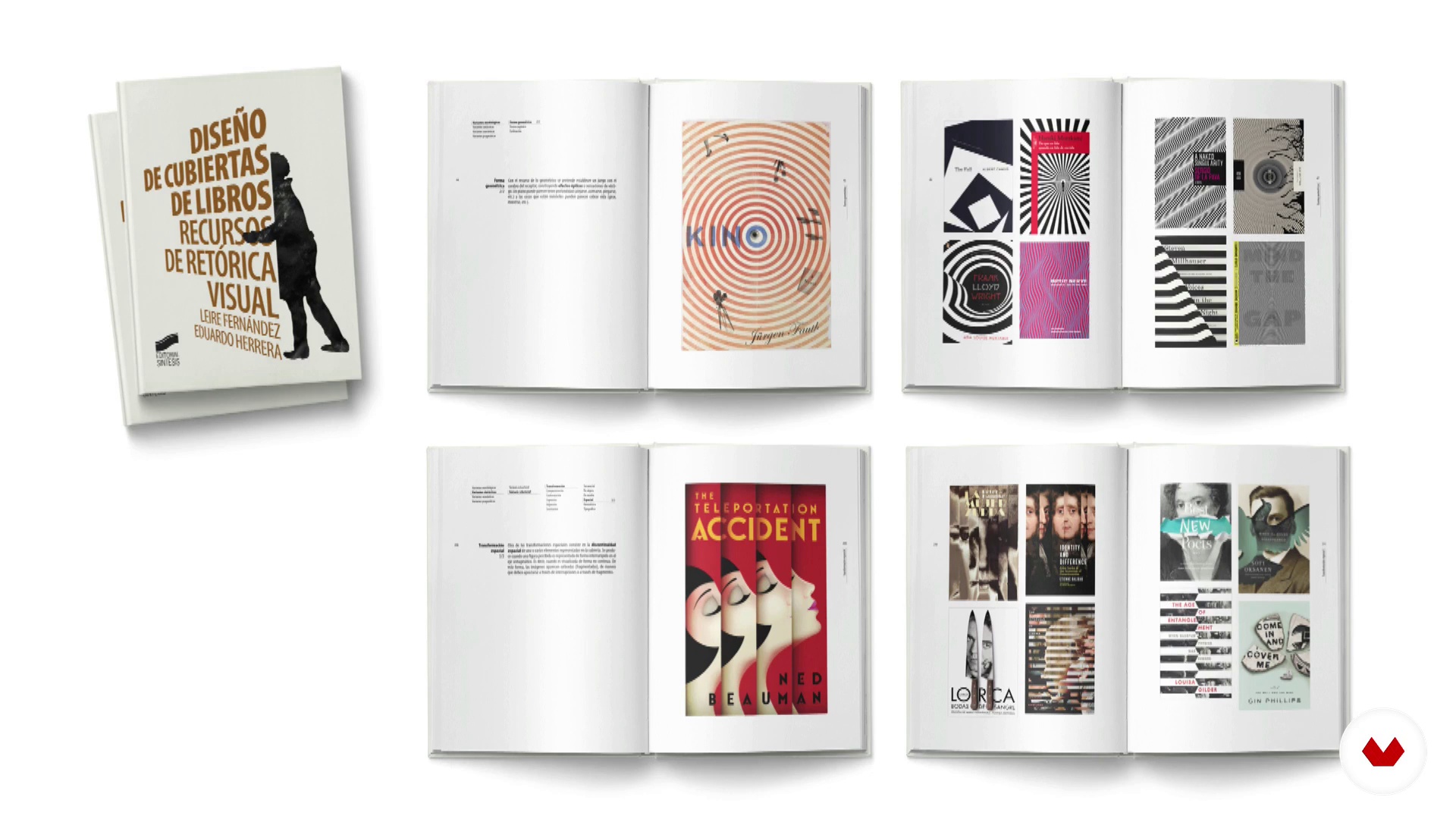
A proposal for the classification of visual rhetoric resources
11 minutes, 47 seconds
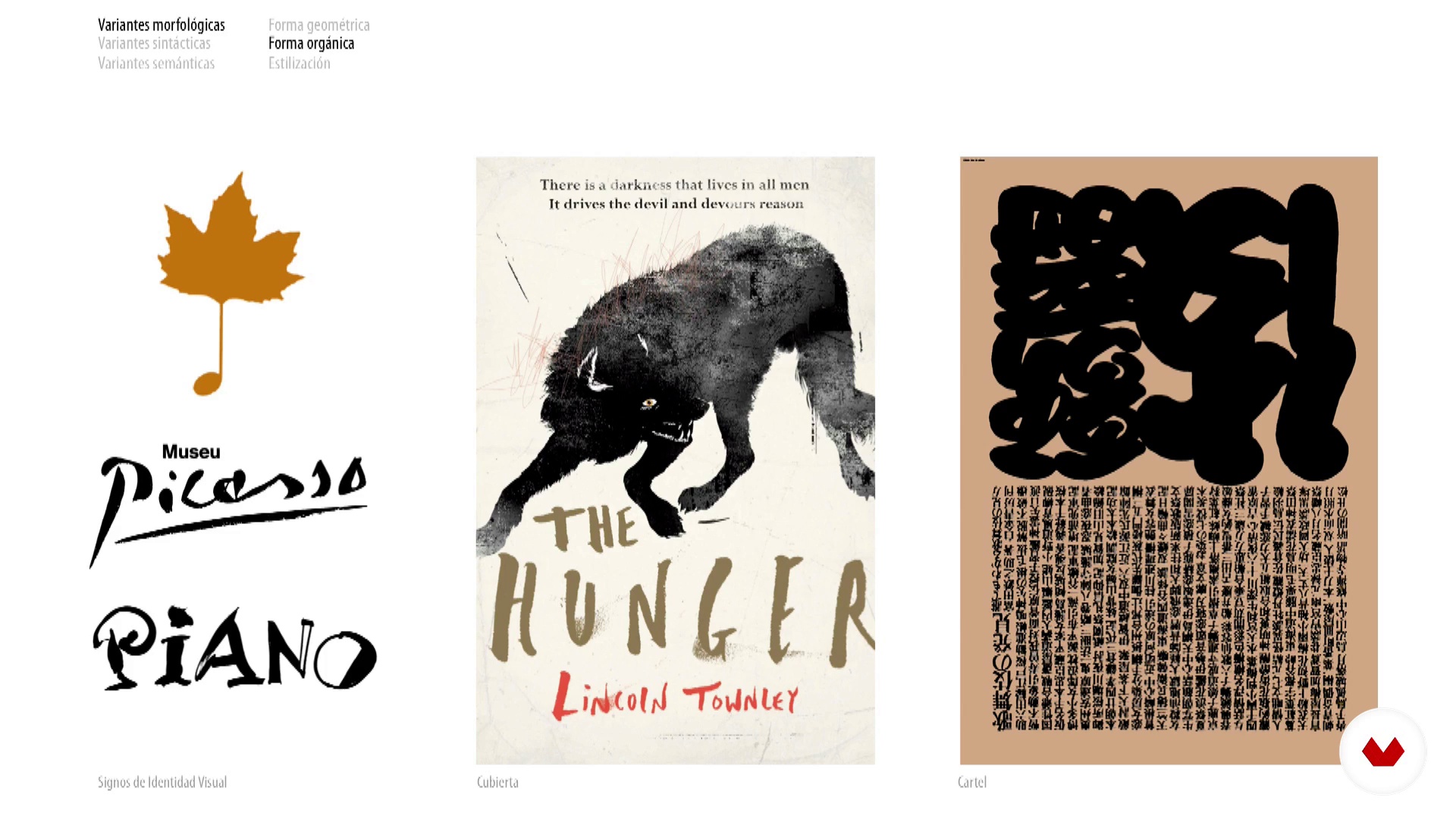
Morphological rhetoric: graphic-plastic variants
12 minutes, 48 seconds
What's included in this course?
Begin by learning more about Eduardo and Leire's work, their influences, and sources of inspiration in design.
Next, explore the connections that exist between design and language and how the elements of one and the other coexist in a symbiotic relationship.
Discover how they generate ideas and create meaningful design concepts as they reveal the communicative opportunities that meanings in images can offer.
Dive into the vast world of visual rhetoric and explore the structural, syntactic, and semantic resources that it puts at your fingertips.
Learn to analyze book cover designs, posters, and brand identities in a critical way by studying their form, meaning, and communicative intentions—something that will be very useful when creating your own designs.
What is this course's project?
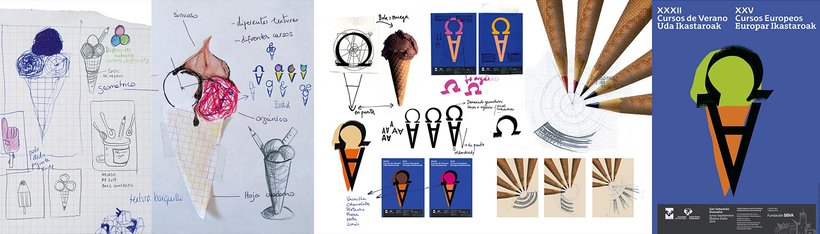
Apply what you learn in this course about the building blocks of visual rhetoric to designing a book cover, a poster, or a graphic identity for the brand of your choice.
Projects by course students


Who is this online course for?
Designers, illustrators, photographers, artists, or any professional or amateur looking for the most effective way to communicate ideas through design.
Requirements and materials
Basic knowledge of Adobe Photoshop and Adobe Illustrator is recommended but not essential.
As for materials, you need a computer with these or similar design programs installed to create your final project.

Reviews
- yarantaniPLUS3 months ago
Este curso es un gran apoyo para diseñar a partir de la comunicación, retomar toda esta información es importantisimo para evitar bloqueos creativos y tener formas más acertivas de resolver problemas gráficos.
- 3 months ago
Es un curso impartido por dos diseñadores con experiencia en la docencia y que tienen amplia educacion en la comunicación visual. Los recursos adicionales y la presentación con la que imparten el curso son claros y faciles de poner en practica.
- 3 months ago
Excelente curso, recomendado! voy por la segunda vez que lo veo
- 4 months ago
Recién me acabo de inscribir y elegí este como mi primer curso porque quiero enfocarme en el diseño editorial. He aprendido que uno de los pilares del diseño es el lenguaje visual, ya que comprender su significado permite construir ideas gráficas sólidas, coherentes e impactantes.
- 6 months ago
los profes son excelentes, se aprende y se pone en práctica

Eduardo Herrera has a doctorate in fine arts and is a professor of graphic design at the University of the Basque Country (UPV/EHU). Among his subjects, he specializes in editorial design, typography, and visual identity.
Together they co-direct the graphic design and typography research group Letraz at the UPV/EHU. Both have published multiple books, most notably Diseño de cubiertas de libros: Recursos de retórica visual (Editorial Síntesis), Un proceso creativo en el diseño gráfico de carteles (Servicio Editorial - UPV/EHU), and Historias que marcan: Origen y significado de 50 marcas gráficas (Editorial GG).
Throughout their careers, they've collaborated on graphic design projects in a variety of fields, mainly in publishing, typography, poster design, and corporate visual identity, which have earned them awards such as the Klap Platinum award for the best font design, the Anuaria de Oro for the best design of an editorial publication, the Juan de Yciar Award for editorial quality, and the Letra de Plata in visual and graphic communication for the best coverage of an event.
They also organize and teach numerous courses, workshops, and conferences, including the Taller de Diseño Gráfico de los Cursos de Verano at the UPV/EHU in San Sebastián, as well as the Congreso de Diseño Gráfico and the Jornadas de Caligrafía in Arantzazu.
Content
- U1
Introduction
- Presentation
- Eduardo influences
- Influences Leire
- U2
Writing and speech
- For a meaningful design
- Design and verbal substrate
- Design as a process of significance
- U3
The construction of graphic discourse based on visual rhetoric: visual and expressive aspects
- A proposal for the classification of visual rhetoric resources
- Morphological rhetoric: graphic-plastic variants
- Syntactic rhetoric: structural variants
- Syntactic rhetoric: relational variants
- U4
The construction of graphic discourse based on visual rhetoric: aspects of meaning
- Semantic rhetoric: recognition variants
- Semantic rhetoric: referential variants
- Some case studies 1
- Some case studies 2
- Personal projects
- FP
Final project
- Design to communicate
What to expect from a Domestika course
Learn at your own pace
Enjoy learning from home without a set schedule and with an easy-to-follow method. You set your own pace.
Learn from the best professionals
Learn valuable methods and techniques explained by top experts in the creative sector.
Meet expert teachers
Each expert teaches what they do best, with clear guidelines, true passion, and professional insight in every lesson.
Certificates
PLUSIf you're a Plus member, get a custom certificate signed by your teacher for every course. Share it on your portfolio, social media, or wherever you like.
Get front-row seats
Videos of the highest quality, so you don't miss a single detail. With unlimited access, you can watch them as many times as you need to perfect your technique.
Share knowledge and ideas
Ask questions, request feedback, or offer solutions. Share your learning experience with other students in the community who are as passionate about creativity as you are.
Connect with a global creative community
The community is home to millions of people from around the world who are curious and passionate about exploring and expressing their creativity.
Watch professionally produced courses
Domestika curates its teacher roster and produces every course in-house to ensure a high-quality online learning experience.
FAQs
You’ll learn to use visual rhetoric, sketching, semiotic analysis, and composition to create innovative visual identities, posters, and covers, strategically using symbols, typography, and color.
Yes, this course is designed for those with basic graphic design knowledge who want to deepen their understanding of visual rhetoric, semiotic analysis, and creative processes applied to editorial projects.
It’s recommended to have prior graphic design knowledge or basic experience with visual composition. Familiarity with digital design tools like Illustrator or Photoshop is also suggested.
You’ll be able to analyze, synthesize, and create graphic signs, posters, and covers by applying principles of visual rhetoric, symbolism, composition, and semiotic analysis, enhancing your ability to communicate complex visual messages.
Yes, the course includes exercises in sketching, morphological experimentation, and developing identity signs so you can practice creating and transforming visual ideas.
Yes, you’ll learn to interpret and analyze covers and posters by identifying visual, rhetorical, and semiotic resources that build meaning and communication effectiveness.
The course covers strategic selection of typography and color in logo design, covers, and visual identity, analyzing their symbolic and communicative impact.