
Introduction to Sign Painting
A course by Miguel ReyesTypographic designer and lyricist
A course by Miguel Reyes, Typographic designer and lyricist

Learn the basic principles of signage with brushes
Miguel Reyes - typewriter and lyricist - is part, since 2013, of the New York typesetter Commercial Type. His work can be found in countless places and it is practically impossible to trace him, but the fonts designed by him can be seen in the Mexican newspaper 'El Universal', 'La Repubblica' (Italy) and in all the newspapers of the McClatchy Group ( U.S).
In this course he will teach you the basic principles of one of his favorite techniques: brush lettering. This brush-painting technique, also known as sign painting, has been frequently used in American supermarket signs, unique in their expressiveness and character when they are made by hand. In the hand of Miguel, you will learn to make casual letters, one of the most popular styles of labeling.
What will you learn in this online course?
13 lessons & 12 downloads
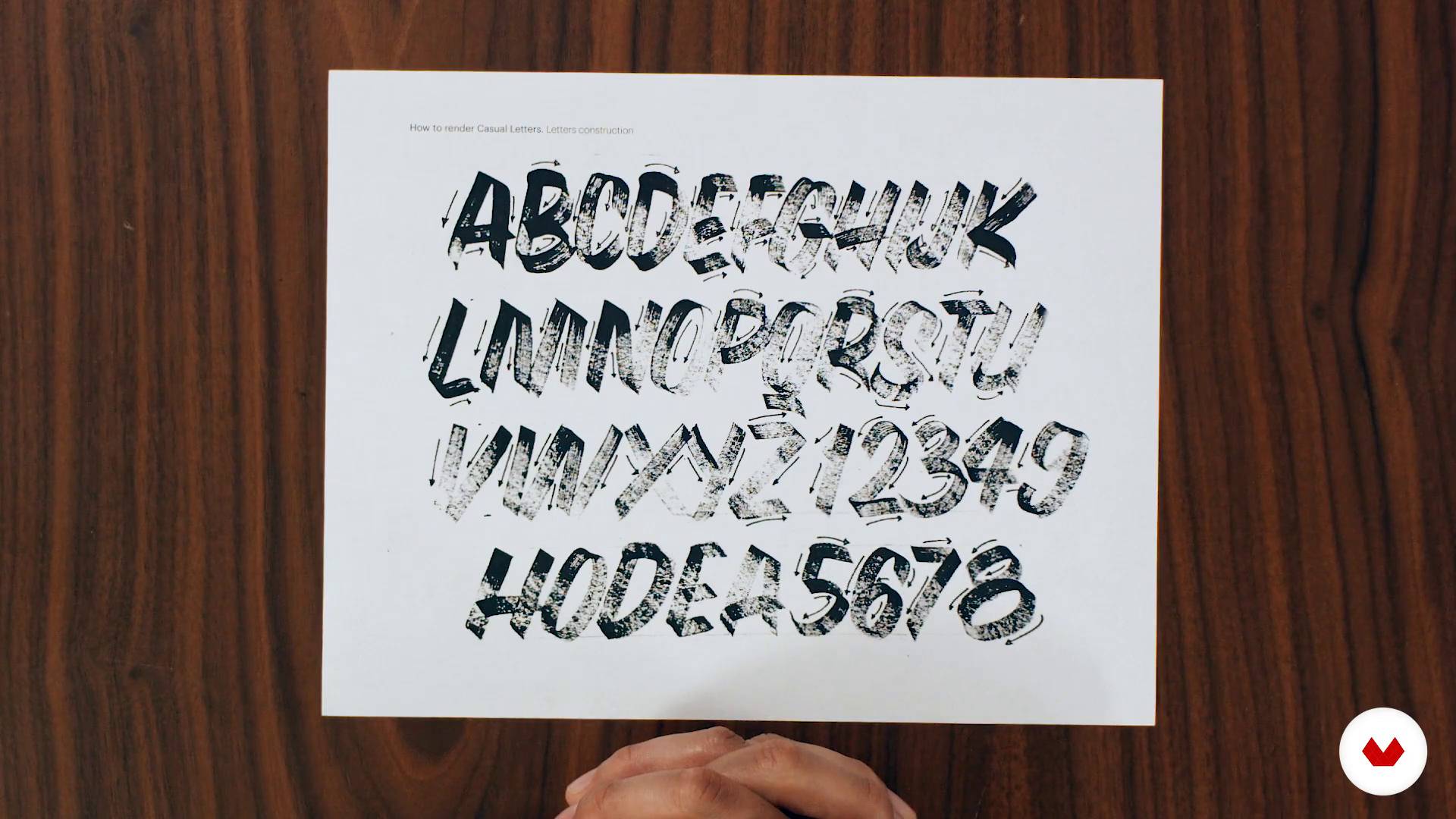
Lettering and casual lettering
1 minute, 53 seconds
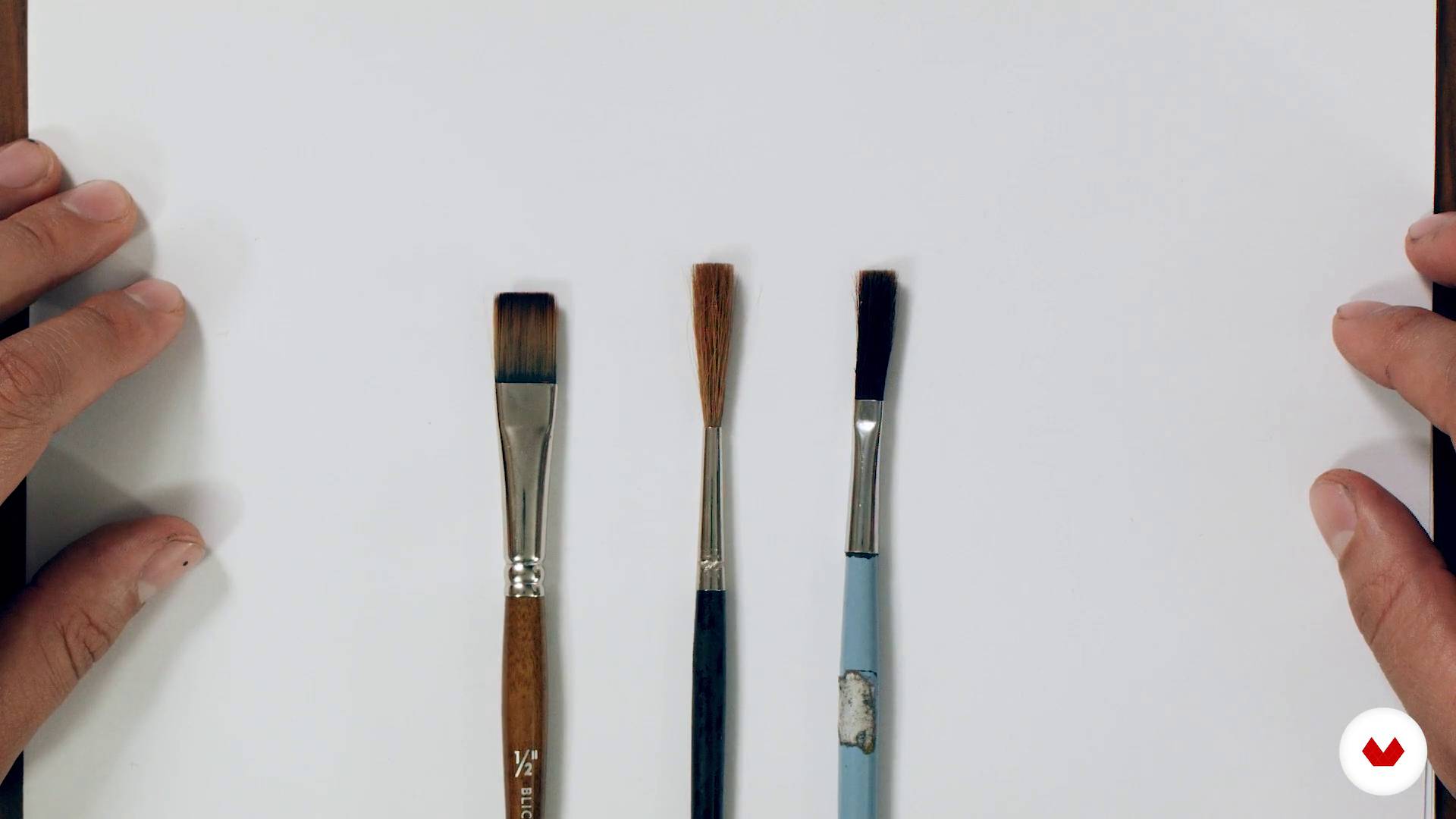
Description of materials
2 minutes, 28 seconds
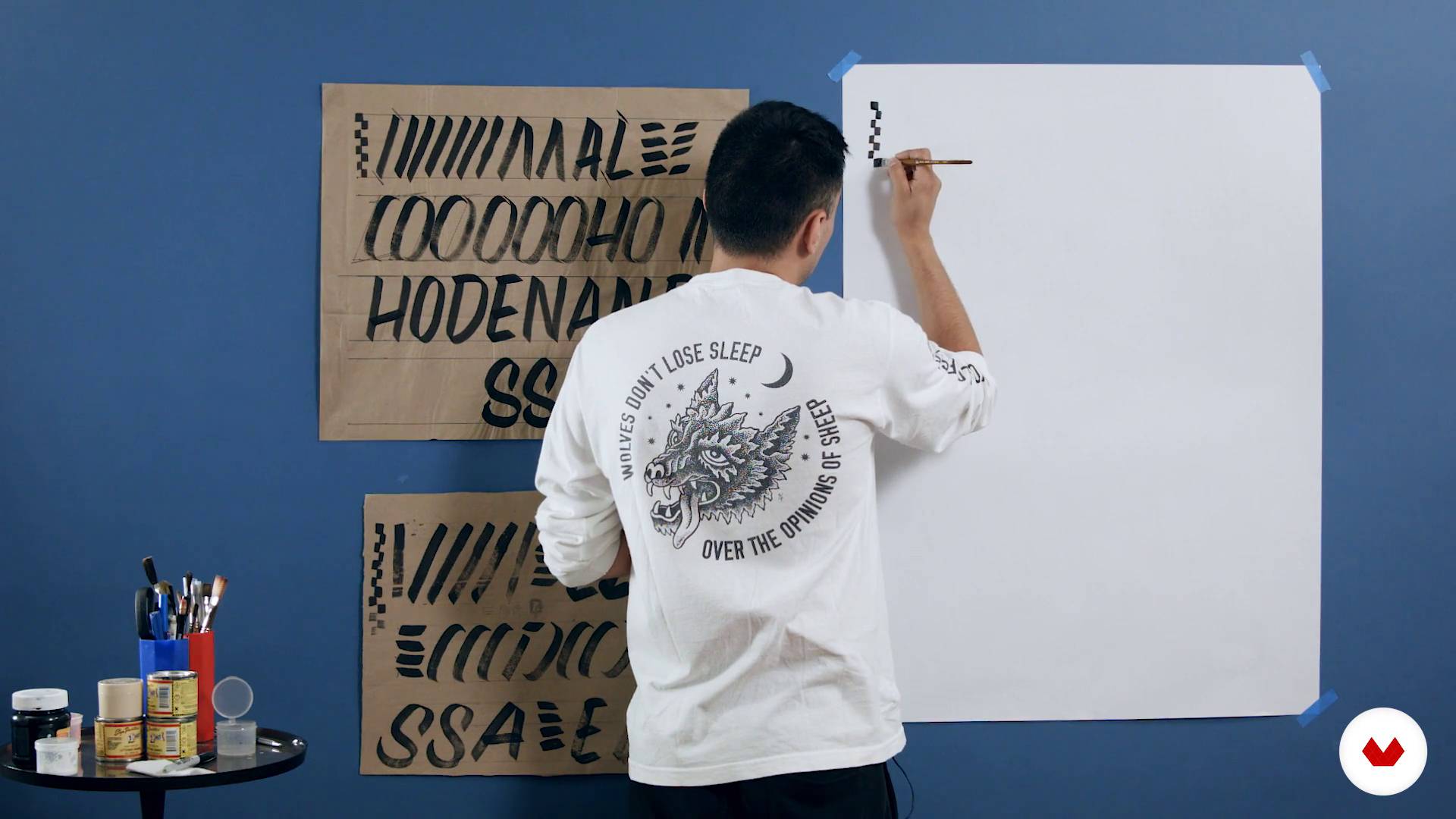
Basic strokes and first exercises
18 minutes, 3 seconds
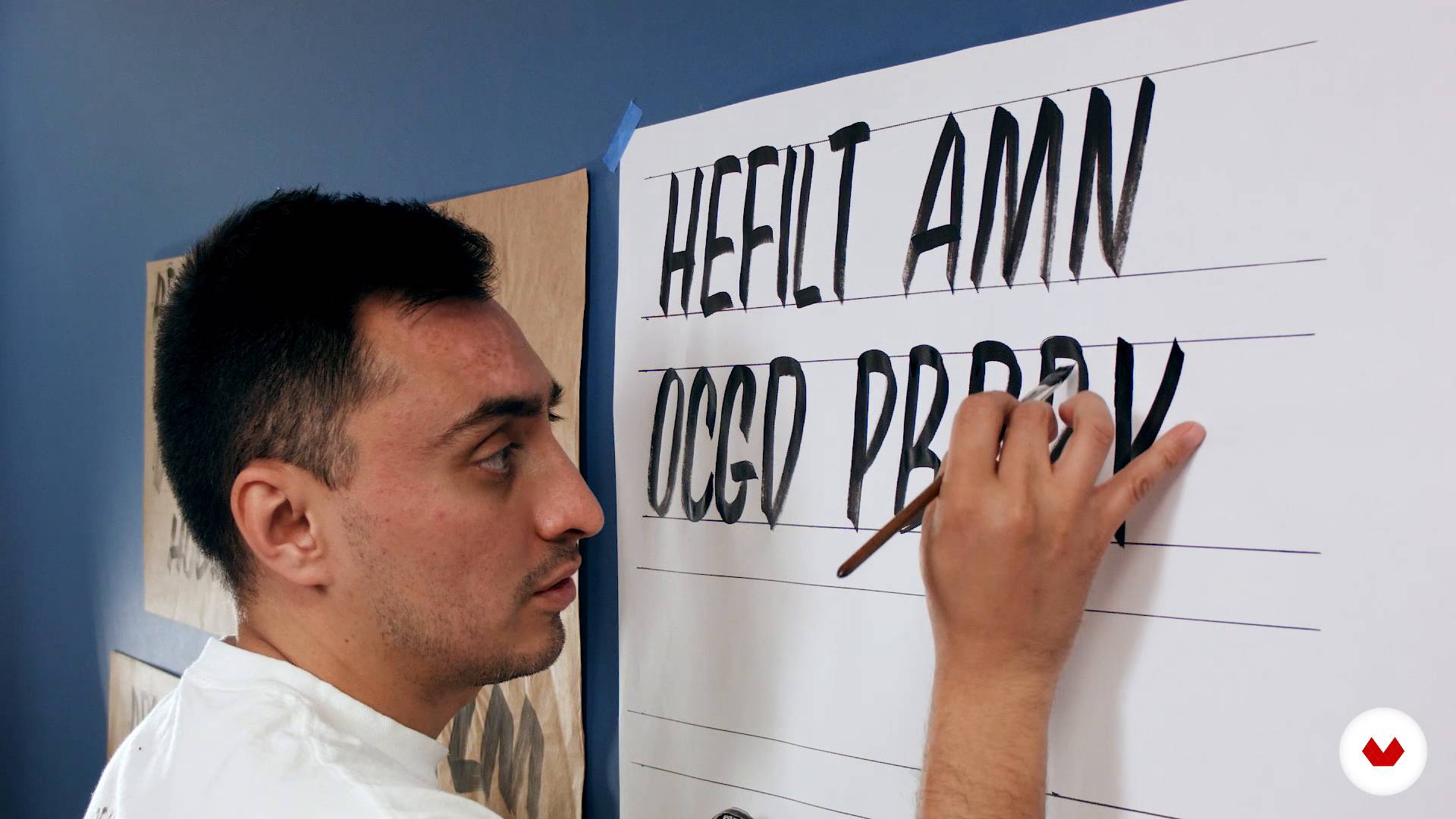
Uppercase
19 minutes, 10 seconds
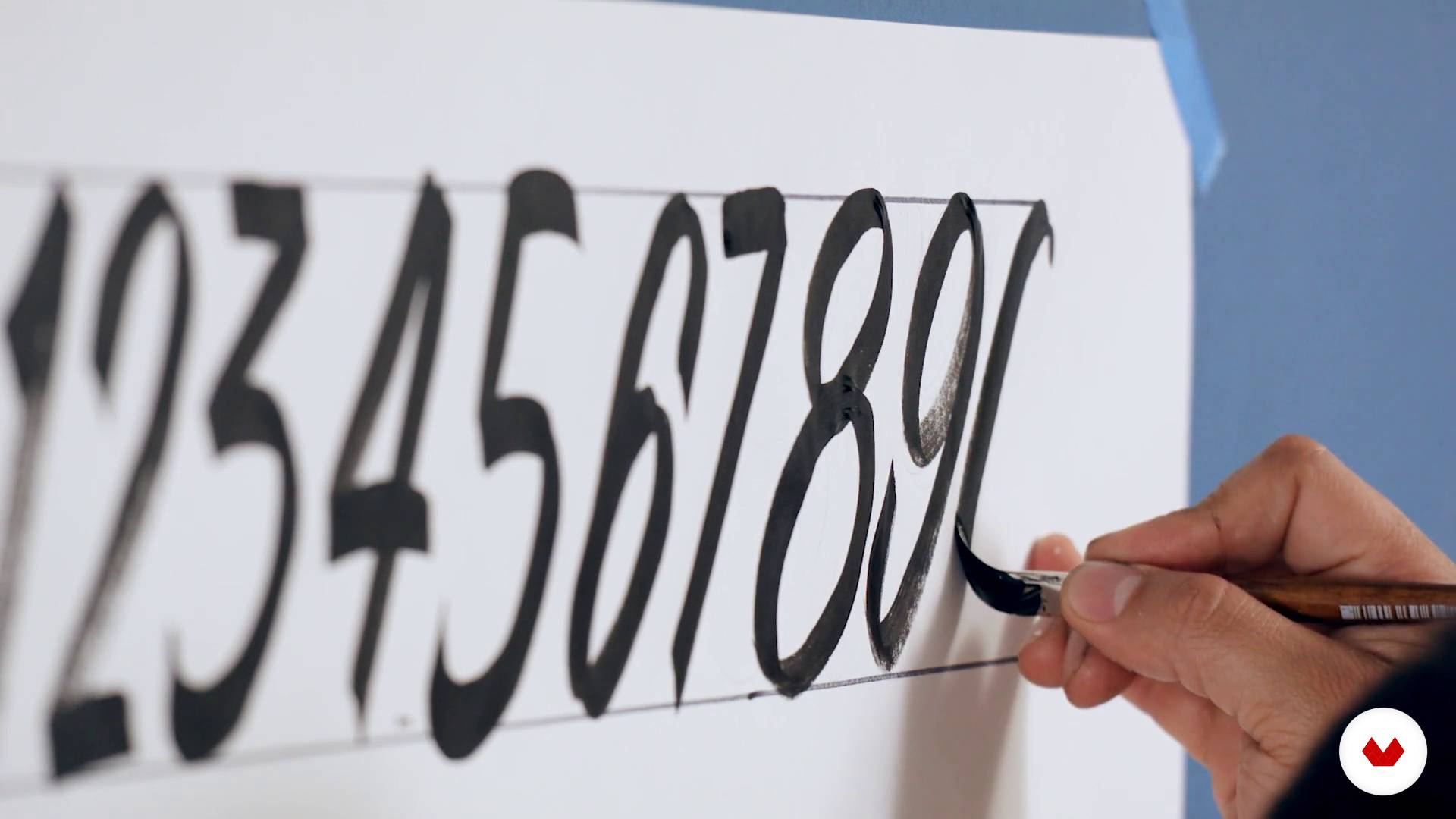
Numbers and special characters
11 minutes, 13 seconds
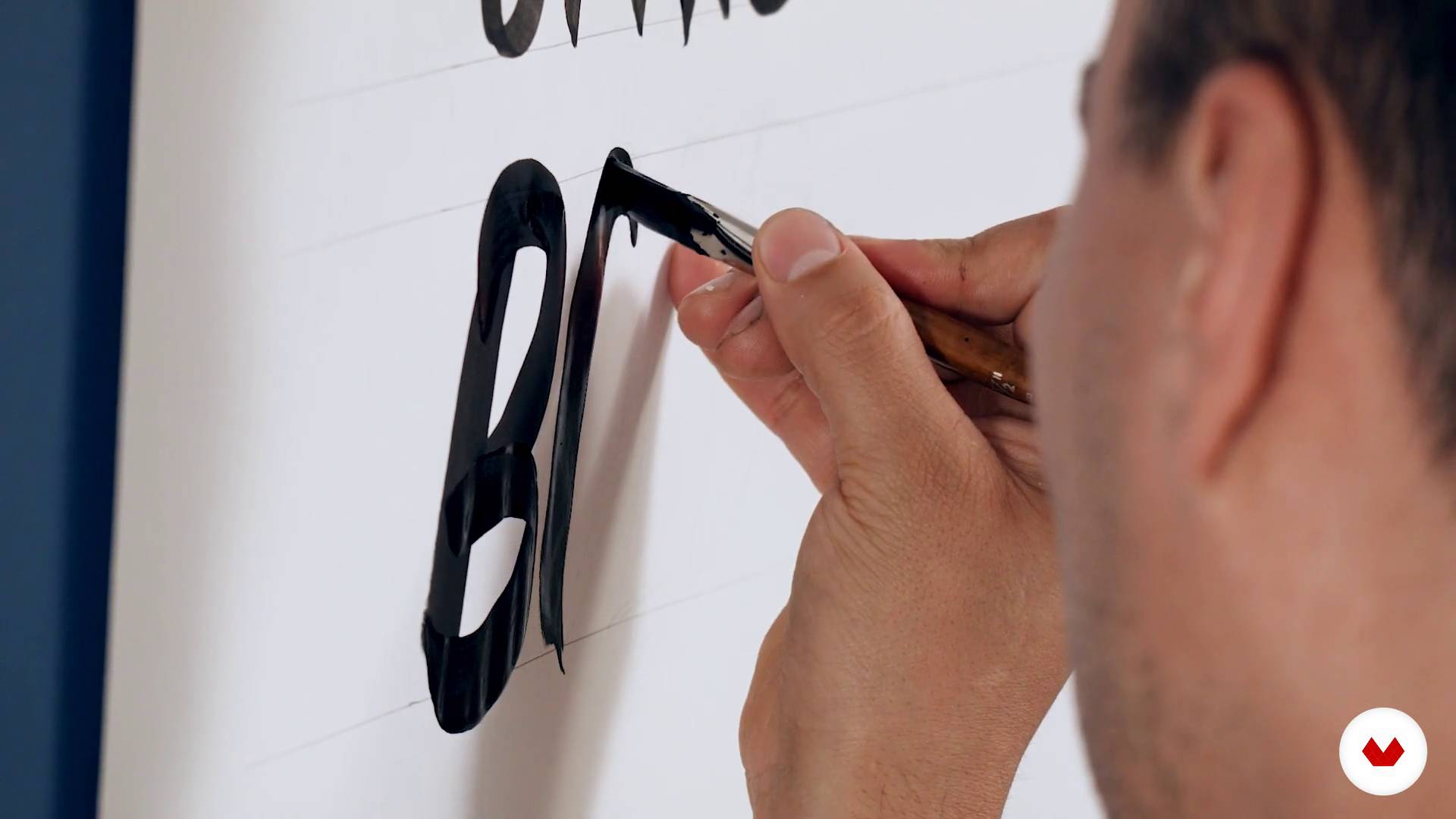
Upright / Bold
6 minutes, 25 seconds
What's included in this course?
You will start learning what is the labeling and its differences with calligraphy, typography and lettering.
Miguel will talk about casual letters, one of the most used styles in sign painting. It will also explain what materials you need to develop this technique and carry out your brush lettering projects.
Next, you will learn the basic principles to represent casual letters. You will do some exercises and you will see Miguel execute all kinds of strokes that will help you practice the use of the brush.
You will make your own alphabet with a brush in its casual , upright , script and bold versions. You will also learn to draw numbers and some special characters.
Once you have learned the construction of the letters, you will get involved in the project. You will start working on the composition and you will make the first sketches.
Afterwards, you will see how to successfully transfer your sketch to the final support and refine all the details to create an impeccable piece.
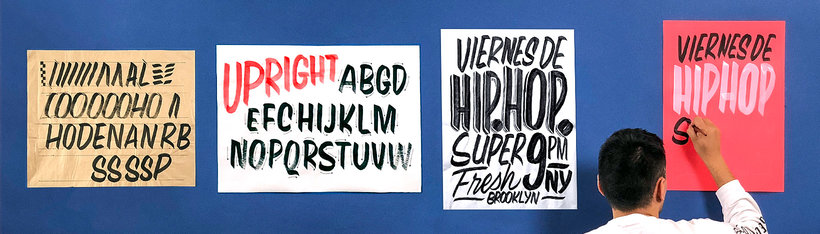
What is this course's project?
You will make a poster where you will apply all the variants that you have learned during the course.
Projects by course students


Who is this online course for?
Lettrists, designers, calligraphers, illustrators and anyone interested in learning the technique of brush lettering.
Requirements and materials
No prior knowledge is necessary. With regard to the materials, you will need basic drawing tools, paper, paint and a flat brush.

Reviews
- 3 months ago
Me gustó mucho el curso, muy bien llevado y bastante sencillo seguir los pasos.
- 7 months ago
Es un excelente curso, el profesor domina muy bien el tema, sin duda tomaría otro curso con él.
- 7 months ago
Muy bueno!
- 2 years ago
Excelente !! muy bien explicado !!!
- 2 years ago
Un curso muy motivador para empezar en el mundo de las letras y el cartelismo. Fue una sorpresa encontrarlo pues siempre me dieron curiosidad los carteles hechos a manos que se ven en comercios y mercados. Tampoco exige conseguir materiales muy caros. Recomendado.

Content
- U1
Introduction
- Presentation
- Influences
- U2
Rotulism
- Lettering and casual lettering
- Description of materials
- U3
Casual letters and variants
- Basic strokes and first exercises
- Uppercase
- Numbers and special characters
- Upright / Bold
- Script
- U4
Elaborating your piece
- Definition of the project and references
- Bocetaje
- Development of the poster
- Refinement and final piece
- FP
Final project
- Sign Painting with casual letters
What to expect from a Domestika course
Learn at your own pace
Enjoy learning from home without a set schedule and with an easy-to-follow method. You set your own pace.
Learn from the best professionals
Learn valuable methods and techniques explained by top experts in the creative sector.
Meet expert teachers
Each expert teaches what they do best, with clear guidelines, true passion, and professional insight in every lesson.
Certificates
PLUSIf you're a Plus member, get a custom certificate signed by your teacher for every course. Share it on your portfolio, social media, or wherever you like.
Get front-row seats
Videos of the highest quality, so you don't miss a single detail. With unlimited access, you can watch them as many times as you need to perfect your technique.
Share knowledge and ideas
Ask questions, request feedback, or offer solutions. Share your learning experience with other students in the community who are as passionate about creativity as you are.
Connect with a global creative community
The community is home to millions of people from around the world who are curious and passionate about exploring and expressing their creativity.
Watch professionally produced courses
Domestika curates its teacher roster and produces every course in-house to ensure a high-quality online learning experience.
FAQs
Sign painting is the art of handcrafting letters on various surfaces, usually for signs or posters. It differs from lettering and digital typography because it emphasizes manual execution and the unique style of each stroke, rather than designing digital fonts.
The course is aimed at people with intermediate knowledge of design or art, but you don’t need to be an expert. Basic drawing or calligraphy experience is recommended to get the most out of the content.
You’ll need flexible brushes, markers, kraft paper, blue painter’s tape, acrylic paints, sandpaper, and basic drawing tools like pencils and a set square. Access to a computer is also recommended for the digital portion.
You’ll learn traditional sign painting techniques, how to construct uppercase letters and numbers, brush handling, sketch transfer methods, differences between typographic styles, and how to apply these skills to posters, murals, and editorial projects.
The course teaches how to use sign painting and typographic composition techniques to create eye-catching promotional posters, organizing information clearly, choosing the right styles and colors, and refining details for a strong visual message.
Yes, the course guides you in developing your own alphabets and letter variants, applying principles of construction, stroke grouping, and stylistic variations typical of sign painting and lettering.
Calligraphy focuses on fluid writing with specific tools, sign painting is the hand-painting of letters for signs or posters, and typography is the design of reproducible fonts, either digital or physical.