Kokedamas: Create Natural Moss Pots
A course by Omotesandō Plants , Specialists in Kokedama and Glass-bowl Gardens

Joined February 2021

Bring nature into your home by making a handmade moss pot with this Japanese technique
Joined February 2021

The art of the kokedama, or 'moss ball', originated in Japan and dates back more than 500 years. The decorative creations of Joan Català, founder of Omotesandō, take their inspiration from this technique, combining all-natural products with modern designs.
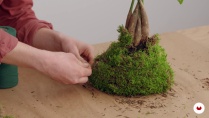
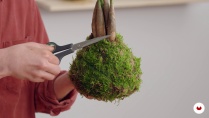
In this course, explore this meditative activity that's rich in history as you make your very own kokedama. Learn how to make natural moss pots using this hundred-year-old artisanal craft and add color to your home.
What will you learn in this online course?
14 lessons & 26 downloads
- 98% positive reviews (209)
- 5,992 students
- 14 lessons (1h 26m)
- 26 additional resources (14 files)
- Online and at your own pace
- Available on the app
- Audio: Spanish, German, English, Spanish (Latam), French, Indonesian, Italian, Dutch, Polish, Portuguese, Romanian, Turkish
- Spanish · English · Portuguese · German · French · Italian · Polish · Dutch · Turkish · Romanian · Indonesian
- Level: Beginner
- Unlimited access forever
What is this course's project?
Make your own natural kokedama moss pot.

Projects by course students


Who is this online course for?
Plant lovers who would like to try out this Japanese technique.
Requirements and materials
No previous knowledge is necessary. Just enthusiasm to get crafty.
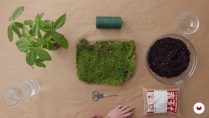
To take this course, you'll need a plant, moss, thread, mineral substrate, and akadama or similar (your teacher will explain more during the course).

Reviews

Omotesandō Plants
A course by Omotesandō Plants
Joan Català is the founder of Omotesandō Plants, kokedama specialists. He explains that Omotesandō is the product of a love of plants, the desire to start something new, and a trip to Japan. Their kokedamas have appeared in publications such as AD and have been used to decorate hotels like the Mandarin Oriental in Barcelona.
Kokedama means 'ball of moss'. This Japanese technique is more than 500 years old and uses moss to create an entirely natural plant pot. Omotesandō seeks to use this technique to bring a piece of nature into every home.
Content
-
U1
Introduction
-
Presentation
-
Influences
-
-
U2
Kokedamas
-
Introduction to Kokedamas
-
History of Kokedamas
-
Materials
-
Plants to Work with in Kokedama
-
-
U3
Making the Kokedama
-
Prepare the Substrate
-
Preparing Our Plant
-
Elaboration of the Ball
-
Work with the Moss
-
Work with the Thread and Finishing Touch
-
-
U4
Finishing Your Kokedama
-
Kokedama Care
-
Decoration with Kokedamas
-
How to Show Your Kokedamas on Social Networks
-
-
FP
Final project
-
Kokedamas: Create Natural Moss Pots
-
What to expect from a Domestika course
-
Learn at your own pace
Enjoy learning from home without a set schedule and with an easy-to-follow method. You set your own pace.
-
Learn from the best professionals
Learn valuable methods and techniques explained by top experts in the creative sector.
-
Meet expert teachers
Each expert teaches what they do best, with clear guidelines, true passion, and professional insight in every lesson.
-
Certificates
PlusIf you're a Plus member, get a custom certificate signed by your teacher for every course. Share it on your portfolio, social media, or wherever you like.
-
Get front-row seats
Videos of the highest quality, so you don't miss a single detail. With unlimited access, you can watch them as many times as you need to perfect your technique.
-
Share knowledge and ideas
Ask questions, request feedback, or offer solutions. Share your learning experience with other students in the community who are as passionate about creativity as you are.
-
Connect with a global creative community
The community is home to millions of people from around the world who are curious and passionate about exploring and expressing their creativity.
-
Watch professionally produced courses
Domestika curates its teacher roster and produces every course in-house to ensure a high-quality online learning experience.
FAQs
Kokedama is a Japanese method that wraps a plant’s roots in a ball of soil covered with moss, creating a natural pot without the need for a container. It’s perfect for adding a unique, natural touch to your decor.
The course is designed for those with basic gardening knowledge but is also accessible to beginners eager to learn kokedama and other plant arrangements.
You’ll need moss, mineral and universal soil, cotton thread, water, and a suitable plant. The course guides you on how to select and prepare each material for the best results.
You’ll learn how to make kokedamas, bowl gardens, and dried flower bouquets; how to choose materials, prepare substrates, pick the right plants, care for and decorate with kokedamas, and showcase your creations on social media.
Hardy plants with compact roots and low water needs—like zamioculcas, ficus ginseng, or pachira—are ideal for kokedamas. The course helps you pick the best plants for your environment.
You need to monitor moss moisture, water properly, avoid direct sunlight, and check root health. The course covers maintenance and repotting techniques to extend your kokedama’s life.
Yes, the course teaches how to make hanging kokedamas and vertical gardens, including how to secure the structures and display them beautifully in various spaces.

Cours très facile et très intéressant. Les explications sont claires et les alternatives sont bienvenues. Merci beaucoup!
Hermoso curso de kokedamas ,muy didáctico y bien explicado, lo recomiendo me llevo mucho aprendizaje .
Hola a todos espero hayan disfrutado este curso como yo; ya había incursionado en esta técnica pero recibí consejos prácticos para la elaboración de las kokedamas. En el paso a paso curso el profesor explica de manera clara, didáctica lo que facilita su aprendizaje. Gracias, Silvia Liliana
Kocham rośliny. Mam ich bardzo dużo szukałam inspiracji jak zapewnić sobie więcej miejsca. Zobaczyłam wiszące kule w Internecie. Dowiedziałam się ,że to kokedama. Jaka była moja radość gdy znalazłam ten kurs. Wiele się z niego dowiedziałam. Dziękuję prowadzącemu za dogłębne wyjaśnienie jak je tworzyć
Me encantó, la forma de explicar muy pausado y paciente, las fotos geniales e inspiradoras.