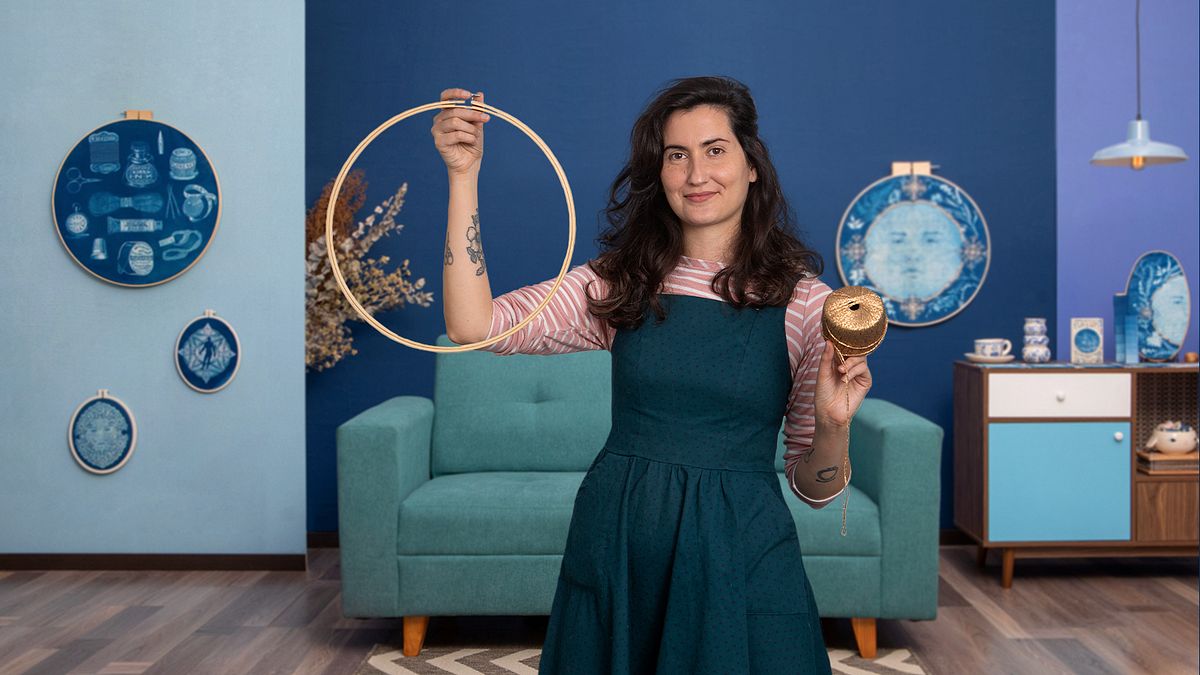
Bluework: Combine Embroidery and Cyanotype
A course by BugambiloVisual Artist
A course by Bugambilo, Visual Artist

Learn to create striking images full of texture using the techniques of cyanotype and embroidery
Do you want to create original textile pieces full of color? If you love the color blue and want to learn how to combine printing and embroidery, this is the course for you. Discover these creative techniques alongside visual artist Sol Kesseler, better known as Bugambilo. Her work has appeared in specialized magazines, private collections, and national as well as international exhibitions.
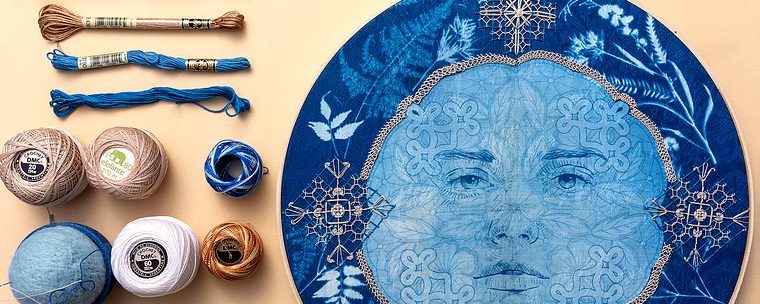
Bugambilo teaches you to create a bluework piece combining eight elegant stitches with cyanotype: an old printing method that allows you to print on fabric in a range of incredible blue tones. If you'd like to explore other types of embroidery, Bugambilo demonstrates mixed-technique portrait illustration in her first course Creation of Embroidered Portraits.
What will you learn in this online course?
14 lessons & 32 downloads
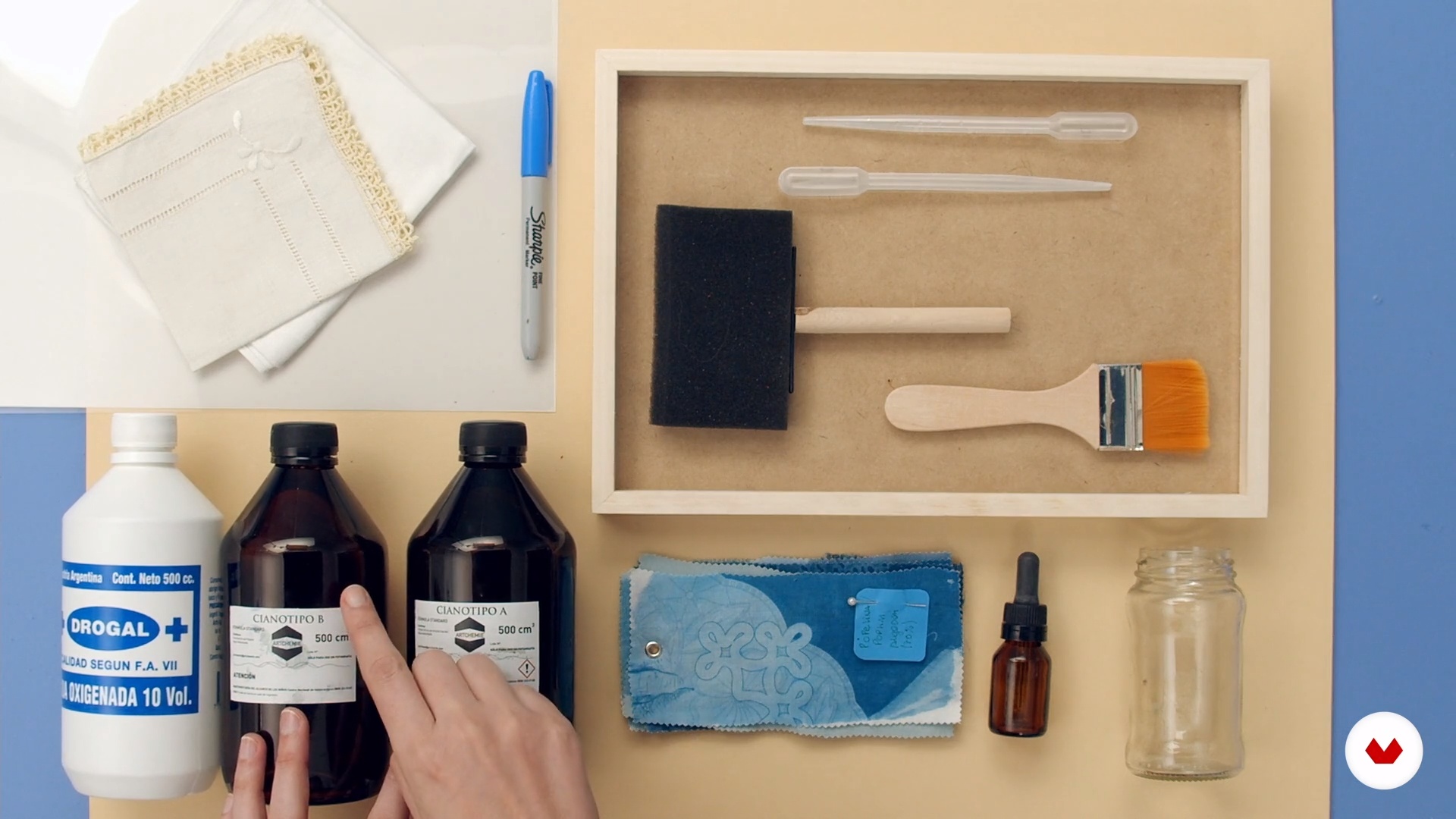
Materials
15 minutes, 52 seconds
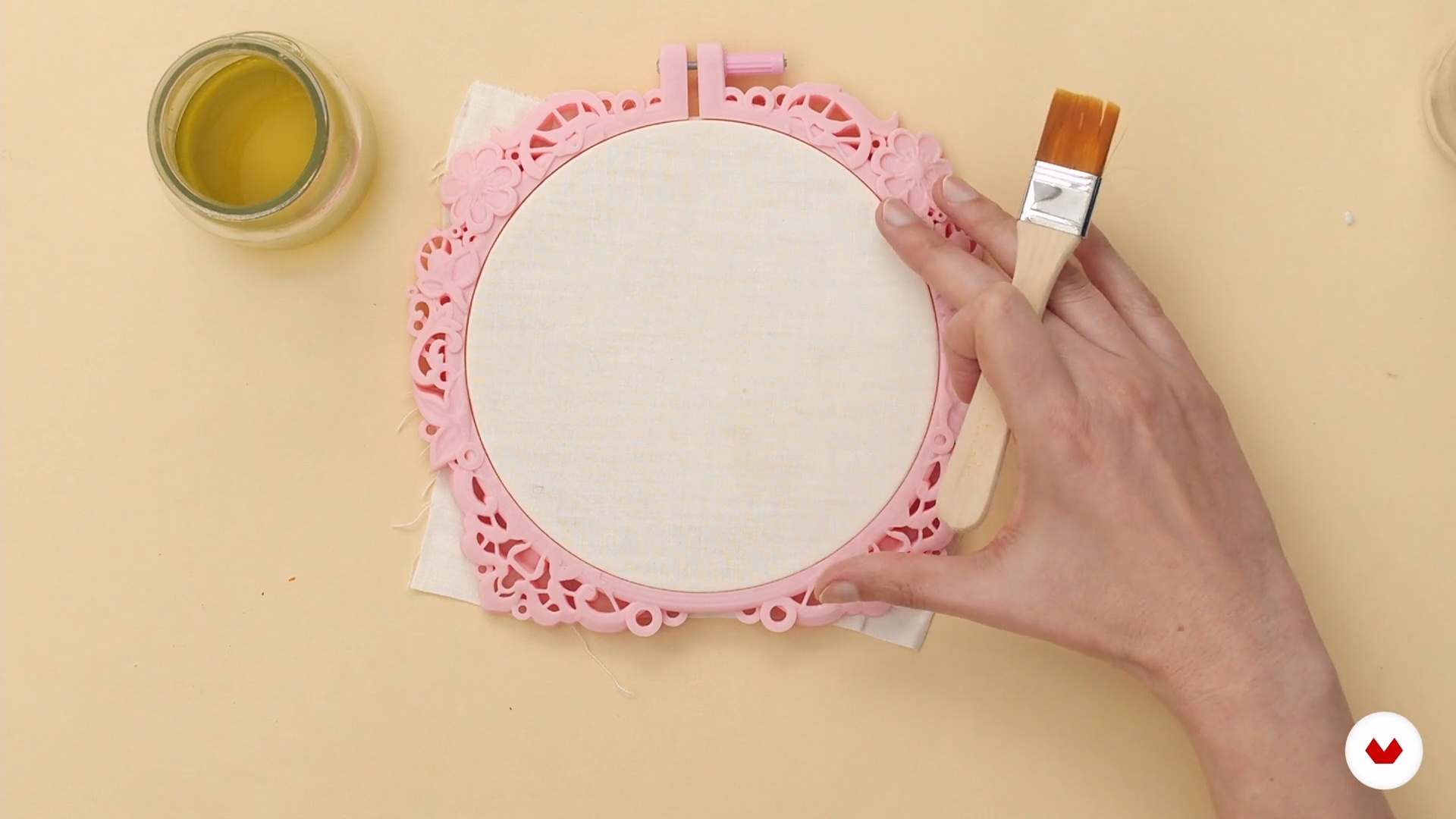
Preparing the surface
8 minutes, 24 seconds
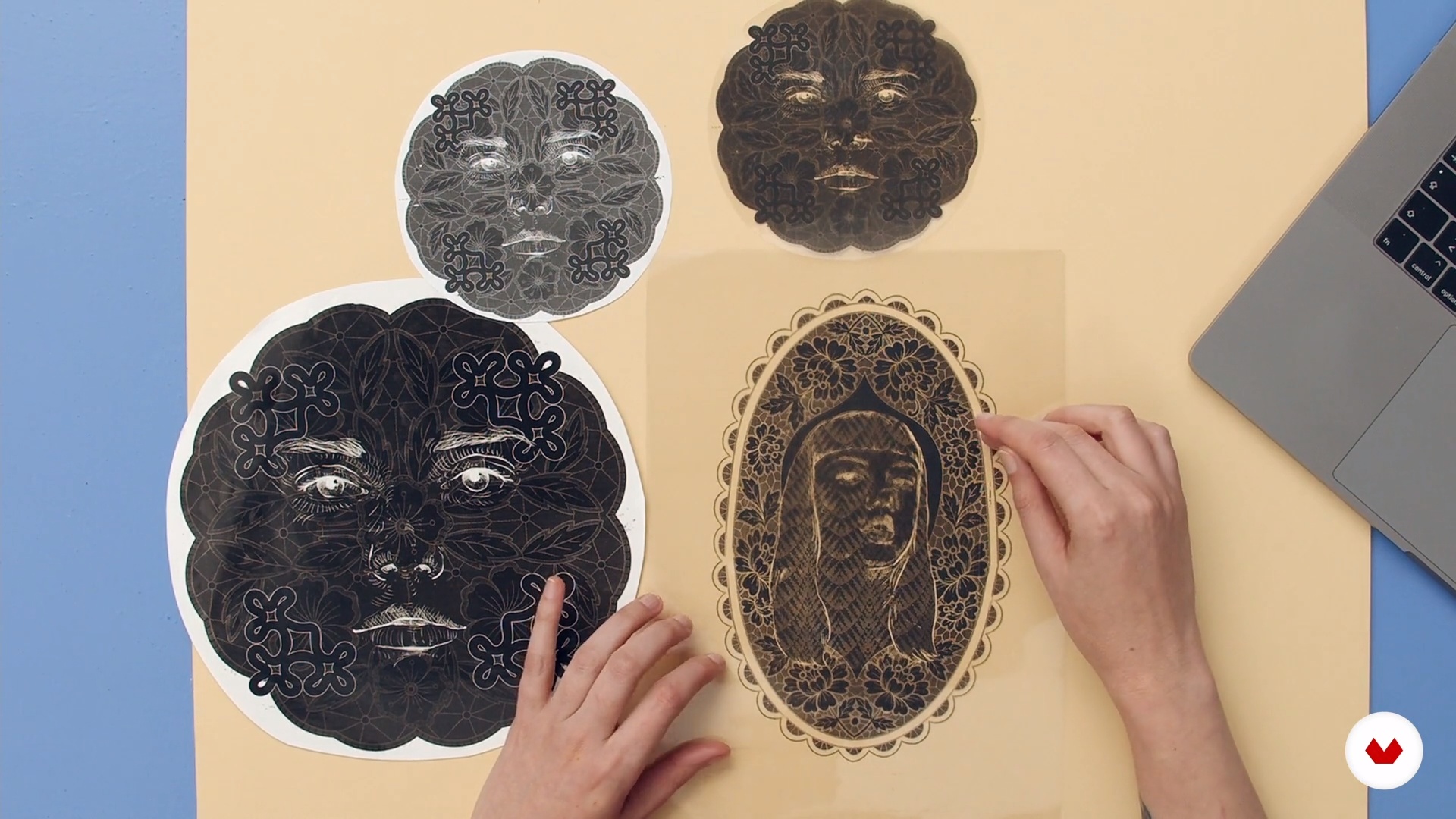
Negatives and frames
10 minutes, 1 second
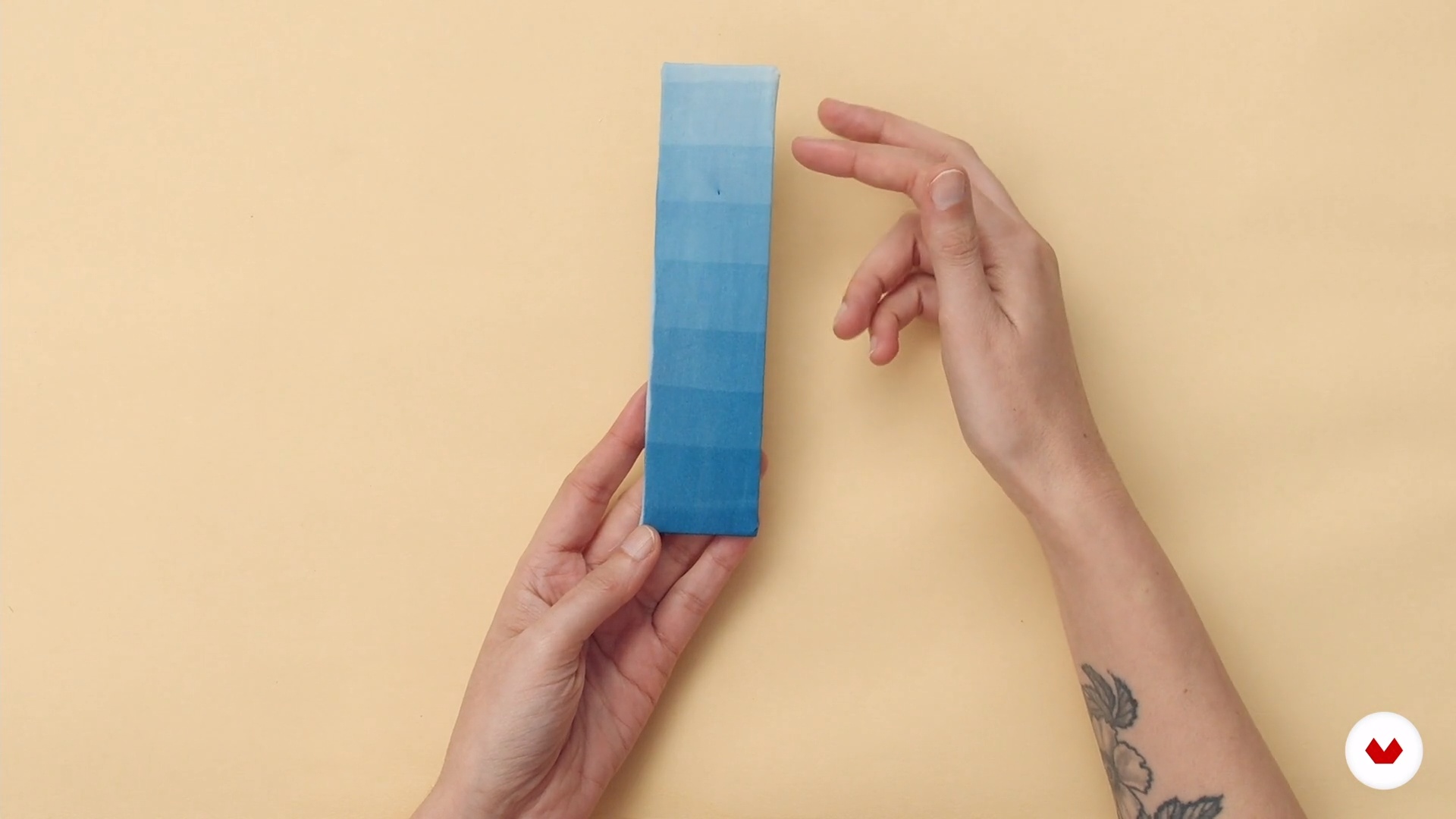
Revealed
9 minutes, 41 seconds
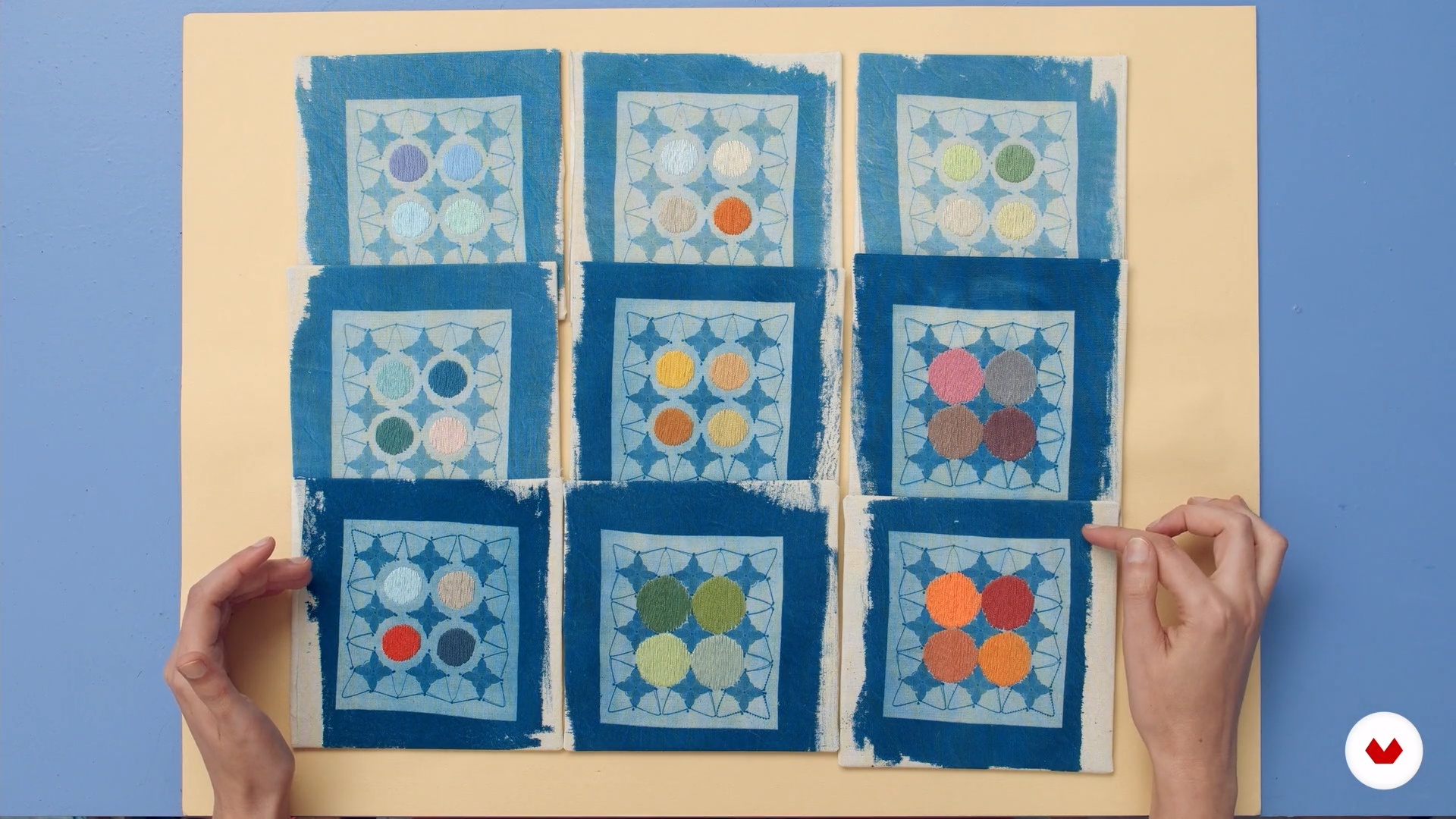
Only monochrome?
7 minutes, 46 seconds
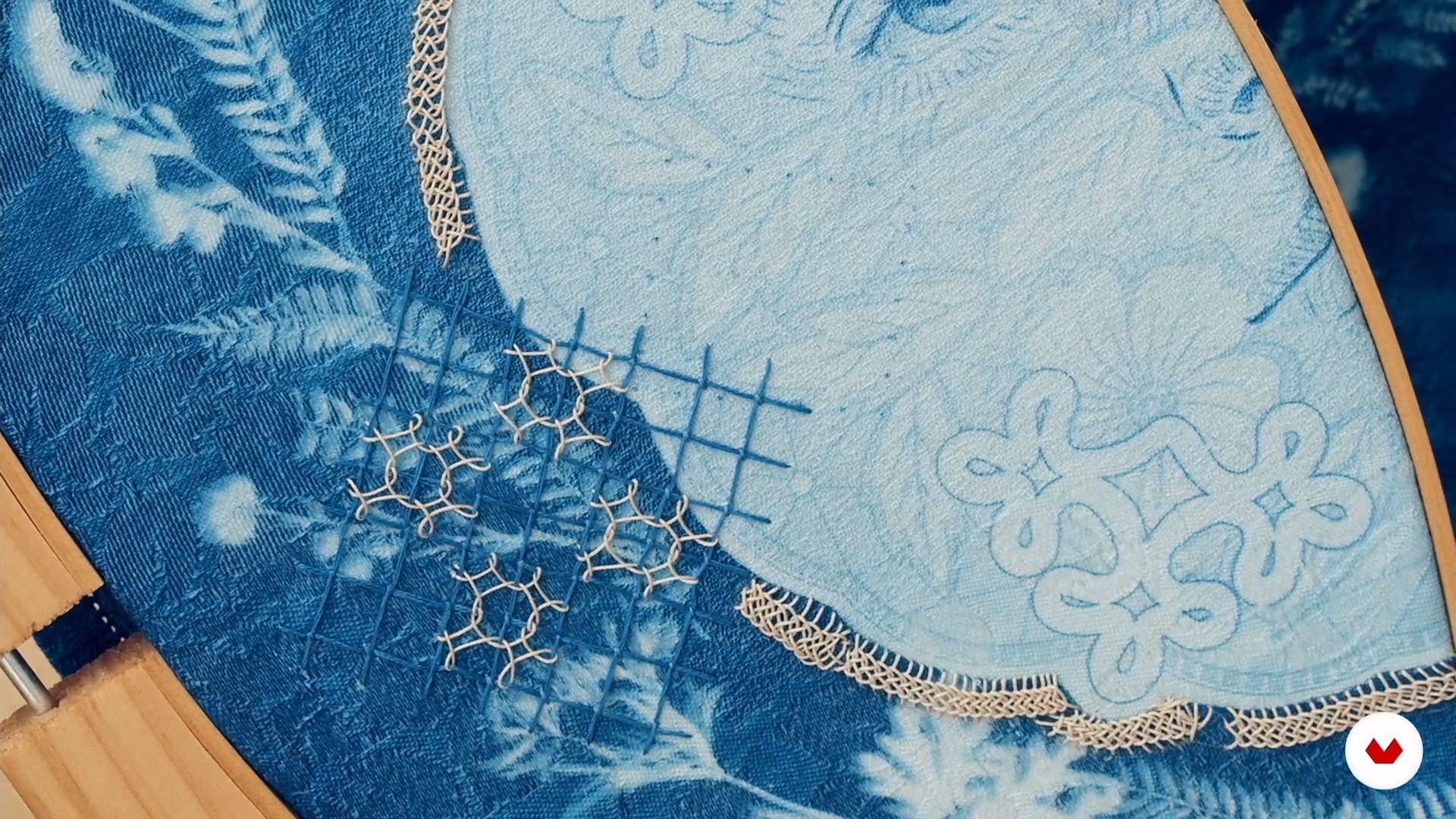
Spirit point
12 minutes, 26 seconds
What's included in this course?
Start by getting to know more about your teacher Sol Kesseler and her studio Bugambilo, where she embroiders her stunning texture-filled artworks. She also shares some of her pieces as well as her main influences.
Take a brief look at the materials you need for the course before hearing Bugambilo talk about the conceptualization of the term "bluework" and cyanotype technique.
To achieve your incredible images and prints, you first need to prepare the surface of the fabric to make it sensitive to UV light. Do a control test to determine how long you should expose your cyanotypes for and then move on to producing your negatives and photograms.
Once your negative is ready and your fabric primed, it's time to develop your cyanotype! Next, see how to choose thread colors that work in harmony with the blues.
Now prepare to mix techniques and get threading with your bluework. Decide on aesthetic elements such as colors and types of thread for your project and get ready to start embroidering. Bugambilo teaches you eight stitches from filet lacing to apply to your piece.
In addition to the final project, practice with a series of exercises to help improve your embroidery technique. Finally, Sol gives you a few last tips on how to tie off and care for your artwork.
What is this course's project?
Create a work of art with a striking image on fabric using cyanotype and embroidery for one-of-a-kind results.
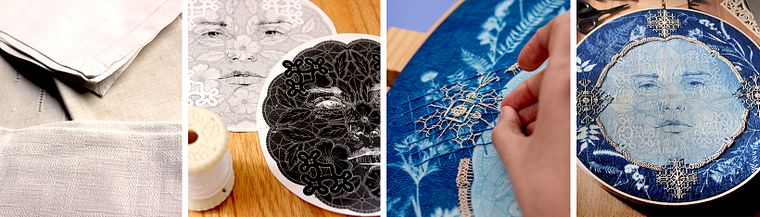
Projects by course students


Who is this online course for?
Anyone excited about the idea of experimenting with textures and techniques and who loves the color blue!
Requirements and materials
No previous knowledge is necessary as this is a beginner course, although you can also enjoy the course if you have experience. Your teacher, Sol, guides you through step by step.
For materials, you need an embroidery hoop, perle cotton, a sewing needle, scissors, cotton fabric, a paintbrush, some glass and butterfly pins or picture frame clips, A and B photosensitive cyanotype solutions (ammonium ferric citrate and potassium ferricyanide, which although might sound technical are very easy to get hold of).
Reviews
- linamariadelgadoPLUS3 months ago
Espectacular todo. Me encantó el curso Explica muy bien.
- 5 months ago
She explains very clearly and it is a great course to take. I don't have any knowledge of embroidery so that took me a while to get right but as they say practise makes perfect. I will definitely buy her other course on Domestika as well.
- 6 months ago
I'm loving this course as it combines my passion for drawing with embroidery and textiles. I have found the information and techniques on the course easy to follow and inspiring. Thank you Bugambilo!
- 8 months ago
Inspiring and love the integration of embroidery.
- 8 months ago
Très bon cours, inspirant, mêlant deux techniques bien expliquées. Merci pour cet apprentissage ! Je recommande

She currently has her own studio in Buenos Aires, Argentina, where she embroiders her illustrations and teaches others to discover their passion for thread.
Content
- U1
Introduction
- Presentation
- Influences
- U2
Materials and materialities
- What is bluework?
- Materials
- Preparing the surface
- Negatives and frames
- Revealed
- Only monochrome?
- U3
Bluework is also texture
- Braid point
- Spirit point
- Woven wheel and its variants
- Star point and highlight lines
- U4
How to take care of your work and final considerations
- Taking care of the blue
- Other possibilities
- FP
Final project
- Bluework: cyanotype and embroidery
What to expect from a Domestika course
Learn at your own pace
Enjoy learning from home without a set schedule and with an easy-to-follow method. You set your own pace.
Learn from the best professionals
Learn valuable methods and techniques explained by top experts in the creative sector.
Meet expert teachers
Each expert teaches what they do best, with clear guidelines, true passion, and professional insight in every lesson.
Certificates
PLUSIf you're a Plus member, get a custom certificate signed by your teacher for every course. Share it on your portfolio, social media, or wherever you like.
Get front-row seats
Videos of the highest quality, so you don't miss a single detail. With unlimited access, you can watch them as many times as you need to perfect your technique.
Share knowledge and ideas
Ask questions, request feedback, or offer solutions. Share your learning experience with other students in the community who are as passionate about creativity as you are.
Connect with a global creative community
The community is home to millions of people from around the world who are curious and passionate about exploring and expressing their creativity.
Watch professionally produced courses
Domestika curates its teacher roster and produces every course in-house to ensure a high-quality online learning experience.
FAQs
Textile cyanotype is a photographic technique that uses a light-sensitive emulsion to reveal images on fabric, usually in shades of blue. When combined with experimental embroidery, it adds texture and decorative details, creating unique art pieces that blend images and stitches.
The course is aimed at people with basic embroidery or photography knowledge, but the step-by-step instructions also make it accessible for intermediate learners with an artistic curiosity.
You’ll need cotton fabric, an embroidery hoop, a brush, light-sensitive emulsion, a transparency or acetate sheet, glass, embroidery threads, a needle, and basic protective gear for handling chemicals.
You’ll learn how to prepare light-sensitive fabric, create negatives, develop cyanotype images, apply various embroidery stitches, combine traditional and digital techniques, and preserve your artwork.
The light-sensitive emulsion is mixed and applied to the fabric in a low-light environment. Then it’s left to dry without exposure to direct sunlight until it’s time to expose it.
It’s best to use white cotton fabric and cotton or silk threads to get sharp images and detailed embroidery. The thread should be strong enough to withstand handling afterward.
The course covers stitches like braided stitch, Sorrento wheel, ornamental filet lace stitches, chain stitch, and satin stitch, among other traditional and experimental techniques.