Interior Design for Public Spaces
A course by Juan Luis MedinaInterior Designer
A course by Juan Luis Medina, Interior Designer

Learn to conceptualize projects designed for the public by taking into account layout, materials, furniture, and lighting
When designing interior spaces for the general public, the success of the project is determined by finding the correct balance between what the client wants, the designer's style, and the needs of the end user. This is how you turn the product into an experience, whether it's the food in a restaurant or the clothes in a store.
In this course, Juan Luis Medina, founder of the Madrid in Love studio, teaches you the secrets to interior design projects for the general public such as restaurants and hotels. Discover how to map out a space and select the materials, the furniture and the lighting to achieve a unique user experience.
What will you learn in this online course?
15 lessons & 18 downloads
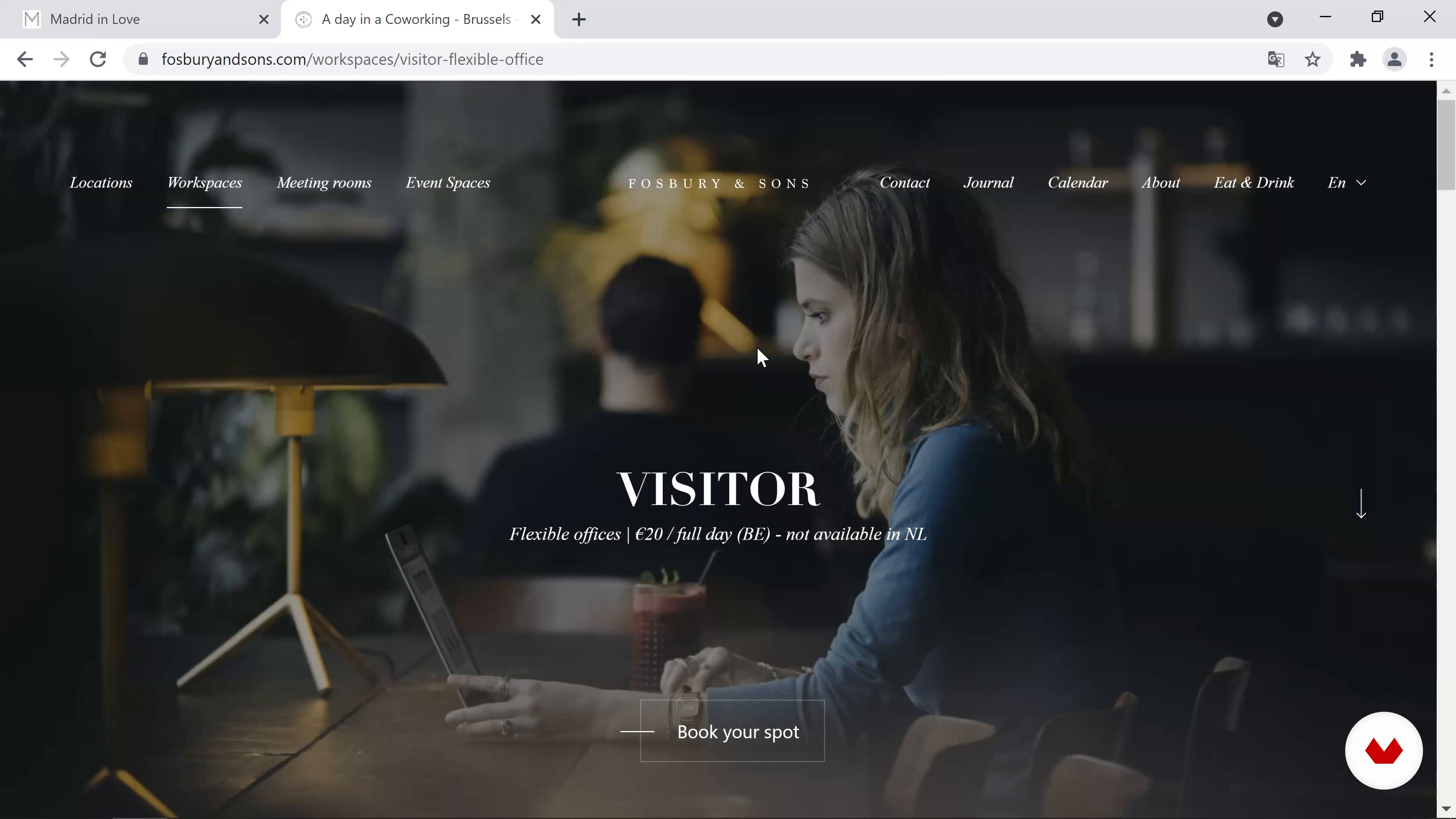
The concept and user experience
12 minutes, 39 seconds
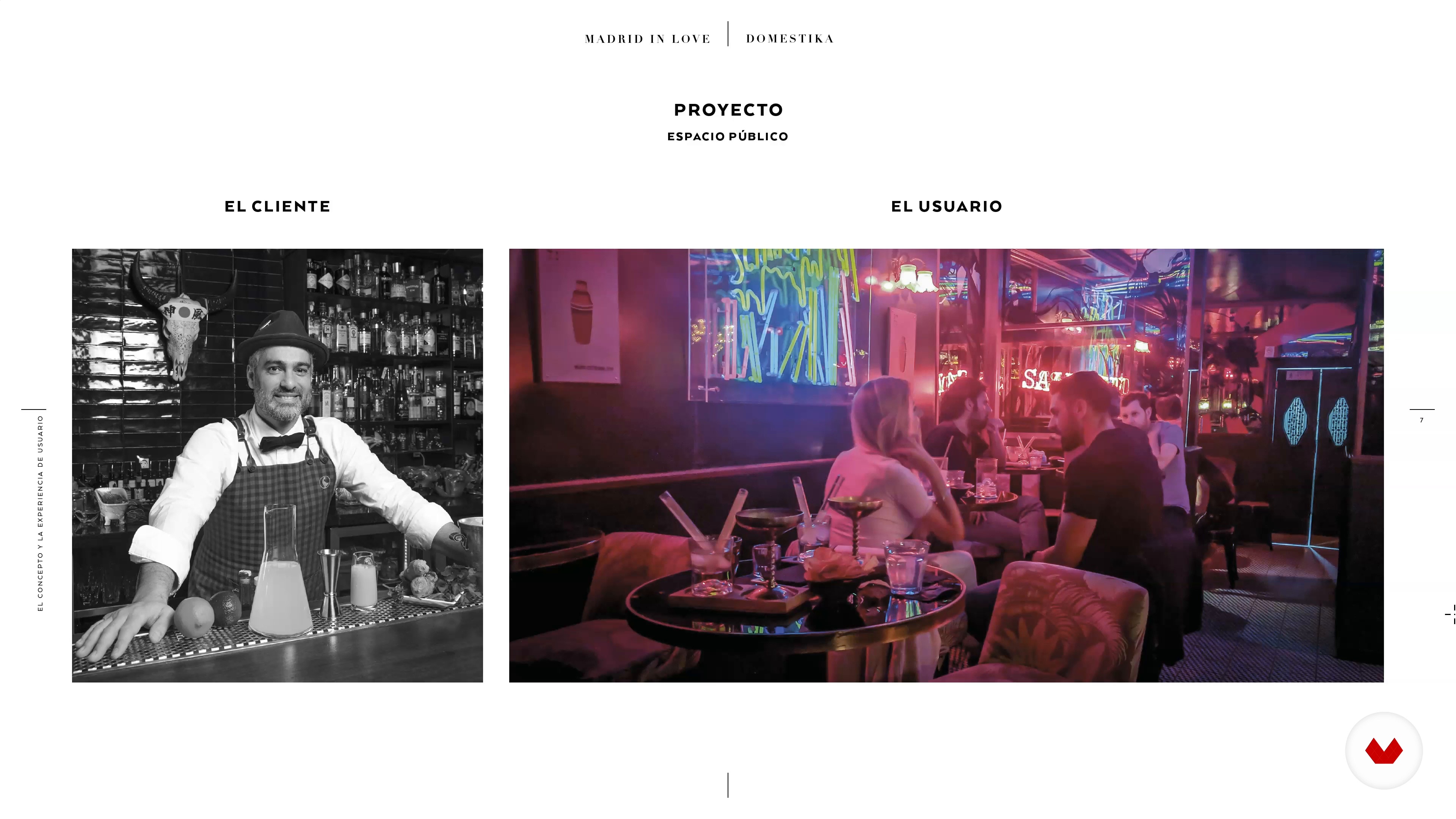
The customer and the end user
6 minutes, 8 seconds
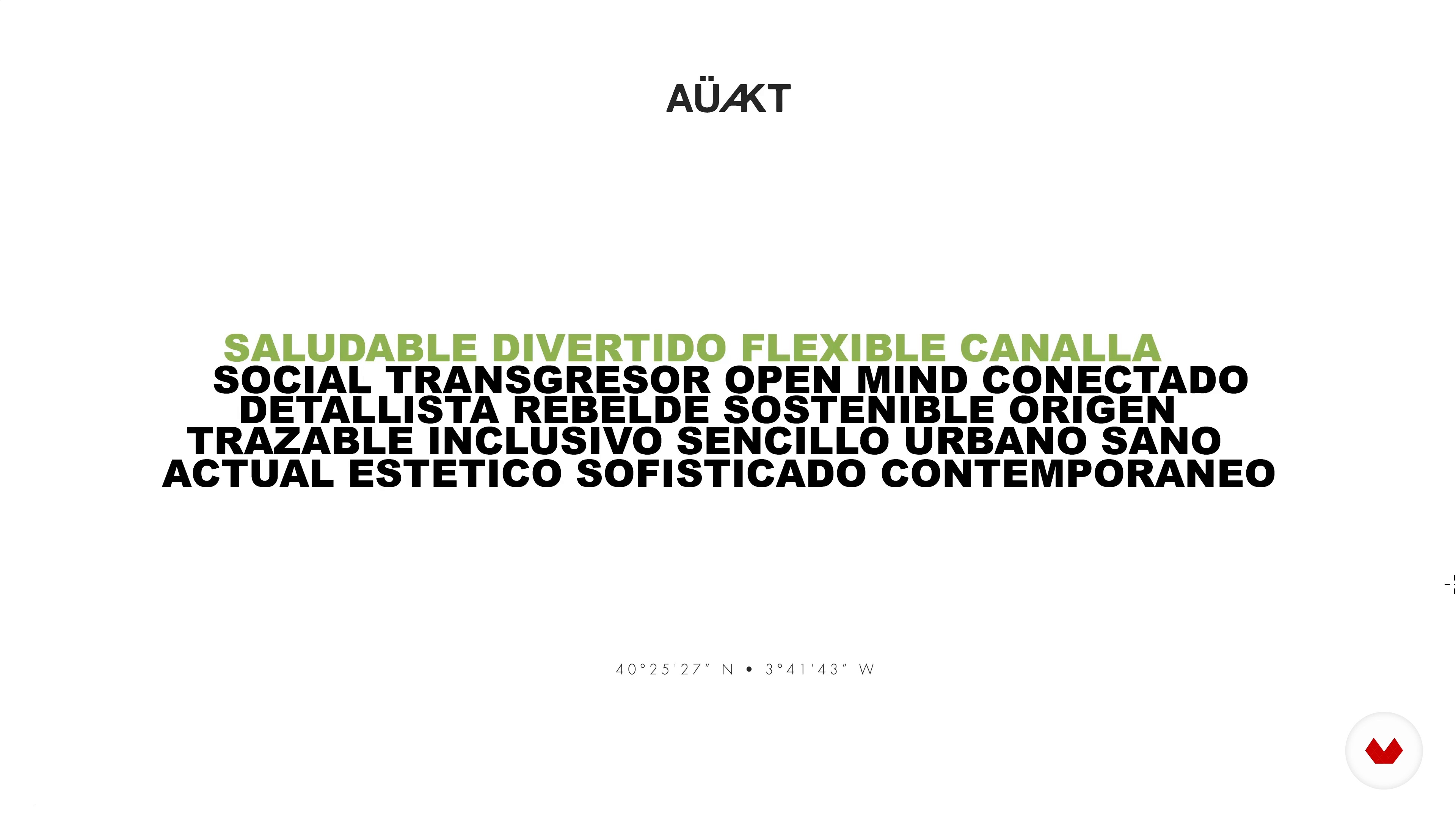
The briefing
5 minutes, 26 seconds
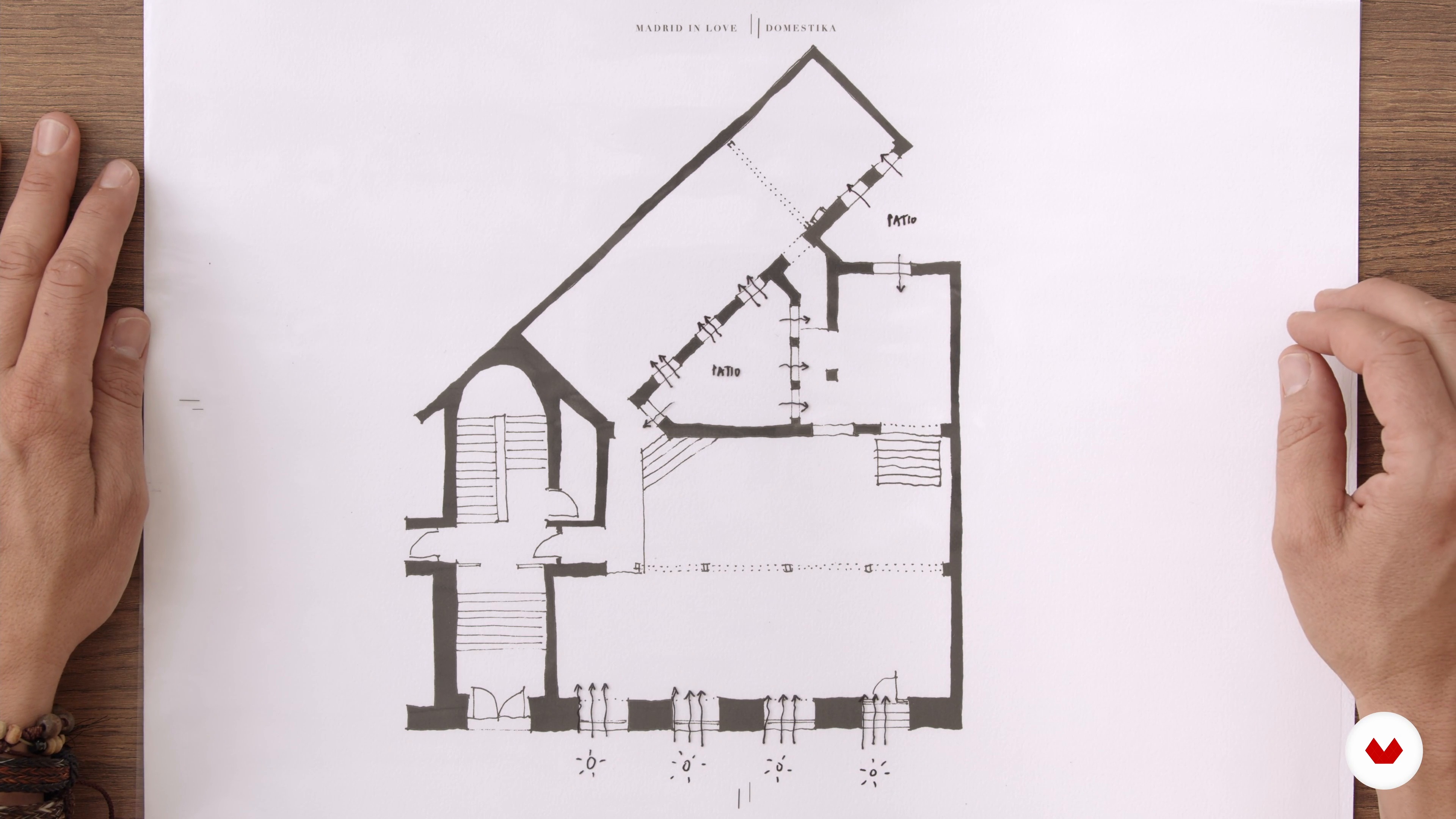
The place
5 minutes, 46 seconds
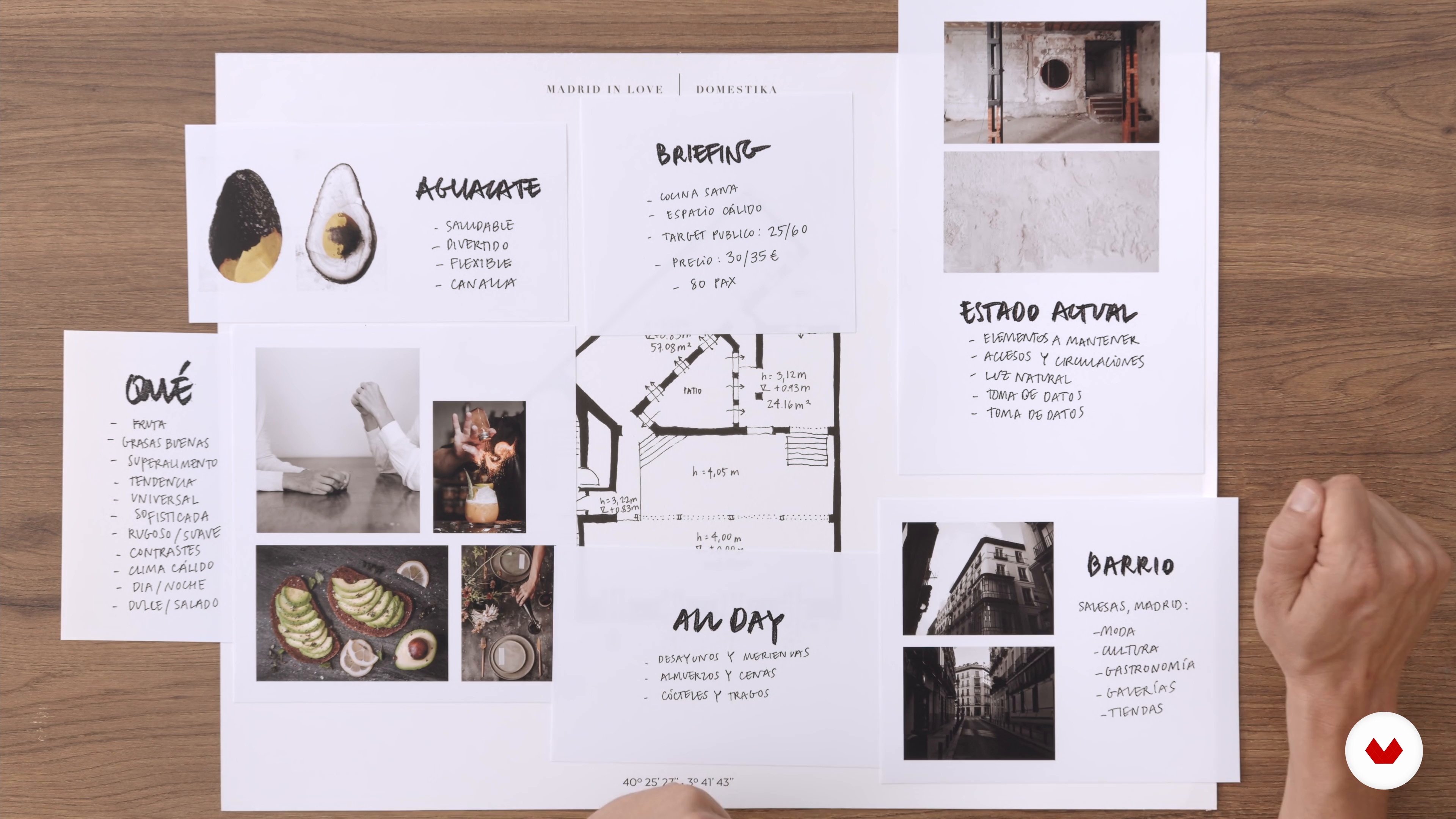
Mood board: interpreting the information
3 minutes, 3 seconds
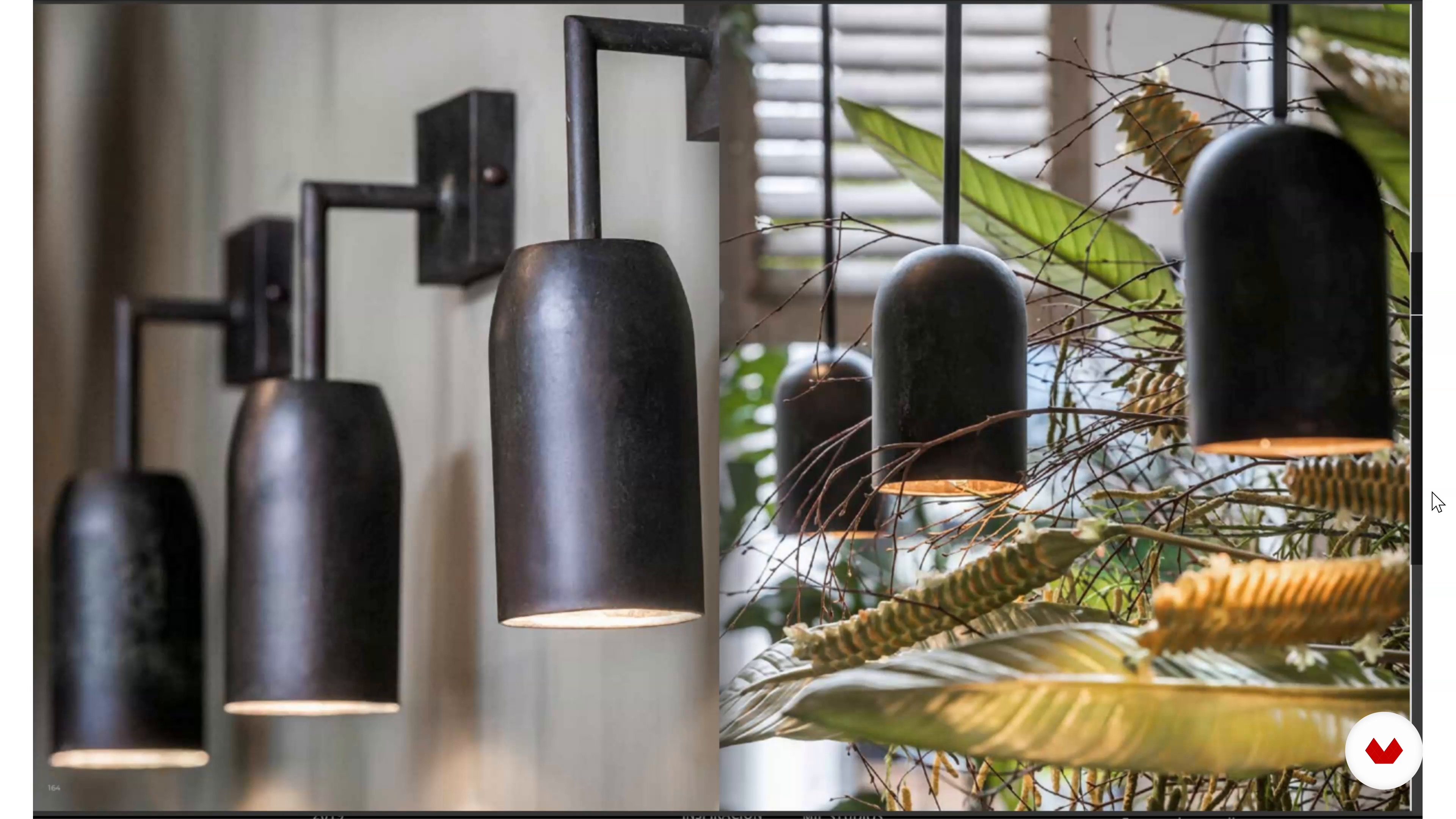
Look and feel
8 minutes, 28 seconds
What's included in this course?
Begin the course by hearing how Juan Luis Medina got started in the world of interior design. He also shares the things that have most influenced his work style.
Get straight to work reviewing the constraints and criteria of a public project and learn to order the information according to importance, from defining the concept and user experience to studying the client brief. Then put together a mood board based on your research.
Now it's time to translate all your materials into design elements. Decide what message you'd like to convey, the materials you want to use, how best to distribute the space, and any other details that influence how the users view the final piece.
To wrap things up, Juan Luis explains how to compile all your content into a presentation for the client and gives you some final tips on applying what you've learned to other projects.
What is this course's project?
Carry out an interior design project for a public space such as a restaurant or hotel, from the research and conceptualization to its pitch to the client.
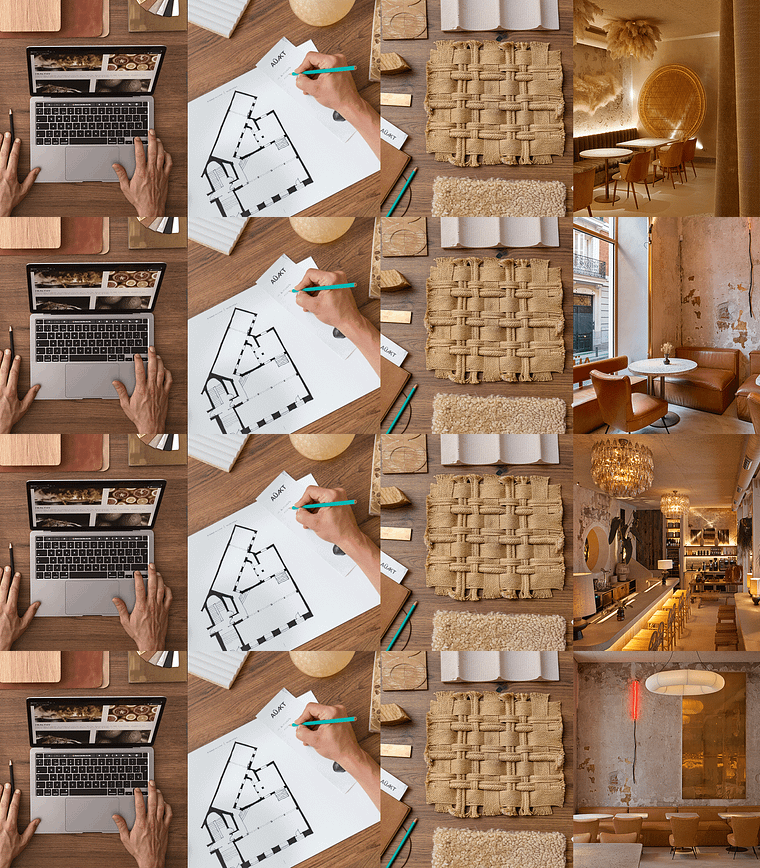
Projects by course students

Who is this online course for?
Anyone interested in designing spaces where the client is not the end user.
Requirements and materials
No prior knowledge is necessary for this course.

Reviews
- 10 months ago
Excelente curso. Muy dinámico y bien explicado. Lo recomiendo
- 11 months ago
Este curso lo deje un tiempo, recien lo termine y es de los mejores que he tomado en Domestika
- 11 months ago
Bardzo inspirujący kurs. Polecam
- 1 year ago
Excelente curso!
- mscanda_18PLUS2 years ago
Bien explicado, aún no lo termino pero me ha sido de ayuda.

After studying interior architecture at the IADE and working at various studios, in 2011 he founded Madrid in Love alongside Naroa Quirós. As Creative Director of Madrid in Love, and with 10 years' experience and 150 design projects under his belt, he has appeared on the AD100 list for two consecutive years. This list recognizes the most influential interior designers and architects of the moment.
Content
- U1
Introduction
- Presentation
- Influences
- U2
Analysis
- The concept and user experience
- The customer and the end user
- The briefing
- The place
- Mood board: interpreting the information
- U3
Approach to the project
- Look and feel
- Storytelling
- Designing the user experience
- Materials
- Zoning
- Elements that make the user experience
- U4
Presentation of the project
- Presentation to the client
- Other projects
- FP
Final project
- How to define a style in interior design according to the client
What to expect from a Domestika course
Learn at your own pace
Enjoy learning from home without a set schedule and with an easy-to-follow method. You set your own pace.
Learn from the best professionals
Learn valuable methods and techniques explained by top experts in the creative sector.
Meet expert teachers
Each expert teaches what they do best, with clear guidelines, true passion, and professional insight in every lesson.
Certificates
PLUSIf you're a Plus member, get a custom certificate signed by your teacher for every course. Share it on your portfolio, social media, or wherever you like.
Get front-row seats
Videos of the highest quality, so you don't miss a single detail. With unlimited access, you can watch them as many times as you need to perfect your technique.
Share knowledge and ideas
Ask questions, request feedback, or offer solutions. Share your learning experience with other students in the community who are as passionate about creativity as you are.
Connect with a global creative community
The community is home to millions of people from around the world who are curious and passionate about exploring and expressing their creativity.
Watch professionally produced courses
Domestika curates its teacher roster and produces every course in-house to ensure a high-quality online learning experience.
FAQs
You’ll learn to blend artistic movements, architectural techniques, user analysis, and conceptual tools to craft memorable, functional, and distinctive spaces—especially in hospitality and commercial settings.
This intermediate-level course is perfect for those with basic knowledge of design, architecture, or interior design who want to deepen their understanding of user experience and spatial conceptualization.
You only need basic design and architecture knowledge, internet access, and simple drawing tools (manual or digital). An interest in design trends and user experience is recommended.
The course demonstrates how brutalism and land art inspire materials, shapes, and pathways to create striking spatial experiences—both on facades and interiors—adding authenticity and a connection to the environment.
Yes, you’ll learn how to gather references, organize visual and conceptual info, and build mood boards that capture the identity and vibe of gastronomic spaces, coworking areas, and more.
The course teaches methods to identify, analyze, and profile users and end clients, using briefing tools, interviews, and needs analysis to design tailored experiences.
Yes, real cases and websites of restaurants, private clubs, and coworking spaces are studied to show how to conceptualize and differentiate user experiences across sectors.