Introduction to Sensory Interior Design
A course by Nayra Iglesias , Architect and Designer


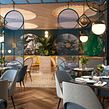


Learn to develop stunning projects for interiors by exploring the senses through textures, colors, sounds, tastes, and scents

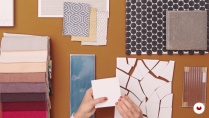
Textures, sounds, flavors, and smells highten the perception of a space and create experiences that awaken the emotions. This is the firm belief of architect, designer, and director of the architecture and design studio In Out Studios, Nayra Iglesias. She specializes in sensory design for renovation projects, hotels, and luxury retail establishments and has completed projects for brands such as Camper, Manolo Blahnik, Grupo Swatch, Suáres Joyeros, and Aristocrazy.
In this course, Nayra teaches you how to take on an interior design project based on the senses from beginning to end. Learn all there is to know, from what sensory design actually is and how to design an experience through sensory marketing, to how to present your project on social media to give your work more visibility.
What will you learn in this online course?
14 lessons & 28 downloads

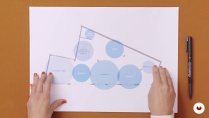

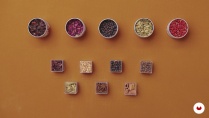
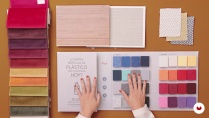
- 100% positive reviews (181)
- 6,009 students
- 14 lessons (2h 4m)
- 28 additional resources (11 files)
- Online and at your own pace
- Available on the app
- Audio: Spanish, English, French, Italian, Portuguese, Turkish
- Spanish · English · Portuguese · German · French · Italian · Polish · Dutch · Turkish · Romanian · Indonesian
- Level: Beginner
- Unlimited access forever
What is this course's project?
Transform an interior space into one that really has an impact on the senses using the real example of the Kai La Caleta restaurant.

Projects by course students


Who is this online course for?
Design lovers, anyone starting out in design, and anyone interested in exploring sensory design.
Requirements and materials
No prior knowledge is necessary for this course. In terms of materials, you need a computer, some paper, colored pencils, and a regular pencil.

Reviews

Nayra Iglesias
A course by Nayra Iglesias
Nayra Iglesias is an expert in design and luxury project management at international level. She has been the director of the In Out Studio of architecture and interior design since 2008. They have offices in Madrid and the Canary Island specializing in the retail, restaurant, and hotel design sectors and have completed more than 200 projects around the world for brands like Camper, Manolo Blahnik, Swatch, Suárez Joyeros, Aristocrazy, and more.
Since 2018, she has been combining her professional efforts in the direction of the studio and teaching both her own classes and classes at the Escuela Superior de Diseño in Madrid.
Content
-
U1
Introduction
-
Presentation
-
Influences
-
-
U2
The experience
-
Introduction to sensory design
-
Sensory marketing applied to design
-
Client briefing
-
Sensory experience: diagram
-
-
U3
Sensory design
-
The sense of sight 1
-
The sense of sight 2
-
The sense of smell
-
The sense of hearing
-
Taste
-
The Importance of the Touch
-
-
U4
Share the experience
-
Final presentation of the project
-
Learn to communicate your work
-
-
FP
Final project
-
Introduction to sensory interior design
-
What to expect from a Domestika course
-
Learn at your own pace
Enjoy learning from home without a set schedule and with an easy-to-follow method. You set your own pace.
-
Learn from the best professionals
Learn valuable methods and techniques explained by top experts in the creative sector.
-
Meet expert teachers
Each expert teaches what they do best, with clear guidelines, true passion, and professional insight in every lesson.
-
Certificates
PlusIf you're a Plus member, get a custom certificate signed by your teacher for every course. Share it on your portfolio, social media, or wherever you like.
-
Get front-row seats
Videos of the highest quality, so you don't miss a single detail. With unlimited access, you can watch them as many times as you need to perfect your technique.
-
Share knowledge and ideas
Ask questions, request feedback, or offer solutions. Share your learning experience with other students in the community who are as passionate about creativity as you are.
-
Connect with a global creative community
The community is home to millions of people from around the world who are curious and passionate about exploring and expressing their creativity.
-
Watch professionally produced courses
Domestika curates its teacher roster and produces every course in-house to ensure a high-quality online learning experience.
FAQs
Domestika courses are online classes that allow you to learn new skills and create incredible projects. All our courses include the opportunity to share your work with other students and/or teachers, creating an active learning community. We offer different formats:
Original Courses: Complete classes that combine videos, texts, and educational materials to complete a specific project from start to finish.
Basics Courses: Specialized training where you master specific software tools step by step.
Specialization Courses: Learning paths with various expert teachers on the same topic, perfect for becoming a specialist by learning from different approaches.
Guided Courses: Practical experiences ideal for directly acquiring specific skills.
Intensive Courses (Deep Dives): New creative processes based on artificial intelligence tools in an accessible format for in-depth and dynamic understanding.
All courses are 100% online, so once they're published, courses start and finish whenever you want. You set the pace of the class. You can go back to review what interests you most and skip what you already know, ask questions, answer questions, share your projects, and more.
The courses are divided into different units. Each one includes lessons, informational text, tasks, and practice exercises to help you carry out your project step by step, with additional complementary resources and downloads. You'll also have access to an exclusive forum where you can interact with the teacher and with other students, as well as share your work and your course project, creating a community around the course.
You can redeem the course you received by accessing the redeeming page and entering your gift code.


amei o curso, aprendi muito!
Muy bueno para el alcance de un curso de éste tipo, es una gran introducción al diseño sensorial, es evidente el conocimiento de Nayra y su buena disposición para compartirlo.
muito bom!
Excelente curso! soy arquiteta y estoy migrando para el area infantil, trabaje por mucho tiempo com hospitales y me encanto el curso, Nayra excelente profesional con conocimientos muy nobles y sensibles dentro de su vision arquitectonica, con una clara explicación y bastante repertorio. Me adiciona mucho para mi nuevo rumbo dentro de la arquitectura infantil. Gracias Domestika, Muchas gracias Nayra Iglesias.
Il corso è veramente interessante, le spiegazioni sono chiare e l'insegnante è molto simpatica. Ho appreso delle nuove cose che non vedo l'ora di mettere in pratica nei miei progetti.