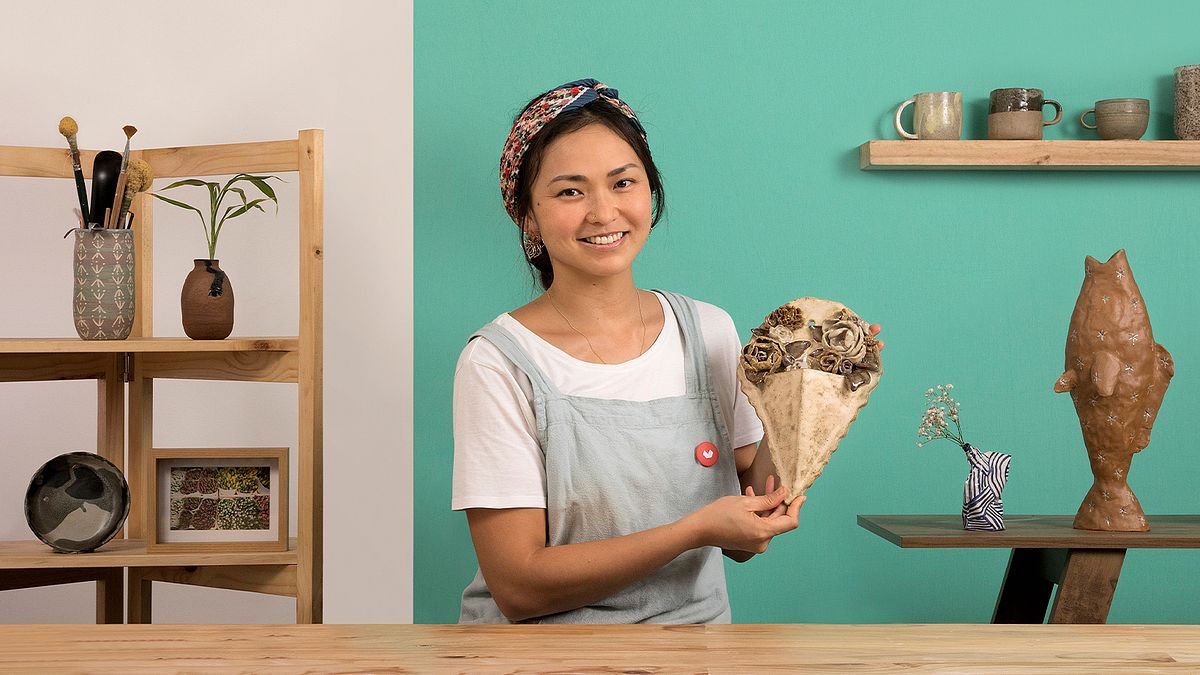
Basic Techniques in Decorative Ceramic Modeling
A course by Kiara HayashidaCeramicist and Sculptor
A course by Kiara Hayashida, Ceramicist and Sculptor

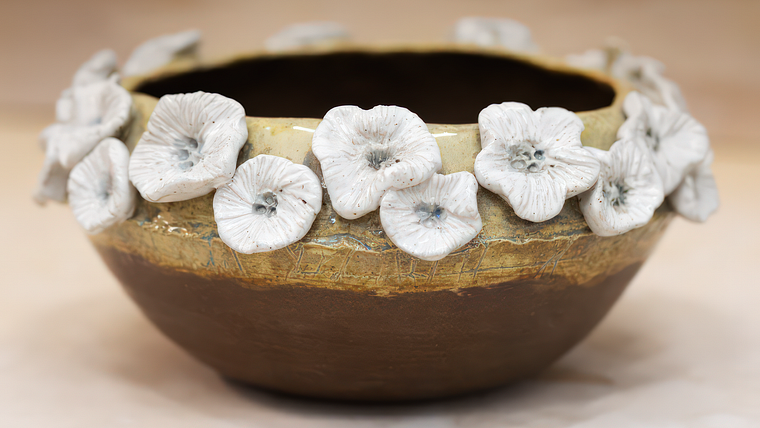
Learn how to model rustic-style ceramic pieces and decorate them with floral designs
Ceramicist and sculptor Kiara Hayashida believes that creating something with your own hands is the most direct way to turn your dreams into reality. For her, the malleability of clay and its applications after firing allow you to make long-lasting decorative and usable pieces.
In this course, learn how to work the clay to shape your own pieces and decorate them with floral designs. Discover various manual techniques for working with this material and fall in love with rustic designs; an eye-catching alternative in a world where almost everything is mass-produced.
What will you learn in this online course?
14 lessons & 25 downloads
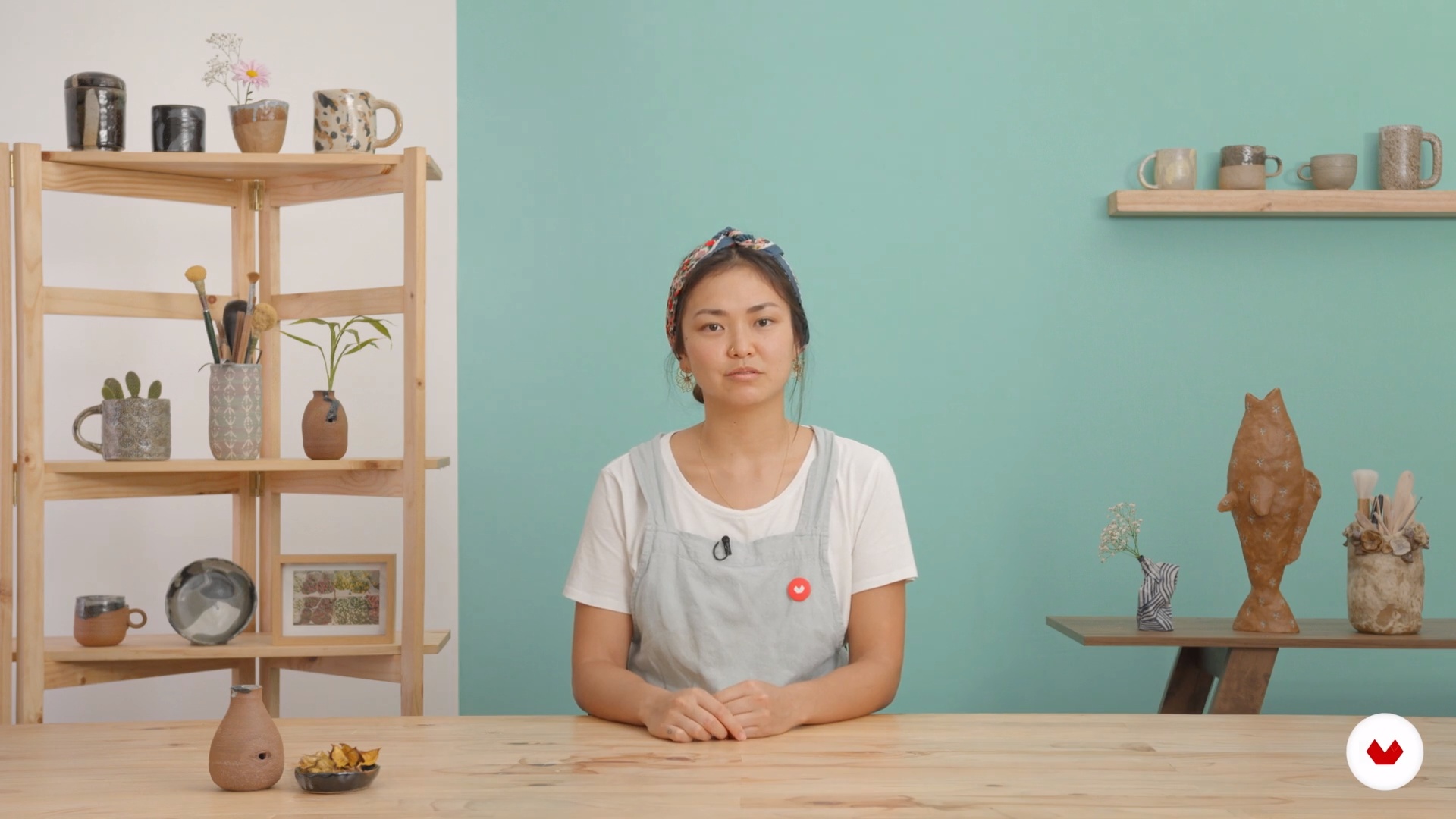
What Will We Do in This Course?
1 minute, 13 seconds
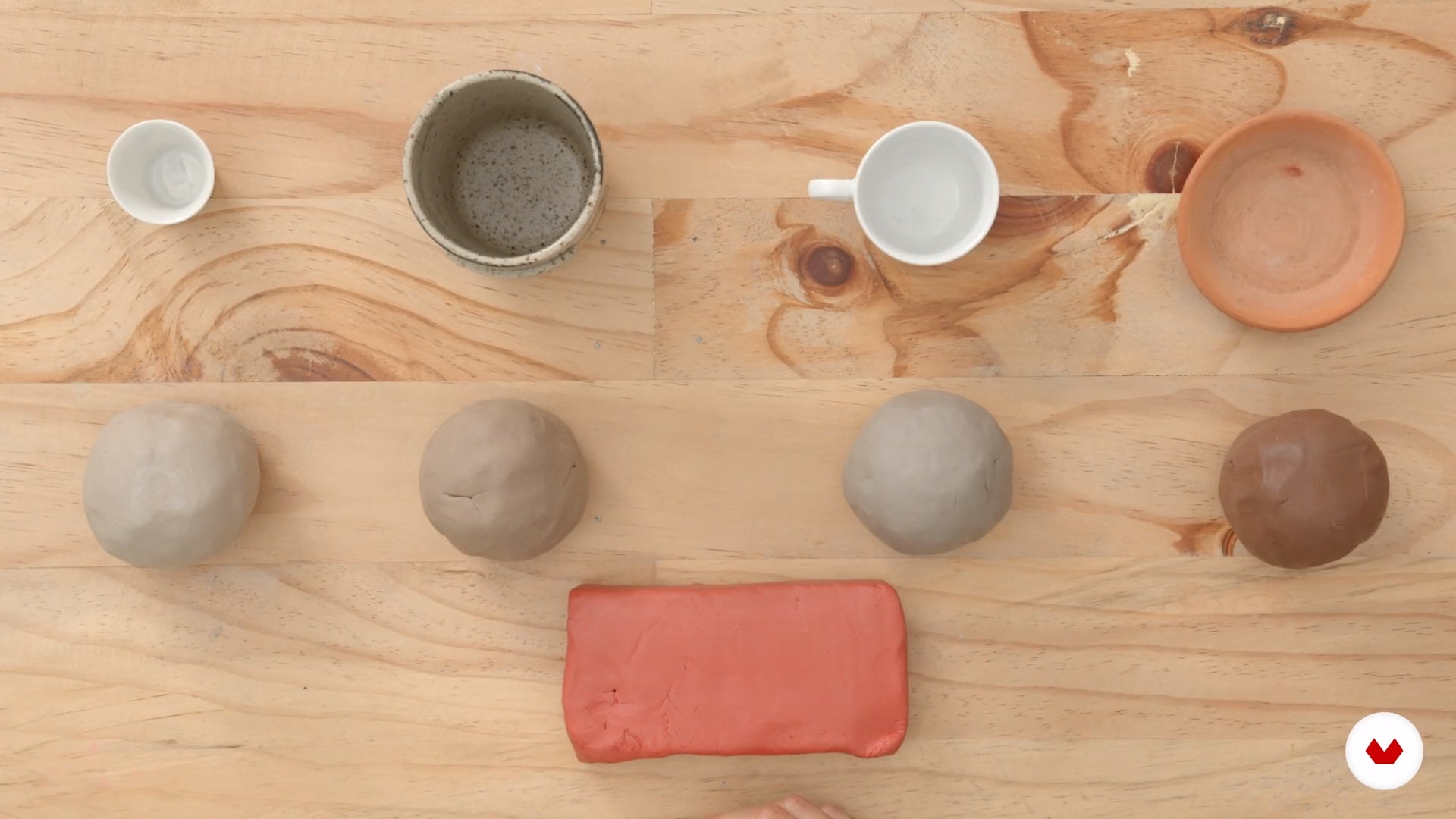
Materials and Tools
5 minutes, 11 seconds
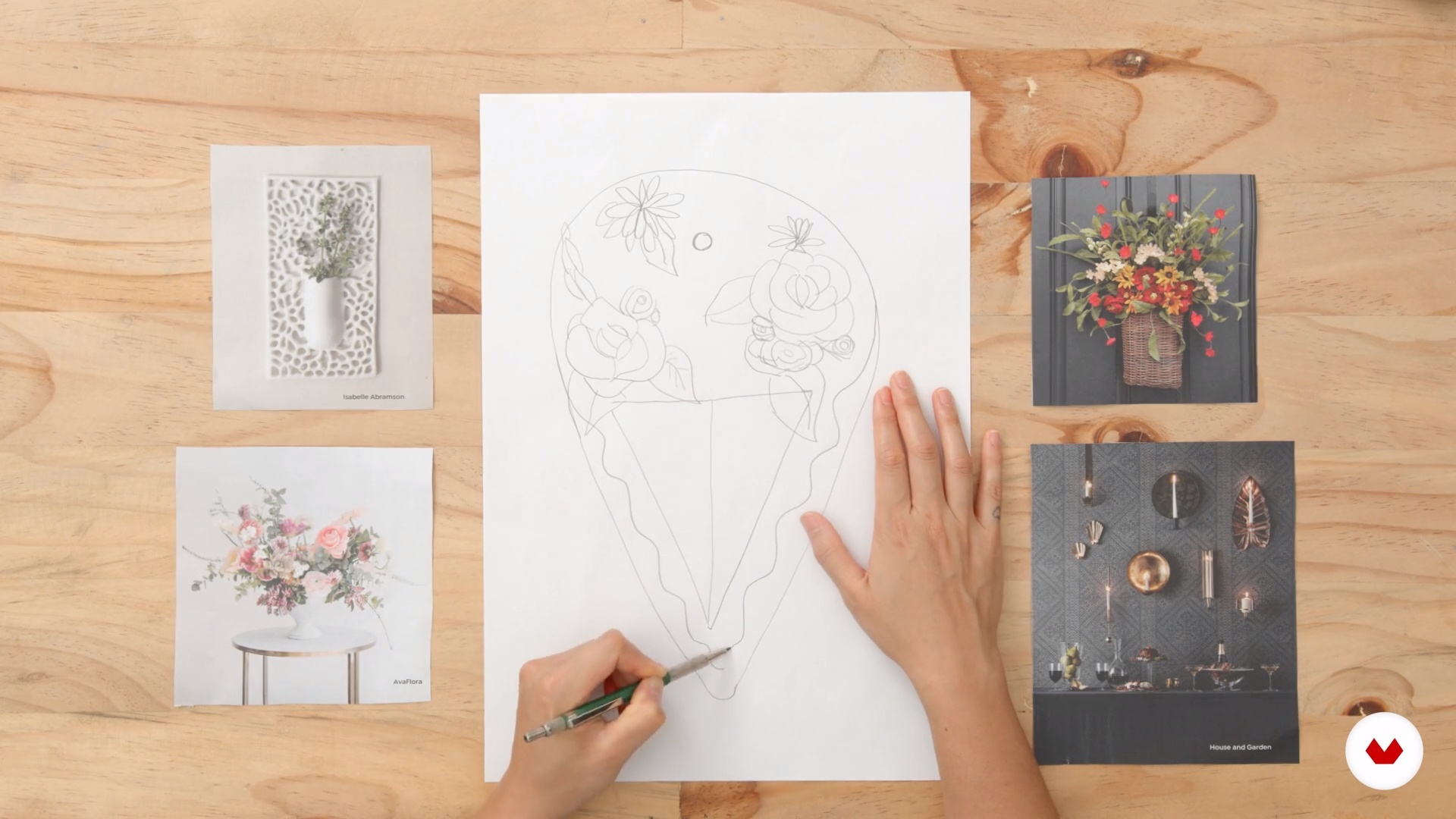
Object and Composition
3 minutes, 41 seconds
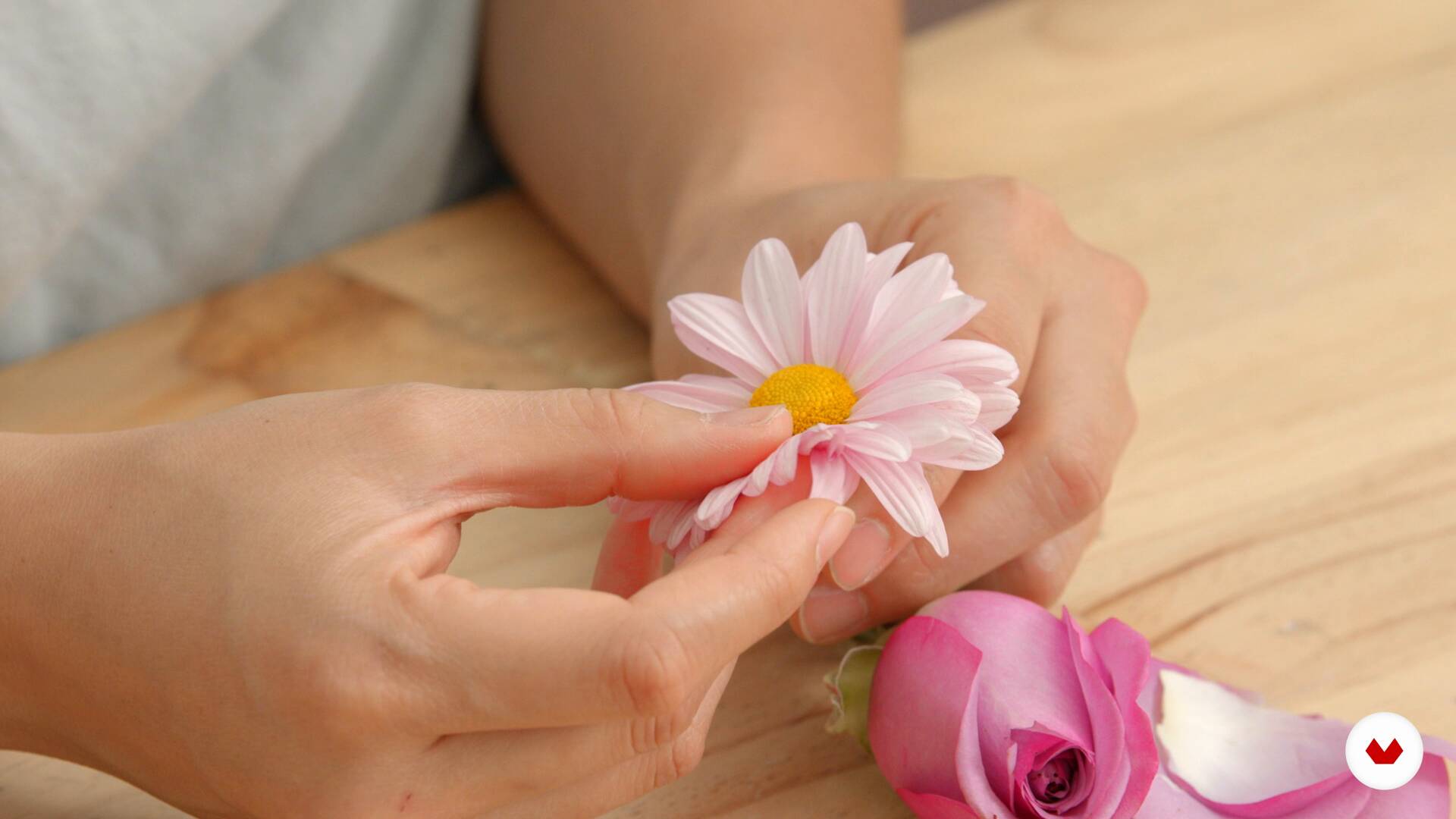
Flower Observation
2 minutes, 16 seconds
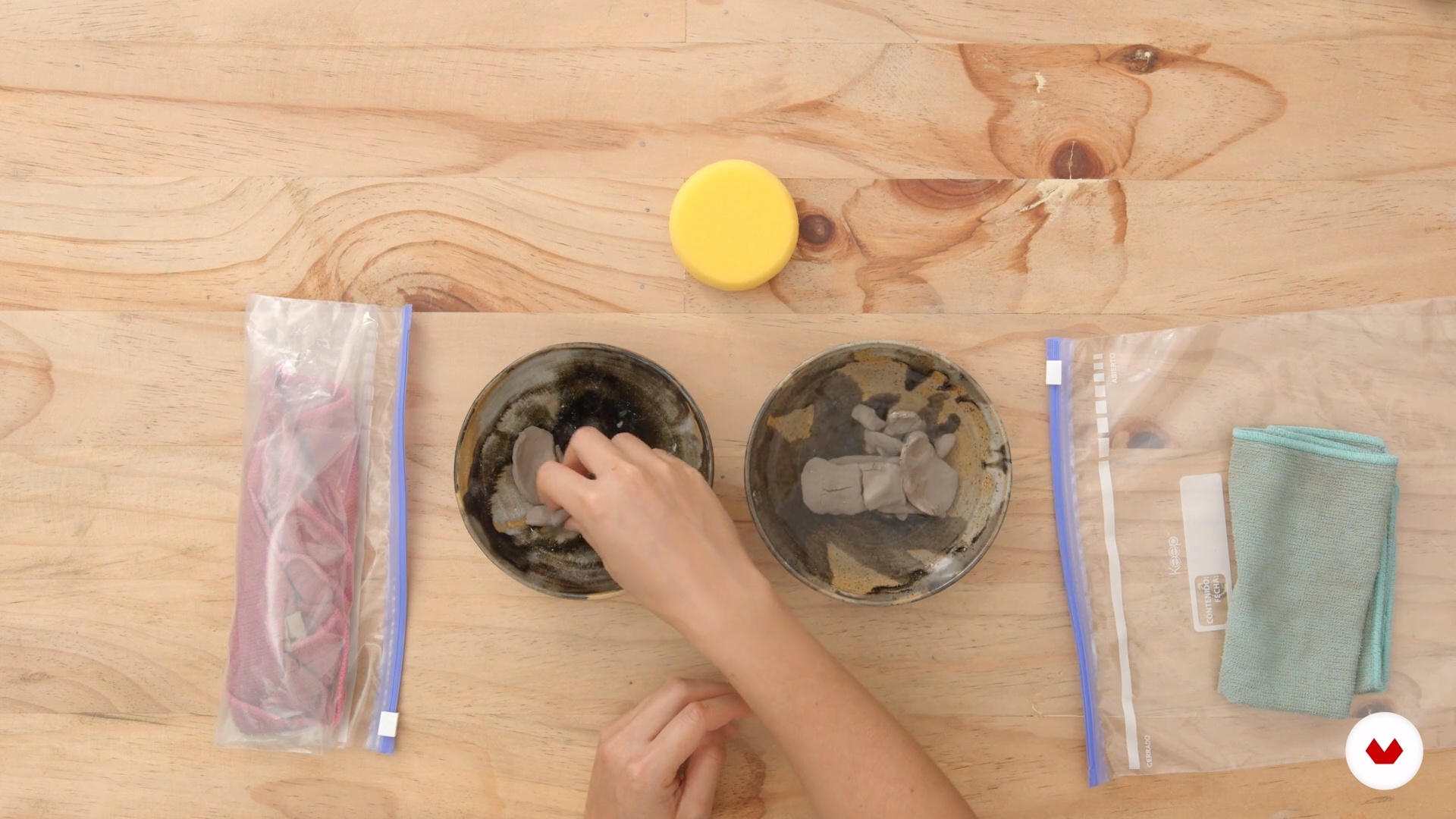
Kneading, Recycling and Barbotine
7 minutes, 33 seconds

Basic Construction Techniques
15 minutes, 12 seconds
What's included in this course?
Start the course by getting to know your teacher Kiara Hayashida and how she fell in love with ceramics. She also shows you some of the artists and ceramicists that inspire her and gives you an overview of the course.
Explore the different types of clay and which tools are best for working with each of them. Familiarize yourself with some basic techniques for sculpting your piece and develop a sketch using reference materials.
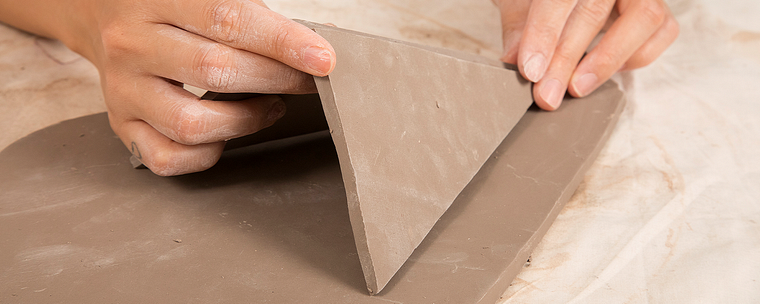
Kiara teaches you two kneading techniques, how to recycle clay, and how to make ceramic glue and "slip" (barbotine). Practice three different techniques that can be used to make absolutely anything: pinch, coil, and slab.
Choose the best method for your piece and learn to mold flowers and foliage to embed in the base. Add the finishing touches before firing it in the kiln.
Kiara will walk you through how to glaze your piece with a few secrets for achieving different effects. She'll also give you some tricks for packaging and sending out your creations so they arrive at their destination safely.
What is this course's project?
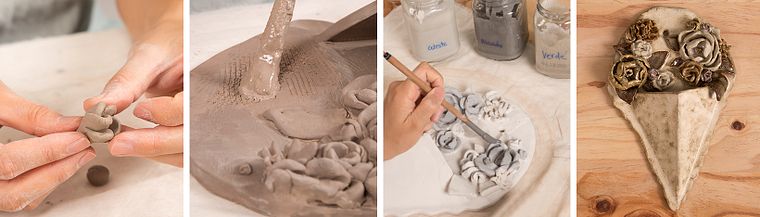
Make a ceramic wall-mounted candle holder with a floral design using the flattening technique.
Who is this online course for?
Anyone keen to explore pottery as a creative medium and give life to functional pieces with a uniquely fun twist.
Requirements and materials
No previous experience is required for this course, just a pair of hands ready to get creative.
In terms of materials, you need ceramic glaze, access to a kiln (if you don't have access to a kiln you can use air drying clay and acrylic paints), and a basic pottery tool kit that your teacher will help you pick out. Follow Kiara's advice for finding your nearest workshop and ceramics shop.
Reviews
- 3 years ago
Maravilloso!!!
- 3 years ago
Un curso excelente.
- 3 years ago
Bueno
- 3 years ago
Valoro positivamente este curso, es más bien breve comparado con otros, pero los conceptos están bien explicados, la profesora va al grano en sus explicaciones.
- 3 years ago
Cours très facile à suivre et résultats à la clef

Her pieces seek to enhance our perception of the day-to-day and provide an alternative to mass-produced objects. Perceiving volume, analyzing the texture of the glazes, and observing the imprints left by this creative process are unique experiences that you can only find with hand-made pieces.
Content
- U1
Introduction
- About Me
- Influences
- What Will We Do in This Course?
- U2
Preparation and Composition
- Materials and Tools
- Object and Composition
- Flower Observation
- U3
Basic Clay Working Processes
- Kneading, Recycling and Barbotine
- Basic Construction Techniques
- Basic Construction and Assembly
- U4
Ornament Embedding
- Modeling of Flowers, Leaves and Foliage
- Embedding Ornaments
- Finishing and Drying
- U5
Glazing and Transport of Parts
- Enameling
- Transporting the Pieces
- FP
Final project
- Basic Techniques in Decorative Ceramic Modeling
What to expect from a Domestika course
Learn at your own pace
Enjoy learning from home without a set schedule and with an easy-to-follow method. You set your own pace.
Learn from the best professionals
Learn valuable methods and techniques explained by top experts in the creative sector.
Meet expert teachers
Each expert teaches what they do best, with clear guidelines, true passion, and professional insight in every lesson.
Certificates
PLUSIf you're a Plus member, get a custom certificate signed by your teacher for every course. Share it on your portfolio, social media, or wherever you like.
Get front-row seats
Videos of the highest quality, so you don't miss a single detail. With unlimited access, you can watch them as many times as you need to perfect your technique.
Share knowledge and ideas
Ask questions, request feedback, or offer solutions. Share your learning experience with other students in the community who are as passionate about creativity as you are.
Connect with a global creative community
The community is home to millions of people from around the world who are curious and passionate about exploring and expressing their creativity.
Watch professionally produced courses
Domestika curates its teacher roster and produces every course in-house to ensure a high-quality online learning experience.
FAQs
This course is aimed at people with basic or intermediate ceramic knowledge. You don’t have to be an expert, but having some experience working with clay or a wheel will help you get the most out of it.
You’ll need stoneware clay, a pottery wheel, basic hand tools, glazes, oxides, slip, cutters, sponges, and access to a kiln. It’s also recommended to have sketching materials and packaging supplies for safely transporting your pieces.
You’ll learn techniques like wheel throwing, pinch, coil, and slab building, glazing, applying slips and oxides, embedding ornamental elements, and creating ceramic sculptures of various sizes.
Yes, the course includes making functional items like mugs and candle holders, as well as decorative sculptures and floral ceramic compositions.
Yes, the course covers monumental ceramics, including designing and transporting large sculptures, plus tips for handling and firing big pieces.
You’ll learn how to prepare and apply stoneware glazes, color with oxides and acrylics, and kiln glazing techniques, including color testing and avoiding common defects.
The course teaches you to distinguish between different clay bodies, their properties and uses, so you can pick the right one based on your piece and technique.