Realistic Rendering of Spaces with 3ds Max
A course by Milan Stevanović, Architect and 3D Artist

Joined July 2020


Create an architectural model of a building filled with detail from the initial brief to the final touches in Photoshop
Joined July 2020

Architectural visualization goes beyond creating realistic models of buildings — it’s a way to illustrate and inspire a new future. Milan Stevanović is an architect and artist who specializes in creating 3D models of buildings. As founder of A+ Studio, his aim is to help architects and developers present their work to investors and buyers in the best way possible.
In this course, Milan shares his industry expertise to hone your architectural illustration skills. Dive into 3ds Max and learn how to use its digital tools to shape, model, render, and retouch striking visualizations of the buildings you envision.
What will you learn in this online course?
33 lessons & 15 downloads
What's included in this course?
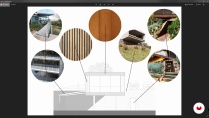
Begin by getting to know Milan. He shares his professional background, and his experience with architectural visualization. See some photo references of his work before hearing about his influences and his sources of inspiration.
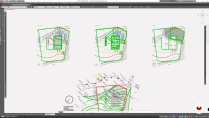
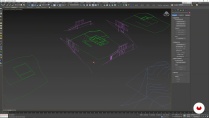
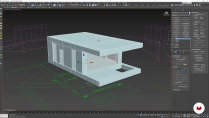
Discover the possibilities of 3D modeling by getting an overview of what it encompasses. Milan guides you through the 3ds Max interface, its digital tools and what they can do. Next, take a look at a client’s brief and understand how to interpret it. Then, start modeling the basic structure by exploring the process of importing and positioning different elements.
Milan guides you through the process of adding details in the surrounding space, as well as the interior elements like furniture, flooring, carpentry, and more. Learn how to create an exterior scene by modeling structures like outdoor stairs and adding texture.
Bring your architectural visualization to life by seeing how to set up the finalized scene. Learn how to adjust your illustration to manipulate camera positioning. Milan teaches you the basics of working with VRay presets, before exploring lighting materials and texturizing environmental details.
To wrap up the course, Milan shows you how to render your visualization and import it to Photoshop for the final details. He takes you step by step through adding the final touches, fixing errors, and even adding a dog! Hear Milan’s final tips on presenting your work and how to showcase it to clients.
- 79% positive reviews (38)
- 2,124 students
- 33 lessons (7h 12m)
- 15 additional resources (6 files)
- Online and at your own pace
- Available on the app
- Audio: English, German, Spanish (Latam), French, Italian, Polish, Portuguese, Turkish
- English · Spanish · Portuguese · German · French · Italian · Polish · Dutch · Turkish · Romanian · Indonesian
- Level: Intermediate
- Unlimited access forever
Recommended software & tools for this course
 3ds Max
 Adobe Photoshop
What is this course's project?
Create a detailed model of a weekend house.

Projects by course students


Who is this online course for?
This course is for architects, students, artists, and anyone interested in creating architectural visualizations.
Requirements and materials
A good understanding of 3ds Max is required.
To take this course, you need access to a computer with 3ds Max, V-Ray, Photoshop, and Multiscatter.

Reviews

Milan Stevanović
A course by Milan Stevanović
Milan Stevanović is an architect and 3D artist based in Niš, Serbia. He is the founder of A+ Studio, where their main focus is architecture and architectural visualization, but are also established in the field of graphic design. Their main goal is providing their clients with a unique design and the feeling that comes with it.
Their clients range from local projects like creating a visualization for the revitalization of Cara Dušana street in the center of Belgrade, to international projects like visualizations for the rehabilitation of the old corrida arena name Plaza de Toros in Tangier, Morocco. A+ Studio’s work has been featured in Belgrade Design Week, Arhitekton magazine, and Dezeen online magazine.
Content
-
U1
Introduction
-
About Me
-
Influences
-
-
U2
Getting Started with the Project
-
How to Understand the Brief
-
Preparing AutoCAD DWG for Import
-
Importing and Positioning Drawing in 3ds Max
-
-
U3
Modeling the Building
-
Modeling the Basic Volume
-
Modeling Corten Panels
-
Modeling Wood Cladding
-
Modeling and Positioning Blinds
-
Modeling Building Details
-
-
U4
Modeling Additional Details and Terrain
-
Modeling Net on the Terrace
-
Modeling the Basement Walls and Parking
-
Modeling Outdoor Stairs 1
-
Modeling Outdoor Stairs 2
-
Modeling Terrain’s Existing State
-
Modeling Terrain According to the Project
-
-
U5
Composition, Lighting, and Shading
-
Default Scene and Importing a 3D Model
-
Basic Lighting Setup
-
Creating Simple Shaders
-
Importing Shaders From Quixel
-
Creating Complex Shaders
-
Texturing the Environment
-
-
U6
Environment and Atmosphere
-
Adding Grass With MultiScatter
-
Adding Additional Vegetation
-
Adding Details and Surrounding Elements
-
Final Scene Adjustments
-
Final Render Setup
-
Final Render Review and LightMix in VRay
-
-
U7
Post-production in Photoshop
-
Opening Render in Photoshop
-
Working With Render Passes
-
Adding Entourage
-
Nik Color Efex Pro Plugin for Photoshop
-
Final Adjustments
-
-
FP
Final project
-
Realistic Rendering of Spaces with 3ds Max
-
What to expect from a Domestika course
-
Learn at your own pace
Enjoy learning from home without a set schedule and with an easy-to-follow method. You set your own pace.
-
Learn from the best professionals
Learn valuable methods and techniques explained by top experts in the creative sector.
-
Meet expert teachers
Each expert teaches what they do best, with clear guidelines, true passion, and professional insight in every lesson.
-
Certificates
PlusIf you're a Plus member, get a custom certificate signed by your teacher for every course. Share it on your portfolio, social media, or wherever you like.
-
Get front-row seats
Videos of the highest quality, so you don't miss a single detail. With unlimited access, you can watch them as many times as you need to perfect your technique.
-
Share knowledge and ideas
Ask questions, request feedback, or offer solutions. Share your learning experience with other students in the community who are as passionate about creativity as you are.
-
Connect with a global creative community
The community is home to millions of people from around the world who are curious and passionate about exploring and expressing their creativity.
-
Watch professionally produced courses
Domestika curates its teacher roster and produces every course in-house to ensure a high-quality online learning experience.
FAQs
Yes, this course is designed for intermediate users who have basic experience with 3ds Max and want to advance their skills in architectural visualization workflows.
You will need 3ds Max, V-Ray, AutoCAD, Photoshop, and access to Quixel Bridge. A Wacom tablet, such as a Cintiq, is recommended for digital sketching but not strictly required.
You will learn to model, texture, and render architectural interiors and exteriors, interpret architectural drawings, apply lighting and materials, and use post-production techniques for presentation-ready images.
A Wacom tablet is recommended for digital sketching workflows and pen drawing tasks, but you can complete most of the course using a standard mouse and keyboard.
Yes, the course includes detailed lessons on modeling and setting up both interior and exterior scenes in 3ds Max for architectural visualization projects.
Yes, the course teaches how to organize, clean, and import AutoCAD (DWG) drawings into 3ds Max, including rescaling, aligning, and preparing geometry for 3D modeling.
Yes, you will learn to set up V-Ray lights, create realistic HDRI environments, adjust rendering parameters, and use V-Ray materials for compelling visualizations.
 3ds Max
 Adobe Photoshop



Si el profe usa demasiados modificadores.Como es un nivel intermedio, para los que están más familiarizados con 3d Max, Seria bueno que añadan un curso nivel básico.
Hay cosas que no se entienden porque no dice qué botón presiona. Además, considero que explica muy rápido
Fluxo de explicação muito rápido quase impossível de acompanhar vendo uma única vez o vídeo, pois adiciona muitos modificadores nos objetos, entendo que isso separa mais organizadamente o trabalho mas para quem quer aprender não é de muito ajuda.
Excellent tuto, très pointu.
great course explanation and very helpful teacher