Color Theory in Photography
A course by Yaopey YongArchitecture and Landscape Photographer
A course by Yaopey Yong, Architecture and Landscape Photographer

Discover the magic of color composition in photography by learning harmony rules and color psychology to create images that evoke emotion
“When someone looks at a photograph an emotional response is triggered, and this allows for a very human experience.”
Color has the ability to transform the way we perceive an image—it is the unifying element when crafting the composition of a photograph. In this course, award-winning photographer Yaopey Yong teaches you how to understand color and apply its fundamental principles in your photography.
Explore the world of color theory both as a science and as an art form. Understand how we perceive color and learn the psychology and harmony rules behind it. Discover different camera and image editing techniques to emphasize color in every photograph you take.
What will you learn in this online course?
17 lessons & 19 downloads
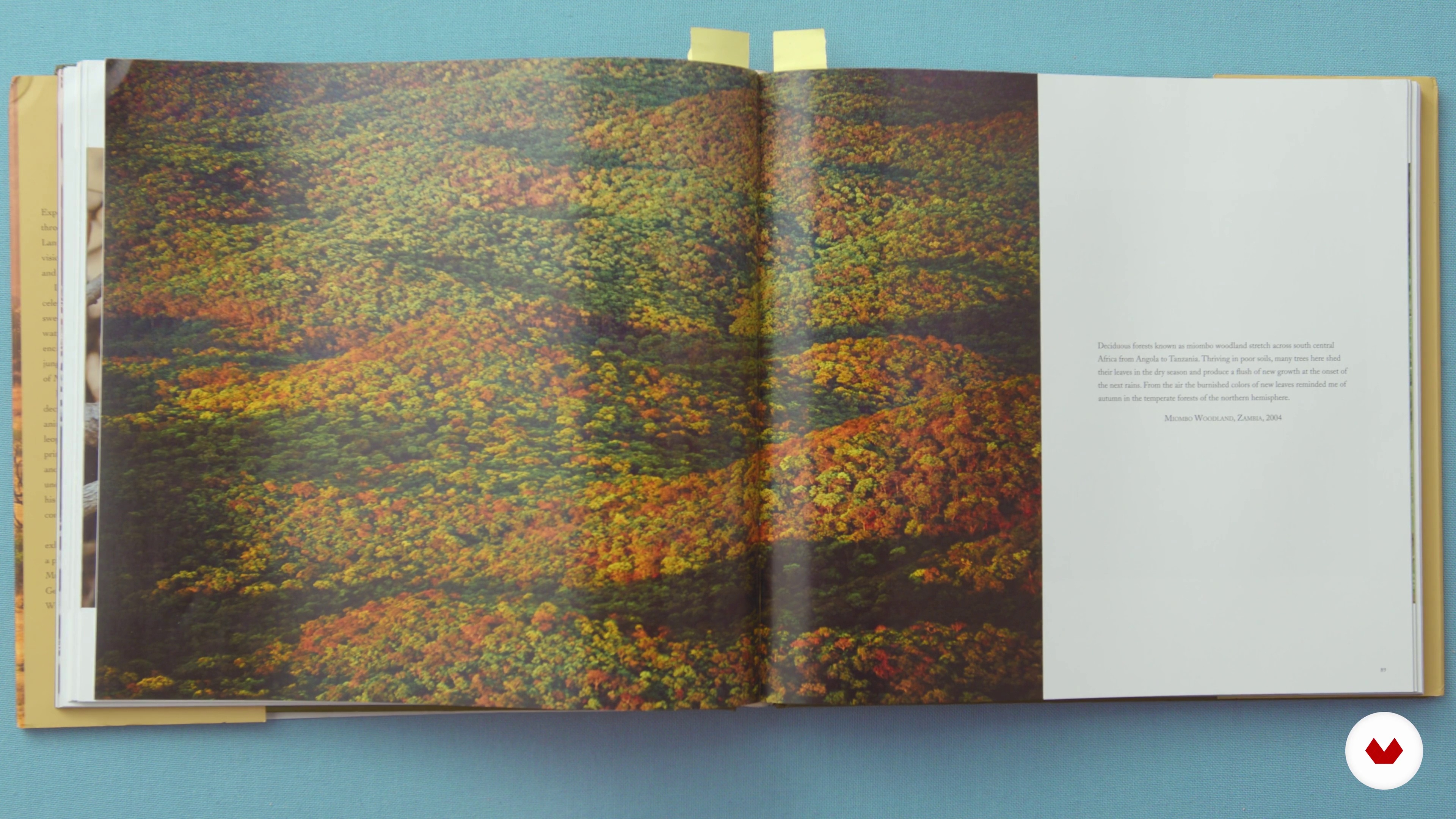
Influences
12 minutes, 9 seconds
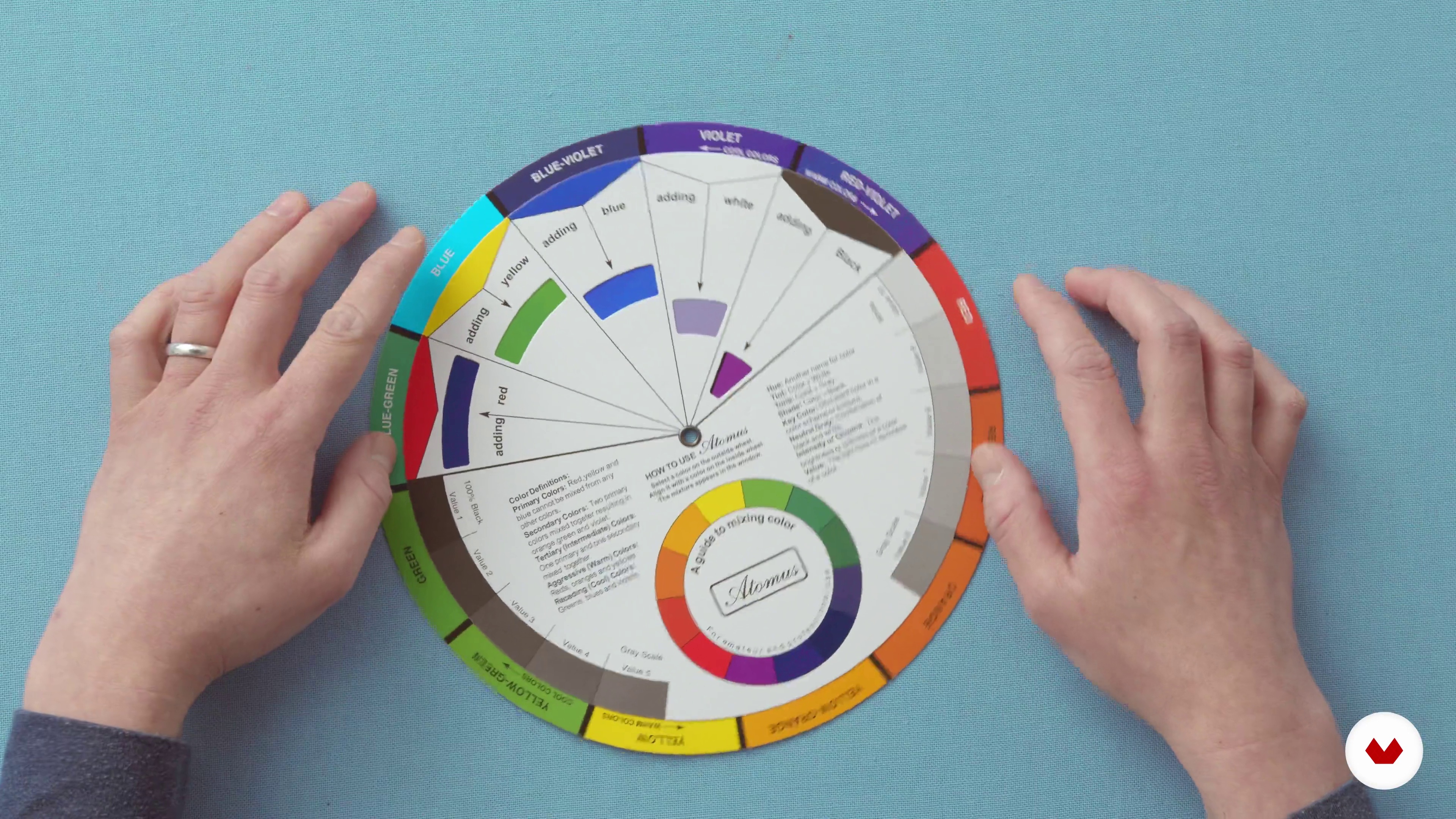
What Will We Do in This Course?
2 minutes, 22 seconds
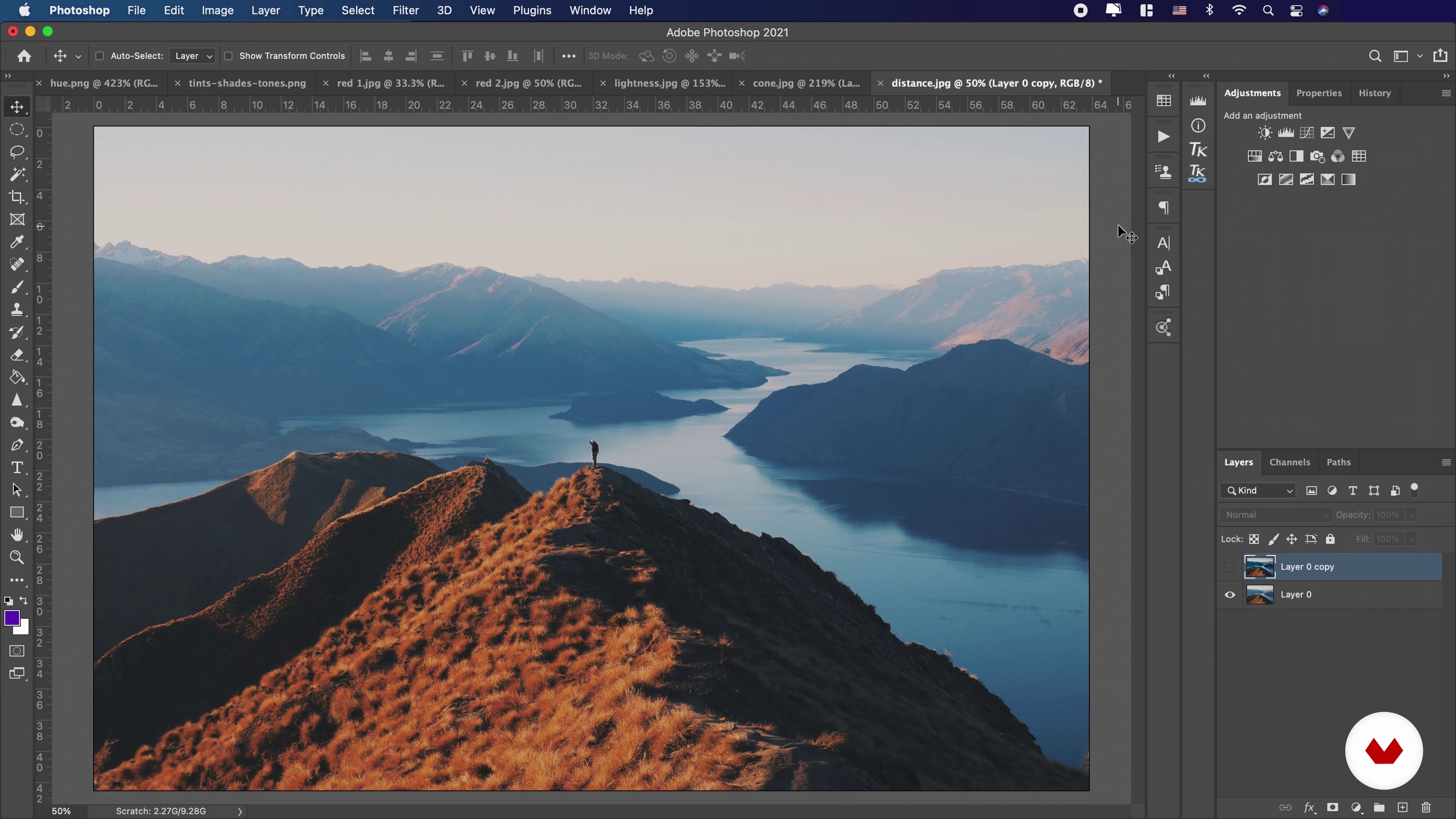
Fundamentals of Color
12 minutes, 31 seconds
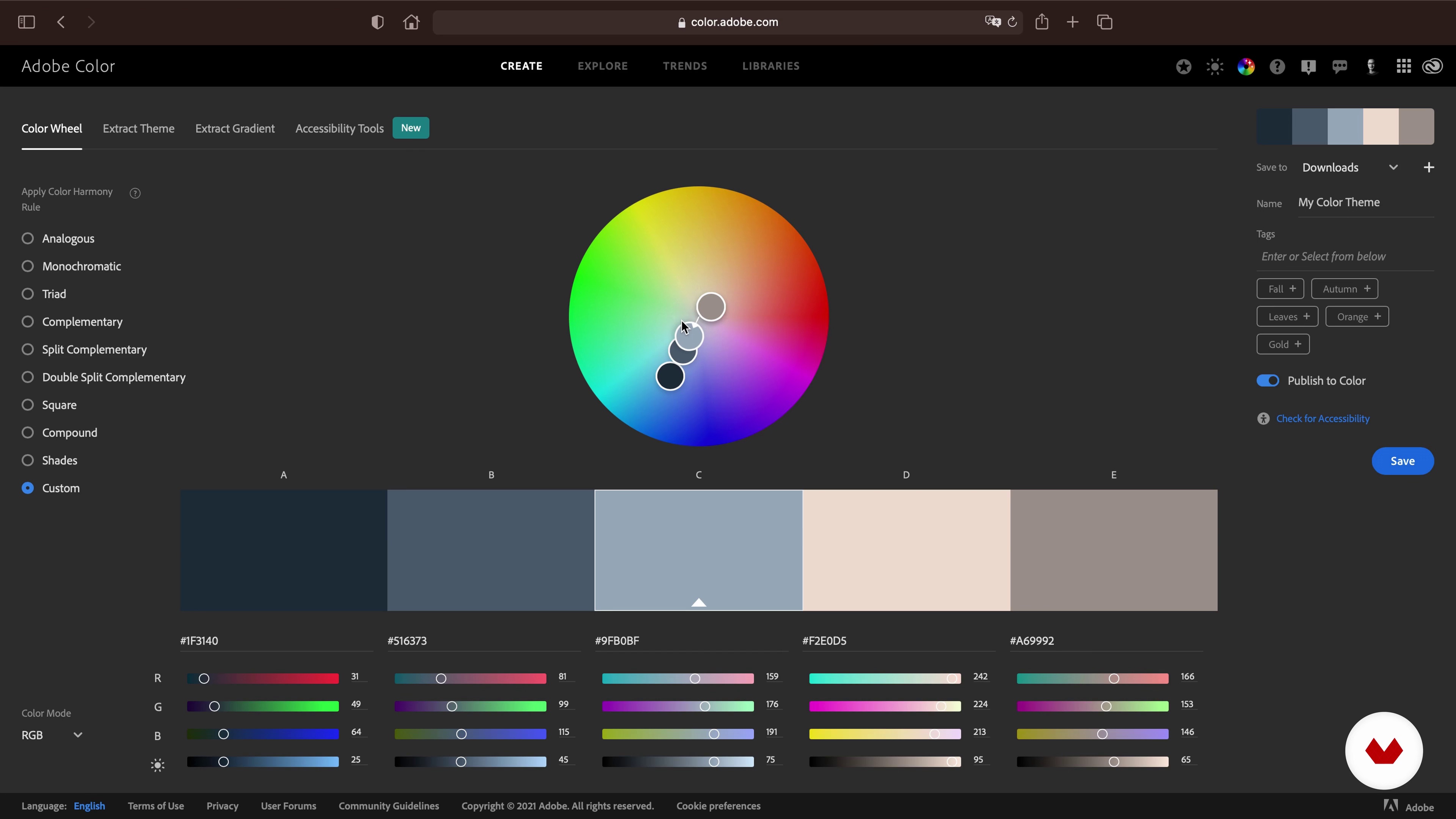
Color Harmony Rules
7 minutes, 14 seconds
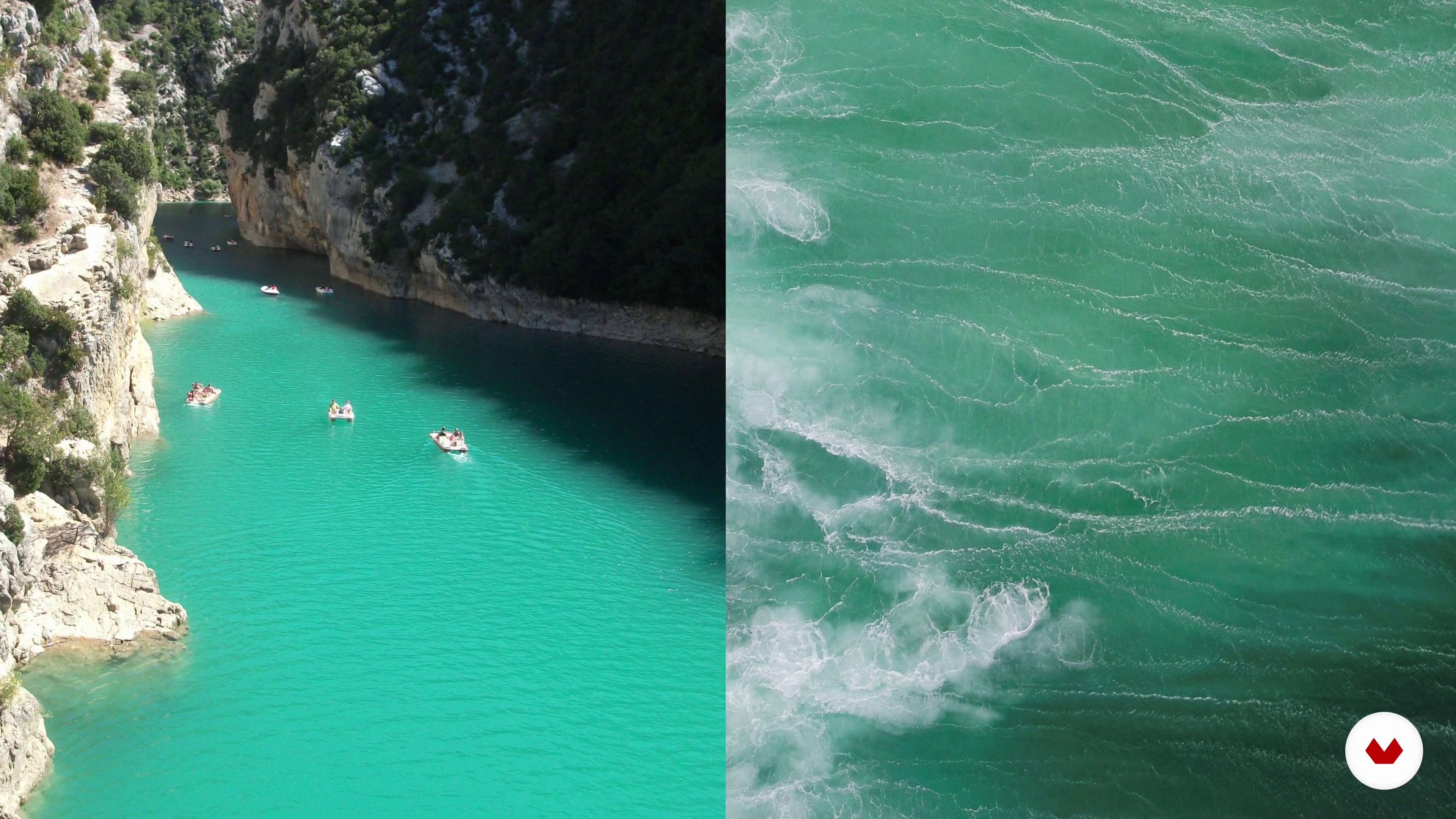
Psychology of Color
6 minutes, 59 seconds
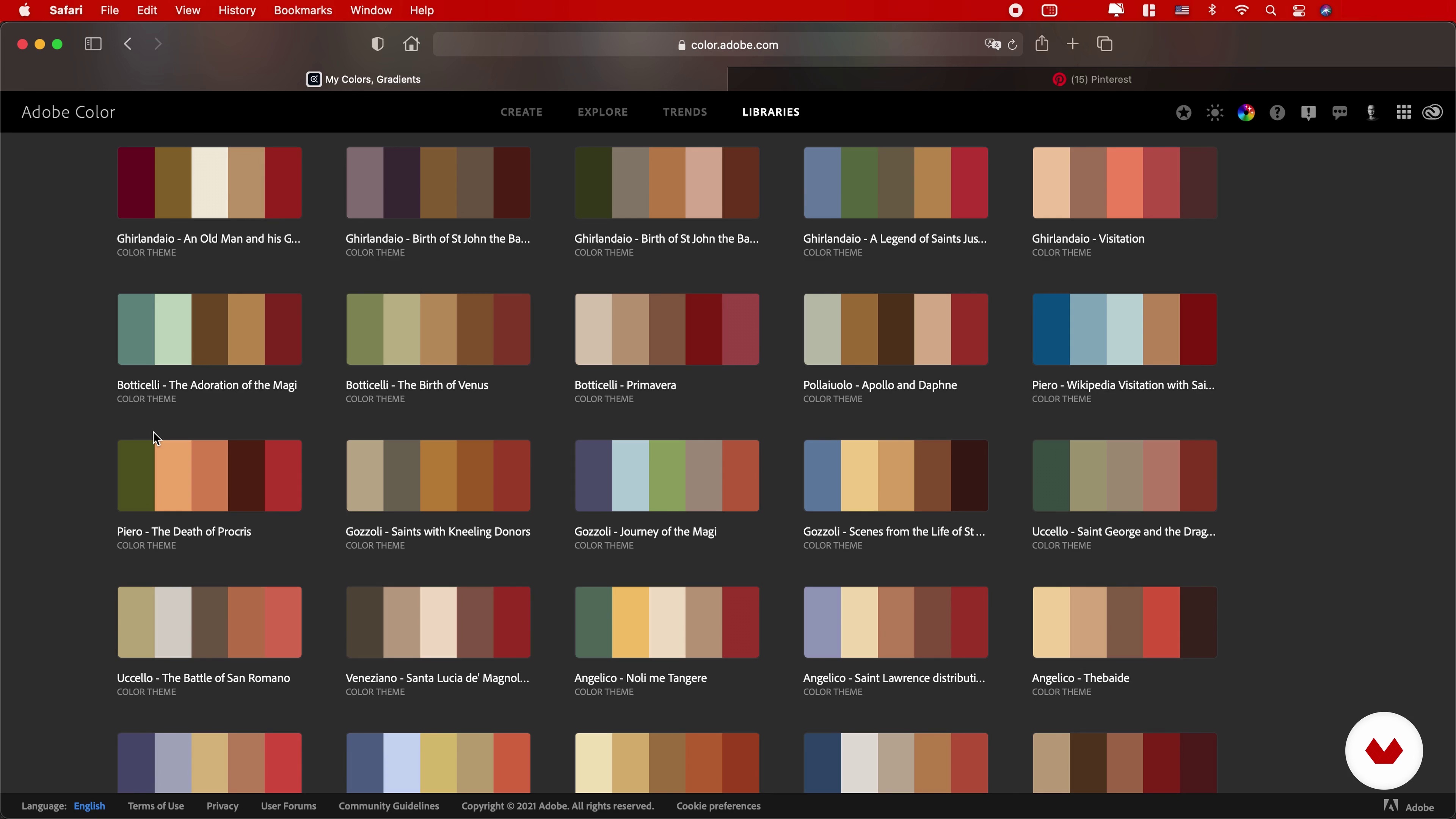
How to Study Color
8 minutes, 19 seconds
What's included in this course?
Begin by getting to know Yaopey. As a surgeon inspired by the beauty of life, he tells his fascinating story about how he got into photography. He also shares his diverse influences that have helped shape his style.
Dive right into the fundamentals of color. Yaopey elucidates on how we perceive color on an anatomical level. Then, understand the different types of color wheels before learning about hue and saturation. Discover the concept of color harmony and the psychology of color by analyzing themes and palettes in Adobe Color.
Learn how to capture raw images in a way that tells a story. See how to get the most out of your camera by hearing Yaopey’s tips and tricks. Next, Yaopey walks you through his process when using color adjustment tools in Adobe Lightroom. Learn how to accentuate the different components of your images through the use of filters, masks, and by manipulating light and shadows.
Learn how to analyze your final image to evoke the desired response from your viewers. Understand Gaussian blur and pixelation and how it can be used to direct the focus of a photo. Wrap up by revisiting certain edits to assure you achieve the look and feel you aim for.
Recommended software & tools for this course
What is this course's project?
Edit a photograph with two different editing techniques to evoke two distinct moods.
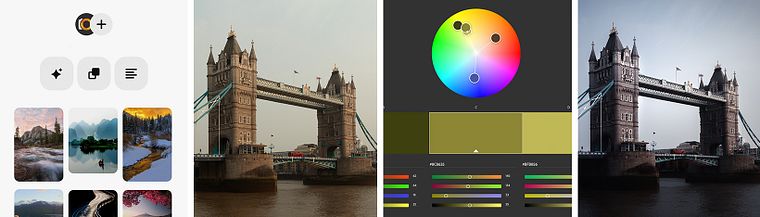
Projects by course students


Who is this online course for?
This course is suitable for photographers and photography enthusiasts who want to increase their knowledge of color theory.
Requirements and materials
For this course, you will need a computer and access to image editing software like Adobe Color and Lightroom. You will also need a digital camera; Yaopey uses a DSLR. Optional materials include a white balance lens cap and a polarizing filter. Basic knowledge of photography and image editing is recommended.

Reviews
- 2 months ago
Muy general, esto se ve en un curso básico de fotografía general! Pensé que era algo mucho mas especifico.
- 2 months ago
Really interesting
- 3 months ago
otimo
- 3 months ago
Es un curso muy practico, para entendr desde cero la teoria del color y para aplicarlo en la edicion fotografica.
- 5 months ago
Corso base eccelente, ben strutturato e di facile comprensione.

Yaopey is the recipient of numerous photography awards including the Award of Excellence from The Spirit of Resilience Awards. His work has been featured in publications like National Geographic, Photography Week, and Asia Overland, among others. He has also had exhibitions throughout Europe and the USA.
Content
- U1
Introduction
- About Me
- Influences
- What Will We Do in This Course?
- U2
The Study of Color
- Fundamentals of Color
- Color Harmony Rules
- Psychology of Color
- How to Study Color
- U3
Capturing Light
- Capturing Raw Data
- Creating the Story
- Getting the Best of Your Camera
- Color Adjustment Tools in Editing
- Color Adjustments in Lightroom
- Color Adjustments in Lightroom 2
- Color Adjustments in Lightroom 3
- Lightness Manipulation in Photoshop
- U4
Reflect on Your Work
- Getting to Know Your Image
- Revisiting Edits, Is Your Image Successful?
- FP
Final project
- Color Theory in Photography
What to expect from a Domestika course
Learn at your own pace
Enjoy learning from home without a set schedule and with an easy-to-follow method. You set your own pace.
Learn from the best professionals
Learn valuable methods and techniques explained by top experts in the creative sector.
Meet expert teachers
Each expert teaches what they do best, with clear guidelines, true passion, and professional insight in every lesson.
Certificates
PLUSIf you're a Plus member, get a custom certificate signed by your teacher for every course. Share it on your portfolio, social media, or wherever you like.
Get front-row seats
Videos of the highest quality, so you don't miss a single detail. With unlimited access, you can watch them as many times as you need to perfect your technique.
Share knowledge and ideas
Ask questions, request feedback, or offer solutions. Share your learning experience with other students in the community who are as passionate about creativity as you are.
Connect with a global creative community
The community is home to millions of people from around the world who are curious and passionate about exploring and expressing their creativity.
Watch professionally produced courses
Domestika curates its teacher roster and produces every course in-house to ensure a high-quality online learning experience.
FAQs
Yes, this course is designed for intermediate photographers who want to deepen their understanding of color theory, composition, and advanced editing techniques to elevate their photographic style and emotional impact.
You’ll need a digital or analog camera, basic editing software such as Adobe Photoshop or Lightroom, and internet access. Using tools like Adobe Color and Pinterest for palette extraction and reference collection is also recommended.
You’ll learn to analyze and apply color harmony, extract palettes from images, master exposure blending, use selective adjustments, and create emotional impact through color, composition, and advanced editing techniques.
Yes, the course addresses both analog and digital photography workflows, comparing processes and showing how to adapt color and editing techniques for each medium.
You’ll be guided on using Adobe Color and similar tools to extract color palettes from reference images, analyze dominant colors, and apply these palettes to your own photographic edits.
Absolutely. The course covers how to use color symbolism, harmony, and psychology to evoke specific moods and emotional responses in your photography.
Yes, you’ll learn practical techniques for color grading, selective adjustments, dodging and burning, and applying advanced color harmony rules using Photoshop or Lightroom.