Editorial photography for Beauty and Digital Retouching
A course by Nobody StudioPhotographer
A course by Nobody Studio, Photographer
- 4.897% positive reviews(174)
- 3,875 students
- 22 lessons (3h 34m)
- 9 additional resources (7 files)
- Online and at your own pace
- Available on the app
- Audio: Spanish, Turkish, English, French, Portuguese, Italian
- Spanish · English · Portuguese · French · Italian · Turkish
Level:
Intermediate- Unlimited access forever

Learn the secrets of lighting, color, and post-production for a fashion shoot
Color and lighting are the main ingredients in the photography of Fernando Rodríguez, known internationally as The Nobody Photography, which is how he signs the countless photographs that have appeared in publications all over the world. They are techniques with which he likes to experiment in search of a solid visual identity.
With a focus on beauty and fashion photography, he always finds a plot line in his editorials to help tell a story. In this online course, he teaches you to conceptualize a fashion photography production, focusing especially on the use of light and color in photography. He shows you the process to carry out an editorial, from the first steps to post-production in Photoshop.
What will you learn in this online course?
22 lessons & 16 downloads
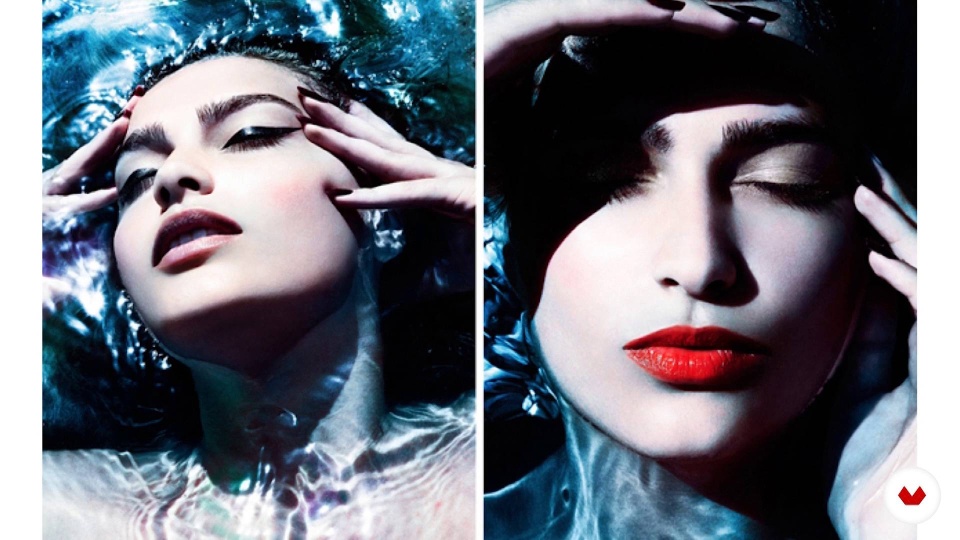
Beauty editorial vs. editorial fashion
3 minutes, 22 seconds
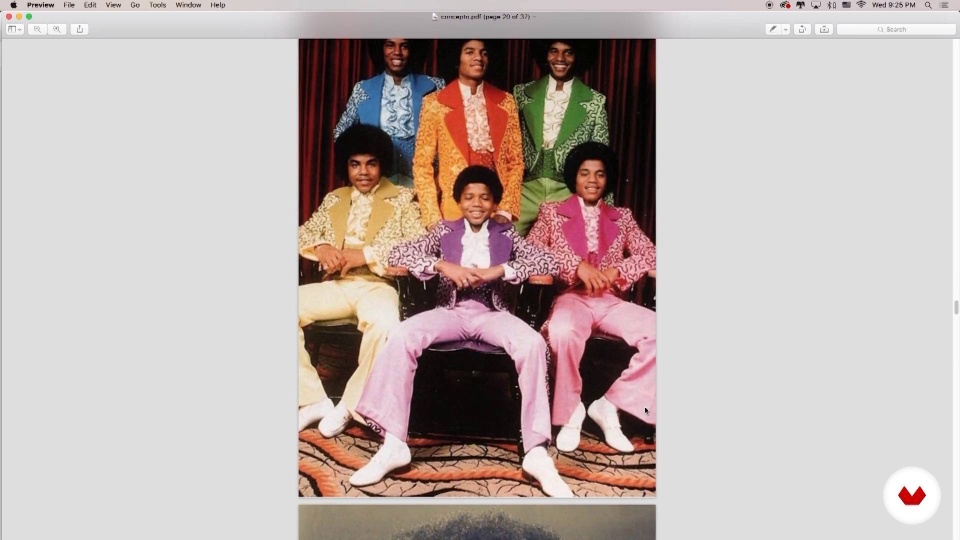
Conceptualization
5 minutes, 43 seconds
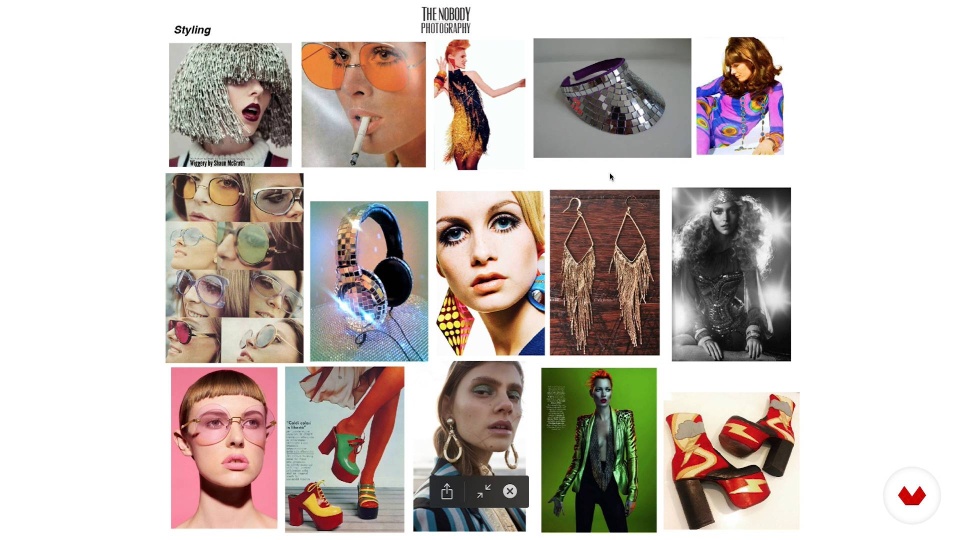
Visual reference: moodboard
5 minutes, 55 seconds
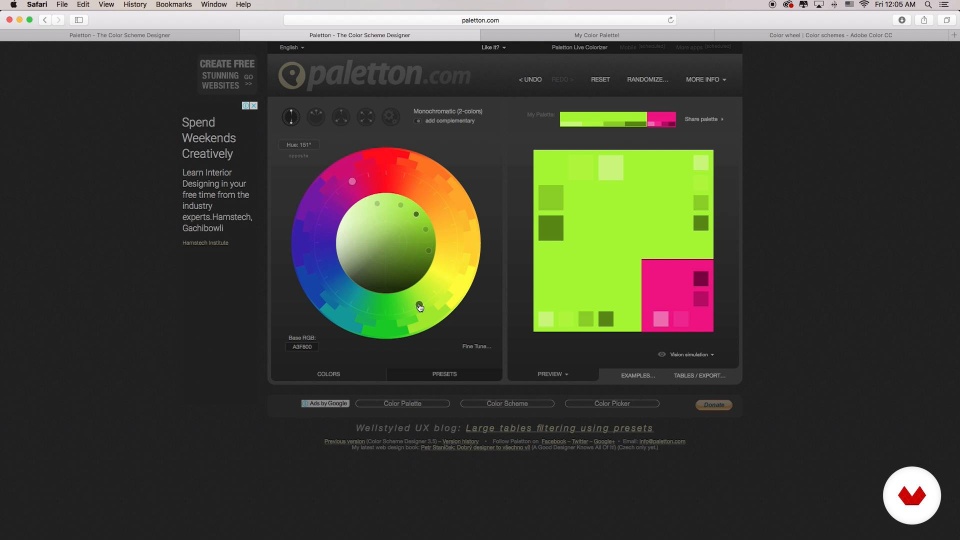
Color palettes
5 minutes, 7 seconds
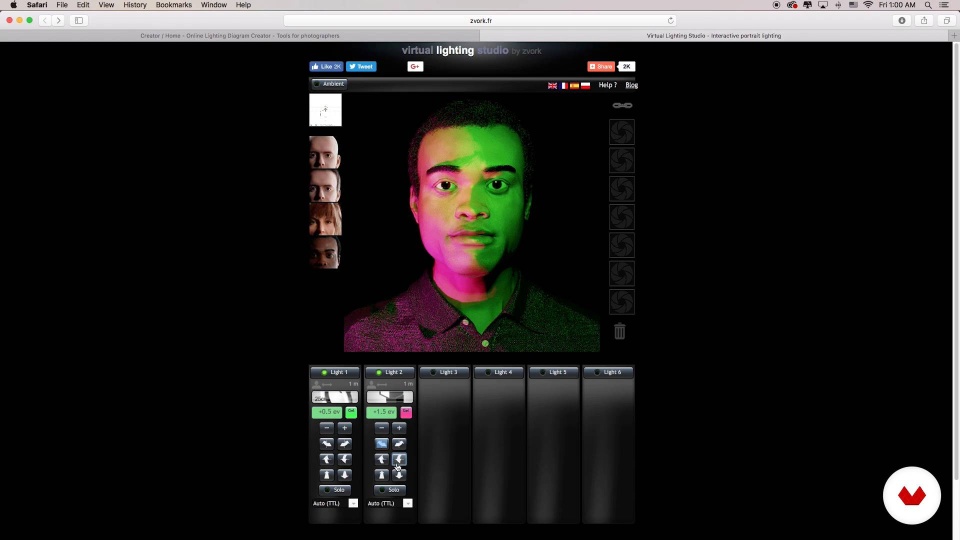
Light scheme
8 minutes, 47 seconds
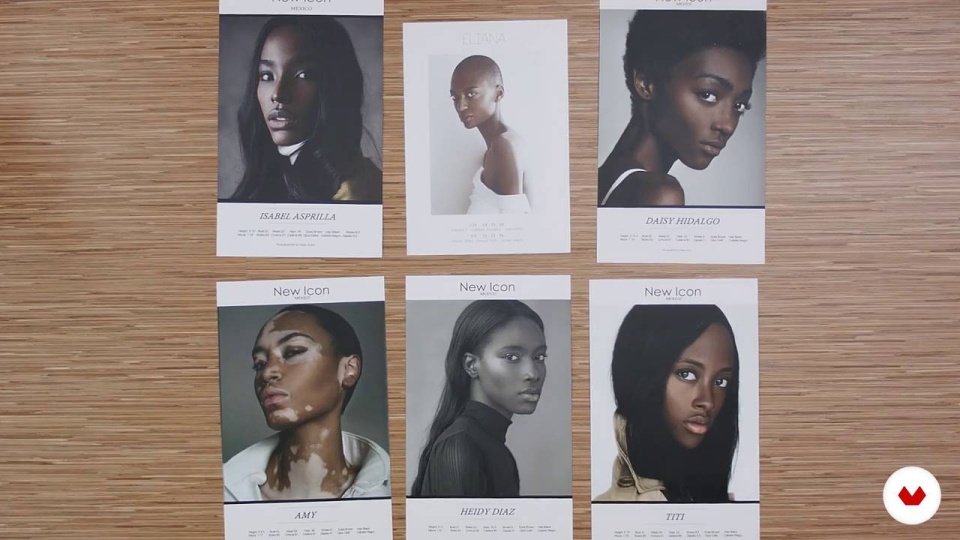
Model selection
7 minutes, 2 seconds
What's included in this course?
Start discovering the way Fernando documents for his editorials and choose the theme for your project. Also learn how to create a mood board to help you define lighting, styling, makeup, and any other relevant elements for production.
To continue, define the color palette that best suits your project, as well as the ideal lighting scheme.
Select and work with a model according to the needs of your editorial, as well as the essential points that you must take into account before choosing them. In addition, Fernando gives you the guidelines to organize the team of professionals who help you during the photo shoot, from the assistant to the makeup artist.
Time to get into the studio, the lights come on and you get behind the camera to start shooting. Fernando tells you about the equipment he usually uses and gives you some tips to prepare your lighting scheme.
See what a professional shoot is like inside with Fernando and his team, in which five different looks are made, varying the lighting, makeup, and outfits. Once the photographs have been taken, learn how to reveal the RAW files to be able to work on post-production in Photoshop, how to take care of the framing, and how to use the liquify tool correctly.
Learn to treat skin and hair with the frequency separation technique. Discover how to use the mask tools, sharpness, and how to create and load actions in Photoshop to automate processes in a professional way.
To give depth to your image, learn to use the "dodge and burn" technique, providing localized lights and shadows. Using your predefined palettes, finish doing the color retouching in your photographs.
Finally, Fernando teaches you how to put together the editorial and how to prepare it for the different media.

Recommended software & tools for this course
What is this course's project?
Develop a complete beauty editorial, from the conception of the idea to the final post-production, going through all the production stages of a fashion editorial.
Who is this online course for?
Photographers, designers and anyone passionate about color, lighting, and the world of fashion.
Requirements and materials
Basic knowledge of photography and lighting is required, as well as an intermediate level of Adobe Photoshop.
Regarding the materials, need a reflex camera with an 85- or 50-mm lens, lighting equipment (flashes or speedlights), light diffusers, colored gelatins, and a computer with Lightroom and Photoshop.

Reviews
- 10 months ago
Gran curso, Siempre enfocado en lo editorial
- 1 year ago
muy buen curso
- 1 year ago
Me encanta el curso y el profesor, muy completo!
- 2 years ago
Interesante
- 3 years ago
ótimo curso, achei que faltou mais aulas praticas!

His photographs have been published in magazines and publications in countries such as Mexico, the United States, Canada, and England, including Schon!, Lucys Magazine, Ellements, Elegant, Vulkan, Dreamingless, HUF, Flesh, and Y-NOT, among many others. In addition, his works have been exhibited in the United States and Mexico.
Content
- U1
Introduction
- Presentation
- Influences
- U2
How to prepare our editorial
- Beauty editorial vs. editorial fashion
- Conceptualization
- Visual reference: moodboard
- Color palettes
- Light scheme
- Model selection
- Selection of the work team
- U3
Production
- Workflow: makeup and styling
- Technical team
- Lighting and tests
- Shooting I
- Shooting II
- U4
Postproduction
- Files in Lightroom, copyright and file preparation for Photoshop
- Smoothie and reframe
- Skin retouching (frequency separation) I
- Skin retouching (frequency separation) II
- Masking and focus / contrast (actions)
- Dodge & burn
- Color correction and lights
- File output and final editorial assembly
- FP
Final project
- Editorial of beauty and digital retouching
What to expect from a Domestika course
Learn at your own pace
Enjoy learning from home without a set schedule and with an easy-to-follow method. You set your own pace.
Learn from the best professionals
Learn valuable methods and techniques explained by top experts in the creative sector.
Meet expert teachers
Each expert teaches what they do best, with clear guidelines, true passion, and professional insight in every lesson.
Certificates
PLUSIf you're a Plus member, get a custom certificate signed by your teacher for every course. Share it on your portfolio, social media, or wherever you like.
Get front-row seats
Videos of the highest quality, so you don't miss a single detail. With unlimited access, you can watch them as many times as you need to perfect your technique.
Share knowledge and ideas
Ask questions, request feedback, or offer solutions. Share your learning experience with other students in the community who are as passionate about creativity as you are.
Connect with a global creative community
The community is home to millions of people from around the world who are curious and passionate about exploring and expressing their creativity.
Watch professionally produced courses
Domestika curates its teacher roster and produces every course in-house to ensure a high-quality online learning experience.
FAQs
Fashion editorial photography aims to tell visual stories using clothing, makeup, and accessories, focusing on concept and narrative. Unlike commercial photography, its goal isn’t to sell products but to convey ideas and emotions.
This is an intermediate-level course, perfect for those with basic photography knowledge who want to dive deeper into editorial techniques, color management, lighting, and visual storytelling.
You’ll learn how to create fashion editorials, develop mood boards, select color palettes, design lighting setups, apply styling techniques, direct models, and perform advanced retouching for professional images.
You’ll need basic photography skills, a DSLR or mirrorless camera, access to software like Lightroom and Photoshop, and a willingness to experiment with light, color, and creative concepts.
You research the concept, choose visual references, color palettes, makeup, and accessories, then organize everything into a mood board that clearly communicates your creative vision to the team.
The course covers setups using beauty dishes, reflectors, diffusers, color gels, lighting diagrams, and 3D simulators to craft specific moods in portraits and editorials.
You’ll learn technical and aesthetic criteria to select models based on the mood board, filter them by attributes, and professionally reach out to agencies or collaborators.


