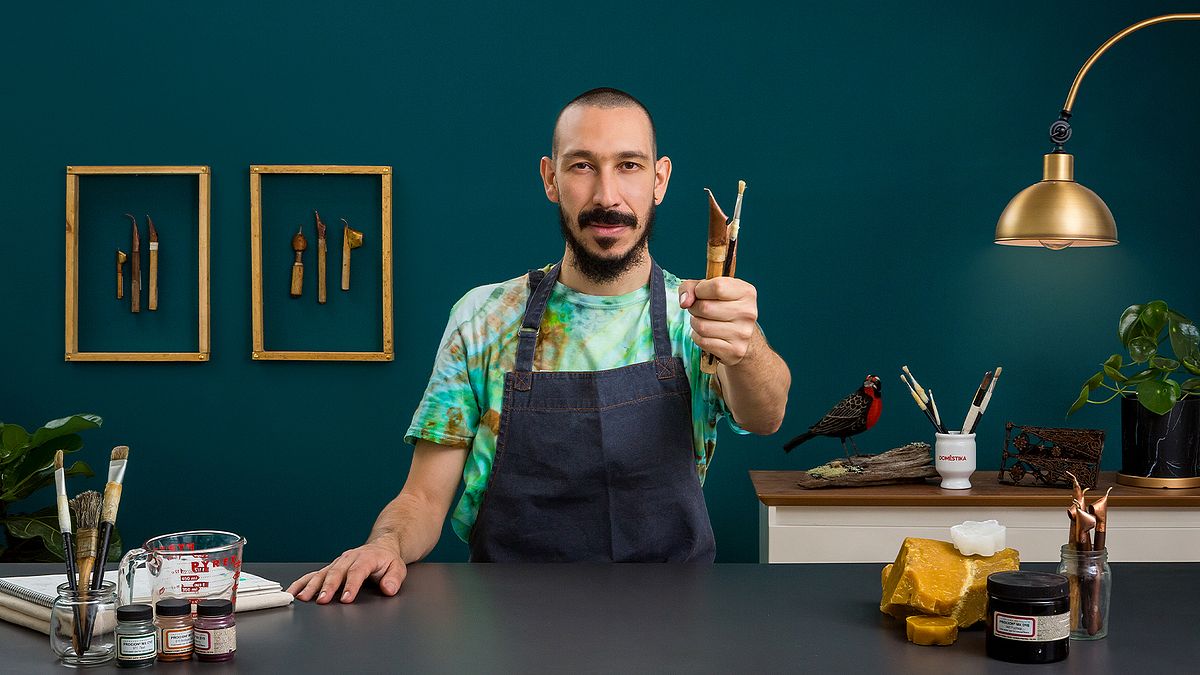
Batik Illustration: Wax-Resist Dyeing
A course by Ikaro BatikIllustrator and Textile Artist
A course by Ikaro Batik, Illustrator and Textile Artist

Learn to create artistic illustrations on fabrics using wax and textile dyes
Artistic expression is often a path to self-discovery. Illustrator and textile artist Ikaro Batik found just that in the batik dyeing technique: a way to channel his creativity while simultaneously forging patience, concentration, and a tolerance to frustration. Ikaro uses this technique to create nature-inspired works of art rich in colors, contrasts, and textures.
In this course, create a piece of textile art with wax and dyes using the Batik technique. Discover the secrets to this ancient dying technique and learn how to design creative illustrations on fabric.
What will you learn in this online course?
15 lessons & 27 downloads
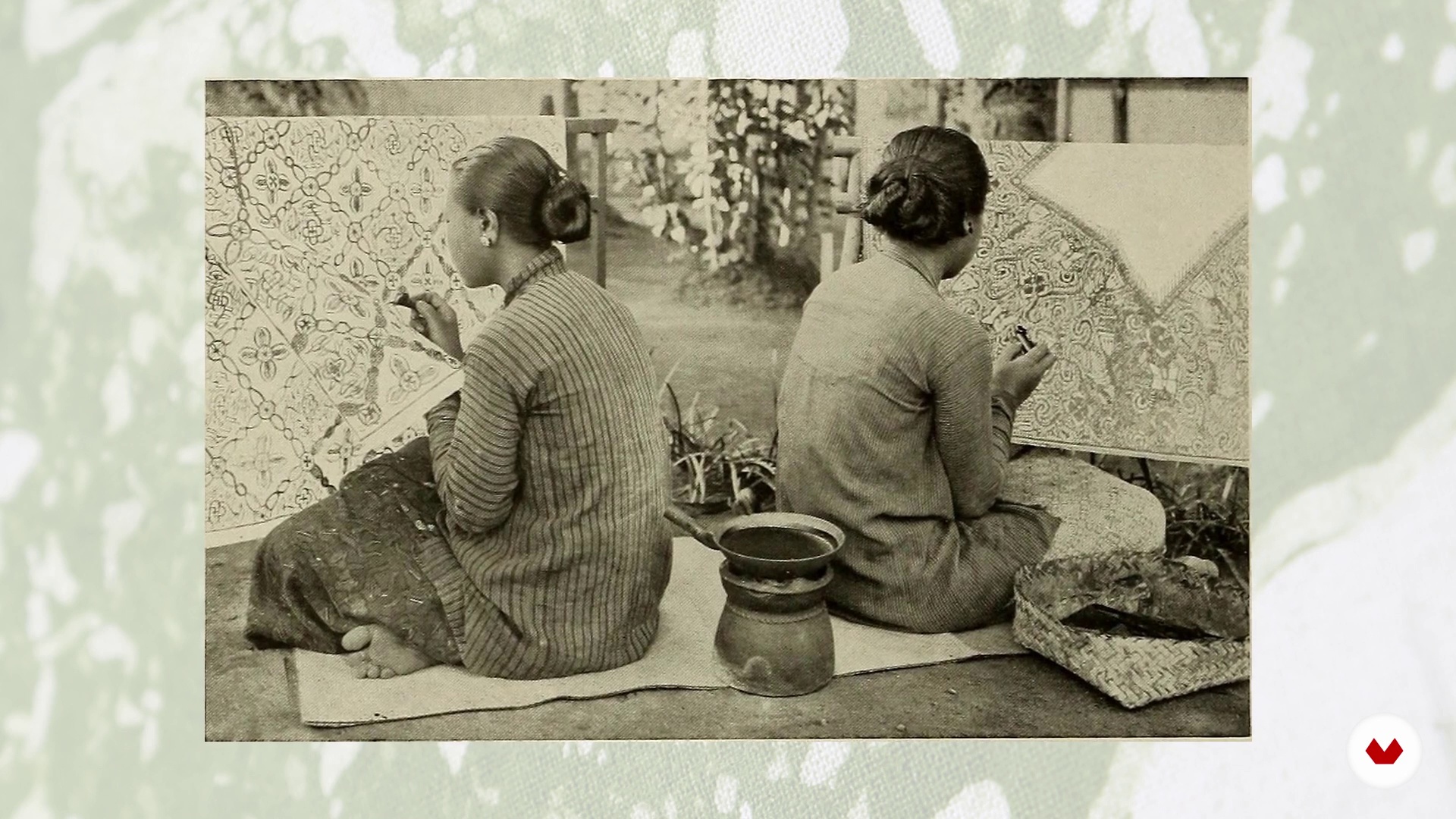
What Is Batik?
6 minutes, 31 seconds
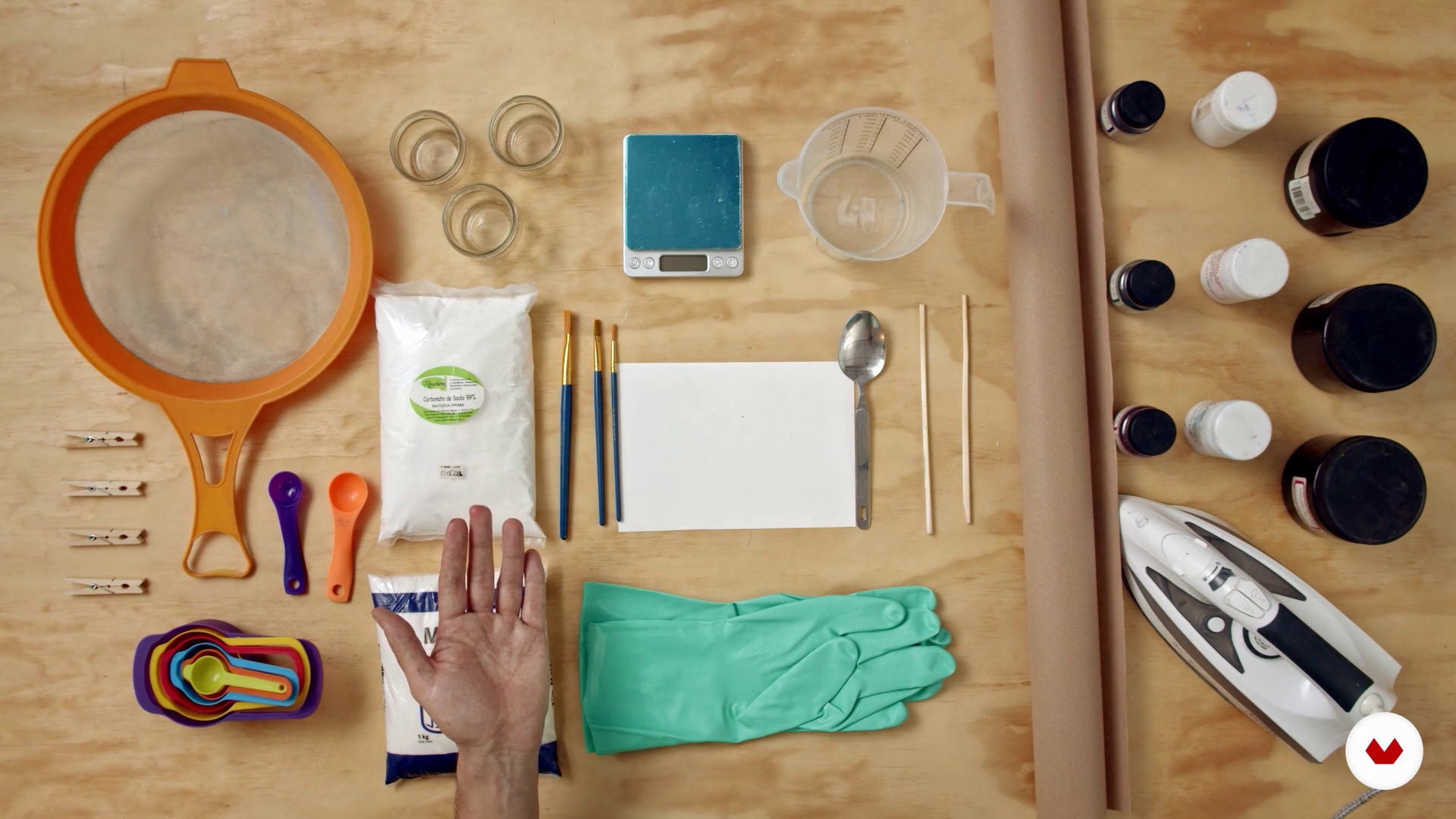
Materials and Tools
12 minutes, 48 seconds
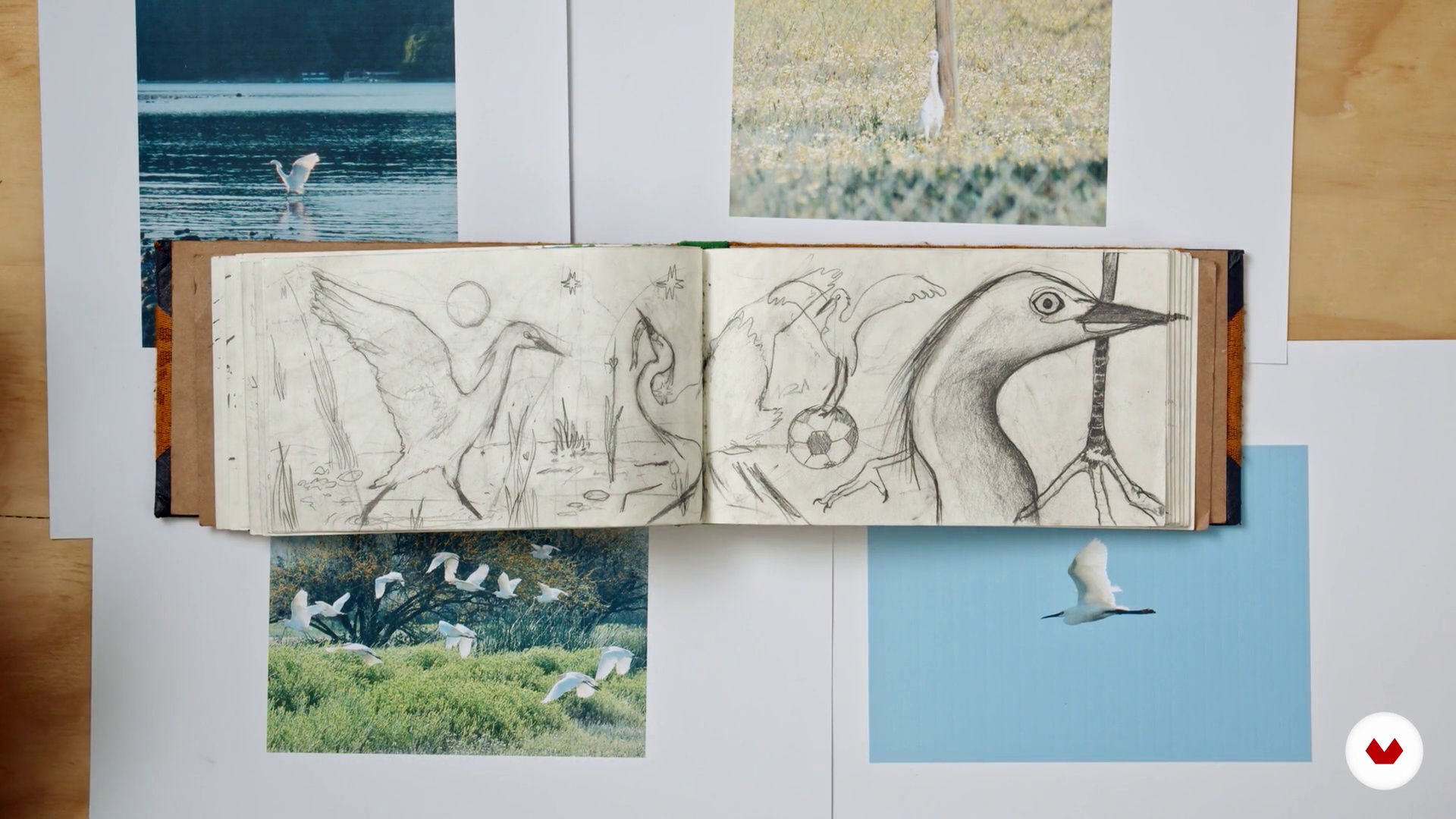
The Seed of Batik
6 minutes, 34 seconds
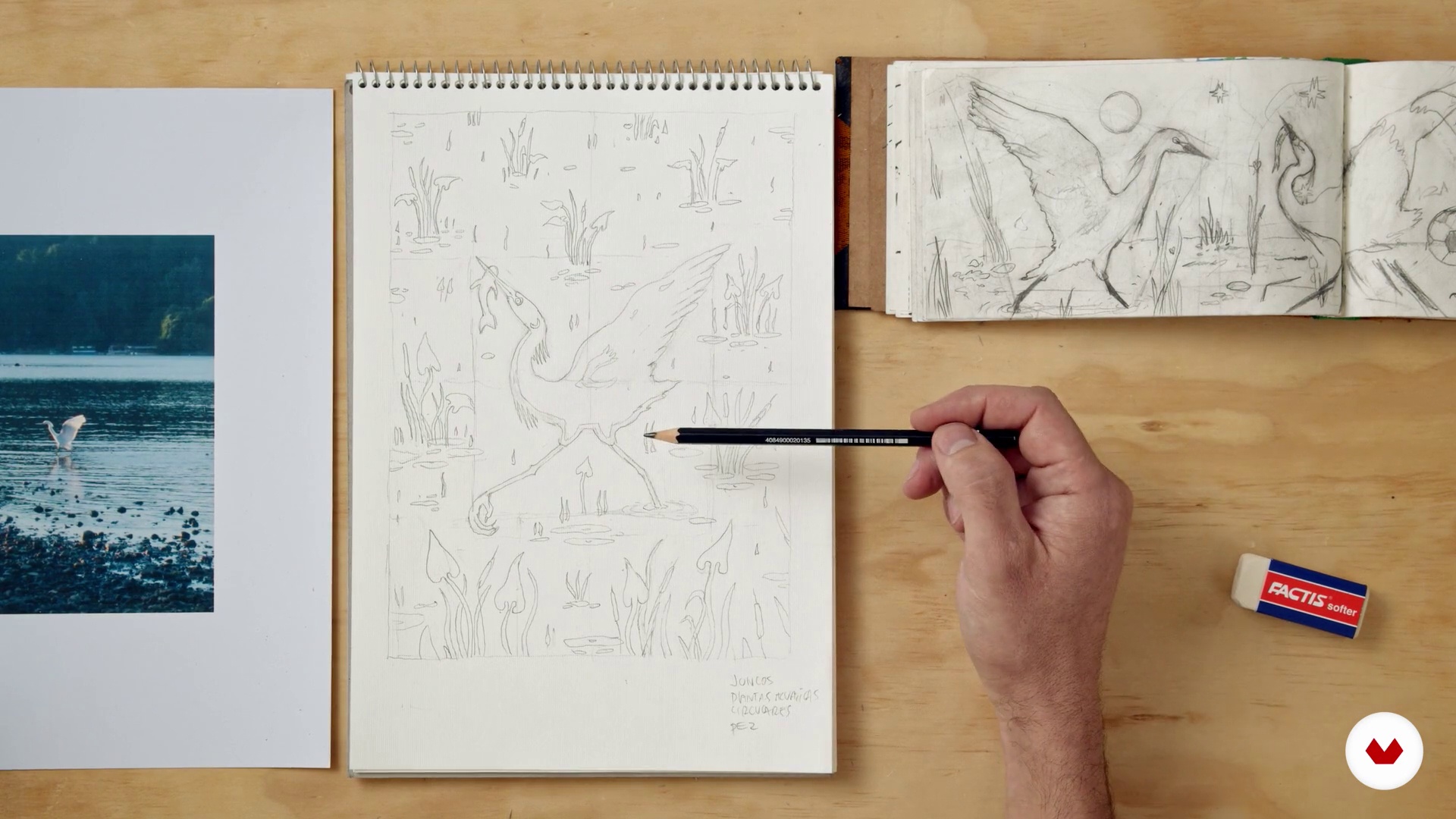
The Sketch as a Guide
6 minutes, 26 seconds
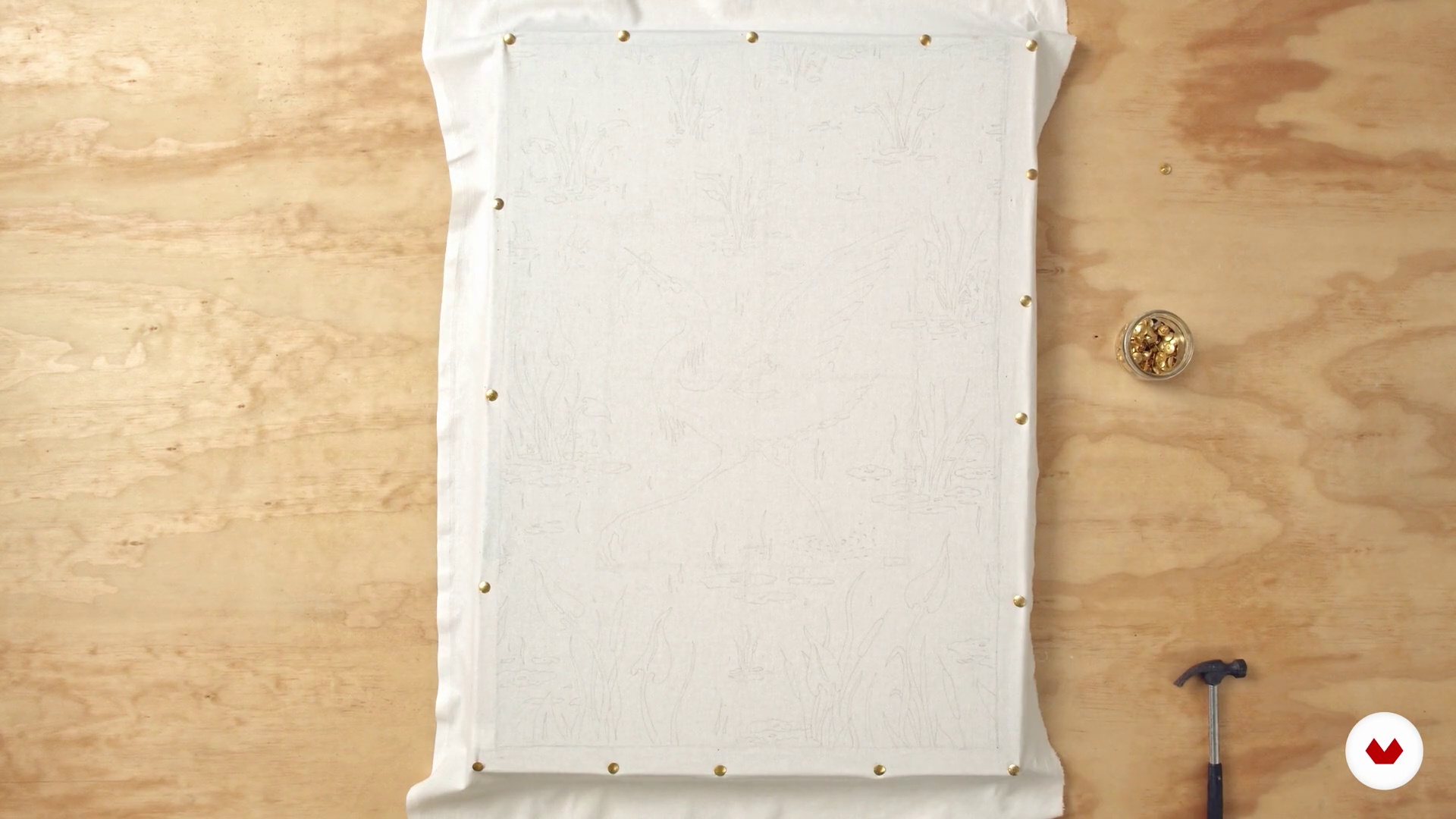
From the Sketch to the Canvas
7 minutes, 0 seconds
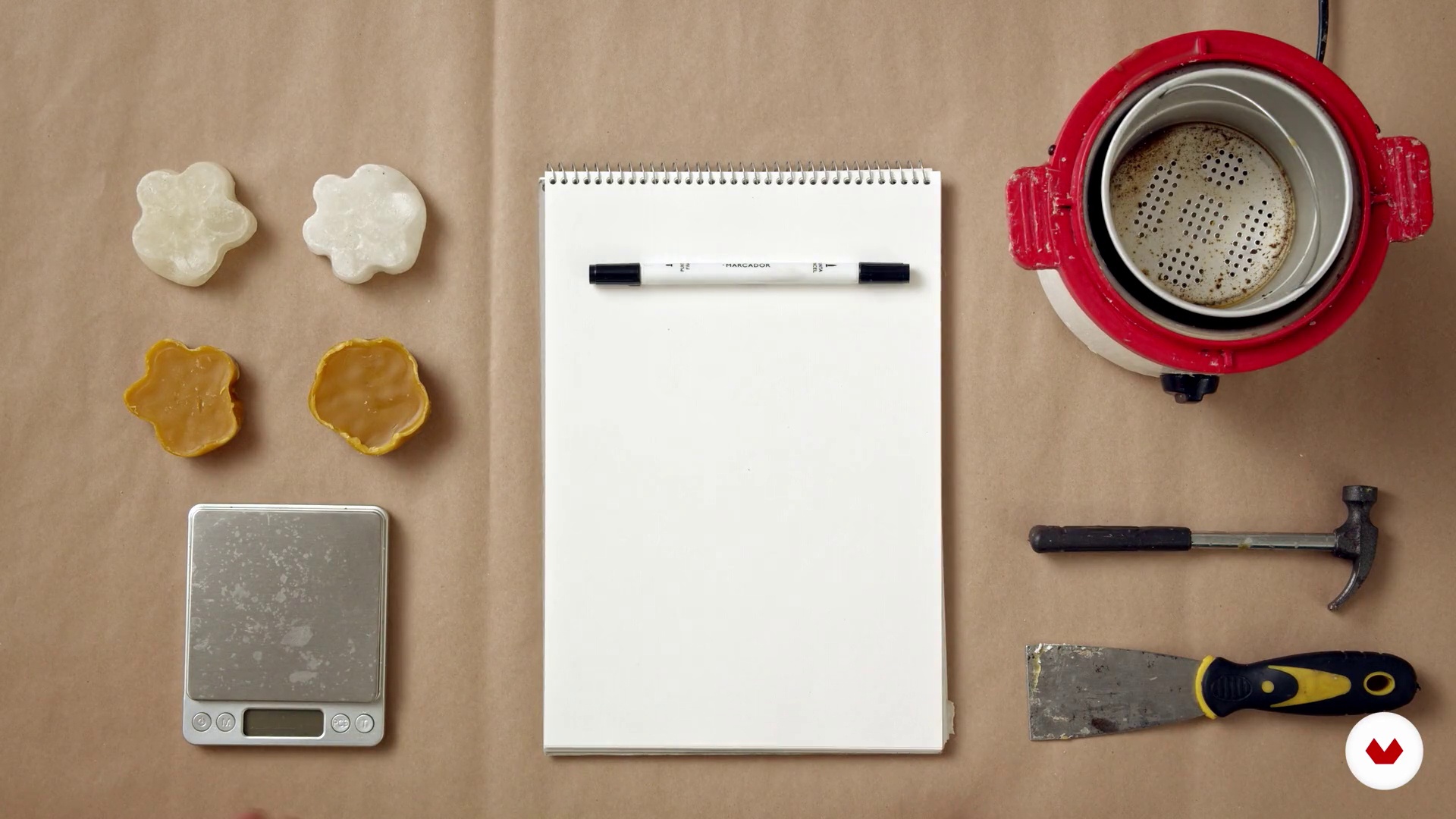
Wax and Its Preparation
6 minutes, 41 seconds
What's included in this course?
Start the course by getting to know your teacher, Ikaro Batik. He tells you all about his career including how he got started, his artistic influences, and what inspired him to explore the world of batik. He also gives you an overview of the course content and explains the final project.
Discover the history and origins of this dyeing technique and how it continues to play an important role in many cultures today. Take an in-depth look at the materials and tools needed to create your own piece and follow along as Ikaro explains his creative approach. Then, make a sketch of your design to guide you during the dyeing process.
Once your design is ready, learn how to transfer it to cloth and attach it to a frame. Ikaro explains how wax works as a resist, how to properly heat it, and how to prepare mixtures before guiding you through the immersion dyeing process.
Finally, discover techniques for removing the wax from your batik illustration to reveal the design created with the resists and dyes. Finish up the course with some tips on how to preserve and frame your batik projects.
What is this course's project?
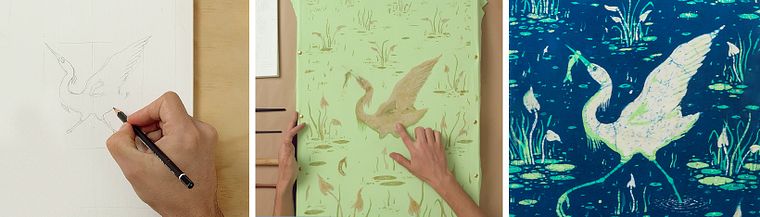
Create a nature-inspired illustration rich in colors, contrasts, and textures using the batik dyeing technique.
Who is this online course for?
Illustrators, artists, textile designers, drawing artists, dyers, craft lovers, and anyone interested in creating art with their hands.
Requirements and materials
No prior knowledge is needed to take this course, but some experience in illustration, fabric dyeing, screen printing, or printmaking will help you during the process.
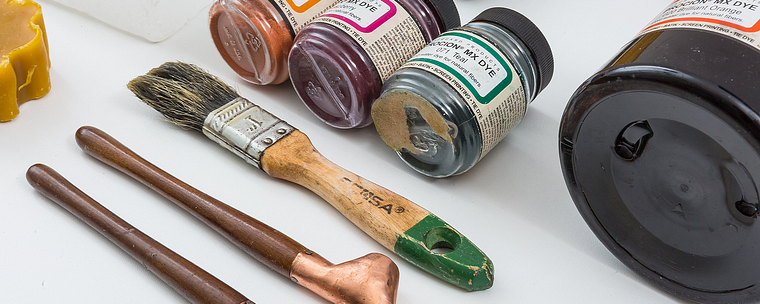
The course materials include 100% cotton cloth, beeswax or solid paraffin, an electric or aluminum pot, paint brushes, ink, sodium carbonate, a frame, Kraft paper, an iron, and other items your teacher will outline in the course.
Reviews
- 3 months ago
Maravilhoso! Eu gostaria de fazer isso o dia inteiro 🩷
- 1 year ago
Curso maravilloso, el profesor buenísimo, explica muy bien, es concreto, sencillo y conciso. Es uno de los mejores cursos que he tomado.
- 2 years ago
Me encanta este curso! Creo que el contenido es muy inspirador y super creativo. Muchas gracias!!!
- 2 years ago
Curso incrível, amando
- 2 years ago
Excelente forma de presentar la tecnica del Batik. Gracias

In 2016, he created the Taller Inicial de Batik to promote and share his knowledge about this technique by teaching workshops and personalized classes. Shortly after, he also began to travel around Chile to present his work and take part in cultural activities like the Aves en Batik exposition at the Valparaíso Bird Festival, the TV show Plan V on Canal 13C, and the Tan lejos y tan cerca exposition as a guest of the Indonesian Embassy in Chile.
Content
- U1
Introduction
- Presentation
- Influences
- U2
Getting to Know Batik
- What Is Batik?
- Materials and Tools
- The Seed of Batik
- The Sketch as a Guide
- U3
Germination and Growth of a Batik Illustration
- From the Sketch to the Canvas
- Wax and Its Preparation
- Waxing and Applying the First Resist 1
- Waxing and Application of the First Resist 2
- Dyeing and Color 1
- Dyeing and Color 2
- More Resists and Dyeing
- U4
Harvesting an Illustration in Batik
- Dewaxing
- Batik Care
- FP
Final project
- Batik Illustration: Wax-Resist Dyeing
What to expect from a Domestika course
Learn at your own pace
Enjoy learning from home without a set schedule and with an easy-to-follow method. You set your own pace.
Learn from the best professionals
Learn valuable methods and techniques explained by top experts in the creative sector.
Meet expert teachers
Each expert teaches what they do best, with clear guidelines, true passion, and professional insight in every lesson.
Certificates
PLUSIf you're a Plus member, get a custom certificate signed by your teacher for every course. Share it on your portfolio, social media, or wherever you like.
Get front-row seats
Videos of the highest quality, so you don't miss a single detail. With unlimited access, you can watch them as many times as you need to perfect your technique.
Share knowledge and ideas
Ask questions, request feedback, or offer solutions. Share your learning experience with other students in the community who are as passionate about creativity as you are.
Connect with a global creative community
The community is home to millions of people from around the world who are curious and passionate about exploring and expressing their creativity.
Watch professionally produced courses
Domestika curates its teacher roster and produces every course in-house to ensure a high-quality online learning experience.
FAQs
Batik is a traditional fabric dyeing method that uses hot wax to create resist areas, preventing dye from soaking into certain parts of the cloth, allowing for unique and colorful patterns.
This course is aimed at people with intermediate textile skills but is also accessible to motivated beginners who want to learn from scratch with step-by-step guidance.
You’ll need 100% cotton fabric, beeswax and paraffin, brushes, a canting tool, a frame, reactive dyes, soda ash, kraft paper, an iron, and basic safety gear like gloves and a mask.
You’ll learn how to design illustrations, prepare the fabric, apply wax resist, dye by immersion, remove wax, care for your pieces, and understand the history, color theory, and cultural meaning of batik.
The process includes: creating a sketch, transferring the design onto fabric stretched on a frame, applying wax, dyeing by immersion, repeating wax applications for more colors if desired, removing wax with paper and an iron, and finishing with proper care.
Yes, you can do batik at home. Just make sure to work in a well-ventilated area, wear gloves and a mask, protect surfaces from heat, and handle wax and dyes carefully to avoid accidents.
Traditional batik uses specific tools like the canting and wax blends, while homemade batik might use regular candles and brushes, adapting the process to more accessible materials.