Writing Fictional Scenes and Sequences
Course final project
A course by Julio Rojas , Screenwriter and Author



About the final project for: Writing Fictional Scenes and Sequences
Script: Writing scenes
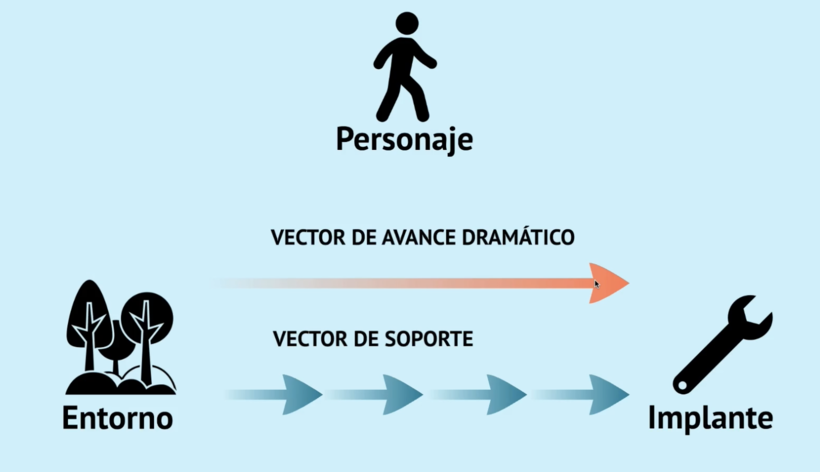
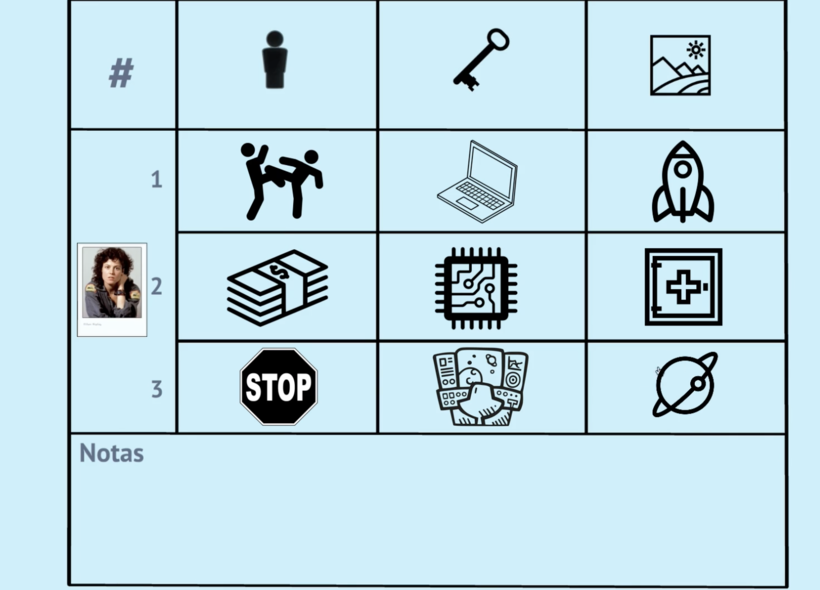
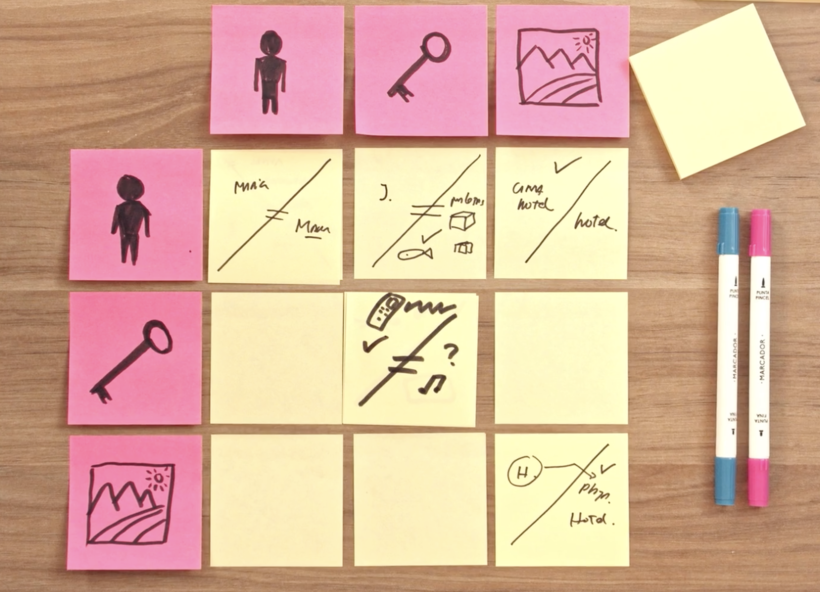
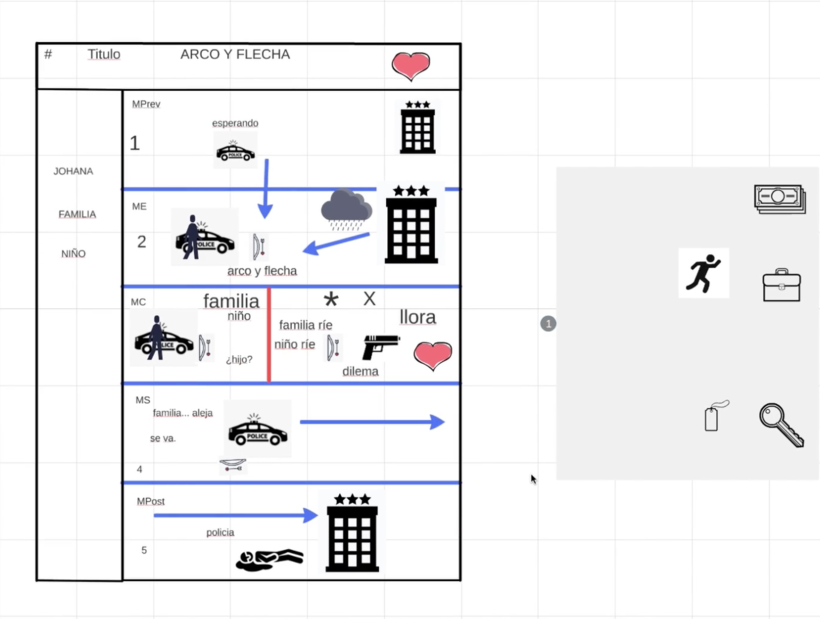
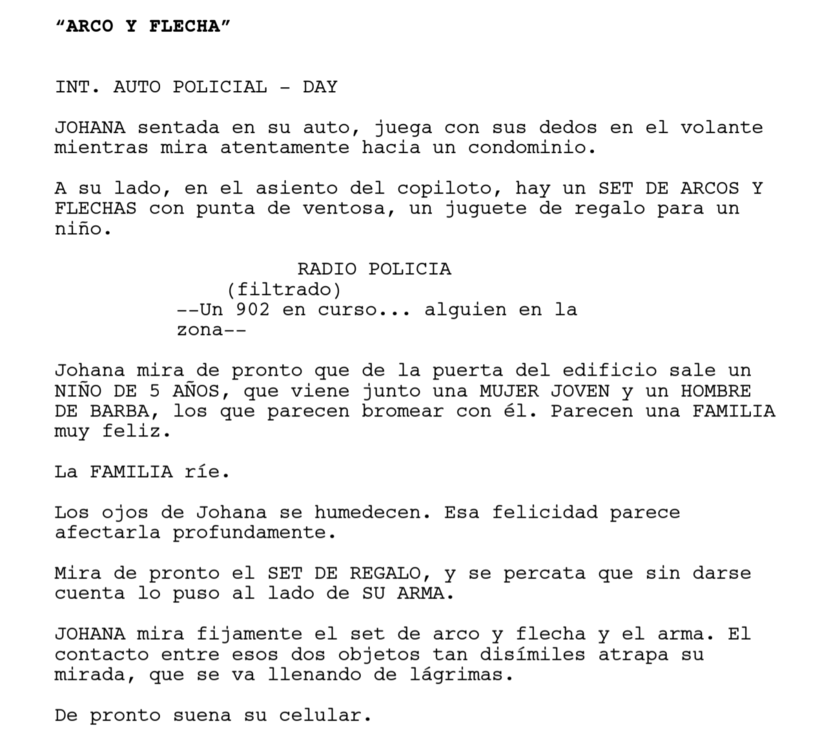
“You have reached the end of the course and I hope it has been useful for you to face story writing, whatever format you choose. For your final project, I recommend choosing a moment from a story that you already have devised, so that you can write your scenes and sequences. Take advantage of the additional resources that I left you to download; They are tools that will be very useful for your writing process. Before starting your final project, I recommend having all your diagrams and templates in one place before writing the scenes. It can be a notebook or a digital template, the important thing is that you have it close to consult it whenever you want. I share an example of how I would like to see your final project: The conflict Develop the conflict using the conflict matrix. Don't forget to explore all the clash combinations between the elements. The conflict is there, you just have to discover it.
Partial transcription of the video
“Final project We reached the end of the course and I hope it was useful to write your stories, whatever format you choose. In the course we saw the types of scenes, the elements that constitute them and how they relate to each other. Then I showed you my process to download all the information in different tools. First to a conflict matrix, then to a scene notebook and then to a harmonic dissociation matrix. All this to finally write the scenes and sequences in a professional format. For your final project, use a piece of a story that you already have in mind and use the tools I shared with...”
This transcript is automatically generated, so it may contain mistakes.
Course summary for: Writing Fictional Scenes and Sequences
-
Category
Photography & Video, Writing -
Areas
Creative Writing, Fiction Writing, Film, Video & TV, Filmmaking, Narrative, Script, Storytelling, TV, Writing

Julio Rojas
A course by Julio Rojas
Julio Rojas is a dentist by trade, which may be hard to believe given that he has devoted over two decades of his life to screenplays and writing. He has worked as a professor at major universities and film schools like the EICTV in Cuba, where he's been teaching the advanced screenwriting course for fifteen years. Julio has also worked as a fiction content director for free-to-air TV channels and audiovisual producers.
His most prominent work includes feature films like Sábado(Rainer Werner Fassbinder Award), La vida de los peces (2012 Goya winner), and La memoria del agua (selected for Venice Days at the 2016 Venice Film Festival). In addition to screenplays, Julio just published his first novel, a historical crime thriller titled El visitante extranjero (The Foreign Visitor), through Penguin Random House.
His Spotify podcast series CASO 32, listed by The New York Times as one of the best audio fictions of 2020, has been remade in various languages as well as categorized as the most-listened-to Spanish-language audio fiction in the world.
- 99% positive reviews (162)
- 4,592 students
- 20 lessons (4h 26m)
- 26 additional resources (7 files)
- Online and at your own pace
- Available on the app
- Audio: Spanish, English, French, Italian, Portuguese, Turkish
- Spanish · English · Portuguese · German · French · Italian · Polish · Dutch · Turkish · Romanian · Indonesian
- Level: Beginner
- Unlimited access forever
Category
Areas

