Creation of a Children's Picturebook
A course by Claudia RuedaAuthor and Illustrator
A course by Claudia Rueda, Author and Illustrator
- 4.999% positive reviews(359)
- 9,107 students
- 15 lessons (2h 43m)
- 18 additional resources (17 files)
- Online and at your own pace
- Available on the app
- Audio: Spanish, English, French, Italian, Portuguese, Turkish
- Spanish · English · Portuguese · German · French · Italian · Polish · Dutch · Turkish
Level:
Beginner- Unlimited access forever

Learn how to plan and create your picturebook project from scratch combining narrative and illustration
If you would like to learn all the steps involved in creating an illustrated children’s book and surprise your young readers, Claudia Rueda is the ideal person to guide you in this adventure. She has over thirty published books — many of which have made the New York Times bestsellers list and obtained prestigious international nominations such as the Hans Christian Andersen and Astrid Lindgren prizes.
In this course, learn how to plan and elaborate an illustrated picturebook from scratch. Claudia shows you each step involved: from the initial idea to creating your model until it is ready to be sent to an editor. See how to build a narrative and visual sequence by combining text and images in a unique way.
What will you learn in this online course?
15 lessons & 35 downloads
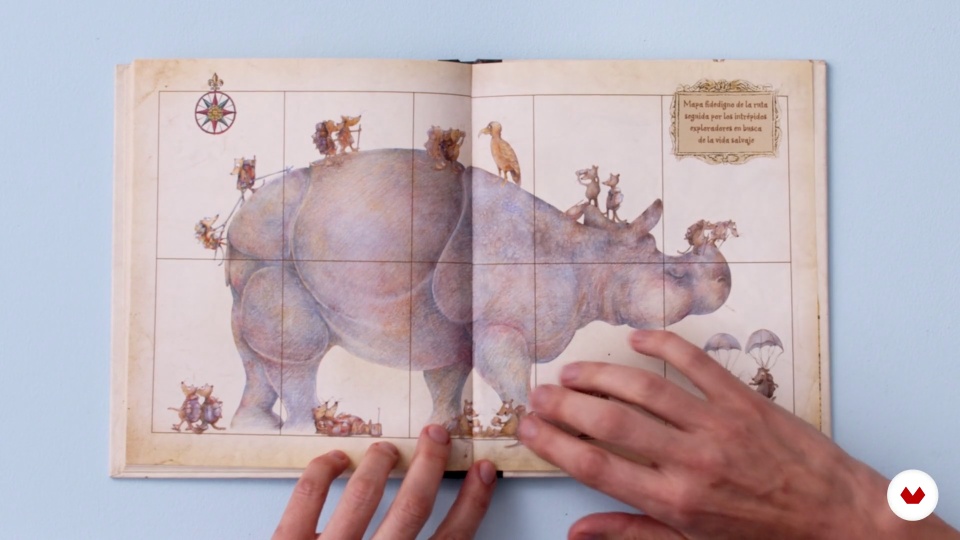
The Relationship Among the Actor, the Stage and the Narrator
17 minutes, 59 seconds
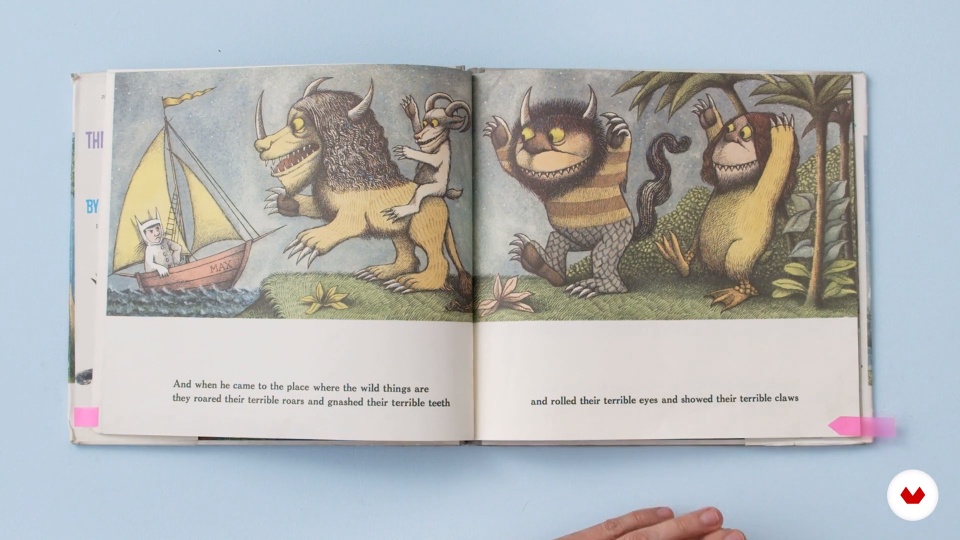
The Game Between Text and Image
15 minutes, 39 seconds
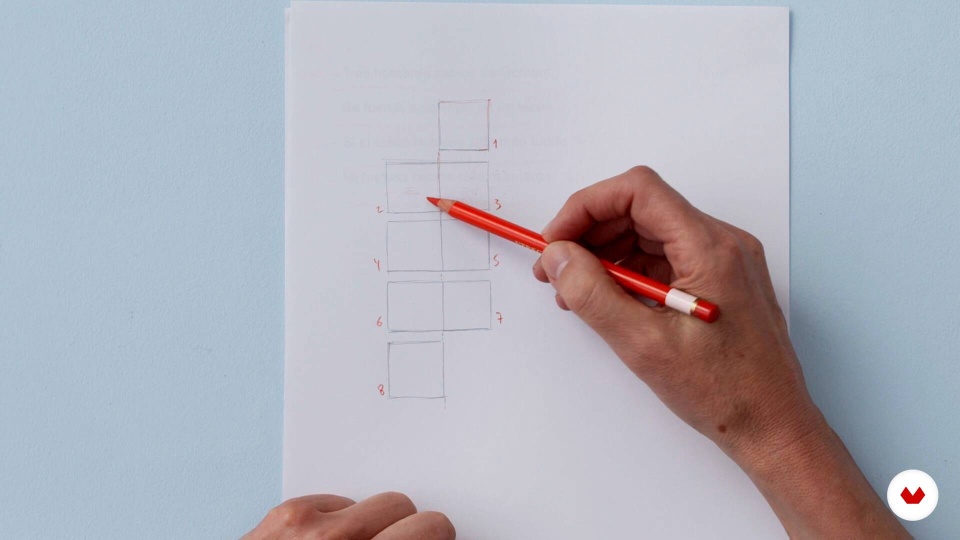
The First Thumbnails and the Storyboard 1
7 minutes, 15 seconds
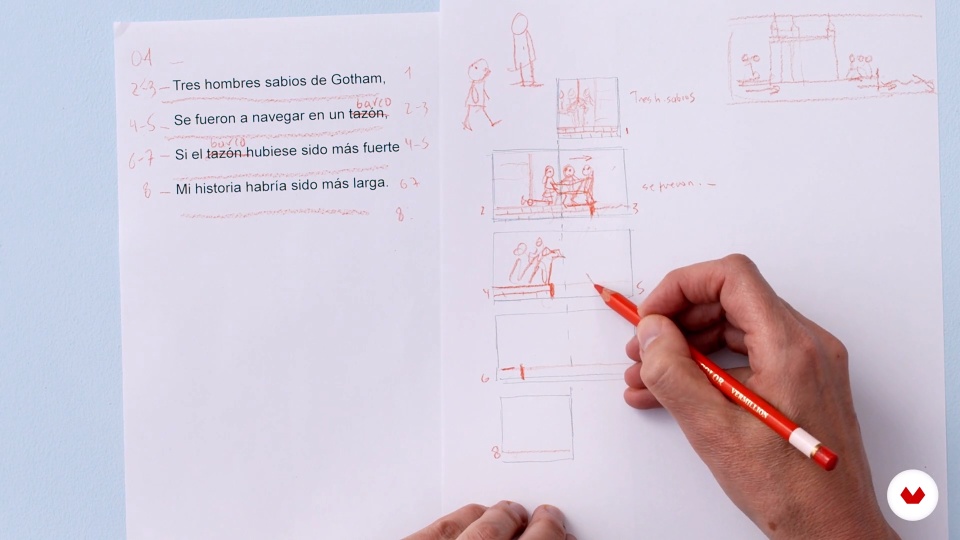
The First Thumbnails and Storyboard 2
14 minutes, 9 seconds
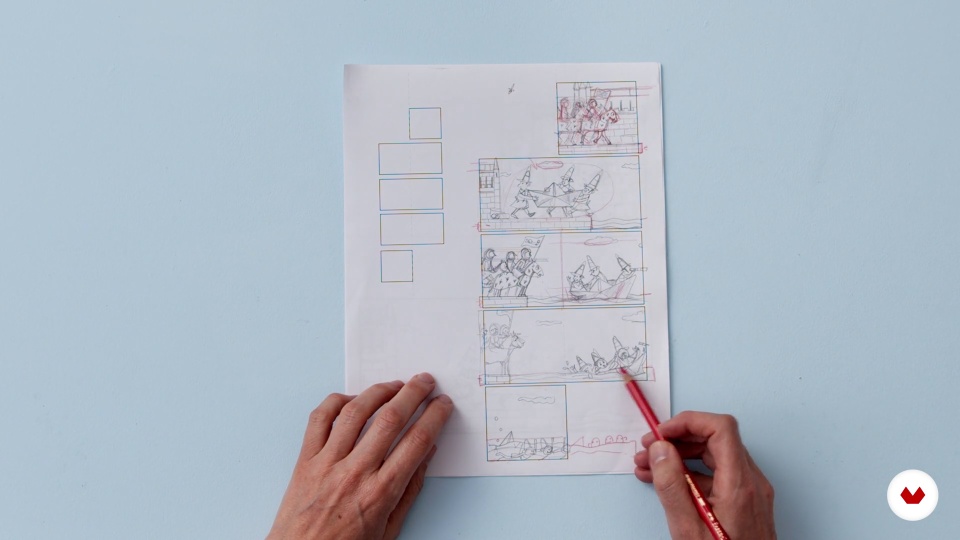
Reviewing the Sequence, Relationship Between Text and Image and Eloquence
6 minutes, 45 seconds
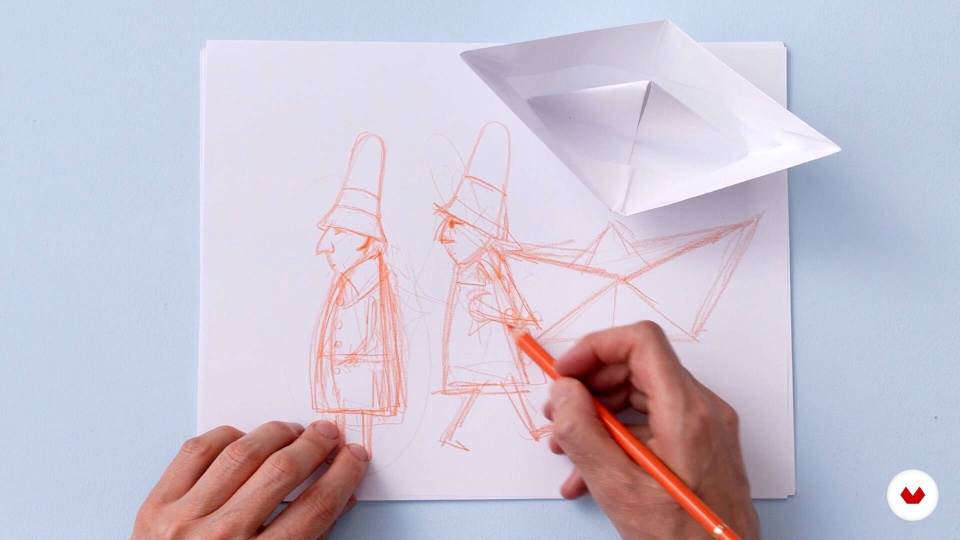
Definition of the Characters and the Setting
11 minutes, 13 seconds
What's included in this course?
Start this course by getting to know your teacher, Claudia Rueda. Learn about her career as an author of illustrated books, her most notable projects, and her main sources of inspiration in the visual narrative world.
Through art history and contemporary artwork examples, discover the main features of a picturebook. Claudia teaches the elements involved in creating visual and narrative sequences, the relationship between the protagonist, the scene, and the narrator, as well as the possible dynamics between text and images. To conclude this unit, delve into the creation theory and character specifics.
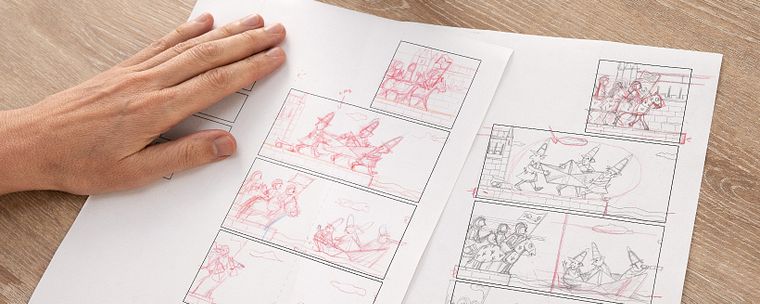
Next, it’s time to make a start on your book! Create an entire graphic script to begin. Claudia helps you choose the ideal text to use as a starting point for your project. Then, divide the text into a number of pages and start sketching to create the structure.
Illustrate your sketches, add narrative elements, before reviewing your visual and narrative sequences to ensure continuity throughout your project. Then, create your characters and final scenes.
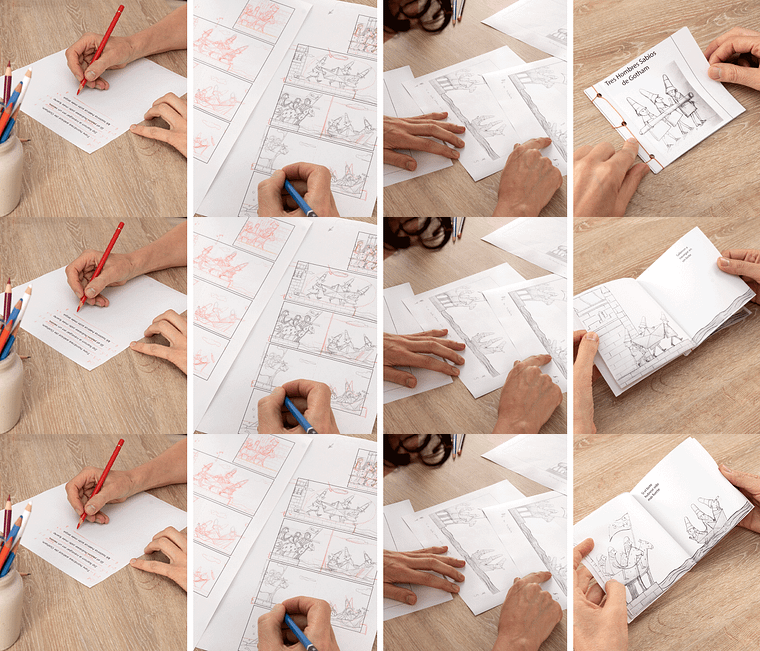
Start the post-production process of your book creation once your graphic script is ready. Claudia shows you how to transfer your storyboard into a booklet, how to create the structure of your model, and create your first reading test.
Once you ensure that your written and visual narrative match, finish up your model by creating the front cover and book-binding. Finally, Claudia gives her final tips and advice for presenting your picturebook to editors and participants.
What is this course's project?
Create the model for an eight-page picturebook adapted to an existing story.
Who is this online course for?
For all those interested in picturebooks and visual storytelling, who would like to learn how to tell a story through the combination of images and text.
Requirements and materials
No previous knowledge is needed to take this course, although basic drawing skills will be useful.
As for materials, you need white drawing paper or A4 sulfite paper, HB and 2HB pencils, yellow and orange-colored pencils, a black marker, an eraser, a stapler, and scissors.
Reviews
- 5 days ago
Me ha gustado mucho, da buenos tips y clarifica mucho el proceso, lo pondré a prueba.
- 8 days ago
Bien explicado recomendado
- 4 months ago
Me encantó muy útil y bien explicado!
- 7 months ago
Great Information to kickstart your idea to print.
- 9 months ago
I very much liked this course. I loved the illustrations and the easy way that the instructor taught us how to, and what to do next. I would recommend this to anyone interested in creating a children's book. I’m not sure how many people make a physical mock-up now, with all the digital options available. But I very much appreciated learning about it.

Claudia studied Law and Arts and worked as a political caricaturist in Colombia. She then furthered her studies in children’s book illustration at UC Berkeley. She has a master’s in creative writing from Lesley University and won the Billie M. Levy investigation grant from the Children’s Literature Collection from the North-West. Claudia is also a teacher in the creative writing masters at Universidad Nacional de Colombia.
Content
- U1
Introduction
- About Me
- Influences
- What Will We Do in this Course?
- U2
Understanding the Pictureook and Visual Storytelling
- What is A Picturebook? The Narrative and Eloquent Power of the Image
- The Visual Sequence and the Narrative
- The Relationship Among the Actor, the Stage and the Narrator
- The Game Between Text and Image
- Characterization, Character and Point of View
- U3
Creating the Storyboard of Our Picturebook
- Choosing the Text and Its Possible Visual Interpretations
- The First Thumbnails and the Storyboard 1
- The First Thumbnails and Storyboard 2
- Reviewing the Sequence, Relationship Between Text and Image and Eloquence
- Definition of the Characters and the Setting
- U4
The Mockup and Completion
- Storyboard Transfer and Reading Test
- Finishing the Mockup
- FP
Final project
- Creation of a Children's Picturebook
What to expect from a Domestika course
Learn at your own pace
Enjoy learning from home without a set schedule and with an easy-to-follow method. You set your own pace.
Learn from the best professionals
Learn valuable methods and techniques explained by top experts in the creative sector.
Meet expert teachers
Each expert teaches what they do best, with clear guidelines, true passion, and professional insight in every lesson.
Certificates
PLUSIf you're a Plus member, get a custom certificate signed by your teacher for every course. Share it on your portfolio, social media, or wherever you like.
Get front-row seats
Videos of the highest quality, so you don't miss a single detail. With unlimited access, you can watch them as many times as you need to perfect your technique.
Share knowledge and ideas
Ask questions, request feedback, or offer solutions. Share your learning experience with other students in the community who are as passionate about creativity as you are.
Connect with a global creative community
The community is home to millions of people from around the world who are curious and passionate about exploring and expressing their creativity.
Watch professionally produced courses
Domestika curates its teacher roster and produces every course in-house to ensure a high-quality online learning experience.
FAQs
A picture book is a work where image and text are inseparably combined to tell a story. Unlike an illustrated book, in a picture book both elements complement each other and are essential to the narrative.
This course is geared toward intermediate learners—perfect for those with basic illustration or visual storytelling skills who want to dive deeper into creating picture books and visual sequences.
You only need basic illustration skills and access to traditional or digital drawing materials, plus an interest in visual storytelling and graphic project creation.
You’ll learn how to blend image and text, create storyboards, develop consistent characters, plan visual sequences, and build professional picture book mockups ready for editorial presentation.
The course teaches how to create storyboards using thumbnails, pacing, and visual sequencing to ensure narrative coherence and smooth transitions between scenes and character interactions.
You’ll learn to depict movement and emotion through gestures, poses, visual rhythm, composition, and the use of lines and graphic synthesis techniques in illustrated storytelling.
The course guides you through preparing and professionally presenting portfolios and mockups, crafting effective cover letters, and choosing the right format for editorial submissions.


