Expressive Watercolor Portraits
A course by Arthur BraudVisual Artist and Photographer
A course by Arthur Braud, Visual Artist and Photographer

Explore color, composition, and technique to create captivating portraits with a powerful message
Have you ever felt like you had so much to say without knowing how to express it? Explore your inner self and bring your most ambitious ideas to life through the power of watercolor portraits, an ideal medium for capturing the emotions and struggles experienced on our creative journey.
In this Domestika course, visual artist and photographer Arthur Braud shows you how to express yourself through water colors by creating captivating portraits. Using basic color theory and fundamental techniques, Arthur shows how to infuse your portraits with a strong mood and message based on your own experiences. From the core concepts to adding the final details, discover what’s possible when you focus your thoughts on making your creative vision a reality.
What will you learn in this online course?
19 lessons & 25 downloads
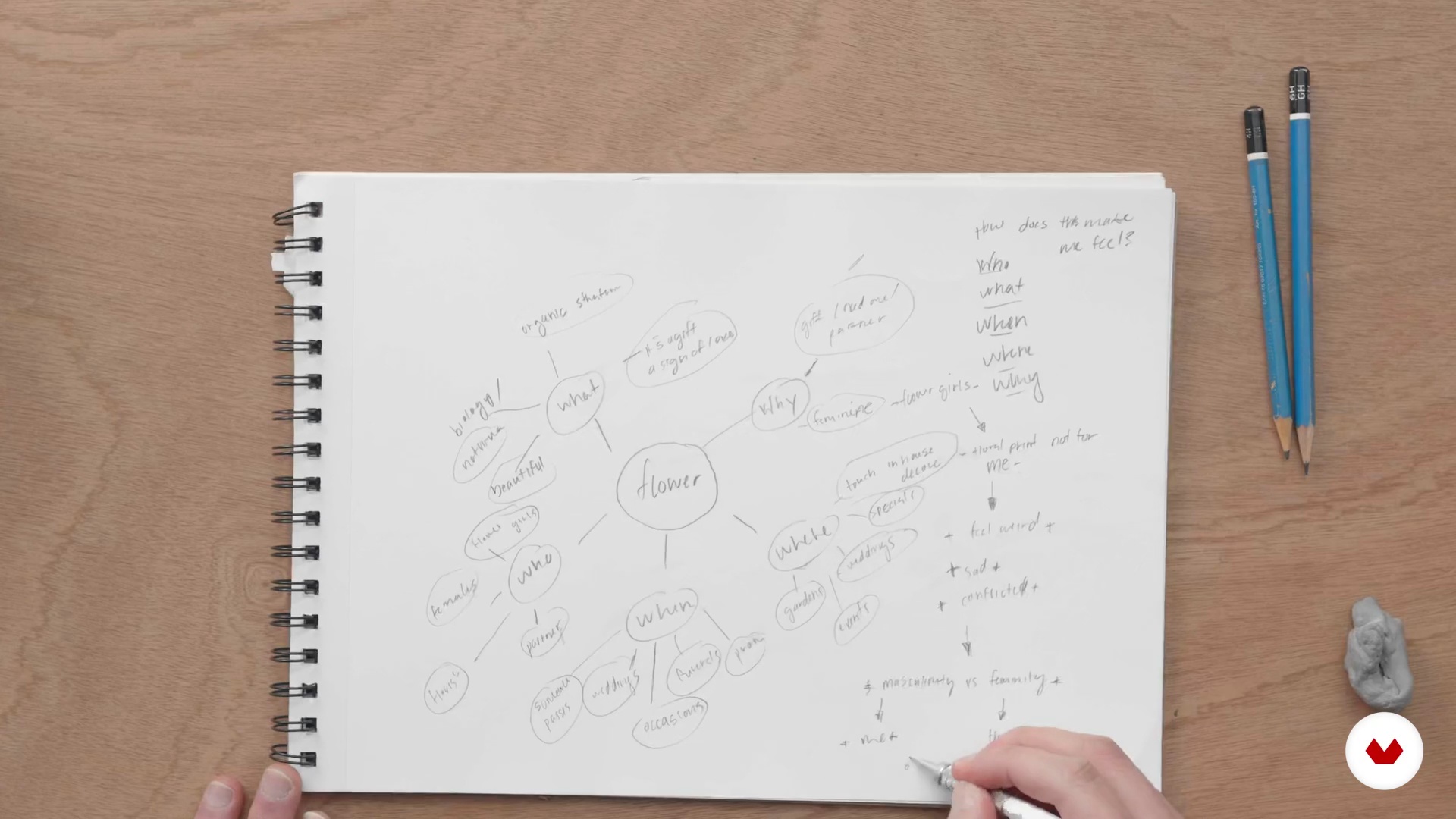
Brainstorming Ideas Compositions
16 minutes, 3 seconds
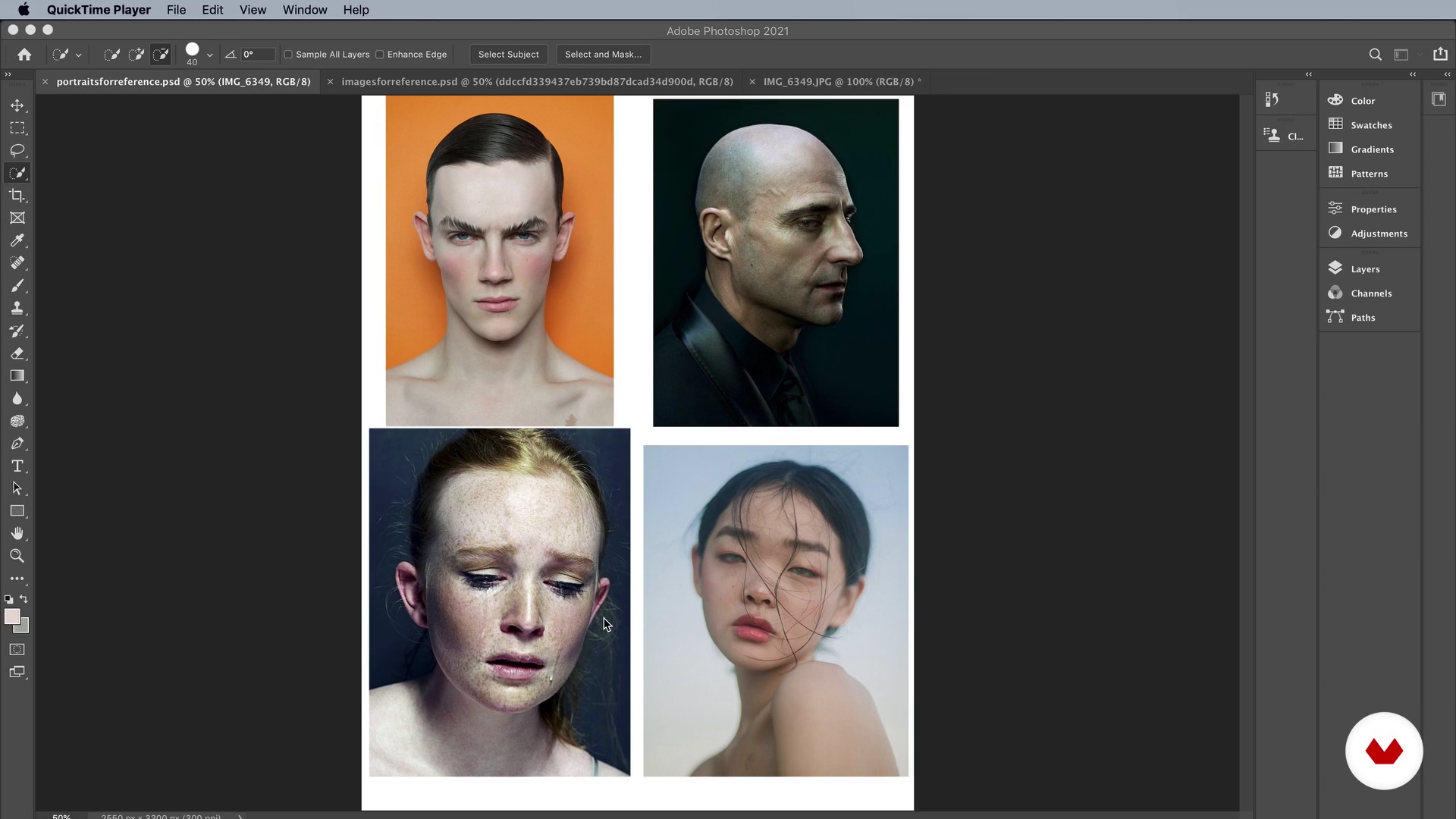
Looking and Preparing References
10 minutes, 0 seconds
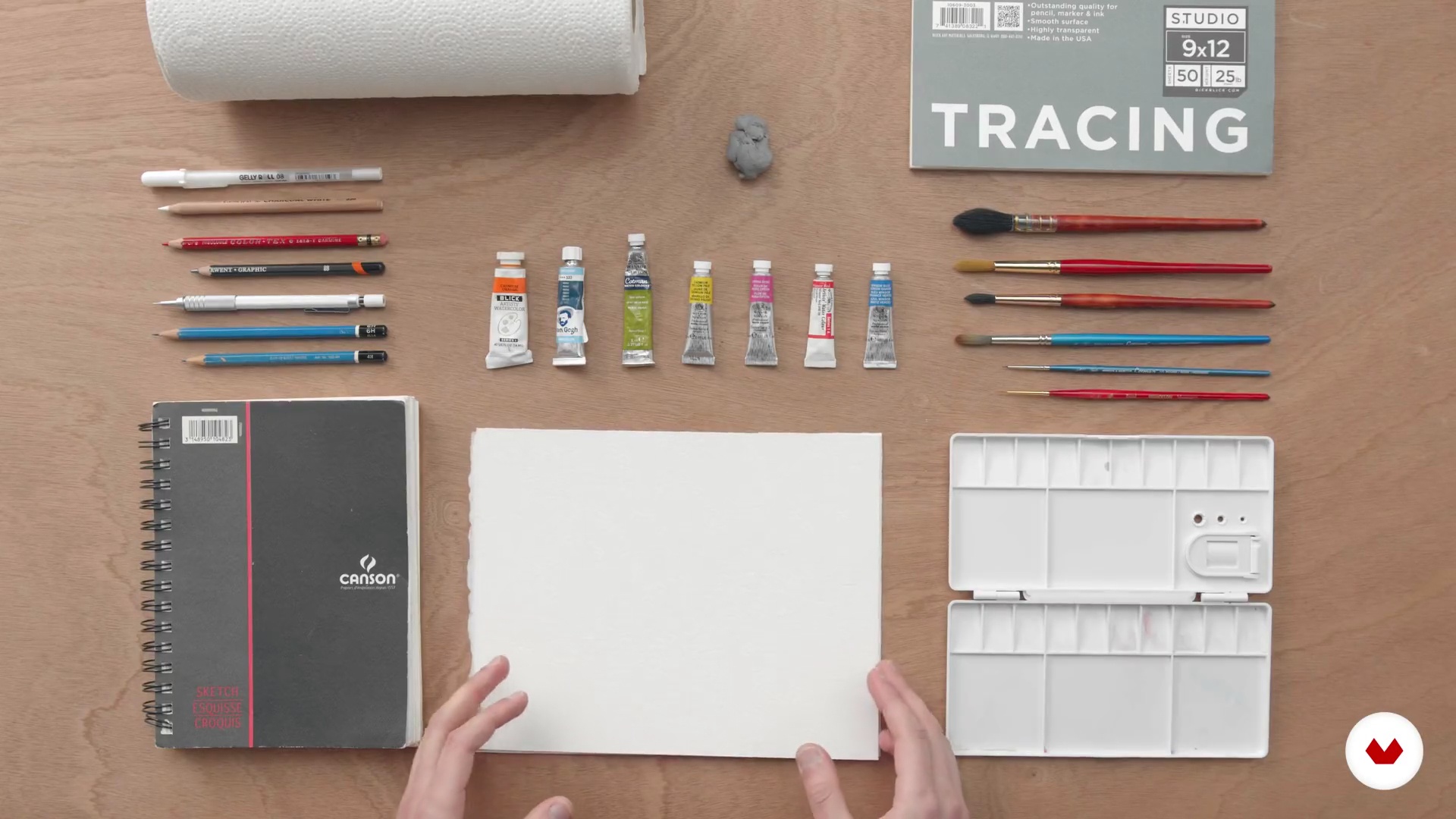
Materials
5 minutes, 28 seconds
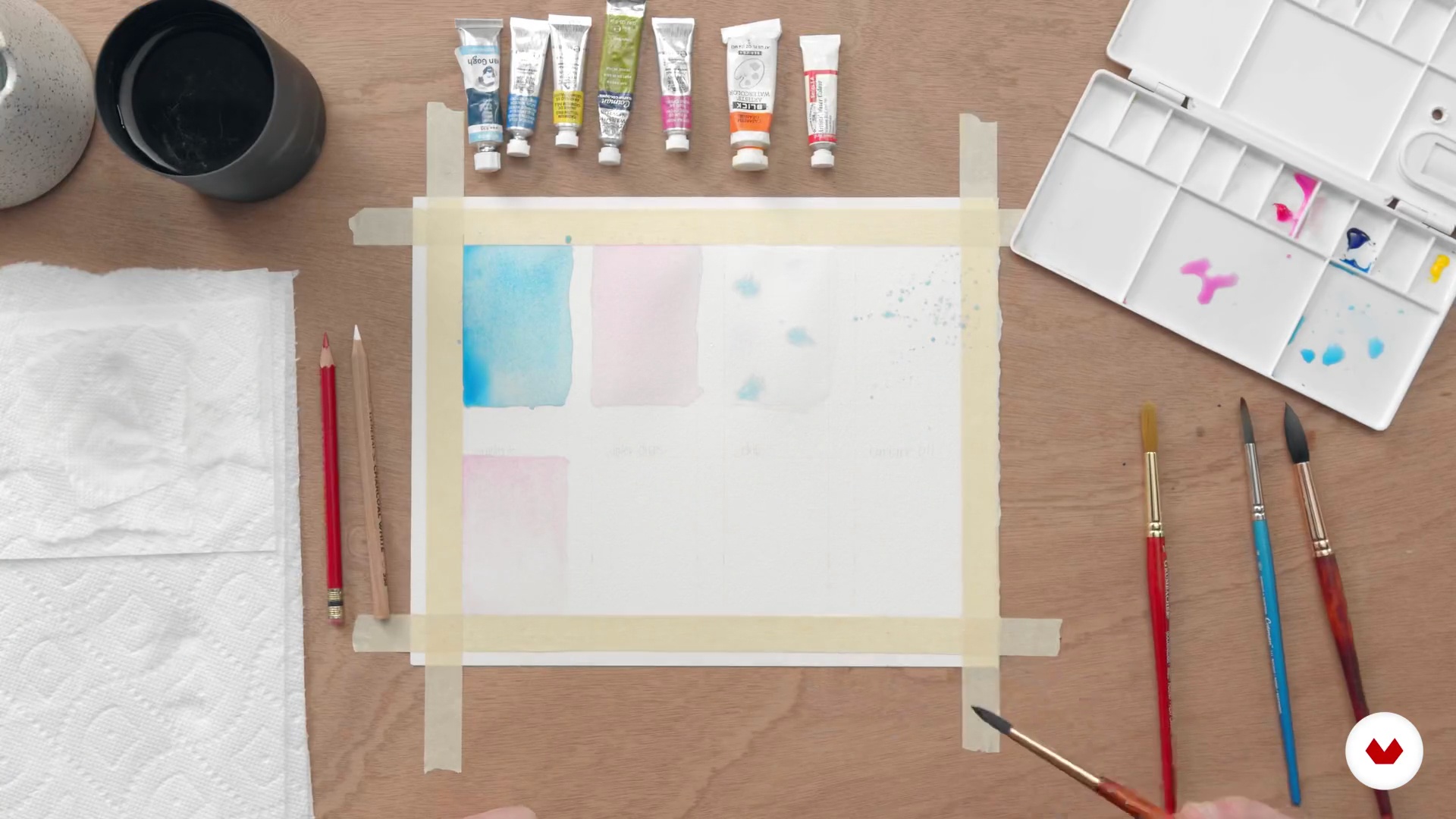
Watercolor Techniques
14 minutes, 3 seconds
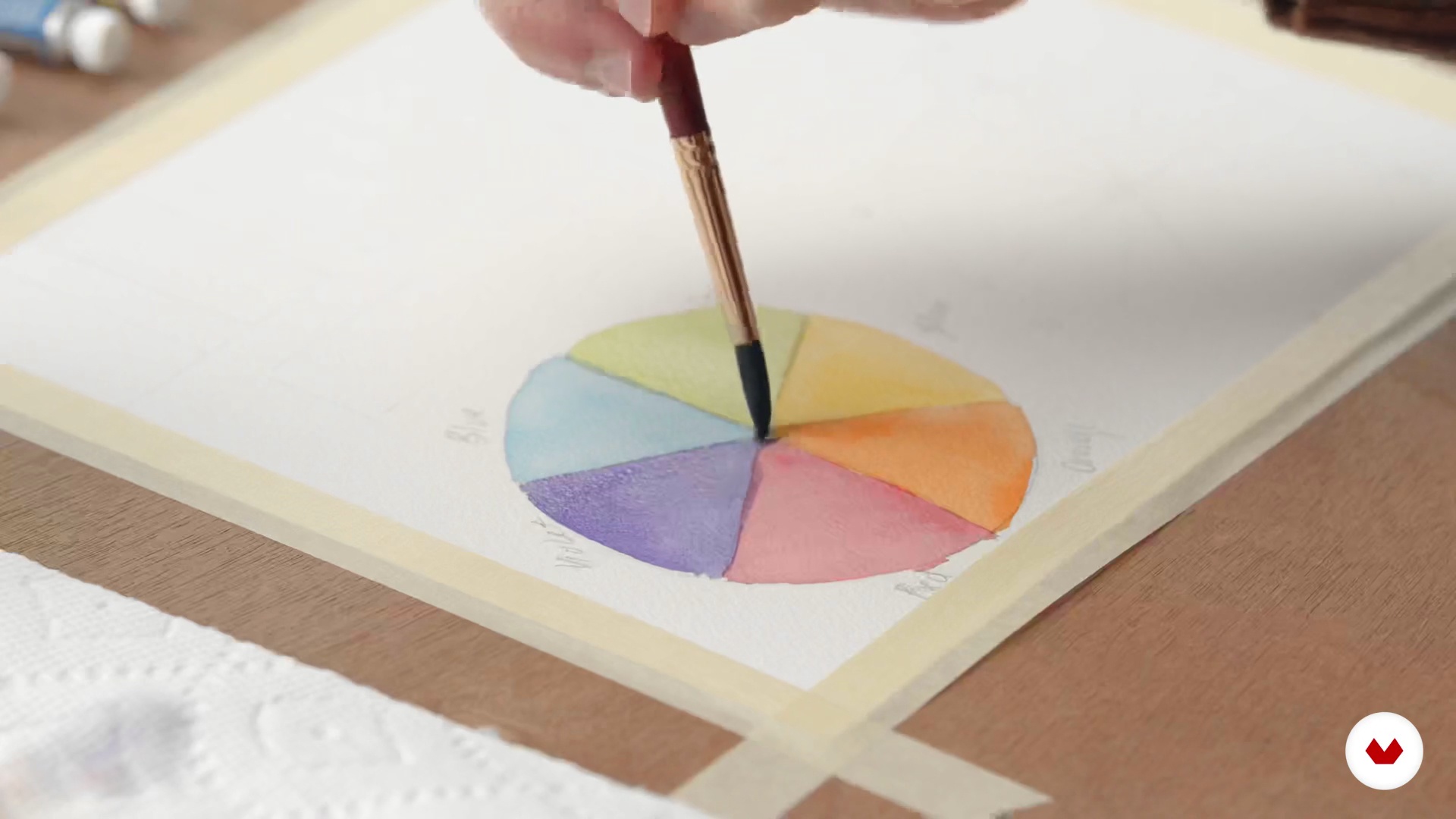
Understanding Color 1
18 minutes, 50 seconds
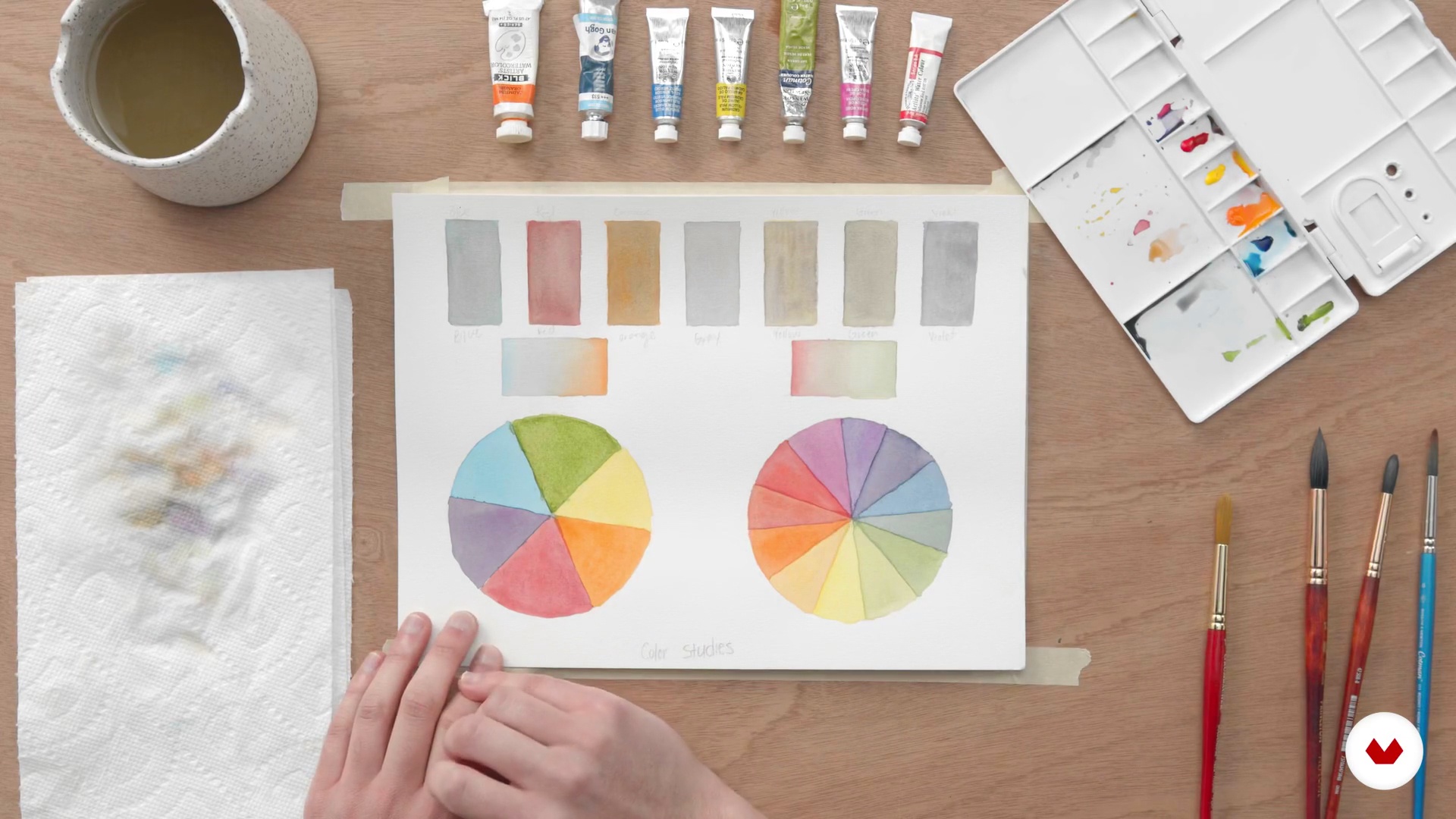
Understanding Color 2
15 minutes, 3 seconds
What's included in this course?
Start your course by meeting visual artist Arthur Braud. He begins by sharing his background as a creator and some sources he uses for searching out inspiration. Arthur explains how he uses watercolor portraiture to form new connections, and how you can use your own work to inspire others to follow their journey.
Explore the fundamentals of watercolor painting, then go through Arthur’s creative process from start to finish. Learn how to effectively brainstorm new ideas for your paintings and how to create thumbnail sketches before deciding on a final concept. Then, get familiar with the materials you will be using, including your paints, brushes, paper, and other basic materials. Practice essential watercolor techniques, understand color theory, and explore the fundamentals of drawing an anatomically correct face.
Next, learn how to transfer a computer drawing onto a piece of paper. Once you’ve sketched the outline with pencil, start applying water and paint. Add some subtle first layers in warm and cool tones as a way of mapping out shadows, highlights, and facial features. Then focus on the eyes before moving on to the nose and mouth. Explore the shadows, shapes, and proportions of each facial feature before discussing skin tones.
Now add the final touches to your painting. Arthur shows you how to draw on top of your painting using a small brush to paint the fine details. Then see how to boost the contrast of your work by focusing on the darker areas. Finally, learn how to add extra movement, texture, and emotion to your painting using a dry brush for retouching eyelashes, hair, and other small details in your portrait.
Recommended software & tools for this course
What is this course's project?
Create an expressive watercolor portrait that is inspired by your own thoughts and experiences.
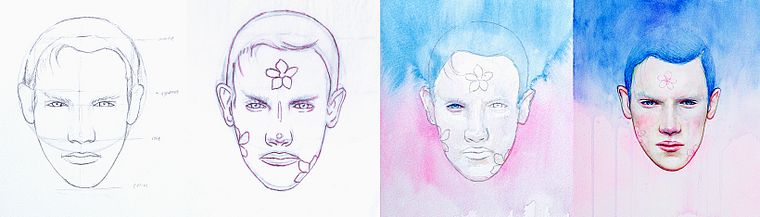
Projects by course students


Who is this online course for?
This course is for creative individuals who are interested in improving their watercolor techniques and producing more meaningful work.
Requirements and materials
To take this course, some knowledge of realistic drawing techniques and color theory are helpful, but not required.
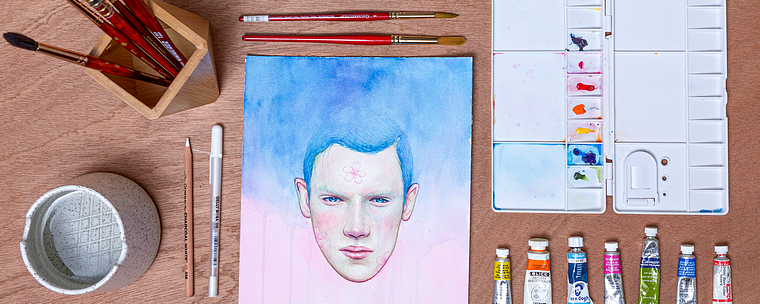
You will need brushes, tubes of watercolor paint, a palette, watercolor paper, a soft eraser, and a sketchbook. To edit your images, you will need a smartphone with a built-in image editor or access to Adobe Photoshop.
Reviews
- 7 months ago
I really liked this course it was very inspiring and the techniques were explained very well so i felt i could follow along
- 10 months ago
Muy bien explicado paso a paso. Buena metodologia. Me parecio un curso beneficioso para mi proceso de aprendizaje.
- 11 months ago
molto preciso. competente.
- 1 year ago
Me encanto, y realmente me mantuvo alerta para aprender.
- 1 year ago
Grossartig! Die Erklärungen sind super und das Videomaterial ist gut um alle Schritte zu erkennen.

Arthur’s work juxtaposes the ideas of beauty and devastation, focusing on the psychological state of humanity to connect individuals through visual representation. He has participated in over twenty gallery showings, including the Grand Rapids Art Prize, and has curated several exhibitions in locations throughout the USA. He currently resides in Chicago, where he works as a portrait photographer, teacher, and participant in creative fairs and events.
Content
- U1
Introduction
- Presentation
- Artists That Inspire Me
- U2
Fundamentals to Developing Your Vision
- Brainstorming Ideas Compositions
- Looking and Preparing References
- Materials
- Watercolor Techniques
- Understanding Color 1
- Understanding Color 2
- The Fundamentals of the Face
- U3
Let the Journey Begin
- Transferring Our Sketch
- Painting the First Layers
- Painting the Eyes
- Painting the Nose and Mouth 1
- Painting the Nose and Mouth 2
- Painting Skin Tones 1
- Painting Skin Tones 2
- U4
Creating a More Captivating Painting
- Painting the Motif
- Finishing Our Background and the Final Details 1
- Finishing Our Background and the Final Details 2
- FP
Final project
- Expressive Watercolor Portraits
What to expect from a Domestika course
Learn at your own pace
Enjoy learning from home without a set schedule and with an easy-to-follow method. You set your own pace.
Learn from the best professionals
Learn valuable methods and techniques explained by top experts in the creative sector.
Meet expert teachers
Each expert teaches what they do best, with clear guidelines, true passion, and professional insight in every lesson.
Certificates
PLUSIf you're a Plus member, get a custom certificate signed by your teacher for every course. Share it on your portfolio, social media, or wherever you like.
Get front-row seats
Videos of the highest quality, so you don't miss a single detail. With unlimited access, you can watch them as many times as you need to perfect your technique.
Share knowledge and ideas
Ask questions, request feedback, or offer solutions. Share your learning experience with other students in the community who are as passionate about creativity as you are.
Connect with a global creative community
The community is home to millions of people from around the world who are curious and passionate about exploring and expressing their creativity.
Watch professionally produced courses
Domestika curates its teacher roster and produces every course in-house to ensure a high-quality online learning experience.
FAQs
This course is ideal for intermediate artists with some drawing or painting experience. Beginners may find it challenging, as it covers nuanced watercolor techniques and facial anatomy, but motivated learners with foundational skills can still benefit.
You'll need watercolor paints, a palette, brushes (including fine detail brushes), cold-pressed watercolor paper, a sketchbook, a kneaded eraser, colored pencils, a white gel pen, and access to digital reference images or a printer.
You will learn how to sketch and transfer portraits, layer watercolor washes, mix realistic skin tones, paint expressive facial features, incorporate motifs, and use both traditional and expressive watercolor techniques for emotional impact.
Yes, the course covers color theory, complementary color mixing, and layering techniques to help you accurately mix and apply realistic skin tones in watercolor portraits.
The course demonstrates tracing and graphite transfer methods, showing you how to move your sketch onto watercolor paper cleanly and accurately before painting.
Yes, dedicated lessons focus on painting each facial feature with attention to highlights, shadows, layering, and expression, so you can create lifelike and emotional portraits.
You'll learn layering, wet-on-wet, dry brush, splattering, gradient washes, and expressive mark-making to add mood, dimension, and character to your portraits.