Chair Restoration and Upholstery
A course by Lucia GiraudoUpholsterer and Entrepreneur
A course by Lucia Giraudo, Upholsterer and Entrepreneur

Recycle and refurbish your old furniture to give it a second life
We already recycle all kinds of products every day, so why don’t we do the same with furniture? After searching for several years, entrepreneur Lucía Giraudo found her professional calling in the recycling and upholstering of old furniture. With Lucia as your guide, learn the skills for refurbishing a chair that has seen better days and see how to upholster it and give it a second life.
Lucia will show you how to disassemble your chair with the right tools. Get a look at which materials are recommended and learn how to differentiate between synthetic and natural fibers. Explore the world of fabrics, how to care for them, and transform that old chair into something totally unique.
What will you learn in this online course?
18 lessons & 16 downloads
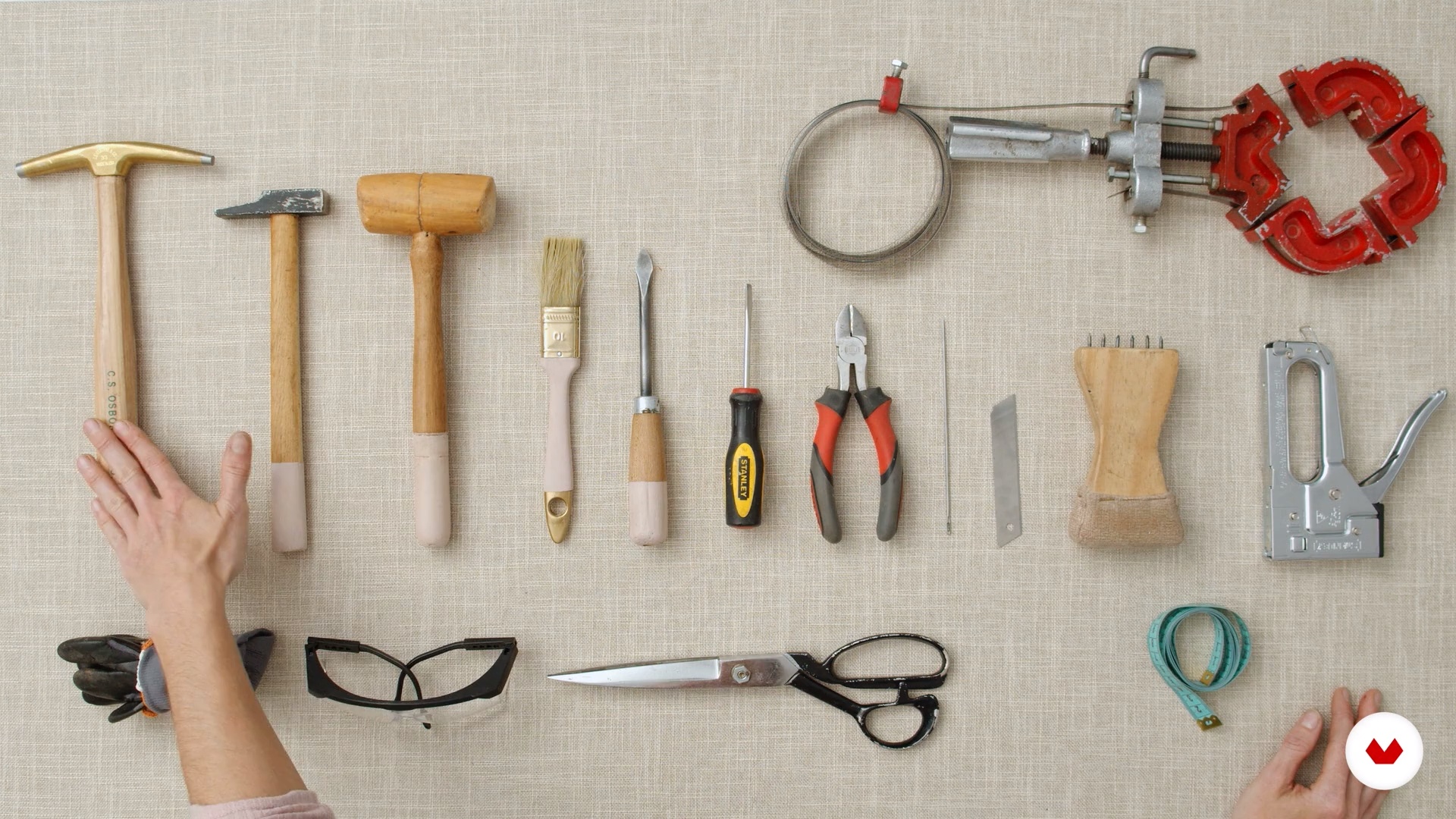
Tools and materials
3 minutes, 39 seconds
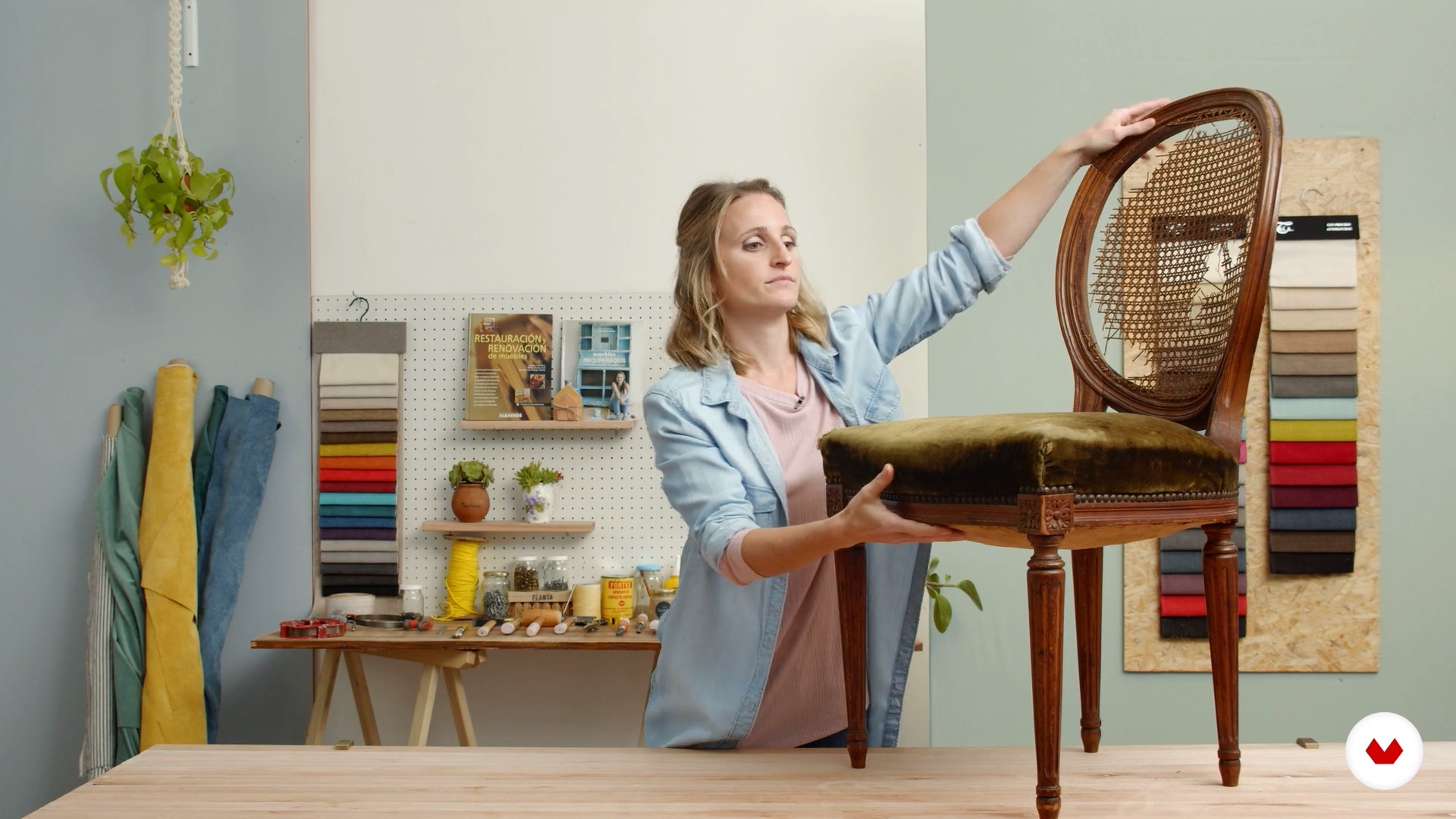
Chair scanner
1 minute, 26 seconds
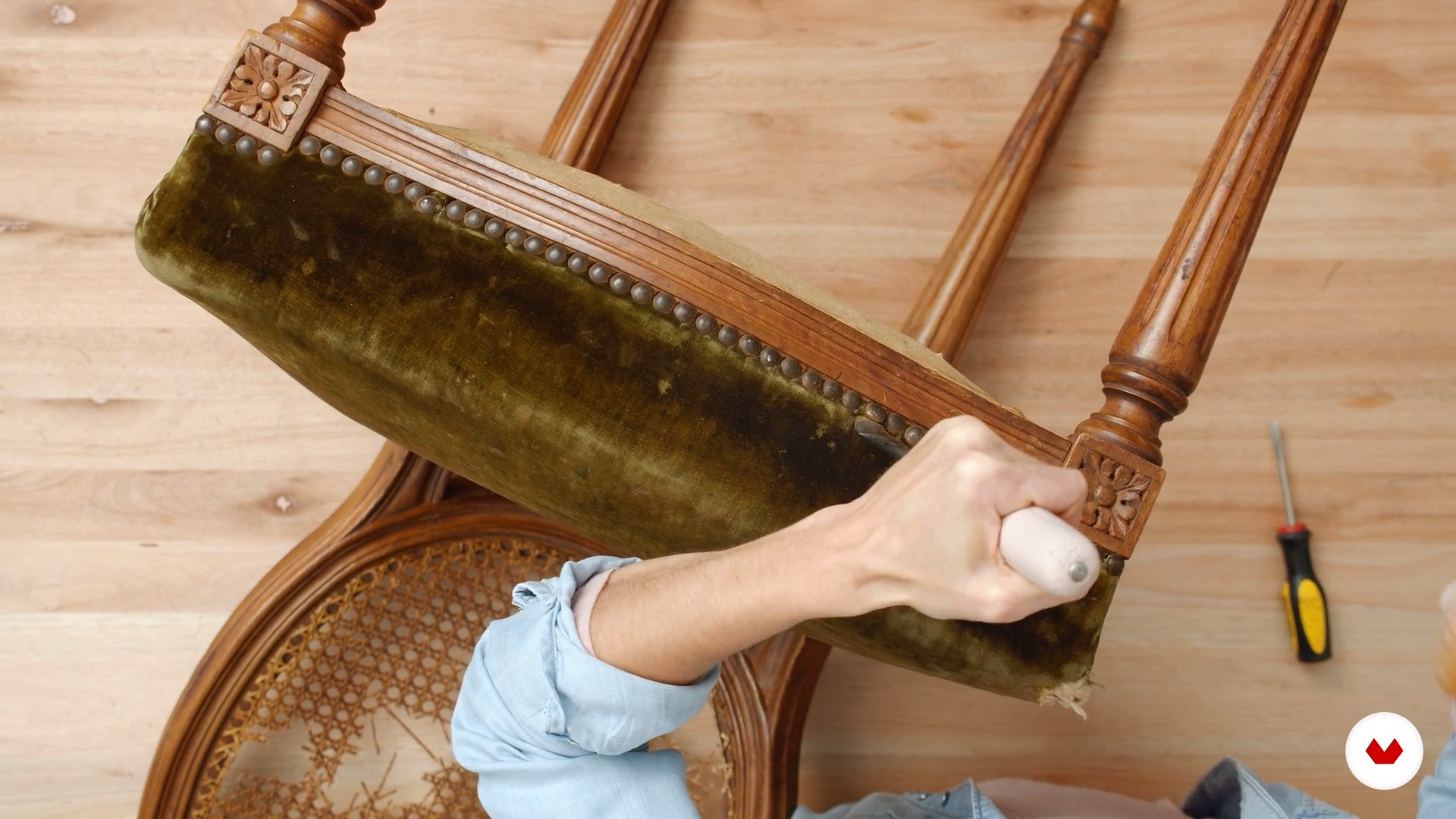
To disarm
18 minutes, 30 seconds
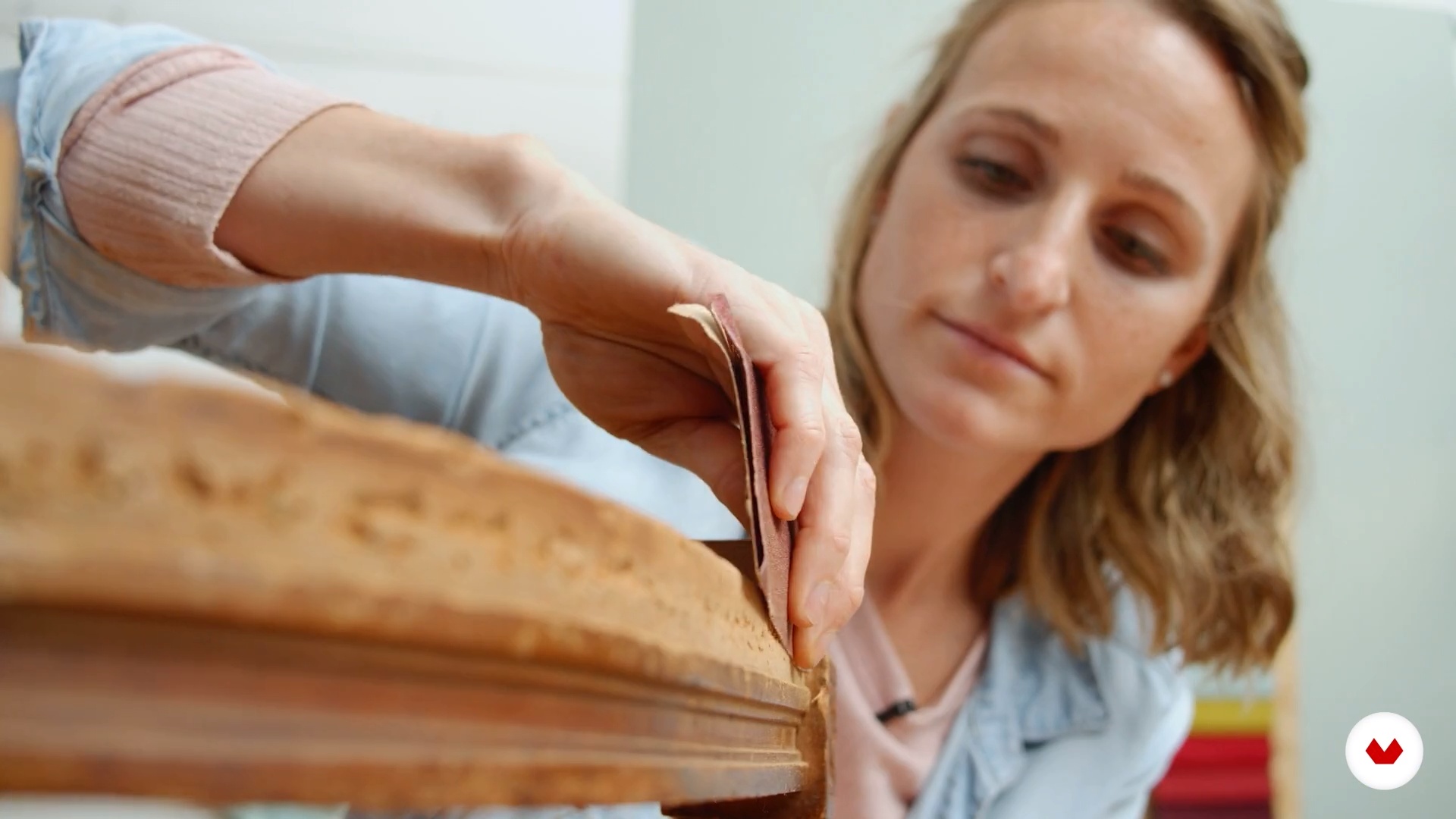
Putty, glue and wash 1
11 minutes, 10 seconds
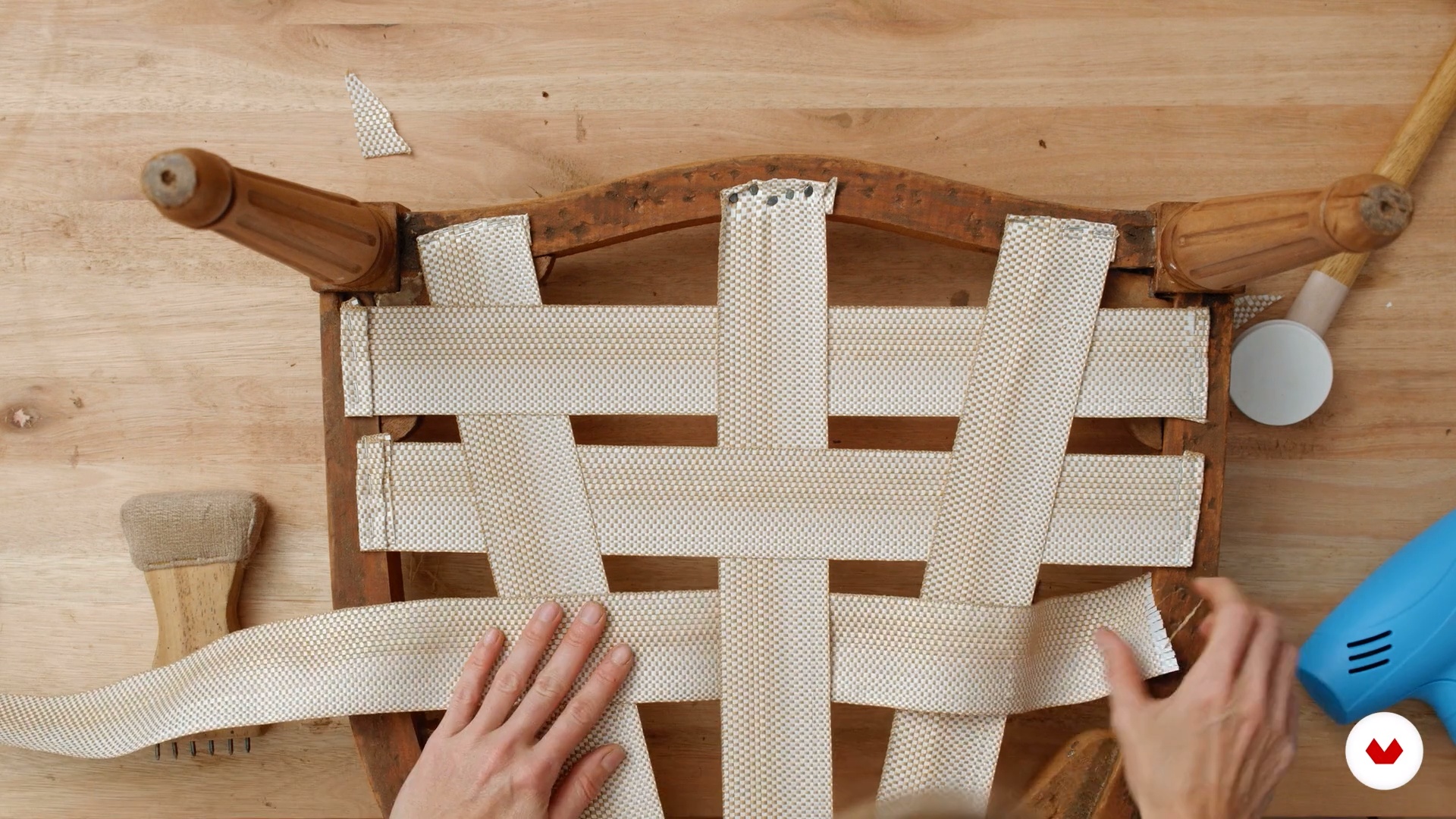
Apply webbing and sew springs 1
18 minutes, 50 seconds
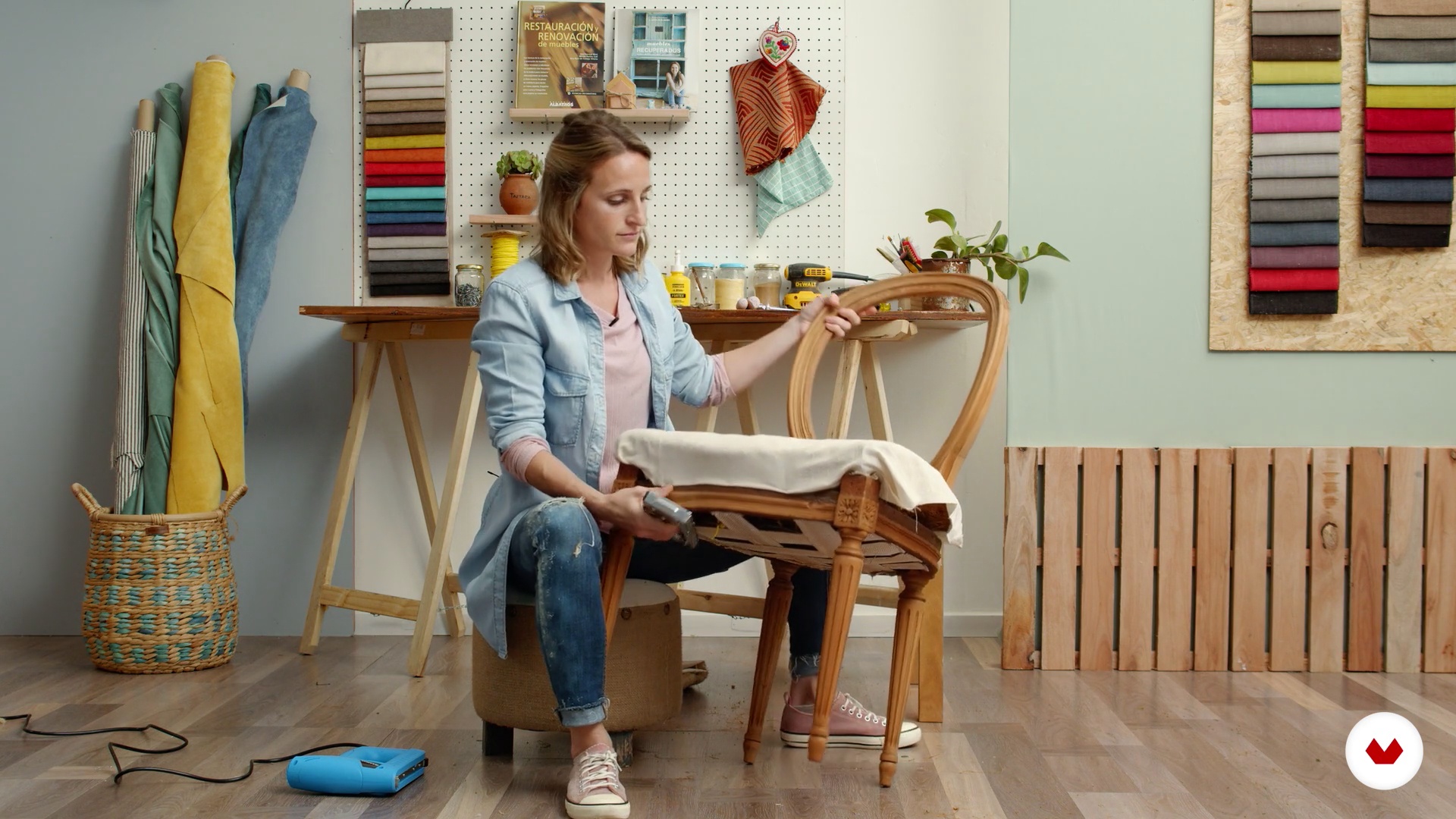
The filling 1
16 minutes, 14 seconds
What's included in this course?
Meet the entrepreneur and upholsterer Lucia Giraudo, who tells you how she got started recycling furniture, shows you some of her creative influences, and explains the final project you will be doing in this course.
Step into the world of upholstery and explore its evolution. Learn about measurements, styles, and the differences between traditional and modern upholstery. Then get familiar with the tools and materials you will be using.
Define the steps before beginning the restoration of your chair. Learn to disassemble it, sand it, putty the holes, glue any loose parts, wash the wood, and apply a protective layer of wax or lacquer.
Next, learn how to assemble the chair by arranging the straps before sewing and tying the springs. See how to add filling, learn how to calculate the fabric needed to make the molds, and do it. This same process is then repeated on the backrest.
Place the final fabric or canvas on the back of your chair and finish upholstering it by placing the studs on the chair. Lucia finishes by showing you some alternative options for finishing your upholstery.
What is this course's project?
Recycle an old chair and transform it into something one-of-a-kind by going through the entire restoration and upholstery process.

Projects by course students

Who is this online course for?
Interior designers, textile designers, and anyone interested in recycling furniture.
Requirements and materials
No specific knowledge is necessary to take this course.
This course requires some basic materials that are easily found at home or a hardware store. You will also need a stapler, a webbing strap, a crimping tool (optional), clamps, webbing, tacks, upholstery pins, waxed thread, old fabric, foam rubber, canvas, wadding, and upholstery fabric.

Reviews
- 5 months ago
hermoso curso!!! espero q mis sillas me queden tan bonitas como el el curso
- 5 months ago
Excelente y esperanzador
- 6 months ago
Excelente curso.-
- 6 months ago
Excelente curso, todo muy detallado y muy bien explicado, lo recomiendo!!!
- 8 months ago
me gusta bastante, lucia es excelente explicando. lo recomiento 100%

She is passionate about fabrics, textures, paints, and colors. She works on each project with special care and attention, adapting to the unique needs of each client. She enjoys giving a new life to furniture and keeping its history alive by updating them with new techniques and finishes.
Content
- U1
Introduction
- Presentation
- Influences
- What will we do in the course?
- U2
Preparation!
- Introduction to upholstery
- Traditional upholstery vs Modern upholstery
- Tools and materials
- U3
Disassembly and preparation of the structure
- Chair scanner
- To disarm
- Putty, glue and wash 1
- Putty, glue and wash 2
- U4
Arming the chair
- Apply webbing and sew springs 1
- Attach webbing and sew springs 2
- The filling 1
- Filler 2
- The cloth
- The backup
- Final Canvas
- Studs
- FP
Final project
- Chair Restoration and Upholstery
What to expect from a Domestika course
Learn at your own pace
Enjoy learning from home without a set schedule and with an easy-to-follow method. You set your own pace.
Learn from the best professionals
Learn valuable methods and techniques explained by top experts in the creative sector.
Meet expert teachers
Each expert teaches what they do best, with clear guidelines, true passion, and professional insight in every lesson.
Certificates
PLUSIf you're a Plus member, get a custom certificate signed by your teacher for every course. Share it on your portfolio, social media, or wherever you like.
Get front-row seats
Videos of the highest quality, so you don't miss a single detail. With unlimited access, you can watch them as many times as you need to perfect your technique.
Share knowledge and ideas
Ask questions, request feedback, or offer solutions. Share your learning experience with other students in the community who are as passionate about creativity as you are.
Connect with a global creative community
The community is home to millions of people from around the world who are curious and passionate about exploring and expressing their creativity.
Watch professionally produced courses
Domestika curates its teacher roster and produces every course in-house to ensure a high-quality online learning experience.
FAQs
You’ll learn how to restore and upholster furniture—from assessing and repairing frames to selecting fabrics, mixing colors, recycling materials, and applying professional finishes in both classic and modern styles.
No, the course is designed for those with intermediate skills but is also accessible to anyone with basic crafting experience or who wants to deepen their knowledge in upholstery and furniture restoration.
You’ll need basic tools like an upholstery hammer, staple gun, tape measure, scissors, plus materials such as fabrics, foam, webbing, and tacks. Many materials can be salvaged from old furniture.
Yes, you’ll learn how to assess, take apart, repair, and upholster antique armchairs and chairs using both traditional and modern methods to breathe new life into them while preserving their value.
The course teaches you how to select and combine fabrics and colors by considering trends, ergonomics, and each piece’s style, with strategies to create harmonious, personalized results.
You’ll learn to recognize and use traditional techniques (like natural horsehair, springs, and hand stitching) alongside modern methods (with synthetic materials and current tools), understanding their pros and cons.
Yes, the course includes recycling methods, reusing original materials, and creatively transforming furniture to promote sustainability and circular economy practices.