Decorative Techniques with Concrete
A course by Las Marías de La María LivingInterior Design Studio
A course by Las Marías de La María Living, Interior Design Studio

Learn how to create and decorate objects with concrete by applying spectacular effects like dripping and marbled finishes
Although it’s more commonly associated with construction sites, concrete is the star of the show when it comes to raw materials at the La María Living interior design studio. Here, mother-daughter duo María Alexandra and María Camila experiment with this material and bring objects to life giving them a highly pleasing esthetic without forgoing functionality and everyday uses.
In this course, learn techniques for creating decorative objects with concrete and how to put a spectacular finish on them by playing with color, textures and all their characteristics. When you’ve finished, you’ll be able to pluck ideas from your imagination and turn them into real-life concrete objects with your hands, including everything from pitchers to unique centerpieces.
What will you learn in this online course?
14 lessons & 20 downloads
History of Concrete and Types of Cement
3 minutes, 29 seconds
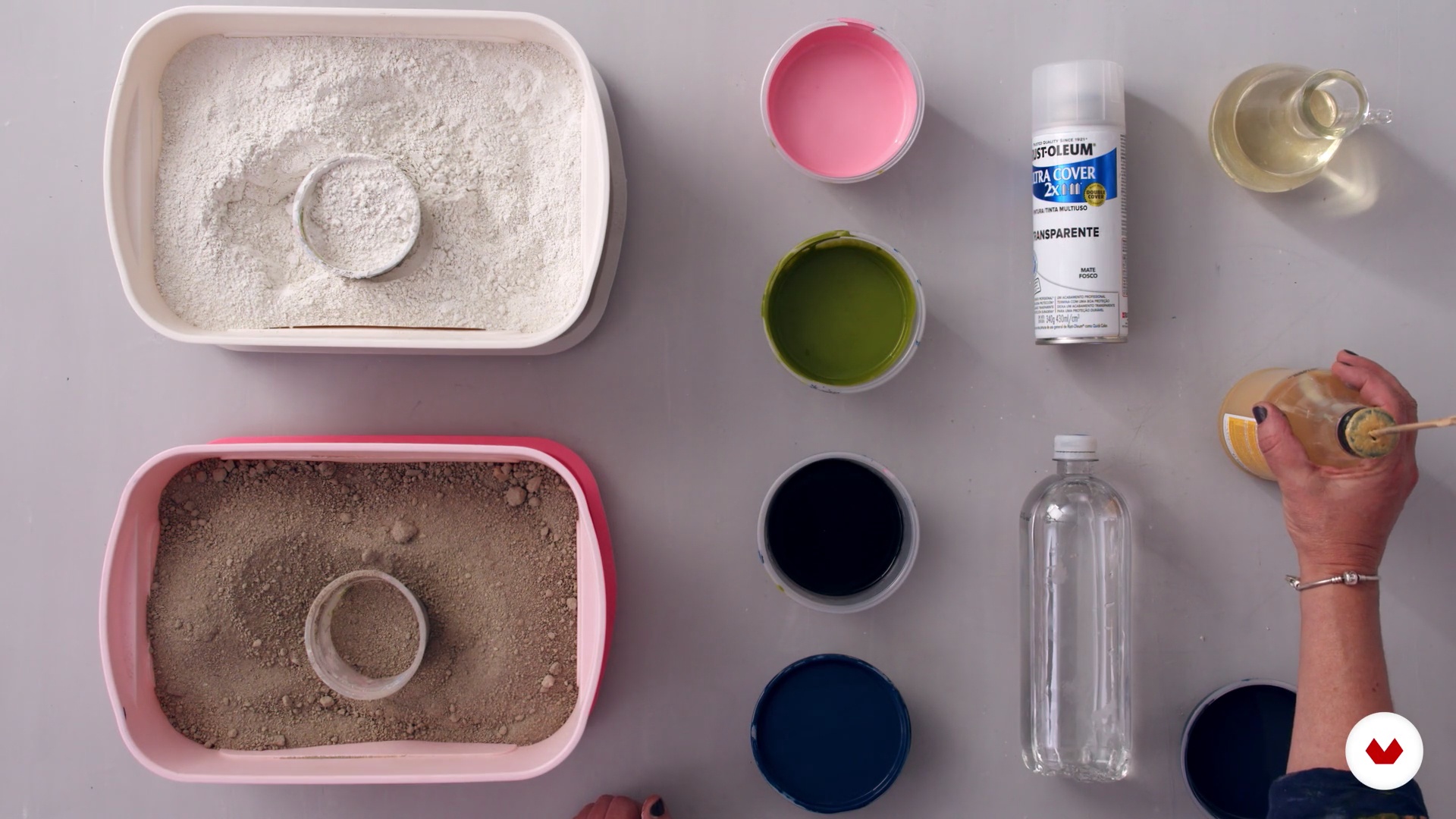
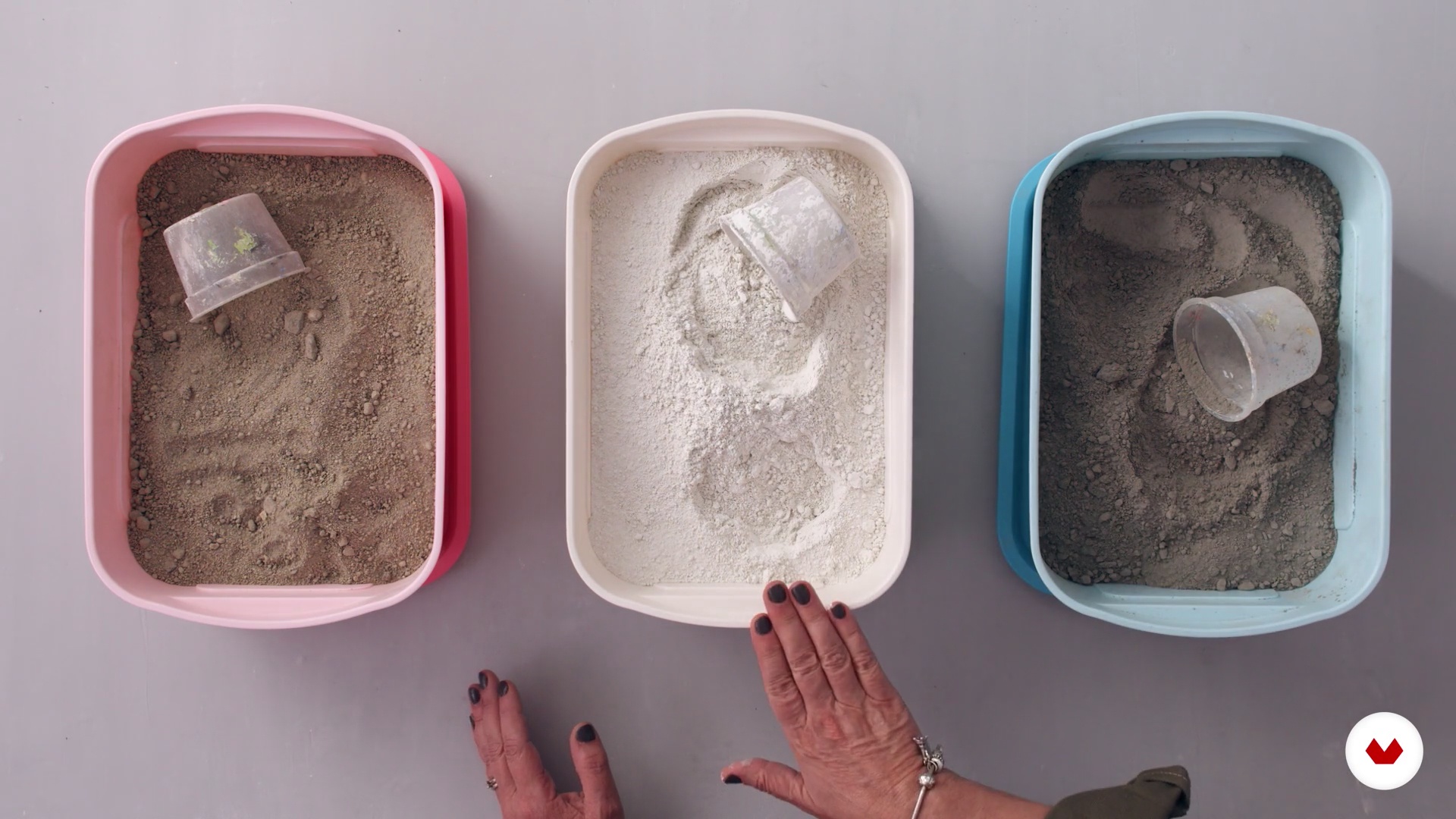
Tools and Materials
9 minutes, 12 seconds
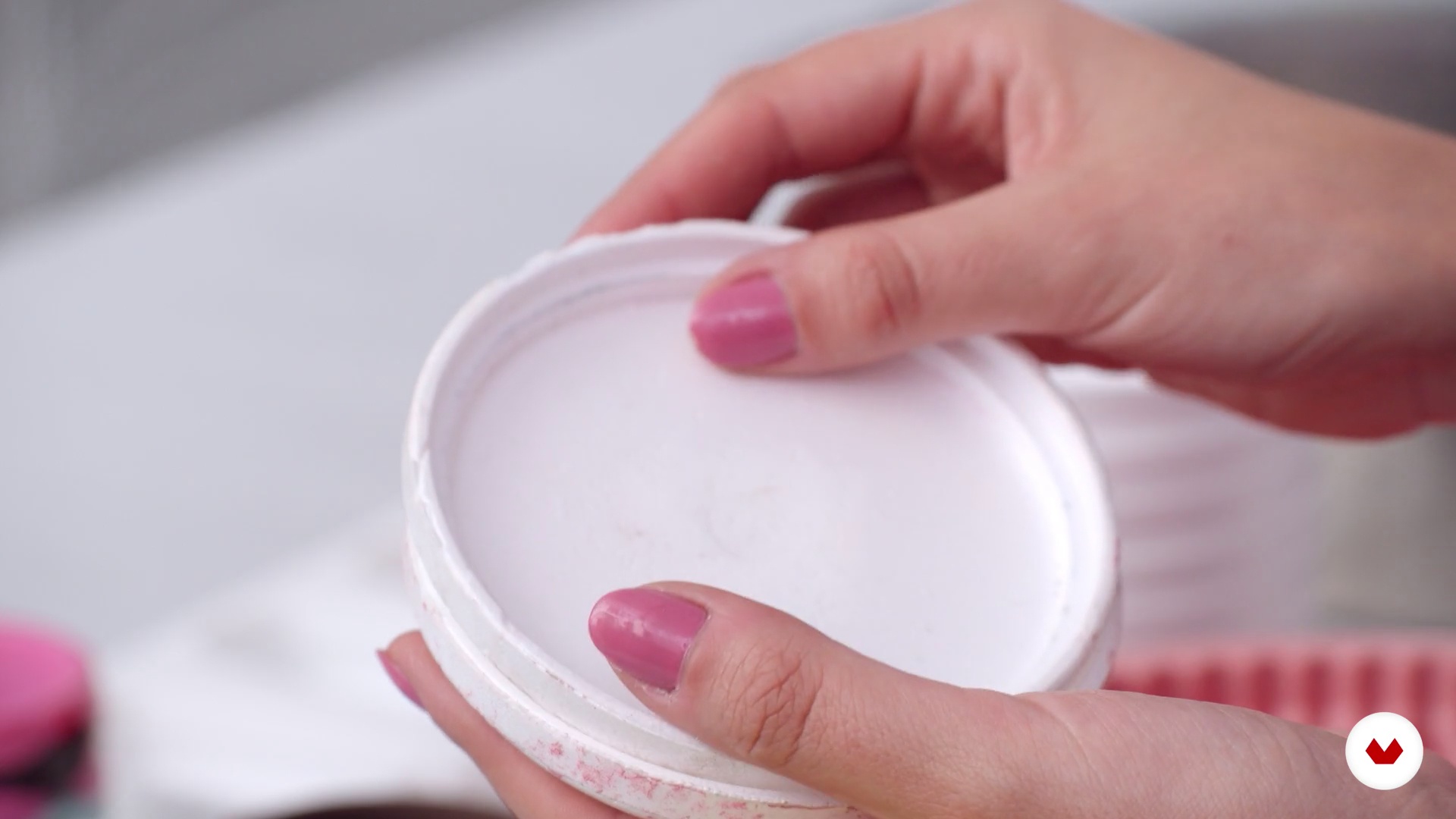
Molds
4 minutes, 28 seconds
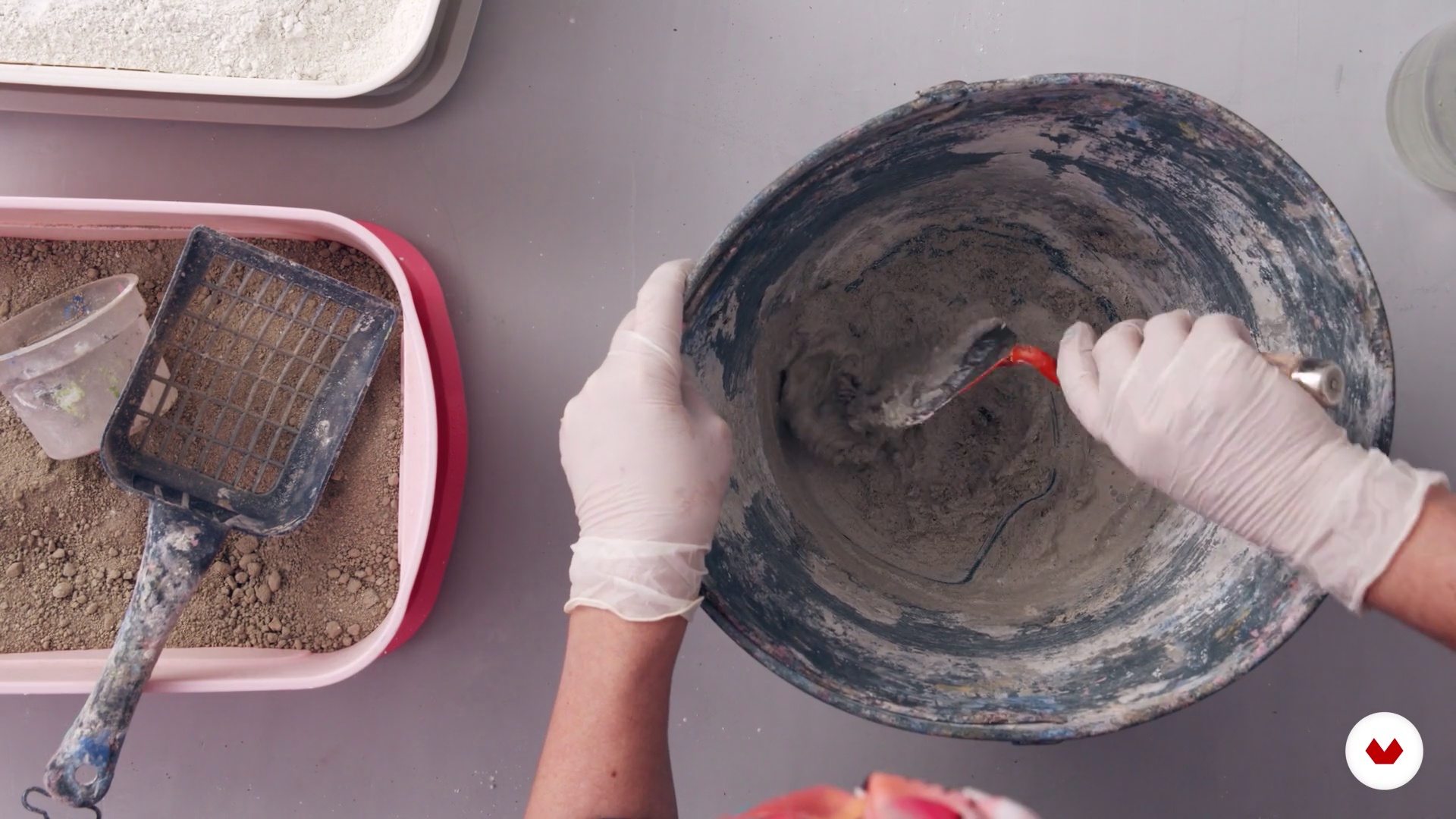
Casting (Concrete Mixing)
7 minutes, 50 seconds
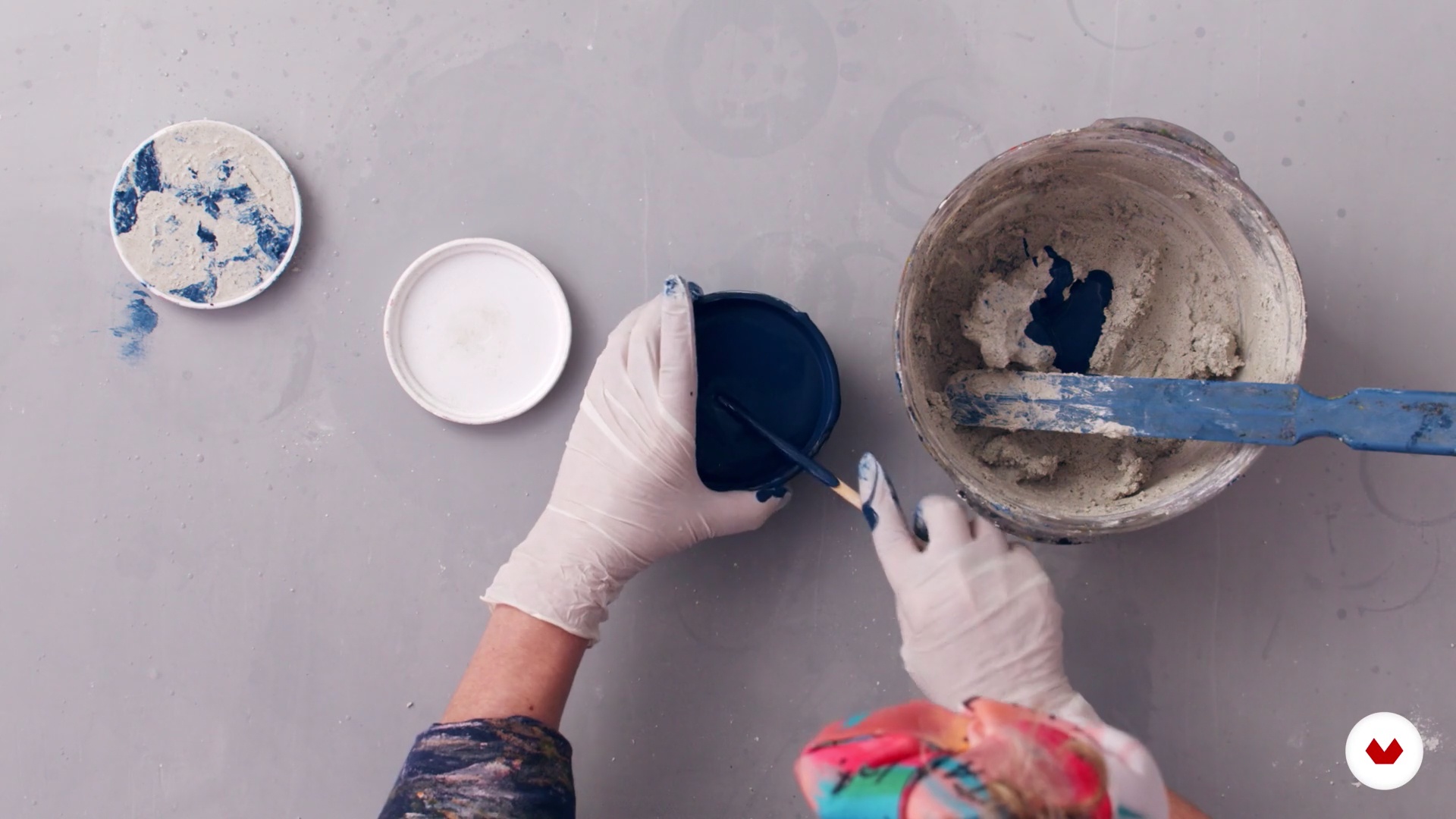
Technique of Staining and Marbleizing on the Concrete Base MIX
9 minutes, 9 seconds
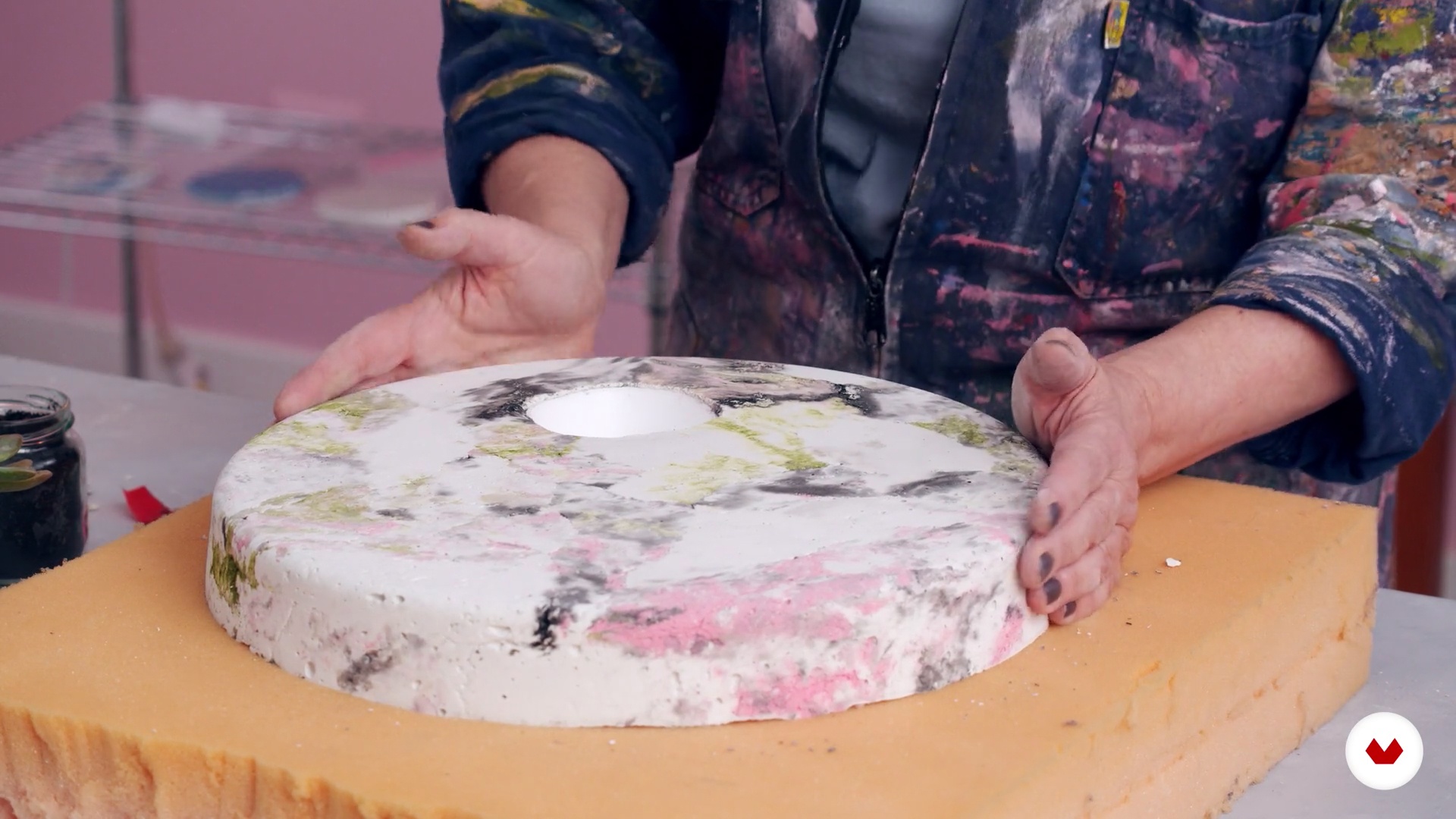
Marbled Centerpiece with Succulent
19 minutes, 6 seconds
What's included in this course?
Start by getting to know your instructors and learning how both of them turned their passion into a unique way to transform interior spaces. They show you different types of influences that they draw from and give you an overview of everything included in the course.
Jump into the theory by learning about the history of concrete, the different types of cement that exist, and which ones you can find on the market. Then, see how to properly set up your workspace and go over the tools and materials used in the course.
Follow the La María Living process to create your own decorative objects starting with the idea phase. The Marías show you different types of molds and where to find them, as well as how to mix concrete and the steps involved in the casting process.
In the world of decoration, your imagination is the only limit. In the last unit, your instructors invite you to take some risks and experiment with different techniques. They also share some advice on how to care for the objects you create and put them to good use.
What is this course's project?
Create a table centerpiece out of concrete with space for a succulent plant by applying the techniques you learn during the course. For the course project, your teachers will be using the marbled finish technique.
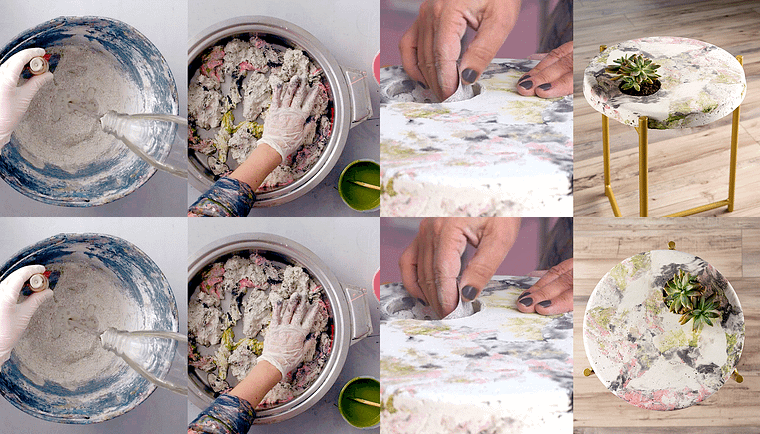
Projects by course students


Who is this online course for?
For anyone who wants to learn how to work with concrete to make small decorative objects. People who already know a bit about working with concrete, but who want to discover new techniques and finishes are also more than welcome!
Requirements and materials
The only requirement for this course is that you enjoy creating things with your hands.
The materials needed for this course are concrete, a bowl, a spatula, different molds, enamels, vinyl, and some items you can easily find in your home.
Reviews
- 2 months ago
Me parece muy básico y vacío, realizado con lenguaje rimbombante para suplir la falta de técnica y profesionalidad . Aplicar concreto tan duro compromete la integridad de los productos y el uso de reciclaje como moldes no me parece tan adecuado para un producto de primera calidad . Me molestó como ocultan la mala calidad detrás de lo rústico . Fue una total perdida de tiempo y dinero . Me siento molesto .
- 3 months ago
I love this course. thanks Mona and Cami for easy illustrations. I cant wait to try my first project
- 3 months ago
El curso te presenta como realizar técnicas de concreto con pinturas vinílicas para el marmolizado, la tecnica del repujado que trozos de tela y la tecnica de pintado con pinturas en esmalte. Te enseñan a realizar un diseño de mezcla básico en Volumen con cemento blanco y mixto, además se realizan dos proyectos, unos portavasos y un centro de mesa. Lo bueno es que no exige muchos materiales y es facil de llegar a un acabado sin complicaciones como el terrzo.
- byaasarlPLUS5 months ago
il n'y a pas grand chose en terme d'idées d'objets. la technique de la couleur dans le beton c'est joli mais ca déteint dés qu'on passe un chiffon humide dessus, il y a pas mal de la repetition.
- 10 months ago
Esperaba más del curso. Más información, mejores técnicas, cómo limpiar las herramientas con cemento y manejo de residuos. Mayor detalle de terminado y selladores. Encuentras más información en YouTube que en este curso.

Inspired by macrotrends, they play with color, textures and artisan techniques to carefully craft their concrete products. Through this process they create their own worldview and express it through unique, timeless designs where concrete, thanks to its characteristics, is often the primary material used.
Content
- U1
Introduction
- Presentation
- Influences
- What Will We Do in This Course?
- U2
Let's Do It! Our Cement Universe
- History of Concrete and Types of Cement
- Ideation
- Tools and Materials
- Molds
- U3
Blog of Decorative Techniques with Concrete
- Casting (Concrete Mixing)
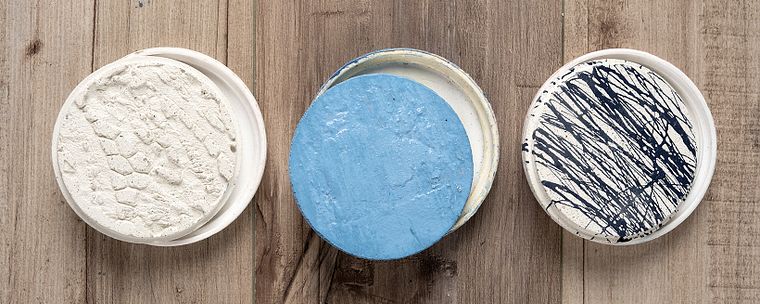
- Embossing and Dripping Technique on the Concrete Base MIX
- Technique of Staining and Marbleizing on the Concrete Base MIX
- Demoulding and Finishing the Parts
- Marbled Centerpiece with Succulent
- U4
Additional Finishes and Decoration Tips
- Additional Tips: Use and Care of the Pieces
- Tips for Decoration and Use
- FP
Final project
- Decorative Techniques with Concrete
What to expect from a Domestika course
Learn at your own pace
Enjoy learning from home without a set schedule and with an easy-to-follow method. You set your own pace.
Learn from the best professionals
Learn valuable methods and techniques explained by top experts in the creative sector.
Meet expert teachers
Each expert teaches what they do best, with clear guidelines, true passion, and professional insight in every lesson.
Certificates
PLUSIf you're a Plus member, get a custom certificate signed by your teacher for every course. Share it on your portfolio, social media, or wherever you like.
Get front-row seats
Videos of the highest quality, so you don't miss a single detail. With unlimited access, you can watch them as many times as you need to perfect your technique.
Share knowledge and ideas
Ask questions, request feedback, or offer solutions. Share your learning experience with other students in the community who are as passionate about creativity as you are.
Connect with a global creative community
The community is home to millions of people from around the world who are curious and passionate about exploring and expressing their creativity.
Watch professionally produced courses
Domestika curates its teacher roster and produces every course in-house to ensure a high-quality online learning experience.
FAQs
You’ll learn to create decorative concrete pieces using techniques like marbling, dripping, dyeing, and embossing—from concept to final finish—while following design trends and balancing aesthetics with functionality.
The course is geared toward intermediate learners, so basic crafting or design skills are recommended, though no specific prior experience with concrete is required.
You’ll need white or gray cement, sand, plastic containers or molds, a spatula, mixing bowl, sieve, sandpaper, gloves, and pigments for decoration. Many materials can be recycled or easily found around the house.
The marbled effect is achieved by blending different pigments into the concrete mix before pouring it into the mold, creating unique veins and patterns that mimic marble.
The course teaches techniques like dripping, marbling, dyeing, embossing, and art curation, applied to functional items like coasters and centerpieces so you can personalize them according to current trends.
You’ll learn how to pick the right molds—whether recycled or silicone—and prepare them properly by greasing to make demolding easier and achieve high-quality finishes.
White cement produces brighter colors and polished finishes, perfect for decor, while gray cement gives a more industrial look and usually requires more pigment to customize.