A course by Gonzalo Cordero de CiriaPainter, Illustrator, Animator, Motion Designer, and Storyboard Artist
A course by Gonzalo Cordero de Ciria, Painter, Illustrator, Animator, Motion Designer, and Storyboard Artist
- 4.897% positive reviews(228)
- 4,304 students
- 50 lessons (8h 5m)
- 8 additional resources (6 files)
- Online and at your own pace
- Available on the app
- Audio: Spanish, English
- Spanish · English · Portuguese · German · French · Italian · Polish · Dutch · Turkish
Level:
Beginner- Unlimited access forever

Learn to draw over a real image with Photoshop, Art Rage, and After Effects
Gonzalo Cordero—illustrator, animator, and motion designer— teaches you to create a rotoscope. This animation technique consists of redrawing or tracing a video clip, which serves as a reference, frame by frame. The process allows the illustrator to transmit a greater level of naturalness and more realistic movement sequences, expressions, lighting and shadow, and proportions in their drawings.
In this online course, learn how to use a video clip as a foundation to generate your own artistic video creation, in your own style and with a moving paint-and-draw look.
What will you learn in this online course?
50 lessons & 14 downloads
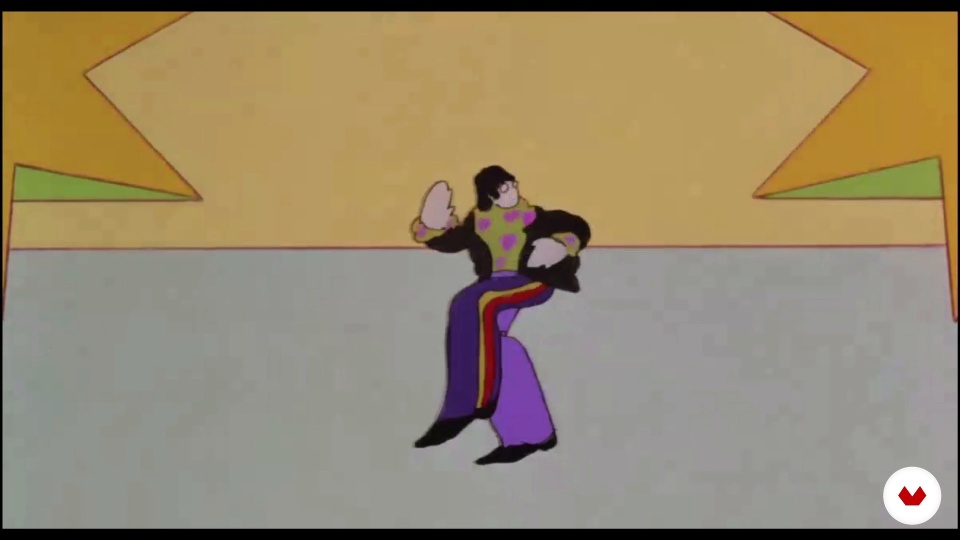
History of Rotoscopia
11 minutes, 48 seconds
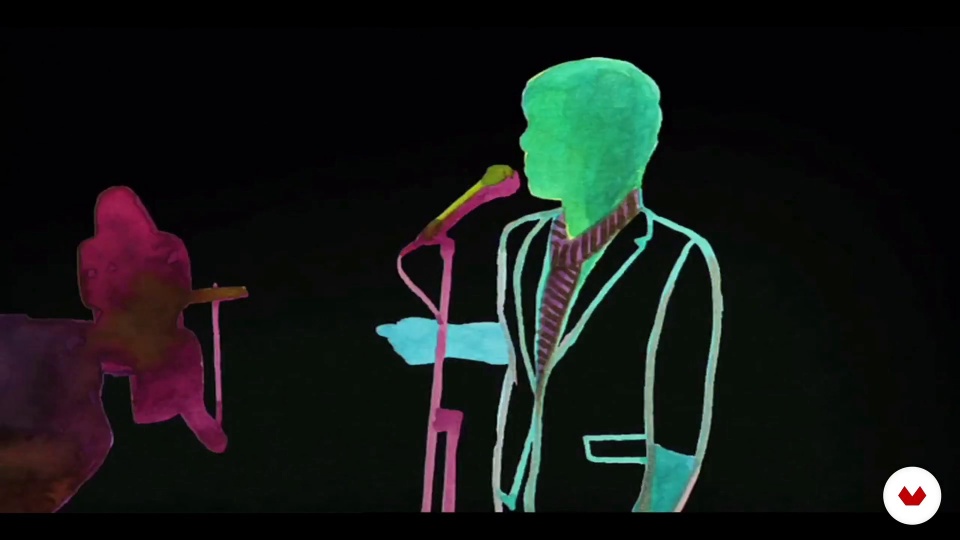
The creative Rotoscopia
22 minutes, 5 seconds
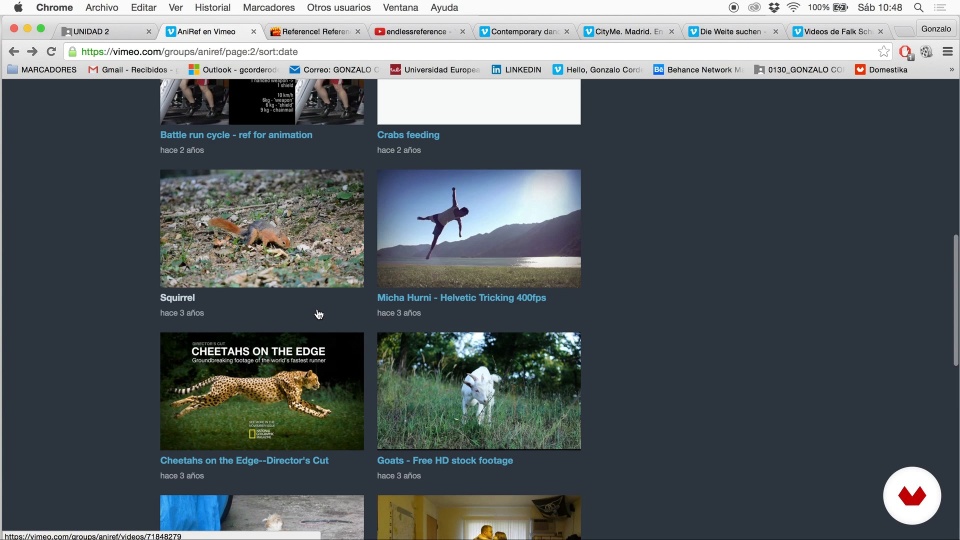
Created or downloaded?
17 minutes, 24 seconds
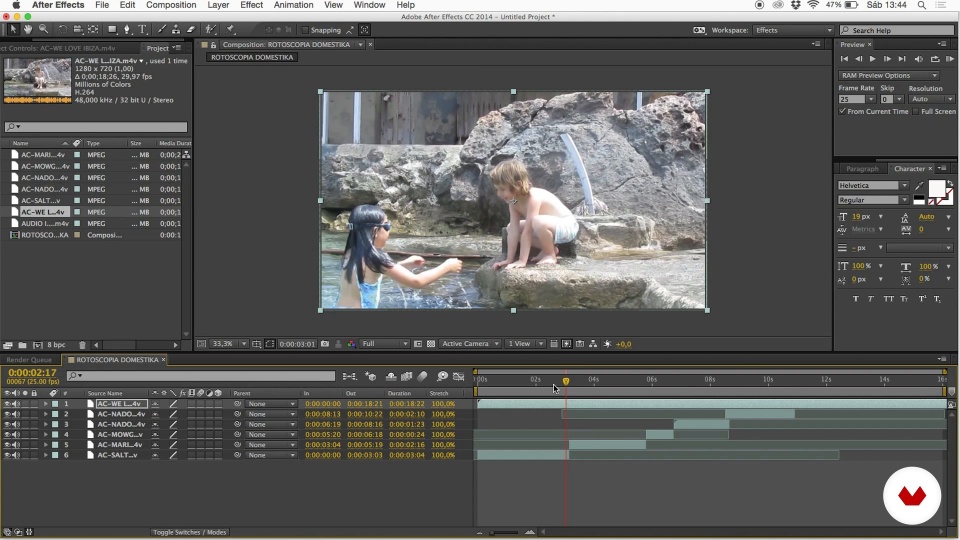
Editing the clip and things to keep in mind
17 minutes, 1 second
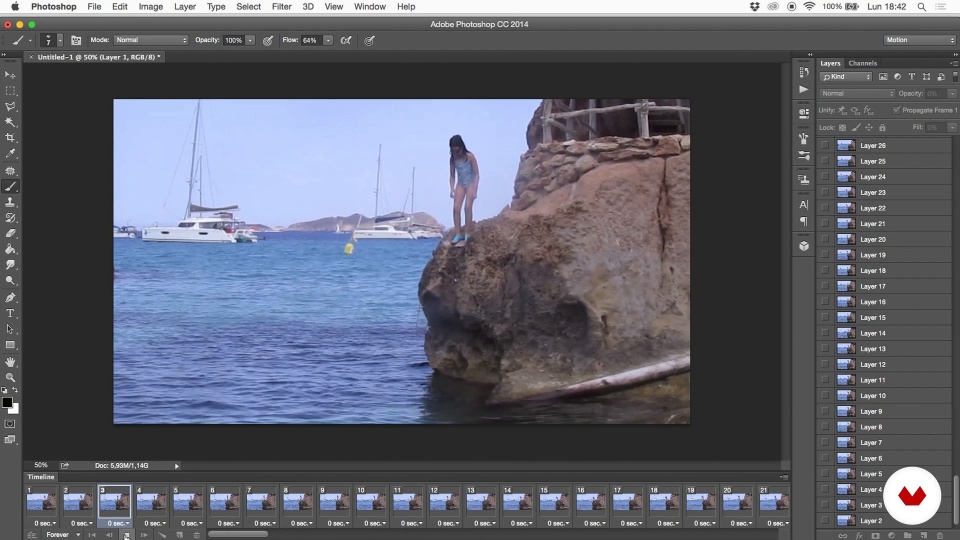
Preparation of material for Rotoscopia
9 minutes, 16 seconds
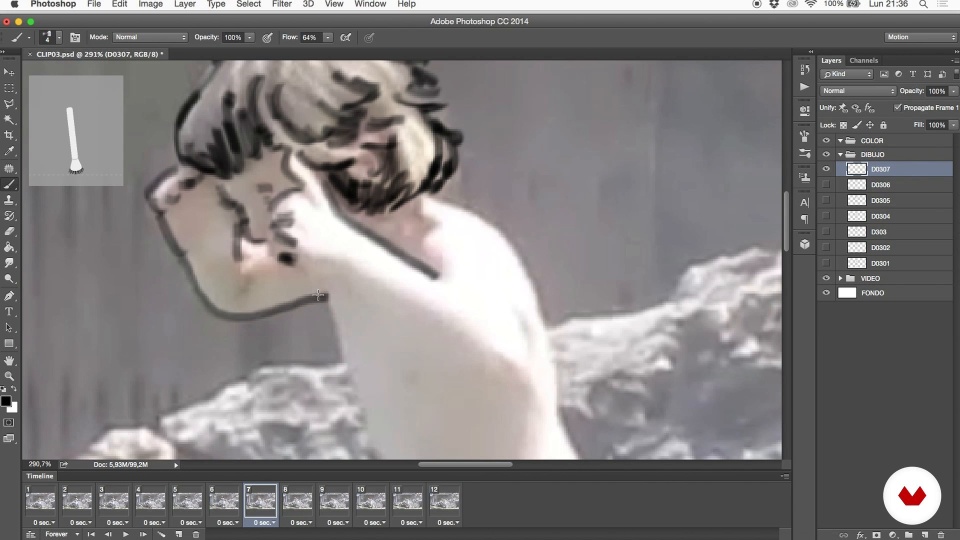
Rotoscopy technique in Photoshop
21 minutes, 36 seconds
What's included in this course?
Begin by learning about the work and artistic influences of Gonzalo Cordero, as well as get a brief history of rotoscoping, its function, and its traditional use.
Then take a look at the possibilities it offers today in different mediums such as documentaries, music videos, headlines, opening credits, advertising, and more.
Explore how to choose a video clip to work with, its characteristics, how to enhance the drawing effect, how to select and edit to get the best material, and to prepare it in a comfortable and orderly way.
Gonzalo then teaches you the basic rotoscoping technique with Photoshop. See how to use the video strip in Photoshop, working image by image with brushes and color proofs. Next, discover how to identify what's important and remove superfluous elements to promote movement through drawing.
Once you know the basic procedure, add more detail using Art Rage, a very intuitive drawing program to experiment with materials, colors, textures, and degrees of definition, etc.
To wrap things up, use After Effects to edit all your footage quickly and easily, transfer it, post it, and promote it.

Recommended software & tools for this course
What is this course's project?
Carry out two projects. First, a personal one, based on a video clip of your choice or created by you, in which you use rotoscoping methods, and, secondly, a collaborative rotoscoping piece created over time between all the course students of an "exquisite corpse," starting from a common clip.
Who is this online course for?
Animators, illustrators, designers, and all those interested in the world of animation who like to draw and are curious about moving images. Also, any artists wanting to do something personalized and who are not afraid to dedicate time and patience.
Requirements and materials
No advanced knowledge of any software is required, as the course consists of very manual techniques. However, you do need a basic working knowledge of Photoshop and Art Rage, a very simple drawing and painting program, and know how to edit in After Effects, even if just to a basic level.
Regarding the materials, a graphics tablet highly recommended.

Reviews
- 1 month ago
Es un gran curso! Por fin aprendí! muy agradecida!
- 3 months ago
El profesor es super atento y entendedor. Es un placer realizar este curso.
- cloudshakePLUS6 months ago
super interesante! lo recomiendo para iniciarte en la tecnica de la rotoscopia
- 10 months ago
un curso muy interesante y recomendable
- 1 year ago
Corso molto interessante e creativo!

Gonzalo Cordero de Ciria
Painter, Illustrator, Animator, Motion Designer, and Storyboard Artist
Throughout his career, he has received a Golden Laus, a Silver Laus, five awards in New York, and a Bronze Sun. His animations have been screened at festivals such as Sitges and Annecy, as well as at a number of museums. In addition, he is a curator for animation exhibitions and a teacher of children's workshops.
Content
- U1
About me and the Rotoscopia
- Presentation
- Influences and contemporary drawing
- History of Rotoscopia
- The creative Rotoscopia
- U2
Create your video clip for a Rotoscopy
- Created or downloaded?
- Editing the clip and things to keep in mind
- Preparation of material for Rotoscopia
- U3
Draw the movement
- Rotoscopy technique in Photoshop
- Basic operation of the Art Rage
- Rotoscoping in drawing in Art Rage - Part 1
- Rotoscoping in drawing in Art Rage - Annex 1
- Rotoscoping in drawing in Art Rage - Part 2
- Rotoscoping in drawing in Art Rage - Annex 2
- Rotoscoping in drawing in Art Rage - Part 3
- Rotoscoping in drawing in Art Rage - Annex 3
- Rotoscoping in drawing in Art Rage - Part 4
- Rotoscoping in drawing in Art Rage - Annex 4
- Rotoscoping in drawing in Art Rage - Part 5
- Rotoscoping in drawing in Art Rage - Annex 5
- Rotoscoping in drawing in Art Rage - Part 6
- Rotoscoping in drawing in Art Rage - Part 7
- Rotoscoping in drawing in Art Rage - Annex 7
- Rotoscoping in drawing in Art Rage - Part 8
- Rotoscoping in drawing in Art Rage - Annex 8
- Rotoscoping in drawing in Art Rage - Part 9
- Color and paint in a rotoscoping with Art Rage - Part 1
- Color and paint in a rotoscoping with Art Rage - Annex 1
- Color and paint in a rotoscoping with Art Rage - Part 2
- Color and paint in a rotoscoping with Art Rage - Annex 2
- Color and paint in a rotoscoping with Art Rage - Part 3
- Color and paint in a rotoscoping with Art Rage - Annex 3
- Color and paint in a rotoscoping with Art Rage - Part 4
- Color and paint in a rotoscoping with Art Rage - Annex 4.1
- Color and paint in a rotoscoping with Art Rage - Annex 4.2
- Color and paint in a rotoscoping with Art Rage - Part 5
- Color and paint in a rotoscoping with Art Rage - Annex 5
- Color and paint in a rotoscoping with Art Rage - Part 6
- Color and paint in a rotoscoping with Art Rage - Annex 6
- Color and paint in a rotoscoping with Art Rage - Part 7
- Color and paint in a rotoscoping with Art Rage - Annex 7
- Color and paint in a rotoscoping with Art Rage - Part 8
- Color and paint in a rotoscoping with Art Rage - Annex 8
- Color and paint in a rotoscoping with Art Rage. Part 9
- Color and paint in a rotoscoping with Art Rage - Annex 9
- Color and paint in a rotoscoping with Art Rage - Part 10
- Color and paint in a rotoscoping with Art Rage - Annex 10
- Color and paint in a rotoscoping with Art Rage - Part 11
- U4
Reorder and edit the final clip
- Retrieving the material and editing it in After Effects
- Delivery of work to the client (if any) and promotion of work
- Other ways, collaborative rotoscopy
- FP
Final project
- Rotoscopia: draw an animation frame by frame
What to expect from a Domestika course
Learn at your own pace
Enjoy learning from home without a set schedule and with an easy-to-follow method. You set your own pace.
Learn from the best professionals
Learn valuable methods and techniques explained by top experts in the creative sector.
Meet expert teachers
Each expert teaches what they do best, with clear guidelines, true passion, and professional insight in every lesson.
Certificates
PLUSIf you're a Plus member, get a custom certificate signed by your teacher for every course. Share it on your portfolio, social media, or wherever you like.
Get front-row seats
Videos of the highest quality, so you don't miss a single detail. With unlimited access, you can watch them as many times as you need to perfect your technique.
Share knowledge and ideas
Ask questions, request feedback, or offer solutions. Share your learning experience with other students in the community who are as passionate about creativity as you are.
Connect with a global creative community
The community is home to millions of people from around the world who are curious and passionate about exploring and expressing their creativity.
Watch professionally produced courses
Domestika curates its teacher roster and produces every course in-house to ensure a high-quality online learning experience.
FAQs
Rotoscoping is an animation technique where you draw frame by frame over live-action footage to capture smooth, realistic movement. It’s used to create visual effects, blend pictorial styles, and experiment with combining traditional and digital media.
This course is designed for people with basic drawing and digital editing skills, ideal for intermediate learners. You don’t need to be an expert, but some familiarity with illustration or digital animation techniques is recommended.
You’ll learn rotoscoping methods, pictorial animation, digital collage, lip-syncing, media blending, video editing, and how to apply optical effects to craft expressive animations and innovative audiovisual projects.
You’ll need a computer, access to Photoshop and After Effects, ArtRage (or another digital painting program), a graphics tablet is recommended, and reference videos. It’s also helpful to have royalty-free images or clips for practice.
The course teaches you how to use digital tools like ArtRage to mimic oil painting techniques over rotoscoped video, blending layers, colors, and custom brushes to achieve painterly finishes in your animation.
Pictorial animation uses painting techniques and styles—like textures and brushstrokes—instead of flat lines and colors, aiming for a more artistic and expressive look.
You’ll learn how to visually plan scenes by structuring narrative, pacing, and transitions through key image sequences, making it easier to organize and maintain coherence in your animated project.


