
Editorial Illustration for Magazines
A course by Emma HanquistIllustrator
A course by Emma Hanquist, Illustrator

Learn how to use illustration as a communication tool to creatively enhance a text
Finding your illustration specialty can be as challenging—and as rewarding—as finding your voice and style. Swedish designer Emma Hanquist has found hers in Editorial Illustration, a branch that revolves around creating idea-driven illustrations that complement and enhance a written piece. Through it, she has worked for every major news outlet and magazine in Sweden, as well as companies like Spotify and Airbnb.
In this course, Emma shows you ways to come up with illustration ideas by creating an efficient way to find inspiration and guides you through the process of creating an editorial illustration for a magazine, from the sketch to the presentation.
What will you learn in this online course?
15 lessons & 10 downloads
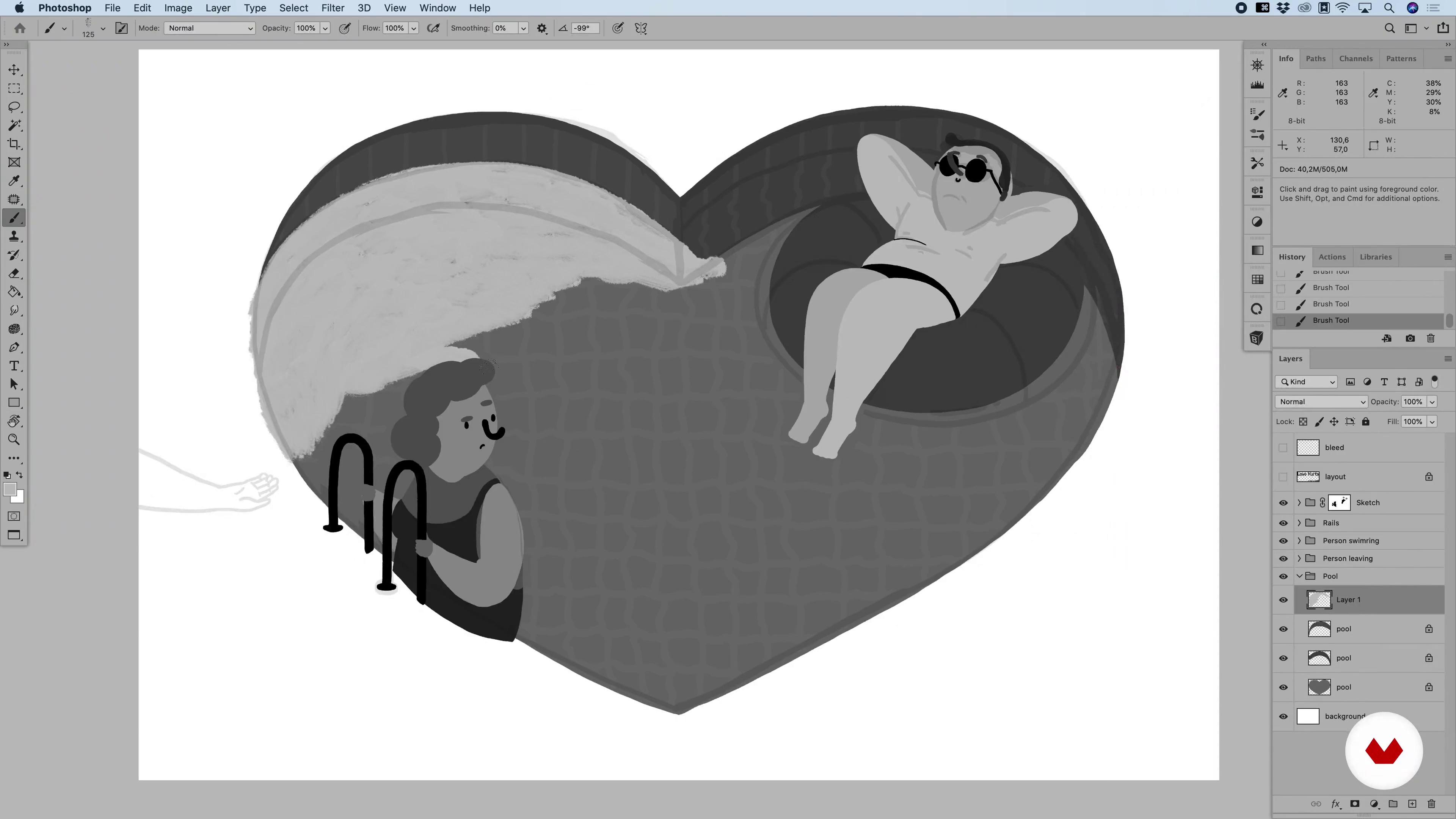
What Will We Do in This Course?
3 minutes, 22 seconds
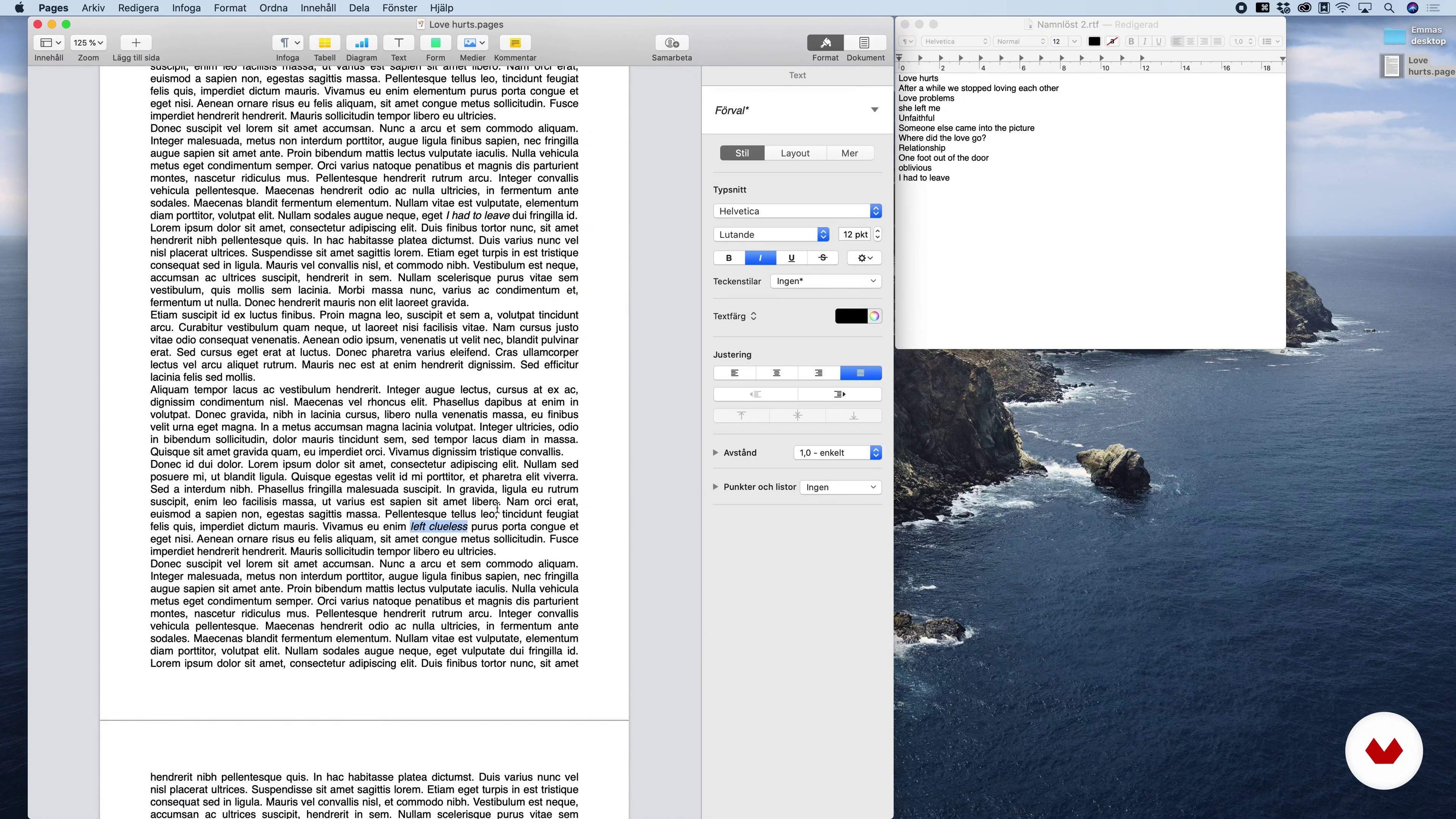
Working With a Text
3 minutes, 59 seconds
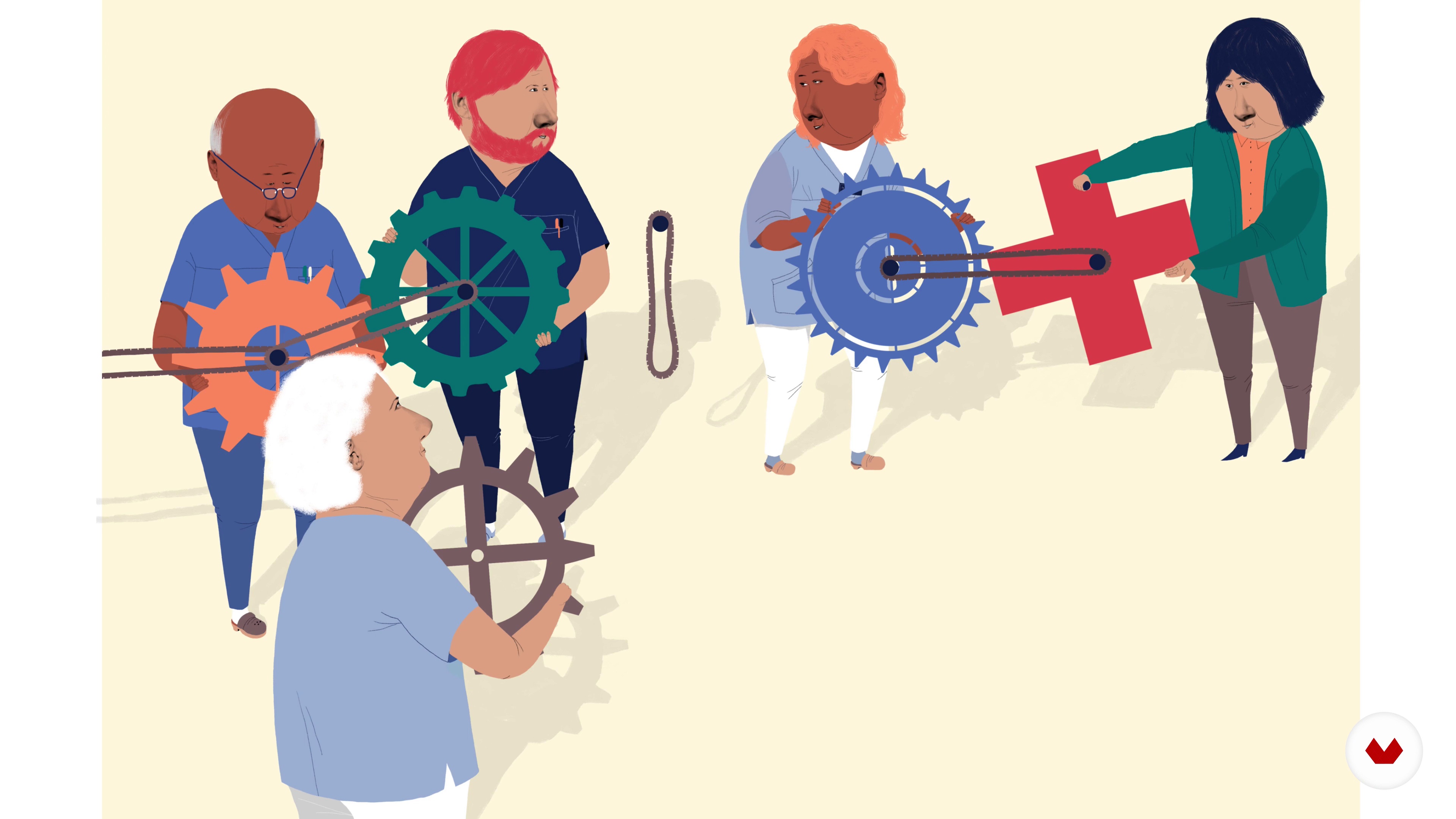
Words and Associations
7 minutes, 8 seconds
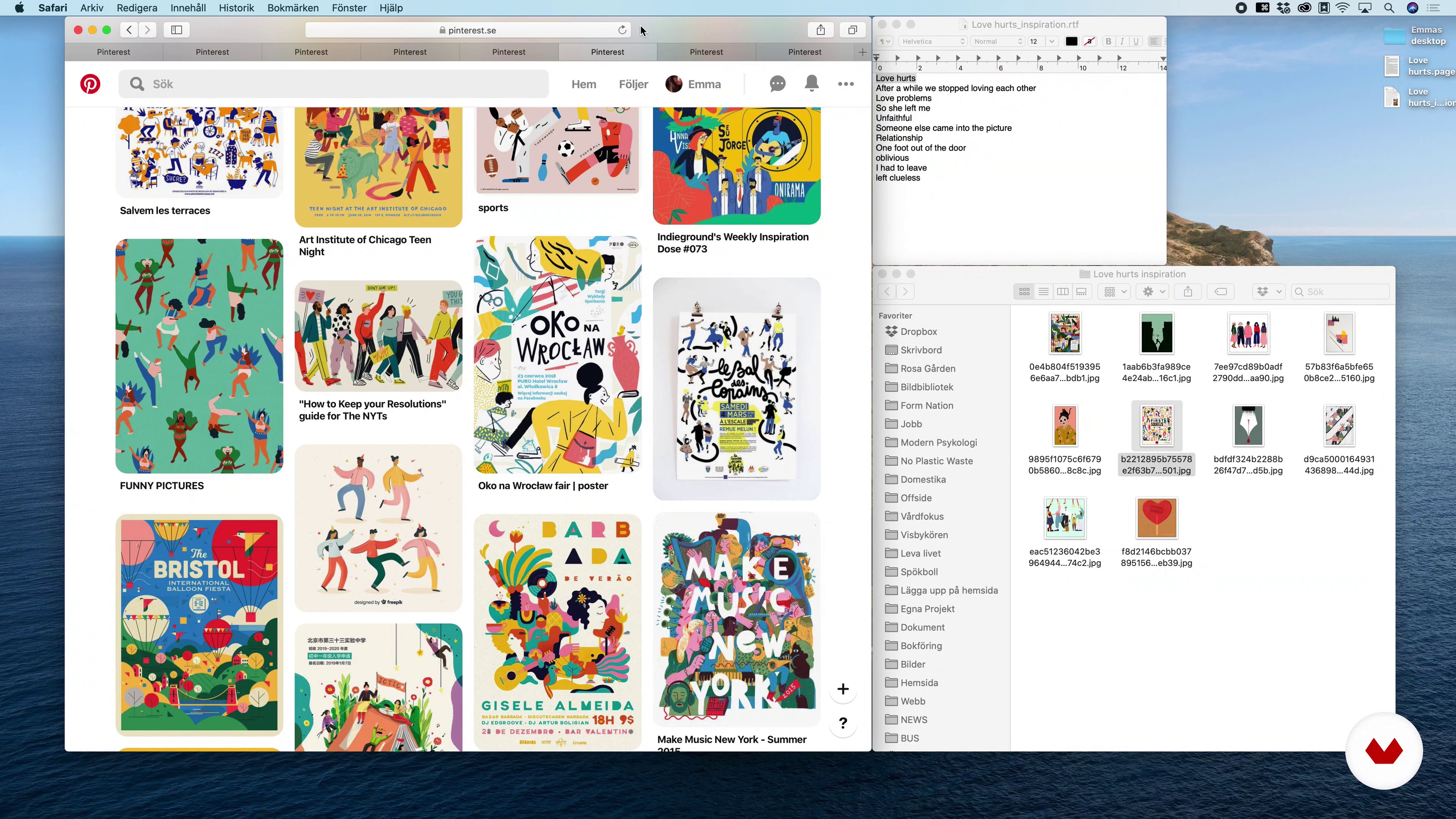
Reference Images Search
6 minutes, 39 seconds
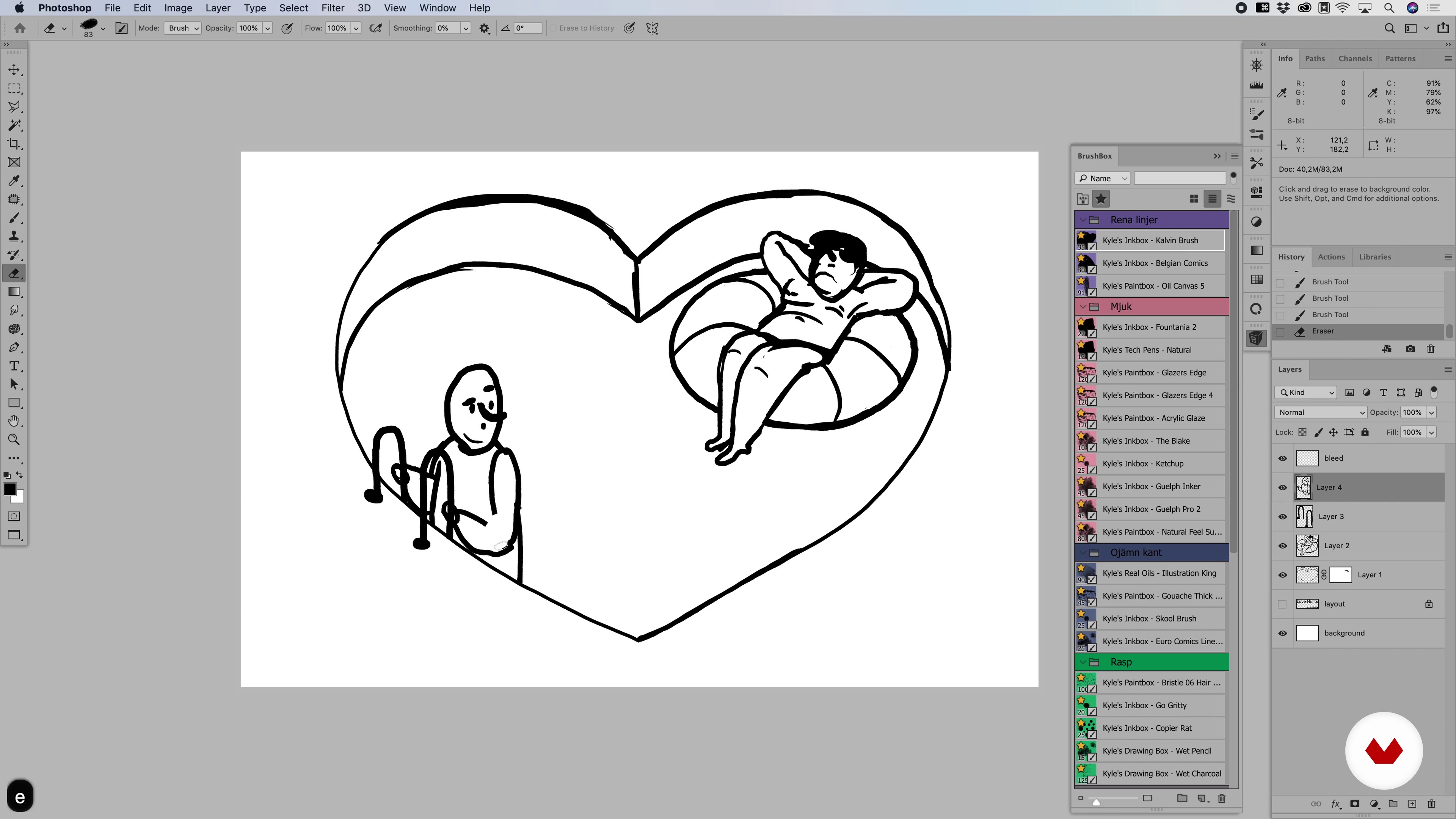
Sketches 1
15 minutes, 15 seconds
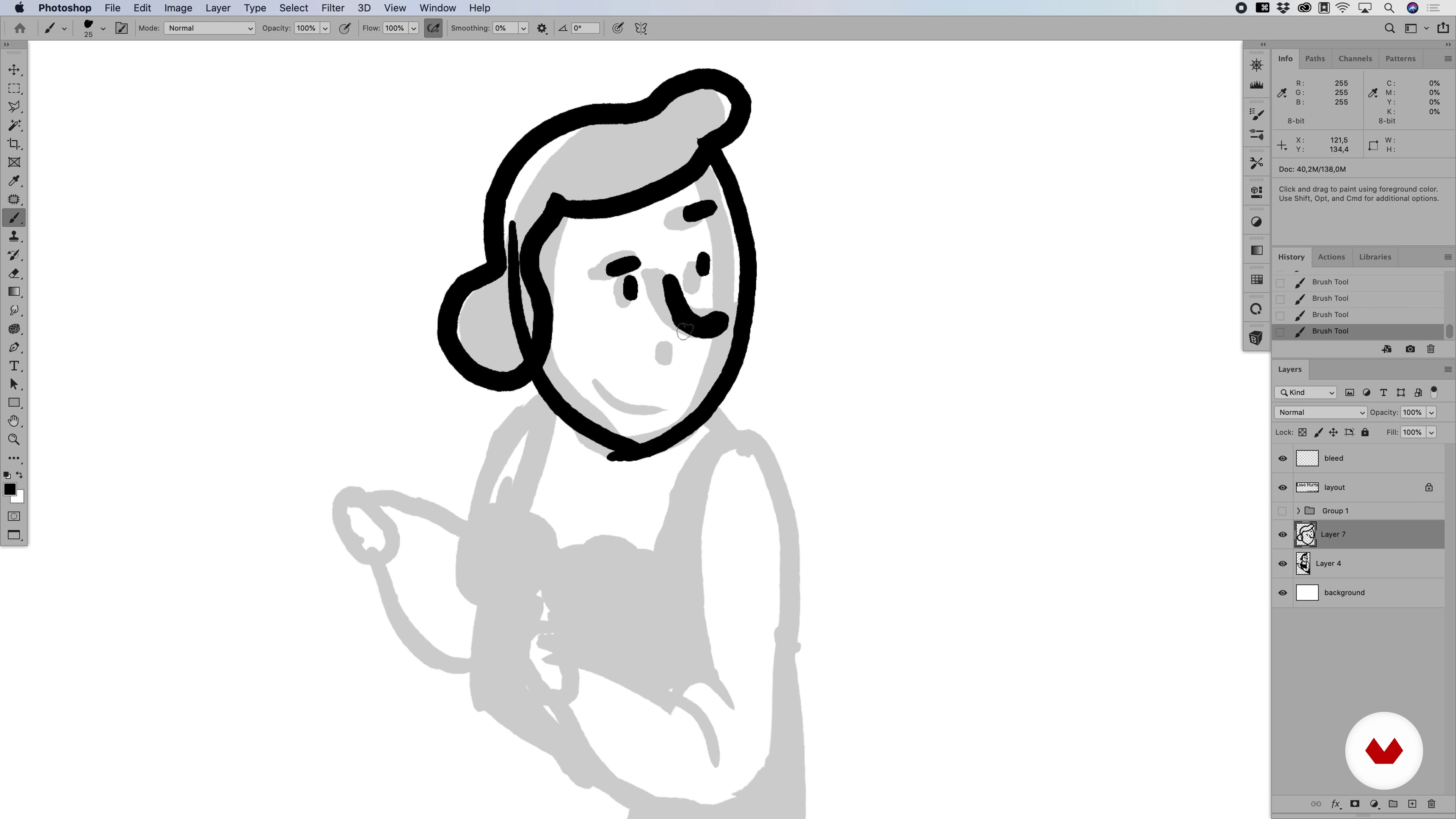
Sketches 2
12 minutes, 46 seconds
What's included in this course?
Start the course by learning about Emma's background and how it led her to illustration. She also shows you the work of artists that inspire her, specifying exactly what in their work influences her and her work.
Emma shares her views on editorial illustration; what it is and how it’s such a great communication tool. She also talks about the importance of being communicative in order to serve the text and help the reader learn about different subjects. She presents you with an editorial assignment to complete together, step by step.
Learn ways to turn a text into a visual idea by narrowing a text down and using its essence in your brainstorming process. Learn how to use illustration symbols and other artists' work when coming up with ideas.
In the third unit, start visualizing your idea by making communicative sketches. After deciding on a sketch you will then continue to create the final image by building shapes in Adobe Photoshop. Emma shows you how to break some rules when creating characters and apply details, shadows, and color in order to complete your image.
To finish the course, learn some additional ways to develop and explore your illustration, using different color variations and also by placing your illustration in different page layouts.
Recommended software & tools for this course
What is this course's project?
Create a finished editorial illustration with a clear idea, that is adaptable to a magazine layout.

Projects by course students


Who is this online course for?
People interested in illustration, who are either just starting out or professional illustrators looking to broaden their field into editorial illustration.
Requirements and materials
You will need basic sketching skills, either analog or digital. If you choose to work digitally, you’ll need a graphics tablet and, if you draw, a scanner. You will also need a computer with Adobe Photoshop installed.

Reviews
- 9 days ago
Excelente curso! Uma luz para que eu consiga entrar no mercado editorial!
- 8 months ago
Excelente curso introductorio para la ilustración editorial
- 8 months ago
Awesome course, sometimes only seeing someone else's process is so educational. Thank you, Emma!
- 9 months ago
Brilliant course and teacher. Thanks!
- 9 months ago
Muy completo

Throughout the years, Emma has worked with several clients, including pretty much every magazine and newspaper in Sweden, as well as companies like Spotify, Airbnb, and the Boston Globe Magazine.
Content
- U1
Introduction
- Introduction
- Influences
- What Will We Do in This Course?
- U2
Preparation
- Working With a Text
- Words and Associations
- Reference Images Search
- U3
Project
- Sketches 1
- Sketches 2
- Characters
- Construction of the Final Image 1
- Construction of the Final Image 2
- Shades of Grey and Details
- Applying Color
- U4
Bonus
- Colour Variations (Setting a Different Mood)
- Page Mockup
- FP
Final project
- Editorial Illustration for Magazines
What to expect from a Domestika course
Learn at your own pace
Enjoy learning from home without a set schedule and with an easy-to-follow method. You set your own pace.
Learn from the best professionals
Learn valuable methods and techniques explained by top experts in the creative sector.
Meet expert teachers
Each expert teaches what they do best, with clear guidelines, true passion, and professional insight in every lesson.
Certificates
PLUSIf you're a Plus member, get a custom certificate signed by your teacher for every course. Share it on your portfolio, social media, or wherever you like.
Get front-row seats
Videos of the highest quality, so you don't miss a single detail. With unlimited access, you can watch them as many times as you need to perfect your technique.
Share knowledge and ideas
Ask questions, request feedback, or offer solutions. Share your learning experience with other students in the community who are as passionate about creativity as you are.
Connect with a global creative community
The community is home to millions of people from around the world who are curious and passionate about exploring and expressing their creativity.
Watch professionally produced courses
Domestika curates its teacher roster and produces every course in-house to ensure a high-quality online learning experience.
FAQs
Yes, this course is designed for intermediate illustrators who have some experience and want to develop their editorial illustration skills further, including concept development, digital techniques, and unique style building.
You should have basic drawing skills and be comfortable using digital illustration software like Photoshop. Prior experience with layers, masks, and digital tools will help you get the most out of the course.
You’ll learn how to analyze editorial texts, generate illustration concepts, create expressive character designs, use symbolism, balance text and image, build vibrant color palettes, and prepare illustrations for publication.
Editorial illustration is artwork created to accompany and enhance magazine articles and stories. It communicates key ideas, adds visual interest, and helps convey complex or abstract messages to readers.
The course guides you through experimenting with techniques, referencing contemporary illustrators, and refining your personal approach to create a distinctive illustration style suited for editorial work.
Yes, the course covers inclusive character design, including representing different body types, ethnicities, and abilities, and provides checklists to help avoid stereotypes and ensure diversity.
Yes, you'll learn to incorporate humor and use powerful symbols and visual metaphors to communicate complex editorial themes and engage readers more effectively.