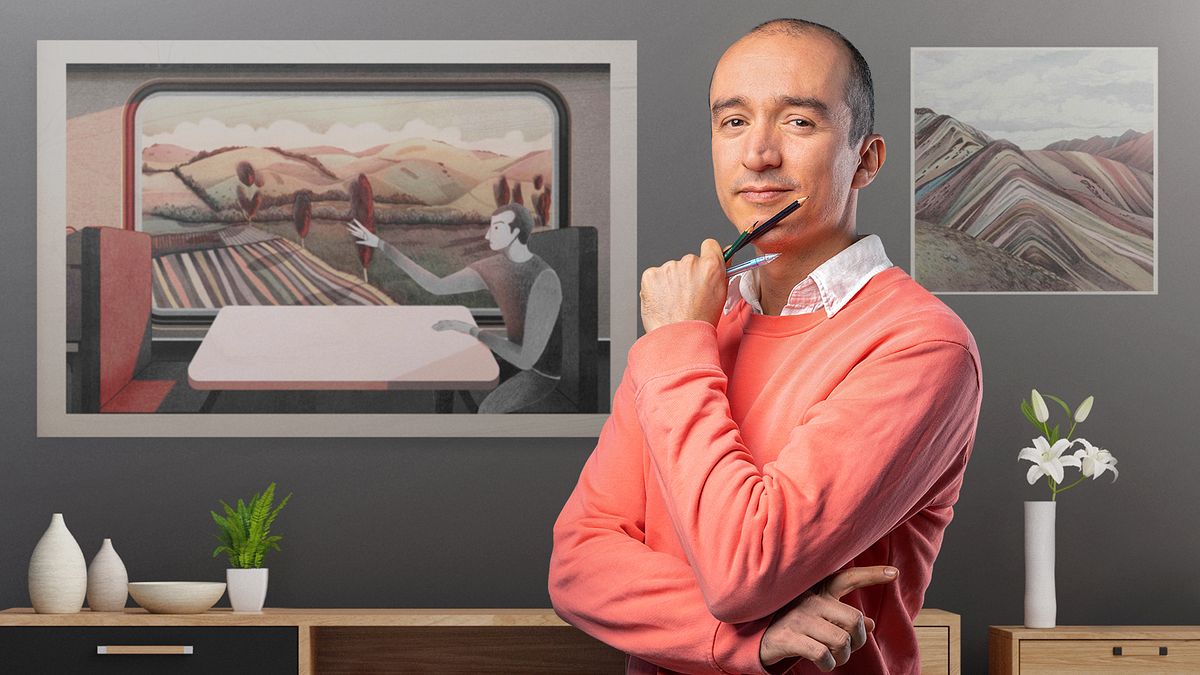
Artistic Illustration Techniques with Graphite Pencils
A course by Ricardo Núñez SuarezIllustrator
A course by Ricardo Núñez Suarez, Illustrator

Expand the pencil's limits in editorial illustration and learn the process to tell stories through drawing
One of the most important phases in illustration is observation. When working up to the concept of a strong idea, you need to become an avid observer of the world around you. One of Ricardo Nuñez’s biggest influences is life itself, the root of the stories and adventures he interprets in his work, using his favorite tool: the pencil. His work has been internationally recognized by Latin American Illustration, American Illustration, Applied Arts Students Awards, HiiiBrand in China, Australian Centre for Moving Image in Australia, and more.
In this course, Ricardo will teach you various pencil techniques, as well as his own methodology. See the importance of conceptualization in your project to develop your initial ideas, sketches, and move on to the development of your illustration and finalization.
What will you learn in this online course?
12 lessons & 9 downloads
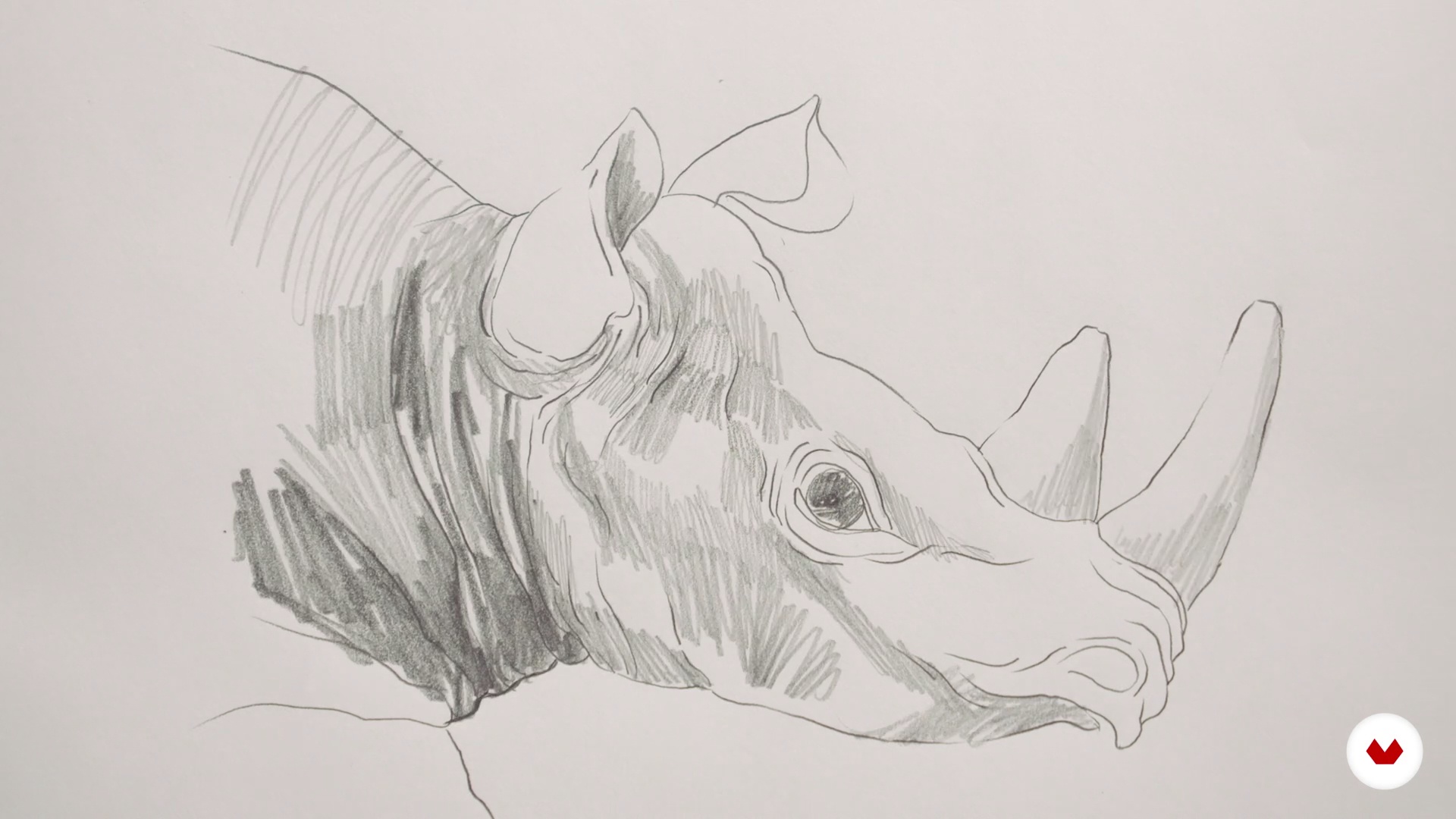
What will we do in the course
1 minute, 10 seconds
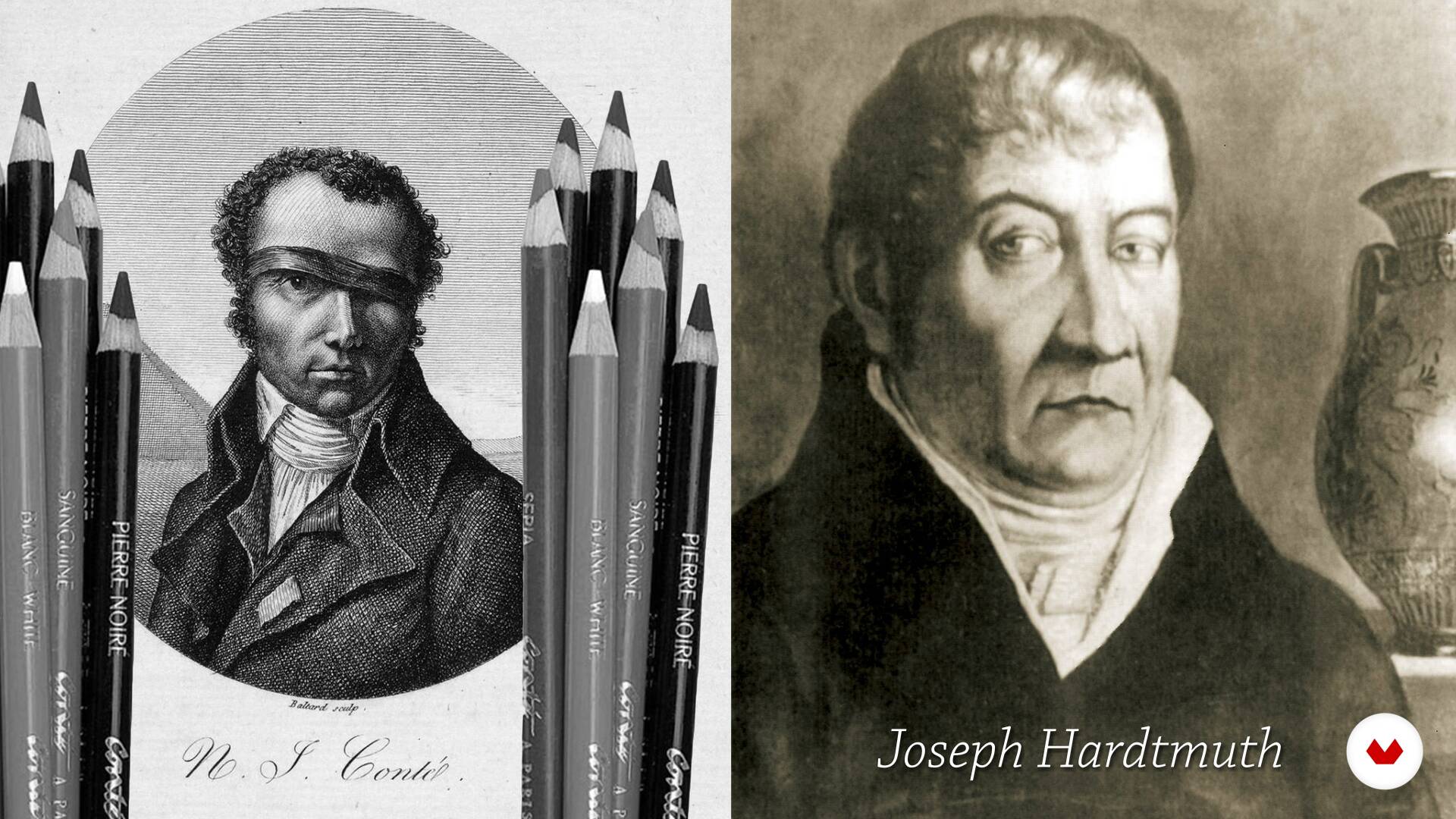
History of the pencil
3 minutes, 45 seconds
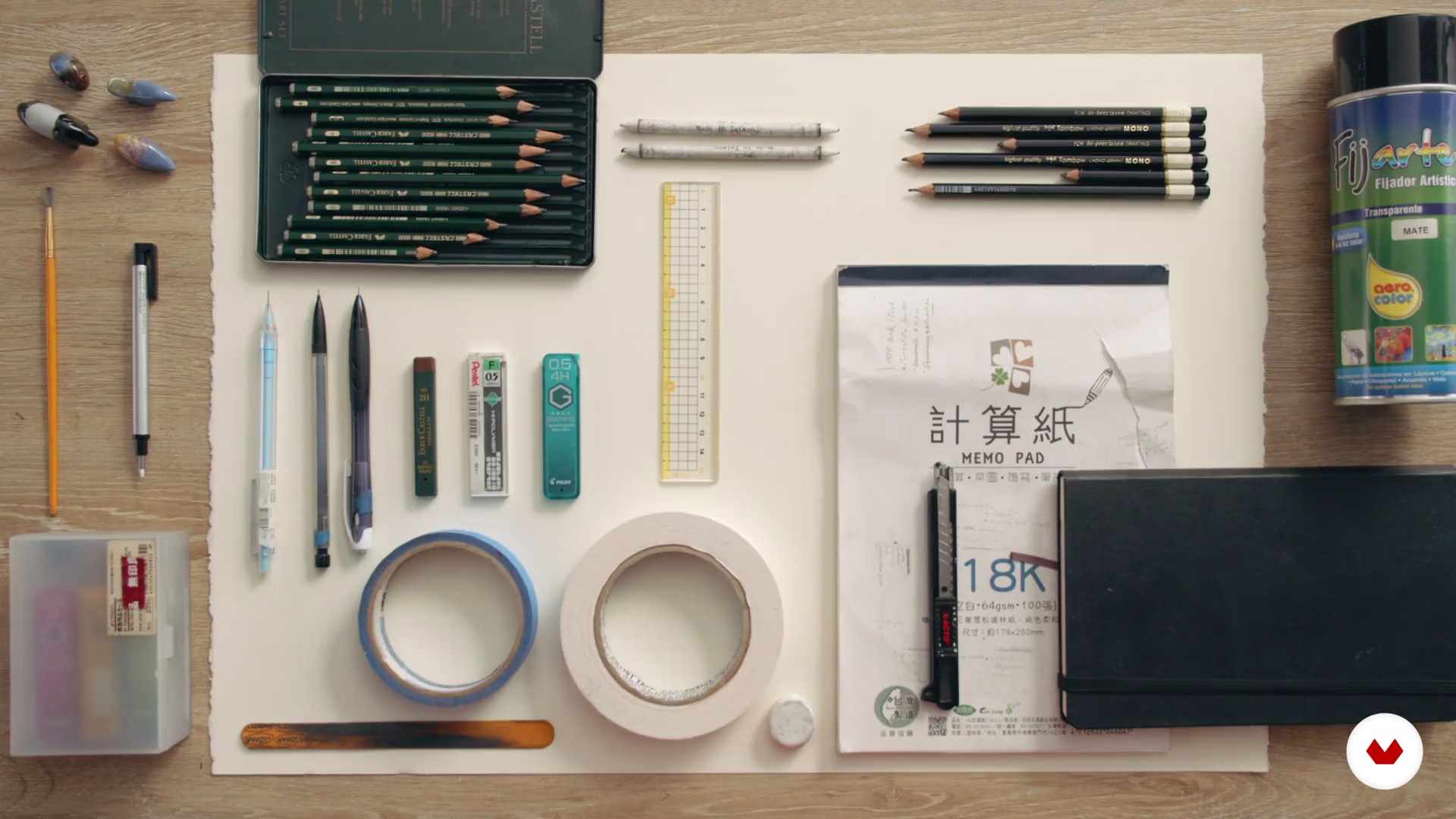
materials
4 minutes, 43 seconds
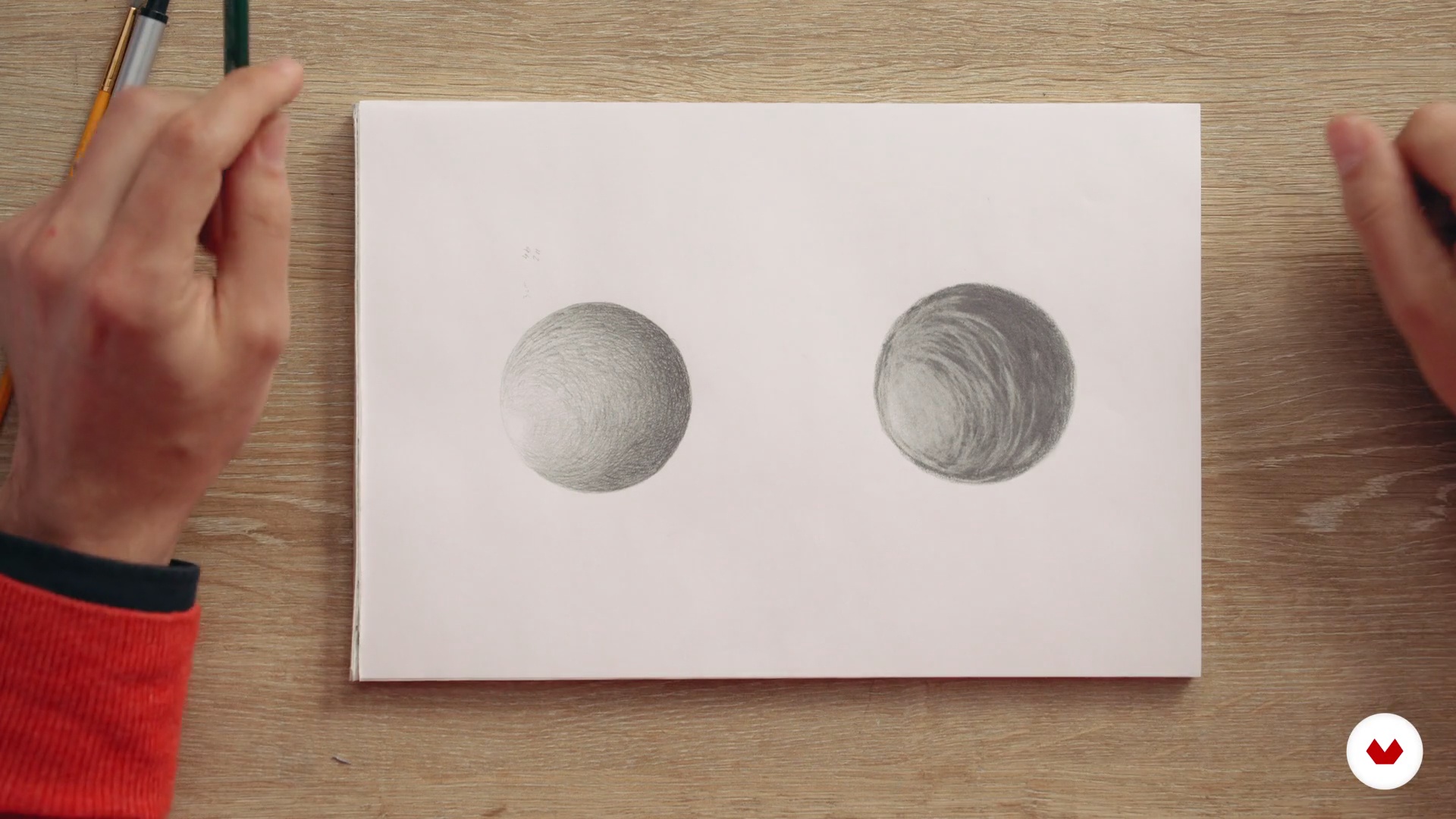
Sketching and hatching techniques
12 minutes, 5 seconds
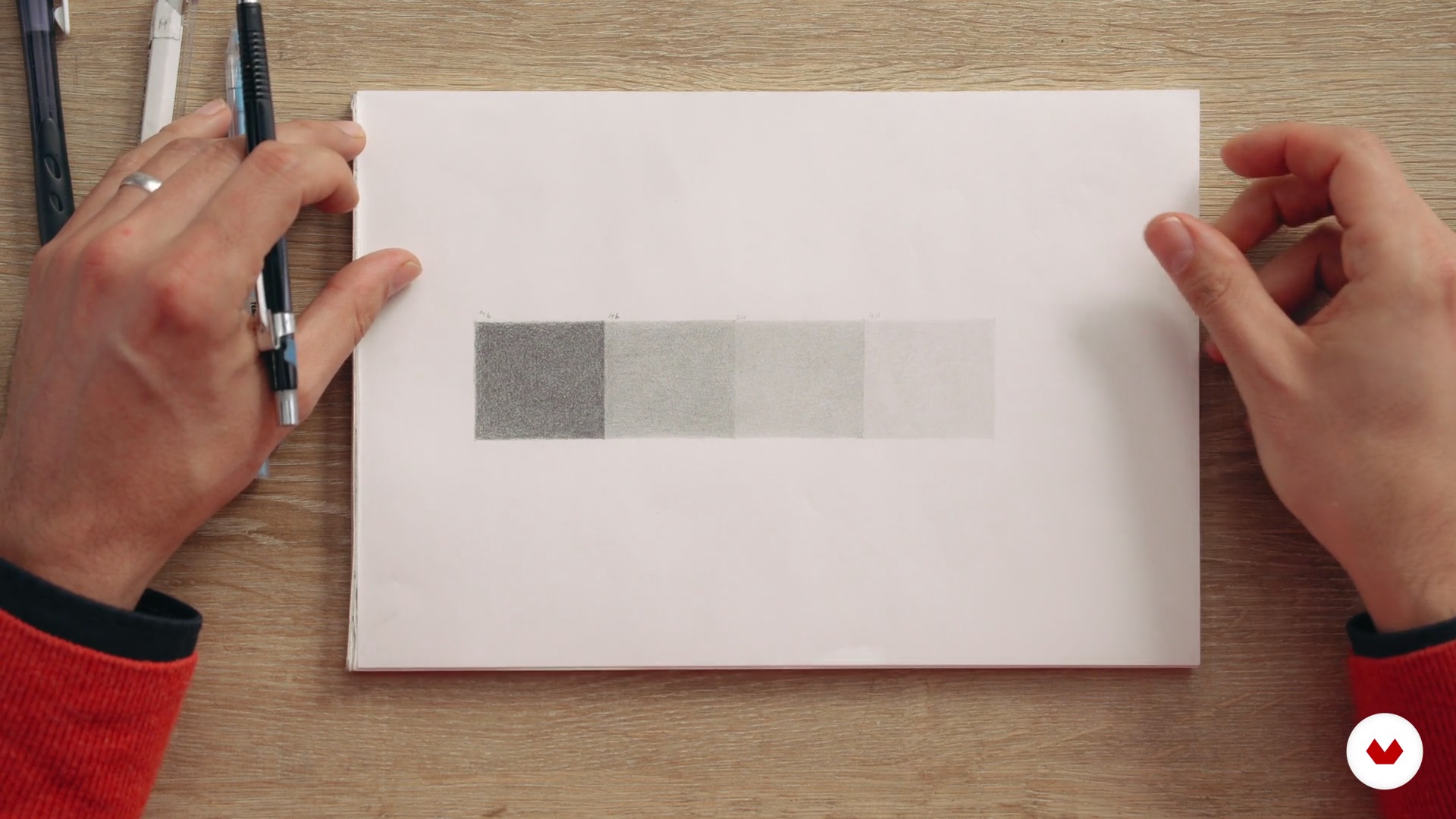
Blending techniques and textures
12 minutes, 29 seconds
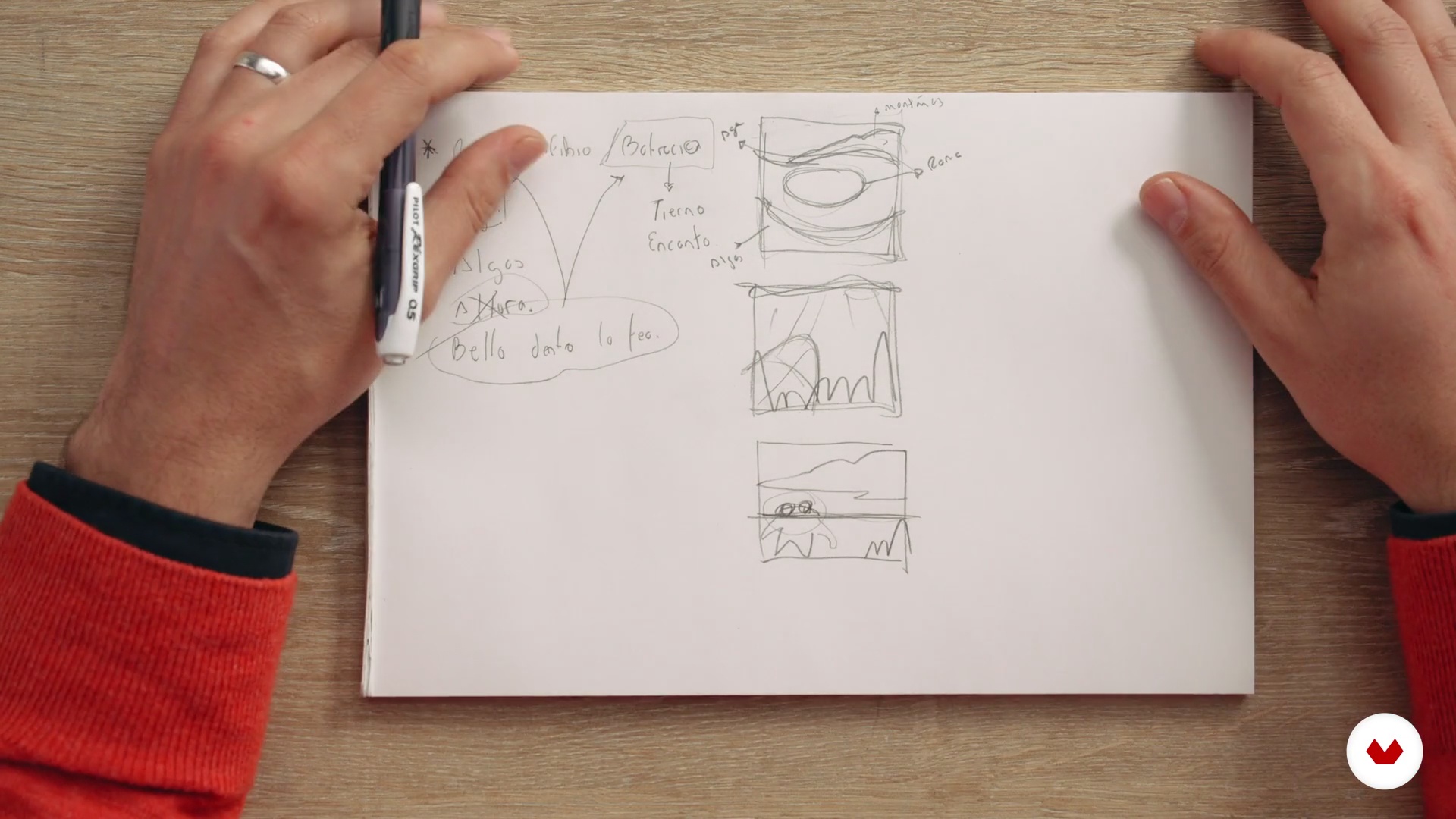
Looking in the text to make good sketches
5 minutes, 50 seconds
What's included in this course?
Get to know Ricardo, his story, and how he made a shift in his professional life to pursue his dream to become an illustrator. Get to know his influences and references also.
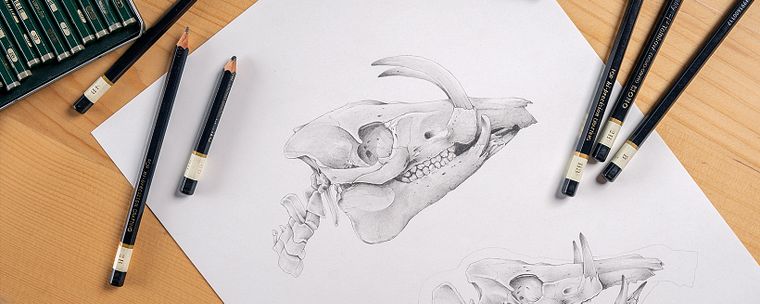
Discover the story behind pencils, analyzing the different types and the levels of hardness, as well as other materials that will help you to carry out your project.
Ricardo shows you different techniques of linework and patterns with graphite, inviting you to get to grips with the most common ones and practice them. See blending and texture techniques, then put them to use with Ricardo’s exercises.
Next, make a start on the creative process. See how to find the key aspects of a story and start sketching them. Carry out simple drawings in your sketchbook, and learn how to transfer them to another sheet of paper.
Apply several techniques that you learned previously, starting with the darkest tones that will determine the base of your artistic illustration. As for details, see how to use a mechanical pencil to create texture and volume in your drawing.
Lastly, Ricardo shares some tips to take care of your final piece, for either framing or storing it correctly.
What is this course's project?
Illustrate an anecdote about your life using graphite. Ricardo shares some illustration ideas if you need some inspiration.
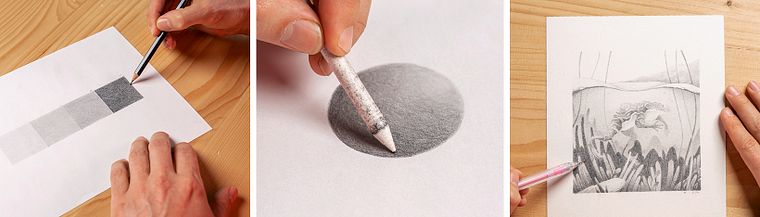
Projects by course students


Who is this online course for?
This course is for anyone who wants to learn this technique and find a new medium of expression.
Requirements and materials
No previous drawing knowledge is necessary, only the motivation to learn.
As for materials, you will need graphite pencils 2H, F, B, HB, 4B, and 8B, and a kneaded eraser. You will also need a mechanical pencil with soft and hard lead (ideally 4H, HB, 2B, and 4B), a drawing pen with a 1.0 tip, and an art fixative spray, a nail file, a retractable eraser, a sketchbook, and any fine-textured paper without enamel: Bond paper of 120 grams minimum is a good start, and fine Bristol or Fabriano paper, for the final illustrations.
Reviews
- 5 months ago
Me ha parecido un curso interesante. Me he perdido alguna vez pero las explicaciones son buenas, y me gusta que explique lo que va demostrando. Muy práctico
- 5 months ago
great lessons!
- 7 months ago
Me ha encantado. Siempre es maravilloso aprender nuevas técnicas.
- 8 months ago
El curso me pareció muy bueno. El profesor es claro y detallista en sus explicaciones y le da contenido expresivo al medio, además de explicar las técnicas. Me gustaría mucho tomar otro curso con él donde ver también el modo de pasar a color (uno o varios) los trabajos con grafito. Gracias Ricardo!
- farauzo06PLUS11 months ago
Excelente presentación buen profesor

His biggest influence when illustrating is life itself, filled with stories, landscapes, and adventures that deserve to be illustrated in pencil, his favorite tool.
His work has been recognized by Latin American Illustration, American Illustration, Applied Arts Students Awards, Creative Quarterly, 3x3 Magazine, Manifest Gallery in the United States, HiiiBrand in China, Australian Centre for Moving Image, among others.
Content
- U1
Introduction
- Presentation
- Influences
- What will we do in the course
- U2
Brief introduction to pencil and materials to use
- History of the pencil
- materials
- Sketching and hatching techniques
- Blending techniques and textures
- U3
The time has come to put what you have learned into practice
- Looking in the text to make good sketches
- Make the sketch a professional illustration
- Calm after the storm: application of techniques
- U4
We must treasure what we do
- We are going to make our work last
- From here to heaven. Applications
- FP
Final project
- Artistic pencil illustration
What to expect from a Domestika course
Learn at your own pace
Enjoy learning from home without a set schedule and with an easy-to-follow method. You set your own pace.
Learn from the best professionals
Learn valuable methods and techniques explained by top experts in the creative sector.
Meet expert teachers
Each expert teaches what they do best, with clear guidelines, true passion, and professional insight in every lesson.
Certificates
PLUSIf you're a Plus member, get a custom certificate signed by your teacher for every course. Share it on your portfolio, social media, or wherever you like.
Get front-row seats
Videos of the highest quality, so you don't miss a single detail. With unlimited access, you can watch them as many times as you need to perfect your technique.
Share knowledge and ideas
Ask questions, request feedback, or offer solutions. Share your learning experience with other students in the community who are as passionate about creativity as you are.
Connect with a global creative community
The community is home to millions of people from around the world who are curious and passionate about exploring and expressing their creativity.
Watch professionally produced courses
Domestika curates its teacher roster and produces every course in-house to ensure a high-quality online learning experience.
FAQs
Yes, this course is designed for those who already have basic illustration knowledge and want to refine their techniques and develop personal and professional pencil projects.
You’ll need various types of pencils (HB, F, 2H, 3B, etc.), mechanical pencils, suitable drawing paper, erasers, blending tools, brushes, and visual references. It’s also recommended to have a craft knife or sharpener for your pencils.
You’ll learn advanced shading, texturing, and crosshatching techniques, how to develop portfolios, create illustrations for texts, preserve your artwork, and work on personal or professional projects, including book covers and international collaborations.
Yes, the course covers strategies for working as a freelance illustrator, entering illustration contests, exhibiting your work in international galleries, and tips for collaborating with independent authors.
The course explains how to select pencils based on hardness—from 2H for light lines to 3B or softer for dark tones and intense shading—and how to combine them to achieve varied tonal effects.
Yes, you’ll learn how to create preliminary sketches, solve compositional problems, and use visual references to efficiently develop ideas and layouts.
The course covers scientific animal illustration and the creative integration of human and animal elements in contemporary illustrations, using observation and copying techniques.