Narrative Techniques for Comics with Soul
A course by Cristina Durán & Miguel Á. Giner Bou2019 National Comic Award (Spain)
A course by Cristina Durán & Miguel Á. Giner Bou, 2019 National Comic Award (Spain)

Discover the process of making a comic with social purpose and use it as a tool to start important conversations and give visibility to those who need it
Did you know that a comic is much more than just an art form? It can be used as an effective way to communicate, make us consider important issues, and often even provide the solutions. Cristina Durán and Miguel Ángel Giner from LaGRÚAestudio have spent more than thirty years developing stories with social purpose through their comics, and their works Una posibilidad and El día 3 earned them the 2019 National Comic Award.
In this course, LaGRÚAestudio teaches you the process behind the making of a comic. Learn to develop your story through technical narratives, give shape and structure to your idea, as well as create the turning points, visual metaphors, plot, and the storyboard. Also find out how to collaborate with a script writer or illustrator on the final artwork.
What will you learn in this online course?
17 lessons & 34 downloads

Looking for inspiration: the storyline
4 minutes, 24 seconds
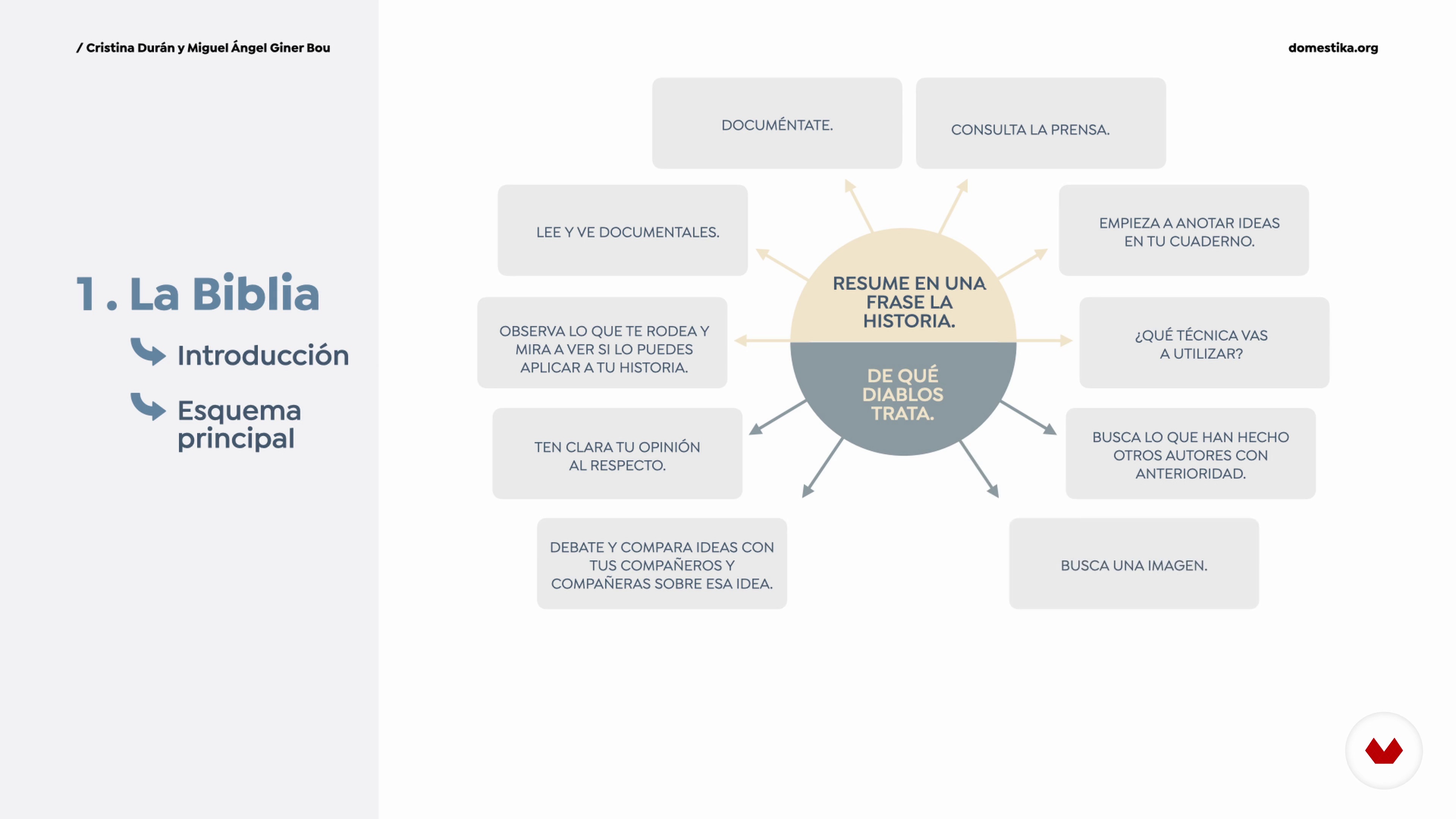
The project bible
11 minutes, 12 seconds
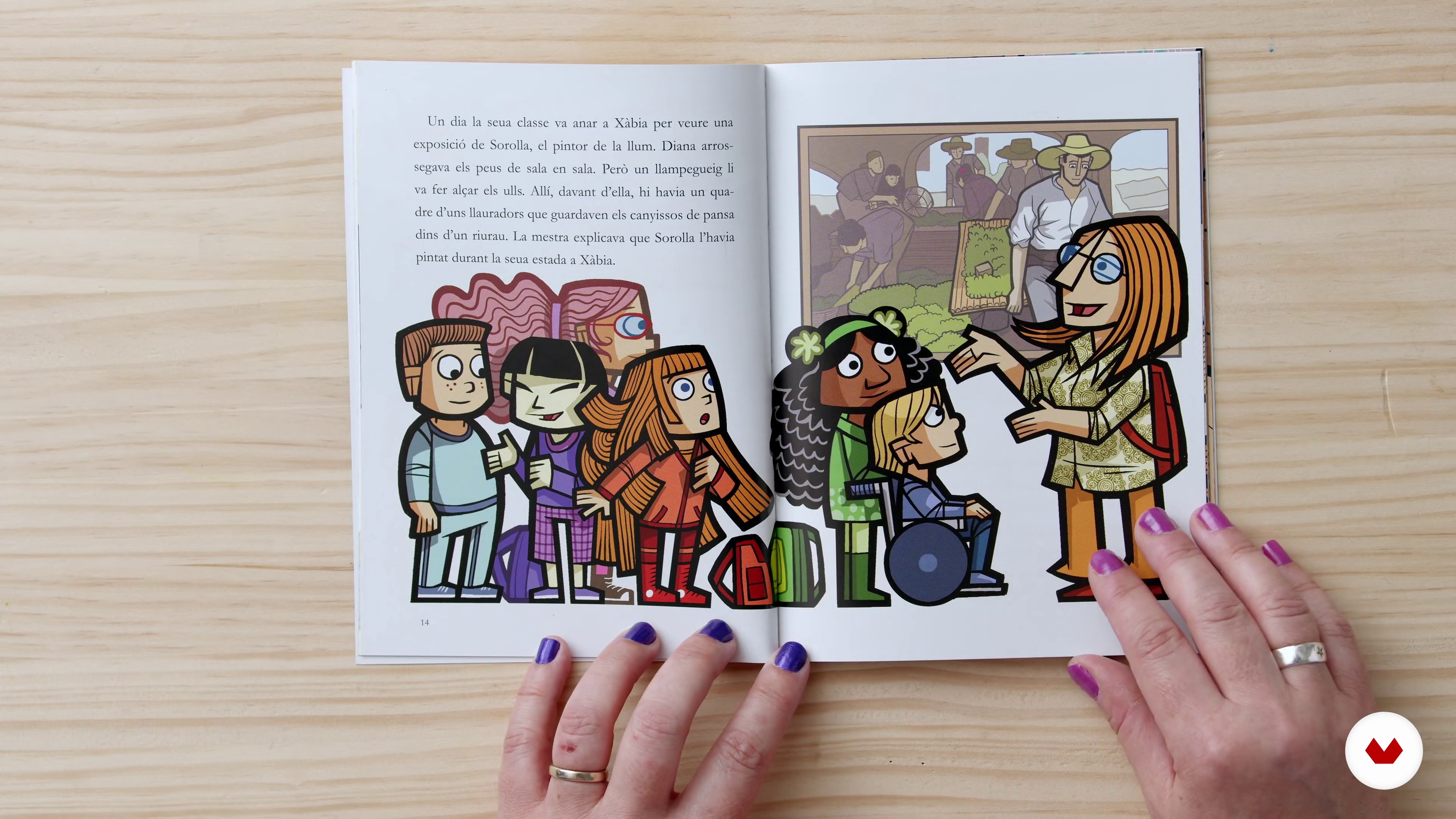
The comic as a tool for social action
11 minutes, 24 seconds
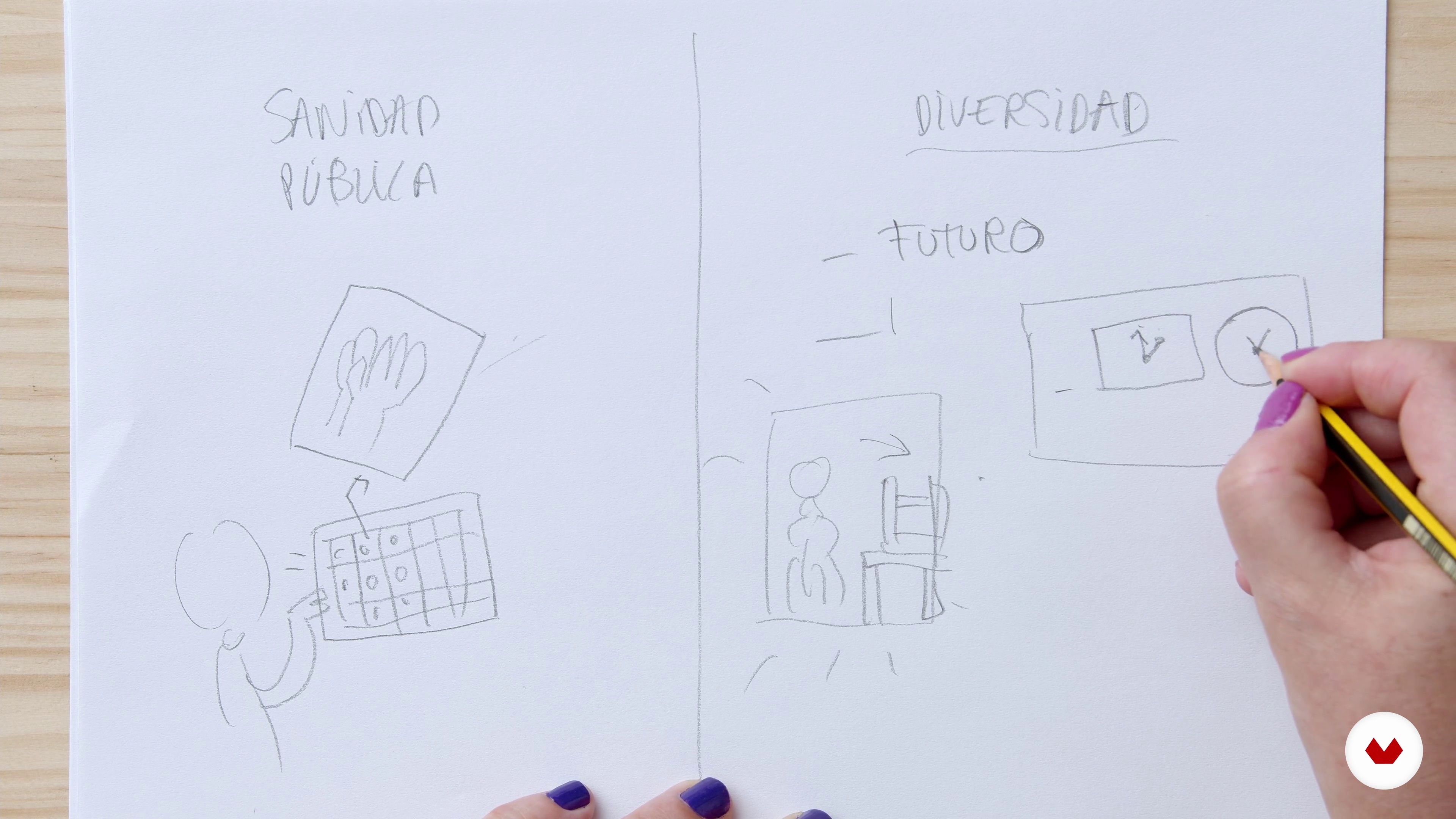
Visual metaphors
11 minutes, 11 seconds
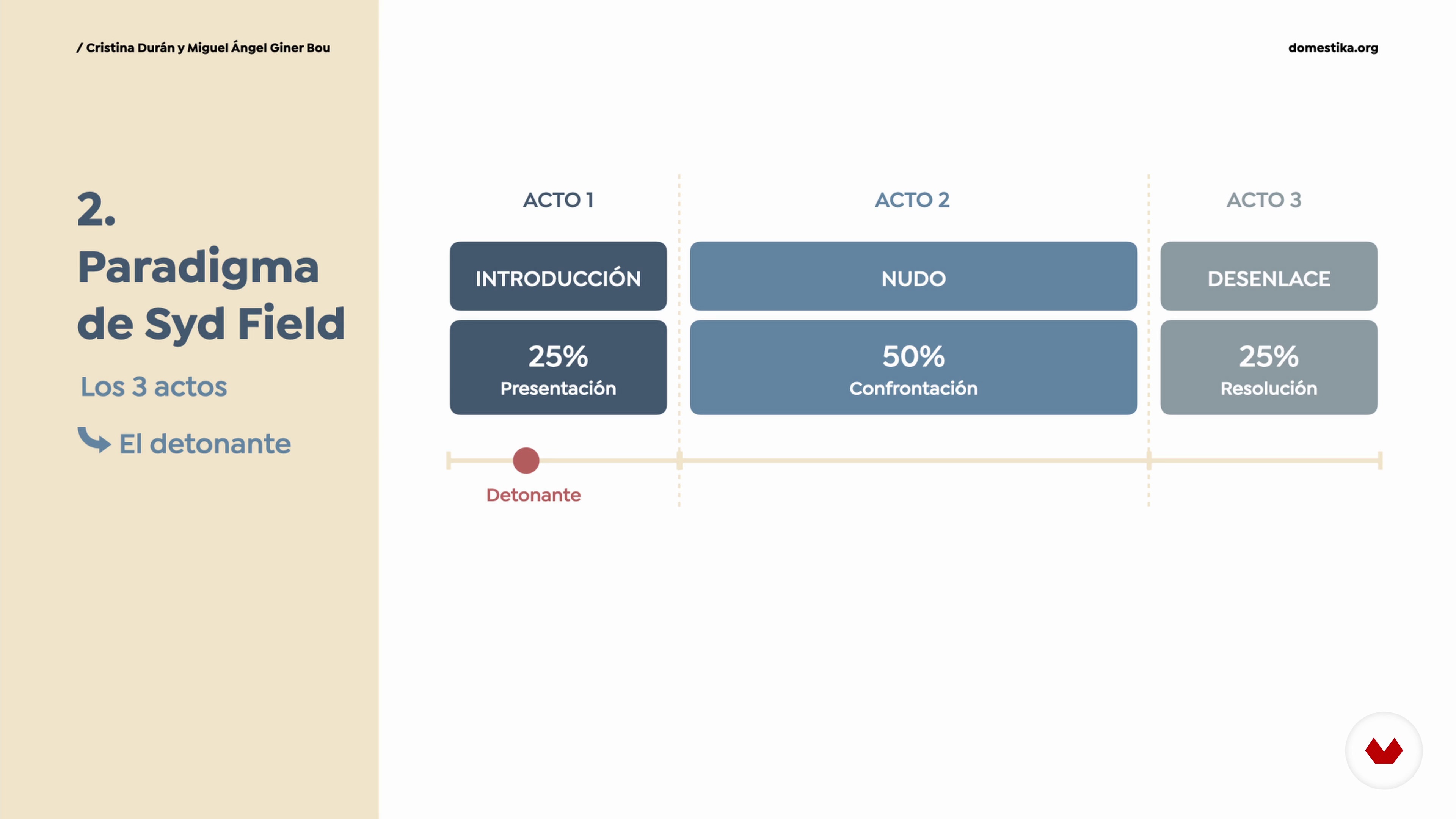
The classical structure: acts and turning points
8 minutes, 23 seconds
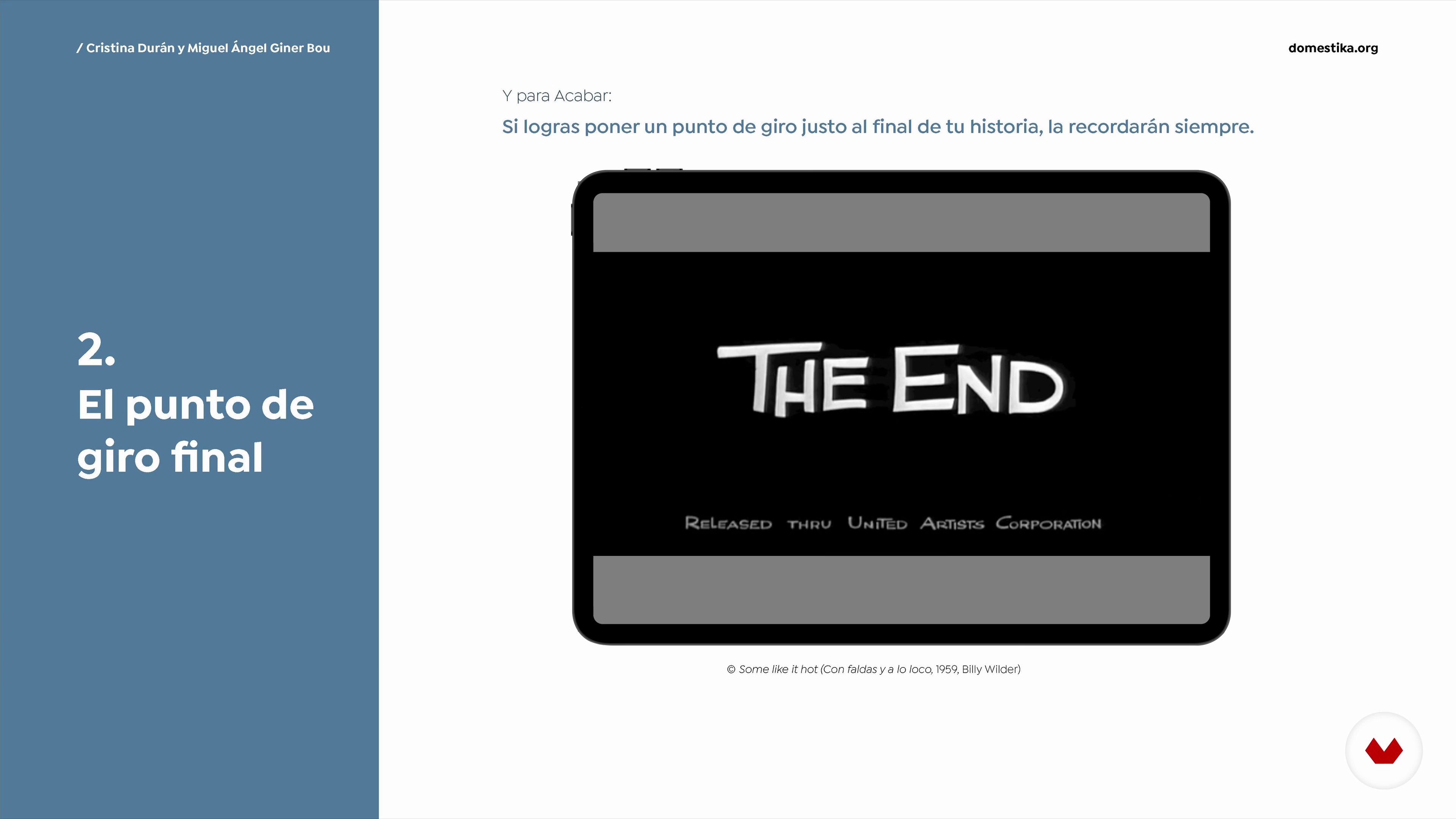
The classical structure: a round story
6 minutes, 31 seconds
What's included in this course?
Get to know your teachers, Cristina and Miguel Ángel, from LaGRÚAestudio. They tell you about how their personal experiences have impacted them professionally, and about their greatest artistic influences.
Begin by looking for inspiration and an idea for your story that can be summarized in one sentence: your storyline. Create your project's "bible," then, identify the social scope of the comic before examining the importance of visual metaphors as effective narrative tools.
Explore the classic narrative structure and the six essential questions involved in developing your story. Next, move on to the script and the plot, then from the plot to the storyboard.
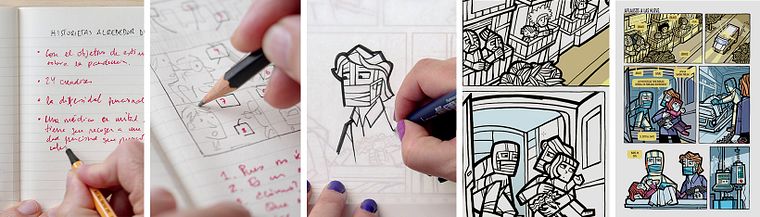
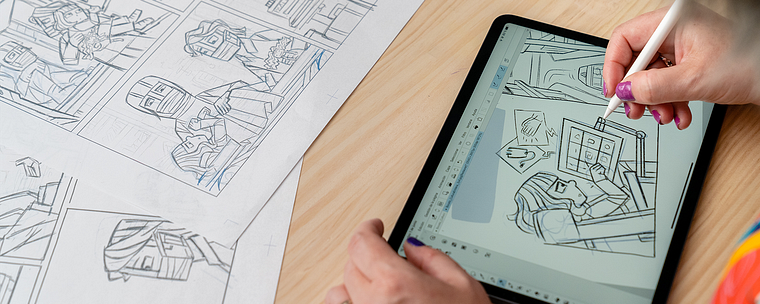
After sketching your first illustrations, start the inking process, first by hand, then digitally in Clip Studio. Once you've digitized your illustrations, it's time to work on the color scheme!
LaGRÚAestudio gives you some super simple tips to avoid the cliché trap when creating your stories. To finish up, they teach you the best ways to end your comic.
What is this course's project?
Develop a short comic, from the very formation of your idea to the final artwork.
Who is this online course for?
Anyone interested in narration, comics, and illustration, with a desire to learn and to convey their ideas clearly. It's also perfect for any illustrators or script writers already making comics who want to improve their narrative techniques.
Requirements and materials
For this course you need writing and drawing materials, a computer or tablet, and some Clip Studio Paint and Adobe Photoshop tools. However, digital tools aren't necessary, the final project can be completed on paper or other similar materials.
Reviews
- 7 months ago
Muy útil para quienes estamos escribiendo un comic por primera vez, ayuda muchísimo a organizar ideas.
- 1 year ago
Excelente curso! Clareza nas informações, dicas importantes. A tradução é um pouco ruim, mas dá pra entender.
- 2 years ago
Adorei! Aprendi muito com o curso, tanto na parte de roteiro, quanto em relação à arte. Recomendo!
- 2 years ago
Leider sind die deutschen Untertitel nicht sehr gut. Ansonsten ist der Kurs super :)
- 2 years ago
Muy interesante.

Among their clients are several publishing houses such as Andana, Bromera, and Bullent, advertising agencies and media outlets such as El País and Diari Ara, brands such as Amstel, AVACU (Asociación Valenciana de Consumidores y Usuarios), the Polytechnic University of Valencia, foundations such as Cultura en Vena, and public entities such as the City Council of Valencia, the Generalitat Valenciana, and the Ministry of Equality.
Content
- U1
Introduction
- Presentation
- Influences
- U2
The germ and the concept
- Looking for inspiration: the storyline
- The project bible
- The comic as a tool for social action
- Visual metaphors
- U3
Narrative structure
- The classical structure: acts and turning points
- The classical structure: a round story
- The 6 essential questions
- From script to plot
- From plot to storyboard
- U4
From story to final art
- Sketched
- Artisan inking
- Digital inking
- Colour
- U5
The war on cliches
- The Script Kitchen: The War Against Clichés
- The kitchen of the script: simmering
- FP
Final project
- Narrative Techniques for Comics with Soul
What to expect from a Domestika course
Learn at your own pace
Enjoy learning from home without a set schedule and with an easy-to-follow method. You set your own pace.
Learn from the best professionals
Learn valuable methods and techniques explained by top experts in the creative sector.
Meet expert teachers
Each expert teaches what they do best, with clear guidelines, true passion, and professional insight in every lesson.
Certificates
PLUSIf you're a Plus member, get a custom certificate signed by your teacher for every course. Share it on your portfolio, social media, or wherever you like.
Get front-row seats
Videos of the highest quality, so you don't miss a single detail. With unlimited access, you can watch them as many times as you need to perfect your technique.
Share knowledge and ideas
Ask questions, request feedback, or offer solutions. Share your learning experience with other students in the community who are as passionate about creativity as you are.
Connect with a global creative community
The community is home to millions of people from around the world who are curious and passionate about exploring and expressing their creativity.
Watch professionally produced courses
Domestika curates its teacher roster and produces every course in-house to ensure a high-quality online learning experience.
FAQs
You’ll learn how to turn personal and social experiences into graphic stories, creating comics and graphic novels that raise awareness, using script techniques, visual metaphors, and storytelling tools to communicate complex ideas and inspire activism.
This course is aimed at intermediate learners—perfect if you already have some basic drawing or storytelling skills and want to dive deeper into creating comics with social and personal themes.
You don’t need to be an expert artist, but having basic illustration or visual storytelling knowledge will help you get the most out of the course content and exercises.
You can work digitally or traditionally. Recommended materials include paper, pencil, markers, watercolors, and/or a digital tablet, plus graphic editing software like Photoshop if you want to digitize your work.
Yes, you’ll learn how to analyze personal experiences and turn them into graphic stories, from the initial idea and script to visual structure and final narrative.
Yes, the course covers scriptwriting techniques, classic three-act structure, plot twists, climax development, and tools like Syd Field’s paradigm applied to comics.
You’ll learn how to build literary characters, define controlling ideas, structure storylines, and create project bibles to develop coherent and impactful social stories.