From Botanical Drawings to Narrative Illustration
A course by Elizabeth Builes CarmonaIllustrator
A course by Elizabeth Builes Carmona, Illustrator

Illustrate a story by exploring nature and discover new creative paths
Ready to approach illustration from a different angle? Illustrator Elizabeth Builes, whose work has been published by Alfaguara and SM, has found a creative way to integrate the scientific method into narrative illustration to create immersive worlds based on text.
In this course, learn how to illustrate a story by exploring the wonders of nature. Do some field research and experiment with different strokes and techniques to create illustrations that build bridges between the reader, your characters, and natural environments.
What will you learn in this online course?
13 lessons & 13 downloads
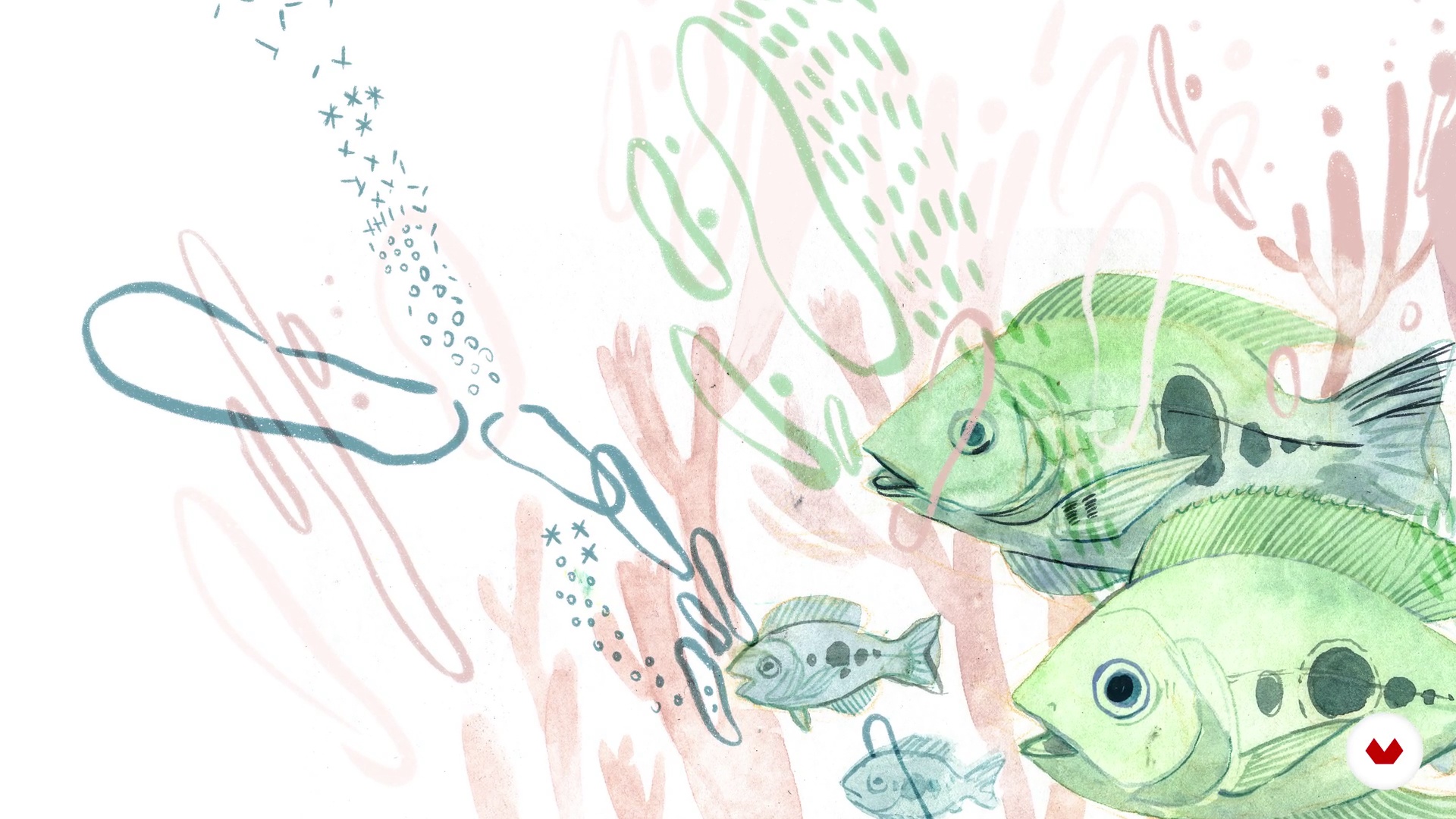
What Will We Do In the Course?
1 minute, 30 seconds
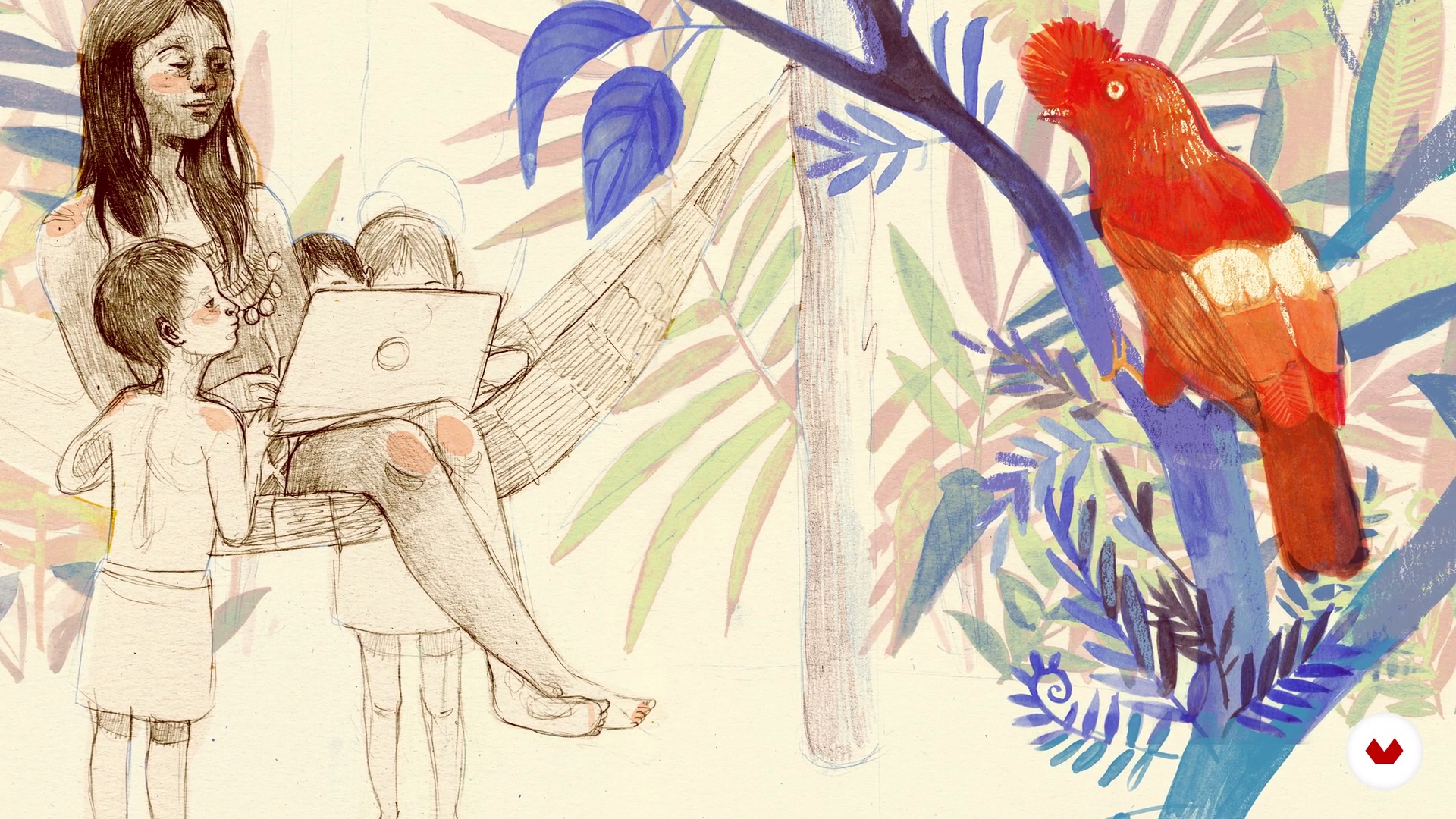
Scientific Method
10 minutes, 29 seconds
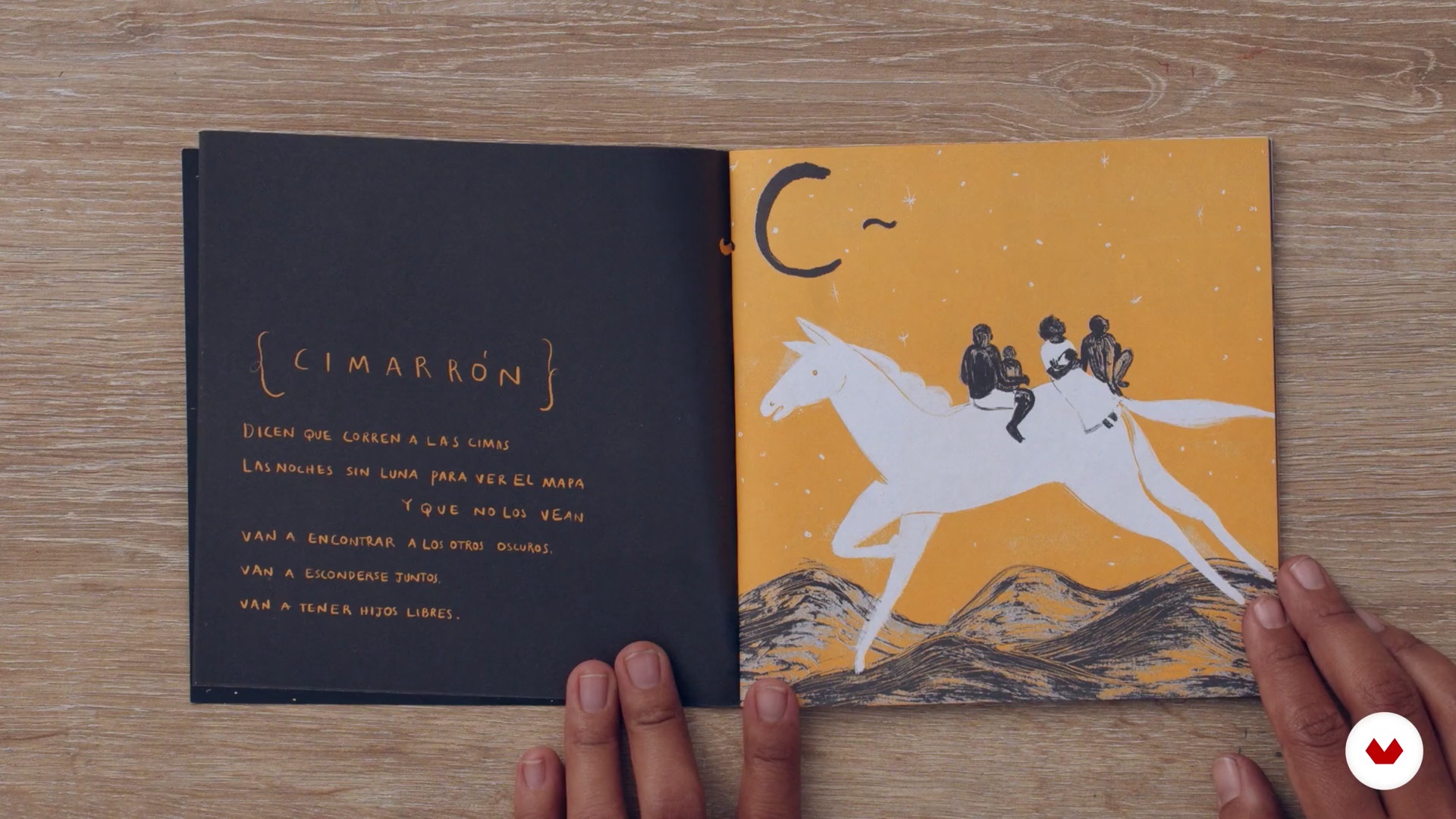
Observe, Obsess and Collect
9 minutes, 4 seconds
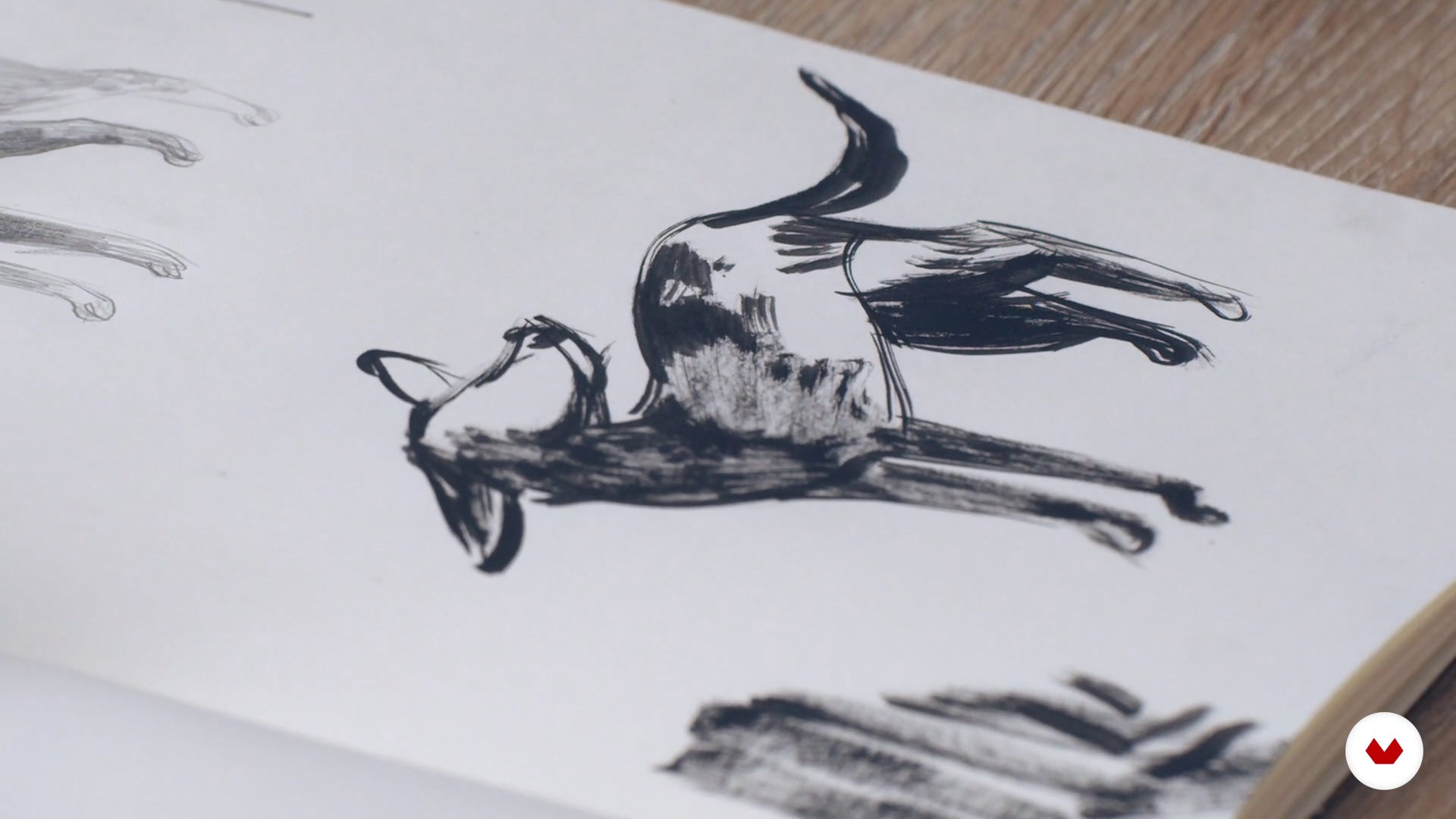
Field Notebook
13 minutes, 9 seconds
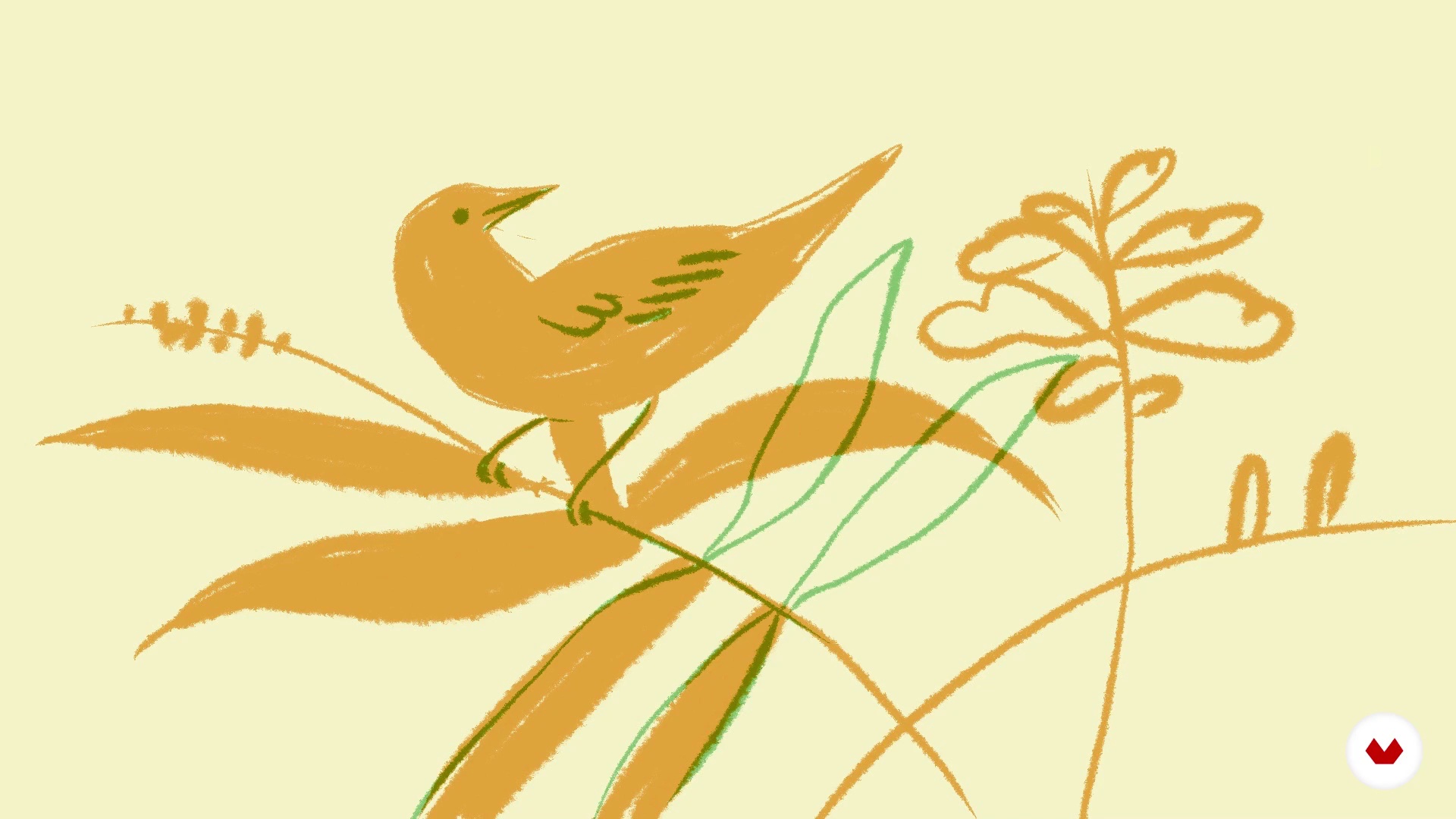
Read and Find
4 minutes, 38 seconds
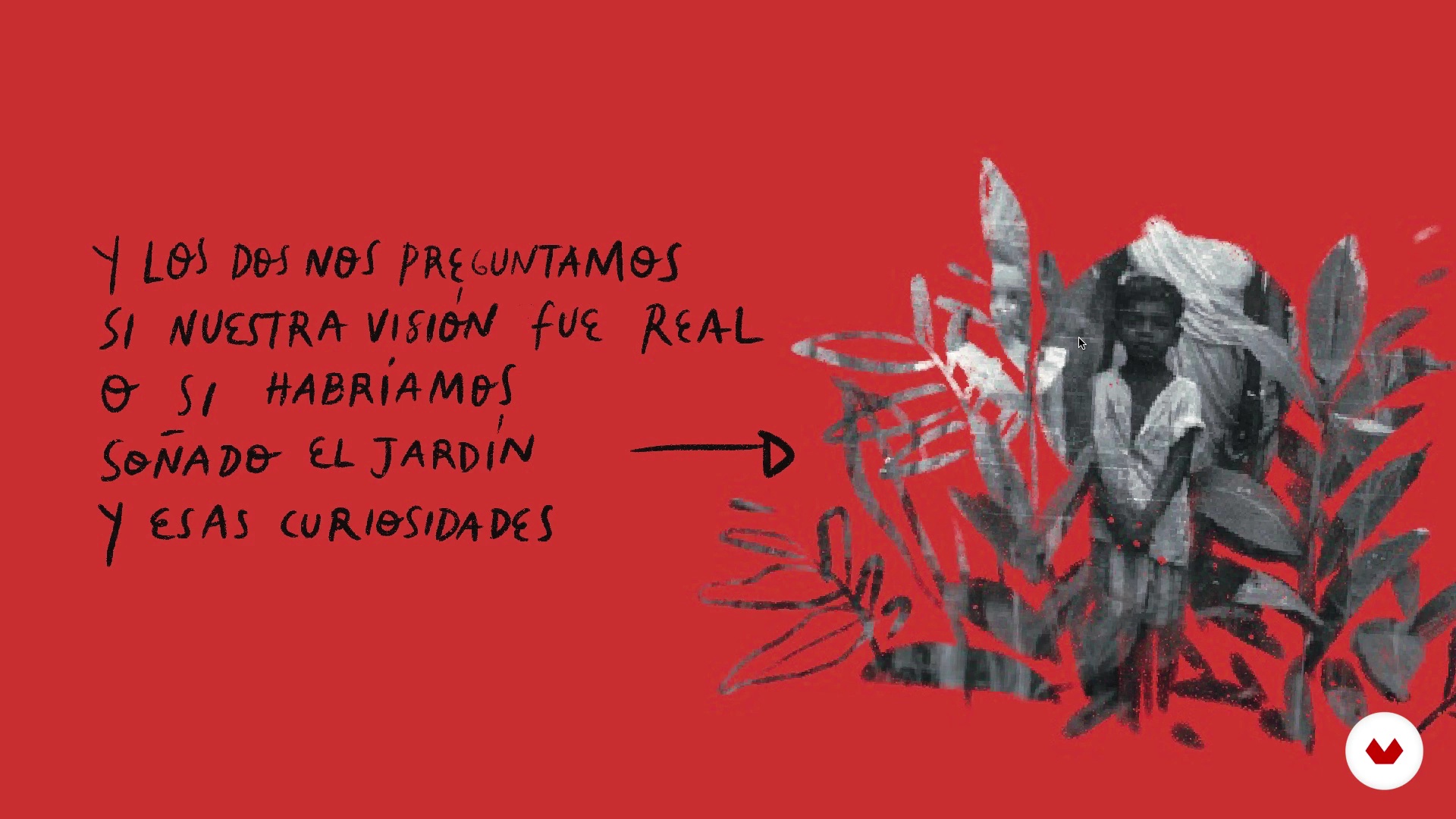
Draw with the Poem in Your Head
5 minutes, 7 seconds
What's included in this course?
Start off by getting to know Elizabeth Builes. She tells you about her career in illustration and how the scientific method plays an important role in her work. She also shares some of her favorite projects and biggest sources of inspiration.
Do a quick review of the scientific method and how you can apply it to your creative drawing process. Discover the importance of observation and create an image bank that inspires you. Pratice different styles of linework and start filling in your field notebook.
Next, analyze the text you're going to illustrate and do some research on its meaning and context. Create associations between certain words, phrases and images and transform them into illustrations on the page. Use a variety of rhetorical devices to add literary depth to your work.
Finally, learn how to brighten your drawings with color and add a distinct atmosphere by combining illustration techniques. To tie everything together, Elizabeth shows you how to digitize your work without losing any details and get it ready to print or share on social media.
What is this course's project?
Create two illustrations based on a short text using different techniques and expressive strokes that have the power to tell a story.
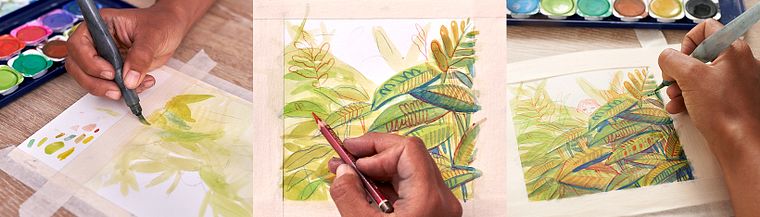
Projects by course students


Who is this online course for?
Anyone who wants to approach illustration from a different angle and anyone interested in scientific and narrative drawing.
Requirements and materials
Basic notions of drawing is all you need to take this course.
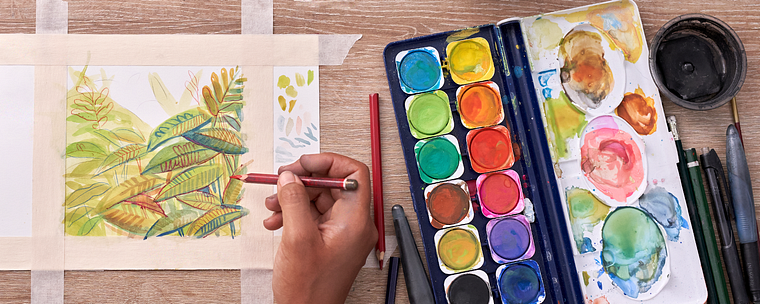
The materials include a notebook, a camera, cellulose paper, and pencils. You can include watercolors, gouache, and brushes depending on the techniques you decide to use. You also need a computer with Photoshop or Procreate.
Reviews
- 3 months ago
Bardzo ciekawy kurs !
- 4 months ago
One of the best courses I’ve been at. It fuels your creativity!
And yes, i always recommend this course to my friends!
- 4 months ago
Es para verlo con tiempo y análisis, me gustó la forma como enfrenta el desafío
- 5 months ago
Me gustó el curso
- 7 months ago
Corso poetico... Molti spunti creativi per immagini originali e non scontate. Stimola molto la ricerca offrendo un percorso da seguire. Molto belli anche gli spunti per creare illustrazioni se si ama disegnare la natura.

Her work has been published by companies like Alfaguara, Tragaluz Editores, Kalandraka, and SM, among others. By experimenting with colors, lines, and a bit of trial and error, Elizabeth has gradually defined her own approach to illustration and uses it to connect readers with her characters.
Content
- U1
Introduction
- Hello!
- Referents
- What Will We Do In the Course?
- U2
Everything Has Science, Let's Start Investigating!
- Scientific Method
- Observe, Obsess and Collect
- Field Notebook
- U3
Discovering Yourself before the Text
- Read and Find
- Draw with the Poem in Your Head
- Complete the Universe of the Text with the Images
- Illustrated Script
- U4
Hypothesis
- Make the Illustrations
- Final Images
- Possible Sequence
- FP
Final project
- From Botanical Drawings to Narrative Illustration
What to expect from a Domestika course
Learn at your own pace
Enjoy learning from home without a set schedule and with an easy-to-follow method. You set your own pace.
Learn from the best professionals
Learn valuable methods and techniques explained by top experts in the creative sector.
Meet expert teachers
Each expert teaches what they do best, with clear guidelines, true passion, and professional insight in every lesson.
Certificates
PLUSIf you're a Plus member, get a custom certificate signed by your teacher for every course. Share it on your portfolio, social media, or wherever you like.
Get front-row seats
Videos of the highest quality, so you don't miss a single detail. With unlimited access, you can watch them as many times as you need to perfect your technique.
Share knowledge and ideas
Ask questions, request feedback, or offer solutions. Share your learning experience with other students in the community who are as passionate about creativity as you are.
Connect with a global creative community
The community is home to millions of people from around the world who are curious and passionate about exploring and expressing their creativity.
Watch professionally produced courses
Domestika curates its teacher roster and produces every course in-house to ensure a high-quality online learning experience.
FAQs
Scientific illustration is the accurate visual representation of scientific subjects like botany or zoology. In this course, you’ll learn how to research and create scientific illustrations using artistic techniques and the scientific method.
The course is intermediate level, perfect for those who already have basic illustration skills and want to deepen their knowledge of narrative, scientific, and creative techniques.
You’ll need basic drawing supplies (pencils, paper, graphite, oil pastels), watercolors or gouache, digital tools for scanning your artwork, and access to free online photo archives.
You’ll learn how to research, observe, and document references, combine text and image, create narrative and scientific illustrations, and publish your work in both print and digital formats.
You’ll be taught how to research contexts, authors, and visual references, as well as how to gather botanical, zoological, or literary sources to support your illustrations.
Yes, the course covers narrative illustration techniques for children’s books, editorial publications, and science communication, adapting styles to suit different audiences and content.
You’ll learn to apply the scientific method in planning, observing, and developing illustration projects, ensuring accuracy and consistency in your work.